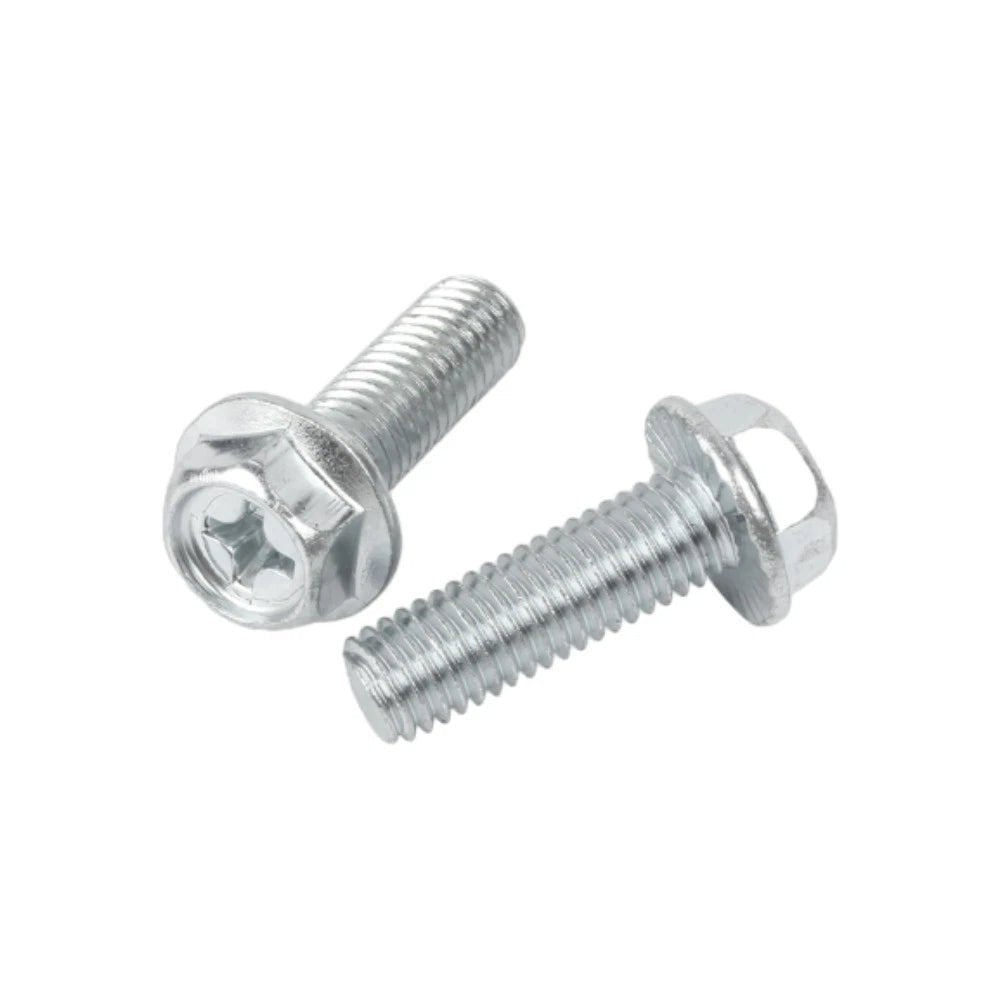
Phillips Hex Flange Screws 304 Stainless Steel M3–M8 | Dentate & Flat Flange

No reviews

Price:
Sale price$3.48 USD
Stock:
In stock (500 units), ready to be shipped

Payment & Security

Ach Direct Debit Amazon American Express Apple Pay Bancontact BLIK Diners Club Discover EPS Google Pay iDEAL Wero JCB Maestro Mastercard Multibanco MobilePay PayPal Przelewy24 Shop Pay Twint Union Pay USDC Visa

Your payment information is processed securely. We do not store credit card details nor have access to your credit card information.

Limited Offer — Spend More, Save More
Spend $55+
Save $5
Spend $100+
Save $10
Spend $200+
Save $25
HomeDIYer DIY Expert Support

DIY Expert Support

Get fitment advice & recommendations

Mon–Fri  8:30 AM – 8:00 PM
24-Hour Fast Ship
Arrives in 3–14 Days
Worldwide Shipping
30-Day Returns
1 tree planted with every purchase

Description


Phillips Hex Flange Screws in 304 Stainless Steel — Built-In Washer, Anti-Loosening Flange, M3 to M8

Reaching for a separate washer every time you install a fastener slows down assembly and adds parts to track. For engineers, fabricators, maintenance technicians, and DIY builders who need a reliable, corrosion-resistant fastener that simplifies installation, these Phillips hex flange screws in 304 stainless steel deliver a built-in washer flange and dual-drive convenience in one compact package. Available in both Dentate (serrated flange) and Flat flange styles, they cover a wide range of applications from vibration-prone machinery to clean-finish panel work.

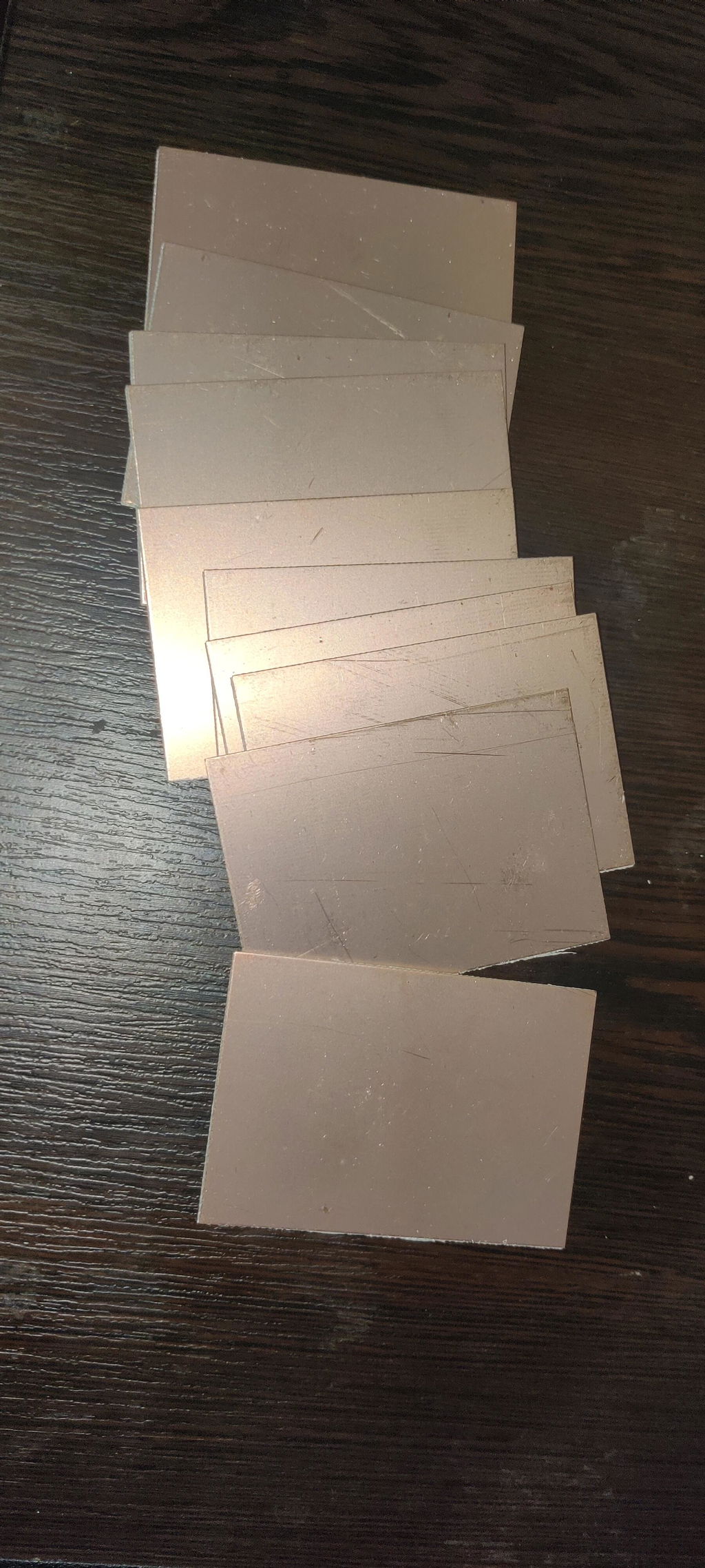
Each screw is made from 304 stainless steel with a combined Phillips and hex head, allowing installation with either a Phillips screwdriver or a hex wrench for flexibility in tight spaces. Thread sizes range from M3 (≈0.118") to M8 (≈0.315"), with lengths from 5mm (≈3/16") to 60mm (≈2-3/8") depending on the thread size. Dentate variants feature serrated flange teeth that grip the mating surface to resist vibration loosening; Flat variants offer a smooth flange for a cleaner bearing surface. Available in packs of 1, 2, 5, 10, 20, or 50 pieces to match your project scale.

Typical applications include securing equipment panels and enclosures where a separate washer would be inconvenient, fastening machinery guards and brackets in vibration-prone environments where the dentate flange provides passive anti-loosening, and assembling stainless steel fabrications, outdoor fixtures, and food-service equipment where corrosion resistance is required without surface coatings that can chip or contaminate.

🔩 Compatibility: Standard ISO metric coarse thread — M3, M4, M5, M6, M8. Compatible with standard metric nuts, threaded inserts, and tapped holes. Dual-drive: Phillips (PH) screwdriver or hex wrench.
⚠️ Flange Style Note: Dentate = serrated underside (anti-loosening, vibration-resistant). Flat = smooth underside (clean bearing surface, use with separate lock washer if needed). Verify your flange style selection before ordering.

✅ Key Features of These Phillips Hex Flange Screws in 304 Stainless Steel

  • 🔩Integrated Flange Acts as Built-In Washer — The wide flange distributes clamping load over a larger surface area, reducing the risk of pull-through in softer materials and eliminating the need for a separate flat washer in most applications, speeding up assembly.
  • 🦷Dentate Serrated Flange for Vibration Resistance — The Dentate variant's serrated flange teeth bite into the mating surface as the screw is tightened, creating a mechanical locking effect that resists loosening under vibration — without requiring a separate lock washer or thread-locking compound.
  • 🌊304 Stainless Steel for Corrosion Resistance — 304 stainless steel provides reliable corrosion resistance in humid, wet, and mildly corrosive environments, maintaining appearance and structural integrity without surface coatings that can chip, flake, or contaminate food-contact or clean-room assemblies.
  • 🔧Dual-Drive: Phillips + Hex Head — The combined Phillips slot and hex head allows installation with a standard Phillips screwdriver or a hex wrench, giving you flexibility when working in tight spaces or when switching between hand tools and power tools on the same fastener.
  • 📏Wide Size Range: M3–M8, 5mm–60mm Lengths — With thread sizes from M3 to M8 and lengths from 5mm (≈3/16") to 60mm (≈2-3/8"), this listing covers a broad range of metric fastening needs in a single product, reducing the number of SKUs you need to stock for mixed-size projects.
  • 📦Flexible Pack Quantities (1–50 Pcs) — Available in packs of 1, 2, 5, 10, 20, or 50 pieces, making these screws practical for single-repair jobs, prototyping, and higher-volume production runs without overstocking or running short mid-project.

📐 Technical Specifications — Phillips Hex Flange Machine Screws

Material 304 Stainless Steel (18-8)
Surface Finish Natural stainless (no coating)
Drive Type Phillips (PH) + Hex (dual-drive)
Head Style Hexagon Flange Head
Flange Style Dentate (serrated, anti-loosening) or Flat (smooth); see variant options
Thread Standard ISO Metric Coarse Thread
Thread Sizes Available M3, M4, M5, M6, M8
Length Range 5mm (≈3/16") to 60mm (≈2-3/8"); see variant options for availability by size
Thread Pitch M3×0.5 / M4×0.7 / M5×0.8 / M6×1.0 / M8×1.25 (standard coarse)
Tensile Strength Typically 500–700 MPa (304 SS); contact us to confirm for critical applications
Pack Quantity 1 / 2 / 5 / 10 / 20 / 50 Pcs; see variant options
Magnetic Generally non-magnetic (304 SS may exhibit slight magnetism after cold working)
Recommended Use General fastening, panel assembly, machinery, outdoor fixtures, food-service equipment

❓ Frequently Asked Questions

What is the difference between Dentate and Flat flange, and which should I choose?

Dentate (serrated) flange screws have small teeth on the underside of the flange that bite into the mating surface as the screw is tightened, creating a mechanical locking effect that resists loosening under vibration. This makes them well-suited for machinery, automotive, and equipment applications where vibration is a concern. Flat flange screws have a smooth flange underside, providing a larger, cleaner bearing surface without the anti-loosening teeth — preferred when surface finish matters, when using a separate locking washer, or when the mating surface is too hard for the teeth to engage effectively.

How do I choose the right screw length for my application?

A general rule of thumb is that the screw should engage at least 1.5× the thread diameter in the receiving material. For example, an M4 screw (4mm diameter) should generally have at least 6mm of thread engagement in the tapped hole or nut. For through-bolt applications, measure the total thickness of all materials being clamped and add the required thread engagement depth. Available lengths range from 5mm (≈3/16") to 60mm (≈2-3/8") depending on the thread size — see variant options for the full range by size. When in doubt, choose a slightly longer screw and use a nut or threaded insert to control engagement depth.

Why choose 304 stainless steel over carbon steel or zinc-plated screws?

304 stainless steel provides significantly better corrosion resistance than carbon steel or zinc-plated fasteners, making it suitable for humid, wet, and mildly corrosive environments where carbon steel would rust and zinc plating would eventually fail. It also maintains its appearance over time without surface coatings that can chip, flake, or contaminate sensitive assemblies. For most indoor and outdoor applications (excluding marine or highly chloride-rich environments), 304 stainless is generally a reliable long-term choice that eliminates the need for periodic re-coating or replacement due to rust.

Can I use these screws outdoors or in wet environments?

Yes, 304 stainless steel generally provides good corrosion resistance for outdoor and wet environments, including rain exposure, humidity, and mild chemical contact. It is commonly used in outdoor fixtures, garden equipment, food-service equipment, and architectural applications. However, for marine environments or applications with prolonged exposure to saltwater or chloride-rich conditions, 316 stainless steel is typically recommended instead, as 304 can develop surface staining (tea staining) or pitting in high-chloride environments over time.

Are these screws compatible with standard metric nuts and tapped holes?

Yes, these screws use standard ISO metric coarse thread profiles and are compatible with standard metric nuts, threaded inserts, and tapped holes of the corresponding size. Standard coarse thread pitches apply: M3×0.5, M4×0.7, M5×0.8, M6×1.0, M8×1.25. They are not compatible with fine-thread nuts or tapped holes of the same nominal diameter. Contact us to confirm if your application requires fine thread.

How strong are these screws, and what loads can they handle?

304 stainless steel fasteners typically have a tensile strength of approximately 500–700 MPa depending on the specific grade and manufacturing process, which is generally suitable for light to medium structural loads in non-critical applications. The integrated flange also helps distribute clamping load, reducing stress concentration at the fastener head. For safety-critical, high-load, or structural applications, consult an engineer and verify the specific mechanical properties required. Contact us to confirm if your application has specific load or torque requirements.

Can I install these with a power driver, and what bit do I need?

Yes, these screws can be installed with a power driver using a Phillips bit (PH2 is typically appropriate for M4–M8; PH1 for M3). The hex head also allows use of a hex socket or wrench for higher torque applications or when a Phillips bit would cam out. When using a power driver, apply moderate torque and avoid over-tightening, which can strip the Phillips drive or damage the mating threads. A torque wrench is recommended for critical applications where specific clamping force is required.

🛒 Select your size and quantity above, then add to cart — ships from our US warehouse.

You may also like

Recently viewed