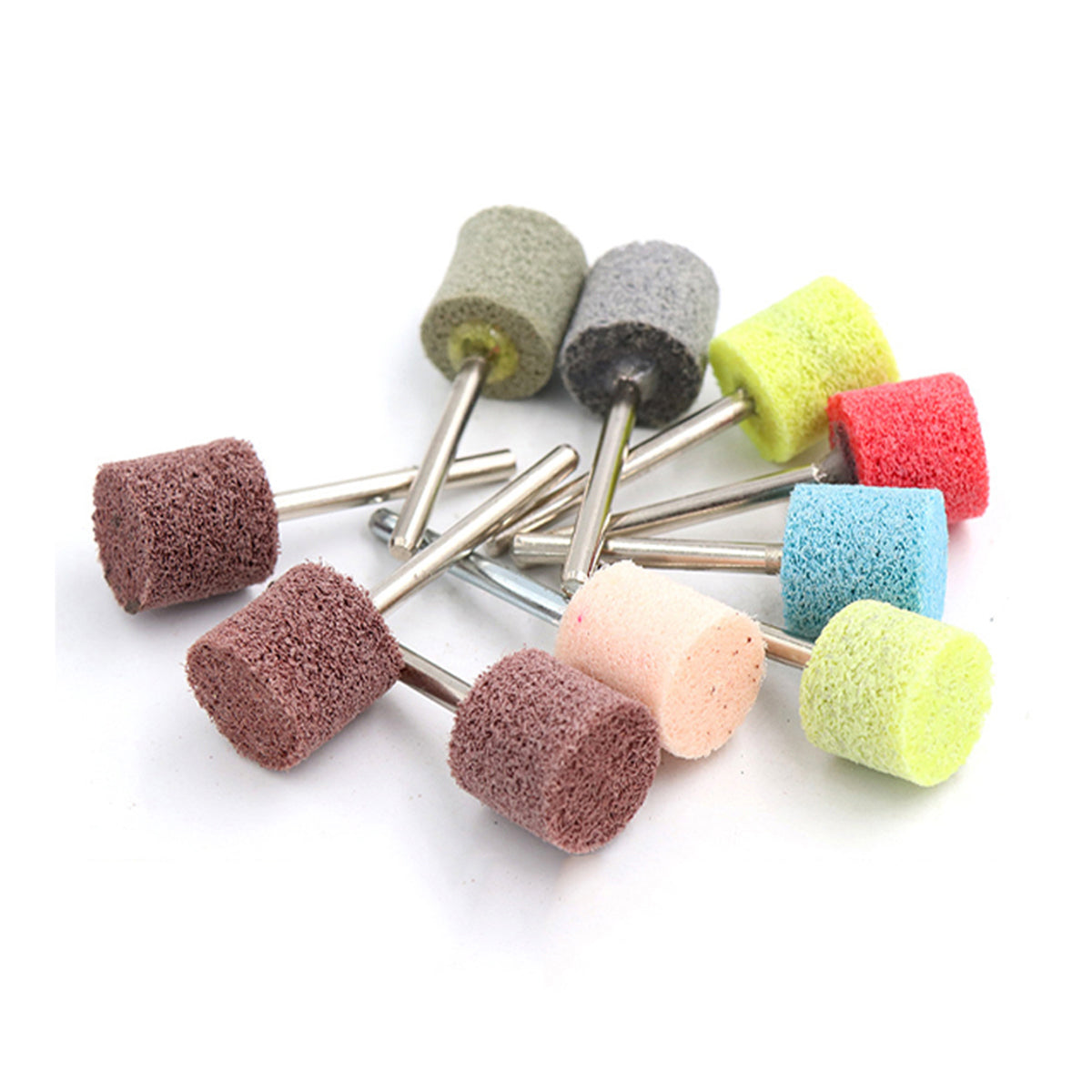
3mm Fiber Grinding Wheel Mini Abrasive Brush 150-1000 Grit for Die Grinder & Rotary Tool

No reviews

Price:
Sale price$3.17 USD
Stock:
In stock (500 units), ready to be shipped

Payment & Security

Ach Direct Debit Amazon American Express Apple Pay Bancontact BLIK Diners Club Discover EPS Google Pay iDEAL Wero JCB Maestro Mastercard Multibanco MobilePay PayPal Przelewy24 Shop Pay Twint Union Pay USDC Visa

Your payment information is processed securely. We do not store credit card details nor have access to your credit card information.

Limited Offer — Spend More, Save More
Spend $55+
Save $5
Spend $100+
Save $10
Spend $200+
Save $25
HomeDIYer DIY Expert Support

DIY Expert Support

Get fitment advice & recommendations

Mon–Fri  8:30 AM – 8:00 PM
24-Hour Fast Ship
Arrives in 3–14 Days
Worldwide Shipping
30-Day Returns
1 tree planted with every purchase

Description

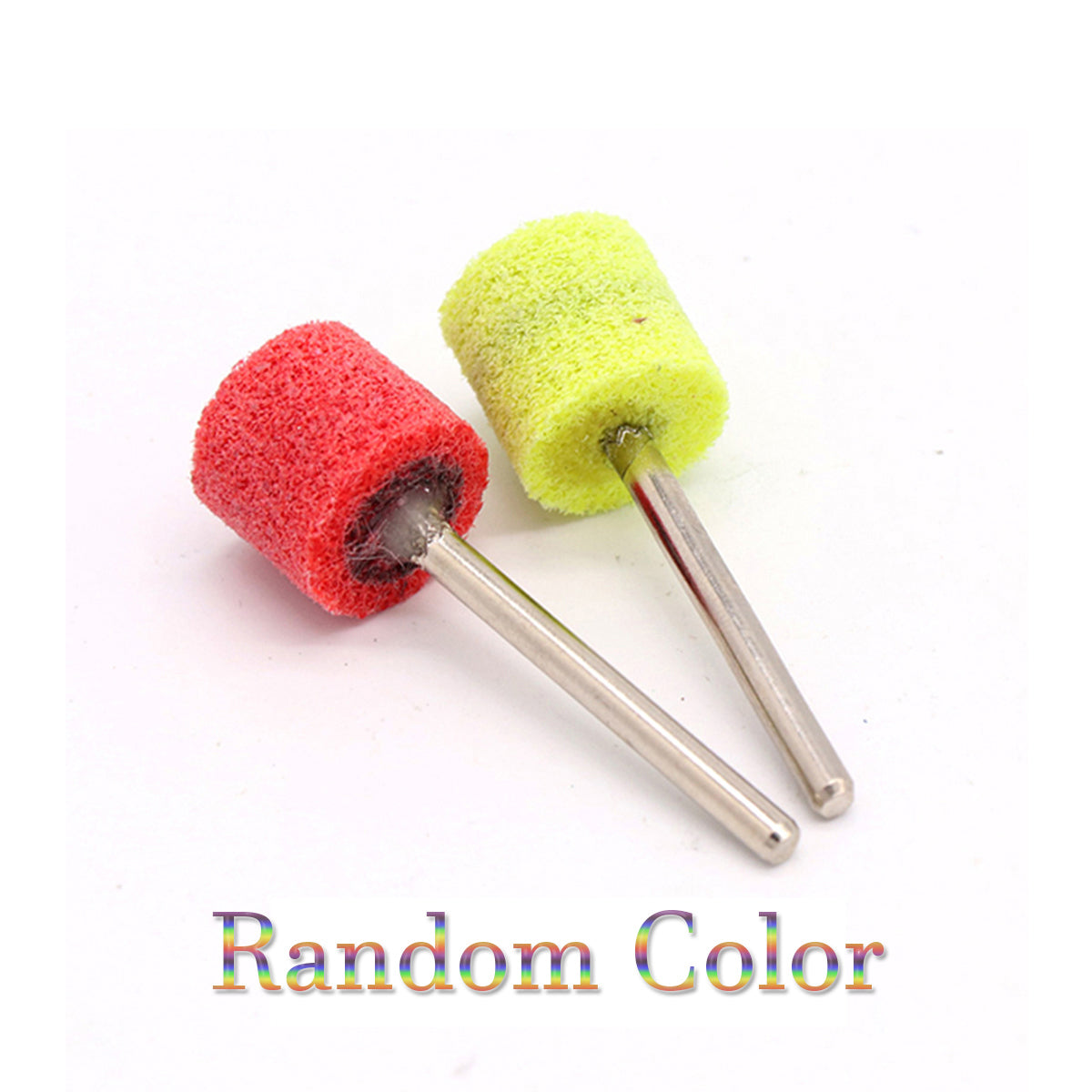
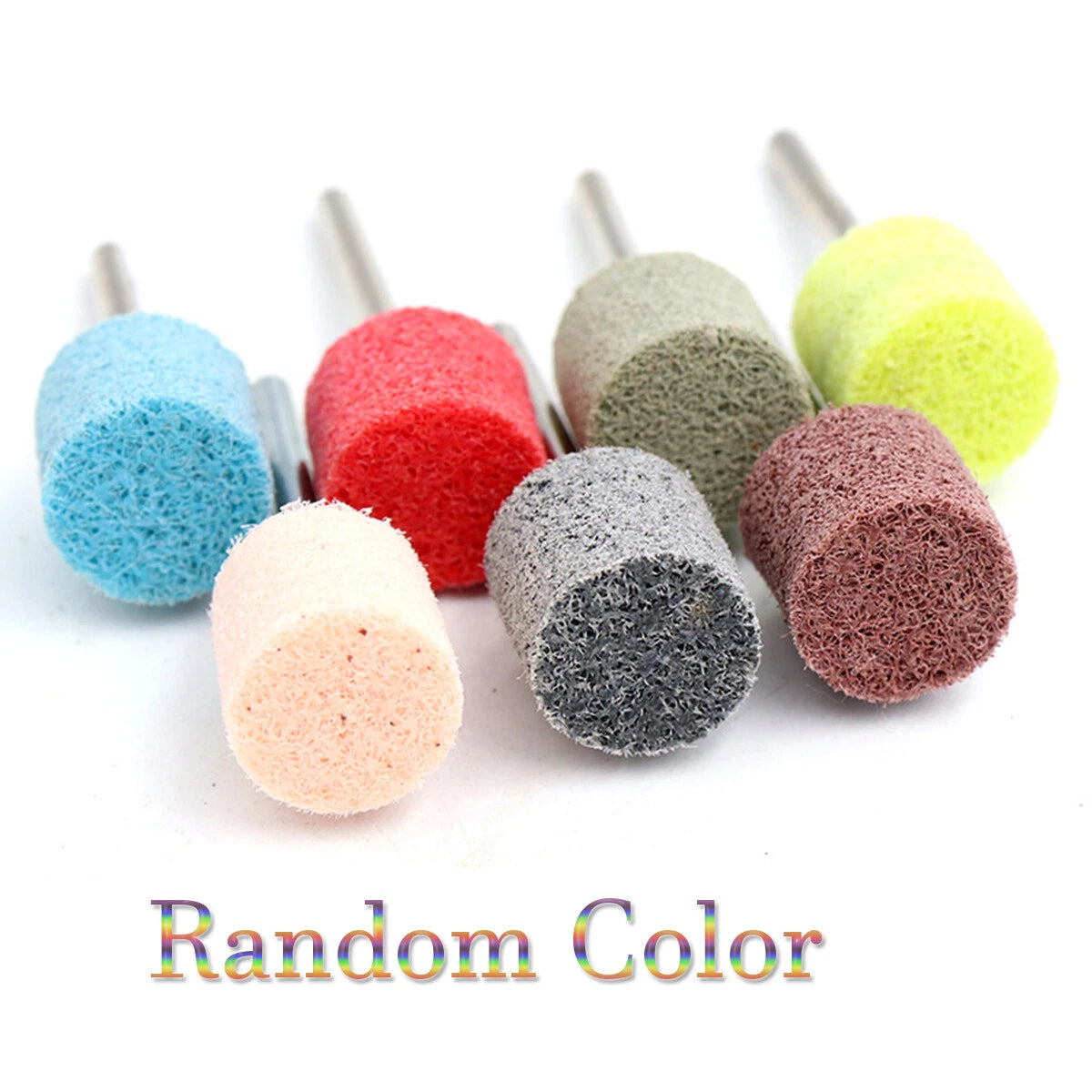
🌀 Flexible Abrasive Brushes for Contoured Metalwork — 3mm Shank Mini Fiber Grinding Wheels P150–P1000. Upgrade your die grinder or rotary tool with abrasives that reach where rigid discs can't. These cylindrical fiber brushes feature a flexible scouring pad construction that conforms to curved surfaces, weld seams, and recessed areas while resisting loading on paint, rust, and soft metals. The 3mm shank fits standard collets for precise control during deburring, surface preparation, oxide removal, and finishing. Available in a practical grit range from P150 for moderate material removal to P1000 for fine surface refinement, they're a go‑to choice for automotive restoration, metal fabrication, and industrial maintenance tasks.

⚙️ Key Features of the Mini Fiber Grinding Wheels

🌀

Flexible Scouring Pad Construction

The non‑woven fiber material conforms to irregular surfaces, weld seams, and contours—removing rust, paint, and oxides without gouging or altering the base material profile.

📏

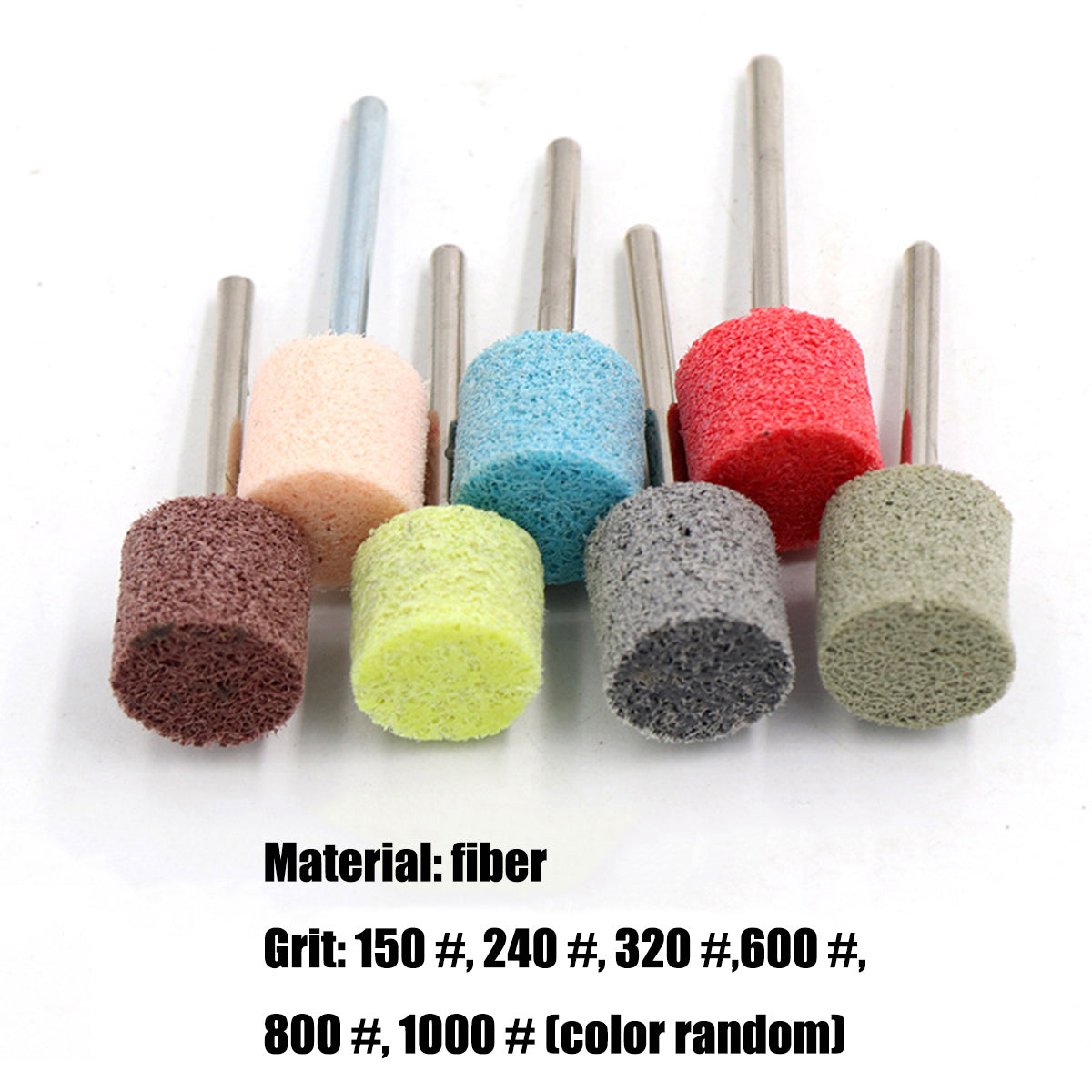
Practical Grit Range: P150 – P1000

P150–P240 for rust removal, oxide cleaning, and surface prep. P320–P600 for general deburring and smoothing. P800–P1000 for fine finishing and light polishing on ferrous and non‑ferrous metals.

📐

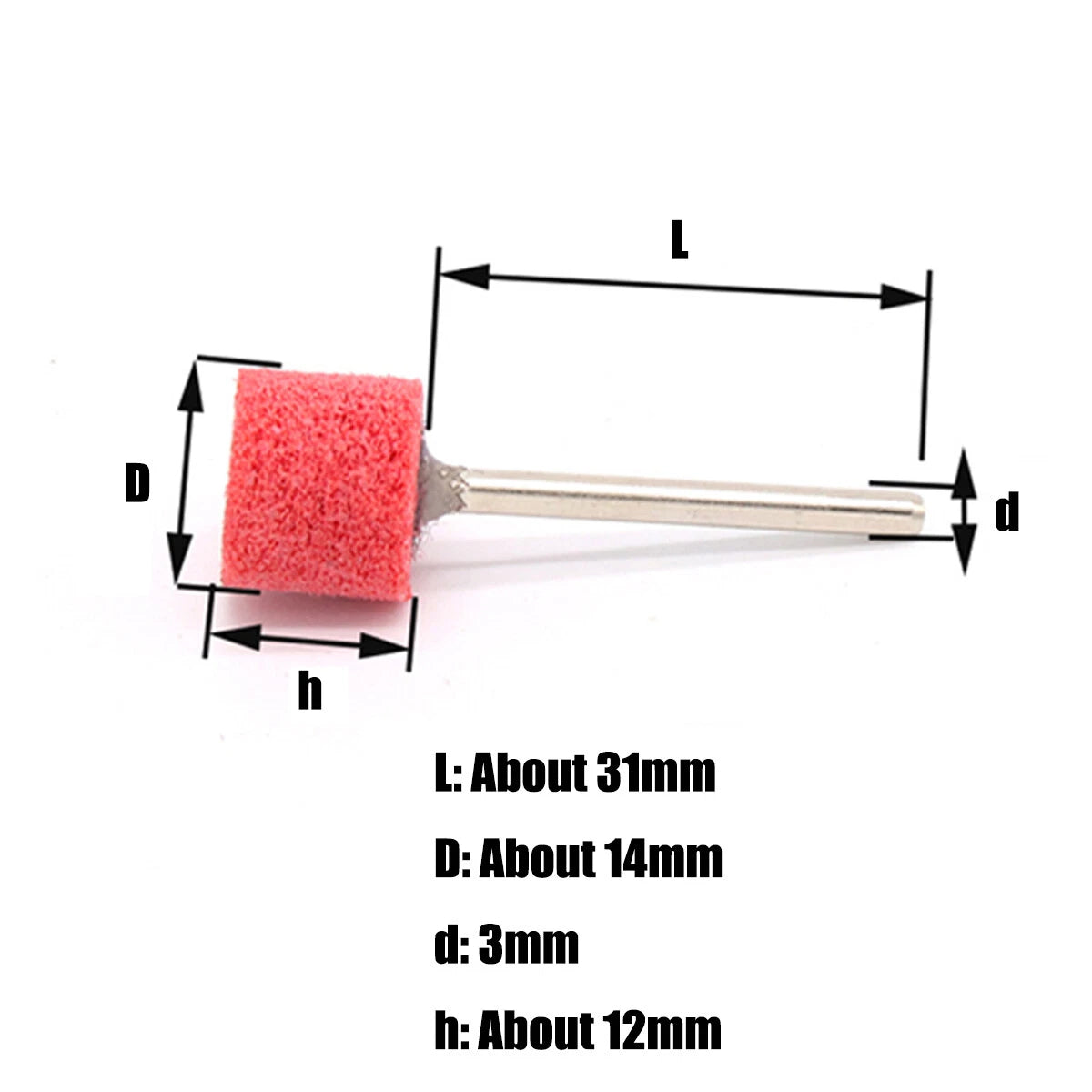
Compact Cylindrical Head — 14mm Diameter

The slim profile reaches into tight spaces, inner corners, and narrow grooves that larger wheels and discs can't access. Ideal for detailed work on fabricated parts, automotive panels, and machinery.

🔩

Standard 3mm Shank — Fits Die Grinders & Rotary Tools

Compatible with straight and angle die grinders, Dremel‑style rotary tools, and pendant motors that accept a 3mm collet. Quick to swap between grits for an efficient workflow.

⚙️

Versatile Across Industries

Widely used in aircraft manufacturing, automotive production, shipbuilding, chemical machinery, food equipment, and general metal fabrication for deburring, polishing, and surface conditioning.

🛡️

Suitable for Stainless Steel & Aluminum

Effective on both ferrous and non‑ferrous metals. The non‑woven abrasive resists loading on aluminum and provides a consistent finish on stainless steel surfaces.

📐 Technical Specifications

Head Diameter Approx. 14mm
Shank Diameter 3mm
Shank Length Approx. 31mm
Shape Cylindrical Grinding Head
Grit Range P150, P240, P320, P400, P600, P800, P1000
Material Non‑woven scouring pad (fiber)
Compatibility Die grinders, rotary tools, and pendant motors with a 3mm collet
Suitable Materials Stainless steel, aluminum, ferrous, and non‑ferrous metals
Applications Rust removal, paint stripping, deburring, oxide cleaning, surface prep, polishing
Package Includes Fiber grinding wheel (quantity varies; select grit when ordering)

❓ Frequently Asked Questions

🌀 How does a fiber brush differ from a standard grinding wheel?
Fiber brushes use a flexible, non‑woven abrasive material that conforms to surface contours and resists loading. Unlike rigid grinding wheels that remove base material aggressively, fiber brushes clean, deburr, and polish without significantly altering the workpiece dimensions.
📏 Which grit should I choose for removing light rust from stainless steel?
Start with P240 or P320 for light rust and oxide removal. For heavier rust, P150 will work faster. Follow with P600 or P800 to restore a clean, smooth surface finish.
🛡️ Will this brush scratch or gouge aluminum surfaces?
The non‑woven fiber material is much less aggressive than rigid grinding wheels or wire brushes. It removes oxides and surface contaminants while leaving a smooth, brushed finish. Test on a small area first to confirm the desired result.
⚙️ What speed should I run these fiber brushes?
They work best at moderate speeds typical of die grinders and rotary tools (around 10,000–20,000 RPM). Start at a lower speed and increase as needed. Using excessive speed may cause the brush to wear faster or generate excessive heat.
🧰 How long does a single fiber brush last?
Brush life depends on the material being worked, the pressure applied, and the speed. Under normal use on metal surfaces, a brush will last through several cleaning or deburring sessions. The flexible fiber material gradually wears rather than shattering like rigid abrasives.
Pro tip: For the best finish, use light, even pressure and let the brush do the work. The flexible fibers are most effective when they can conform to the surface. Test on a small area first to assess the finish before tackling the entire workpiece.

You may also like

Recently viewed