Saxophone Clarinet Reed Adjuster — 360° Rotary Trimmer for Extended Reed Life
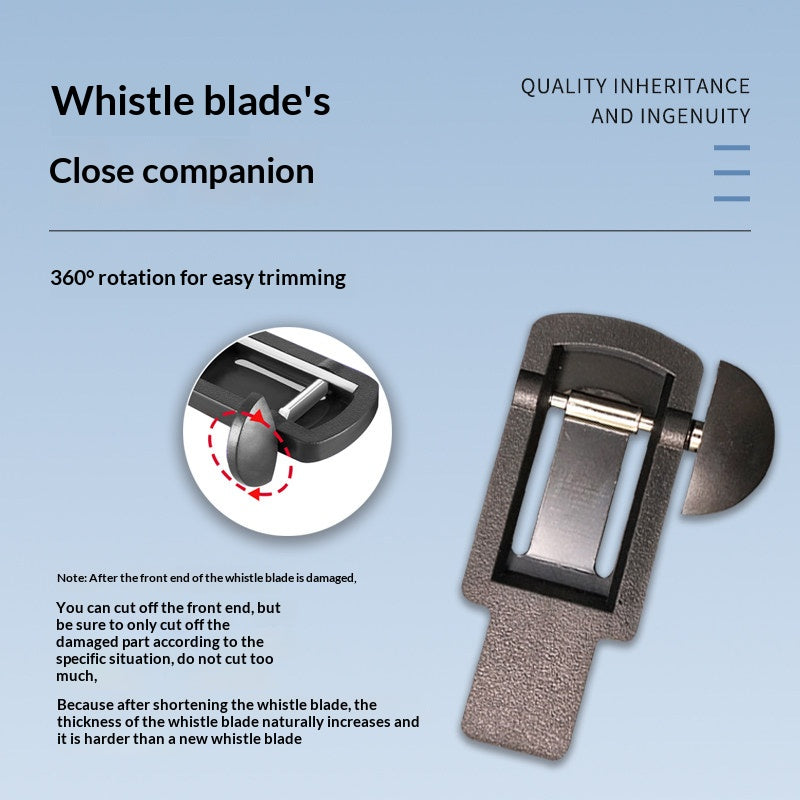
When the front tip of your reed chips or wears down, most players reach for a new one — but that's often unnecessary. This reed adjuster lets you cleanly trim the damaged tip and restore playability, extending the usable life of each reed. The 360° rotary cutting mechanism gives you precise, controlled cuts without the guesswork of flat-blade scrapers.
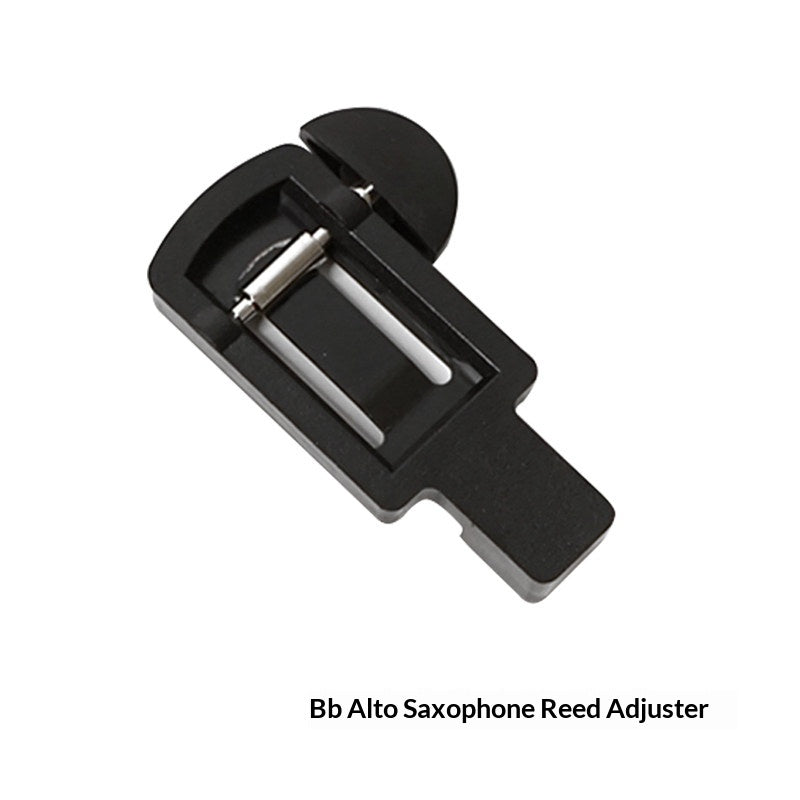
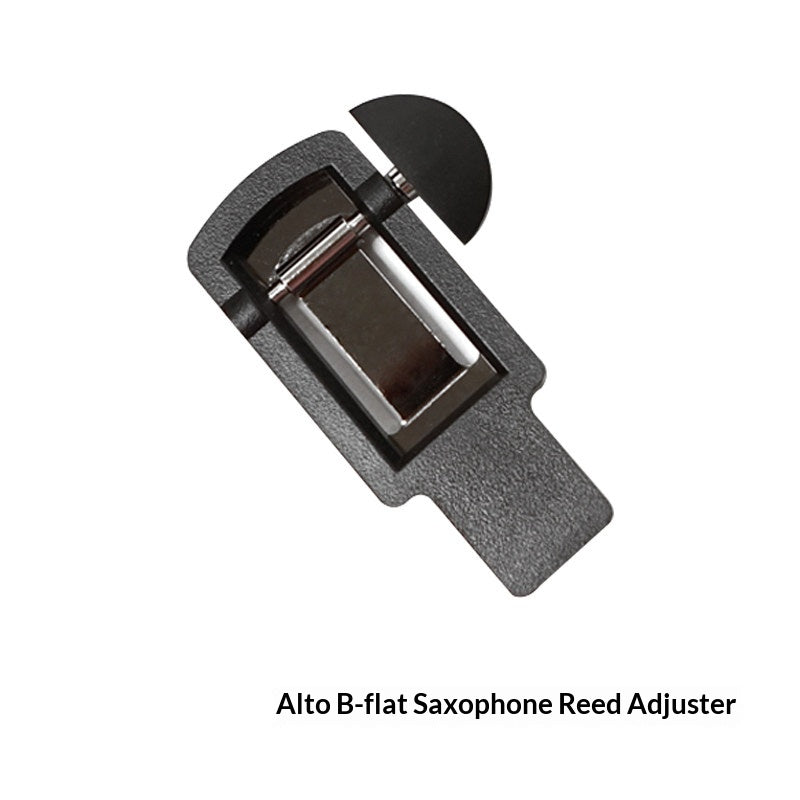
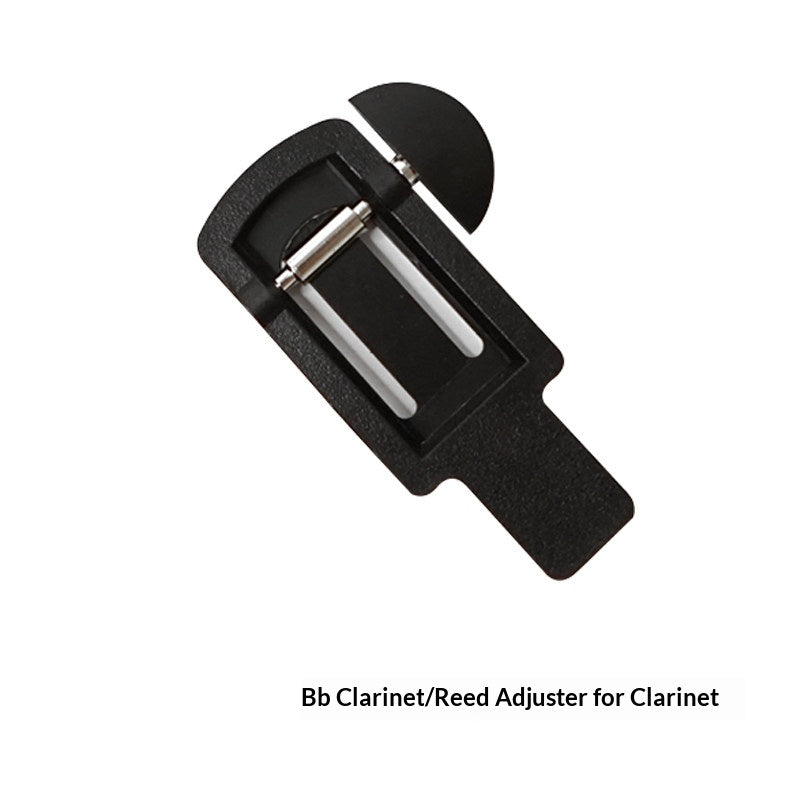
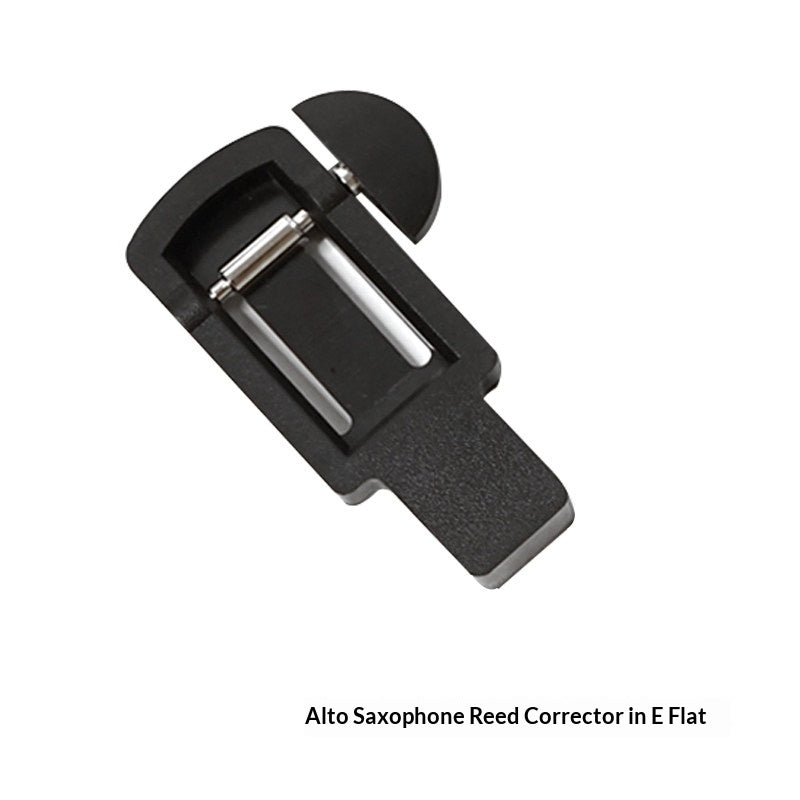
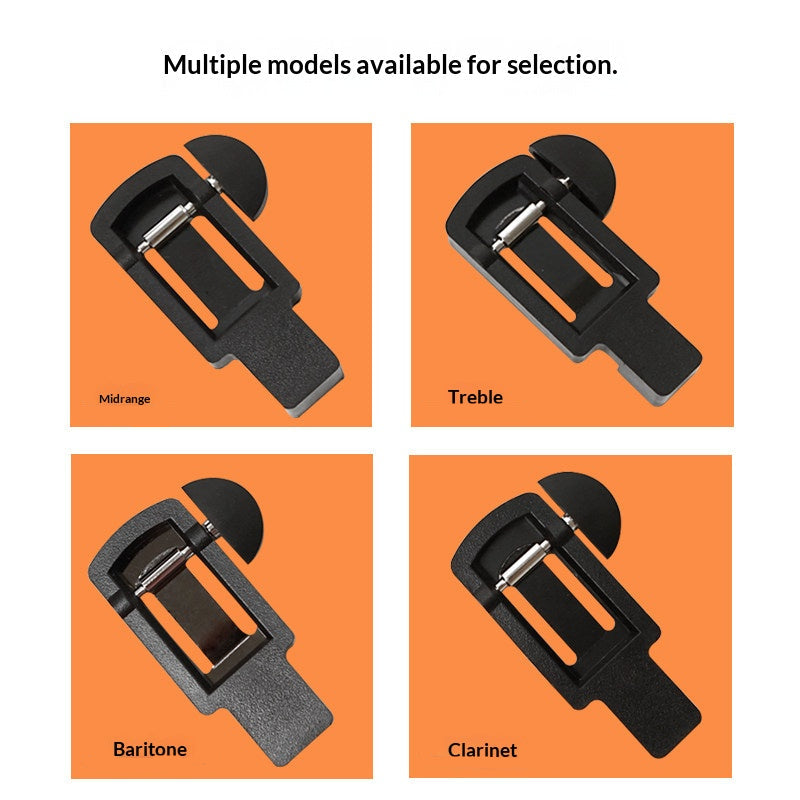
The tool features a compact body with a rotary wrench on the right side that drives the blade through the reed tip in a single smooth motion. The reed slots into the back groove of the tool face-down, and once positioned, a turn of the wrench cuts off the damaged front end cleanly. Available in four size variants — Midrange (Alto), Treble, Baritone, and Clarinet — to match your instrument's reed width.
Note: After trimming, the reed tip becomes slightly thicker and naturally stiffer than a new reed. Trim conservatively — only remove the damaged portion, and test tone after each cut before trimming further.
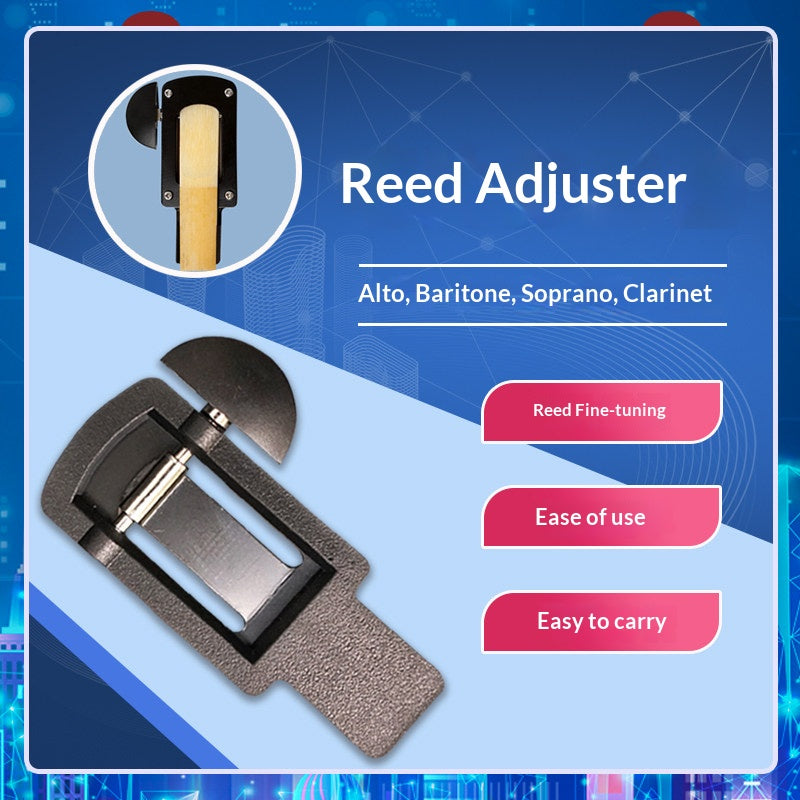
✅ Compatible with: Alto Saxophone (Midrange), Soprano/Treble Saxophone, Baritone Saxophone, and Clarinet. Select your instrument variant above to confirm the correct size.
Key Features
- 🔄 360° Rotary Cutting Mechanism — The right-side rotary wrench drives the blade in a full rotation, delivering a clean, even cut across the reed tip without tearing or splintering the cane.
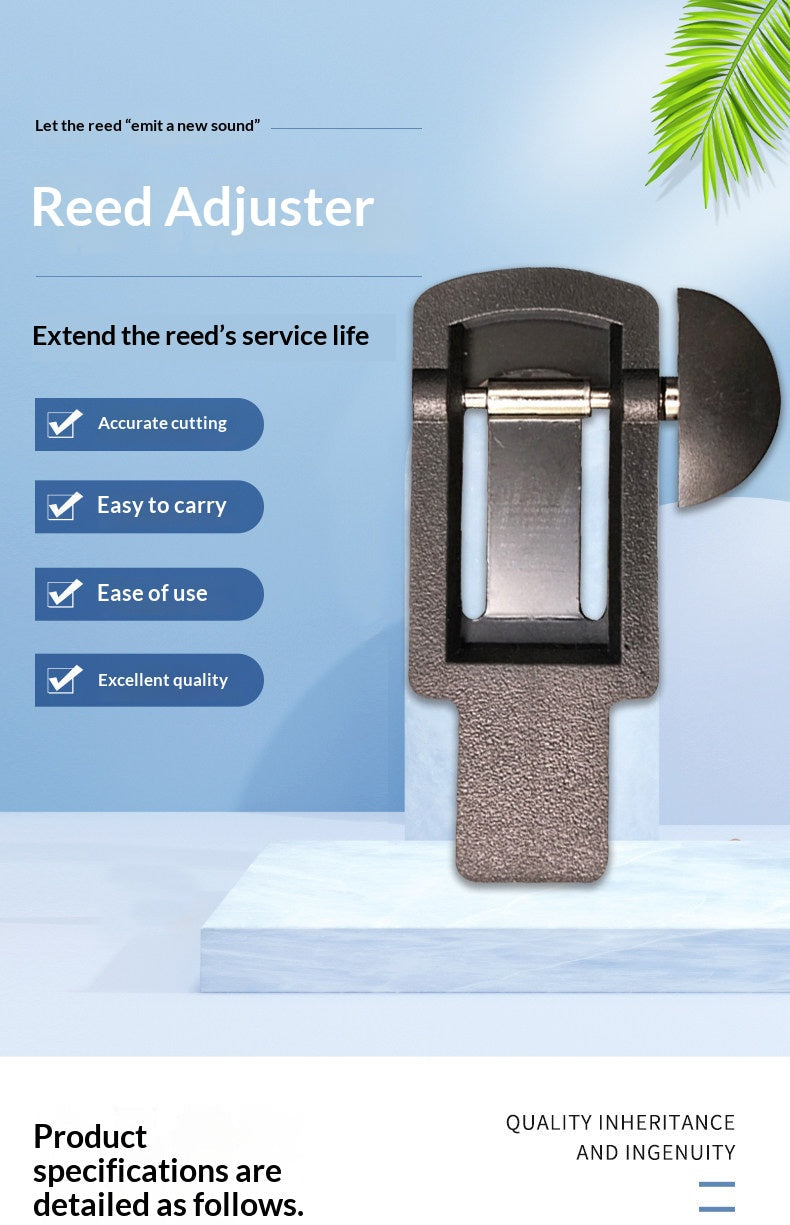
- ✂️ Accurate Cutting — The reed slots into a fixed groove, holding it securely in position during the cut — so every trim is straight and repeatable, not freehand.
- 🎯 Extends Reed Service Life — Instead of discarding a reed with a chipped or worn tip, trim just the damaged section and restore playability. One tool pays for itself quickly.
- 🧰 Four Size Variants — Available in Midrange (Alto), Treble, Baritone, and Clarinet sizes to match the reed width of your specific instrument. Select the correct variant before ordering.
- 💼 Easy to Carry — The compact, pocket-sized body fits easily into any instrument case accessory pocket or gig bag — ready whenever you need it at rehearsal or on stage.
- 🔧 Simple Two-Step Operation — No special skills required. Insert the reed, adjust position, flip the tool, and turn the wrench. The entire process takes seconds.
How to Use
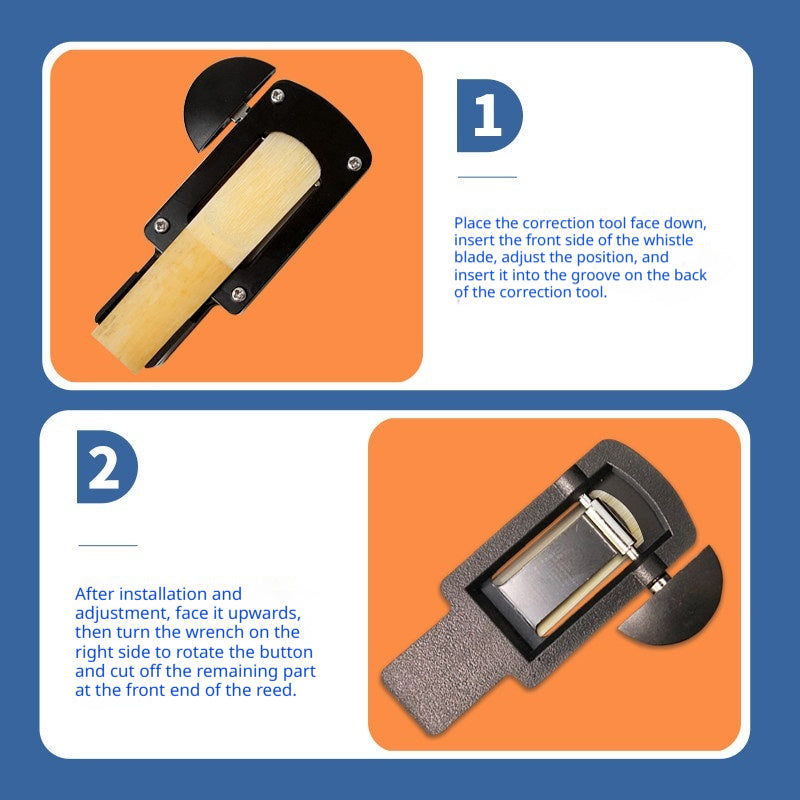
Step 1️⃣ Insert the Reed — Place the correction tool face down. Insert the front side of the reed, adjust the position, and slot it into the groove on the back of the tool.
Step 2️⃣ Trim the Tip — After installation and adjustment, face the tool upward. Turn the wrench on the right side to rotate the button and cut off the remaining damaged portion at the front end of the reed.
⚠️ Important Note — Only cut off the damaged part. After shortening, the reed tip thickness naturally increases and the reed will be stiffer than a new one. Do not cut too much at once — test tone between trims.
Technical Specifications
| Compatible Instruments |
Alto Saxophone (Midrange), Soprano Saxophone (Treble), Baritone Saxophone, Clarinet |
| Reed Type |
Natural cane reeds |
| Cutting Mechanism |
360° rotary wrench-driven blade |
| Body Material |
See variant options |
| Tool Size |
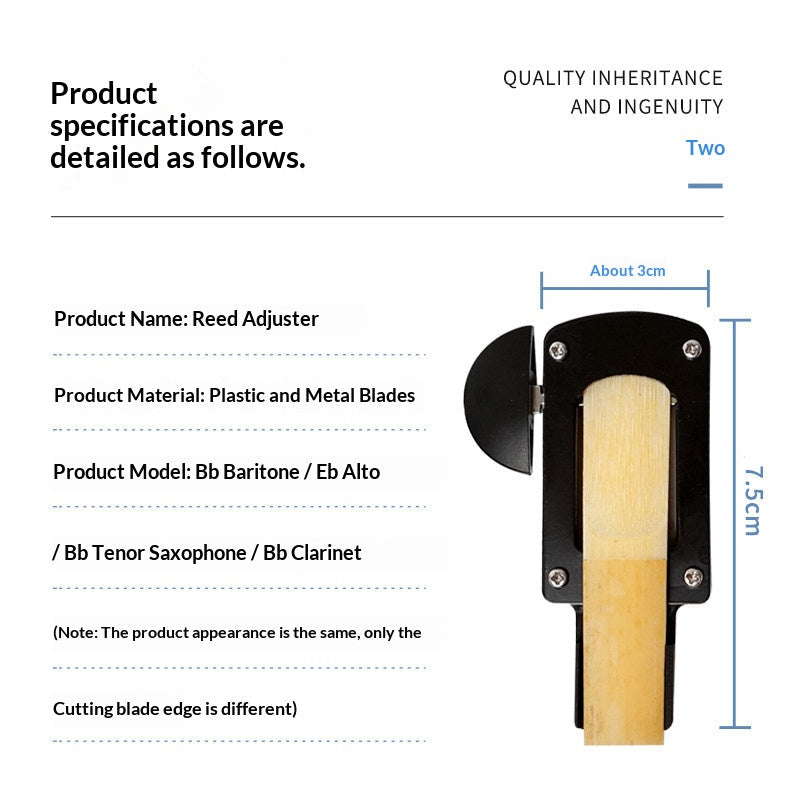
Compact / pocket-sized (approx. 3 cm width — see variant options) |
| Available Sizes |
Midrange (Alto), Treble, Baritone, Clarinet |
| Package Contents |
1 × Reed Adjuster Tool |
Frequently Asked Questions
Which size should I choose for my instrument?
Select Midrange for Alto Saxophone, Treble for Soprano Saxophone, Baritone for Baritone Saxophone, and Clarinet for standard Bb or bass clarinet reeds. If you're unsure, contact us with your instrument details and we'll confirm the right fit.
How does the 360° rotary mechanism work?
The tool has a wrench on the right side that, when turned, rotates the internal blade in a full 360° motion. This drives the blade cleanly through the reed tip in one controlled pass, producing a flat, even cut without tearing the cane.
How much should I trim off the reed?
Only trim the damaged or chipped portion — typically as little as possible. After trimming, the reed tip becomes thicker and stiffer. Test the reed's tone and response after each cut before deciding whether to trim further. Avoid over-cutting.
Will the reed still play well after trimming?
Yes, in most cases. After trimming, the reed tip is slightly thicker than before, which increases stiffness. Many players find this acceptable or even preferable. The key is to trim conservatively and only remove the damaged section.
Does this work with synthetic reeds?
This tool is designed for natural cane reeds. Synthetic reeds are generally harder and denser, which may affect blade performance. We recommend testing on a spare synthetic reed before regular use.
Is this tool easy to use for beginners?
Yes. The two-step process is straightforward: insert the reed into the groove, then turn the wrench to cut. No special technique or experience is required. The fixed groove keeps the reed aligned so the cut is always straight.
How do I maintain the tool?
Wipe the blade and body with a dry cloth after each use to remove reed debris. Store in a dry place. A small amount of instrument-safe oil on the rotary mechanism can help maintain smooth operation over time.
🛒 Select your instrument size above and add to cart — extend the life of your reeds today.