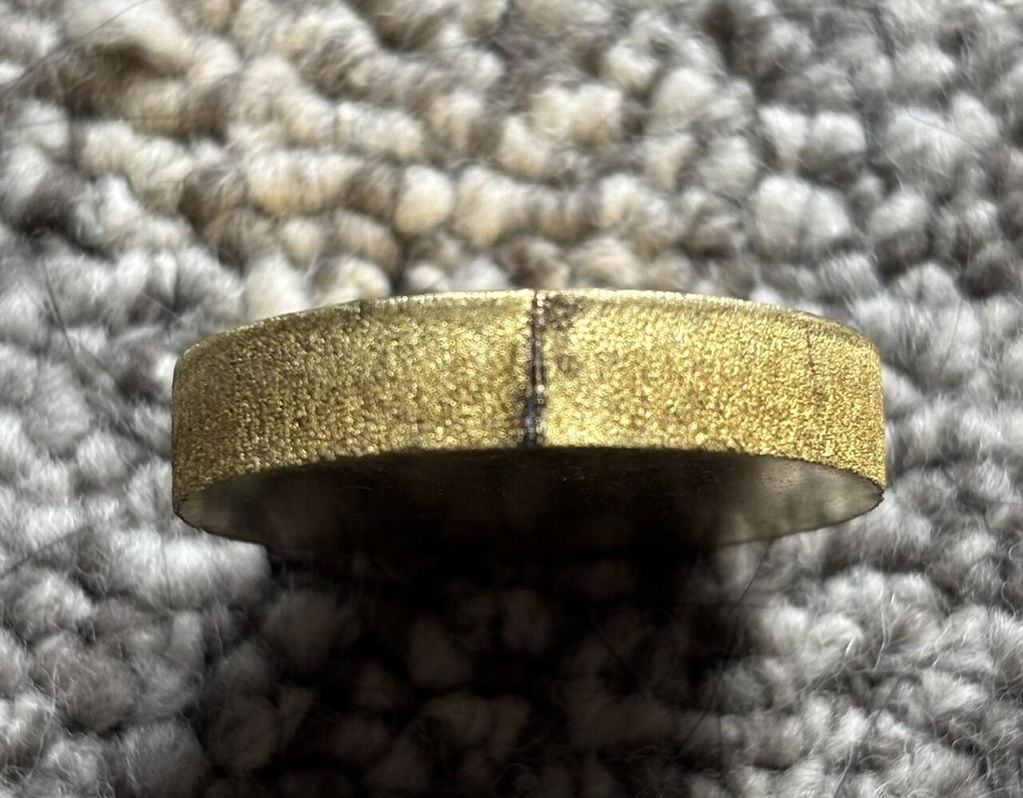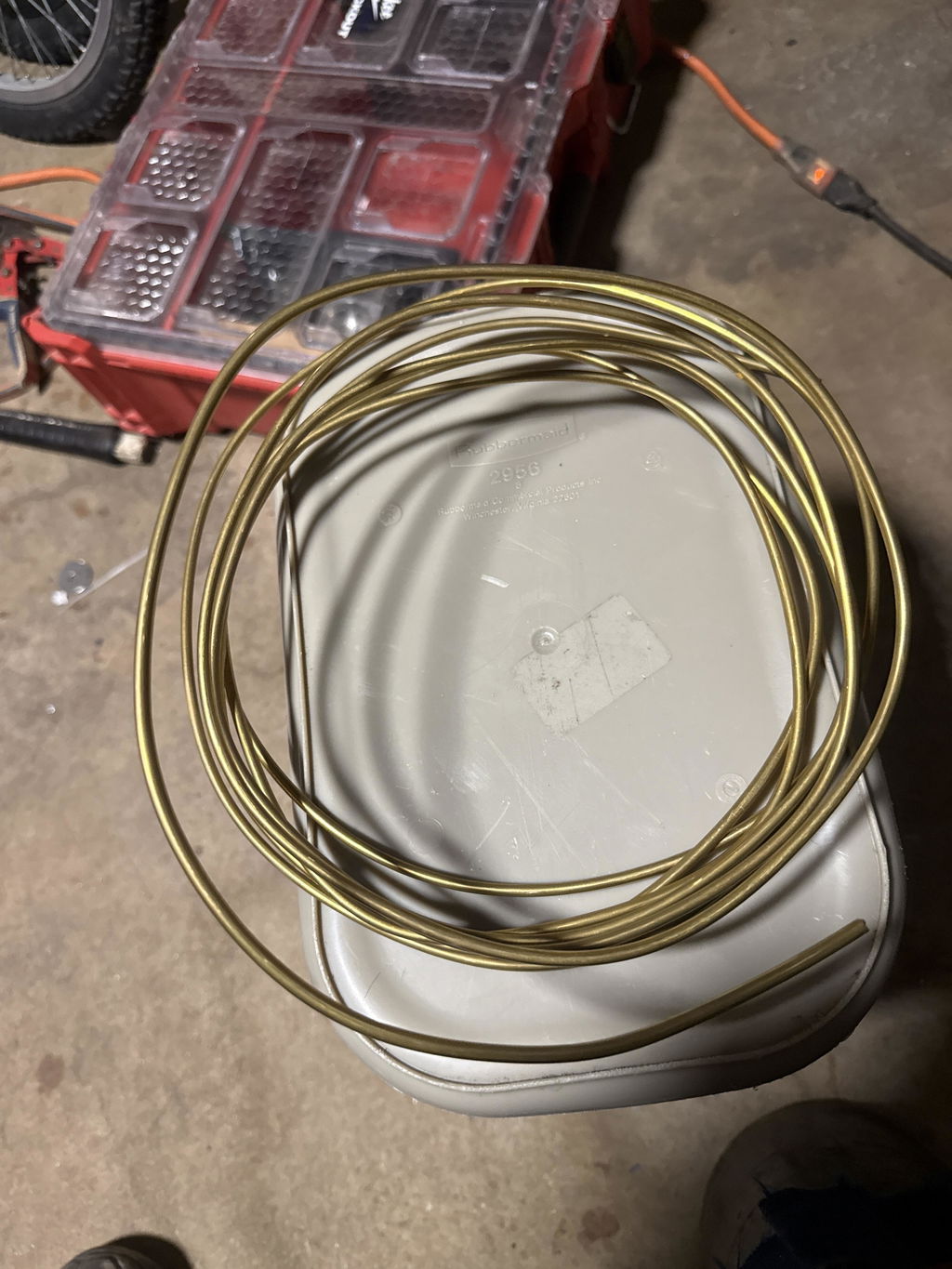
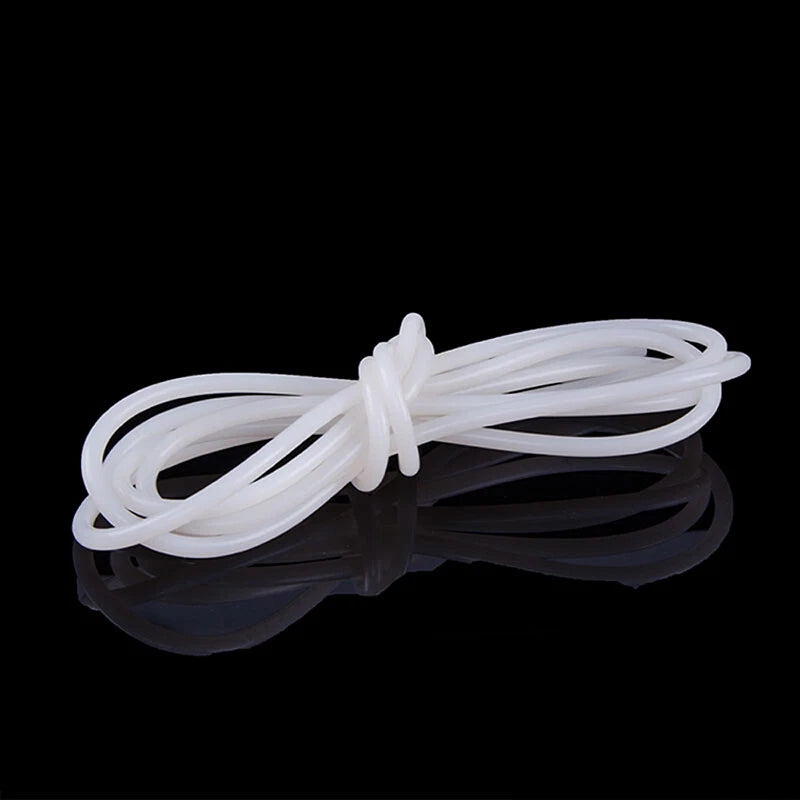
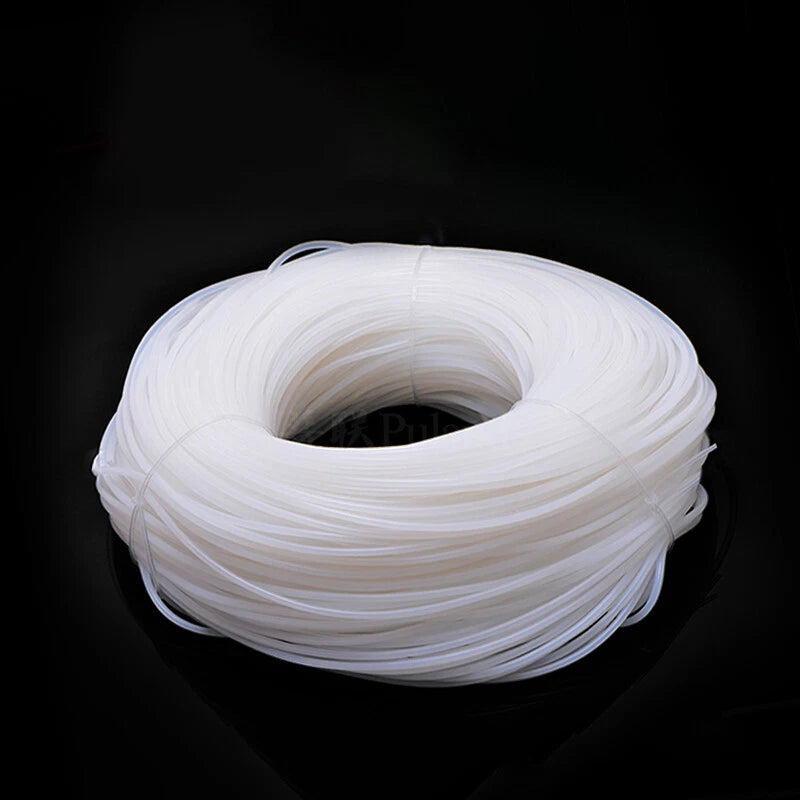
Silicone Round Rod Sealing Strip Waterproof Solid Silicone Wire Diameter 1~25mm

No reviews

Price:
Sale price$2.16 USD
Stock:
In stock (500 units), ready to be shipped

Payment & Security

Ach Direct Debit Amazon American Express Apple Pay Bancontact Diners Club Discover Google Pay iDEAL Wero Mastercard PayPal Shop Pay USDC Visa

Your payment information is processed securely. We do not store credit card details nor have access to your credit card information.

Quantity Discount Promotion
🎯 BULK DISCOUNT: Buy More, Save More!
Buy 2 Items
5% OFF
Buy 4 Items
10% OFF
Buy 6 Items
15% OFF
Expert

DIY Expert Support

Get fitment advice & recommendations

Mon-Fri, 8:30AM-8PM
24-Hour Fast Ship
🚚
Arrives in 3-14 days
🌍
Global Reach
↩️
30-Day Returns
🌱 1 tree planted with every purchase

Description

Silicone Round Rod Sealing Strip — Flexible Waterproof Solid Silicone Wire for Doors, Windows & Industrial Gaps

When a gap lets in drafts, moisture, or noise, a sealing strip that compresses unevenly or hardens over time only makes the problem worse. Fabricators, maintenance technicians, and serious DIYers who need a reliable compression seal turn to solid silicone round rod — a material that holds its shape and flexibility across a wide temperature range without cracking or taking a permanent set.

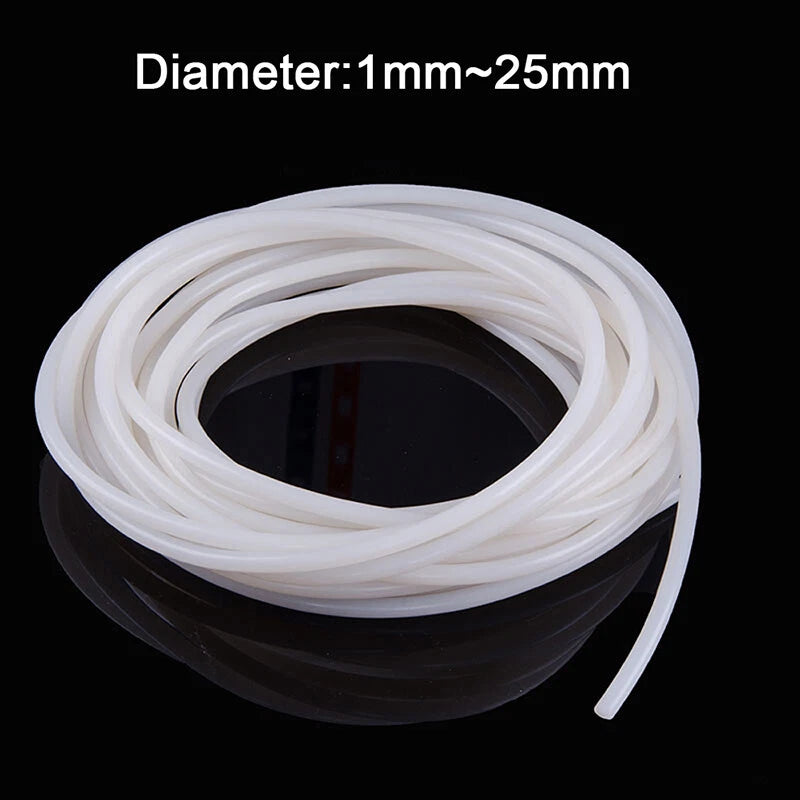
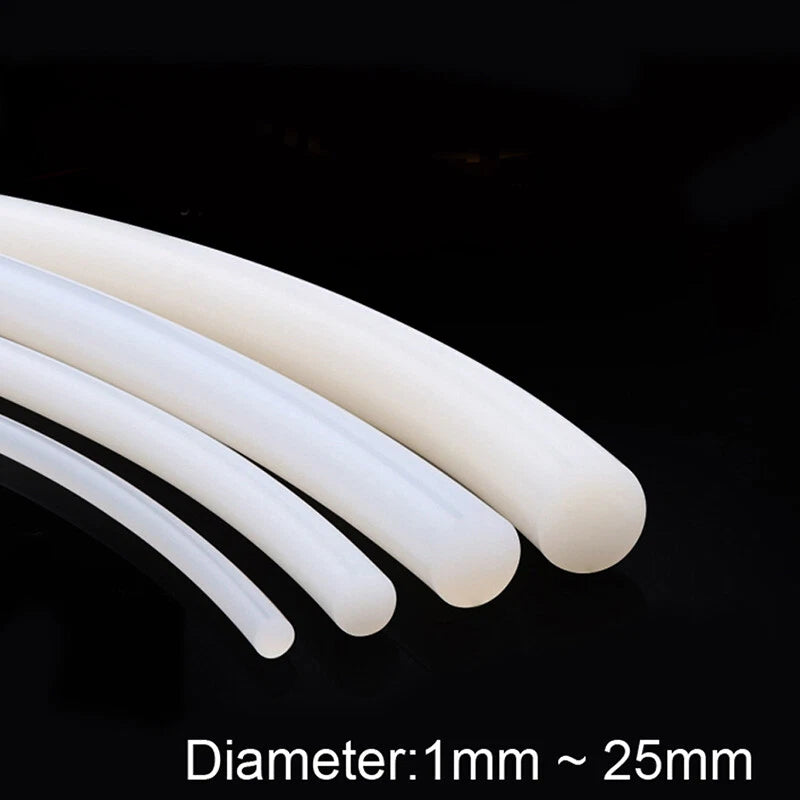
This silicone round rod sealing strip is a solid-core, circular-profile extrusion available in diameters from 1 mm (~0.04 in) up to 25 mm (~0.98 in), sold by the meter in lengths from 1 m to 20 m. The round cross-section allows it to seat evenly into grooves, channels, or compressed between two flat surfaces, distributing load uniformly around its circumference.

Typical applications include door and window perimeter sealing to block air and water infiltration, compression seals in enclosure lids and access panels, vibration-damping buffers between metal components, and custom gasket runs in food-processing or laboratory equipment where silicone's inertness matters. The cut-to-length format means you order exactly what a job requires — no waste from fixed-length coils.

⚙️ Compatibility: Suitable for use with aluminum extrusion channels, T-slot frames, door rebates, and flat-face compression joints. Verify groove width matches your selected diameter before ordering.

✅ Key Features of These Silicone Round Rod Sealing Strips

  • 🔵 Solid round-rod profile: Uniform circular cross-section seats evenly in grooves and channels, providing consistent compression force around the full contact perimeter.
  • 💧 Waterproof construction: Solid silicone core with no hollow voids — water cannot track through the seal even under sustained pressure or repeated wet/dry cycles.
  • 🌡️ Wide temperature tolerance: Silicone retains flexibility from approximately −60 °C to +200 °C (−76 °F to +392 °F), remaining pliable in cold storage environments and stable near heat sources.
  • 📏 20 diameter options, 1–25 mm: Fine-increment sizing from 1 mm to 25 mm lets you match the rod to an existing groove dimension without shimming or over-compressing.
  • ✂️ Cut-to-length ordering, 1–20 m: Select the exact meter length your project needs — no splicing short pieces together or discarding excess from a fixed coil.
  • 🧪 Chemically inert silicone material: Resistant to UV, ozone, and many common cleaning agents; does not off-gas plasticizers, making it suitable for food-adjacent and laboratory enclosures.

📐 Technical Specifications — Silicone Round Rod Sealing Strip

Material Solid silicone rubber
Profile Round rod (solid core)
Diameter Range 1 mm – 25 mm (see variant options)
Available Lengths 1 m, 2 m, 3 m, 5 m, 10 m, 20 m (see variant options)
Color See variant options
Temperature Range Approx. −60 °C to +200 °C (−76 °F to +392 °F)
Hardness (Shore A) See variant options / Contact us to confirm
Waterproof Yes — solid core, no hollow voids
UV & Ozone Resistance Yes
Flexibility at Low Temp Remains pliable to approx. −60 °C
Sold By Per meter (select length above)

❓ Frequently Asked Questions

How do I choose the right diameter for my groove or channel?

Measure the width of your groove or the gap you need to fill. For a compression seal, the rod diameter should be approximately 10–20% larger than the groove depth so the silicone compresses slightly when the joint closes. For example, a 5 mm groove typically works well with a 5.5–6 mm rod. If you are sealing between two flat surfaces with no groove, choose a diameter that gives you the compression you need without bottoming out the joint.

Is this rod strong enough to hold up under repeated door or lid closures?

Solid silicone has good compression-set resistance, meaning it recovers its shape after being compressed rather than permanently flattening. For typical door or enclosure lid cycles at moderate compression (20–30%), solid silicone round rod maintains its sealing performance over thousands of cycles. Avoid compressing the rod more than about 30% of its diameter, as excessive compression accelerates set over time.

Will this silicone rod resist outdoor weathering and UV exposure?

Yes. Silicone rubber is inherently resistant to UV radiation and ozone, which are the primary causes of cracking and hardening in EPDM and neoprene seals. This makes solid silicone round rod a suitable choice for exterior window frames, outdoor enclosures, and rooftop equipment where prolonged sun exposure is expected.

Can I use this rod in a food-processing or laboratory environment?

Silicone is chemically inert and does not leach plasticizers, making it widely used in food-adjacent and laboratory applications. However, if your application requires FDA-compliant or NSF-certified silicone, please contact us to confirm the specific grade before ordering, as certification requirements vary by jurisdiction and use case.

How do I cut the rod to length and attach it?

A sharp utility knife or scissors cuts silicone rod cleanly. For a neat joint at corners, cut the ends at 45° and butt them together. Silicone rod can be held in place with silicone adhesive sealant, double-sided tape rated for silicone surfaces, or by press-fitting into a groove sized to grip it. Standard cyanoacrylate (super glue) does not bond well to silicone — use a silicone-compatible adhesive instead.

What is the difference between this solid rod and a hollow silicone tube or sponge seal?

A solid rod requires more closing force to compress but provides a more robust, water-tight seal with no risk of the hollow collapsing or the sponge absorbing moisture over time. Hollow tube seals compress more easily and suit lighter-duty closures. Sponge (foam) silicone seals are softer and lower cost but have higher compression set and absorb water if the skin is breached. Choose solid rod when you need a durable, long-service waterproof seal under consistent compression.

Can I order a custom length not listed in the variants?

The listed lengths cover 1 m, 2 m, 3 m, 5 m, 10 m, and 20 m. If your project requires a different length, please contact us before ordering and we will advise on the best option for your quantity.

🛒 Select your diameter and length above, then add to cart.

You may also like

Recently viewed