
Stainless Steel Compression Springs, Wire Diameter 0.5-1.8mm, OD 3-30mm, L 70mm

No reviews

Price:
Sale price$3.78 USD
Stock:
In stock (500 units), ready to be shipped

Payment & Security

Ach Direct Debit Amazon American Express Apple Pay Bancontact BLIK Diners Club Discover EPS Google Pay iDEAL Wero JCB Maestro Mastercard Multibanco MobilePay PayPal Przelewy24 Shop Pay Twint Union Pay USDC Visa

Your payment information is processed securely. We do not store credit card details nor have access to your credit card information.

Limited Offer — Spend More, Save More
Spend $55+
Save $5
Spend $100+
Save $10
Spend $200+
Save $25
HomeDIYer DIY Expert Support

DIY Expert Support

Get fitment advice & recommendations

Mon–Fri  8:30 AM – 8:00 PM
24-Hour Fast Ship
Arrives in 3–14 Days
Worldwide Shipping
30-Day Returns
1 tree planted with every purchase

Description

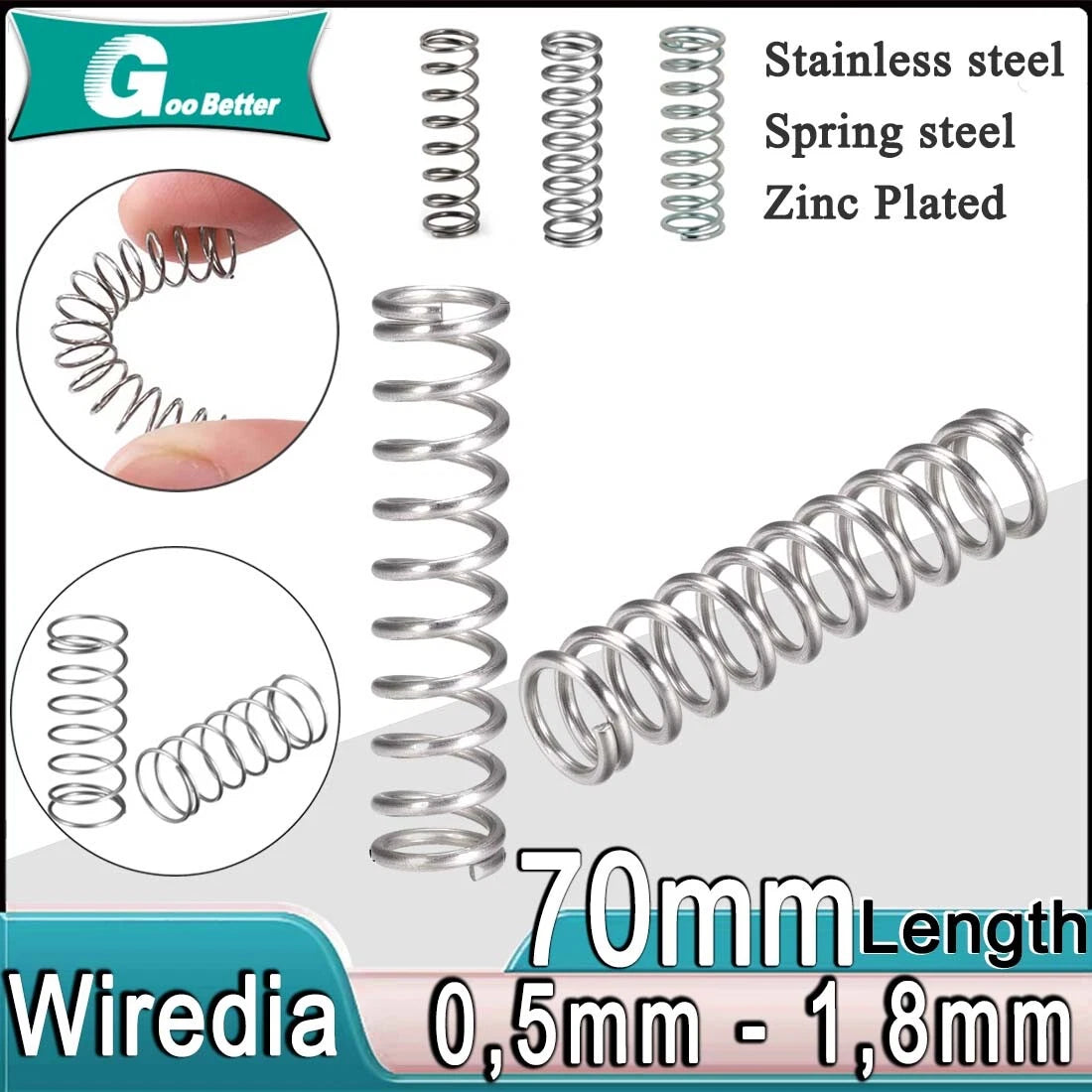
70mm Compression Springs — Precision-Wound for Reliable Elastic Return

When a mechanism fails because a spring loses tension too soon, the cost is more than just the part — it's downtime, rework, and frustration. Engineers, hobbyists, and repair technicians who need a dependable 70mm compression spring with consistent load characteristics will find this range purpose-built for exactly that demand.

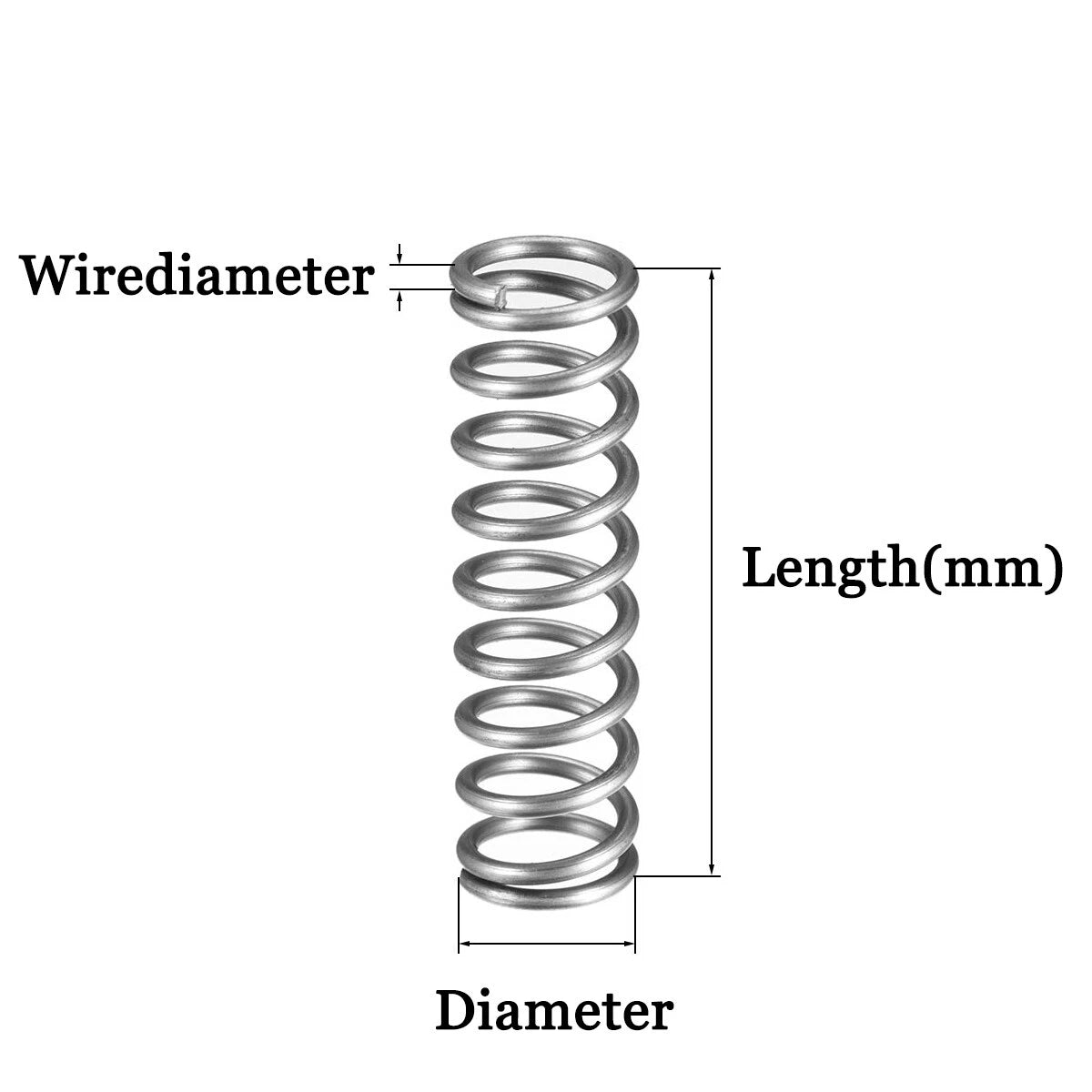
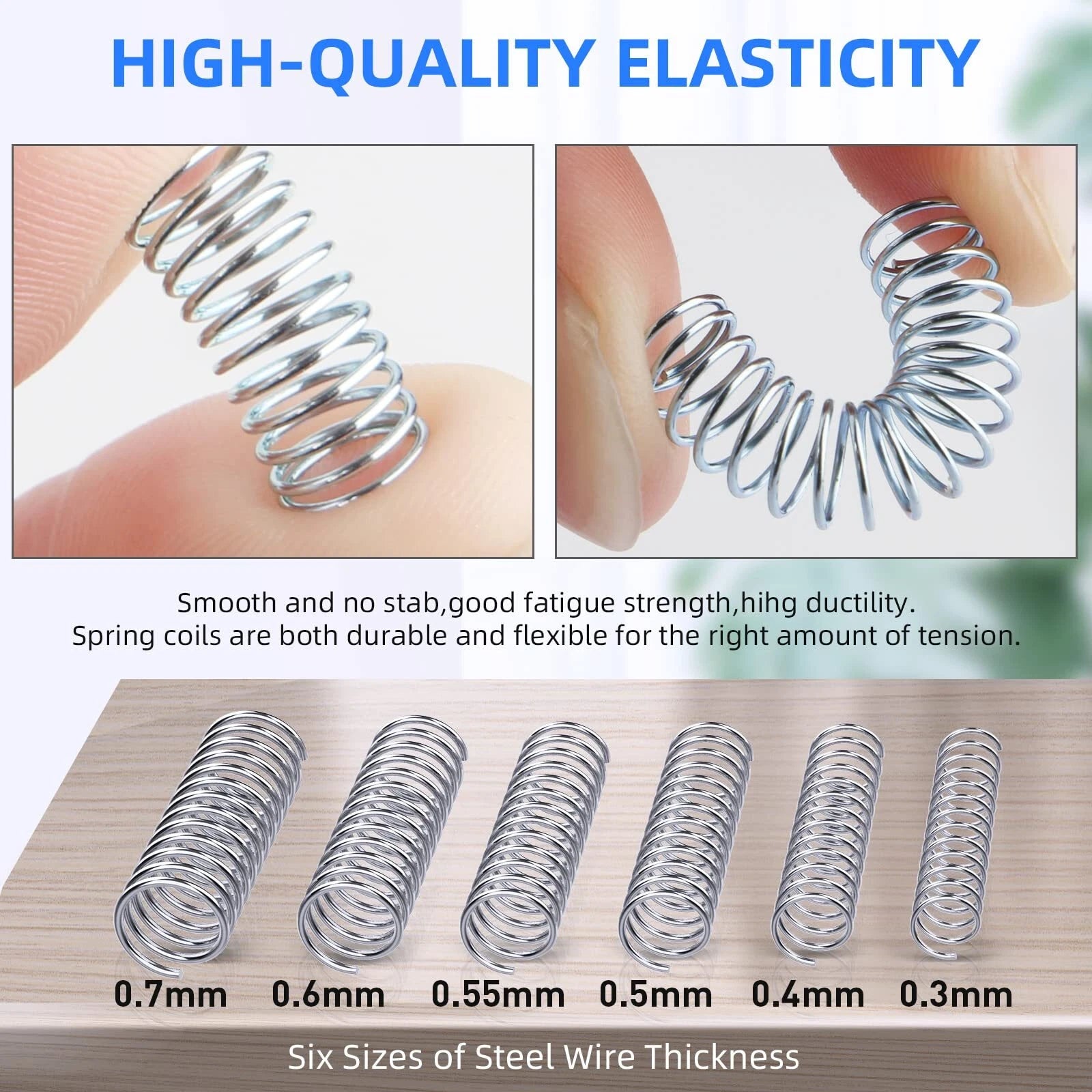
Each spring in this series is wound to a free length of 70mm (approximately 2.76 inches), with wire diameters ranging from 0.5mm to 1.8mm (0.020"–0.071") and outer diameters spanning 3mm to 30mm (0.12"–1.18"). Available in spring steel, stainless steel, and zinc-plated (zincification) finishes, sold in packs of 1, 2, or 5 pieces depending on the variant selected.

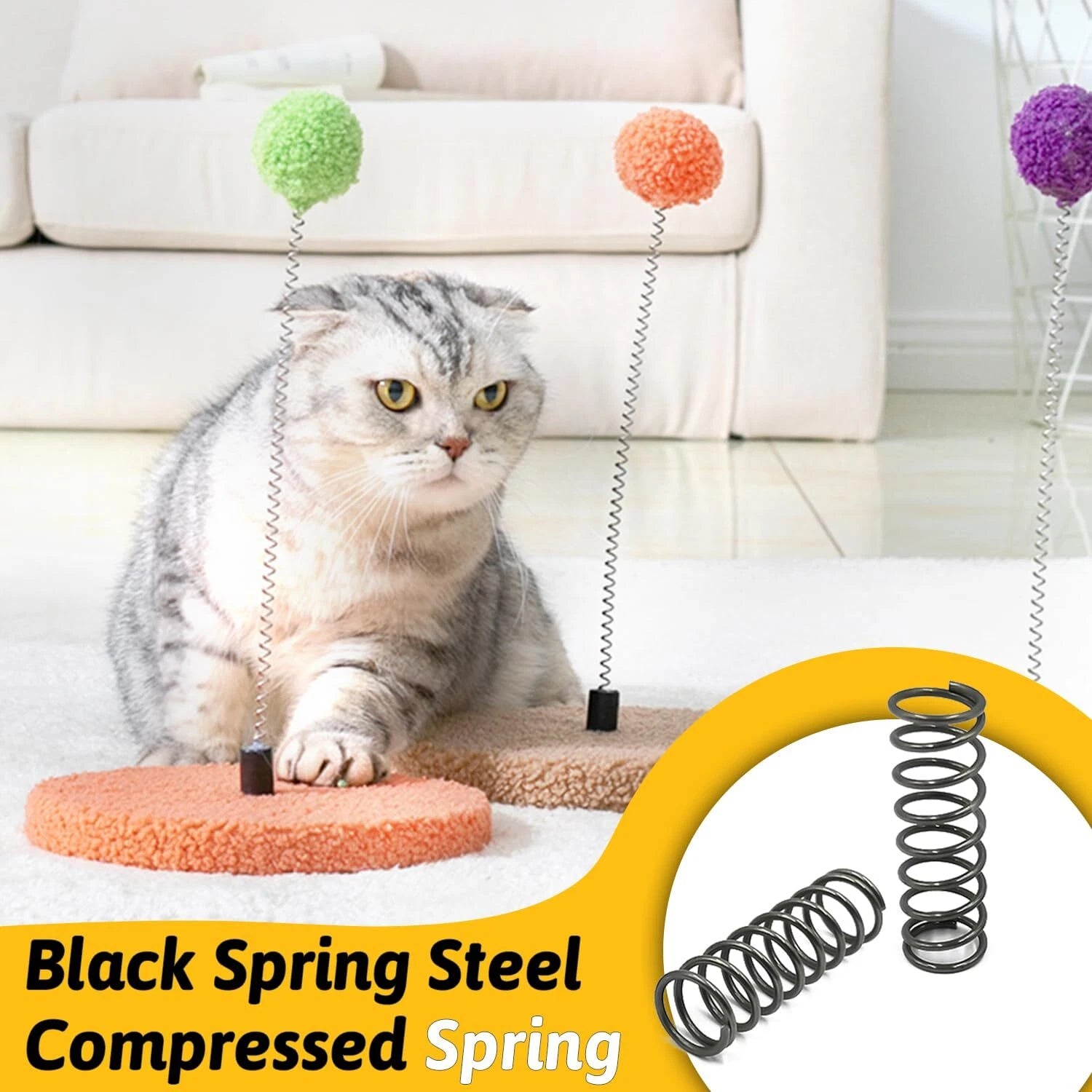
Typical applications include DIY mechanical assemblies requiring controlled return force, electronics enclosure latches and button mechanisms, light-duty industrial jigs and fixtures, and prototype or maker projects where precise spring sizing is critical.

⚙️ Compatibility: Suitable for standard spring seats and guide pins sized to match the selected outer diameter. Verify bore/shaft clearance before ordering — select OD and wire diameter from variant options above.

✅ Key Features of These 70mm Compression Springs

📏 Precise 70mm Free Length
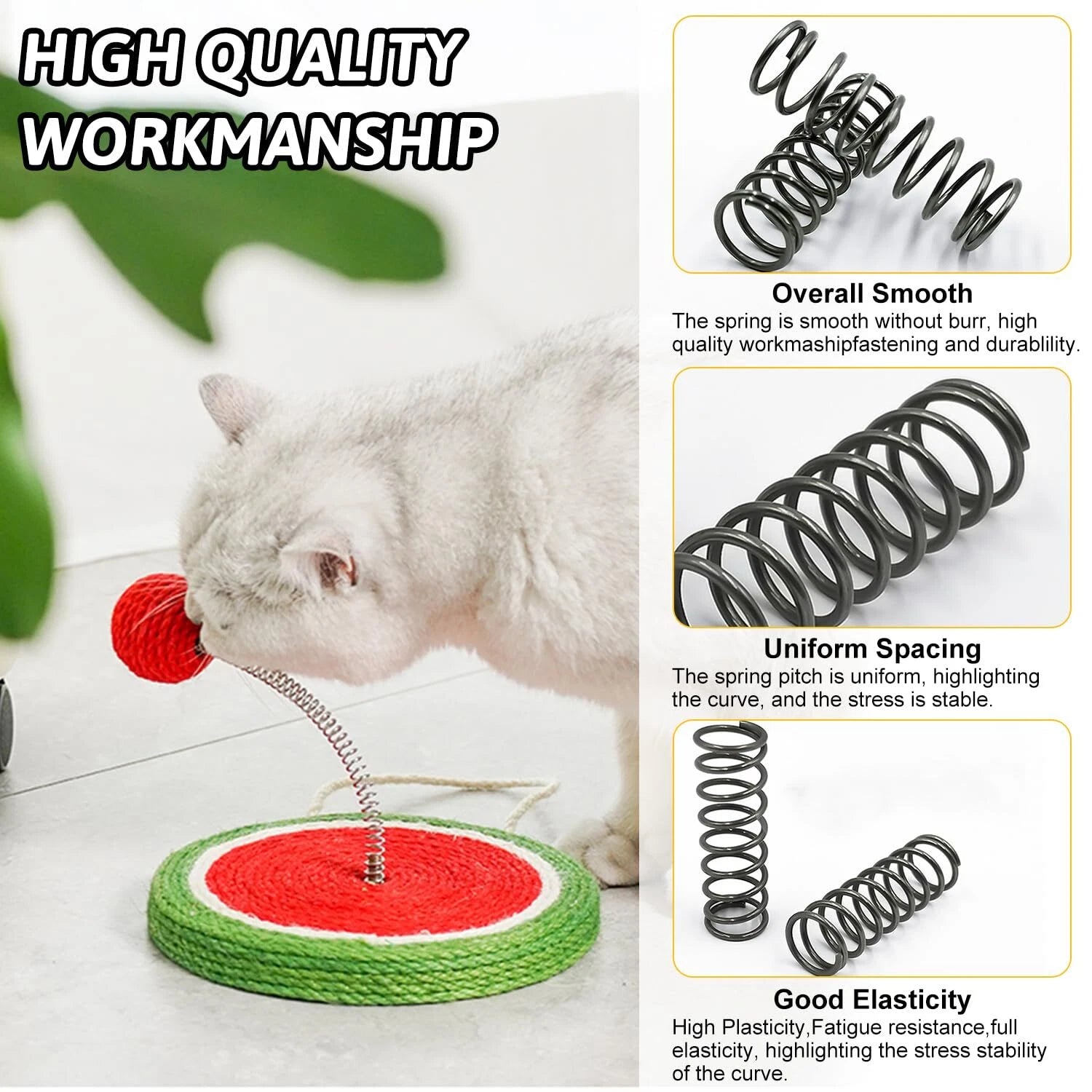
Consistent free length across all variants ensures predictable deflection and load behavior in your assembly.
🔩 Wide Wire Diameter Range (0.5–1.8mm)
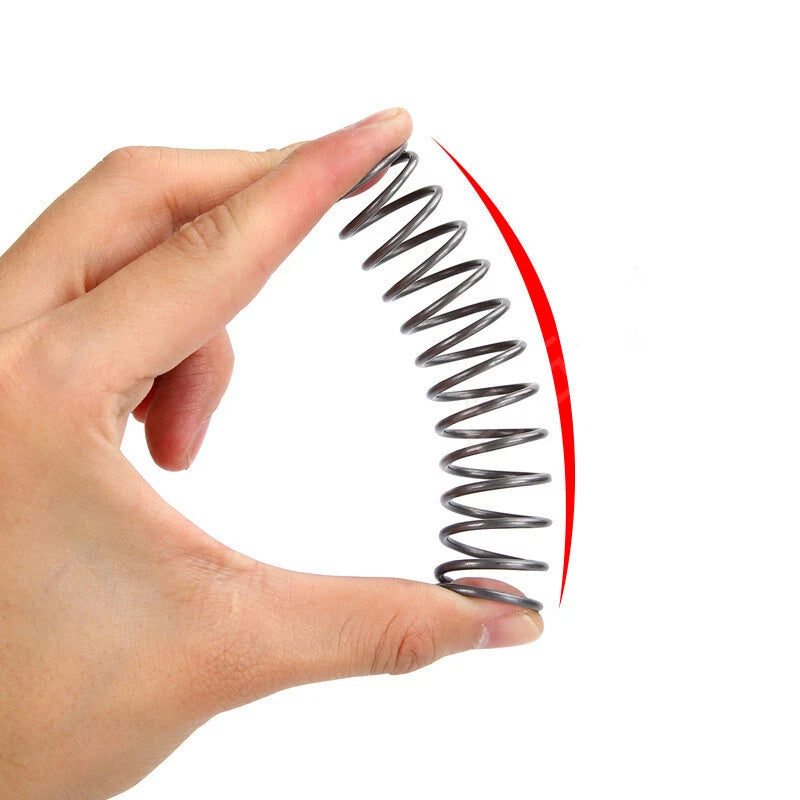
Fine wire options for light-load applications; heavier gauges for stronger return force — all in the same 70mm body length.
📐 OD Range 3–30mm
Covers a broad spectrum of bore and guide-pin sizes, reducing the need to source from multiple suppliers.
🛡️ Three Material Options
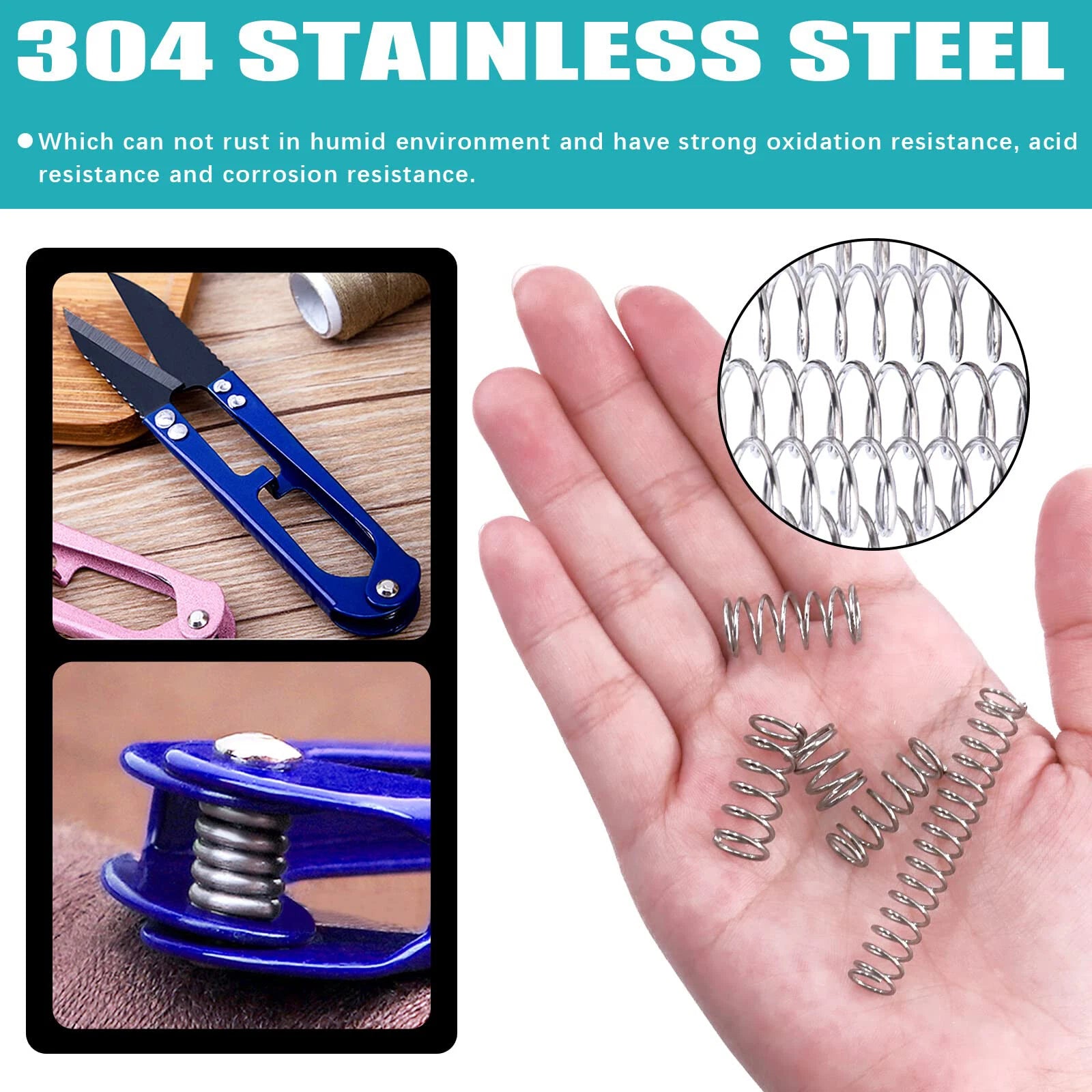
Spring steel for cost-effective general use; stainless steel for corrosion-sensitive environments; zinc-plated for moderate moisture resistance.
📦 Flexible Pack Quantities
Order 1, 2, or 5 pieces per variant — ideal for prototyping single units or stocking small batches without over-ordering.
🔄 Closed & Ground Ends (typical)
Standard closed-end construction provides flat seating surfaces for stable load transfer in most spring-seat applications.

📐 Technical Specifications — Compression Spring

Free Length 70 mm (approx. 2.76 in)
Wire Diameter 0.5 mm – 1.8 mm (0.020" – 0.071")
Outer Diameter (OD) 3 mm – 30 mm (0.12" – 1.18")
Material Spring Steel / Stainless Steel / Zinc-Plated Steel
End Type Closed (typical; see variant options)
Spring Rate See variant options
Load Capacity See variant options
Surface Finish Natural / Stainless / Zinc-Plated
Pack Quantity 1 pc / 2 pcs / 5 pcs (select above)
Weight (per piece) See variant options

❓ Frequently Asked Questions

How do I choose the right wire diameter for my application?

Wire diameter directly affects spring rate and load capacity. Thinner wire (0.5–0.8mm) suits light-load applications such as button returns or small latches. Heavier wire (1.2–1.8mm) provides stronger return force for mechanical assemblies under greater load. If you know your required spring rate or load, match it to the wire diameter; otherwise, start with a mid-range option (0.9–1.0mm) and test deflection under your working load.

What is the difference between spring steel and stainless steel for these springs?

Spring steel offers excellent elasticity and fatigue resistance at a lower cost, making it ideal for dry indoor environments. Stainless steel provides superior corrosion resistance and is recommended for humid, wet, or chemically exposed environments. If your application involves outdoor exposure, food-adjacent equipment, or regular moisture contact, stainless steel is the more durable choice.

Is the zinc-plated (zincification) option suitable for outdoor use?

Zinc plating provides moderate corrosion resistance — better than bare spring steel but less than stainless steel. It is suitable for occasional moisture exposure or mildly humid indoor environments. For prolonged outdoor or marine exposure, stainless steel is recommended instead.

How do I verify the outer diameter fits my guide pin or bore?

The outer diameter (OD) listed in the variant options is the nominal uncompressed OD. For a spring guided by an inner bore, the OD should be slightly smaller than the bore diameter (typically 0.5–1mm clearance). For a spring guided over a pin, the inner diameter (ID = OD minus 2× wire diameter) should be slightly larger than the pin diameter. Use the variant selector above to choose the OD that matches your assembly dimensions.

Can these springs be used in high-temperature environments?

Standard spring steel and zinc-plated variants are suitable for typical ambient temperatures up to approximately 120°C (248°F). Stainless steel variants offer slightly better heat tolerance. For applications exceeding these ranges, contact us to confirm suitability before ordering.

Why should I choose a 5-pack instead of a single piece?

Ordering a 5-pack reduces per-unit cost and ensures you have spares on hand for prototyping iterations, replacements, or parallel builds. For production runs or recurring maintenance tasks, having extra springs in stock prevents project delays caused by a single spring failure or loss during assembly.

What does "closed end" mean and does it matter for my project?

Closed-end springs have the last coil wound tightly against the adjacent coil, creating a flat seating surface. This allows the spring to sit squarely on a flat surface or in a spring pocket without tilting, which is important for consistent load transfer. Most general-purpose compression spring applications benefit from closed ends. If your design requires open ends, contact us to confirm availability.

🛒 Select your Length, Wire Diameter, Outer Diameter, and Material above, then add to cart.

You may also like

Recently viewed