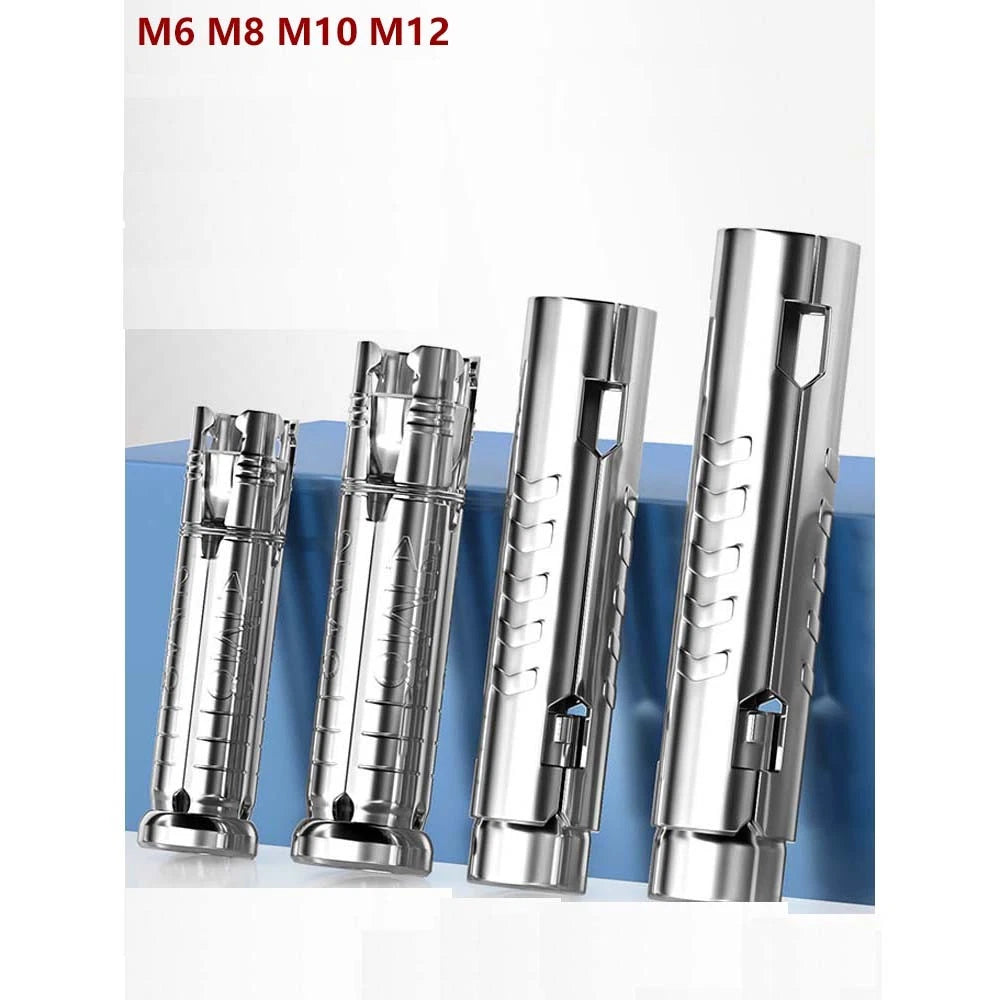
Stainless Steel Built-in Expansion Bolts — M6 M8 M10 M12 | 201 / 304 / 316

No reviews

Price:
Sale price$13.18 USD
Stock:
In stock (500 units), ready to be shipped

Payment & Security

Ach Direct Debit Amazon American Express Apple Pay Bancontact Diners Club Discover Google Pay iDEAL Wero Mastercard PayPal Shop Pay USDC Visa

Your payment information is processed securely. We do not store credit card details nor have access to your credit card information.

Quantity Discount Promotion
🎯 BULK DISCOUNT: Buy More, Save More!
Buy 2 Items
5% OFF
Buy 4 Items
10% OFF
Buy 6 Items
15% OFF
Expert

DIY Expert Support

Get fitment advice & recommendations

Mon-Fri, 8:30AM-8PM
24-Hour Fast Ship
🚚
Arrives in 3-14 days
🌍
Global Reach
↩️
30-Day Returns
🌱 1 tree planted with every purchase

Description

Stainless Steel Expansion Bolts for Concrete & Masonry — Reliable Anchoring in M6 to M12

When a fastener works loose in concrete, the consequences range from a fallen shelf to a genuine safety hazard. Contractors, DIYers, and facility maintenance teams who need a dependable mechanical anchor in concrete, brick, or stone rely on built-in expansion bolts — a design that locks itself tighter the more load it carries.

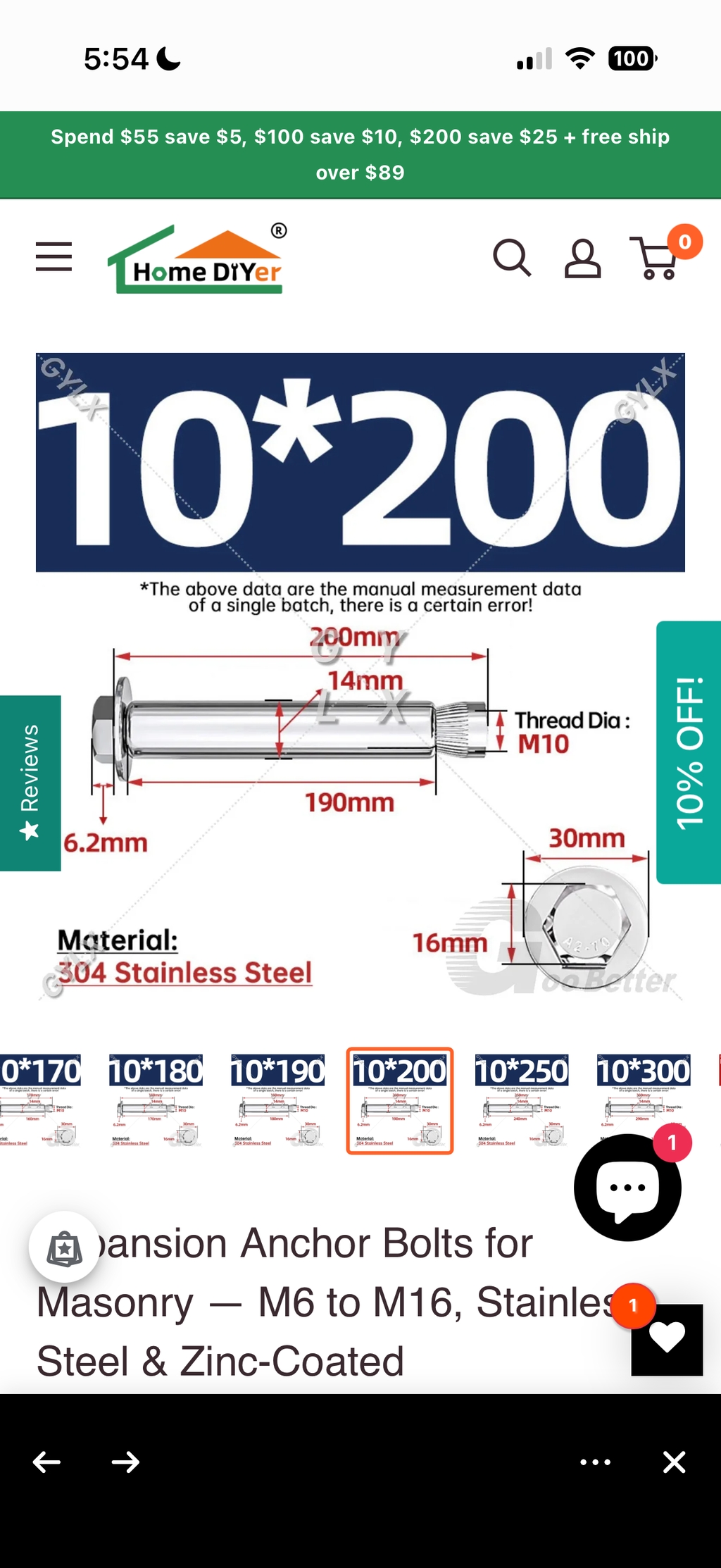
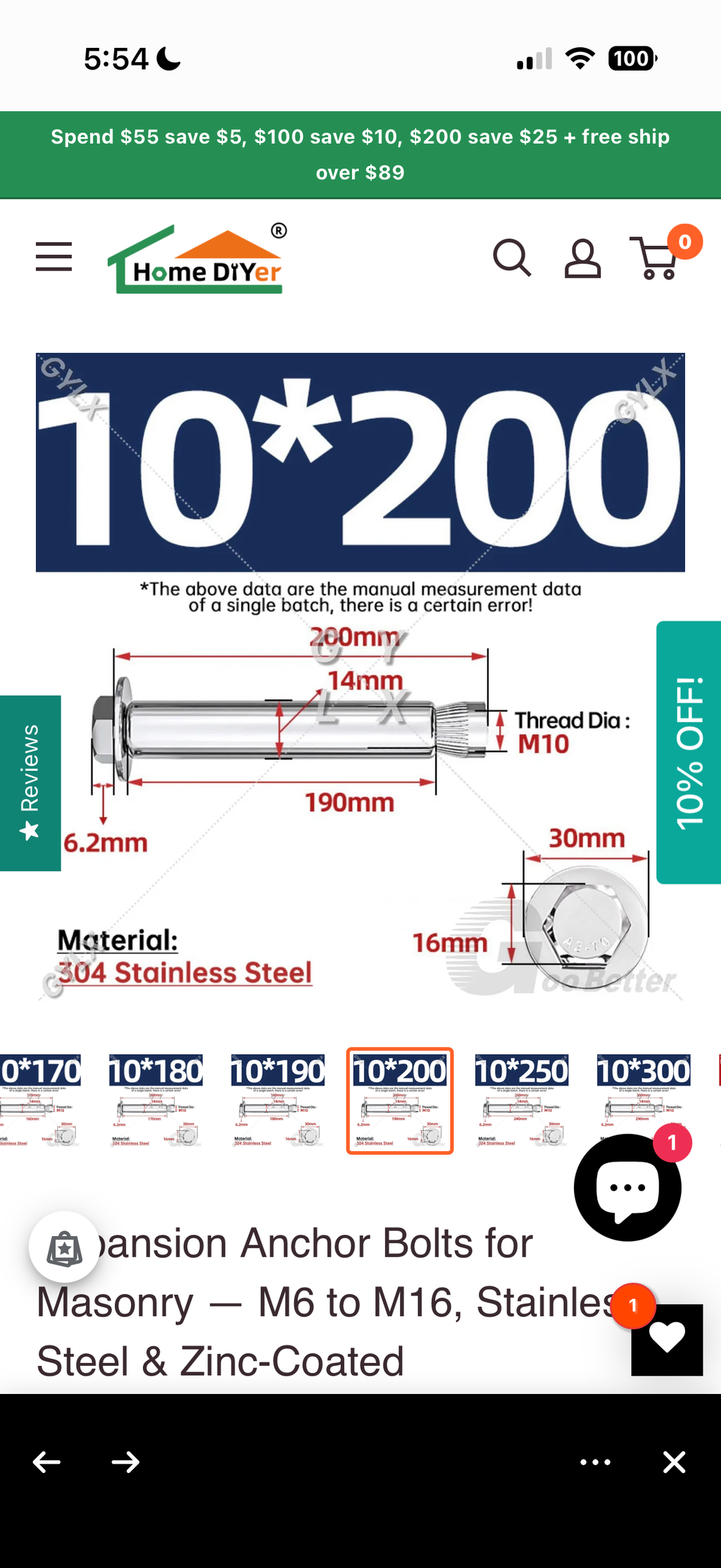
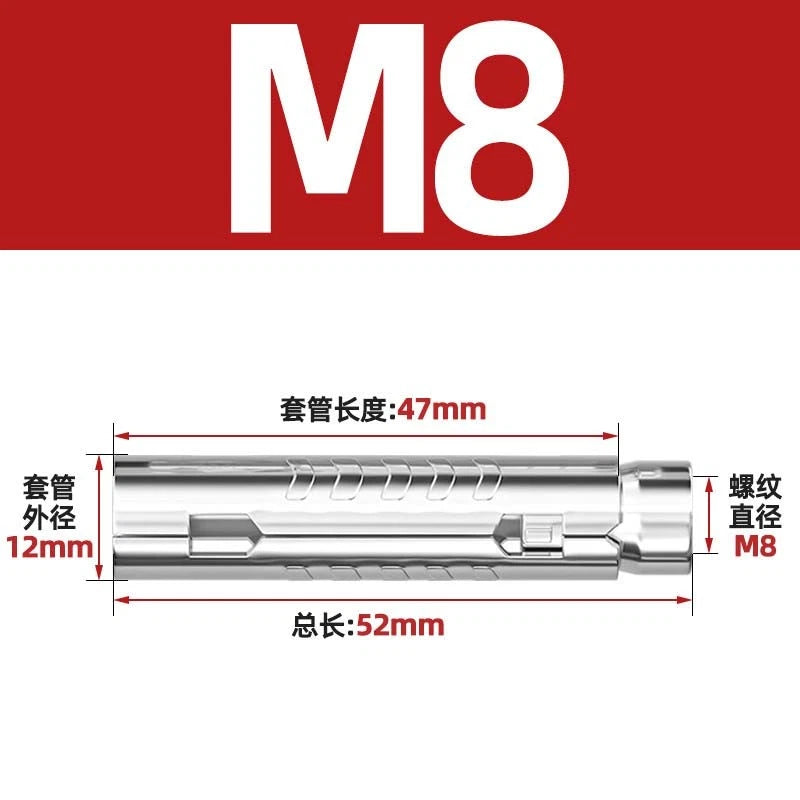
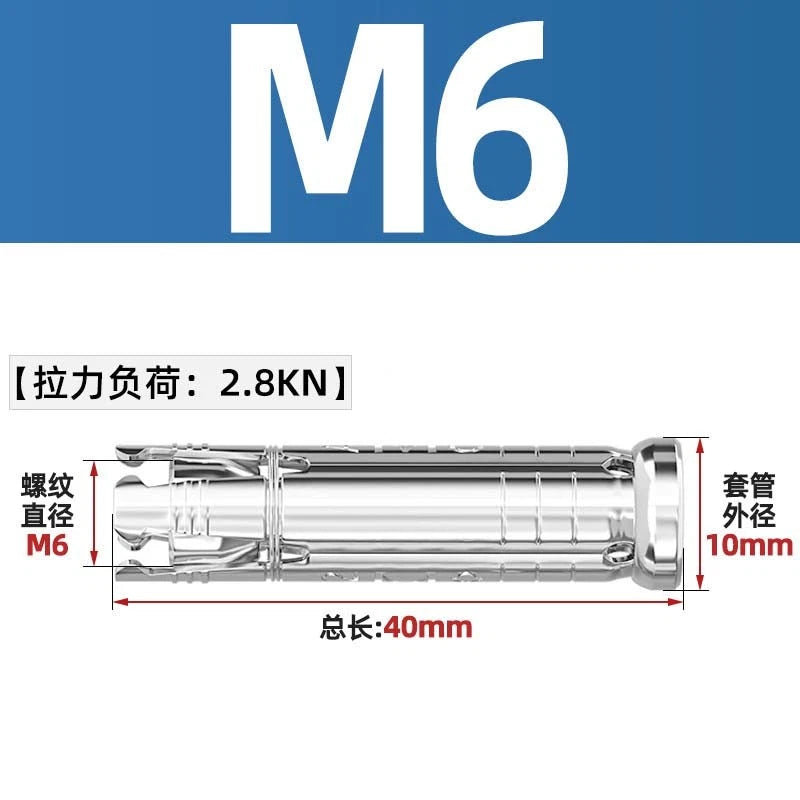
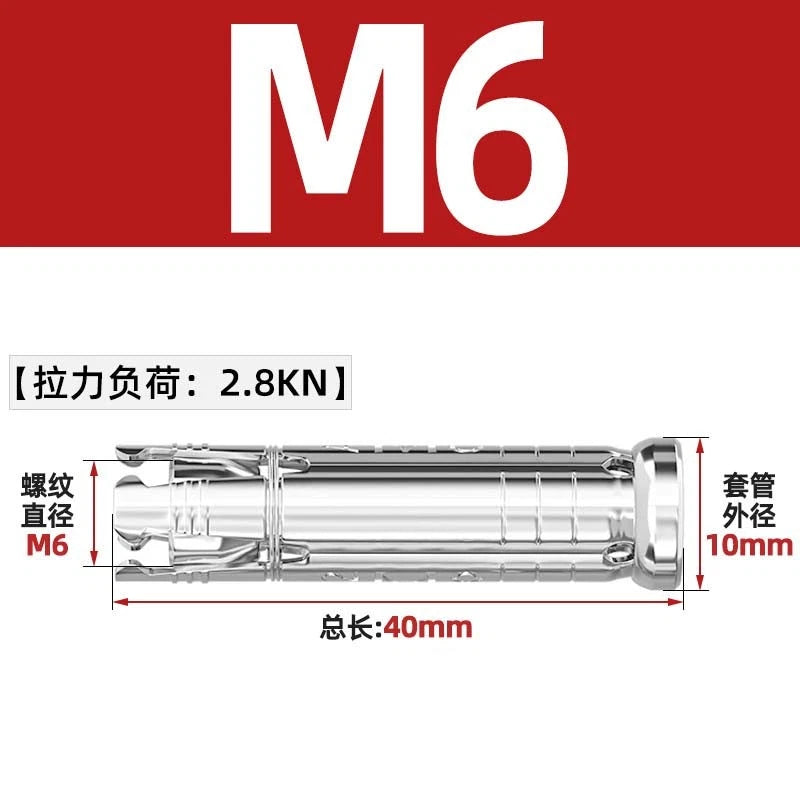
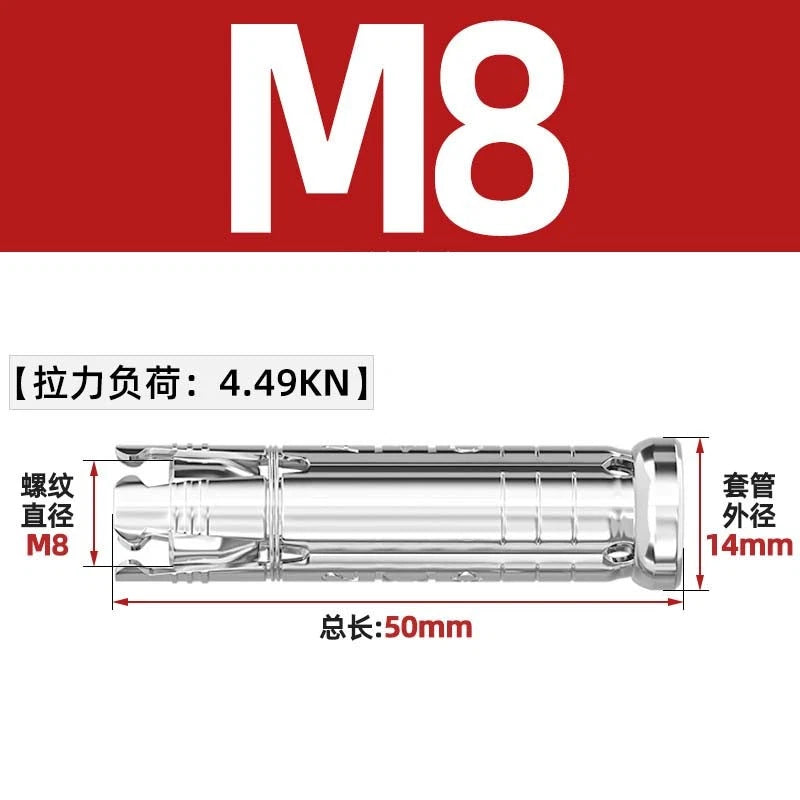
Each set is available in a 3-piece configuration (expansion bolt + expansion sleeve + hex nut) or a 4-piece configuration (expansion bolt + expansion sleeve + hex nut + flat washer), in thread sizes M6, M8, M10, and M12. Material grades span 201 stainless steel (indoor/dry use), 304 stainless steel (general outdoor use), and 316 stainless steel (coastal/marine environments). Quantities are available from 1 pc up to 25 pcs per order to match both single-fixture jobs and larger installations.

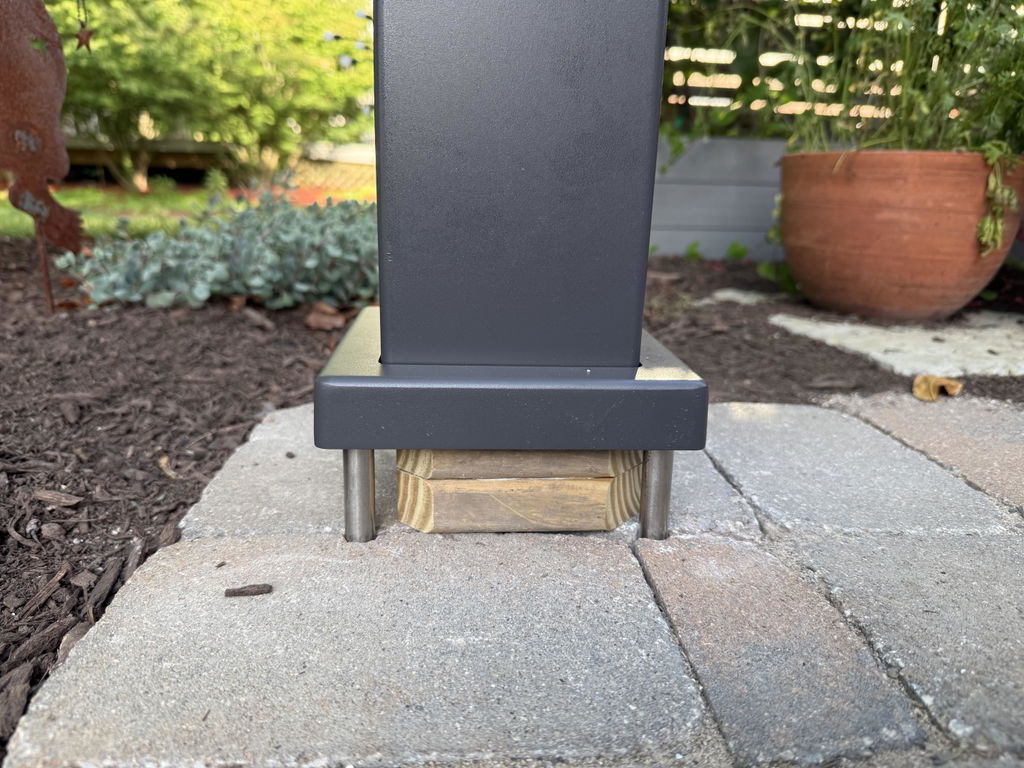
Typical applications include anchoring structural brackets and handrails to concrete walls, securing machinery bases and equipment frames to concrete floors, mounting electrical conduit supports and HVAC brackets in commercial buildings, and fastening deck ledger boards or pergola posts to masonry foundations — all scenarios where a stainless steel concrete anchor bolt with corrosion resistance is essential.

🔩 Thread Standard: ISO metric coarse thread (M6 / M8 / M10 / M12) — compatible with standard metric nuts, washers, and fixtures. Not interchangeable with UNC/UNF inch-standard fasteners.

✅ Key Features of These Stainless Steel Expansion Bolts

  • 🔒 Mechanical Wedge-Lock Design — The expansion sleeve spreads outward as the nut is tightened, creating a positive mechanical interlock with the base material that resists both pull-out and vibration loosening in concrete anchor bolt applications.
  • 🌊 Three Stainless Steel Grades — Choose 201 for dry indoor environments, 304 for general outdoor and humid conditions, or 316 (with added molybdenum) for coastal, marine, and chloride-rich settings where corrosion resistance is critical.
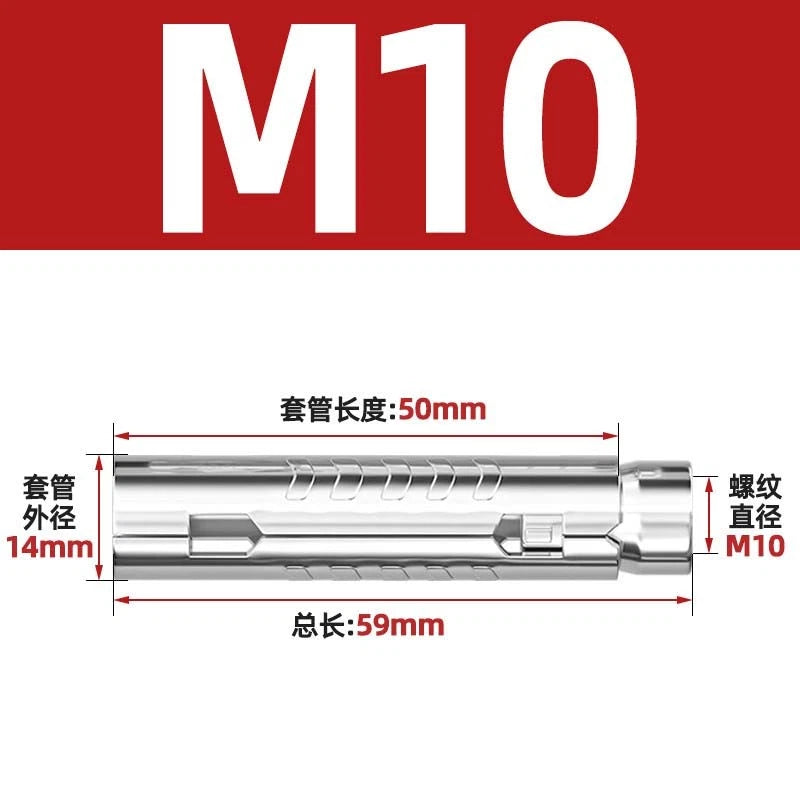
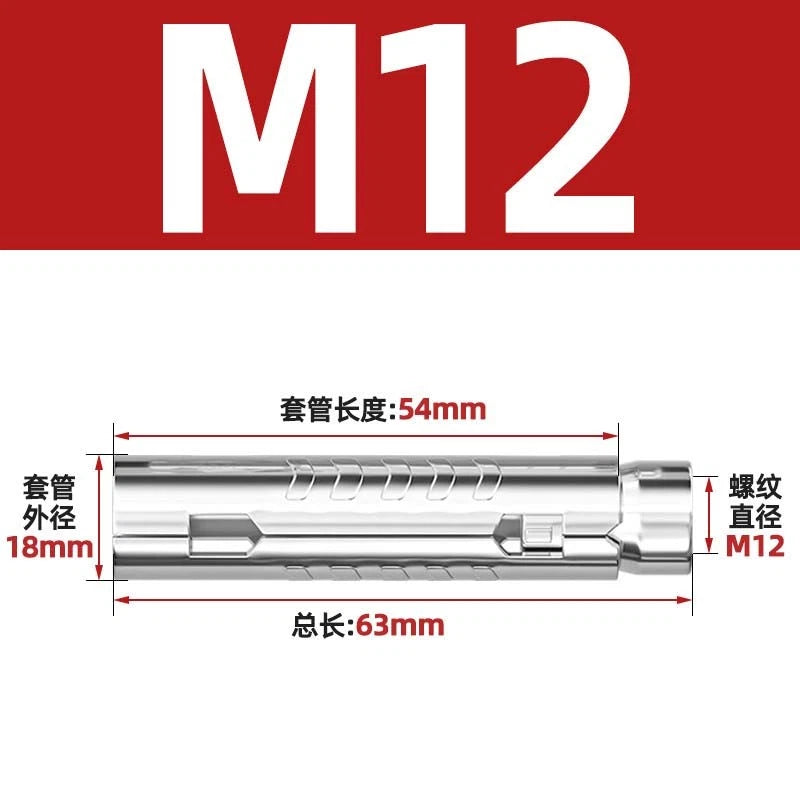
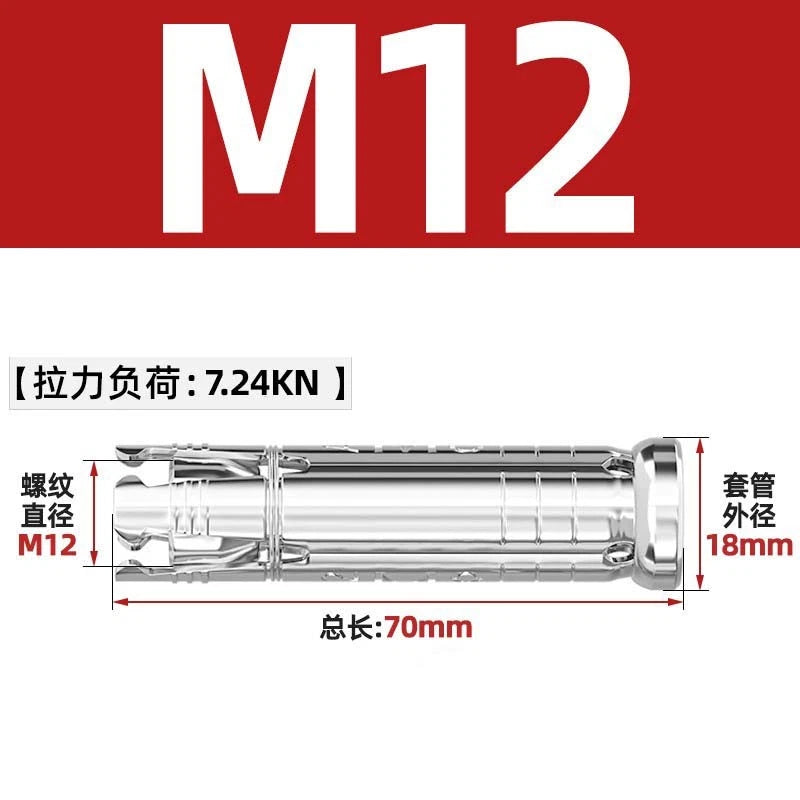
  • 📐 Four Metric Sizes in One Listing — M6 (≈1/4"), M8 (≈5/16"), M10 (≈3/8"), and M12 (≈1/2") cover the most common structural anchoring diameters, letting you stock a single SKU family for mixed-size jobs.
  • 🧰 3-Piece or 4-Piece Set Options — The 3-piece set handles standard fixture holes cleanly; the 4-piece set adds a flat washer to distribute clamping load over a wider bearing area, reducing fixture deformation on softer or oversized holes.
  • 📦 Flexible Pack Quantities — Available in 1, 2, 4, 5, 10, and 25-piece quantities so you can order exactly what a single repair needs or stock up for a full installation run without overpaying for excess hardware.
  • 🏗️ Broad Substrate Compatibility — Designed for use in solid concrete, dense brick, and natural stone. Suitable for anchoring handrails, brackets, machinery bases, conduit supports, and structural connections where a reliable masonry expansion anchor is required.

📐 Technical Specifications — Stainless Steel Built-in Expansion Bolts

⚠️ Embedment depth, torque values, and load ratings vary by base material and installation conditions. Confirm specifications with your structural engineer or refer to anchor design standards (ACI 318 / ETAG 001) for safety-critical applications.
Product Type Built-in (sleeve) expansion bolt / mechanical anchor
Thread Standard ISO metric coarse (M6 / M8 / M10 / M12)
Available Sizes M6, M8, M10, M12
Set Configuration 3-piece (bolt + sleeve + nut) or 4-piece (bolt + sleeve + nut + washer)
Material — Grade 201 201 Stainless Steel — suitable for dry/indoor environments
Material — Grade 304 304 Stainless Steel (18-8) — general outdoor & humid conditions
Material — Grade 316 316 Stainless Steel (marine grade) — coastal, marine, chloride-rich environments
Drive / Installation Hex nut drive (standard wrench or socket)
Recommended Base Materials Solid concrete, dense brick, natural stone
Drill Hole Diameter Match nominal bolt diameter (e.g., M8 bolt → 8 mm hole); see variant options
Embedment Depth See variant options / Contact us to confirm for your application
Surface Finish Natural stainless steel (brushed/mill finish)
Pack Quantities Available 1 pc, 2 pcs, 4 pcs, 5 pcs, 10 pcs, 25 pcs
Compliance / Standards ISO metric thread per ISO 261; material per ASTM A276 equivalent grades

❓ Frequently Asked Questions

How do I choose the right size expansion bolt for my project?

Match the bolt diameter to your fixture's hole size and the load requirement. As a general guide: M6 (≈1/4") is typically used for light-duty brackets and shelving; M8 (≈5/16") suits medium loads like handrails and cable trays; M10 (≈3/8") handles heavier structural anchoring such as equipment frames; M12 (≈1/2") is generally chosen for heavy machinery bases and structural steel connections. Always drill a hole matching the bolt's nominal diameter and follow the embedment depth recommended for your base material.

What is the load capacity of these expansion bolts?

Actual load capacity depends on the base material (concrete compressive strength, masonry type), embedment depth, edge distance, and spacing. In general, larger diameters and deeper embedment yield higher pull-out and shear values. For safety-critical applications, consult a structural engineer and reference anchor design standards such as ACI 318 Appendix D or ICC-ES reports. Do not rely on nominal diameter alone to estimate allowable loads.

Are these expansion bolts suitable for outdoor or marine environments?

316 stainless steel variants are generally recommended for outdoor coastal, marine, and salt-spray environments due to their molybdenum content, which provides superior resistance to chloride-induced pitting corrosion. 304 stainless steel is suitable for most outdoor applications away from direct salt exposure. 201 stainless steel is best reserved for dry or low-humidity indoor use where corrosion risk is minimal.

What thread standard do these bolts use — are they compatible with my existing hardware?

These bolts use ISO metric coarse threads per ISO 261 — the same standard used by the vast majority of metric fasteners worldwide. M6, M8, M10, and M12 are fully compatible with standard metric hex nuts, flat washers, and lock washers. They are not interchangeable with UNC or UNF inch-standard fasteners commonly found in older US construction hardware.

What is the difference between the 3-piece and 4-piece sets?

The 3-piece set includes the expansion bolt, expansion sleeve, and hex nut — everything needed for a standard installation into a clean, correctly sized hole. The 4-piece set adds a flat washer, which distributes the clamping load over a larger bearing area. Choose the 4-piece set when your fixture plate has a hole diameter noticeably larger than the bolt shank, or when you are fastening softer materials that could deform under the nut face alone.

Can I use these bolts in brick or block walls, not just poured concrete?

Built-in expansion bolts generally perform well in solid brick and dense concrete block. Performance is typically reduced in hollow block, aerated concrete (AAC/autoclaved), or soft masonry because the expansion sleeve cannot develop full bearing contact. For hollow substrates, a sleeve anchor or chemical anchor is usually a better choice. Always perform a test installation and verify pull-out strength before committing to a full project.

How do I install a built-in expansion bolt correctly?

1. Drill a hole matching the bolt's nominal diameter to the required embedment depth using a hammer drill and carbide-tipped bit. 2. Blow out all dust and debris with compressed air. 3. Insert the expansion bolt assembly into the hole. 4. Place your fixture over the protruding bolt, then add the washer (if included) and hex nut. 5. Tighten with a wrench — as the nut advances, the sleeve expands against the hole wall, creating a mechanical lock. Avoid over-torquing; follow the torque specification for the given diameter and base material to prevent cracking the substrate.

🛒 Select your size, material grade, and quantity above, then add to cart — ships from our US warehouse.

You may also like

Recently viewed