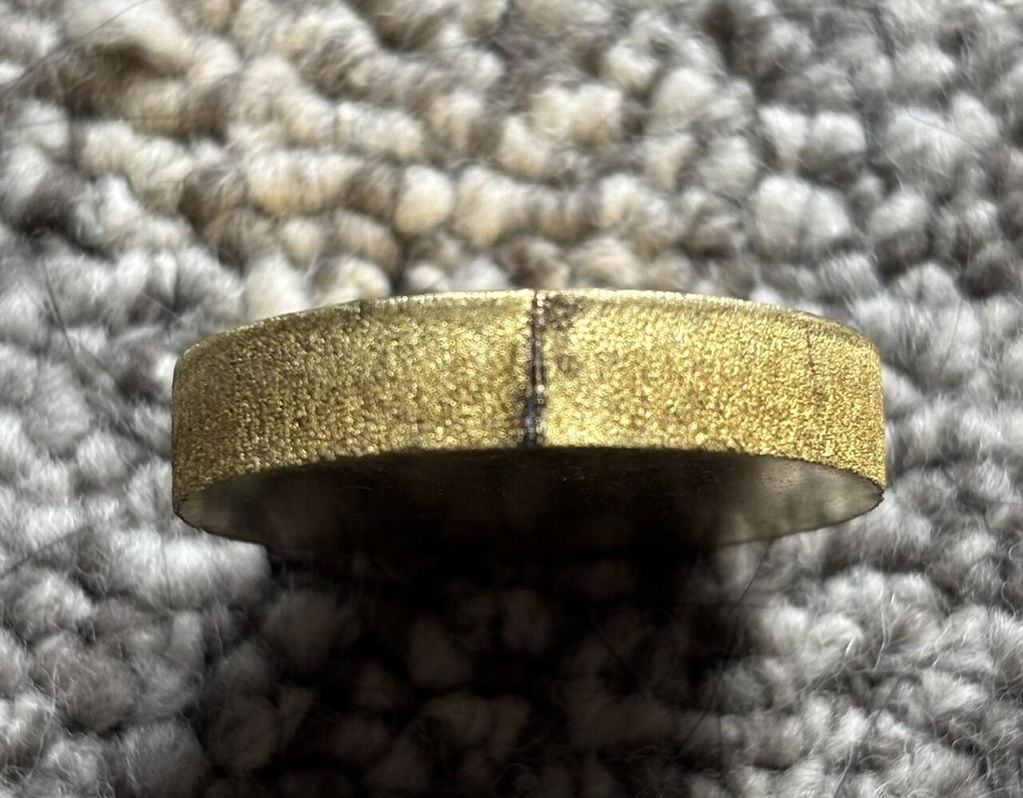
The chain is fine...but I ordered the wrong size. Nine links of the chain I ordered equals six of the size I wanted. My error...
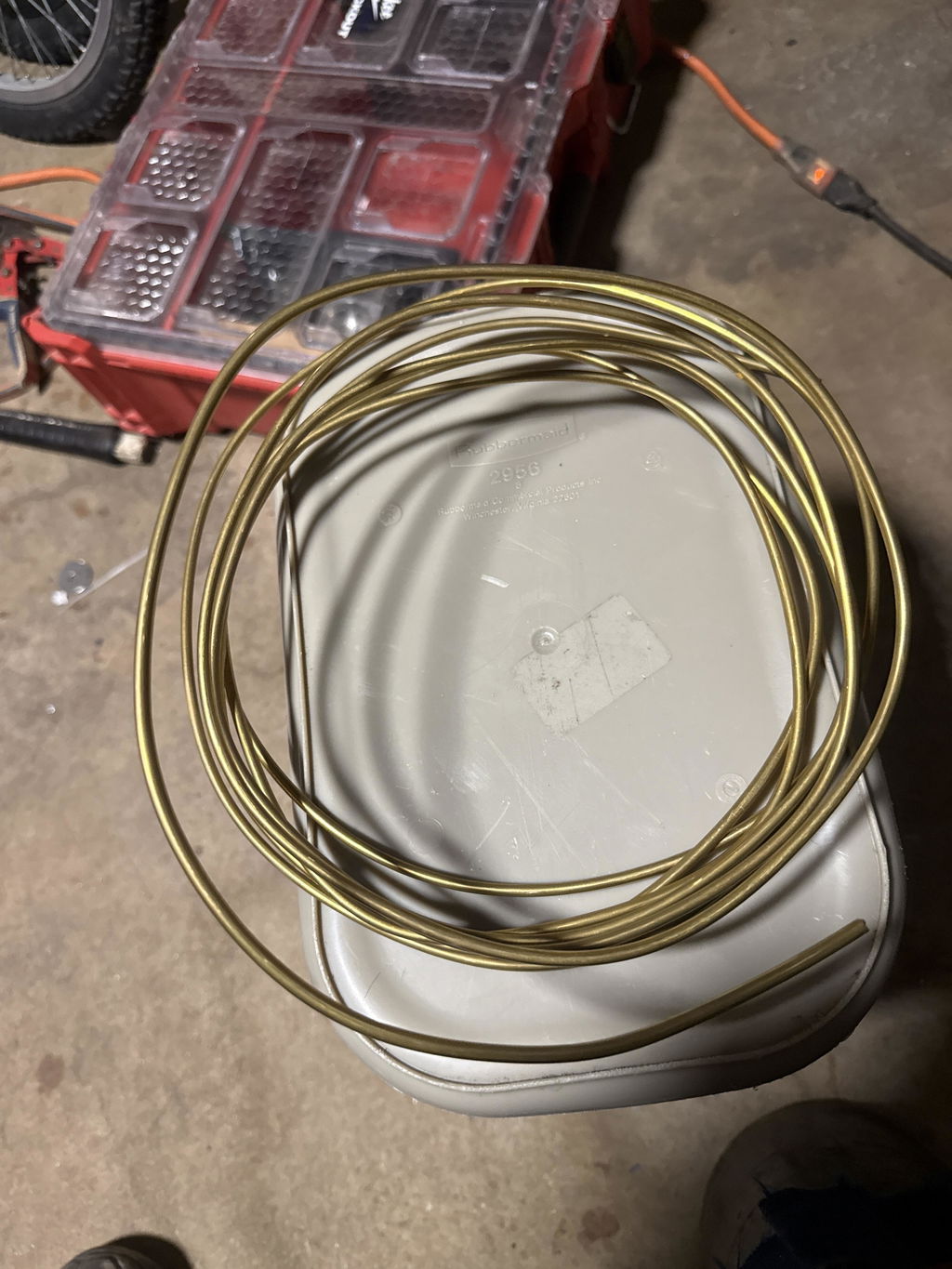
How can I straighten out the springs? I can't use them coil uo as is.
Your payment information is processed securely. We do not store credit card details nor have access to your credit card information.
Get fitment advice & recommendations
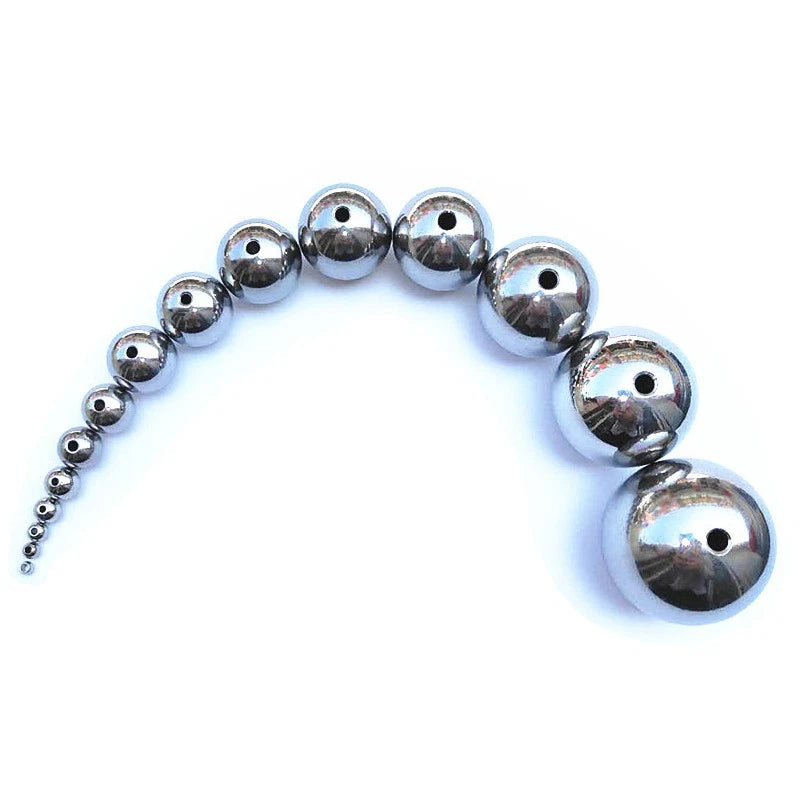
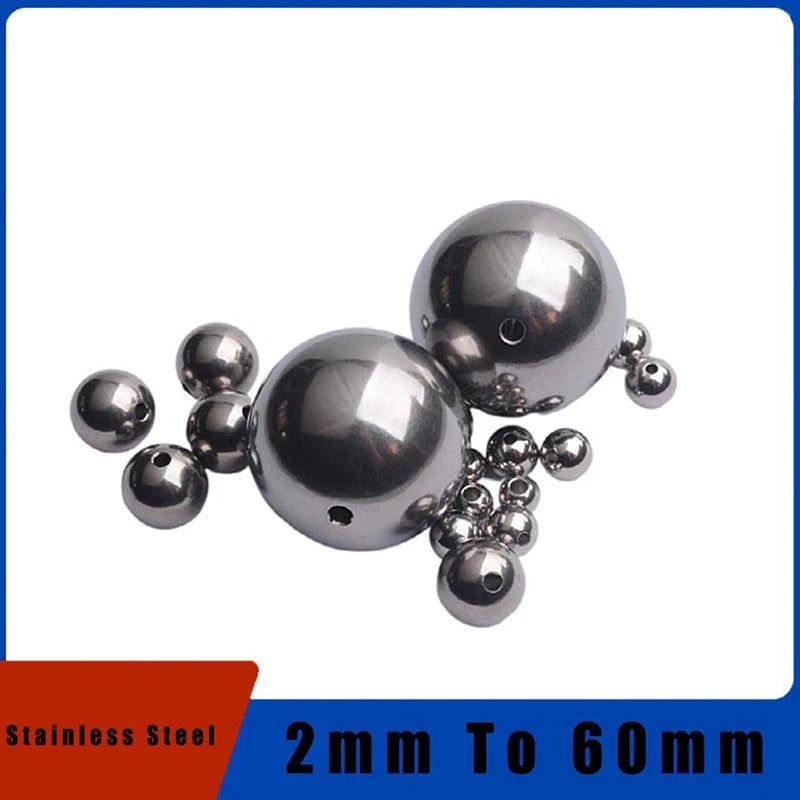
When a standard solid ball bearing won't fit your design, engineers, hobbyists, and precision mechanics reach for a drilled or through-hole variant. These stainless steel ball bearings with hole are built for applications where a shaft, pin, or fastener must pass through the rolling element itself — eliminating the need for a separate mounting bracket and reducing assembly complexity.
Each stainless steel ball bearing with hole is machined from corrosion-resistant stainless steel and features a precisely centered through-hole. Outer diameters range from 2mm (approx. 0.079 in) to 60mm (approx. 2.362 in), with hole diameters typically ranging from 1mm to 6mm depending on the selected size. Available in pack sizes of 1, 5, 10, or 20 pieces to suit both prototyping and production runs.
Typical use cases include custom bearing assemblies in robotics and automation, pivot points in mechanical linkages, load-distributing elements in jigs and fixtures, and decorative or functional hardware in woodworking and metalworking projects. The through-hole geometry also makes these stainless steel ball bearings with hole well-suited for wire-threading, cable routing, and tensioning systems.
| Material | Stainless Steel |
|---|---|
| Outer Diameter Range | 2mm – 60mm (approx. 0.079 in – 2.362 in) |
| Hole Diameter Range | 1mm – 6mm (varies by OD; see variant options) |
| Surface Finish | Precision-ground spherical |
| Corrosion Resistance | Stainless steel — suitable for humid/mildly corrosive environments |
| Pack Size Options | 1 Pcs / 5 Pcs / 10 Pcs / 20 Pcs |
| Tolerance Class | See variant options |
| Hardness | See variant options |
| Application Type | Rolling element, pivot, cable guide, mechanical linkage |
| Compatible Shaft / Pin Diameter | Contact us to confirm |
Start with the shaft or pin diameter that must pass through the hole — select a hole diameter that provides your required clearance or press fit. Then choose the outer diameter based on the load-bearing surface area you need and the space available in your assembly. If you are unsure, contact us with your shaft size and we can help confirm the correct variant.
These bearings are constructed from corrosion-resistant stainless steel. The exact alloy grade varies by size; if you require a specific grade (e.g., 304 or 316) for a critical application, please contact us to confirm before ordering.
Yes. Stainless steel provides inherent resistance to oxidation and surface rust in humid, wet, or mildly corrosive conditions. For highly aggressive chemical environments (e.g., saltwater immersion or strong acids), contact us to confirm suitability for your specific conditions.
These are solid rolling elements with a through-hole, not full bearing assemblies with inner/outer races. They function as individual rolling or pivoting elements in custom assemblies, jigs, linkages, and fixtures. For high-speed rotating shaft applications requiring a full bearing assembly, a standard radial ball bearing would be more appropriate.
These are precision-ground components with tolerances typical for stainless steel rolling elements. Exact tolerance class varies by size. If your application requires a specific tolerance (e.g., h6, g6), please contact us to confirm before ordering.
Order 1 piece for prototyping or fit verification. Choose 5 or 10 pieces for small production runs or to keep spares on hand. The 20-piece pack offers the best per-unit value for batch production, maintenance kits, or high-turnover applications. All pack sizes ship the same part — only the quantity differs.
Yes. The through-hole geometry makes these well-suited for threading cables, wires, or cords through the ball, which can then act as a tensioning or guide element. Ensure the cable diameter is smaller than the hole diameter of your selected variant to allow smooth passage.