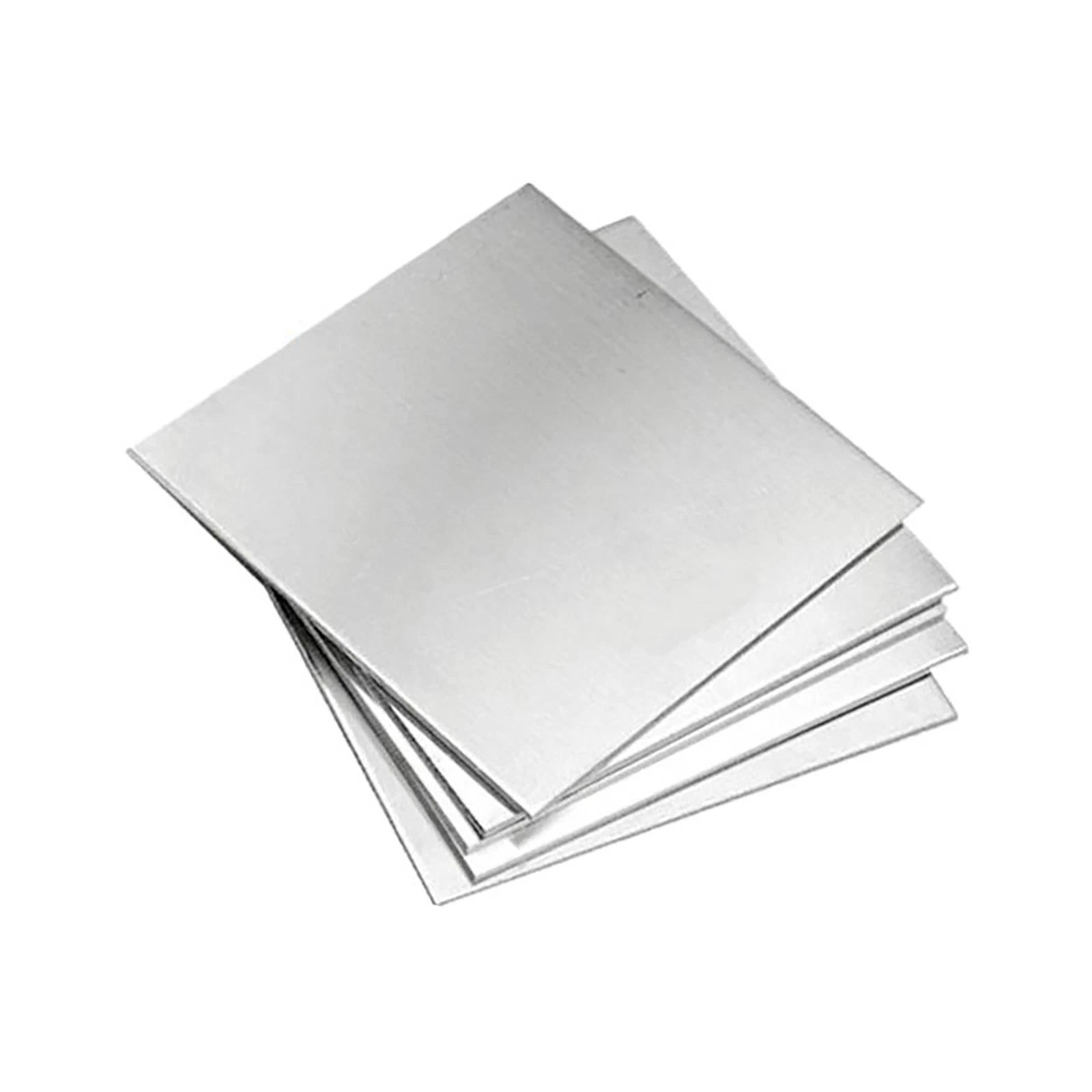
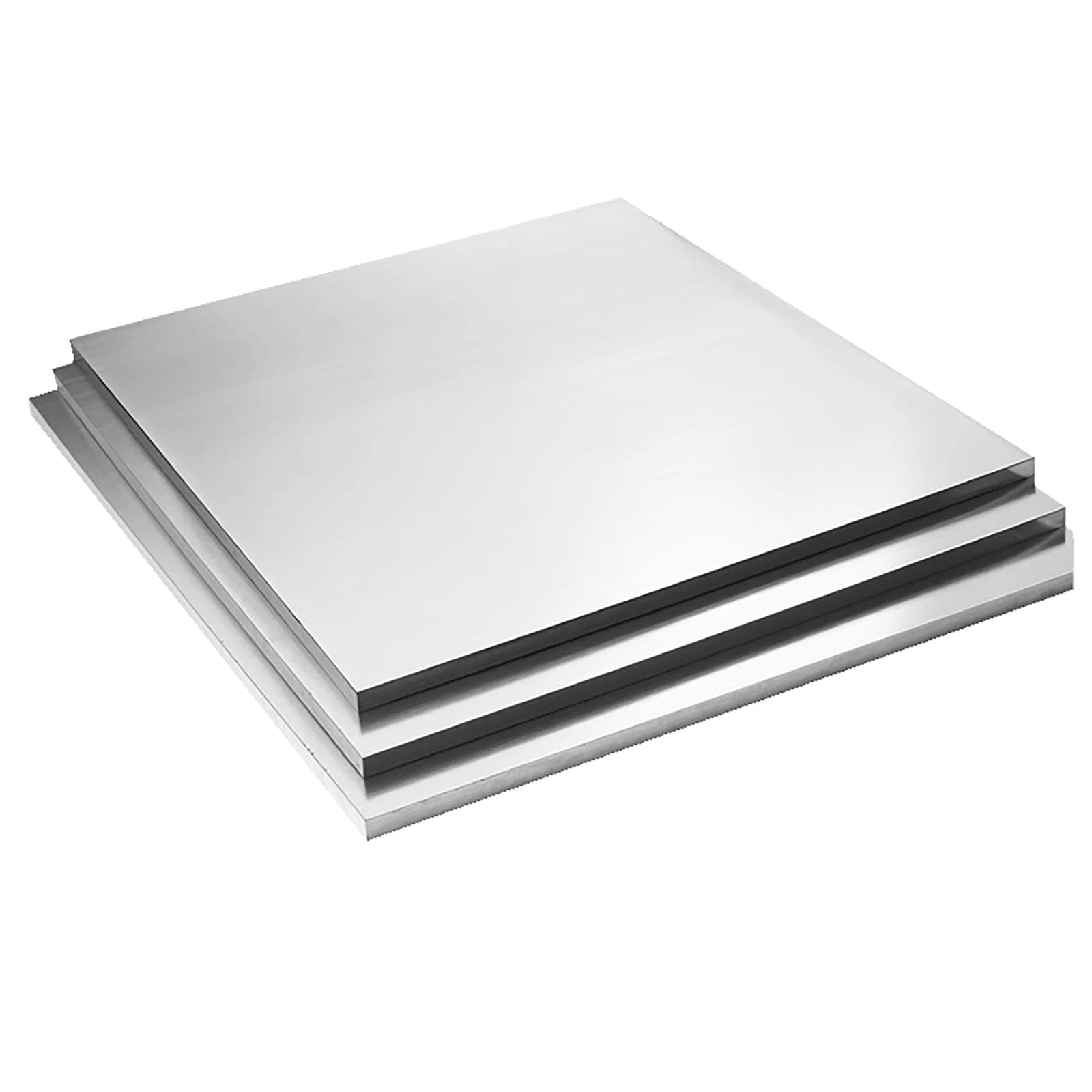
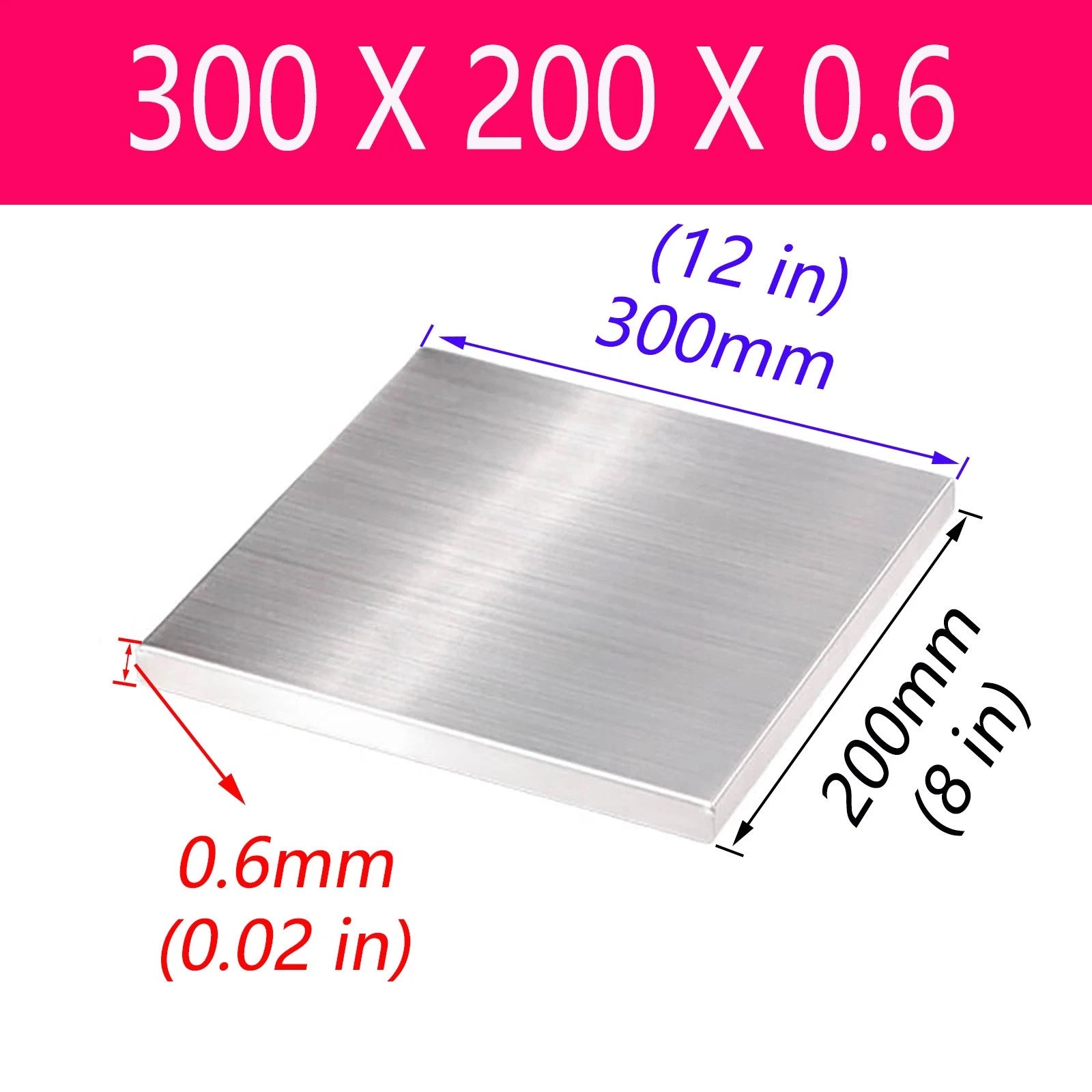
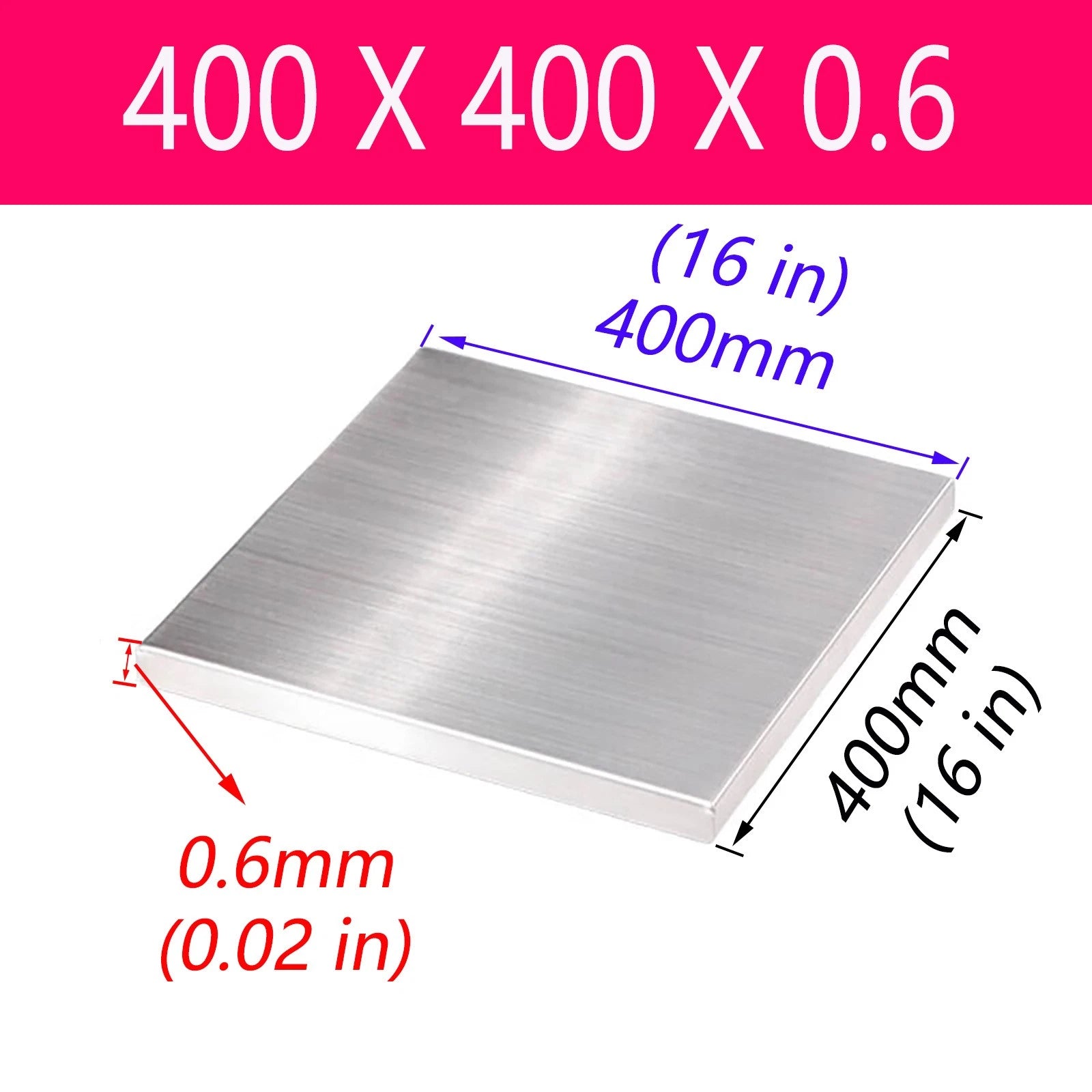
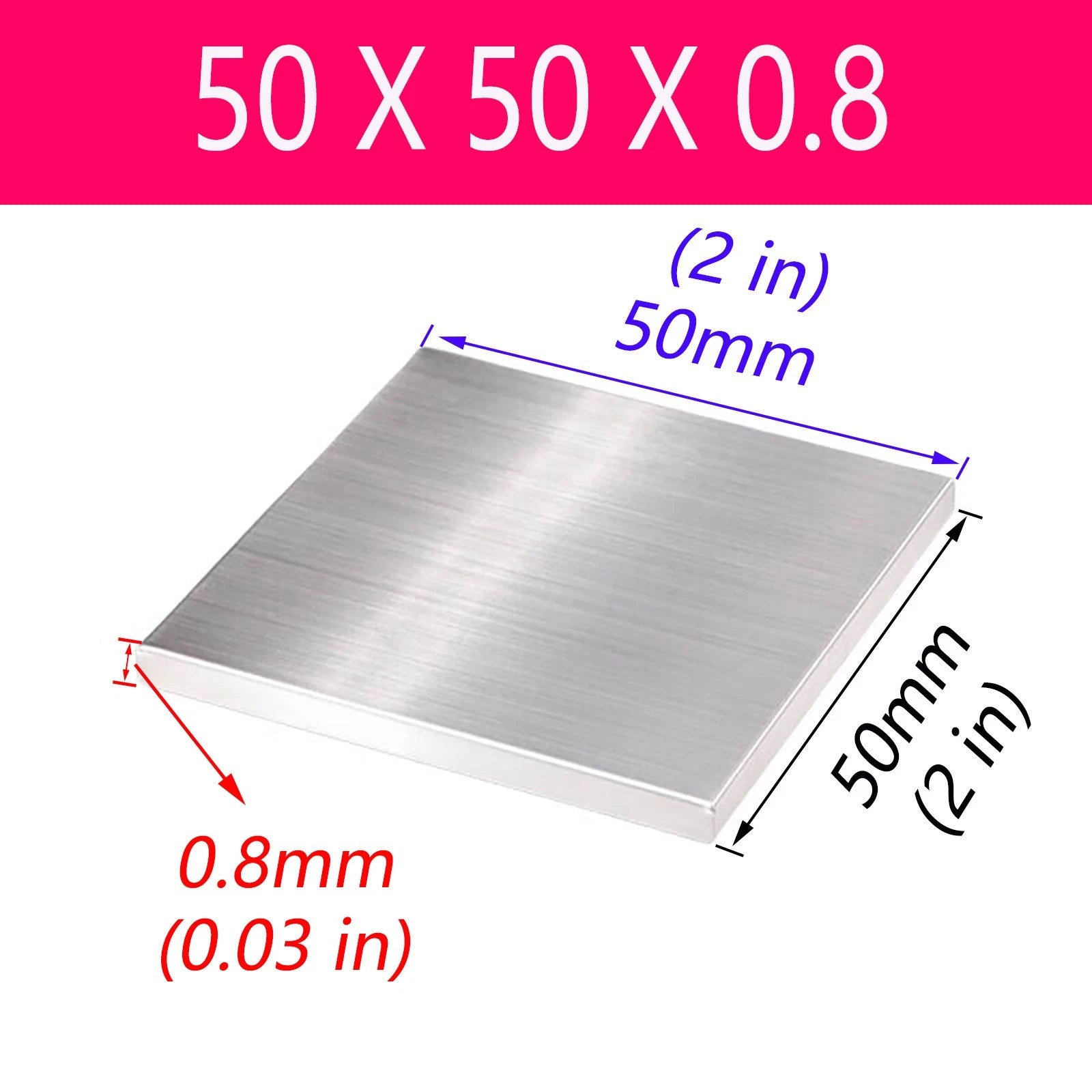
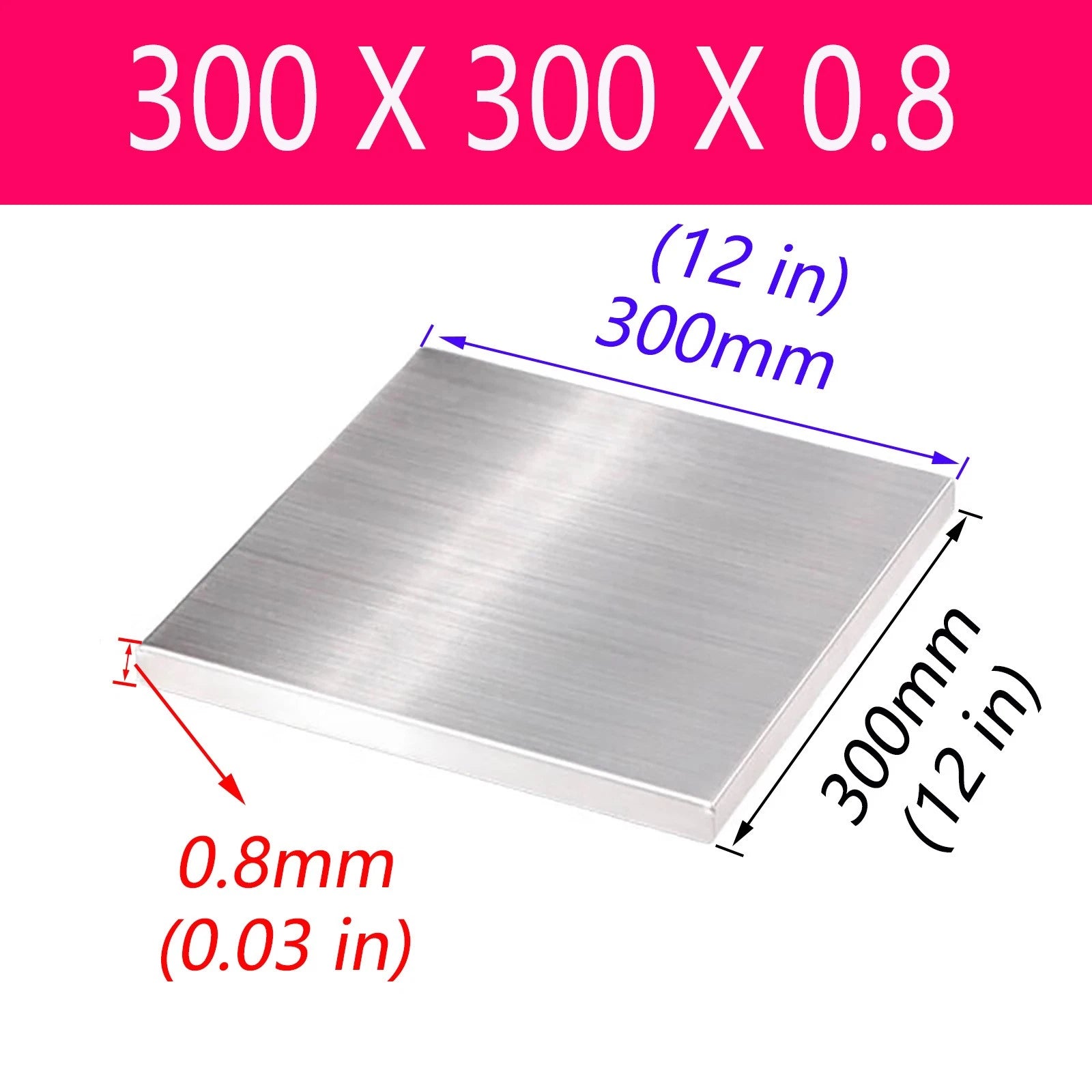
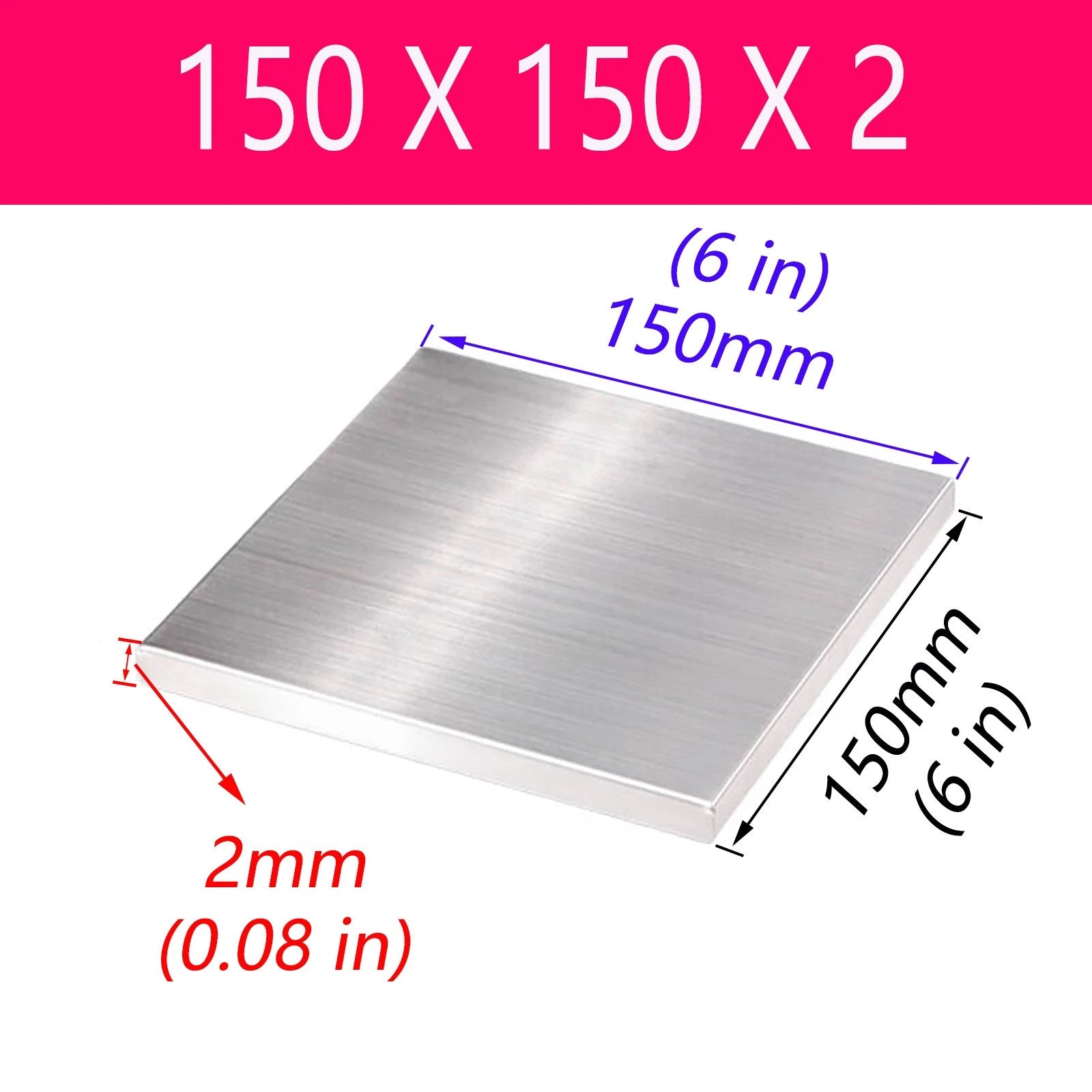
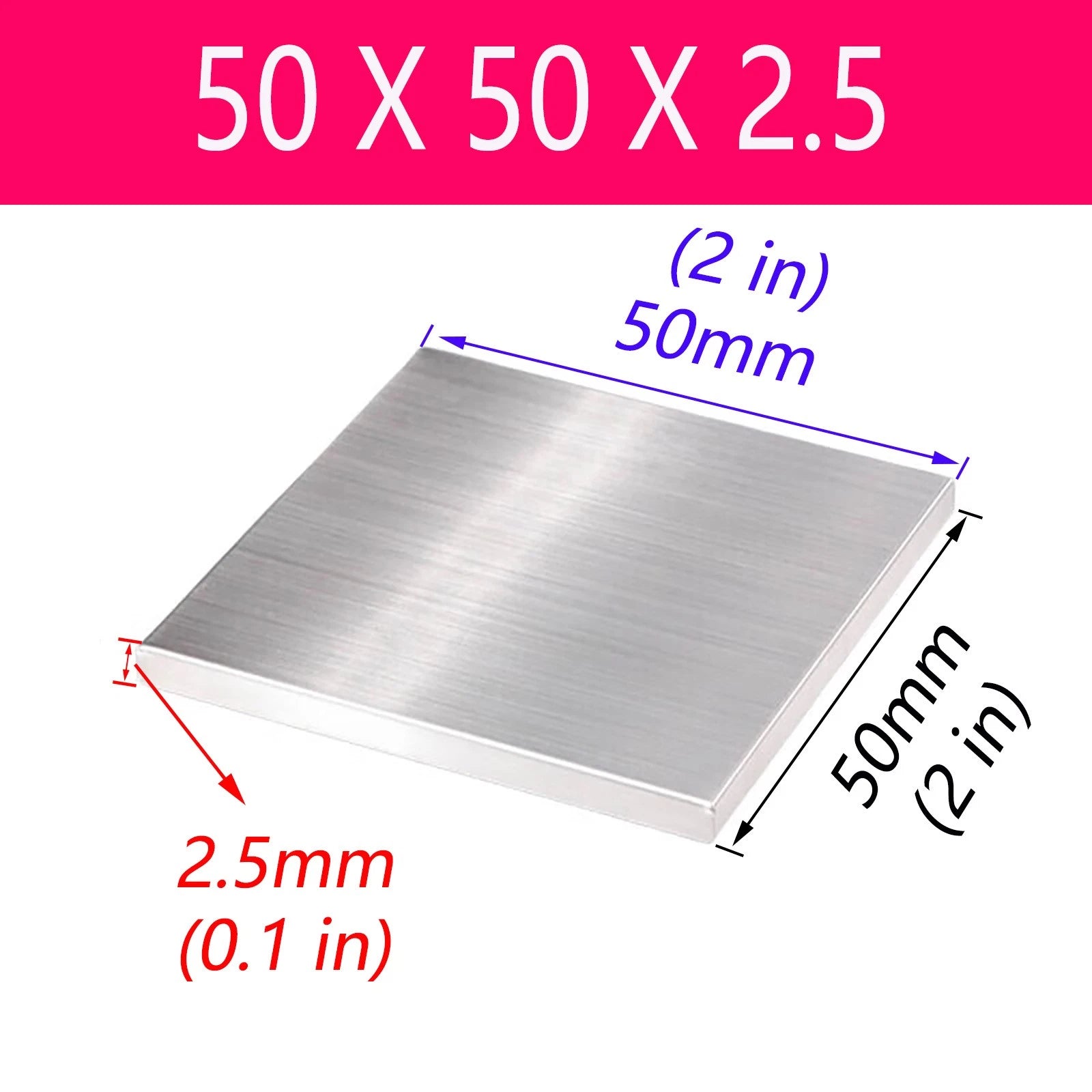
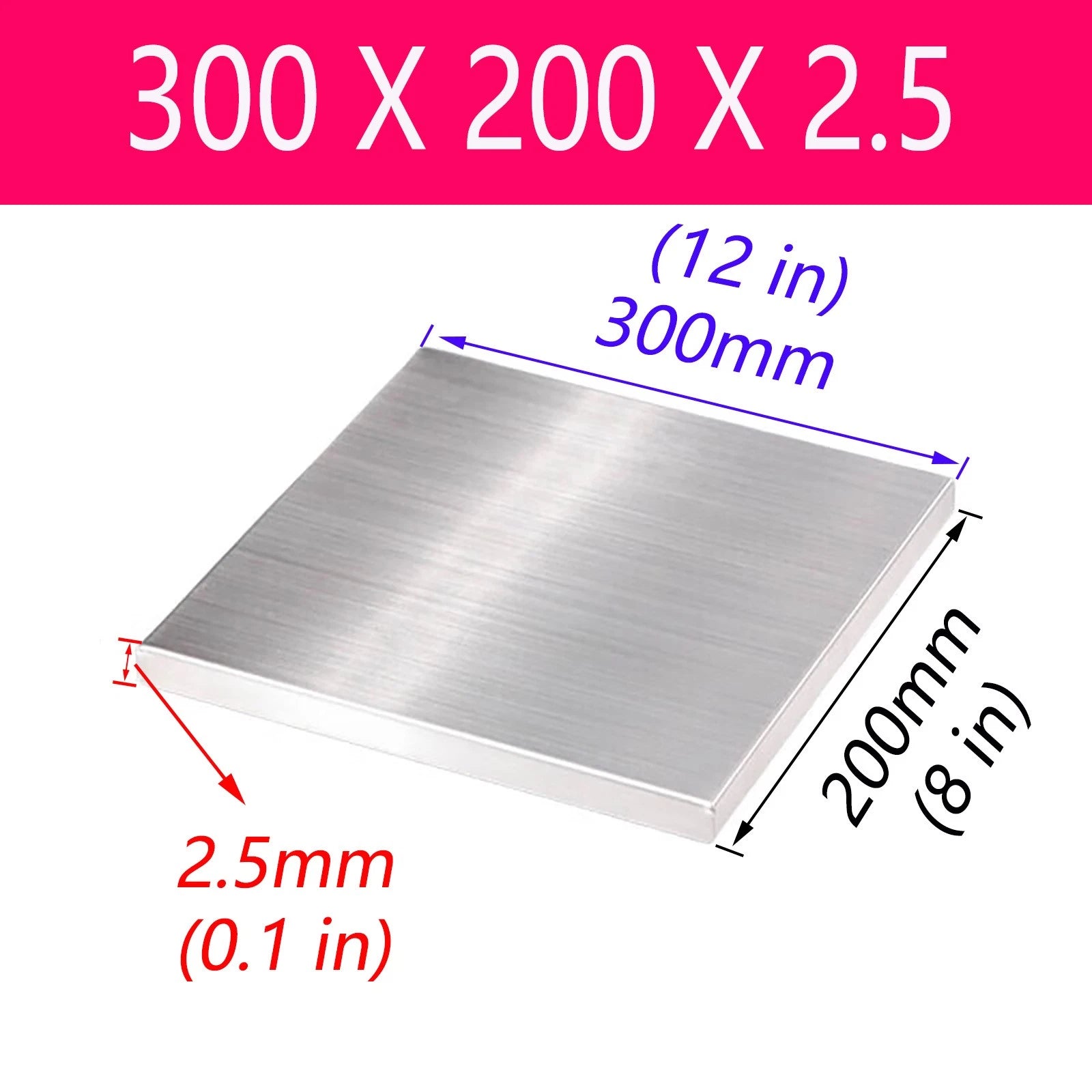
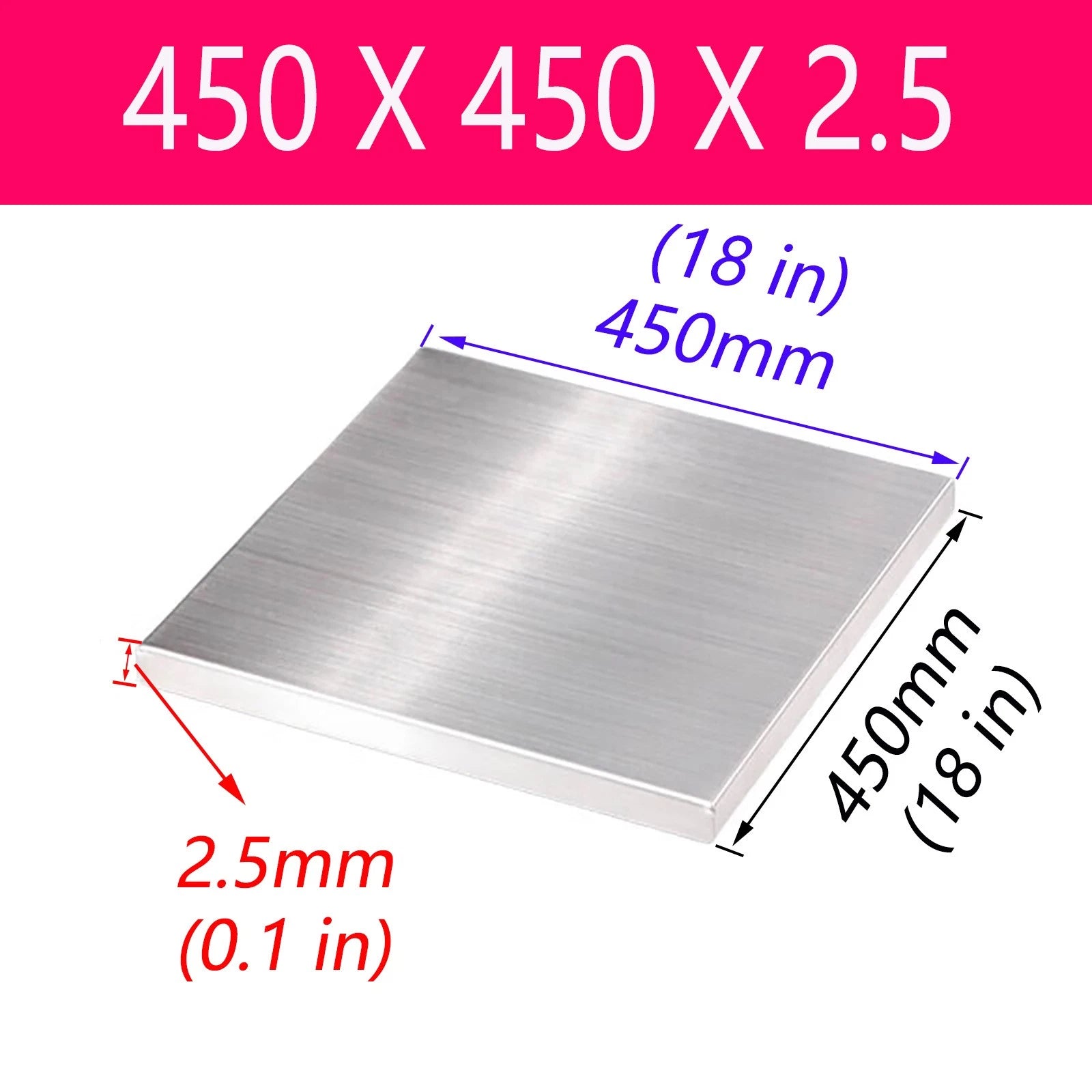
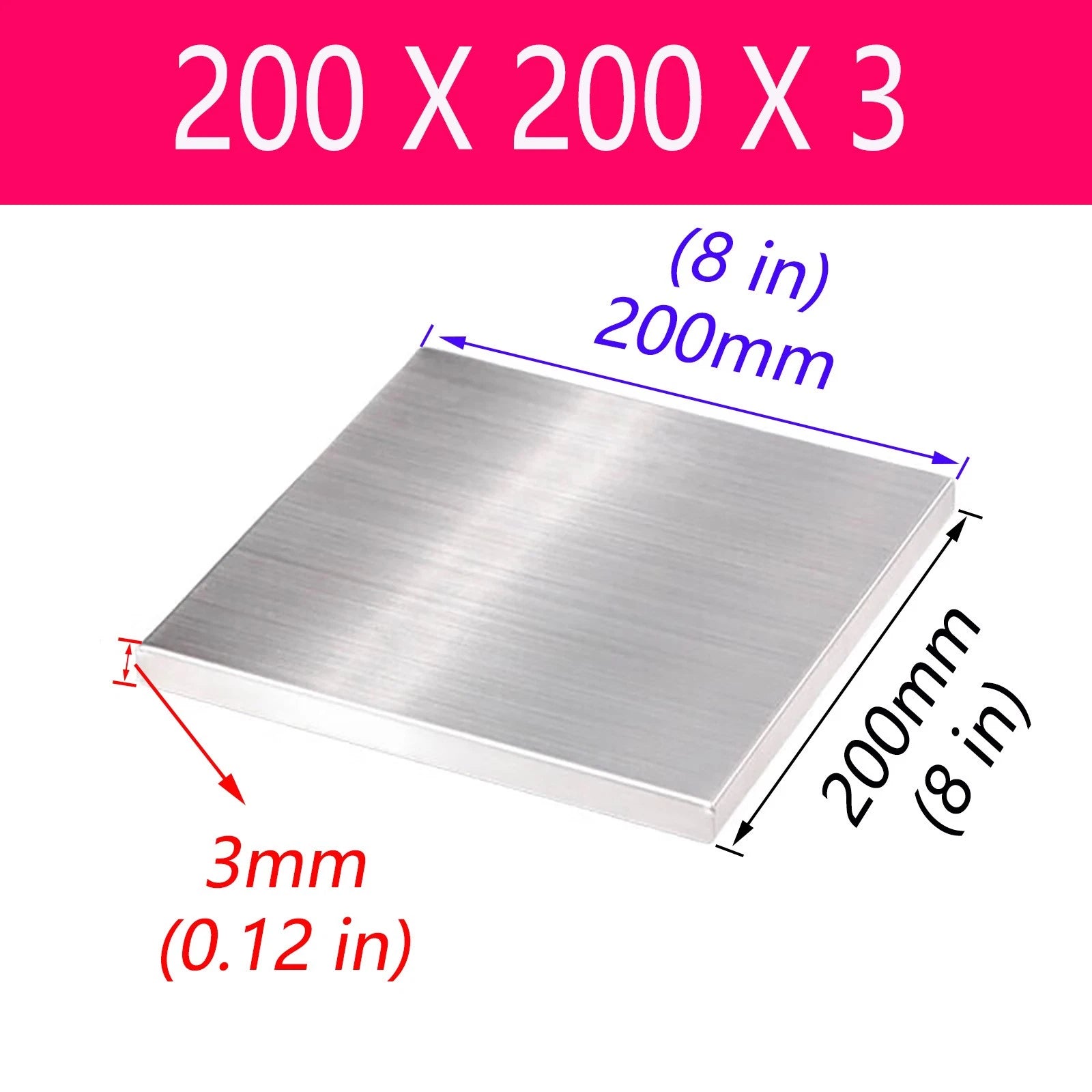
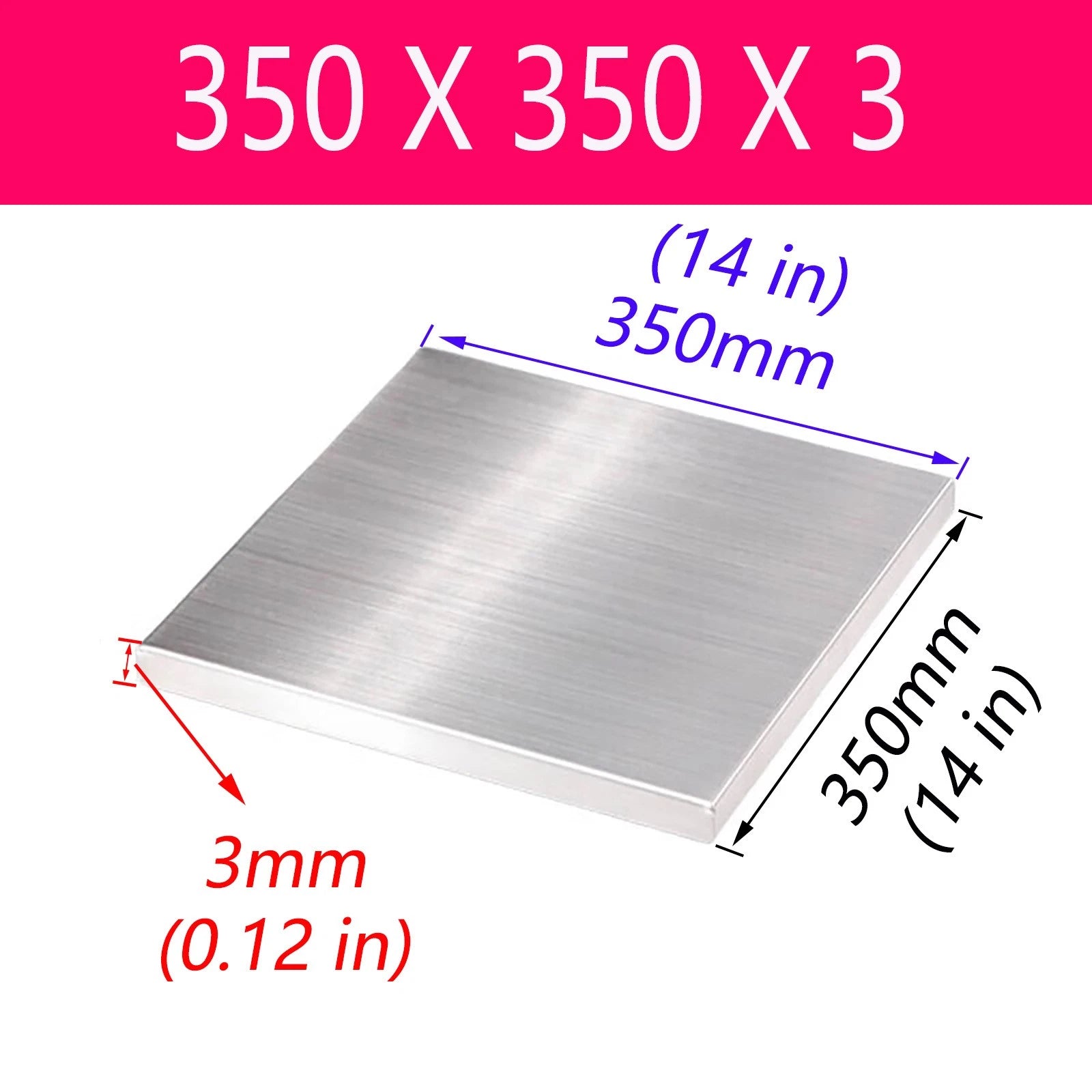
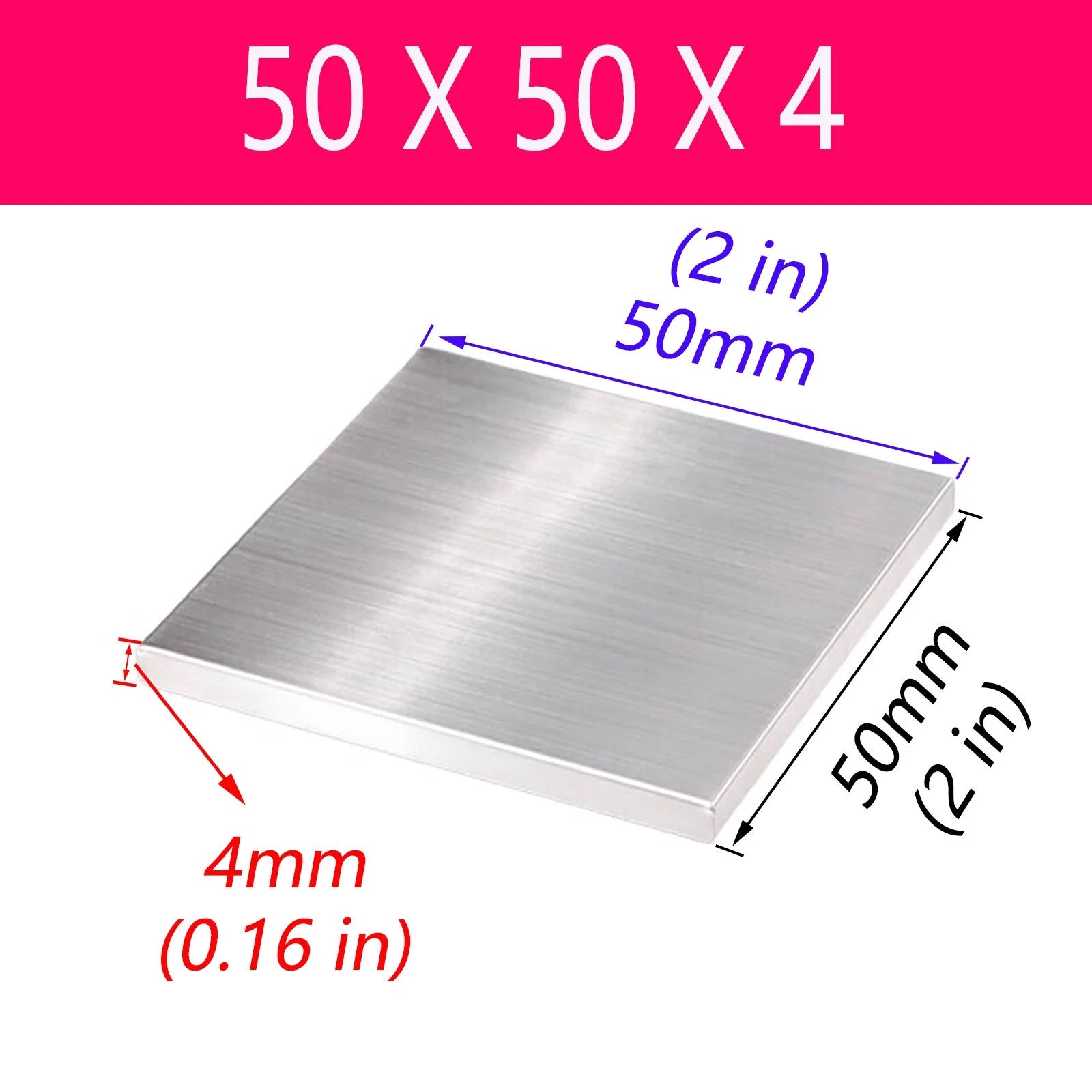
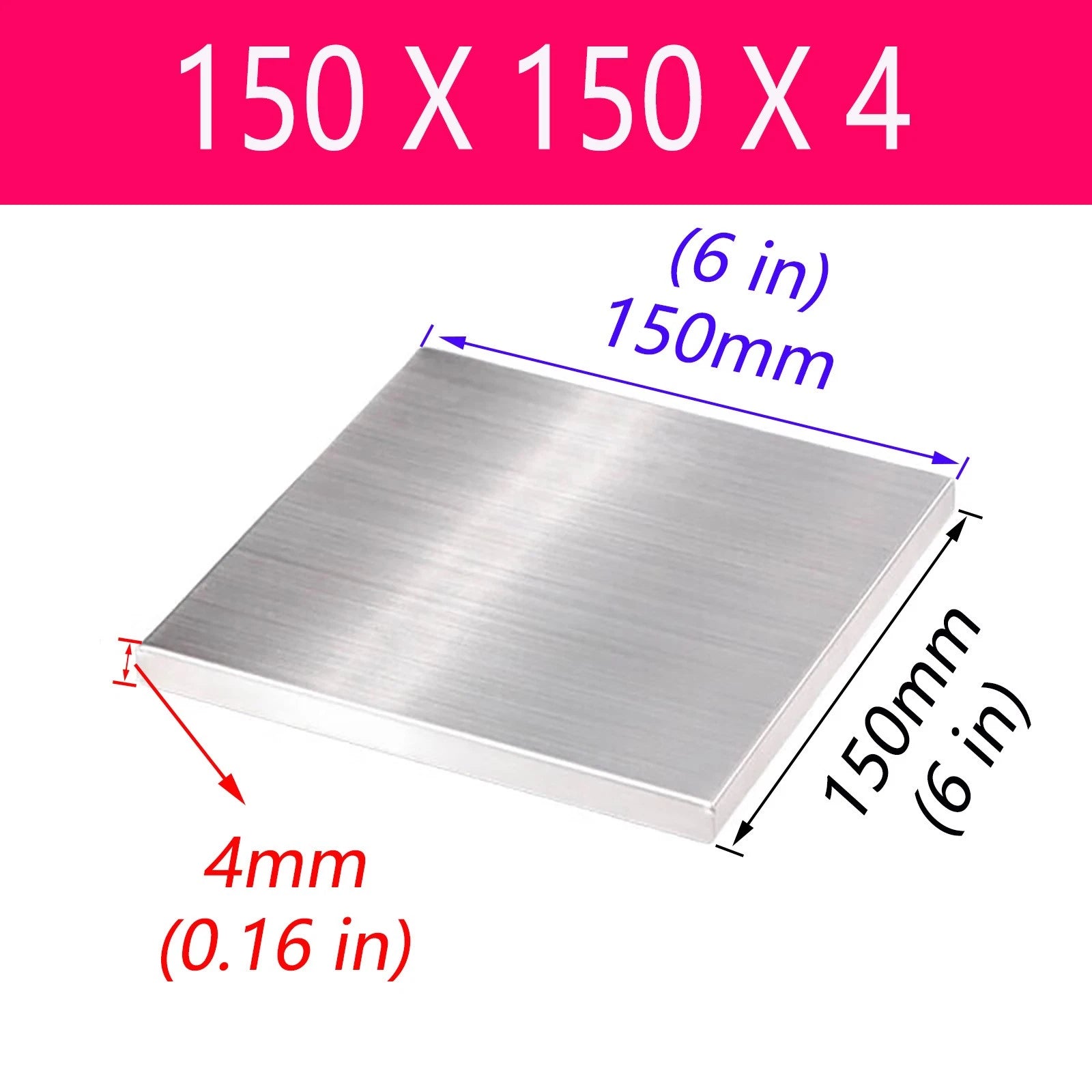
Stainless Steel Sheet Bright Polish 0.6mm - 10mm Thick Many Size Grade A2 304

No reviews

Price:
Sale price$10.53 USD
Stock:
In stock (500 units), ready to be shipped

Payment & Security

Ach Direct Debit Amazon American Express Apple Pay Bancontact Diners Club Discover Google Pay iDEAL Wero Mastercard PayPal Shop Pay USDC Visa

Your payment information is processed securely. We do not store credit card details nor have access to your credit card information.

Quantity Discount Promotion
🎯 BULK DISCOUNT: Buy More, Save More!
Buy 2 Items
5% OFF
Buy 4 Items
10% OFF
Buy 6 Items
15% OFF
Expert

DIY Expert Support

Get fitment advice & recommendations

Mon-Fri, 8:30AM-8PM
24-Hour Fast Ship
🚚
Arrives in 3-14 days
🌍
Global Reach
↩️
30-Day Returns
🌱 1 tree planted with every purchase

Description

304 Stainless Steel Sheet Bright Polish — Precision-Cut Flat Metal Plate for DIY & Fabrication

When your project demands a flat metal surface that resists rust, holds tight tolerances, and looks clean straight out of the package, generic mild steel just doesn't cut it. Makers, fabricators, and home-repair enthusiasts who need a reliable stainless steel sheet with a bright polished finish will find this listing covers the widest range of sizes in one place — no minimum order, no custom-cut wait times.

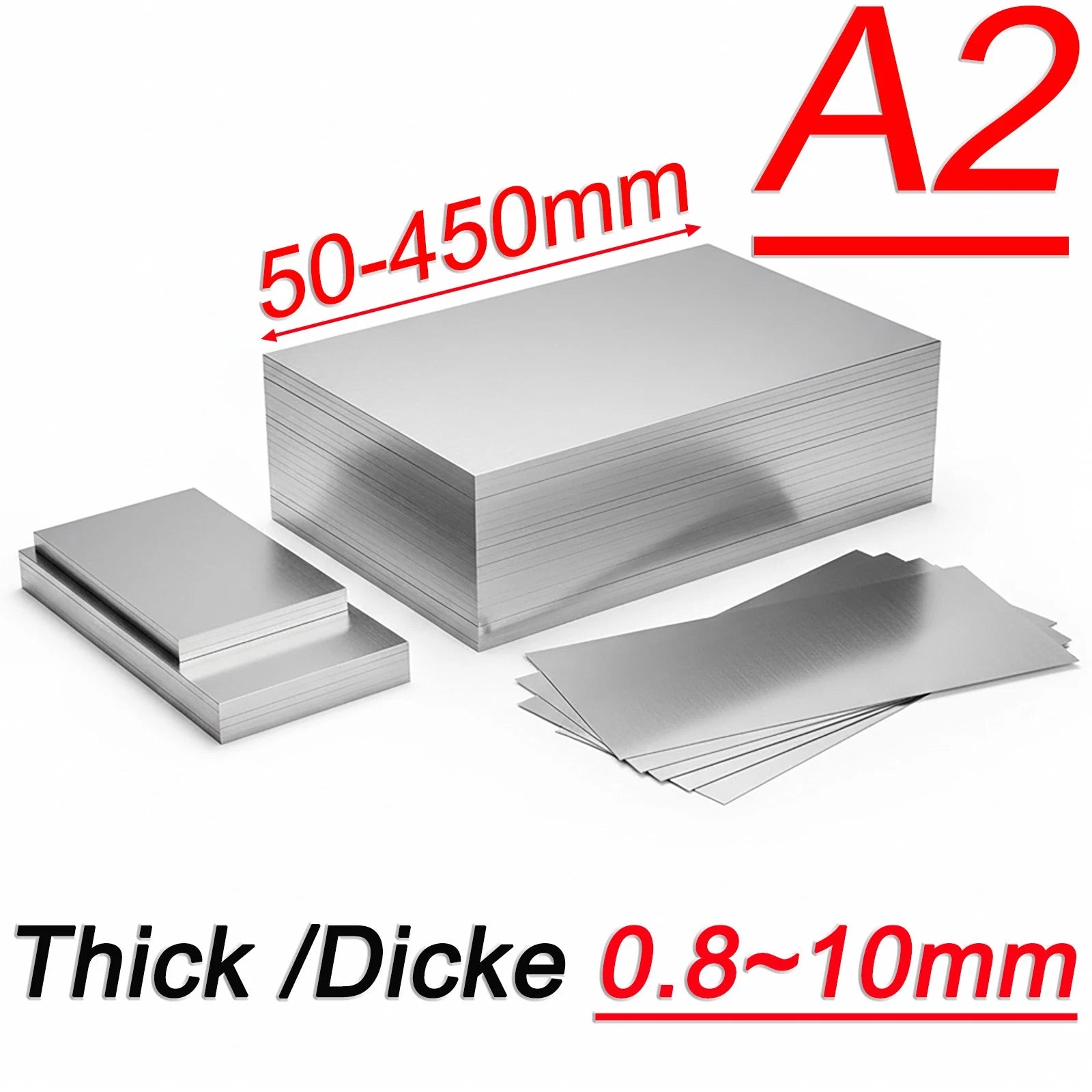
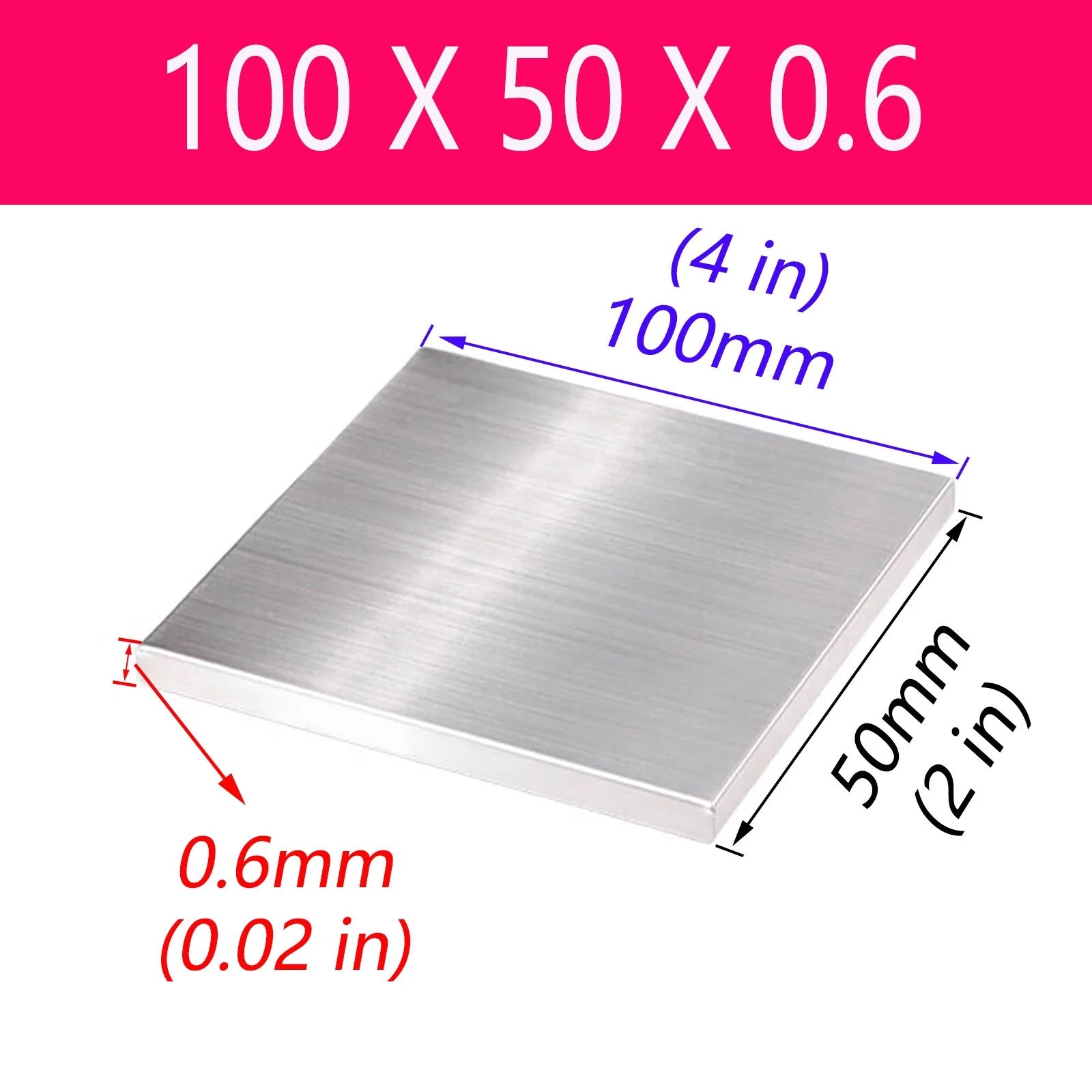
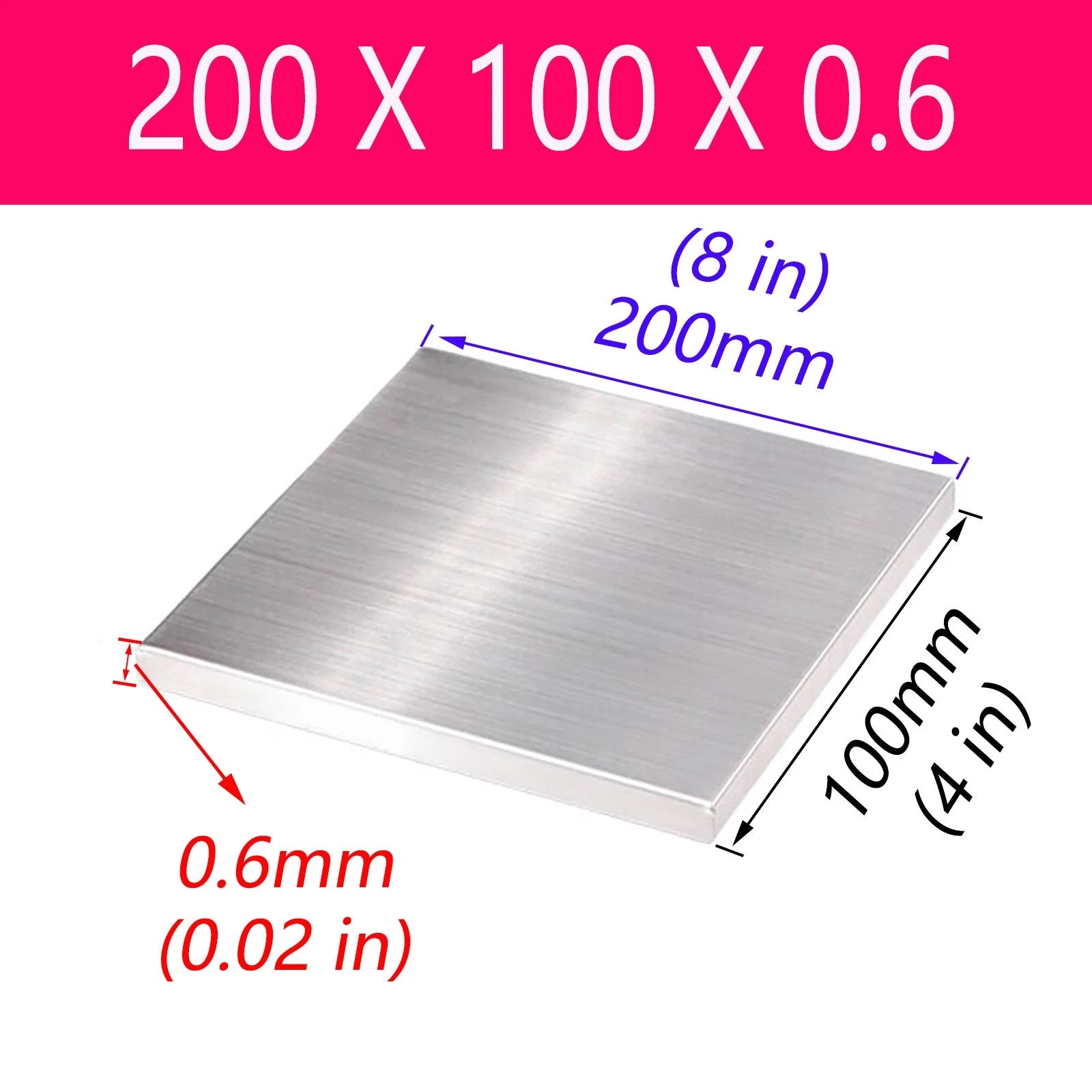
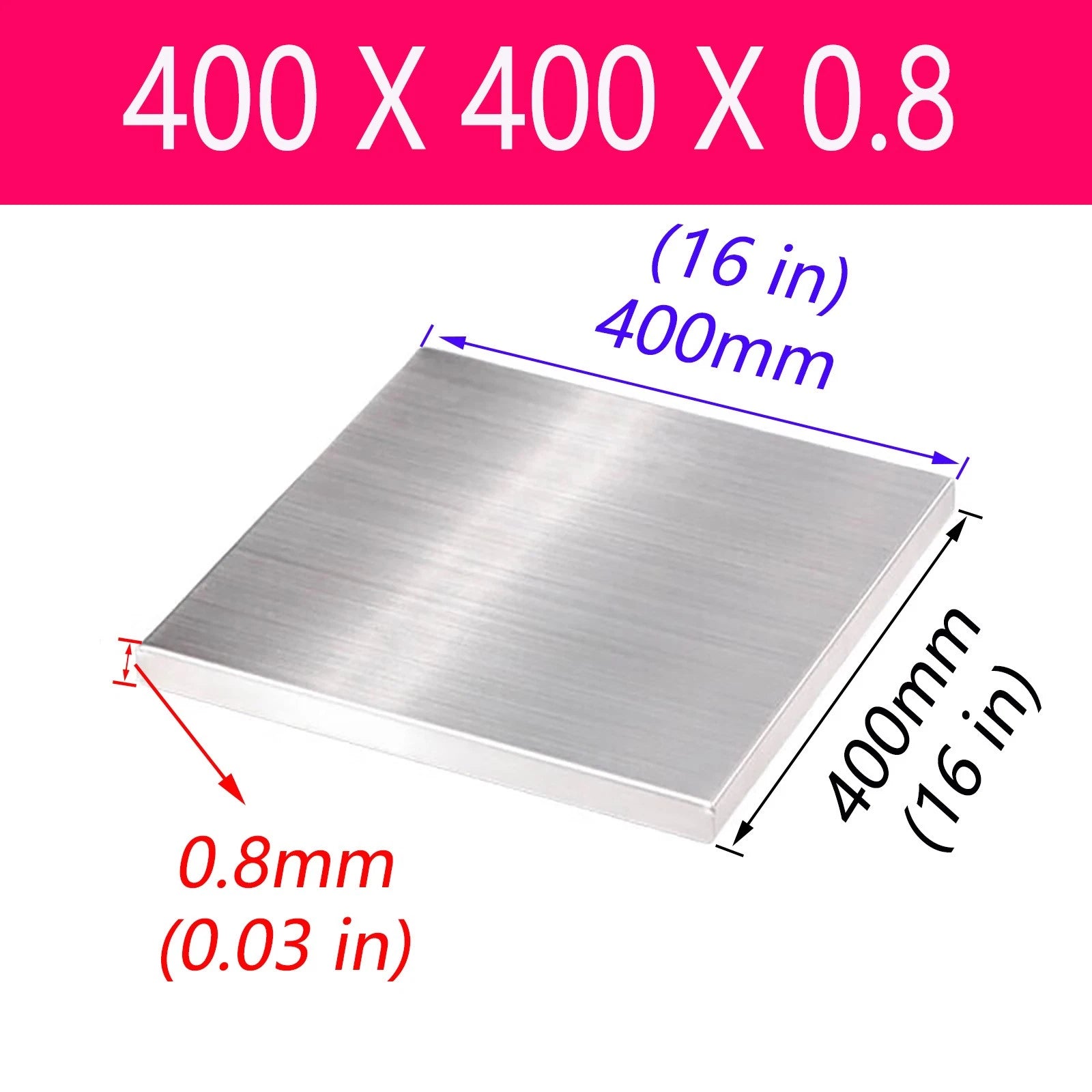
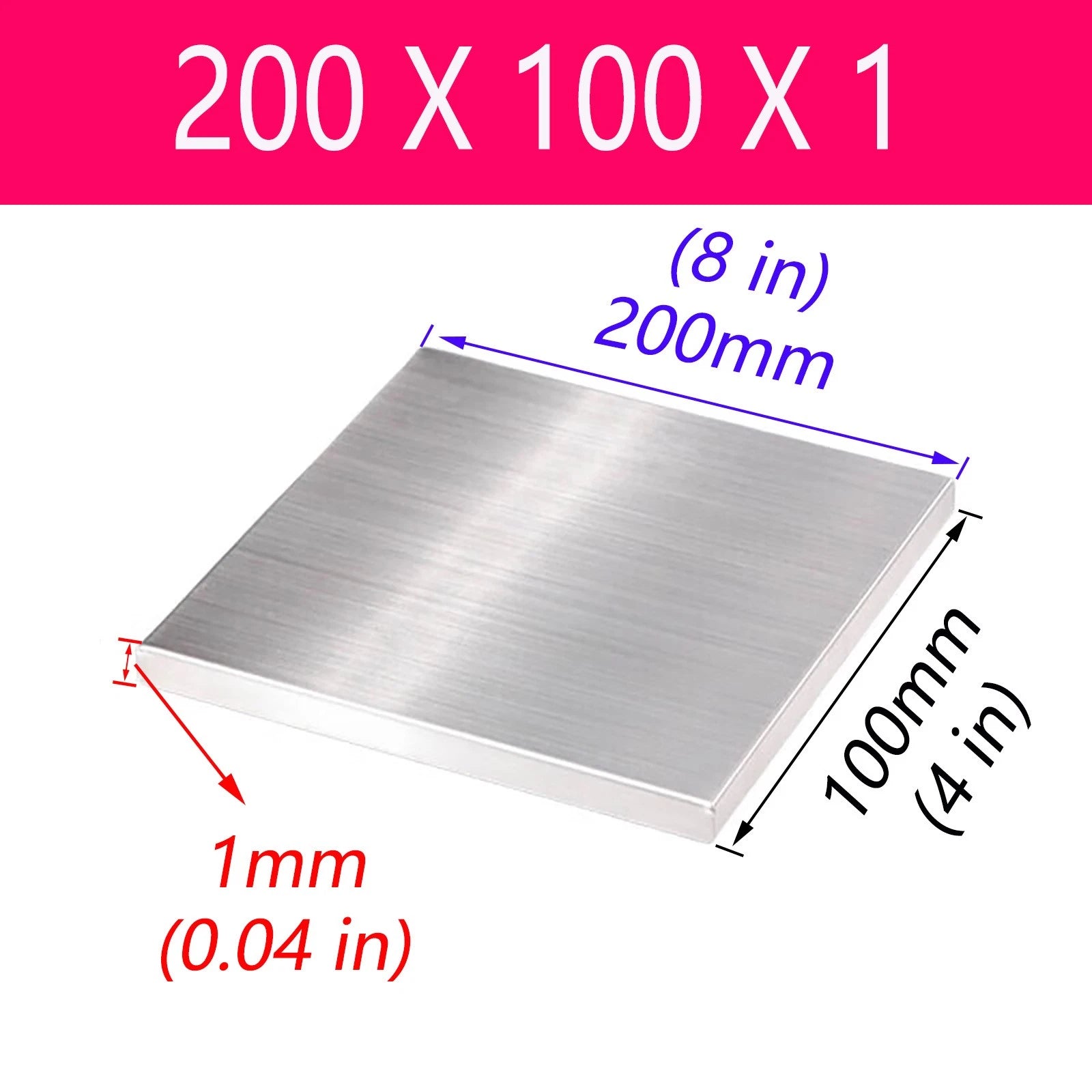
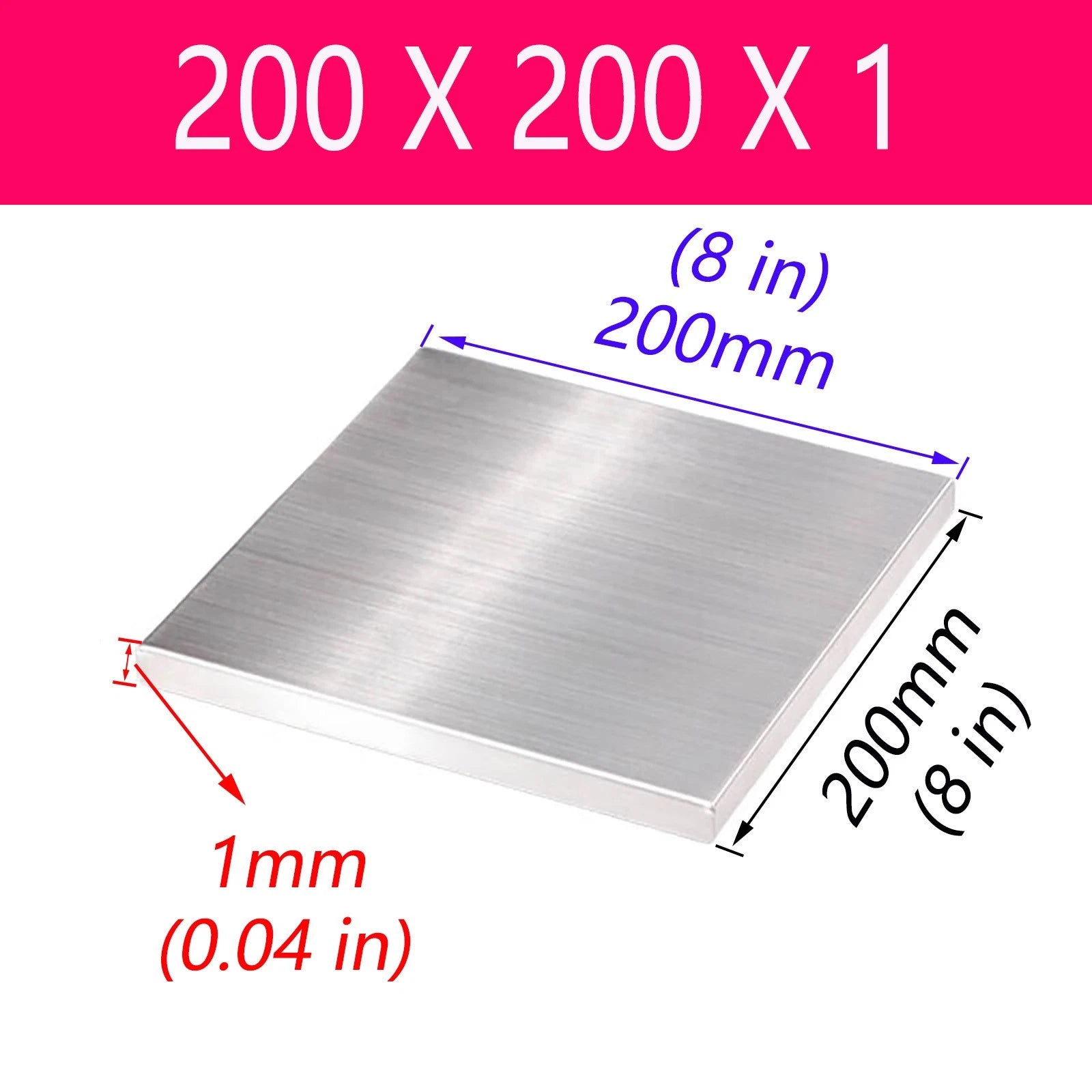
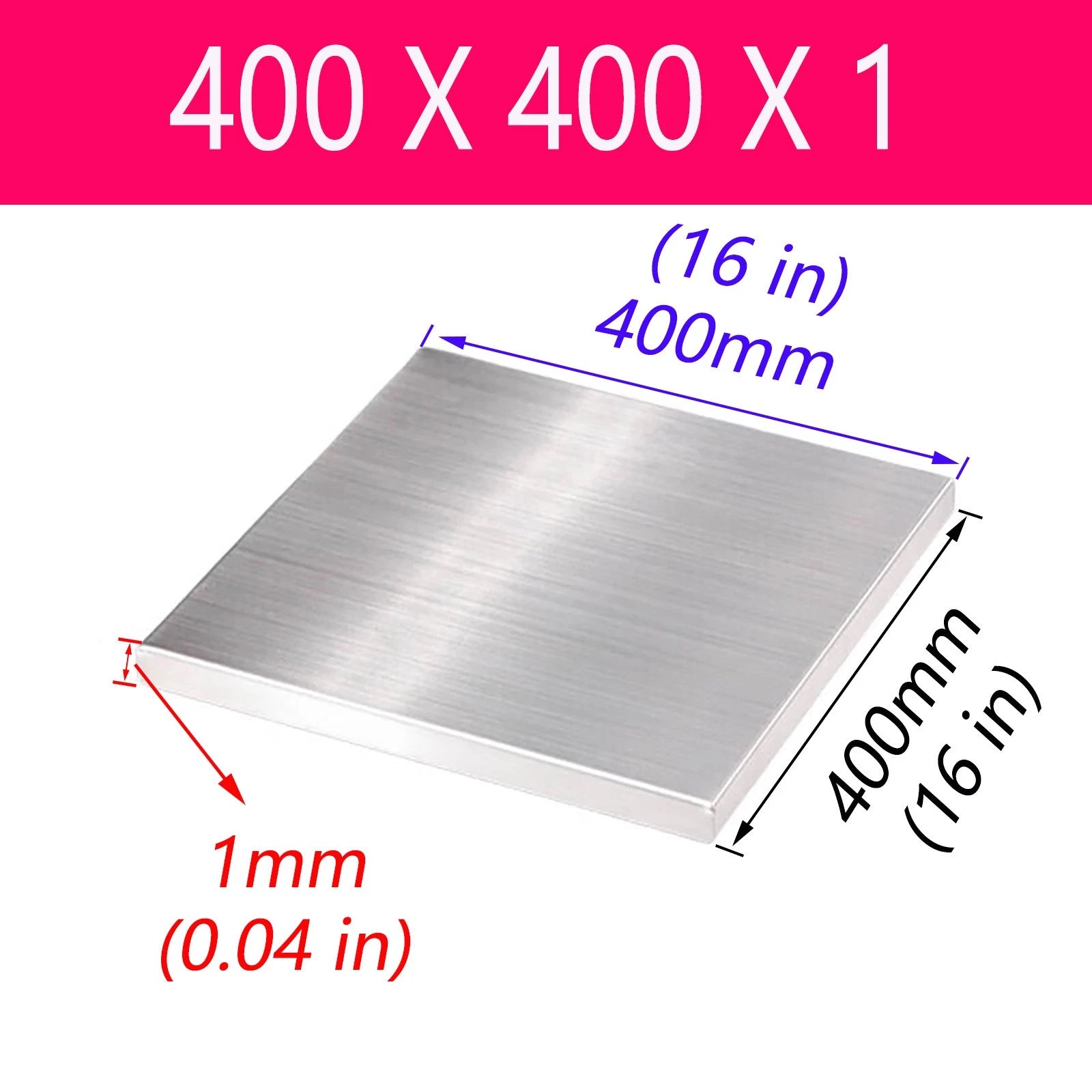
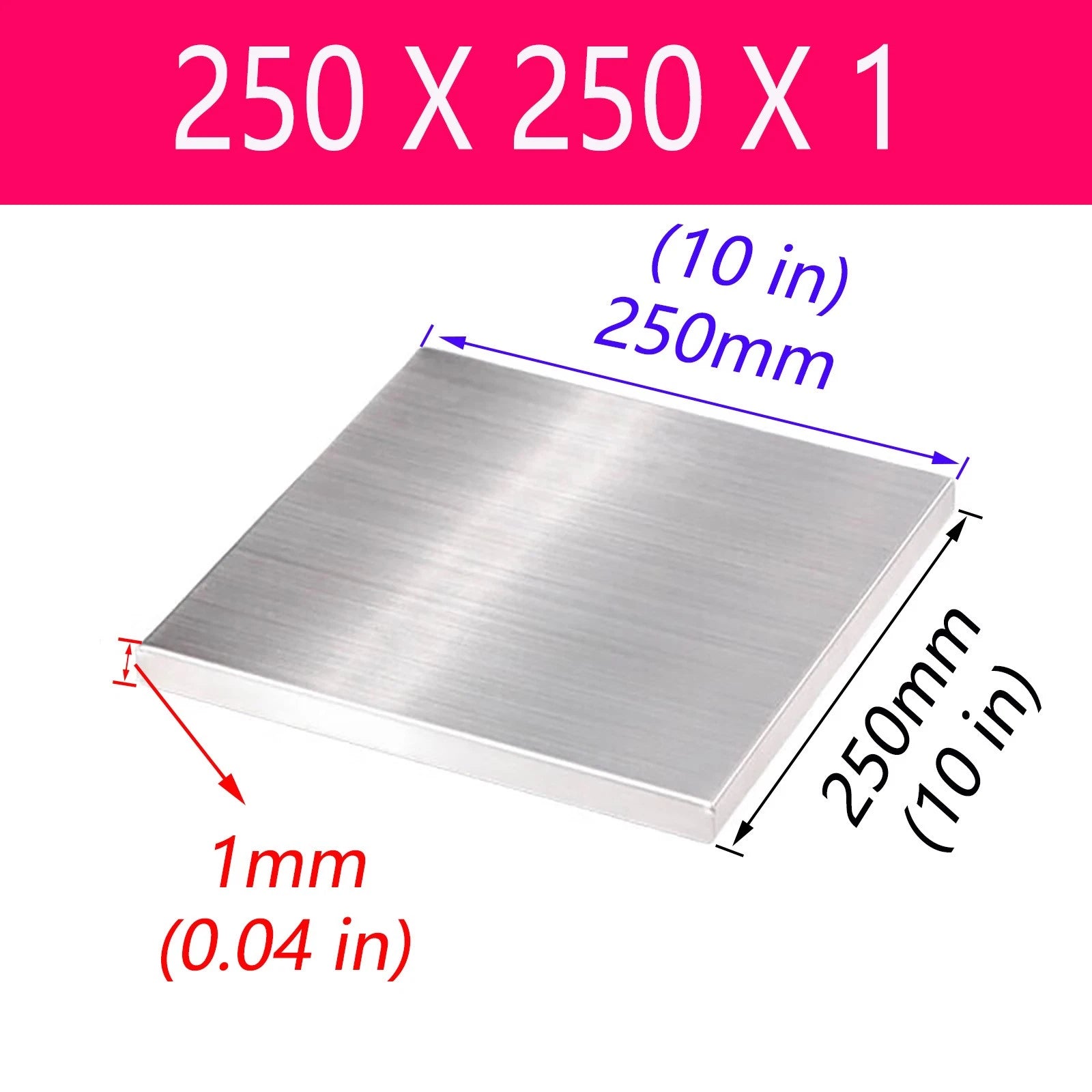
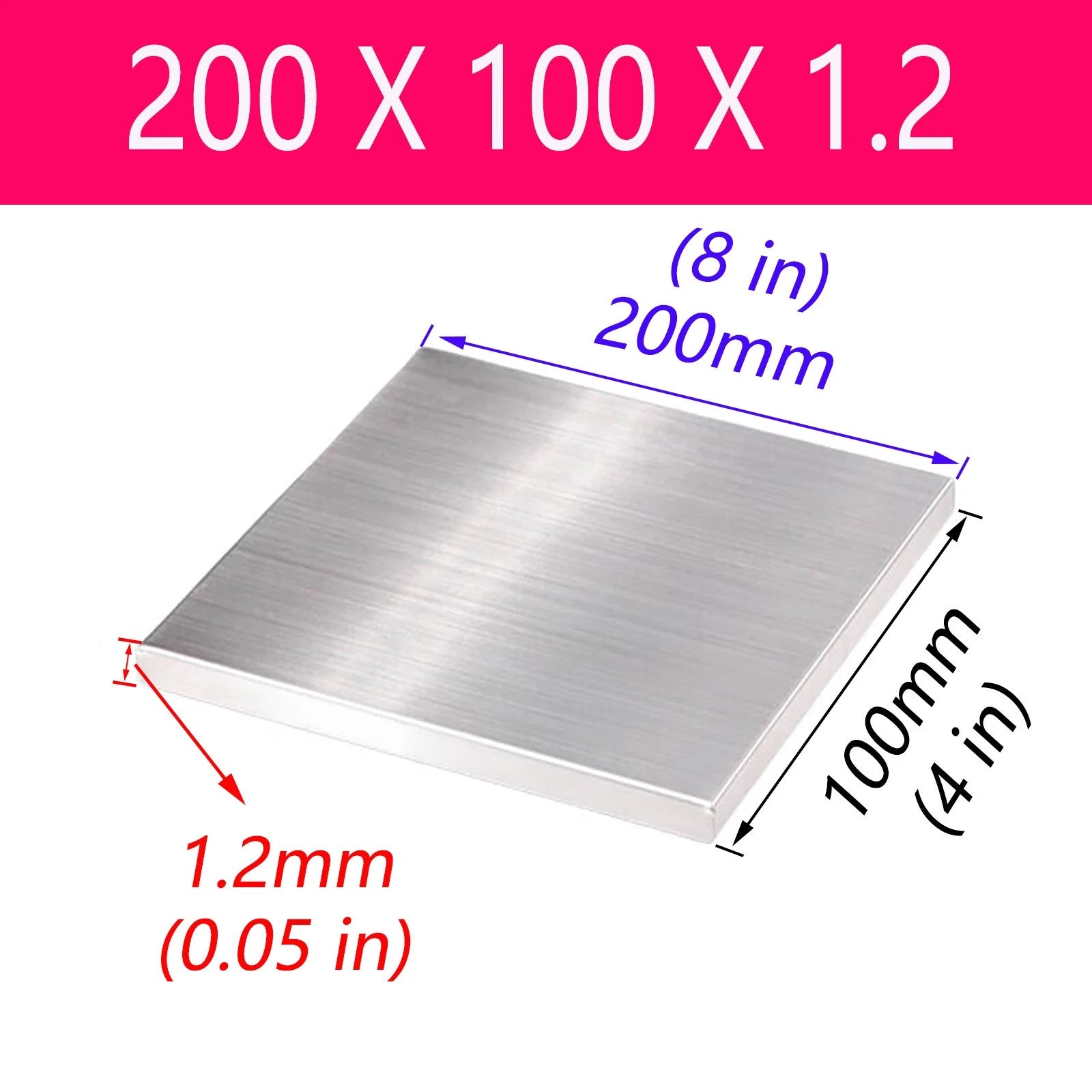
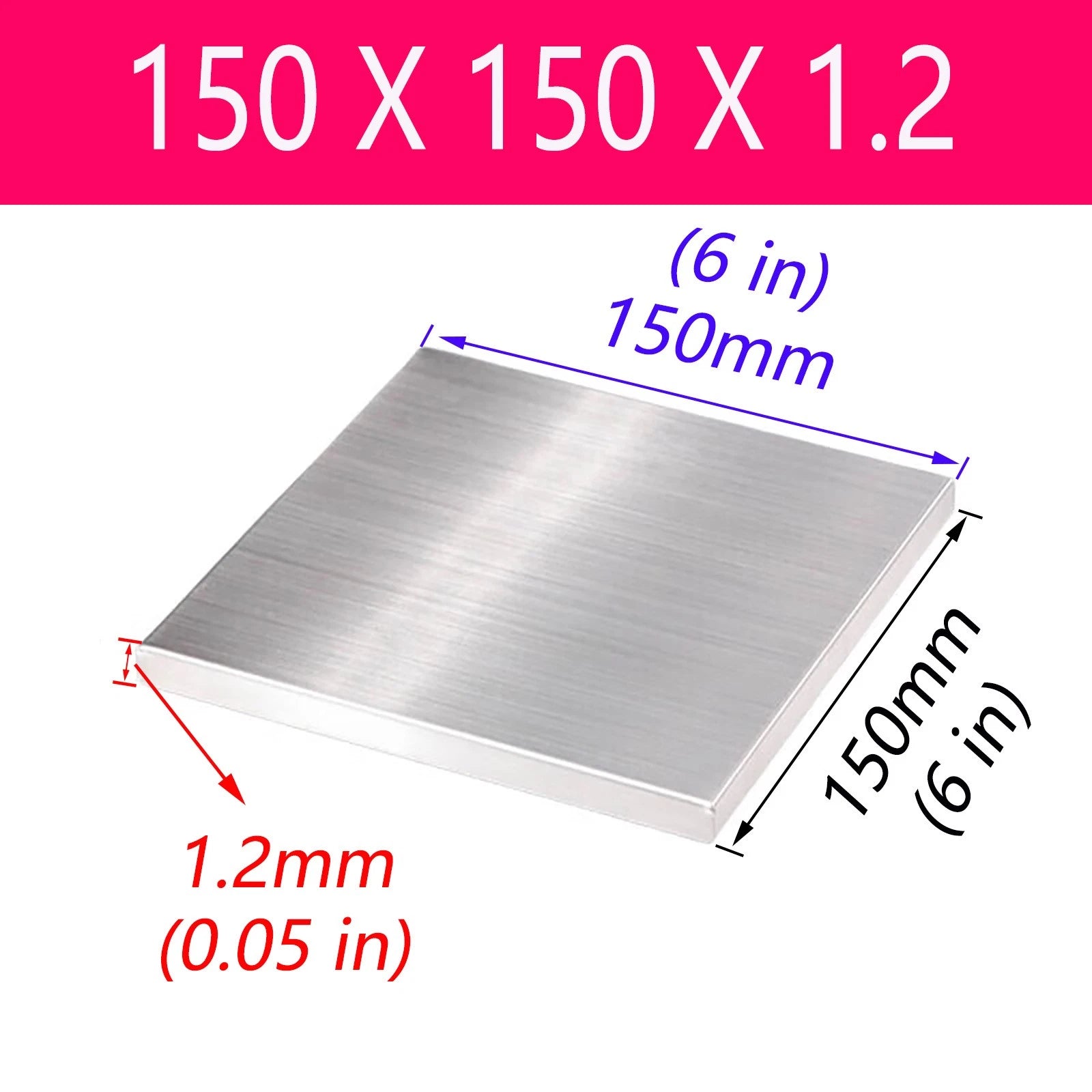
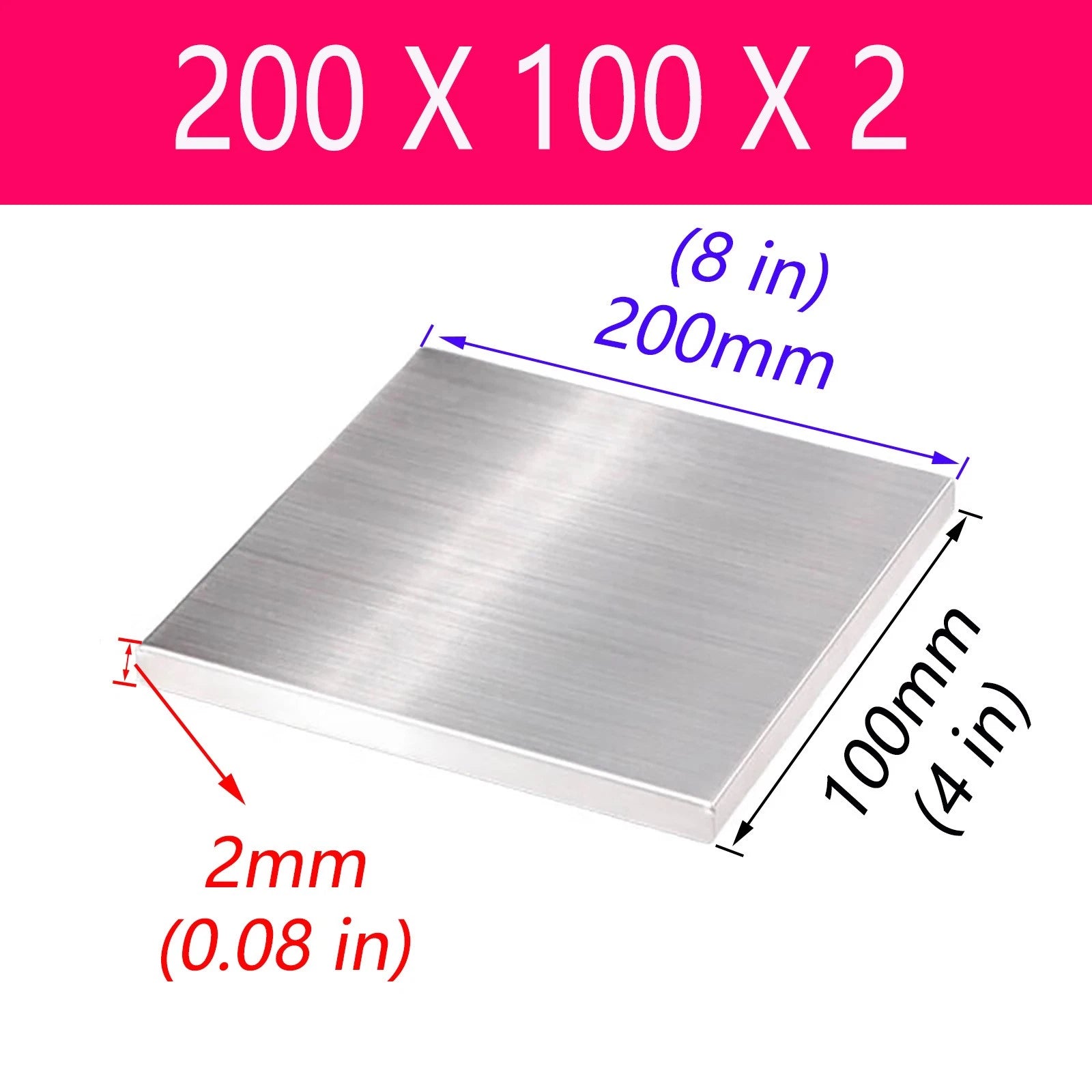
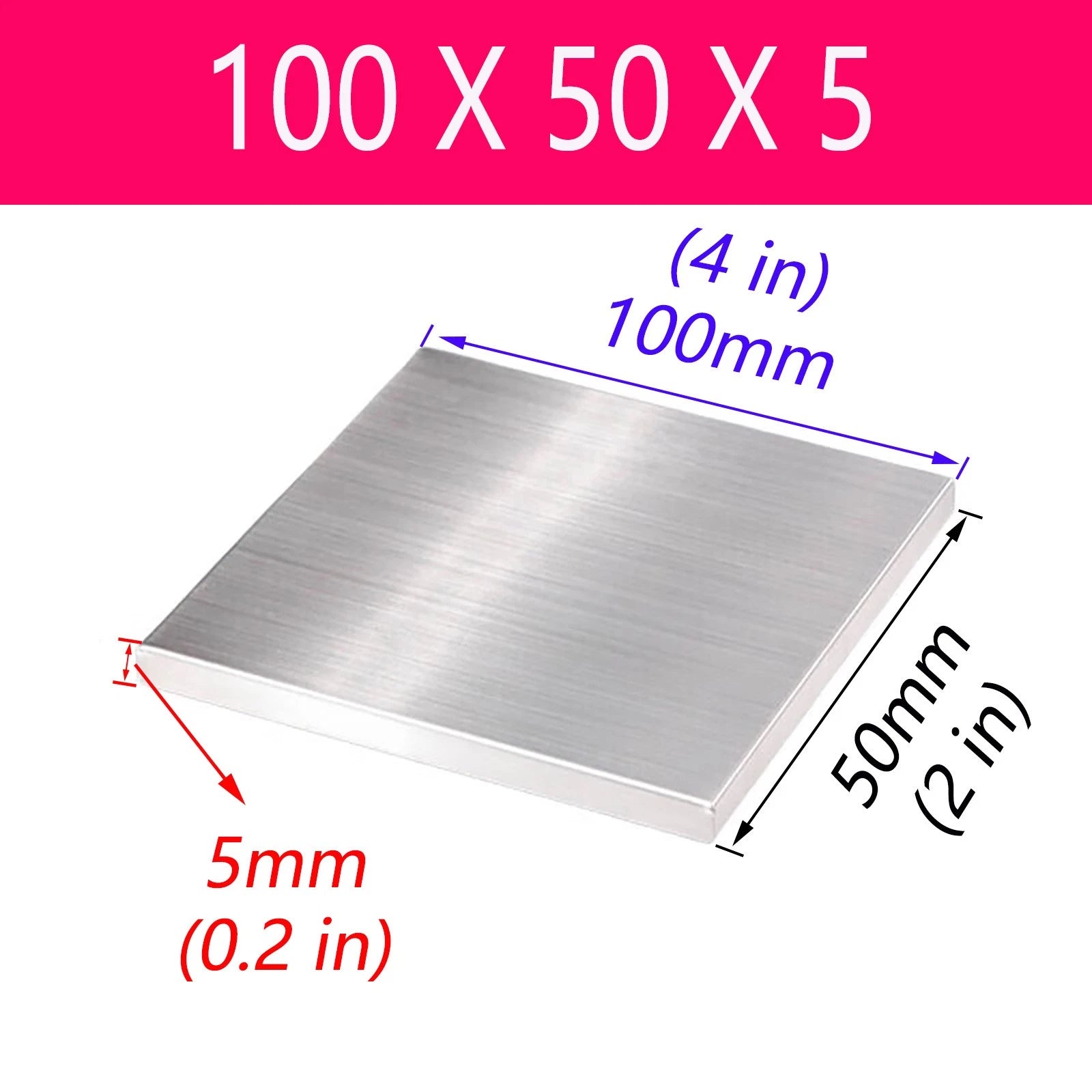
This listing covers Grade A2 304 stainless steel sheet in a bright polished (2B/mirror-adjacent) finish. Thickness runs from 0.6 mm (~0.024 in) up to 10 mm (~0.394 in), and planar dimensions span from 50 mm × 50 mm (~2 in × 2 in) up to 450 mm × 450 mm (~17.7 in × 17.7 in). Each variant ships as a flat, shear-cut plate with deburred edges.

Typical use cases include stainless steel sheet metal repair patches on appliances and cabinetry, structural gusset plates and brackets in light fabrication, decorative wall cladding and backsplash panels, and corrosion-resistant shims or spacers in marine or outdoor environments. The bright polished surface also makes it a go-to choice for DIY stainless steel flat bar cutting projects where appearance matters.

🔧 Compatible with standard metalworking tools — angle grinders, jigsaws with metal blades, drill bits rated for stainless steel, and MIG/TIG welders set for austenitic stainless.

✅ Key Features of These 304 Stainless Steel Bright Polish Sheets

🔩 Grade A2 / 304 Austenitic Alloy — 18% chromium, 8% nickel composition delivers reliable corrosion resistance in indoor, outdoor, and mildly marine environments without surface treatment.
Bright Polished Finish — Smooth, reflective surface reduces surface roughness for applications where appearance and cleanability matter, such as food-prep surfaces or visible architectural details.
📐 Wide Thickness Range (0.6 mm – 10 mm) — Thin gauges (0.6–1.5 mm) suit sheet-metal forming and patch work; mid gauges (2–5 mm) handle structural brackets; thick plates (6–10 mm) support load-bearing gussets and machine bases.
✂️ Multiple Planar Sizes in One Listing — From compact 50 × 50 mm tiles to 450 × 450 mm panels, select the exact footprint you need to minimise offcut waste.
⚖️ Flat, Shear-Cut Plates with Deburred Edges — Each piece is cut square and deburred so you can mark, drill, or weld immediately without additional prep work.
🛡️ Non-Magnetic Austenitic Structure — 304 stainless is non-magnetic in the annealed state, making it suitable for sensor housings, MRI-adjacent fixtures, and applications where magnetic interference must be avoided.

📐 Technical Specifications — 304 Stainless Steel Sheet

Material Grade 304 / A2 Austenitic Stainless Steel
Finish Bright Polish (2B equivalent)
Thickness Range 0.6 mm – 10 mm (0.024 in – 0.394 in)
Planar Size Range 50 × 50 mm up to 450 × 450 mm
Chromium Content Typically 17.5–19.5%
Nickel Content Typically 8.0–10.5%
Tensile Strength Typically 515–720 MPa
Yield Strength Typically 205 MPa min
Hardness Typically ≤ 200 HB (annealed)
Magnetic Non-magnetic (annealed state)
Edge Condition Shear-cut, deburred
Quantity per Order See variant options

❓ Frequently Asked Questions

Which thickness should I choose for a structural bracket or gusset plate?

For light-duty brackets carrying loads under 50 kg, 2–3 mm is typically sufficient. For heavier structural gussets or machine bases subject to vibration, 4–6 mm provides a meaningful increase in rigidity. Plates at 8–10 mm are suited to load-bearing applications where deflection must be minimised. If you are unsure, consult a structural engineer for your specific load case.

Is Grade 304 stainless steel suitable for outdoor or marine use?

Grade 304 performs well in most outdoor environments and resists atmospheric corrosion reliably. However, in direct salt-spray or submerged marine conditions, Grade 316 (with added molybdenum) is the more appropriate choice. For coastal outdoor use with occasional salt exposure, 304 is generally acceptable if the surface is kept clean and dry when not in use.

Can I cut this sheet with standard DIY tools?

Yes. Thin gauges (0.6–2 mm) can be cut with aviation snips, a jigsaw fitted with a bi-metal blade, or an angle grinder with a stainless-rated cutting disc. Thicker plates (3–10 mm) require an angle grinder or cold saw. Always use cutting fluid or lubricant to extend blade life and reduce work-hardening at the cut edge. Wear appropriate PPE — stainless swarf is sharp.

Will the bright polished finish scratch during transit or handling?

The bright polished surface can show fine handling marks. Plates are packed with protective interleaving where possible. For applications where the cosmetic finish is critical, peel back any protective film only at the point of installation, and handle with clean cotton gloves to avoid fingerprint etching.

How do I select the right planar size to minimise waste?

Measure your finished part dimensions and add at least 5–10 mm on each edge to allow for clamping, marking, and any minor cut deviation. Choose the next size up from your net part size. For example, a 90 × 90 mm finished part fits comfortably on a 100 × 100 mm sheet with a 5 mm margin on each side.

Can these sheets be welded, and do they require post-weld treatment?

Grade 304 is readily weldable using TIG or MIG processes with ER308L filler wire. For thinner gauges (under 1.5 mm), TIG welding with a backing bar minimises distortion. Post-weld, the heat-affected zone will discolour (sugaring or oxidation); passivation with a citric or phosphoric acid gel restores corrosion resistance in the weld area. Mechanical polishing can restore the bright finish if appearance is required.

What is the difference between the 0.6 mm and 1 mm gauges for sheet metal patch work?

The 0.6 mm gauge is flexible enough to form gentle curves by hand and is well-suited for thin appliance panels, decorative overlays, and lightweight patch repairs. The 1 mm gauge is noticeably stiffer, holds its shape better under fastener load, and is the more common choice for structural patch plates on cabinetry, ducting, or vehicle bodywork where rigidity matters.

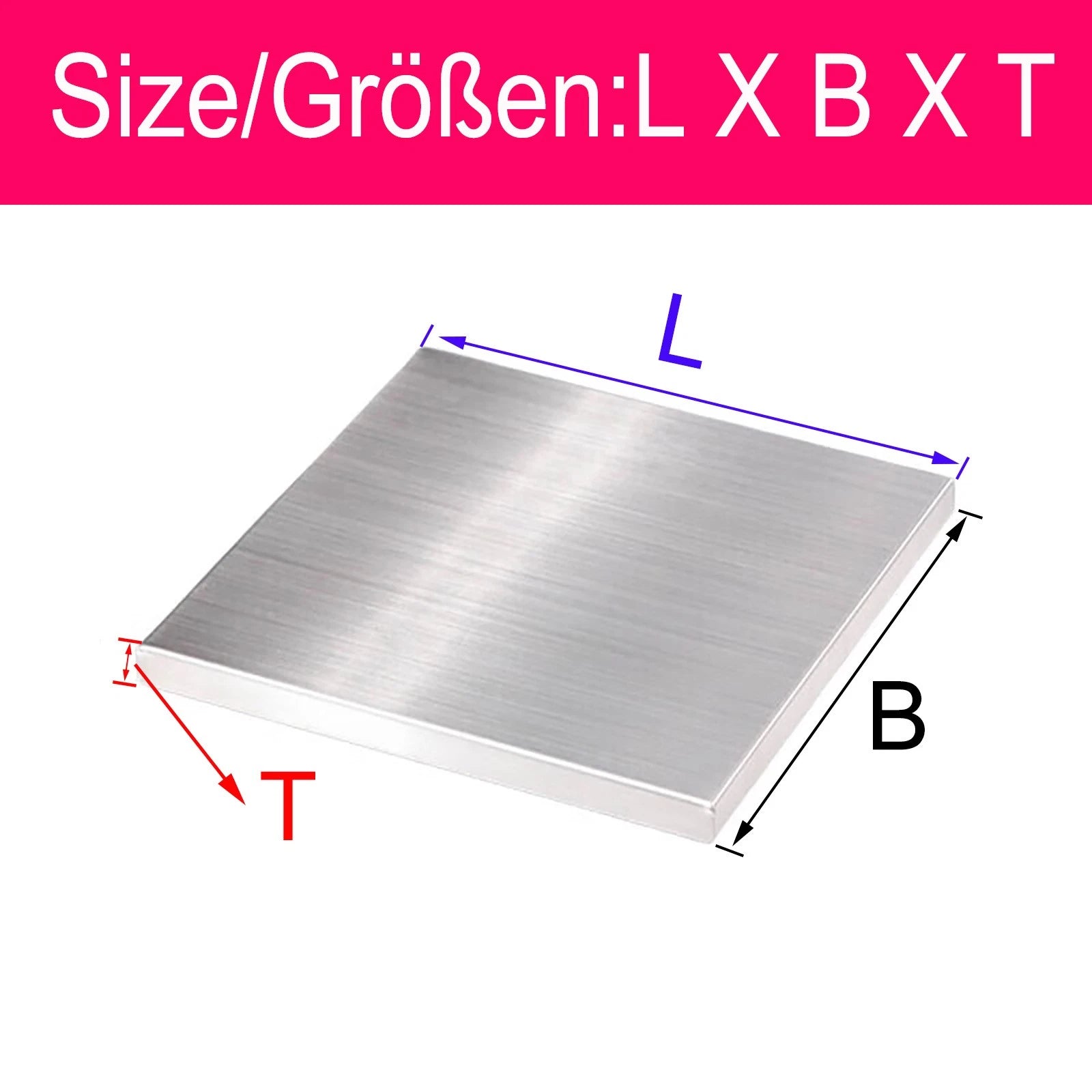
🛒 Select your size (Length × Width × Thickness) and quantity above, then add to cart.

You may also like

Recently viewed