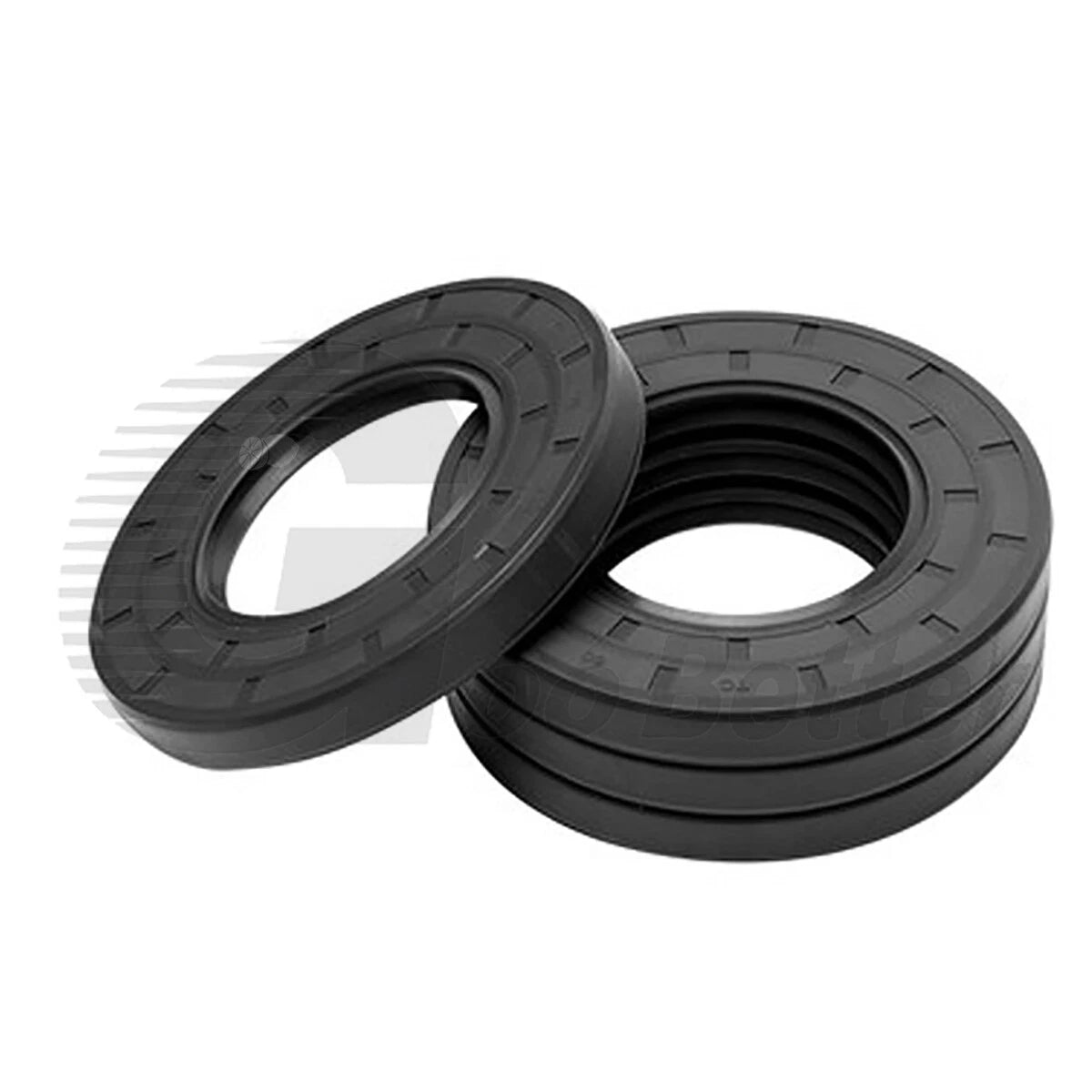
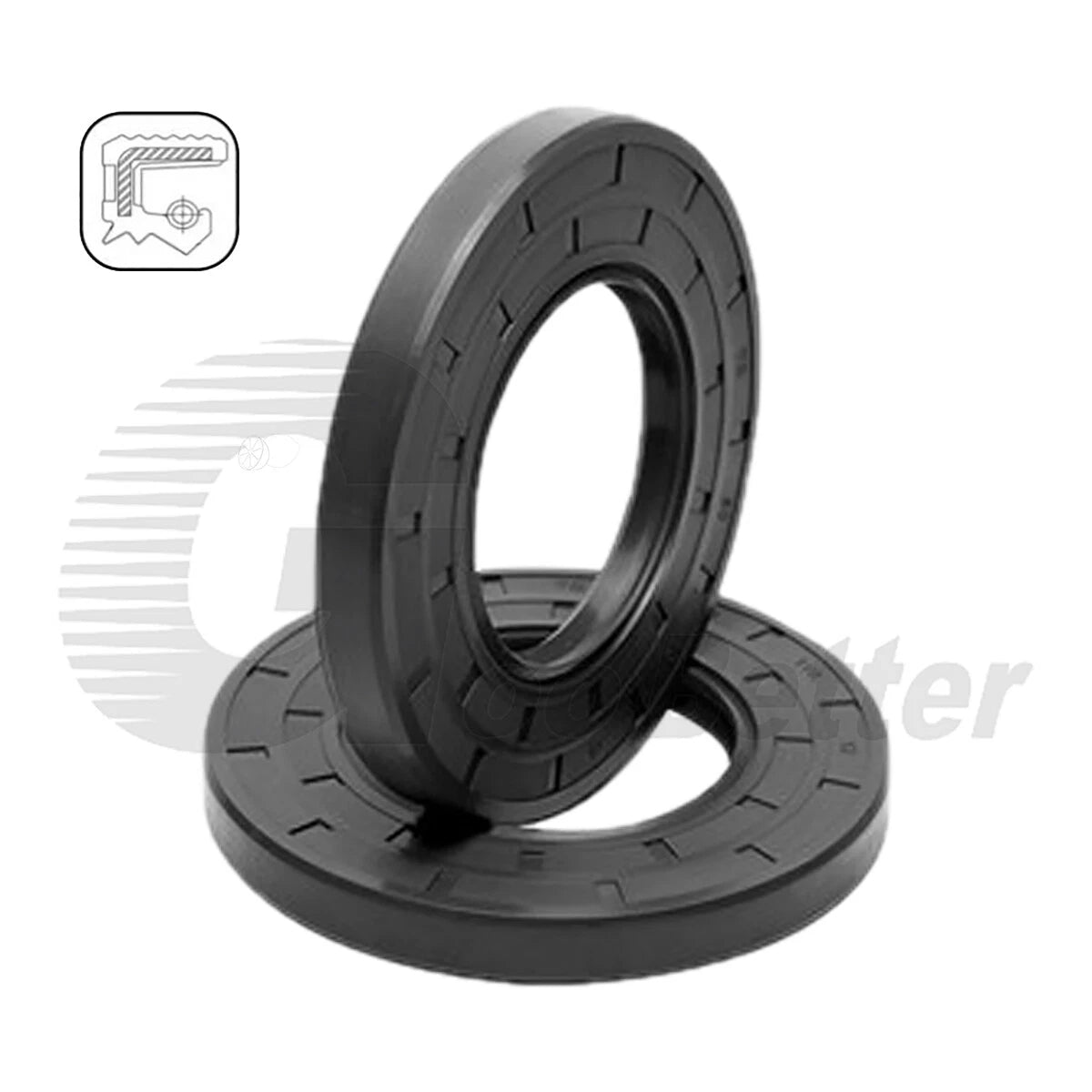
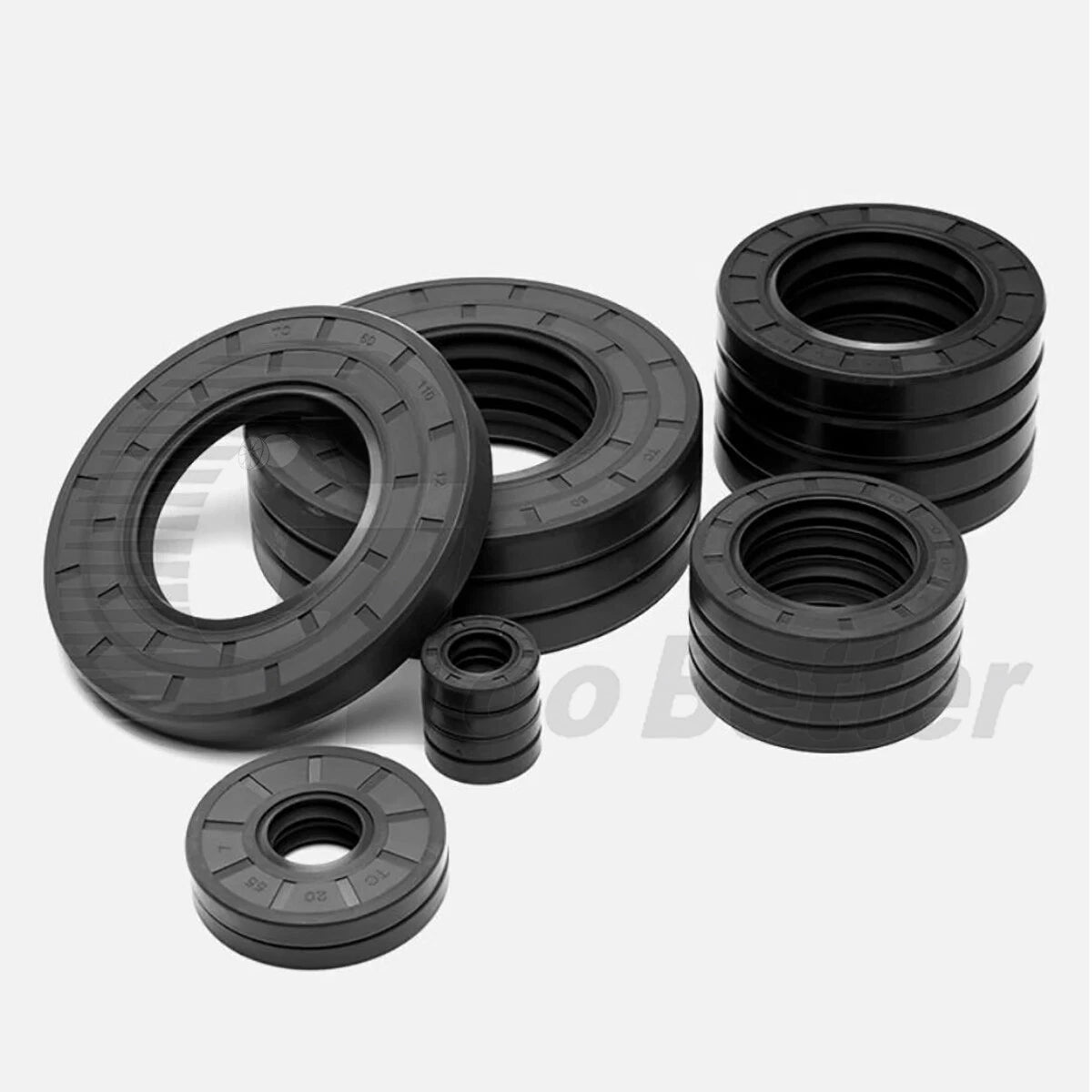
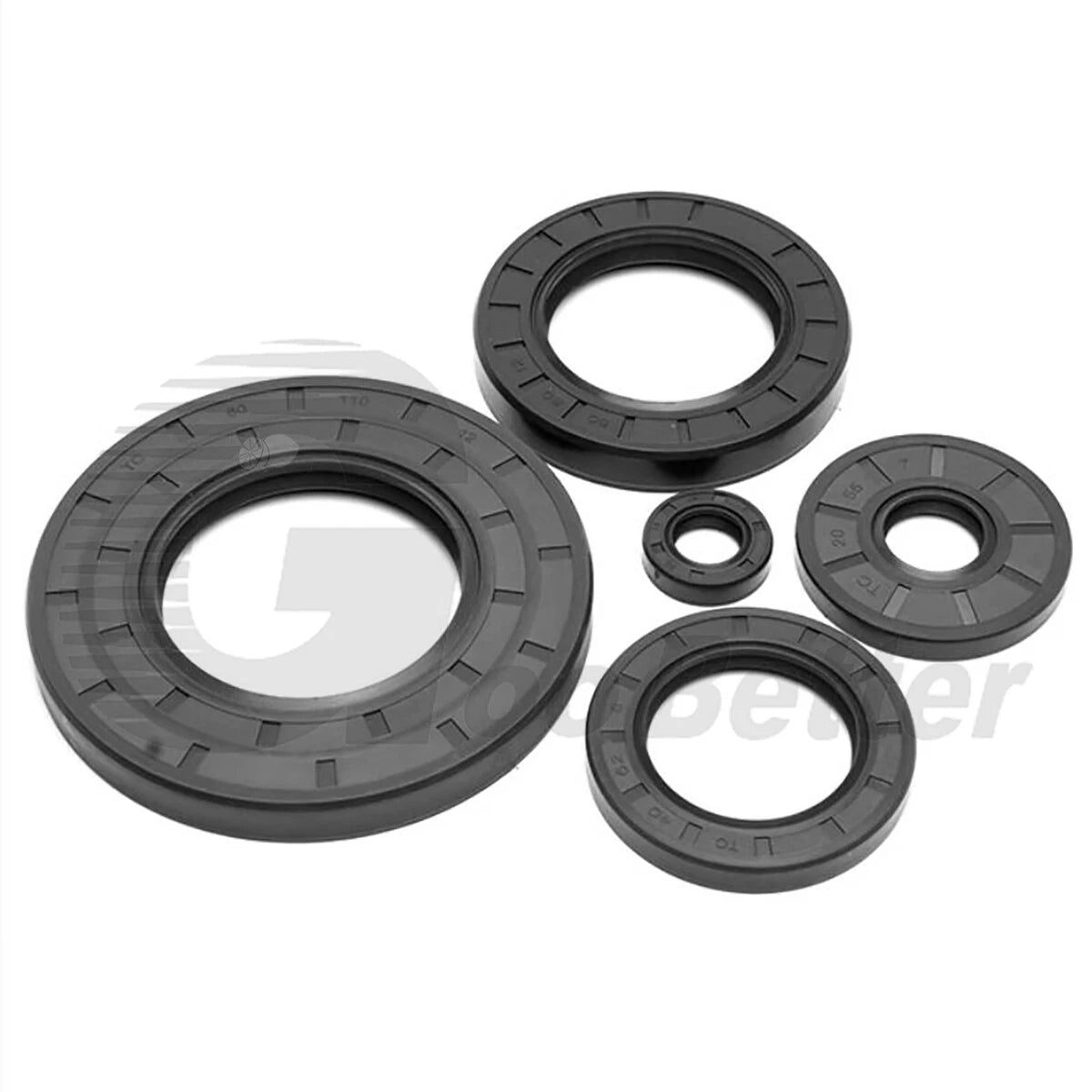
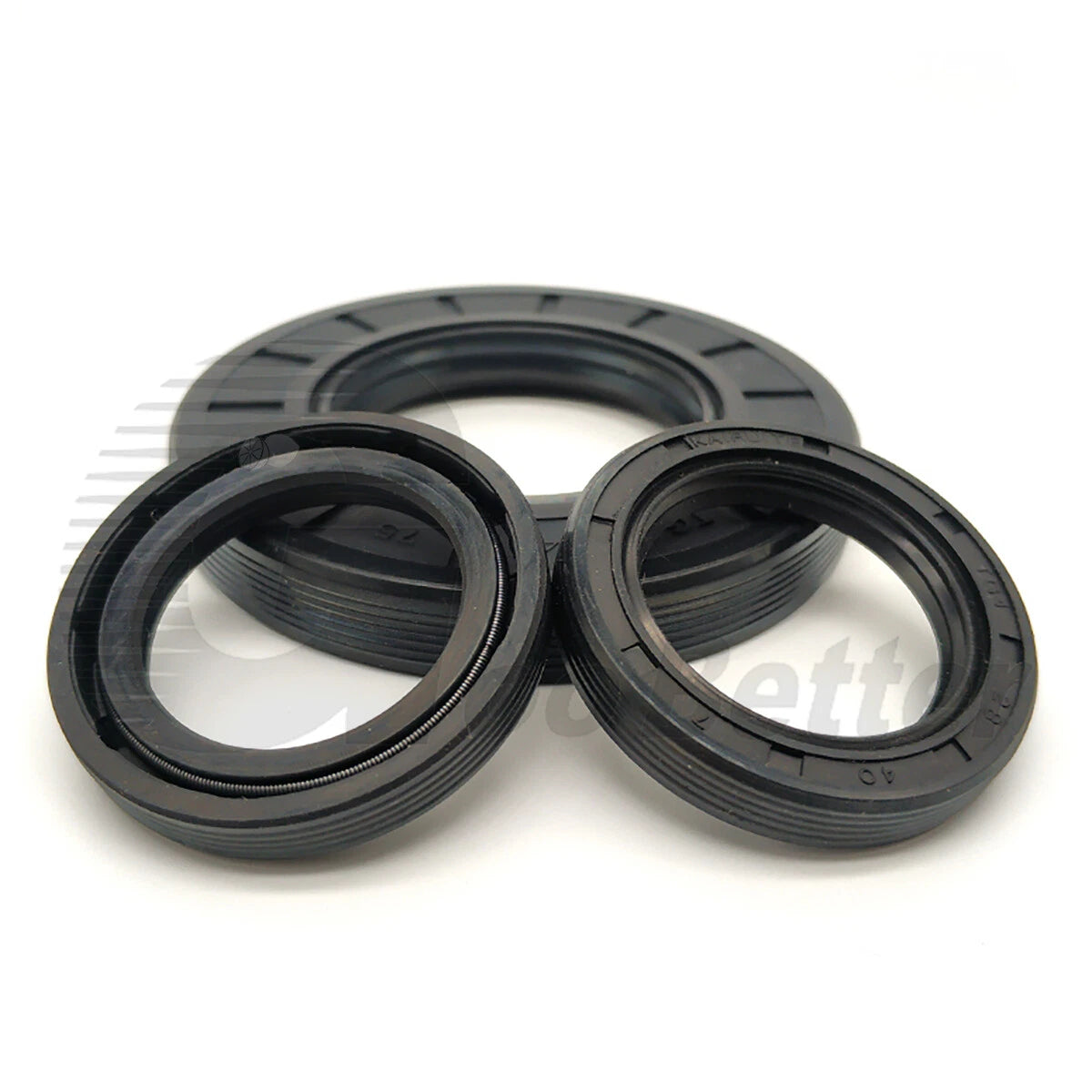
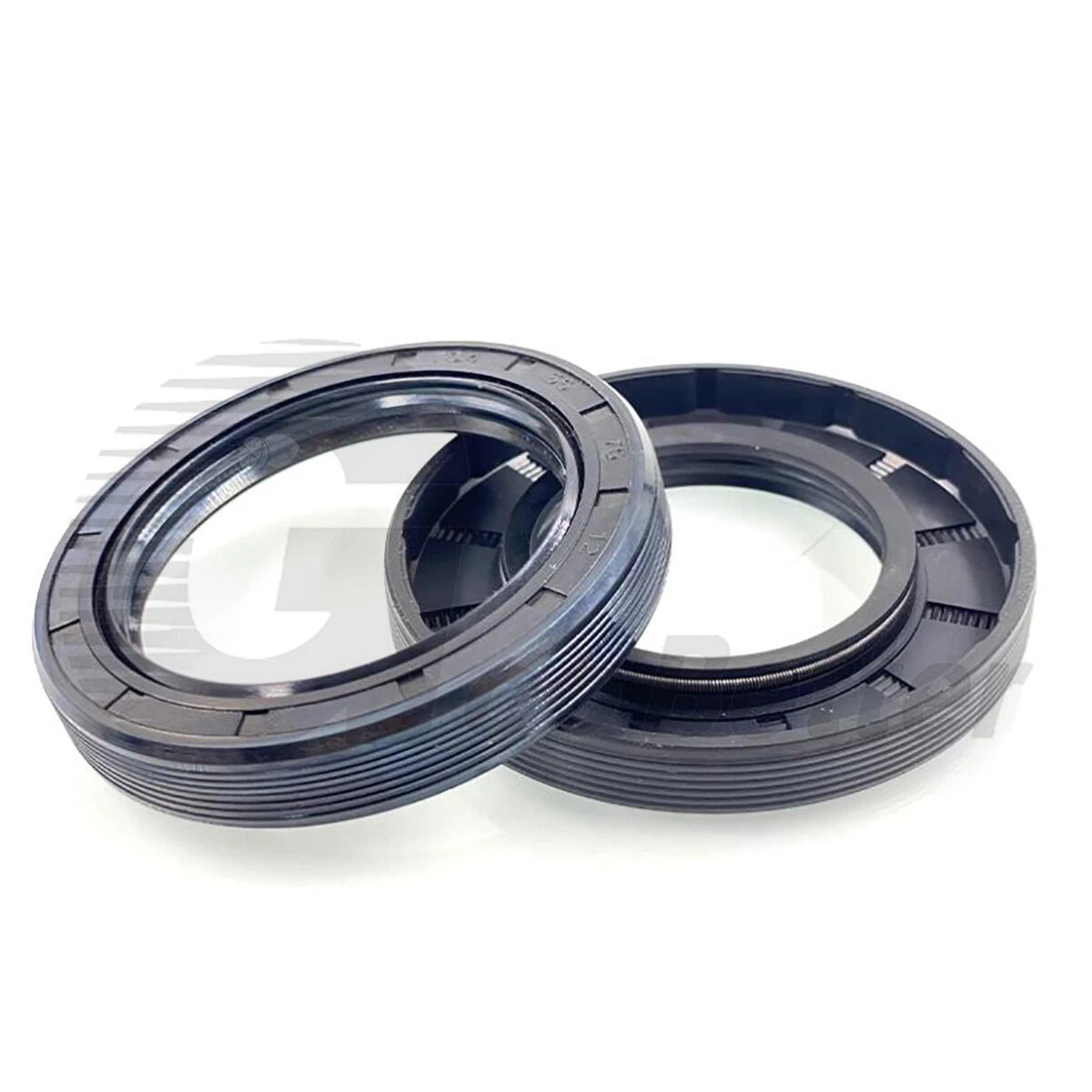
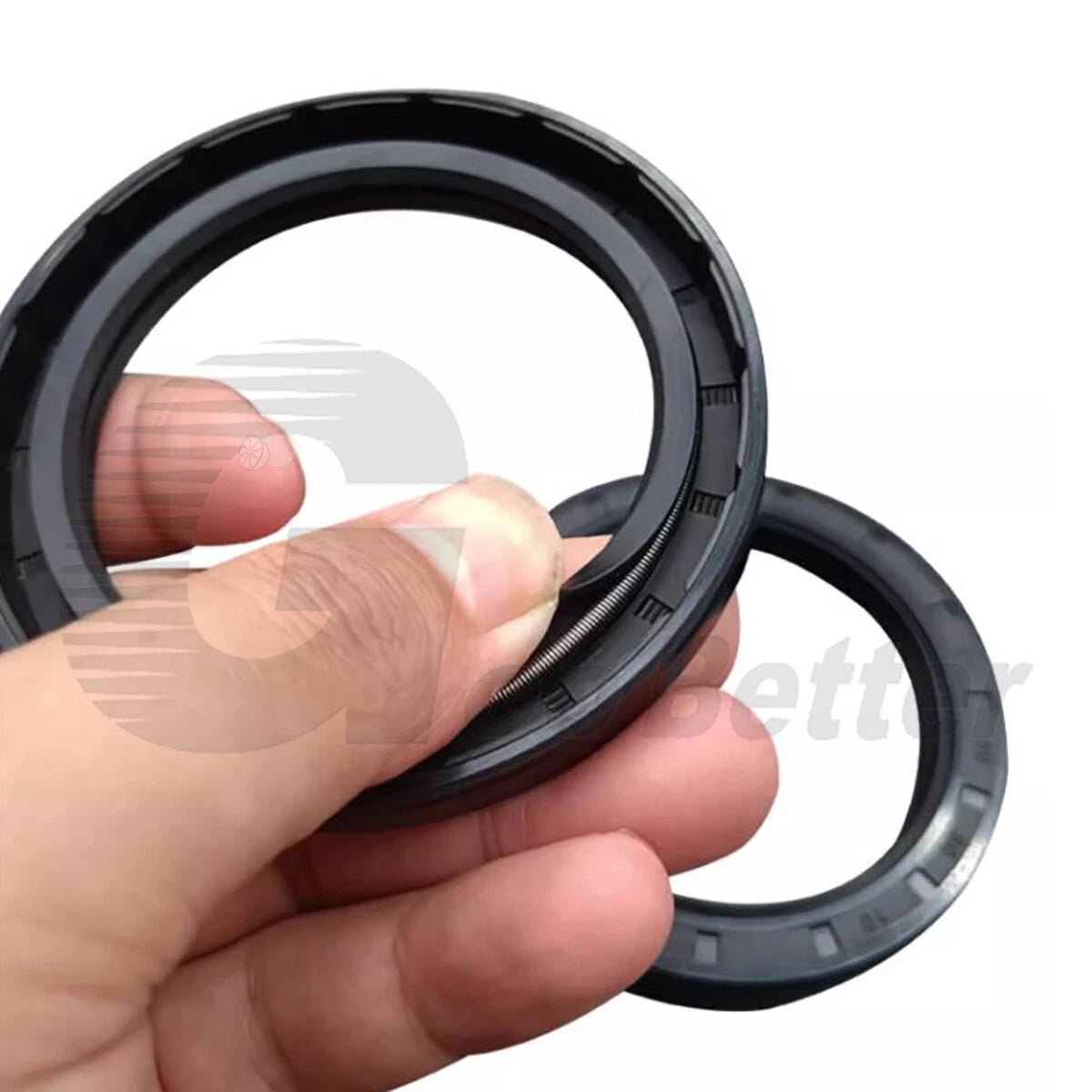
TC Skeleton Oil Seal — NBR Double Lip Rotary Shaft Seal, ID 46–50mm

No reviews

Price:
Sale price$2.58 USD
Stock:
In stock (500 units), ready to be shipped

Payment & Security

Ach Direct Debit Amazon American Express Apple Pay Bancontact Diners Club Discover Google Pay iDEAL Wero Mastercard PayPal Shop Pay USDC Visa

Your payment information is processed securely. We do not store credit card details nor have access to your credit card information.

Quantity Discount Promotion
🎯 BULK DISCOUNT: Buy More, Save More!
Buy 2 Items
5% OFF
Buy 4 Items
10% OFF
Buy 6 Items
15% OFF
Expert

DIY Expert Support

Get fitment advice & recommendations

Mon-Fri, 8:30AM-8PM
24-Hour Fast Ship
🚚
Arrives in 3-14 days
🌍
Global Reach
↩️
30-Day Returns
🌱 1 tree planted with every purchase

Description

TC Skeleton Oil Seal — Stop Leaks on Rotary Shafts with the Right NBR Double Lip Seal

When a worn or wrong-sized shaft seal lets oil weep past a gearbox, axle, or pump, the mess is only the beginning — contaminated bearings and seized components follow fast. Mechanics, equipment owners, and DIY rebuilders who work on agricultural machinery, automotive drivetrains, industrial gearboxes, and hydraulic pumps need a reliable source for exact-fit metric TC oil seals without ordering a full factory kit.

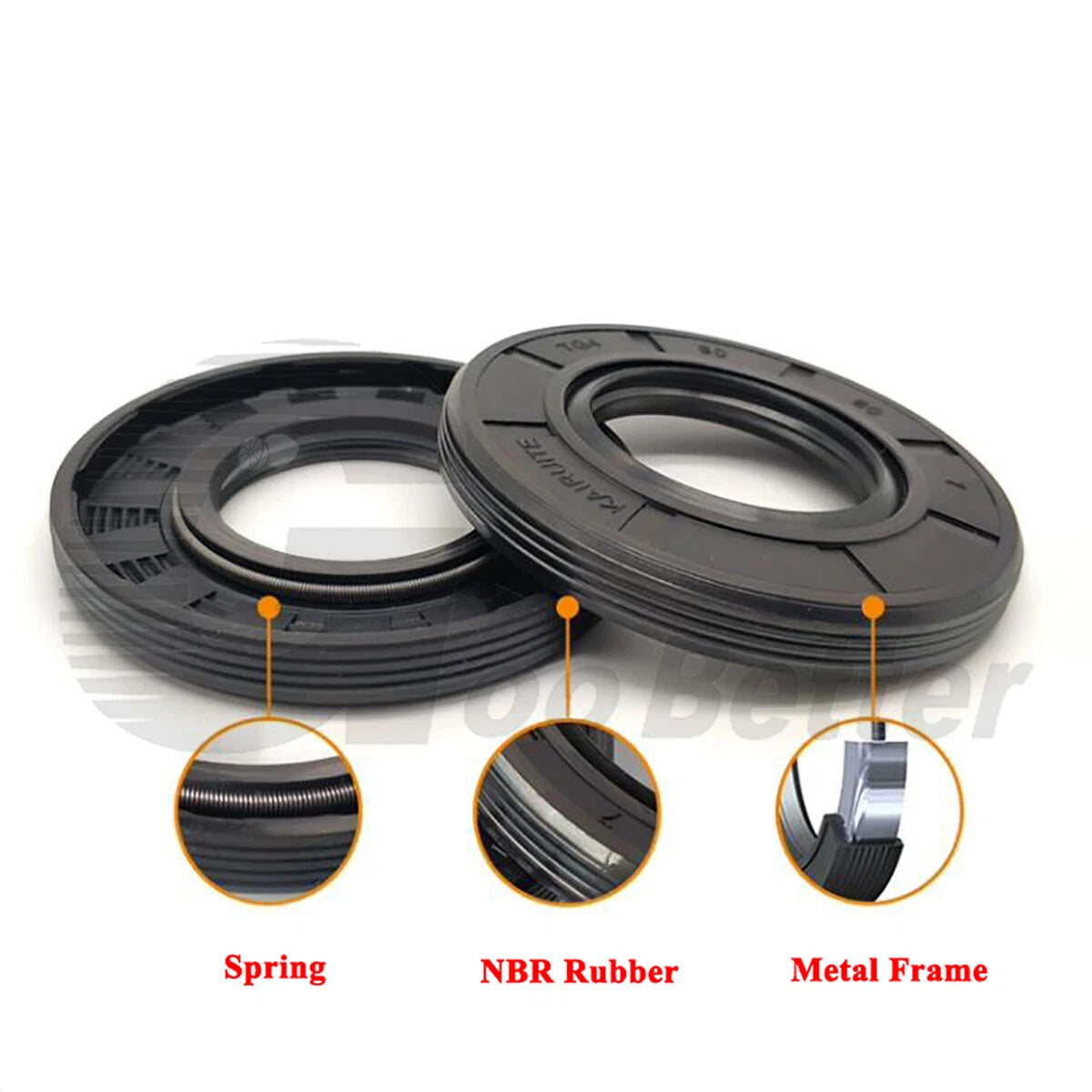
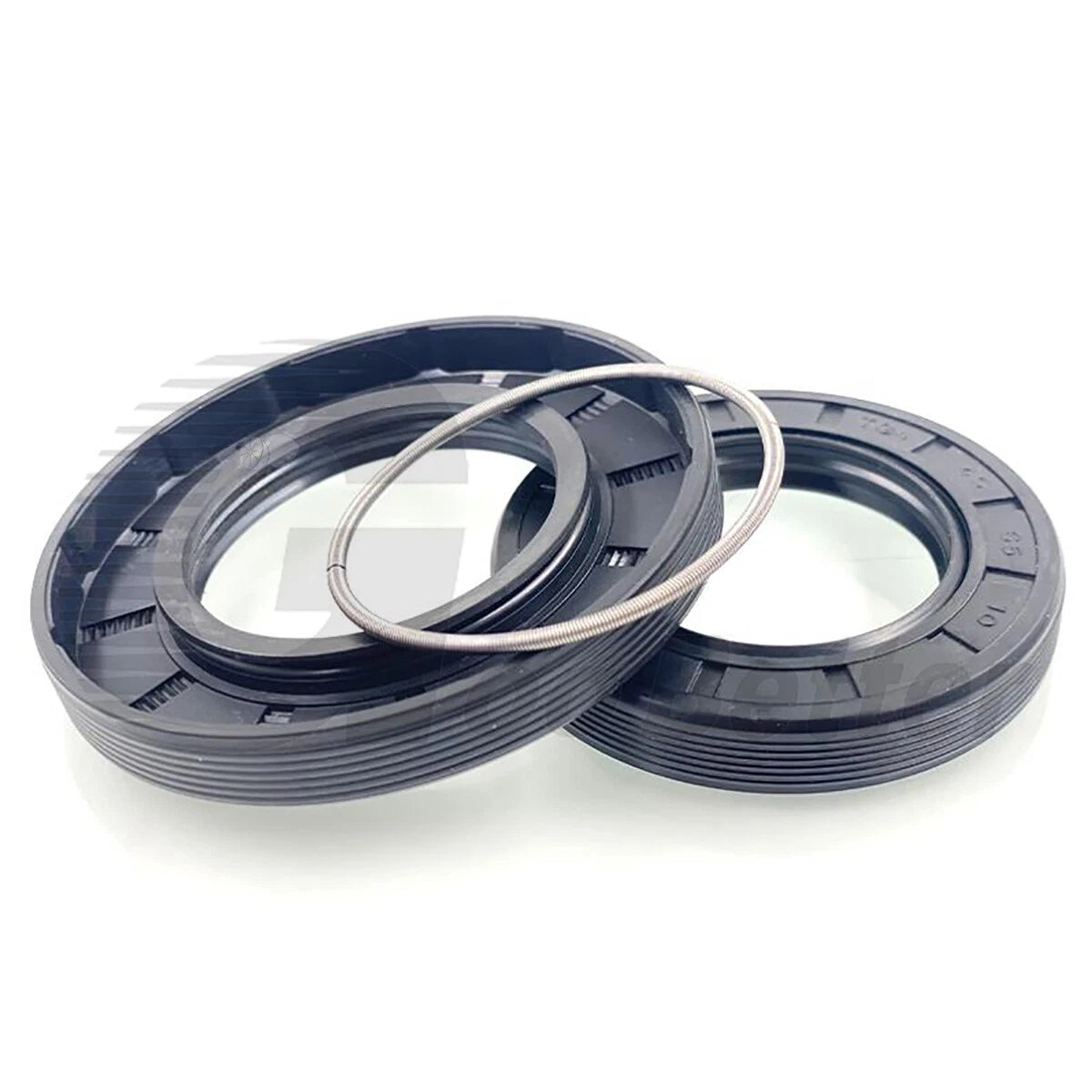
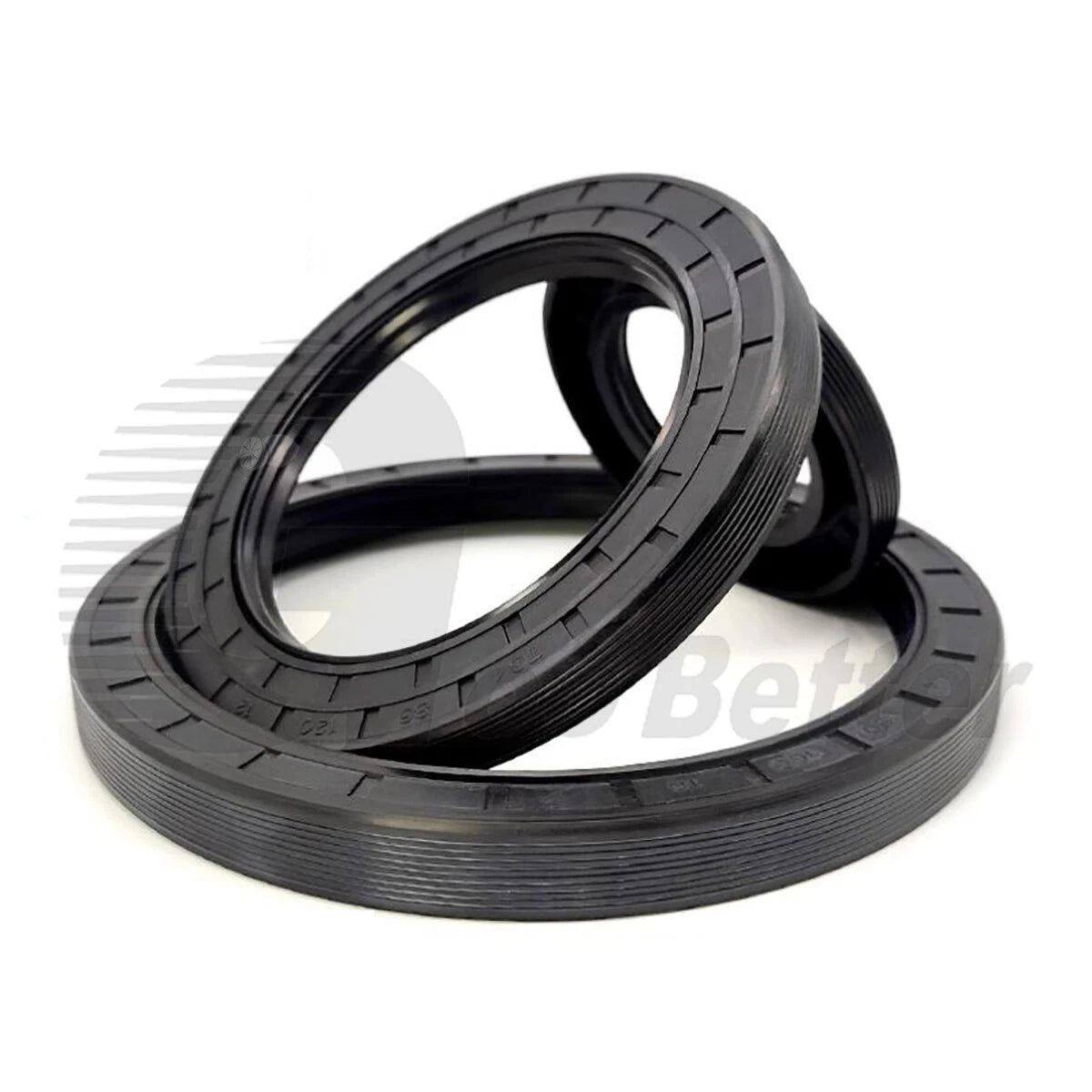
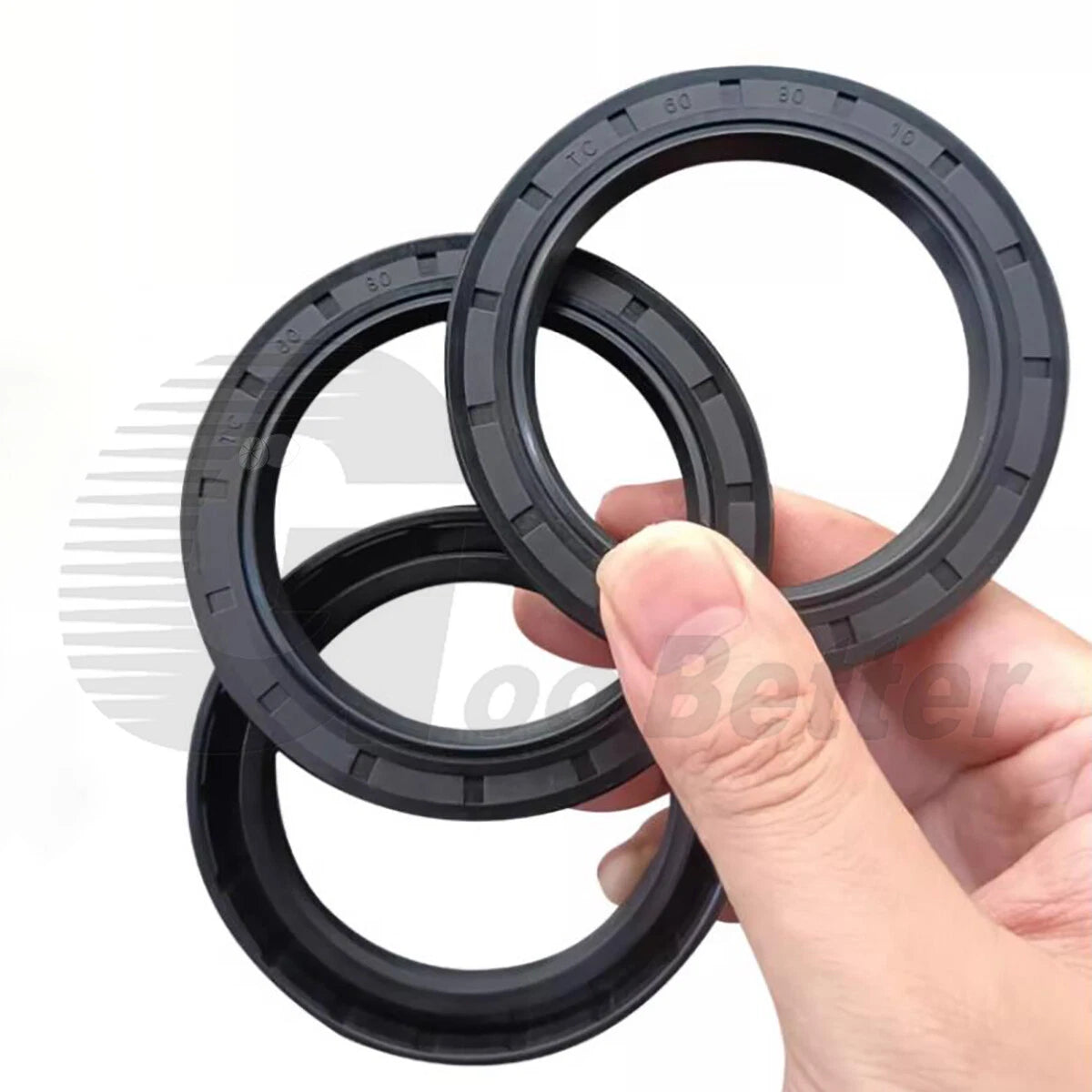
Each listing covers a single TC skeleton oil seal sold per piece (1 PCS). The seal body is a steel-reinforced skeleton bonded to an NBR (nitrile rubber) compound, with a double-lip design: a primary sealing lip with a garter spring for consistent radial load, and a secondary dust lip. Inner diameters span 46 mm (≈1.811"), 47 mm (≈1.850"), 47.5 mm (≈1.870"), 48 mm (≈1.890"), 49 mm (≈1.929"), and 50 mm (≈1.969"), with outer diameters ranging from approximately 56 mm to 120 mm and thicknesses from 4 mm to 18 mm — select your exact ID × OD × Thickness from the variant dropdown.

Typical use cases include replacing leaking rear axle seals on tractors and ATVs, resealing output shafts on industrial gearboxes, and servicing pump shaft bores on irrigation or hydraulic equipment — anywhere a metric rotary shaft seal with NBR double lip construction is specified.

🔵 Compatibility Note: These are metric TC-type seals. Confirm your shaft OD, bore ID, and housing depth in millimeters before ordering. If your equipment manual lists an imperial size, convert to mm and match to the closest variant. When two sizes are close, the shaft diameter (ID) is the critical dimension.

✅ Key Features of These TC NBR Double Lip Rotary Shaft Seals

  • 🛡️Dual-Lip Sealing Design — The primary garter-spring lip retains lubricant under dynamic shaft rotation; the secondary dust lip blocks dirt and moisture ingress, extending bearing life in dirty field or shop environments.
  • ⚙️Steel-Reinforced Skeleton Body — The rigid metal insert maintains roundness during press-fit installation and resists distortion from housing bore tolerances, giving a consistent interference fit without special tooling.
  • 🌡️NBR Compound for Oil & Grease Resistance — Nitrile rubber is compatible with petroleum-based oils, gear lubricants, and greases typically used in automotive and agricultural drivetrains, generally rated to approximately -40°F to +250°F (-40°C to +120°C).
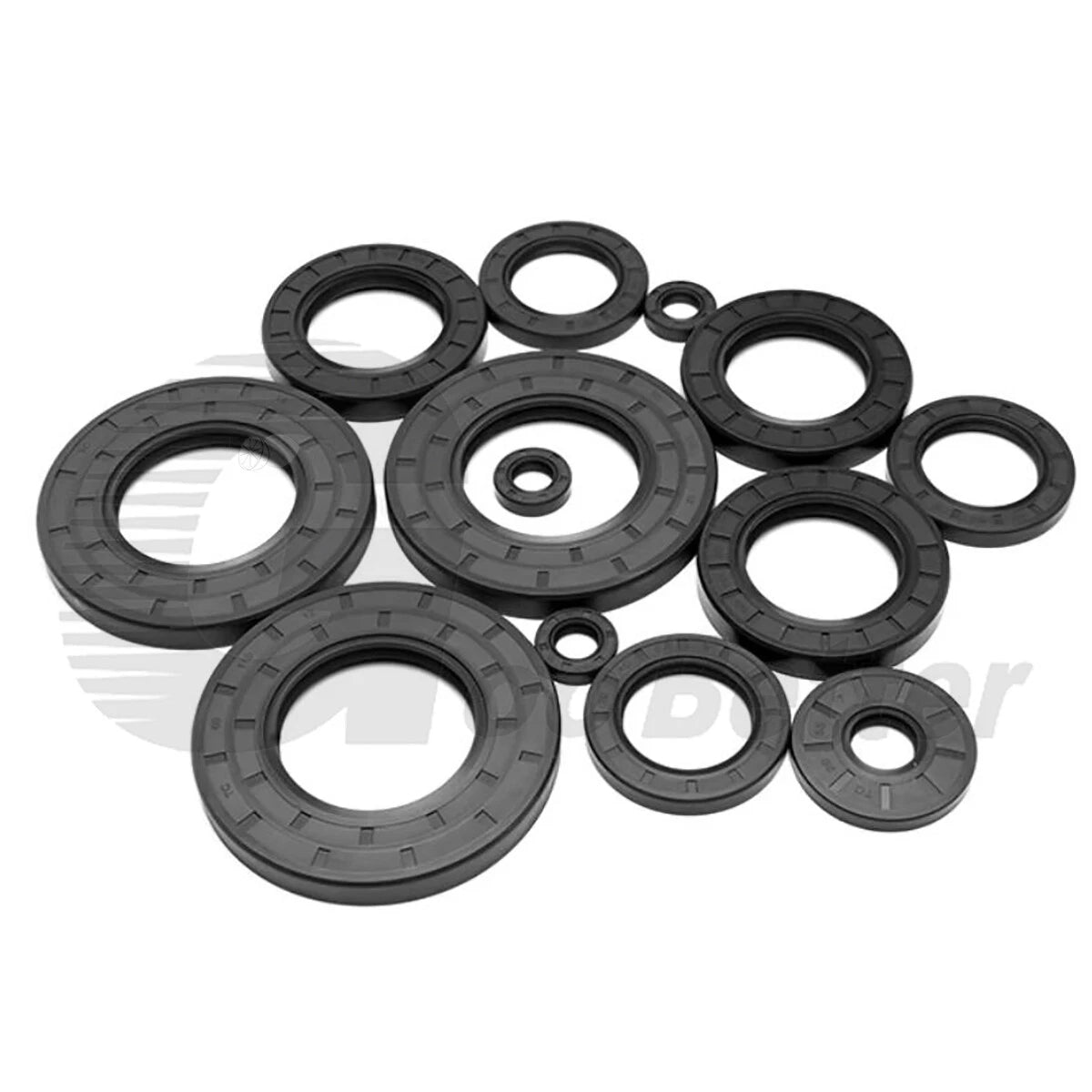
  • 📐Wide Size Matrix — 249 Variants — Inner diameters from 46 mm to 50 mm paired with outer diameters from 56 mm to 120 mm and thicknesses from 4 mm to 18 mm cover a broad range of metric shaft seal applications in a single product listing.
  • 🔩Drop-In Replacement Fit — Dimensioned to standard metric TC seal tolerances, these seals are designed as direct replacements for OEM seals on tractors, gearboxes, pumps, and axles where the original part number cross-references to a TC-type metric seal.
  • 📦Single-Piece Ordering Flexibility — Sold individually (1 PCS per order), so you can replace exactly the seal that failed without buying a multi-pack. Ideal for one-off repairs, low-volume rebuilds, or stocking a specific size for a fleet.

📐 Technical Specifications — TC Skeleton NBR Double Lip Oil Seal

Seal Type TC (Double Lip, Spring-Loaded Primary Lip)
Material — Sealing Element NBR (Nitrile Butadiene Rubber)
Material — Reinforcement Steel skeleton (metal insert)
Inner Diameter (ID) Range 46 mm, 47 mm, 47.5 mm, 48 mm, 49 mm, 50 mm (≈1.811"–1.969")
Outer Diameter (OD) Range 56 mm – 120 mm (see variant options)
Thickness Range 4 mm – 18 mm (see variant options)
Operating Temperature (typical) -40°F to +250°F (-40°C to +120°C)
Max Differential Pressure (typical) Generally ≤ 0.05 MPa (≈7 psi) — contact us to confirm
Lip Configuration Primary lip with garter spring + secondary dust lip
Fluid Compatibility Petroleum-based oils, gear lubricants, greases; water splash resistant
Quantity per Order 1 PCS
Exact Size See variant options (ID × OD × Thickness)
⚠️ Sizing Tip: Always measure your existing seal or the shaft/bore directly — do not rely solely on part numbers from online cross-reference tools, as tolerances vary by manufacturer. If your measured size falls between two listed variants, contact us before ordering.

❓ Frequently Asked Questions

How do I choose the right TC oil seal size?

Measure the shaft (inner diameter), the bore (outer diameter), and the housing depth (thickness). Match all three dimensions to the variant listed as ID × OD × Thickness. For example, a 50 × 72 × 10mm seal fits a 50mm (≈1.969") shaft in a 72mm (≈2.835") bore with a 10mm (≈3/8") housing depth. When in doubt, the shaft diameter (ID) is the most critical dimension — the seal must grip the shaft without leaking or spinning.

What does "TC double lip" mean, and why does it matter?

TC designates a skeleton-type seal with two sealing lips. The primary lip (with a garter spring) retains lubricant and maintains consistent radial contact as the shaft rotates. The secondary lip acts as a dust excluder, blocking contaminants from reaching the primary lip. This dual-barrier design generally outperforms single-lip (SC-type) seals in environments with dirt, moisture, or light debris — common in agricultural and outdoor equipment.

What is the pressure or load rating of these seals?

TC-type NBR oil seals are typically rated for low-to-moderate pressure applications — generally up to about 0.05 MPa (≈7 psi) of differential pressure. They are designed for dynamic shaft sealing in lubricated housings, not for high-pressure containment. If your application involves significant back-pressure, contact us to confirm suitability before ordering.

Can these seals be used outdoors or in wet environments?

NBR (nitrile rubber) offers good resistance to petroleum-based oils, greases, and water splash — making it suitable for outdoor equipment like tractors, ATVs, and irrigation pumps that encounter rain and mud. It is generally not recommended for continuous submersion or exposure to aggressive chemicals such as ketones, esters, or concentrated acids. For those conditions, a FKM (Viton) seal is typically the better choice.

What shaft speed and temperature range are these seals rated for?

NBR TC oil seals typically operate in a temperature range of approximately -40°F to +250°F (-40°C to +120°C) and are generally suitable for shaft surface speeds up to about 4–6 m/s (≈800–1,200 RPM on a 50mm shaft). Actual performance limits depend on shaft surface finish (Ra ≤ 0.8 µm recommended), lubrication, and radial load. Contact us to confirm for your specific application.

Are these metric seals compatible with standard US equipment?

These are metric-dimensioned seals. Many agricultural, automotive, and industrial machines sold in the US — including European and Asian imports — use metric shafts and bores. Always verify your shaft and bore measurements in millimeters before ordering. Common conversions for this size range: 46mm ≈ 1.811", 47mm ≈ 1.850", 48mm ≈ 1.890", 49mm ≈ 1.929", 50mm ≈ 1.969". If your equipment manual lists an imperial size, convert it and match to the closest variant.

How do I install a TC skeleton oil seal correctly?

1. Clean the bore and shaft thoroughly. 2. Lightly lubricate the seal lips with the fluid being sealed (gear oil, grease, etc.). 3. Press the seal squarely into the bore using a seal driver or a flat block — never hammer directly on the seal face or lip. 4. The open (spring) side of the seal typically faces the lubricant source. 5. Verify the seal sits flush or slightly below the bore face. 6. Protect the seal lips from sharp shaft edges or keyways during installation using a sleeve or tape.

🛒 Select your size (ID × OD × Thickness) above, then add to cart — ships from our US warehouse.

You may also like

Recently viewed