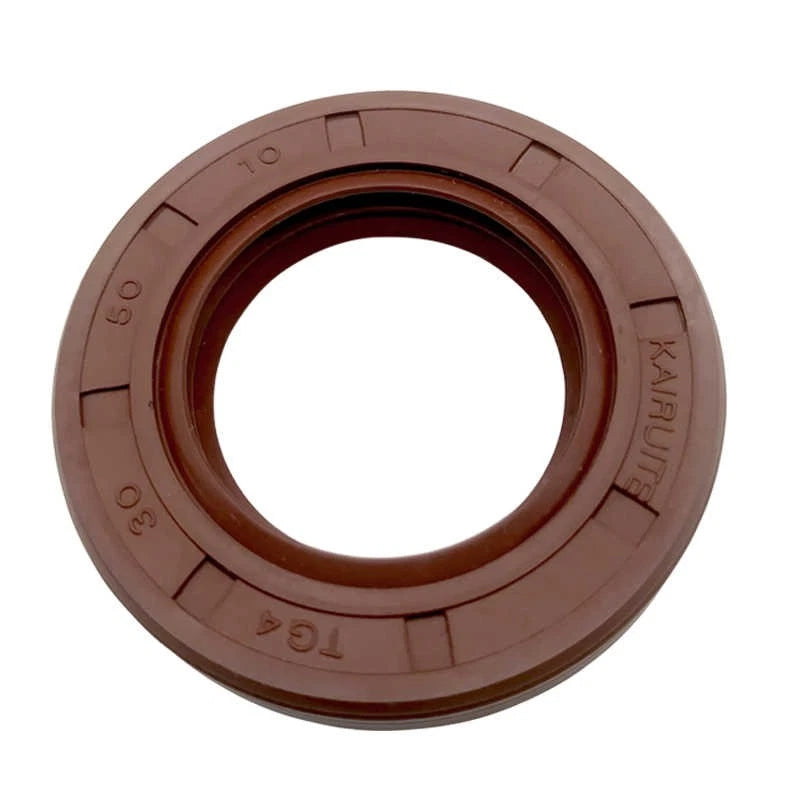
TC TG Oil Seal Skeleton FKM Rubber Framework Double Lip Sealing Ring 145-245mm

No reviews

Price:
Sale price$35.56 USD
Stock:
In stock (500 units), ready to be shipped

Payment & Security

Ach Direct Debit Amazon American Express Apple Pay Bancontact Diners Club Discover Google Pay iDEAL Wero Mastercard PayPal Shop Pay USDC Visa

Your payment information is processed securely. We do not store credit card details nor have access to your credit card information.

Quantity Discount Promotion
🎯 BULK DISCOUNT: Buy More, Save More!
Buy 2 Items
5% OFF
Buy 4 Items
10% OFF
Buy 6 Items
15% OFF
Expert

DIY Expert Support

Get fitment advice & recommendations

Mon-Fri, 8:30AM-8PM
24-Hour Fast Ship
🚚
Arrives in 3-14 days
🌍
Global Reach
↩️
30-Day Returns
🌱 1 tree planted with every purchase

Description

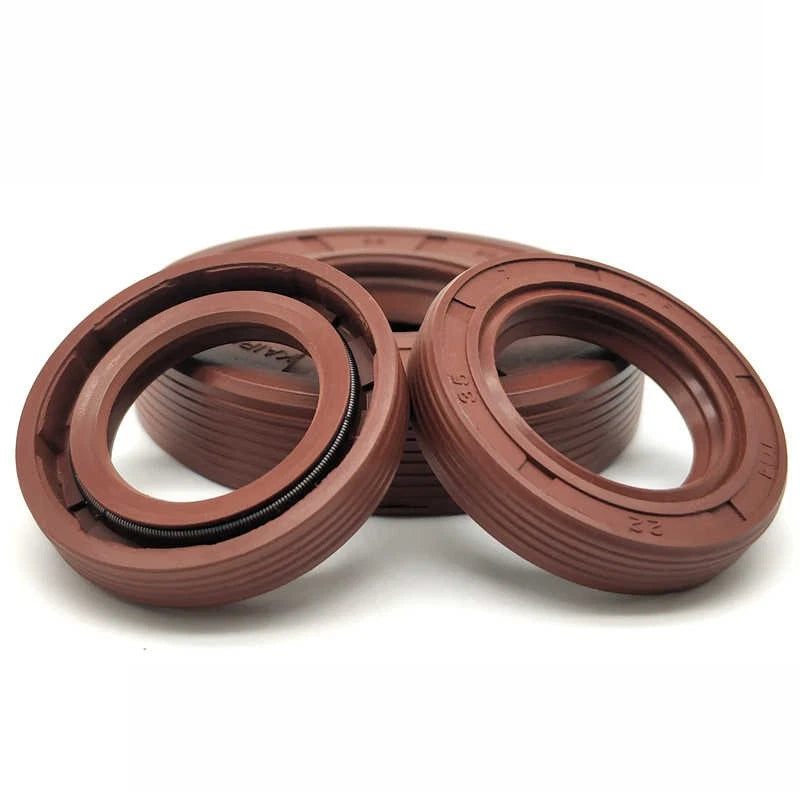
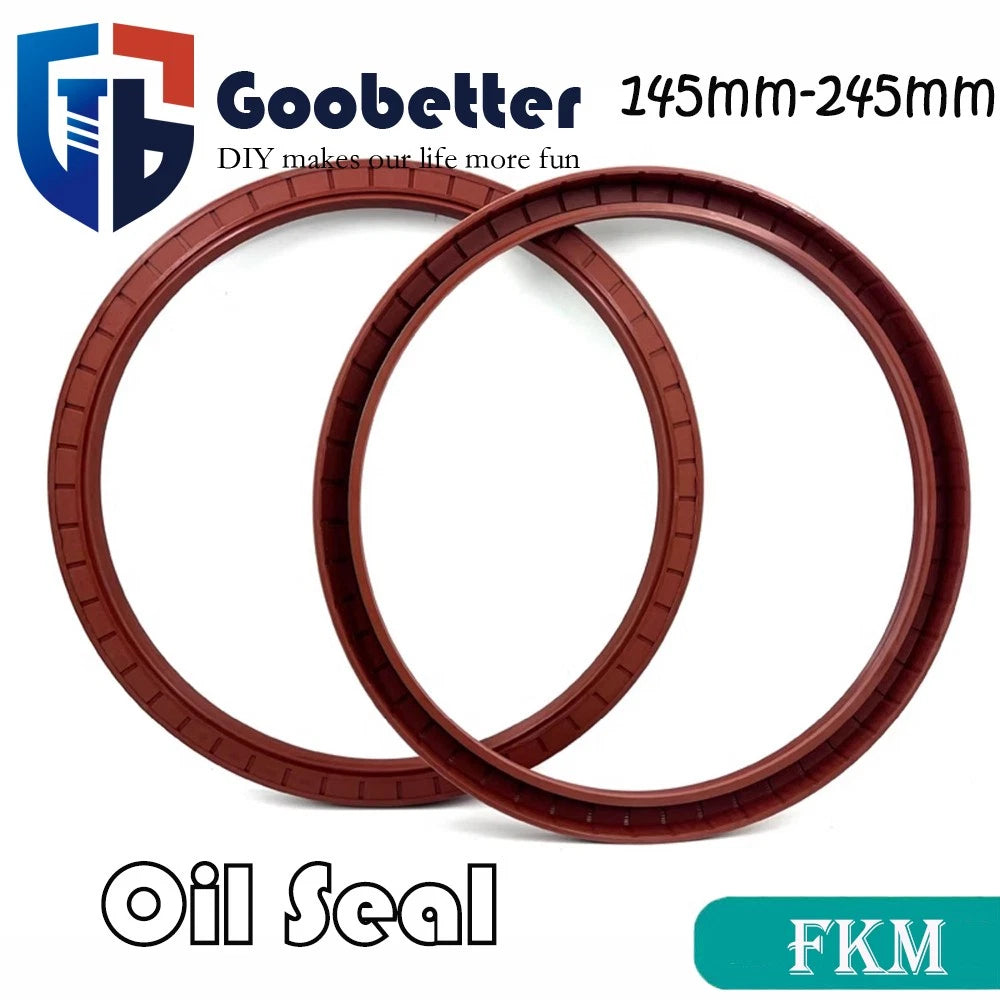
FKM Double Lip TC Oil Seal — Skeleton Framework Sealing Ring for Rotating Shafts (145–245mm)

When a worn or undersized shaft seal lets oil migrate past a bearing housing, the result is contaminated lubricant, accelerated wear, and unplanned downtime. Maintenance technicians, equipment rebuilders, and serious DIYers who work on gearboxes, pumps, axles, and hydraulic units need a sealing ring that holds its geometry under heat and chemical exposure — not one that swells, cracks, or takes a permanent set after the first thermal cycle.

These TC/TG-type oil seals combine a rigid carbon-steel skeleton with a fluoroelastomer (FKM/Viton) sealing body and a double-lip contact design. The inner diameter spans 145 mm to 245 mm (approximately 5.71 in to 9.65 in), with outer diameters and depths sized to match common bearing-housing bores across the range. Each variant is sold individually so you can order the exact size you need without buying a kit of sizes you won't use.

Typical applications include industrial gearbox output shafts where petroleum-based gear oil is present, agricultural and construction equipment axle ends exposed to mud and water ingress, and pump shaft assemblies running at moderate speeds where the secondary dust lip provides an added barrier against particulate contamination. The FKM compound also suits environments where the seal contacts synthetic lubricants, mild acids, or elevated operating temperatures that would degrade standard NBR seals.

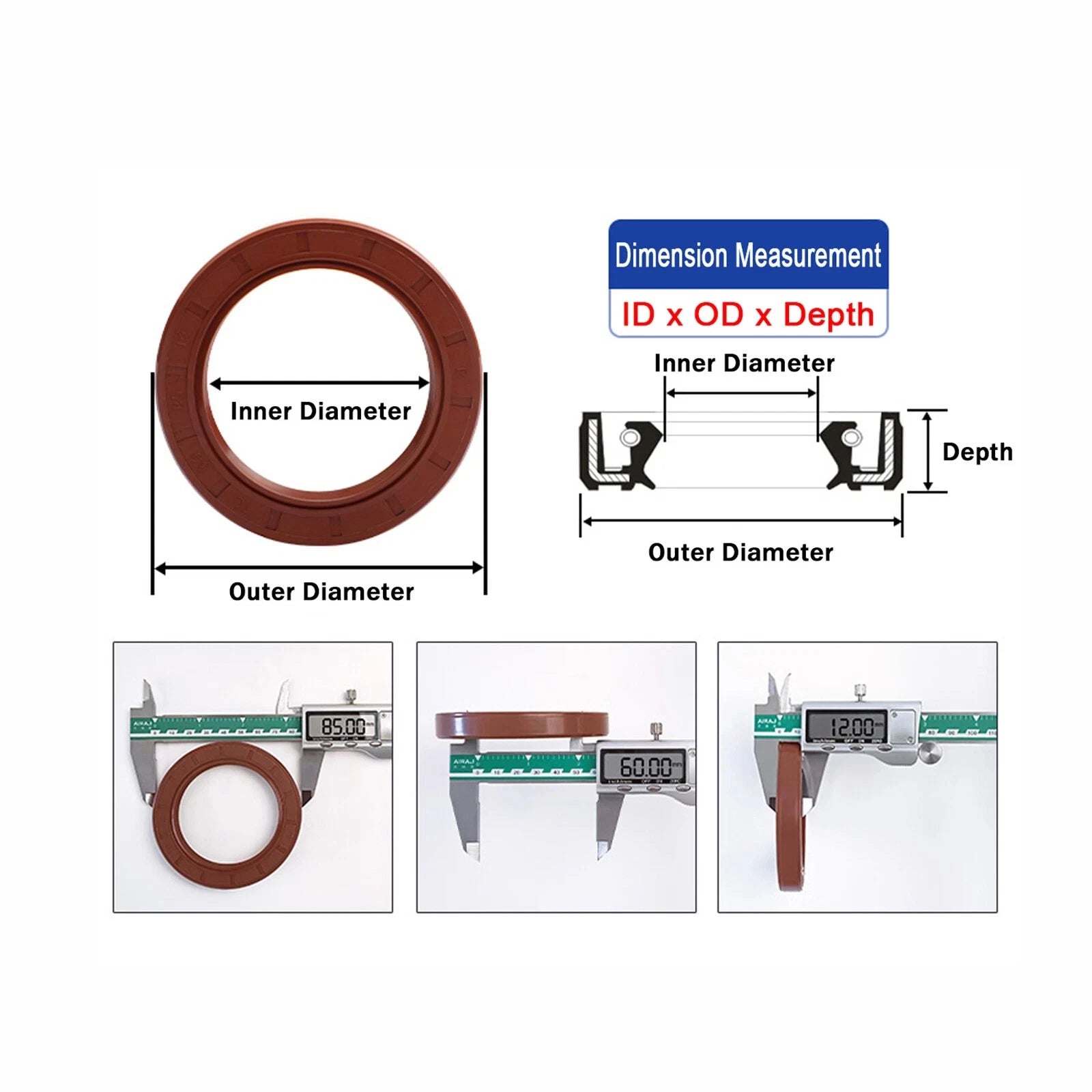
⚙️ Compatibility note: Verify your shaft diameter, housing bore, and available depth before ordering. The option label format is Inner Ø × Outer Ø × Depth (mm). If your housing uses a metric bore, match the outer diameter exactly; allow 0–0.2 mm press-fit interference on the OD for a secure static seal.

✅ Key Features of These FKM Double Lip TC Oil Seals

🔩 Rigid Carbon-Steel Skeleton

The stamped steel insert maintains the seal's round cross-section during press-fit installation and prevents distortion under housing clamp loads, keeping the lip contact force consistent over time.

🌡️ FKM (Viton) Elastomer Body

Fluoroelastomer compound resists petroleum oils, synthetic lubricants, and mild chemical exposure across a continuous operating temperature range typically from −20 °C to +200 °C (−4 °F to +392 °F), outperforming standard NBR in high-heat or chemically aggressive environments.

💧 Double-Lip Contact Design

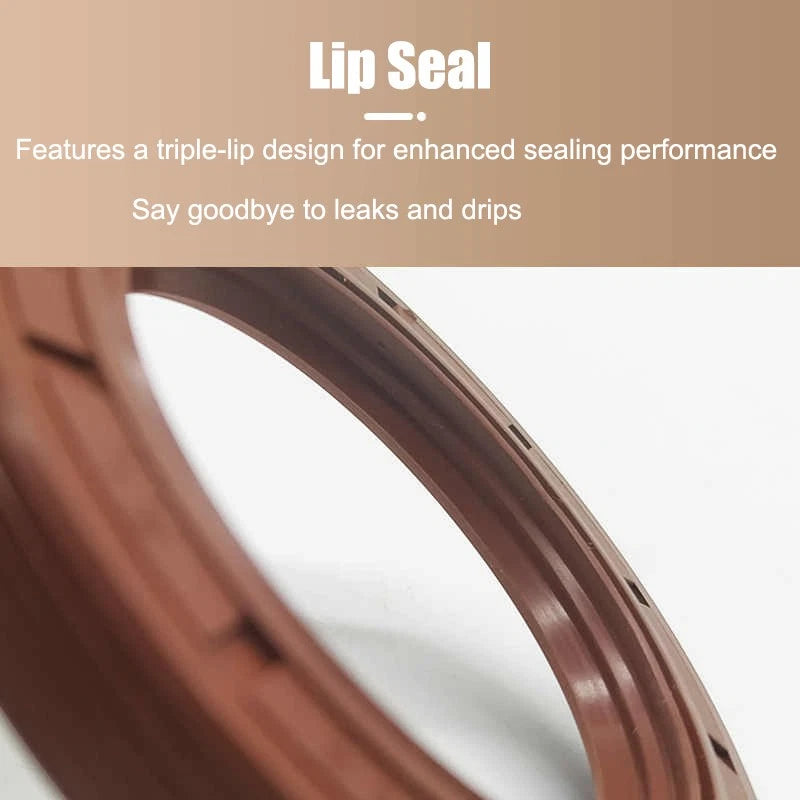
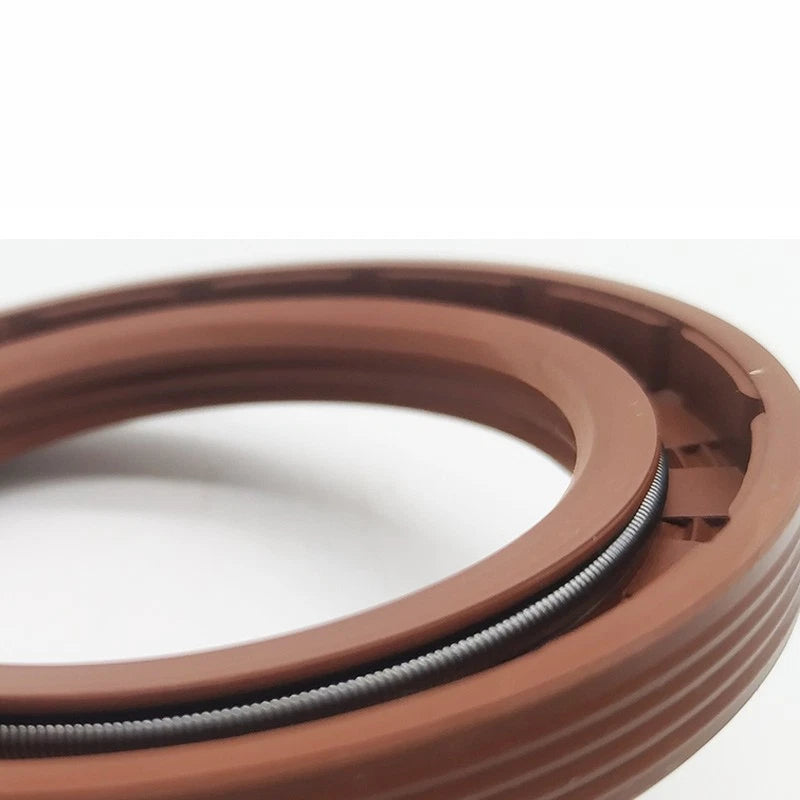
The primary sealing lip retains lubricant on the oil side; the secondary dust lip faces outward to block water, dirt, and particulates from reaching the bearing — a meaningful advantage in outdoor or wet-environment machinery.

📐 Wide Size Range — 97 Variants

Inner diameters from 145 mm to 245 mm (≈5.71–9.65 in) with multiple outer-diameter and depth combinations per inner size, covering a broad range of gearbox, axle, and pump shaft housings without requiring custom fabrication.

🔄 TC/TG Framework Construction

The TC-type skeleton framework is a widely adopted standard in industrial sealing, meaning replacement seals are dimensionally interchangeable with OEM parts that share the same Inner Ø × Outer Ø × Depth specification.

🛠️ Single-Piece, Ready-to-Install

Each seal ships as a complete, pre-assembled unit — no bonding, no secondary components. Press into the housing bore with a flat driver or seal installation tool; no adhesive or sealant required for a correctly sized fit.

📐 Technical Specifications — TC/TG FKM Double Lip Oil Seal

Seal Type TC / TG (Double Lip, Skeleton Framework)
Elastomer Material FKM (Fluoroelastomer / Viton)
Framework Material Carbon steel skeleton
Lip Configuration Double lip — primary oil-retention lip + secondary dust/exclusion lip
Inner Diameter (Shaft Ø) Range 145 mm – 245 mm (approx. 5.71 in – 9.65 in)
Outer Diameter Range See variant options
Depth (Width) Range 10 mm – 20 mm (approx. 0.39 in – 0.79 in) — see variant options
Operating Temperature Typically −20 °C to +200 °C (−4 °F to +392 °F)
Compatible Fluids Petroleum-based oils, synthetic lubricants, mild acids/chemicals
Installation Method Press-fit into housing bore
Quantity per Order 1 piece
Spring See variant options / Contact us to confirm

❓ Frequently Asked Questions

How do I choose the correct size oil seal for my application?

Measure three dimensions directly from your shaft and housing: (1) the shaft outer diameter — this is the Inner Ø of the seal; (2) the housing bore diameter — this is the Outer Ø; (3) the available axial depth in the housing — this is the Depth. Match all three to the variant label shown as Inner Ø × Outer Ø × Depth (mm). If your measurements are in inches, multiply by 25.4 to convert to millimeters. When in doubt between two depths, choose the shallower one to avoid bottoming out in the housing.

What is the difference between TC and TG oil seal types?

Both TC and TG designations describe double-lip skeleton oil seals with a metal framework. The primary difference lies in the secondary lip geometry and the presence or absence of a garter spring on the dust lip. In practice, TC and TG seals with identical Inner Ø × Outer Ø × Depth dimensions are dimensionally interchangeable in most housing applications. If your OEM part number specifies one type, confirm the depth and lip orientation before substituting.

Why choose FKM over NBR for this type of seal?

NBR (nitrile) seals are adequate for standard petroleum oils at moderate temperatures (up to roughly 100–120 °C). FKM (Viton) seals are the correct choice when the operating temperature regularly exceeds 120 °C, when the lubricant is a synthetic ester or PAO, or when the seal contacts mild acids, fuel, or aggressive chemicals. FKM also resists ozone and UV degradation better than NBR, which matters in outdoor equipment that sits idle between seasons.

Is the secondary lip effective at keeping water and dirt out?

Yes. The outward-facing secondary (dust exclusion) lip creates a low-contact-force barrier against water spray, mud, and fine particulates. It is not designed to seal against pressurized water ingress — for that, a labyrinth or V-ring seal would be added upstream. For typical agricultural, construction, and industrial gearbox applications where splash and airborne contamination are the concern, the double-lip design provides meaningful protection compared to a single-lip seal.

How do I install a press-fit oil seal without damaging the lip?

Clean the housing bore and lightly lubricate the outer diameter of the seal with the same oil it will retain. Use a flat-faced driver or a seal installation tool sized to contact the outer metal case — never strike the rubber lip or the inner edge. Press evenly and squarely until the seal face is flush with or just below the housing face. Avoid cocking the seal during installation, as even a slight tilt can cause the primary lip to run off-center on the shaft, leading to early leakage.

Can these seals handle continuous rotation, or are they for static applications only?

These are dynamic rotary shaft seals designed for continuous shaft rotation. The garter spring (on the primary lip) maintains consistent radial contact force as the shaft turns. They are not intended for reciprocating (back-and-forth linear) motion — a different seal profile is required for that duty. Shaft surface finish in the contact zone should ideally be Ra 0.2–0.8 µm (8–32 µin) for optimal seal life; a rough or scored shaft surface will accelerate lip wear.

What shaft surface finish and speed are these seals rated for?

For seals in this diameter range, a shaft surface hardness of HRC 30 or above is recommended to resist lip-induced wear grooving over time. Shaft surface finish should be Ra 0.2–0.8 µm. Peripheral shaft speed suitability depends on the specific size and lubricant viscosity — for large-diameter shafts (200 mm+), lower surface speeds are typical. If your application involves high shaft speeds, contact us to confirm suitability before ordering.

🛒 Select your Inner Ø × Outer Ø × Depth above, then add to cart.

You may also like

Recently viewed