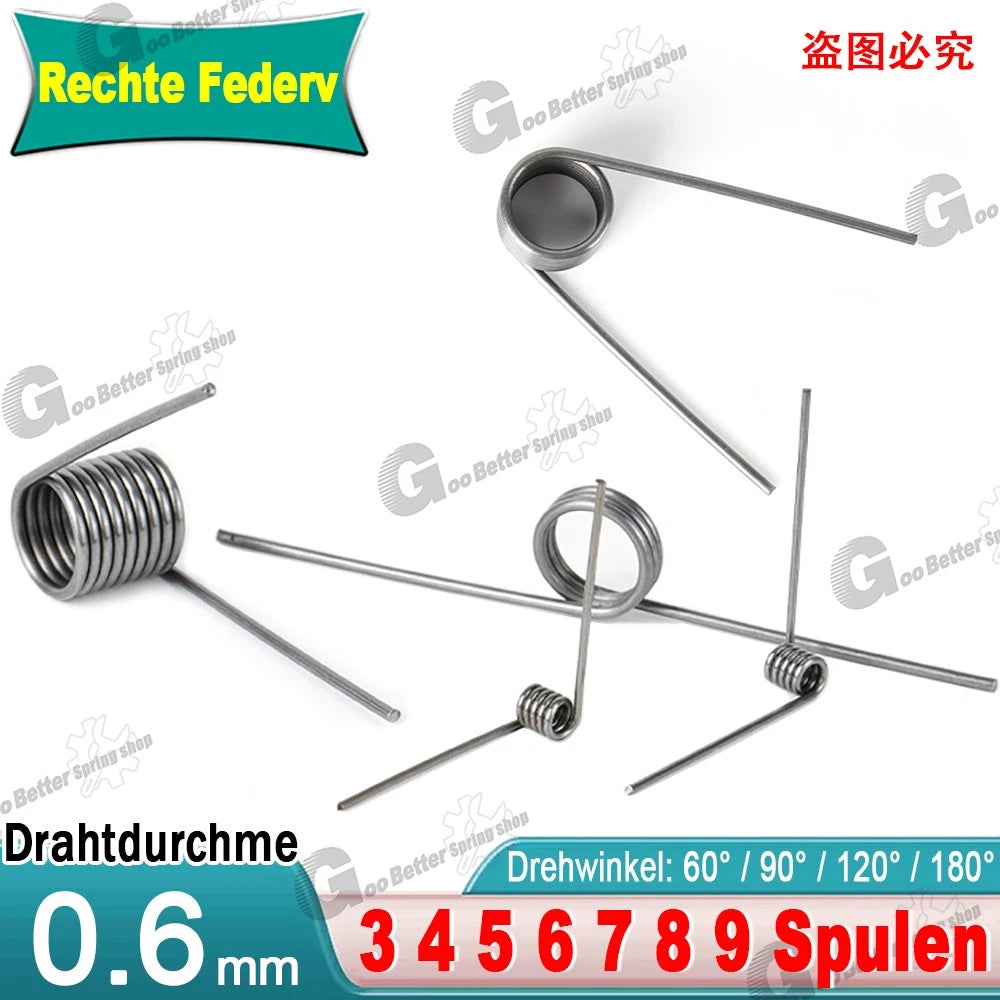


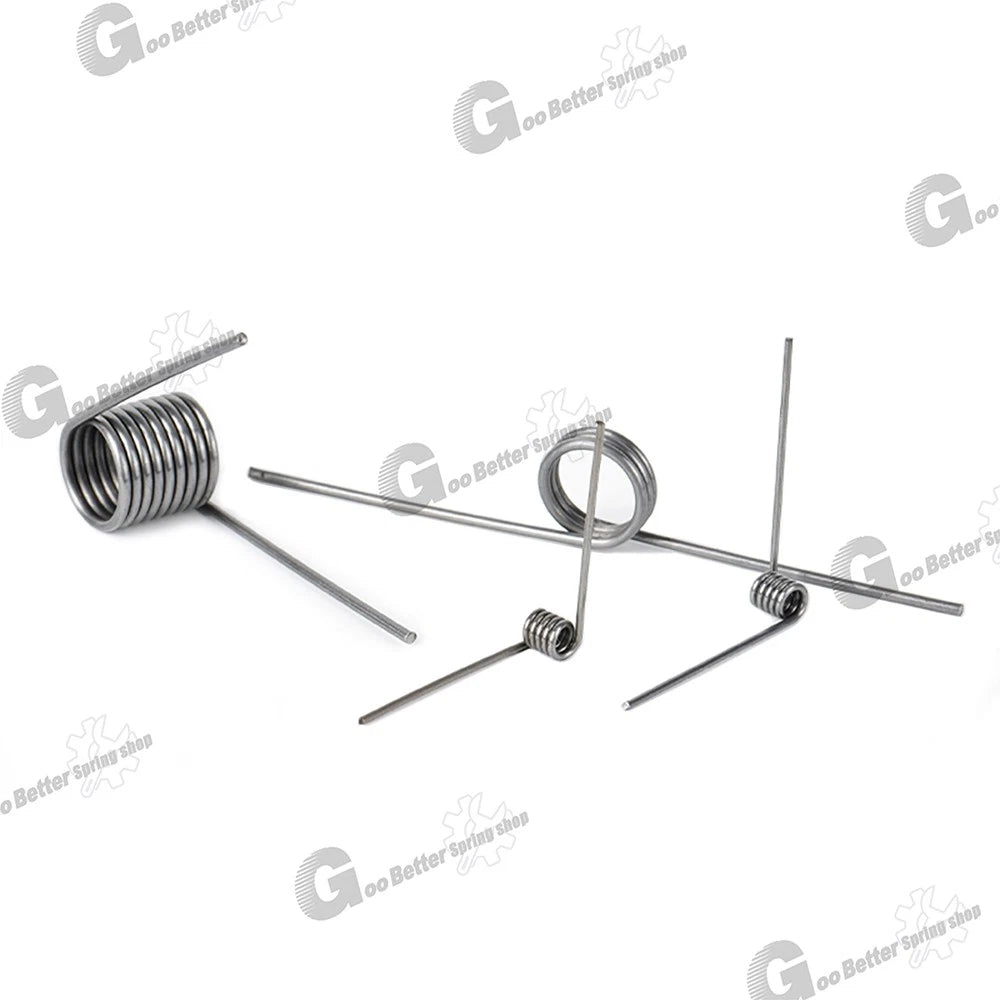
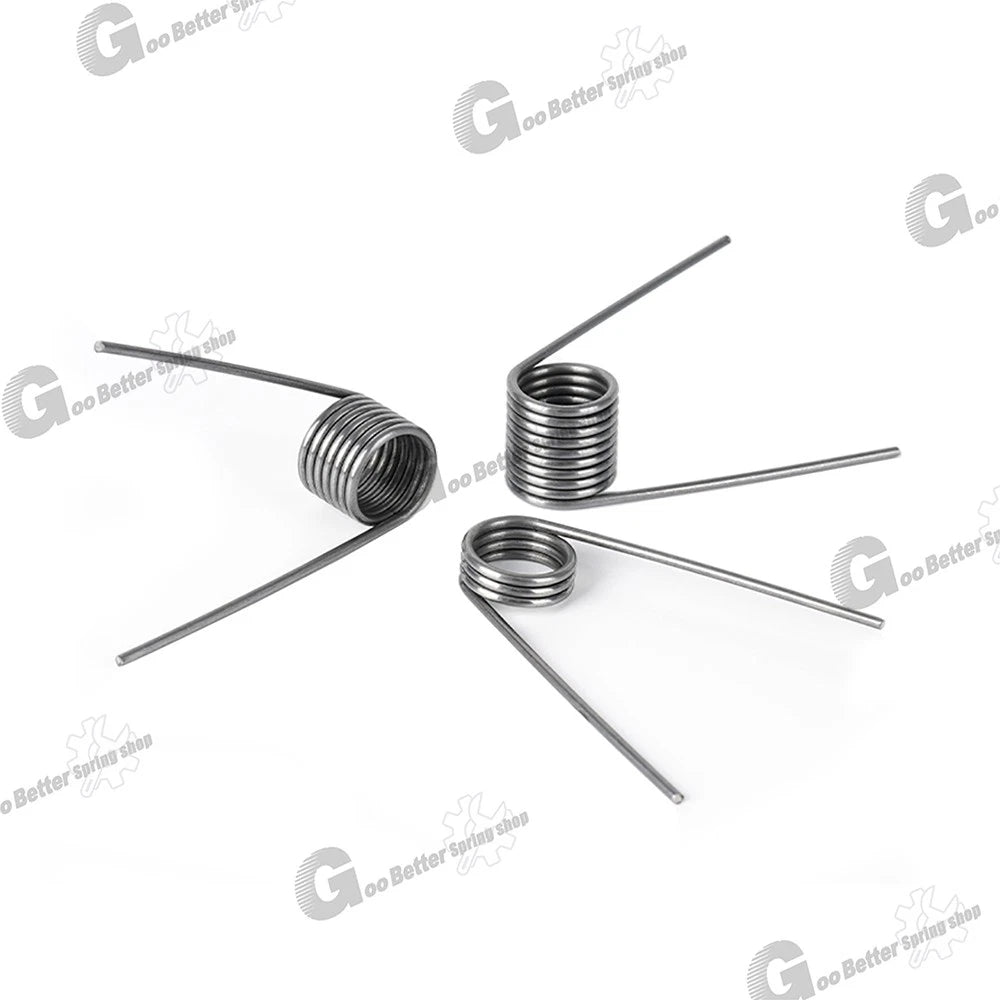
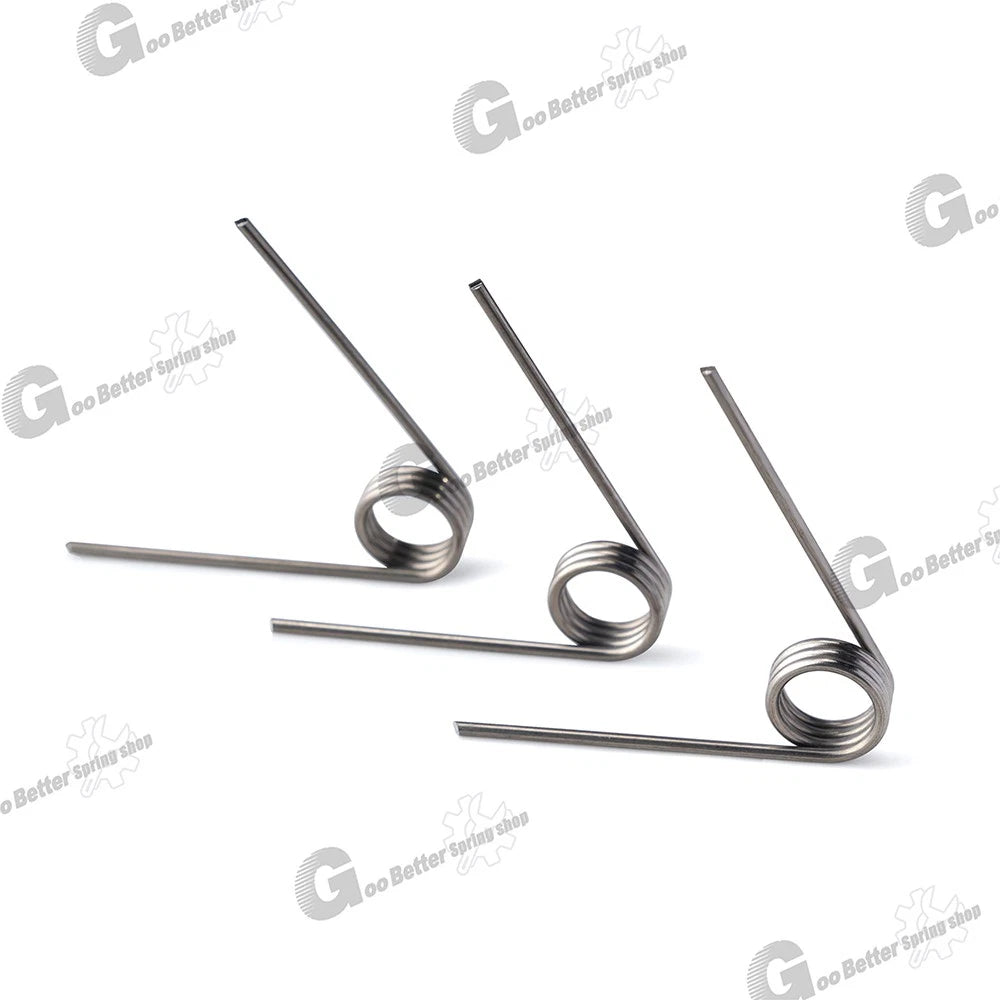
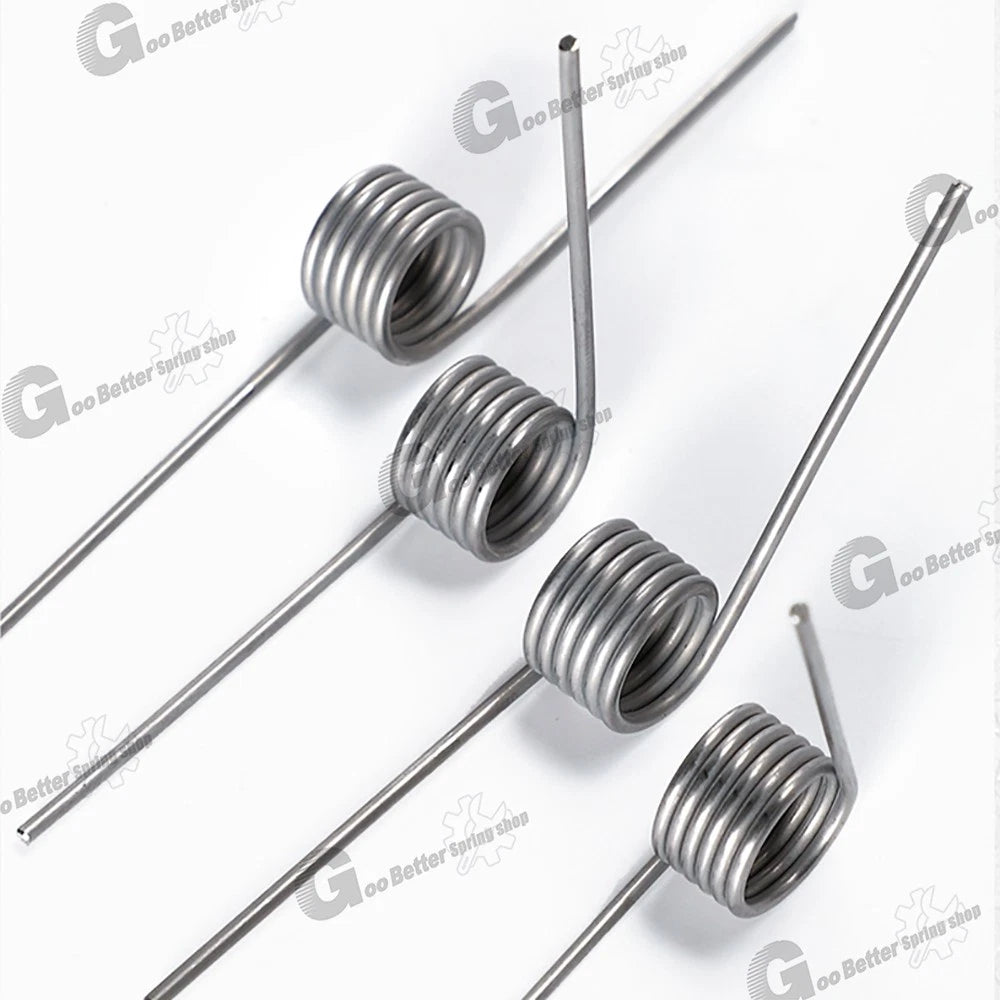
Schenkelfeder-Torsionsfeder-D 0,6mm Øa 4mm-7mm L 30mm Rechte Dreh Federv

No reviews

Price:
Sale price$4.16 USD
Stock:
In stock (500 units), ready to be shipped

Payment & Security

Ach Direct Debit Amazon American Express Apple Pay Bancontact BLIK Diners Club Discover EPS Google Pay iDEAL Wero JCB Maestro Mastercard Multibanco MobilePay PayPal Przelewy24 Shop Pay Twint Union Pay USDC Visa

Your payment information is processed securely. We do not store credit card details nor have access to your credit card information.

Limited Offer — Spend More, Save More
Spend $55+
Save $5
Spend $100+
Save $10
Spend $200+
Save $25
HomeDIYer DIY Expert Support

DIY Expert Support

Get fitment advice & recommendations

Mon–Fri  8:30 AM – 8:00 PM
24-Hour Fast Ship
Arrives in 3–14 Days
Worldwide Shipping
30-Day Returns
1 tree planted with every purchase

Description

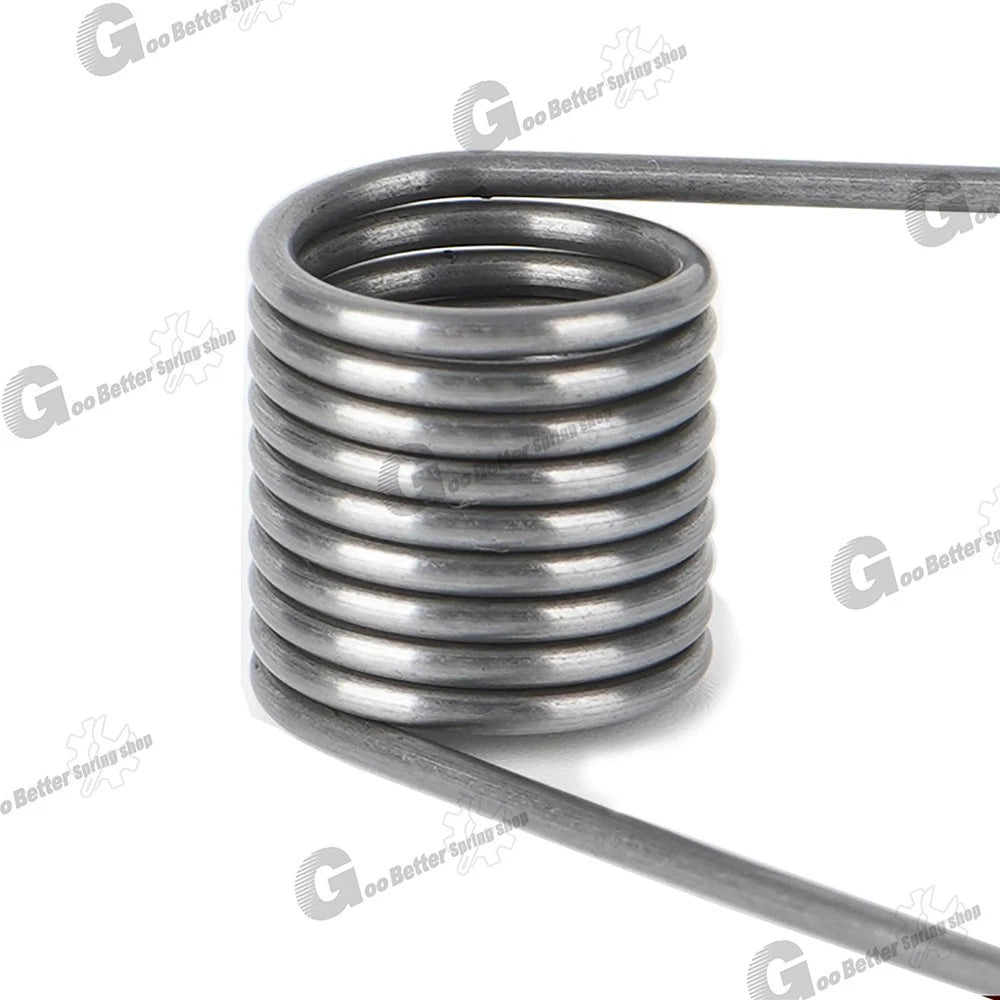
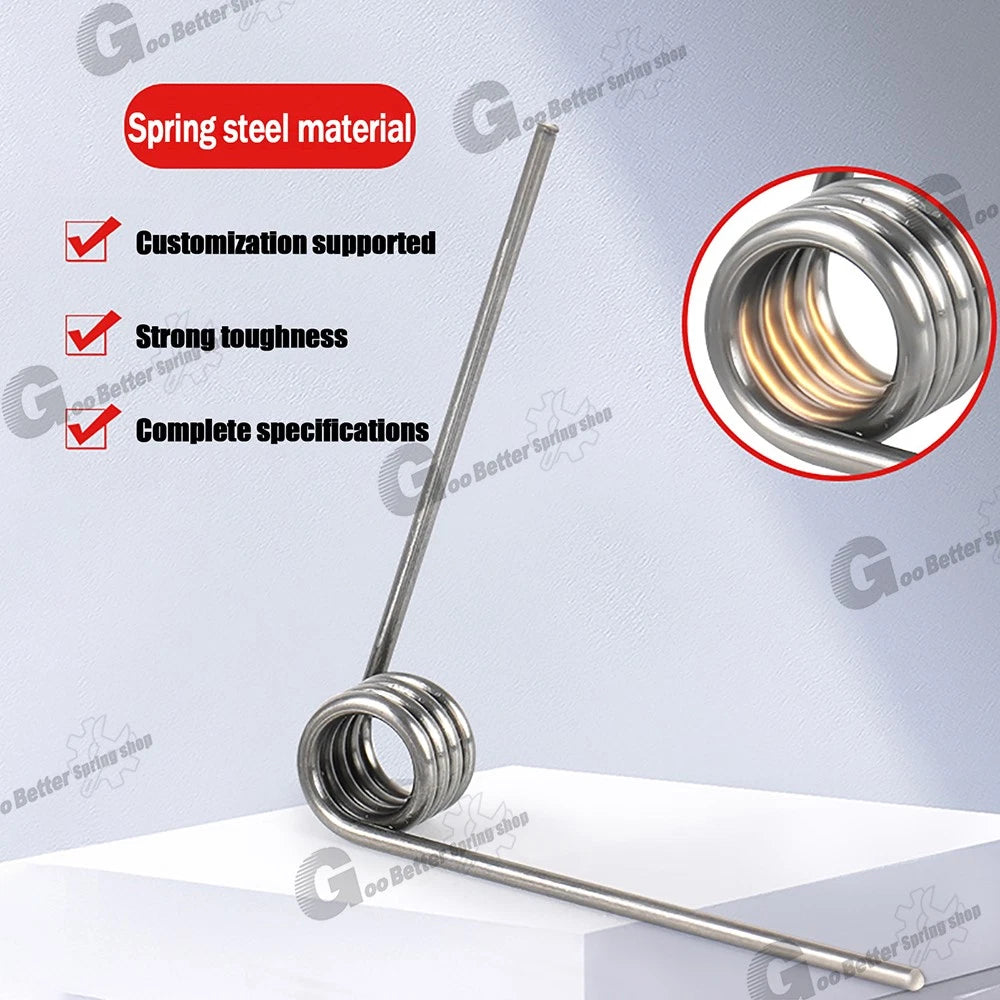
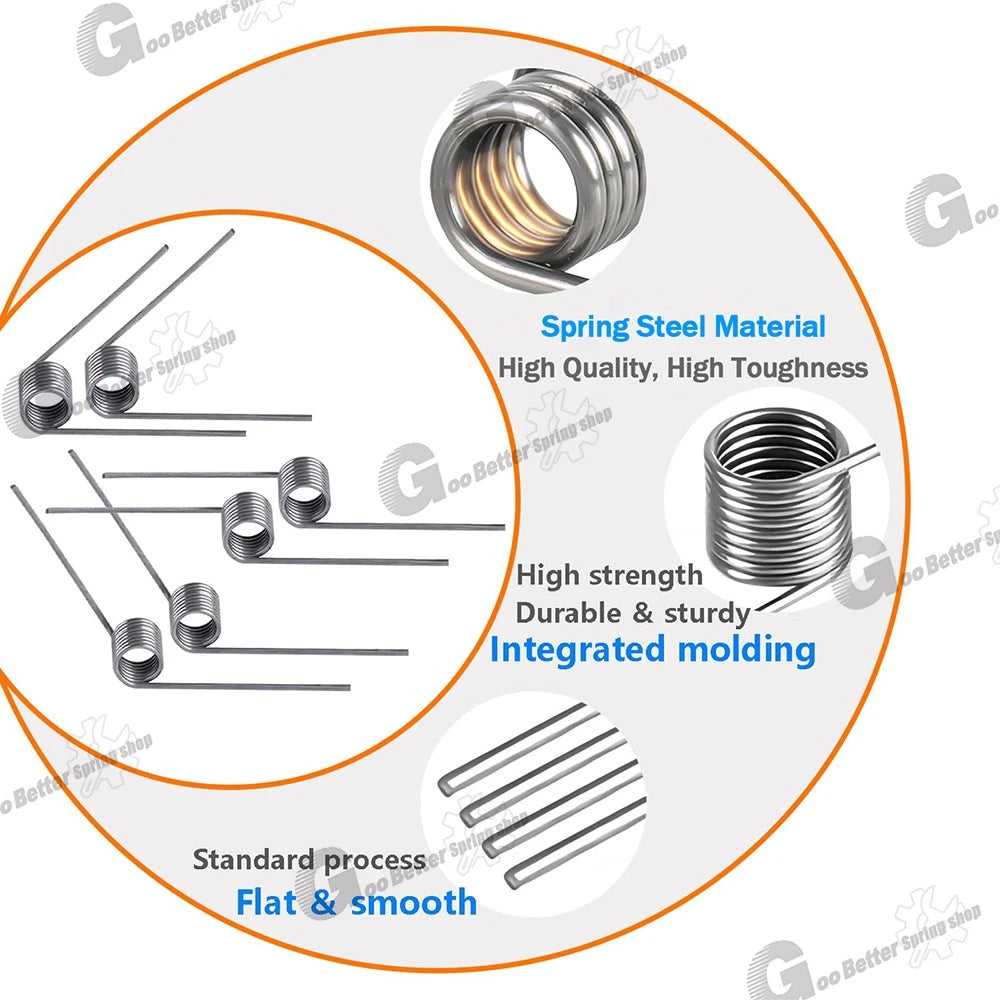
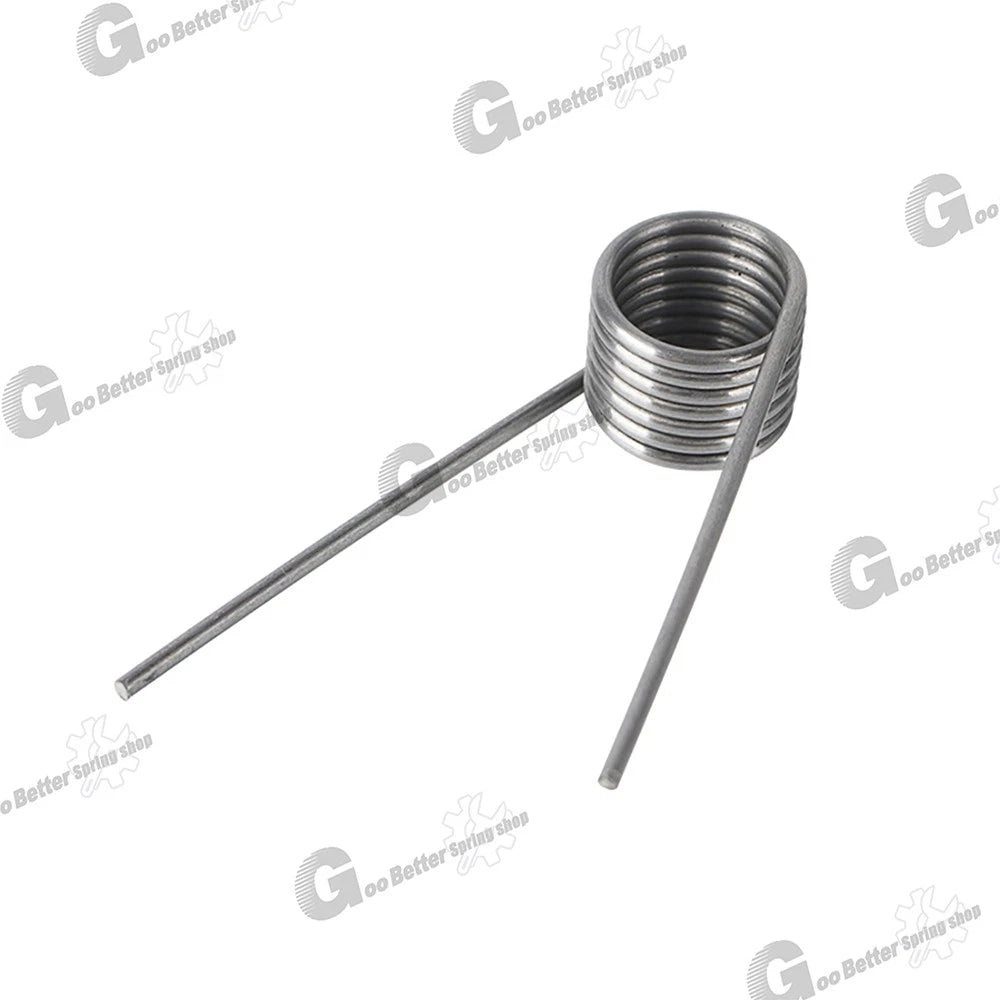
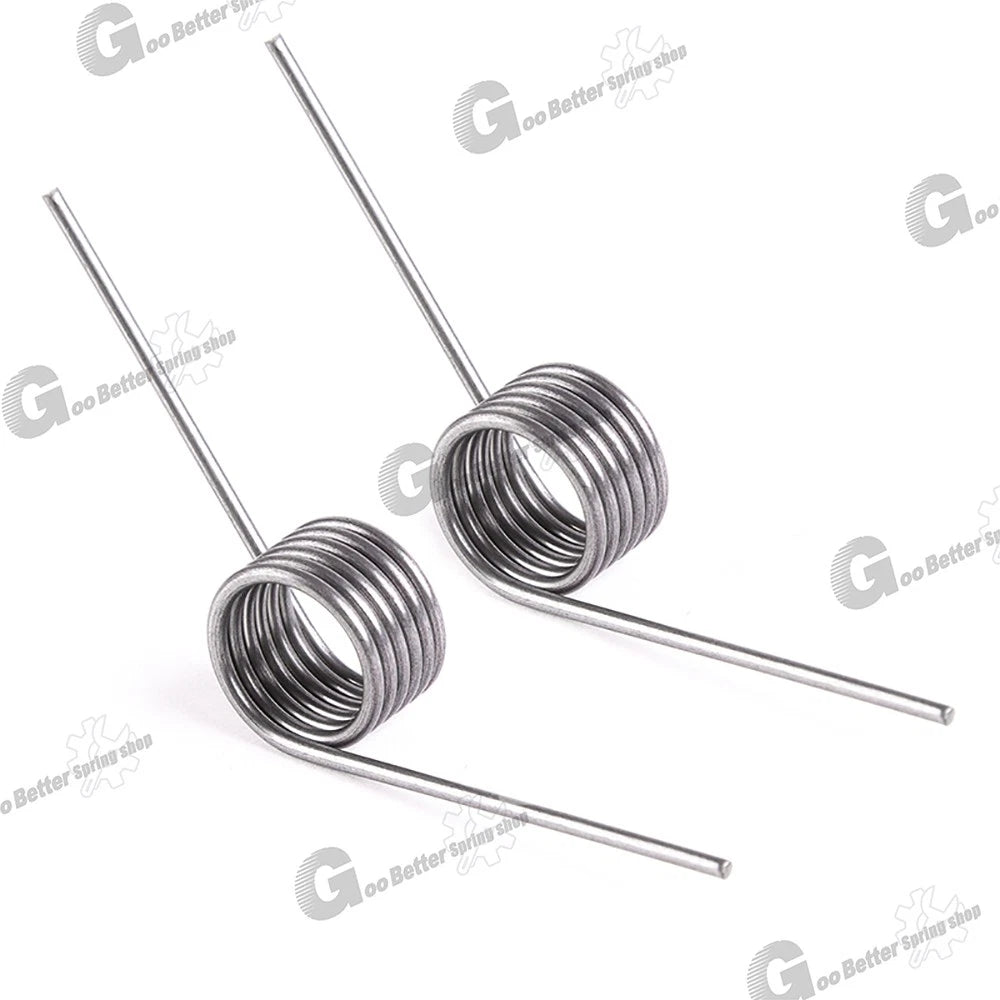
Torsion Spring 0.6mm Wire — Precise Right-Hand Coil for DIY Mechanisms

When a mechanism fails because a spring loses tension or snaps under repeated load, the entire assembly stops working. Engineers, hobbyists, and repair technicians who need a reliable, configurable torsion spring for small-scale mechanisms will find this right-hand wound coil spring an exact-fit solution. Available in multiple outer diameters and coil counts, it eliminates the guesswork of sourcing a one-size-fits-all component.

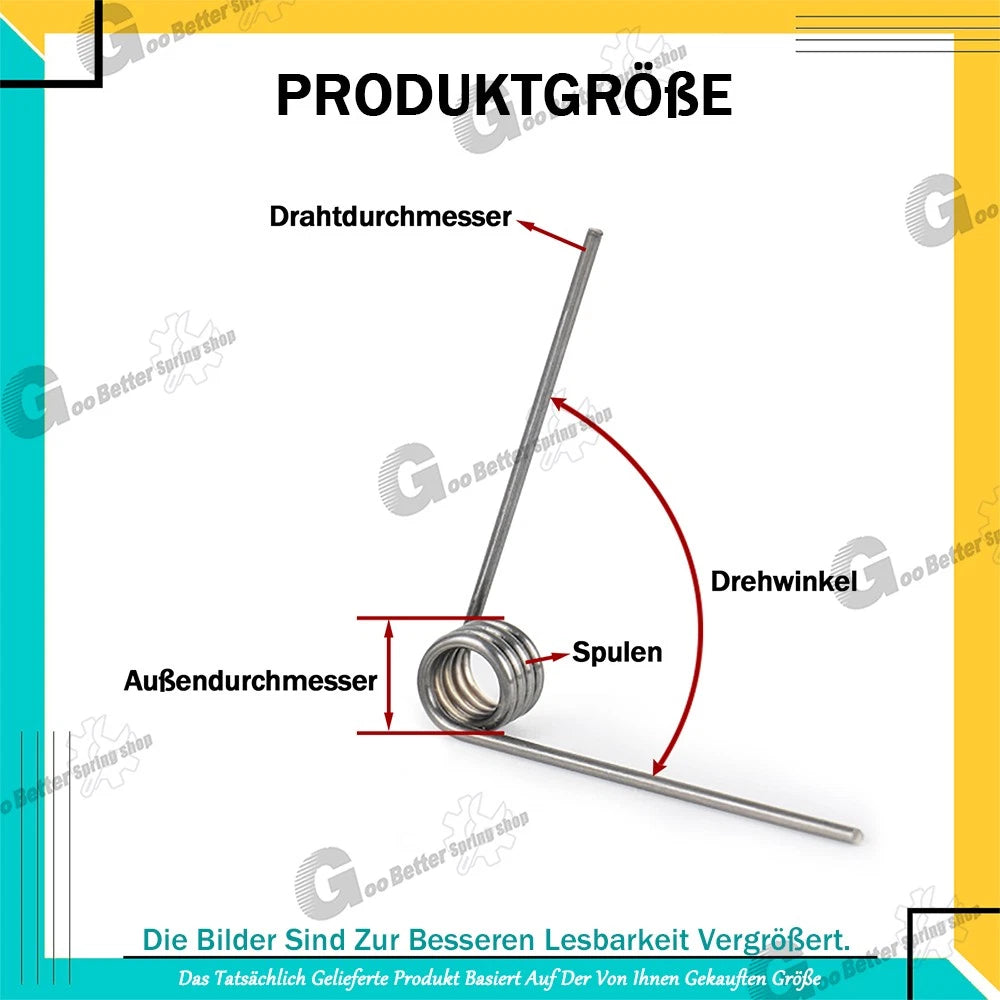
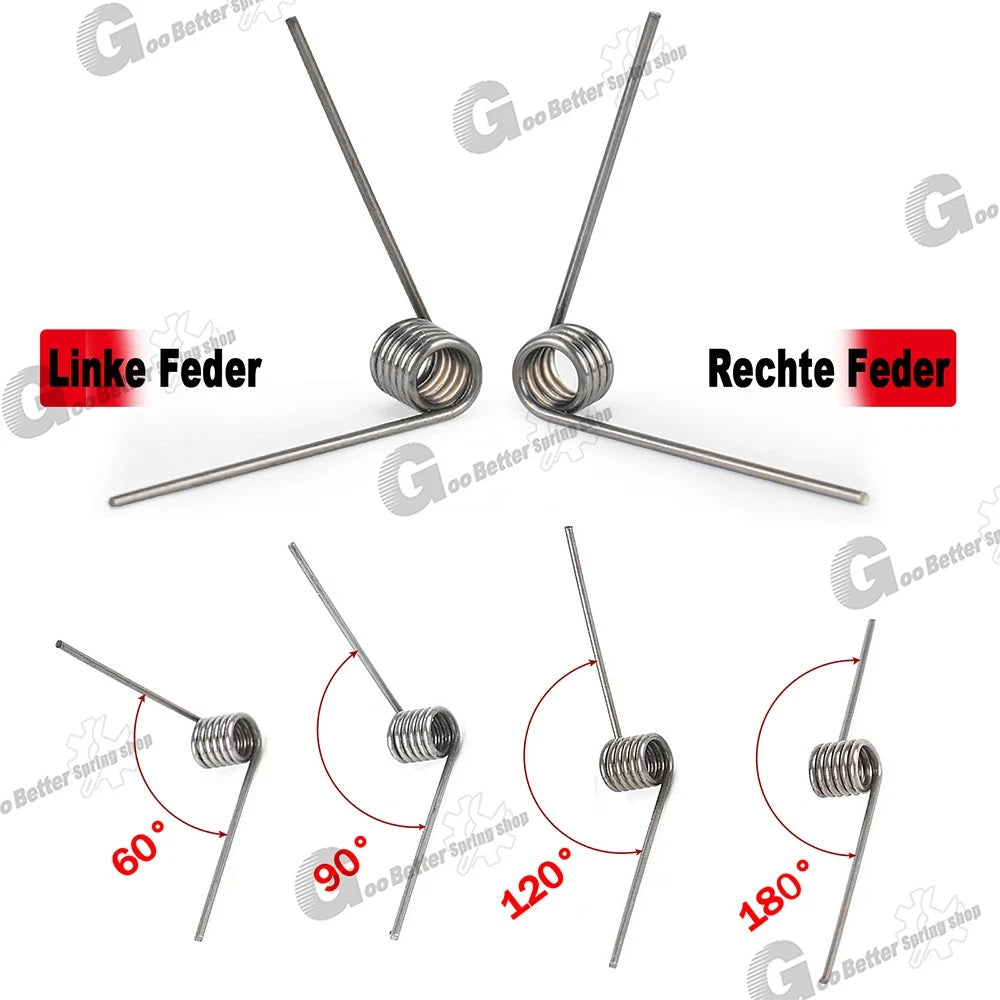
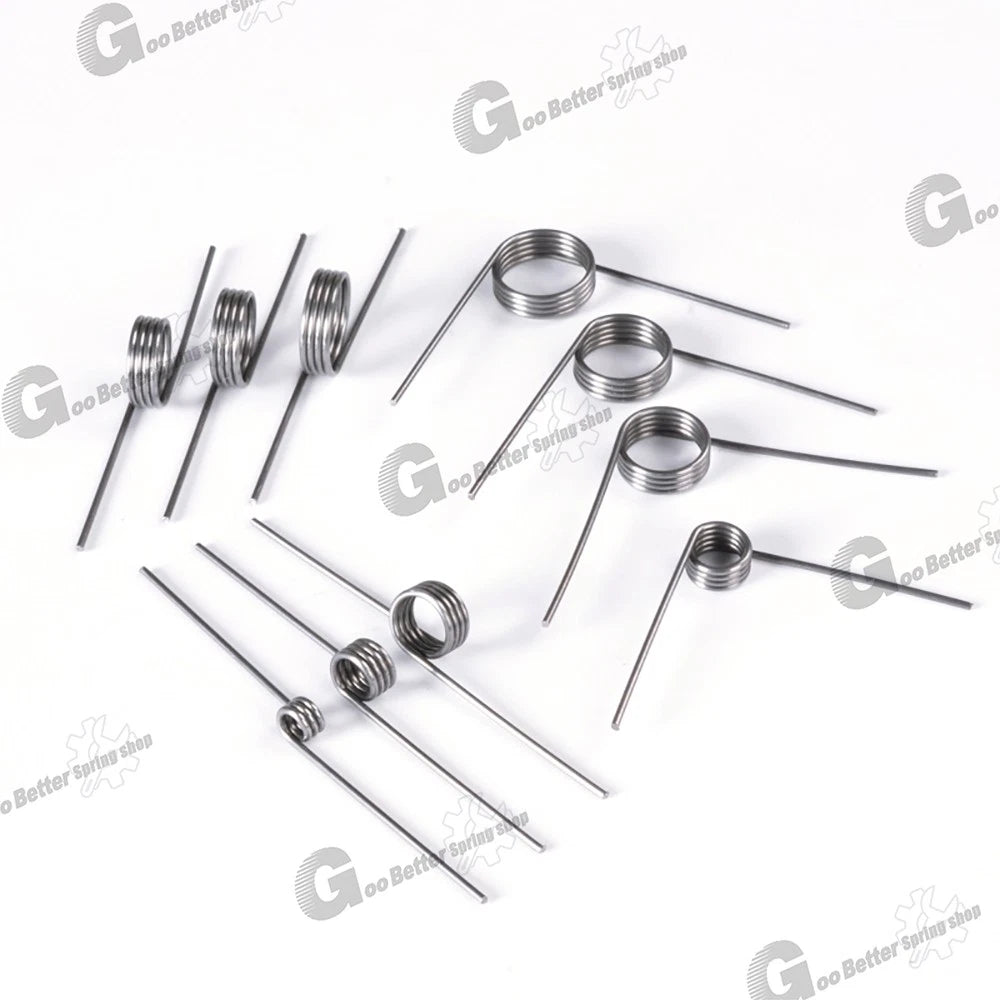
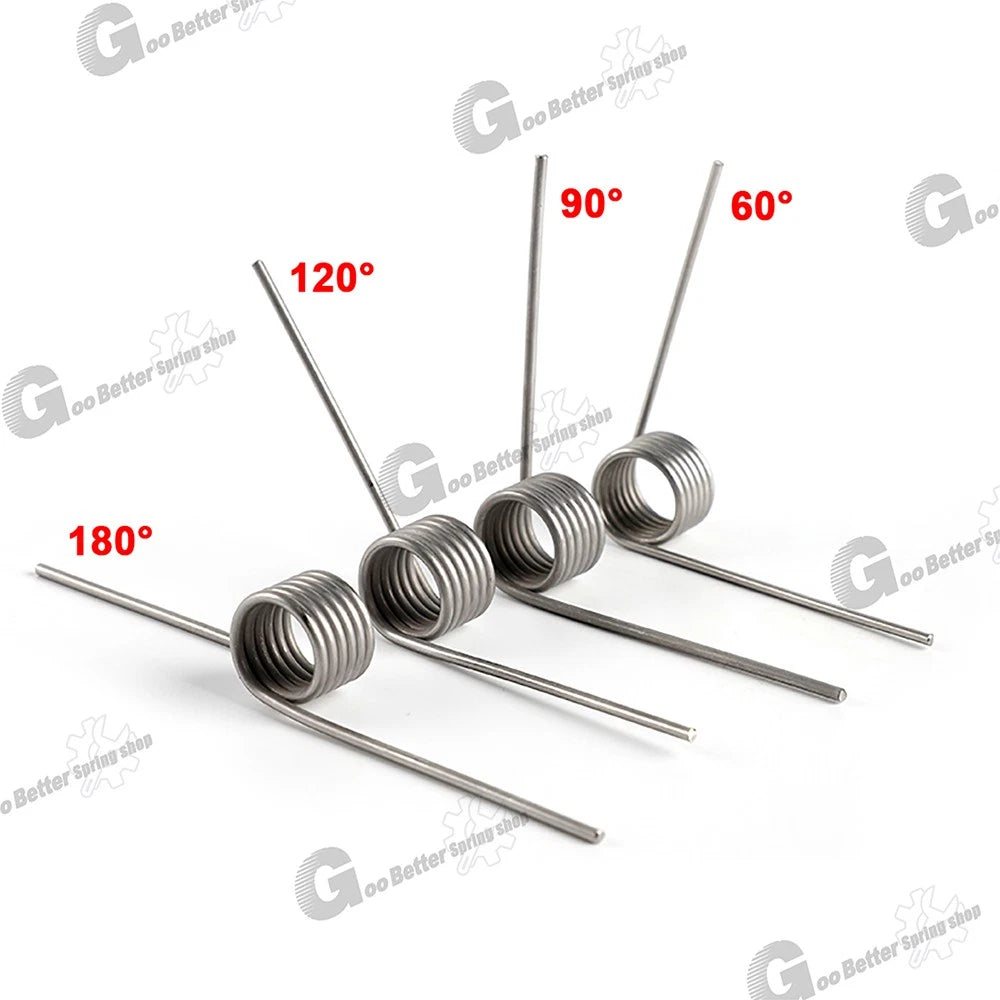
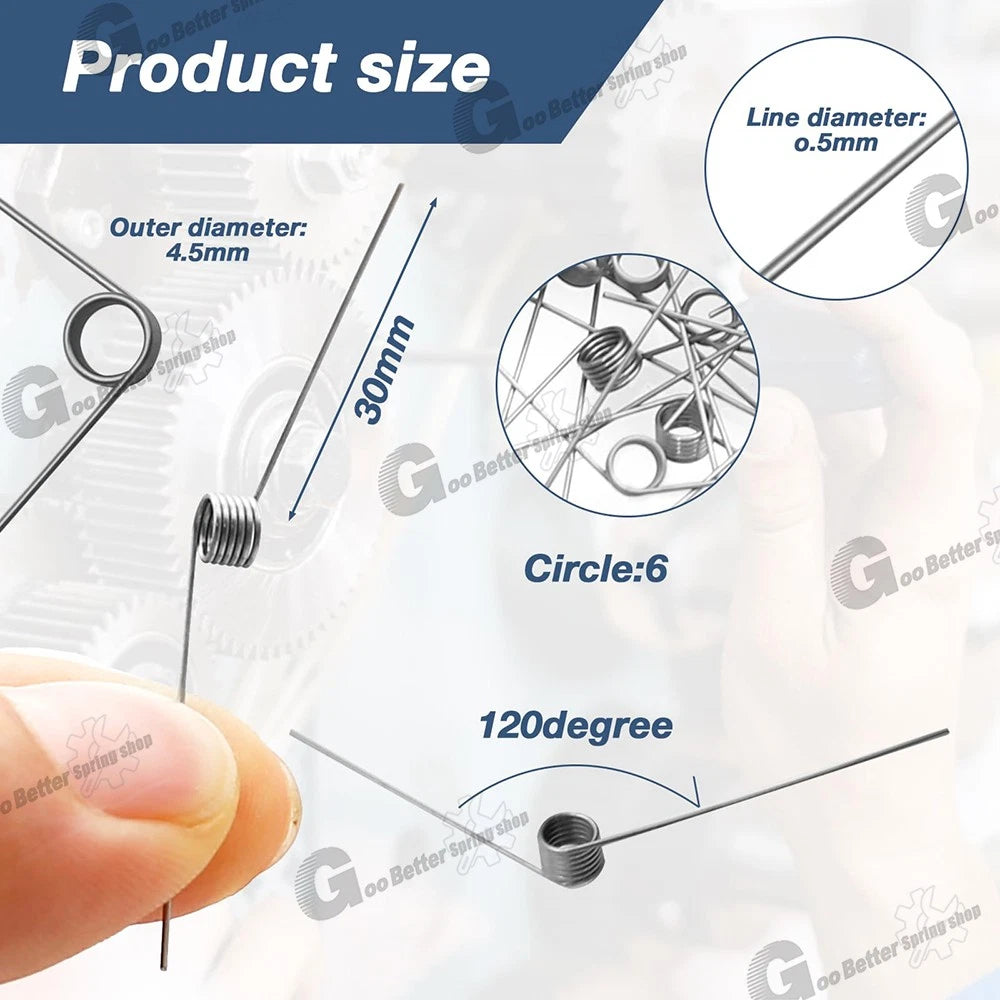
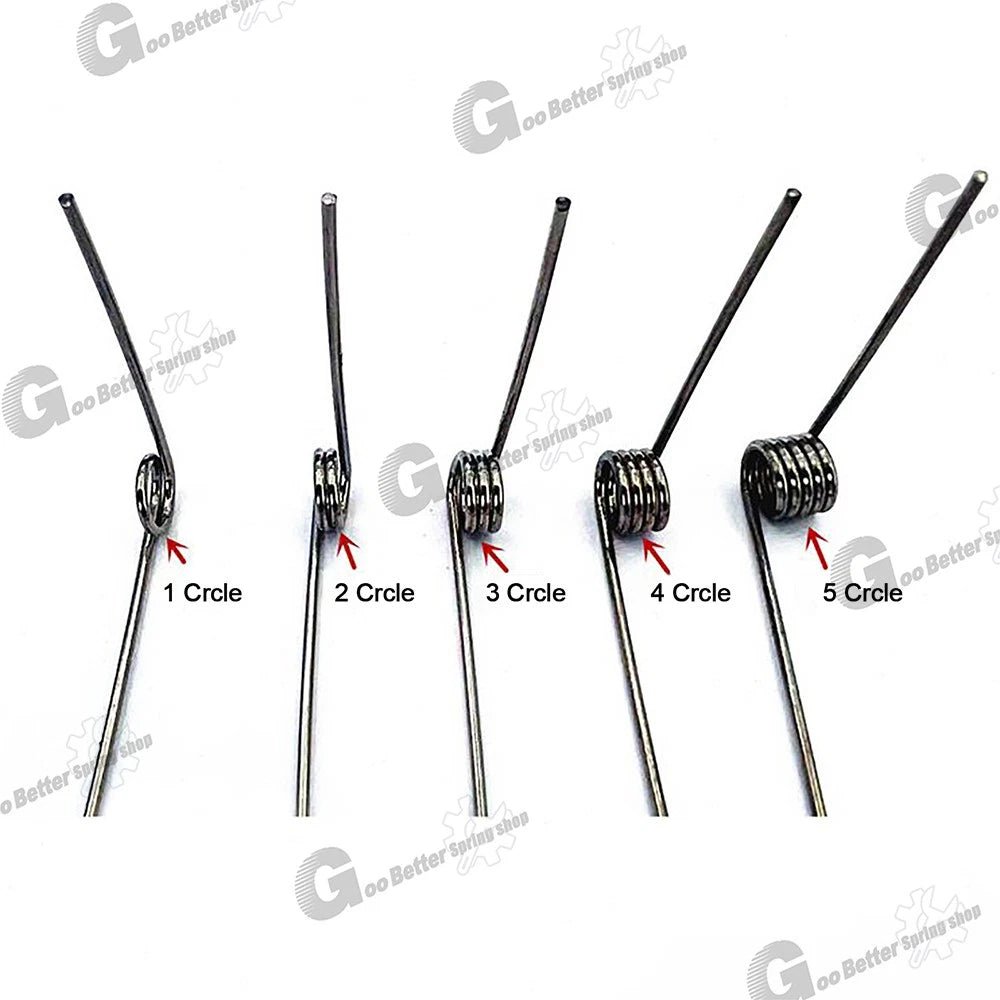
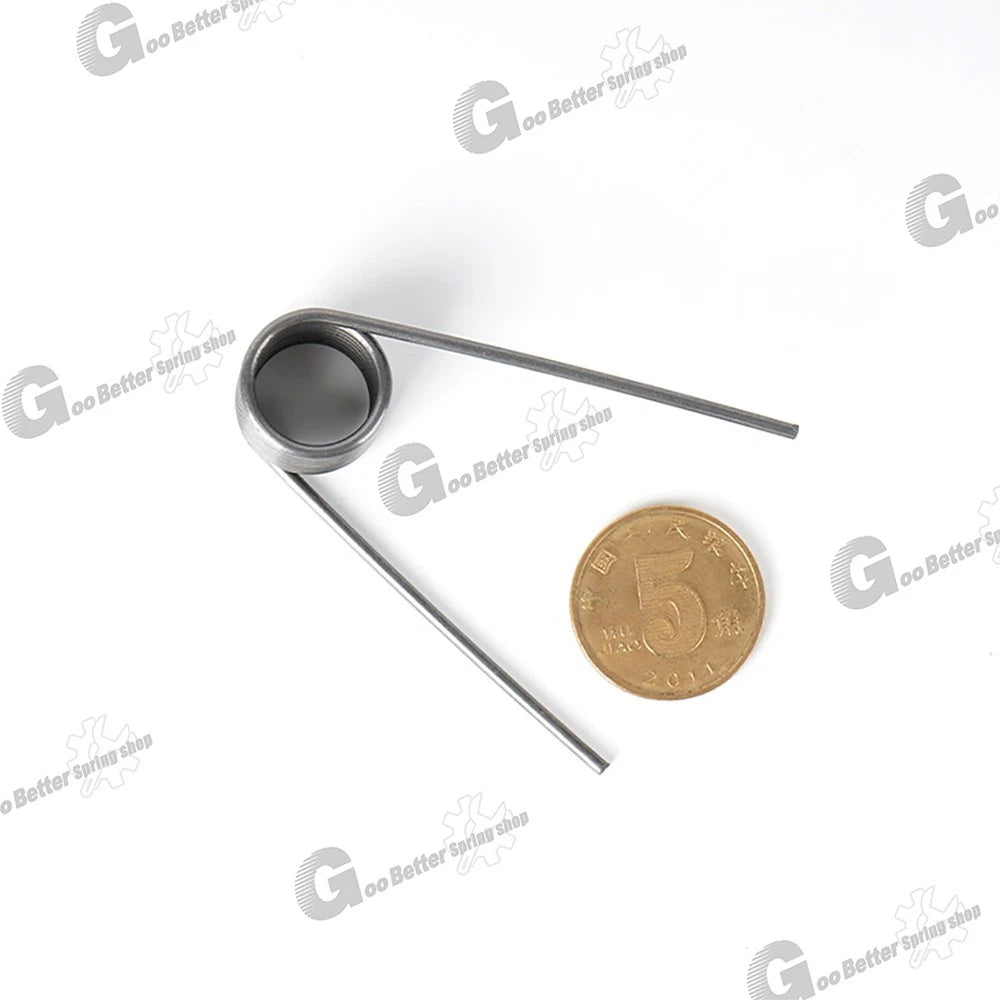
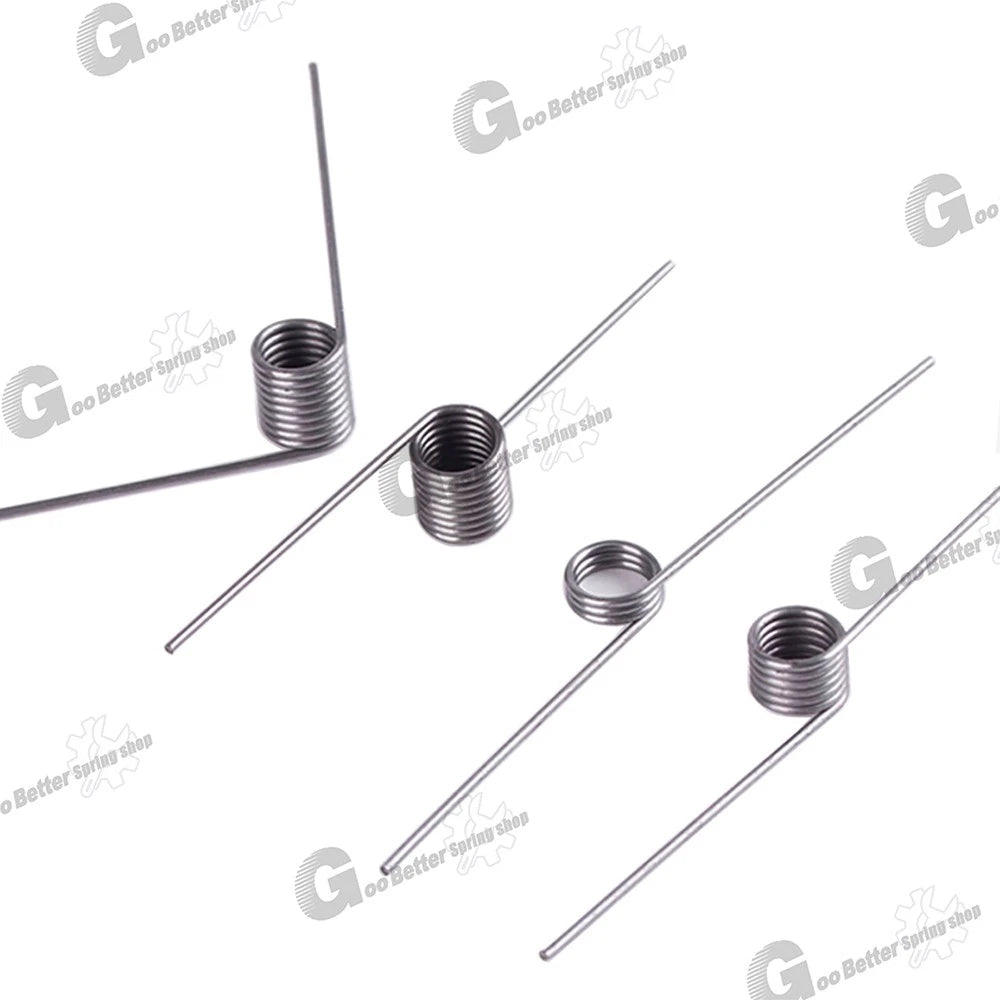
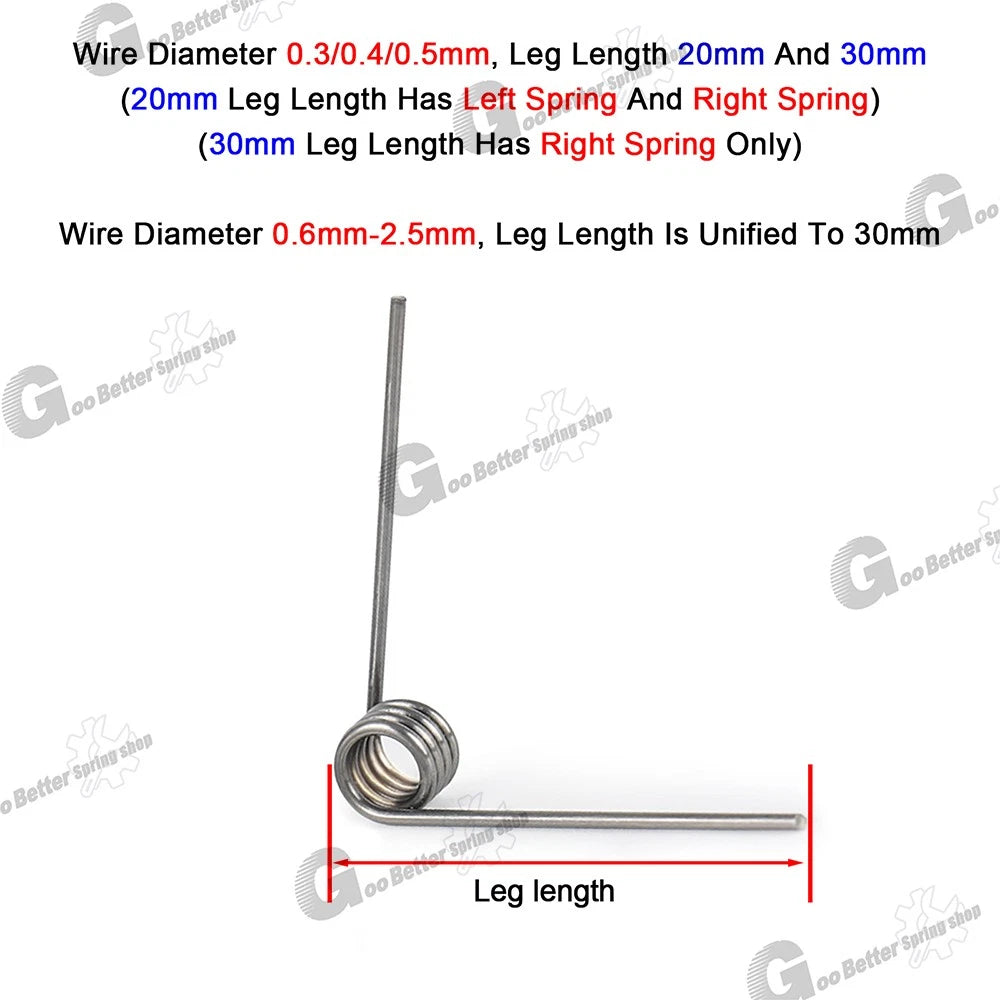
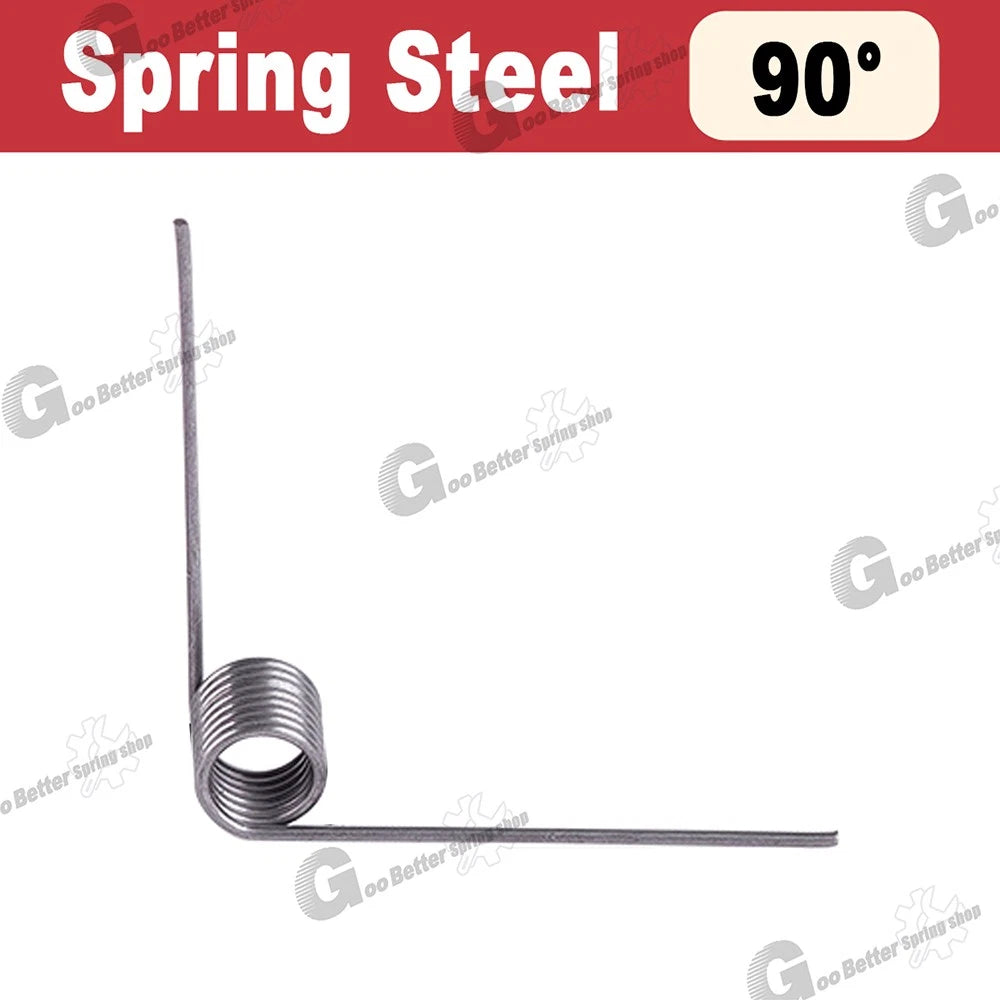
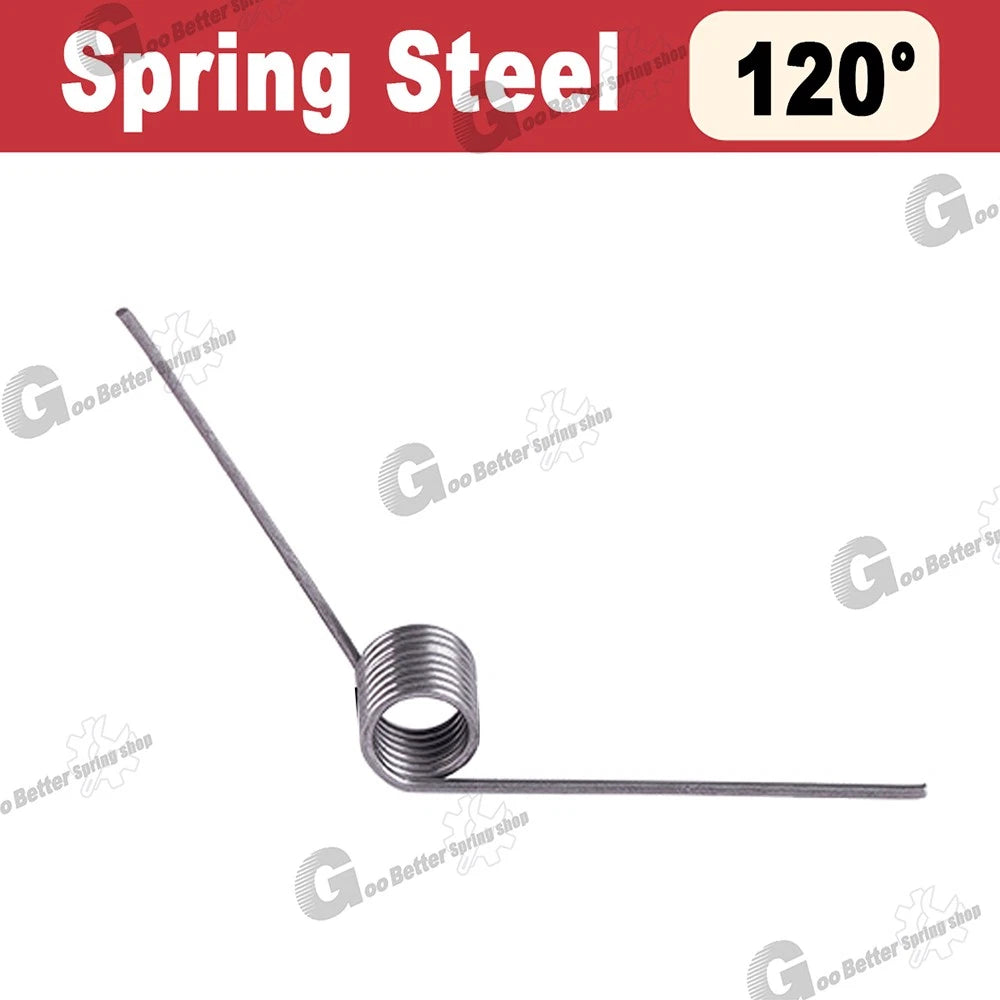
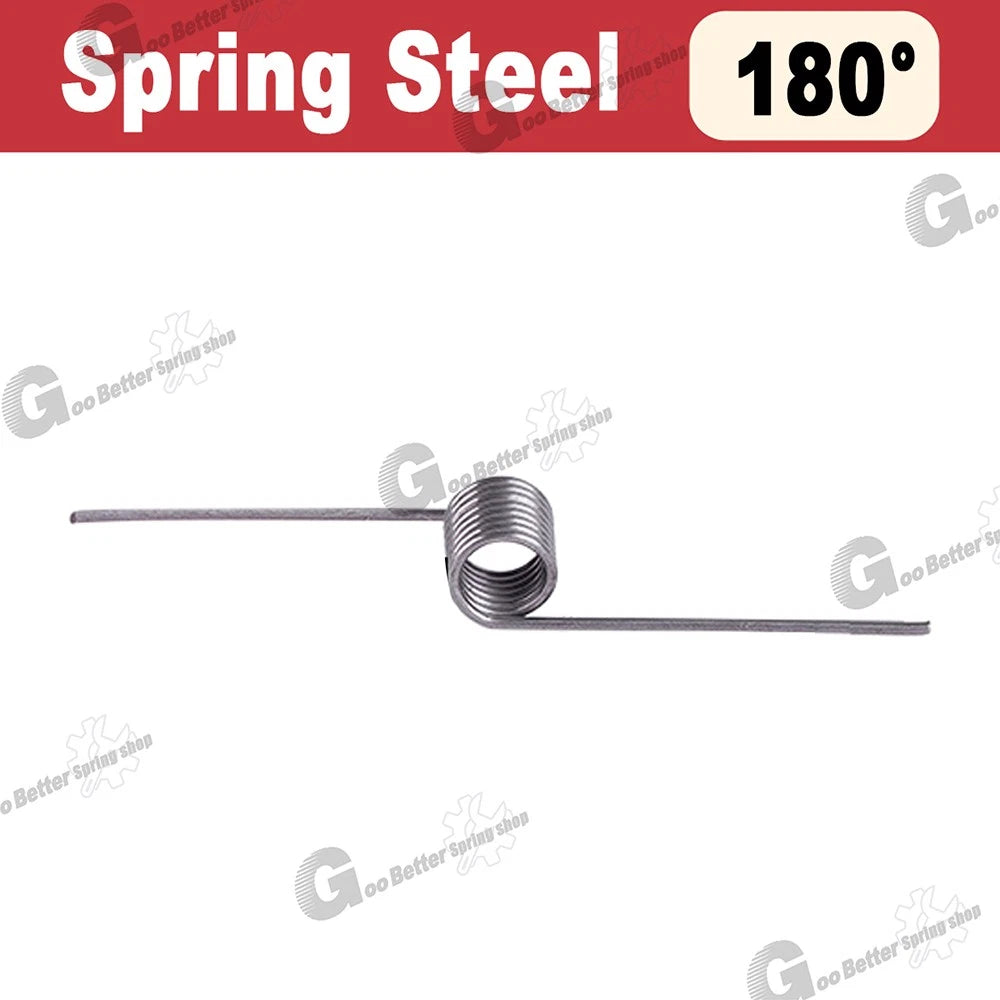
Each spring is wound from 0.6 mm (0.024 in) spring steel wire with an outer diameter (Øa) ranging from 4 mm to 7 mm (approximately 0.16 in to 0.28 in) and a body length of 30 mm (1.18 in). Variants are configured by wire-to-OD pairing (e.g., 0.6 × 4 mm through 0.6 × 7 mm), number of coils (3–9 Spulen), and leg angle (60°, 90°, 120°, or 180°), giving you precise control over torque and deflection characteristics.

Typical use cases include clock and timer mechanisms requiring right-hand torsion springs for return-force applications, small appliance hinges and latch assemblies where a compact 30 mm body length is critical, and DIY robotics or automation projects that demand a specific leg angle — such as 90° for perpendicular actuation or 180° for straight-leg configurations.

⚙️ Compatibility: Suitable for shafts and mandrels matching the selected inner diameter. Right-hand wind direction — verify rotation direction before ordering. Leg angle determines mounting geometry; select 60°, 90°, 120°, or 180° to match your assembly.

✅ Key Features of These Torsion Springs

🔩 Right-Hand Wind Direction

Wound clockwise for standard right-hand torsion applications. Consistent winding direction ensures predictable torque behavior across all coil-count variants.

📐 Multiple Leg Angles

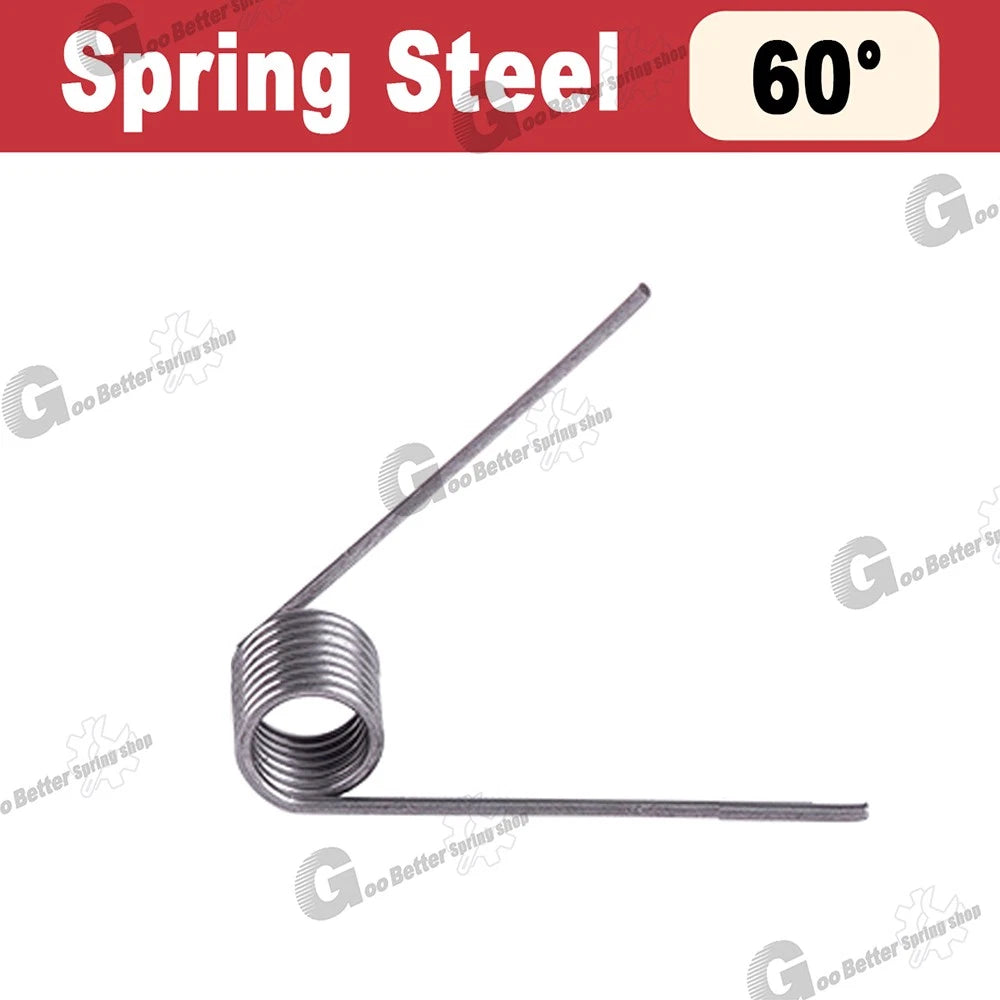
Choose from 60°, 90°, 120°, or 180° leg angles to match your mounting geometry precisely — no bending or modification required.

🔄 Configurable Coil Count (3–9 Coils)

Select 3 to 9 coils to tune spring rate and deflection range. More coils generally yield a softer spring with greater angular travel.

📏 Compact 30 mm Body Length

The 30 mm (1.18 in) body length fits space-constrained assemblies where longer springs cannot be accommodated.

0.6 mm Spring Steel Wire

Fine 0.6 mm wire diameter provides a balance of flexibility and fatigue resistance, suitable for light-to-medium duty cycling applications.

🎯 Wide OD Range (4–7 mm)

Seven outer diameter options from 4 mm to 7 mm (0.16–0.28 in) allow you to match the spring to your shaft or bore diameter without custom fabrication.

📐 Technical Specifications — Torsion Spring

Wire Diameter 0.6 mm (0.024 in)
Outer Diameter (Øa) 4 mm – 7 mm (0.16 – 0.28 in) — See variant options
Body Length 30 mm (1.18 in)
Number of Coils 3 – 9 coils — See variant options
Leg Angle 60° / 90° / 120° / 180° — See variant options
Wind Direction Right-hand (clockwise)
Material Spring steel
Surface Finish See variant options
Inner Diameter See variant options
Spring Rate See variant options

❓ Frequently Asked Questions

How do I choose the right outer diameter for my application?

The outer diameter (Øa) should be selected based on the bore or housing diameter in your assembly. The inner diameter of the spring (Øa minus twice the wire diameter) must clear your shaft or mandrel. For a 0.6 mm wire spring, the inner diameter is approximately Øa − 1.2 mm. Choose the smallest OD that still clears your shaft to minimize play.

What does the leg angle affect, and which should I choose?

The leg angle defines the geometric relationship between the two spring legs in the free (unloaded) state. A 90° angle is common for perpendicular mounting brackets, 180° suits straight-through or parallel leg configurations, while 60° and 120° are used for specific angular return-force requirements. Match the angle to your assembly's mounting geometry to avoid pre-loading or binding at installation.

How does coil count affect spring performance?

A higher coil count (e.g., 9 coils) produces a lower spring rate — meaning the spring deflects more per unit of applied torque, giving a softer feel. Fewer coils (e.g., 3 coils) result in a stiffer spring with less angular travel before reaching maximum load. Choose a higher coil count for applications requiring large angular deflection, and a lower count for high-torque, short-travel needs.

Is this spring corrosion-resistant for outdoor or humid environments?

These springs are made from spring steel, which offers good mechanical properties but has limited inherent corrosion resistance. For outdoor, humid, or chemically exposed environments, consider applying a protective coating (e.g., light oil, zinc spray) after installation, or contact us to confirm if a coated variant is available for your application.

Can I use this spring in both clockwise and counter-clockwise applications?

No. This is a right-hand (clockwise) wound torsion spring. Using it in a counter-clockwise (left-hand) application will cause the coils to open rather than close under load, significantly reducing torque capacity and risking premature failure. If you need a left-hand wound spring, please contact us for availability.

What is the difference between the wire-to-OD pairings (e.g., 0.6 × 4 mm vs. 0.6 × 7 mm)?

All variants use the same 0.6 mm wire diameter — the second number is the outer diameter of the coil body. A smaller OD (e.g., 4 mm) fits tighter spaces and smaller shafts, while a larger OD (e.g., 7 mm) suits larger bores and provides a larger inner diameter clearance. The OD does not directly change the spring rate; coil count and wire diameter are the primary rate determinants.

How do I verify this spring will fit before purchasing?

Measure your shaft diameter, housing bore, available body length, and the required leg angle in your assembly. Compare these against the variant specifications: wire Ø 0.6 mm, Øa 4–7 mm, body length 30 mm, and your chosen leg angle. If you are unsure, contact us with your measurements and we will help confirm compatibility.

🛒 Select your wire diameter × outer diameter, coil count, and leg angle above, then add to cart.

You may also like

Recently viewed