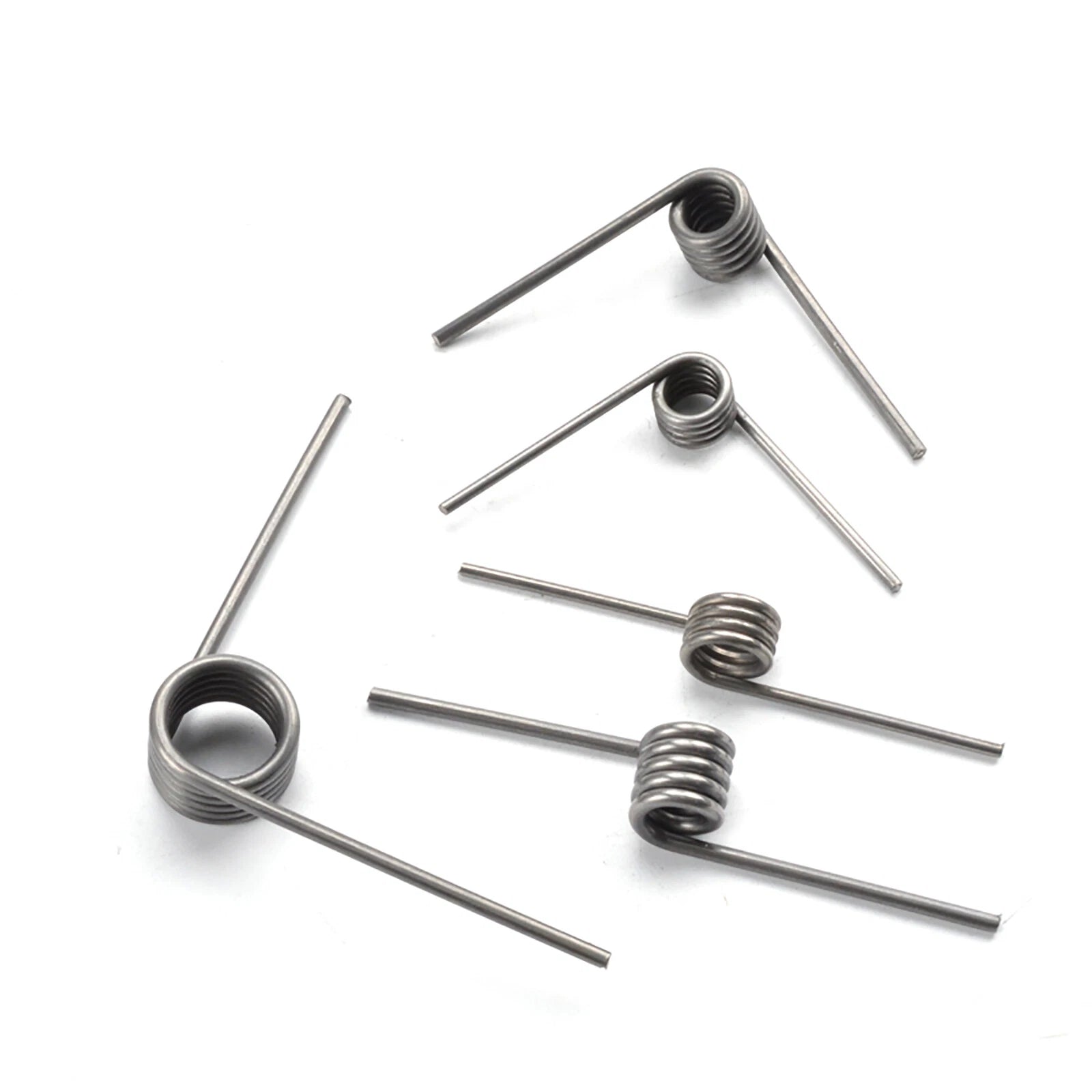
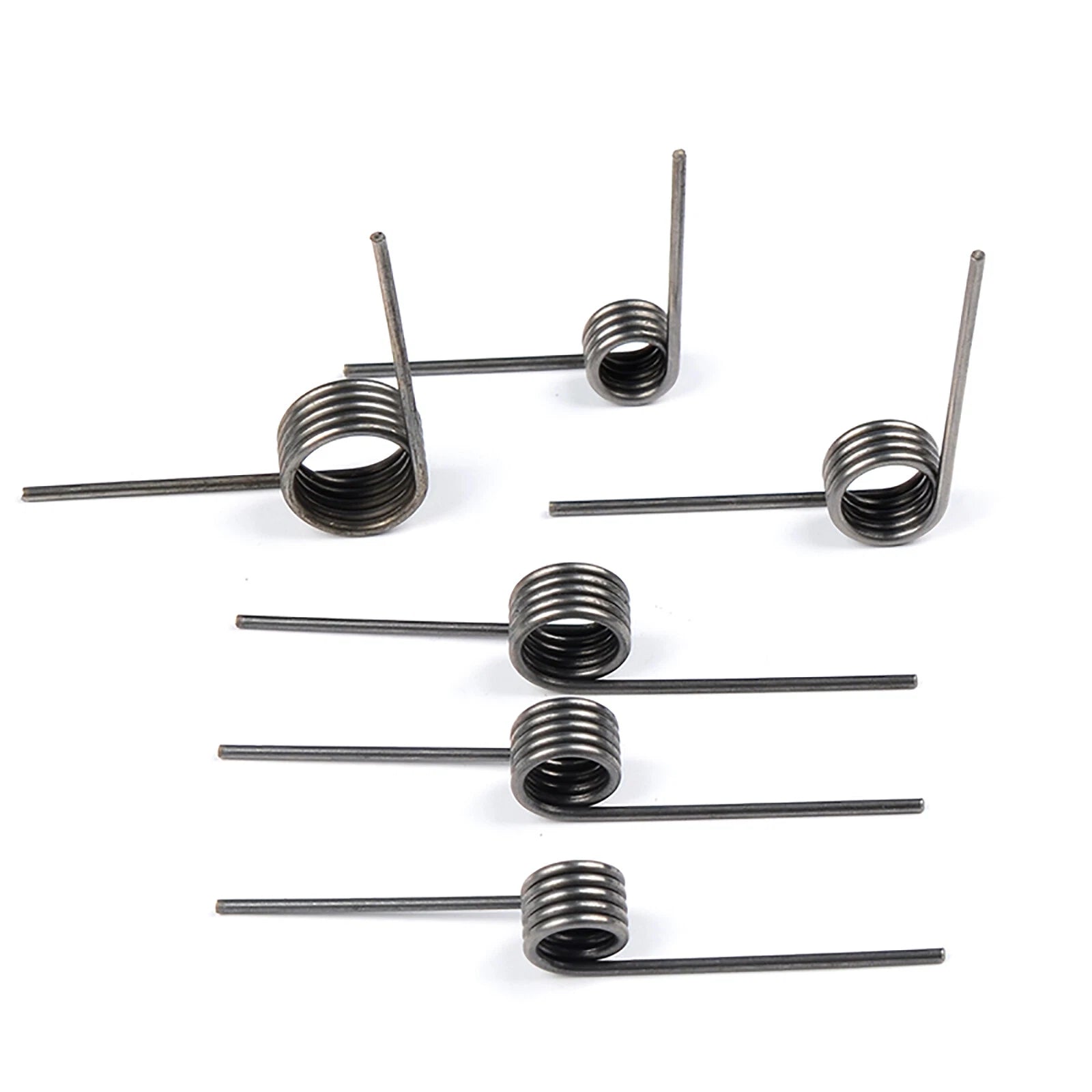
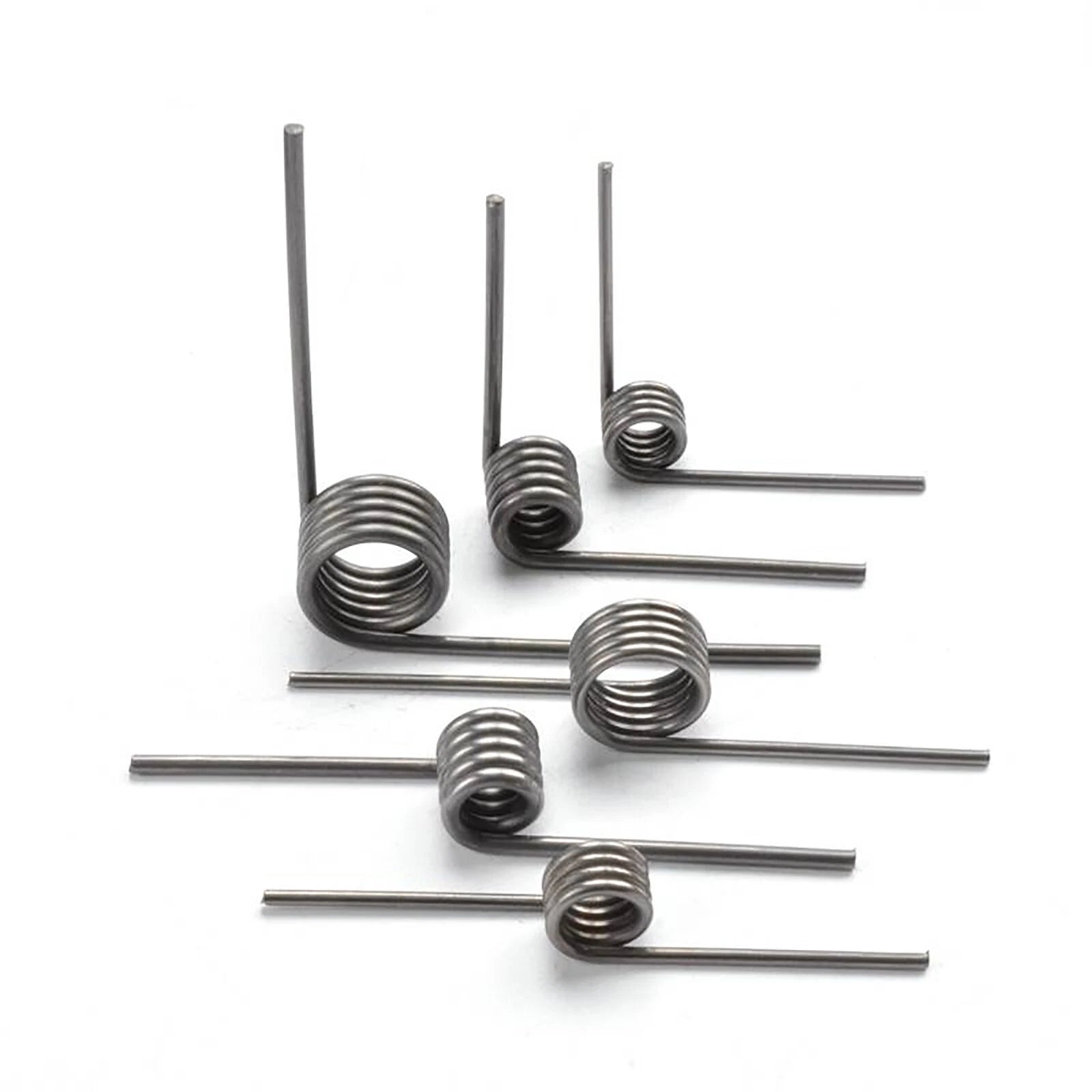
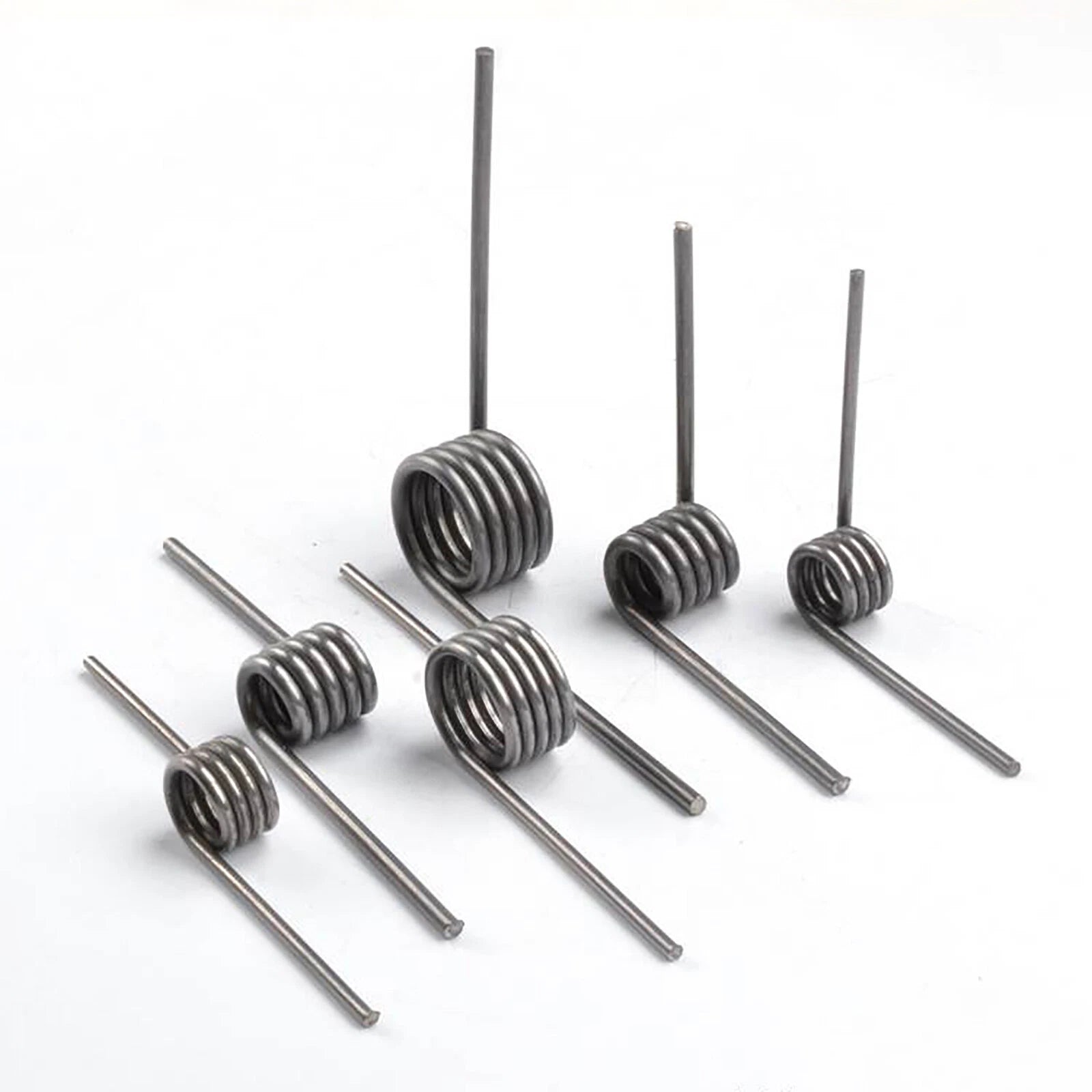
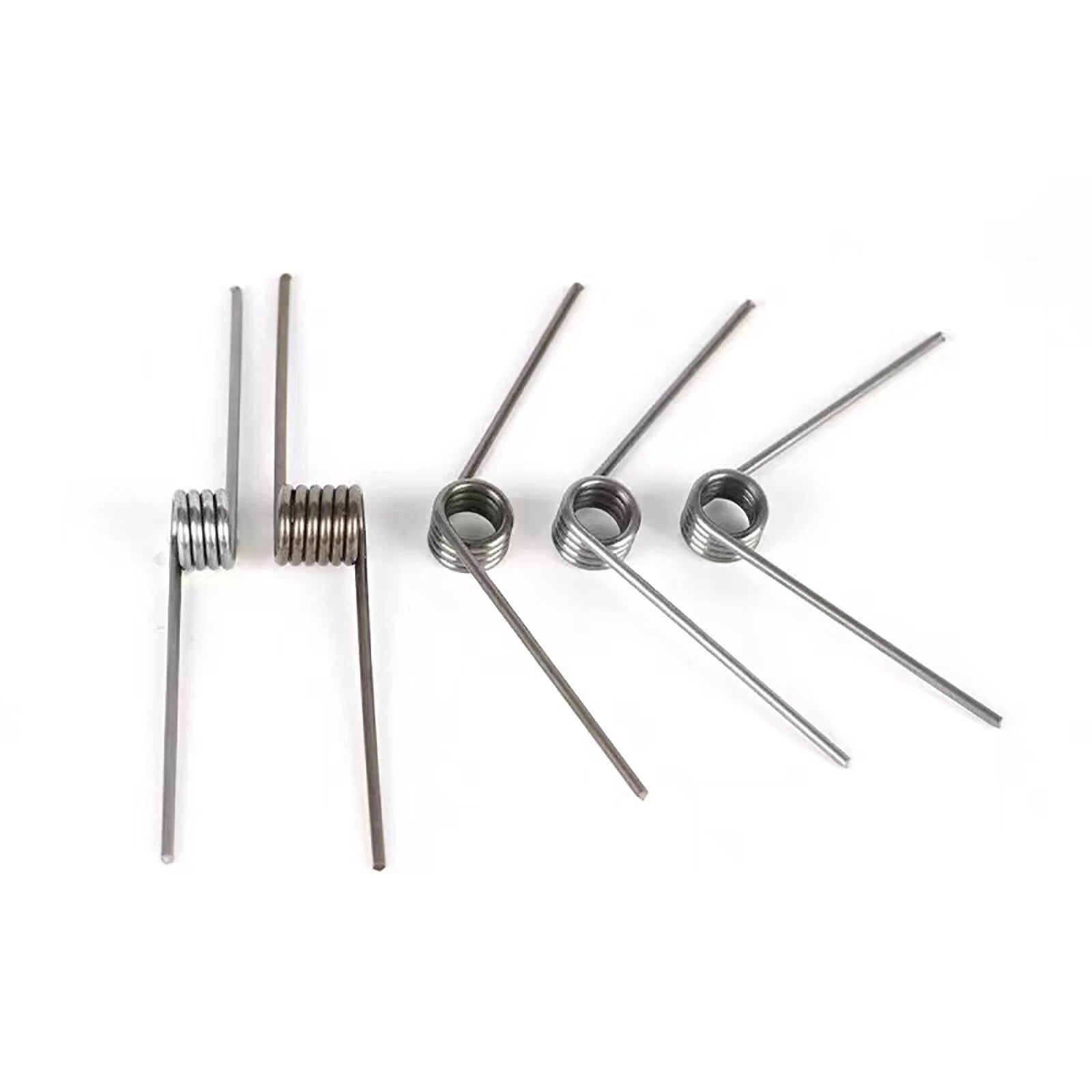
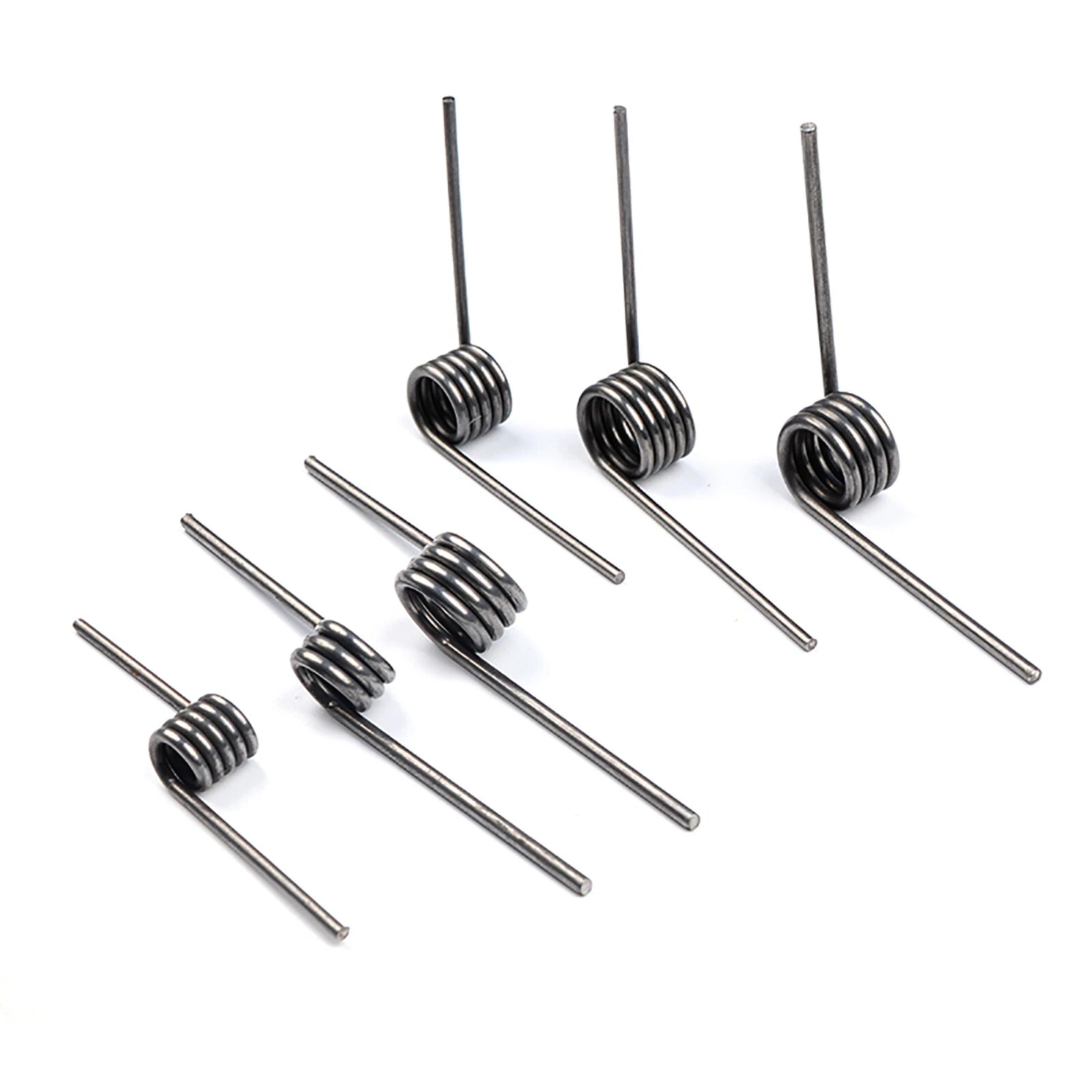
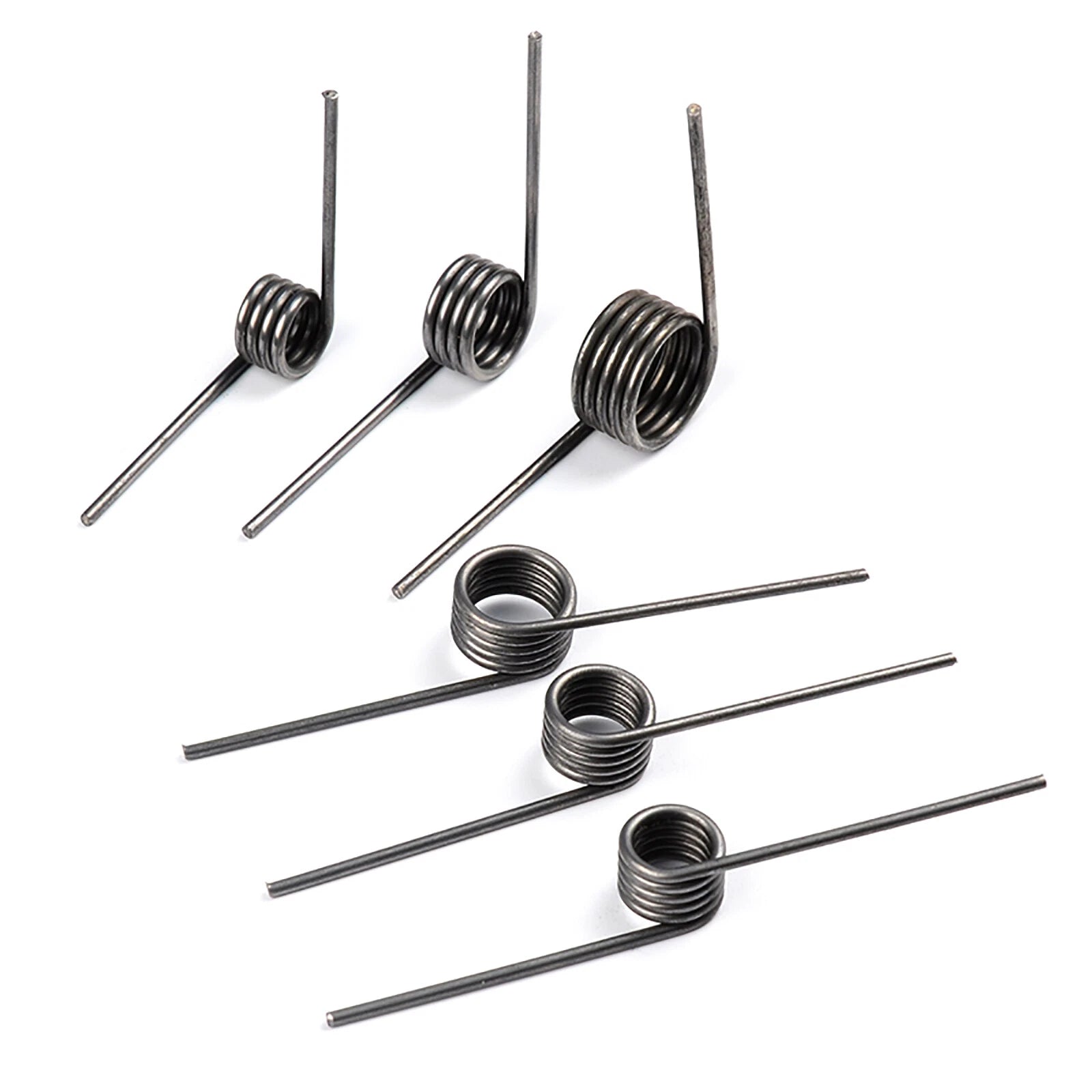
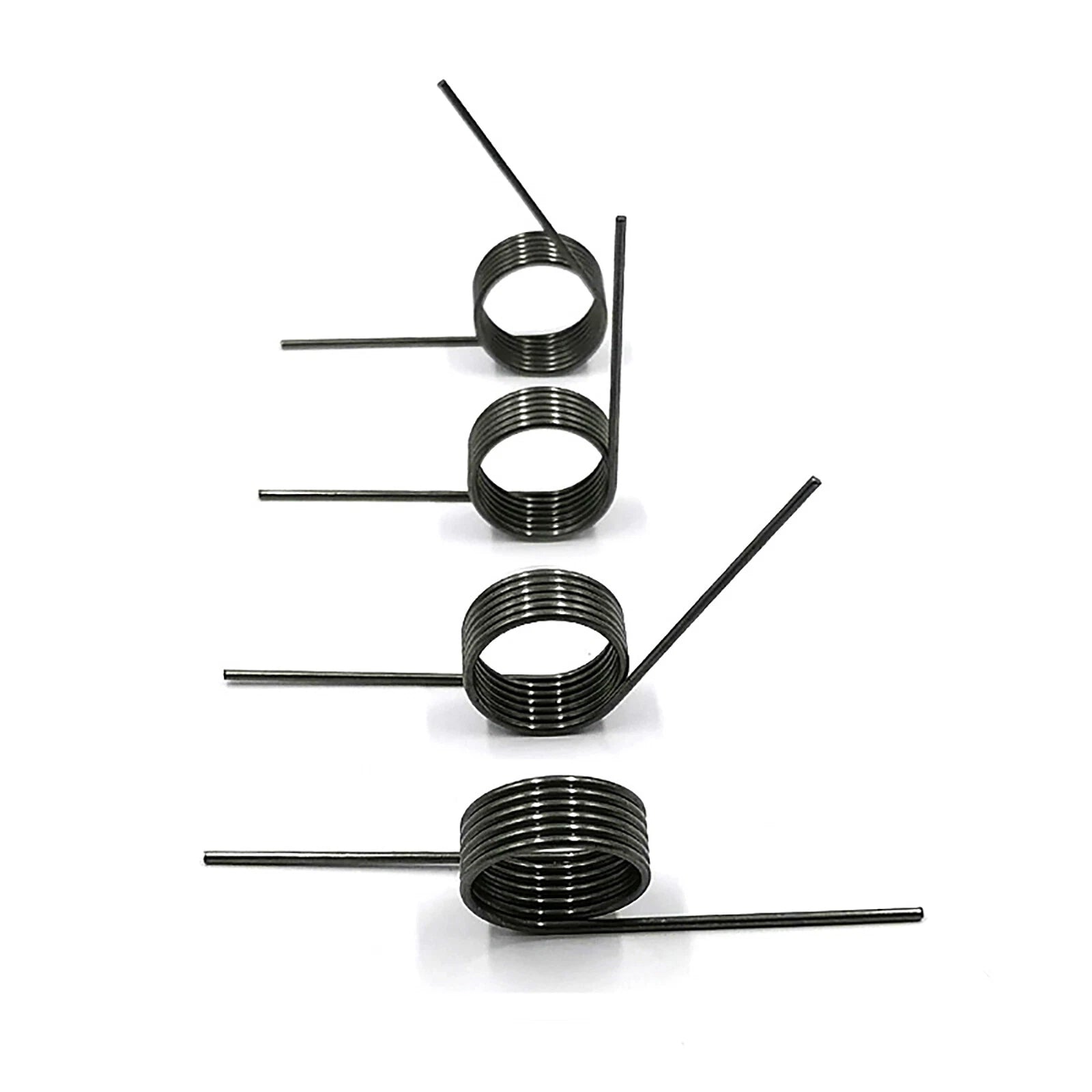
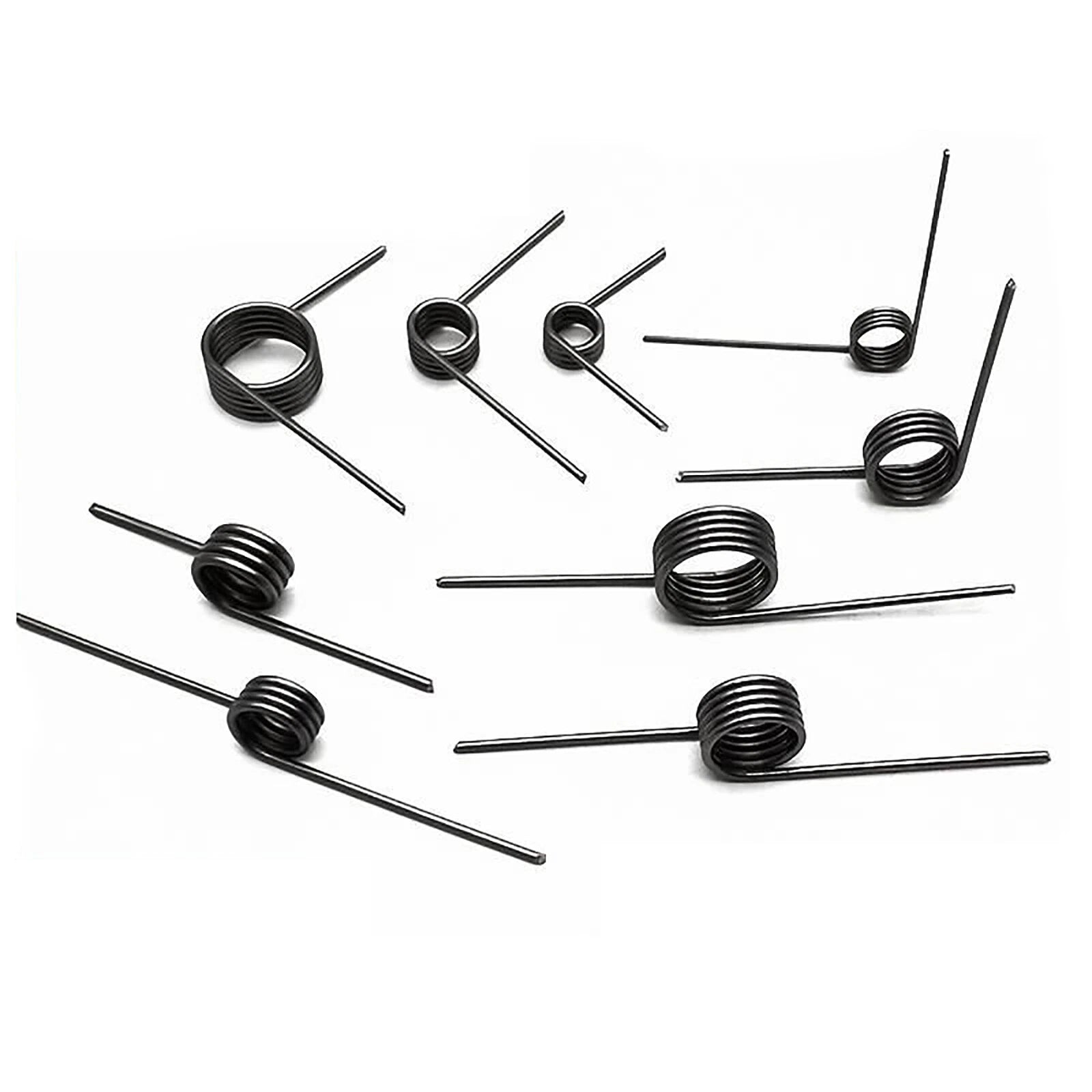
10 Pack Torsion spring Various Size Length Diameter Assortment Spring Steel

No reviews

Price:
Sale price$12.58 USD
Stock:
In stock (500 units), ready to be shipped

Payment & Security

Ach Direct Debit Amazon American Express Apple Pay Bancontact BLIK Diners Club Discover EPS Google Pay iDEAL Wero JCB Maestro Mastercard Multibanco MobilePay PayPal Przelewy24 Shop Pay Twint Union Pay USDC Visa

Your payment information is processed securely. We do not store credit card details nor have access to your credit card information.

Limited Offer — Spend More, Save More
Spend $55+
Save $5
Spend $100+
Save $10
Spend $200+
Save $25
HomeDIYer DIY Expert Support

DIY Expert Support

Get fitment advice & recommendations

Mon–Fri  8:30 AM – 8:00 PM
24-Hour Fast Ship
Arrives in 3–14 Days
Worldwide Shipping
30-Day Returns
1 tree planted with every purchase

Description

Torsion Spring Assortment — Precision-Wound for DIY Repairs & Mechanical Projects

When a worn-out torsion spring brings your project to a halt, finding the right size fast is what separates a quick fix from a frustrating delay. This 10-pack torsion spring assortment is built for home repair enthusiasts, hobbyists, and workshop professionals who need a reliable selection of spring steel coils on hand at all times.

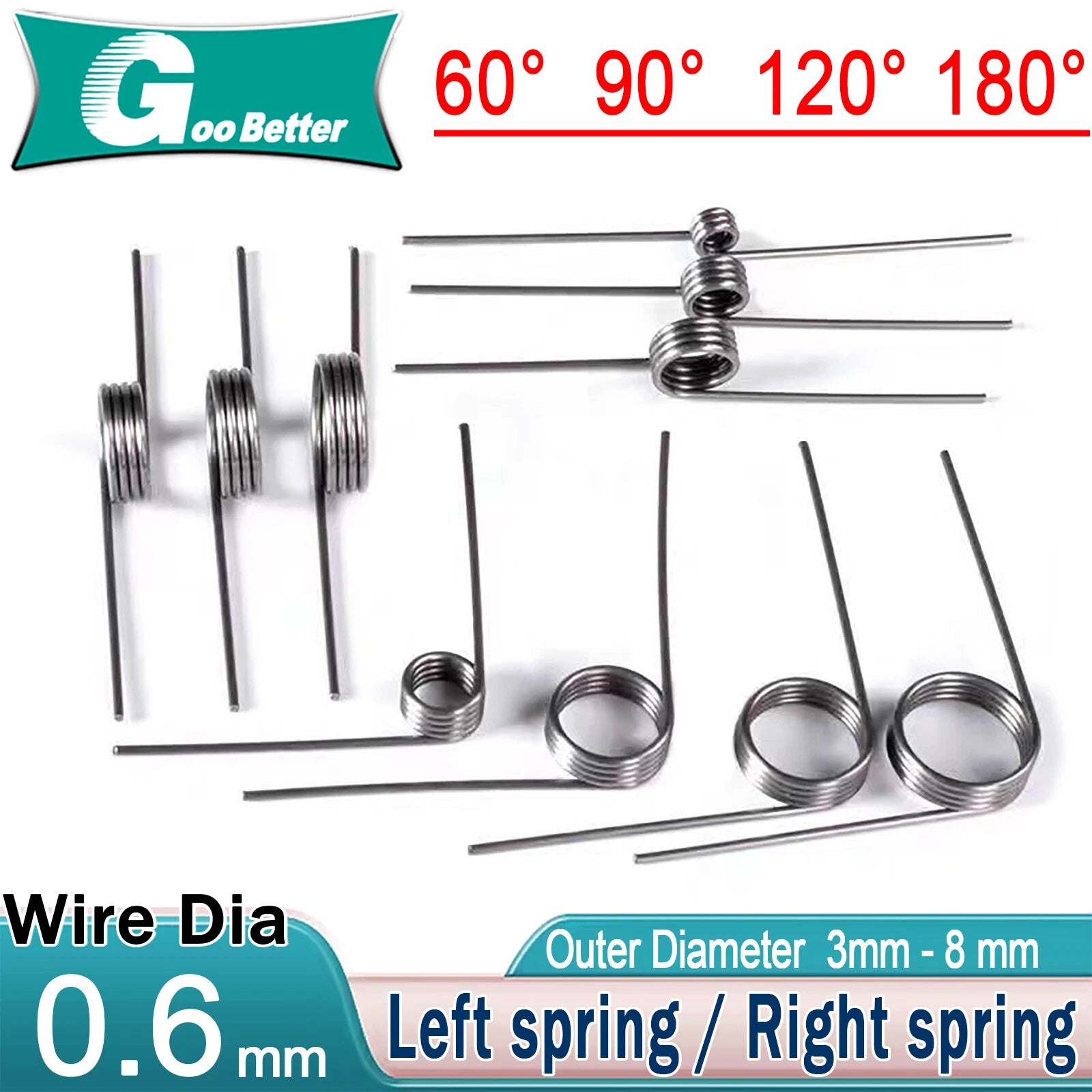
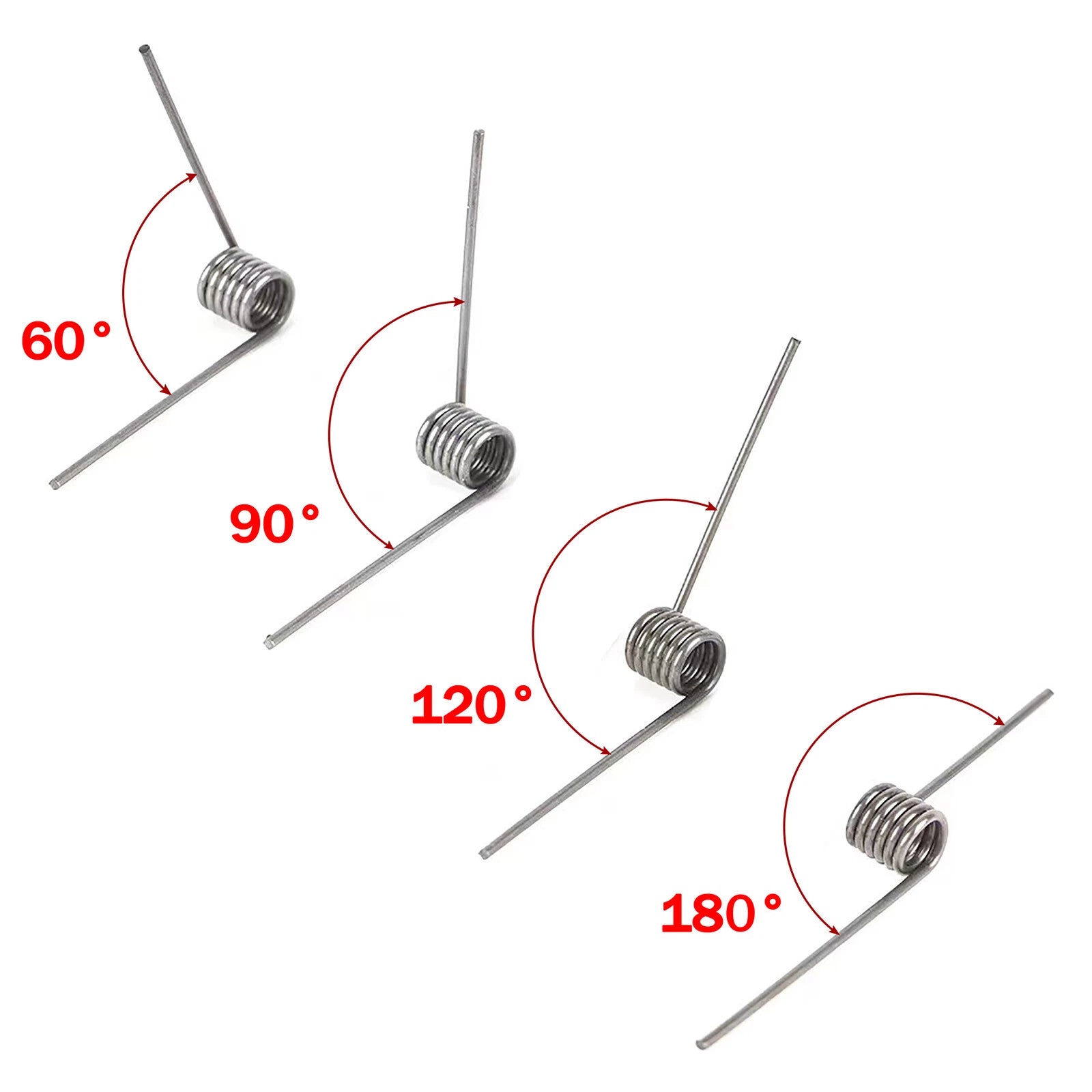
Each set includes 10 individually wound torsion springs made from spring steel wire with a wire diameter of 0.6 mm (approximately 0.024 in). Outer diameters range from 3 mm to 8 mm (approx. 0.12–0.31 in), with coil counts of 3, 6, or 9 turns depending on the variant selected. Springs are available in left-hand and right-hand wind orientations, with leg angles of 60°, 90°, 120°, or 180° to suit a wide range of applications.

Typical use cases include cabinet door hinges, small appliance mechanisms, clock and timer assemblies, toy and model repairs, and custom jig or fixture builds — making this torsion spring set a go-to for anyone tackling small-scale mechanical torsion spring replacement or prototyping work.

⚙️ Compatibility: Suitable for general mechanical assemblies, hinges, latches, small appliances, and DIY projects requiring torsion spring replacement. Select wire dia × outer dia × coil count and angle to match your application.

✅ Key Features of These Torsion Springs

🔩 Spring Steel Construction

Wound from spring steel wire for consistent elastic return force and resistance to fatigue under repeated torsional loading cycles.

📐 Wide Size Range

Wire diameter 0.6 mm; outer diameter 3–8 mm; coil count 3, 6, or 9 turns — select the exact combination for your repair or build.

🔄 Left & Right Wind Options

Available in both left-hand and right-hand wind orientations to match the rotational direction required by your mechanism.

📏 Multiple Leg Angles

Choose from 60°, 90°, 120°, or 180° leg angles to fit hinge, latch, and lever applications without modification.

📦 10-Pack Assortment

Each order includes 10 springs of the selected specification — enough for multiple repairs or prototyping runs without reordering.

🛠️ Versatile Application

Ideal for cabinet hinges, small appliance mechanisms, clock assemblies, toy repairs, and custom jig or fixture builds requiring torsion spring replacement.

📐 Technical Specifications — Torsion Spring

Wire Diameter 0.6 mm (approx. 0.024 in)
Outer Diameter 3 mm – 8 mm (approx. 0.12–0.31 in) — See variant options
Coil Count 3, 6, or 9 turns — See variant options
Leg Angle 60°, 90°, 120°, or 180° — See variant options
Wind Direction Left spring / Right spring — See variant options
Material Spring steel
Finish Bare metal (uncoated)
Quantity per Order 10 pieces
Weight (per set) See variant options

❓ Frequently Asked Questions

How do I choose the right outer diameter and coil count?

Measure the inner bore or shaft diameter your spring must fit around, then select an outer diameter slightly larger. For coil count, more coils (e.g., 9 turns) provide a longer body and softer spring rate; fewer coils (3 turns) give a stiffer, more compact spring. Match to the travel distance and torque required by your mechanism.

What is the difference between a left spring and a right spring?

Wind direction determines which way the spring tightens when torque is applied. A left-hand (LH) spring winds counterclockwise when viewed from the leg end; a right-hand (RH) spring winds clockwise. To identify which you need, look at the direction the existing spring coils from the body toward the leg — or consult your mechanism's service documentation.

Which leg angle should I select?

The leg angle is the angle between the two straight legs of the spring. Common applications: 90° for cabinet hinges and door latches; 180° for flat-mounted lever mechanisms; 60° or 120° for specialized pivot assemblies. Measure the angle between the legs of the spring you are replacing, or refer to your assembly drawing.

Are these springs corrosion-resistant?

These springs are made from bare spring steel without a protective coating. They are suitable for dry indoor environments. For applications exposed to moisture or chemicals, consider applying a light machine oil after installation or sourcing stainless steel alternatives for your specific use case.

Can I use these springs in outdoor or high-humidity environments?

Bare spring steel can develop surface rust when exposed to moisture over time. For occasional outdoor use, a thin coat of protective oil or grease can extend service life. For permanent outdoor or wet-environment installations, a stainless steel torsion spring is recommended.

What torque or load rating do these springs have?

Exact torque ratings depend on the specific wire diameter, outer diameter, coil count, and material modulus. With a 0.6 mm wire diameter, these springs are designed for light-duty applications such as small hinges, latches, and appliance mechanisms. For precise torque calculations, use standard torsion spring formulas with the selected coil geometry, or contact us to confirm suitability for your load requirements.

How do I install a torsion spring correctly?

Insert the spring body over the pivot pin or shaft. Hook or seat each leg against its respective stop or anchor point in the mechanism. Ensure the wind direction matches the direction of applied torque so the spring tightens (not unwinds) under load. Test the mechanism through its full range of motion before final assembly.

🛒 Select your wire dia × outer dia × coil count, angle, and wind direction above, then add to cart.

You may also like

Recently viewed