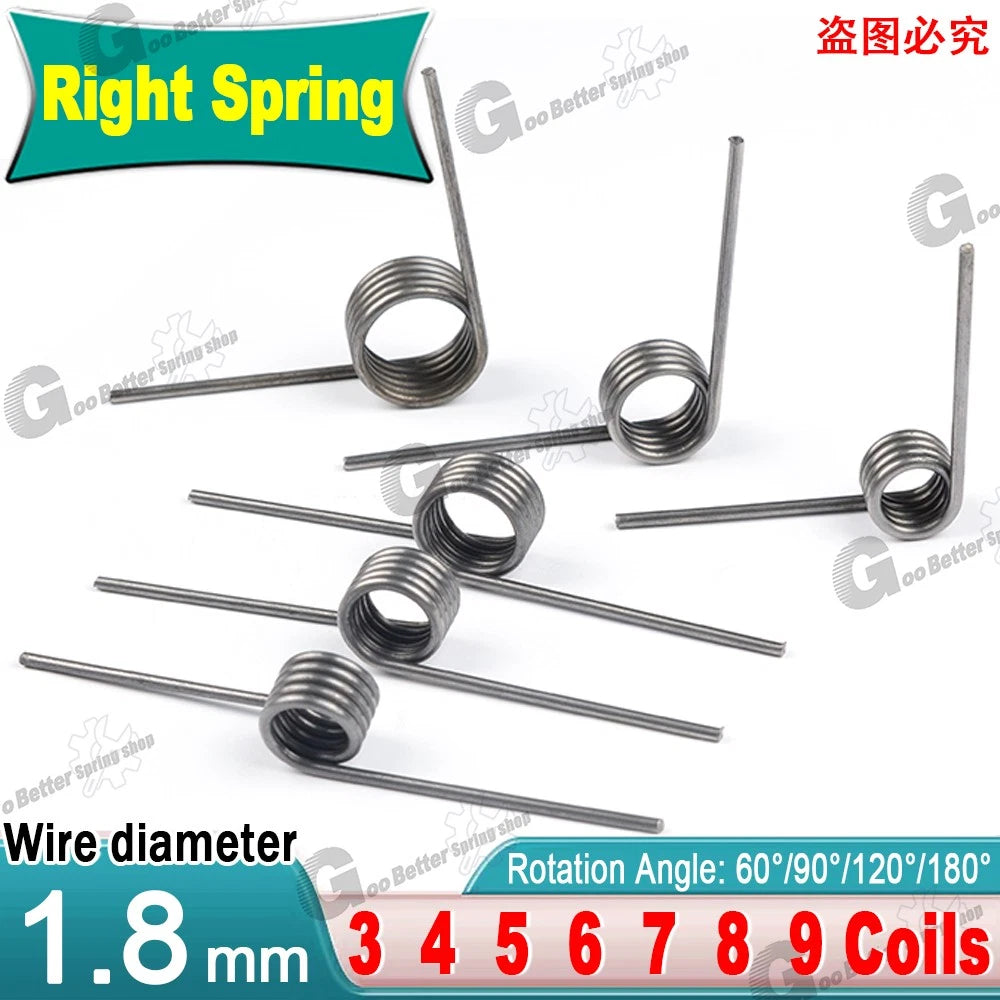
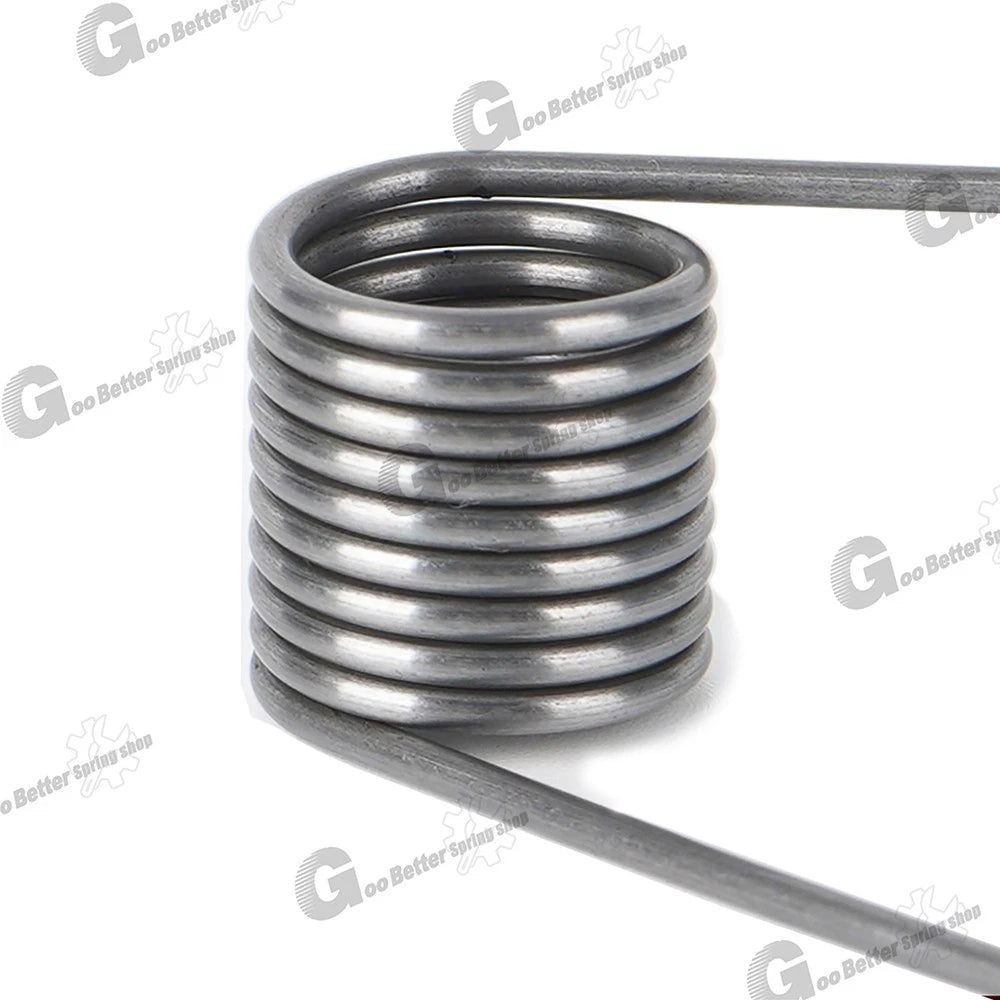

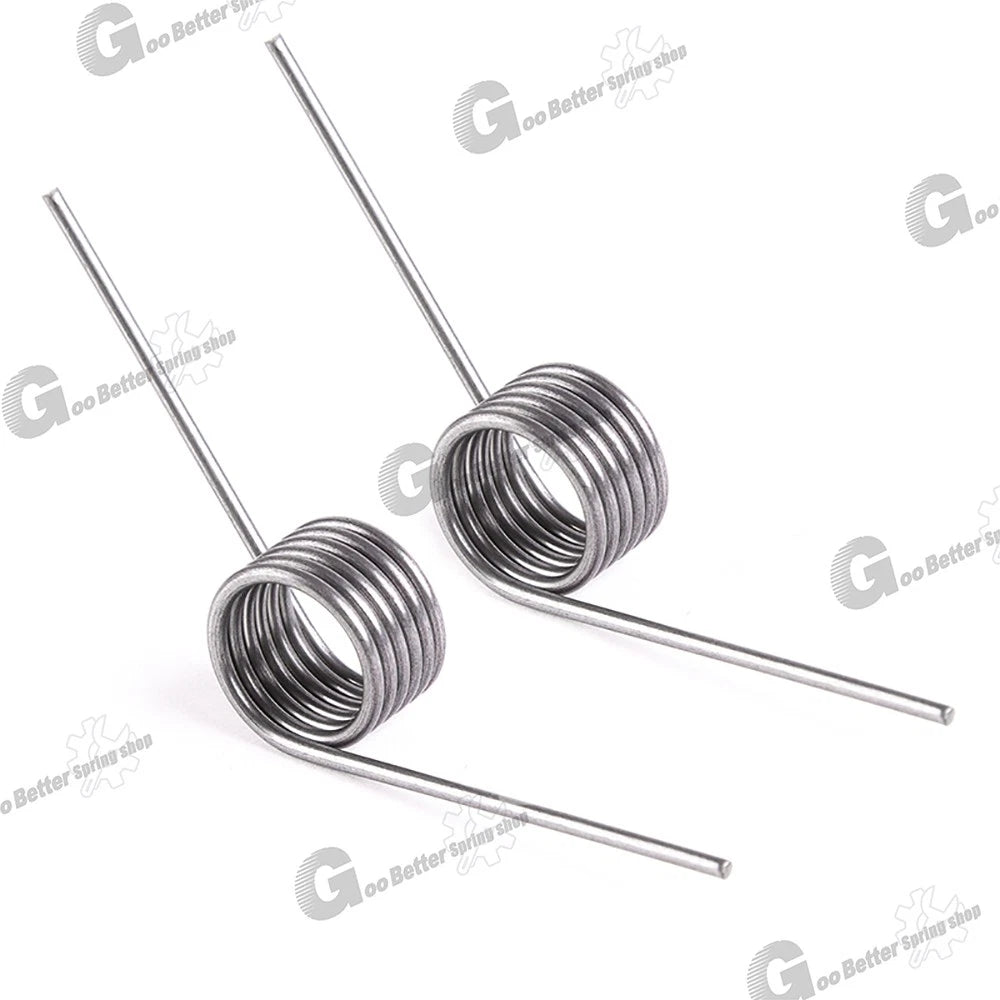
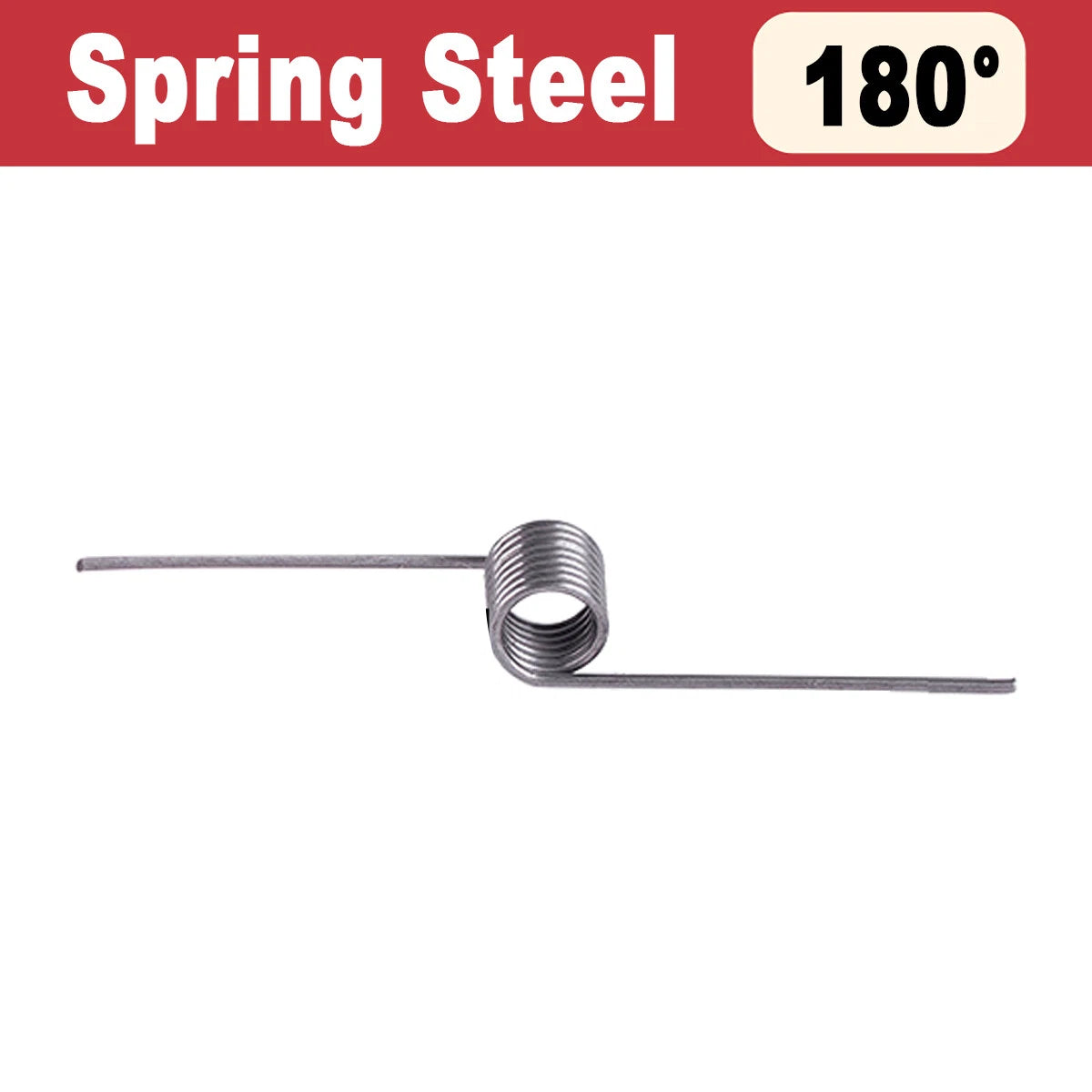
Torsion Spring (pack of 10), 1.8mm wire diameter, 10mm - 20mm OD, Right spring

No reviews

Price:
Sale price$12.81 USD
Stock:
In stock (500 units), ready to be shipped

Payment & Security

Ach Direct Debit Amazon American Express Apple Pay Bancontact BLIK Diners Club Discover EPS Google Pay iDEAL Wero JCB Maestro Mastercard Multibanco MobilePay PayPal Przelewy24 Shop Pay Twint Union Pay USDC Visa

Your payment information is processed securely. We do not store credit card details nor have access to your credit card information.

Limited Offer — Spend More, Save More
Spend $55+
Save $5
Spend $100+
Save $10
Spend $200+
Save $25
HomeDIYer DIY Expert Support

DIY Expert Support

Get fitment advice & recommendations

Mon–Fri  8:30 AM – 8:00 PM
24-Hour Fast Ship
Arrives in 3–14 Days
Worldwide Shipping
30-Day Returns
1 tree planted with every purchase

Description

Torsion Spring 1.8mm Wire Diameter — Reliable Rotational Force for DIY & Mechanical Assemblies

When a hinge sticks, a lid won't stay open, or a mechanism loses its snap, the culprit is almost always a worn or incorrectly sized torsion spring. Engineers, makers, and hands-on DIYers who need a precise rotational return force — without ordering custom parts — will find this pack of 10 right-hand torsion springs an indispensable addition to their workshop.

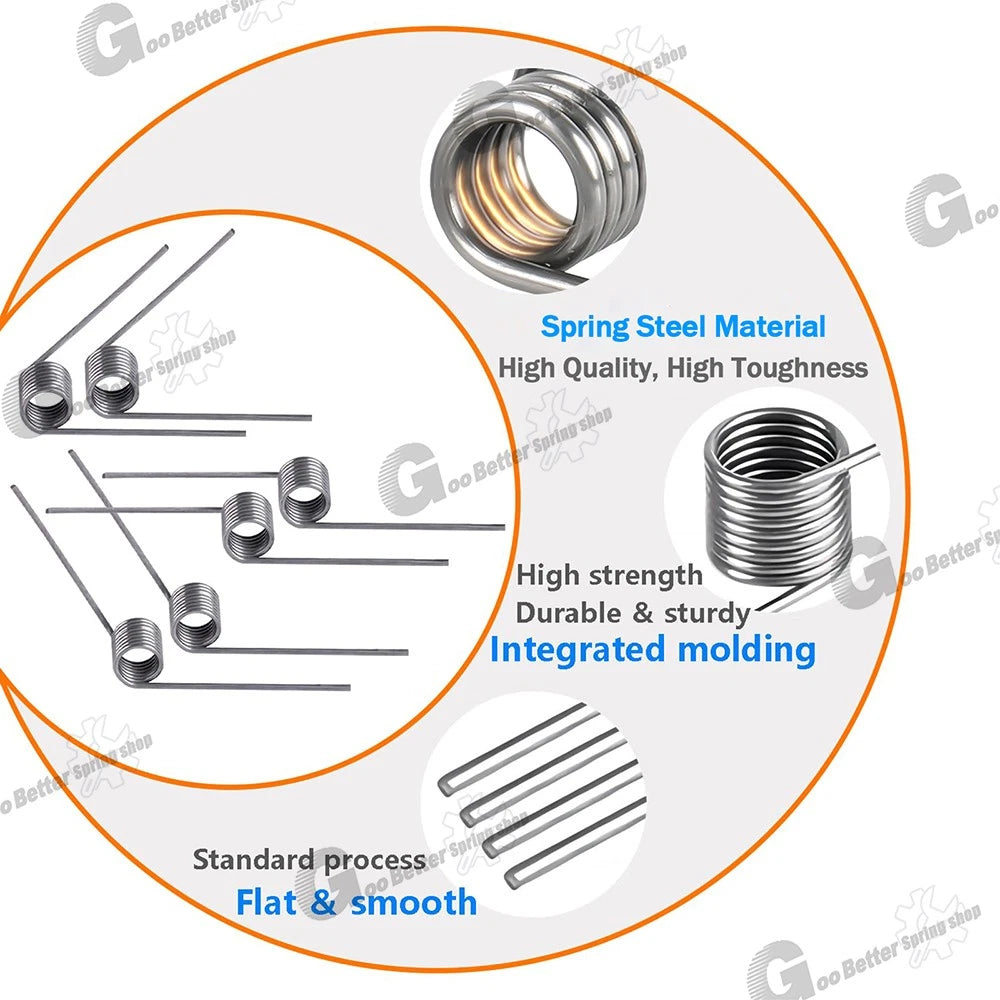
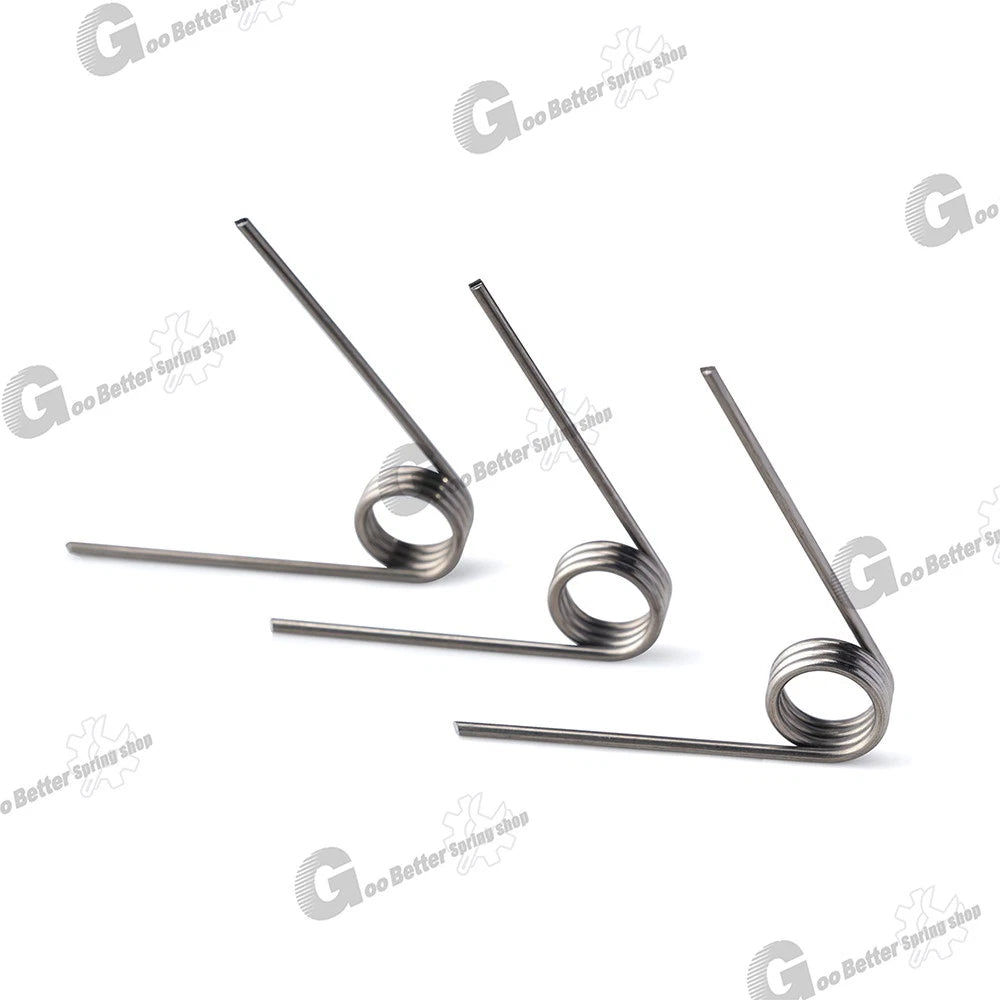
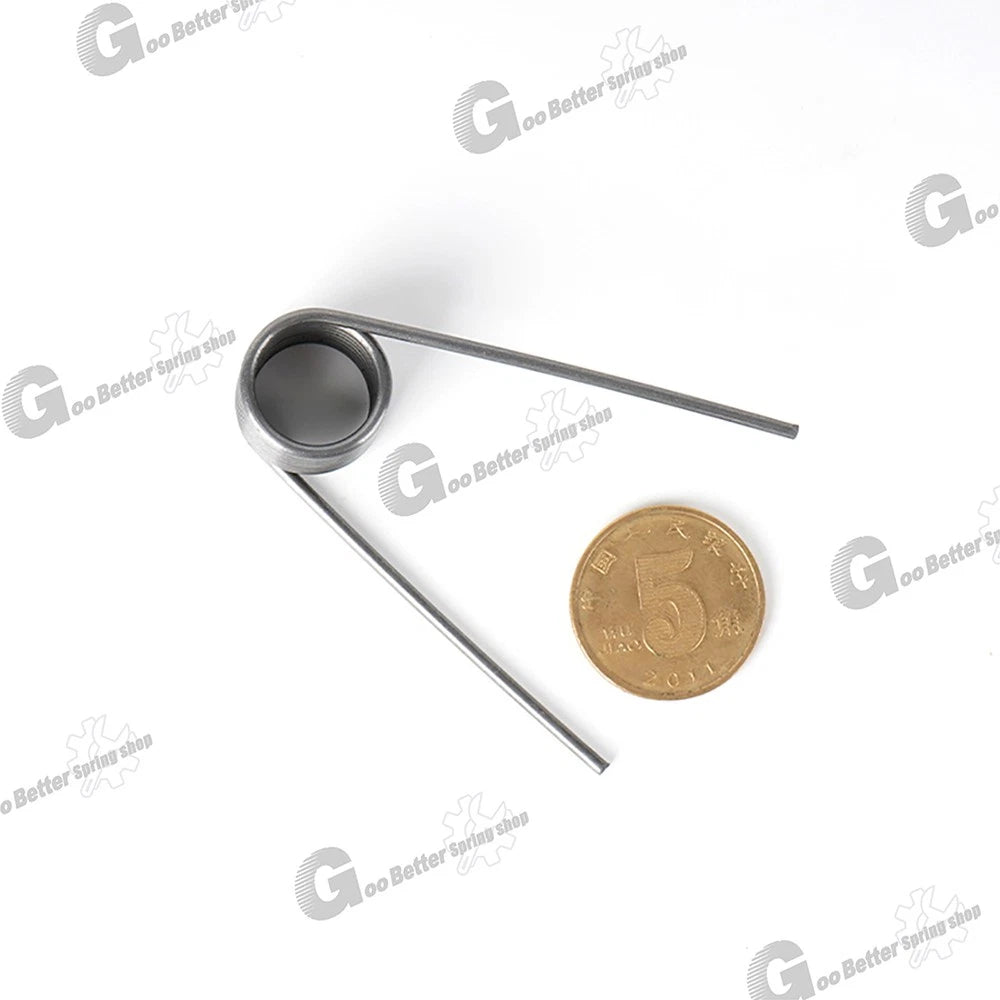
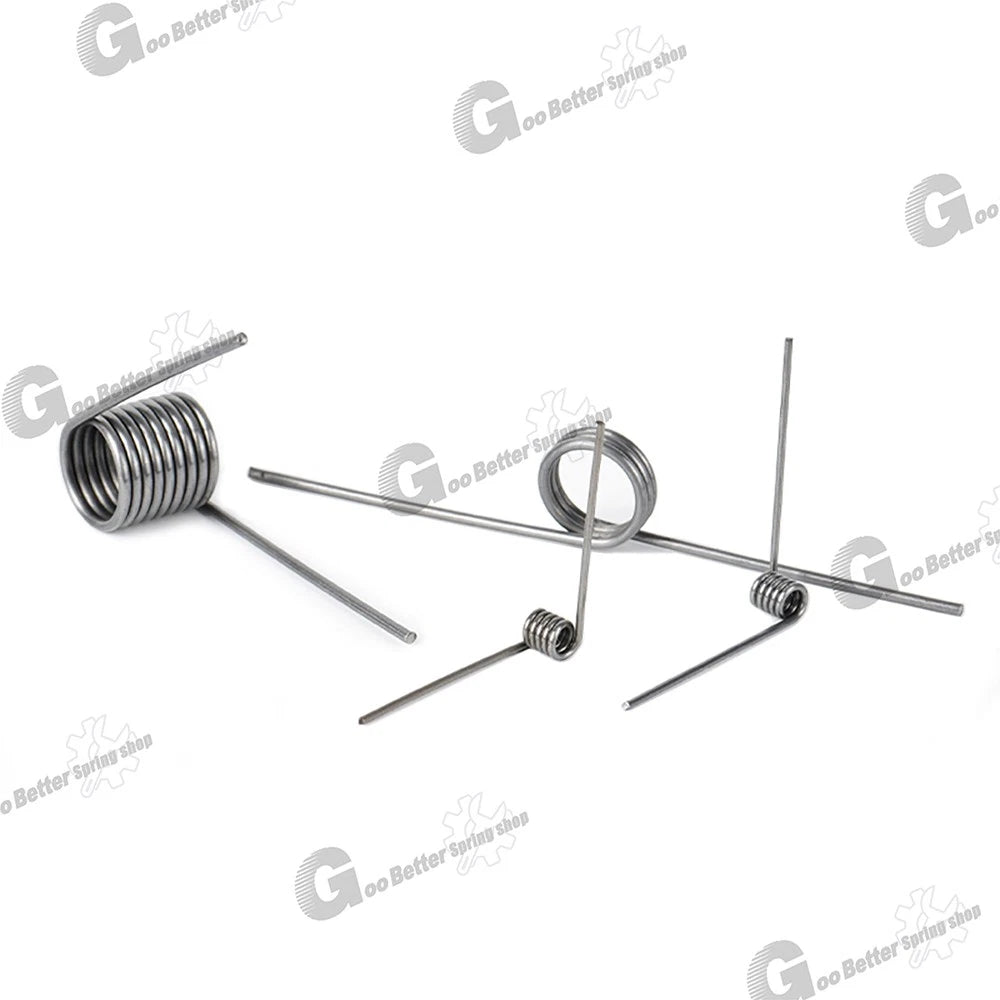
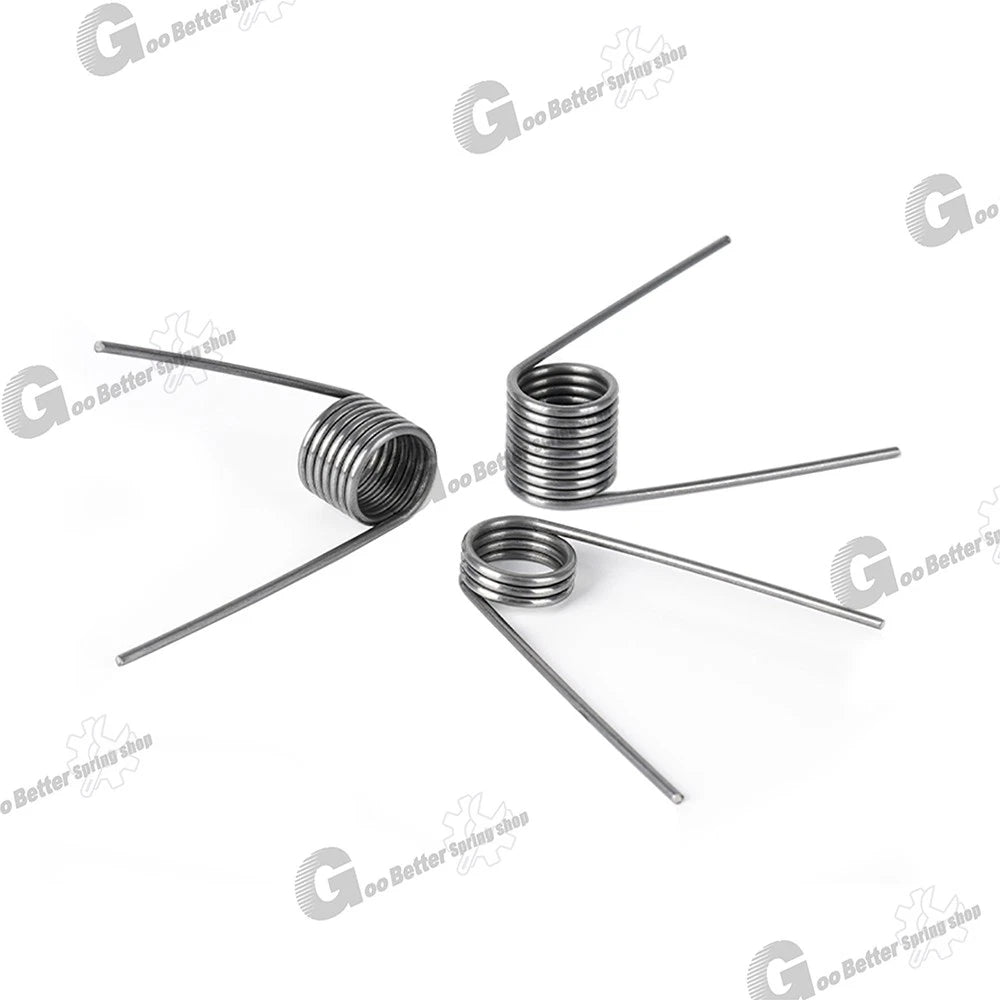
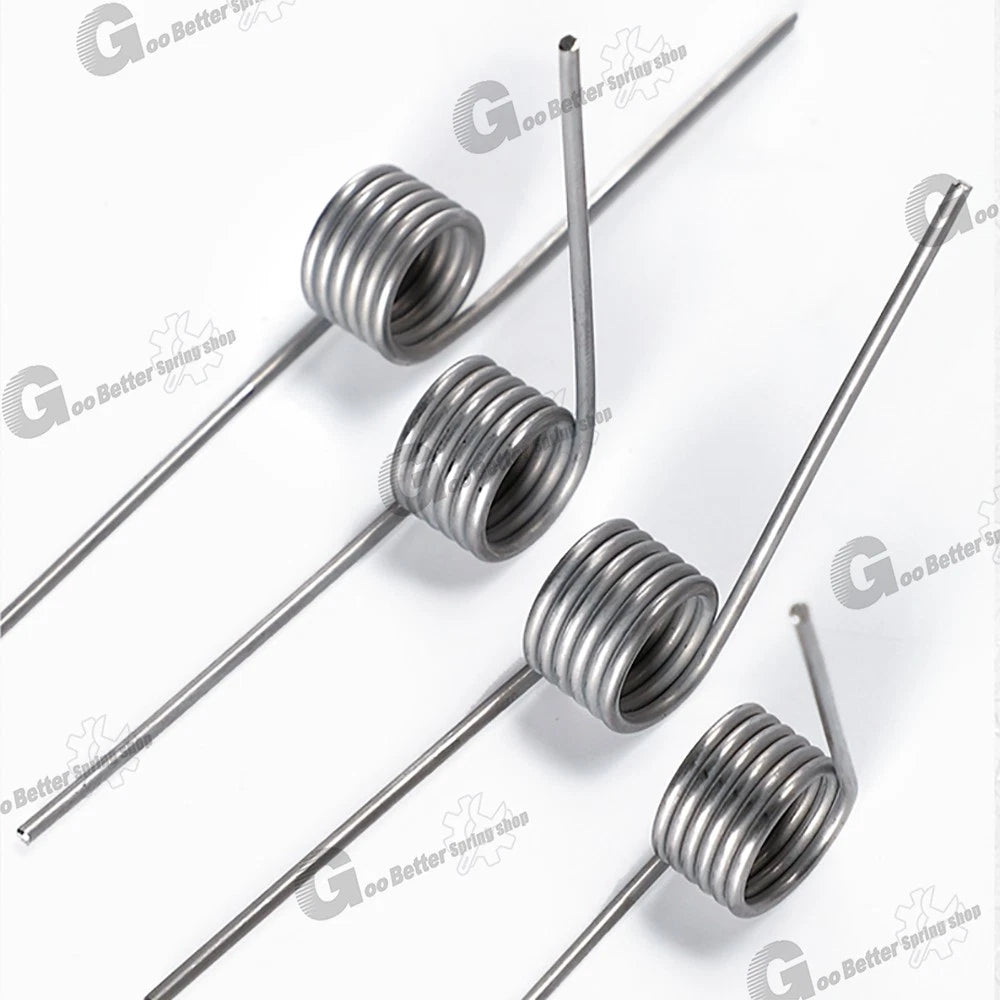
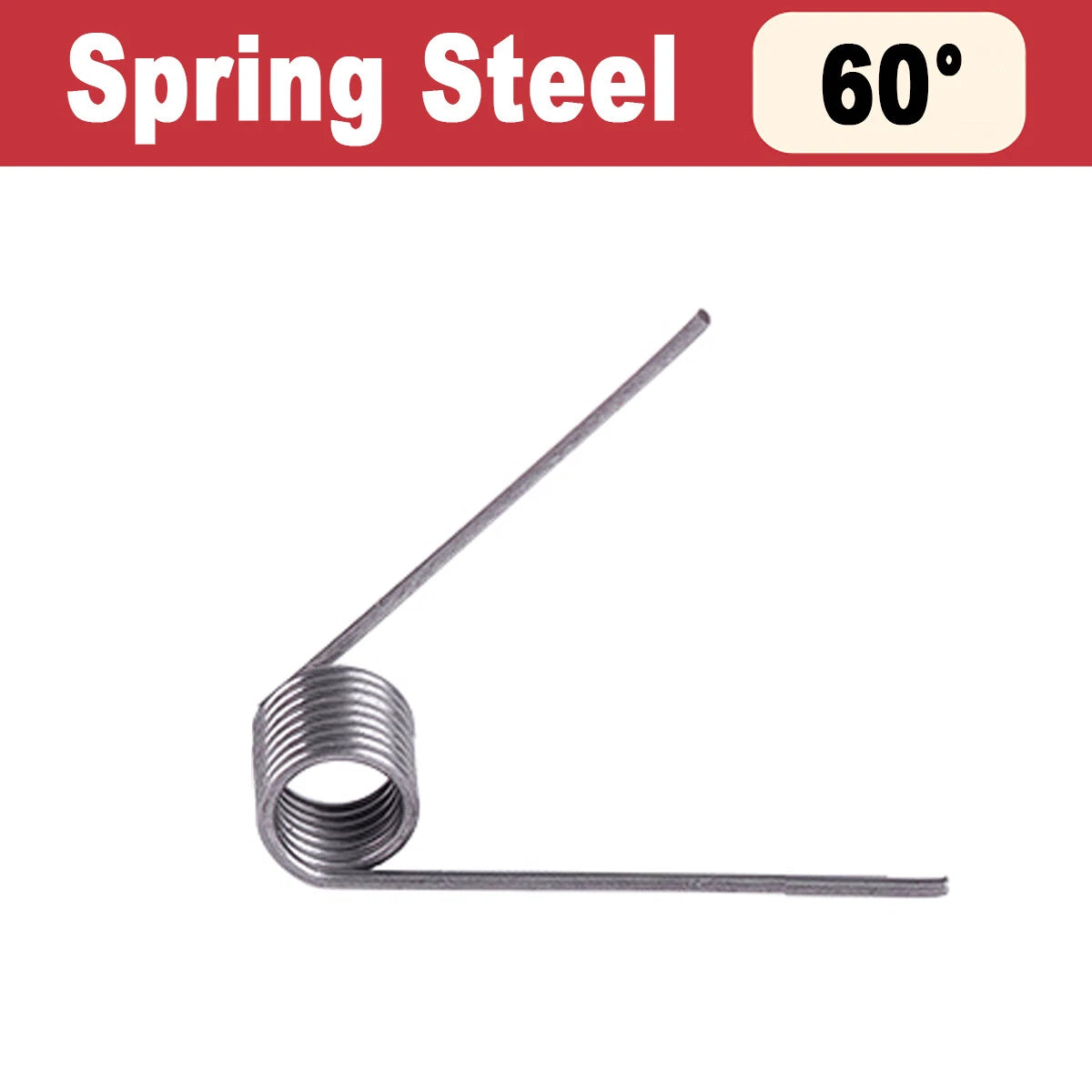
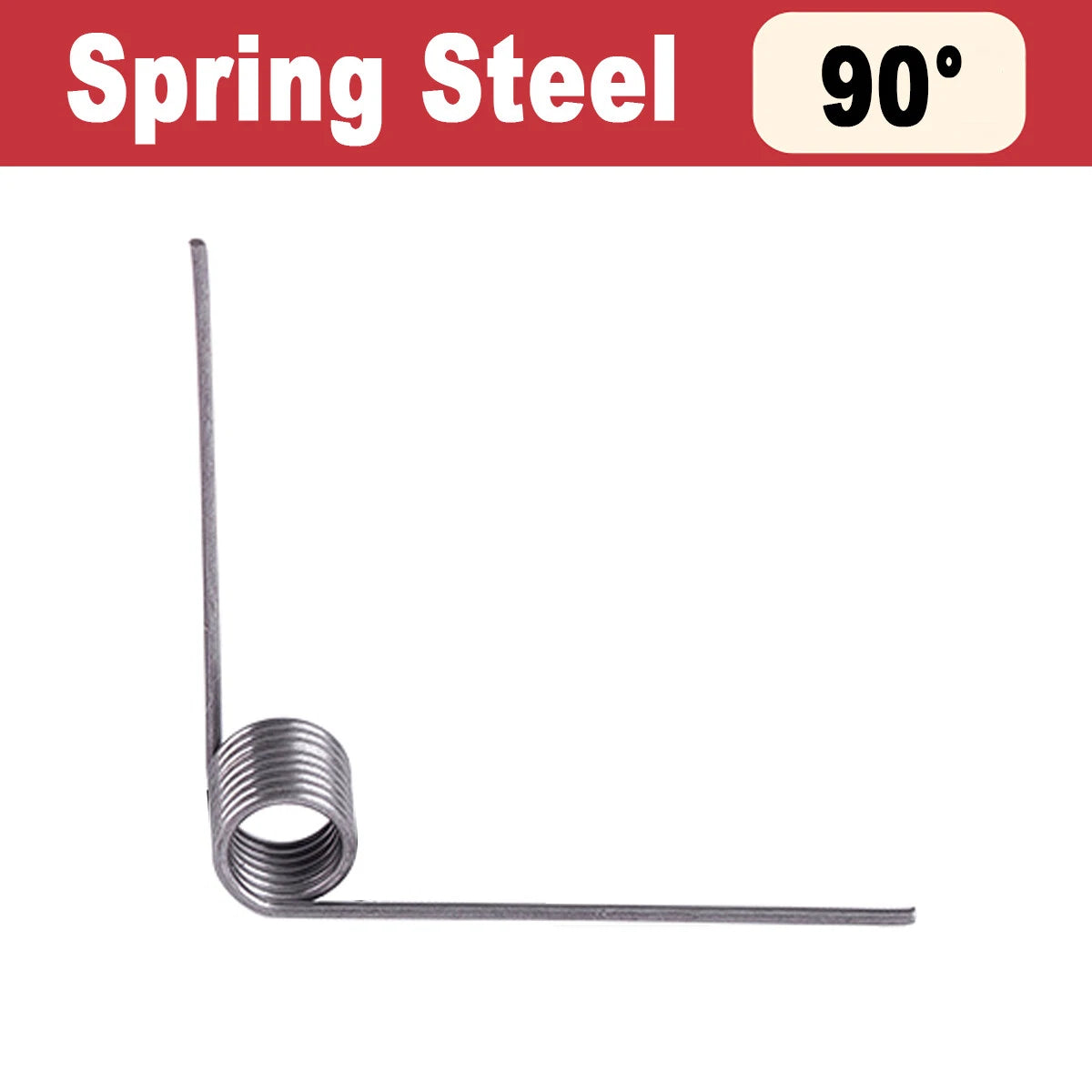
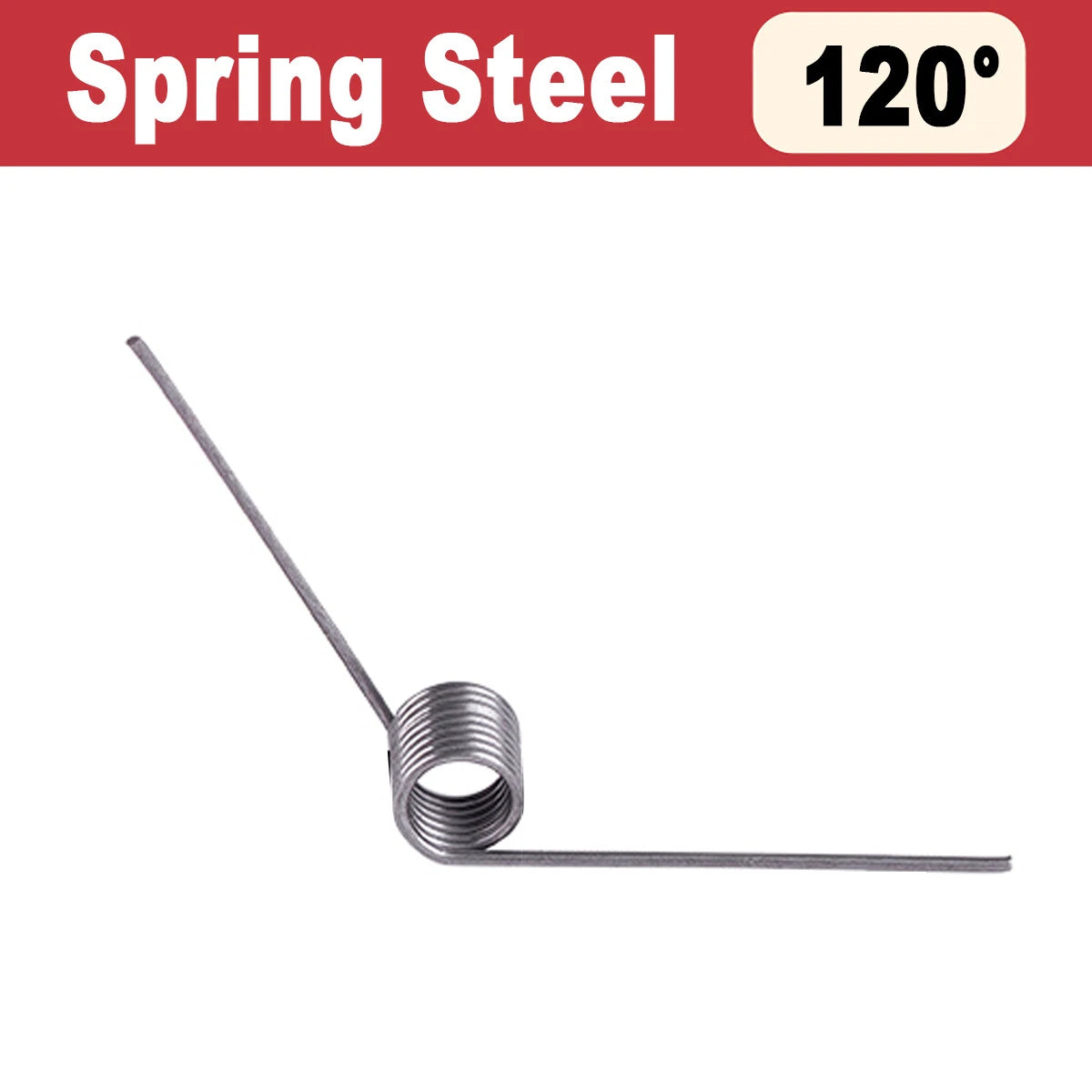
Each spring is wound from 1.8mm diameter steel wire with outer diameters ranging from 10mm to 20mm (approximately 0.39 in to 0.79 in). Coil counts span 3 to 9 turns, and leg angles are available in 60°, 90°, 120°, and 180°, giving you precise control over torque output and leg positioning. The right-hand (clockwise) winding direction suits the majority of standard mechanical applications.

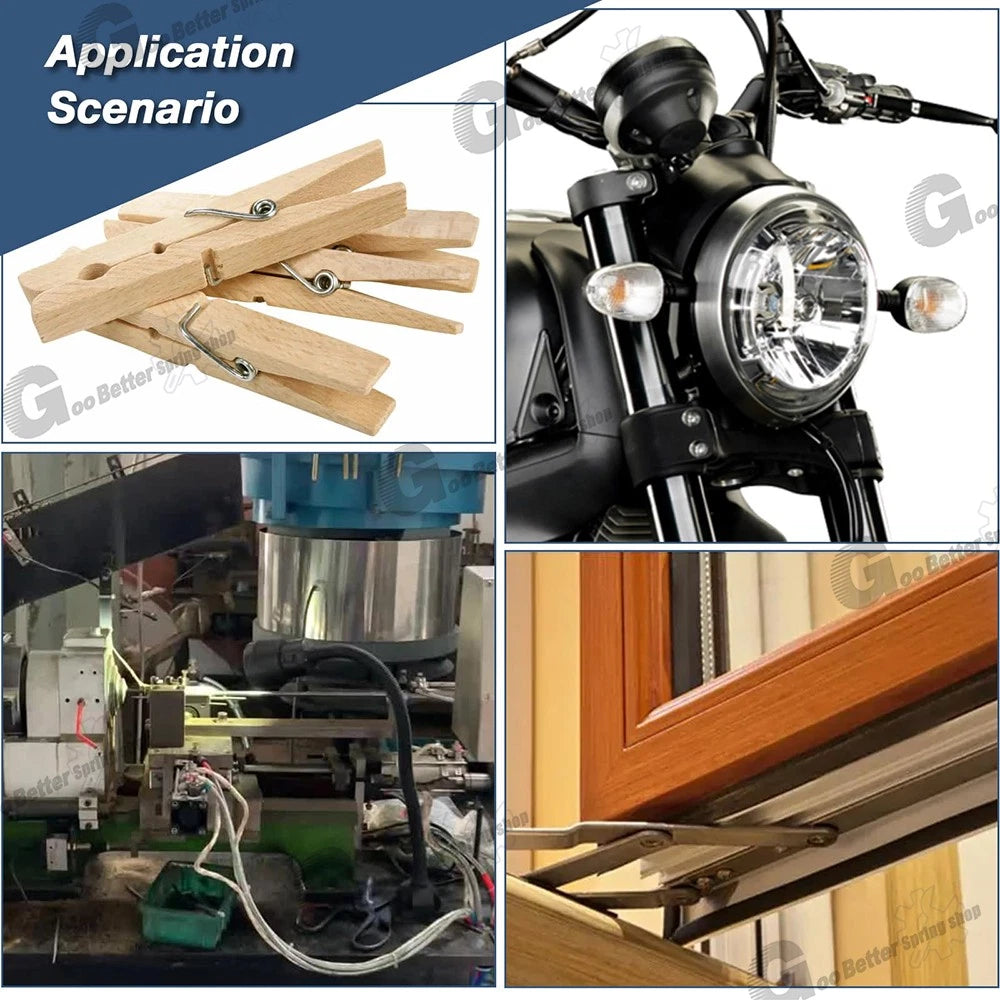
These torsion springs are well-suited for cabinet door hinges requiring consistent return force, small appliance latch mechanisms needing repeatable snap-back action, and DIY robotics or automation projects where compact rotational energy storage is critical. The multi-size pack format makes them ideal for prototyping and repair kits where the exact dimension may vary by assembly.

⚙️ Compatibility: Right-hand wound (clockwise). Verify your mandrel diameter, leg angle, and coil count before ordering. Select your Wire dia × Outer dia, Number of coils, and Angle from the variant options above.

✅ Key Features of These Torsion Springs

🔩
1.8mm Wire Diameter

Consistent wire gauge across all variants ensures uniform spring rate calculations and predictable torque output for engineering and repair applications.

📐
10mm–20mm Outer Diameter Range

Eight OD options from 10mm to 20mm (0.39"–0.79") let you match the spring to your mandrel or housing without custom fabrication.

🔄
Right-Hand (Clockwise) Winding

Standard right-hand wind suits the majority of hinges, latches, and return mechanisms found in furniture, appliances, and DIY builds.

🎯
4 Leg Angle Options: 60°, 90°, 120°, 180°

Choose the leg angle that matches your assembly geometry — from tight 60° configurations to fully open 180° straight-leg designs.

📦
Pack of 10 — Workshop-Ready Quantity

Ten springs per pack supports prototyping, batch repairs, and stocking your parts drawer so you always have the right size on hand.

3 to 9 Coil Selections

More coils increase spring travel and reduce stiffness for a given wire/OD combination. Select the coil count that matches your required deflection angle and torque spec.

📐 Technical Specifications — Torsion Spring

Wire Diameter 1.8 mm (0.071 in)
Outer Diameter (OD) 10 mm – 20 mm (0.39 in – 0.79 in)
Number of Coils 3, 4, 5, 6, 7, 8, 9
Leg Angle 60°, 90°, 120°, 180°
Wind Direction Right-hand (clockwise)
Material See variant options
Surface Finish See variant options
Spring Rate See variant options
Free Angle See variant options
Pack Quantity 10 pieces

❓ Frequently Asked Questions

How do I choose the right outer diameter for my application?

The outer diameter (OD) should be slightly smaller than the housing bore or slightly larger than the mandrel it wraps around, depending on your design. For mandrel-mounted springs, the inner diameter (OD minus 2× wire diameter) should clear the mandrel with a small gap — typically 0.5–1mm — to allow free rotation without binding.

What does right-hand winding mean, and how do I check my existing spring?

A right-hand (clockwise) wound spring coils in the same direction as a standard screw thread when viewed from the leg end. To check your existing spring, hold it vertically: if the coils spiral upward to the right, it is right-hand wound. These springs are right-hand only — if your application requires left-hand winding, please contact us to confirm.

How does the number of coils affect spring performance?

For a given wire diameter and OD, increasing the number of coils reduces the spring rate (makes the spring softer) and increases the maximum angular deflection before the spring reaches its elastic limit. Fewer coils produce a stiffer spring with less travel. Choose more coils when you need a gentle, long-travel return force; choose fewer coils for a firm, short-travel snap-back.

Which leg angle should I select for my hinge or latch?

The leg angle refers to the angle between the two straight legs of the spring in its free (unloaded) state. A 90° spring is common for right-angle hinge applications. A 180° spring has both legs pointing in opposite directions and suits applications where the legs need to lie flat. A 60° or 120° spring suits tighter or wider assemblies respectively. Measure the angle between your mounting points to select the correct option.

Are these springs corrosion-resistant for outdoor or humid environments?

The corrosion resistance depends on the material and surface finish of the specific variant. If your application involves moisture, humidity, or outdoor exposure, please contact us to confirm the finish specification before ordering. For demanding environments, consider applying a light coat of machine oil after installation as a precaution.

Can I use these springs in a DIY robotics or automation project?

Yes. The compact OD range (10–20mm) and multiple coil/angle combinations make these springs well-suited for small robotic joints, gripper return mechanisms, and cam-follower assemblies. Use the coil count and OD to tune the torque output to your servo or actuator load requirements. The pack-of-10 format is ideal for iterative prototyping.

What is the difference between the 60° and 180° leg angle variants?

The 60° variant has both legs close together (60° apart), making it suitable for compact assemblies where the mounting points are near each other. The 180° variant has legs pointing in exactly opposite directions, which is ideal for applications where one leg is fixed and the other needs to push or pull in the opposite direction — such as a door return or a flat-mounted latch mechanism.

🛒 Select your Wire dia × Outer dia, Number of coils, and Angle above, then add to cart.

You may also like

Recently viewed