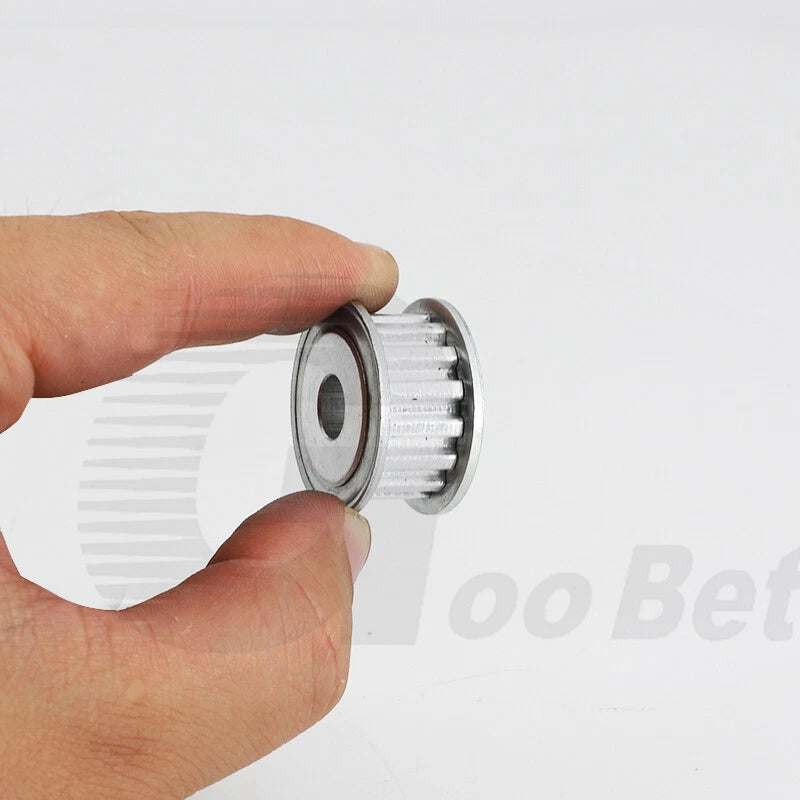
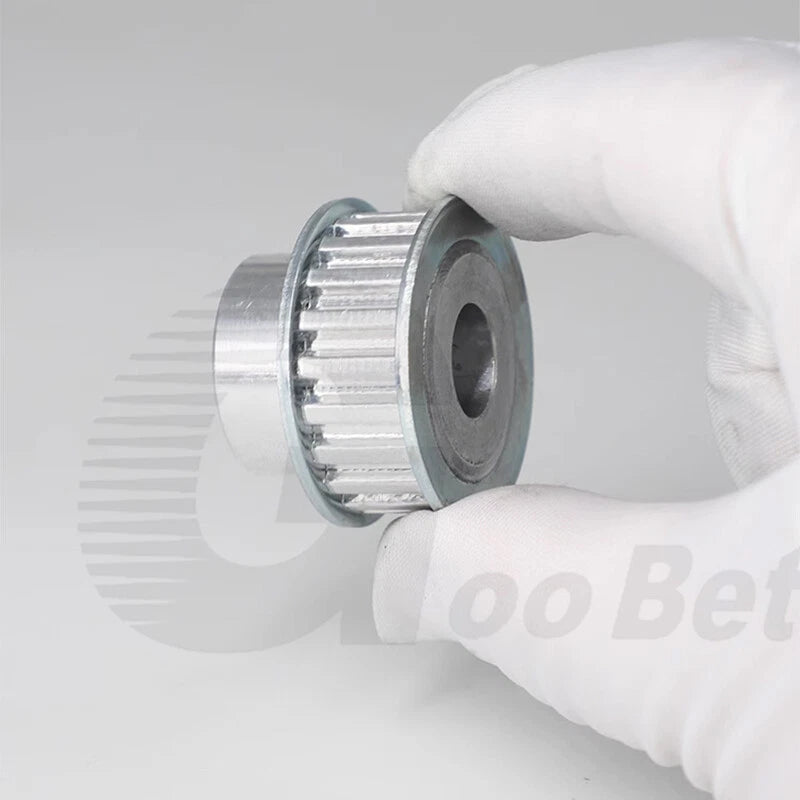
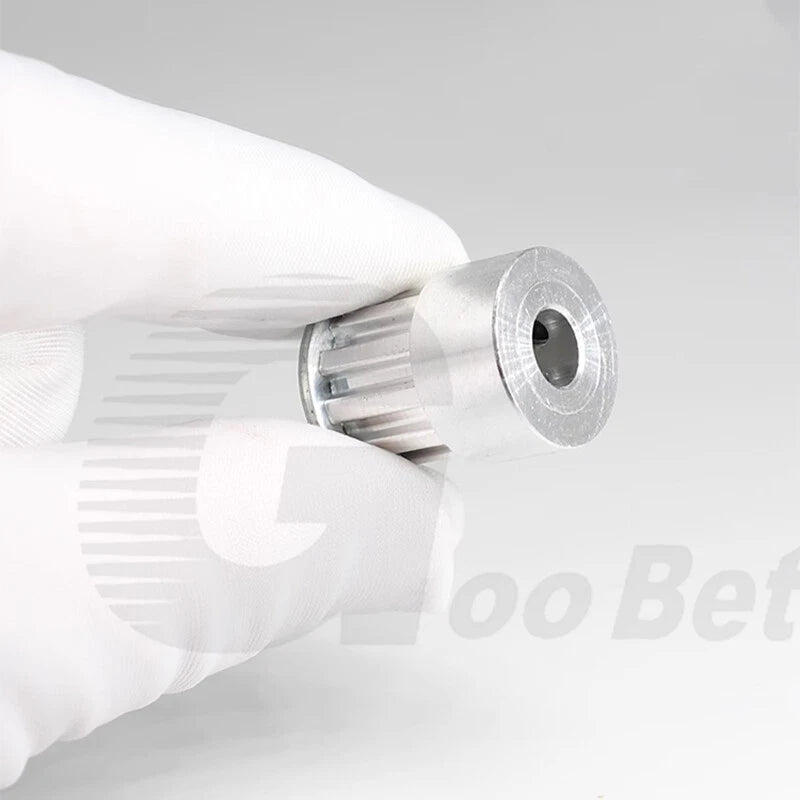
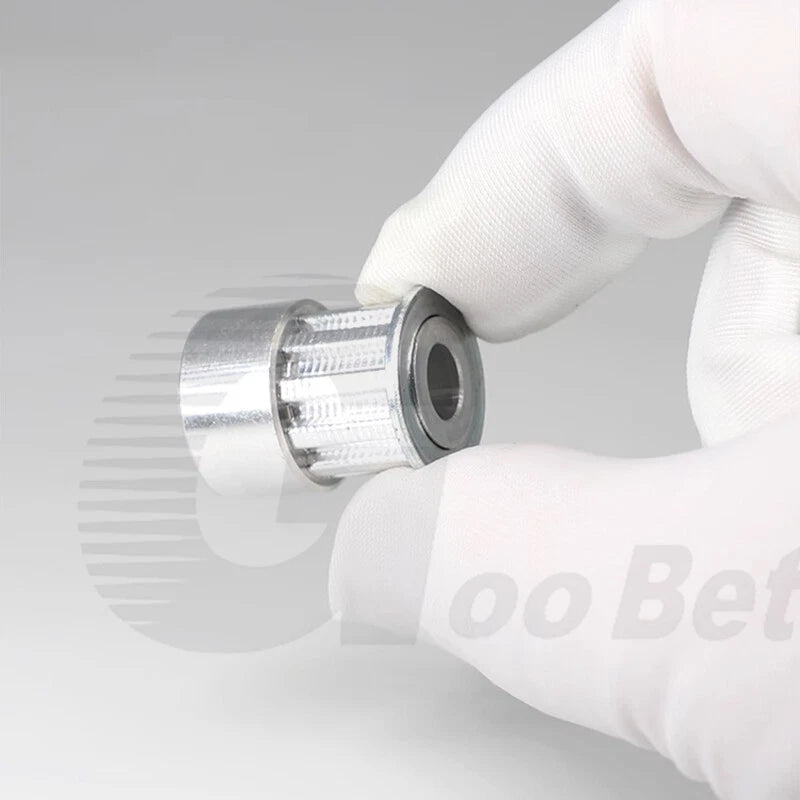
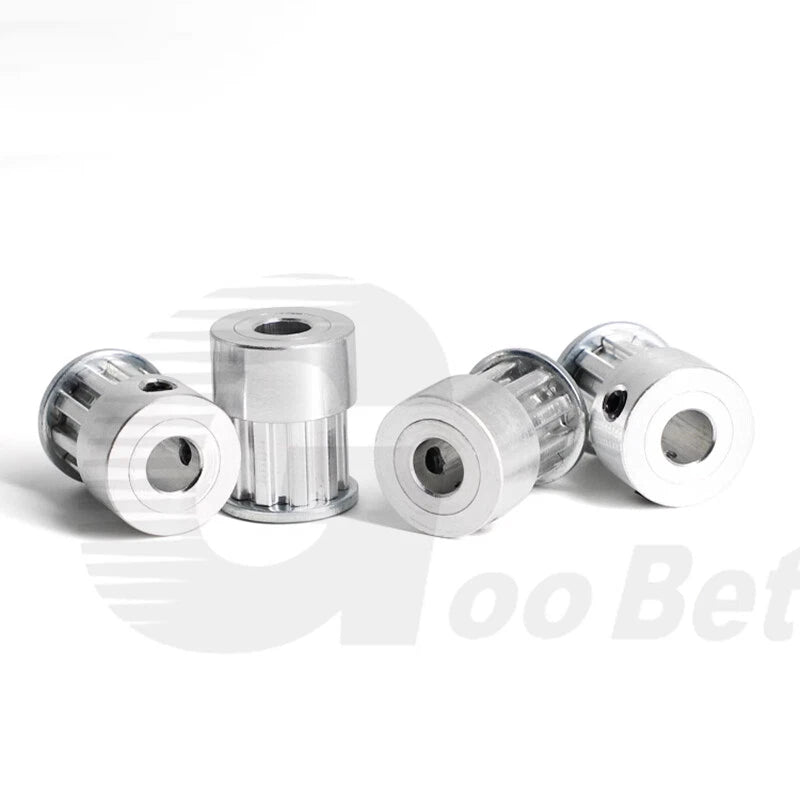
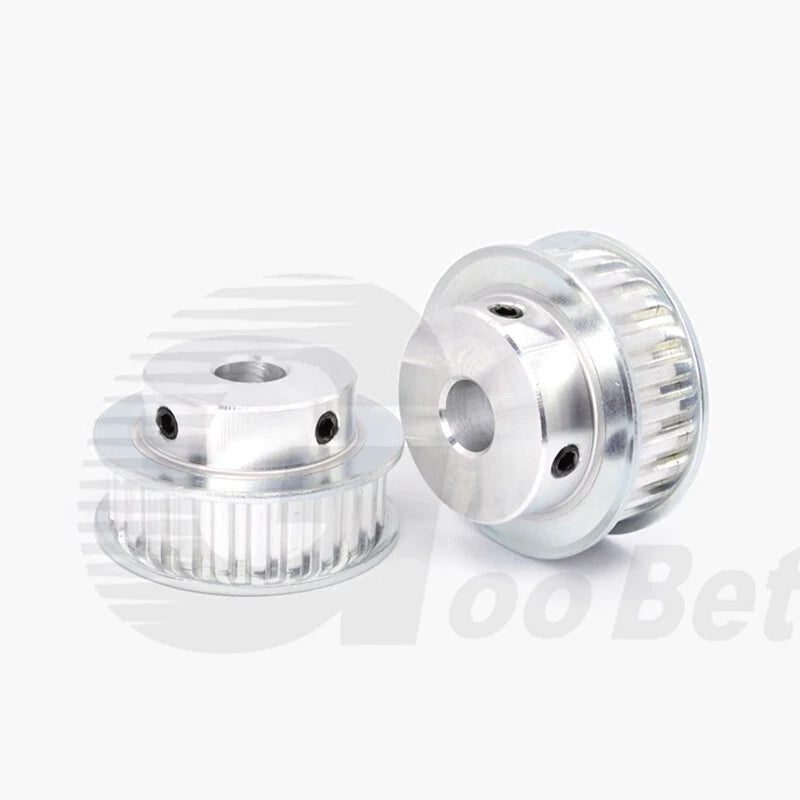
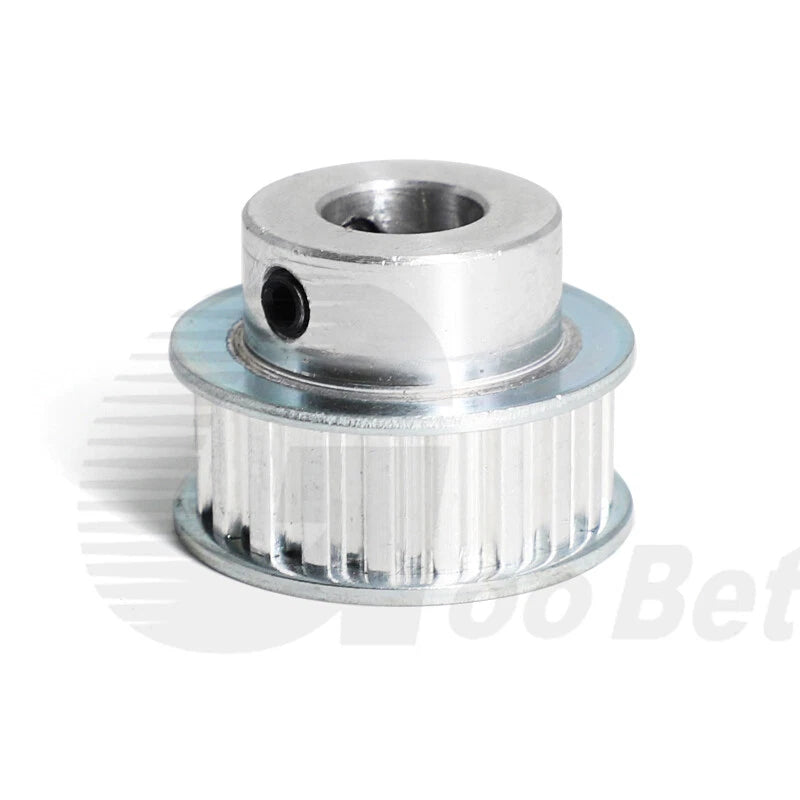
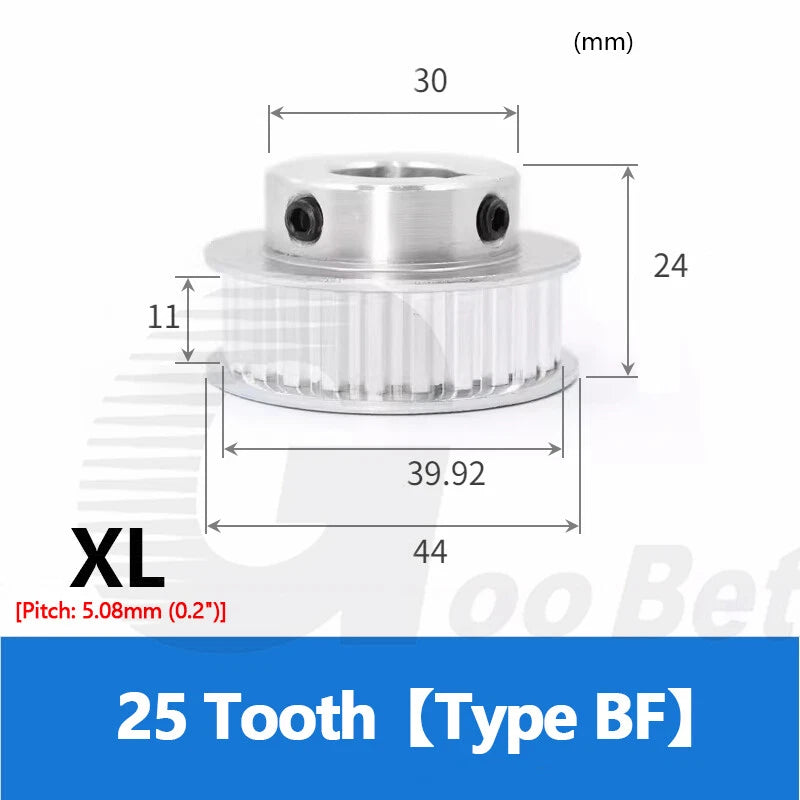
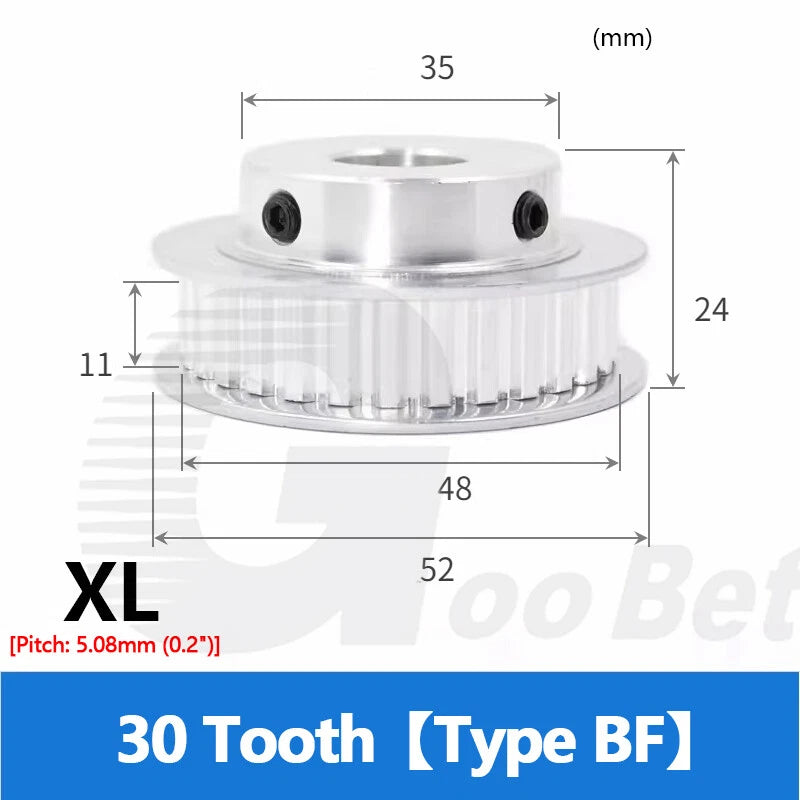
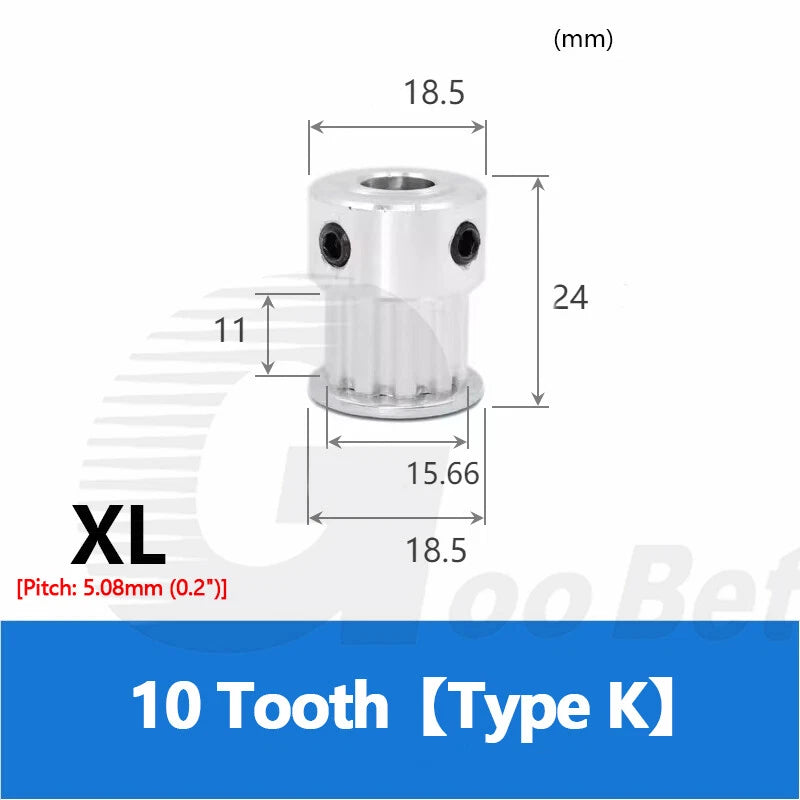
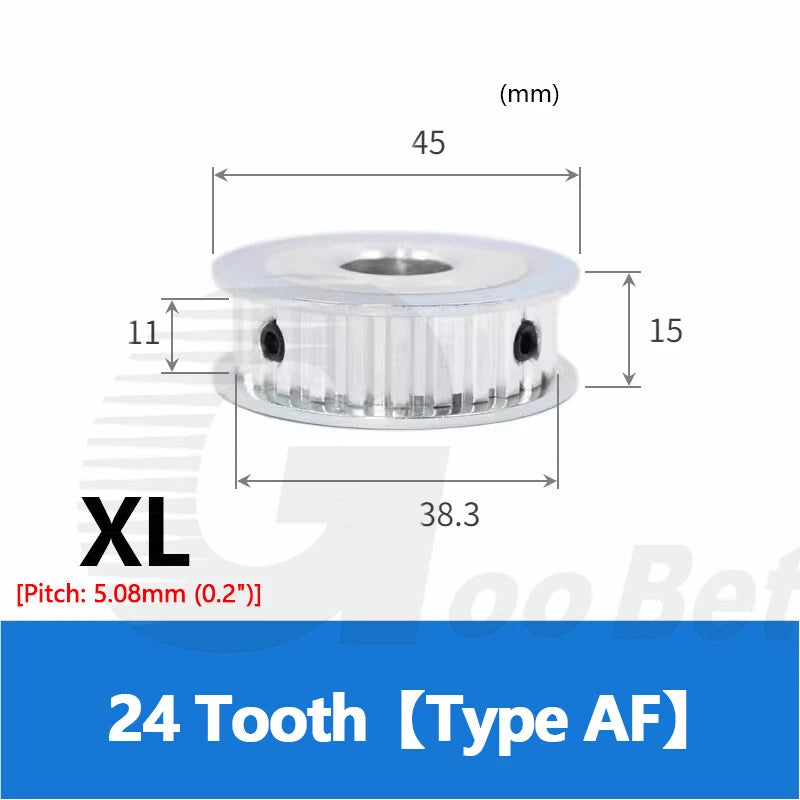
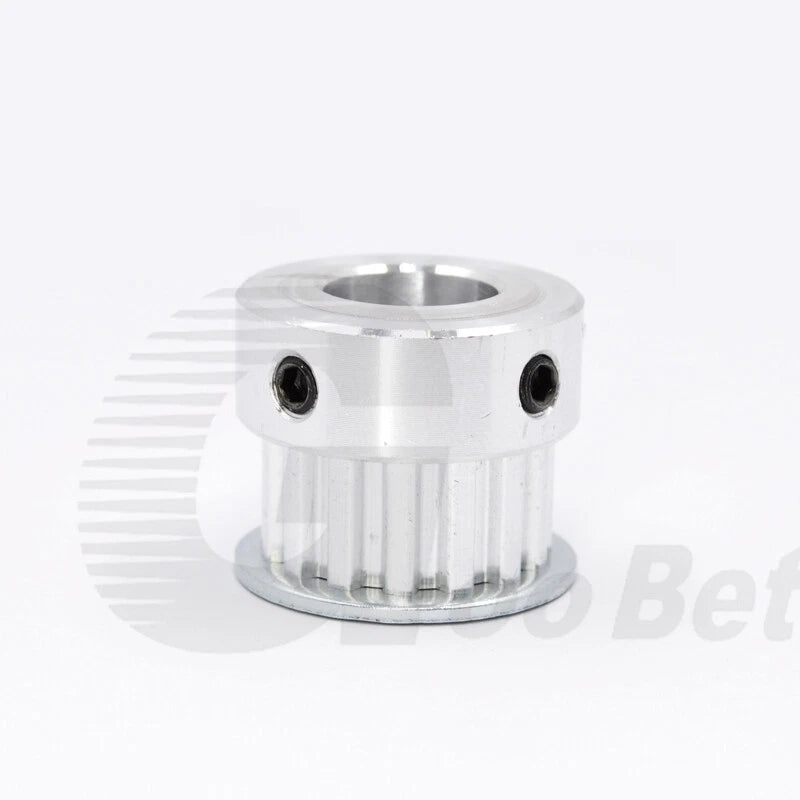
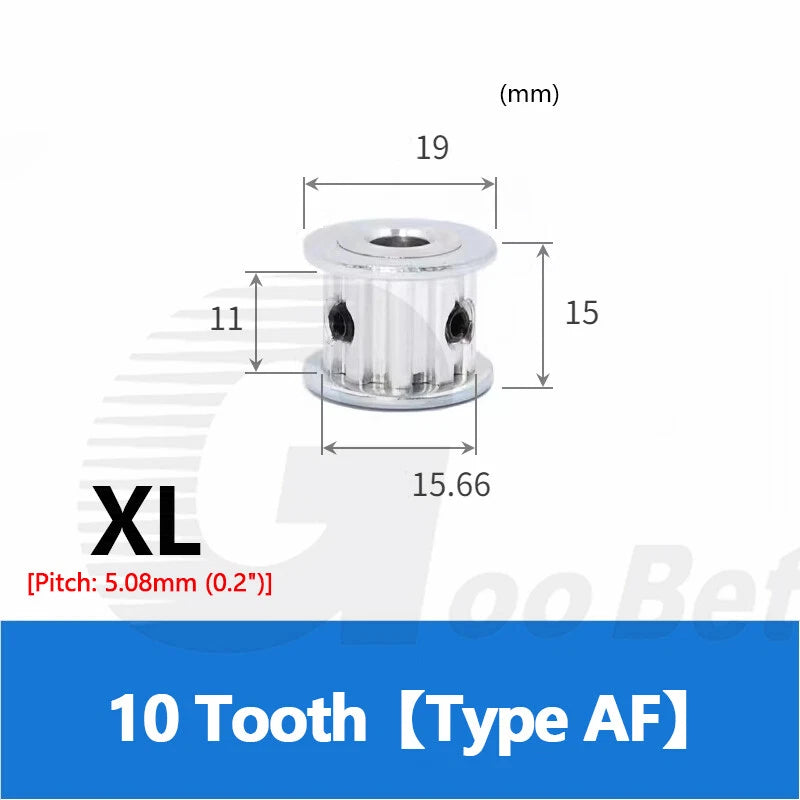
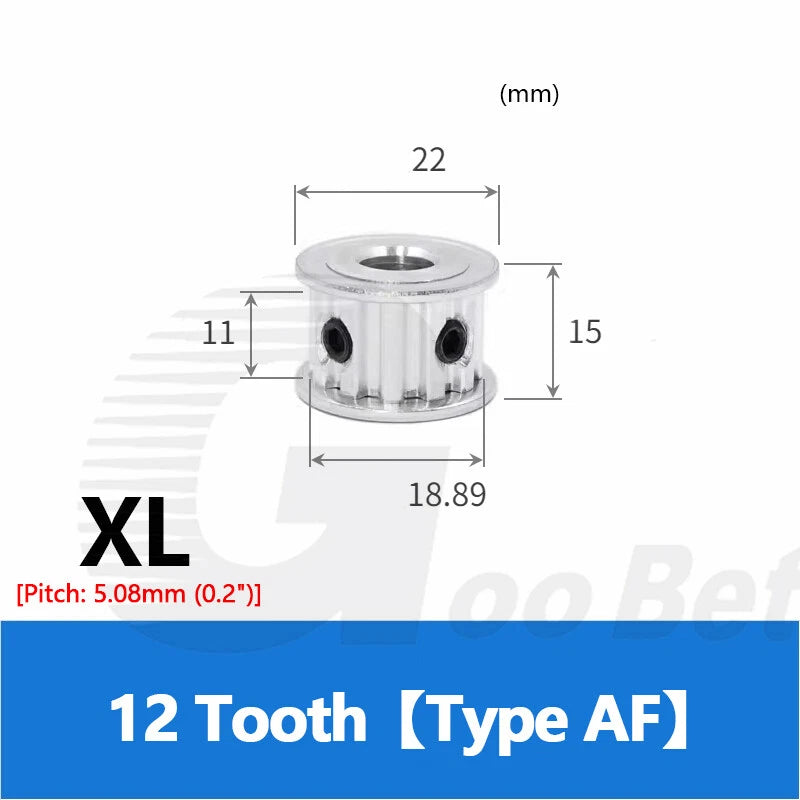
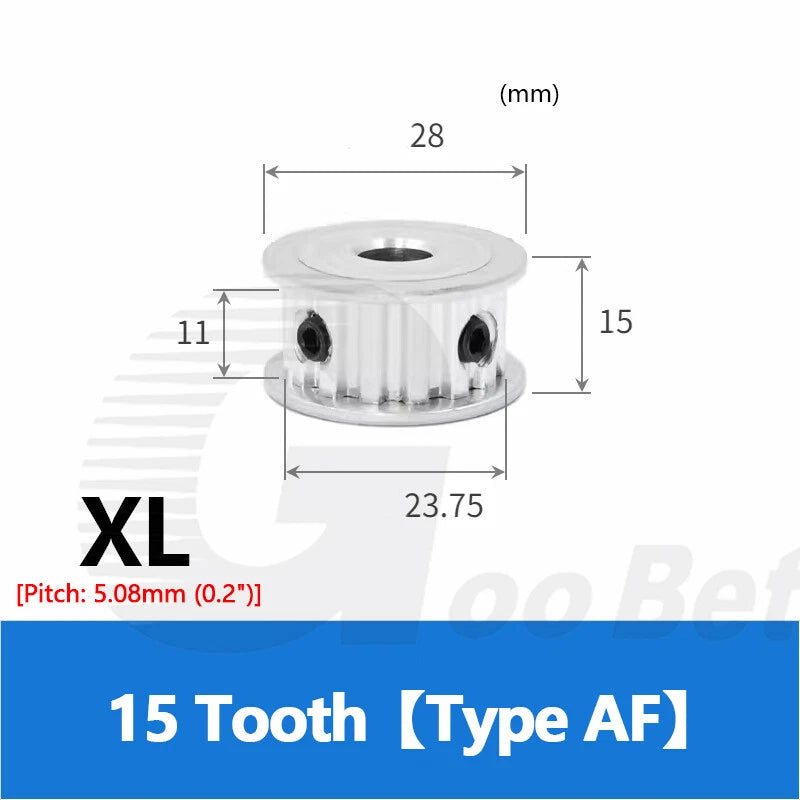
XL 10mm Timing Belt Drive Pulley Aluminium 10 - 40 Tooth 4-25mm Bore Extra Light

No reviews

Price:
Sale price$5.29 USD
Stock:
In stock (500 units), ready to be shipped

Payment & Security

Ach Direct Debit Amazon American Express Apple Pay Bancontact BLIK Diners Club Discover EPS Google Pay iDEAL Wero JCB Maestro Mastercard Multibanco MobilePay PayPal Przelewy24 Shop Pay Twint Union Pay USDC Visa

Your payment information is processed securely. We do not store credit card details nor have access to your credit card information.

Limited Offer — Spend More, Save More
Spend $55+
Save $5
Spend $100+
Save $10
Spend $200+
Save $25
HomeDIYer DIY Expert Support

DIY Expert Support

Get fitment advice & recommendations

Mon–Fri  8:30 AM – 8:00 PM
24-Hour Fast Ship
Arrives in 3–14 Days
Worldwide Shipping
30-Day Returns
1 tree planted with every purchase

Description

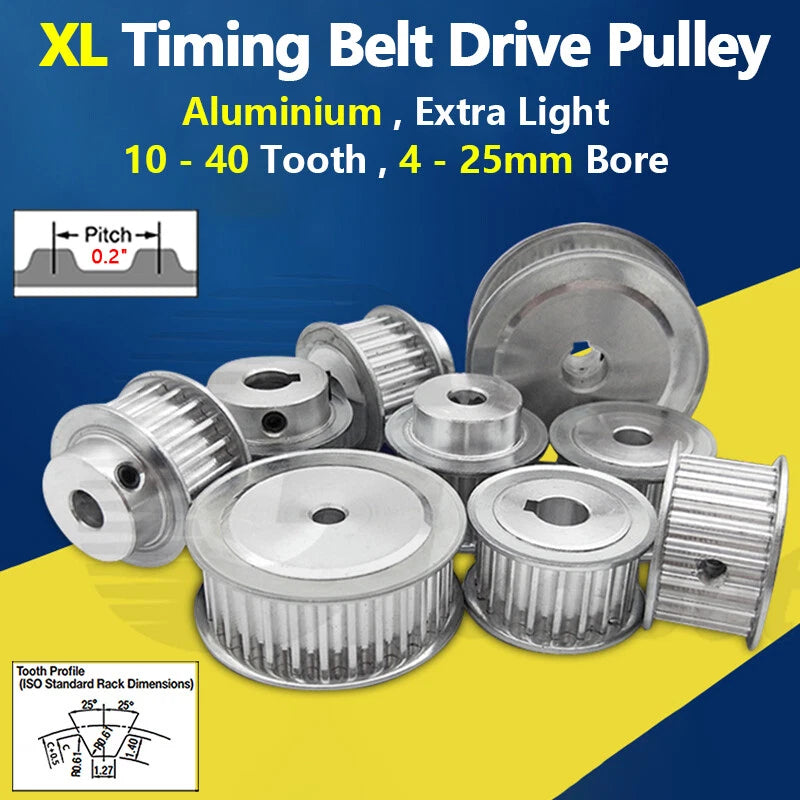
XL Timing Belt Drive Pulley — Aluminium, 10mm Wide, 10–40 Tooth, 4–25mm Bore

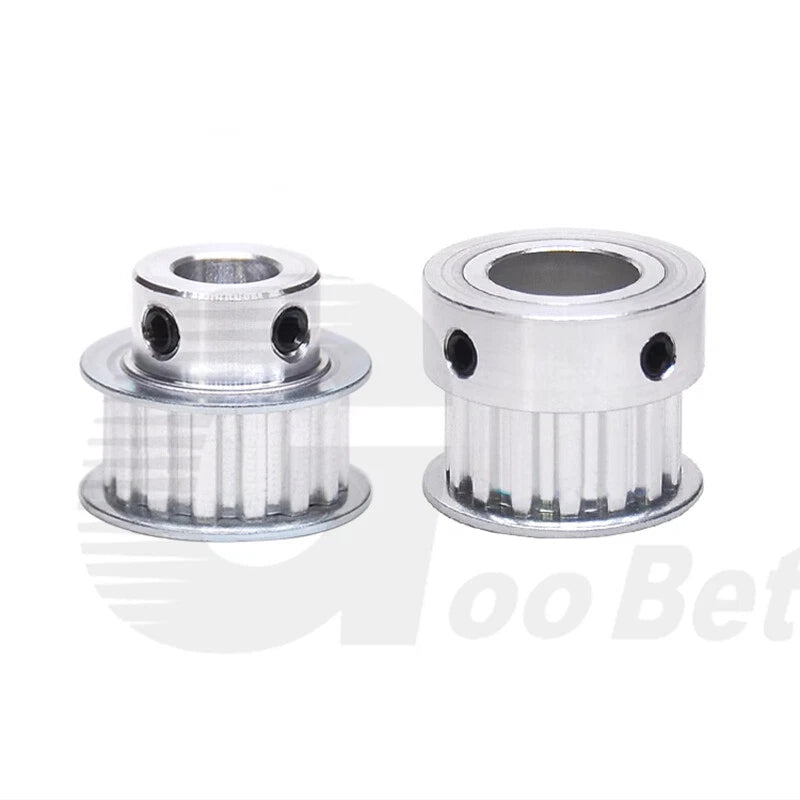
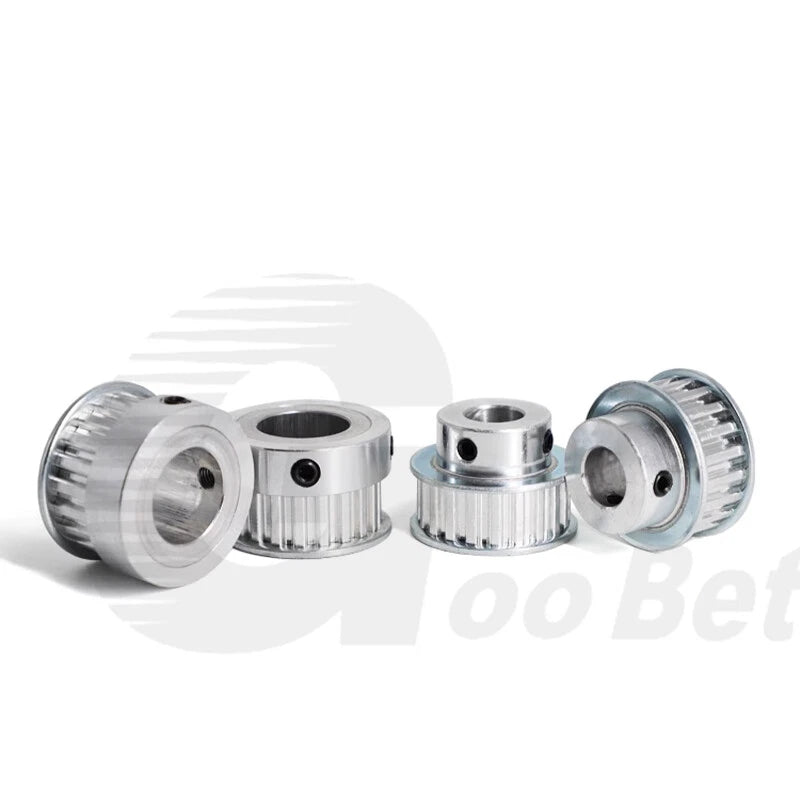
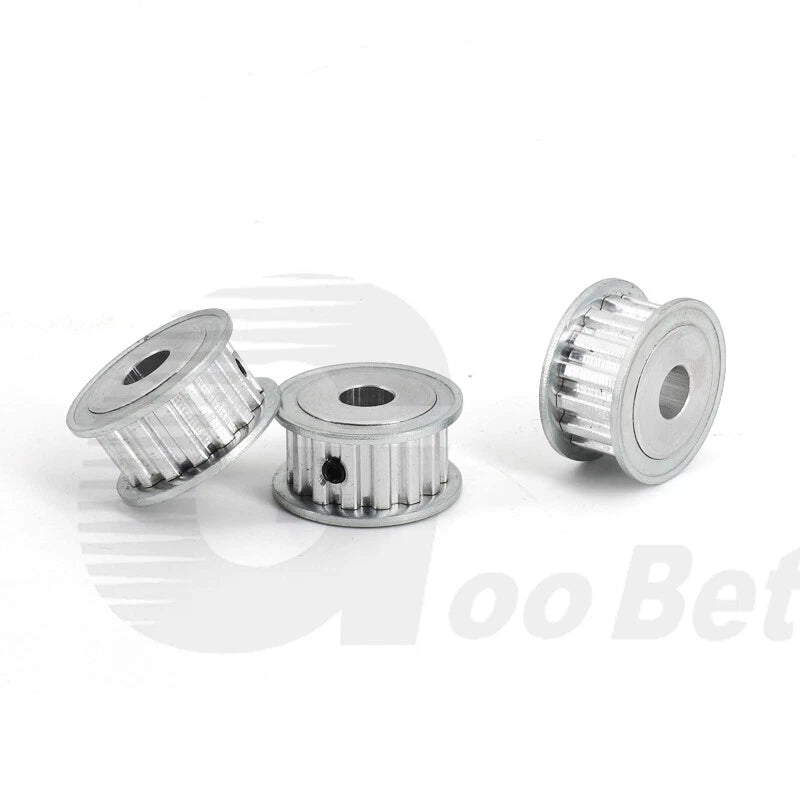
When a slipping or mismatched pulley derails your CNC router, 3D printer, or automation rig mid-job, the cost is more than downtime — it's lost precision and wasted material. Engineers, makers, and small-batch manufacturers who demand repeatable motion control need a drive pulley that holds its pitch under load. These XL aluminium timing belt drive pulleys are machined to XL belt standards and available in three hub types (AF, BF, and K) to suit a wide range of shaft and belt configurations.

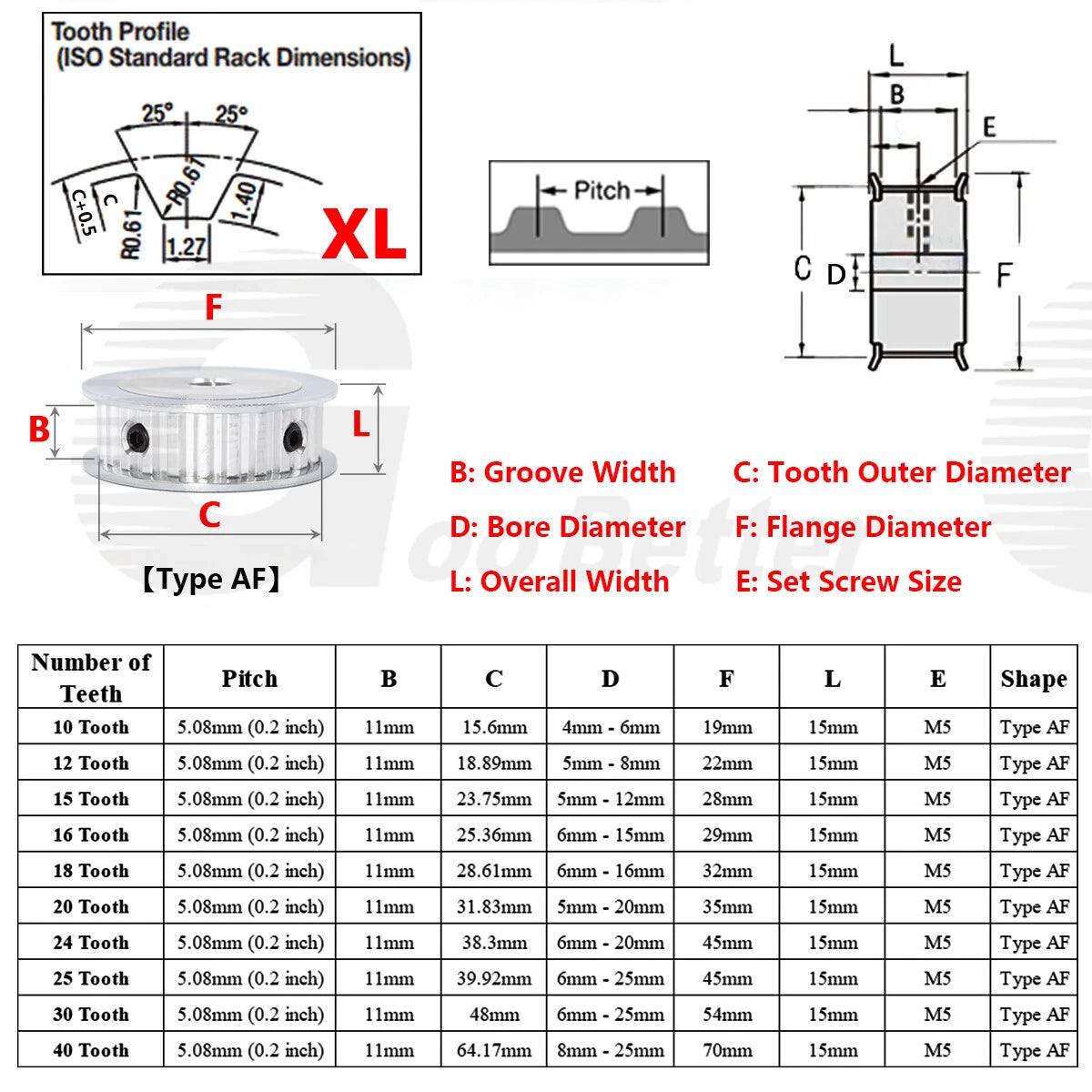
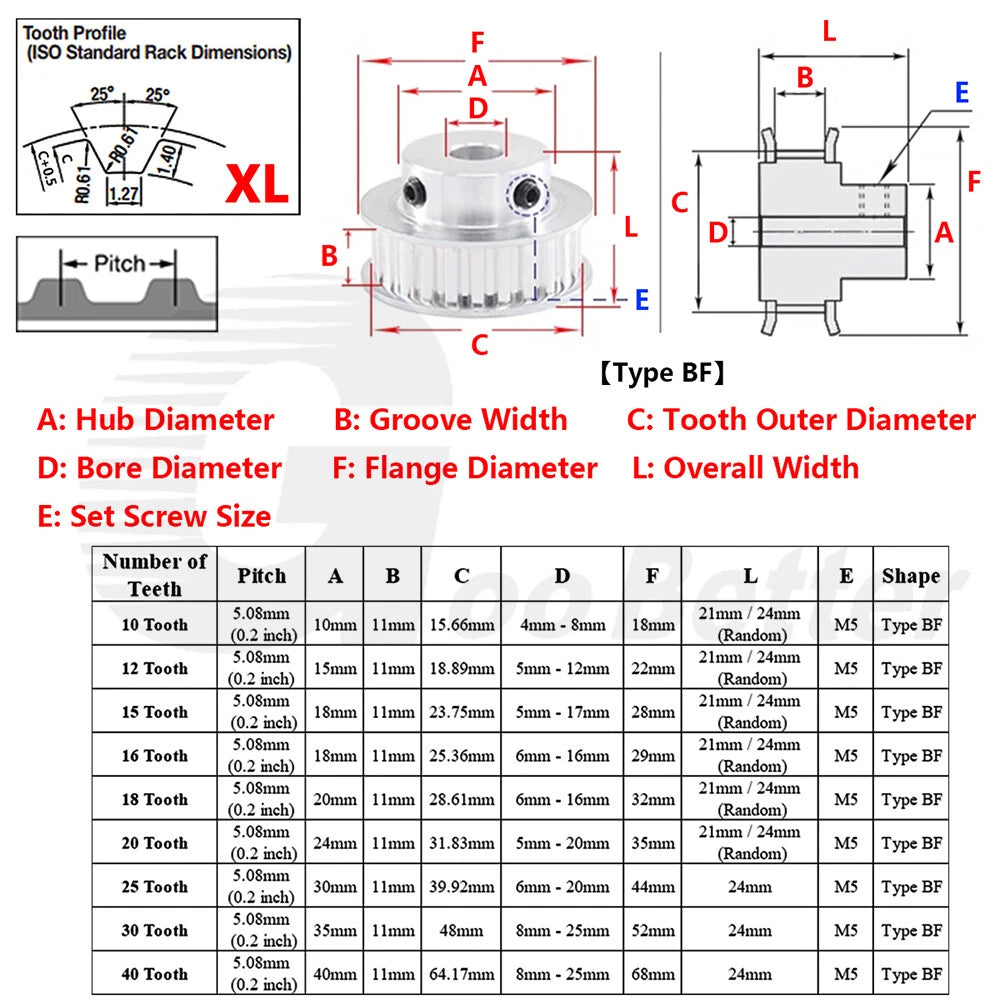
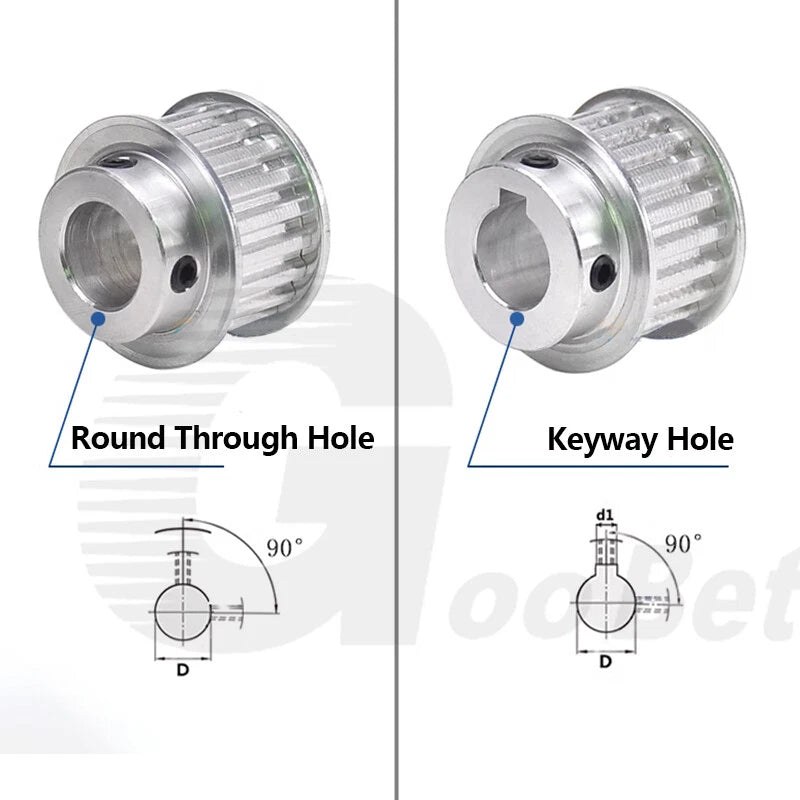
Each pulley is machined from aluminium alloy, keeping rotating mass low while maintaining dimensional stability. The belt-contact width is 10mm (approximately 0.39"), with a standard XL pitch of 5.08mm (0.2"). Tooth counts range from 10 to 40T, and bore sizes span 4mm to 25mm (approximately 0.16" to 0.98"), with select variants offering keyway bores (4mm, 5mm, or 6mm keyway) for positive shaft engagement.

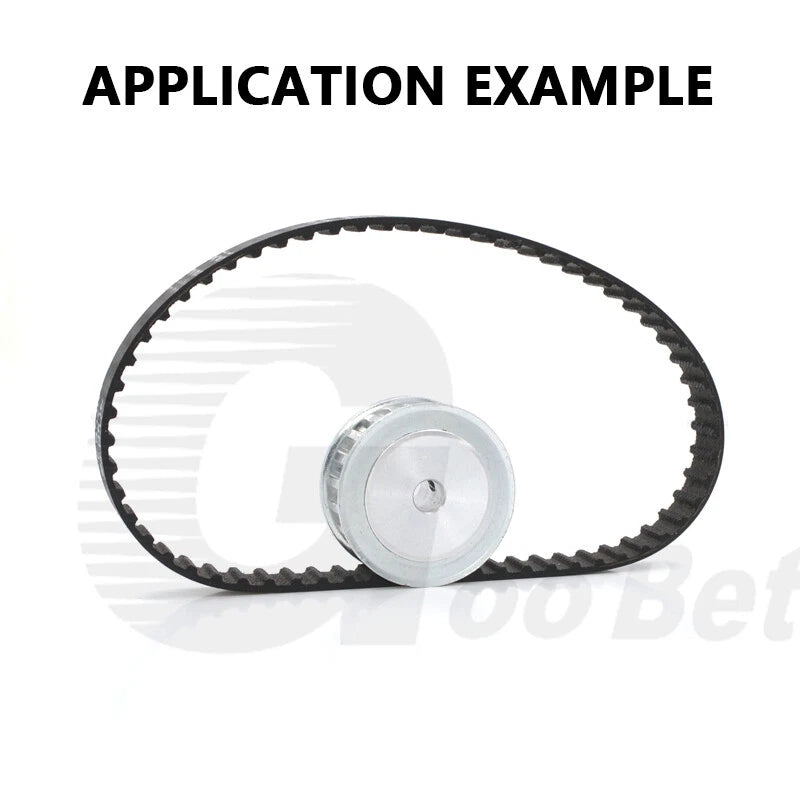
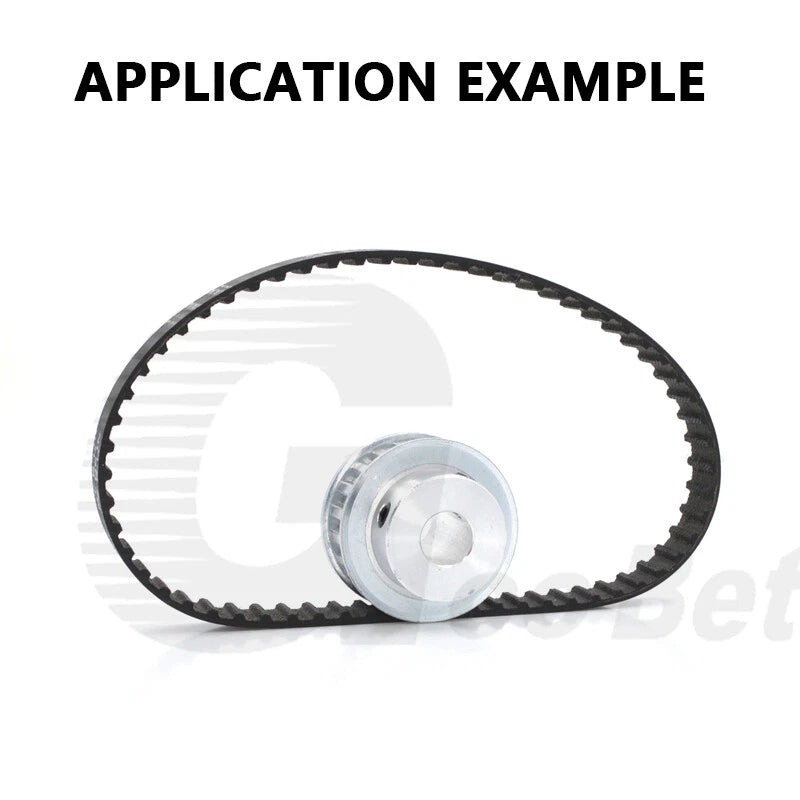
Typical use cases include XL belt-driven CNC axis drives, stepper motor pulleys for desktop automation, timing belt tensioner replacements, and custom robotics joint drives where low backlash and consistent pitch are required. Long-tail applications include DIY laser cutter X/Y drives, pick-and-place machine actuators, and belt-driven linear rail systems.

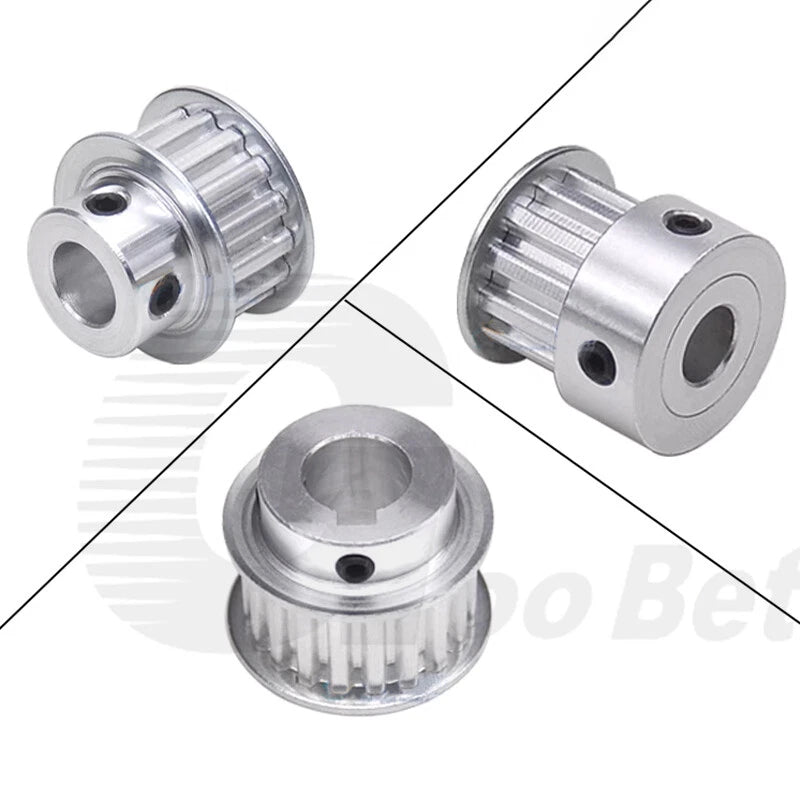
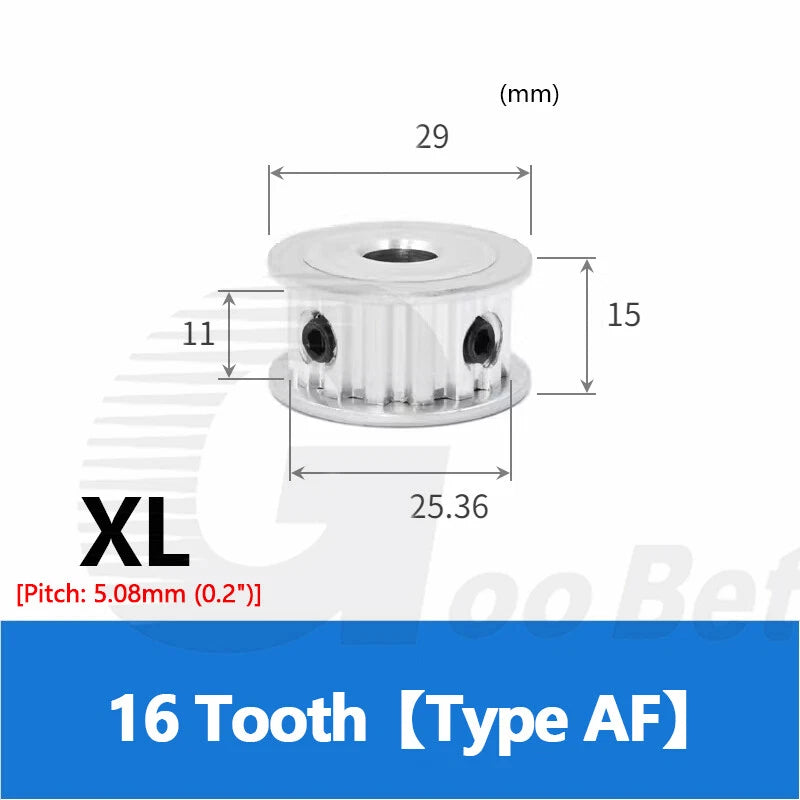
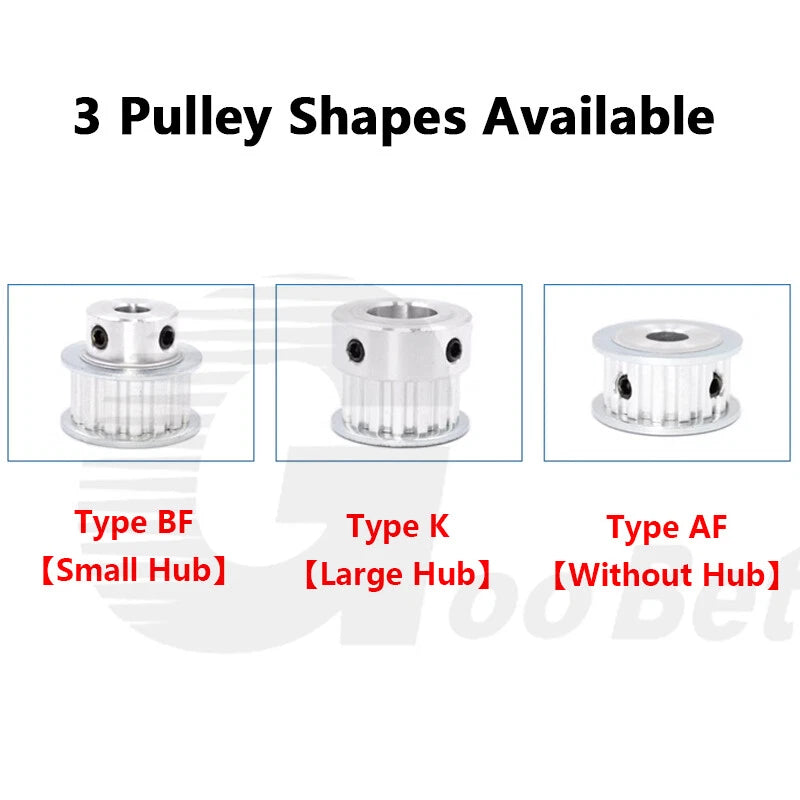
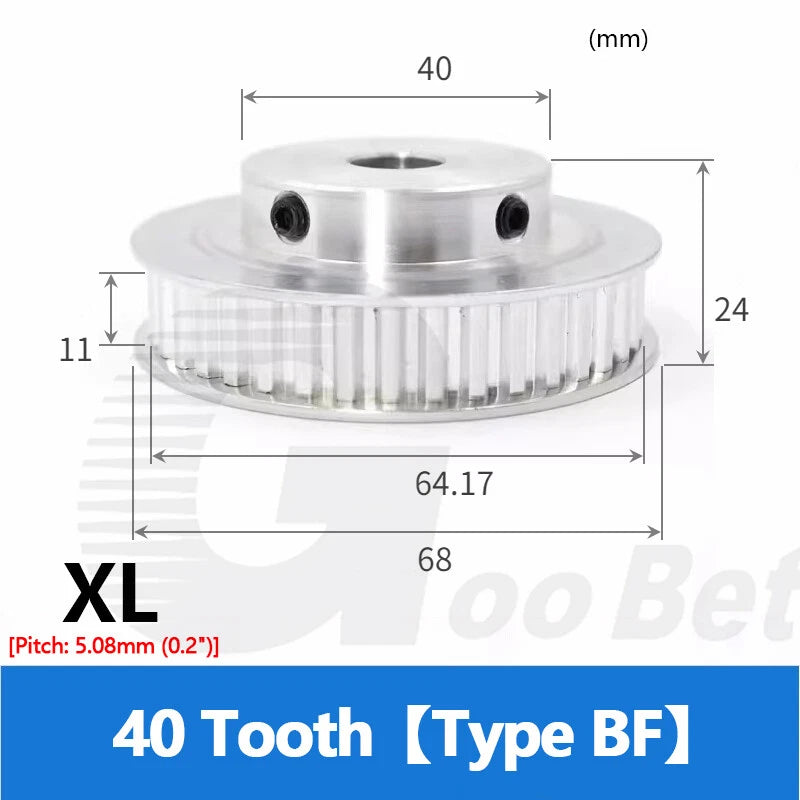
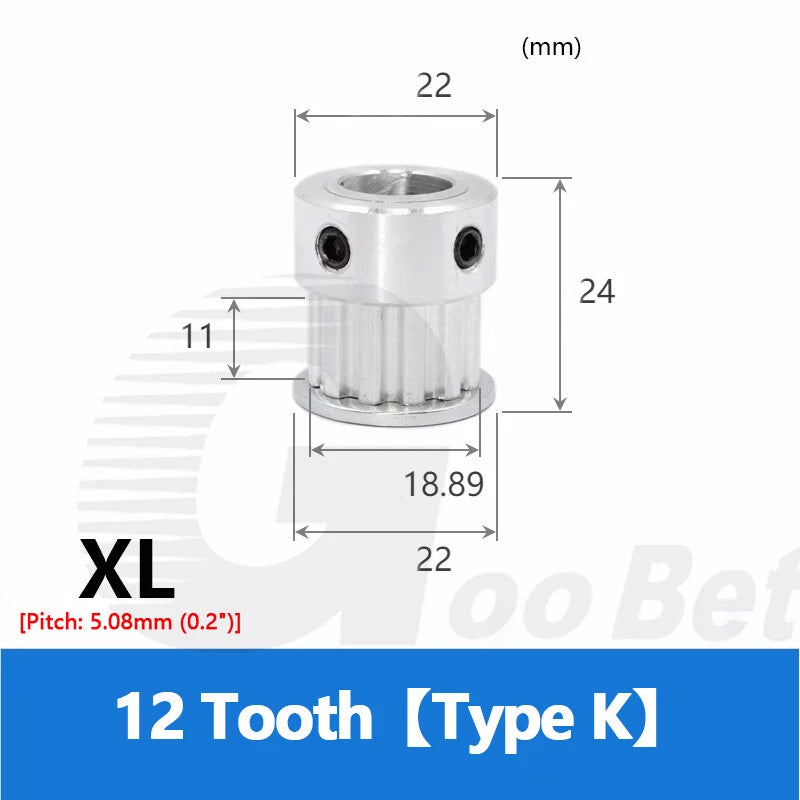
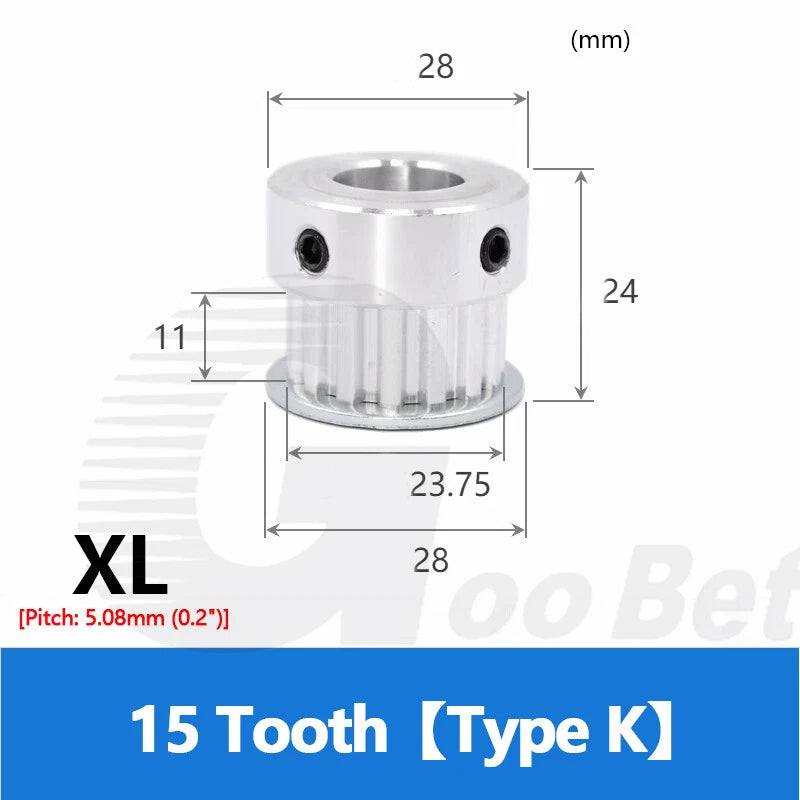
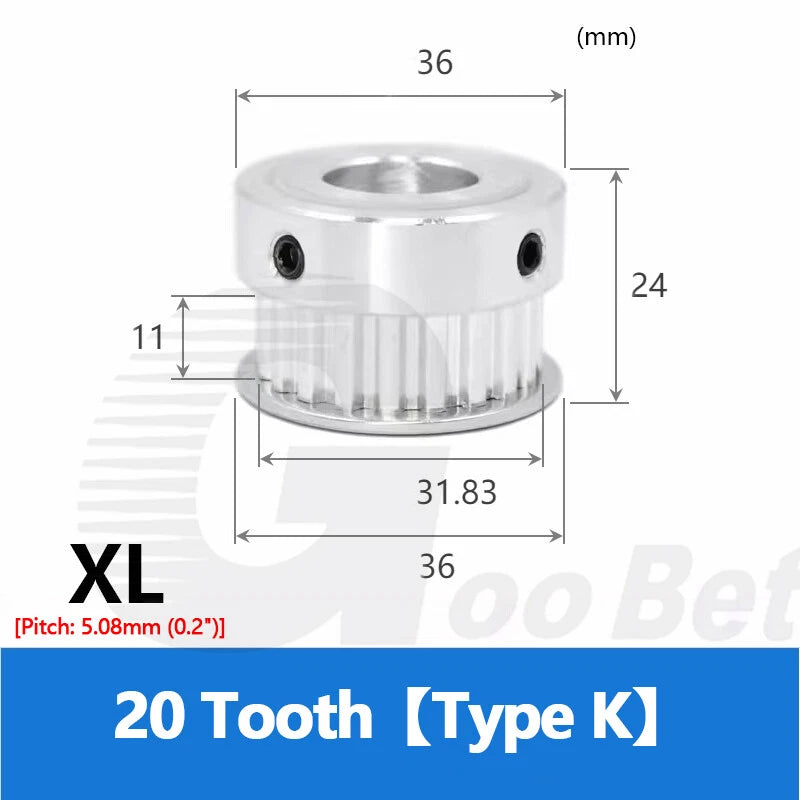
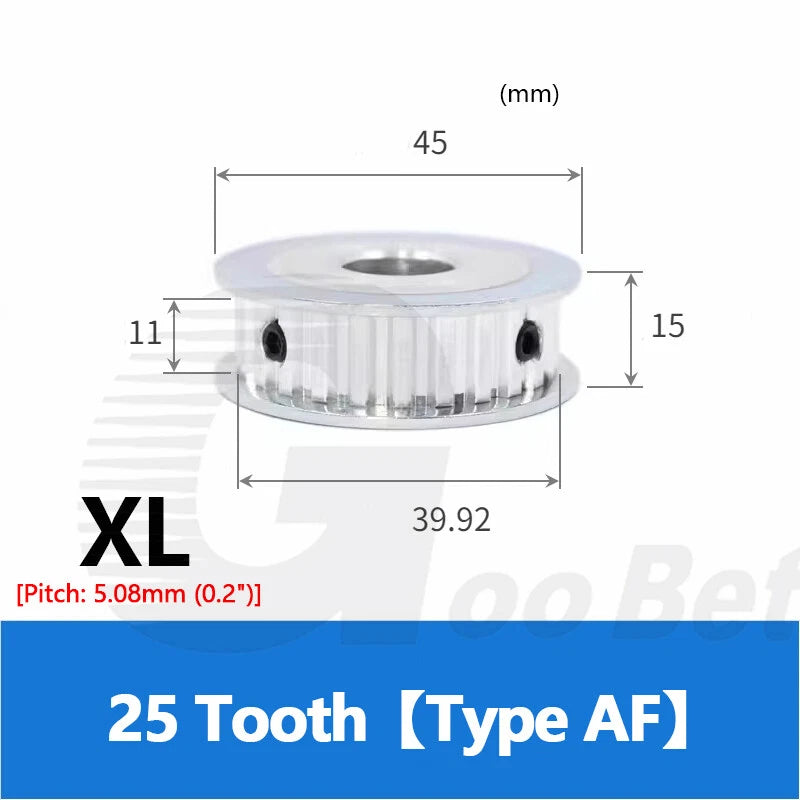
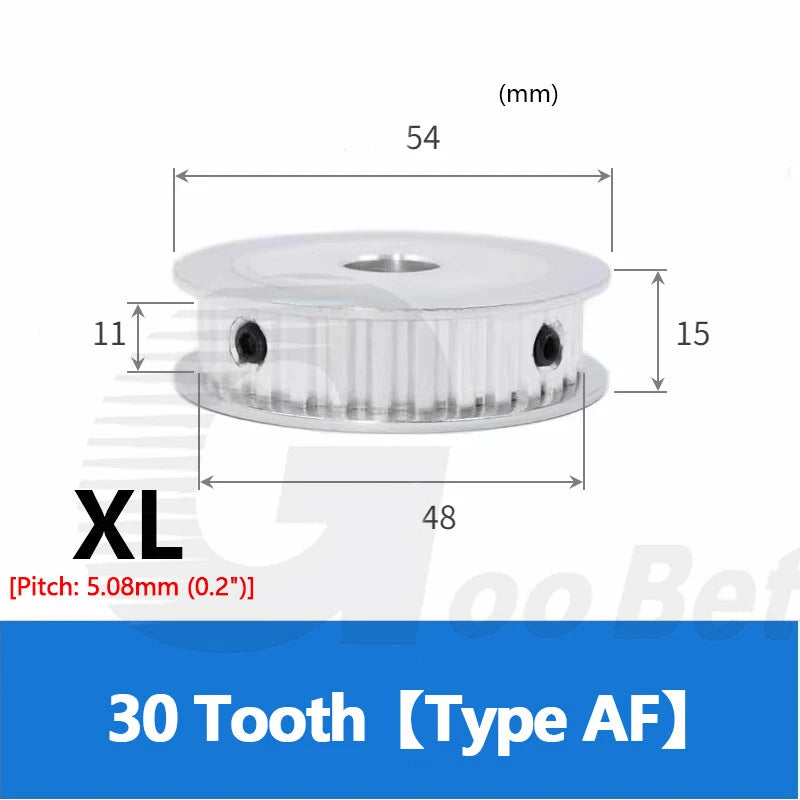
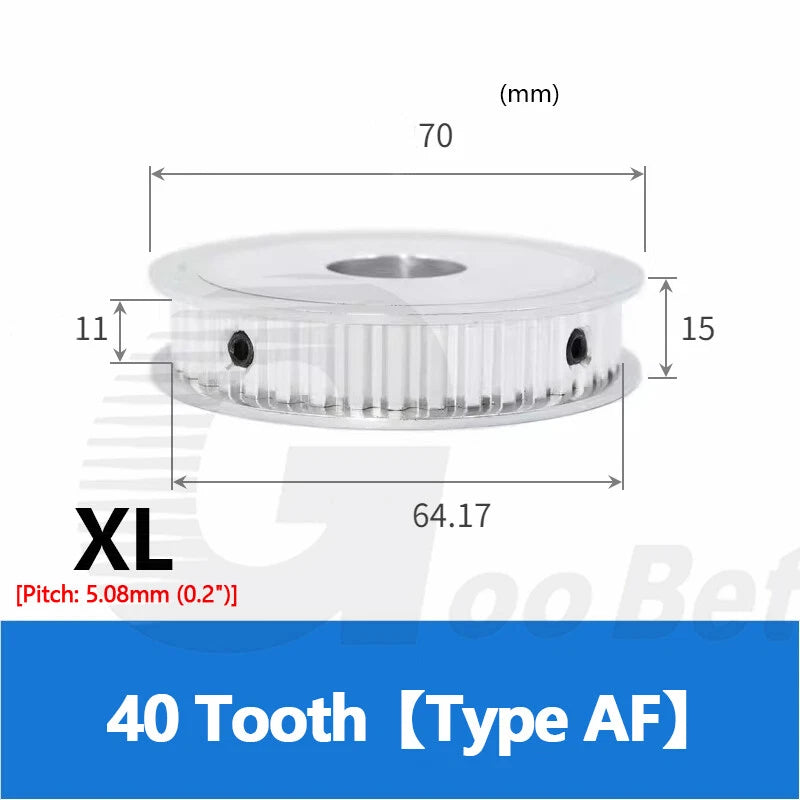
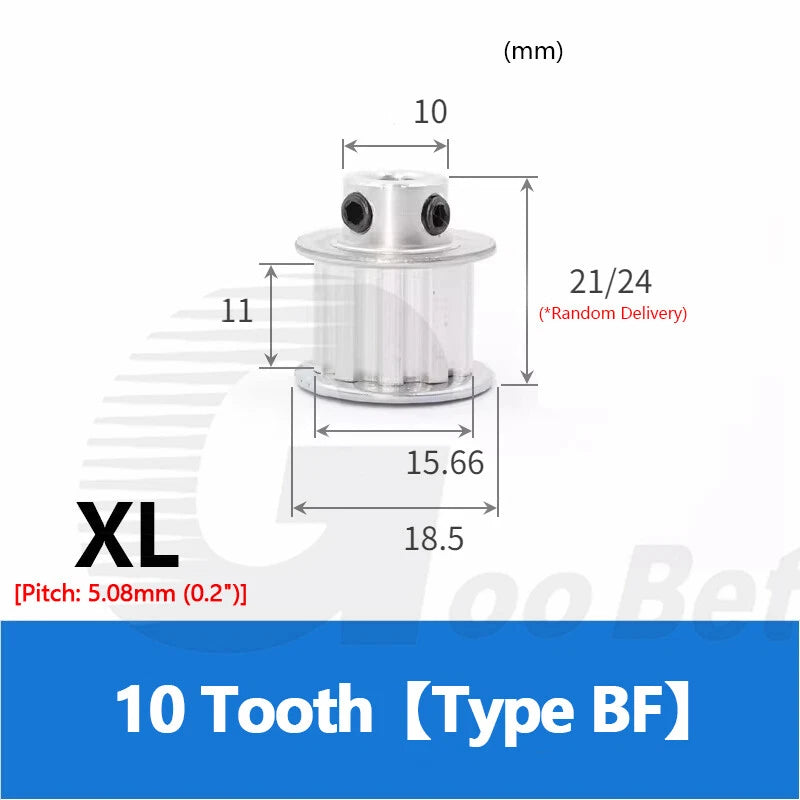
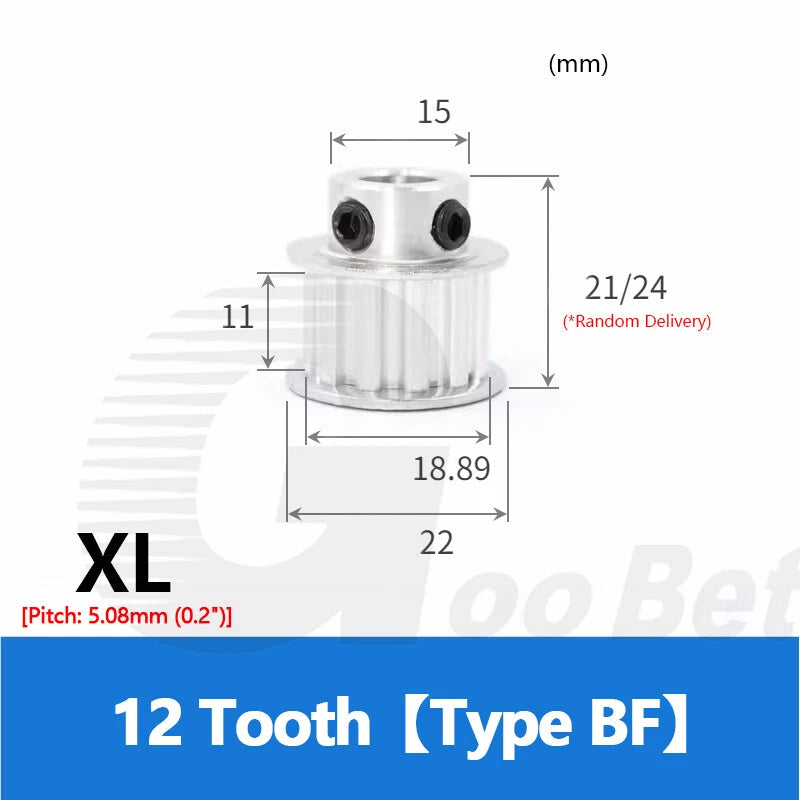
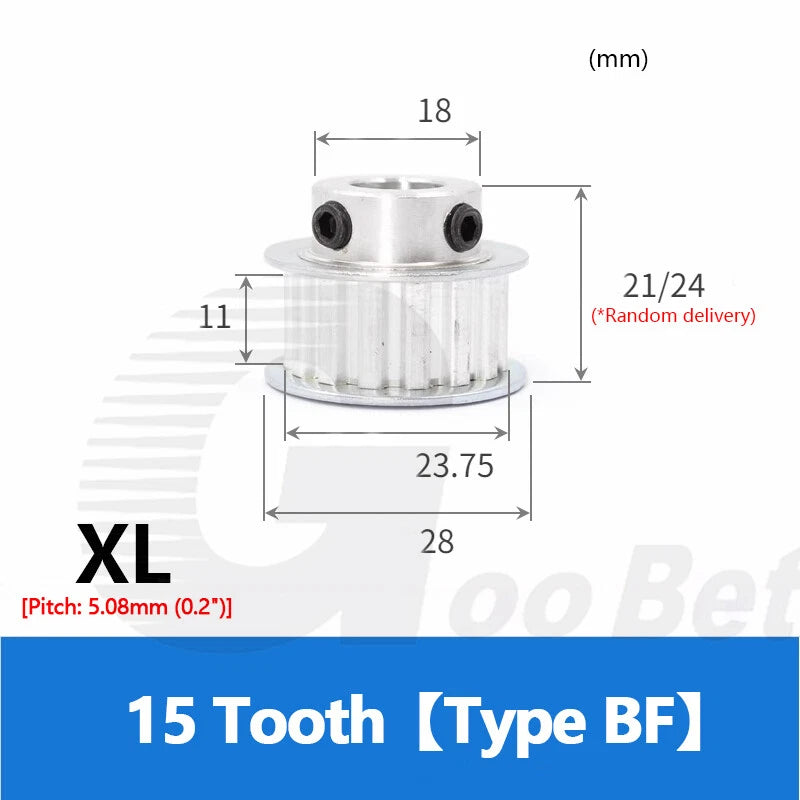
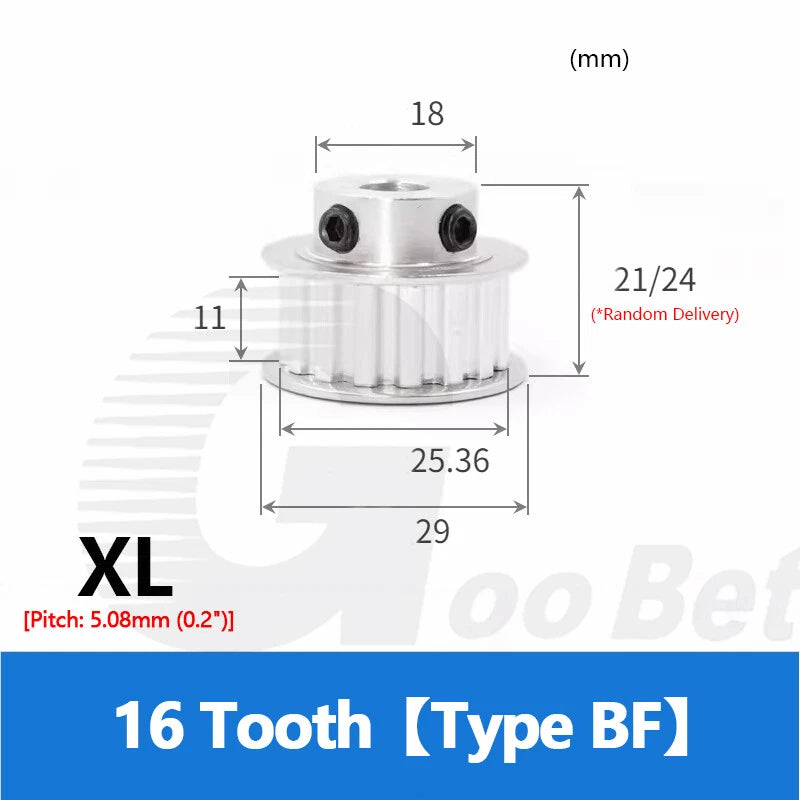
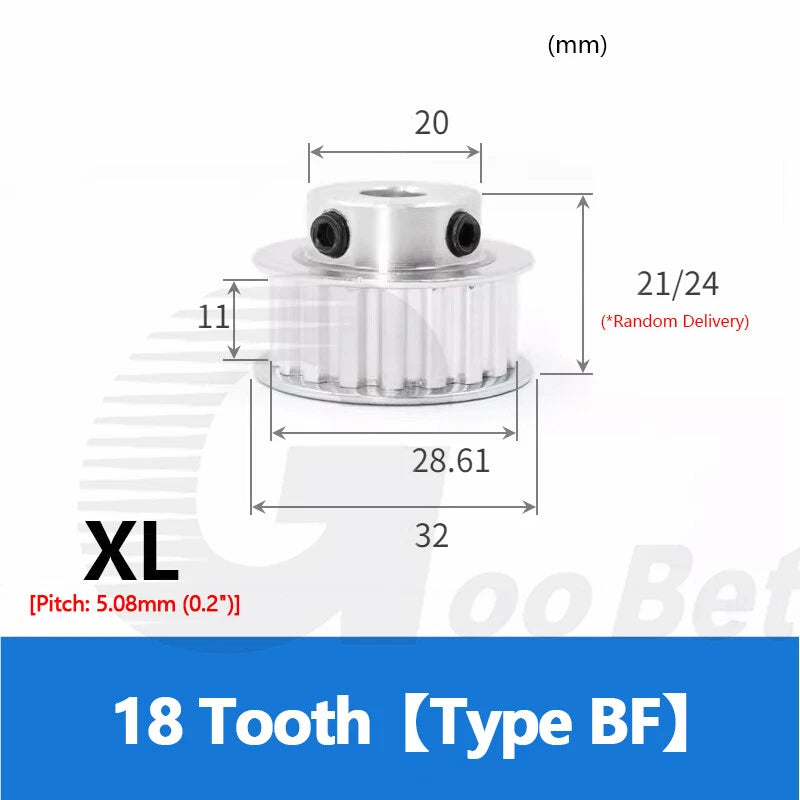
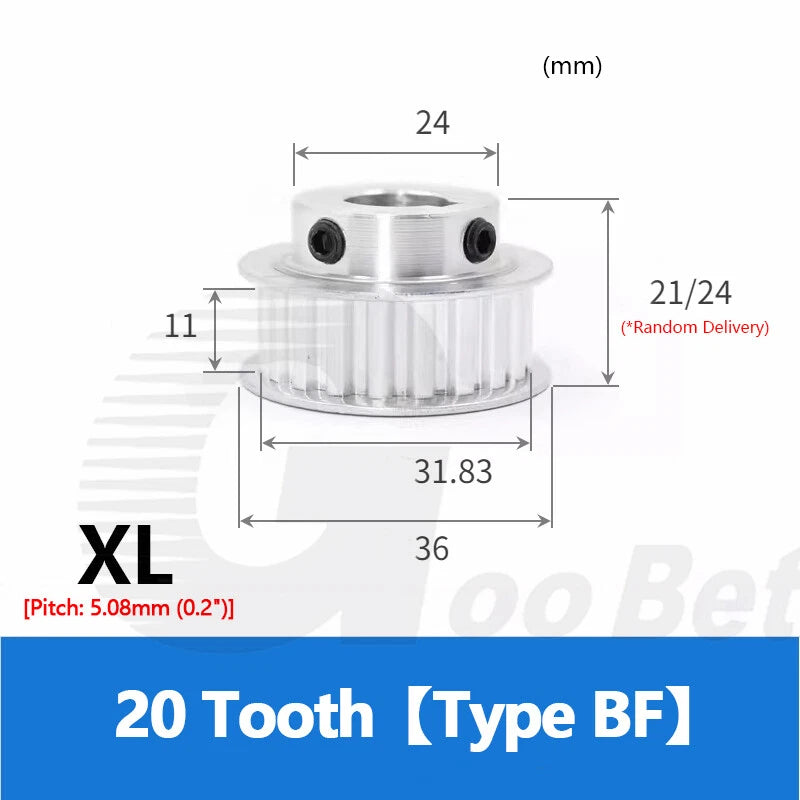
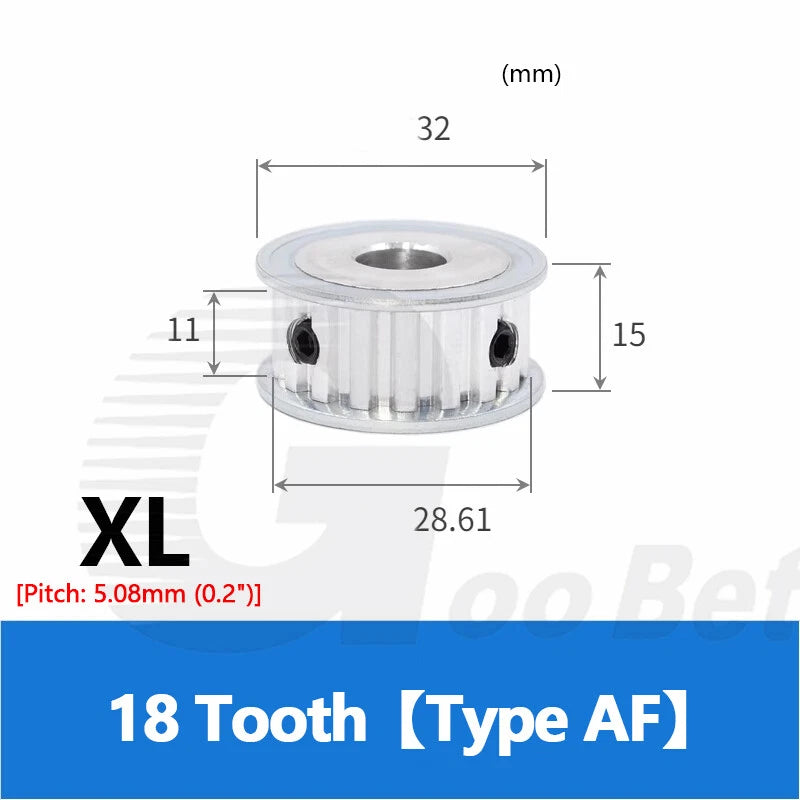
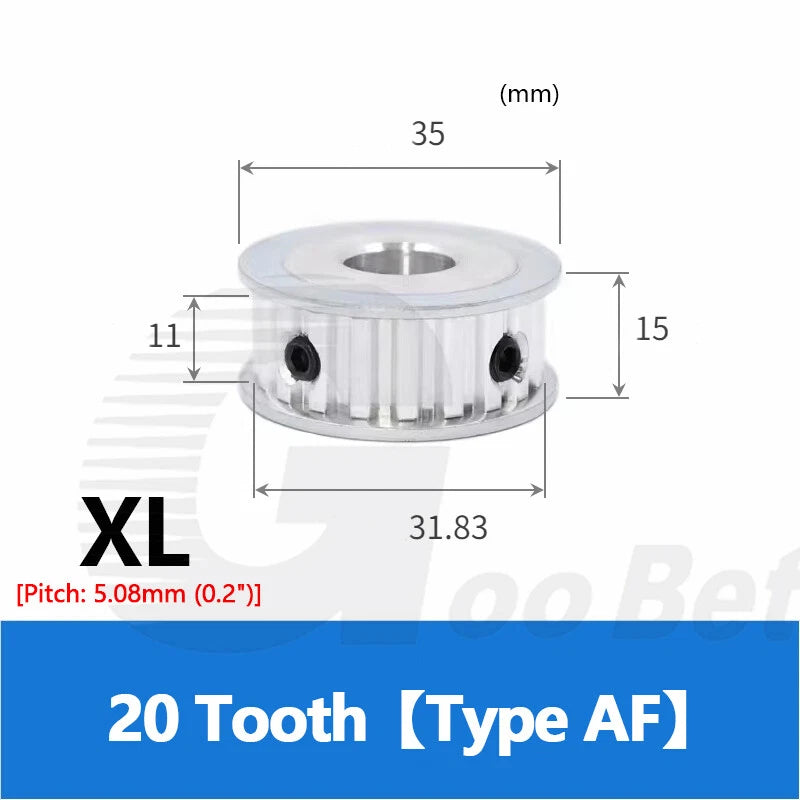
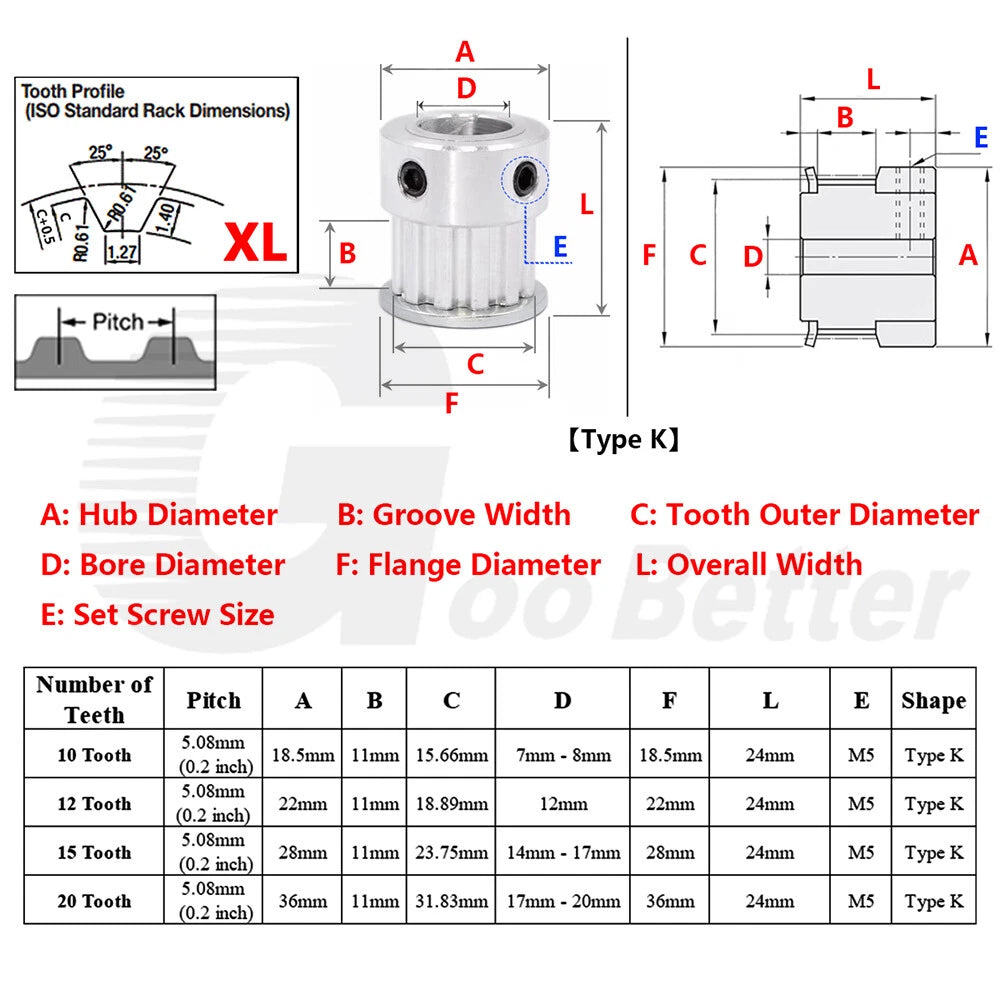
⚙️ Compatibility: Designed for standard XL timing belts with 5.08mm (0.2") pitch and 10mm belt width. Verify your shaft diameter and hub type (AF = no flange, BF = one-side flange, K = both-side flanges) before ordering.

✅ Key Features of These XL Aluminium Timing Belt Drive Pulleys

📐
Standard XL Pitch — 5.08mm (0.2")

Machined to XL belt standard for accurate tooth engagement and minimal backlash across the full 10–40 tooth range.

🔩
Wide Bore Range — 4mm to 25mm

Bore options from 4mm to 25mm (0.16"–0.98") cover most stepper, servo, and DC motor shaft sizes used in CNC and automation builds.

🔑
Keyway Bore Options Available

Select BF variants include keyway bores (4mm, 5mm, or 6mm) for positive shaft locking — ideal for high-torque or reversing-load applications.

🏗️
Three Hub Types: AF, BF, and K

Type AF (no flange), Type BF (single flange), and Type K (double flange) allow belt retention to be matched to your drive geometry and belt tracking requirements.

⚖️
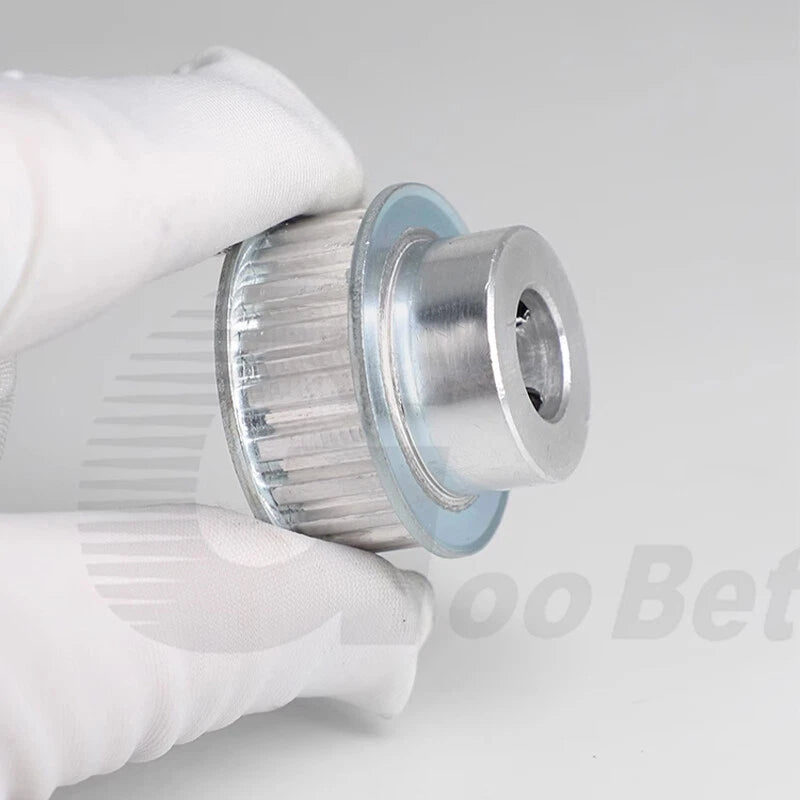
Aluminium Construction — Lightweight & Dimensionally Stable

Aluminium alloy body reduces rotational inertia compared to steel equivalents, supporting faster acceleration in servo and stepper-driven axes.

🔢
10 to 40 Tooth Selection

Choose from 10T, 12T, 15T, 16T, 18T, 20T, 24T, 25T, 30T, and 40T to dial in your drive ratio for speed or torque optimization.

📐 Technical Specifications — XL Timing Belt Drive Pulley

Belt Type XL (Extra Light)
Belt Pitch 5.08mm (0.2")
Belt Width 10mm (0.39")
Tooth Count 10T, 12T, 15T, 16T, 18T, 20T, 24T, 25T, 30T, 40T
Hub Type Type AF (no flange) / Type BF (single flange) / Type K (double flange)
Bore Diameter 4mm – 25mm (0.16" – 0.98"); keyway options: 4mm, 5mm, 6mm
Material Aluminium alloy
Finish See variant options
Set Screw See variant options
Outer Diameter See variant options
Hub Length See variant options
Quantity per Order 1 pc

❓ Frequently Asked Questions

How do I choose the right tooth count for my application?

Tooth count determines your drive ratio. A smaller driving pulley paired with a larger driven pulley reduces speed and increases torque. For CNC routers and 3D printers, 20T is a common starting point. Calculate your required ratio by dividing the driven pulley tooth count by the driving pulley tooth count. Match the tooth count to your belt length and center distance to avoid belt tension issues.

What is the difference between Type AF, Type BF, and Type K?

Type AF has no flanges on either side of the pulley — the belt is guided by the drive system geometry. Type BF has a single flange on one side to help retain the belt laterally. Type K has flanges on both sides for maximum belt containment, which is useful in applications where belt tracking cannot be guaranteed by alignment alone. Choose based on your belt width, tension, and whether your system has other belt-guiding features.

Which bore size should I select for my motor shaft?

Measure your motor or drive shaft diameter precisely with calipers. Select the bore size that matches your shaft diameter. For a secure fit without play, the bore should match the shaft closely. If your shaft has a flat or keyway, select a keyway bore variant (available in 4mm, 5mm, or 6mm keyway) to prevent rotational slipping under load. Avoid selecting a bore larger than your shaft diameter.

Are these pulleys compatible with standard XL timing belts?

Yes. These pulleys are machined to the XL timing belt standard with a 5.08mm (0.2") pitch and are designed for 10mm-wide XL belts. They will mesh correctly with any standard XL open-end or closed-loop belt of the same pitch. Confirm your belt width is 10mm before ordering — XL belts also come in wider widths (e.g., 3/8" or 1/2") that require different pulleys.

Do I need a keyway bore, or will a plain bore with a set screw work?

For light-duty or low-torque applications (e.g., 3D printer extruder drives), a plain bore with a set screw is typically sufficient. For higher-torque applications, reversing loads, or where shaft slippage would cause positioning errors (e.g., CNC axis drives), a keyway bore provides a more positive mechanical connection and is recommended. Keyway variants are available for select BF tooth counts with 4mm, 5mm, and 6mm keyway widths.

What material are these pulleys made from, and how does that affect performance?

These pulleys are machined from aluminium alloy. Aluminium offers a good balance of low weight, machinability, and corrosion resistance for indoor automation and CNC environments. The lower density compared to steel reduces rotational inertia, which benefits systems with frequent direction changes or high acceleration requirements. For outdoor or high-humidity environments, consider whether additional surface protection is needed for your specific conditions.

Can I use these pulleys in a 3D printer or laser cutter?

Yes. XL pulleys are widely used in desktop CNC machines, laser cutters, and some 3D printer designs — particularly those using XL belts rather than the more common GT2 belt. Verify that your machine uses XL (5.08mm pitch) belts and 10mm belt width before ordering. Common tooth counts for these applications are 20T and 25T for the driving pulley, depending on your desired steps-per-mm and motor resolution.

🛒 Select your Tooth Number and Bore Size above, then add to cart.


You may also like

Recently viewed