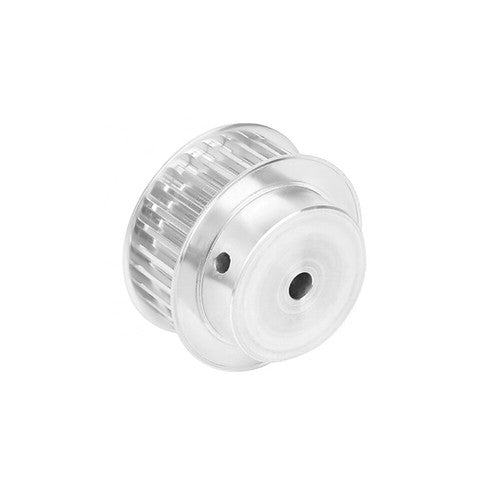
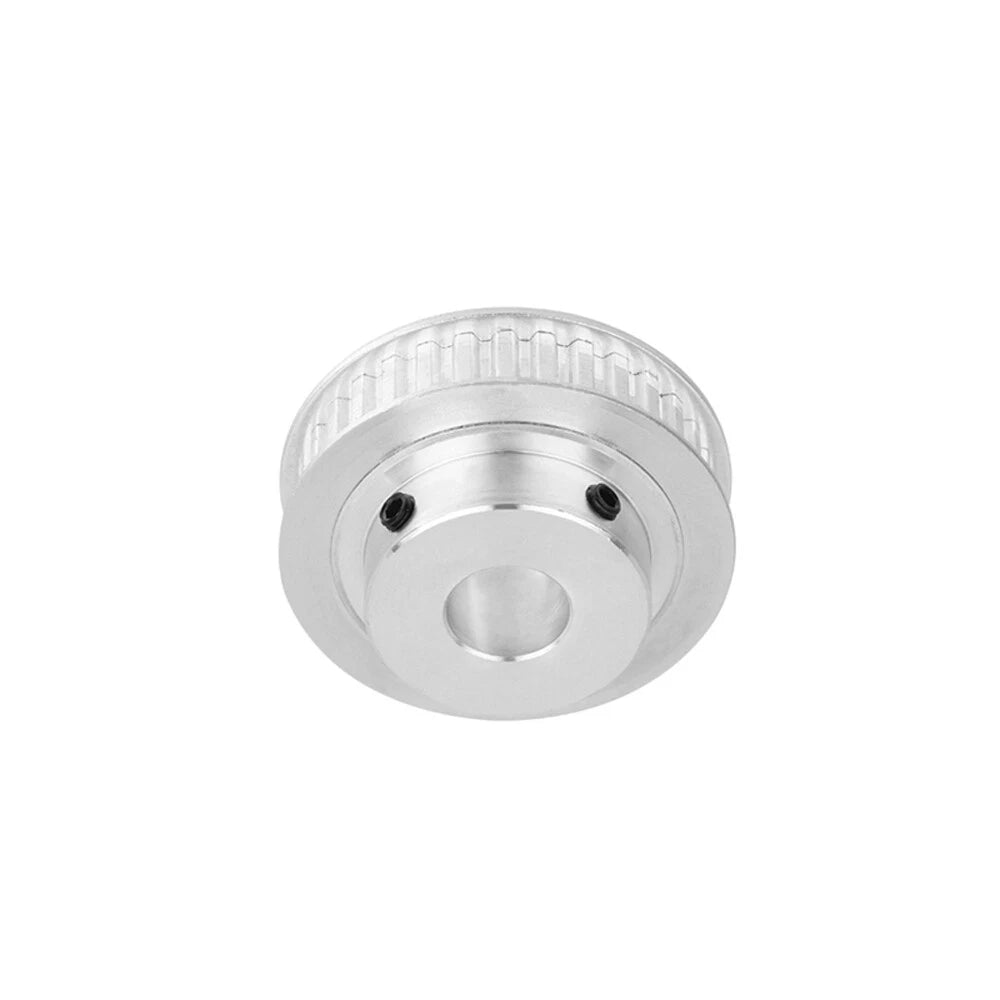
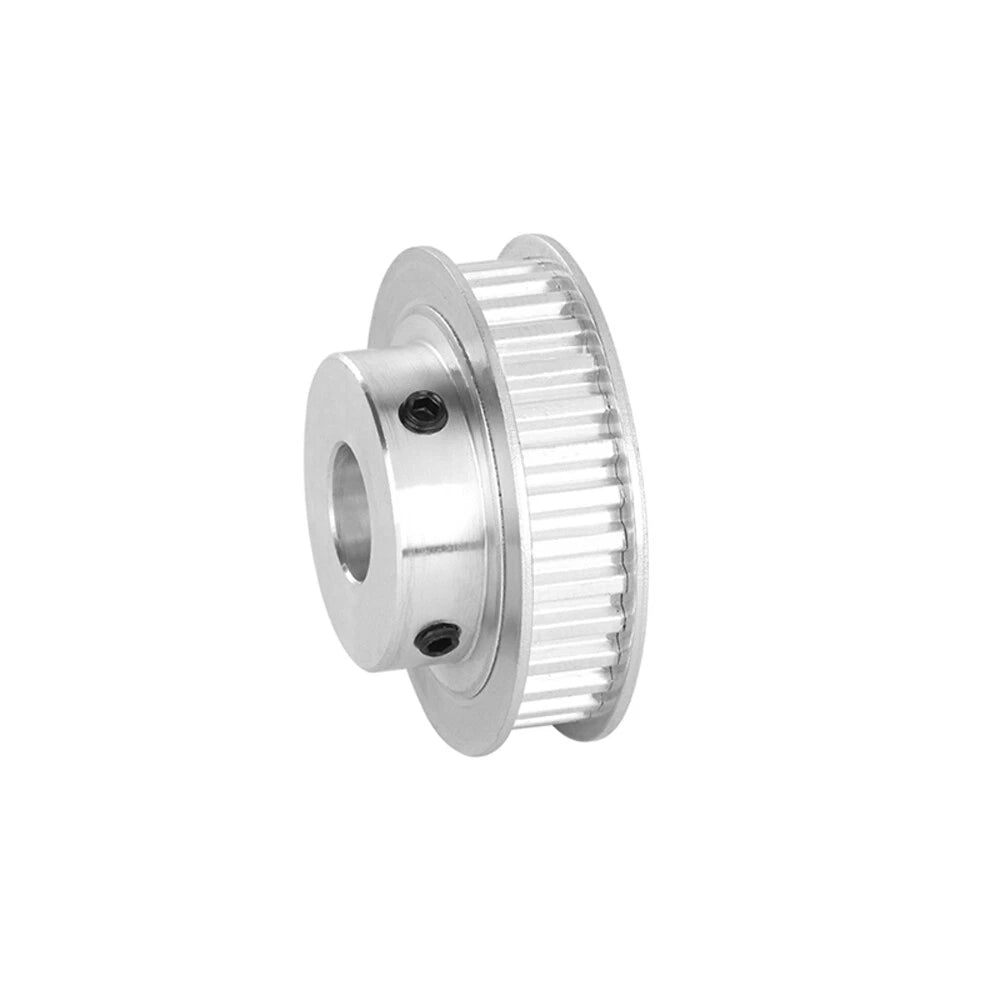
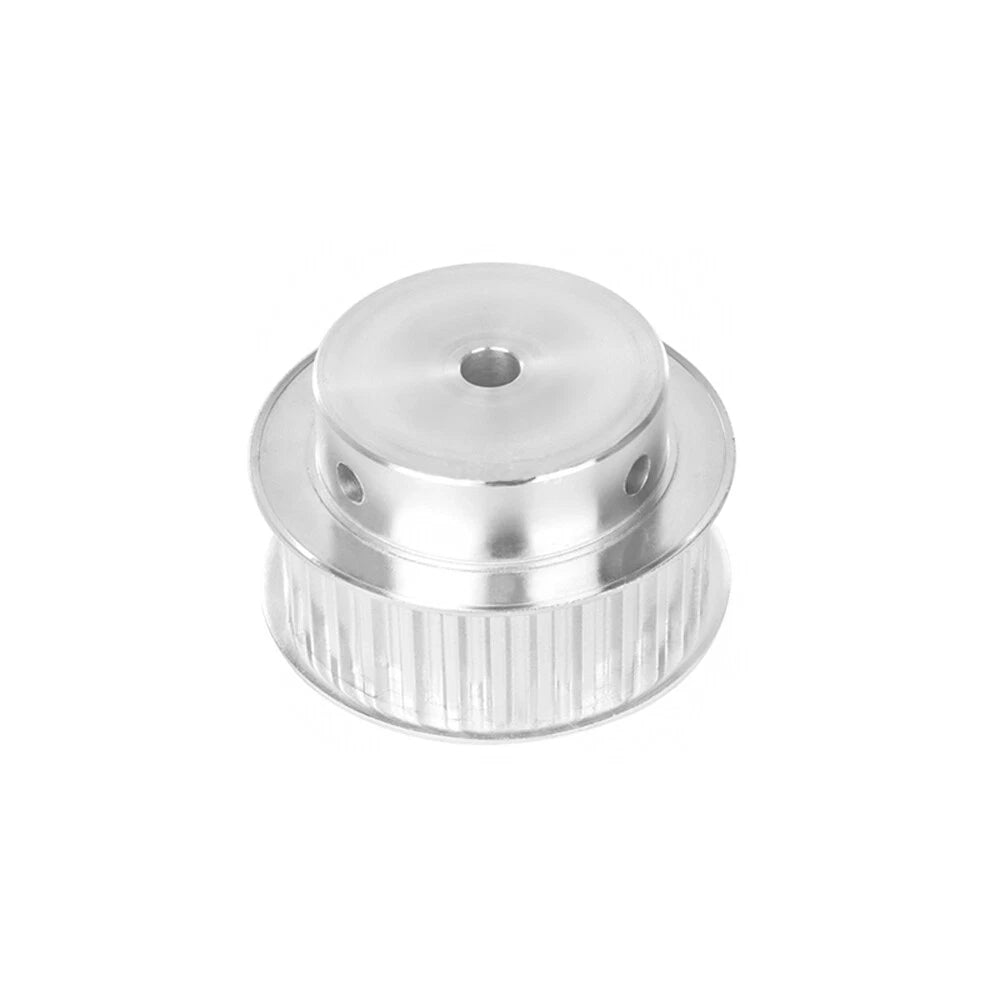
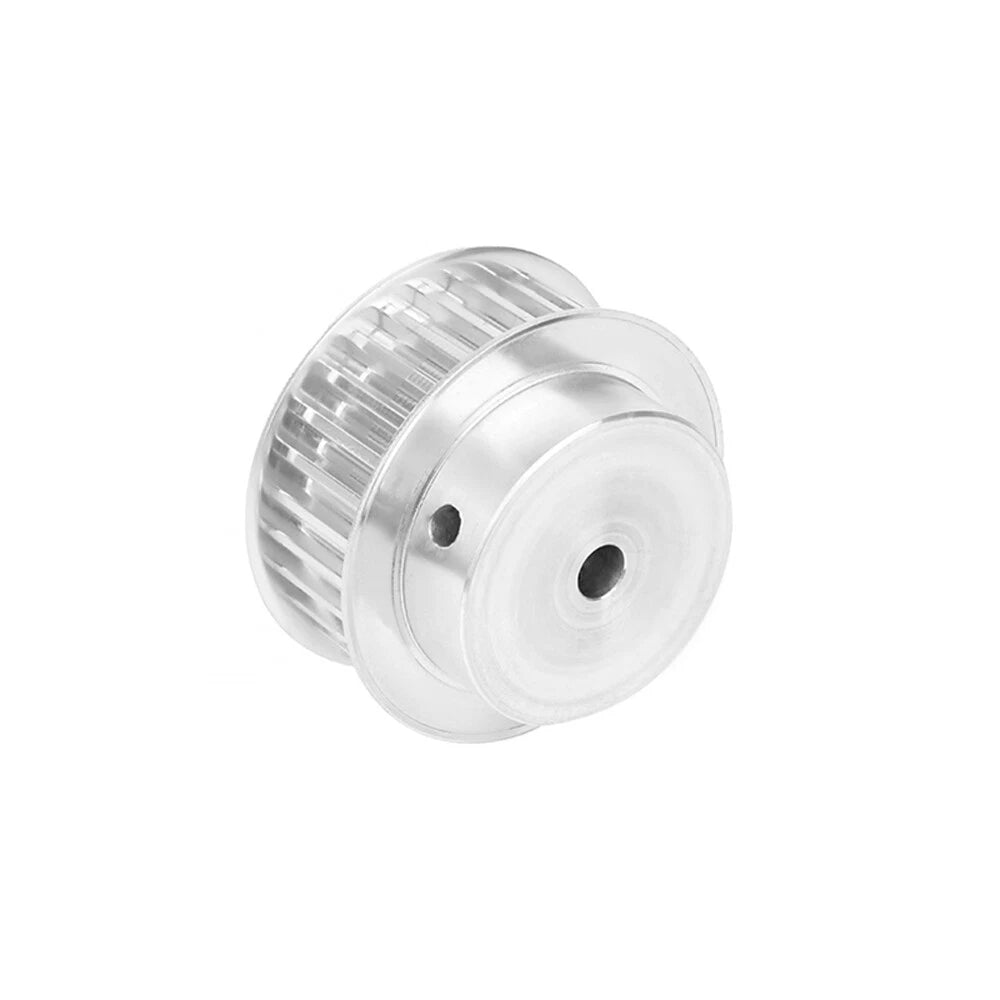
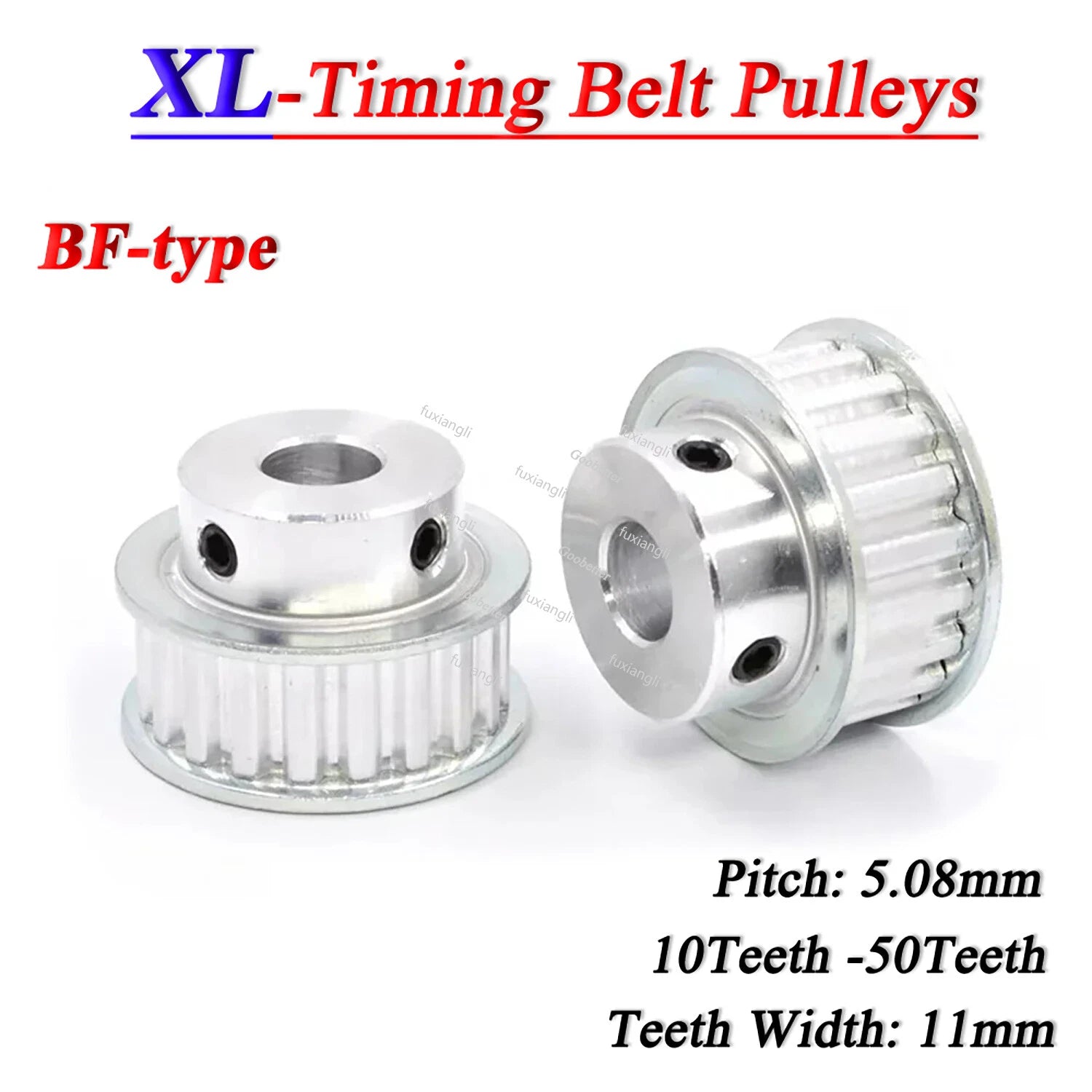
XL10T-50T Timing Belt Pulleys Pitch 5.08mm BF-type CNC Drive Pulley Width 11mm

No reviews

Price:
Sale price$5.07 USD
Stock:
In stock (500 units), ready to be shipped

Payment & Security

Ach Direct Debit Amazon American Express Apple Pay Bancontact BLIK Diners Club Discover EPS Google Pay iDEAL Wero JCB Maestro Mastercard Multibanco MobilePay PayPal Przelewy24 Shop Pay Twint Union Pay USDC Visa

Your payment information is processed securely. We do not store credit card details nor have access to your credit card information.

Limited Offer — Spend More, Save More
Spend $55+
Save $5
Spend $100+
Save $10
Spend $200+
Save $25
HomeDIYer DIY Expert Support

DIY Expert Support

Get fitment advice & recommendations

Mon–Fri  8:30 AM – 8:00 PM
24-Hour Fast Ship
Arrives in 3–14 Days
Worldwide Shipping
30-Day Returns
1 tree planted with every purchase

Description

XL Timing Belt Pulleys with 5.08mm Pitch — Precision BF-Type Drive Components for CNC and Automation

When your motion system demands repeatable, slip-free power transmission, a mismatched or worn pulley becomes the weakest link in the chain. Engineers and makers building CNC routers, 3D printers, robotic arms, and automated conveyor systems need XL timing belt pulleys that hold tight tolerances across every cycle. These BF-type pulleys are machined to XL pitch standards (5.08mm / 0.200 in) and are designed to pair directly with standard XL timing belts for synchronous, backlash-minimized drive performance.

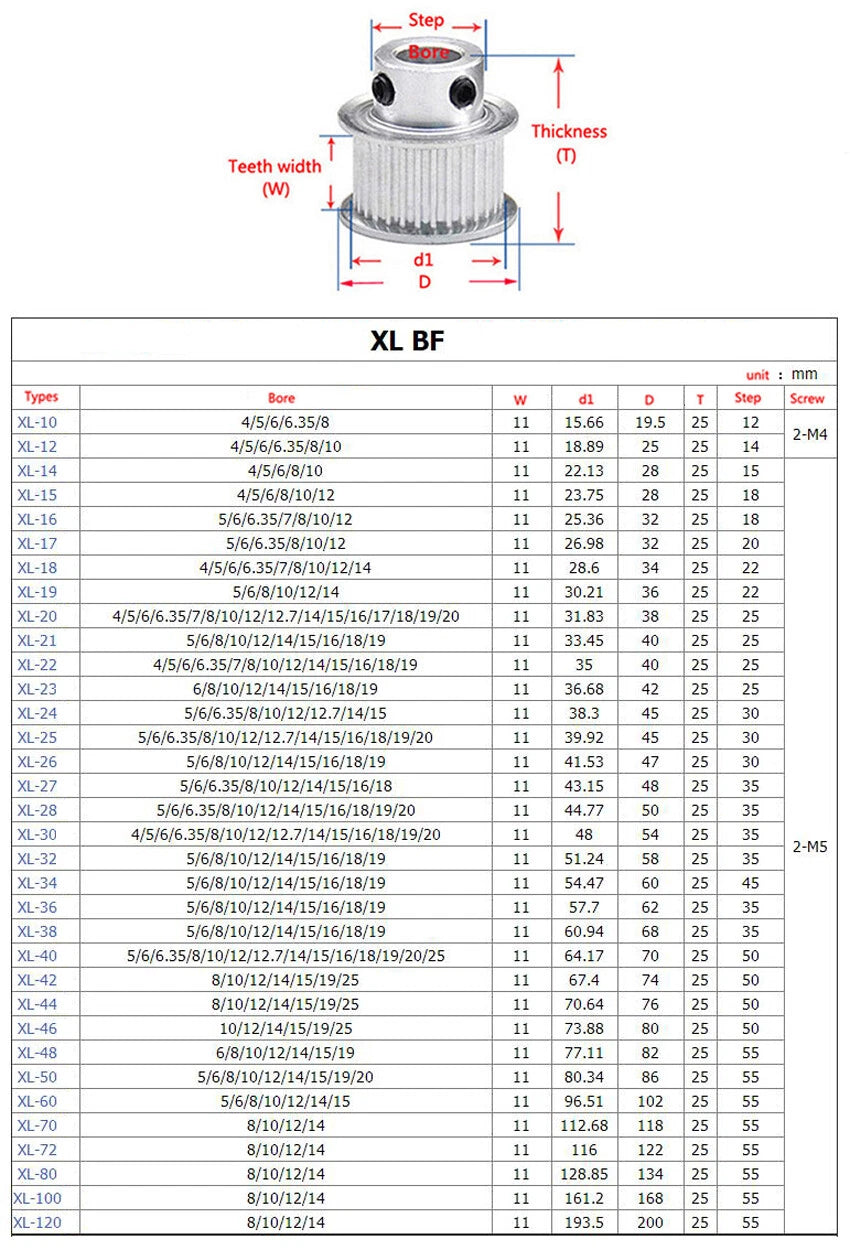
Each pulley in this series features a BF-type bore configuration — a straight-through bore with a set-screw flat — machined to accept shafts ranging from 4mm to 25mm (approximately 0.157 in to 0.984 in). The pulley body is typically 11mm (approx. 0.433 in) wide, machined from aluminum alloy, and available in tooth counts from XL10T through XL50T to cover a wide range of gear ratios and drive geometries. Flanges are integrated on both sides to keep the belt tracking reliably under load.

Typical use cases include CNC axis drives requiring precise linear positioning, stepper and servo motor output shafts in desktop automation rigs, and small-batch manufacturing equipment where synchronous belt drive pulleys must maintain consistent tooth engagement across thousands of operating hours.

⚙️ Compatible with: Standard XL timing belts (5.08mm / 0.200" pitch) — verify belt width matches pulley width (11mm) before ordering.

✅ Key Features of These XL Timing Belt Pulleys

📐XL Pitch Standard (5.08mm)
Conforms to the XL (Extra Light) timing belt profile at 5.08mm (0.200") pitch for direct compatibility with standard XL belts used in CNC and automation applications.
🔩BF-Type Bore with Set-Screw Flat
Straight-through bore with a machined flat and set-screw hole for secure shaft clamping. Bore options span 4mm to 25mm to fit common motor and drive shaft diameters.
🦷Wide Tooth Count Range (10T–50T)
Available from XL10T to XL50T, enabling flexible gear ratio selection for both high-speed and high-torque drive configurations.
🏗️Integrated Double Flanges
Flanges on both sides of the pulley body keep the XL timing belt centered and prevent lateral drift during operation, reducing wear and misalignment.
⚖️Aluminum Alloy Construction
Machined from aluminum alloy for a balance of low rotational inertia, corrosion resistance, and dimensional stability across typical operating temperatures.
🔄Synchronous Drive Accuracy
Tooth profile machined to XL standard ensures synchronous engagement with the belt, eliminating slip and maintaining positional accuracy in stepper and servo motor systems.

📐 Technical Specifications — XL Timing Belt Pulleys

Belt Profile XL (Extra Light)
Pitch 5.08mm (0.200 in)
Pulley Type BF-Type (Straight Bore with Set-Screw Flat)
Tooth Count Range XL10T – XL50T
Pulley Width 11mm (approx. 0.433 in)
Bore Range 4mm – 25mm (0.157 in – 0.984 in)
Material Aluminum Alloy
Flange Configuration Double Flange (both sides)
Bore Securing Method Set Screw on Flat
Compatible Belt Width See variant options
Surface Finish See variant options
Quantity per Order 1 Piece

❓ Frequently Asked Questions

How do I choose the right tooth count (XL10T vs XL50T) for my application?

The tooth count determines the pulley's pitch diameter and affects your drive ratio. A smaller tooth count (e.g., XL10T) gives a smaller diameter and is typically used on the motor shaft for speed reduction, while a larger count (e.g., XL50T) on the driven shaft increases torque. Divide the driven pulley tooth count by the drive pulley tooth count to get your reduction ratio. For CNC axes, common ratios range from 1:1 to 1:3 depending on your lead screw or rack pitch.

How do I select the correct bore size for my motor shaft?

Measure your motor or drive shaft diameter precisely with calipers. Select the bore option that matches — for example, a NEMA 17 stepper motor typically has a 5mm shaft, while NEMA 23 motors commonly use 6.35mm or 8mm shafts. The BF-type bore includes a set-screw flat, so the shaft must have a corresponding flat ground or filed at the set-screw location for a secure, non-slip connection.

What XL timing belt width is compatible with these 11mm-wide pulleys?

These pulleys have an 11mm body width with integrated flanges. They are designed to work with XL timing belts that are typically 9.5mm (3/8") or 10mm wide, which sit within the flanged groove. Always verify the belt width against the pulley's usable groove width before ordering to ensure the belt tracks correctly without rubbing the flanges.

Are these pulleys strong enough for high-torque CNC router or laser cutter applications?

Aluminum alloy XL pulleys are well-suited for light-to-medium duty CNC routers, laser cutters, and 3D printers operating at typical stepper or servo motor torque levels. For very high-torque or high-speed industrial applications, verify the belt tension limits and pulley tooth shear strength against your system's peak load. The XL profile is rated for lighter loads compared to HTD or GT2 profiles, so confirm your torque requirements match the XL belt system's capacity.

Do these pulleys resist corrosion in humid or outdoor environments?

Aluminum alloy naturally forms a thin oxide layer that provides moderate corrosion resistance in typical indoor environments. For humid, wet, or mildly corrosive environments, the pulleys will perform adequately without additional treatment. For harsh outdoor or chemical-exposure environments, consider applying a clear anodize coating or selecting stainless steel alternatives if available. Avoid prolonged contact with strong acids or alkalis.

Can I use these pulleys with GT2 or HTD timing belts?

No. These pulleys are machined specifically for the XL tooth profile (trapezoidal, 5.08mm pitch). GT2 belts use a 2mm pitch curvilinear profile, and HTD belts use a different trapezoidal pitch (typically 3mm, 5mm, or 8mm). Mixing belt profiles and pulleys will result in poor engagement, accelerated wear, and potential belt skipping. Always match the belt profile and pitch to the pulley specification.

What is the difference between BF-type and other bore types like pilot bore or taper lock?

BF-type (Bore with Flat) means the pulley has a straight-through bore with a machined flat on the inner surface and a set-screw hole. The set screw presses against the flat on the shaft to prevent rotation. Pilot bore pulleys have a smaller initial bore that you machine to your exact shaft size. Taper lock pulleys use a separate taper bushing for easy installation and removal. BF-type is the simplest and most common choice for fixed-shaft applications where the shaft diameter is already known.

🛒 Select your Number of Teeth and Bore size above, then add to cart.


You may also like

Recently viewed