Pin Fasteners: The Complete Guide to Durable and Versatile Fastening Solutions
Pin fasteners are mechanical components designed to join materials securely without the risk of loosening over time. Unlike screws or adhesives, pins distribute stress evenly, making them ideal for high-vibration environments, automotive assemblies, and industrial applications. In this guide, we’ll explore the types of pin fasteners, their uses, installation tips, and answers to common questions like “How do pin fasteners work?” and “How to remove push pin fasteners?”
1. Types of Pin Fasteners
Push Pins (Push-In Fasteners)
Plastic or nylon pins that snap into pre-drilled holes. Used for automotive trim, interior panels, and splash shields.
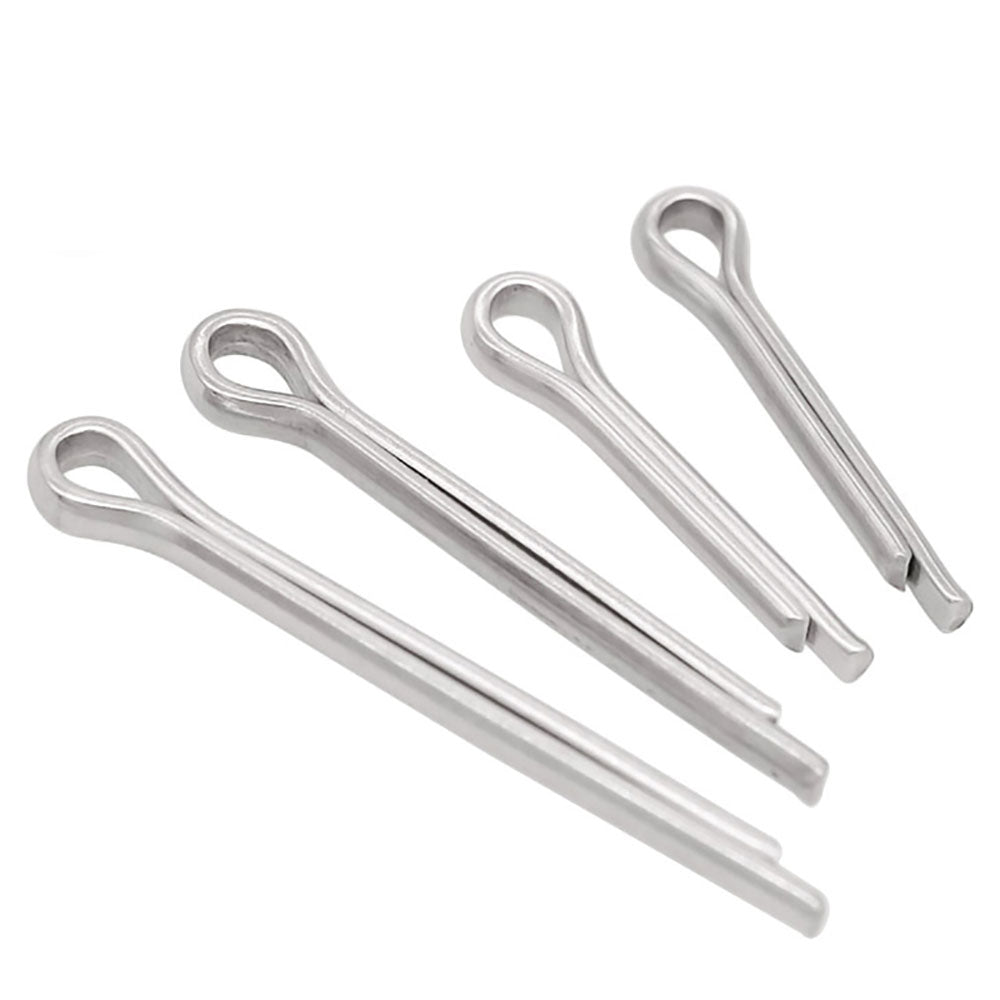
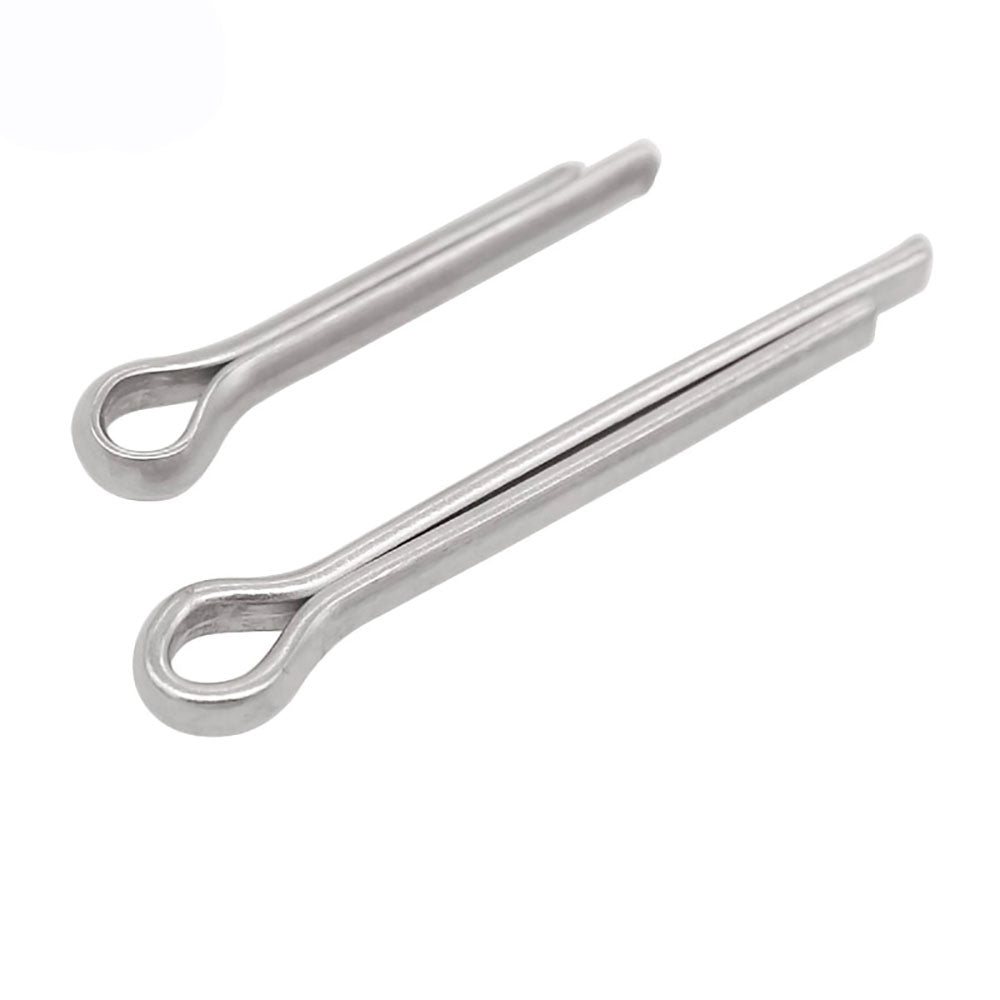
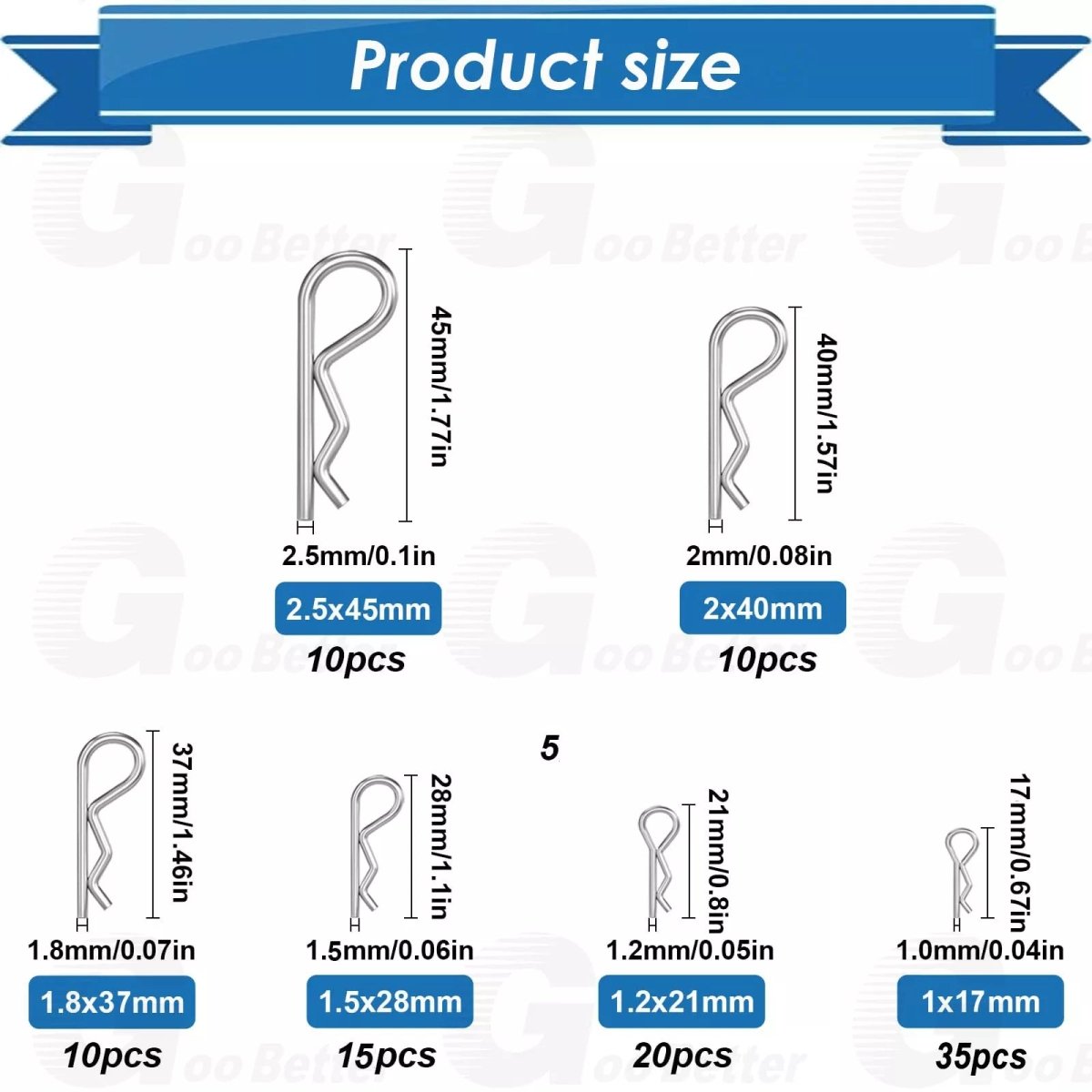
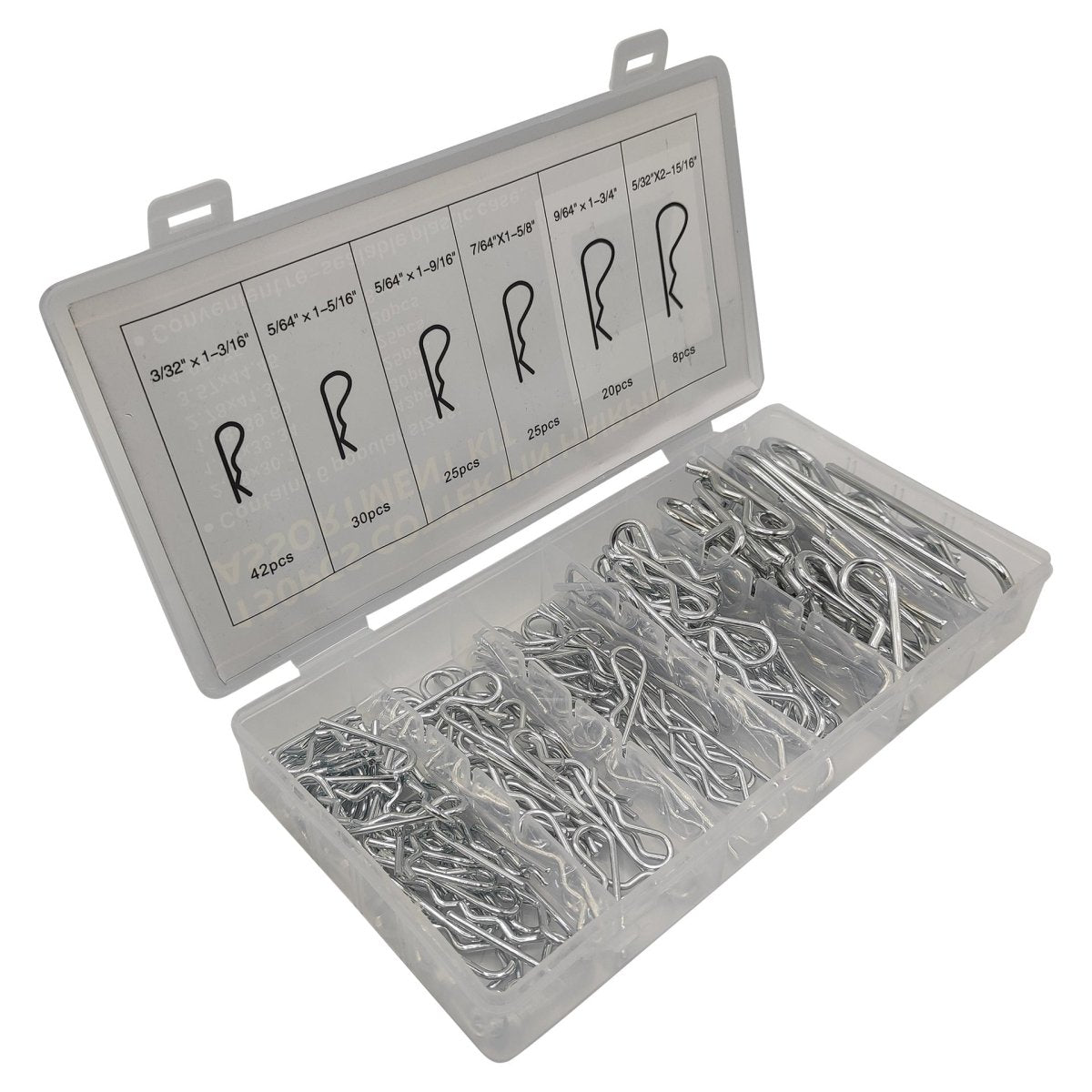
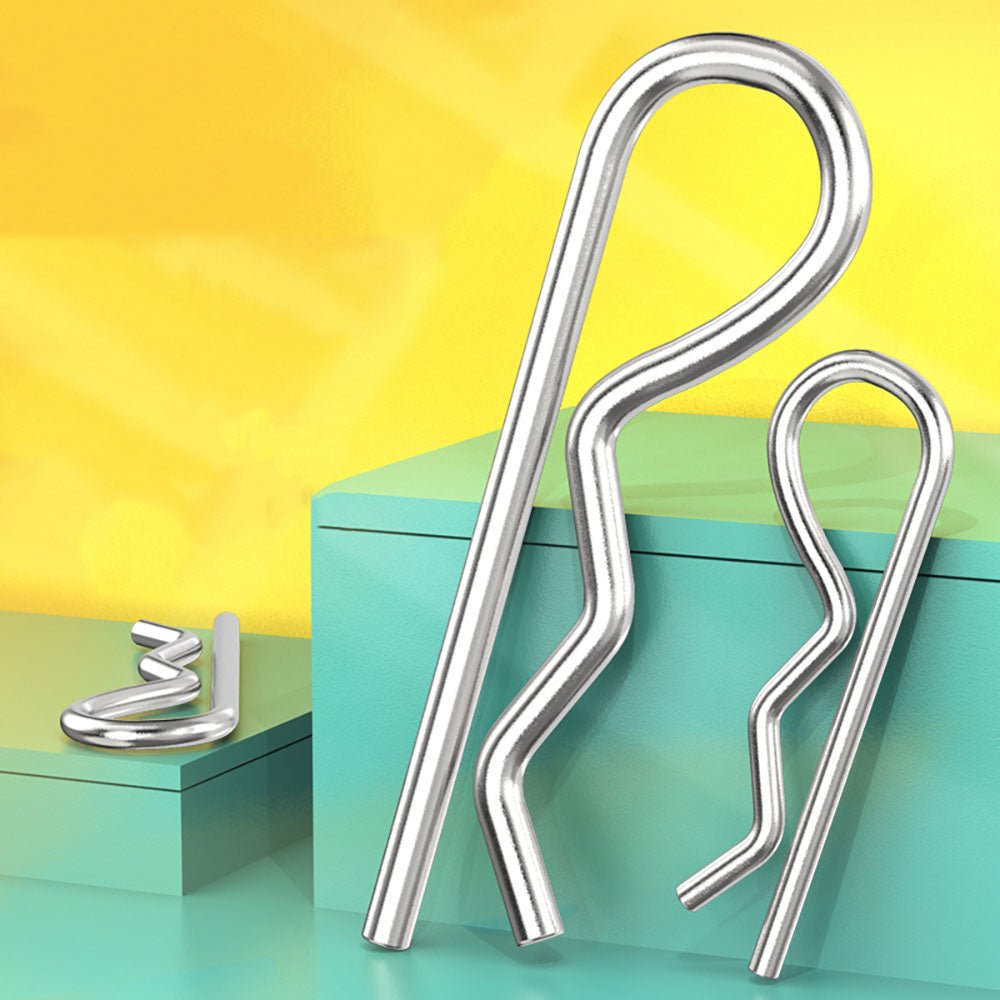
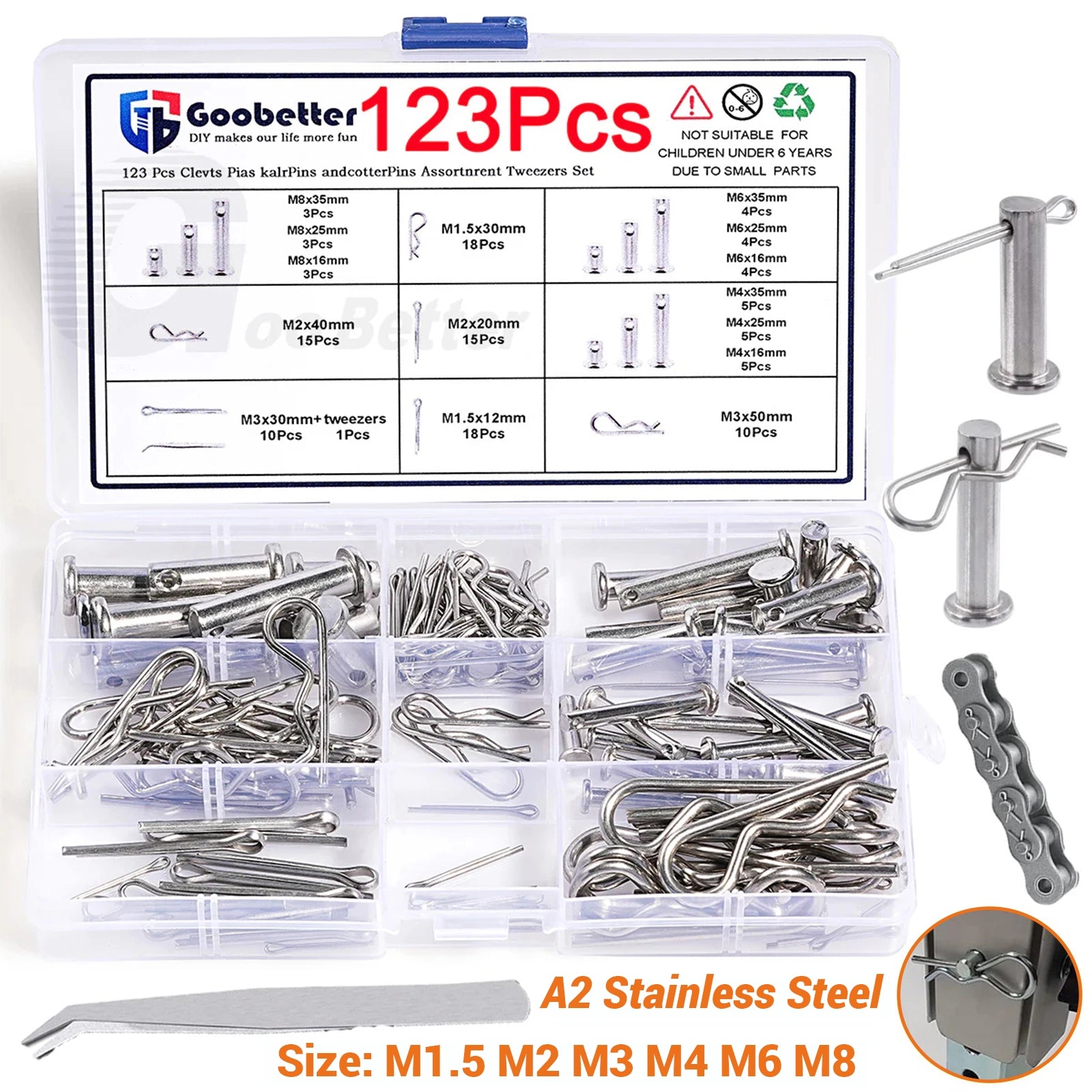
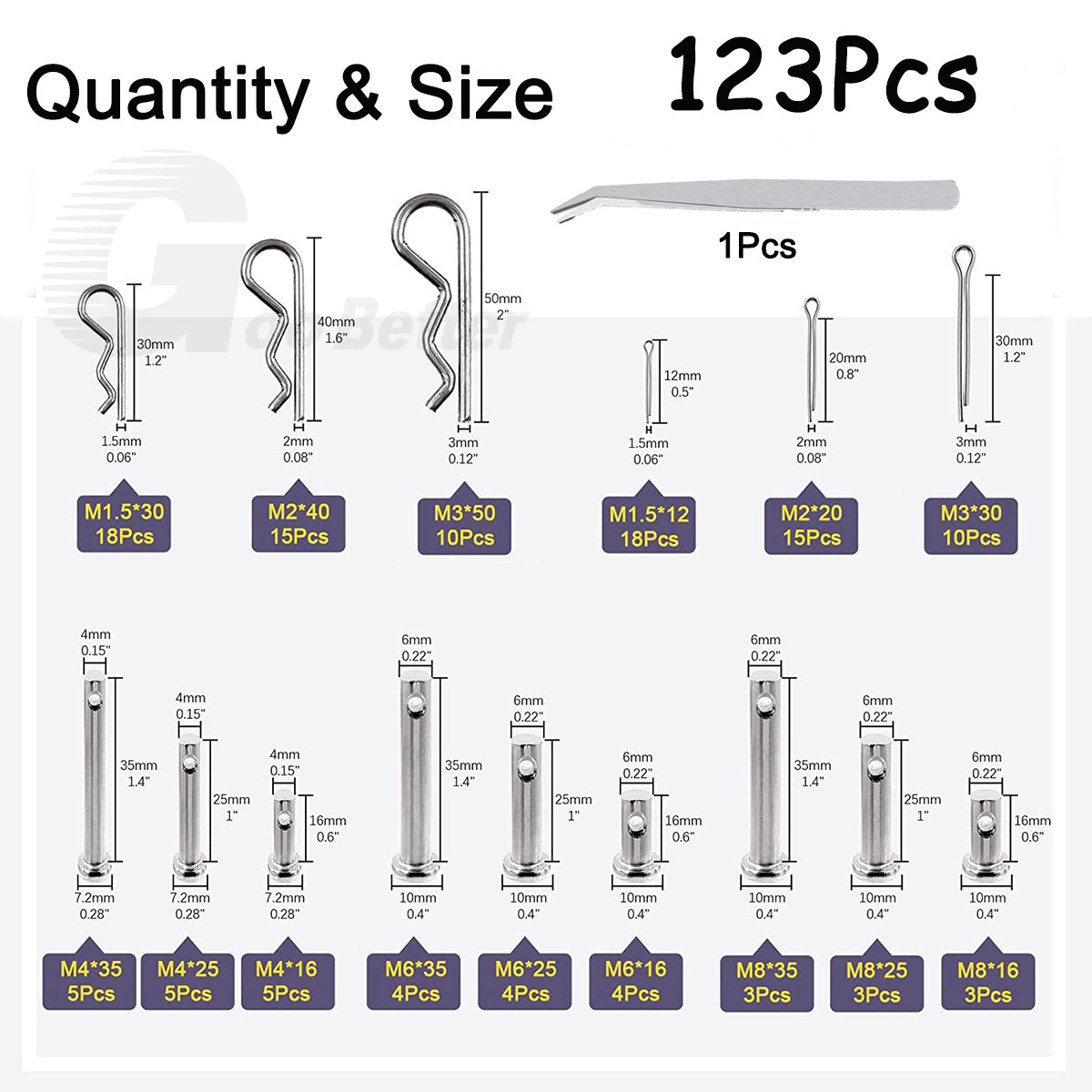
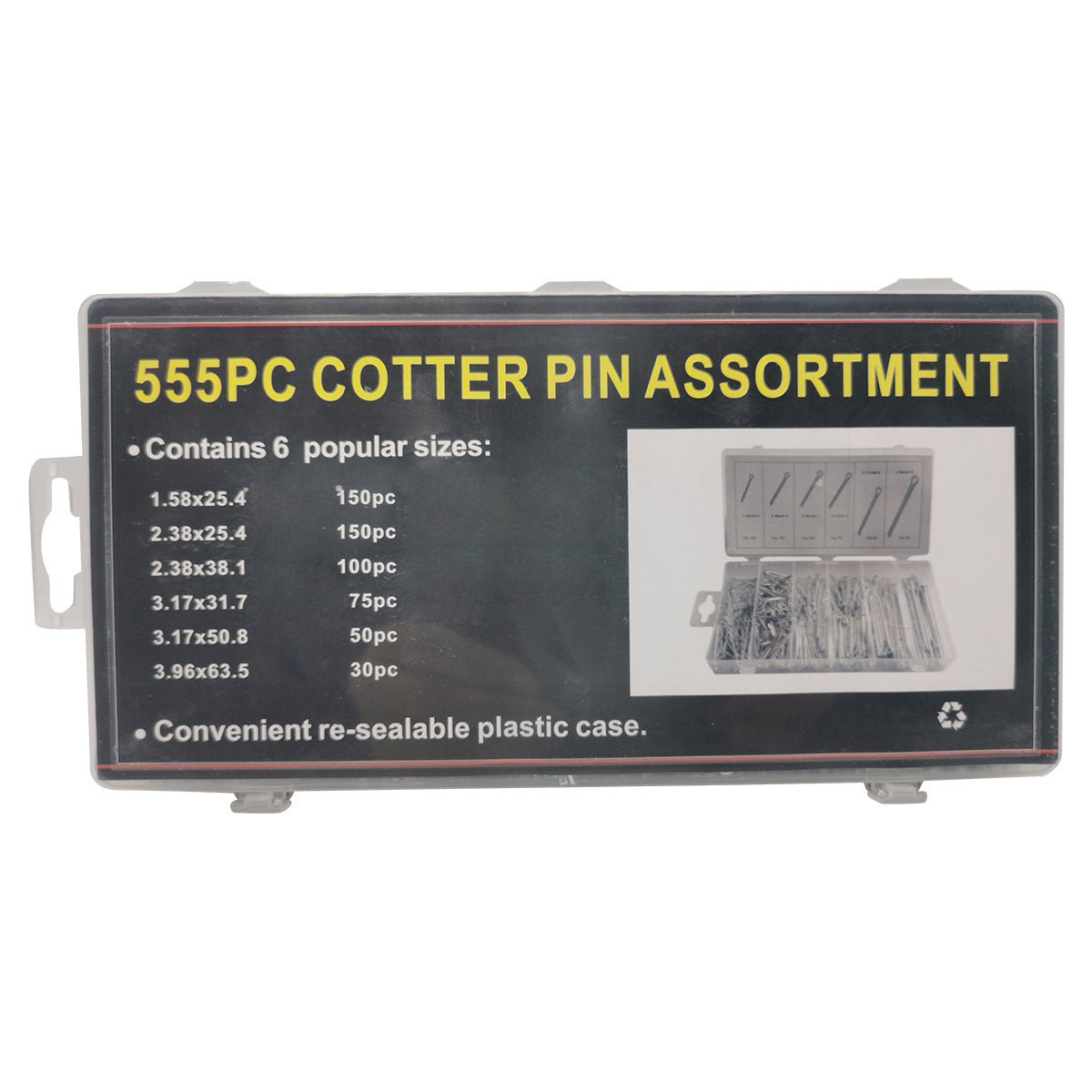
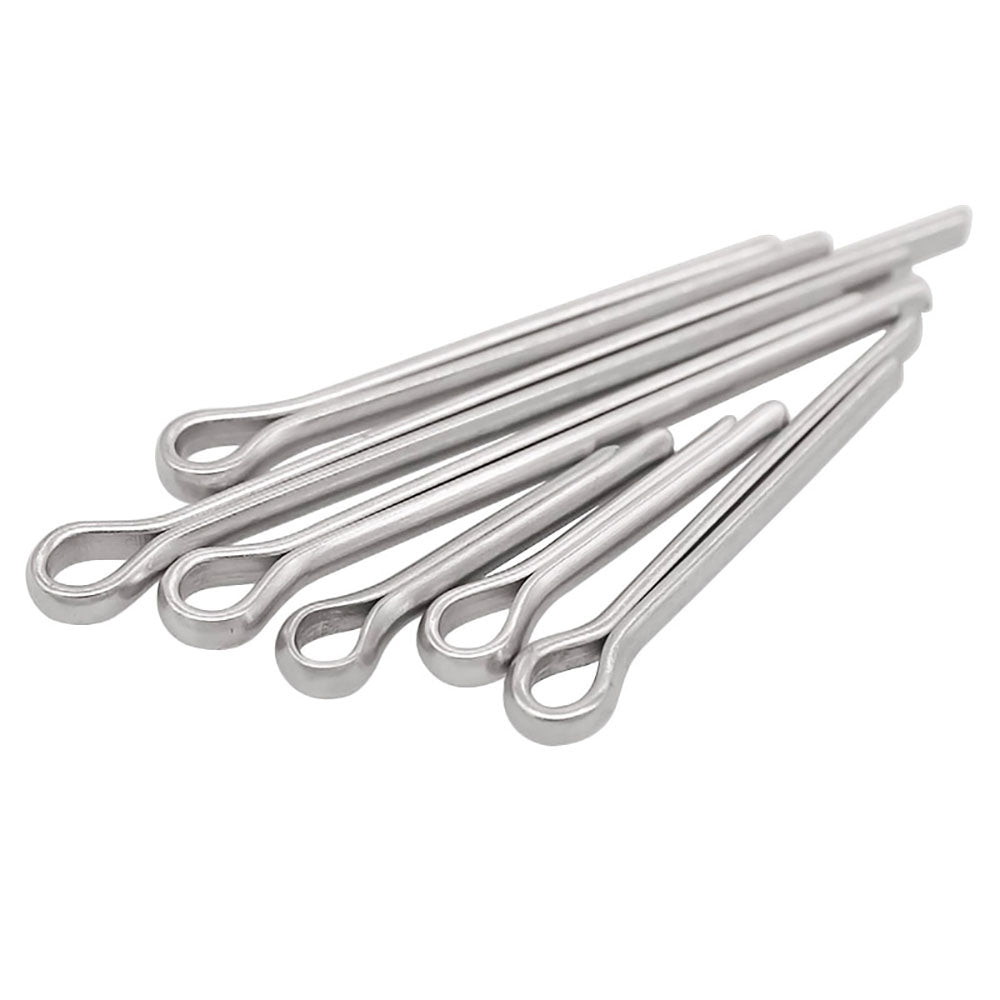
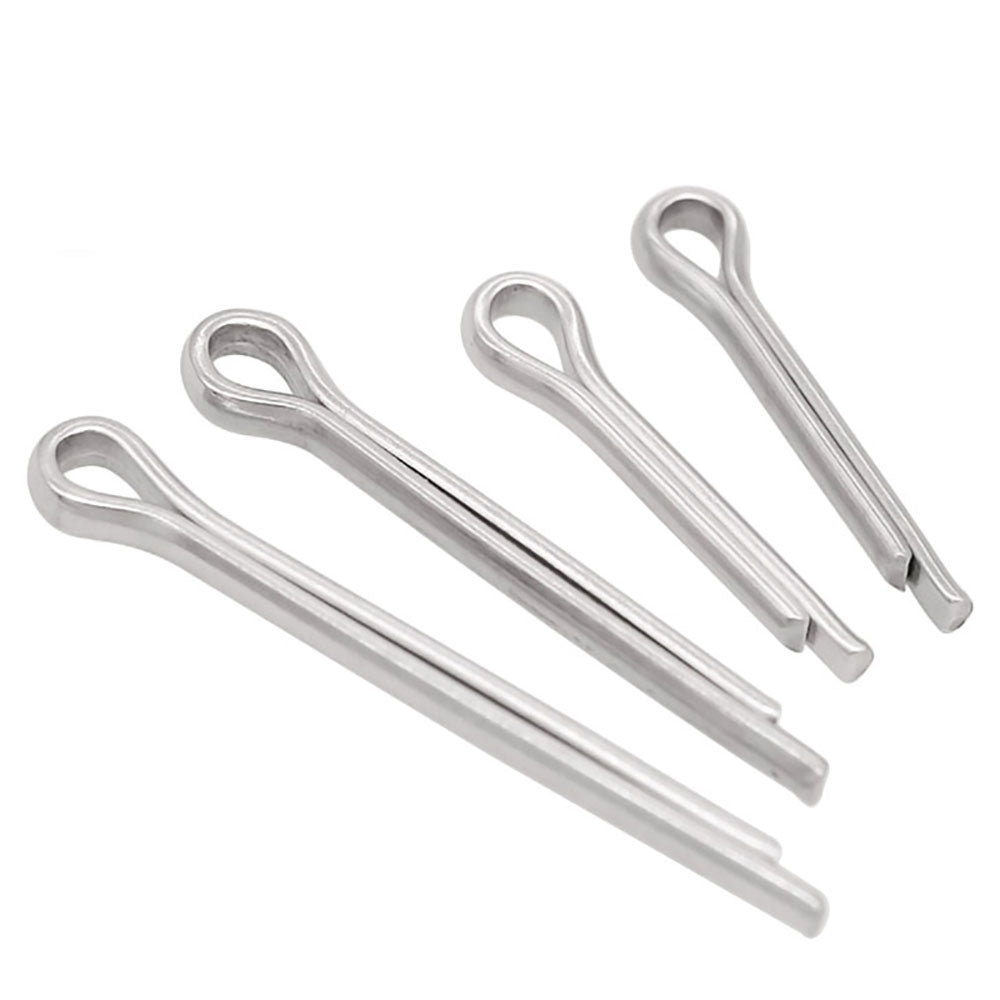
Split Pins (Cotter Pins)
Bendable metal pins with two legs. Secure castle nuts, hitch pins, and machinery linkages.
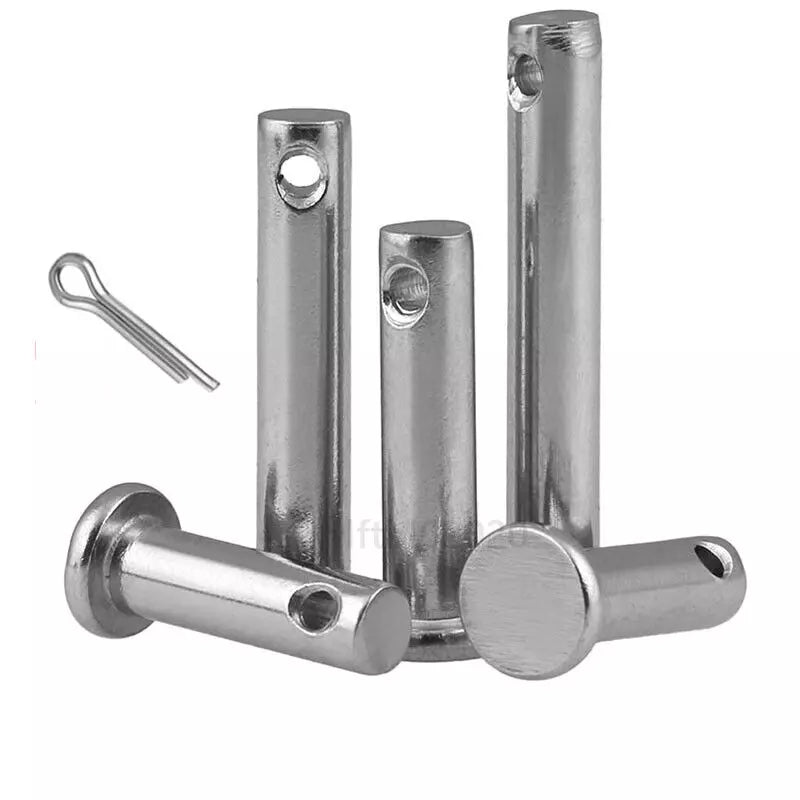
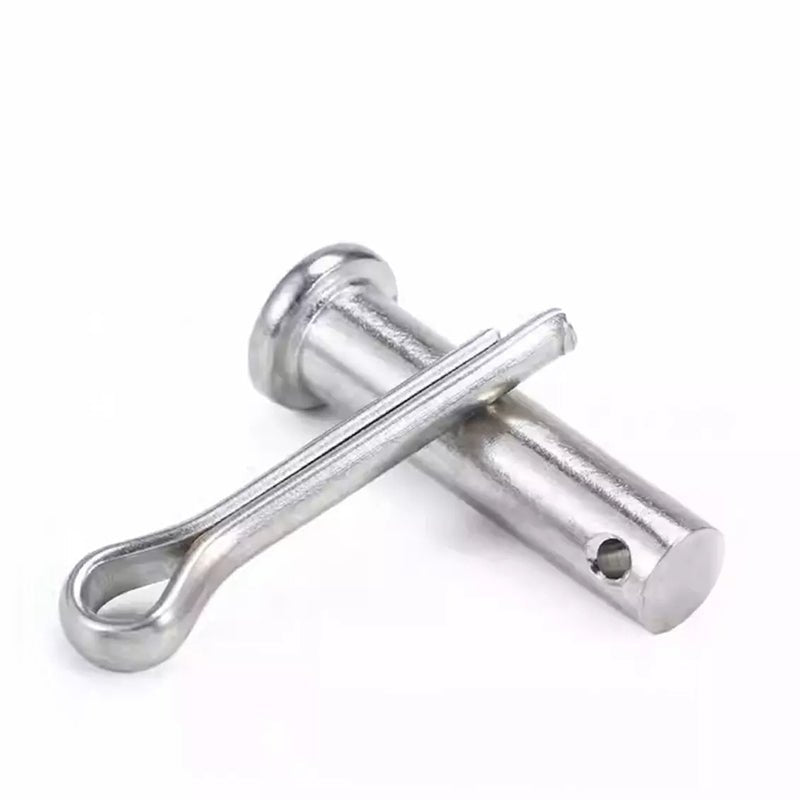
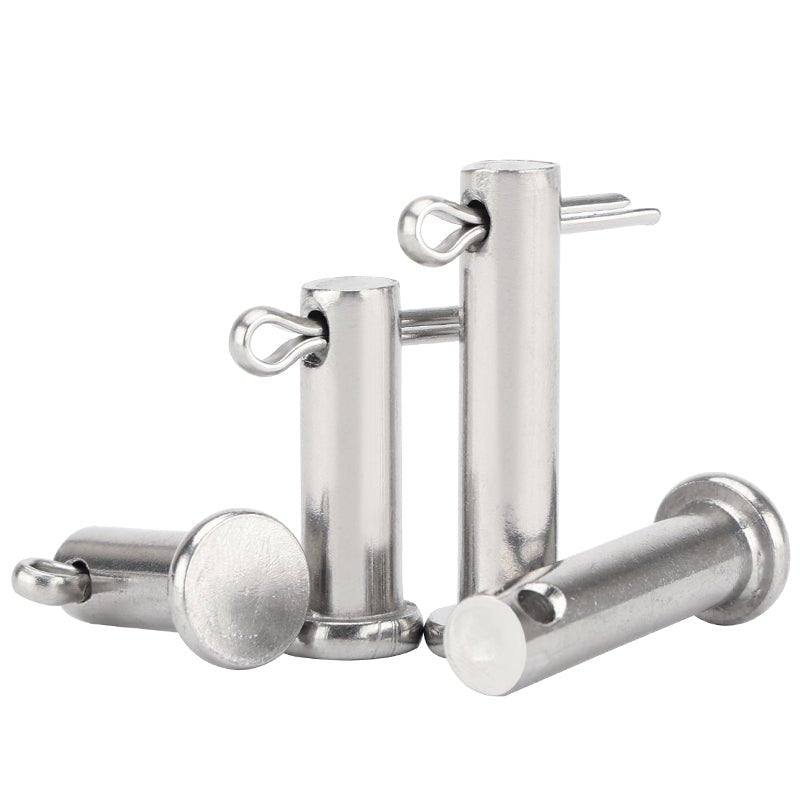
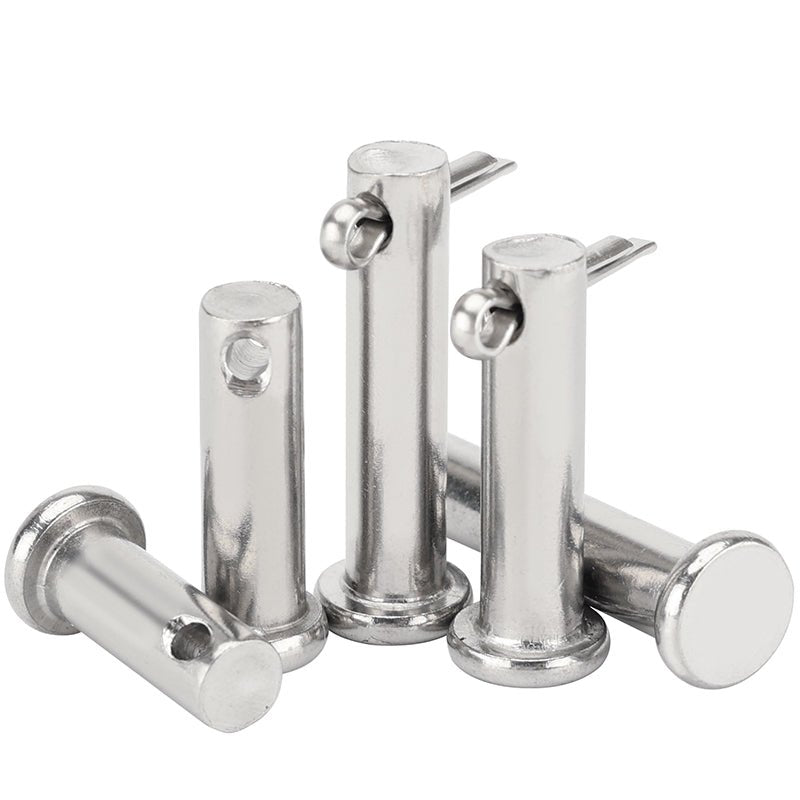
Clevis Pins
Cylindrical pins with a head and cross-hole for a cotter pin. Ideal for heavy-duty pivoting joints.
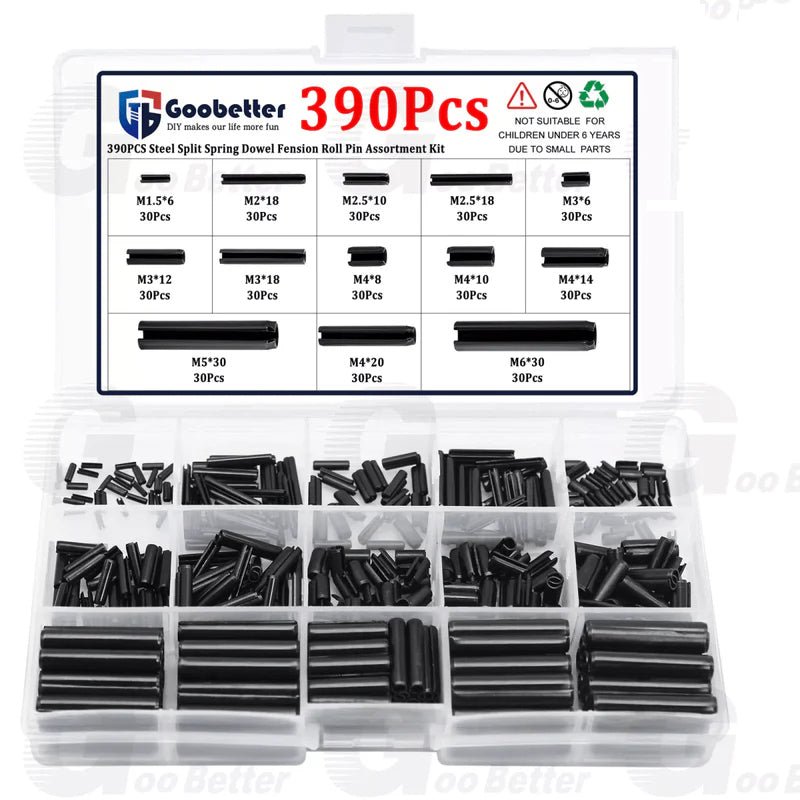
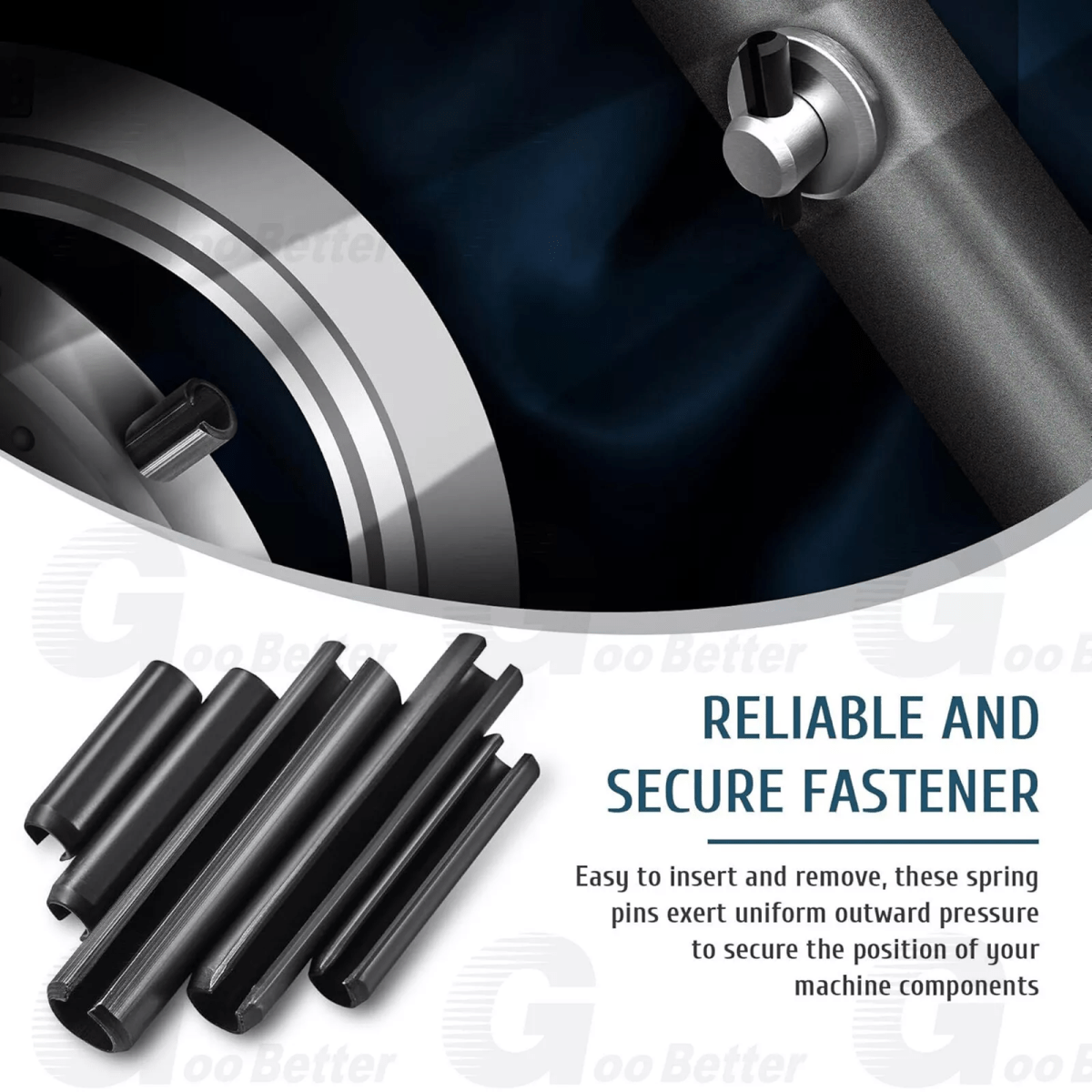
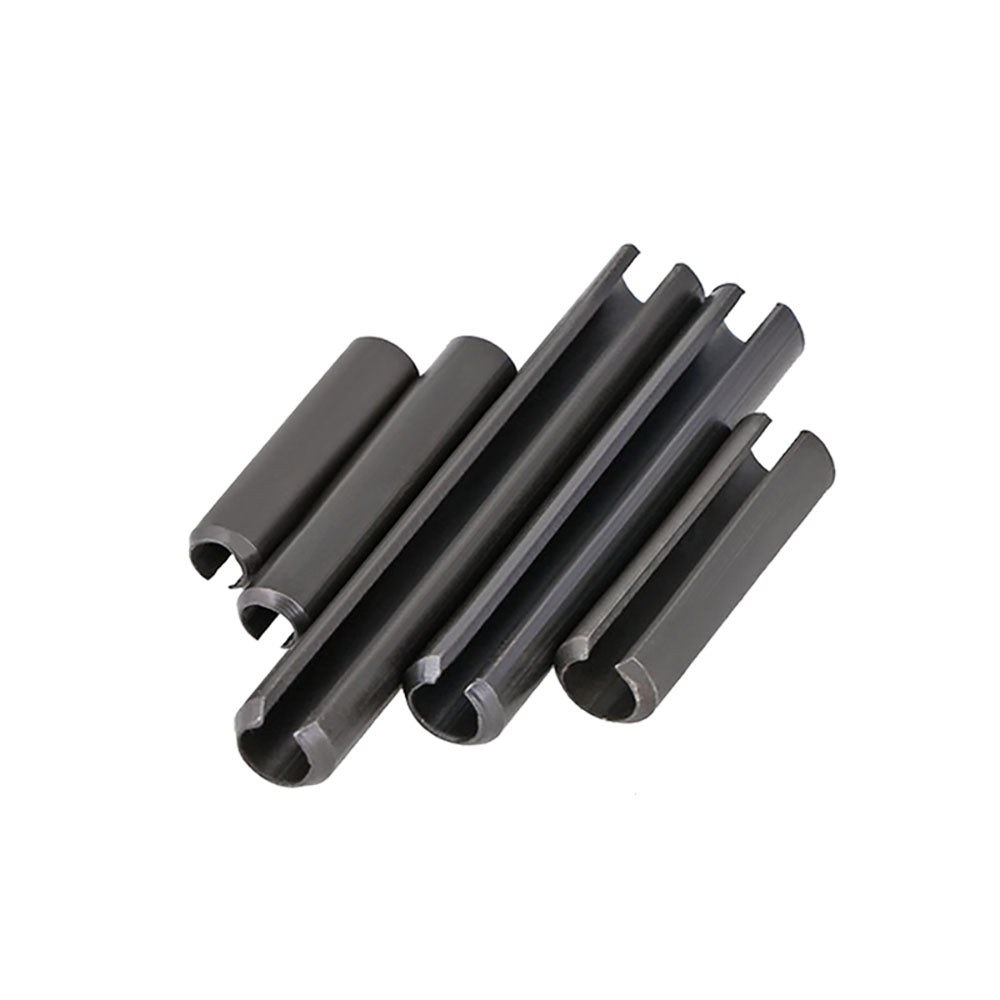
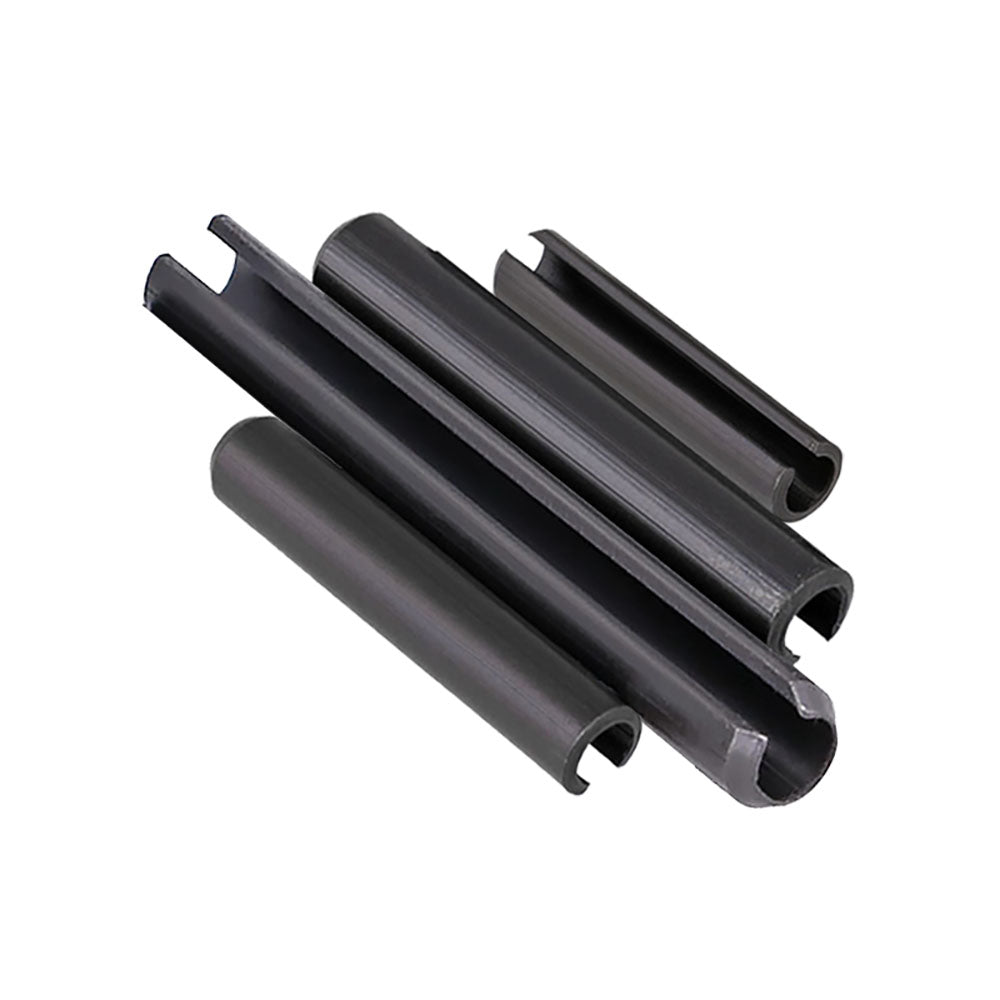
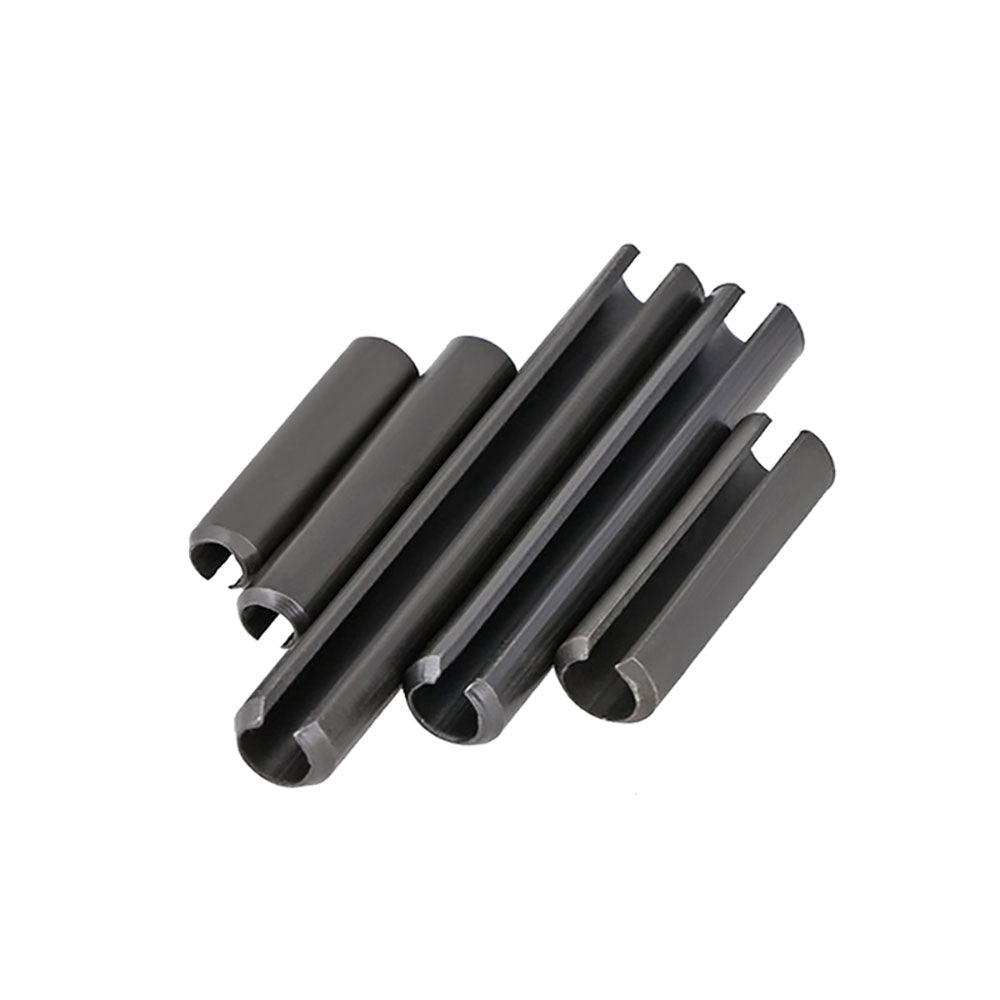
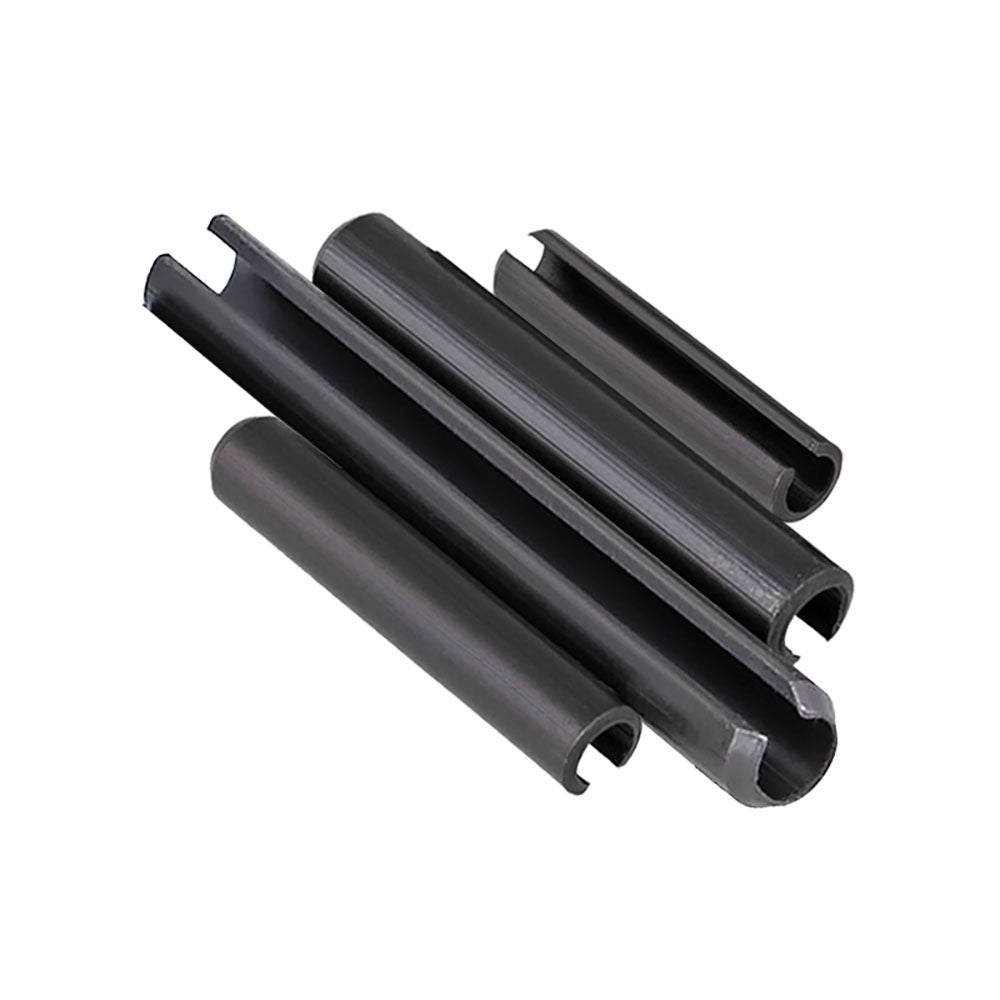
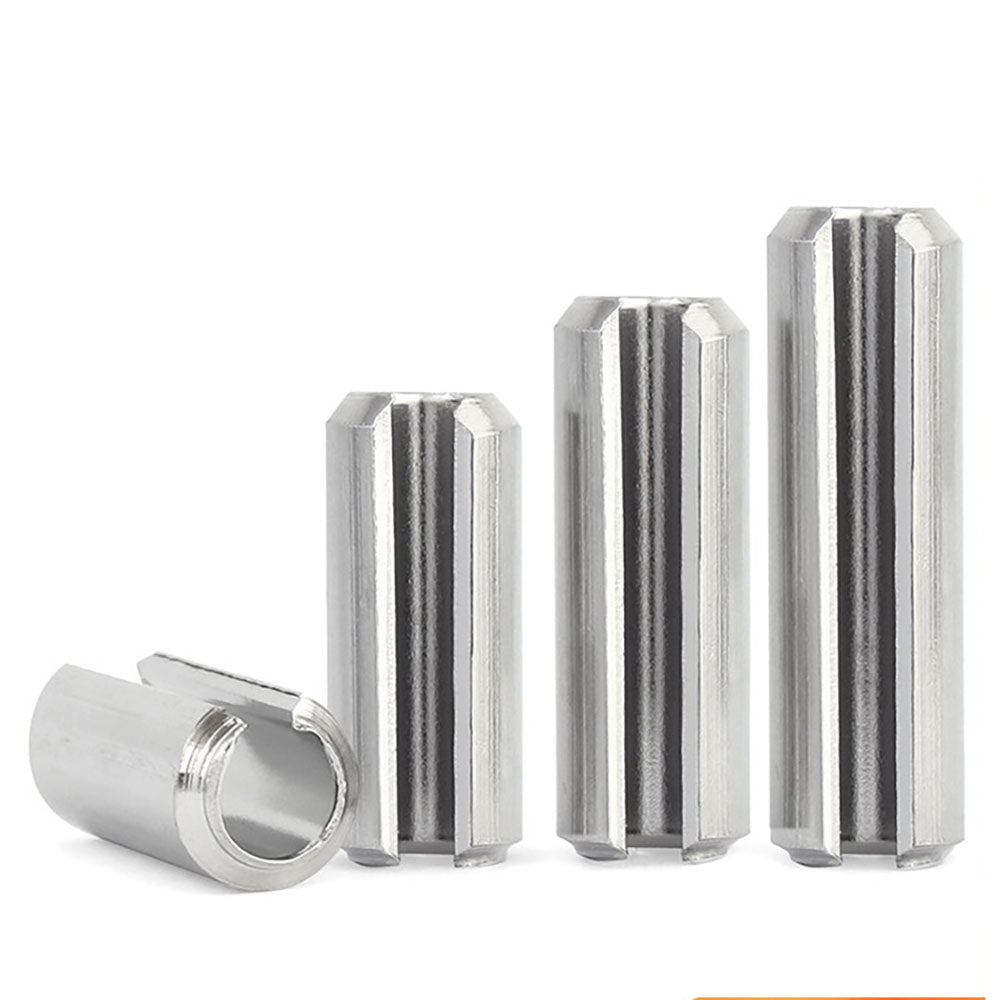
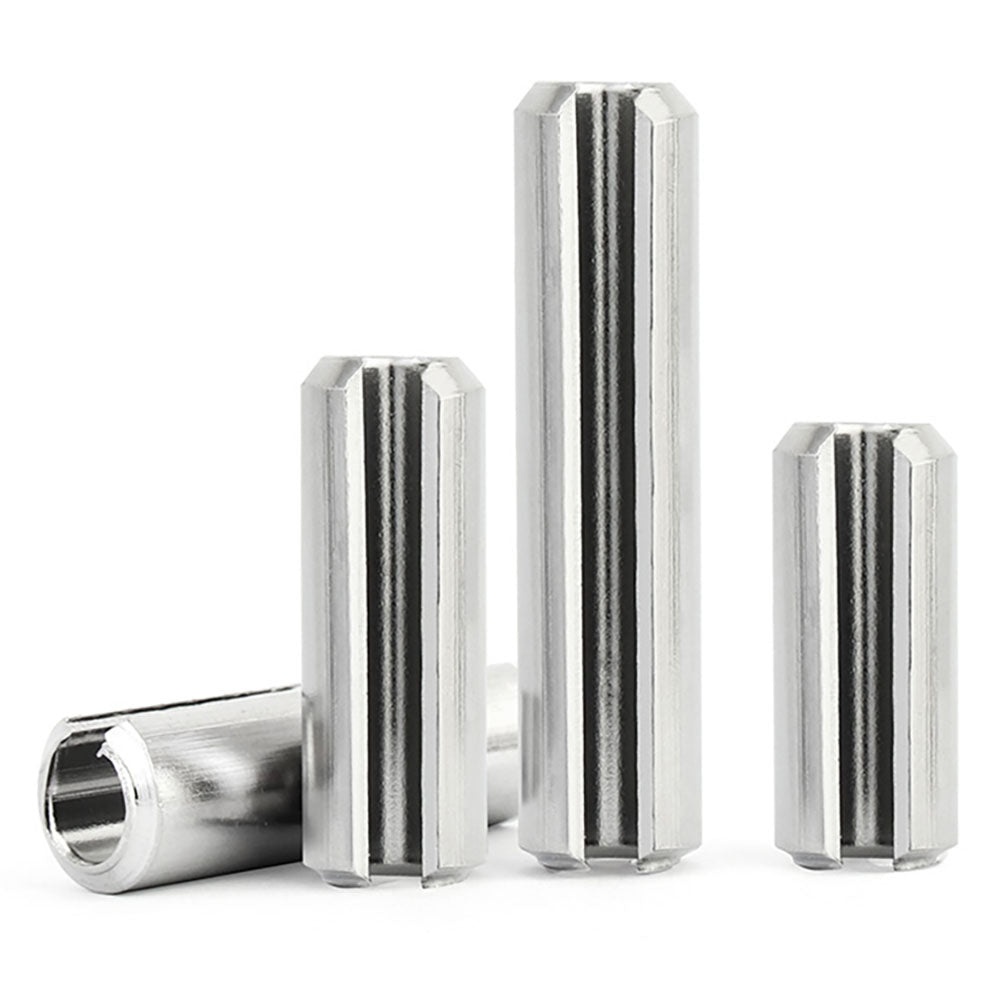
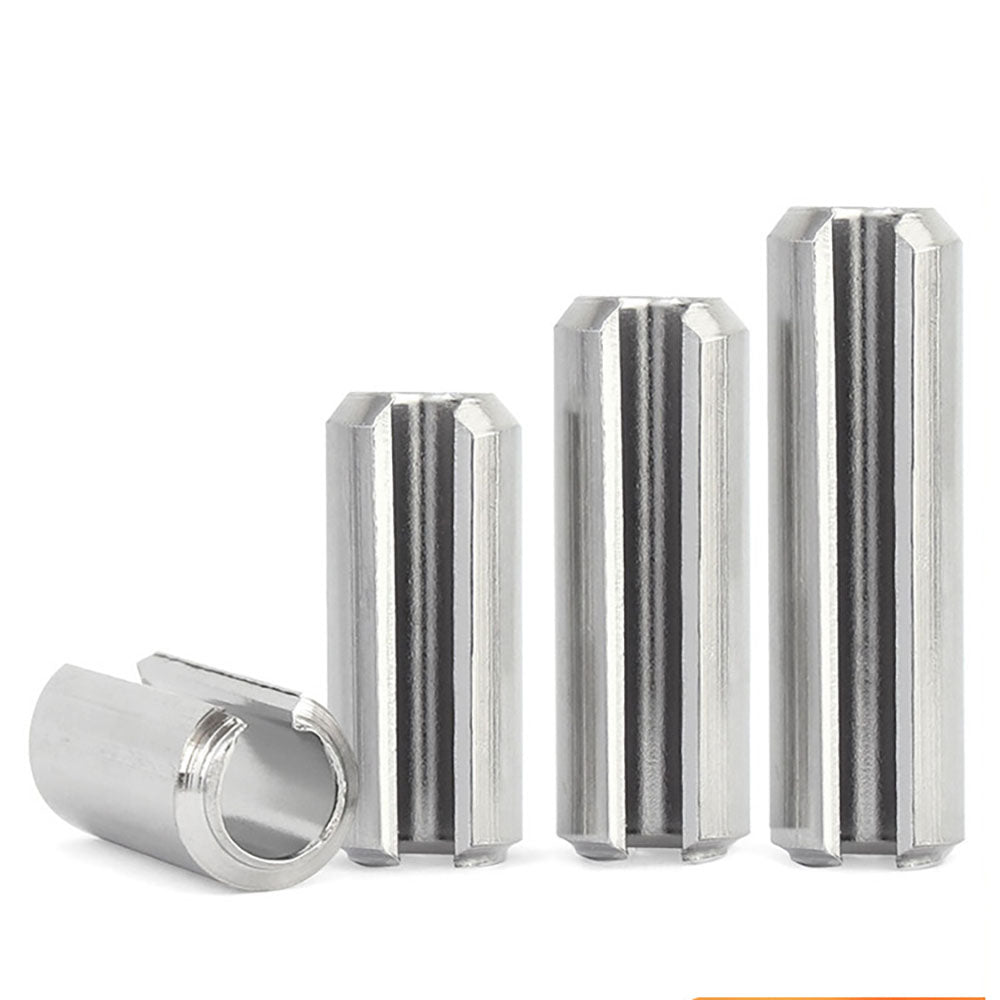
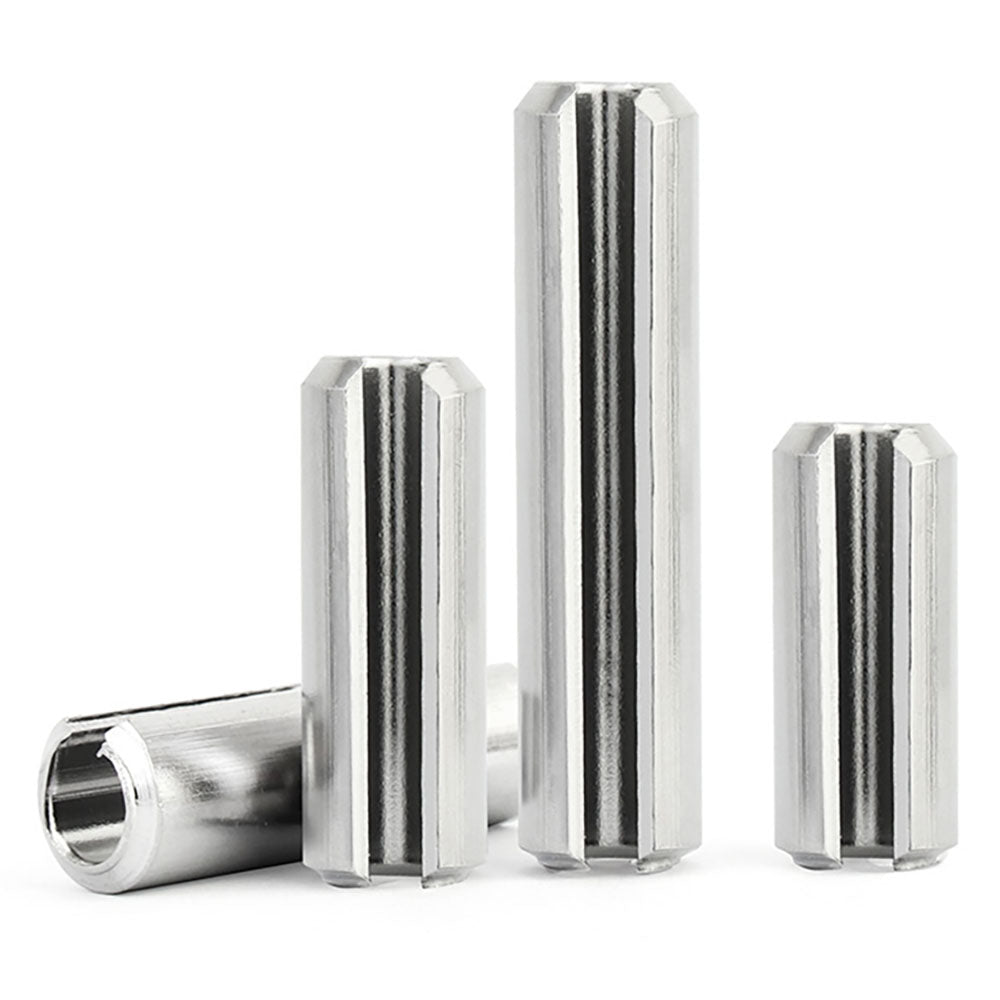
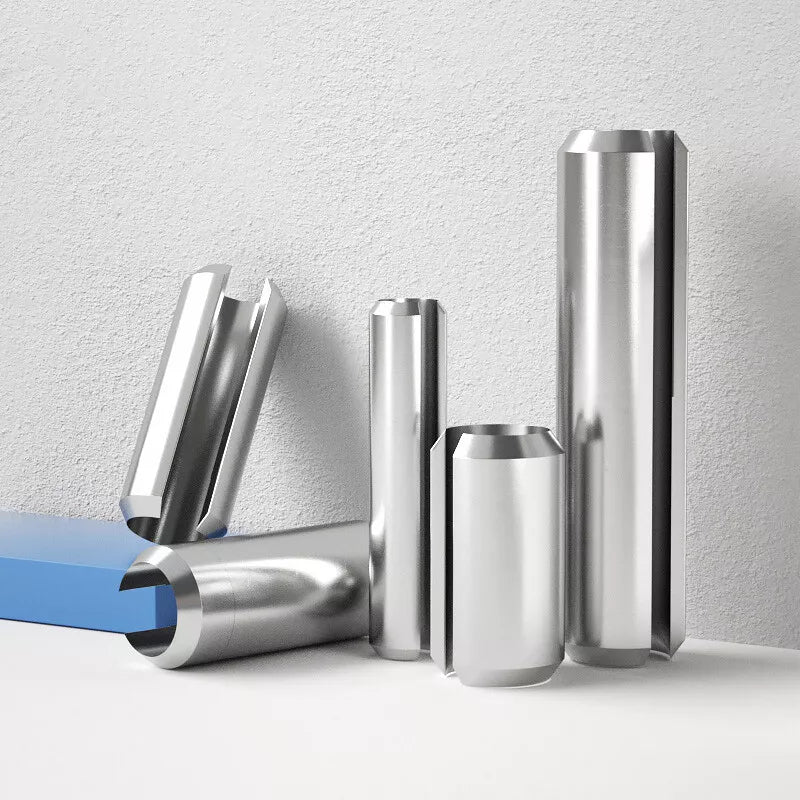
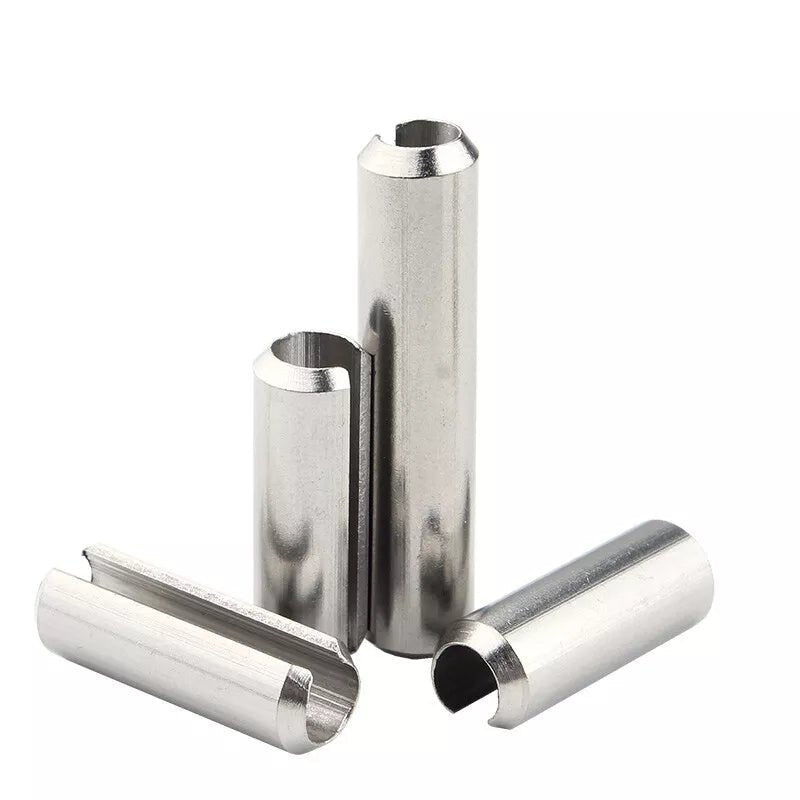
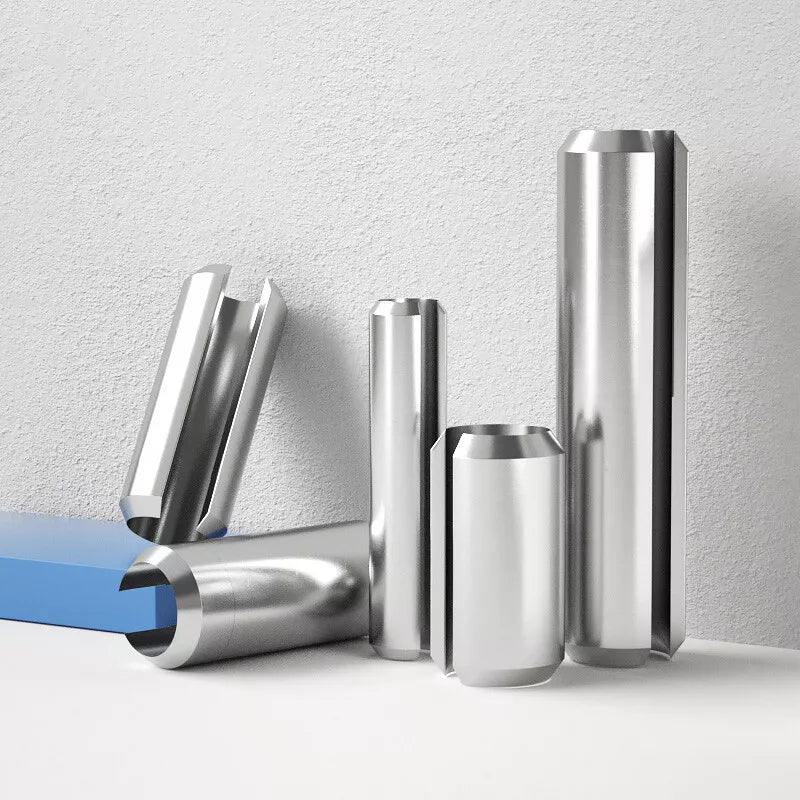
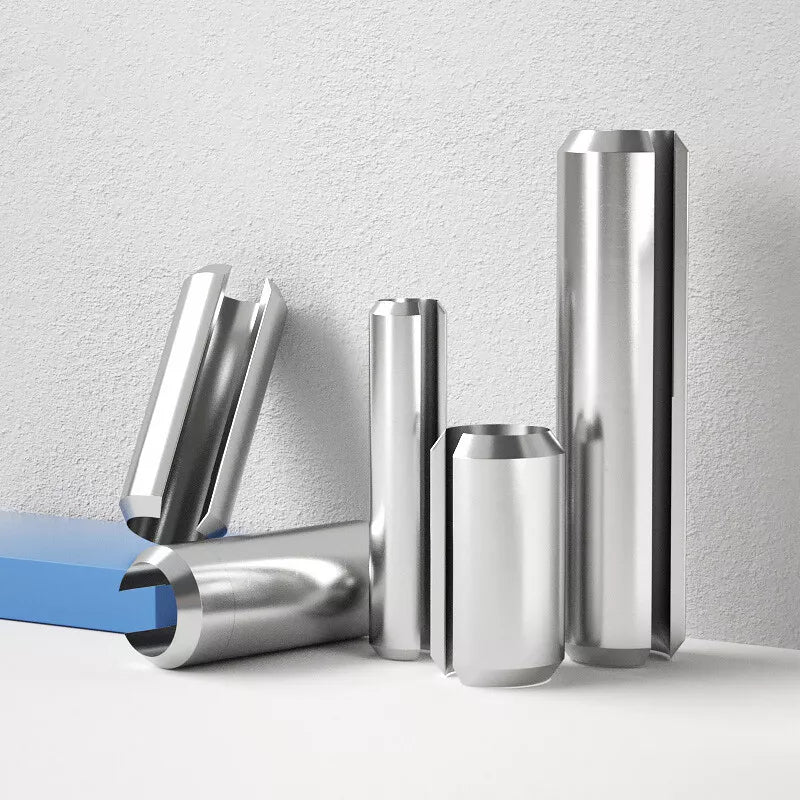
Spring Pins (Roll Pins)
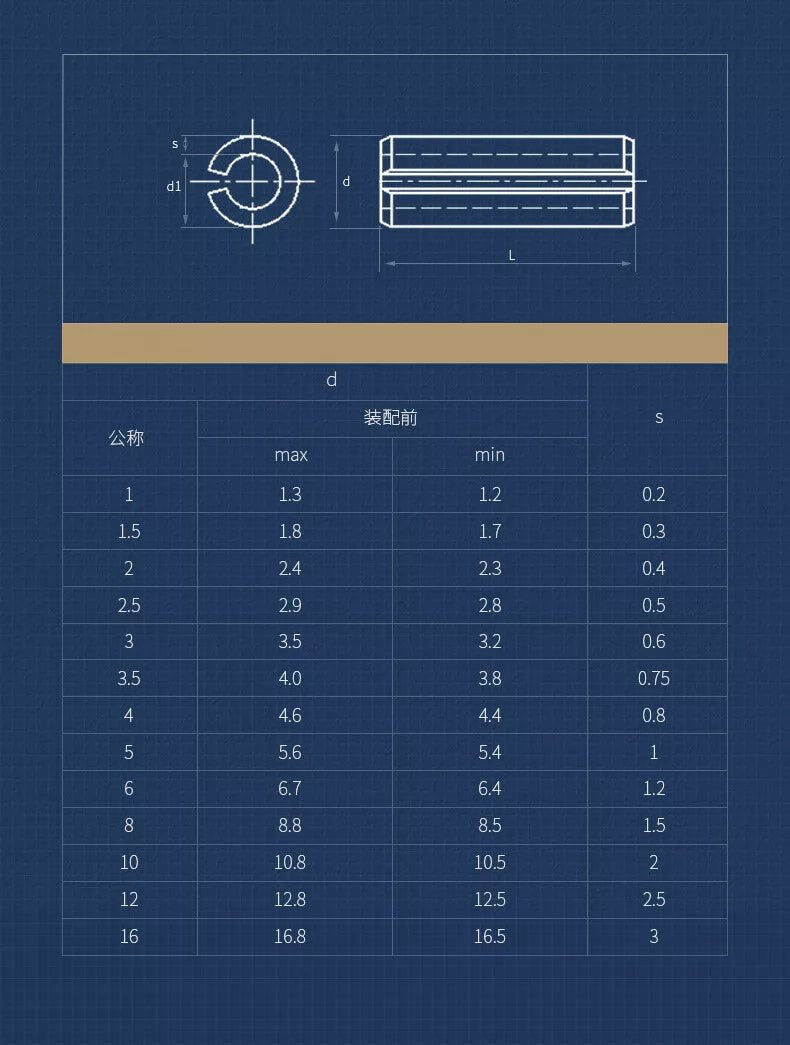
Slotted or coiled steel pins that compress for a tight fit. Used in engine assemblies, gears, and shafts.
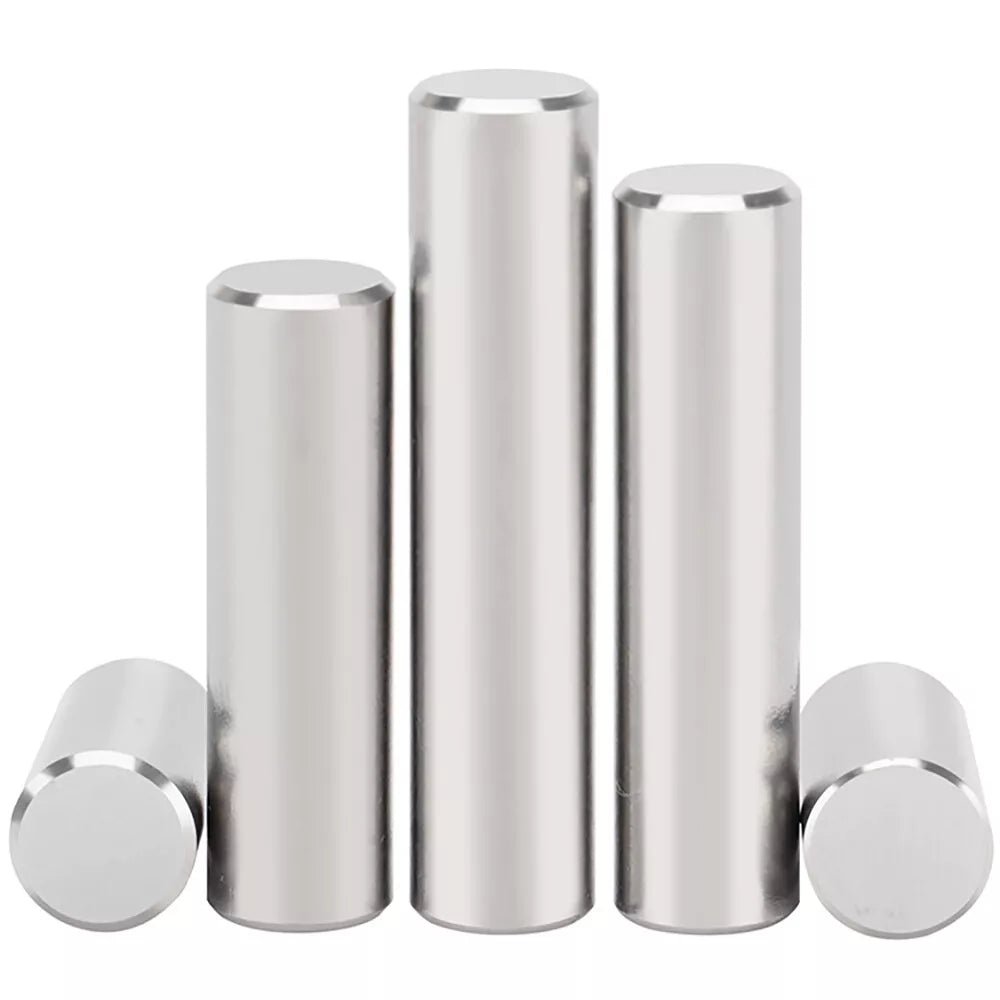
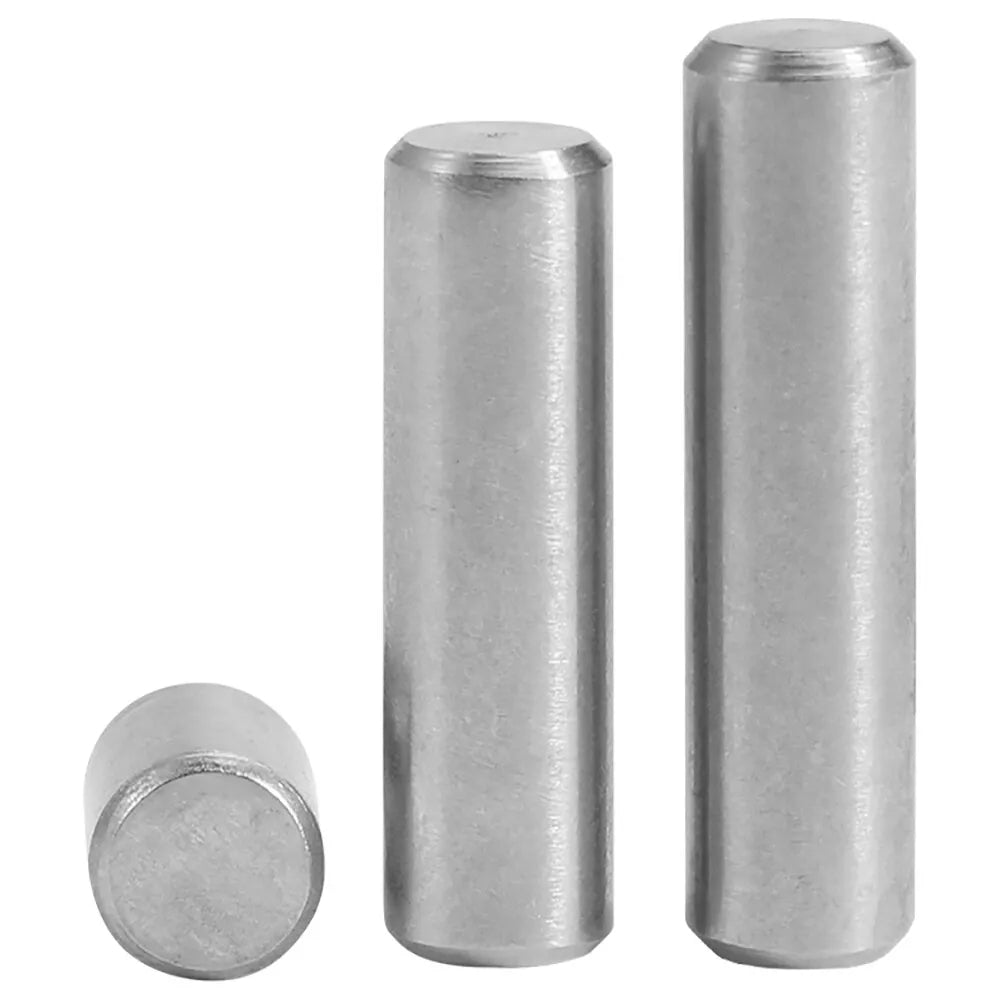
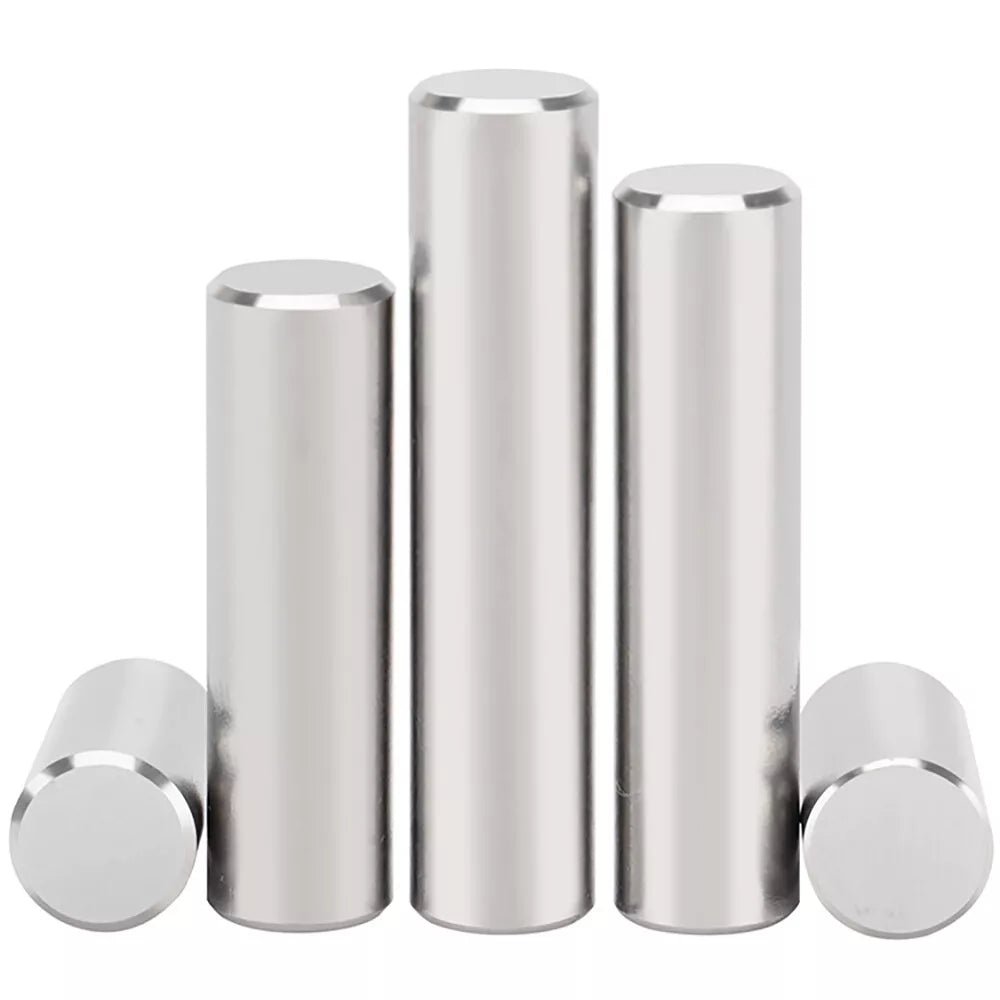
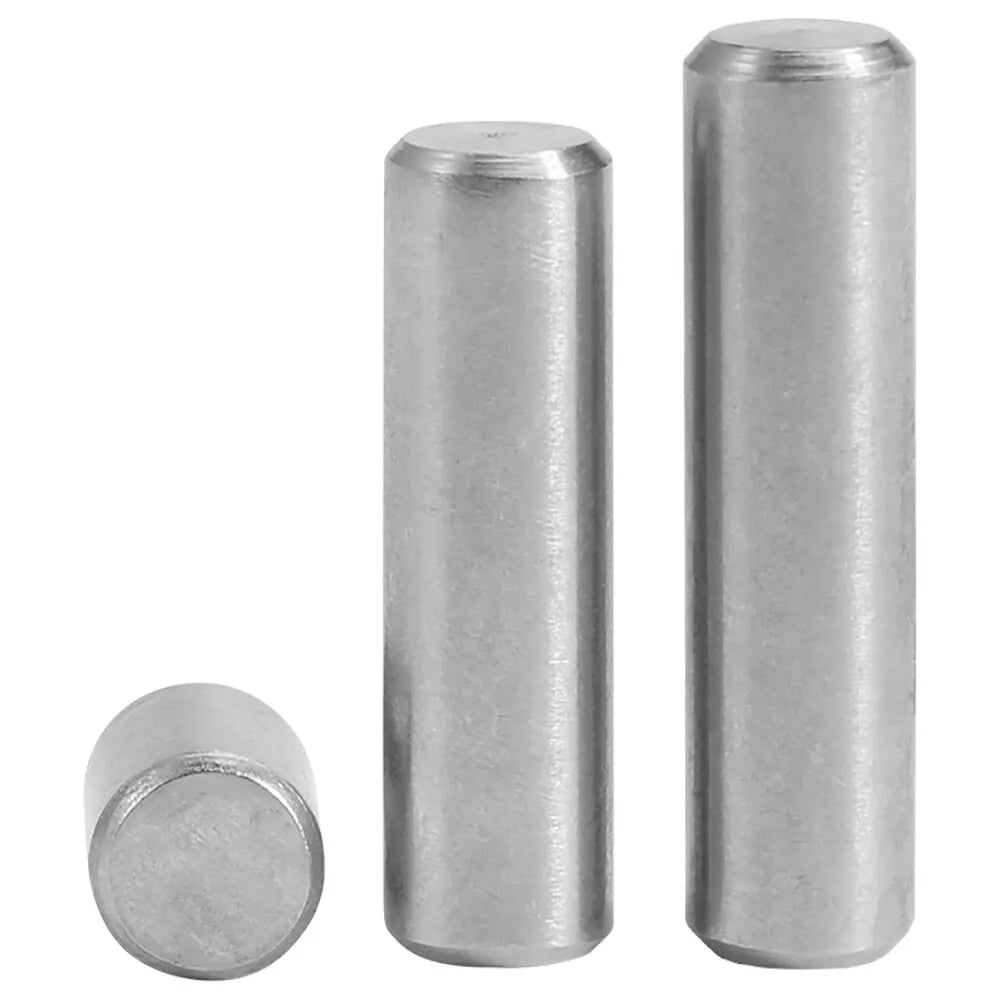
Specialty Pins
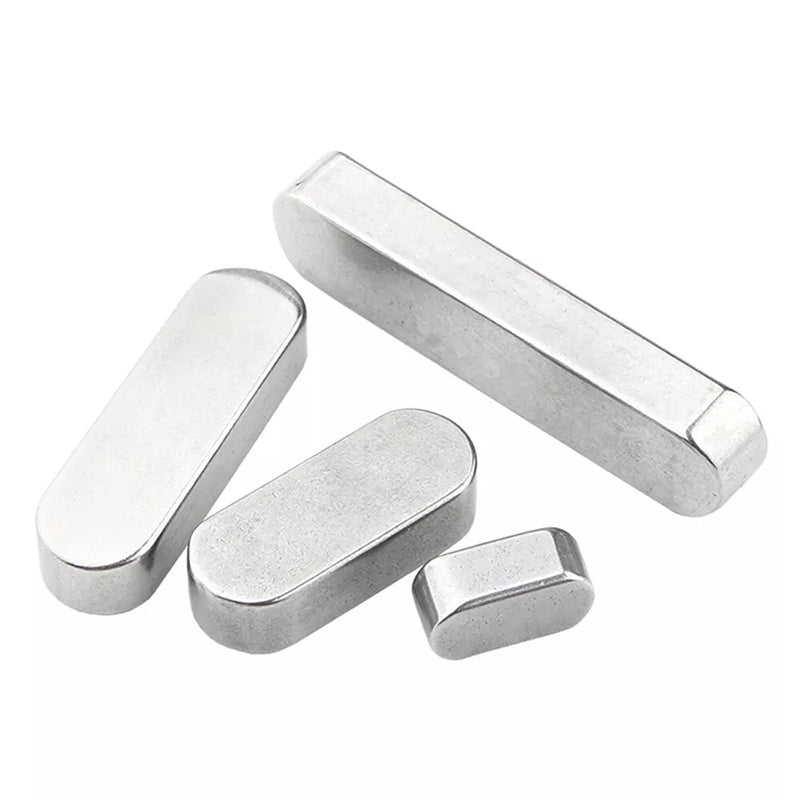
Dowel pins, taper pins, and detent pins for alignment, positioning, and quick-release applications.
2. How to Use Pin Fasteners (Step-by-Step)
-
Step 1: Select the Right Pin
Match the pin type to your project. For example, use plastic push pin fasteners for car interiors or stainless steel cotter pins for outdoor machinery.
-
Step 2: Prepare the Materials
Drill a hole slightly larger than the pin’s diameter. For split pins, ensure the hole aligns with the bolt’s cross-hole.
-
Step 3: Insert the Pin
Push Pins: Press firmly until the pin clicks into place.
Cotter Pins: Insert through the bolt hole, then bend the legs outward.
Spring Pins: Tap gently with a hammer for a snug fit.
-
Step 4: Inspect and Test
Ensure the pin is secure and flush with the surface. For mistakes, learn how to remove push pin fasteners using a trim tool or flathead screwdriver.
Search Keywords: how to use pin fasteners, pin fastener types
| Pin Type |
Material |
Typical Diameter |
Common Use |
| Push Pin (Plastic) |
Nylon / Acetal |
5mm – 15mm |
Auto trim, door panels |
| Cotter Pin |
Stainless / Carbon Steel |
1/16" – 1/2" |
Hitch pins, castle nuts |
| Clevis Pin |
Steel / Stainless |
1/4" – 1" |
Scaffolding, farm equipment |
| Spring Pin (Roll) |
Spring Steel |
1mm – 20mm |
Gear retention, pivot shafts |
3. Choosing the Right Pin Fastener
-
Material: Stainless steel for corrosion resistance, plastic for lightweight and non-marring, spring steel for elasticity.
-
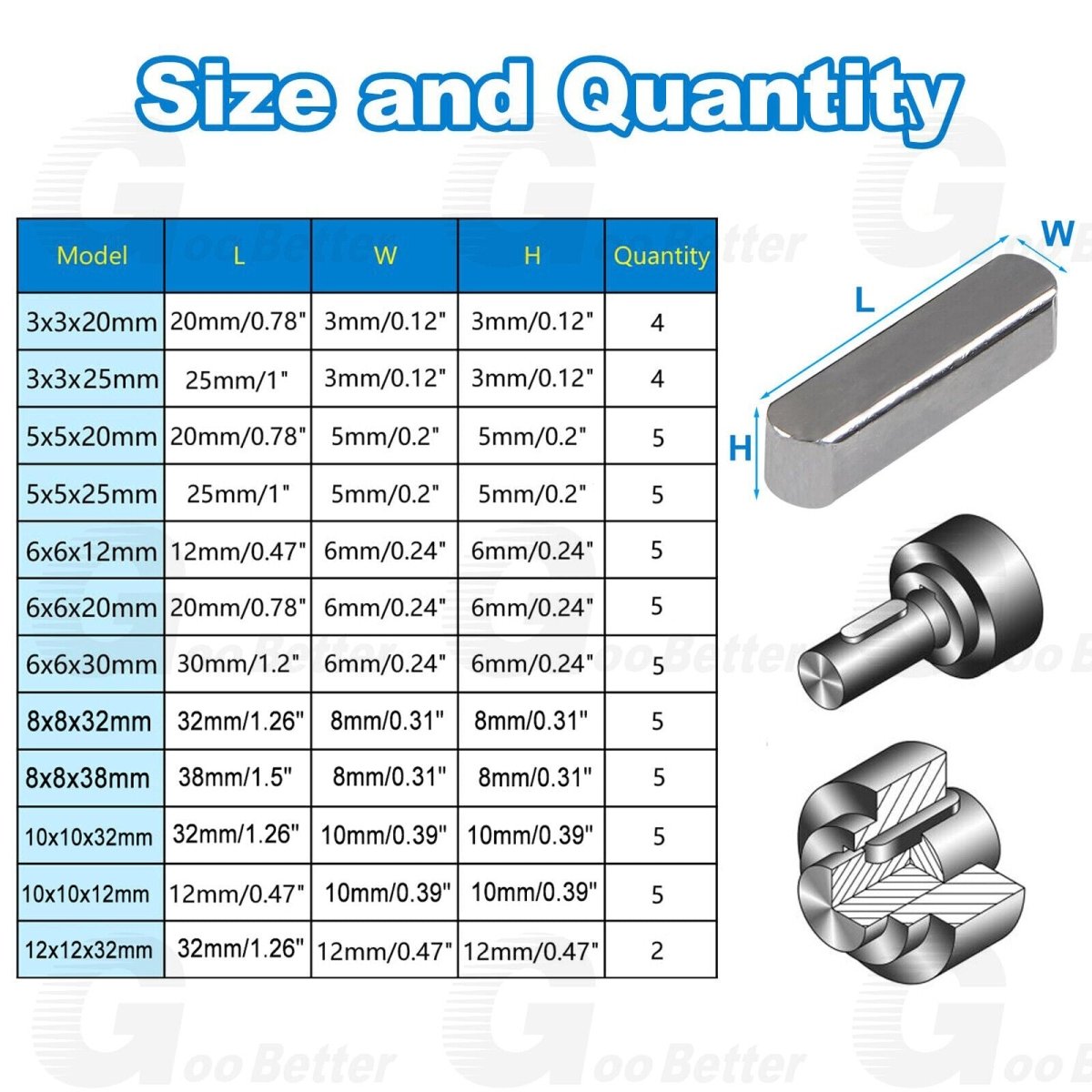
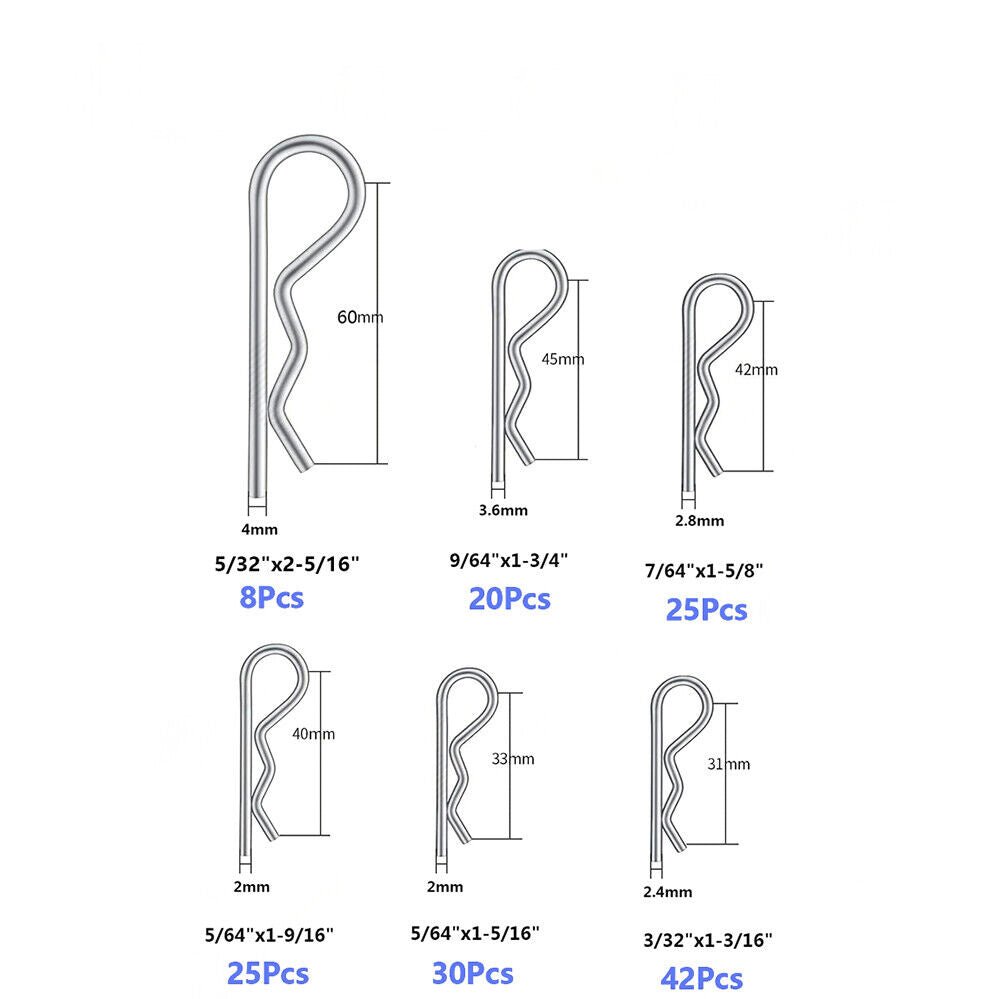
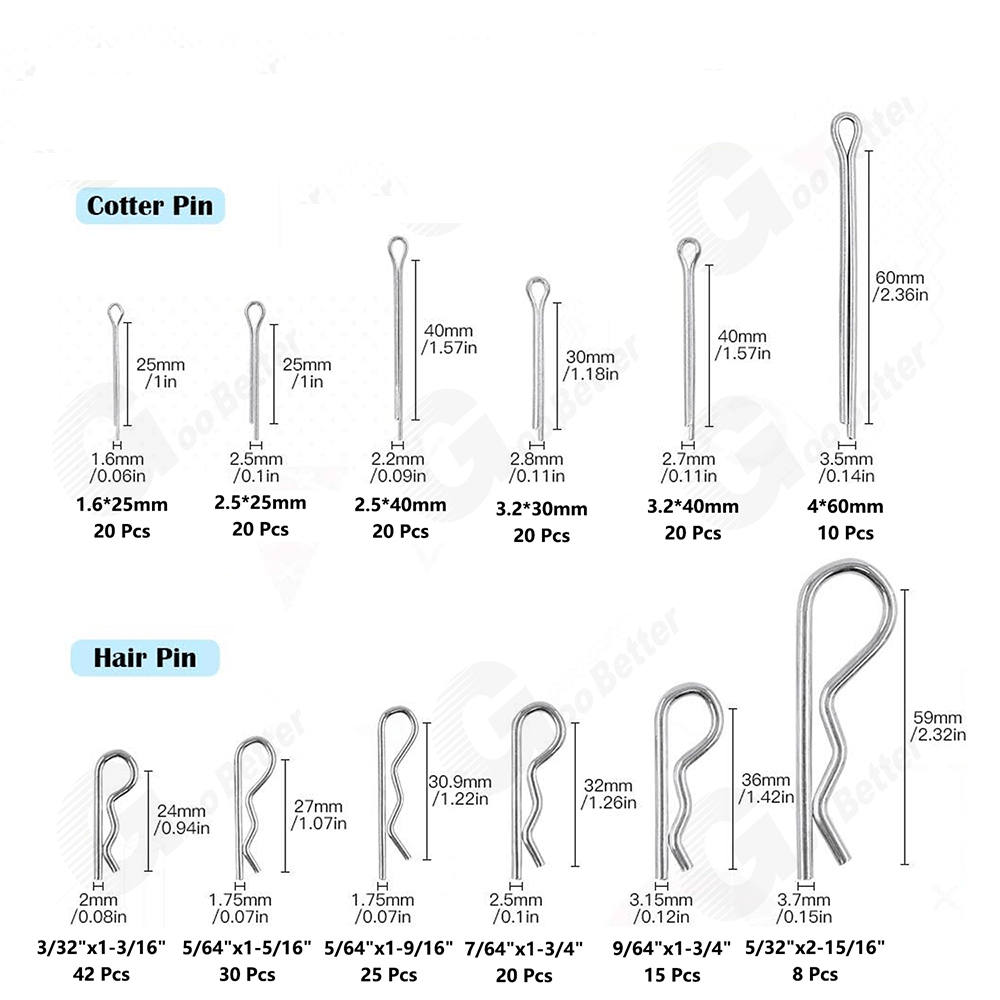
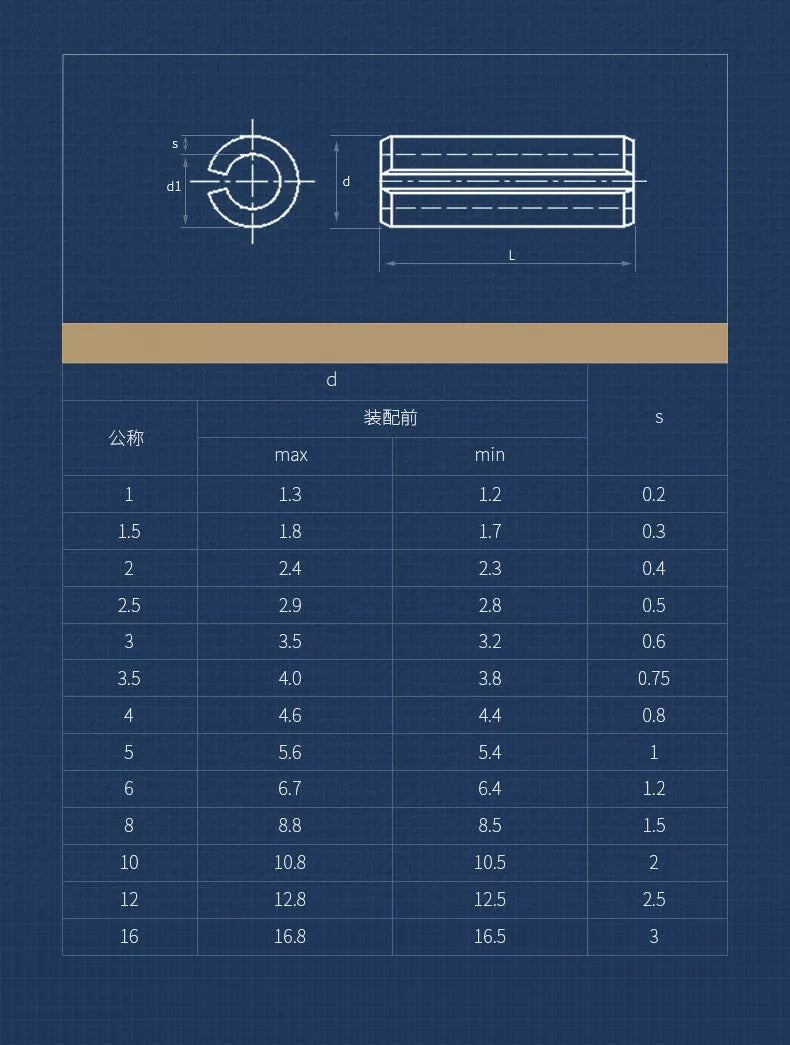
Size: Refer to a pin fastener size chart for diameter and length guidelines. Pin should fit snugly without forcing.
-
Brand: Trusted suppliers like Fastenal pins ensure consistent quality and availability.
4. Top Applications for Pin Fasteners
-
Automotive Repairs: Secure trim panels with GM push pin fasteners or Ford push pin fasteners.
-
Construction: Use clevis pins and cotter pins in scaffolding or rigging.
-
DIY Crafts: Attach fabrics or decorations with brass split pin paper fasteners.
-
Industrial Machinery: Align components with dowel pins fastenal.
Search Keywords: types of fastening pins, metal fastening pin
💡 Pro Tip: Label pins in a pin organizer tray for quick access. For high-stress joints, combine pins with washers or locking nuts. Always wear gloves when handling metal pins to avoid cuts.
5. FAQs
Q: How do I remove a push pin fastener without damaging the panel?
A: Slide a trim tool under the pin head and pry gently. For stubborn pins, use needle-nose pliers. A plastic pry bar reduces the risk of marring the surface.
Q: Can I reuse plastic push pins?
A: Yes! Most plastic pins are designed for multiple uses unless damaged. If the locking barbs are worn, replace with new pins.
Q: What’s the difference between cotter pins and split pins?
A: They’re the same—regional terms for pins with bendable legs. Cotter pin is more common in the US, split pin in British English.
Q: Are spring pins reusable?
A: Spring pins may lose tension after removal. For critical applications, always replace with a new pin.
6. Why Choose HomeDIYer?
-
Free Shipping: On orders over $50.
-
Bulk Discounts: Save 15% on assorted pin fastener kits.
-
Expert Support: Call or chat for sizing advice or project tips.
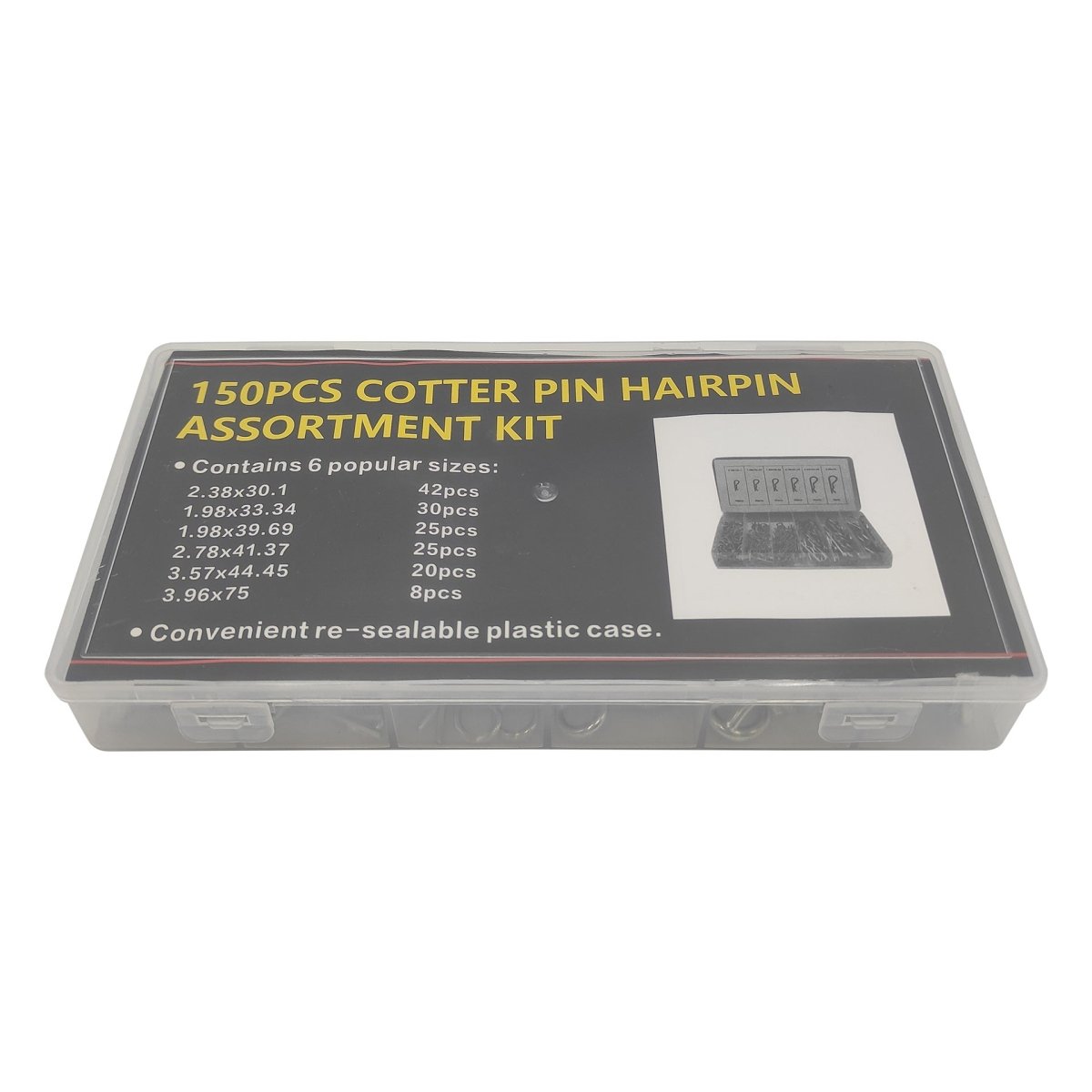
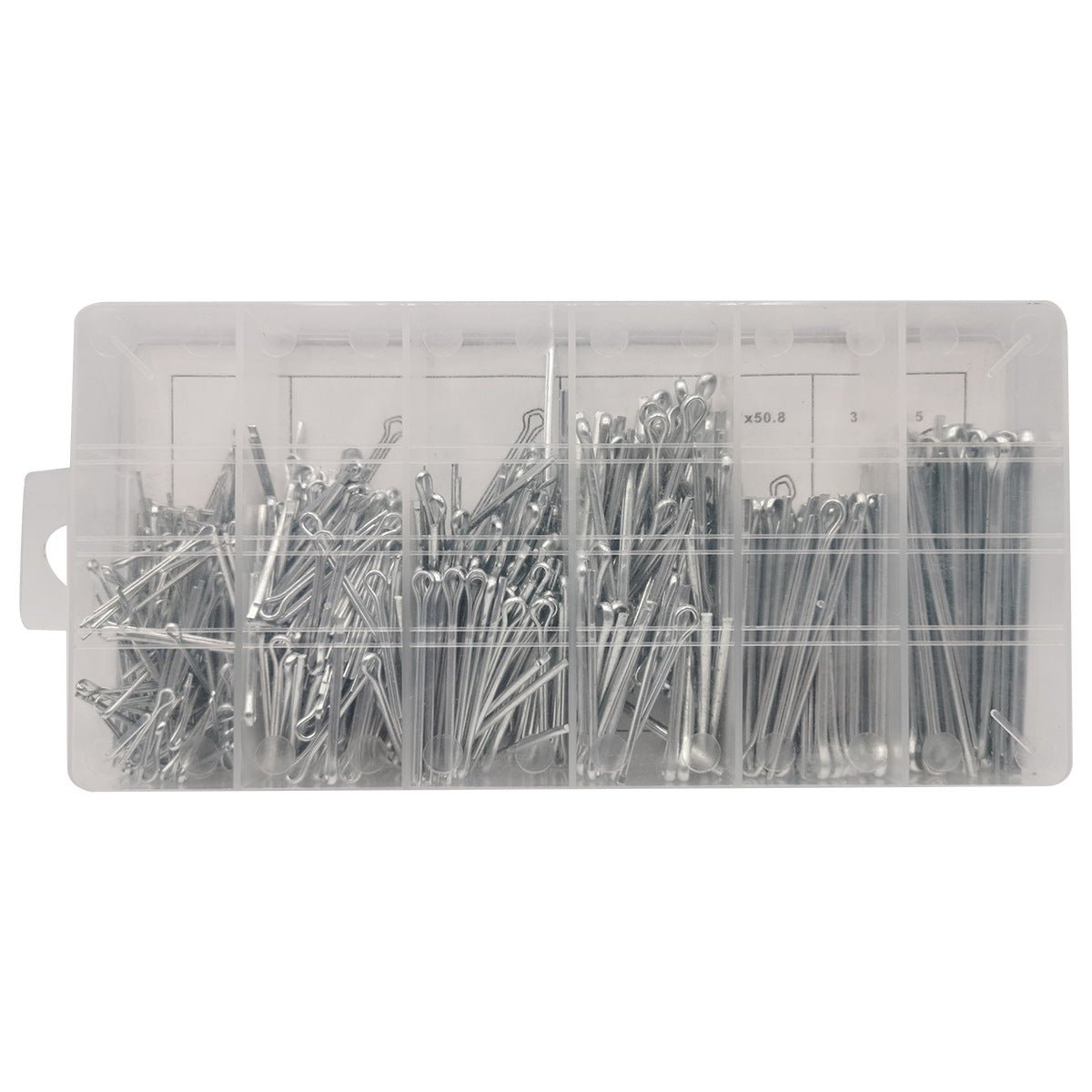
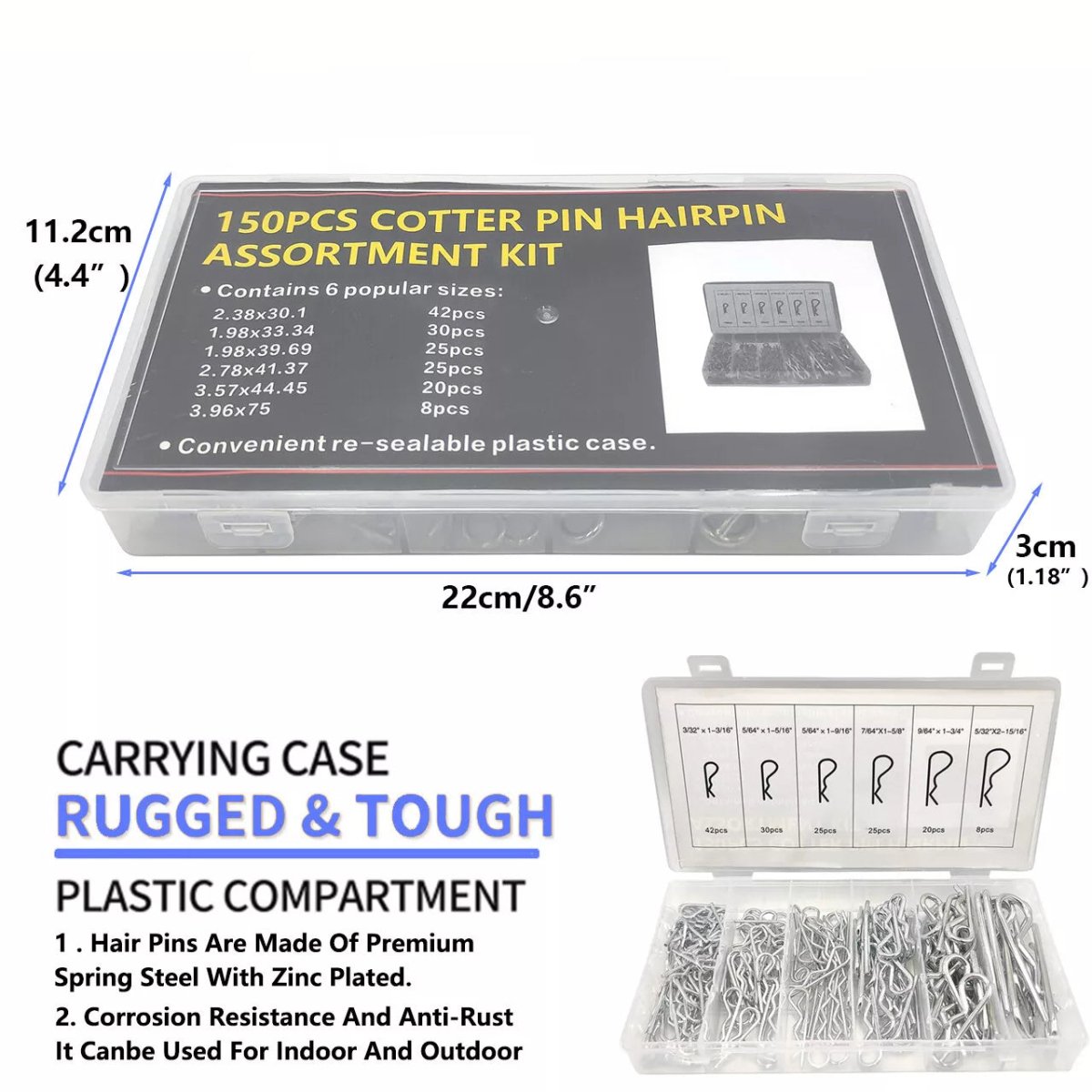
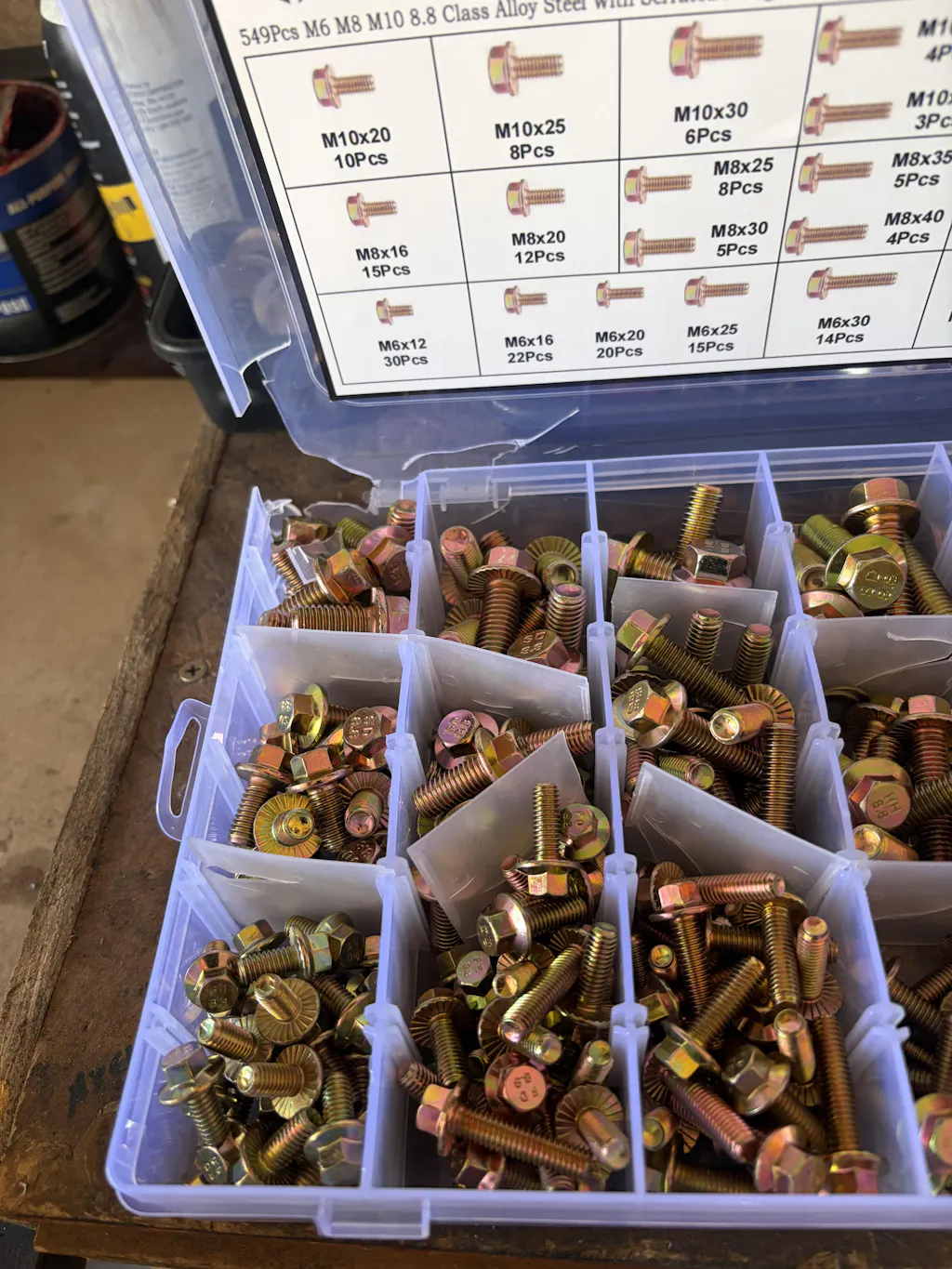
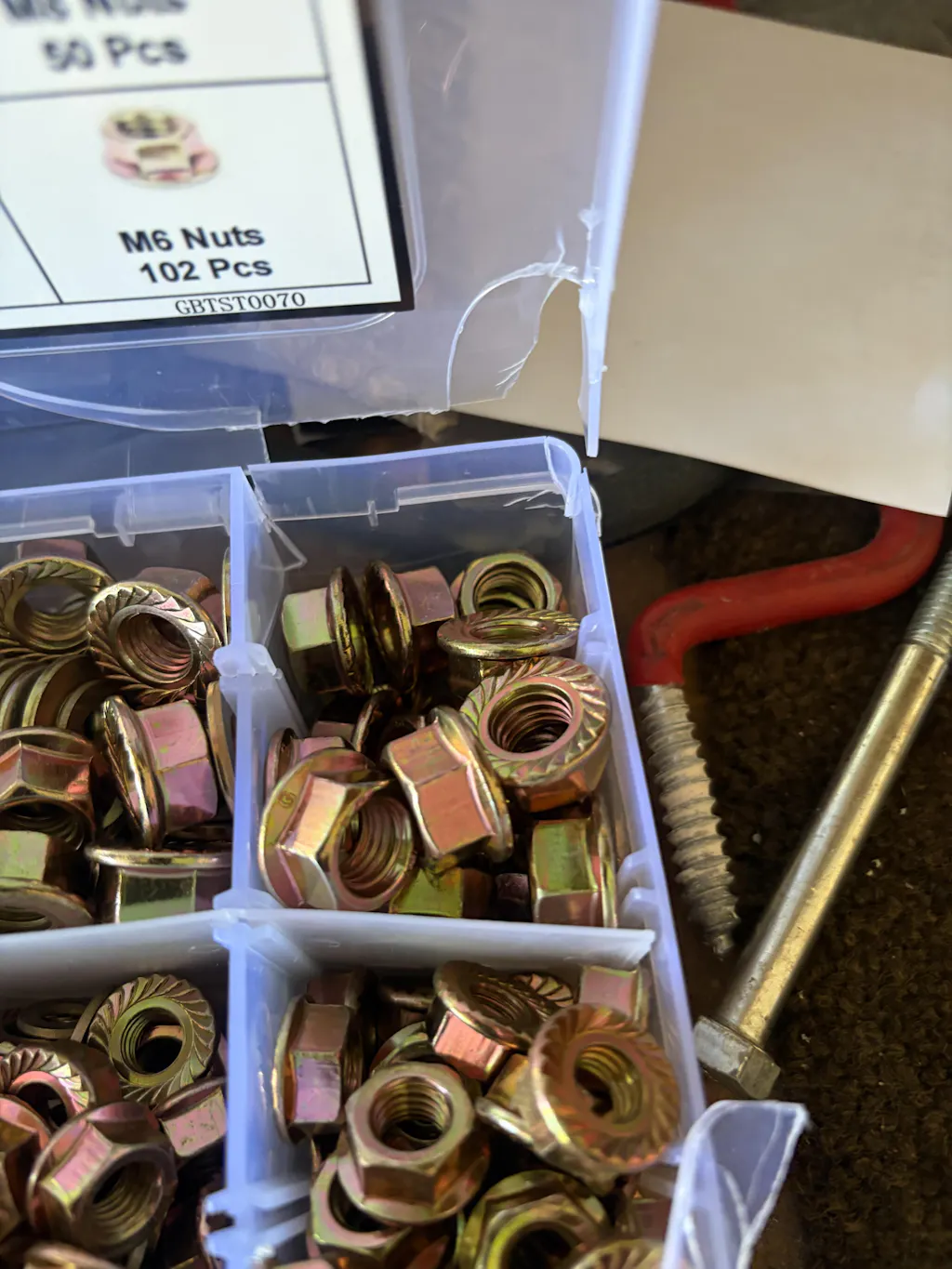
📦 Bulk Buyer Tip: Keep a pin fastener assortment kit in your workshop – it’s the fastest way to handle unexpected repairs. Our kits include the most common sizes of push pins, cotter pins, and spring pins.
By understanding pin fastener types, uses, and best practices, you’ll tackle projects with precision and confidence. Explore our collection today and upgrade your toolkit!