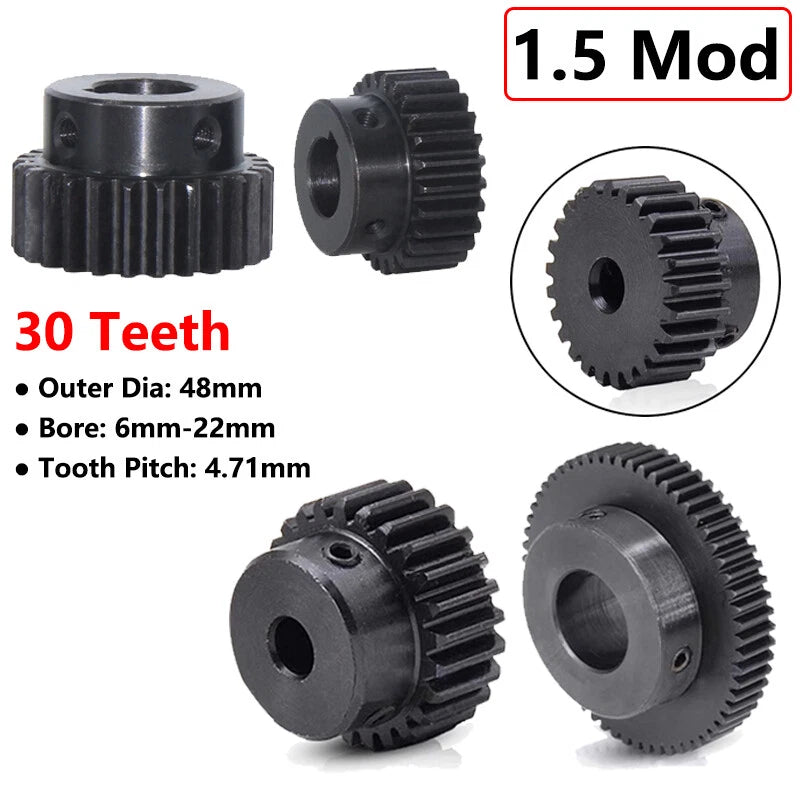
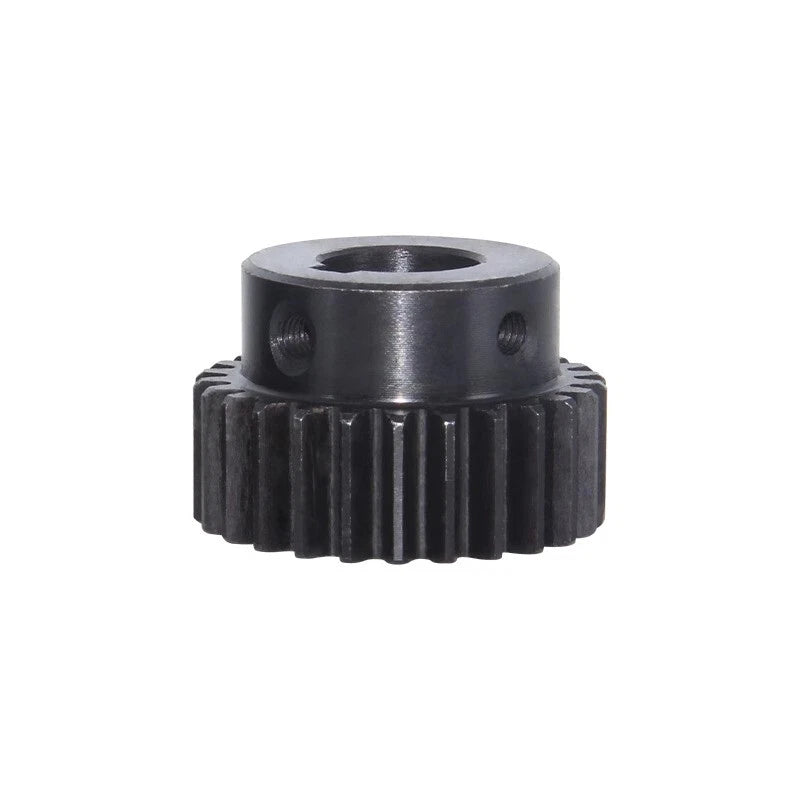
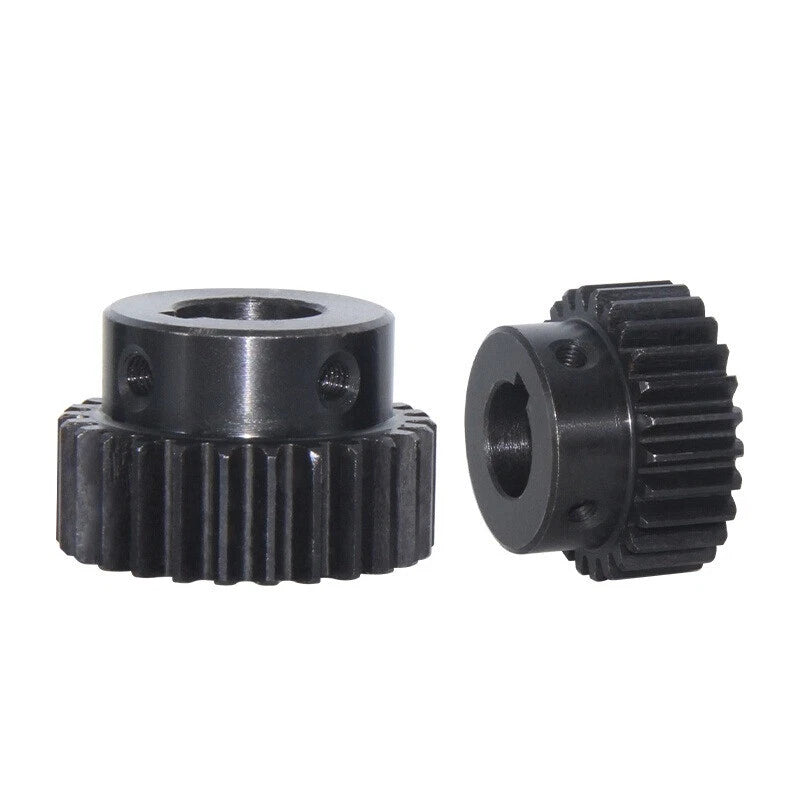
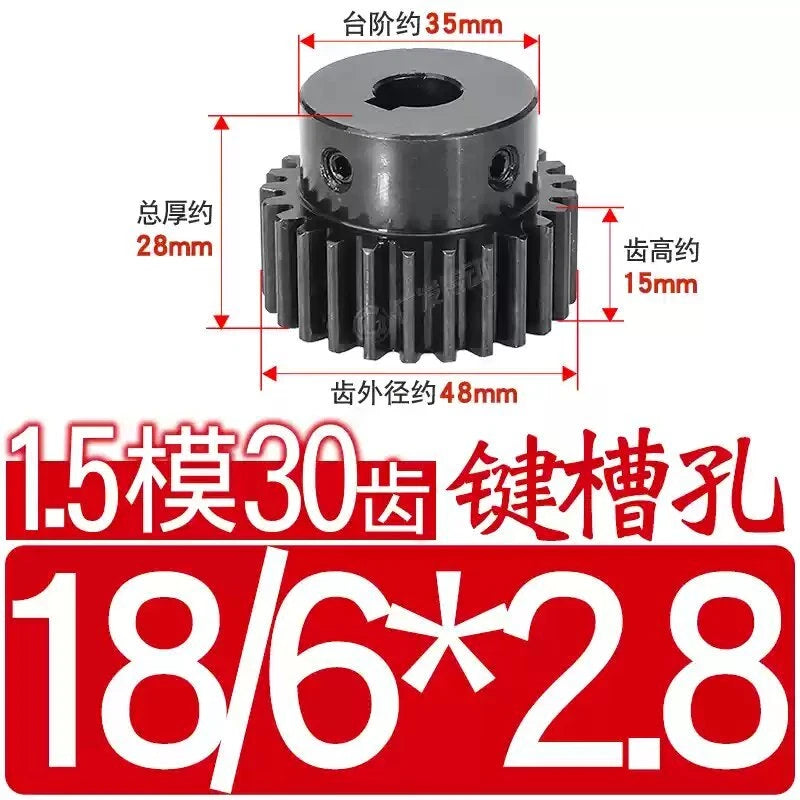
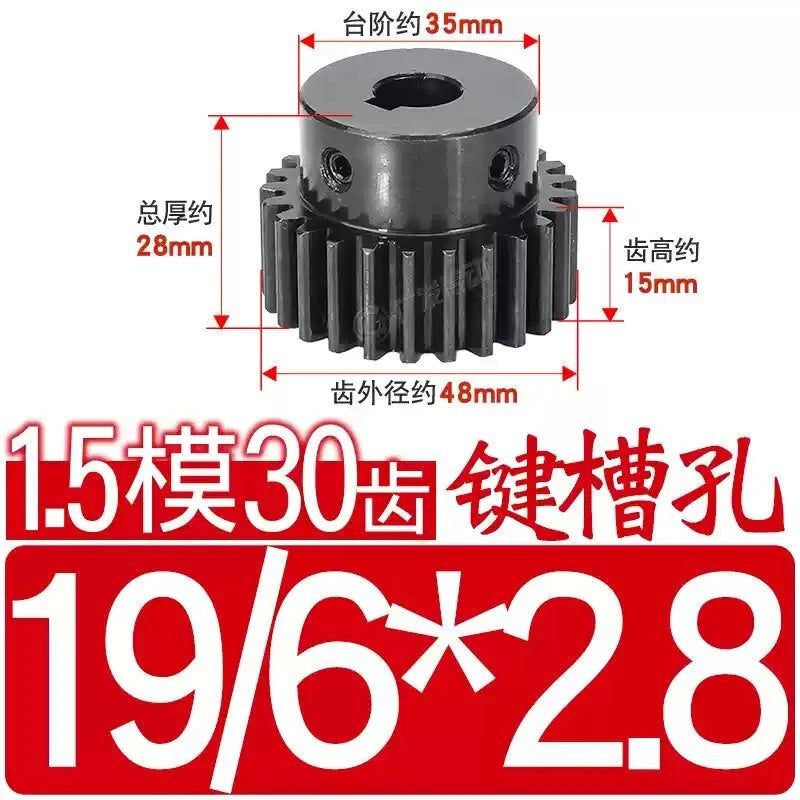
1.5Mod 45# Steel Spur Gear 30 Teeth Bore 6-22mm Pinion Gear With Step Motor Gear

No reviews

Price:
Sale price$25.27 USD
Stock:
In stock (500 units), ready to be shipped

Payment & Security

Ach Direct Debit Amazon American Express Apple Pay Bancontact BLIK Diners Club Discover EPS Google Pay iDEAL Wero JCB Maestro Mastercard Multibanco MobilePay PayPal Przelewy24 Shop Pay Twint Union Pay USDC Visa

Your payment information is processed securely. We do not store credit card details nor have access to your credit card information.

Limited Offer — Spend More, Save More
Spend $55+
Save $5
Spend $100+
Save $10
Spend $200+
Save $25
HomeDIYer DIY Expert Support

DIY Expert Support

Get fitment advice & recommendations

Mon–Fri  8:30 AM – 8:00 PM
24-Hour Fast Ship
Arrives in 3–14 Days
Worldwide Shipping
30-Day Returns
1 tree planted with every purchase

Description

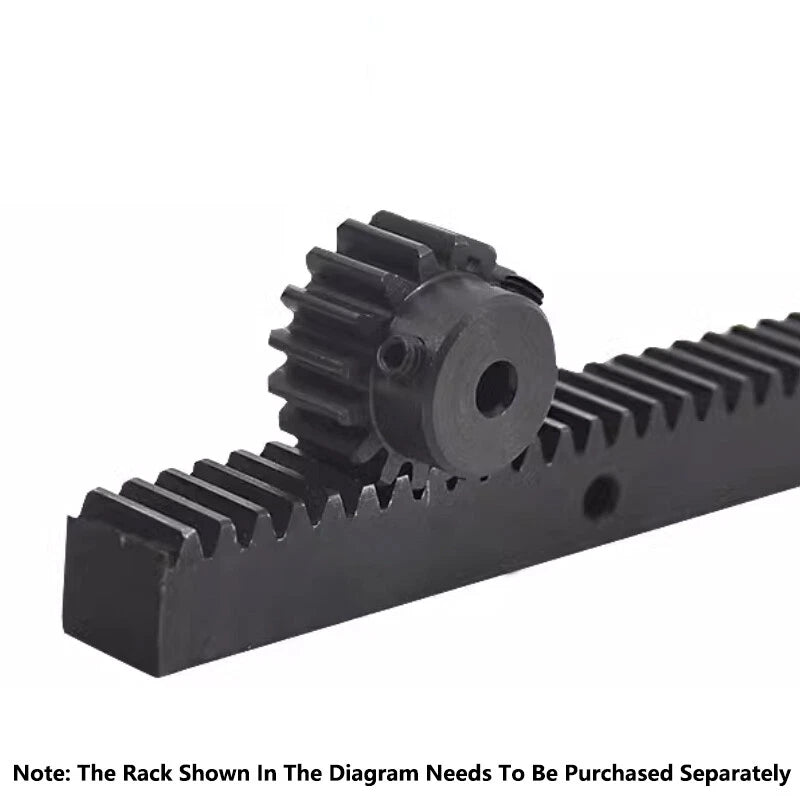
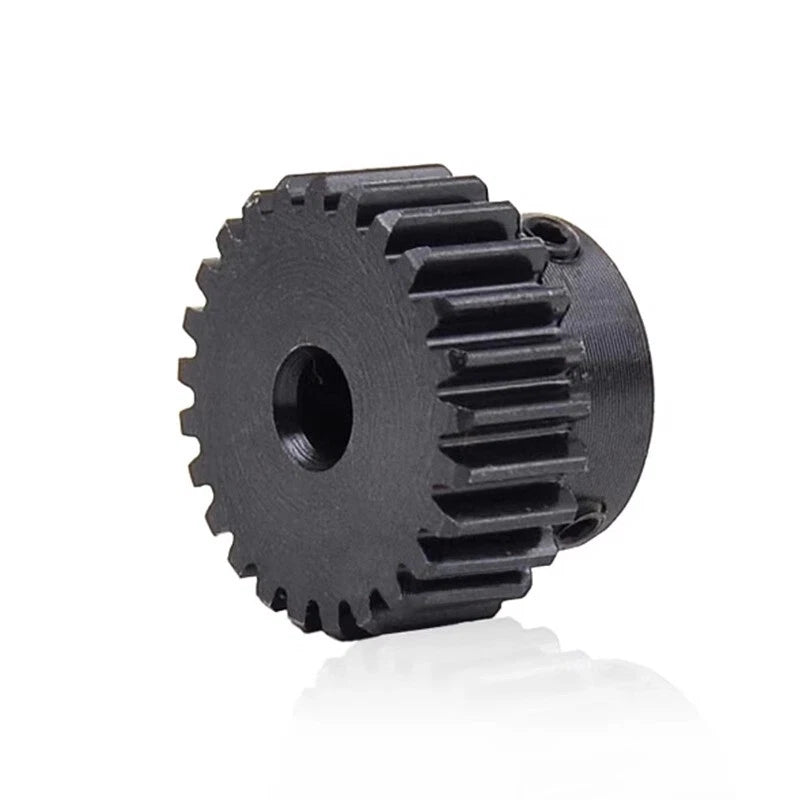
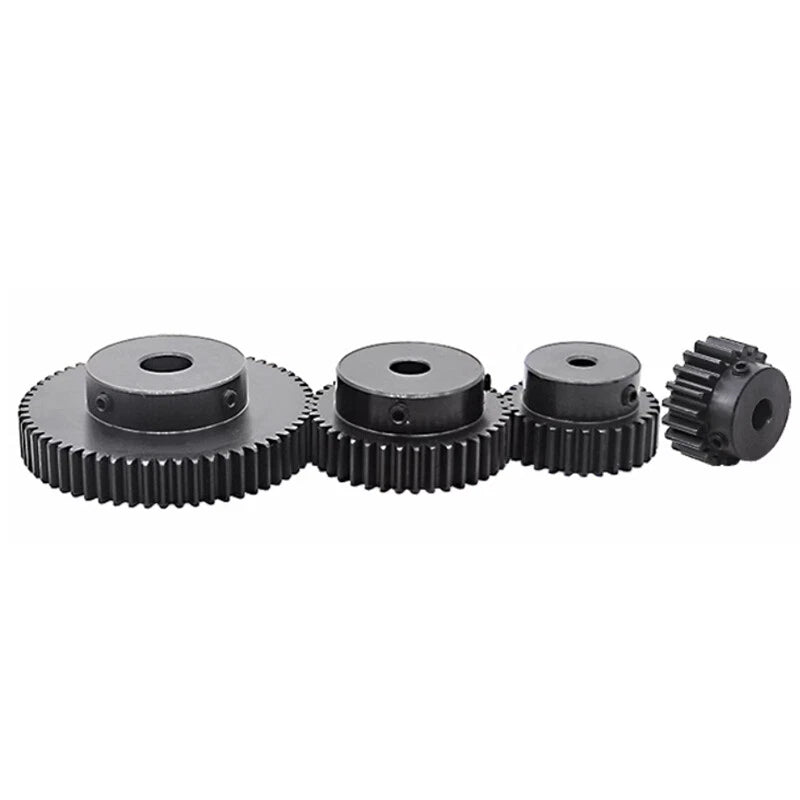
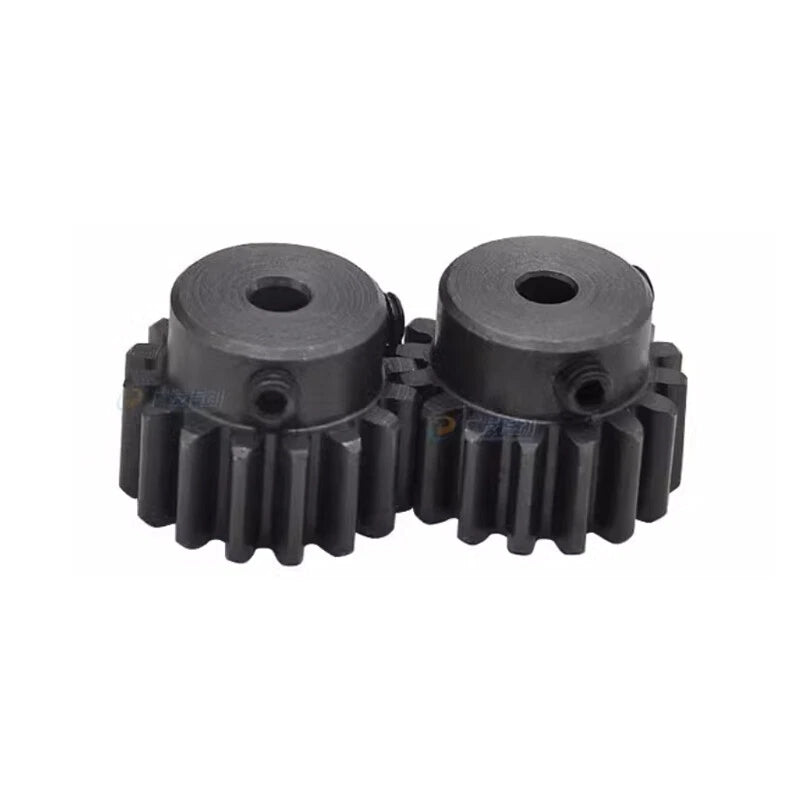
1.5 Mod 30-Tooth Steel Spur Gear — Reliable Power Transmission for Precision Builds

When your CNC router stalls, your robot arm skips steps, or your automation rig loses torque, the culprit is often a gear that can't hold tight tolerances under load. This 1.5 Mod 30-tooth spur gear is engineered for makers, robotics builders, and mechanical engineers who need consistent, repeatable motion transfer without backlash creep.

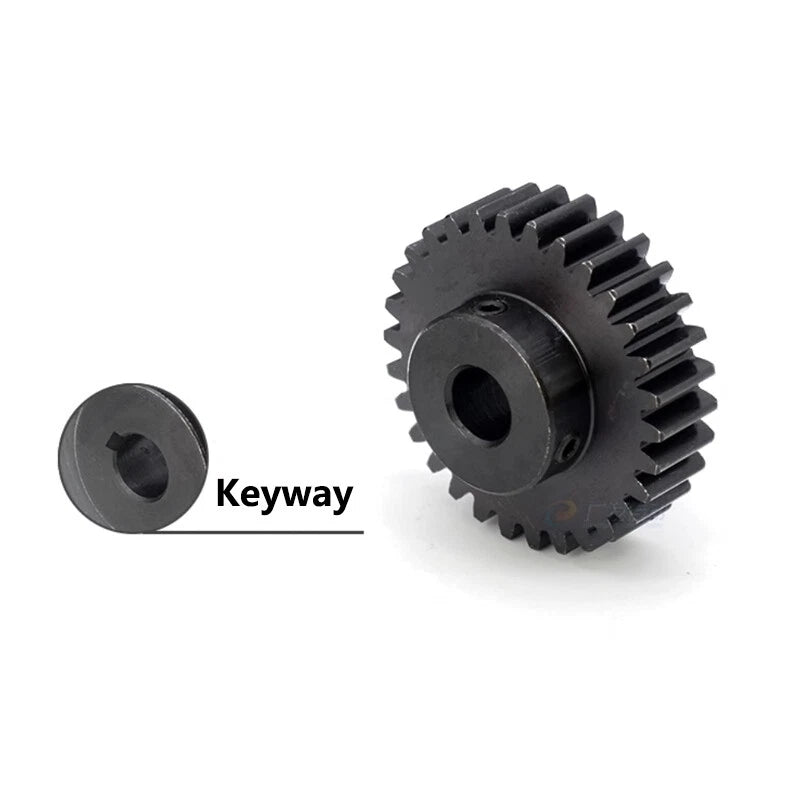
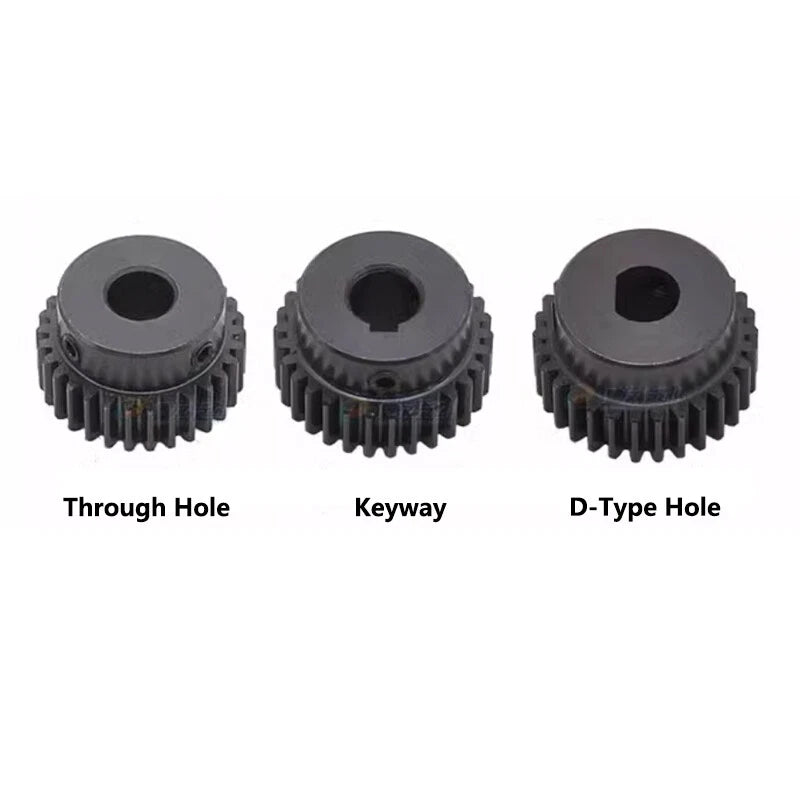
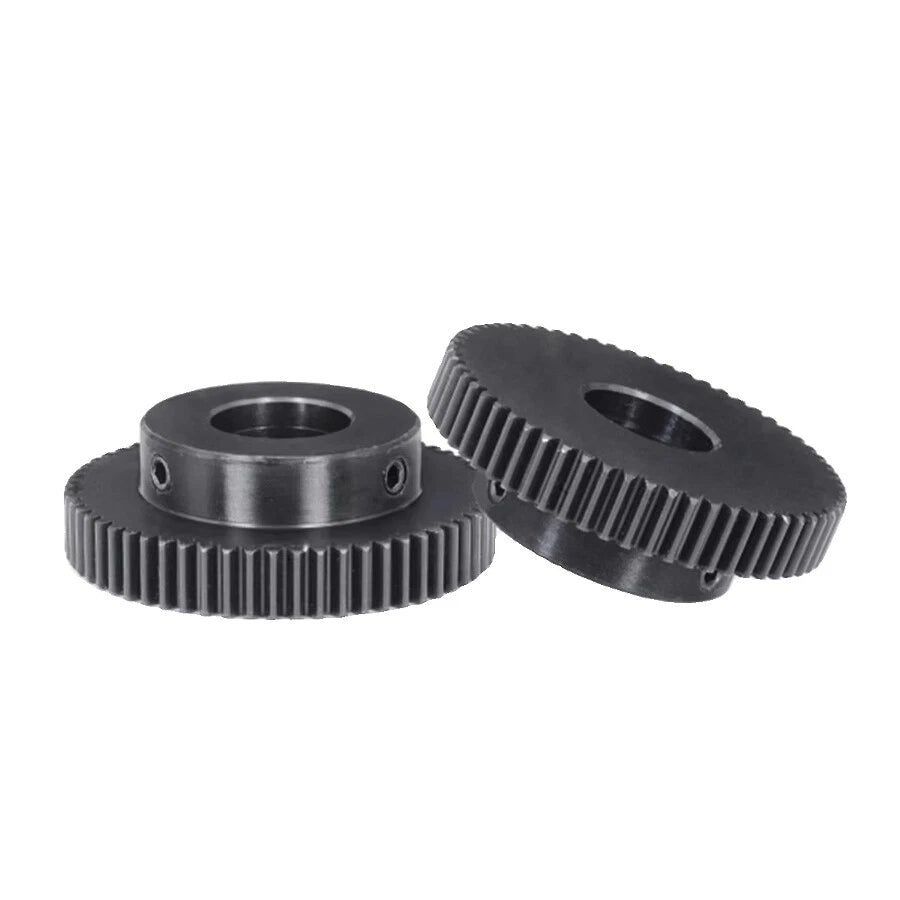
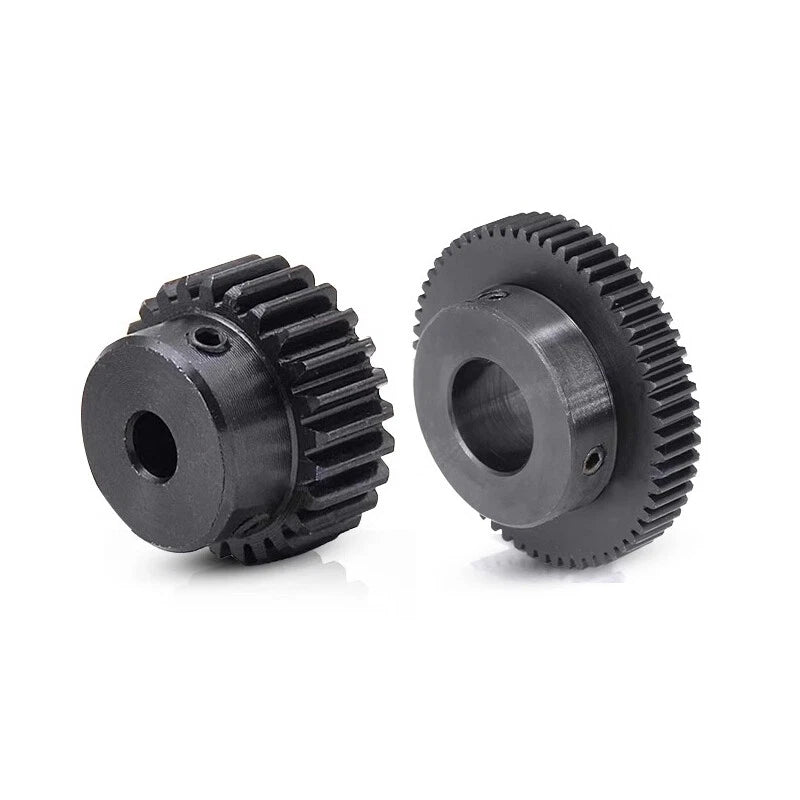
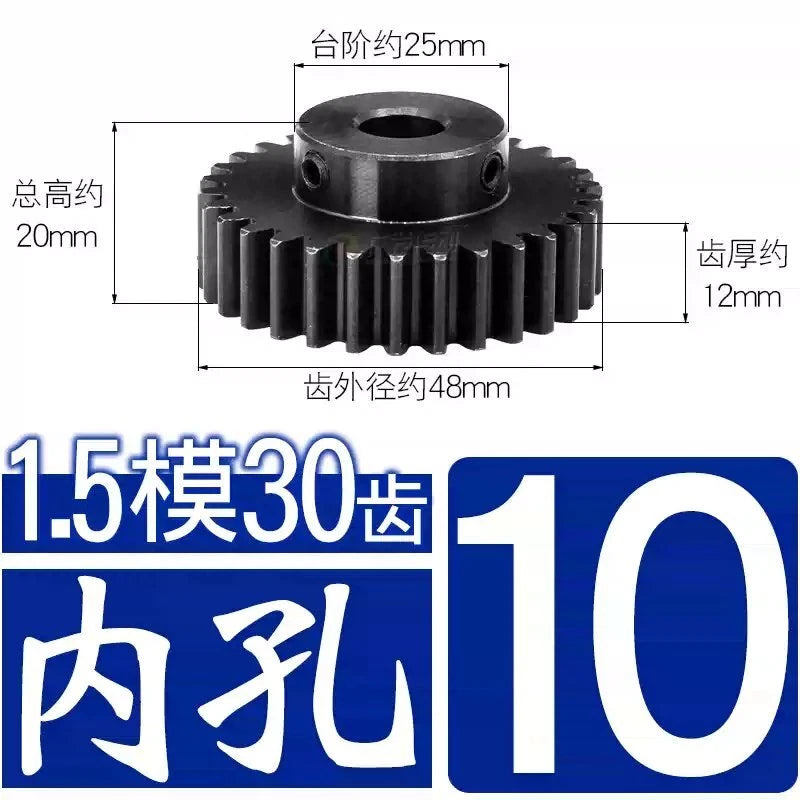
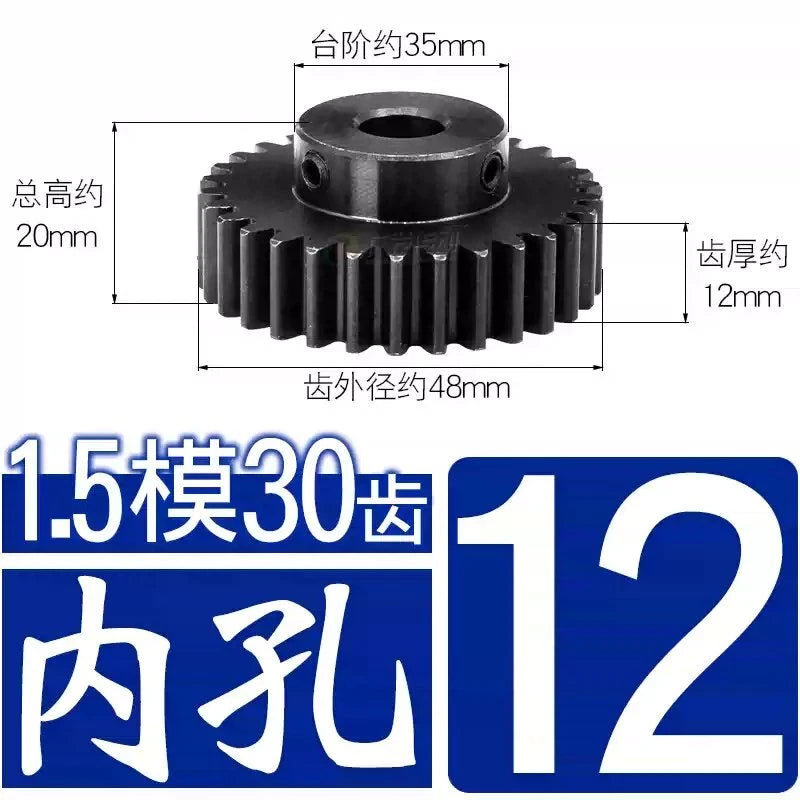
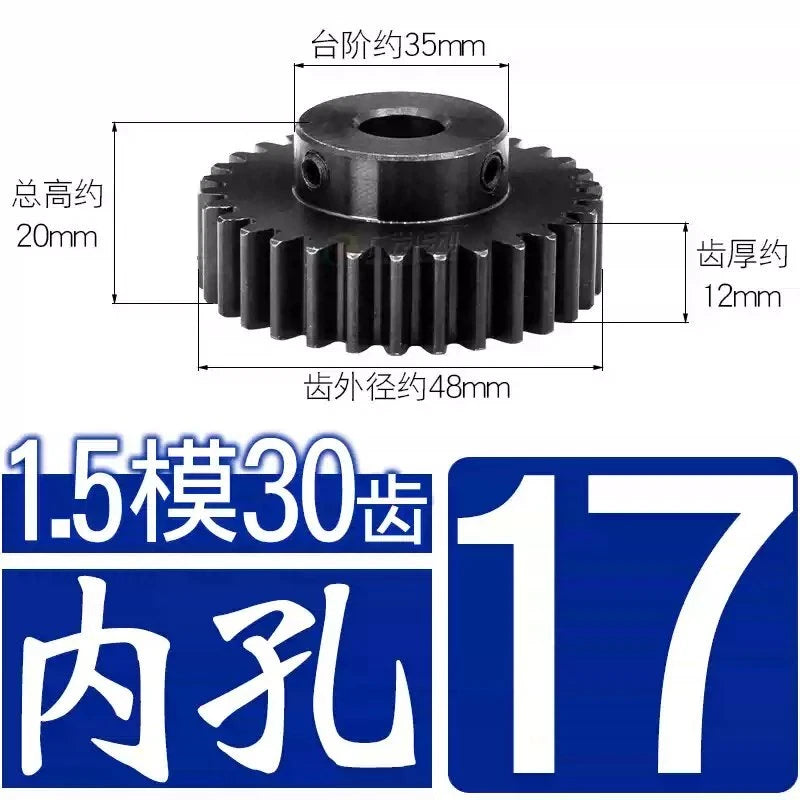
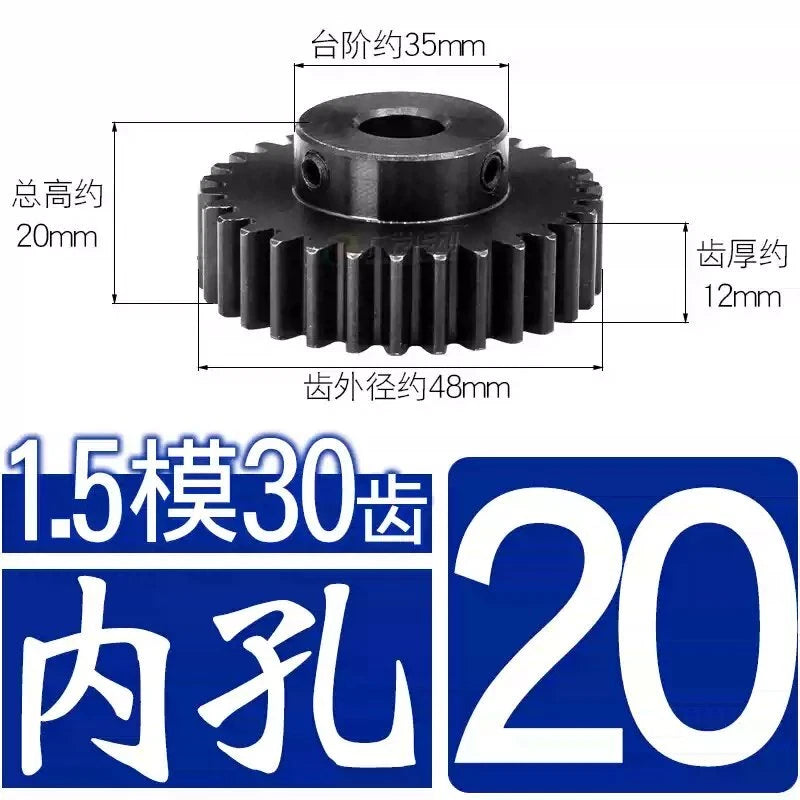
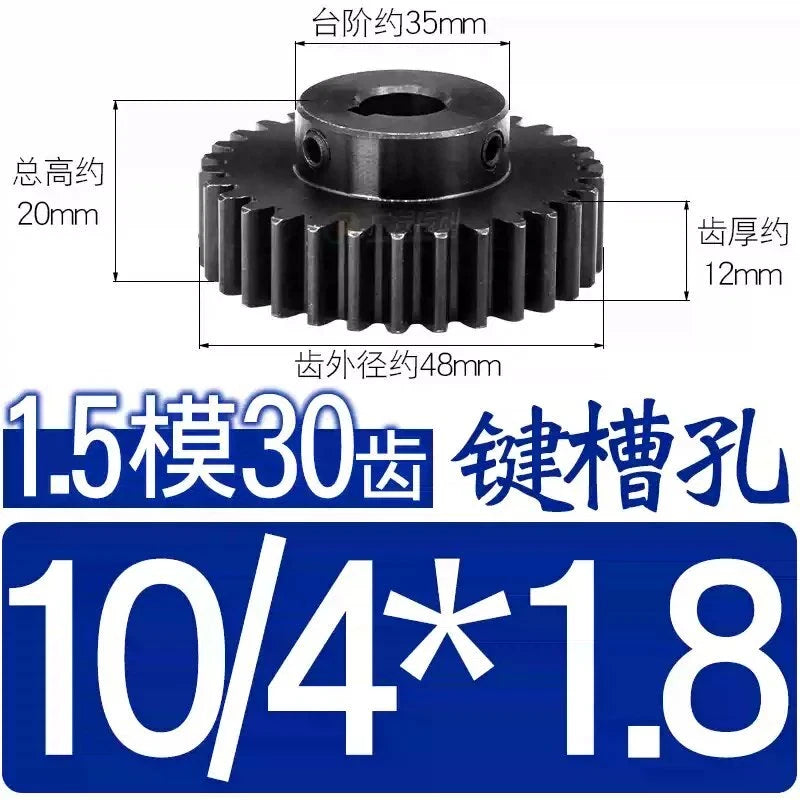
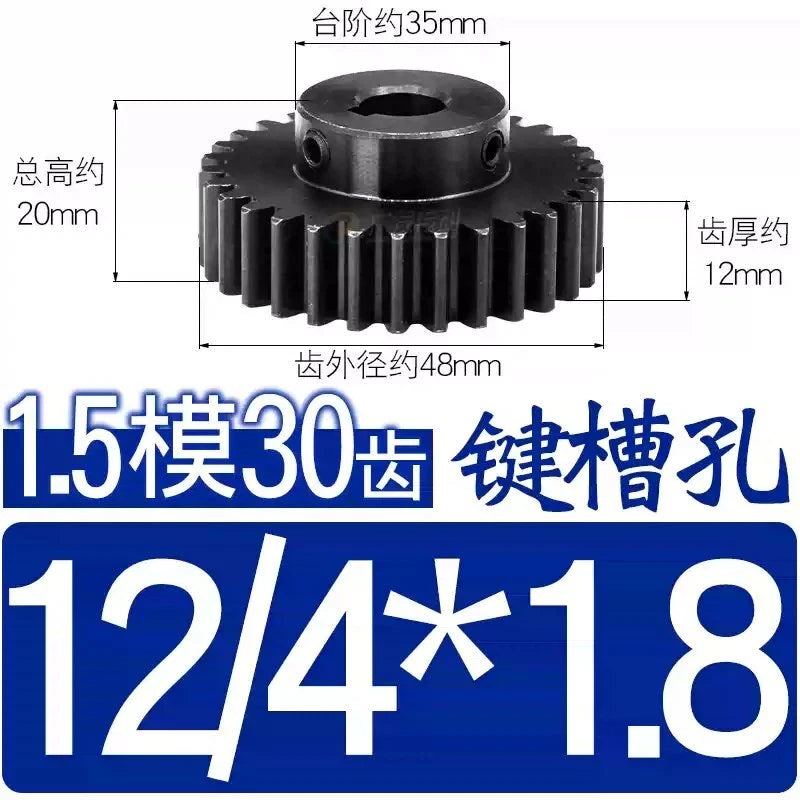
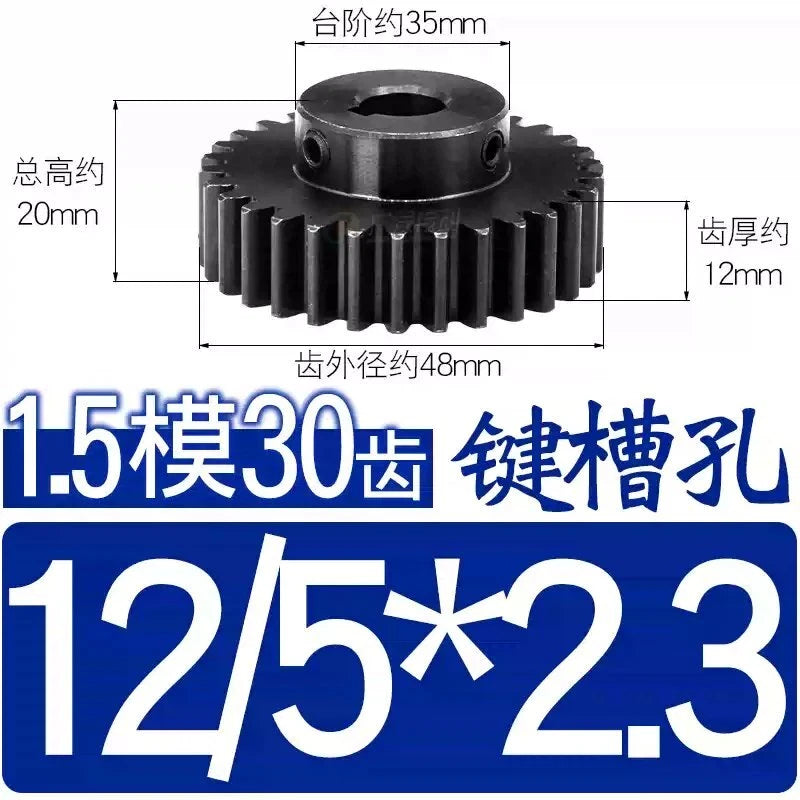
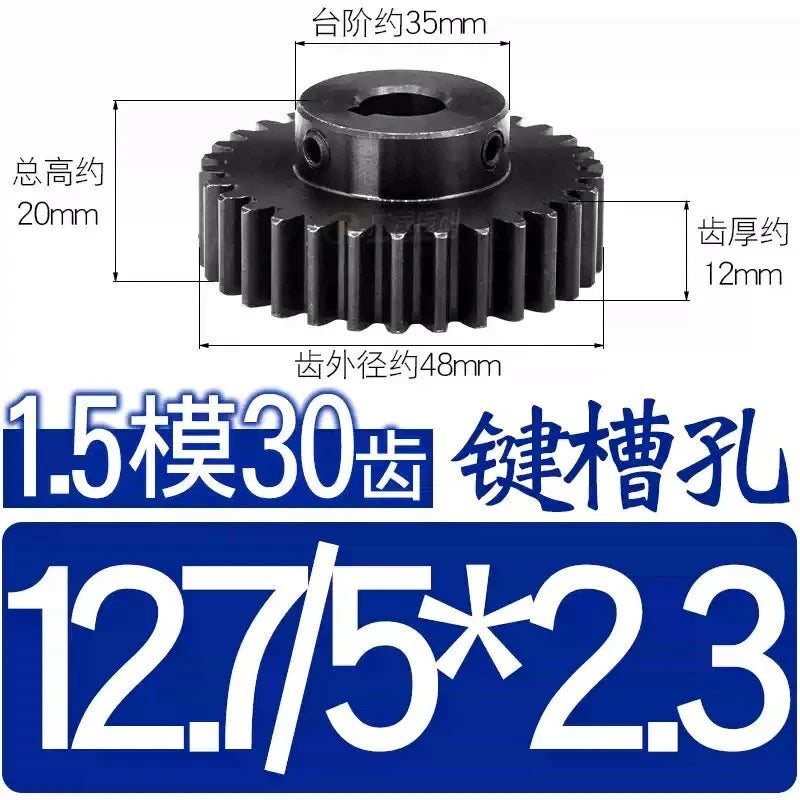
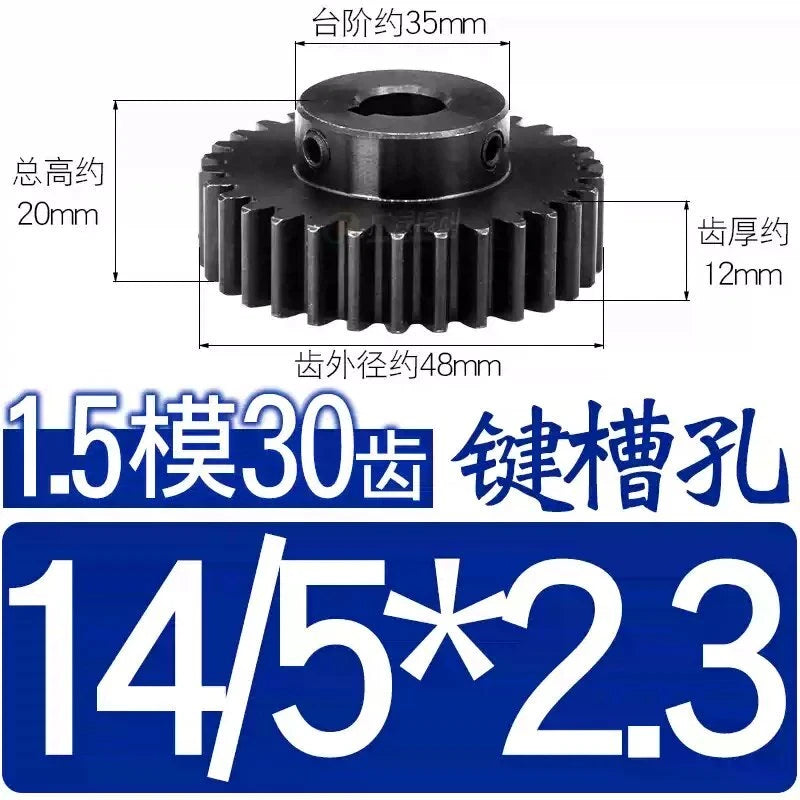
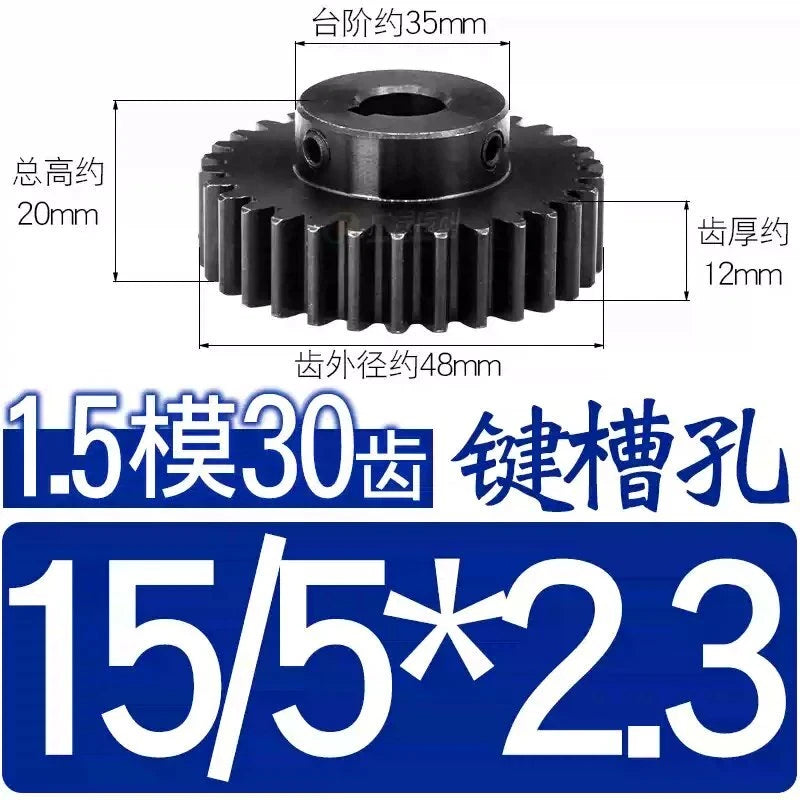
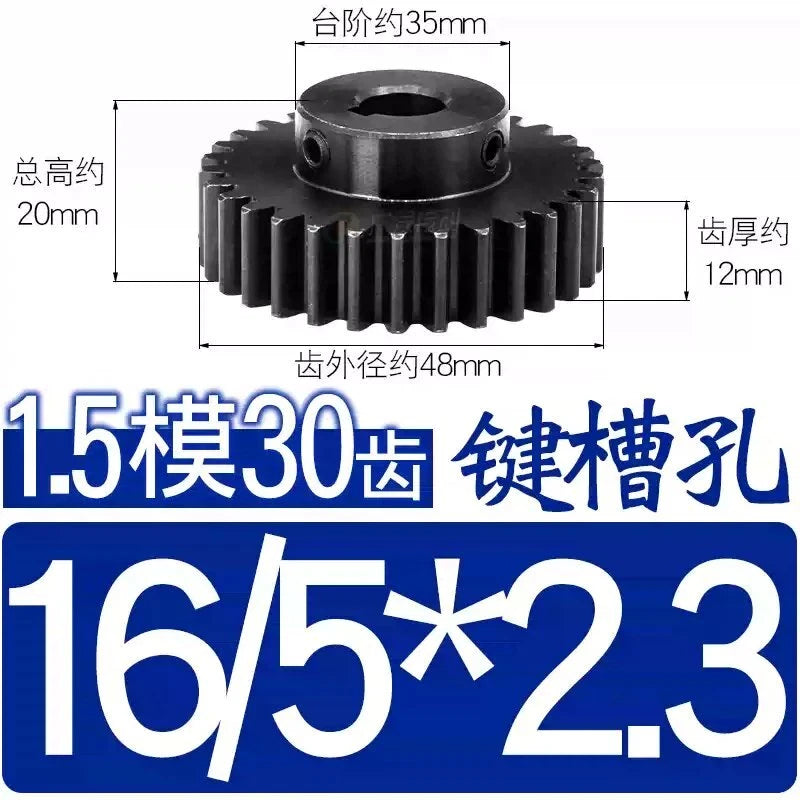
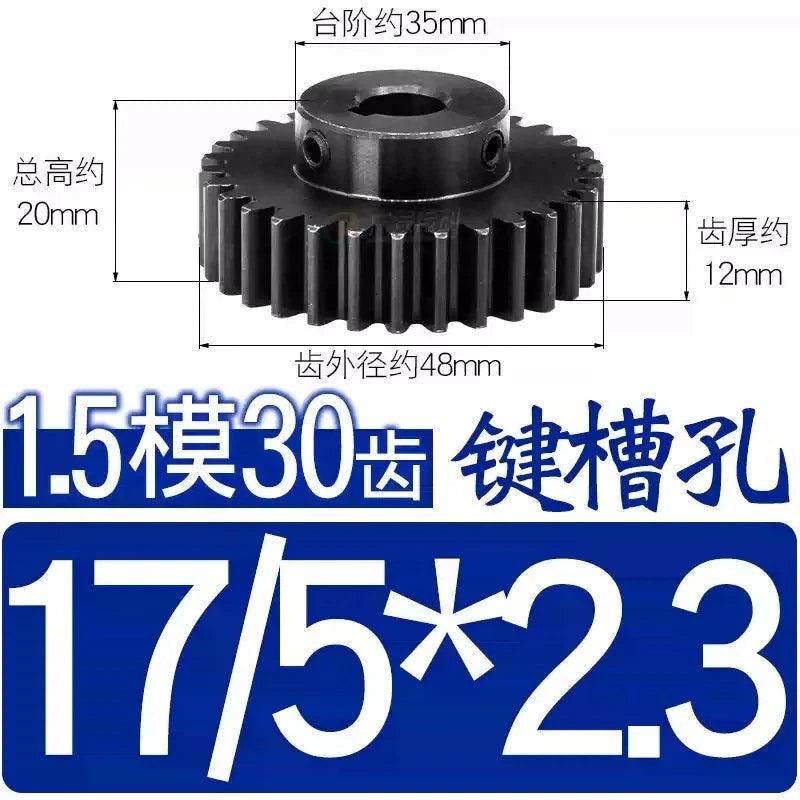
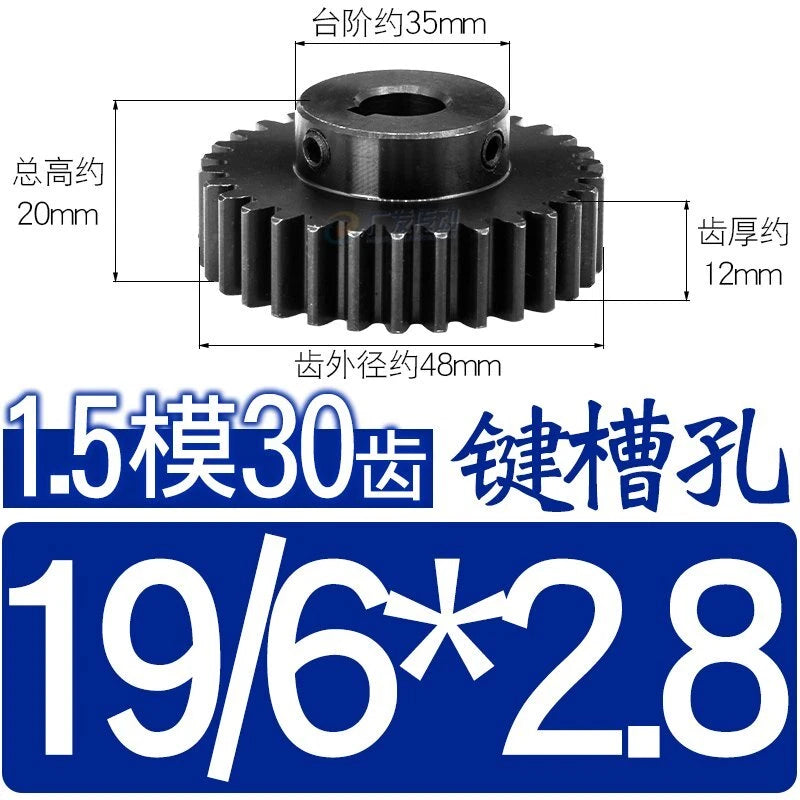
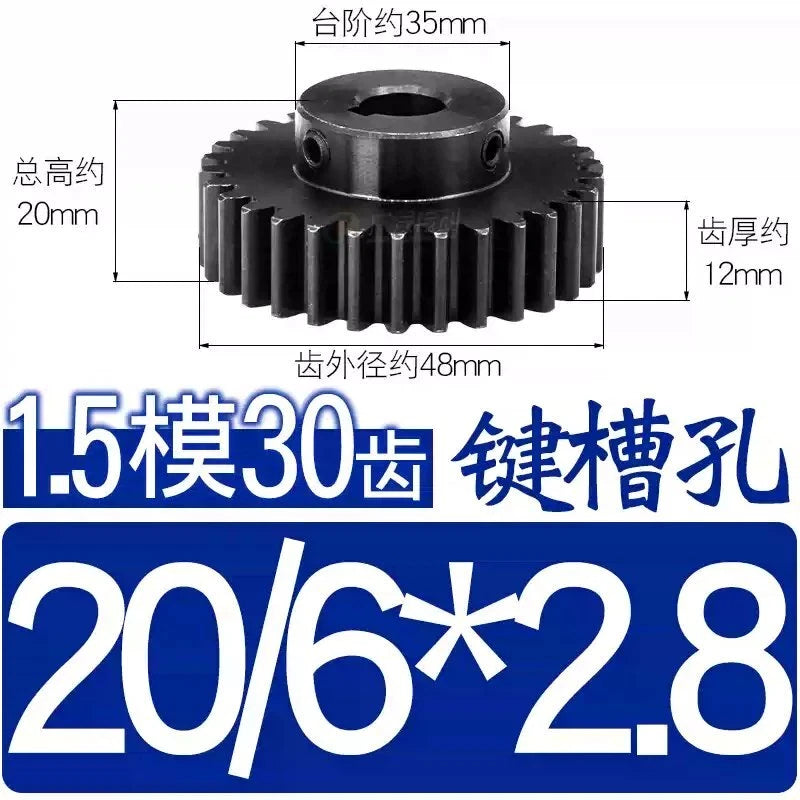
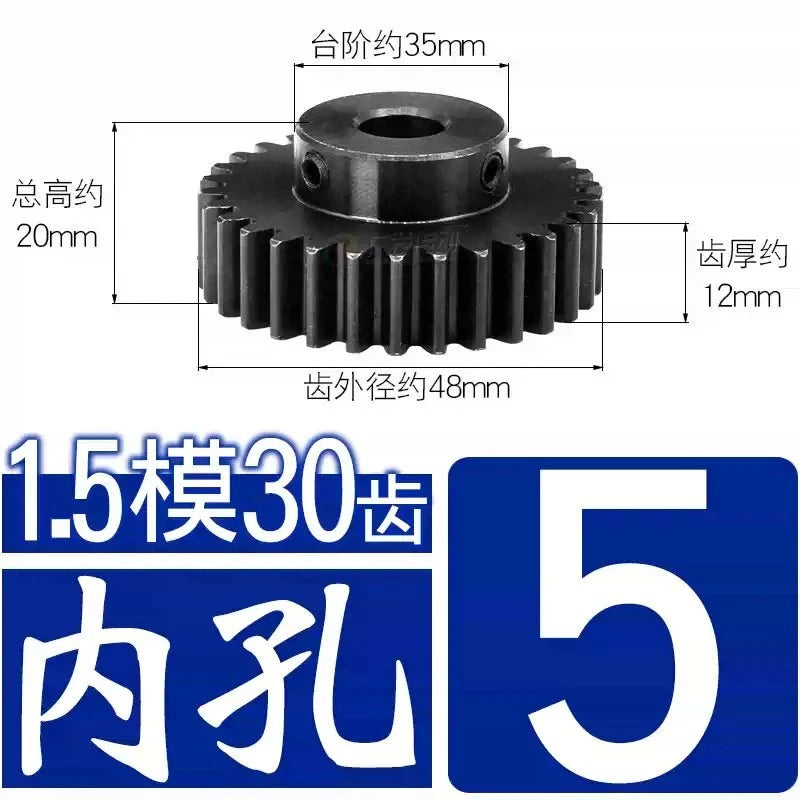
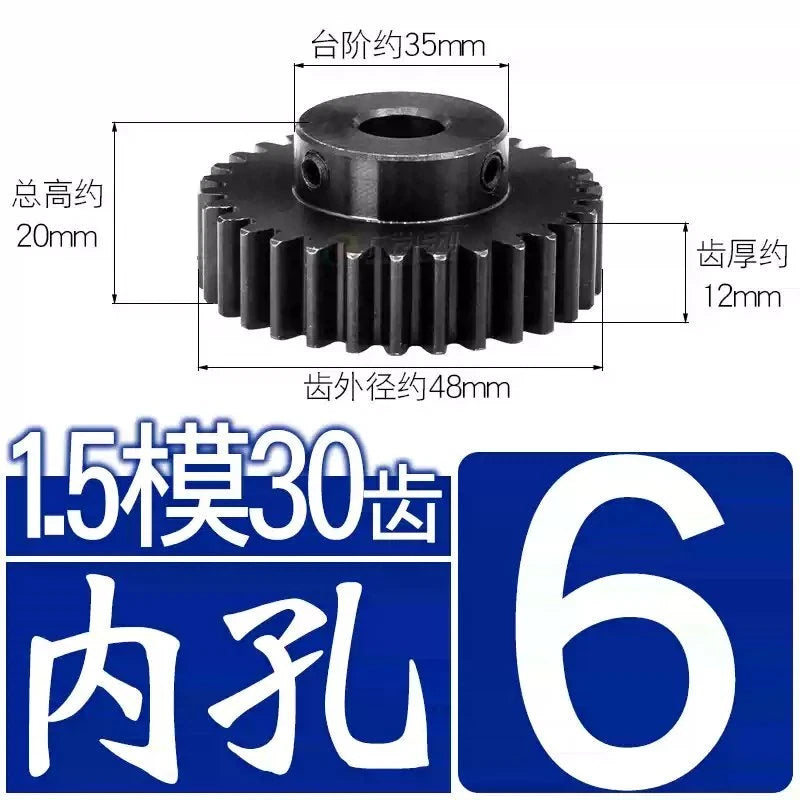
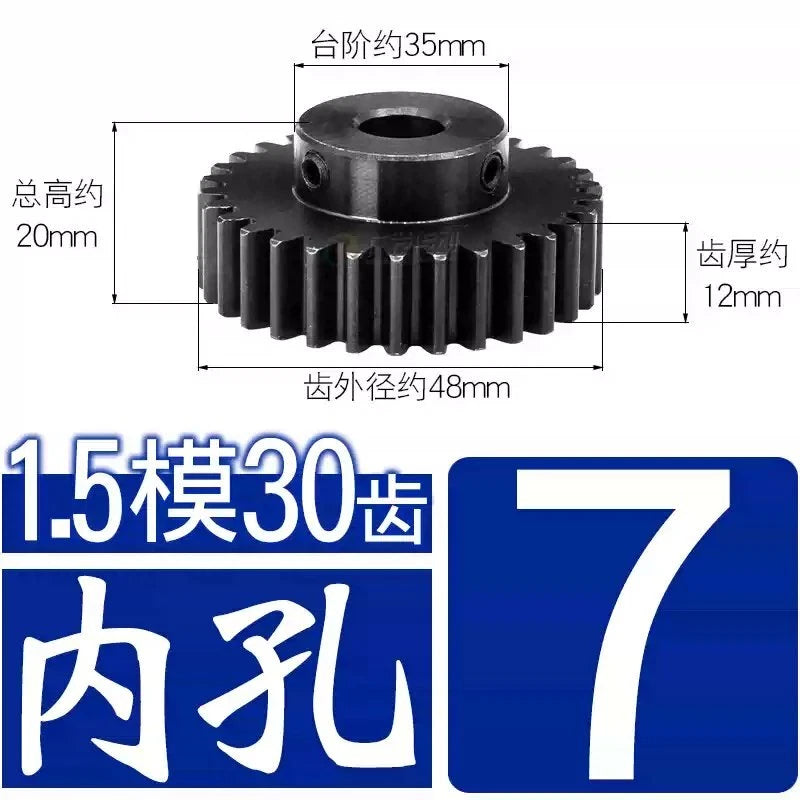
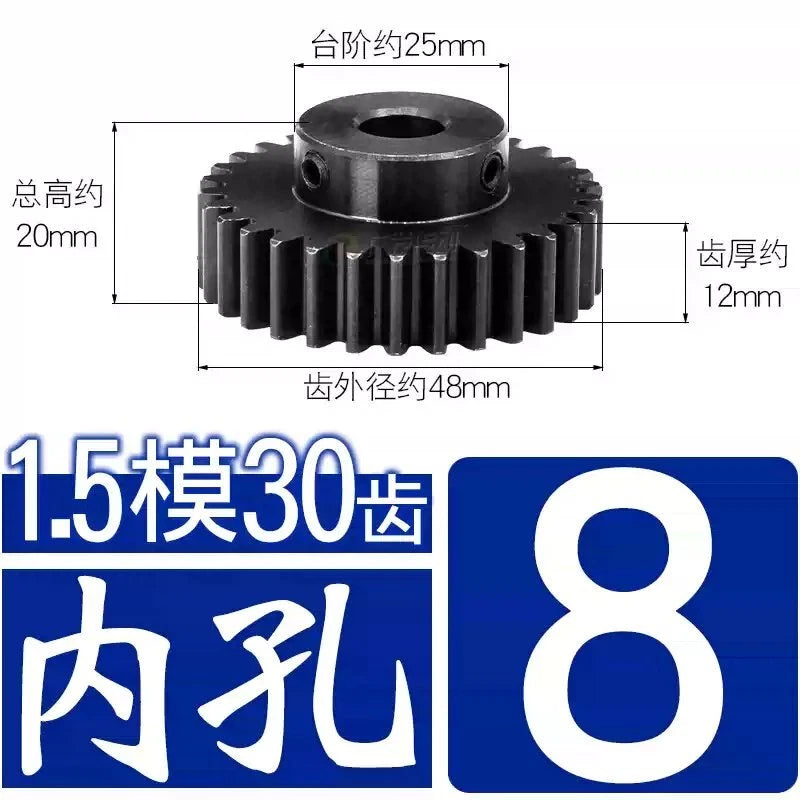
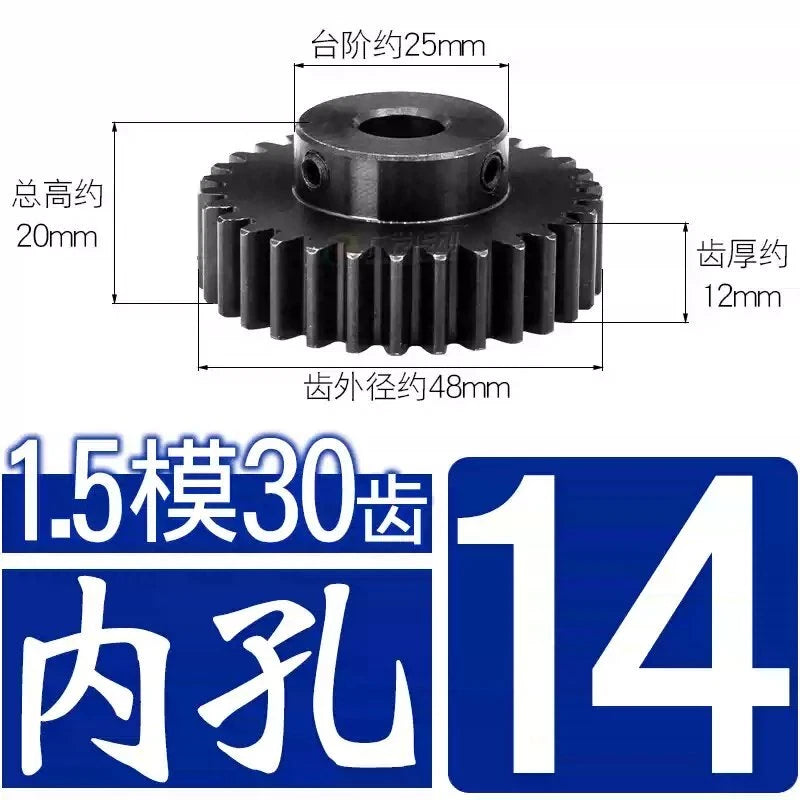
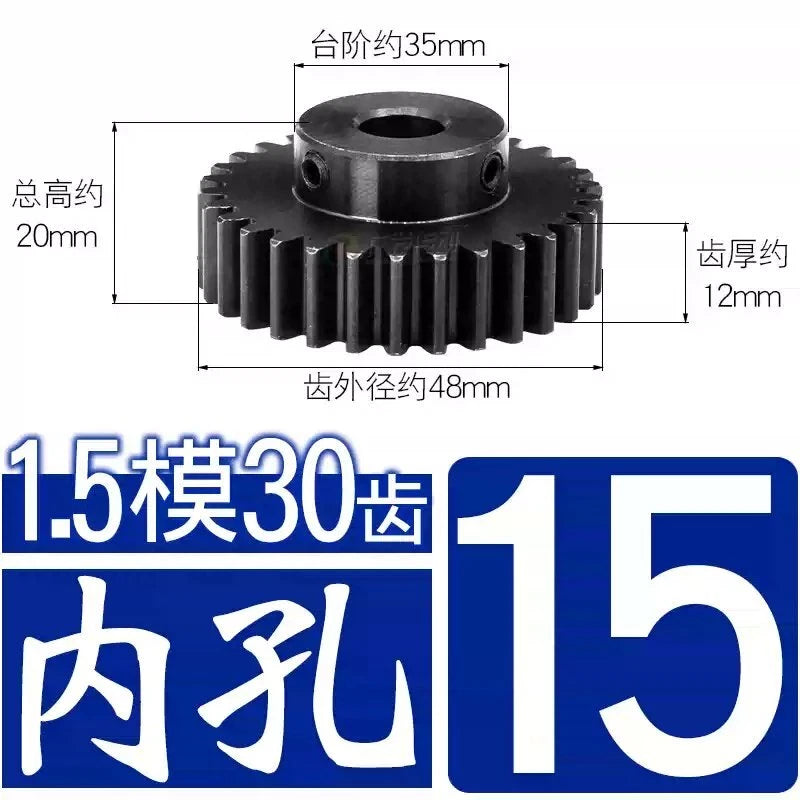
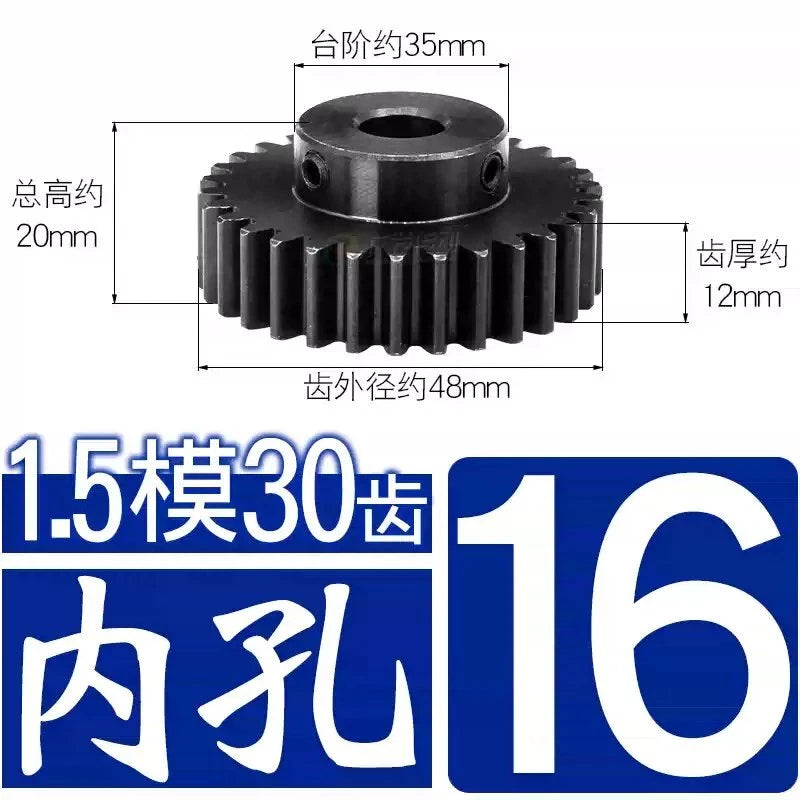
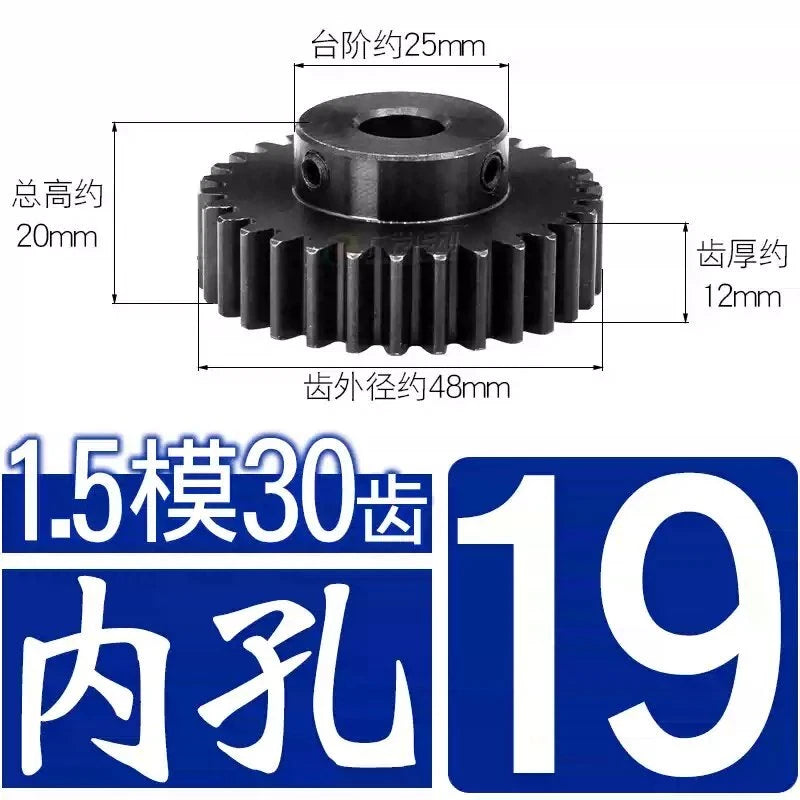
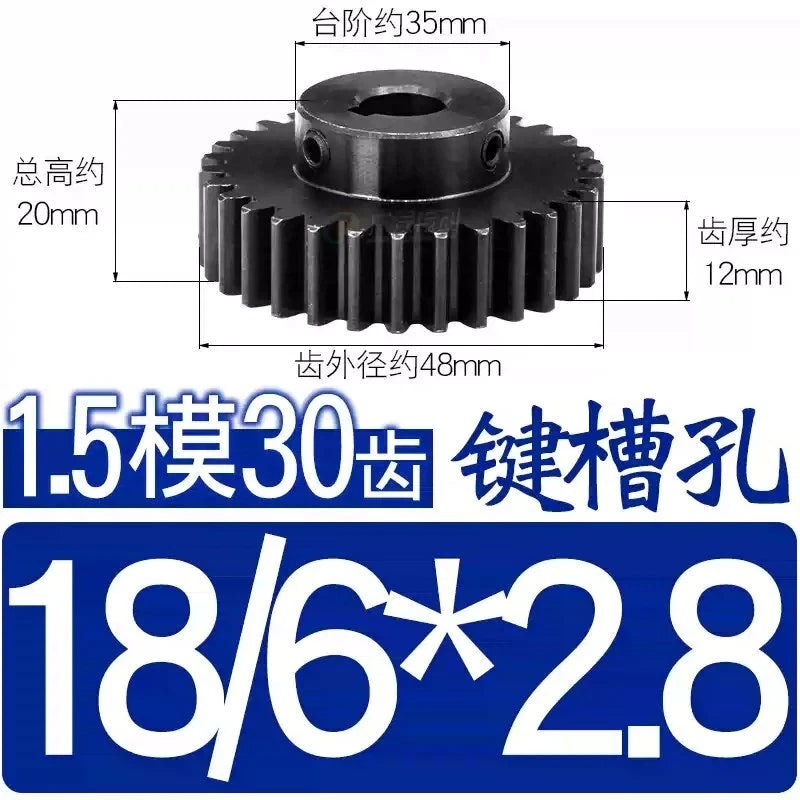
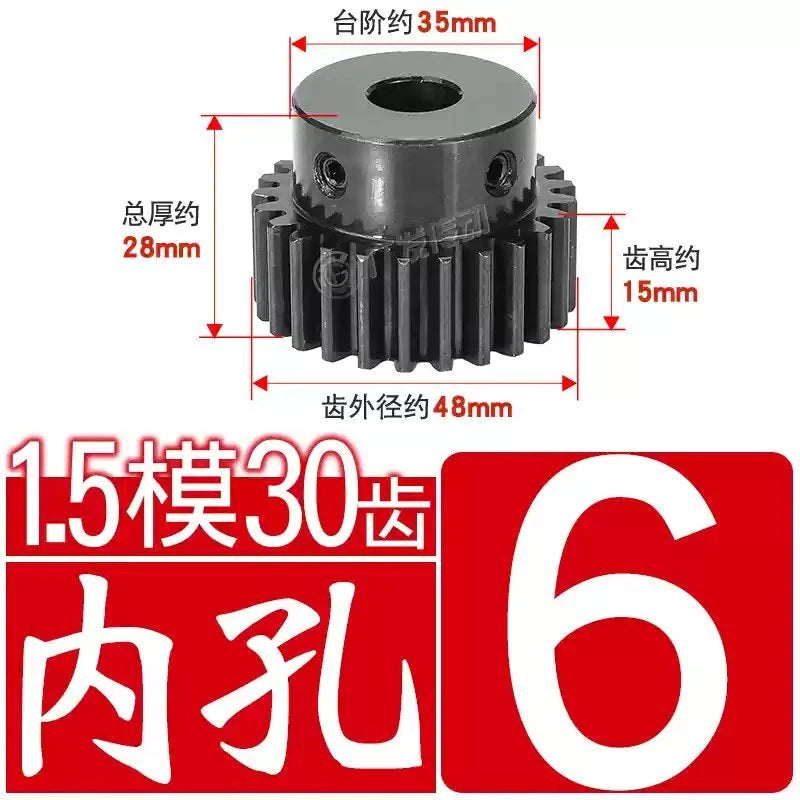
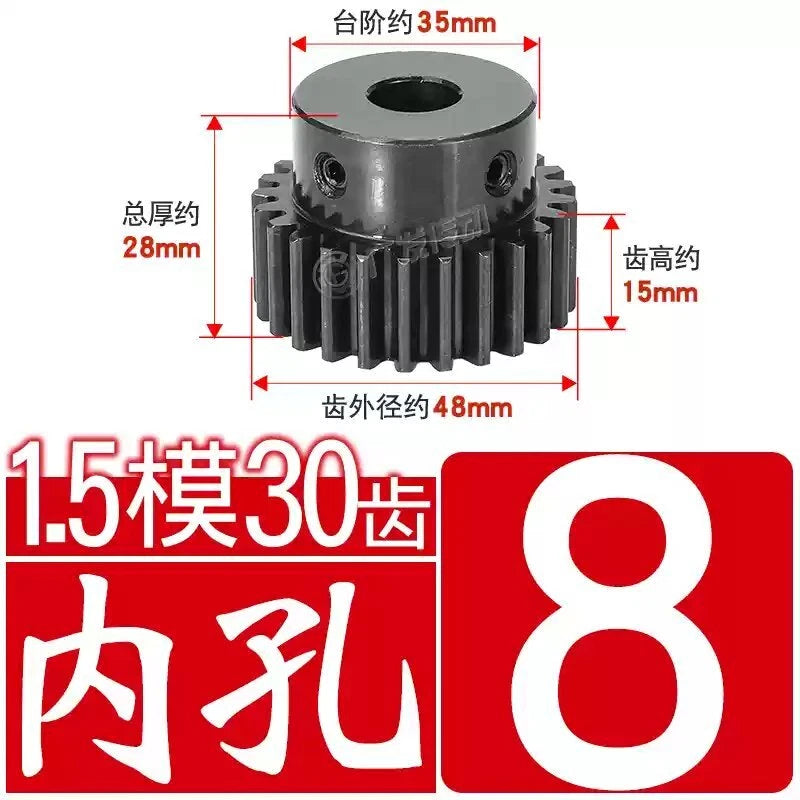
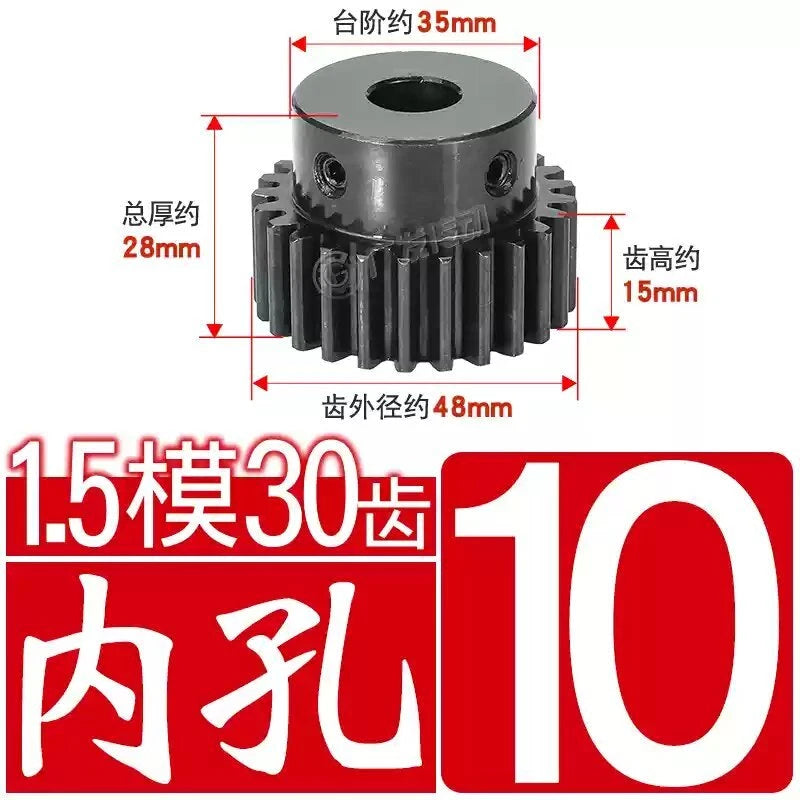
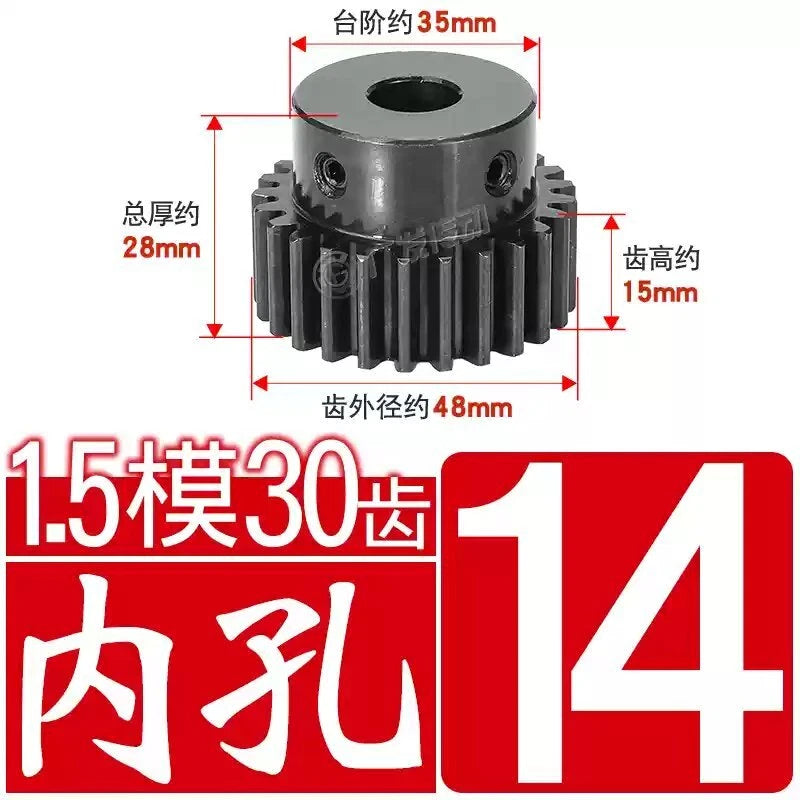
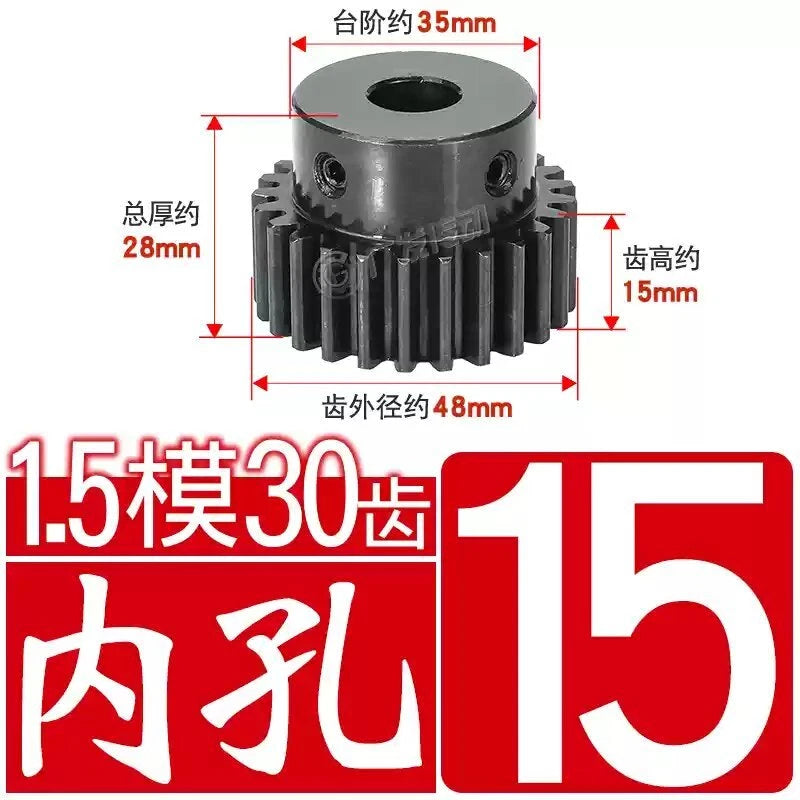
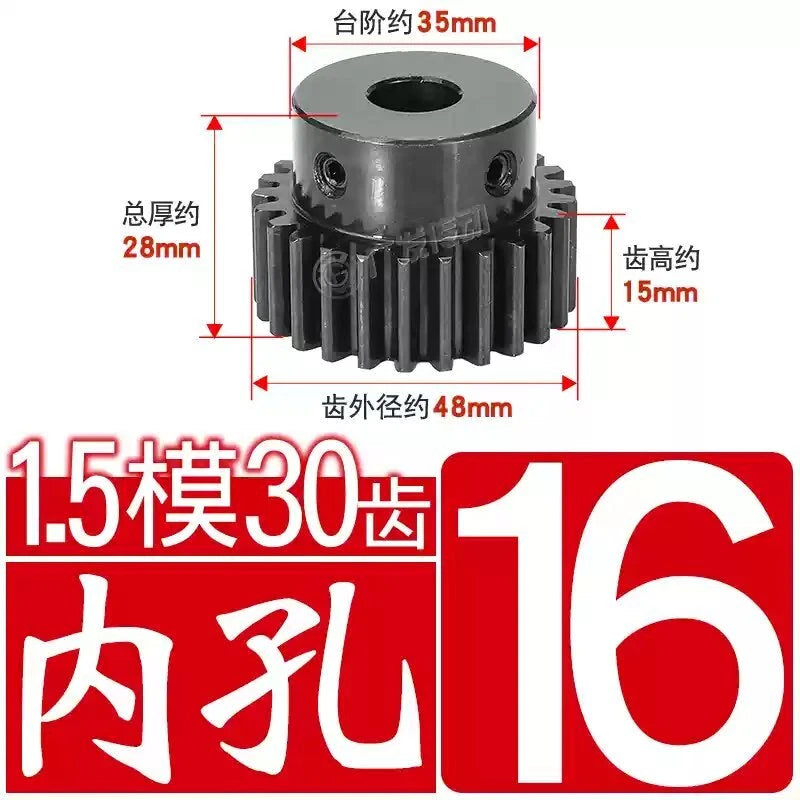
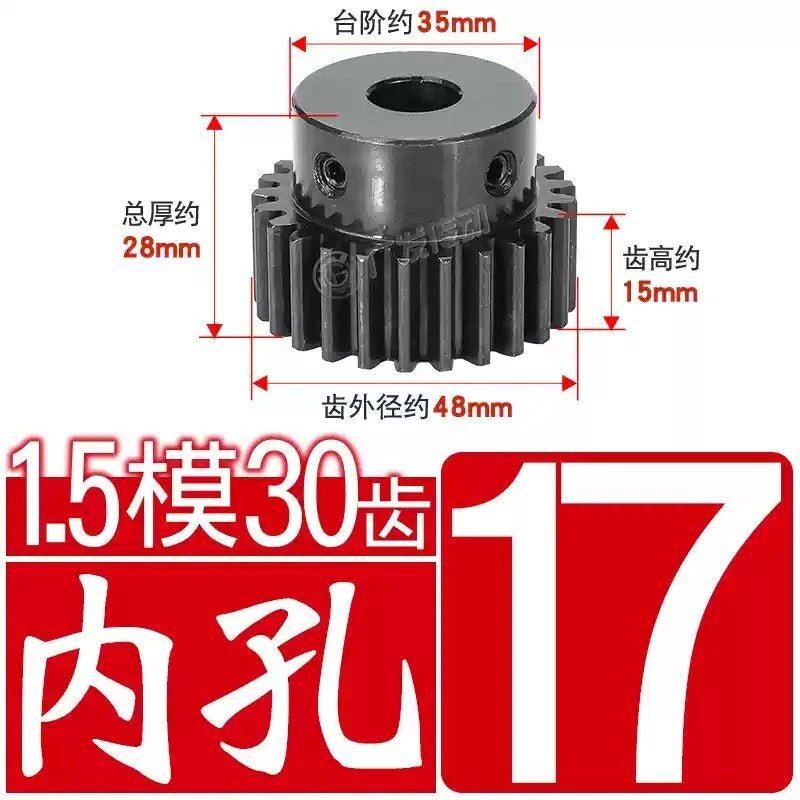
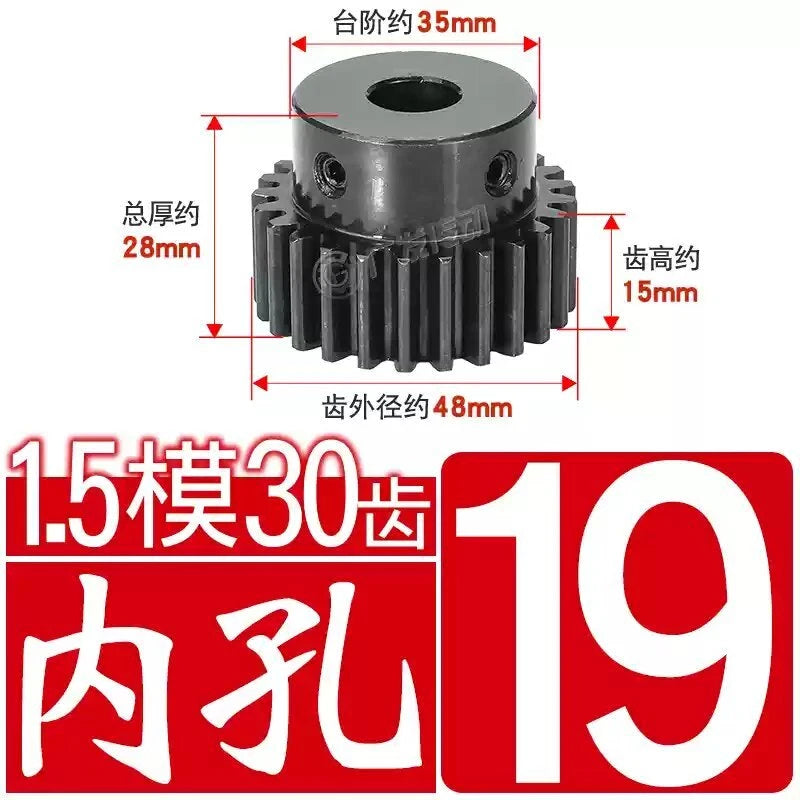
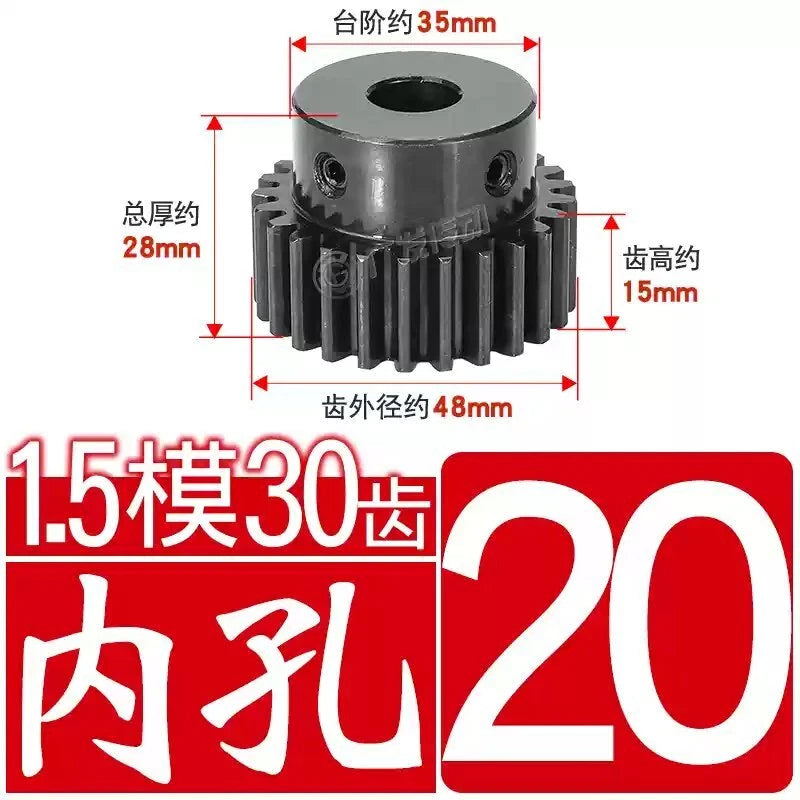
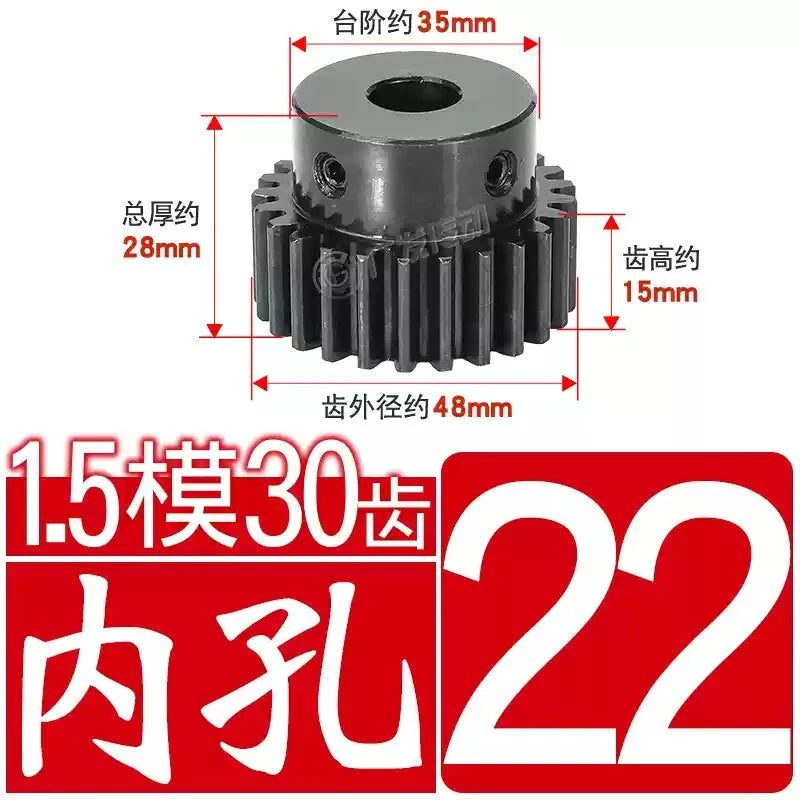
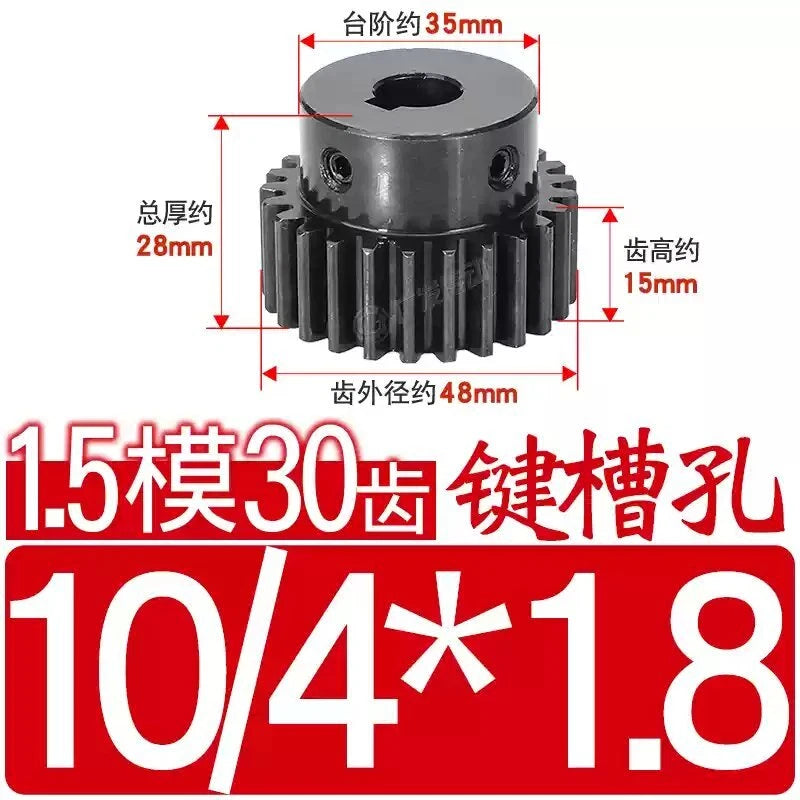
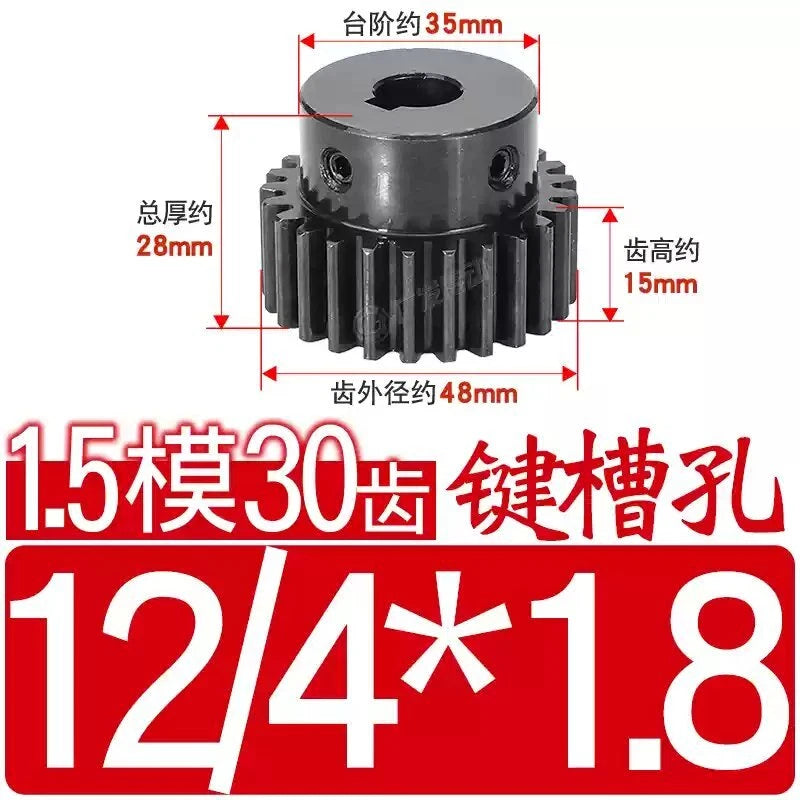
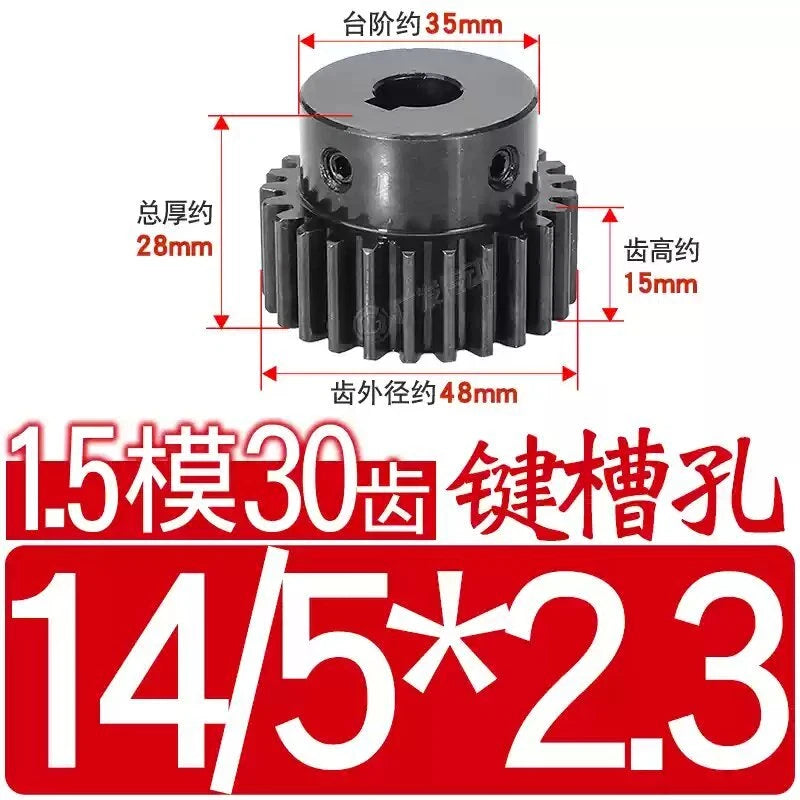
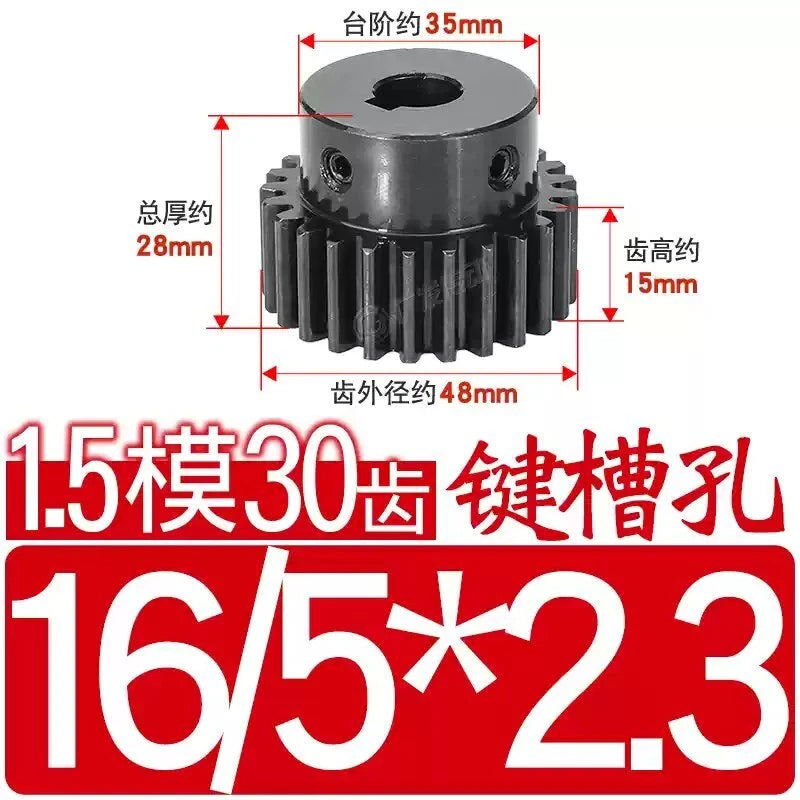
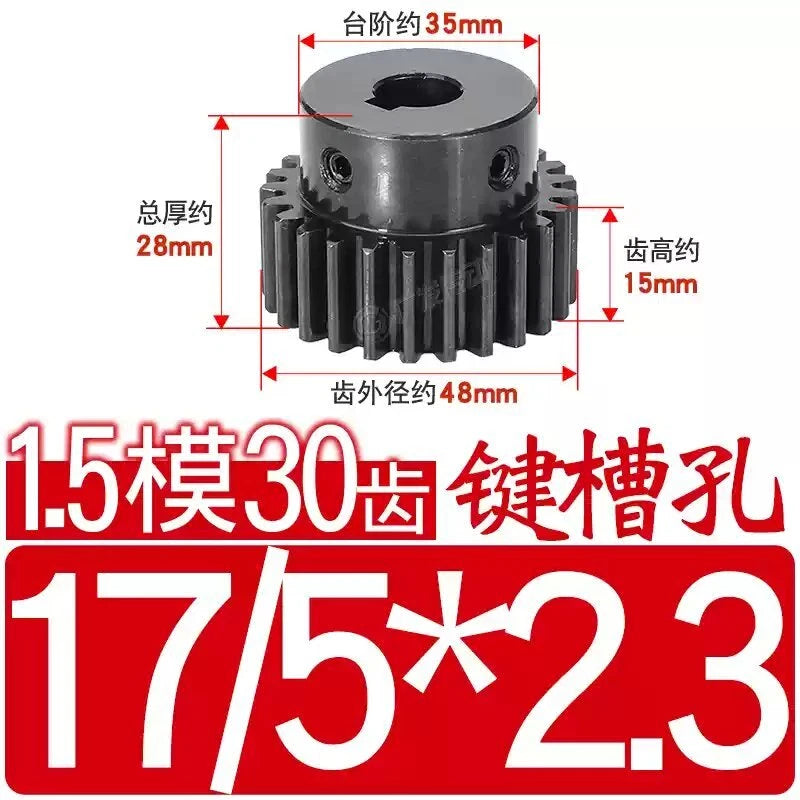
Each gear is machined from 45# medium-carbon steel, delivering a solid balance of hardness and machinability. The tooth profile follows the standard 1.5 module (Mod 1.5) specification with 30 teeth, an outer diameter of approximately 48 mm (≈1.89 in), and a face width (teeth thickness) of 12 mm or 15 mm depending on variant. Bore options range from 5 mm to 22 mm (≈0.20–0.87 in), with step-bore and keyway configurations available across variants.

Typical use cases include NEMA 17/23 stepper motor pinion drives in desktop CNC machines, gear-reduction stages in robotic arms and linear actuators, and replacement drive gears in 3D printer extruder assemblies or conveyor indexing systems.

⚙️ Compatibility: Meshes with any standard Mod 1.5 spur or helical gear. Bore sizes suit NEMA 17 (5 mm shaft), NEMA 23 (6.35 mm / 8 mm shaft), and custom step-bore configurations. Confirm your shaft diameter and keyway spec before ordering.

✅ Key Features of These 1.5 Mod Steel Spur Gears

🔩 45# Medium-Carbon Steel Construction

Machined from 45# carbon steel for a tensile strength typically in the 600–800 MPa range, resisting deformation under sustained radial and tangential loads.

📐 Standard Mod 1.5 Tooth Profile

30-tooth involute profile with module 1.5 ensures smooth meshing and interchangeability with any other Mod 1.5 gear in your drivetrain.

🎯 Wide Bore Range — 5 mm to 22 mm

Step-bore and straight-bore variants cover shafts from 5 mm to 22 mm (≈0.20–0.87 in), with keyway slots on select sizes for positive torque locking.

CNC-Hobbed Teeth for Low Backlash

Teeth are hobbed on CNC gear-cutting machines to DIN/ISO tolerance grades, minimising positional error in closed-loop motion control applications.

📏 Two Face-Width Options: 12 mm & 15 mm

Choose 12 mm (≈0.47 in) for compact assemblies or 15 mm (≈0.59 in) for higher load capacity — both share the same pitch circle for direct substitution.

🔄 Drop-In Pinion for Stepper & Servo Motors

Designed as a direct pinion gear for NEMA-frame stepper and servo motors, enabling quick drivetrain prototyping without custom machining.

📐 Technical Specifications — Mod 1.5 Spur Gear

Module (Mod) 1.5
Number of Teeth 30
Pressure Angle 20°
Outer Diameter (OD) Approx. 48 mm (≈1.89 in)
Pitch Circle Diameter 45 mm (≈1.77 in)
Face Width (Teeth Thickness) 12 mm or 15 mm — See variant options
Bore Diameter 5 mm – 22 mm — See variant options
Keyway / Step Bore See variant options
Material 45# Medium-Carbon Steel
Surface Finish Natural / Lightly Oiled
Gear Standard DIN / ISO Mod 1.5
Applicable Shaft 5 mm – 22 mm (NEMA 17, NEMA 23 compatible)

❓ Frequently Asked Questions

How do I choose the right bore size for my motor shaft?

Measure your motor shaft diameter with a caliper. NEMA 17 motors typically use a 5 mm shaft; NEMA 23 motors commonly use 6.35 mm (1/4 in) or 8 mm shafts. Select the bore that matches your shaft, and check whether you need a step-bore (for set-screw retention) or a keyway bore (for positive torque locking). If your shaft falls between standard sizes, choose the next size up and use a shaft collar or Loctite retaining compound.

What does "Step Bore" mean in the variant name?

A step bore means the bore has two diameters: a larger outer section and a smaller inner section. This allows the gear to seat against a shoulder on the shaft, providing axial location without a separate spacer. The step depth (25 mm or 35 mm) listed in the variant name indicates the length of the smaller-diameter section.

Will this gear mesh with my existing Mod 1.5 gears?

Yes. Any two gears with the same module (Mod 1.5) and the same pressure angle (20°) will mesh correctly regardless of tooth count. The centre distance between the two gears equals (T1 + T2) × Module / 2, where T1 and T2 are the tooth counts. For a 30-tooth gear meshing with another 30-tooth gear, the centre distance is 45 mm.

How strong is 45# steel — can it handle my application?

45# carbon steel (equivalent to AISI 1045) has a typical tensile strength of 600–800 MPa in the normalised condition. It is well-suited for moderate-load power transmission in robotics, CNC, and automation. For very high-shock or high-speed applications, consider whether a hardened or alloy-steel gear would be more appropriate. Contact us if you need load calculations for your specific use case.

Is this gear corrosion-resistant?

45# carbon steel is not inherently corrosion-resistant. For indoor, dry environments (typical for CNC machines and robotics), a light coat of machine oil is sufficient for long-term protection. For humid or outdoor environments, apply a rust-inhibiting grease or consider a zinc-plated or stainless-steel alternative. The gears are shipped with a light protective oil coating.

What is the difference between the 12 mm and 15 mm face-width variants?

Face width (teeth thickness) directly affects load capacity. The 15 mm variant can transmit approximately 25% more torque than the 12 mm variant at the same speed, because more tooth surface area is in contact. If your build has tight axial space constraints, choose 12 mm. If you need maximum torque capacity or are running at higher RPM, choose 15 mm. Both variants share the same pitch circle diameter and will mesh identically with mating gears.

Can I use this as a replacement gear in my 3D printer or extruder?

Yes, provided your printer's drivetrain uses a Mod 1.5 gear standard and the bore matches your motor shaft. Many desktop FDM printers use Mod 1 or Mod 0.5 gears — verify your existing gear's module before ordering. You can measure module by dividing the outer diameter (in mm) by (tooth count + 2): OD ÷ (T + 2) = Module.

🛒 Select your Modulus and Teeth Thick – Bore size above, then add to cart.

You may also like

Recently viewed