10pcs Wire Dia.0.8mm-1.0mm OD 5mm-20mm Small Springs Compression Spring Steel

No reviews

Price:
Sale price$4.01 USD
Stock:
In stock (500 units), ready to be shipped

Payment & Security

Ach Direct Debit Amazon American Express Apple Pay Bancontact BLIK Diners Club Discover EPS Google Pay iDEAL Wero JCB Maestro Mastercard Multibanco MobilePay PayPal Przelewy24 Shop Pay Twint Union Pay USDC Visa

Your payment information is processed securely. We do not store credit card details nor have access to your credit card information.

Limited Offer — Spend More, Save More
Spend $55+
Save $5
Spend $100+
Save $10
Spend $200+
Save $25
HomeDIYer DIY Expert Support

DIY Expert Support

Get fitment advice & recommendations

Mon–Fri  8:30 AM – 8:00 PM
24-Hour Fast Ship
Arrives in 3–14 Days
Worldwide Shipping
30-Day Returns
1 tree planted with every purchase

Description

Small Compression Springs — Precision Steel for Tight-Space Mechanisms

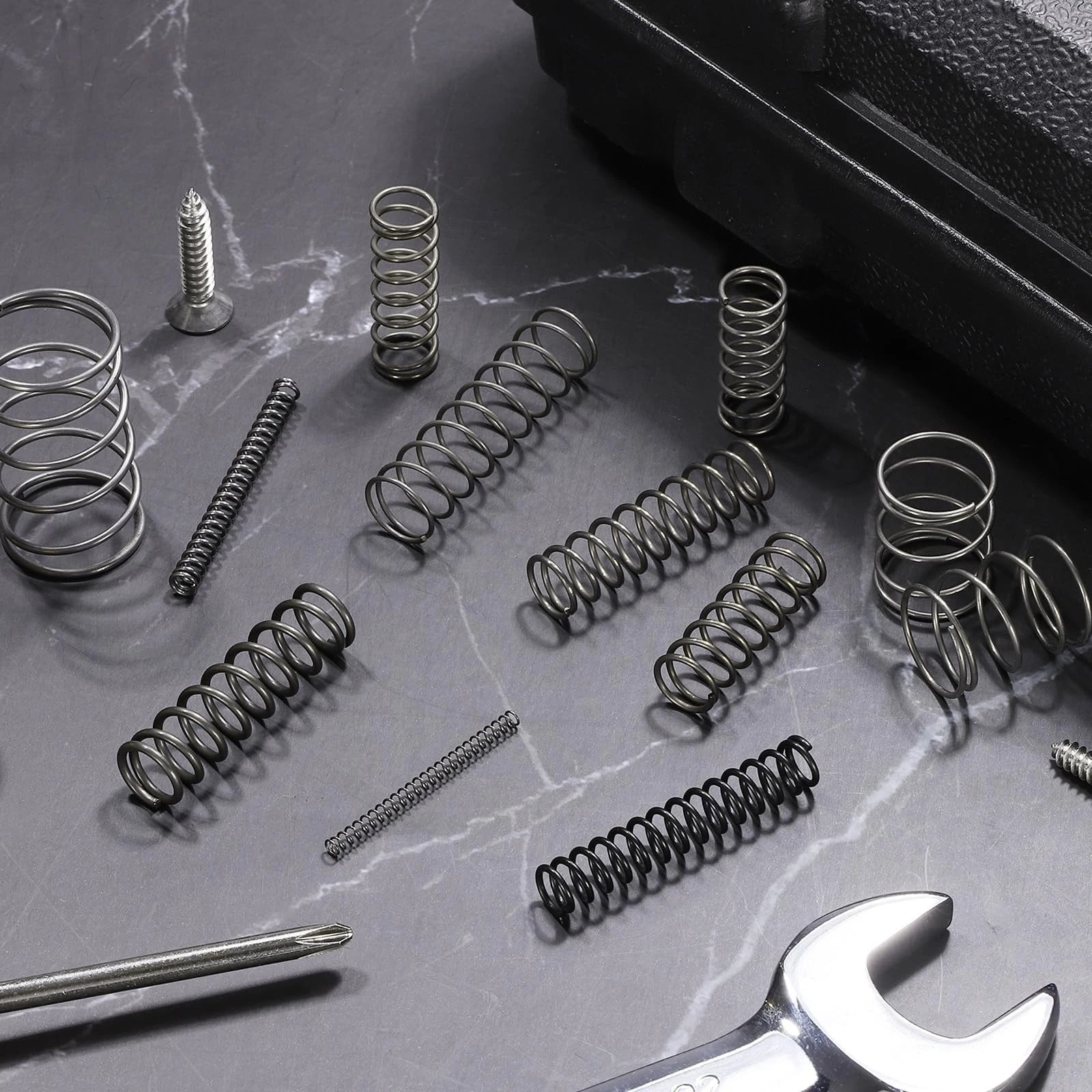
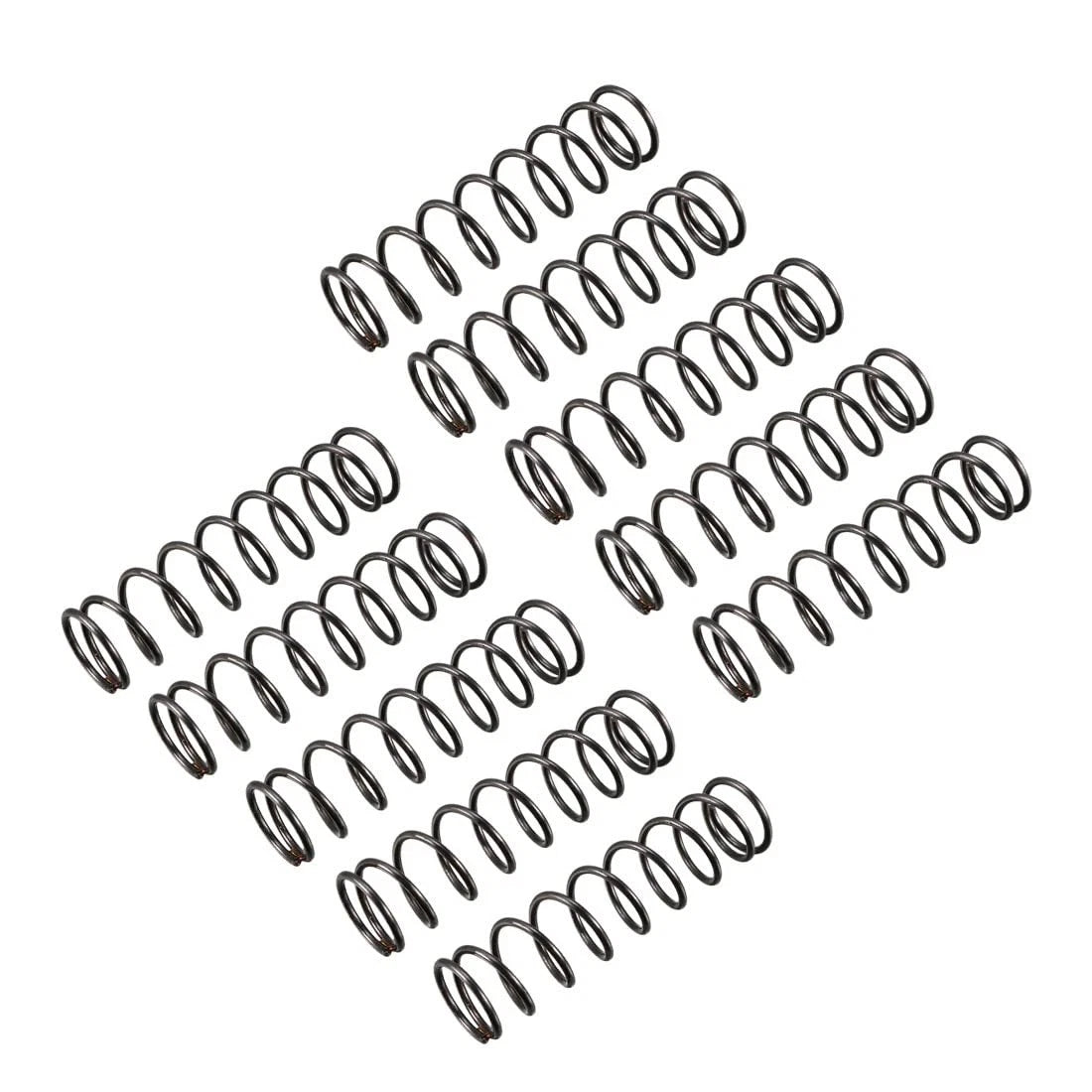
When a mechanism fails because a tiny spring loses tension or snaps under load, the whole project stalls. Makers, electronics hobbyists, and workshop technicians who work with compact assemblies need small compression springs they can rely on — springs that hold their rated force across hundreds of cycles without permanent set. This listing offers a 10-piece set of small compression springs in steel, covering wire diameters from 0.8 mm to 1.0 mm and outer diameters from 5 mm to 20 mm, so you can stock the exact size your build demands.

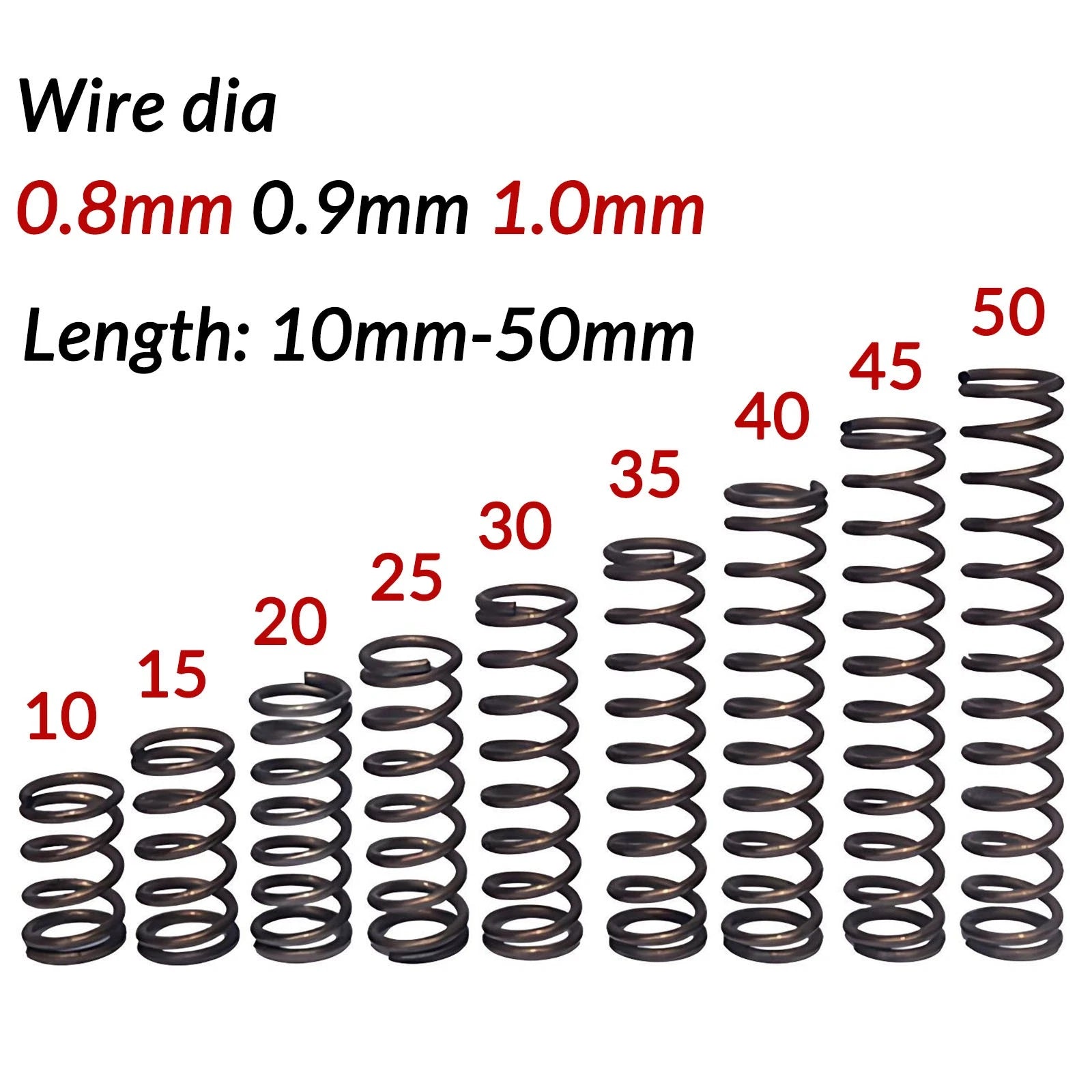
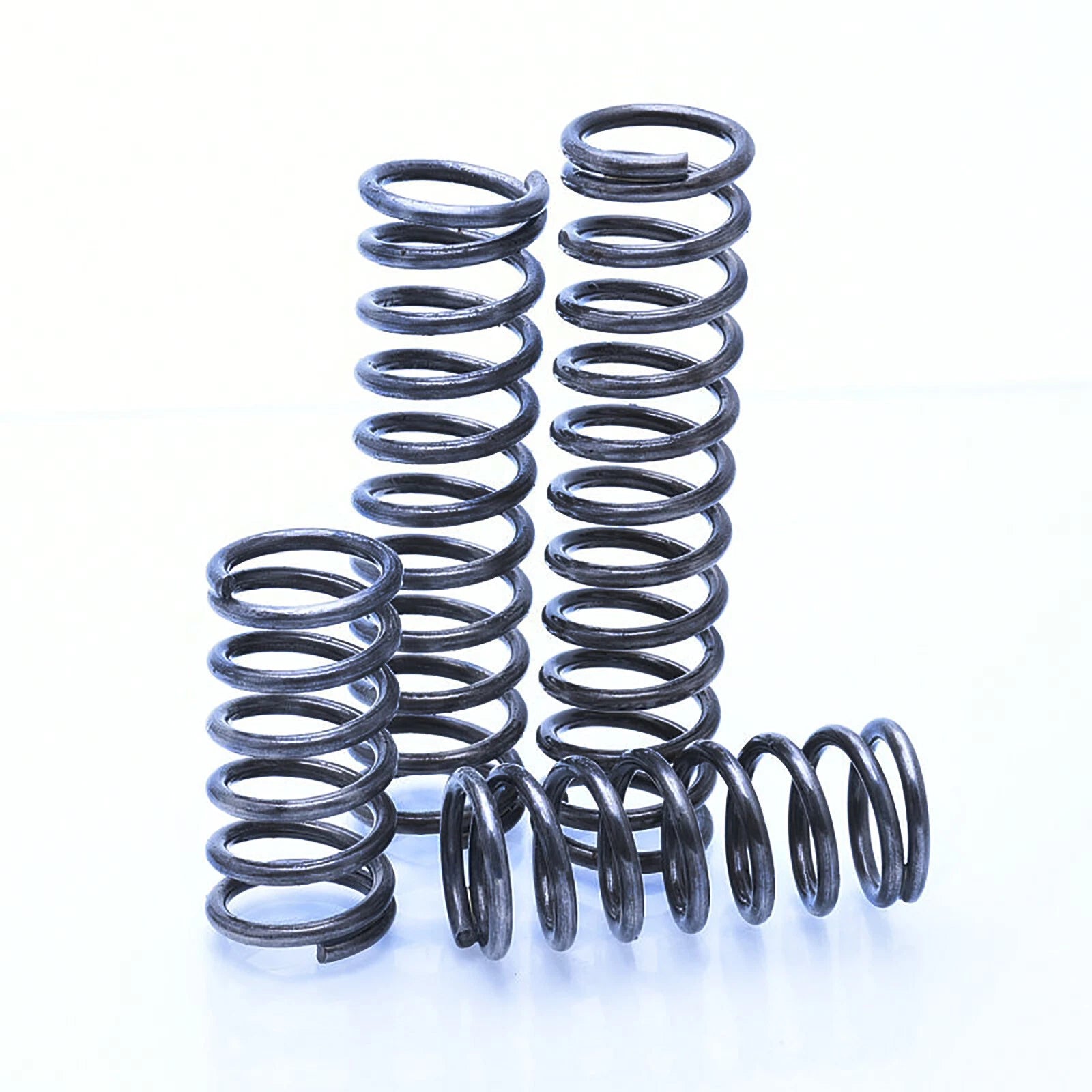
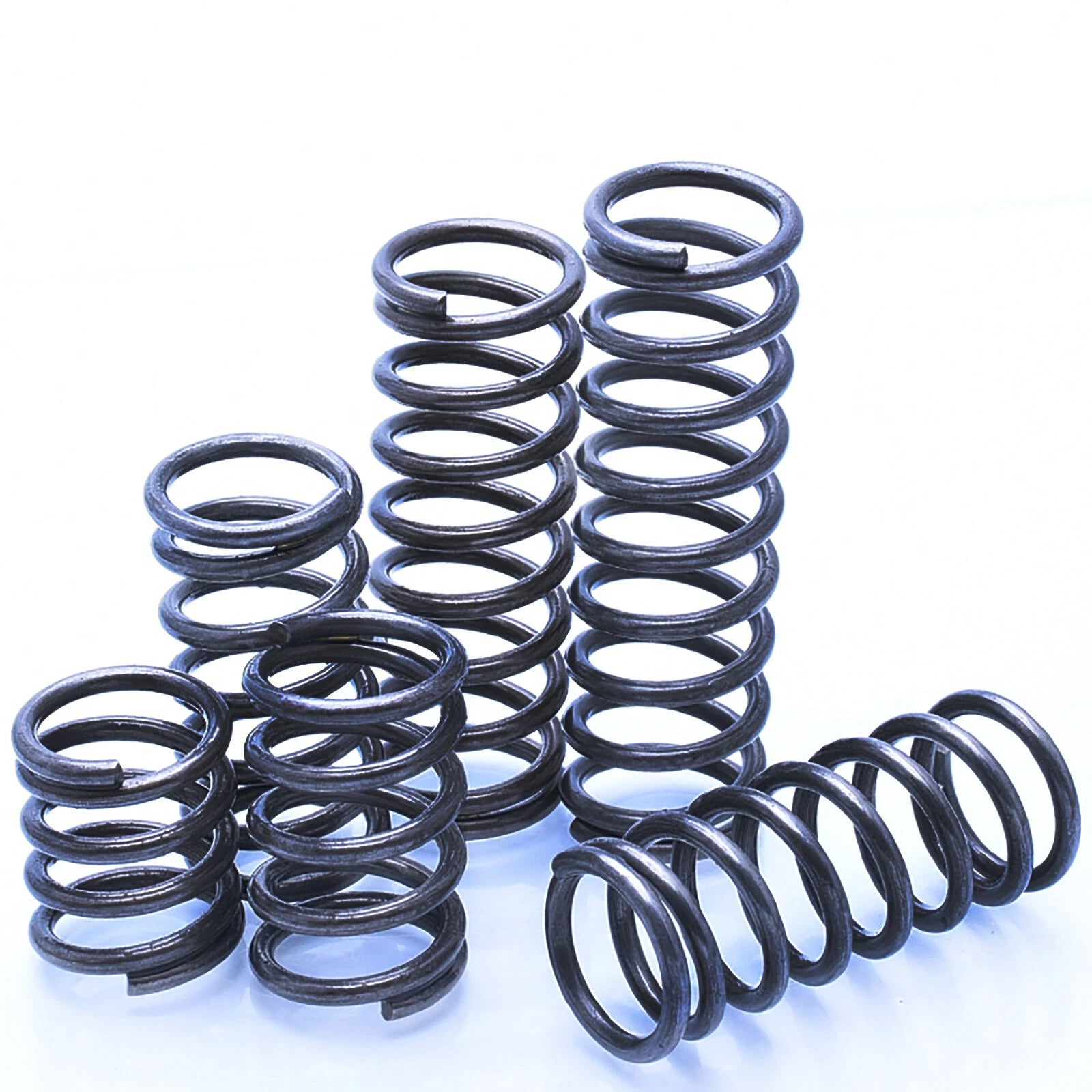
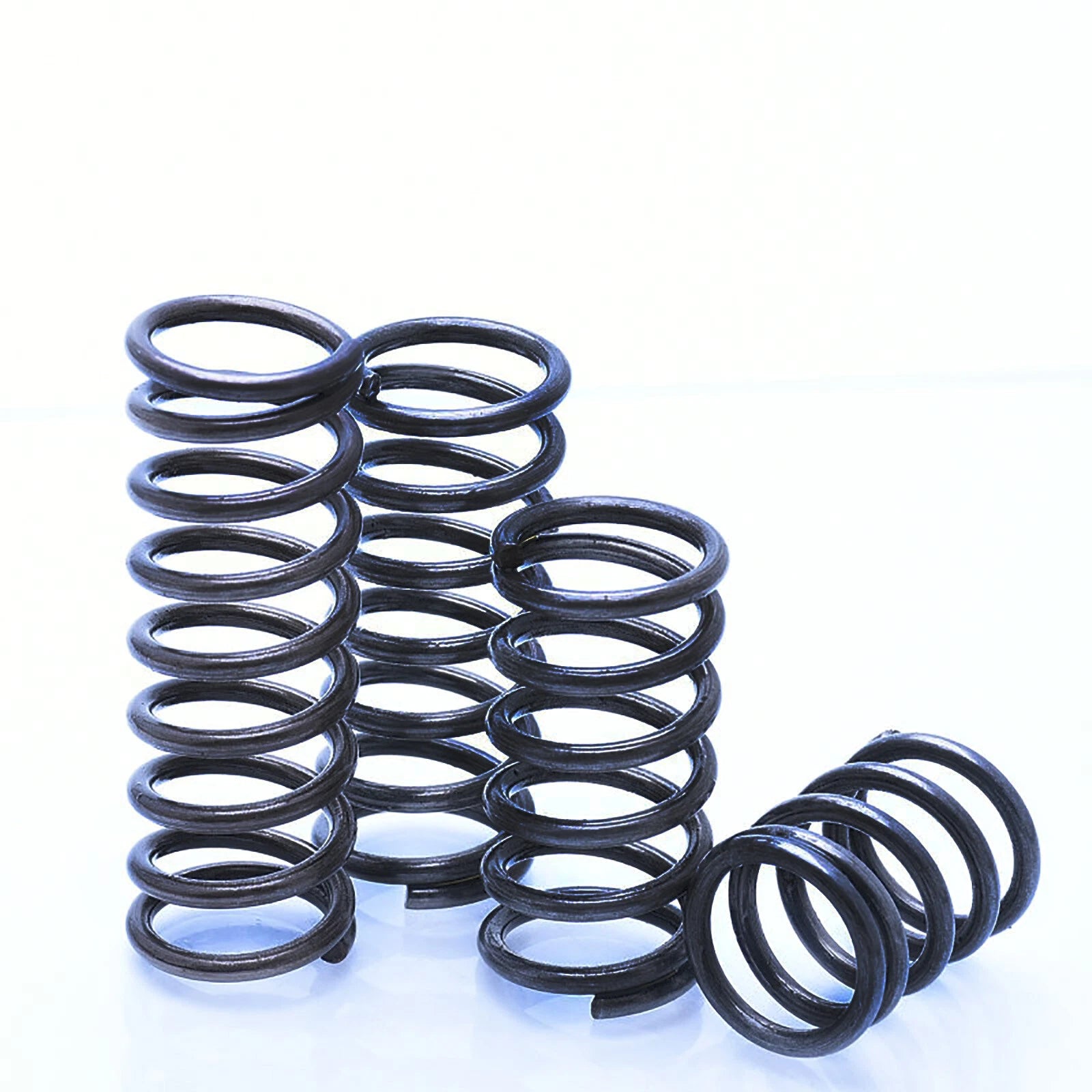
Each spring is formed from carbon steel wire, wound to a closed-end coil geometry. Wire diameter options span 0.8 mm, 0.9 mm, and 1.0 mm (approximately 0.031–0.039 in); outer diameter options range from 5 mm to 20 mm (approximately 0.20–0.79 in); and free lengths run from 10 mm to 50 mm (approximately 0.39–1.97 in). Finish is a natural bright steel. Each pack contains 10 pieces of the selected combination.

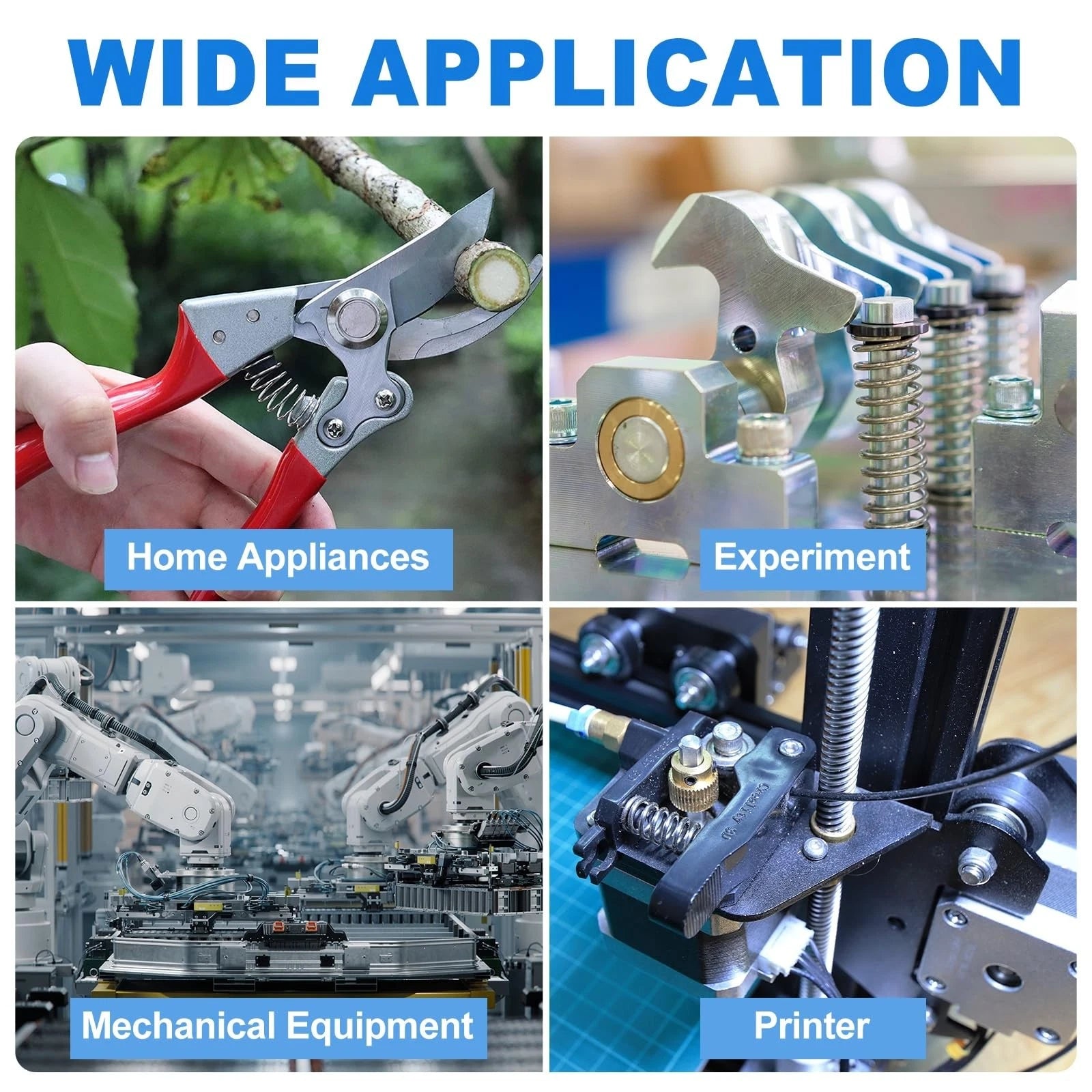
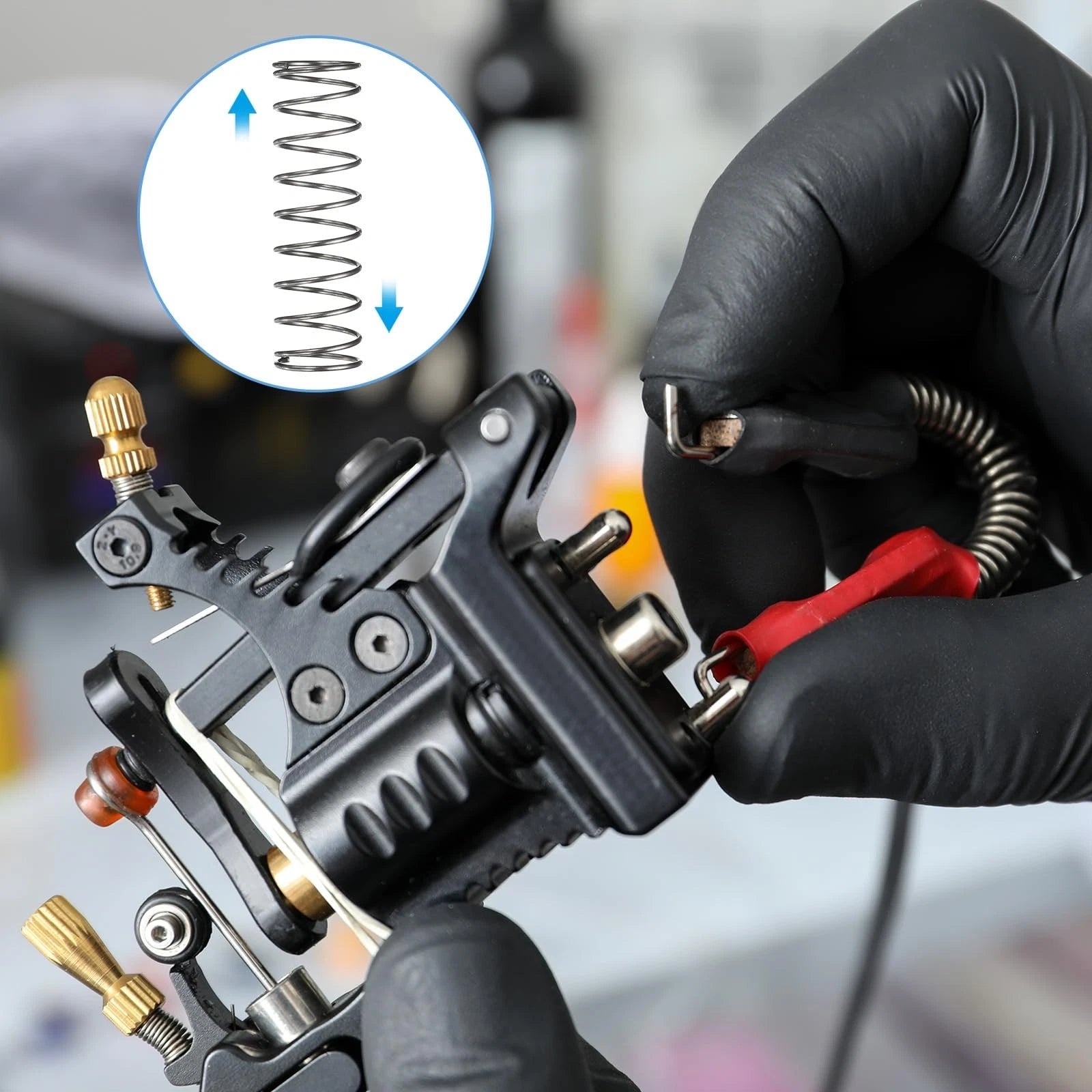
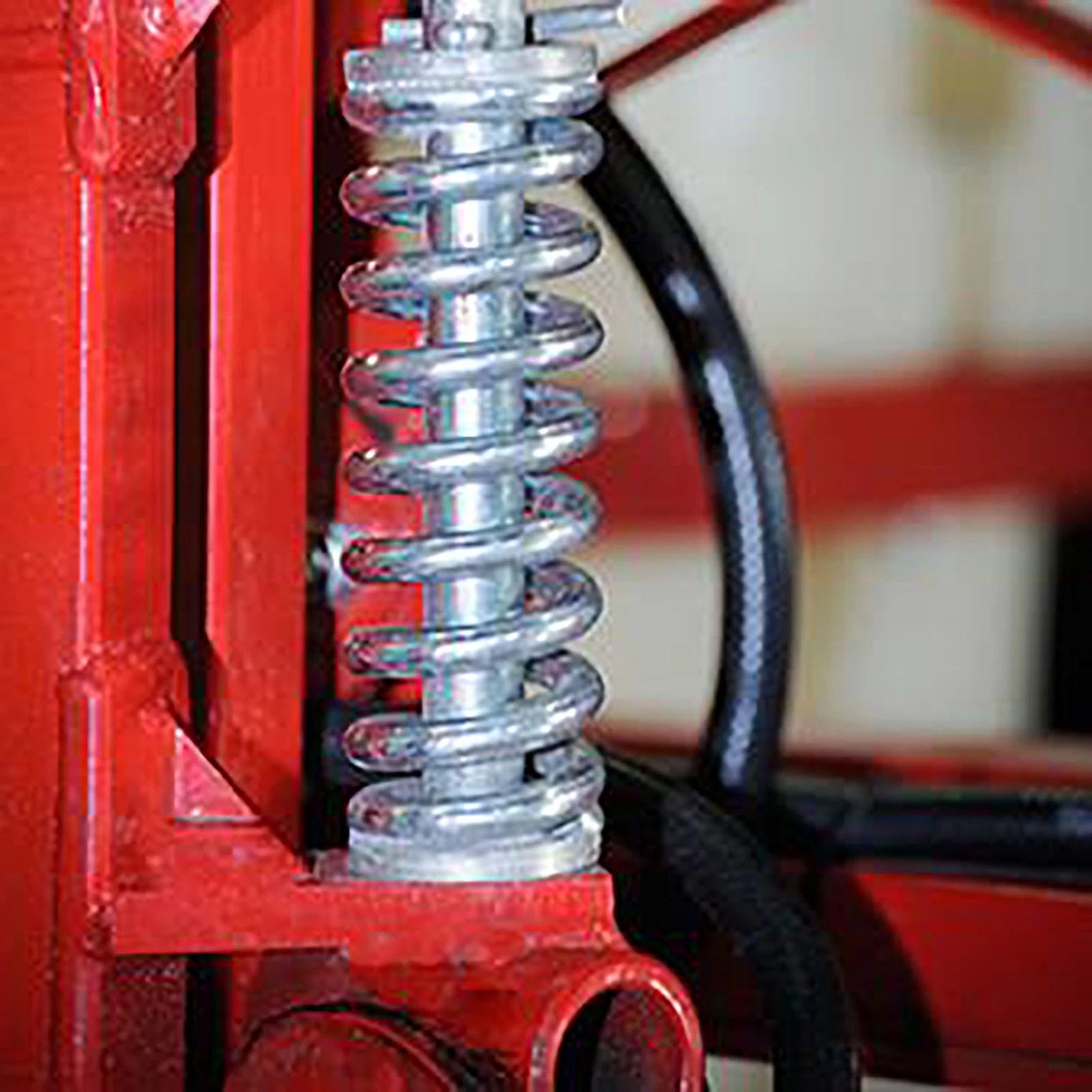
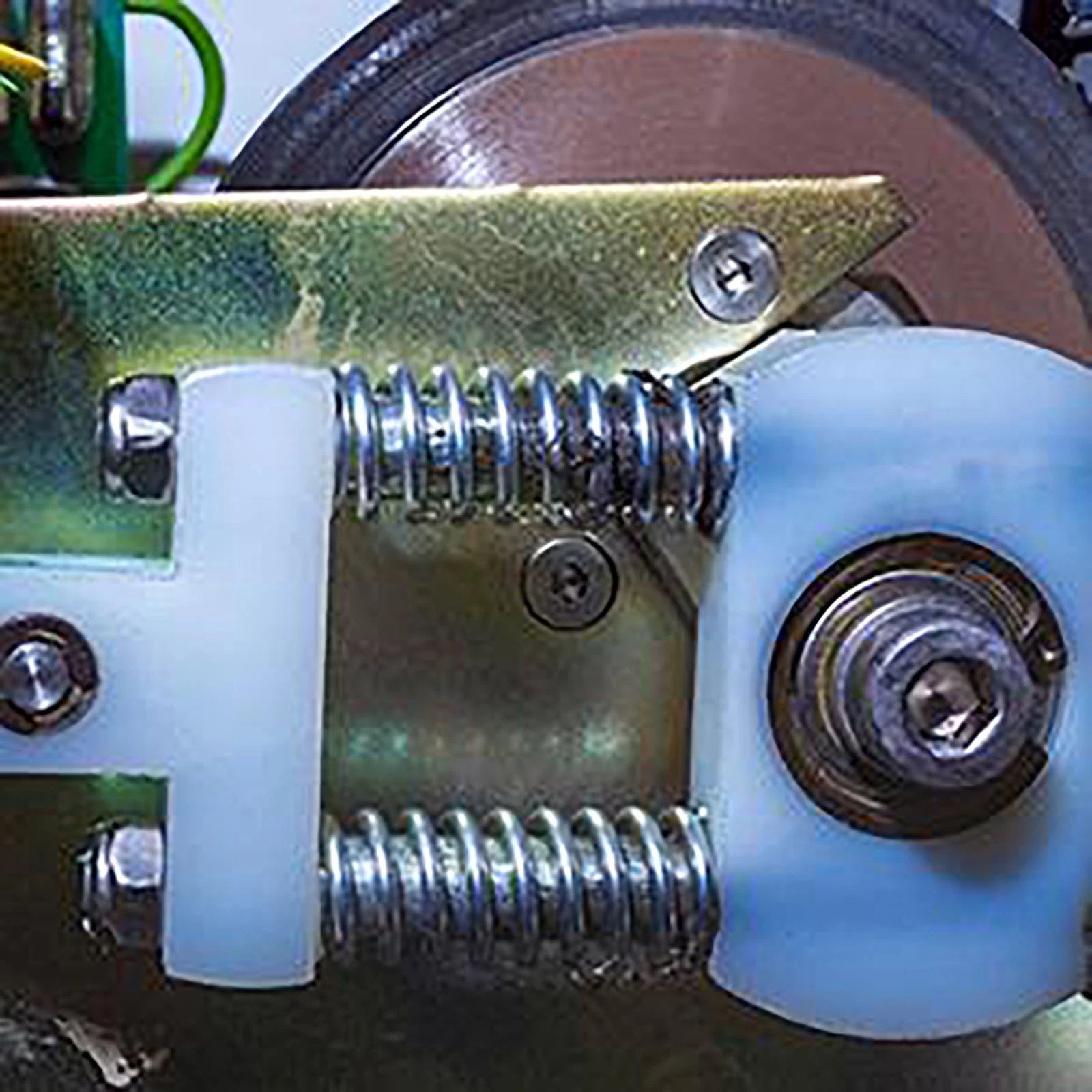
Typical use cases include: replacing worn return springs in small switches, push-buttons, and pen mechanisms; providing preload in sensor housings and instrument assemblies; and acting as cushioning elements in 3D-printed enclosures, RC car suspension rigs, and DIY robotics joints — all scenarios where a compact compression spring with consistent spring rate is essential.

⚙️ Compatibility: Suitable for spring-loaded mechanisms, switch assemblies, sensor housings, pen clips, RC models, and general DIY projects requiring a small compression spring with wire dia 0.8–1.0 mm and OD 5–20 mm.

✅ Key Features of These Small Compression Springs

🔩Carbon Steel Construction
Wound from carbon steel wire for reliable spring-back force and resistance to permanent deformation under repeated compression cycles.
📐Wide Size Matrix
Wire diameters 0.8 / 0.9 / 1.0 mm × outer diameters 5–20 mm × free lengths 10–50 mm — select the exact combination your project needs.
🔄Closed-End Coil Design
Closed and ground ends provide a flat seating surface, ensuring stable axial alignment inside bores and spring pockets.
📦10-Piece Pack
Each order ships 10 identical springs of your chosen size — enough for prototyping, repair, and small-batch production runs.
Consistent Spring Rate
Uniform wire diameter and coil pitch across the batch means predictable force-deflection behaviour, critical for calibrated mechanisms.
🛠️Broad Application Range
Fits push-button switches, pen mechanisms, sensor preload assemblies, RC suspension, 3D-printed enclosures, and general DIY spring replacement tasks.

📐 Technical Specifications — Compression Spring

Material Carbon Steel
Wire Diameter 0.8 mm / 0.9 mm / 1.0 mm (see variant options)
Outer Diameter (OD) 5 mm – 20 mm (see variant options)
Free Length 10 mm – 50 mm (see variant options)
End Type Closed ends
Coil Direction Right-hand
Surface Finish Bright steel (uncoated)
Quantity per Pack 10 pieces
Spring Rate See variant options
Load Capacity See variant options

❓ Frequently Asked Questions

How do I choose the right wire diameter for my application?

Wire diameter determines the spring's stiffness and load capacity. A 0.8 mm wire produces a lighter, more flexible spring suited to low-force applications such as pen clips and small switches. A 1.0 mm wire yields a stiffer spring with higher load capacity, better for sensor preload or RC suspension. Match wire diameter to the force range your mechanism requires.

What outer diameter should I select to fit my bore or housing?

The outer diameter of the spring should be slightly smaller than the inner diameter of the bore or pocket it sits in — typically 0.2–0.5 mm clearance is sufficient. For a 6 mm bore, choose a 5 mm OD spring. Measure your housing carefully before ordering.

Are these springs corrosion-resistant?

These springs are made from bright carbon steel without a protective coating. They are suitable for dry indoor environments. For humid, outdoor, or chemical-exposure applications, consider applying a light machine oil after installation, or contact us to enquire about alternative materials.

What is the free length, and how does it relate to compressed length?

Free length is the overall length of the spring when no load is applied. When compressed, the spring shortens. The minimum compressed length (solid height) is approximately equal to the number of coils multiplied by the wire diameter. Select a free length that gives you adequate travel between the installed (preloaded) position and the fully compressed position.

Can I use these springs in 3D-printed enclosures or plastic housings?

Yes. The small OD range (5–20 mm) and short free lengths (10–50 mm) make these springs well-suited for 3D-printed spring pockets. Ensure the pocket diameter is 0.3–0.5 mm larger than the spring OD to allow free movement without binding.

How many springs are included, and can I order multiple size combinations?

Each pack contains 10 springs of the selected wire diameter, outer diameter, and free length combination. To obtain multiple size combinations, simply add each desired variant to your cart separately.

What is the difference between a compression spring and an extension spring?

A compression spring resists being compressed — it pushes back when shortened. An extension spring resists being stretched — it pulls back when elongated. This listing covers compression springs only, which are the most common type used in push-button, return, and preload applications.

🛒 Select your Wire Diameter, Outer Diameter, and Length above, then add to cart.

You may also like

Recently viewed