The chain is fine...but I ordered the wrong size. Nine links of the chain I ordered equals six of the size I wanted. My error...
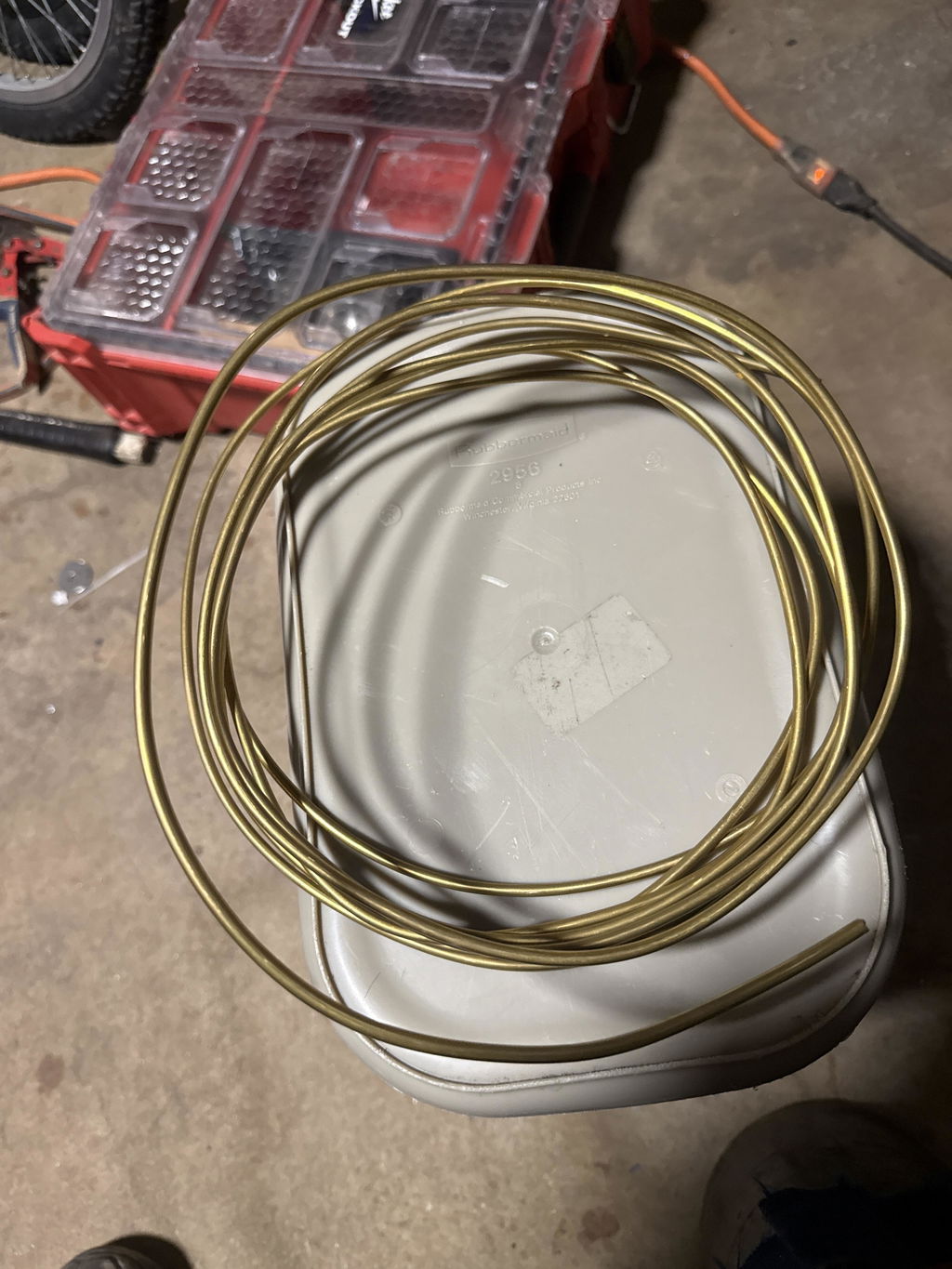
How can I straighten out the springs? I can't use them coil uo as is.
Your payment information is processed securely. We do not store credit card details nor have access to your credit card information.
Get fitment advice & recommendations
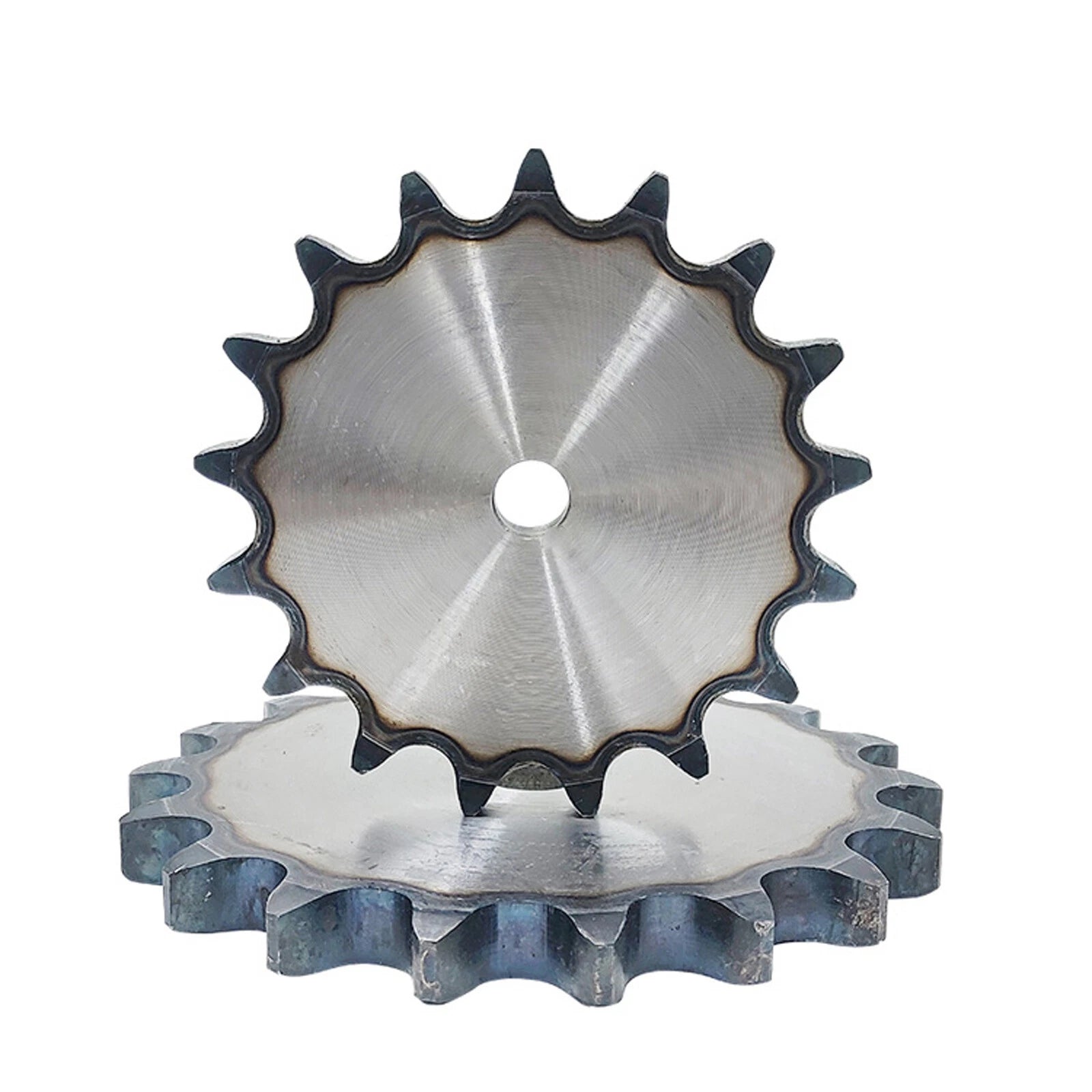
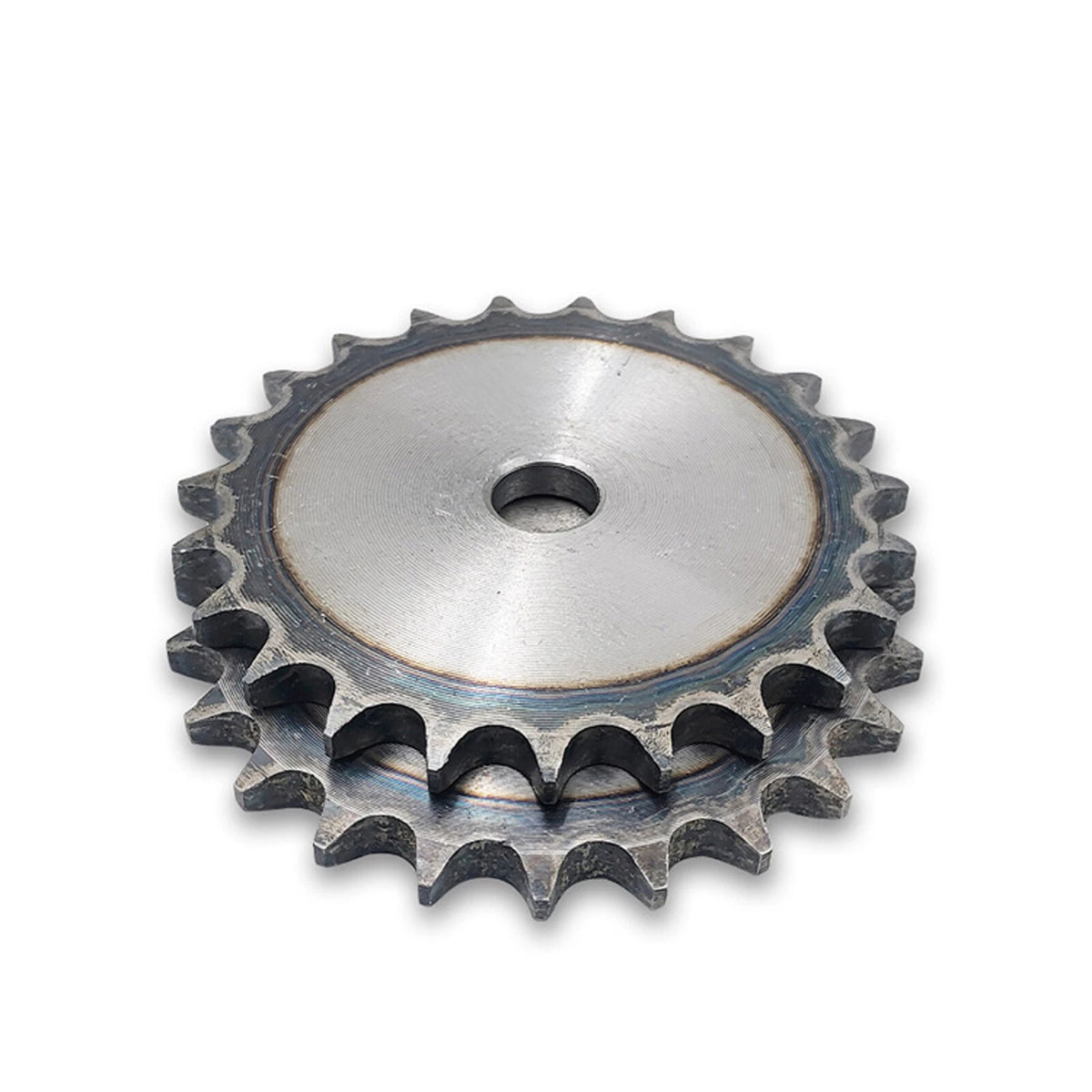
When your drivetrain demands consistent torque transfer without slippage or premature wear, the right sprocket makes all the difference. Makers, fabricators, and mechanical engineers building go-karts, mini bikes, conveyor systems, or custom power-transmission rigs need a sprocket that meshes cleanly with ANSI #60 roller chain and holds its geometry under load — these flat sprockets are engineered for exactly that.
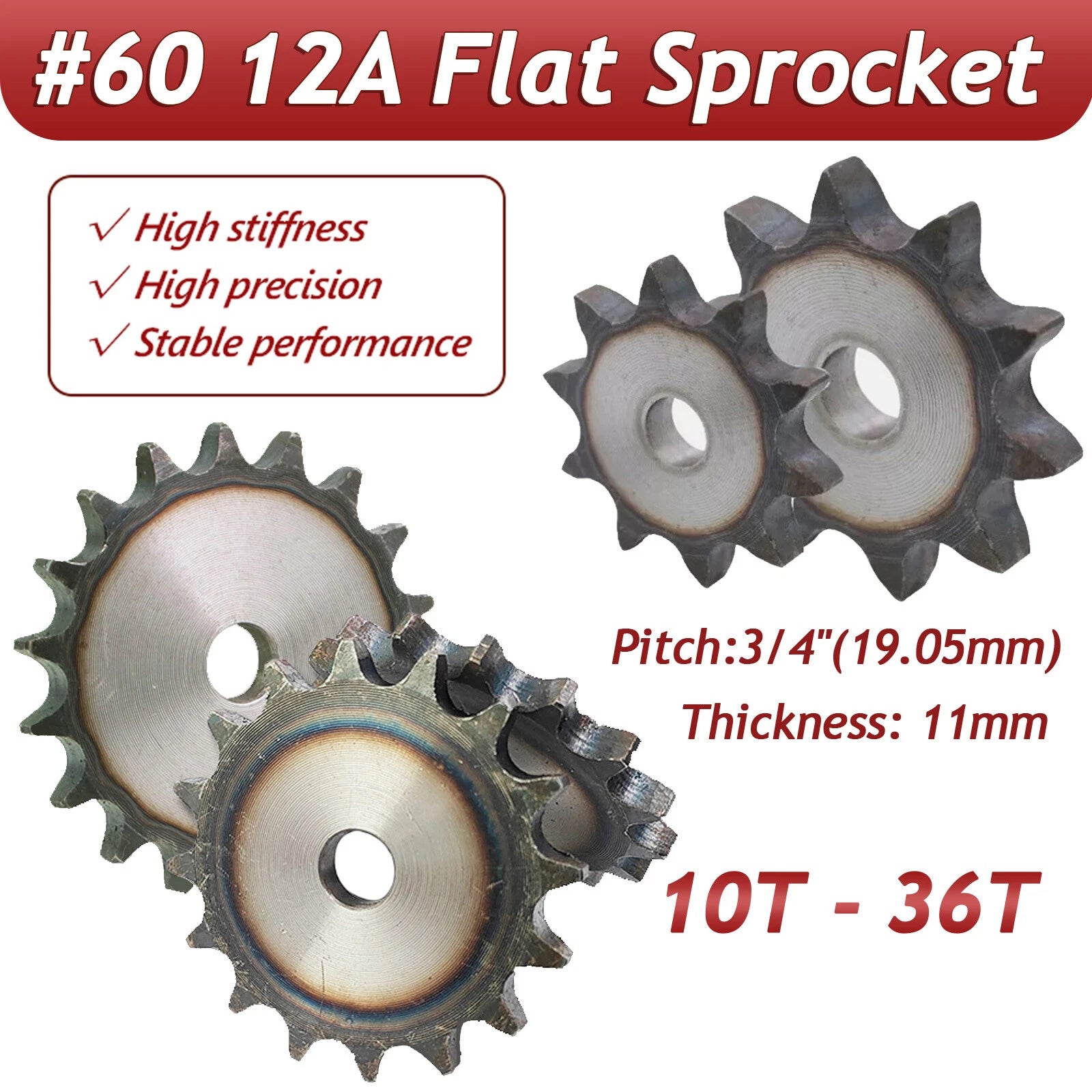
Each sprocket is machined from carbon steel with a hardened tooth profile, designed to mate with standard #60 (12A) roller chain at a pitch of 19.05mm (0.75 in). The flat-plate hub design keeps the profile compact, and the bore is sized to accept a standard shaft with keyway. Available in 10T through 36T configurations, outer diameters range from approximately 65mm (2.56 in) for the 10T up to approximately 225mm (8.86 in) for the 36T.
Typical use cases include go-kart and mini-bike final drive reduction, industrial conveyor drive stations requiring #60 chain sprocket replacement, and custom CNC or robotics builds where a compact flat sprocket for roller chain is needed to fit tight frame geometries.
Engineered to the 19.05mm (3/4 in) pitch specification, ensuring drop-in compatibility with any standard #60 roller chain without modification or shimming.
22 tooth-count options let you dial in your exact gear ratio — from aggressive acceleration with a 10T drive sprocket to smooth high-speed cruising with a 36T driven sprocket.
Machined from carbon steel with hardened tooth flanks to resist wear under sustained chain engagement, extending service life in both intermittent and continuous-duty applications.
The low-profile flat hub keeps axial footprint minimal, making these sprockets ideal for space-constrained frames, go-kart chassis, and compact conveyor drive heads.
Center bore is machined to close tolerances for concentric running. Bore diameter varies by tooth count — see variant options for exact bore dimensions to match your shaft.
Suited for go-karts, mini bikes, electric vehicle final drives, conveyor systems, agricultural equipment, and custom power-transmission builds requiring a reliable #60 chain sprocket.
| Chain Standard | ANSI #60 / ISO 12A |
|---|---|
| Chain Pitch | 19.05mm (3/4 in) |
| Roller Diameter (chain) | 11.91mm (0.469 in) |
| Tooth Count Options | 10T, 11T, 12T, 13T, 14T, 15T, 16T, 17T, 18T, 19T, 20T, 21T, 22T, 23T, 24T, 25T, 26T, 27T, 28T, 29T, 30T, 36T |
| Outer Diameter Range | Approx. 65mm – 225mm (2.56 in – 8.86 in), varies by tooth count |
| Hub Style | Flat plate (no extended hub) |
| Material | Carbon steel |
| Surface Finish | See variant options |
| Center Bore Diameter | See variant options |
| Hub Thickness | See variant options |
| Keyway | See variant options |
| Weight | See variant options |
These sprockets are designed for ANSI #60 roller chain, also known as ISO 12A. The chain pitch is 19.05mm (3/4 in) with an 11.91mm roller diameter. Do not use with #50, #40, or other pitch chains — the tooth profile will not mesh correctly and can cause rapid wear or chain derailment.
Your gear ratio is determined by the ratio of driven sprocket teeth to drive sprocket teeth. For example, a 10T drive sprocket paired with a 30T driven sprocket gives a 3:1 reduction. Lower tooth counts on the drive side produce more torque and less speed; higher tooth counts produce more speed and less torque. Match your desired output RPM and torque to select the correct combination.
The center bore diameter varies by tooth count. Please refer to the variant detail page or contact us to confirm the bore size for your selected tooth count before ordering. If your shaft diameter differs from the standard bore, the sprocket can typically be bored out by a local machine shop to your required dimension.
Yes. Carbon steel construction with hardened tooth flanks makes these sprockets well-suited for the torque loads typical of go-kart and mini-bike final drives. Ensure your chain tension is correctly set and the sprocket is properly aligned with the drive sprocket to maximize service life. Replace the chain and sprocket together if either shows significant wear.
Carbon steel sprockets offer moderate corrosion resistance. For outdoor or high-moisture environments, regular lubrication of the chain and sprocket is recommended. If your application demands higher corrosion resistance, consider applying a rust-inhibiting coating or contact us about stainless steel alternatives.
Absolutely. These flat #60 sprockets are commonly used in light-to-medium industrial conveyor drives, agricultural equipment, and custom power-transmission assemblies. Verify that your conveyor's chain pitch matches ANSI #60 (19.05mm) and that the sprocket bore and shaft diameter are compatible before installation.
Keyway availability varies by tooth count and variant. Please check the specific variant details or contact us to confirm. Sprockets are typically secured using a key and set screw arrangement. If your variant does not include a keyway, a set screw or interference fit may be used depending on your torque requirements.