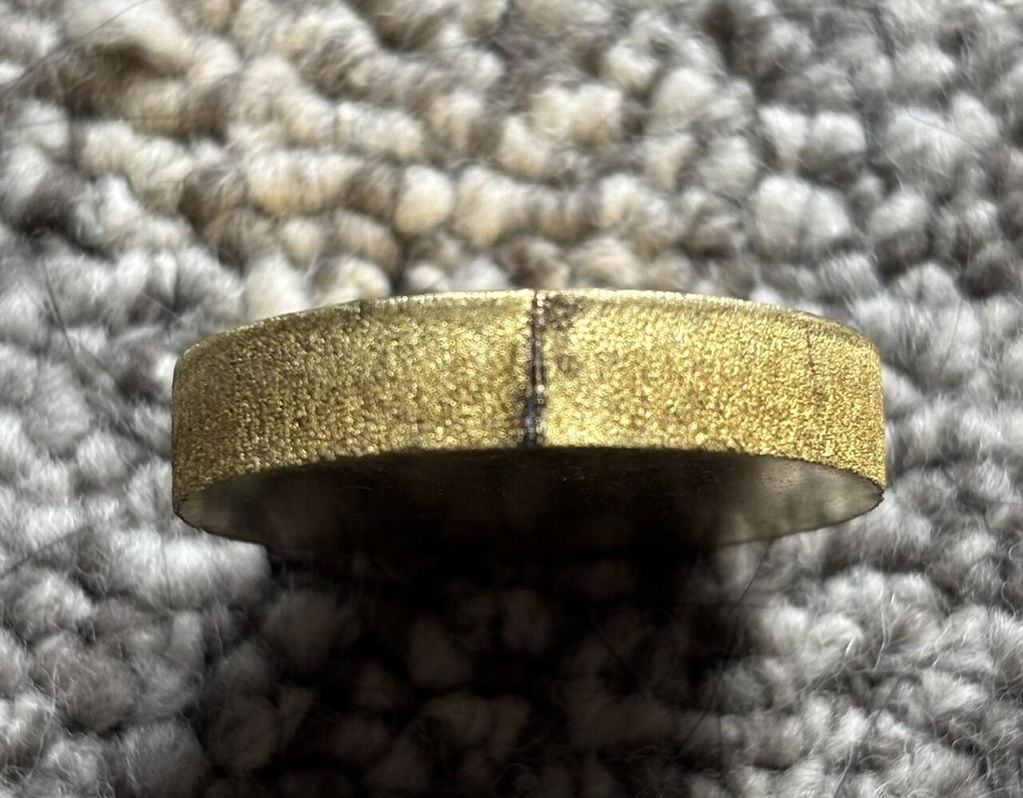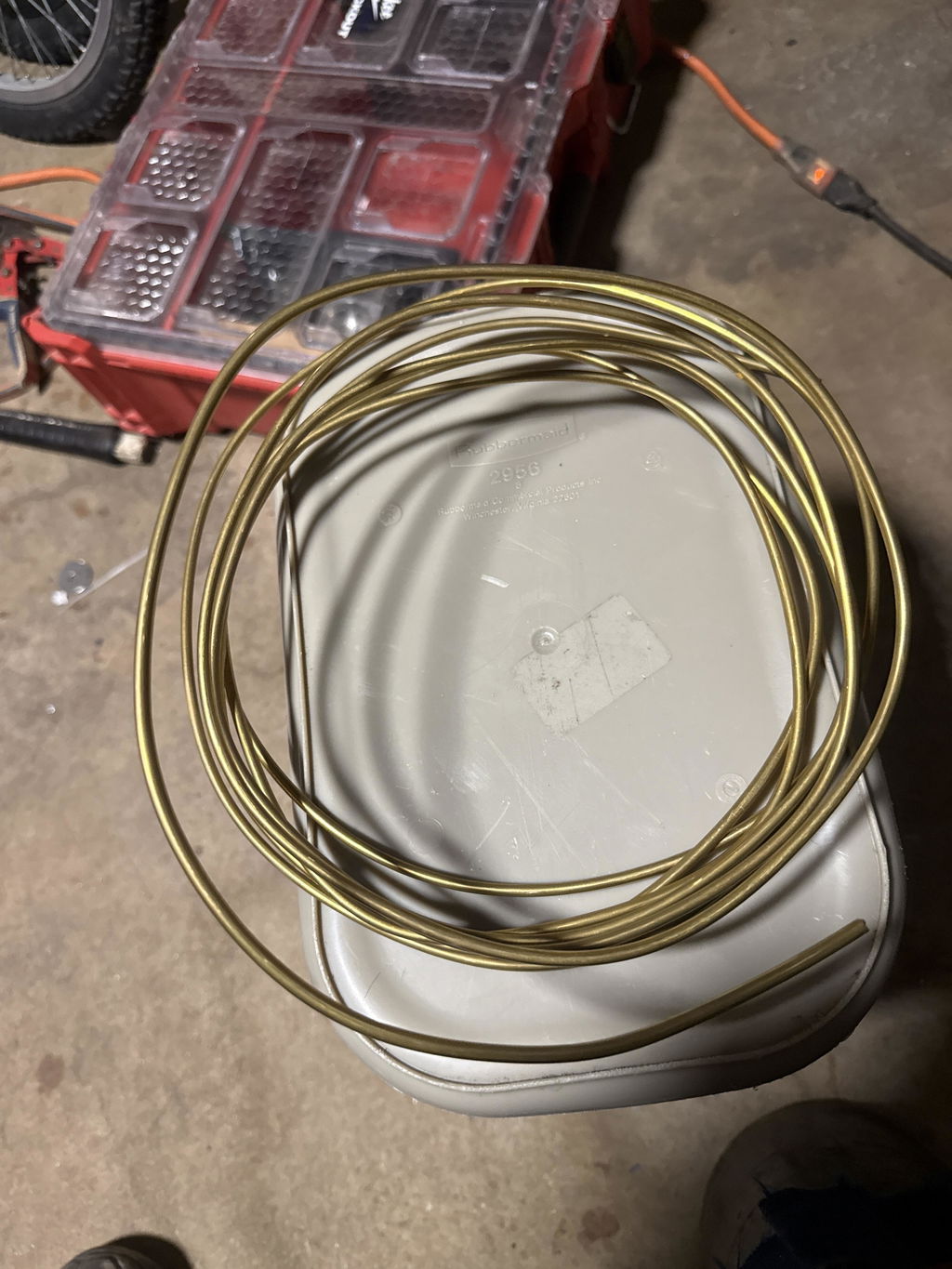
The chain is fine...but I ordered the wrong size. Nine links of the chain I ordered equals six of the size I wanted. My error...
How can I straighten out the springs? I can't use them coil uo as is.
Your payment information is processed securely. We do not store credit card details nor have access to your credit card information.
Get fitment advice & recommendations
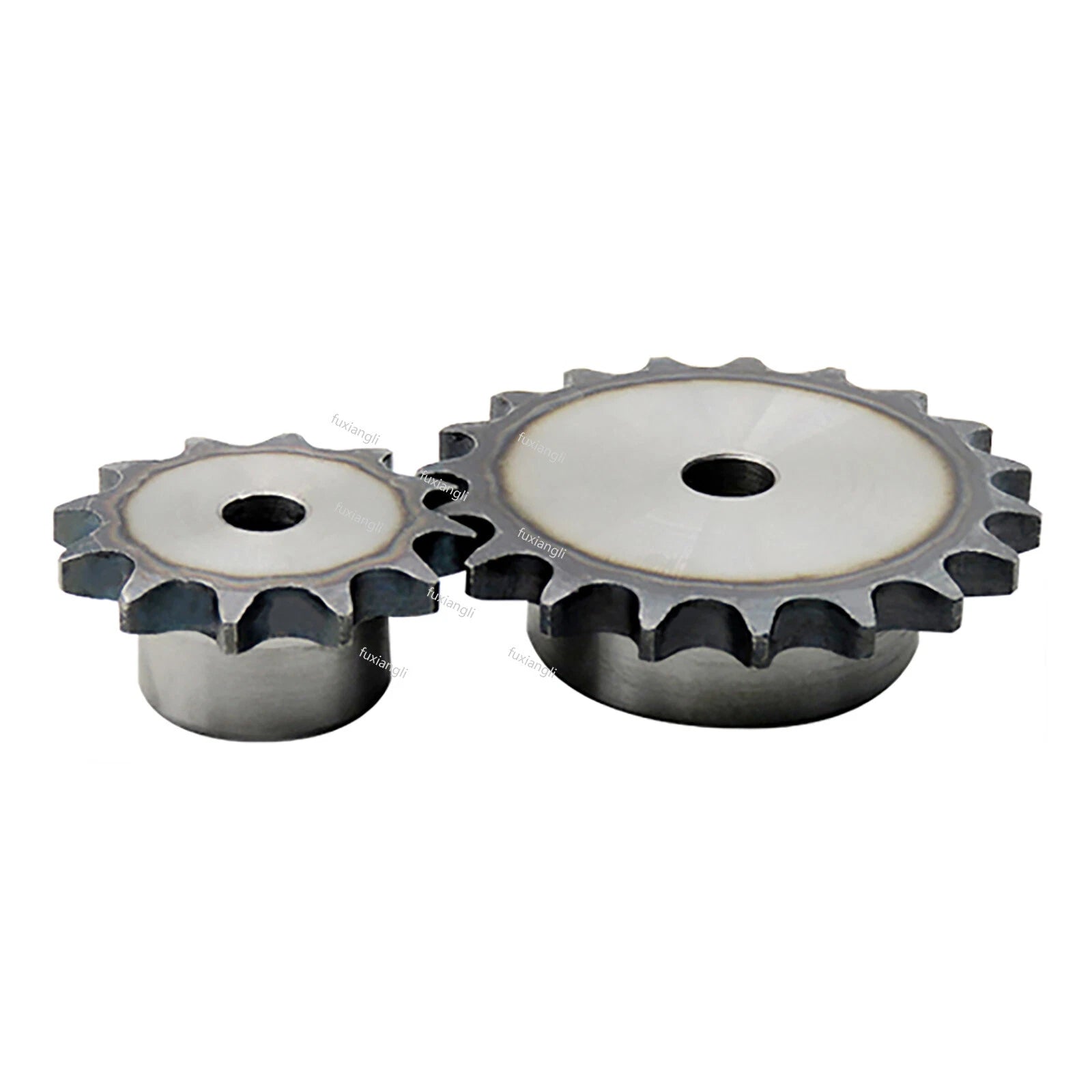
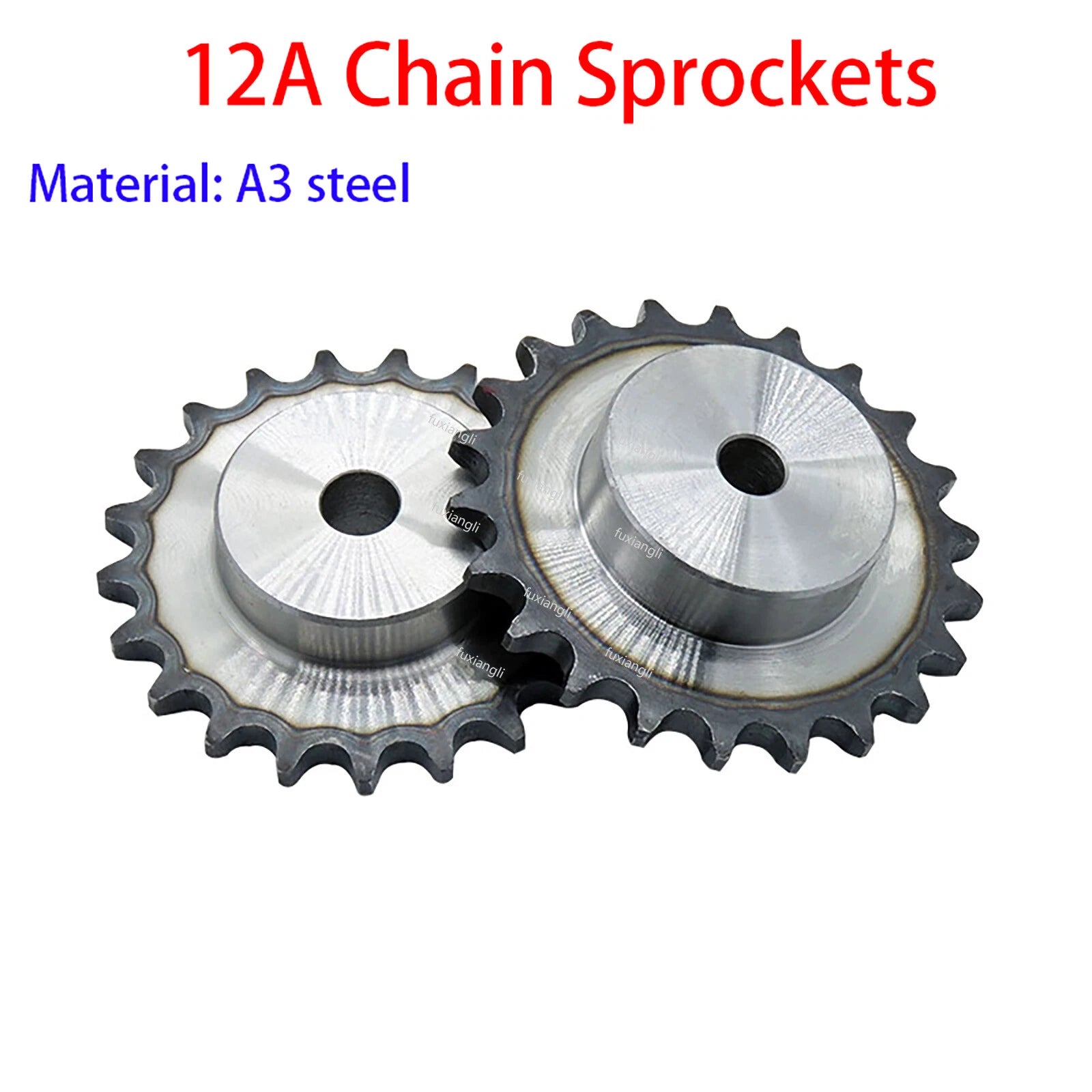
When a worn or mismatched sprocket causes chain skip, accelerated wear, or unexpected downtime, the fix starts with the right tooth count and a bore that actually seats flush. These 12A step-hub chain sprockets are engineered for builders, fabricators, and machine maintainers who need a direct-fit replacement or upgrade for ANSI #60 / ISO 12A roller chain drives — without the guesswork of custom machining.
Each sprocket is machined from medium-carbon steel with a hardened tooth profile, sized to the ANSI #60 / ISO 12A standard pitch of 19.05 mm (3/4 in). The stepped hub design provides a positive shoulder for shaft positioning and set-screw retention. Tooth counts span 10T through 60T, covering a wide range of drive ratios in a single product family. Bore diameter varies by tooth count — see variant options for exact bore dimensions.
Typical applications include conveyor drive systems requiring precise chain-to-sprocket engagement, go-kart and small-vehicle final drives using #60 roller chain, and industrial automation equipment where a stepped-hub sprocket simplifies shaft alignment and axial locking. Long-tail use cases: replacement 12A sprocket for conveyor line, ANSI 60 sprocket with step hub for shaft collar, ISO 12A drive sprocket 19.05mm pitch fabrication.
| Chain Standard | ANSI #60 / ISO 12A |
|---|---|
| Pitch | 19.05 mm (3/4 in) |
| Tooth Count Range | 10T – 60T (select variant) |
| Strand | Single |
| Hub Style | Stepped hub with set-screw bore |
| Material | Medium-carbon steel |
| Tooth Treatment | Hardened tooth flanks |
| Bore Diameter | See variant options |
| Hub Length | See variant options |
| Outside Diameter | See variant options |
| Surface Finish | See variant options |
| Quantity per Order | 1 pc |
The tooth count determines your drive ratio. Divide the driven sprocket teeth by the driver sprocket teeth to get the reduction ratio. For example, a 10T driver paired with a 30T driven sprocket gives a 3:1 reduction. If you are replacing an existing sprocket, count the teeth on the worn part or check your equipment's parts manual for the OEM tooth count specification.
Yes. These sprockets are machined to the ANSI #60 / ISO 12A pitch of 19.05 mm (3/4 in), which is the defining dimension for chain-to-sprocket engagement. Any standard single-strand #60 or 12A roller chain will mesh correctly with these sprockets.
Bore diameter varies by tooth count because the hub diameter scales with the sprocket's pitch circle. Please select your specific tooth count variant on this page to view the corresponding bore dimension, or contact us to confirm before ordering if your shaft diameter is a critical constraint.
The stepped hub creates a machined shoulder that acts as a positive axial stop when the sprocket is slid onto a shaft. This makes alignment faster and more repeatable than a plain-bore sprocket, and it prevents the sprocket from walking laterally under chain tension. The step also provides a reference surface for a shaft collar or bearing face.
The base material is medium-carbon steel, which provides good mechanical strength but has limited inherent corrosion resistance. For outdoor, washdown, or humid environments, we recommend applying a chain lubricant rated for your conditions and inspecting the sprocket periodically. If your application requires stainless steel or a corrosion-resistant coating, contact us to confirm availability.
Yes. ANSI #60 roller chain is commonly used in go-kart and small-vehicle final drives, and these 12A sprockets are a direct match for that chain. Select the tooth count that gives you the desired top speed and torque ratio for your engine and axle combination. Smaller tooth counts on the driver side increase speed; larger tooth counts increase torque.
Each hub includes a tapped set-screw port. Use a hardened-tip set screw tightened against a flat or keyway on the shaft for the most secure connection. For high-torque applications, a keyed bore with a matching keyway on the shaft is the most reliable method — contact us to confirm if a keyed bore option is available for your tooth count.