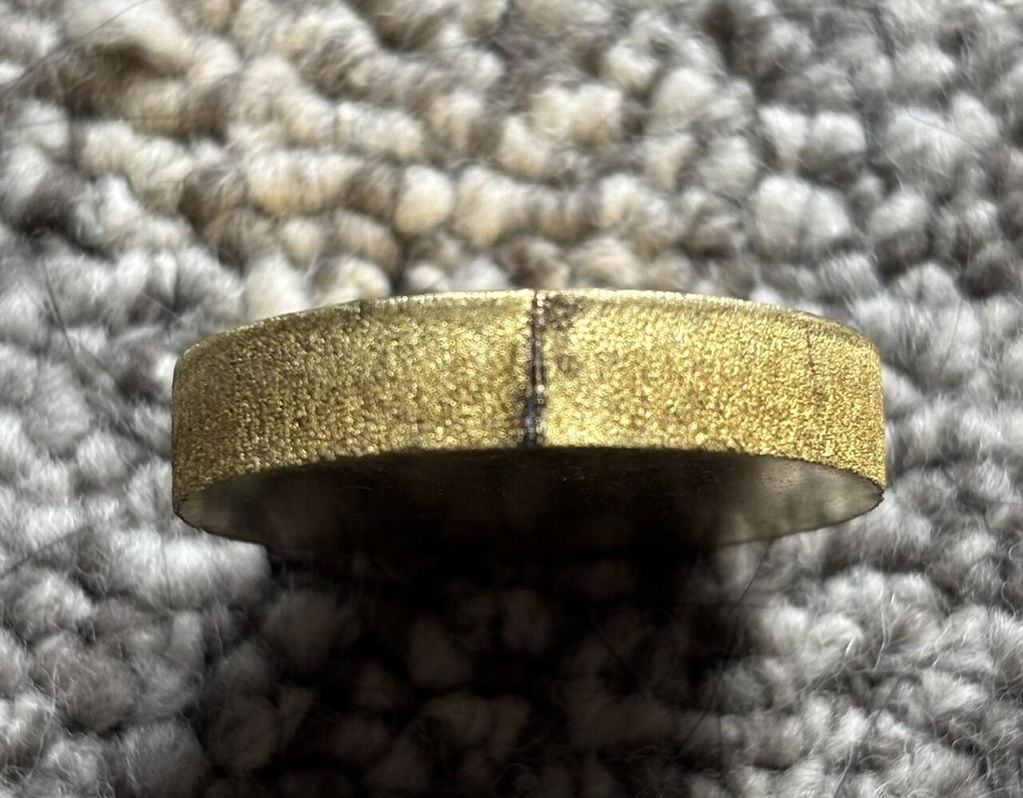

The chain is fine...but I ordered the wrong size. Nine links of the chain I ordered equals six of the size I wanted. My error...
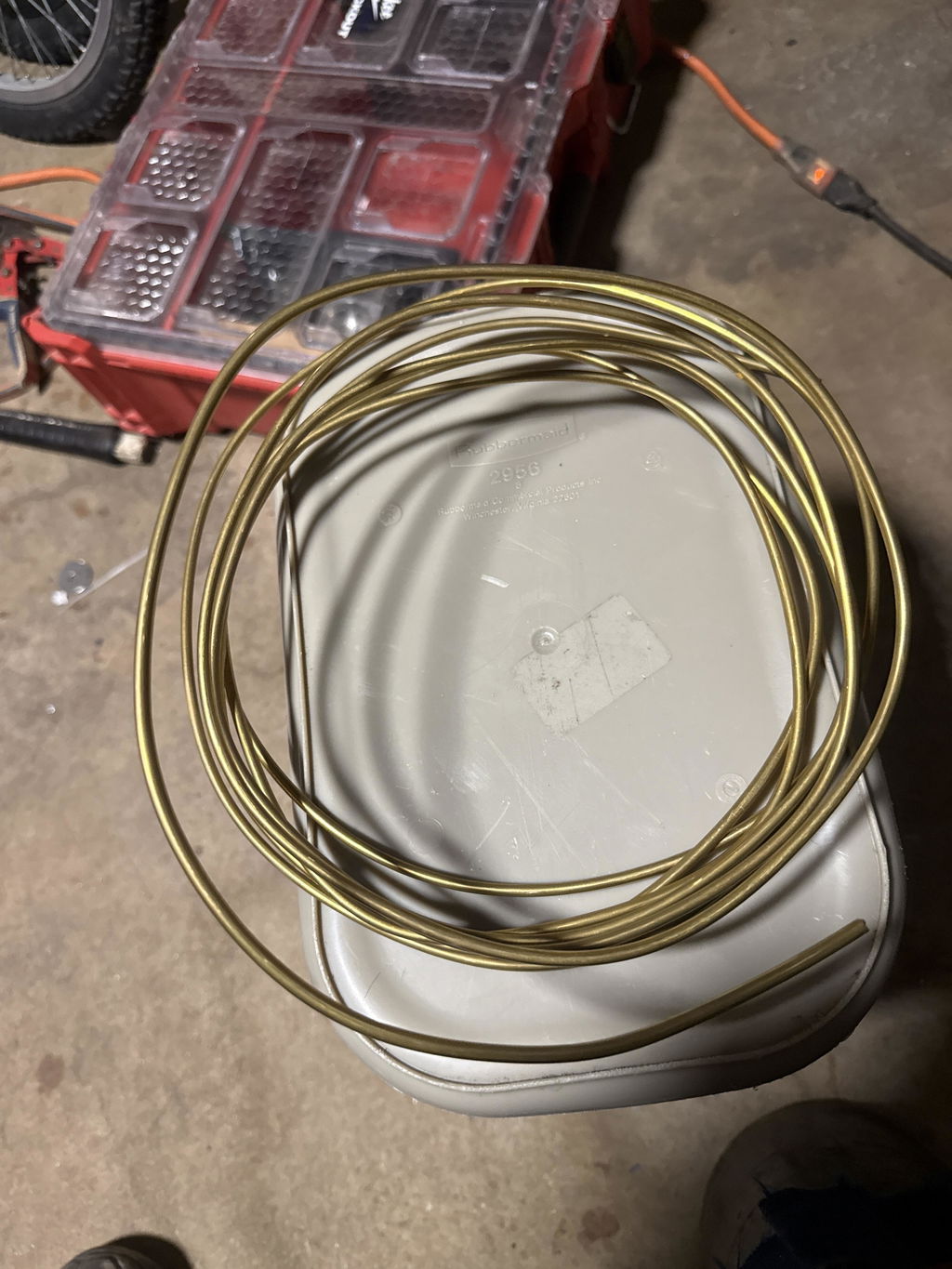
How can I straighten out the springs? I can't use them coil uo as is.
Your payment information is processed securely. We do not store credit card details nor have access to your credit card information.
Get fitment advice & recommendations
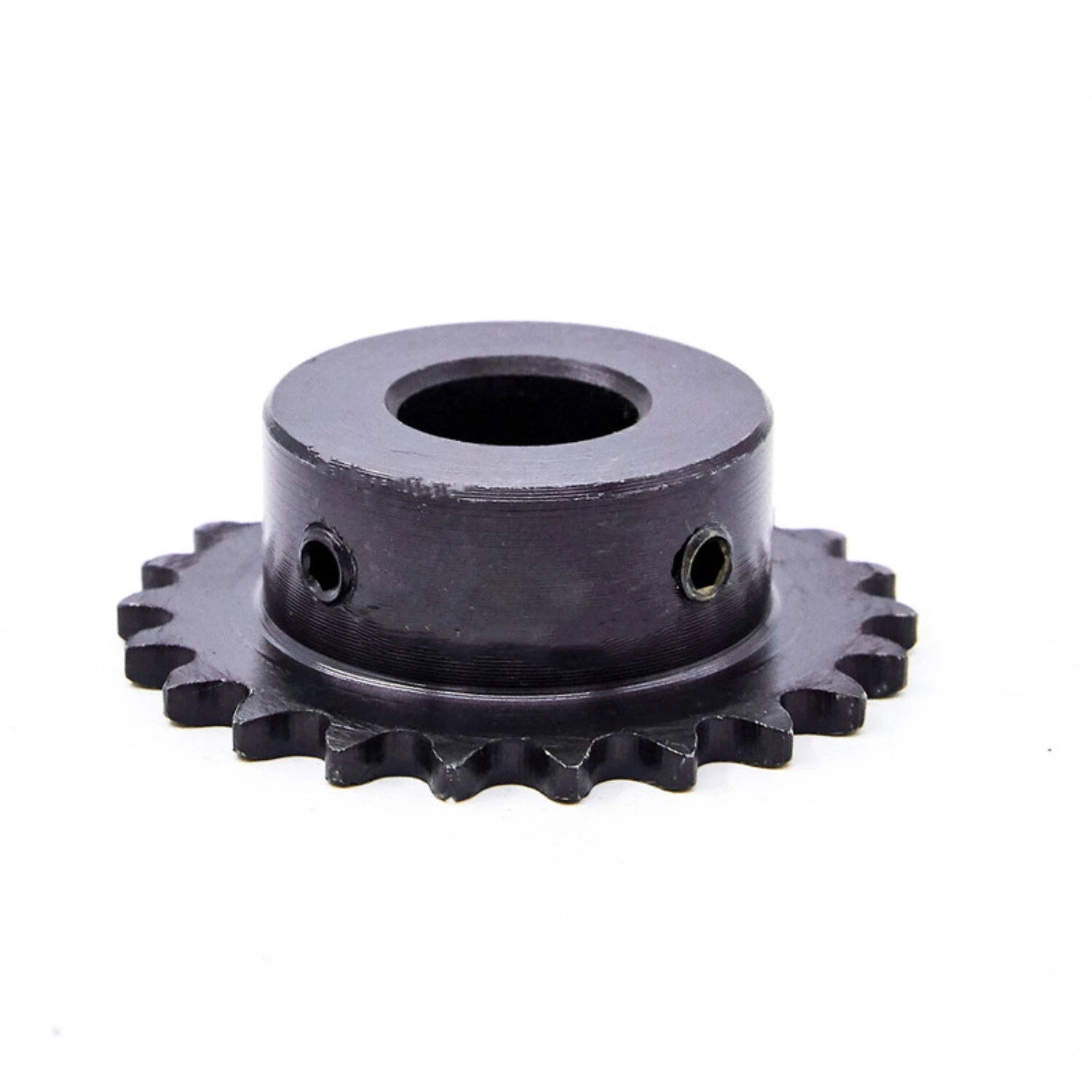
When your chain drive slips, wears unevenly, or simply doesn't fit the shaft you have on hand, the root cause is almost always a mismatched sprocket. Whether you're building a conveyor, a go-kart, a robotics platform, or a custom power-transmission system, the #25 roller chain sprocket gives you the dimensional accuracy and bore flexibility to get the job done right the first time.
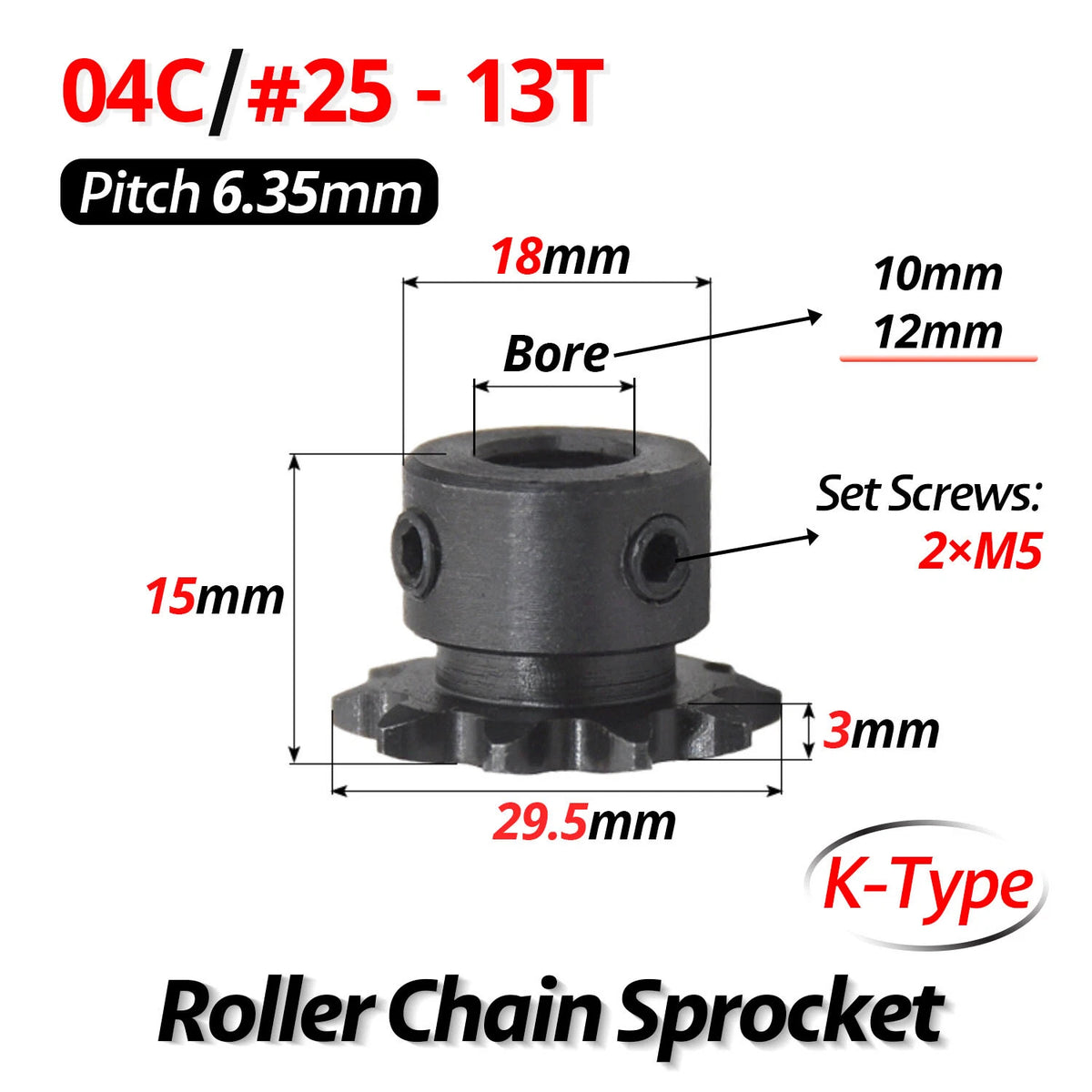
These #25 (04C) sprockets are machined from carbon steel with a natural or zinc-plated finish depending on the variant. Tooth counts range from 9T to 40T, and bore diameters span 5 mm to 20 mm (approximately 0.197" to 0.787"), with K-Type keyway options available on select bores. Chain pitch is 6.35 mm (1/4 inch), conforming to the ANSI #25 / ISO 04C standard.
Typical use cases include light-duty conveyor systems requiring a #25 chain sprocket with keyway bore, small-engine power transmission where a 1/4-inch pitch roller chain sprocket is needed, and DIY robotics or automation projects calling for a compact low-pitch chain drive sprocket with a precise bore-to-shaft fit.
Available from 9T to 40T, covering a broad gear-ratio spectrum for speed reduction or torque multiplication in compact chain drive systems.
Standard round bores from 5 mm to 20 mm, plus K-Type keyway bores on select sizes, allow direct shaft mounting without additional machining in most applications.
6.35 mm (1/4") pitch matches all standard #25 roller chains, ensuring correct tooth engagement and minimizing wear on both the sprocket and chain.
Machined from carbon steel for reliable strength in light-to-medium duty applications, with surface treatment on select variants to resist oxidation.
Each bore is machined to close tolerances for a snug shaft fit, reducing runout and vibration in high-cycle conveyor and automation applications.
Order exactly the quantity you need — single pieces or multi-packs — so you can stock the right sprocket for prototyping, repair, or production builds.
| Chain Standard | ANSI #25 / ISO 04C |
|---|---|
| Chain Pitch | 6.35 mm (1/4") |
| Tooth Count Range | 9T – 40T (see variant options) |
| Bore Diameter Range | 5 mm – 20 mm (see variant options) |
| Bore Type | Round bore; K-Type keyway on select variants |
| Material | Carbon steel |
| Surface Treatment | See variant options |
| Outer Diameter | See variant options |
| Hub Diameter | See variant options |
| Hub Length | See variant options |
| Weight | See variant options |
| Quantity per Order | 1 piece (multi-pack options available) |
The tooth count determines your drive ratio. Divide the driven sprocket teeth by the driver sprocket teeth to get the reduction ratio. For example, a 9T driver paired with a 27T driven sprocket gives a 3:1 reduction. Choose a smaller tooth count on the driver for more torque, or a larger count for higher speed.
A standard round bore relies on a set screw or press fit to secure the sprocket to the shaft. A K-Type keyway bore includes a machined slot that accepts a standard key, providing a positive mechanical lock that prevents rotational slippage under load — recommended for higher-torque or reversing-load applications.
Yes. These sprockets are designed to the ANSI #25 / ISO 04C standard with a 6.35 mm (1/4") pitch. They are compatible with any standard #25 roller chain from any manufacturer that conforms to this pitch. They are not compatible with #35 (9.525 mm pitch), #40 (12.7 mm pitch), or other chain sizes.
Measure your shaft diameter with a caliper. Select the bore size that matches your shaft — the bore should be equal to or very slightly larger than the shaft for a sliding fit, or exactly equal for a press fit. If your shaft has a keyway, select a K-Type bore variant of the same nominal diameter.
These carbon steel sprockets are suited for light-to-medium duty applications typical of #25 chain drives. The ANSI #25 chain itself has a rated breaking load of approximately 3.6 kN (800 lbf), so the sprocket is designed to operate within that chain's working load range. For heavy industrial loads, consider upgrading to a larger chain pitch such as #35 or #40.
Yes. Like all roller chain sprockets, these perform best when the chain is properly lubricated. Apply a light machine oil or chain lubricant to the chain at regular intervals. Adequate lubrication reduces tooth wear, extends chain life, and maintains smooth power transmission.
Carbon steel sprockets can be used in mildly damp environments when kept lubricated, but they are not inherently corrosion-resistant. For outdoor or wet applications, select variants with a zinc-plated or otherwise treated finish, and apply a corrosion-inhibiting chain lubricant. For highly corrosive environments, consider stainless steel alternatives.