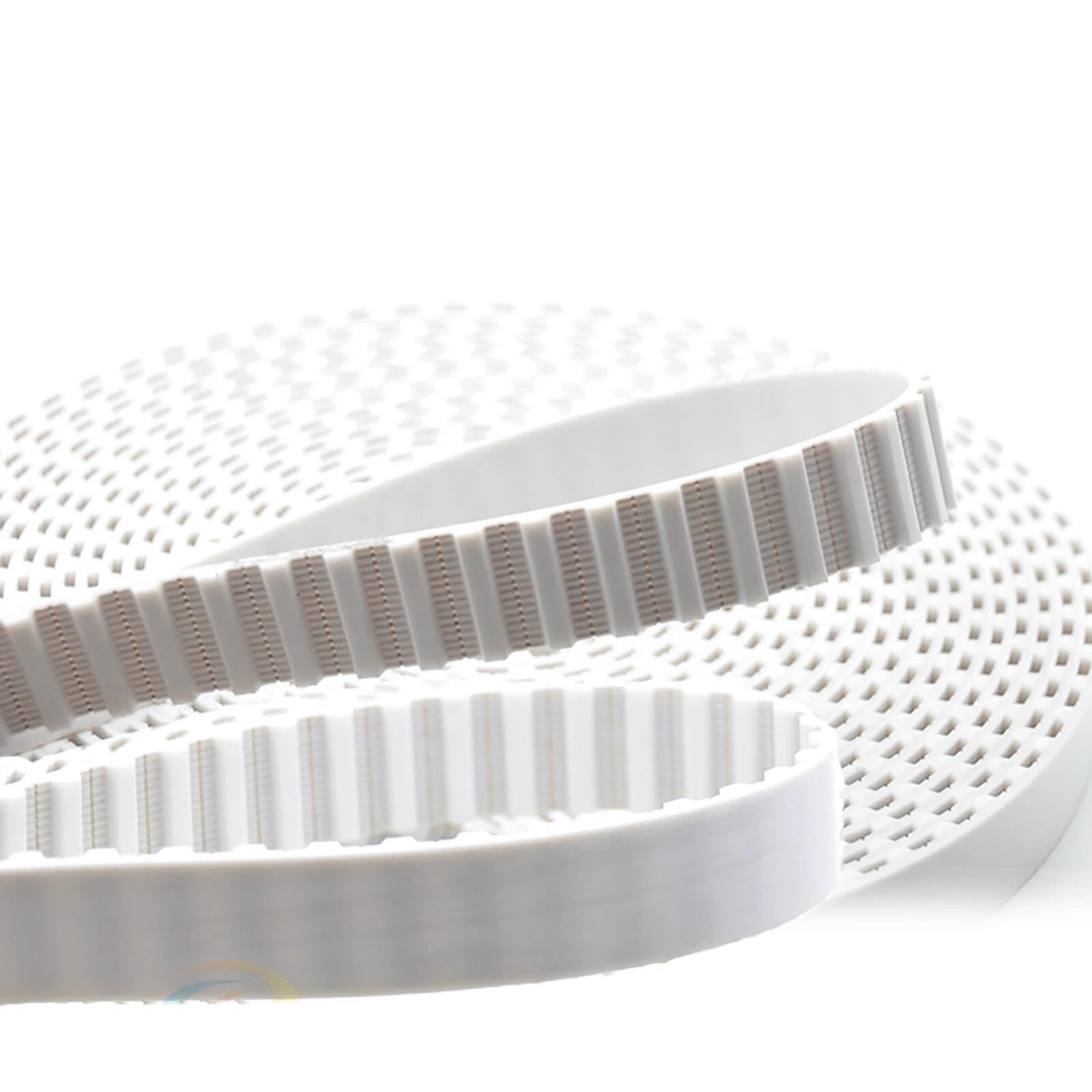
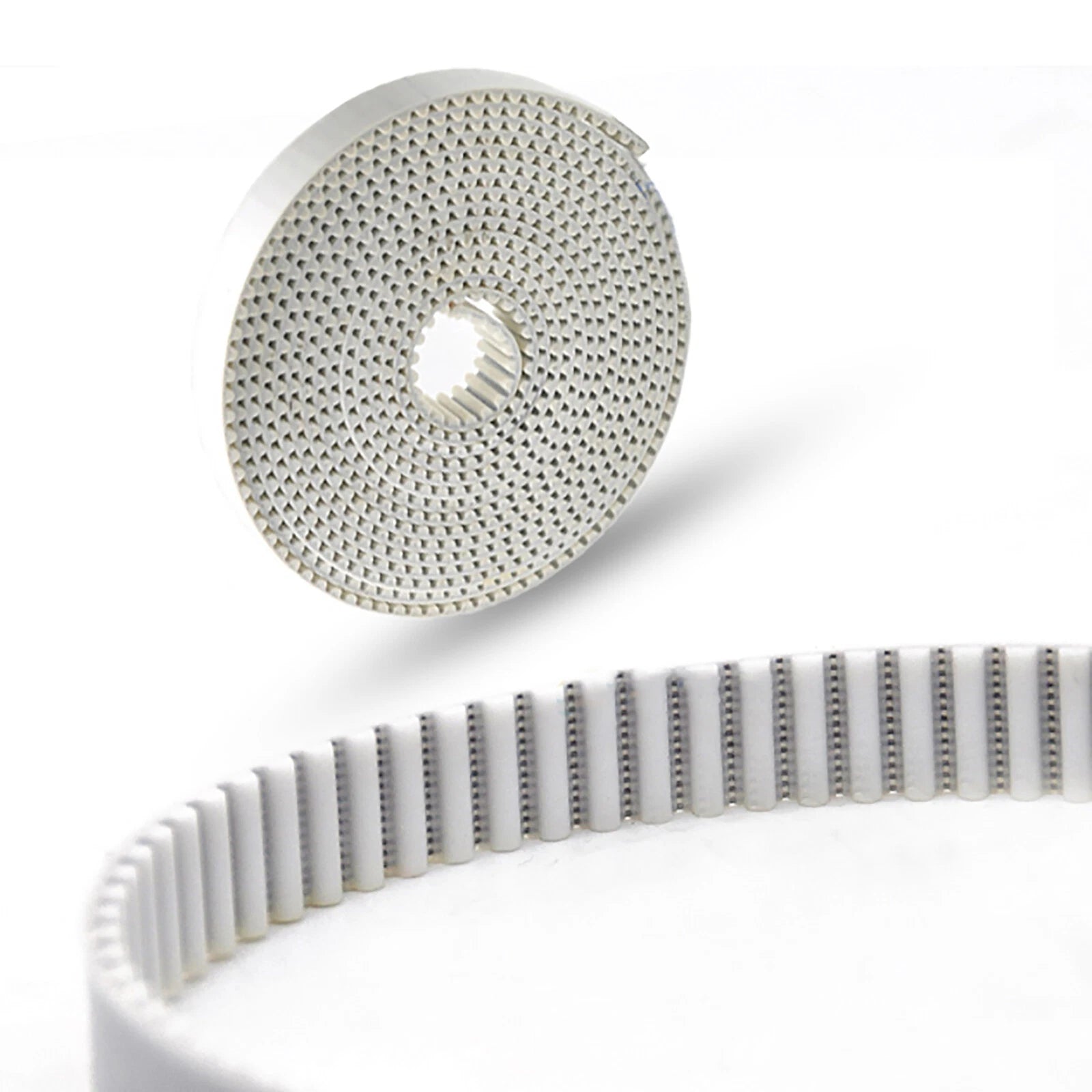
3D Printer Timing Belt — L H XL MXL 2GT, PU + Steel Wire, 6–30mm Wide, Cut to Length

No reviews

Price:
Sale price$5.24 USD
Stock:
In stock (500 units), ready to be shipped

Payment & Security

Ach Direct Debit Amazon American Express Apple Pay Bancontact BLIK Diners Club Discover EPS Google Pay iDEAL Wero JCB Maestro Mastercard Multibanco MobilePay PayPal Przelewy24 Shop Pay Twint Union Pay USDC Visa

Your payment information is processed securely. We do not store credit card details nor have access to your credit card information.

Limited Offer — Spend More, Save More
Spend $55+
Save $5
Spend $100+
Save $10
Spend $200+
Save $25
HomeDIYer DIY Expert Support

DIY Expert Support

Get fitment advice & recommendations

Mon–Fri  8:30 AM – 8:00 PM
24-Hour Fast Ship
Arrives in 3–14 Days
Worldwide Shipping
30-Day Returns
1 tree planted with every purchase

Description


3D Printer Timing Belt — Precise Motion Control for L, H, XL, MXL & 2GT Drive Systems

A loose, stretched, or mismatched timing belt is one of the most common causes of print quality issues — layer shifting, ringing artifacts, and inconsistent extrusion. Whether you're maintaining a workhorse FDM printer or building a custom CoreXY machine, getting the right 3D printer timing belt matters. These open-ended synchronous belts are designed for makers, engineers, and repair technicians who need a reliable, cut-to-length solution without overpaying for pre-cut loops.

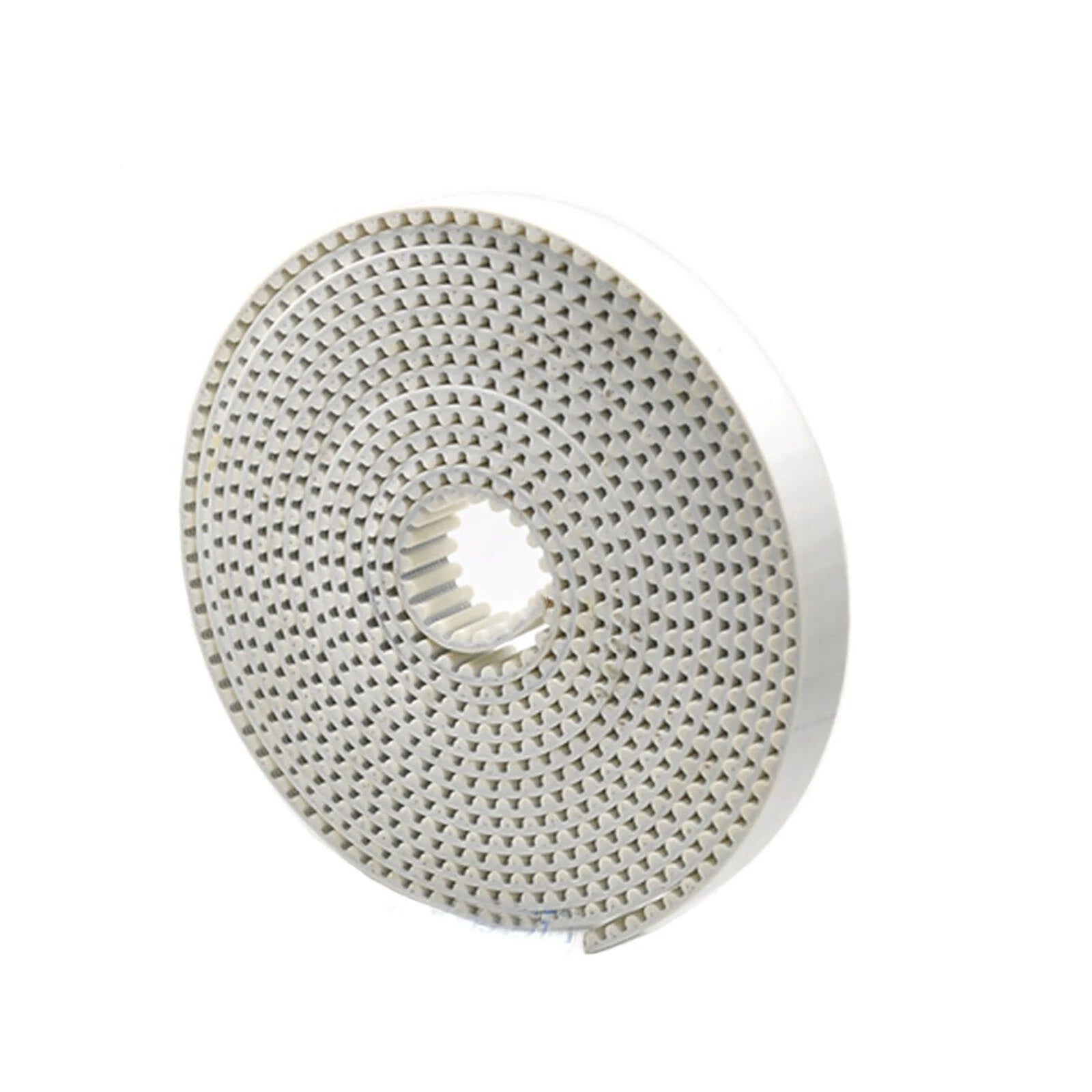
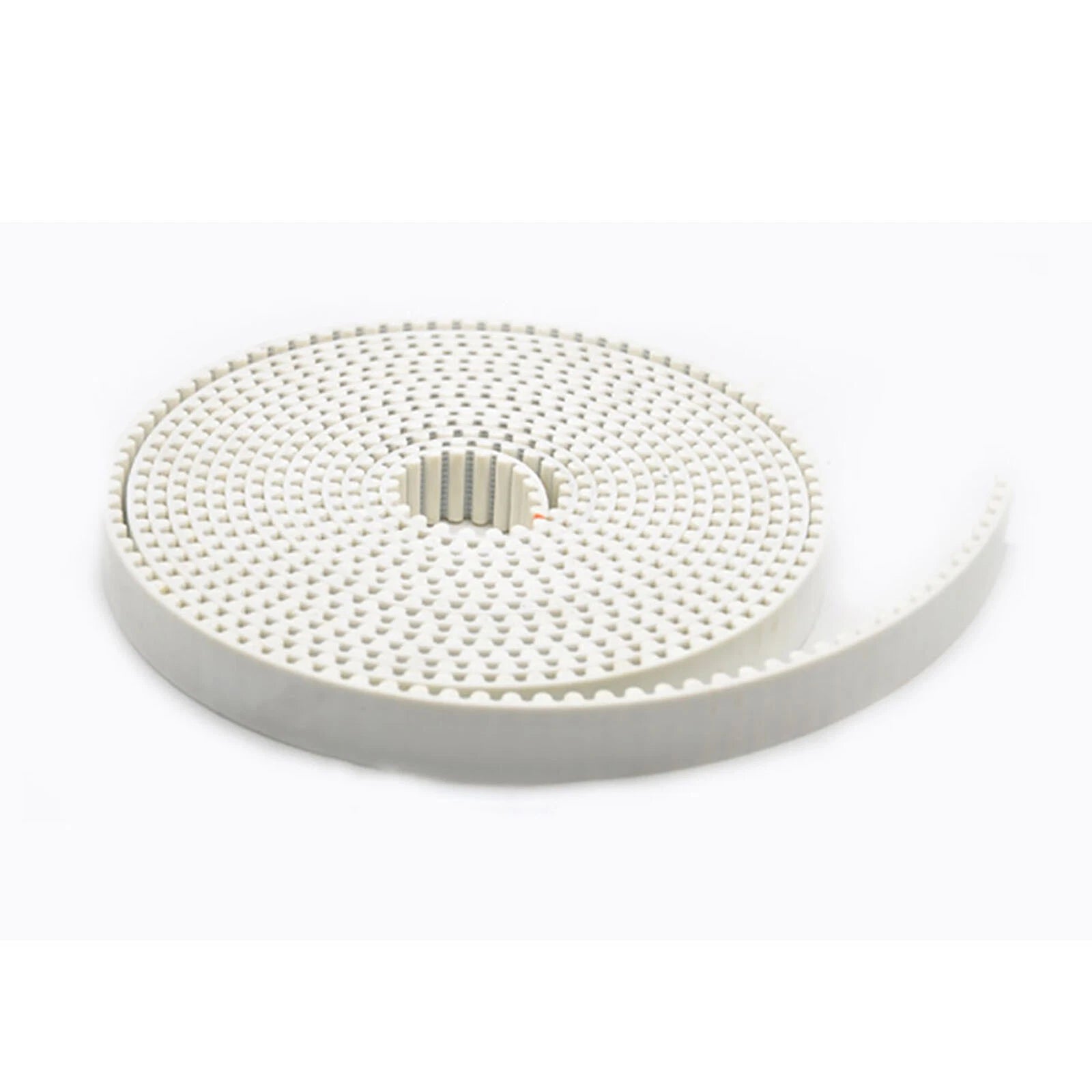
Each belt is constructed with a polyurethane (PU) body reinforced with a steel wire tension cord, available in five standard profiles — L, H, XL, MXL, and 2GT — and widths ranging from 6mm (≈1/4") to 30mm (≈1-3/16"). Lengths are sold in 1 meter (≈39.4"), 2 meter (≈78.7"), and 5 meter (≈196.9") open-ended sections, so you cut exactly what you need with no waste.

Typical applications include FDM 3D printer X/Y axis drives (Ender 3, Prusa MK series, Voron, RatRig), CNC router axis belts, laser engraver carriage drives, and light-duty automation conveyor systems where low-stretch synchronous belt drive is required.

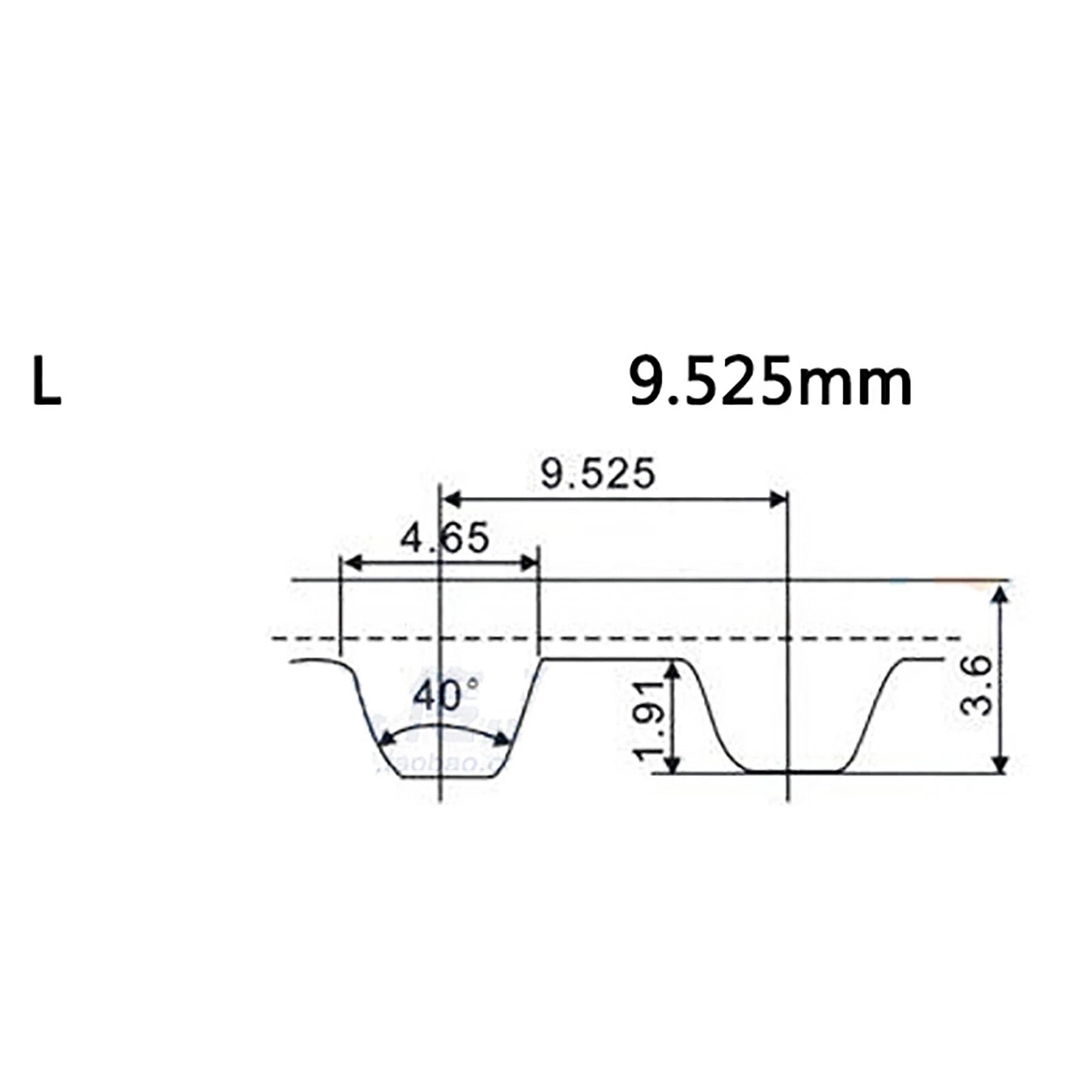
ℹ️ Compatibility Note: These are open-ended (non-loop) timing belts. Verify your belt profile (tooth pitch and shape) and pulley width before ordering. 2GT = 2mm pitch; XL = 5.08mm pitch; MXL = 2.032mm pitch; L = 9.525mm pitch; H = 12.7mm pitch.

✅ Key Features of These 3D Printer Timing Belts

  • 🔩Steel Wire Tension Core — Embedded steel wire reinforcement minimizes belt stretch under load, helping maintain consistent layer registration on long print runs.
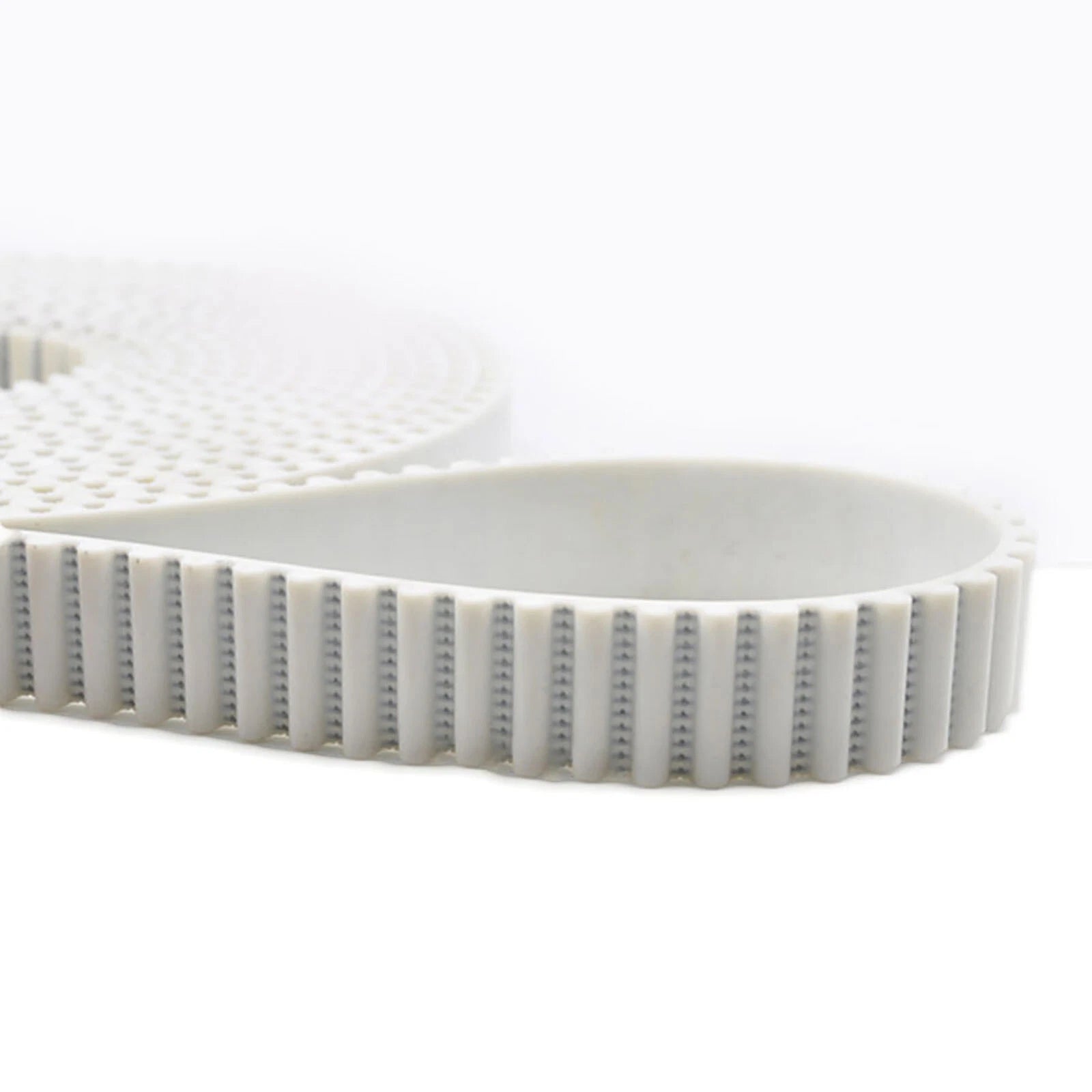
  • 🧱Polyurethane (PU) Body — The PU outer material resists oils and mild chemicals, runs quietly on aluminum pulleys, and holds tooth geometry better than standard rubber belts over time.
  • 📐Five Standard Profiles — L, H, XL, MXL, and 2GT profiles cover the most common 3D printer timing belt sizes, from compact desktop machines to large-format builds.
  • ✂️Cut-to-Length Flexibility — Sold in 1m, 2m, and 5m open-ended sections so you cut exactly what your machine requires — ideal for custom CoreXY and belt-driven Z-axis builds.
  • 📏Multiple Width Options — Available in 6mm, 10mm, 15mm, 20mm, 25mm, and 30mm widths to match a wide range of pulley channel sizes and load requirements.
  • 🚀Ships from US Warehouse — Stocked domestically for fast delivery — no long international waits when you need a replacement synchronous drive belt quickly.

📐 Technical Specifications — Synchronous PU Timing Belt

Belt Type Open-ended synchronous timing belt
Available Profiles L, H, XL, MXL, 2GT
Tooth Pitch — 2GT 2.000mm (≈0.079")
Tooth Pitch — MXL 2.032mm (≈0.080")
Tooth Pitch — XL 5.080mm (≈0.200")
Tooth Pitch — L 9.525mm (≈0.375")
Tooth Pitch — H 12.700mm (≈0.500")
Available Widths 6mm, 10mm, 15mm, 20mm, 25mm, 30mm
Available Lengths 1 Meter (≈39.4"), 2 Meter (≈78.7"), 5 Meter (≈196.9")
Belt Body Material Polyurethane (PU)
Tension Member Steel wire cord
Belt End Type Open-ended (cut to length)
Typical Application 3D printer X/Y axis, CNC router, laser engraver, light automation
Operating Temperature See variant options
Color/Finish See variant options
⚠️ Sizing Tip: If you are unsure of your belt profile, measure the tooth pitch (center-to-center distance between two adjacent teeth) with calipers and compare to the pitch values in the spec table above.

❓ Frequently Asked Questions

How do I choose the right belt length for my 3D printer?

Measure the total loop path your belt must travel — from motor pulley, around any idlers, and back. Add a small amount for tensioner adjustment, typically 20–50mm (about 1–2"). These belts are sold in open-ended lengths (1m, 2m, 5m), so you cut to your exact requirement. When in doubt, order slightly longer.

What is the load capacity of these timing belts?

The steel wire core provides strong tensile reinforcement, making these belts suitable for the light-to-medium loads typical in 3D printer motion systems. Generally, wider belts (25–30mm) carry higher loads than narrower ones (6–10mm). For heavy-duty industrial applications, please contact us to confirm suitability.

Can these belts be used outdoors or in humid environments?

The polyurethane (PU) outer body offers good resistance to oils, mild chemicals, and moderate humidity. However, prolonged exposure to standing water or outdoor UV conditions may reduce belt life over time. For outdoor or washdown environments, we recommend confirming compatibility before ordering.

Are these belts compatible with standard GT2, XL, and MXL pulleys?

Yes. Each belt profile is designed to match its corresponding standard pulley tooth geometry: 2GT belts pair with 2GT pulleys, XL belts with XL pulleys, MXL with MXL, and so on. Always verify the tooth pitch and profile of your existing pulleys before ordering.

Which belt profile should I choose — 2GT, XL, MXL, L, or H?

2GT (2mm pitch) is the most common choice for modern FDM printers like Ender, Prusa, and Voron builds. XL (5.08mm pitch) and MXL (2.032mm pitch) are typically found on older or specialized machines. L and H profiles are generally used in larger-format or higher-torque printer designs. Check your printer's documentation or measure your existing belt's tooth pitch to confirm.

How do I cut the belt to the correct length?

Use sharp scissors or a utility knife with a straight edge. Cut cleanly between teeth to avoid fraying the PU body. The steel wire core is thin and cuts easily with standard tools. We recommend cutting slightly long and trimming to fit once installed on your machine.

What width should I order?

Match the width to your pulley's belt channel. Most desktop 3D printers use 6mm wide belts with 2GT profile. Wider belts (10–30mm) are generally used in larger-format machines or applications requiring higher lateral stiffness. Check your pulley spec sheet or measure the existing belt width with calipers.

🛒 Select your model, width, and length above, then add to cart — ships from our US warehouse.

You may also like

Recently viewed