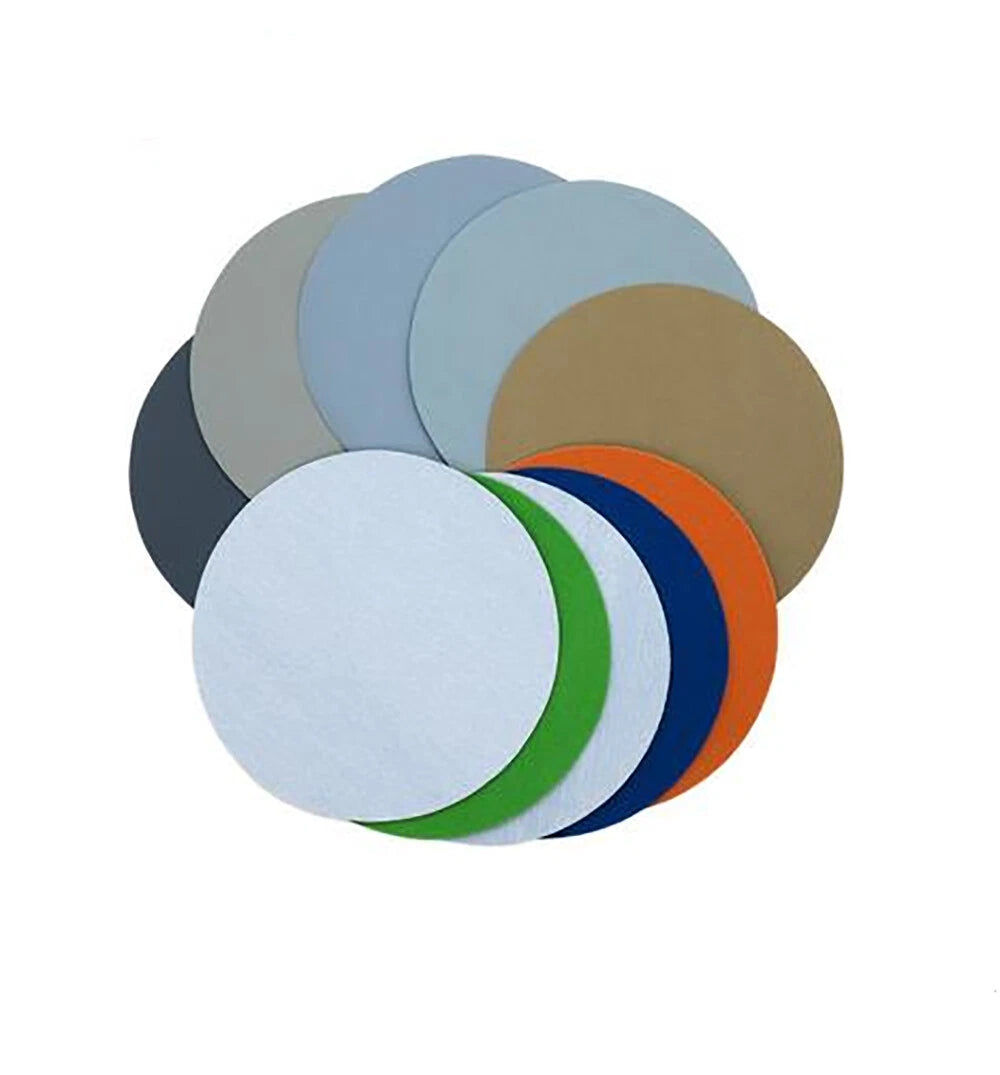
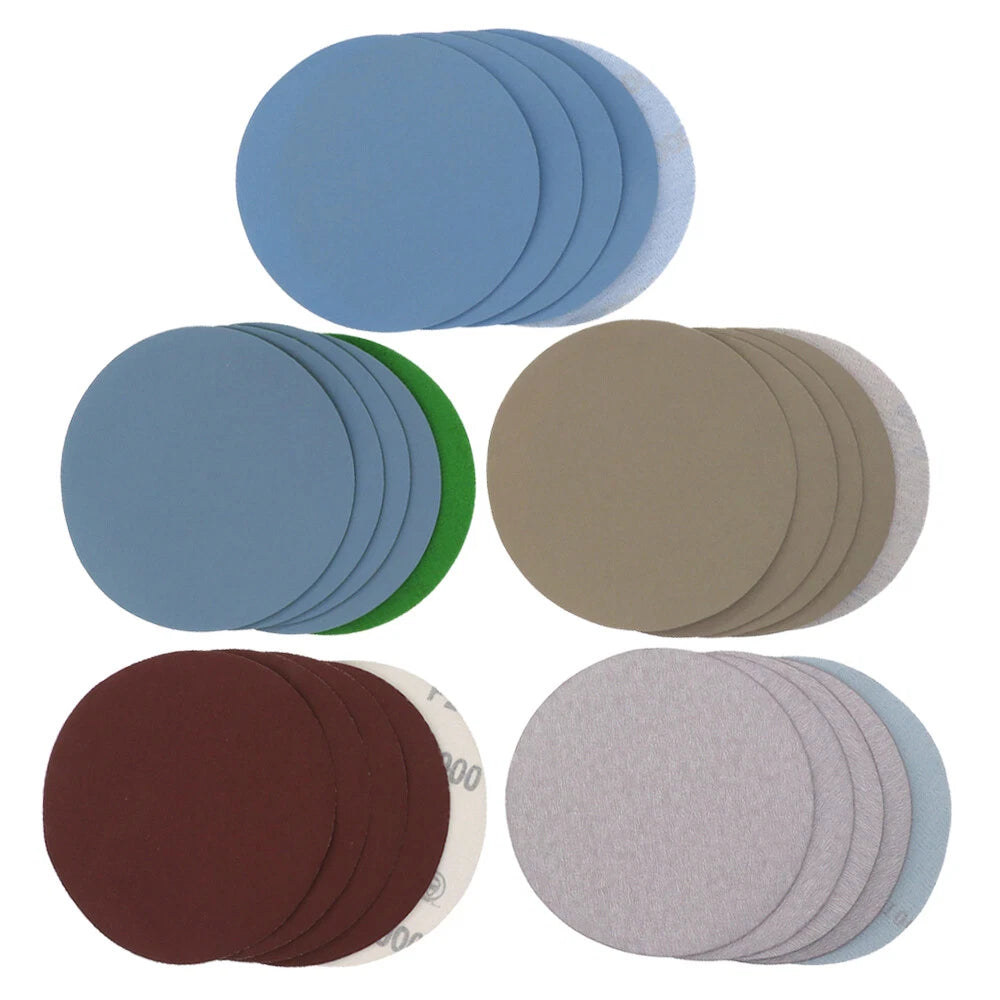
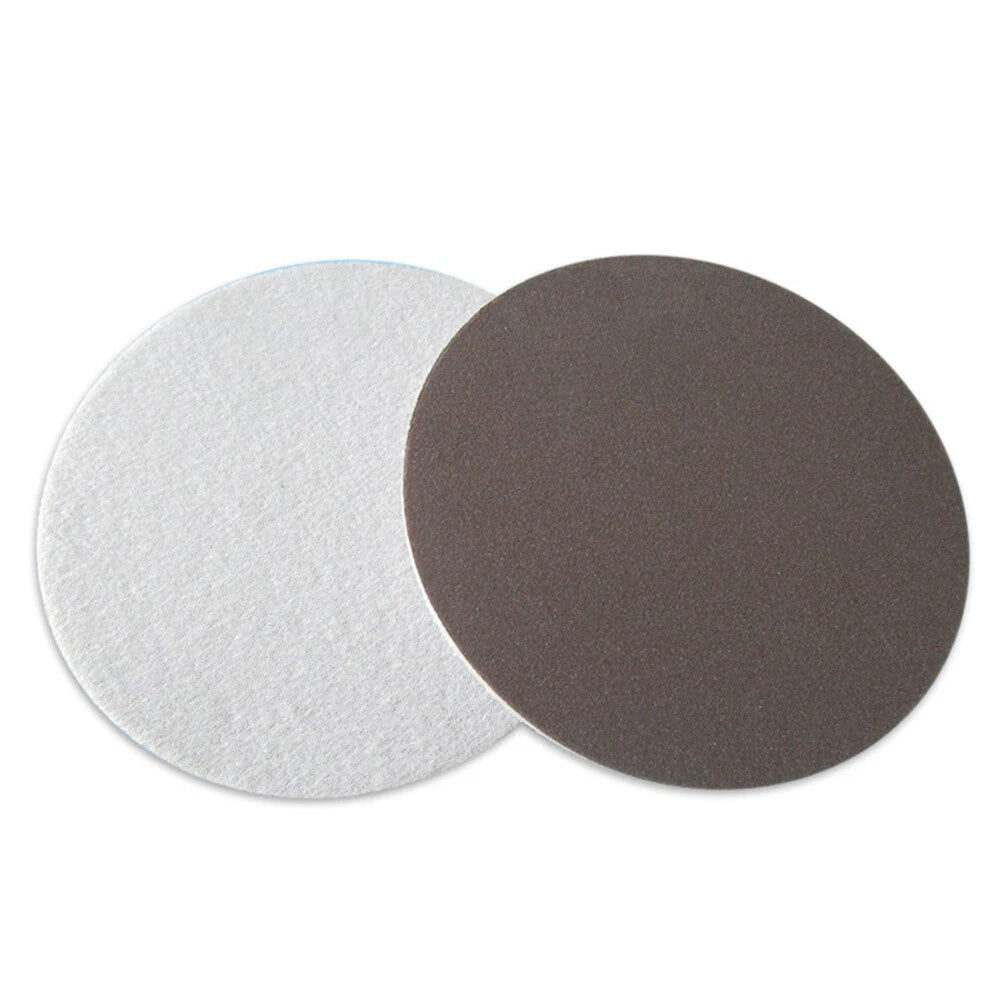
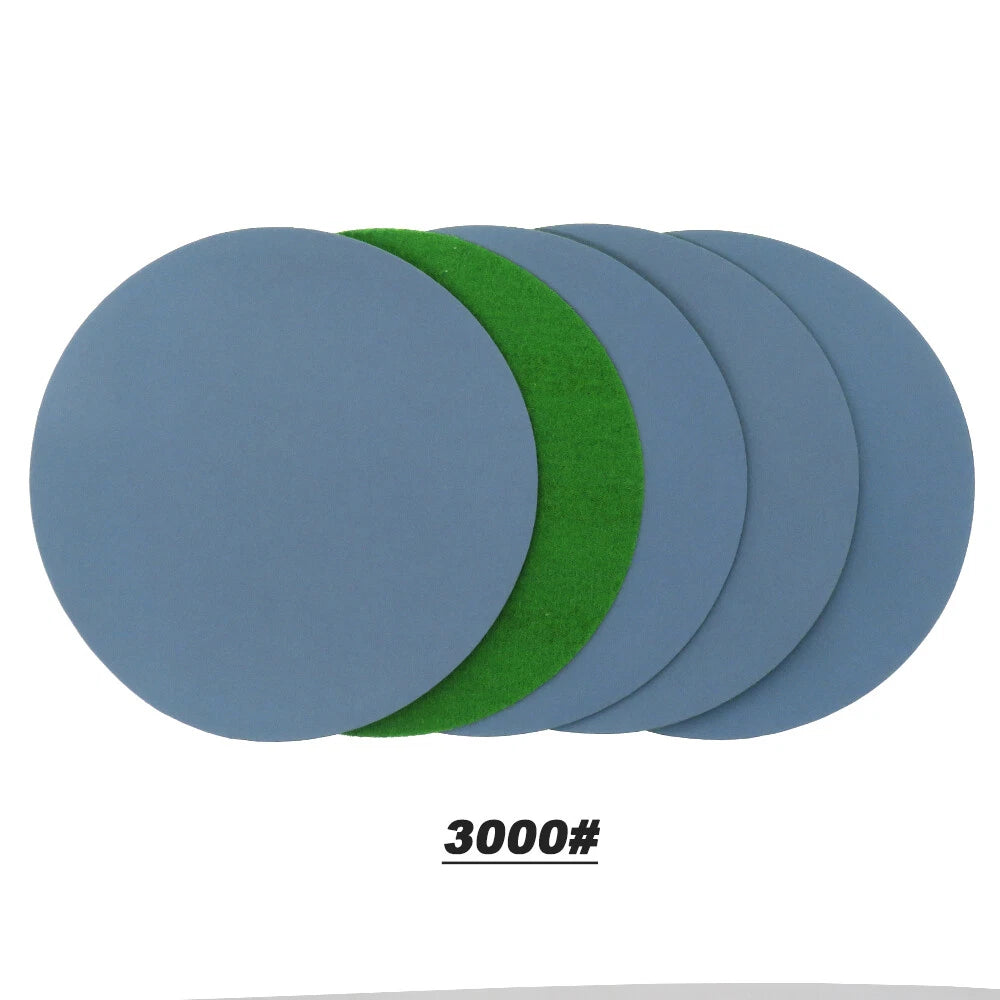
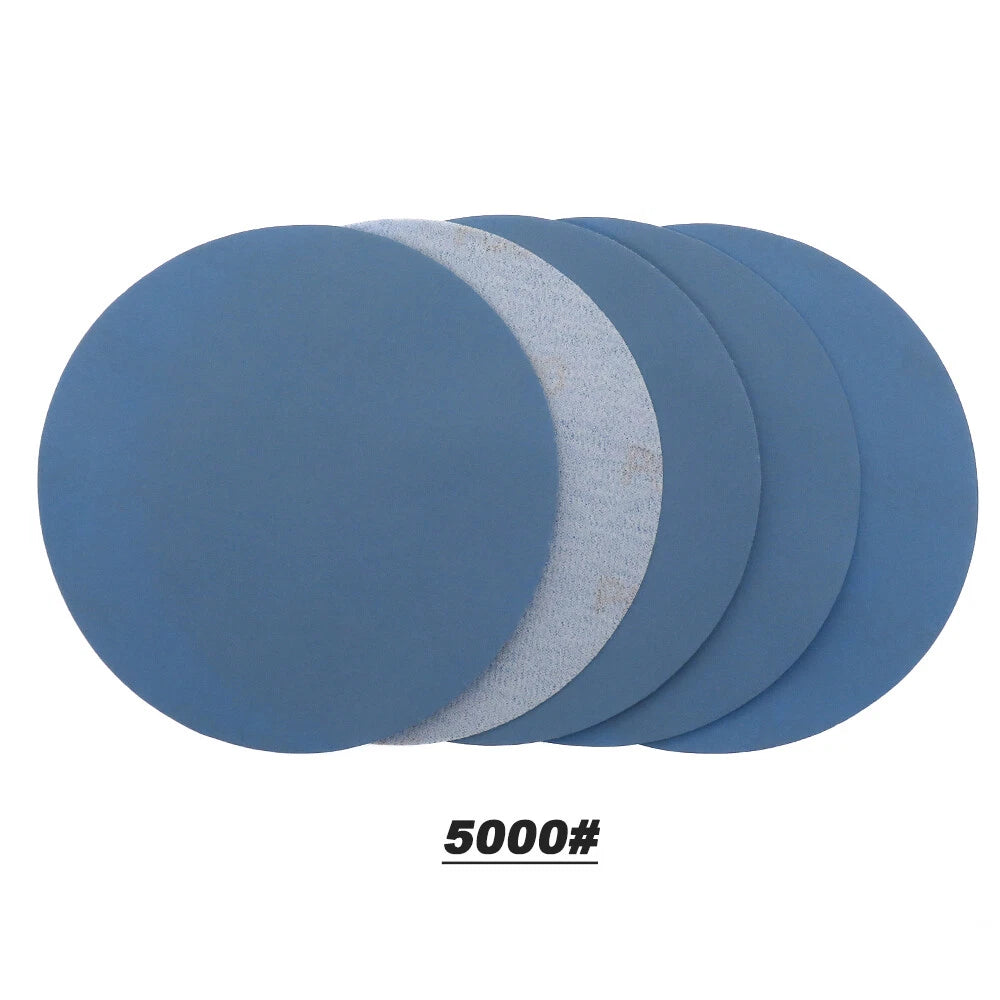
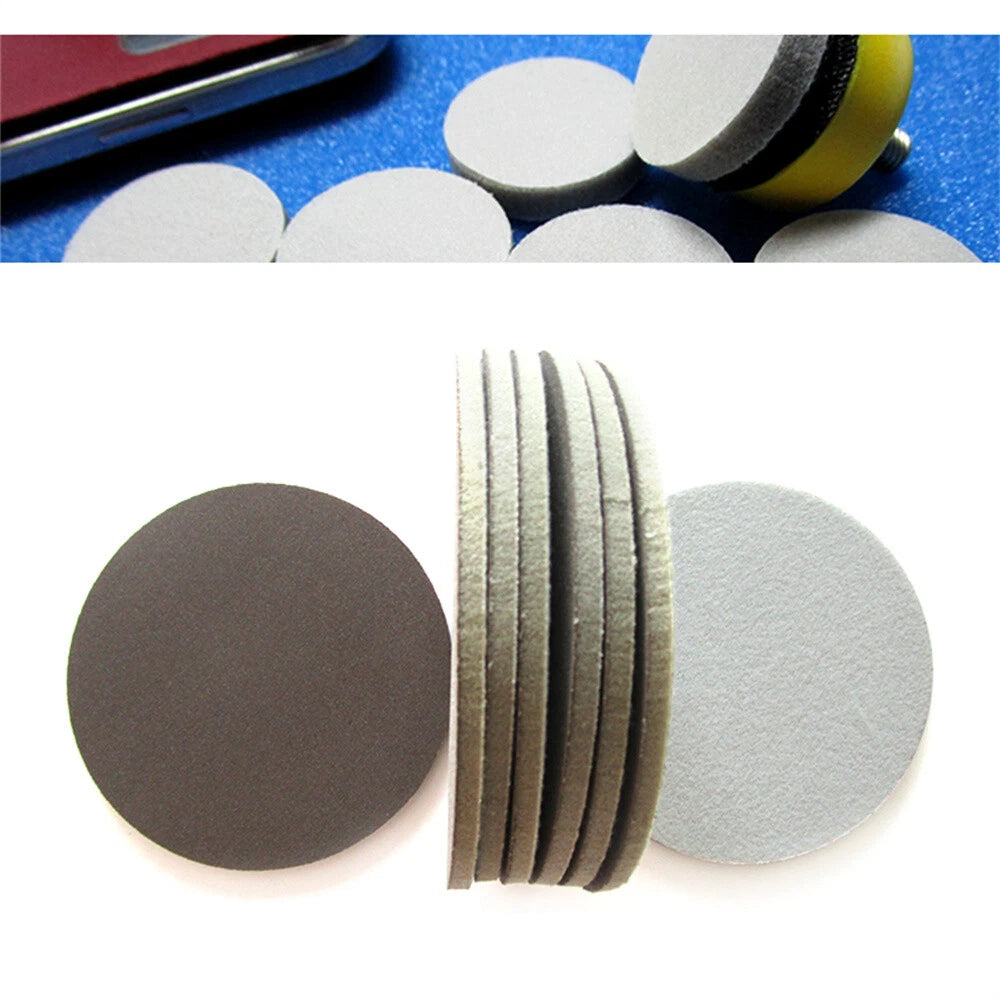
5" - 6" - 7" - 8" Inch Sanding Disc Wet & Dry Sandpaper Hook & Loop For Polish

No reviews

Sizes: 5"inch 125mm
Grit: 800 Grit
QTY(PCS): 1
Price:
Sale price$1.62 USD
Stock:
In stock (500 units), ready to be shipped

Payment & Security

Ach Direct Debit Amazon American Express Apple Pay Bancontact BLIK Diners Club Discover EPS Google Pay iDEAL Wero JCB Maestro Mastercard Multibanco MobilePay PayPal Przelewy24 Shop Pay Twint Union Pay USDC Visa

Your payment information is processed securely. We do not store credit card details nor have access to your credit card information.

Limited Offer — Spend More, Save More
Spend $55+
Save $5
Spend $100+
Save $10
Spend $200+
Save $25
HomeDIYer DIY Expert Support

DIY Expert Support

Get fitment advice & recommendations

Mon–Fri  8:30 AM – 8:00 PM
24-Hour Fast Ship
Arrives in 3–14 Days
Worldwide Shipping
30-Day Returns
1 tree planted with every purchase

Description

🔩 Tackling large surfaces like wood tabletops, metal sheets, or boat hulls demands a disc that cuts consistently without falling apart or clogging. These 5″ to 8″ wet and dry sanding discs are built for that kind of work, using long‑lasting aluminum oxide abrasive that keeps exposing sharp edges as it wears. The hook & loop cloth backing attaches in seconds to your random orbital sander or rotary polisher, and the flexible round disc hugs flat and gently curved panels for an even scratch pattern. Use them wet to control dust and keep the disc cool on paint and gelcoat, or sand dry on wood and metal — either way, you get professional results on automotive bodywork, furniture, plastic trim, glass, and stone with far fewer disc changes.

✨ Wet & Dry Aluminum Oxide Sandpaper Hook & Loop Discs – Key Benefits

  • Aluminum oxide abrasive – self‑sharpening particles fracture during sanding to expose fresh cutting edges, lasting longer than standard sandpapers.
  • Four large diameters: 5″, 6″, 7″, 8″ – match the most common backing pads on random orbital sanders, polishers, and rotary tools.
  • Wet or dry use – waterproof cloth backing won’t disintegrate; wet sanding reduces heat, dust, and loading for a finer finish.
  • Quick hook & loop attachment – press on, peel off; no adhesives, no mess, and a secure grip even at high speed.
  • Flexible round design – conforms to slight contours and edges without cracking or folding, delivering uniform results.
  • Versatile material compatibility – ideal for wood, metal, plaster, plastic, painted surfaces, glass, stone, and composite materials.

📋 Large Hook & Loop Sanding Disc Specifications

Available Diameters 5 inch (125 mm) • 6 inch (150 mm) • 7 inch (180 mm) • 8 inch (200 mm)
Shape Round
Abrasive Material Long‑lasting aluminum oxide
Backing Type Hook & loop cloth (easy stick‑on, peel‑off)
Usage Condition Wet or dry (waterproof)
Compatible Tools Random orbital sanders, rotary polishers, hand sanding blocks with hook backing
Recommended Applications Wood sanding, metal cleaning, automotive paint prep, plastic finishing, plaster smoothing, glass etching, stone polishing
Note Hand‑measured dimensions may vary slightly; lower grit number = coarser grit

❓ Large Format Sanding Discs – Common Questions

🔸 Can I really use these wet? Won’t the hook & loop backing come off?

Yes, they are fully waterproof. The hook & loop cloth is bonded to a water‑resistant base that holds its grip even when soaked. Wet sanding actually extends disc life by reducing heat and preventing the abrasive from loading up with dust.

🔸 How long do aluminum oxide discs last compared to silicon carbide?

Aluminum oxide is exceptionally durable on wood, metal, and painted surfaces. Its self‑sharpening property means it keeps cutting as the grains fracture, often outlasting cheaper silicon papers. For general‑purpose sanding and paint prep, you’ll get more square feet per disc.

🔸 My sander has a 5″ pad. Should I buy the 5″ disc, or a larger one and trim it?

Always buy the disc that matches your backing pad diameter. Using a larger disc risks it catching on edges and tearing, or throwing the sander off balance. Pick the exact size — 5″ for 5″ pads, 6″ for 6″ pads, and so on — for safe, efficient sanding.

🔸 What grit should I choose for removing old paint from a wooden door?

Start with a coarse grit like 60–80 to cut through the old paint layers quickly. Then move to 120–180 to smooth out the scratch marks left by the coarse grit, and finish with 220–320 before priming. This product listing covers multiple grits — check the options and select the range that fits your project stage.

🔸 Are these suitable for polishing stone or glass edges?

They work well for smoothing stone crafts and chamfering glass edges, especially when used wet. For a polished, glossy finish on stone, step through finer grits (800–1500 and above) progressively for a smooth result. Always use water to keep the glass and stone dust under control.

You may also like

Recently viewed