Can I really use these sanding sponges wet, and why would I want to?
Absolutely. They're built for wet sanding. Adding water drastically reduces airborne dust, keeps the abrasive cooler, and flushes away debris that would otherwise clog the grit. This produces a noticeably smoother finish on primer, paint, and clear coat – a trick professional auto body techs rely on daily.
Will these sheets fit my random orbital sander?
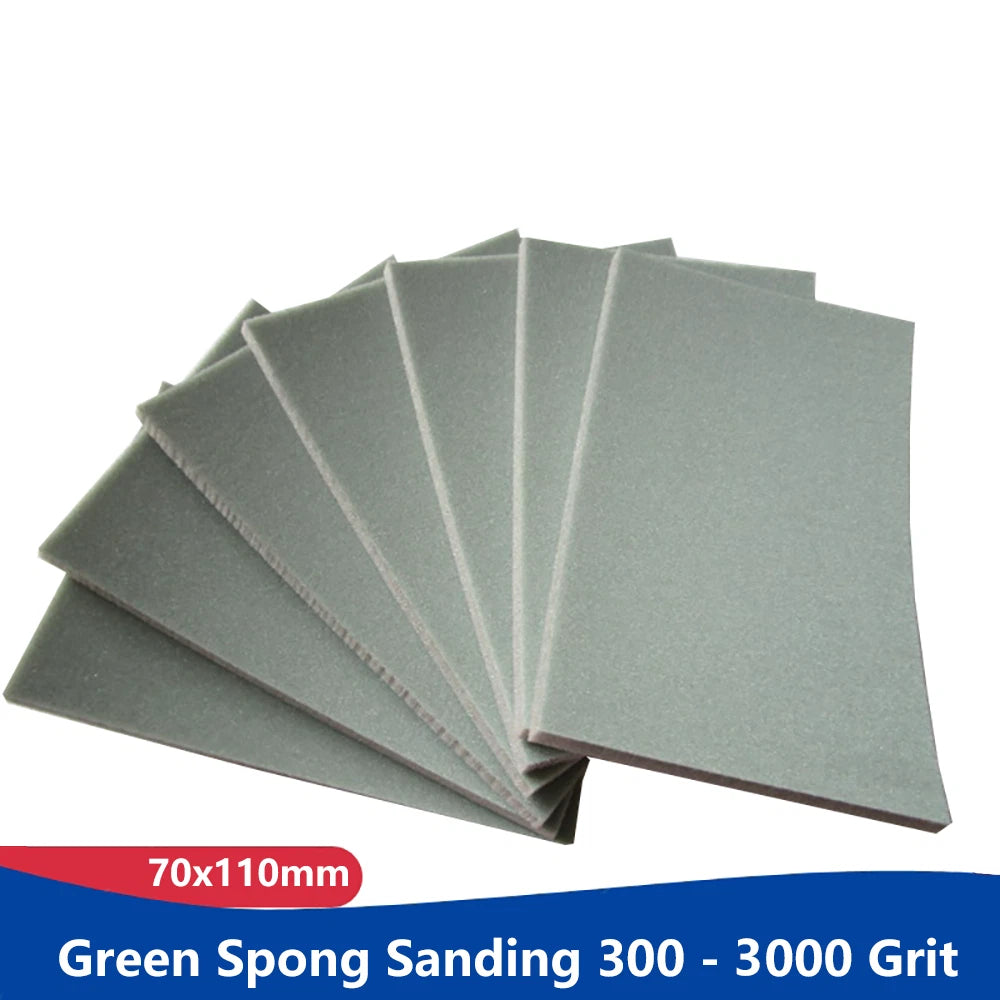
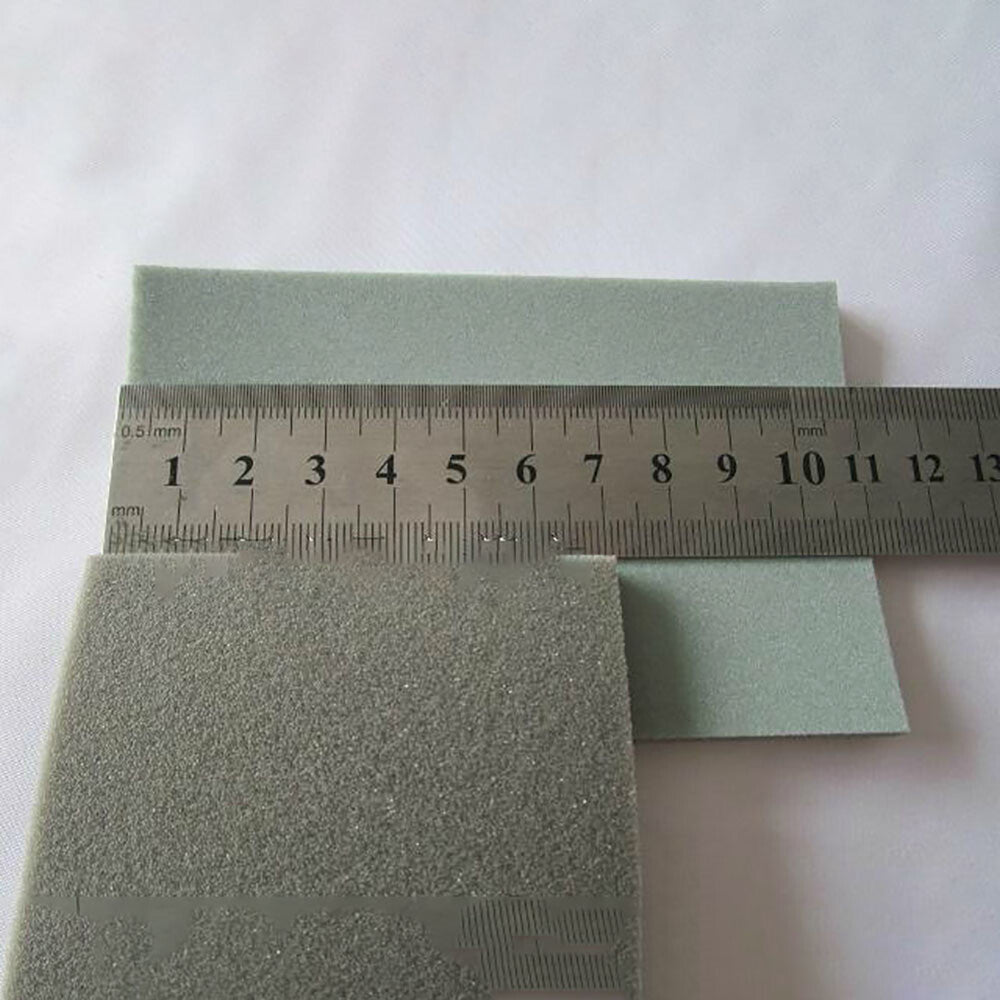
If your sander uses a 70x110mm rectangular hook-and-loop pad, then yes – they'll attach securely in seconds. This size is very common on many random orbital and palm sanders. Please double-check your tool's pad dimensions just to be safe.
What's the easiest way to keep the sponge from clogging during dry sanding?
While these sponges resist loading naturally, you can periodically tap them against a hard surface or use a rubber sanding belt cleaner. For stubborn buildup, a quick rinse with water works wonders – and you'll be back to cutting efficiently in no time.
How do I know which grit to start with on my project?
Start with a lower grit (300–600) if you're removing material quickly, shaping filler, or stripping old paint. Move to 1000–1500 for surface leveling and scratch refinement. Reserve 2000–3000 for final polishing before paint or clear coat. A general rule: use the coarsest grit that won't leave unnecessary deep scratches.
Are these sponges durable enough for repeated use?
Yes. The combination of flexible sponge and coated abrasive holds up well across multiple projects. When used wet and rinsed periodically, many users find one sheet outlasts several traditional paper discs. They're also washable – let them air dry and they're ready for the next job.
What materials can I sand with these sponge sheets?
These sponge sanding sheets work on a wide range of surfaces including automotive paint, primer, body filler, bare wood, MDF, drywall, metal, and composite materials. The silicon carbide abrasive is effective on both hard and soft surfaces across the full grit range.
How do I clean and store the sanding sponges after use?
Rinse under running water to remove dust and debris, then gently squeeze out excess water. Allow to air dry completely before storing. Avoid folding or compressing the sponge during storage to maintain its shape and abrasive integrity.