The chain is fine...but I ordered the wrong size. Nine links of the chain I ordered equals six of the size I wanted. My error...
How can I straighten out the springs? I can't use them coil uo as is.
Your payment information is processed securely. We do not store credit card details nor have access to your credit card information.
Get fitment advice & recommendations
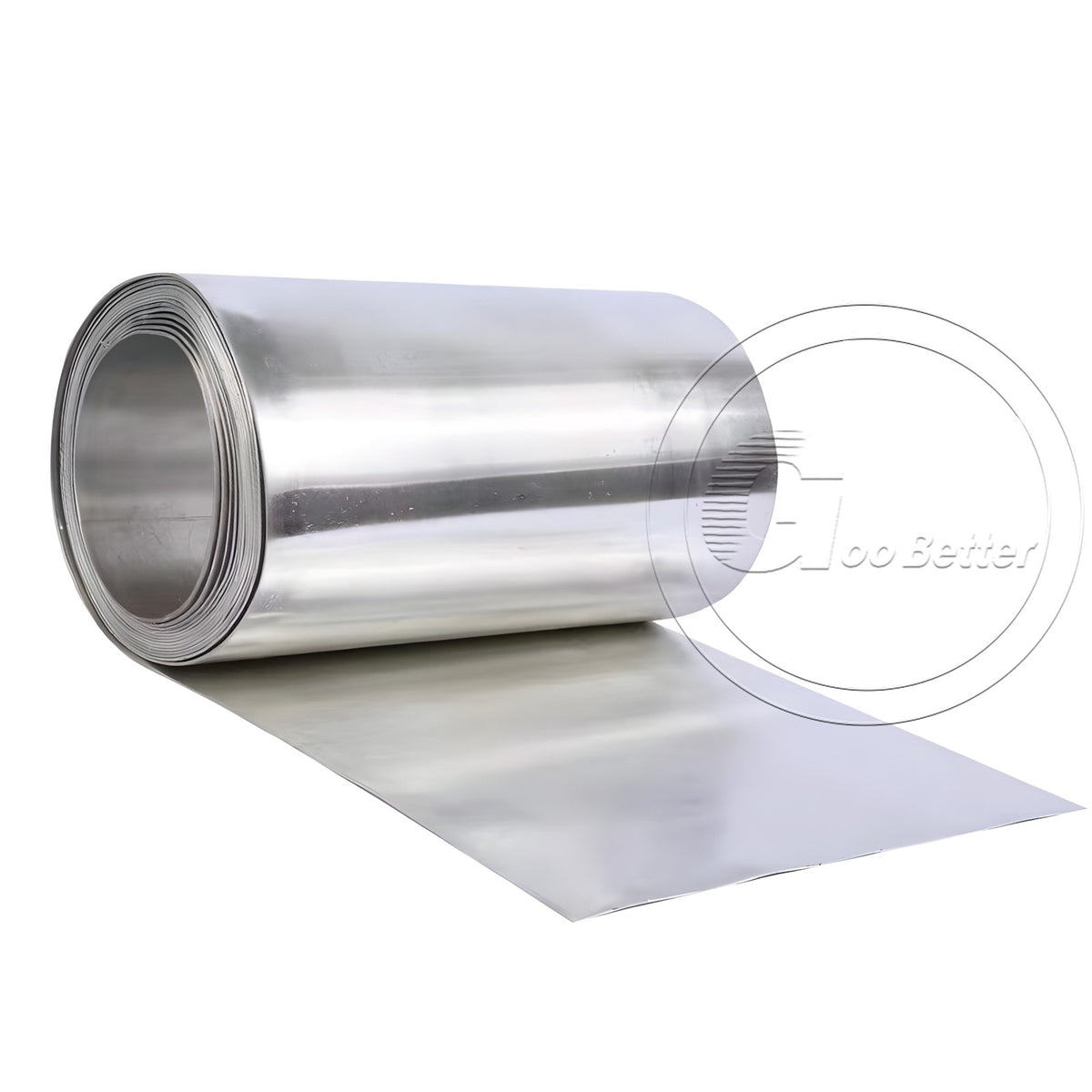
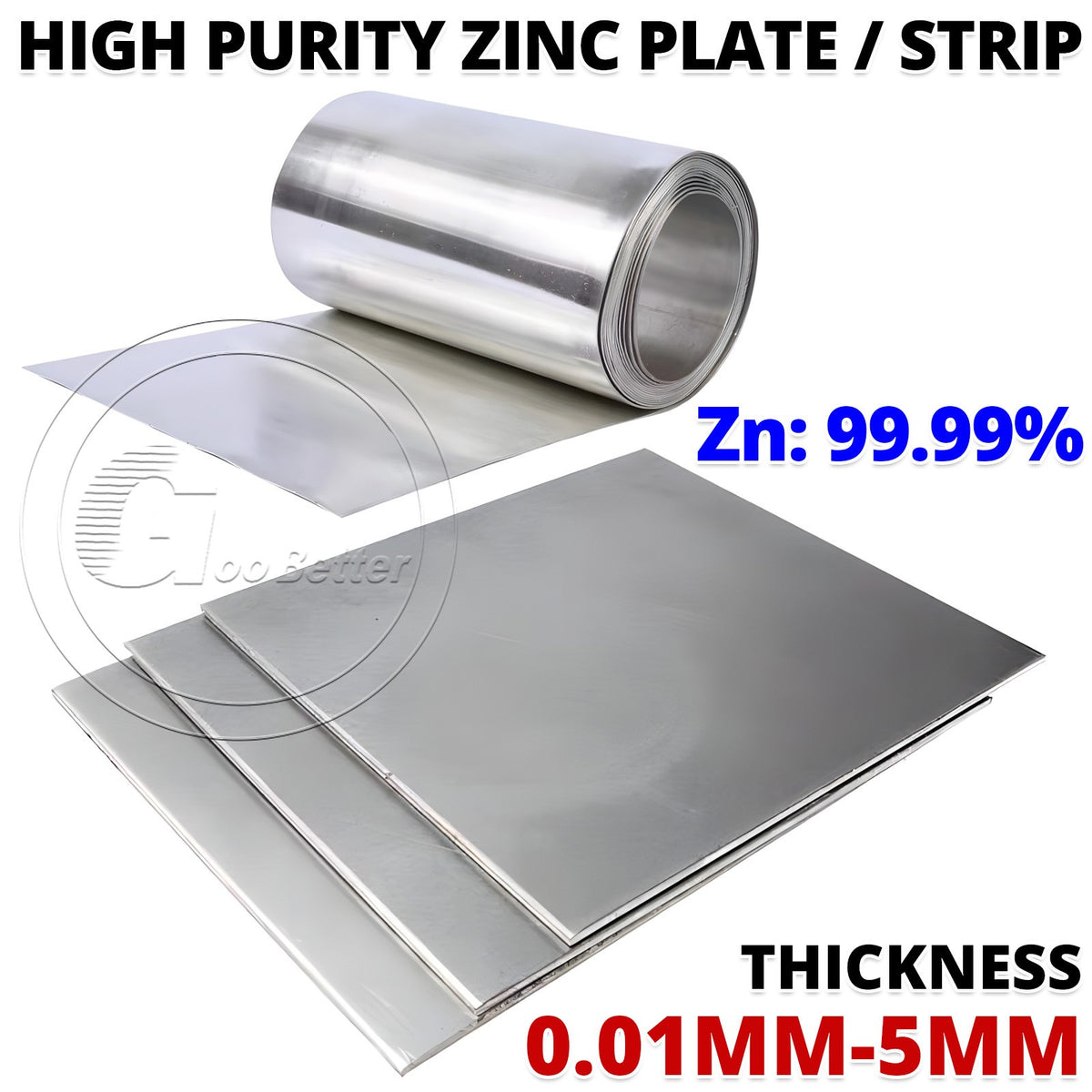
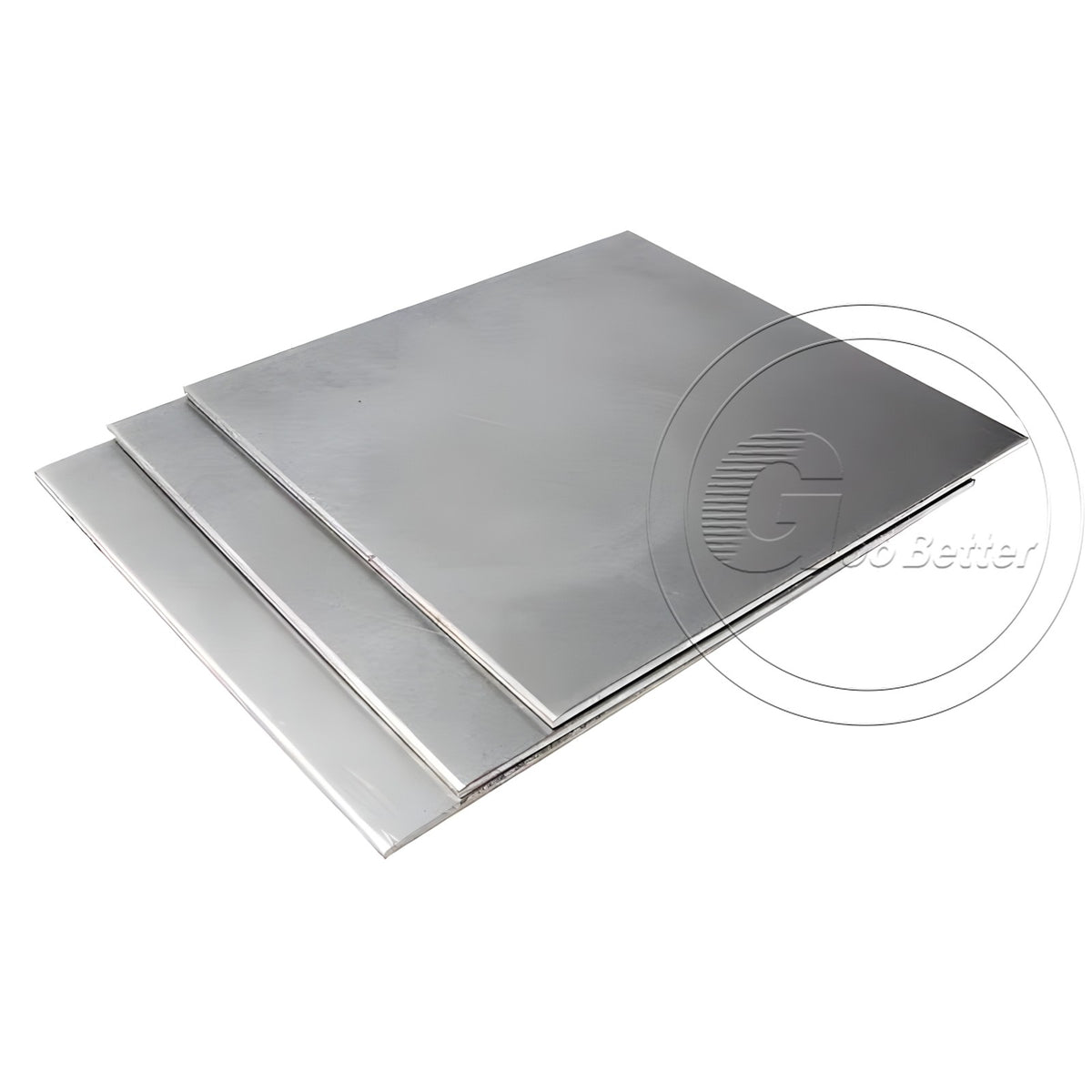
When your electrochemistry experiment, corrosion-resistance test, or scale model demands a reliably pure metal substrate, ordinary hardware-store zinc simply won't do. Makers, educators, and hobbyists who need a consistent, traceable material turn to 99.9% high purity pure zinc sheet plate — a material where composition certainty directly affects results.
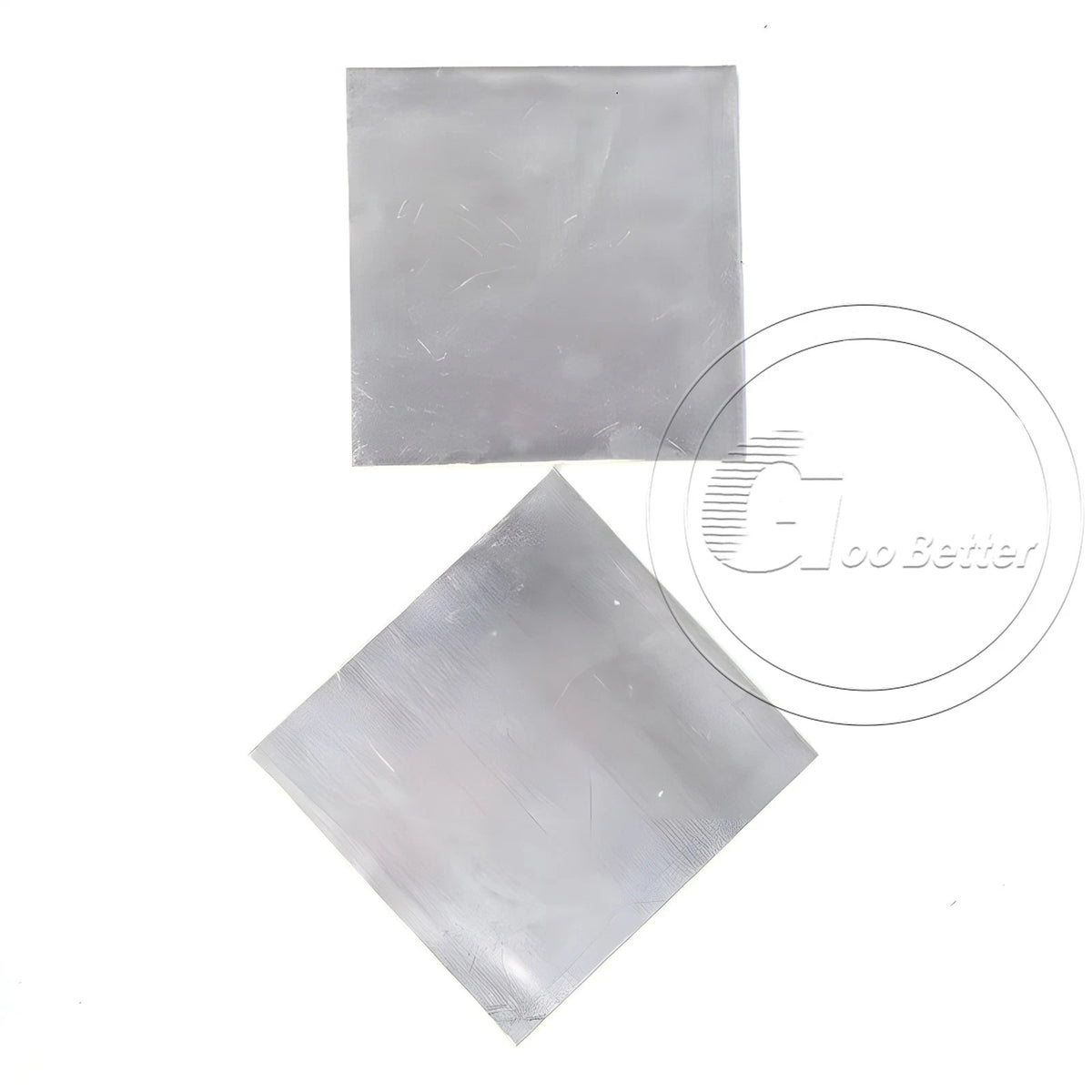
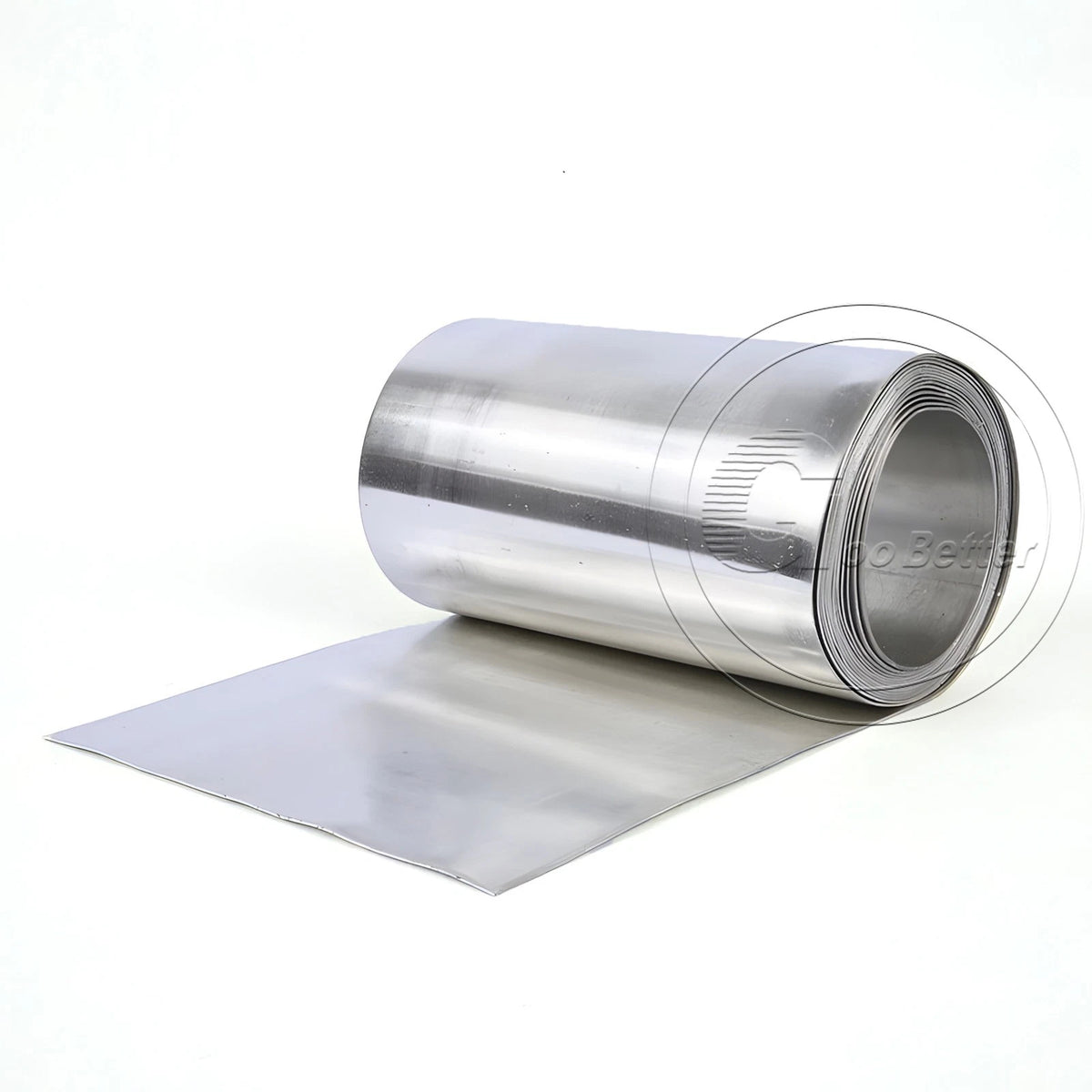
Each sheet is composed of 99.9% pure zinc (Zn), supplied in a flat-rolled plate form. Thickness options span from ultra-thin foil at 0.01 mm (0.0004 in) up to solid plate at 5 mm (0.197 in), with widths ranging from 100 mm (3.94 in) to 200 mm (7.87 in). Available in both cut-to-length meter rolls and individual flat pieces, so you only order what your project requires.
Typical applications include galvanic cell and battery electrode construction for science lab experiments, zinc anode replacement for cathodic protection of marine hardware, electroplating bath anodes for copper or brass plating, and detailed scale-model or arts-and-crafts work requiring a workable, solderable non-ferrous metal sheet.
| Material | Zinc (Zn), 99.9% purity |
|---|---|
| Form | Flat-rolled sheet / plate |
| Thickness Range | 0.01 mm – 5 mm (0.0004 in – 0.197 in) |
| Width / Size Options | 100 mm, 120 mm, 150 mm, 200 mm (strip); 100×100 mm, 100×110 mm, 100×150 mm, 100×200 mm (flat piece) |
| Available Lengths | 1 Meter (strip roll) / 1 Piece (flat cut) |
| Surface Finish | Mill finish (bright, lightly oxidised) |
| Density | 7.13 g/cm³ |
| Melting Point | 419.5 °C (787 °F) |
| Hardness | Approx. 30 HB (Brinell) |
| Colour | Bluish-silver grey |
| Weight per Variant | See variant options |
| Certifications / Standards | See variant options |
For electrochemical cells and battery electrodes, 0.1 mm – 0.5 mm foil provides sufficient surface area while remaining easy to cut and shape. For cathodic-protection anodes or structural applications, 1 mm – 5 mm plate offers the mass and durability needed for extended service life. Hobby and model-making work typically falls in the 0.2 mm – 1 mm range for a balance of rigidity and workability.
Sheets thinner than 0.1 mm are flexible foils that will conform to curved surfaces but require support for flat applications. From 0.2 mm upward the sheet holds a flat profile under normal handling. Plates of 1 mm and above are self-supporting and rigid enough for most structural hobby uses.
Zinc does not rust (iron-oxide formation). Instead it develops a thin, adherent zinc-oxide and zinc-carbonate patina that actually slows further oxidation. In dry indoor conditions the surface stays bright for months; in humid or outdoor environments a dull grey patina forms within weeks but the underlying metal remains structurally sound. This self-protecting behaviour is why zinc is widely used as a sacrificial anode material.
Yes — zinc solders readily with a standard rosin-core or acid-flux solder at low iron temperatures (around 200–250 °C / 390–480 °F). Use adequate ventilation as zinc fumes are produced above ~420 °C. Welding is possible with TIG or MIG processes but is less common for thin sheet; most hobby and lab users rely on soldering or conductive adhesive instead.
Yes. 99.9% pure zinc sheet is the standard anode material for zinc electroplating baths and is also used as a sacrificial anode in copper, brass, and nickel plating setups to control bath chemistry. The high purity minimises contamination of the plating solution compared with lower-grade zinc alloys.
Sheets up to 0.3 mm can be cut with heavy-duty scissors or a craft knife and steel ruler. From 0.5 mm to 1.5 mm, aviation tin snips or a guillotine shear give clean edges. For 2 mm and above, a hacksaw, jigsaw with a metal blade, or angle grinder with a cutting disc is recommended. Always deburr cut edges with a file or fine sandpaper.
Choose the 1 Meter option when you need a continuous strip — for example, wrapping an anode around a cylindrical object or cutting multiple identical electrodes from one length. Choose 1 Pcs (flat piece) when you need a specific rectangular blank and want to avoid rolling or unrolling a strip. Both options are cut from the same material; the difference is purely in form factor and quantity.