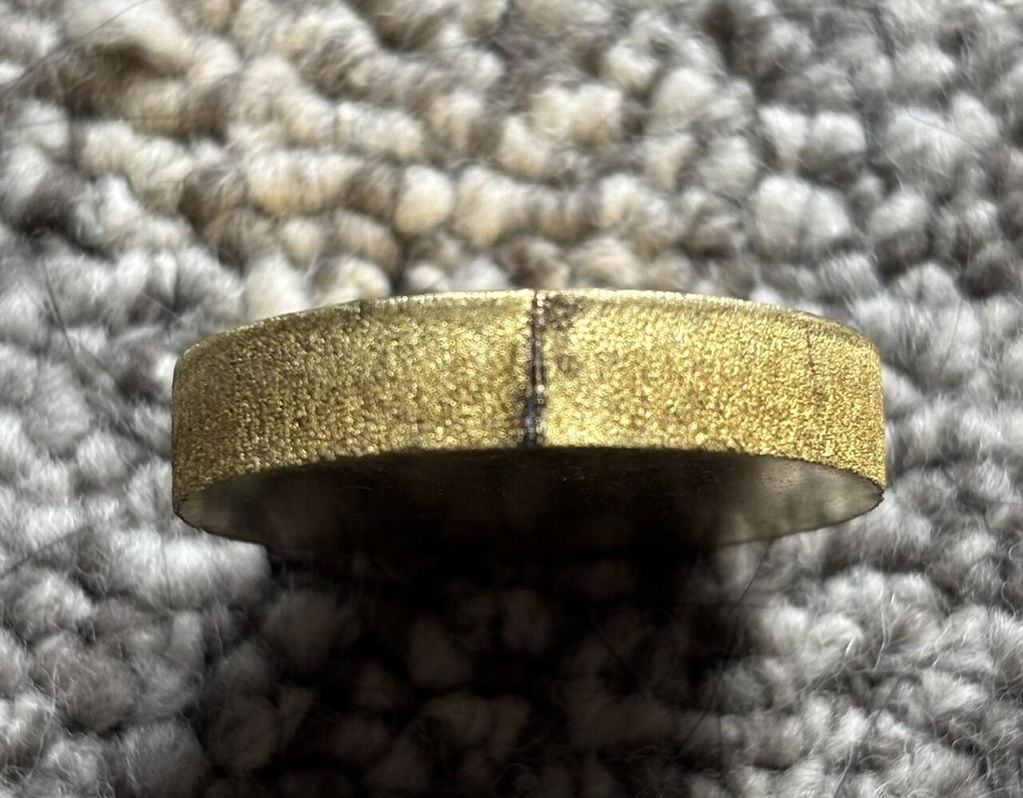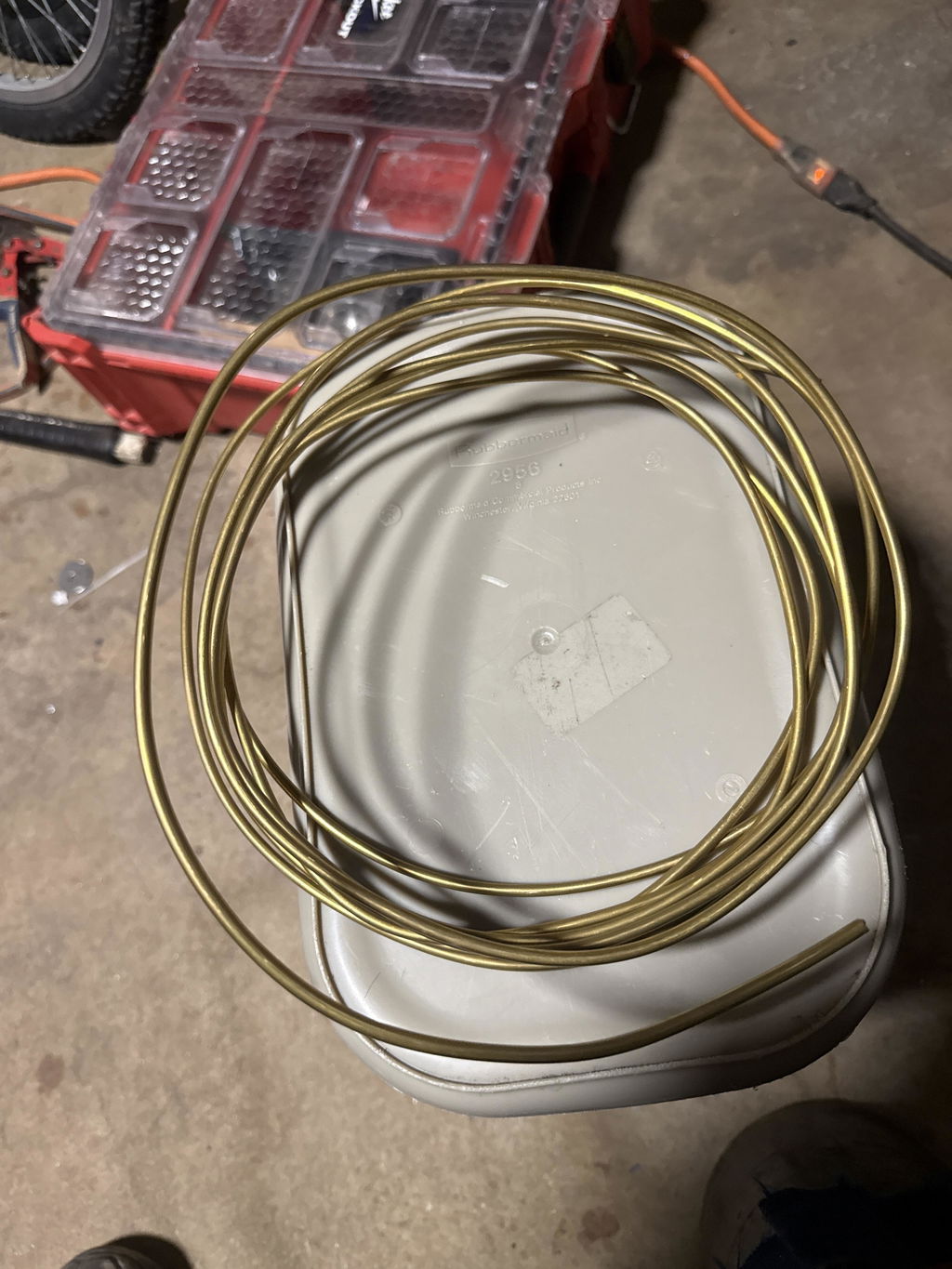
The chain is fine...but I ordered the wrong size. Nine links of the chain I ordered equals six of the size I wanted. My error...
How can I straighten out the springs? I can't use them coil uo as is.
Your payment information is processed securely. We do not store credit card details nor have access to your credit card information.
Get fitment advice & recommendations
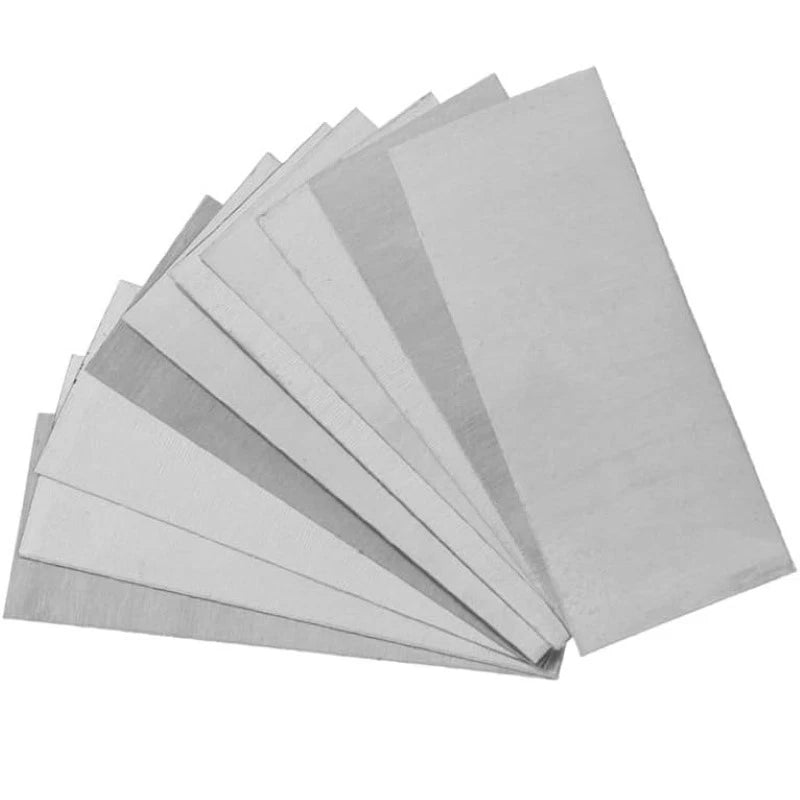
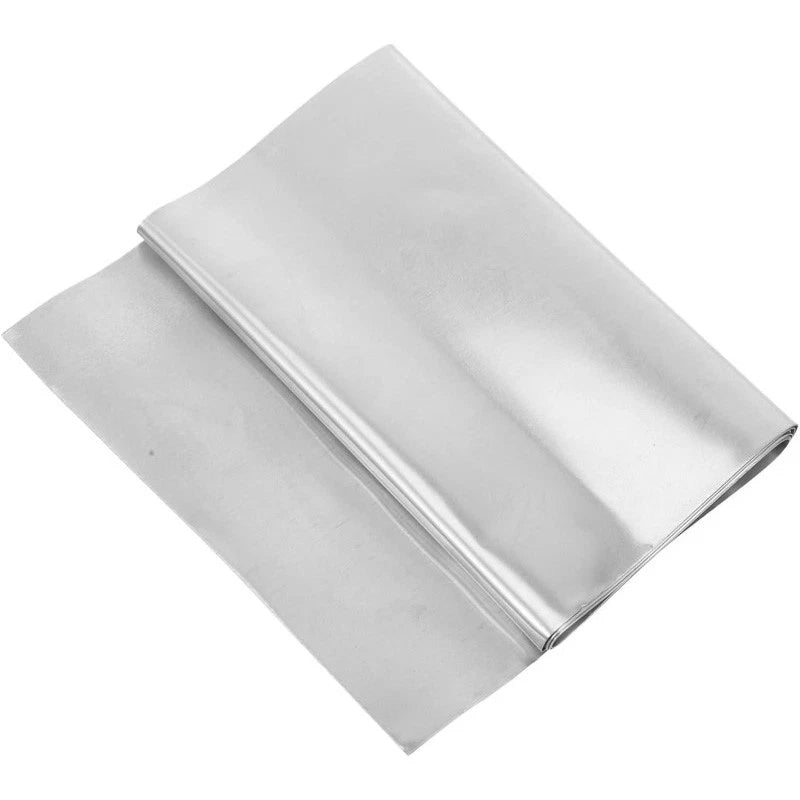
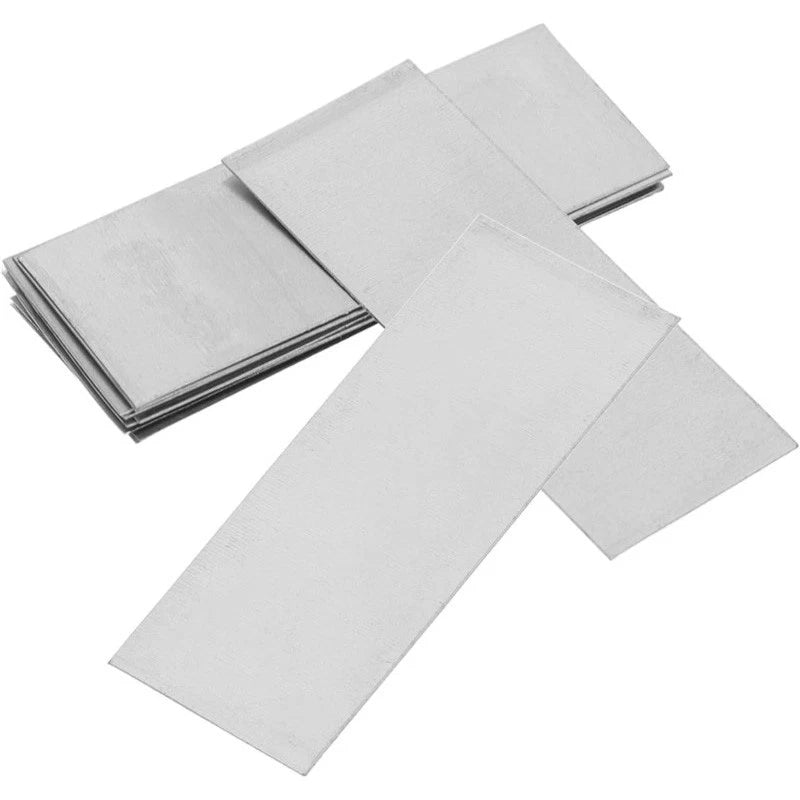
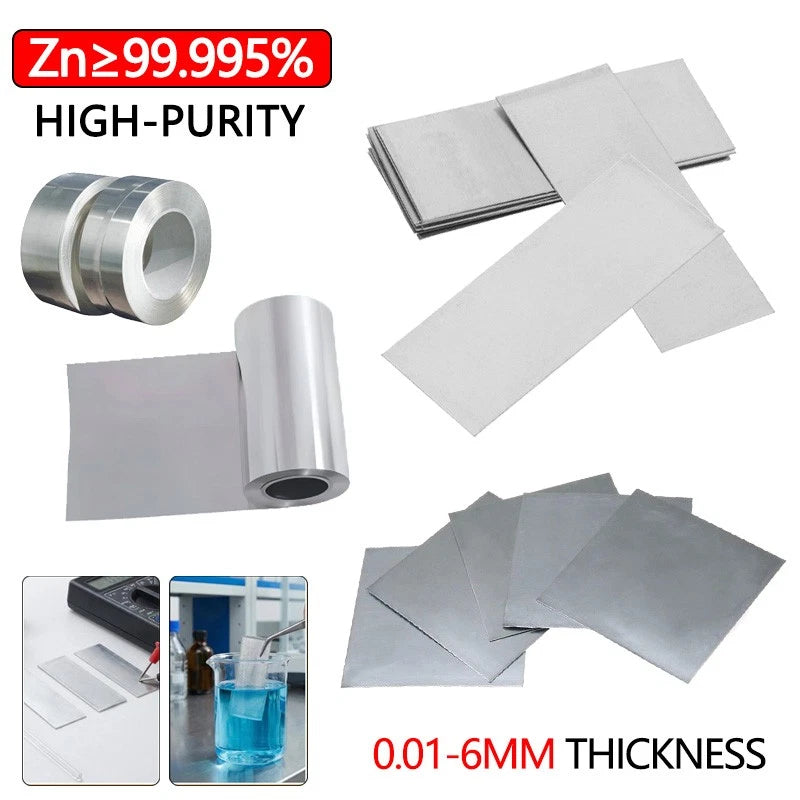
Researchers, electrochemists, and hands-on makers who need a consistent, traceable zinc source often struggle with impure stock that skews experimental results or produces uneven plating deposits. This 99.995% high-purity zinc sheet is engineered for applications where elemental consistency is non-negotiable — from galvanic cell studies to precision electroplating baths.
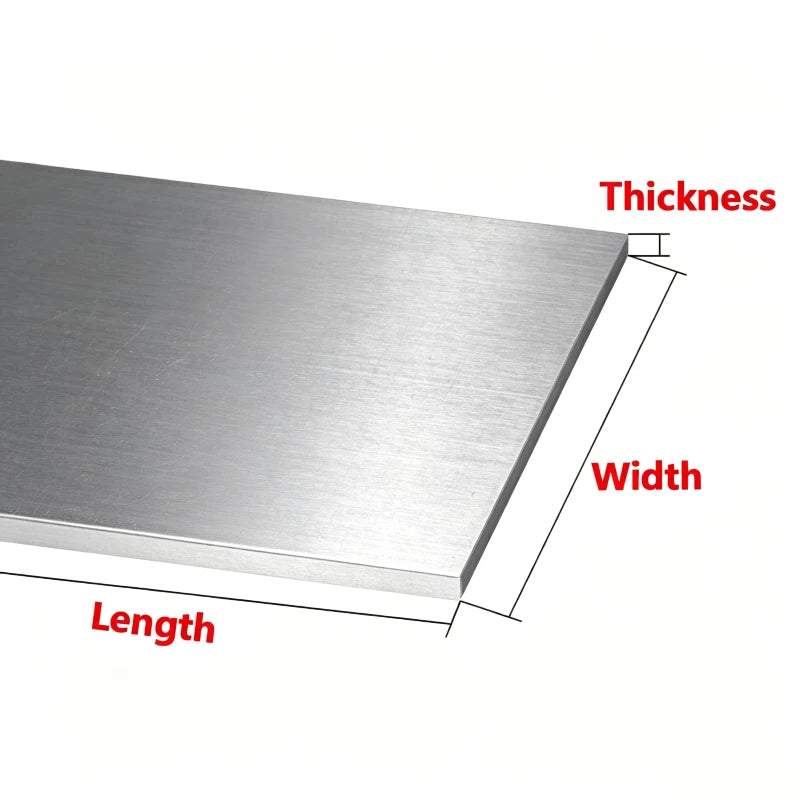
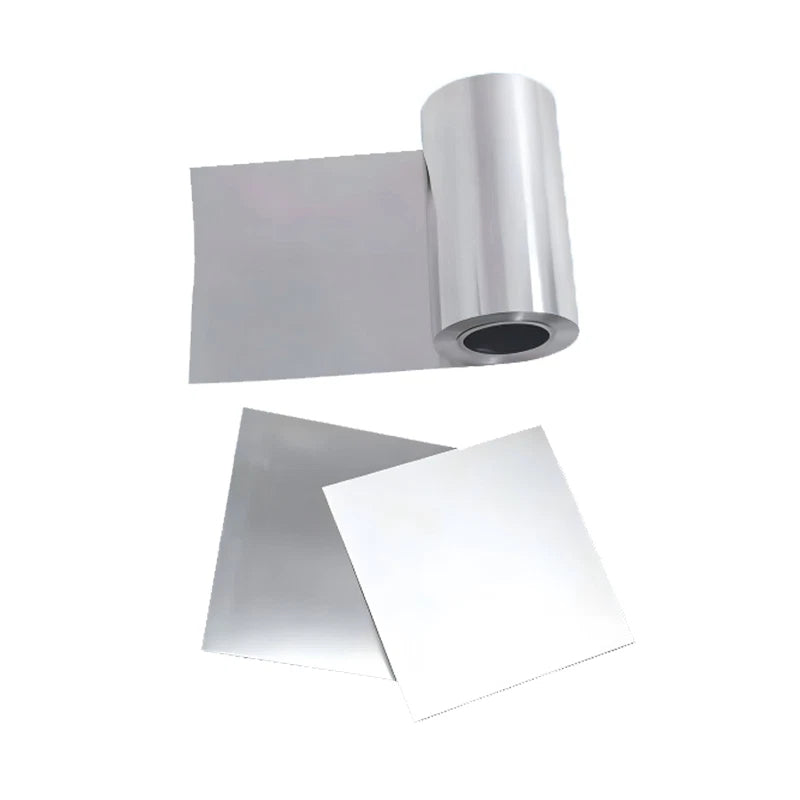
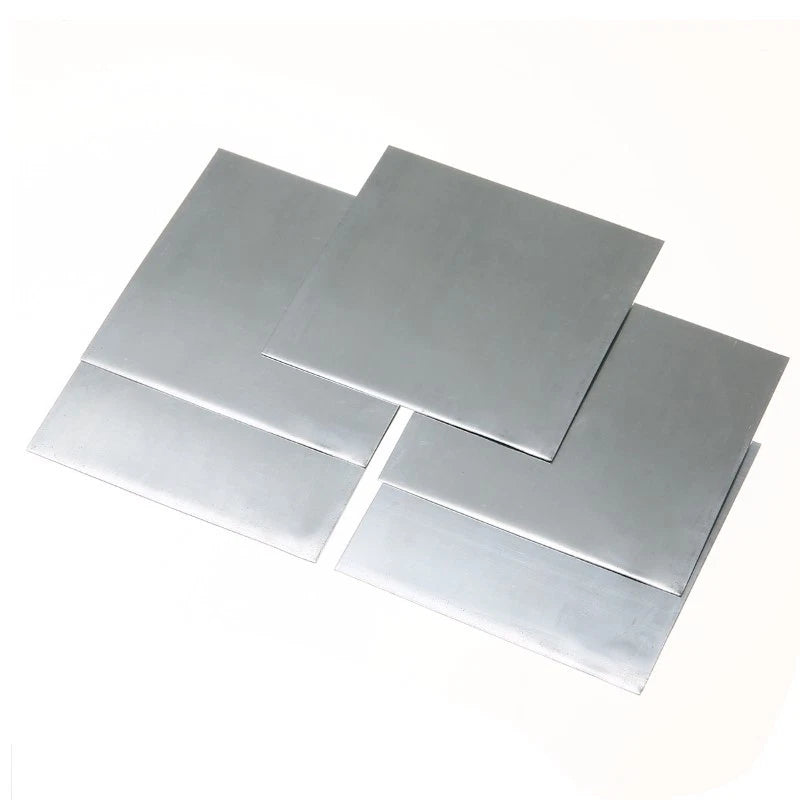
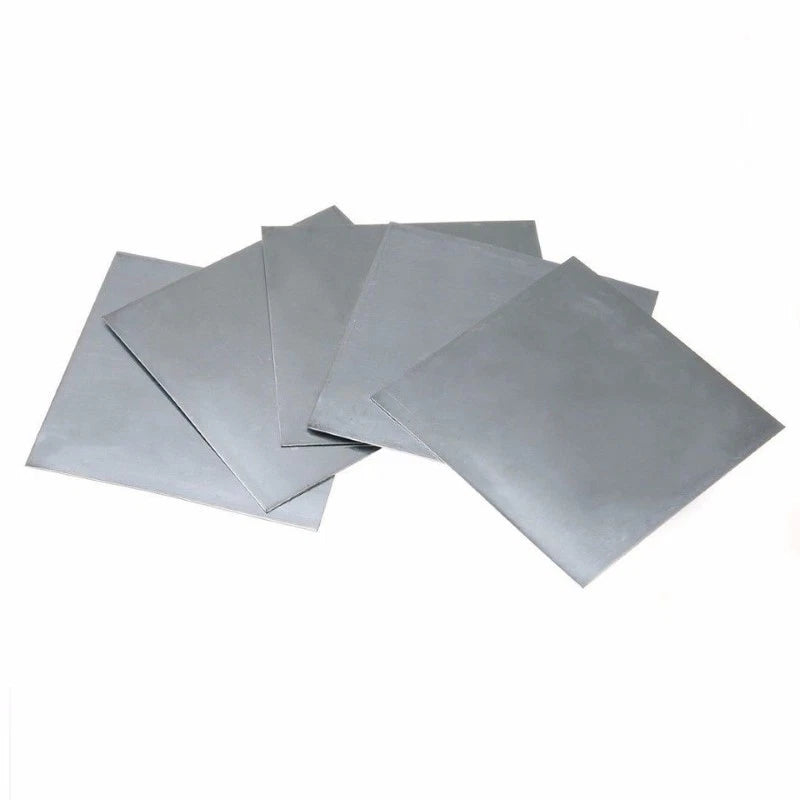
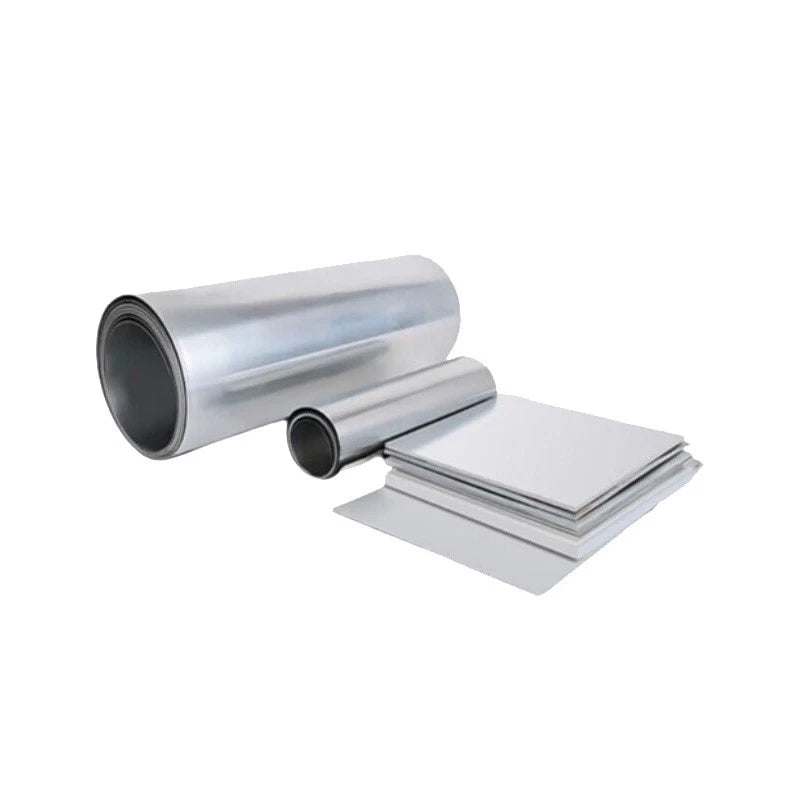
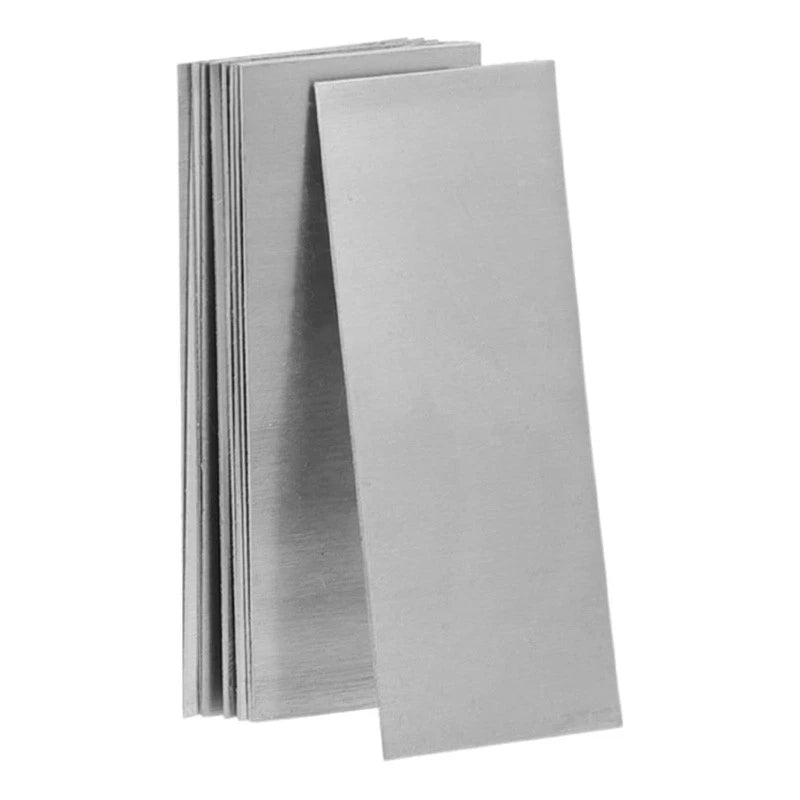
Each piece is a solid zinc (Zn) flat sheet or foil, available in thicknesses ranging from 0.01 mm to 10 mm (approximately 0.0004 in to 0.39 in) and widths × lengths from 100×100 mm up to 200×1000 mm (roughly 3.9×3.9 in to 7.9×39.4 in). The surface is mill-finished, offering a clean, oxide-minimal starting point for further preparation.
Typical use cases include: electroplating anode setups requiring a stable zinc ion source; corrosion and galvanic couple experiments in academic or industrial labs; zinc-air and zinc-ion battery prototype fabrication; and DIY metal-forming or shielding projects where a soft, workable non-ferrous sheet is needed.
Ultra-low impurity level ensures reproducible electrochemical behavior and minimal contamination of plating baths or experimental electrolytes.
Thickness from 0.01 mm foil to 10 mm plate; widths × lengths from 100×100 mm to 200×1000 mm — order exactly what your setup requires.
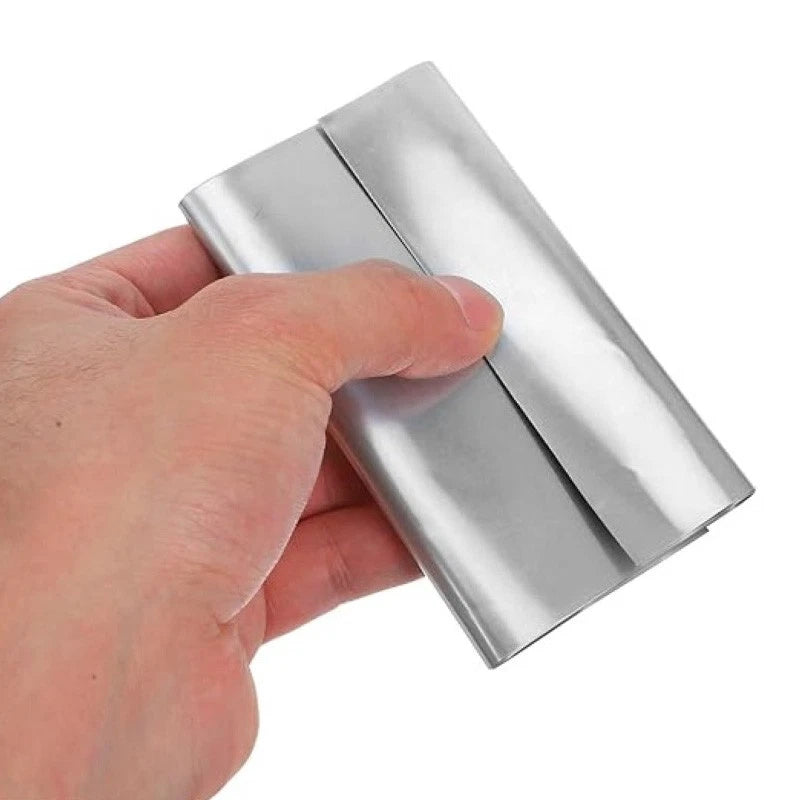
Zinc's low hardness (Brinell ~30 HB) allows cutting with standard shears, laser, or waterjet, and bending without cracking at room temperature.
Zinc forms a stable zinc carbonate patina in air, slowing further oxidation and making it a dependable long-term anode material in many electrolyte systems.
Available in 1-piece or 2-piece packs — ideal for single experiments, duplicate setups, or keeping a spare on hand without over-ordering.
Consistent mill-finish surface and tight purity specification make these sheets suitable for academic research, quality-control testing, and small-batch industrial electroplating.
| Material | Zinc (Zn) |
|---|---|
| Purity | 99.995% |
| Thickness Range | 0.01 mm – 10 mm (0.0004 in – 0.39 in) |
| Width × Length Range | 100×100 mm – 200×1000 mm |
| Surface Finish | Mill finish (clean, low-oxide) |
| Density | ~7.13 g/cm³ |
| Melting Point | 419.5 °C (787.1 °F) |
| Hardness | ~30 HB (Brinell) |
| Electrical Conductivity | ~16.6 MS/m |
| Quantity per Pack | See variant options |
| Weight per Piece | See variant options |
| Applicable Standards | See variant options |
For most bench-scale electroplating setups, a thickness of 0.5 mm – 2 mm provides a good balance between surface area and longevity. Thinner foils (0.01 mm – 0.1 mm) are better suited for short-duration experiments or situations where the anode must conform to a curved surface. Thicker plates (3 mm – 10 mm) are preferred for extended production runs where anode consumption over time is a concern. If you are unsure, start with 1 mm for general-purpose use.
Zinc is a relatively soft metal (Brinell hardness ~30 HB) and is not intended for load-bearing structural applications. However, it performs well as an EMI/RF shielding layer, a sacrificial anode in cathodic protection systems, or a decorative facing panel. For shielding, thicknesses of 0.5 mm – 2 mm are commonly used. Always verify suitability with your specific engineering requirements.
Zinc naturally forms a thin zinc oxide and zinc carbonate layer when exposed to air, which actually slows further corrosion — this is the same mechanism that makes galvanized steel durable. In dry indoor storage, the sheet will remain usable for extended periods. For electroplating use, a light surface clean with dilute acid (e.g., 5% sulfuric acid rinse) before use will remove any surface oxide and restore a fresh zinc surface.
Yes. 99.995% purity zinc is compatible with the most common zinc electroplating electrolytes, including zinc sulfate baths, zinc chloride baths, and alkaline (zincate) baths. The high purity minimizes introduction of contaminants that could cause pitting, roughness, or discoloration in the deposited zinc layer. Always match your anode size to your cathode area and bath volume for optimal current distribution.
Yes. Zinc sheet can be cut with standard metal shears, a guillotine cutter, a bandsaw, a waterjet, or a laser cutter. It can also be drilled and tapped for mounting. Because zinc is soft, use sharp tooling and moderate feed rates to avoid tearing. Thin foils (under 0.1 mm) are best cut with sharp scissors or a craft knife on a firm backing surface.
Choose 1 pcs if you need a single anode for a one-off experiment or prototype. The 2 pcs option is useful when you want a duplicate for parallel experiments, need a spare in case of damage during cutting, or are setting up a dual-anode electroplating cell. The 2 pcs pack typically offers a lower per-piece cost compared to ordering two separate 1 pcs units.
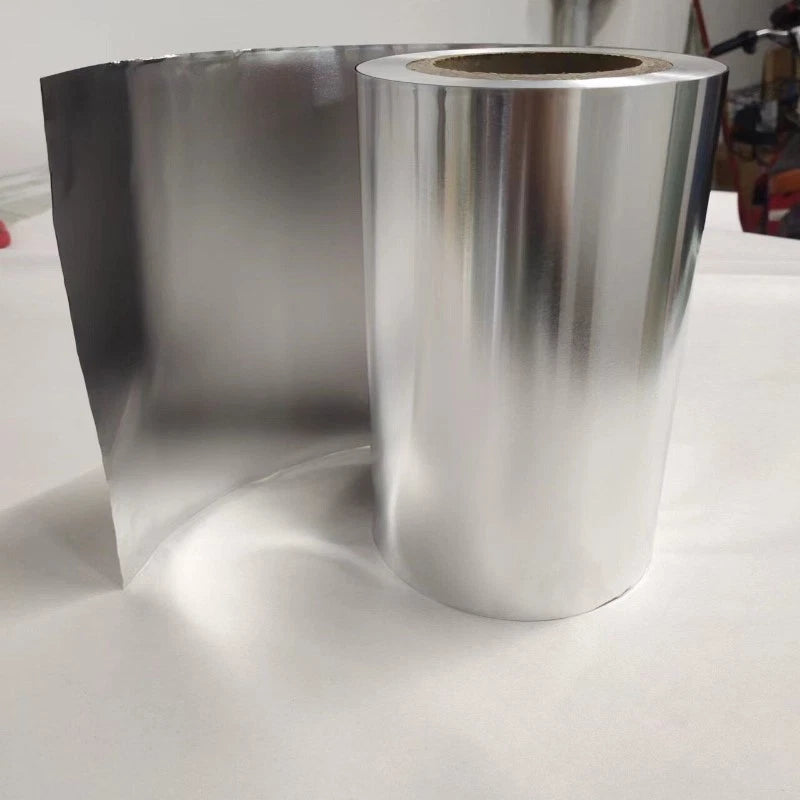
In this listing, "foil" generally refers to thinner gauges (0.01 mm – 0.3 mm) that are flexible and can be rolled or bent easily, while "plate" refers to thicker gauges (0.5 mm and above) that are rigid and maintain their flat shape. Both are the same 99.995% purity zinc material — the distinction is purely dimensional. Select the thickness that matches your application's mechanical and electrochemical requirements.