The chain is fine...but I ordered the wrong size. Nine links of the chain I ordered equals six of the size I wanted. My error...
How can I straighten out the springs? I can't use them coil uo as is.
Your payment information is processed securely. We do not store credit card details nor have access to your credit card information.
Get fitment advice & recommendations
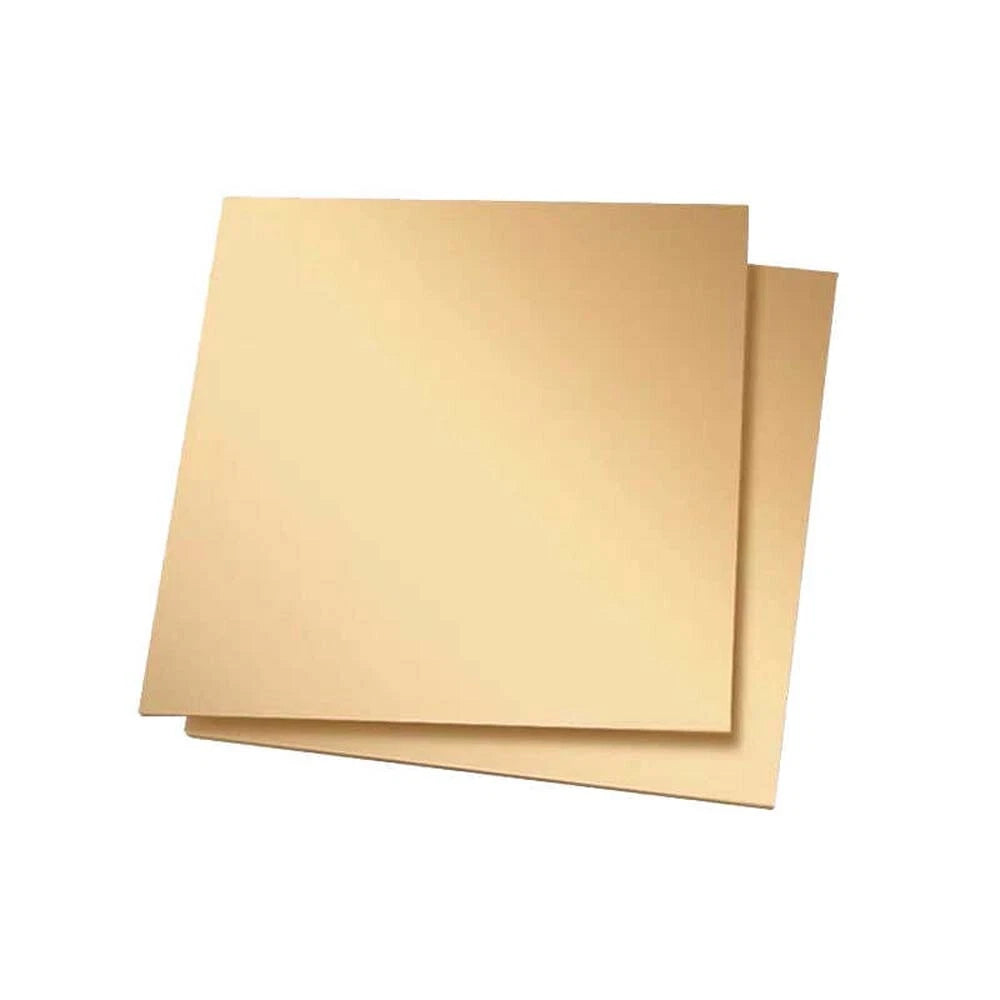
When your project demands a material that machines cleanly, solders reliably, and holds its shape under load, finding the right brass sheet in the exact thickness you need can be a frustrating search. Whether you are a maker building custom enclosures, an electronics hobbyist fabricating shielding panels, or a craftsperson cutting decorative inlays, this brass flat sheet plate gives you a ready-to-use blank in the precise dimensions your work requires.
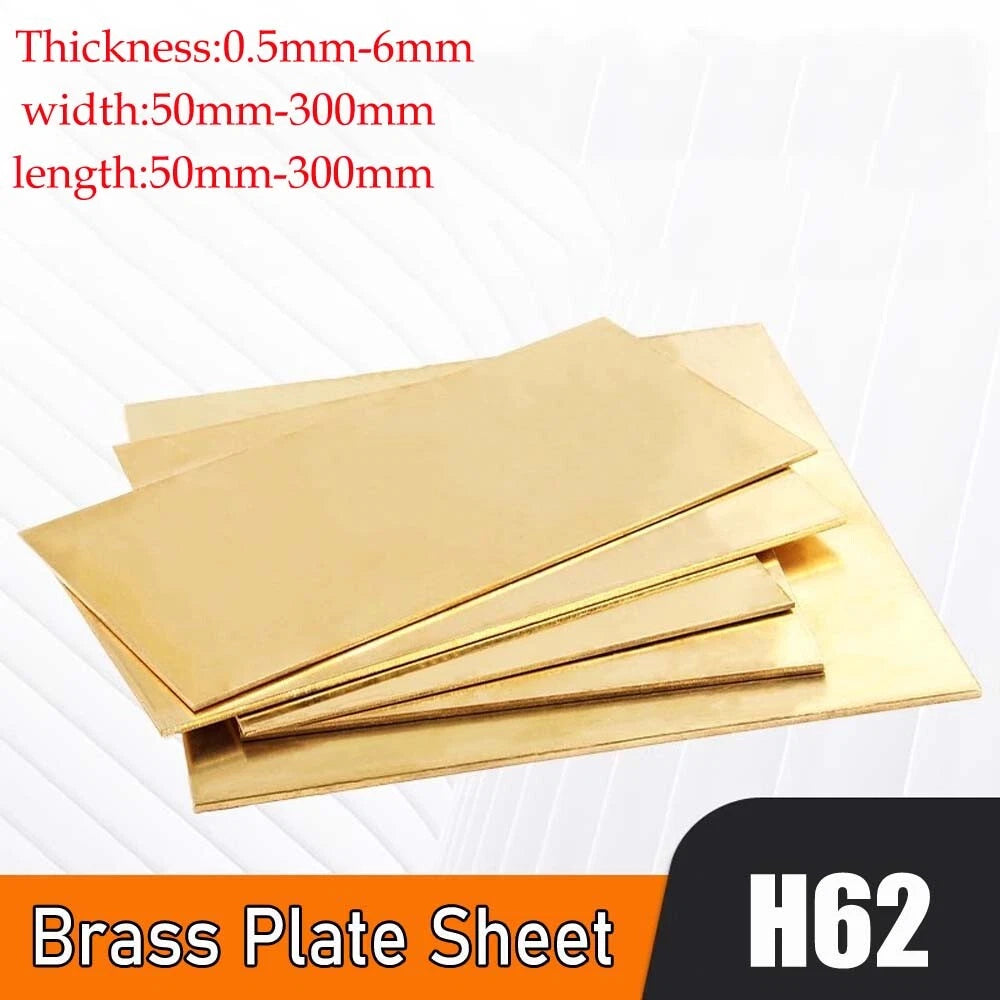
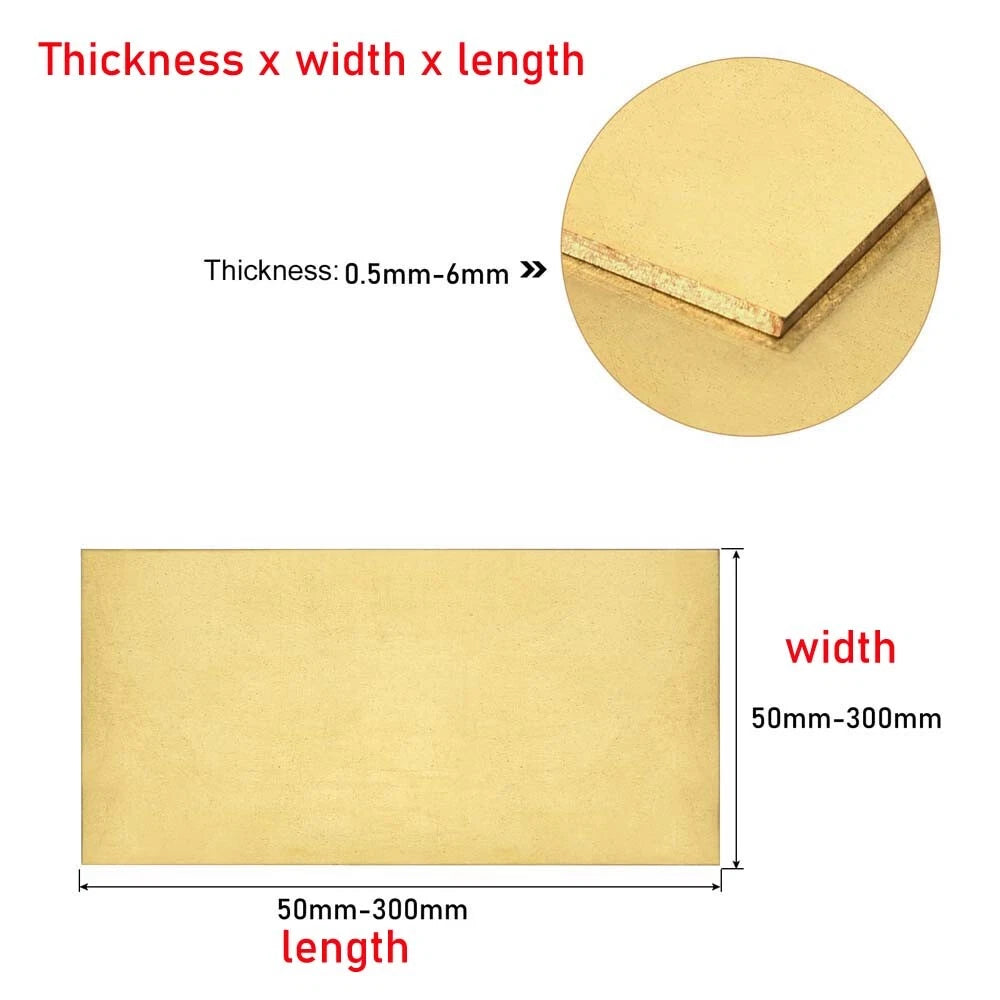
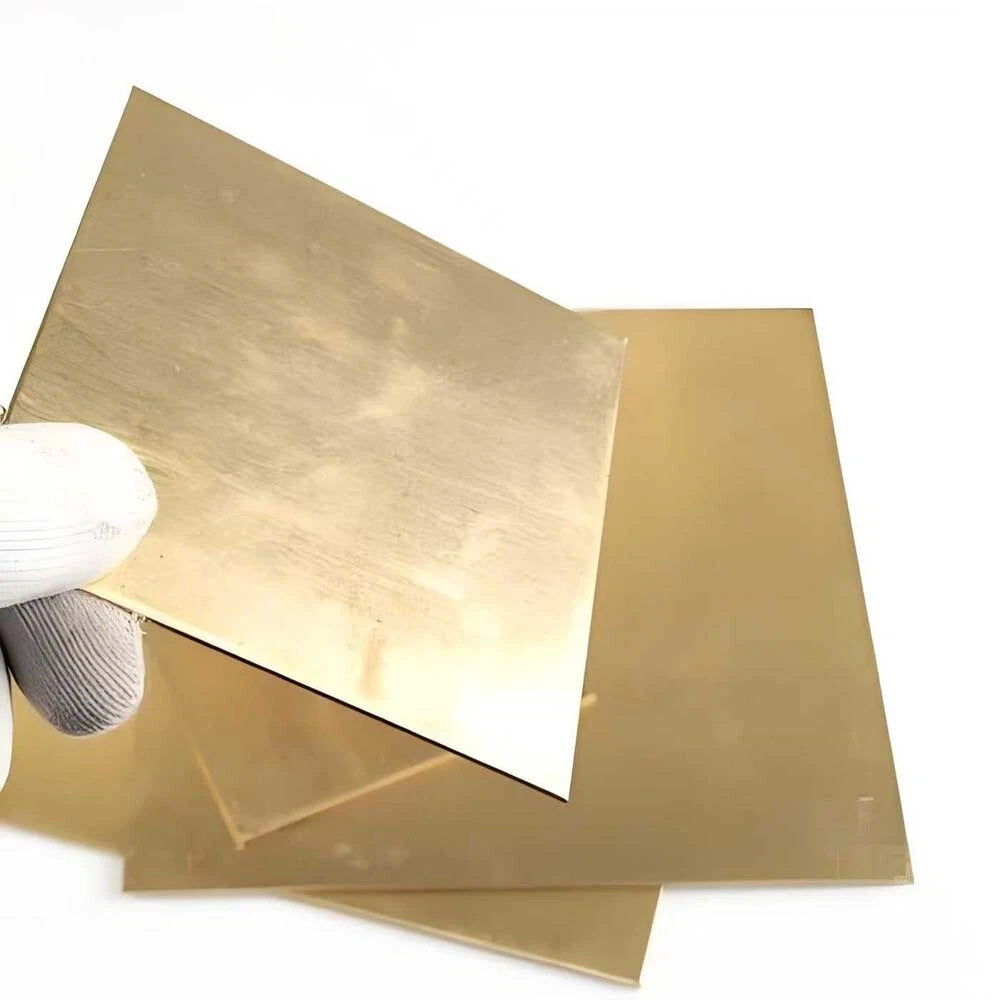
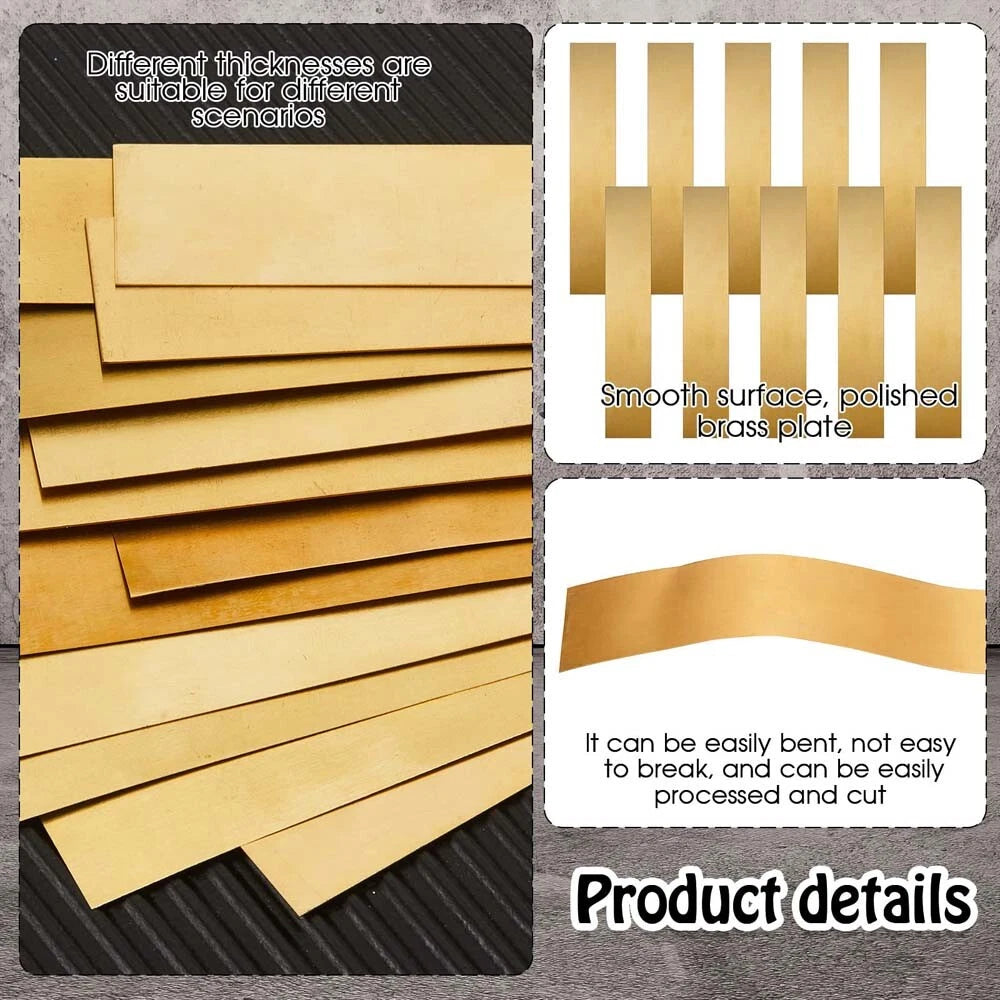
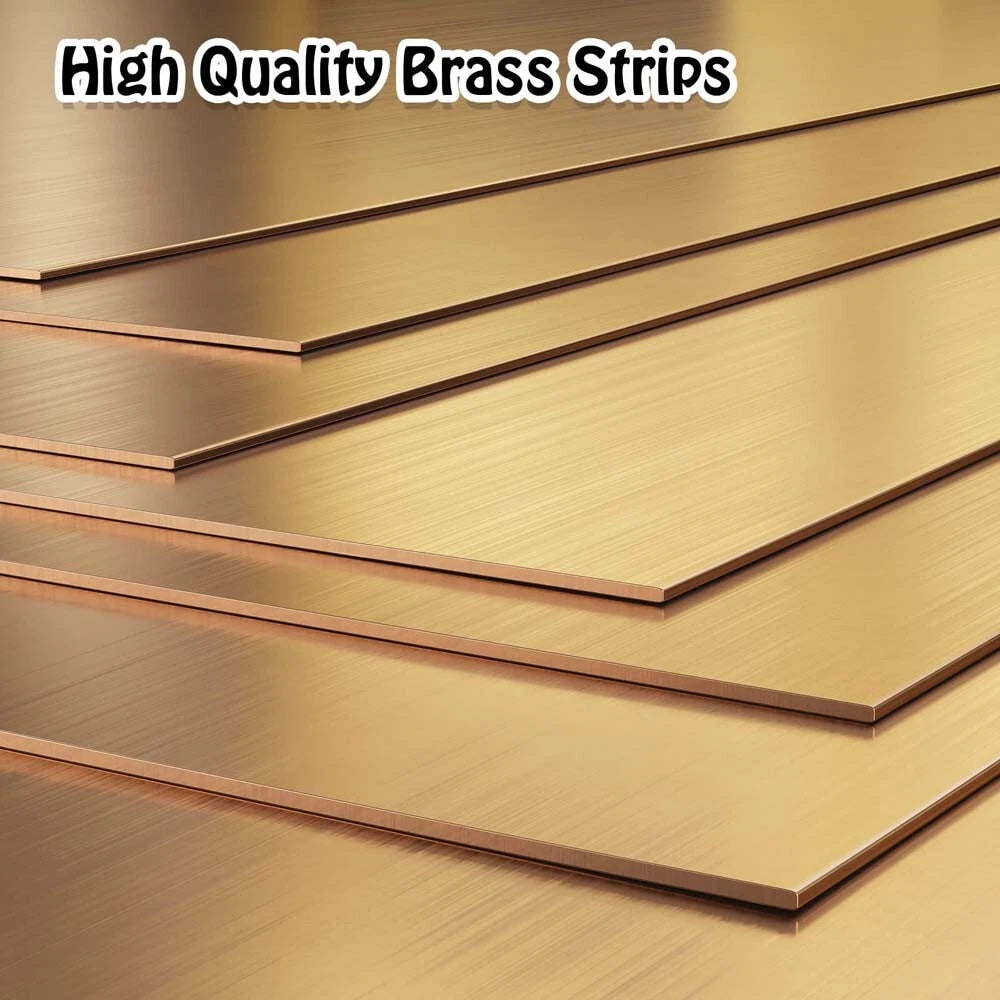
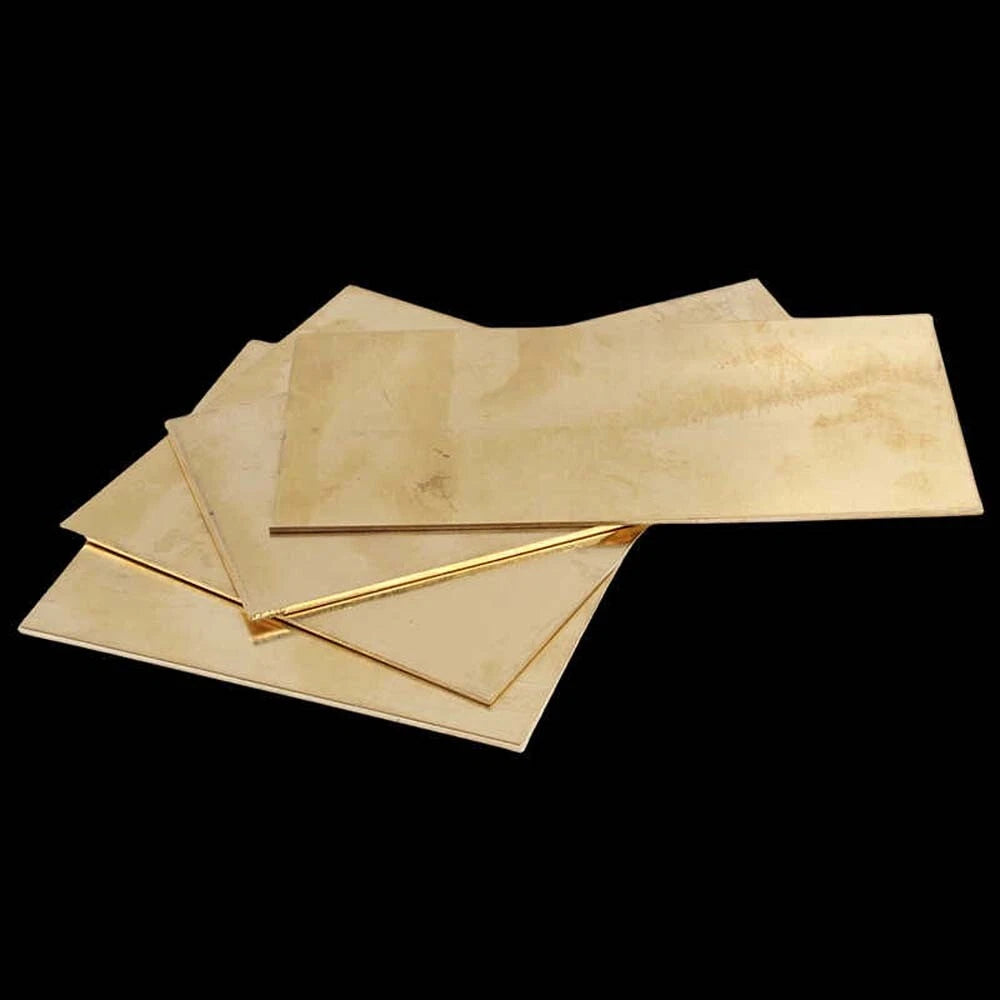
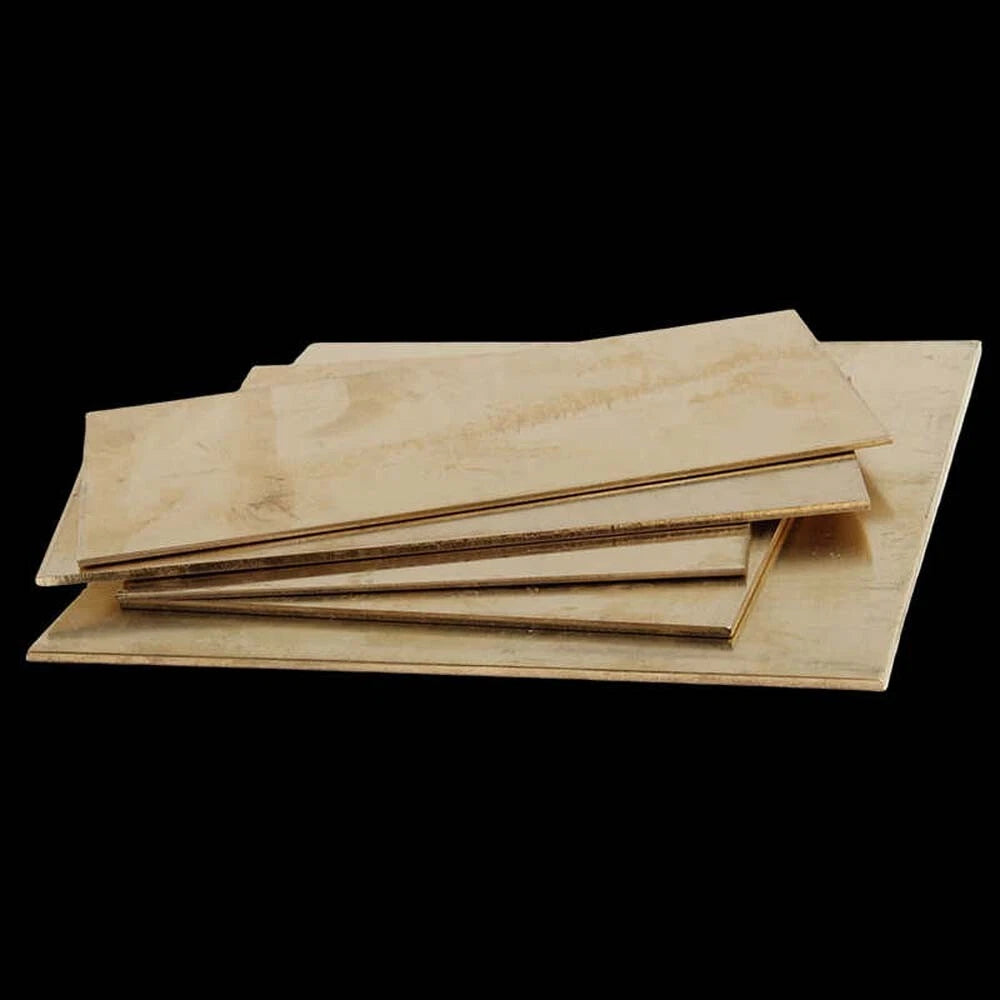
Each piece is a solid brass (copper-zinc alloy, typically C260 or equivalent) flat plate, supplied in thicknesses ranging from 0.5 mm to 6 mm (approximately 0.020 in to 0.236 in) and widths/lengths from 50 mm to 300 mm (approximately 1.97 in to 11.81 in). The surface is mill-finished with a smooth, consistent face suitable for further machining, polishing, or direct use. Pieces are cut square and supplied individually or in small sets depending on the variant selected.
Typical applications include RF and EMI shielding plates for electronics enclosures, custom gaskets and spacers for mechanical assemblies, engraving and etching blanks for signage or jewellery work, and structural flat stock for architectural model-making or decorative metalwork projects.
| Material | Brass (copper-zinc alloy) |
|---|---|
| Item Type | Flat Plate / Sheet Stock |
| Thickness Range | 0.5 mm – 6 mm (0.020 in – 0.236 in) |
| Width Range | 50 mm – 300 mm (1.97 in – 11.81 in) |
| Length Range | 50 mm – 300 mm (1.97 in – 11.81 in) |
| Surface Finish | Mill finish (smooth, flat) |
| Alloy Grade | See variant options |
| Hardness | See variant options |
| Quantity per Order | 1 Pcs / 2 Pcs / 4 Pcs (select variant) |
| Weight per Piece | See variant options |
| Tolerance | See variant options |
For shim stock, gaskets, or thin decorative inlays, 0.5 mm – 1 mm is typically sufficient. For structural brackets, enclosure panels, or parts that will be drilled and tapped, 2 mm – 4 mm provides better rigidity. For heavy-duty flat stock or thick spacers, 5 mm – 6 mm is recommended. If you are unsure, select a mid-range thickness such as 2 mm and test-fit before ordering larger quantities.
Brass has moderate tensile strength (typically 300–500 MPa depending on alloy and temper) and is well-suited for light to medium structural applications such as brackets, spacers, and enclosure panels. It is not recommended for high-stress or impact-critical structural roles where steel or aluminium alloy would be more appropriate. For decorative, electrical, and general fabrication uses, brass performs reliably.
Brass naturally develops a patina (surface oxidation) over time when exposed to air and moisture, which can range from a golden-yellow to a darker amber tone. This does not affect structural integrity. For applications where appearance must be maintained, apply a clear lacquer or metal sealant after polishing. In dry indoor environments, untreated brass retains its appearance for extended periods.
Yes. Brass solders readily with standard soft solder (tin-lead or lead-free) and silver solder, making it ideal for electronics and jewellery work. Brass can also be brazed or TIG-welded, though welding requires appropriate filler rod and shielding gas. Ensure surfaces are clean and free of oxidation before soldering for best results.
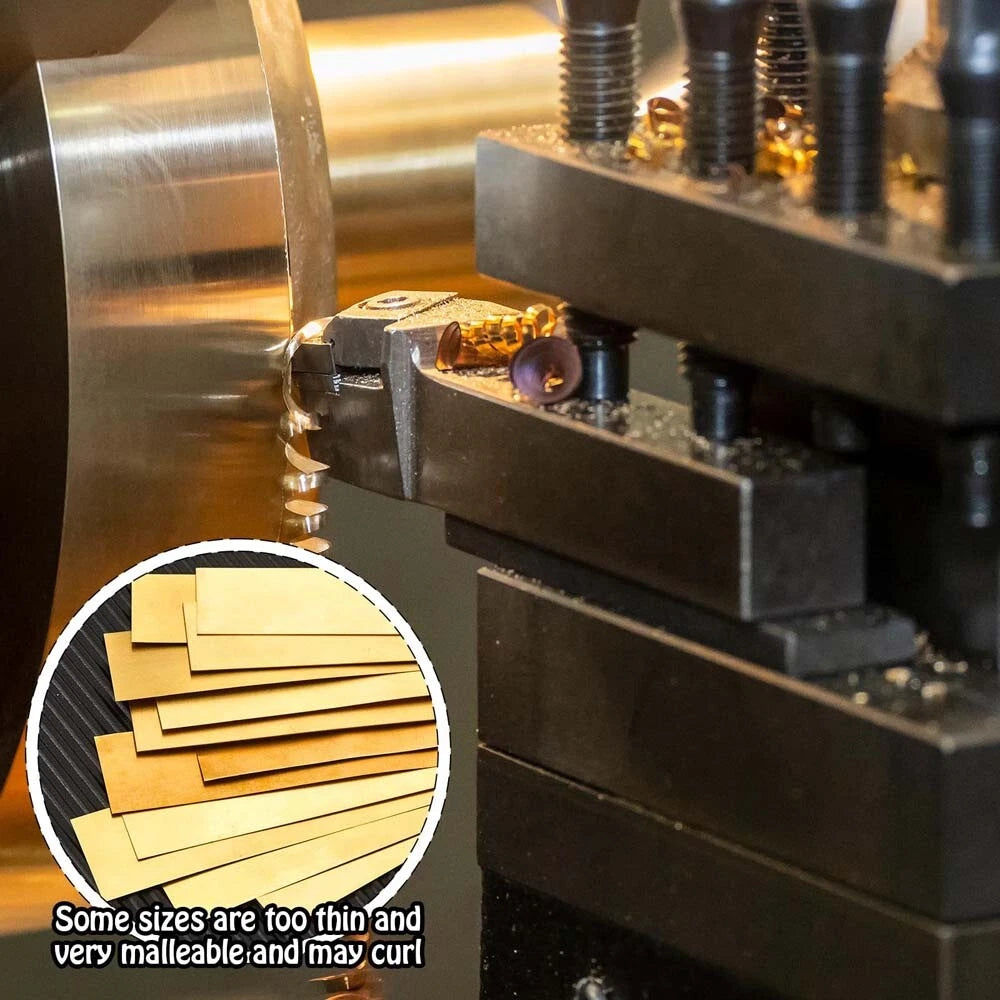
Thinner sheets (0.5 mm – 1.5 mm) can be cut with aviation snips, metal shears, or a jigsaw fitted with a fine-tooth metal blade. Thicker plates (2 mm and above) are best cut with a band saw, circular saw with a metal-cutting blade, or CNC router. Drilling is straightforward with HSS or cobalt drill bits. Use cutting fluid or lubricant to extend tool life and achieve cleaner edges.
Select the variant whose width and length are equal to or slightly larger than your finished part dimensions — you can always trim down, but you cannot add material. For example, if your finished part is 85 mm × 85 mm, select the 100 mm × 100 mm variant. The thickness should match your design requirement directly, as it cannot be reduced without specialist equipment.
Yes. Brass is an electrically conductive material and is commonly used for RF shielding cans, grounding straps, and custom enclosure panels in electronics projects. Thinner variants (0.5 mm – 1 mm) are particularly well-suited for forming or bending into shielding enclosures. Ensure proper grounding connections when using brass for EMI shielding applications.