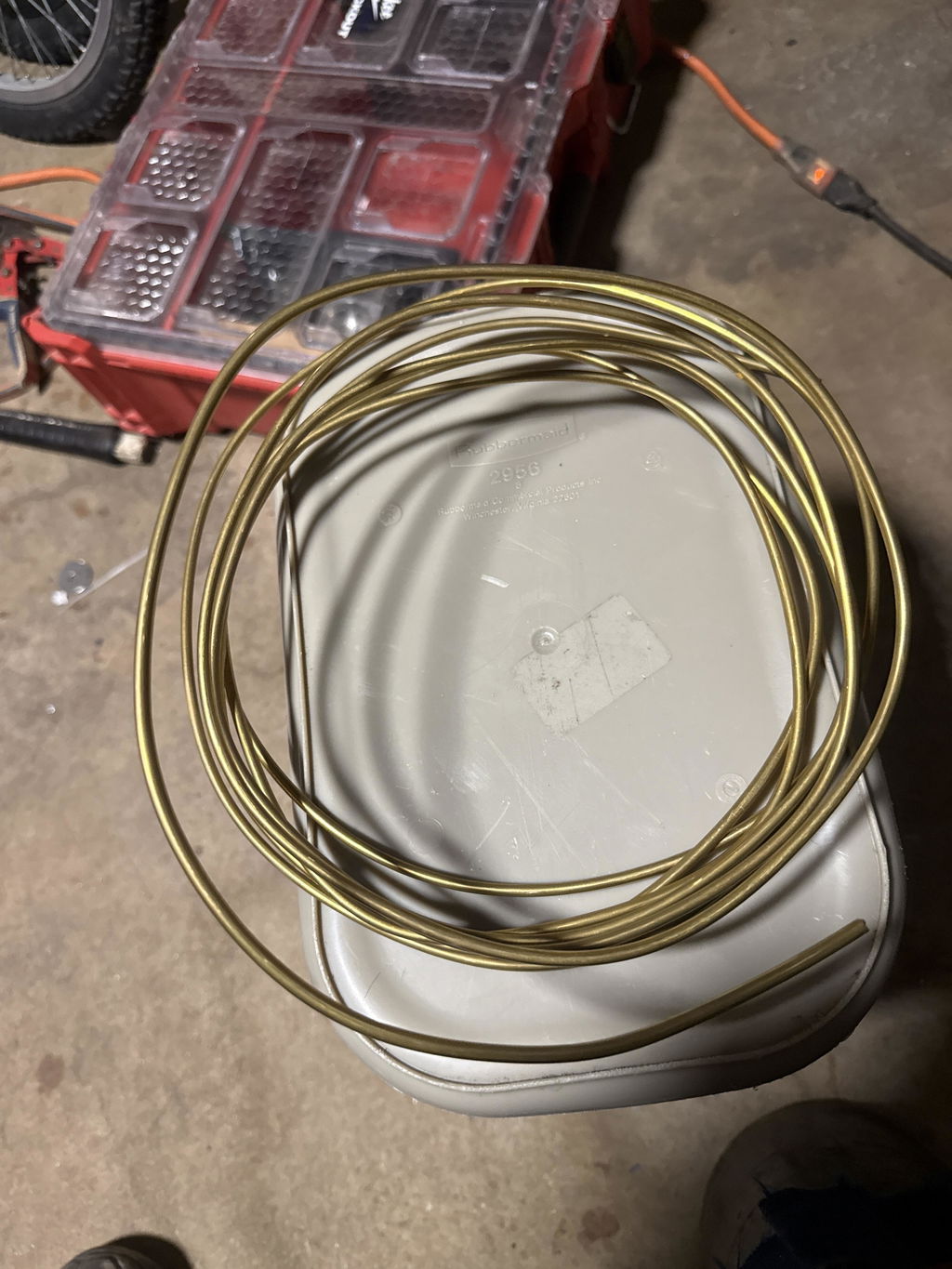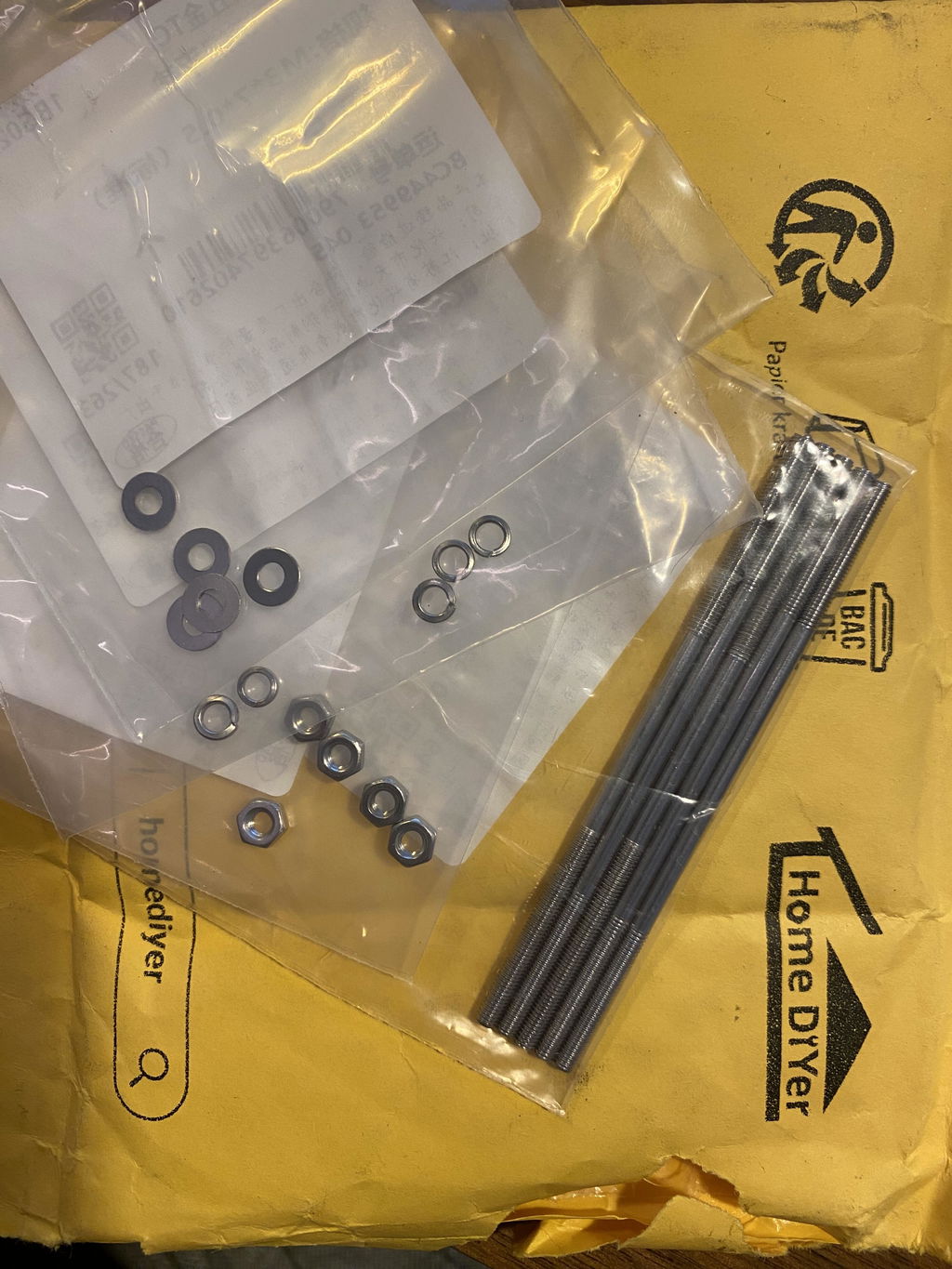
The chain is fine...but I ordered the wrong size. Nine links of the chain I ordered equals six of the size I wanted. My error...
How can I straighten out the springs? I can't use them coil uo as is.
Your payment information is processed securely. We do not store credit card details nor have access to your credit card information.
Get fitment advice & recommendations
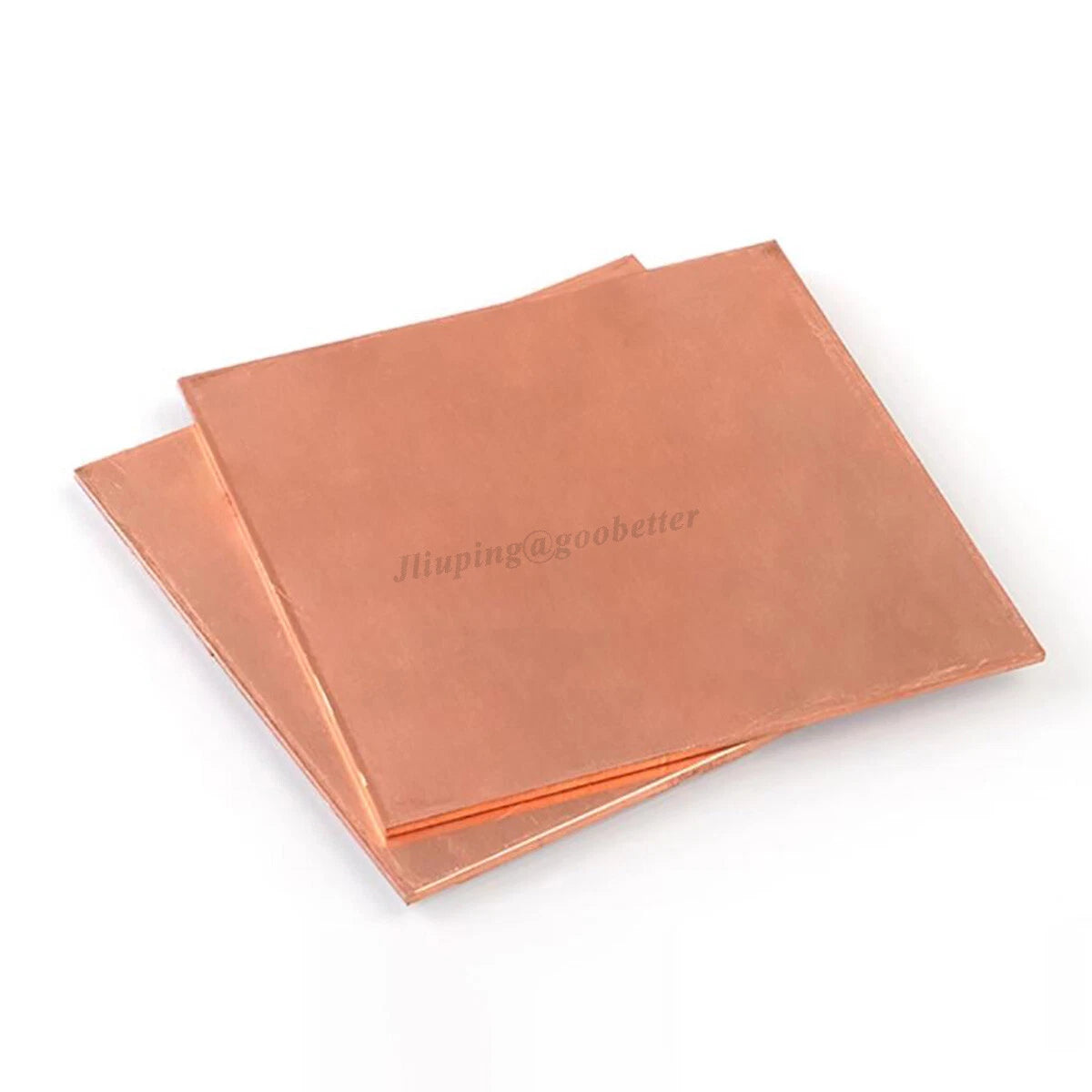
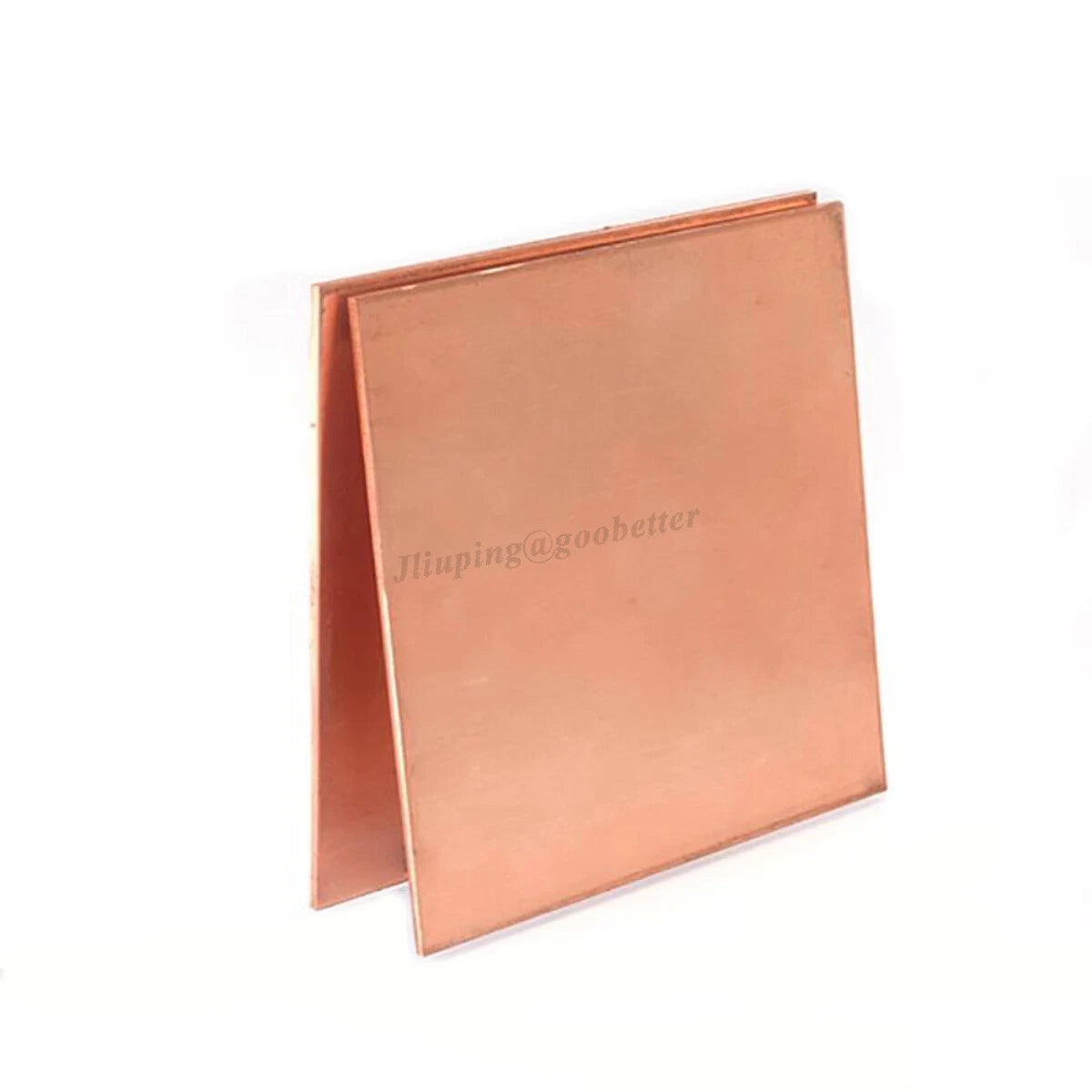
When your project demands a conductive, corrosion-resistant metal that machines and forms cleanly, finding a copper sheet in the exact thickness you need — without ordering a full roll or oversized blank — is a genuine challenge. These solid copper sheet plates are stocked in two ready-to-use panel sizes and thirteen thickness options, giving engineers, hobbyists, and fabricators a direct path from specification to workbench.
Each copper sheet plate is cut from solid C110 (electrolytic tough pitch) copper, offering electrical conductivity of approximately 100% IACS. Panels are available in 200mm × 200mm (approx. 7.87" × 7.87") and 200mm × 300mm (approx. 7.87" × 11.81"), with thickness ranging from 0.3mm to 6mm (approx. 0.012" to 0.236"). Surface finish is mill-bright unless otherwise noted in the variant listing.
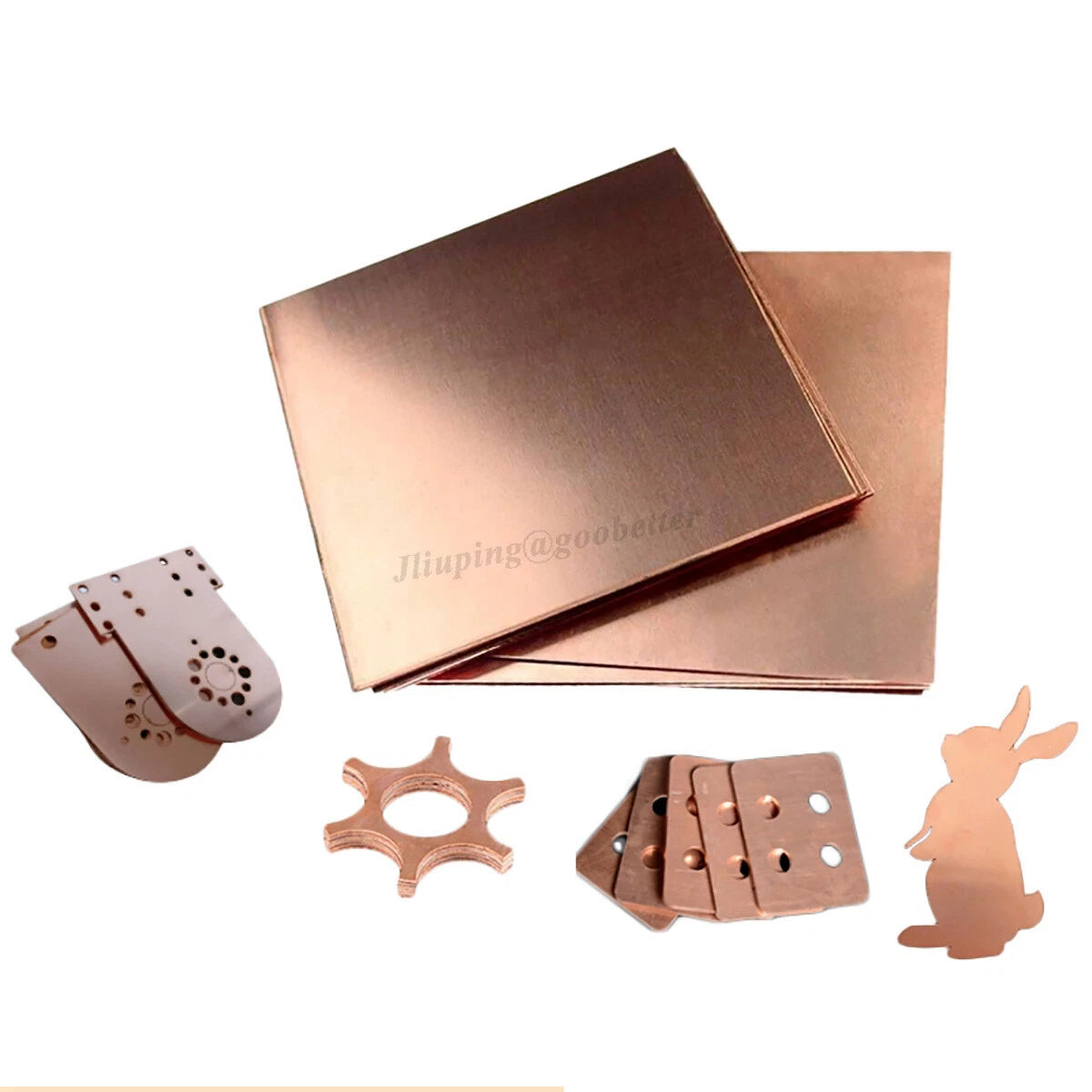
Typical applications include RF shielding and grounding straps in electronics enclosures, bus bar blanks and terminal lugs for low-voltage electrical panels, decorative inlays and engraving stock for jewellery and signage work, and heat-spreader shims in thermal management assemblies. The consistent gauge across each panel makes these copper sheet plates well-suited for laser cutting, CNC routing, and hand-forming without annealing for thicknesses up to 1.5mm.
| Material | C110 Electrolytic Tough Pitch (ETP) Copper |
|---|---|
| Panel Sizes | 200mm × 200mm (7.87" × 7.87") / 200mm × 300mm (7.87" × 11.81") |
| Thickness Range | 0.3mm – 6mm (0.012" – 0.236") |
| Available Thicknesses | 0.3, 0.5, 0.6, 0.8, 1, 1.2, 1.5, 2, 2.5, 3, 4, 5, 6 mm |
| Surface Finish | Mill-bright |
| Electrical Conductivity | Approx. 100% IACS |
| Thermal Conductivity | Approx. 385 W/(m·K) |
| Packing Unit | 1 PCS |
| Weight | See variant options |
For flexible shielding, gaskets, or decorative inlays, 0.3mm–0.8mm is typically sufficient and easy to cut with aviation shears. For structural bus bars, grounding straps, or heat spreaders that need rigidity, 1.5mm–3mm is a common range. For load-bearing brackets or heavy thermal mass applications, 4mm–6mm provides the section strength required. When in doubt, start with a thinner gauge — it is easier to stack two sheets than to machine down a thick one.
These panels are C110 ETP (Electrolytic Tough Pitch) copper, which is 99.9%+ copper by composition. It is not brass, bronze, or a copper-clad composite. C110 is the standard grade used in electrical bus bars, grounding conductors, and RF shielding applications where maximum conductivity is required.
Copper naturally oxidises when exposed to air and moisture, forming a darkened patina (cupric oxide) over days to weeks. This layer is stable and actually slows further corrosion. For applications requiring a bright finish long-term — such as decorative panels — apply a clear lacquer or wax coating after cleaning. For electrical contact surfaces, keep the mating area clean and use conductive grease if the joint will be disturbed infrequently.
Yes. Gauges up to 0.8mm cut cleanly with aviation shears or a sharp utility knife and straightedge. From 1mm to 2mm, a bench shear or angle grinder with a thin cutting disc works well. For 2.5mm and above, a cold saw, waterjet, or CNC router with a carbide end mill gives the cleanest edge. Laser cutting is effective across all thicknesses with appropriate power settings for copper's high reflectivity.
Yes. C110 copper's near-100% IACS conductivity makes it one of the most effective materials for RF shielding. For enclosure walls, 0.5mm–1mm is adequate for most amateur and commercial RF shielding applications up to several GHz. Thicker panels (1.5mm+) are used when mechanical rigidity of the enclosure wall is also a requirement. Ensure all seams are soldered or clamped with conductive gaskets for maximum shielding effectiveness.
Yes — C110 copper solders and brazes readily. For soft soldering (electronics work), use a rosin-core or no-clean flux with standard 60/40 or lead-free solder. For silver brazing or hard soldering (plumbing, HVAC, jewellery), use an appropriate flux and torch. Clean the surface with isopropyl alcohol or fine abrasive before soldering to remove any oxide layer for the best joint quality.
The 200×200mm panel is a square format suited to symmetric parts, shielding lids, and square blanks where minimal offcut waste is important. The 200×300mm panel provides a larger working area for rectangular parts, longer bus bars, or projects where you need to cut multiple smaller pieces from a single sheet. Both are available in the same range of thicknesses, so the choice is driven by your part geometry and material yield requirements.
🛒 Select your Width x Length and Thickness above, then add to cart.