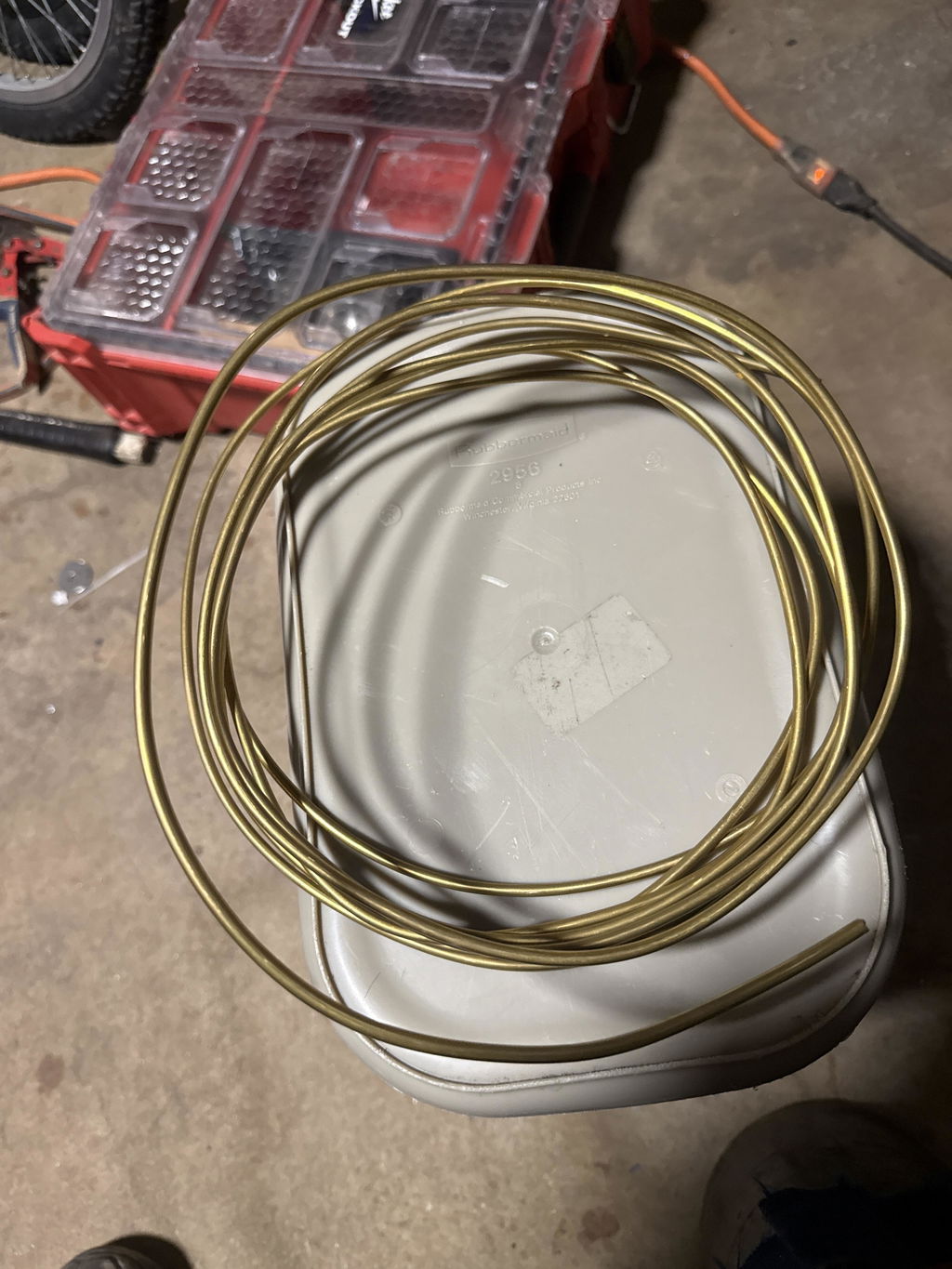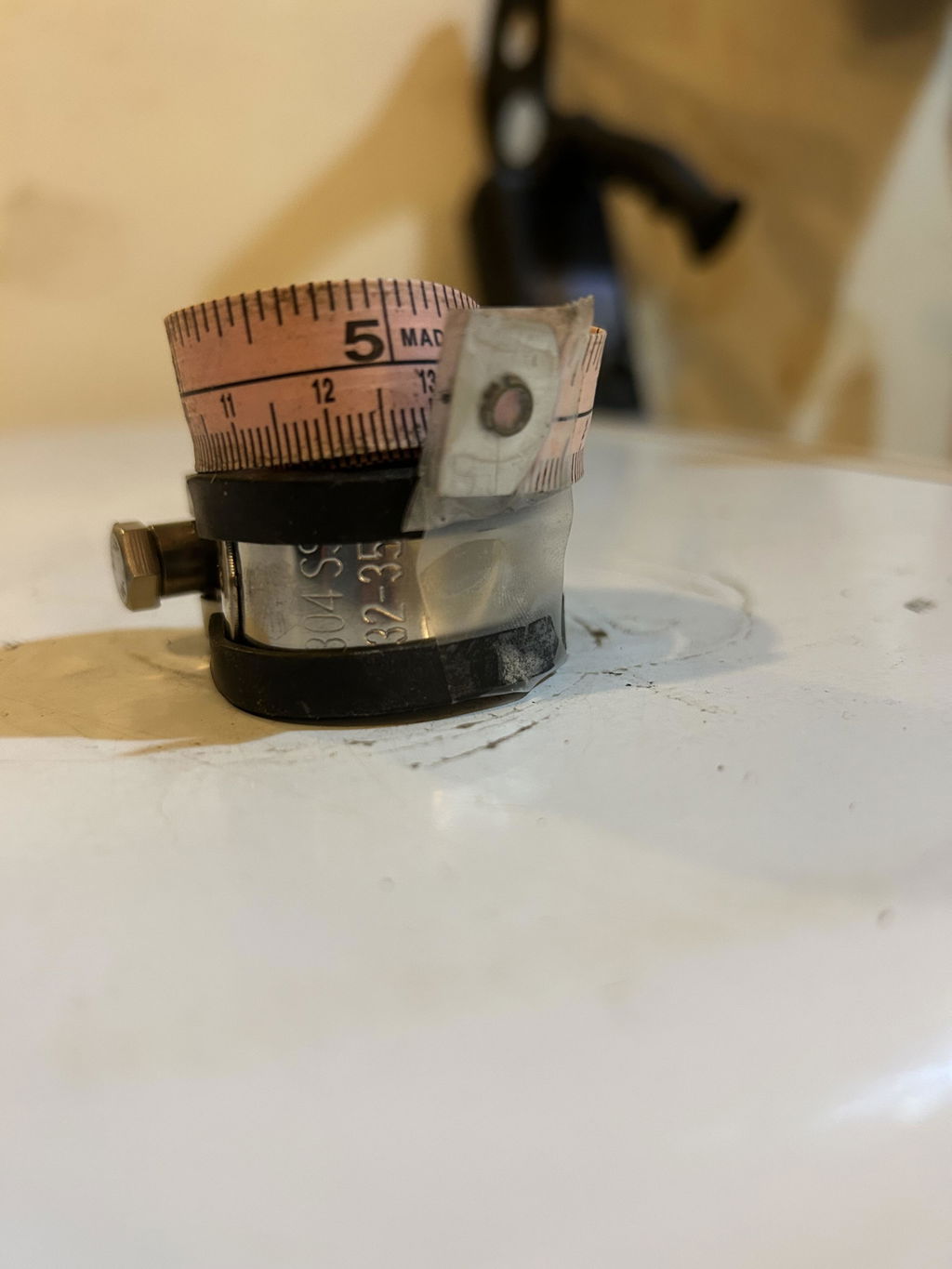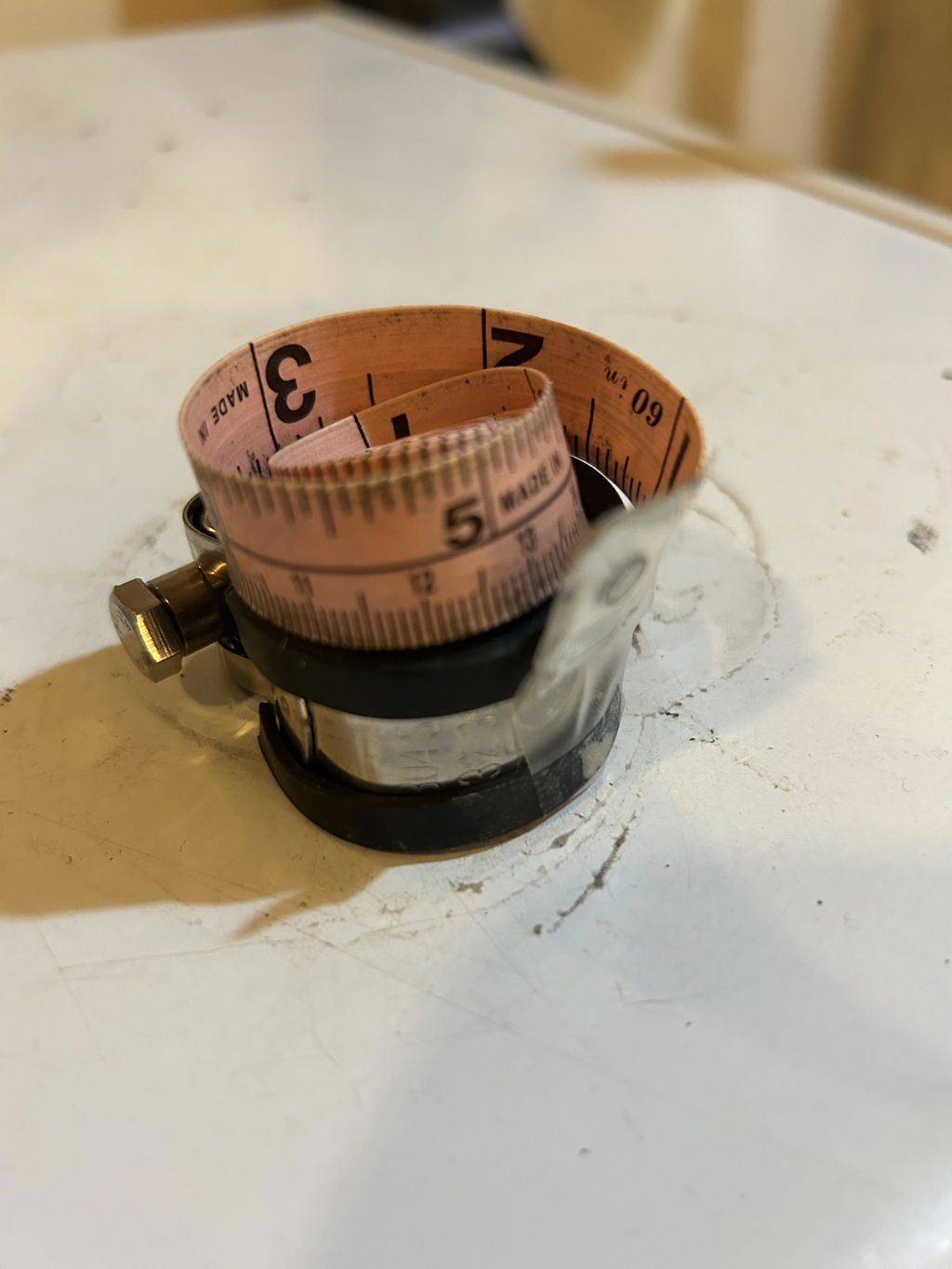
The chain is fine...but I ordered the wrong size. Nine links of the chain I ordered equals six of the size I wanted. My error...
How can I straighten out the springs? I can't use them coil uo as is.
Your payment information is processed securely. We do not store credit card details nor have access to your credit card information.
Get fitment advice & recommendations
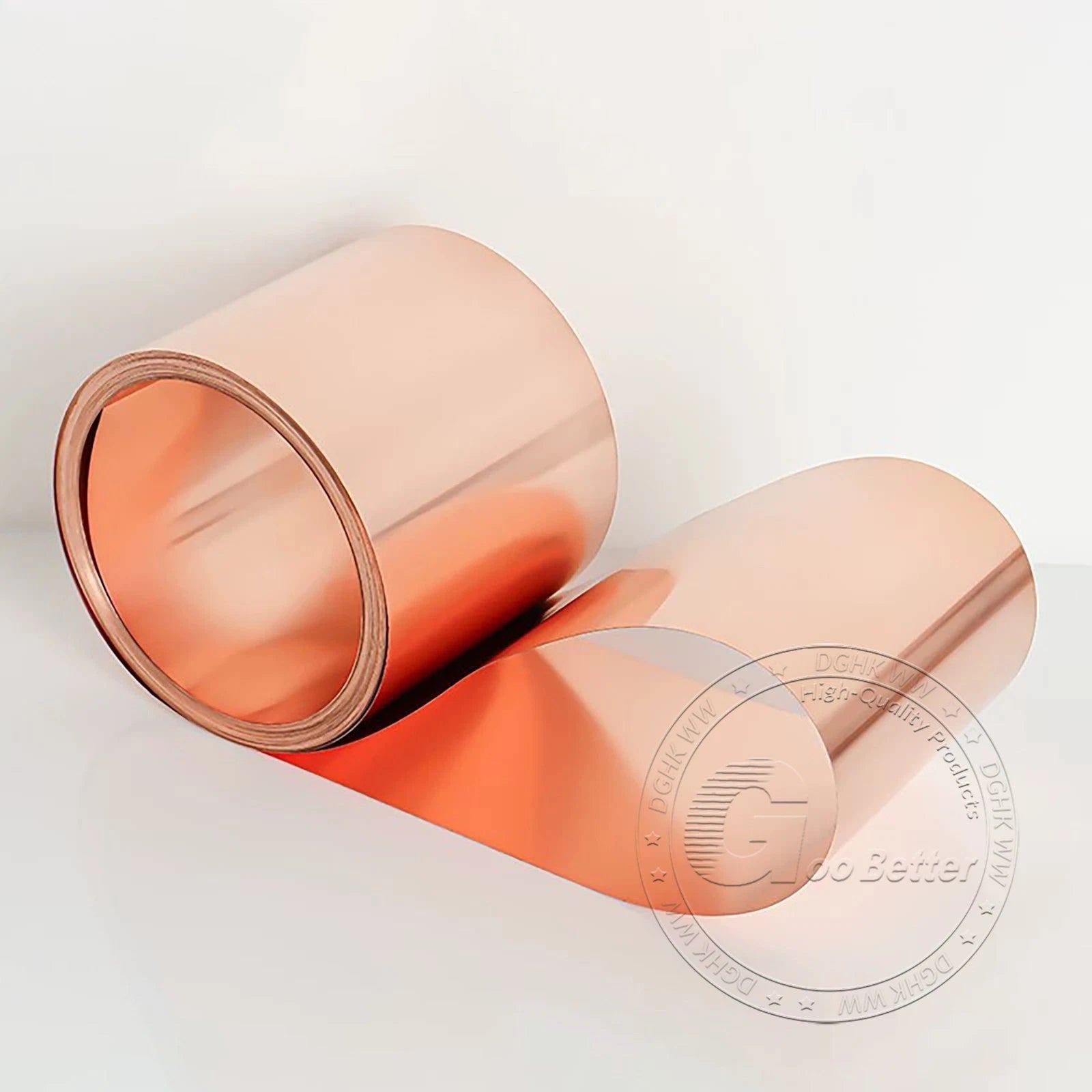
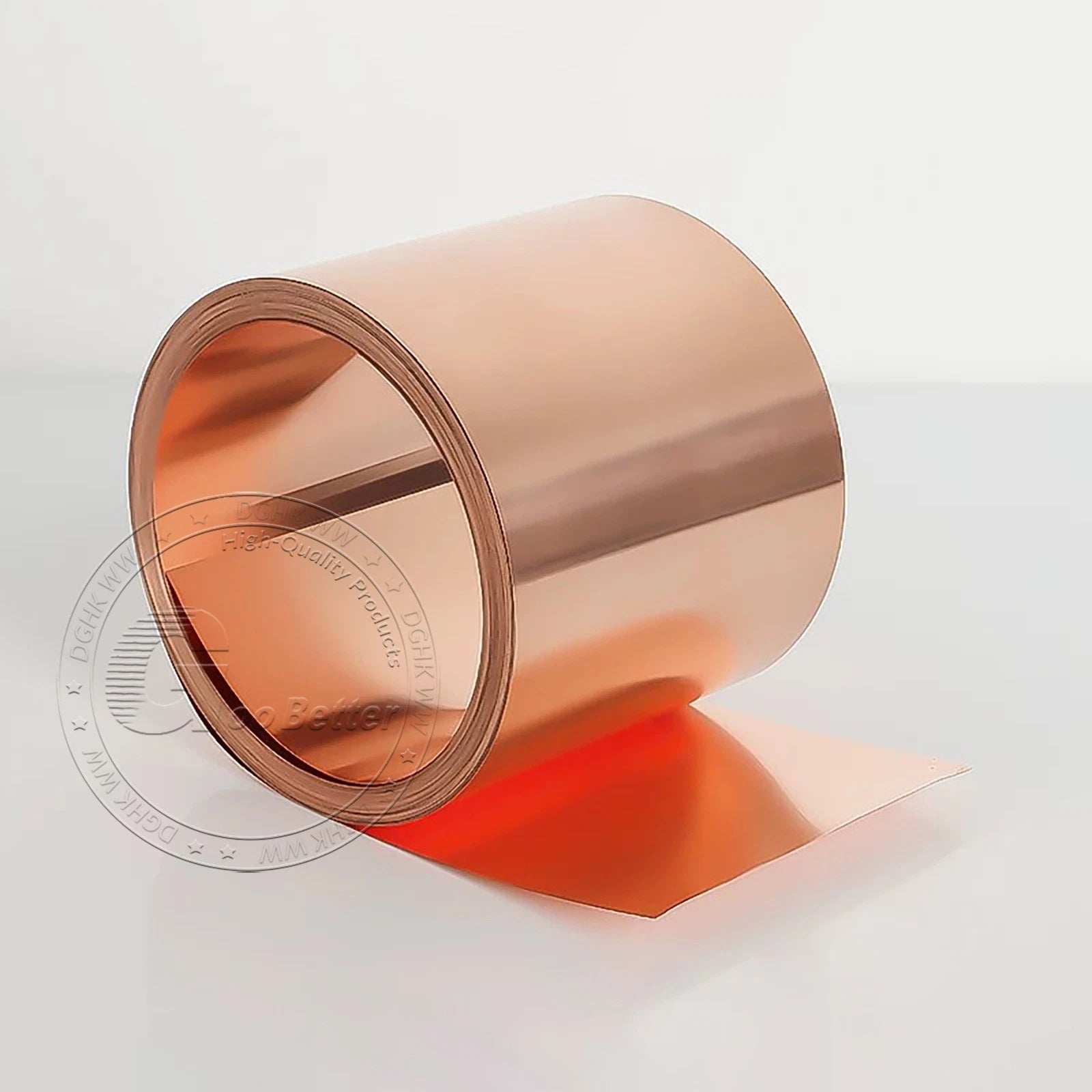
When your project demands reliable electrical conductivity, thermal transfer, or a material that bends without cracking, finding the right copper strip in the exact thickness and width you need can be a real challenge. Whether you are a hobbyist wiring a custom battery pack, a craftsperson forming decorative inlays, or a workshop technician fabricating grounding straps, this pure copper C101 sheet strip gives you the dimensional precision and material purity your work requires.
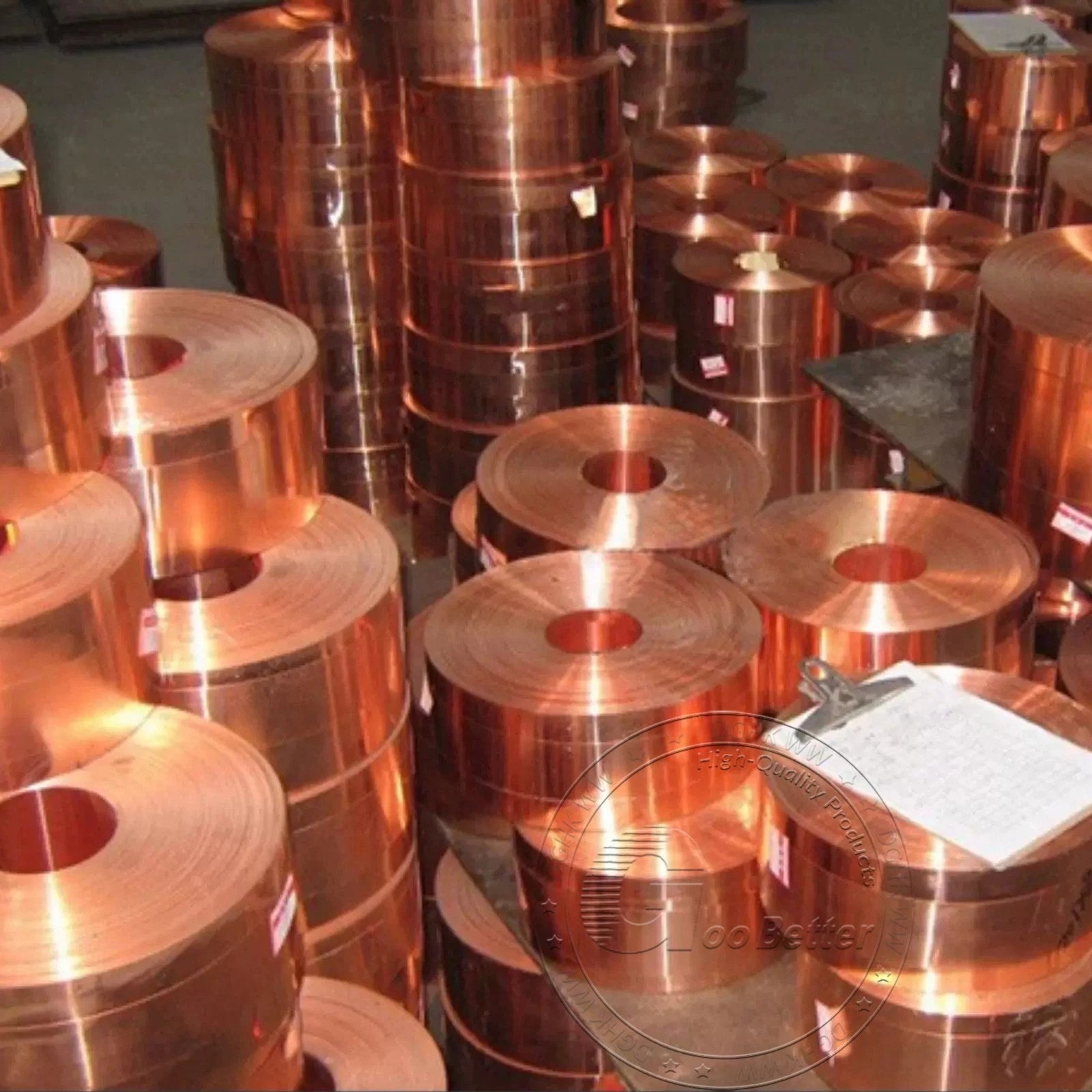
Each strip is cut from pure copper C101 (electrolytic tough pitch copper), offering ≥99.9% copper content. Thickness options range from 0.2 mm (approx. 0.008 in) to 1.5 mm (approx. 0.059 in), with widths spanning 5 mm (approx. 0.197 in) to 300 mm (approx. 11.81 in). Every piece is supplied in a 1-meter length, giving you a consistent, workable run of material for cutting, forming, or rolling to your specification.
Typical applications include DIY electrical bus bars and grounding straps, copper inlay work for woodworking and resin art, RF shielding and EMI gasket fabrication, heat-spreader strips in electronics repair, and flexible connector tabs in battery assembly projects.
| Material | Pure Copper C101 (Electrolytic Tough Pitch) |
|---|---|
| Copper Purity | ≥99.9% |
| Thickness Range | 0.2 mm – 1.5 mm (0.008 in – 0.059 in) |
| Width Range | 5 mm – 300 mm (0.197 in – 11.81 in) |
| Length | 1 Meter (39.37 in) |
| Temper / Condition | See variant options |
| Surface Finish | Mill finish (bright, uncoated) |
| Electrical Conductivity | ≥100% IACS |
| Thermal Conductivity | Approx. 385 W/(m·K) |
| Density | 8.96 g/cm³ |
| Melting Point | 1,083 °C (1,981 °F) |
| Edge Condition | Shear cut, deburring may be required for thicker gauges |
For flexible applications such as shielding tape, coil winding, or decorative inlay, choose 0.2 mm–0.5 mm — these gauges bend easily by hand. For structural grounding straps or bus bars that need to hold their shape, 0.8 mm–1.5 mm provides the rigidity required. If you are unsure, start with 0.3 mm or 0.5 mm as a versatile mid-range option.
Yes. C101 copper has a tensile strength of approximately 200–250 MPa in the annealed condition, which is sufficient for most grounding strap and bus bar applications. For high-vibration environments, consider using the 1 mm or 1.5 mm thickness and secure with appropriate fasteners.
Copper naturally forms a thin oxide layer (tarnish) when exposed to air and moisture, which actually slows further corrosion. For indoor electrical or decorative use, this is generally not a concern. If you need a bright finish long-term, apply a clear lacquer or wax after installation. For outdoor or marine environments, consider a protective coating.
Yes. C101 copper is one of the most solderable metals available. Use a standard rosin-core or water-soluble flux with 60/40 or lead-free solder for electronics work. For brazing, use a copper-phosphorus or silver-based brazing alloy with appropriate flux. Clean the surface with isopropyl alcohol or fine abrasive before soldering for best results.
For battery tab welding or PCB bus connections, the 5 mm–15 mm widths in 0.2 mm–0.3 mm thickness are the most commonly used. These dimensions fit standard 18650 and 21700 cell spacing. For wider bus bars on larger battery packs, 20 mm–50 mm widths in 0.5 mm–1 mm thickness are typical choices.
Thinner gauges (0.2 mm–0.5 mm) can be cut cleanly with sharp scissors, a craft knife, or tin snips. Gauges from 0.6 mm to 1.5 mm are best cut with aviation snips, a guillotine shear, or a fine-tooth hacksaw. A CNC router or laser cutter can also be used for precise shapes — check your machine's copper cutting parameters before proceeding.
Yes. The 0.25 mm × 300 mm strip is well-suited for EMI shielding panels, heat spreader blankets, and large-format decorative copper sheet work. At 0.25 mm thickness it remains flexible enough to conform to flat or gently curved surfaces while providing meaningful shielding effectiveness across a broad frequency range.