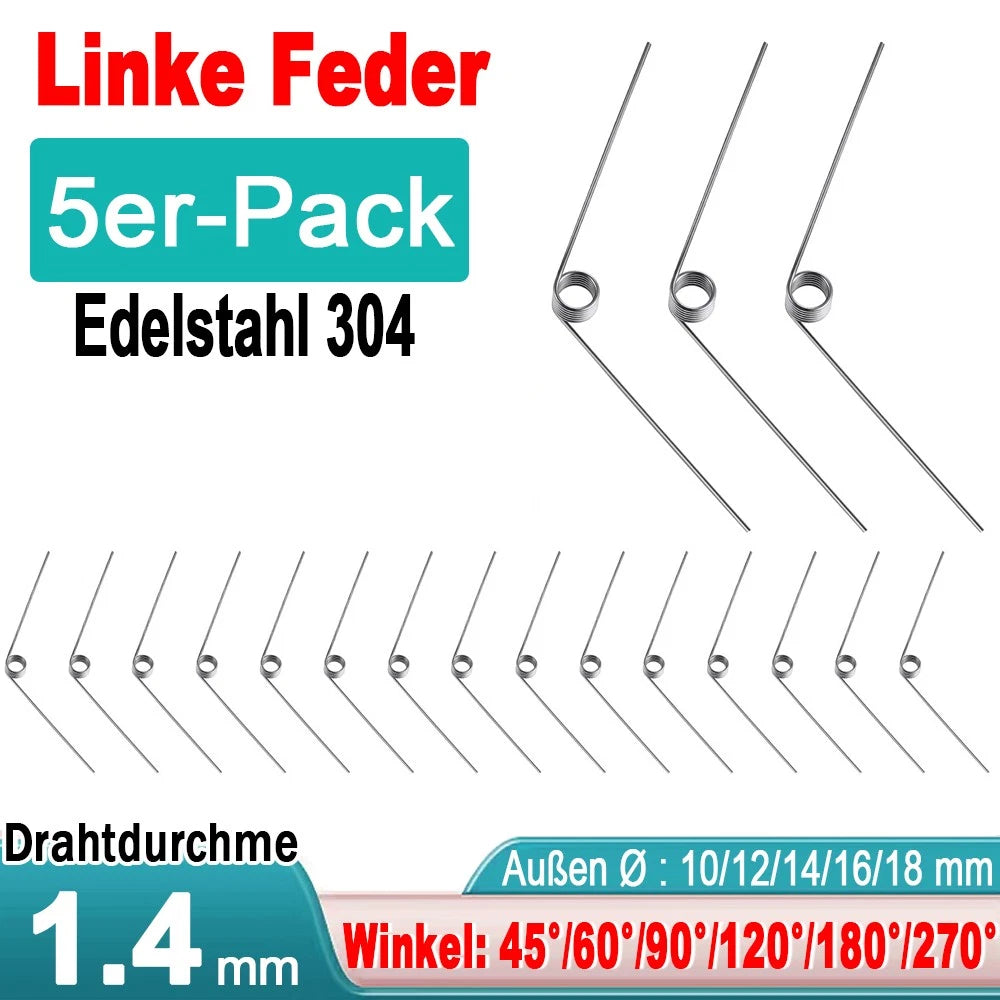


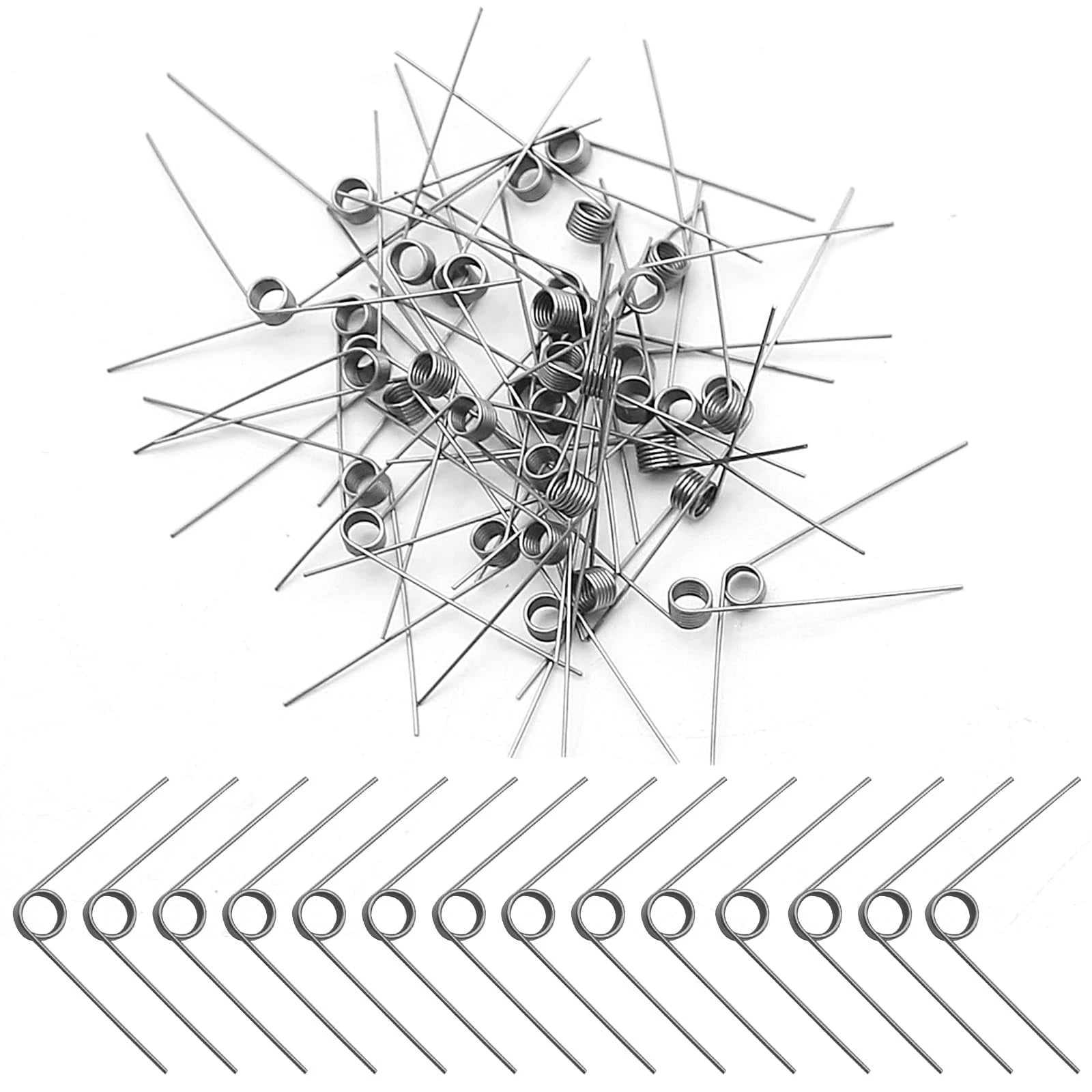
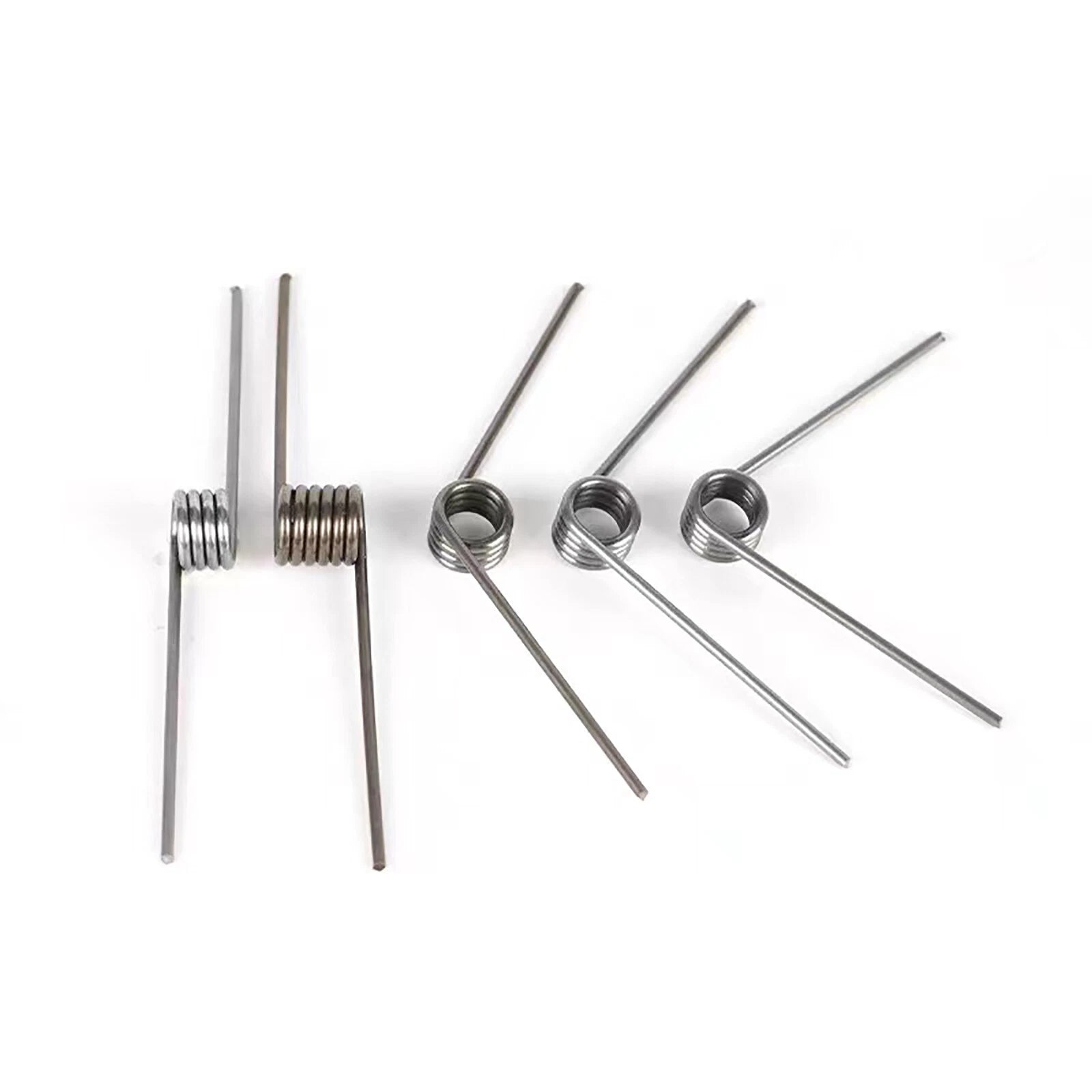
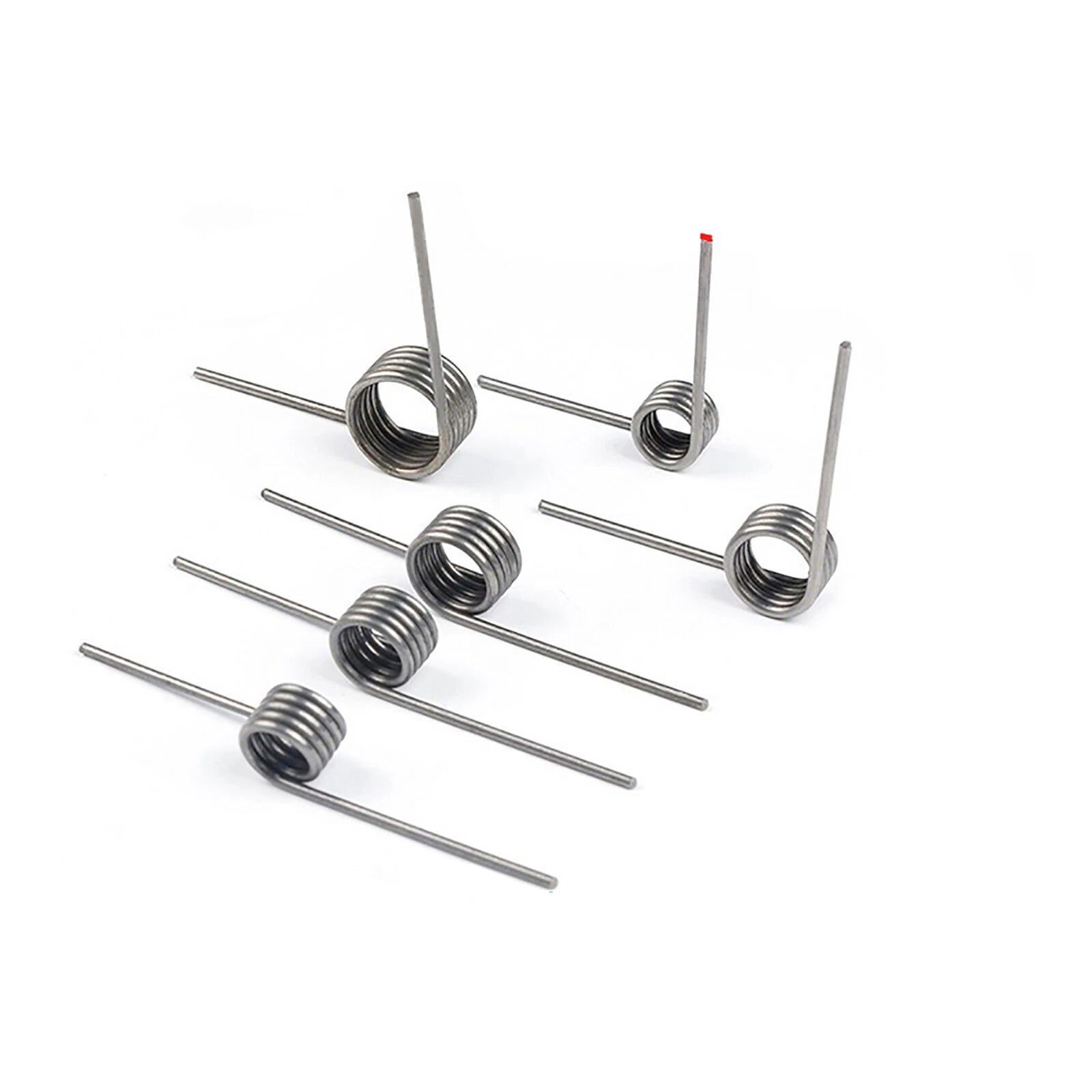
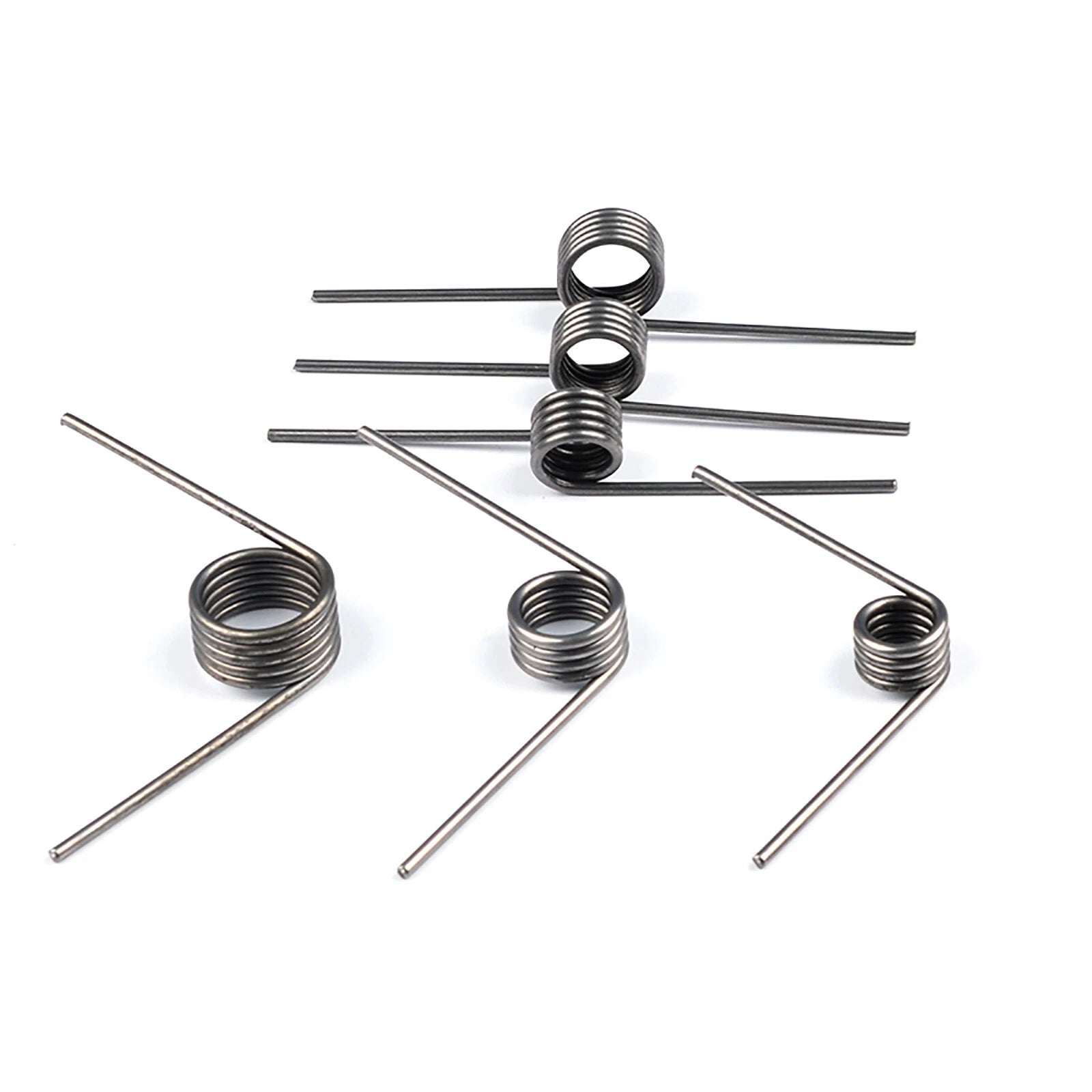
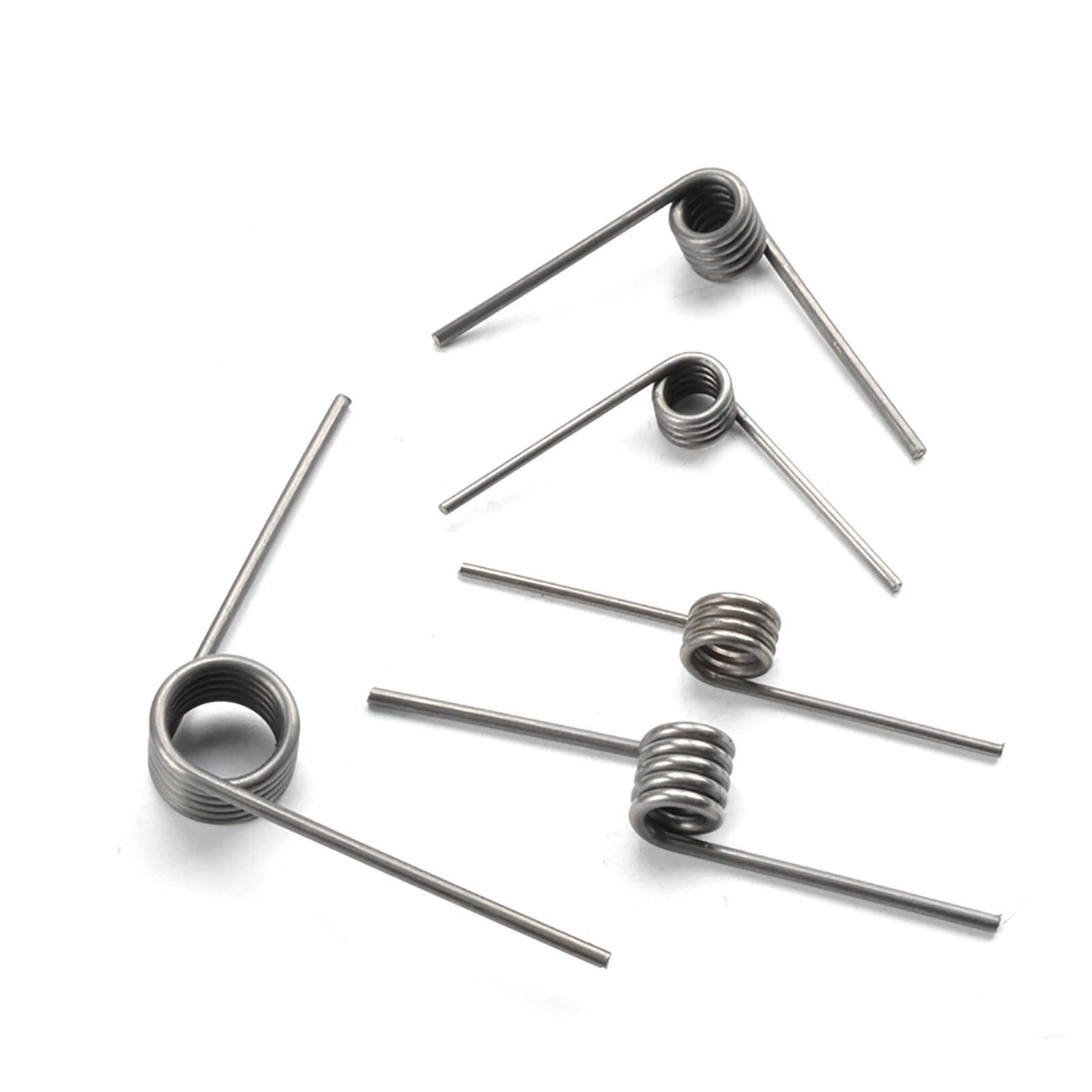
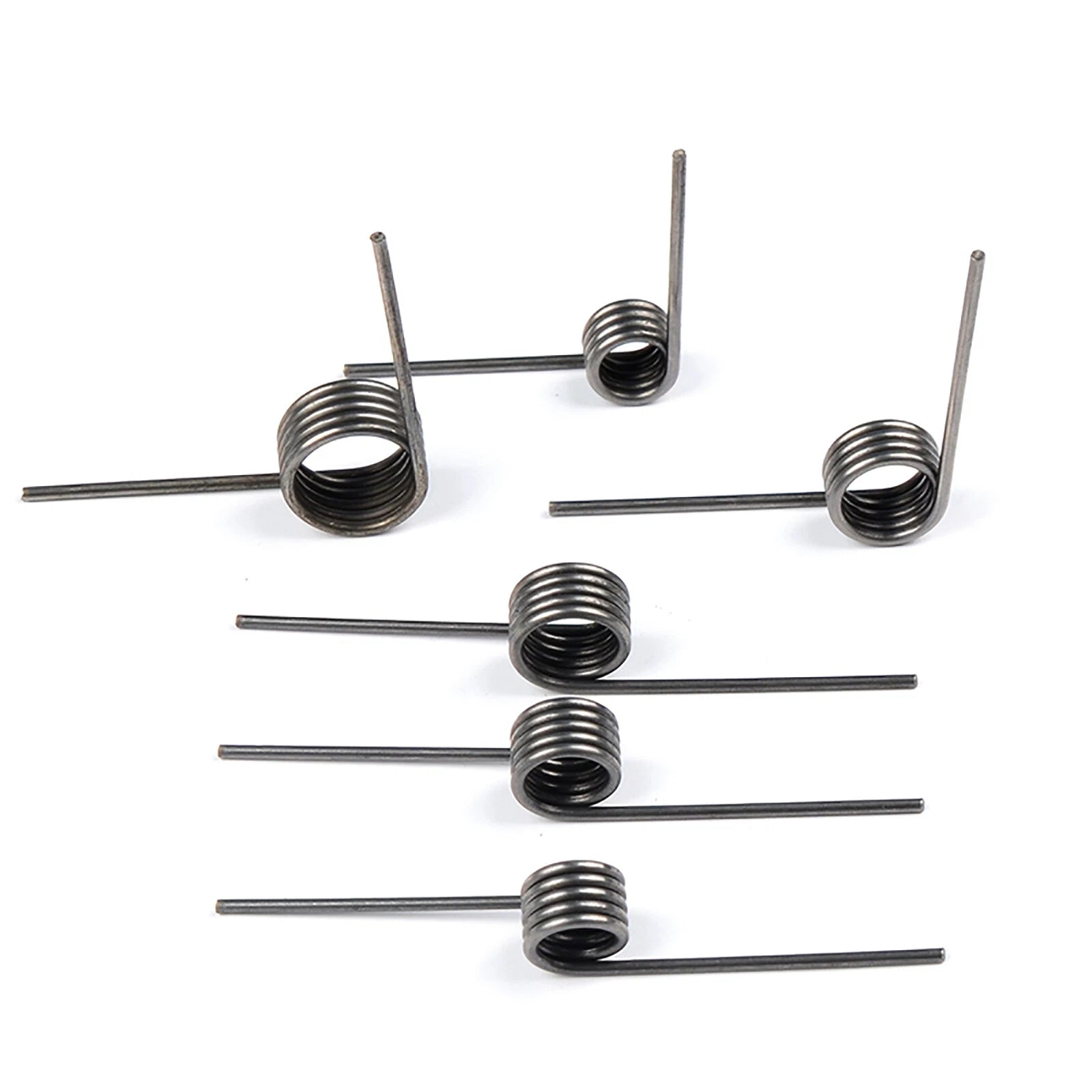
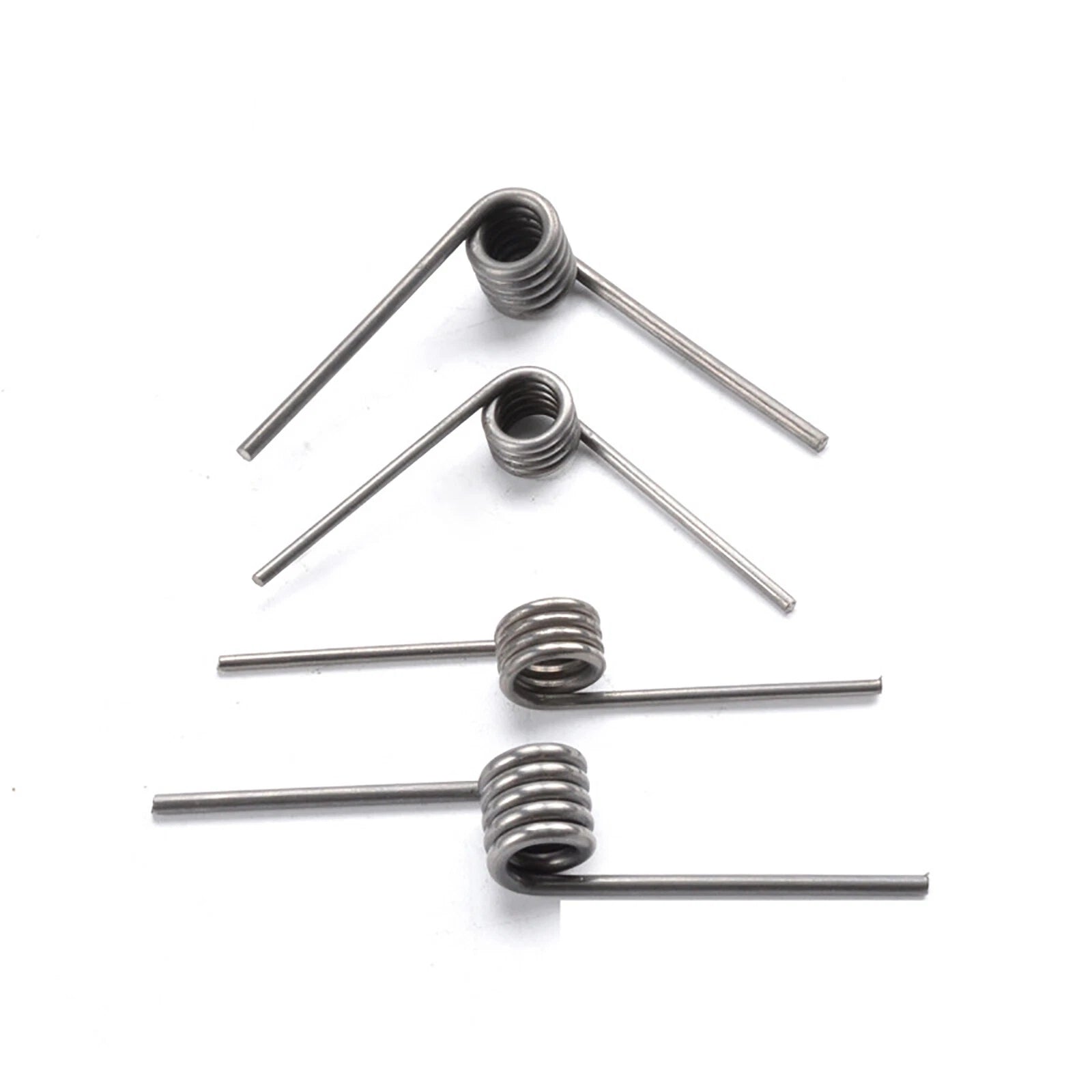
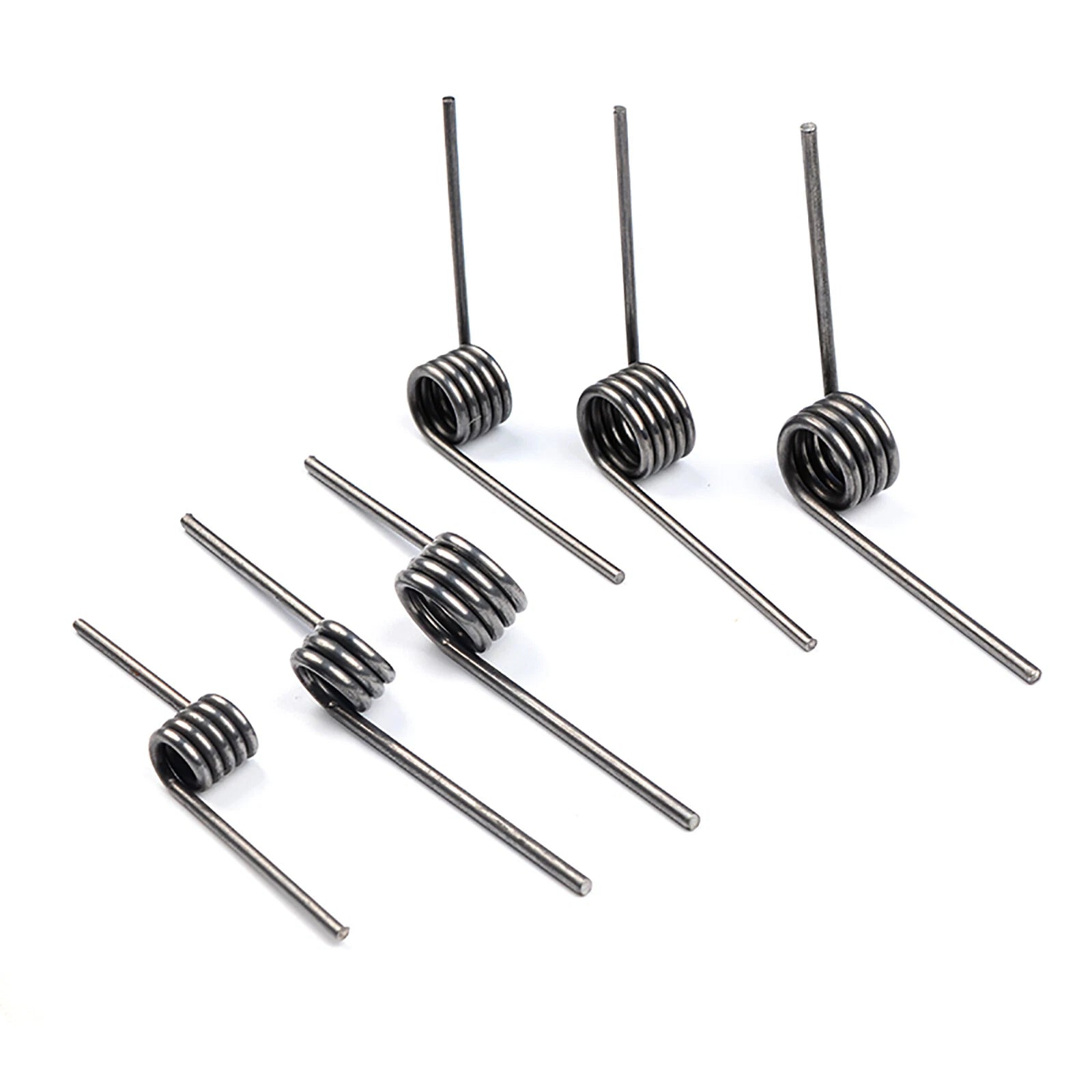
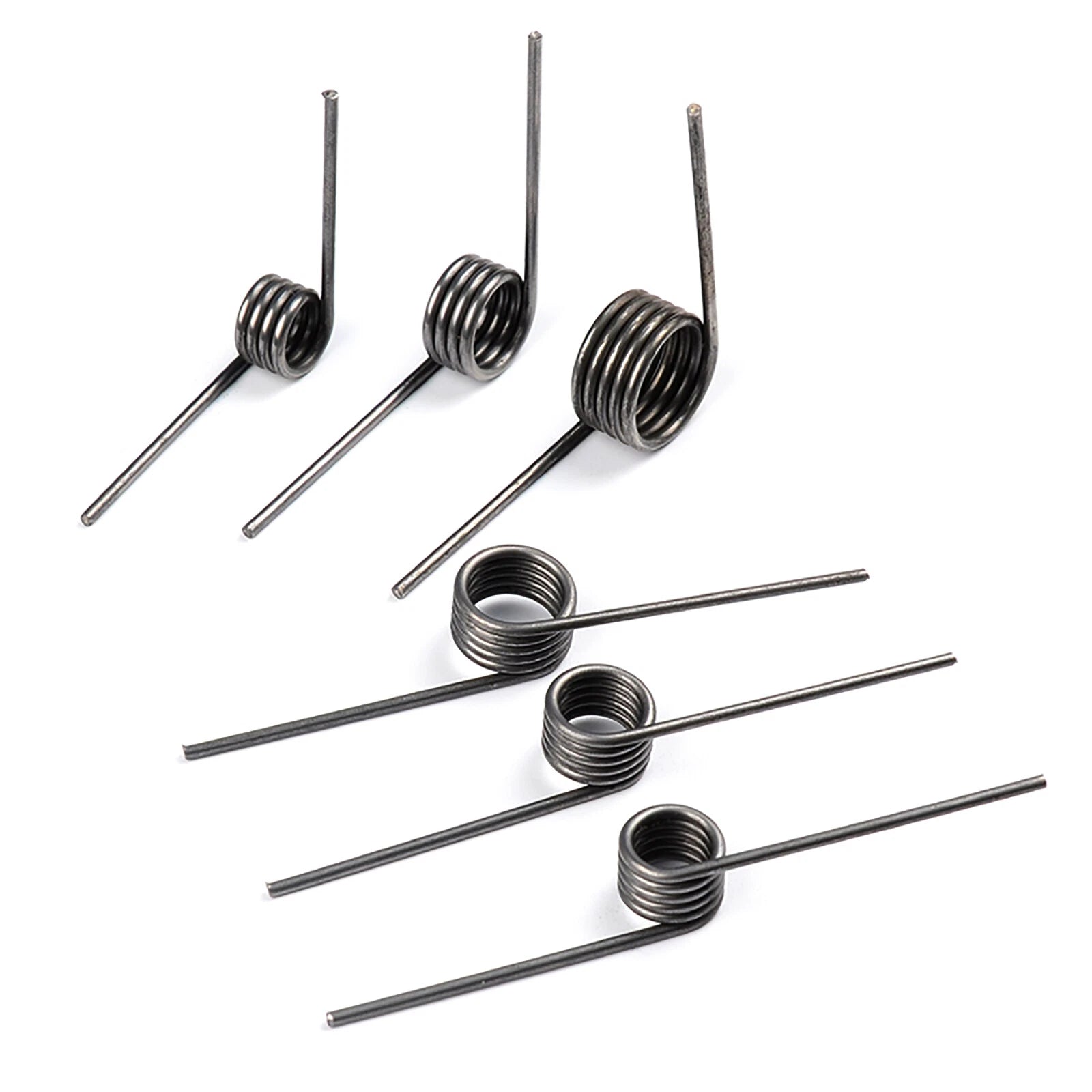
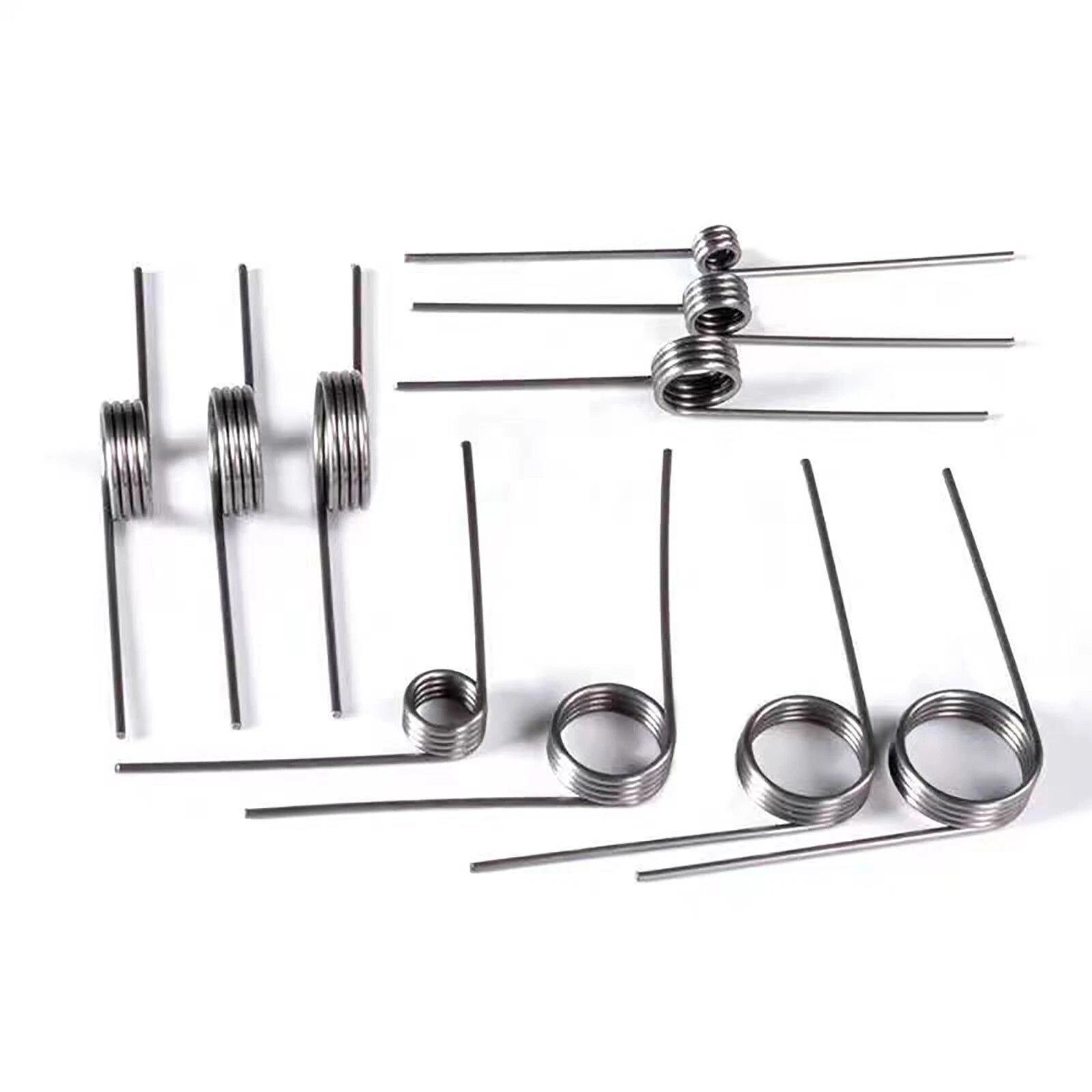
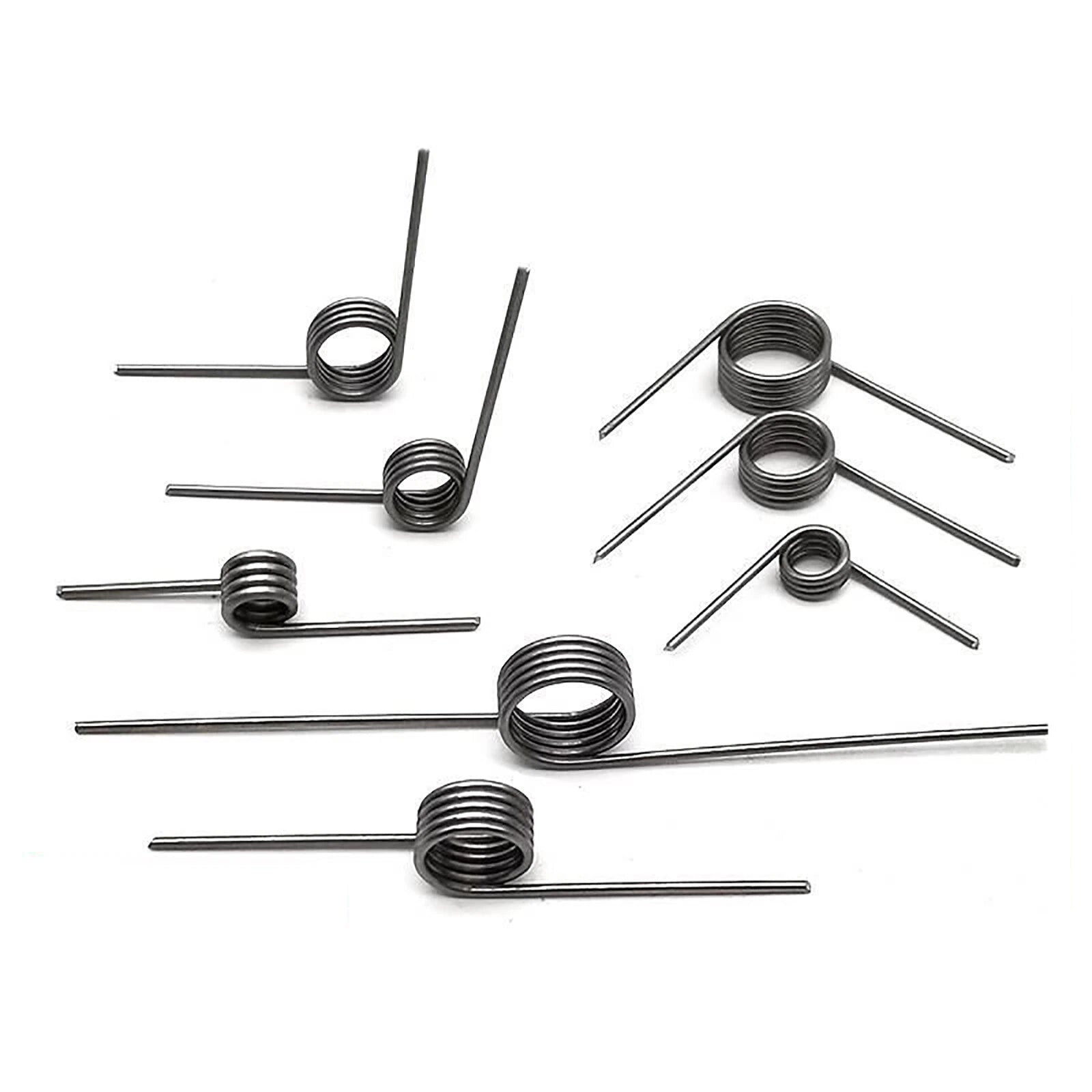
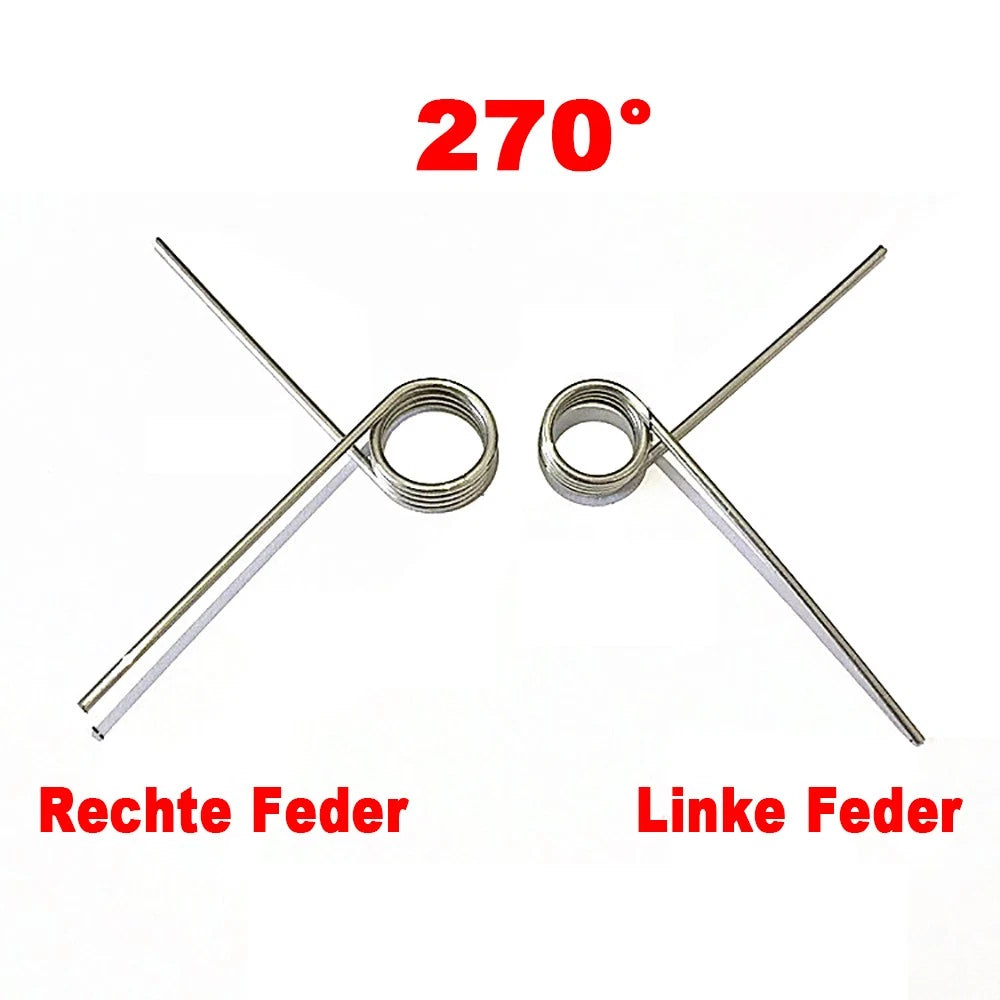
d 1,4mm Schenkelfedern/Torsionsfedern/Drehfeder/Spannfeder Edelstahl linke Feder

No reviews

Price:
Sale price$7.15 USD
Stock:
In stock (500 units), ready to be shipped

Payment & Security

Ach Direct Debit Amazon American Express Apple Pay Bancontact BLIK Diners Club Discover EPS Google Pay iDEAL Wero JCB Maestro Mastercard Multibanco MobilePay PayPal Przelewy24 Shop Pay Twint Union Pay USDC Visa

Your payment information is processed securely. We do not store credit card details nor have access to your credit card information.

Limited Offer — Spend More, Save More
Spend $55+
Save $5
Spend $100+
Save $10
Spend $200+
Save $25
HomeDIYer DIY Expert Support

DIY Expert Support

Get fitment advice & recommendations

Mon–Fri  8:30 AM – 8:00 PM
24-Hour Fast Ship
Arrives in 3–14 Days
Worldwide Shipping
30-Day Returns
1 tree planted with every purchase

Description

1.4mm Left-Hand Torsion Springs — Stainless Steel Precision for Every Angle

When a standard spring simply won't do, engineers, makers, and DIY enthusiasts reach for a torsion spring that matches their exact geometry. Mismatched wire diameter, outer diameter, or coil count leads to premature fatigue, binding, or outright failure — costing time and money. These left-hand wound torsion springs are engineered for users who need reliable rotational force in a compact, corrosion-resistant package.

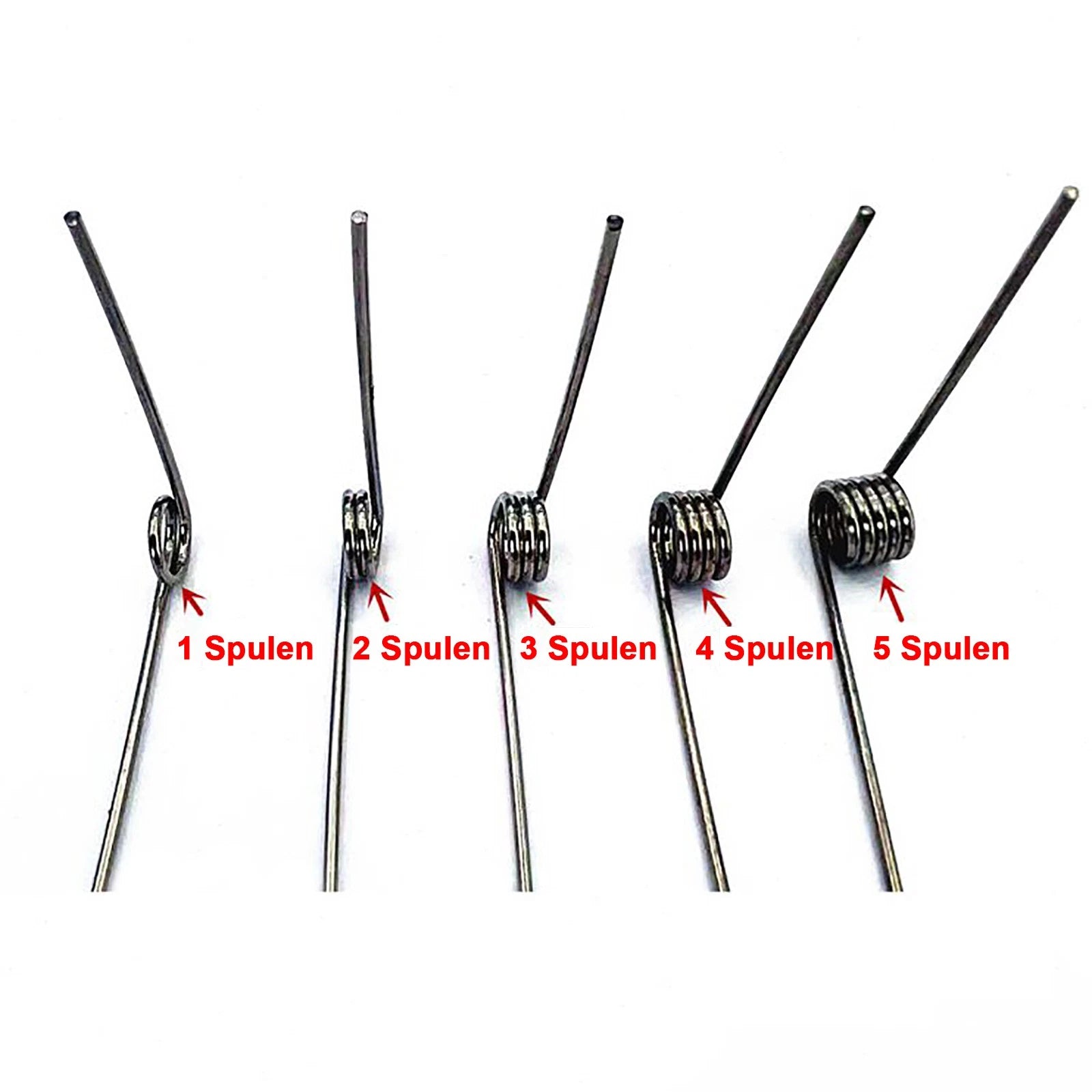
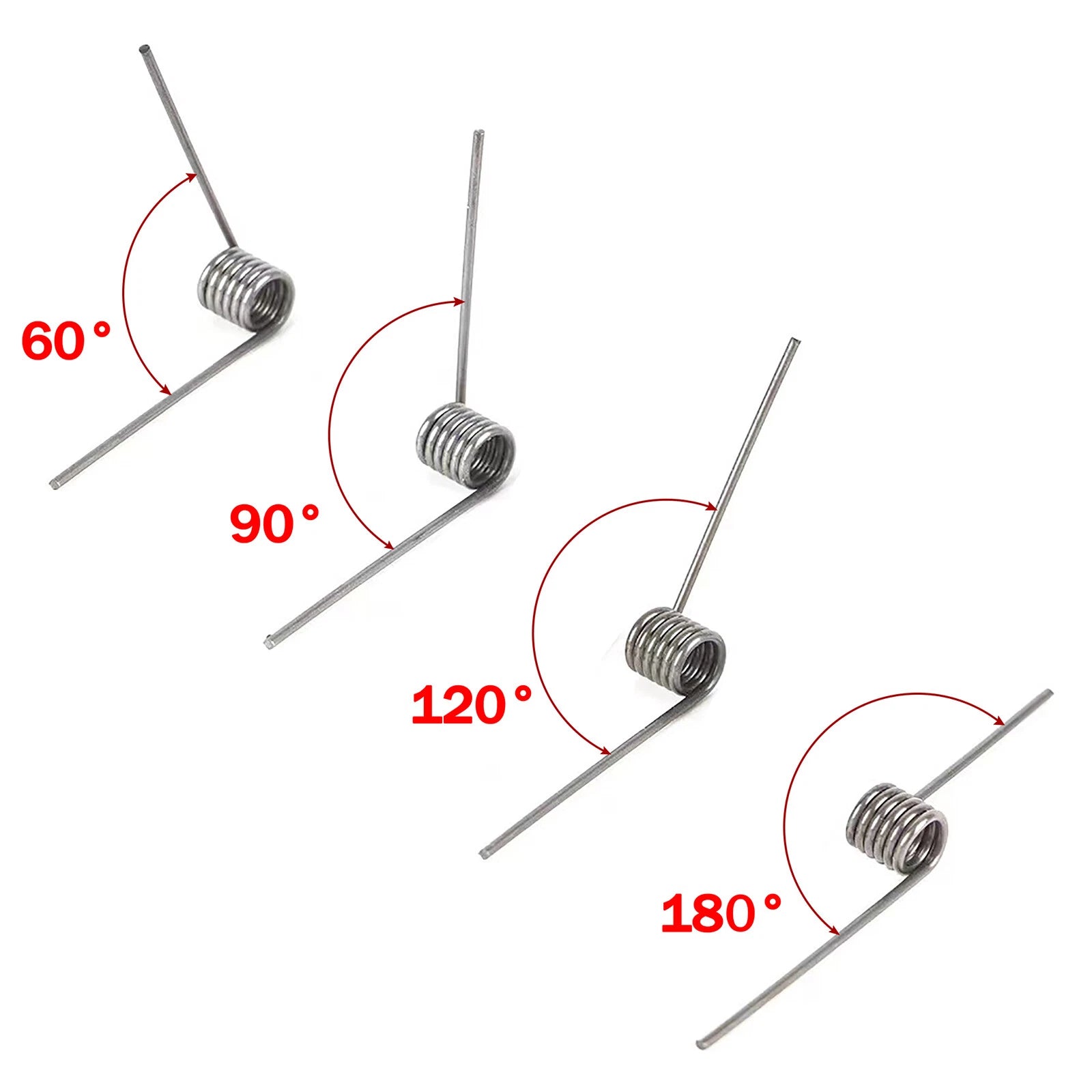
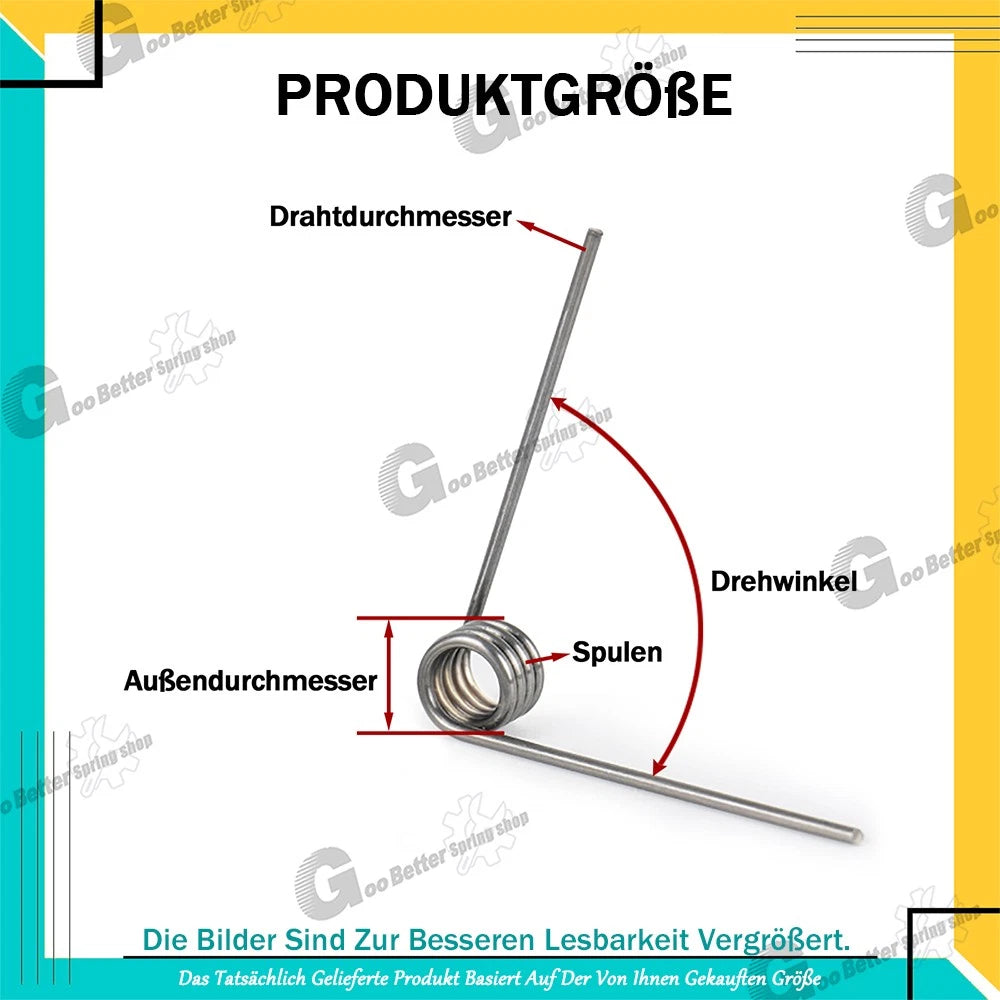
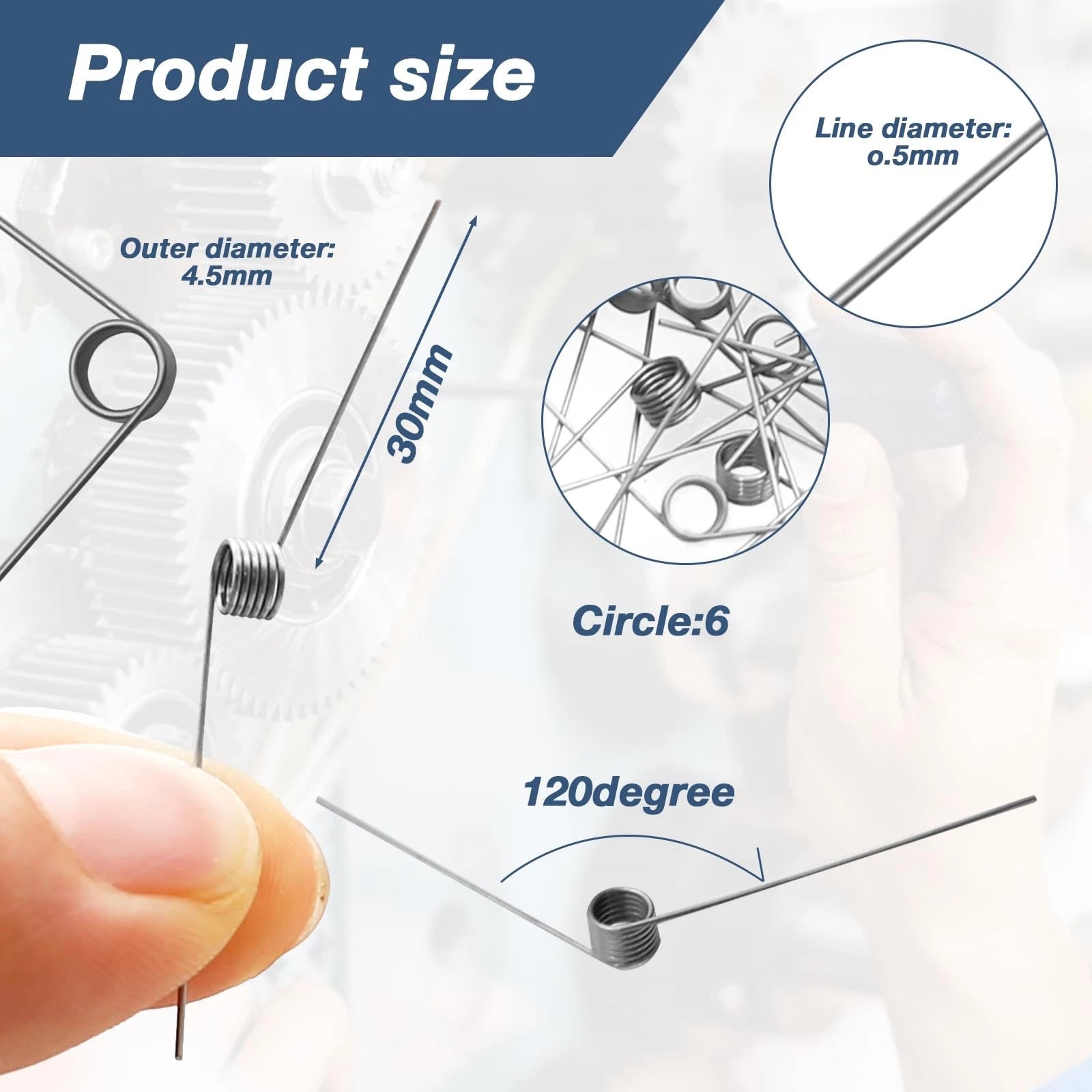
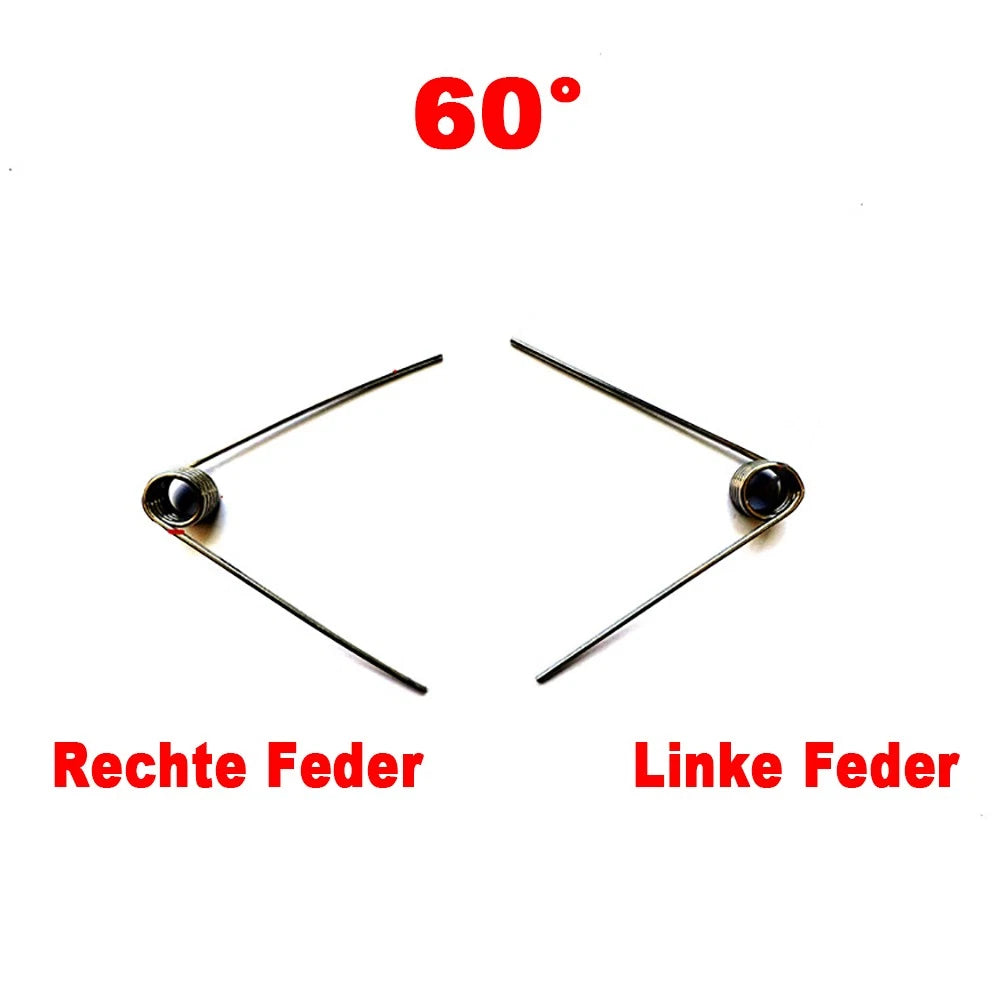
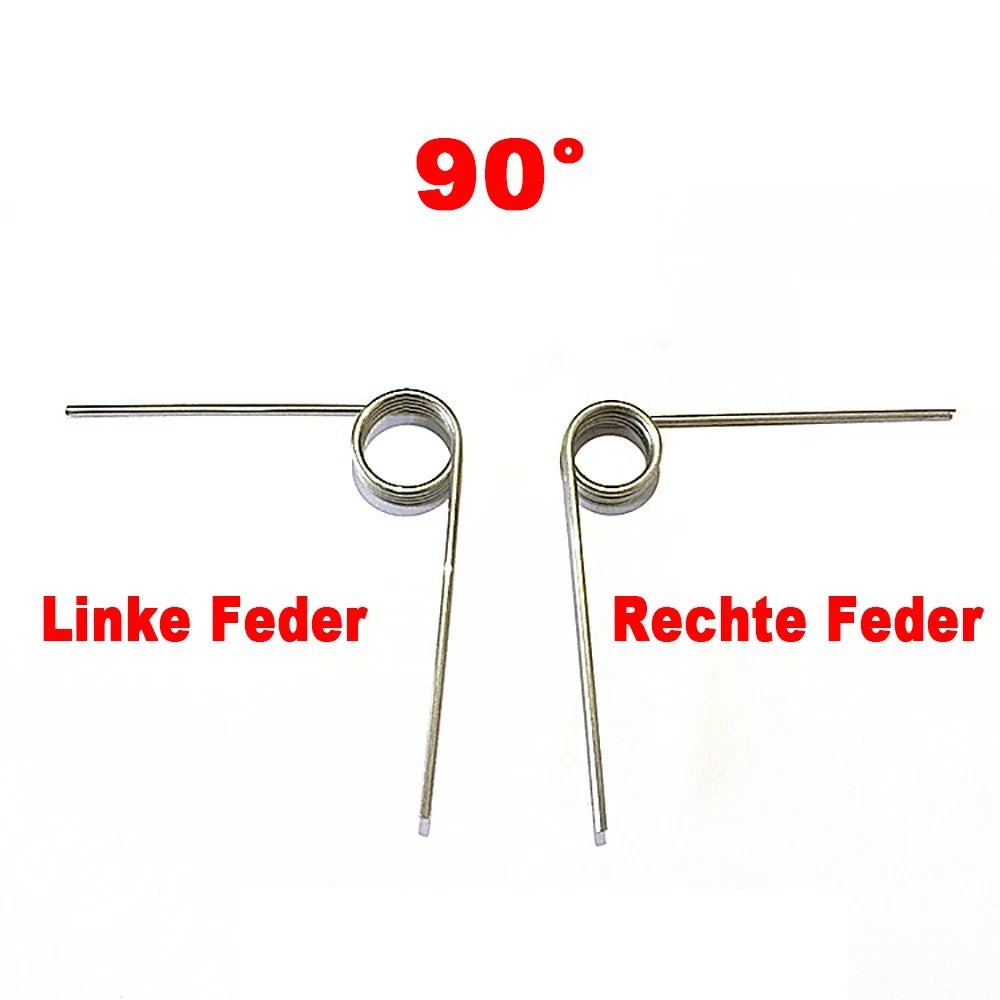
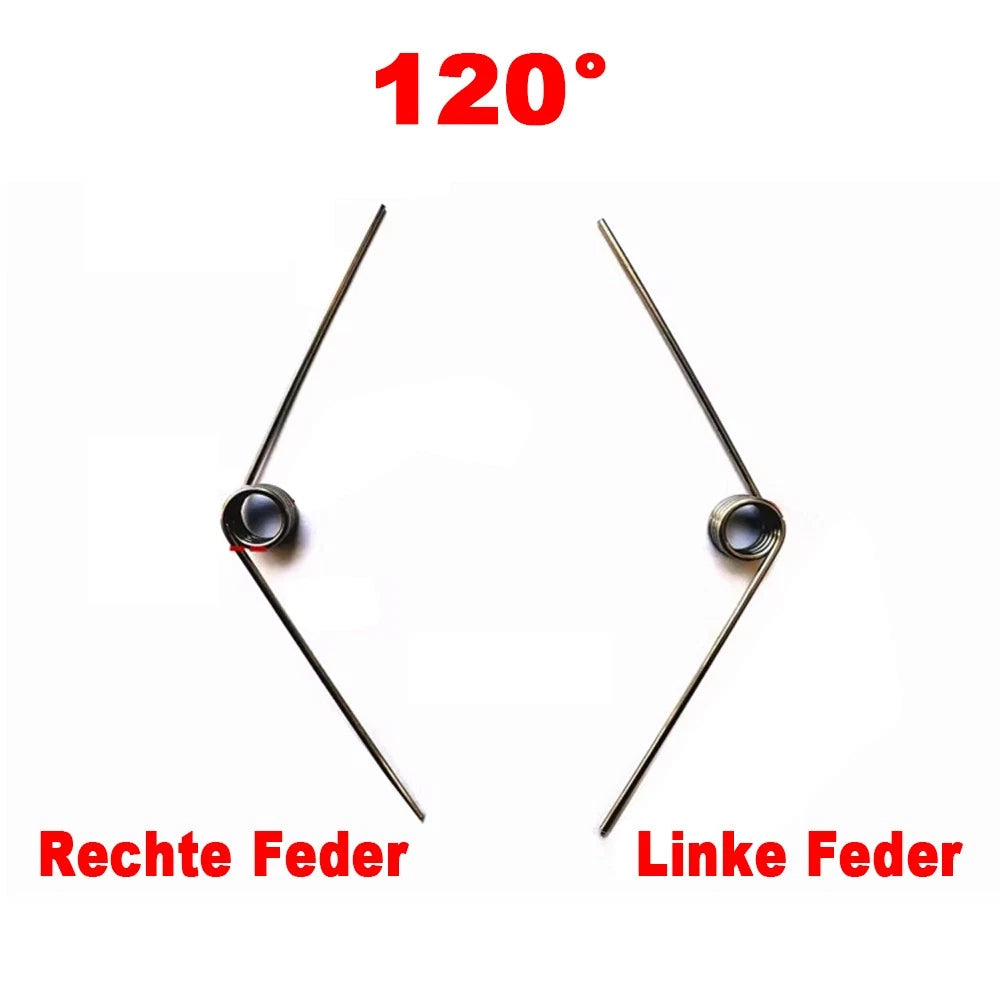
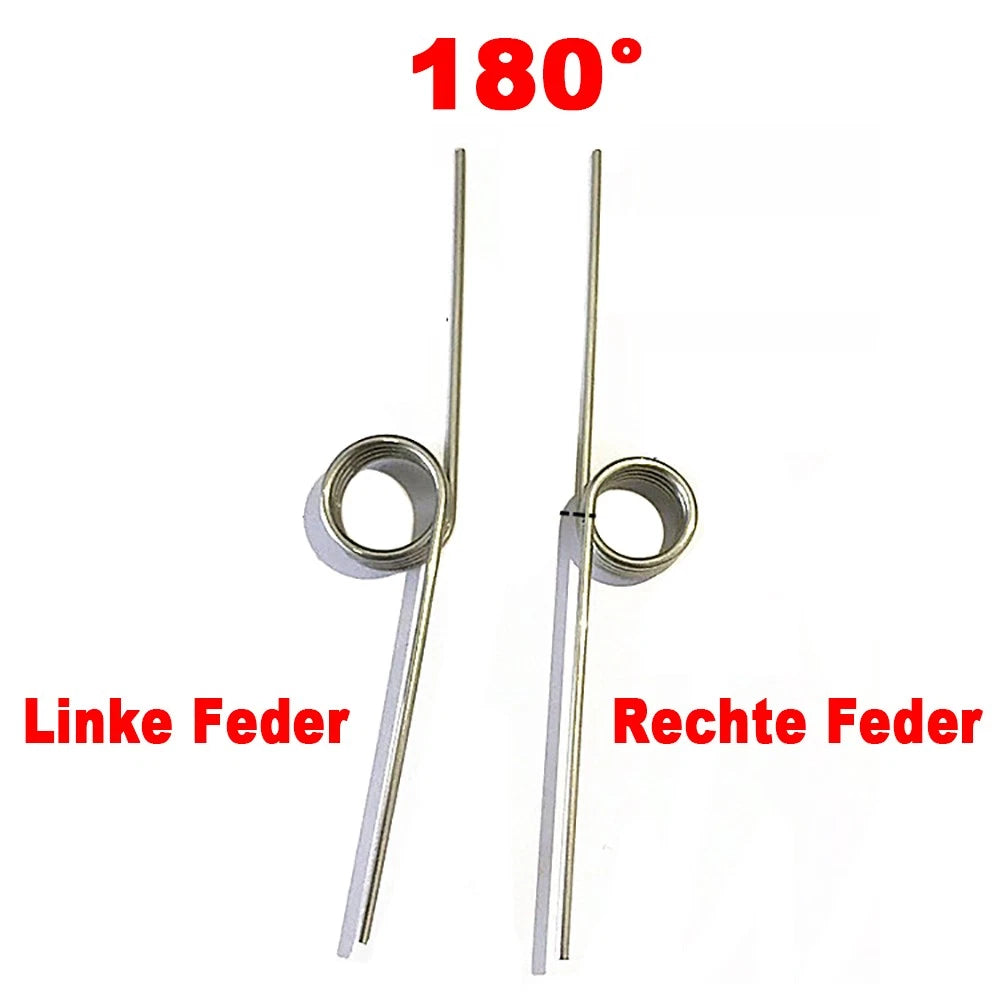
Each spring is formed from 1.4mm diameter stainless steel wire, wound in a left-hand (counterclockwise) direction. Outer diameters span 10mm to 18mm (approx. 0.39" to 0.71"), and coil counts range from 1 to 5 turns. Leg angles are available in 45°, 60°, 90°, 120°, 180°, and 270°, giving you precise control over the spring's working position.

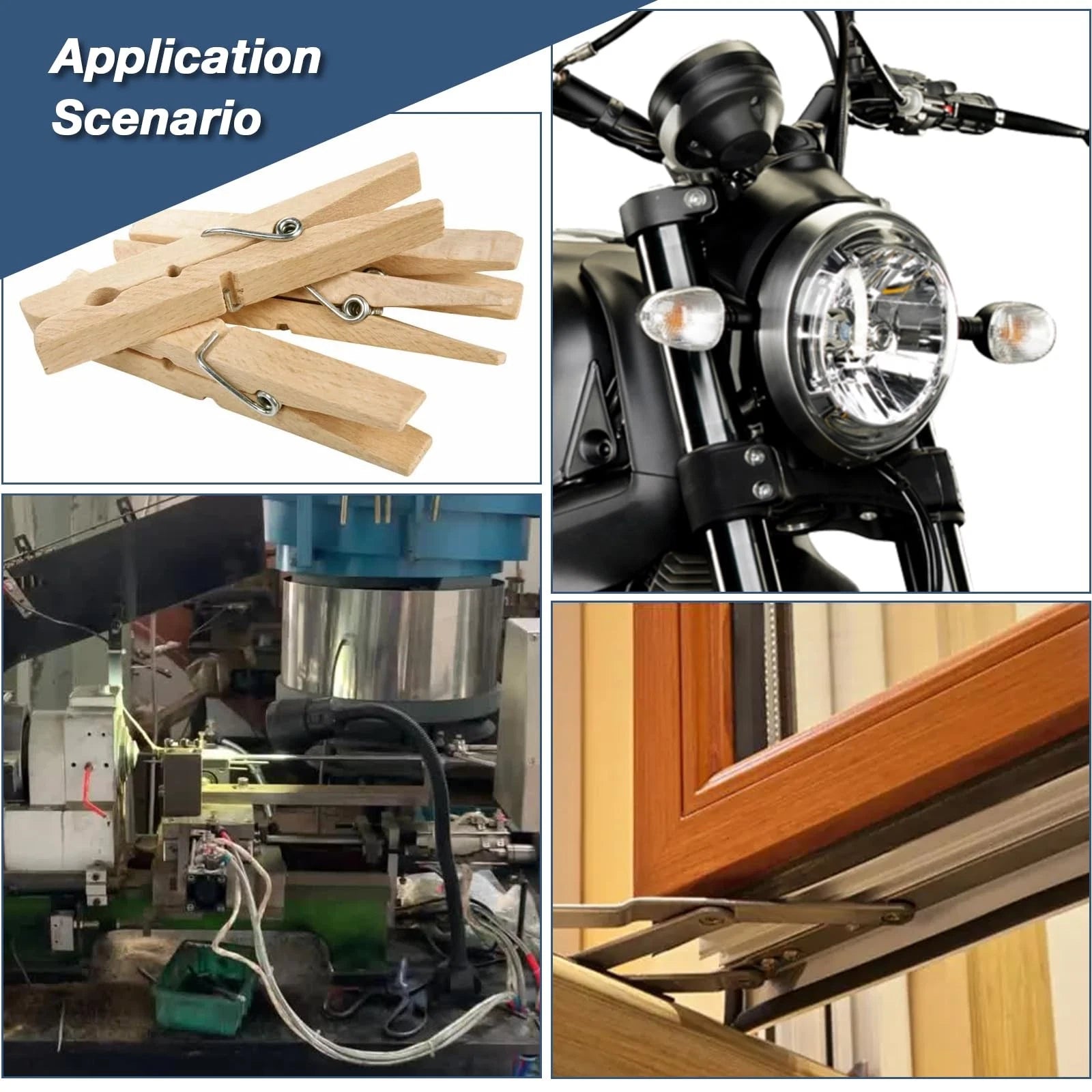
Typical applications include cabinet door hinges requiring left-hand return force, small machinery and automation mechanisms needing angular torque, precision instrument assemblies, and DIY repair projects where a specific rotation angle and wire gauge must be matched exactly.

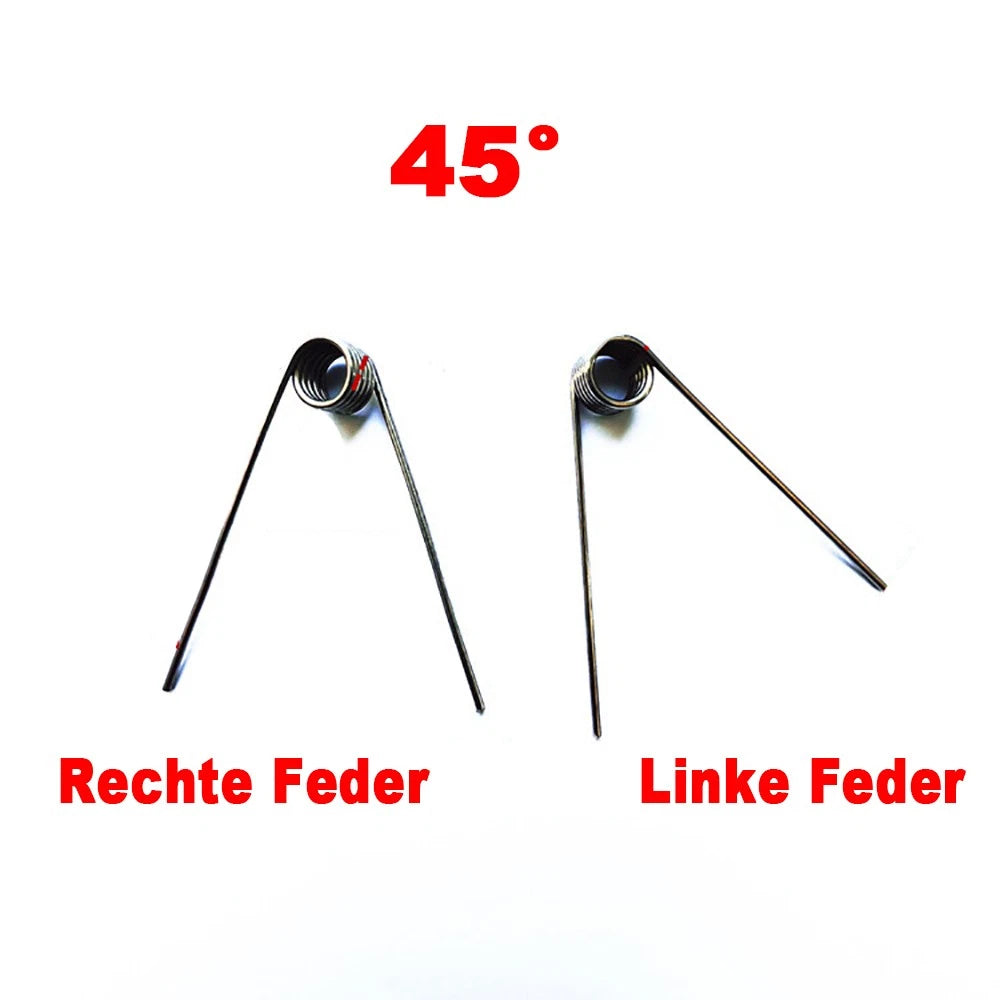
⚙️ Compatibility: Suitable for shafts and bores accepting 1.4mm wire torsion springs. Verify inner diameter clearance and leg angle against your application before ordering. Left-hand wind only — not interchangeable with right-hand springs.

✅ Key Features of These 1.4mm Left-Hand Torsion Springs

🔩1.4mm Stainless Steel Wire
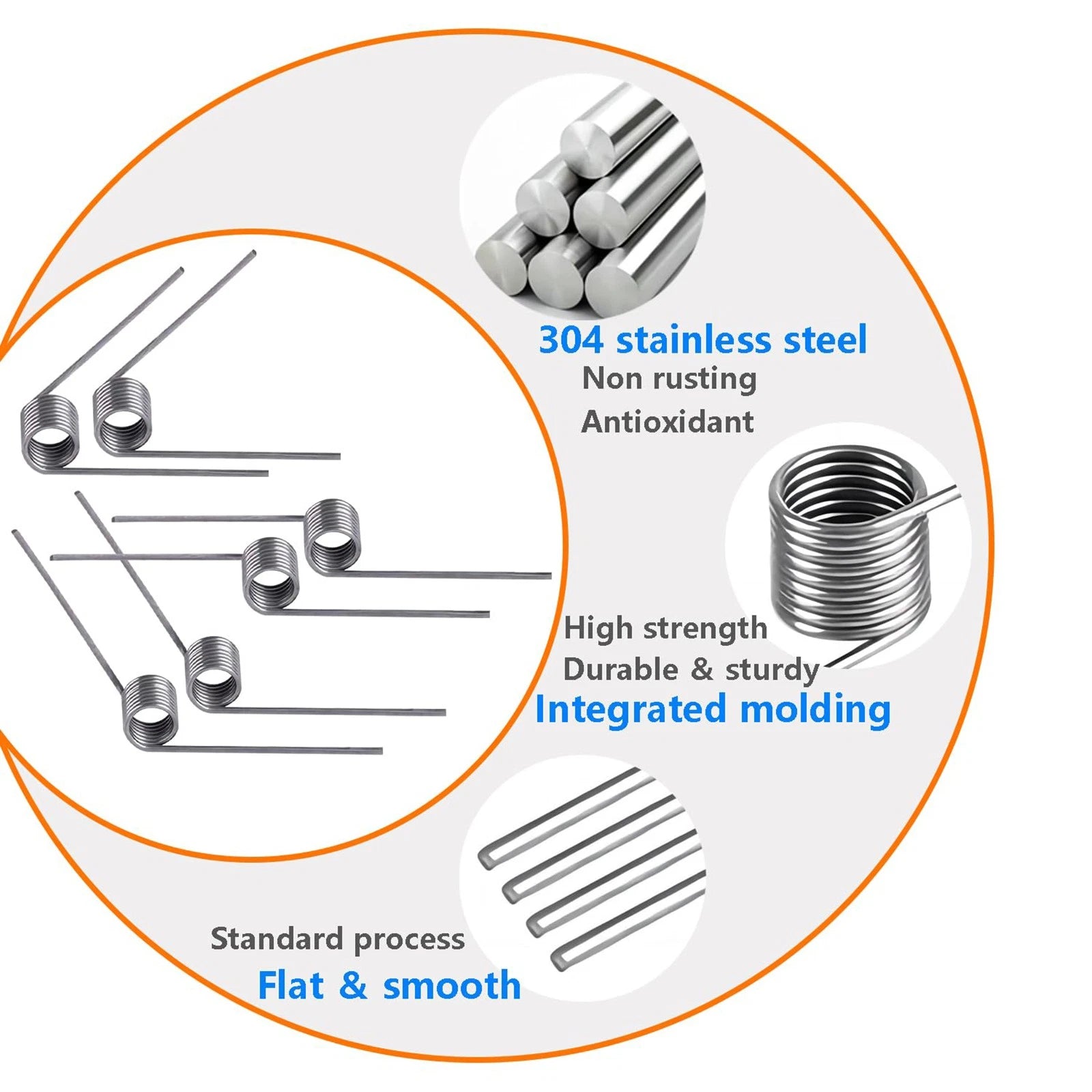
Formed from corrosion-resistant stainless steel wire at 1.4mm diameter, delivering consistent spring rate and long service life even in humid or mildly corrosive environments.
Left-Hand (Counterclockwise) Wind
Wound in the left-hand direction to generate torque when rotated clockwise — essential for applications where right-hand springs would unwind rather than load.
📐6 Leg Angle Options
Available in 45°, 60°, 90°, 120°, 180°, and 270° leg configurations so you can match the exact working geometry of your mechanism without bending or modifying legs.
🔄1–5 Coil Selections
Choose from 1 to 5 active coils to tune the spring rate and angular deflection range for your specific load and travel requirements.
📏5 Outer Diameter Sizes
Outer diameters of 10mm, 12mm, 14mm, 16mm, and 18mm (approx. 0.39"–0.71") cover a wide range of bore and housing sizes for versatile fitment.
🛡️Corrosion-Resistant Finish
Stainless steel construction resists rust and oxidation, making these springs suitable for indoor mechanisms, light outdoor use, and environments with occasional moisture exposure.

📐 Technical Specifications — Left-Hand Torsion Springs

Wire Diameter 1.4 mm
Wind Direction Left-hand (counterclockwise)
Outer Diameter (OD) 10 mm / 12 mm / 14 mm / 16 mm / 18 mm (see variant options)
Inner Diameter (ID) See variant options
Number of Coils 1 / 2 / 3 / 4 / 5 (see variant options)
Leg Angle 45° / 60° / 90° / 120° / 180° / 270° (see variant options)
Material Stainless steel
Spring Rate See variant options
Free Angle See variant options
Surface Finish Natural stainless (no coating)
Quantity per Order 1 piece

❓ Frequently Asked Questions

How do I choose the right outer diameter for my application?

Measure the bore or housing your spring will sit in, then select an OD slightly smaller to allow free rotation. For a shaft-mounted spring, the inner diameter (OD minus 2× wire diameter) must clear the shaft. Available ODs are 10mm, 12mm, 14mm, 16mm, and 18mm — pick the closest match to your housing dimension.

What does "left-hand wind" mean and why does it matter?

A left-hand (counterclockwise) wound torsion spring loads — stores energy — when its body is rotated clockwise. If you install a left-hand spring where a right-hand spring is required, the spring will unwind under load instead of resisting it, causing immediate failure. Always confirm the wind direction matches your mechanism's rotation.

How does the number of coils affect spring performance?

More coils increase the spring's angular deflection capacity and reduce the spring rate (making it softer for a given angle). Fewer coils produce a stiffer spring with less total travel. Choose 1–2 coils for stiff, short-travel applications and 4–5 coils where you need a softer, longer-travel return force.

Are these springs suitable for outdoor or humid environments?

Yes — stainless steel offers good resistance to rust and oxidation, making these springs suitable for indoor use, light outdoor exposure, and environments with occasional moisture. For continuous immersion or highly corrosive chemical environments, contact us to confirm suitability.

What leg angle should I select?

The leg angle is the angle between the two straight legs of the spring in its free (unloaded) state. Select the angle that matches your mechanism's geometry so the legs engage your mounting points correctly without pre-stressing the spring. Common choices: 90° for right-angle brackets, 180° for parallel-leg applications, 270° for over-center mechanisms.

Can I use these springs as a direct replacement for an existing torsion spring?

Yes, provided you match all key parameters: wire diameter (1.4mm), outer diameter, wind direction (left-hand), number of coils, and leg angle. Even a small mismatch in OD or coil count will change the spring rate and may cause the spring to bind or under-perform. Measure your existing spring carefully before selecting a variant.

What is the difference between a torsion spring and a compression or extension spring?

A torsion spring stores energy through angular (rotational) deflection — the legs twist relative to each other. Compression springs resist being pushed together along their axis, and extension springs resist being pulled apart. Torsion springs are used wherever you need a rotational return force, such as hinges, latches, and levers.

🛒 Select your angle, outer diameter, and coil count above, then add to cart.

You may also like

Recently viewed