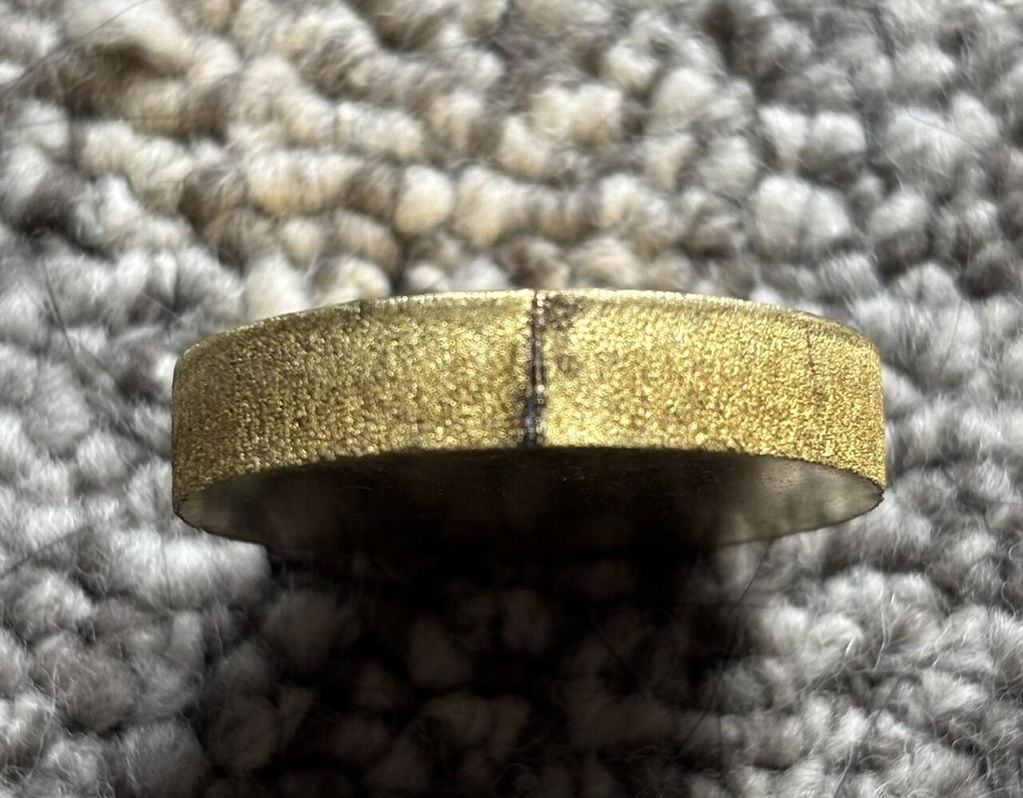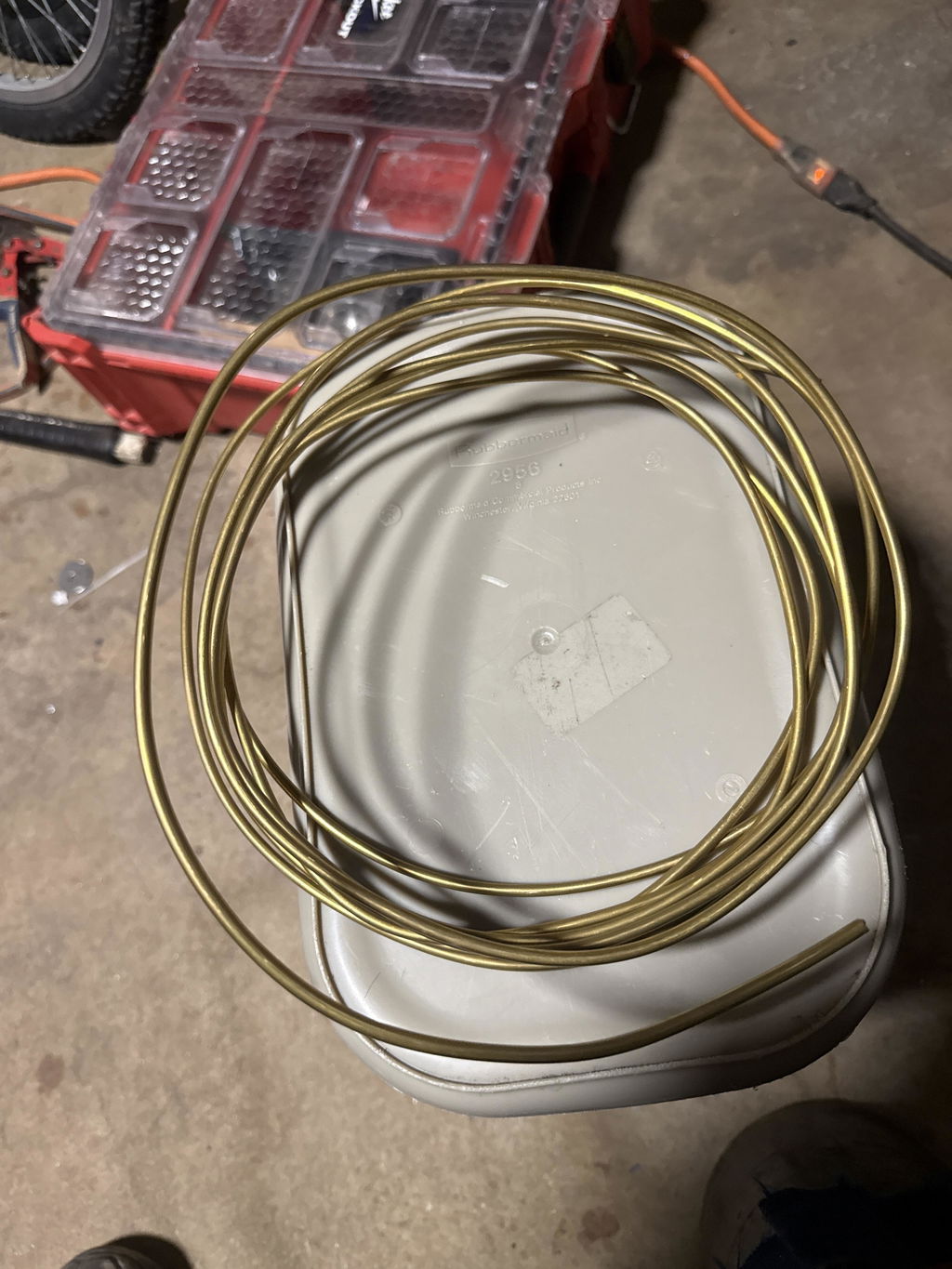
The chain is fine...but I ordered the wrong size. Nine links of the chain I ordered equals six of the size I wanted. My error...
How can I straighten out the springs? I can't use them coil uo as is.
Your payment information is processed securely. We do not store credit card details nor have access to your credit card information.
Get fitment advice & recommendations
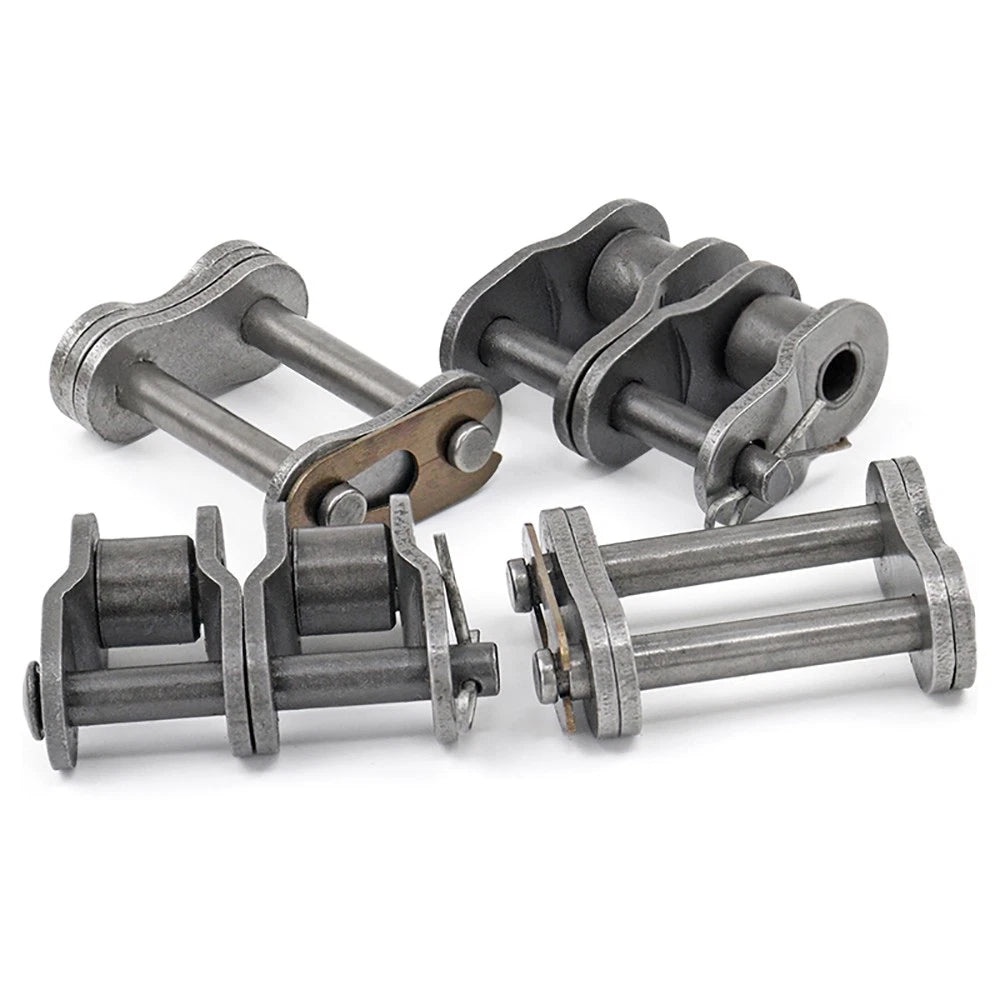
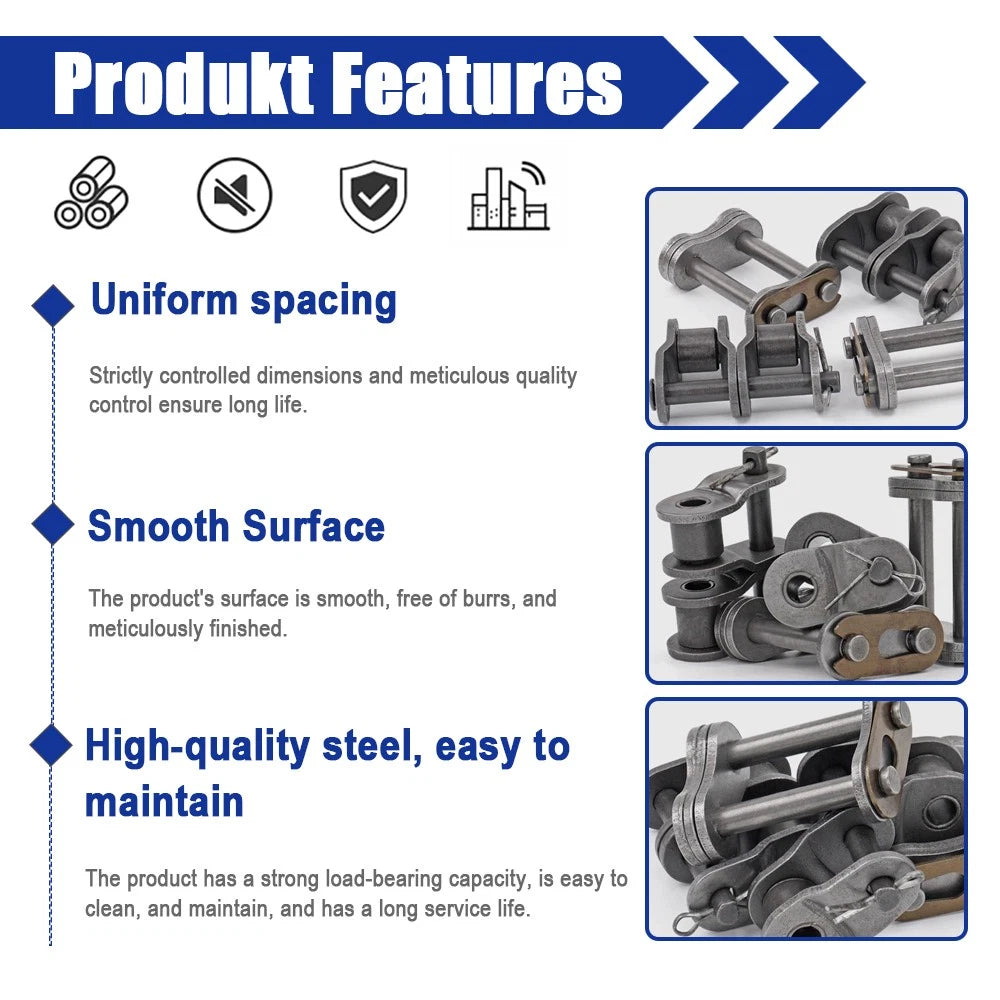
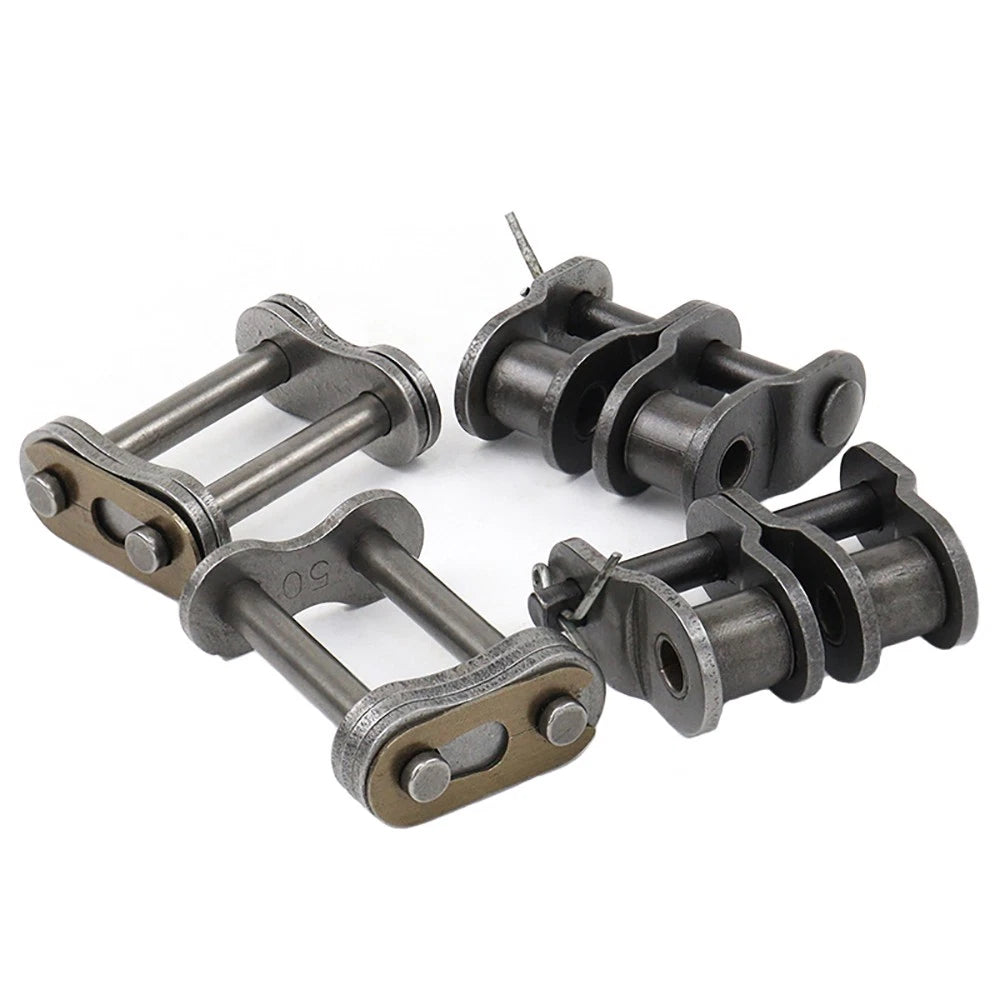
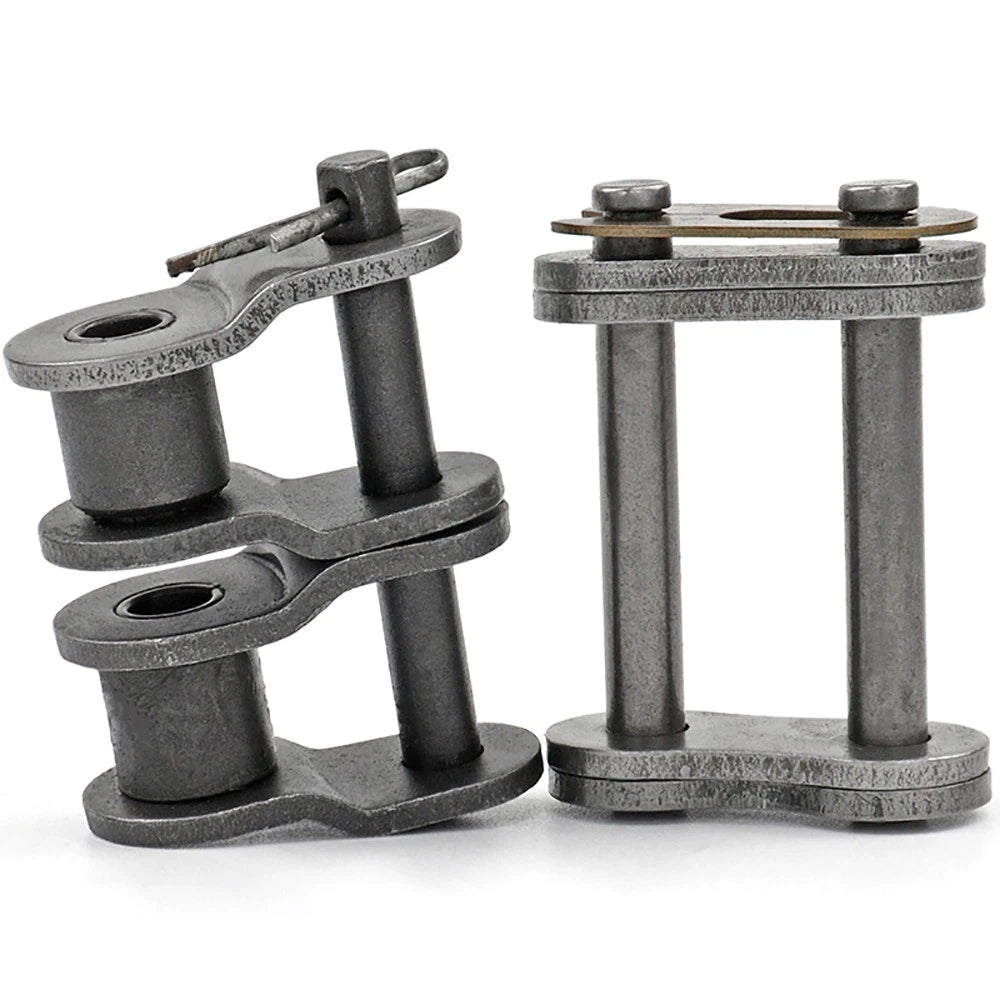
When a double roller duplex chain snaps or a link wears out mid-project, downtime is the real cost. Whether you maintain conveyor systems, agricultural machinery, industrial drives, or heavy-duty DIY equipment, having the right offset connecting link on hand means repairs take minutes, not days. These duplex chain connecting links are designed for makers, maintenance technicians, and repair professionals who need a dependable, drop-in replacement without sourcing an entire new chain run.
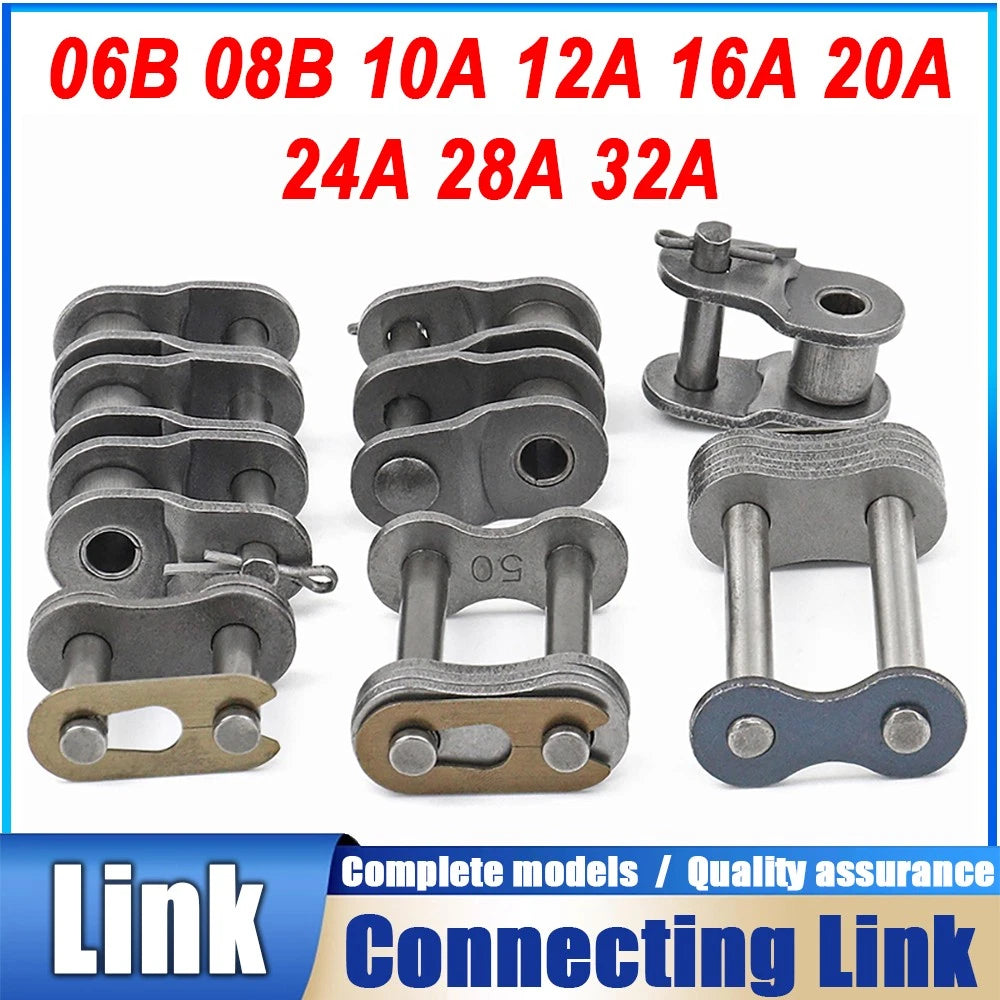
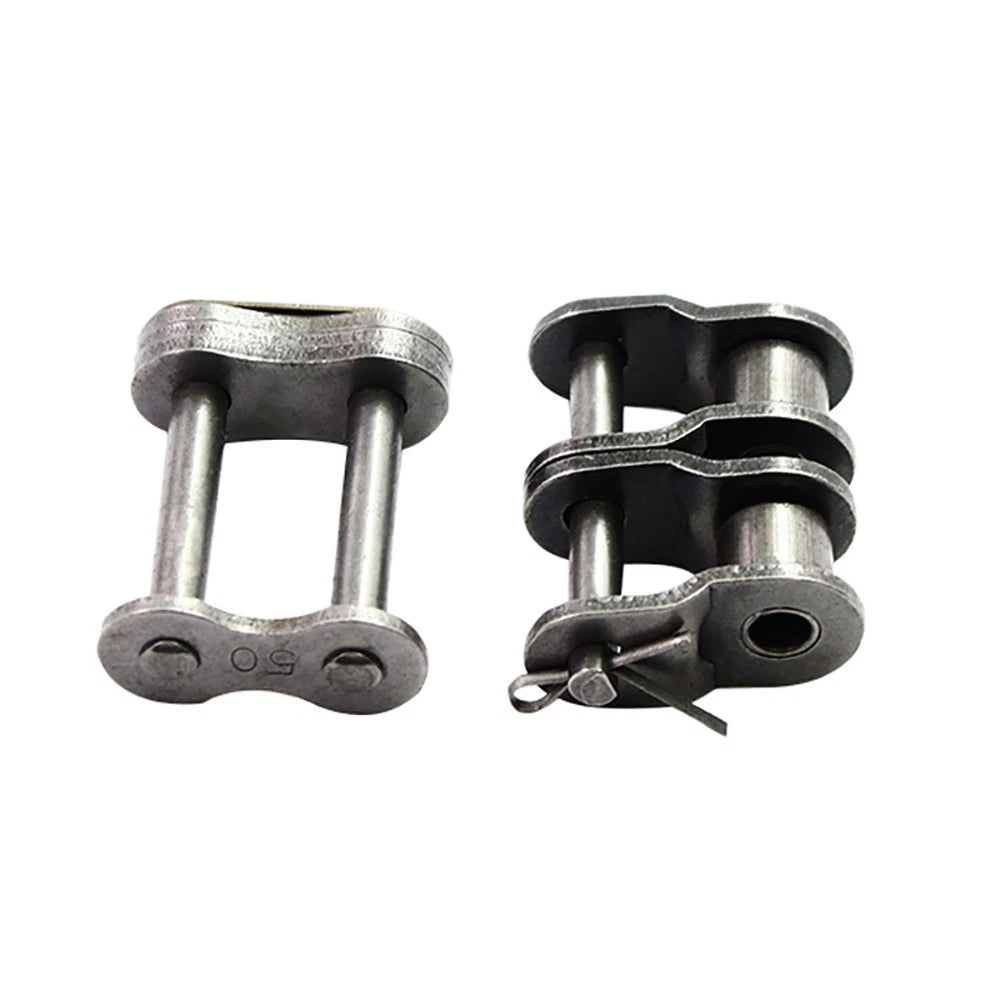
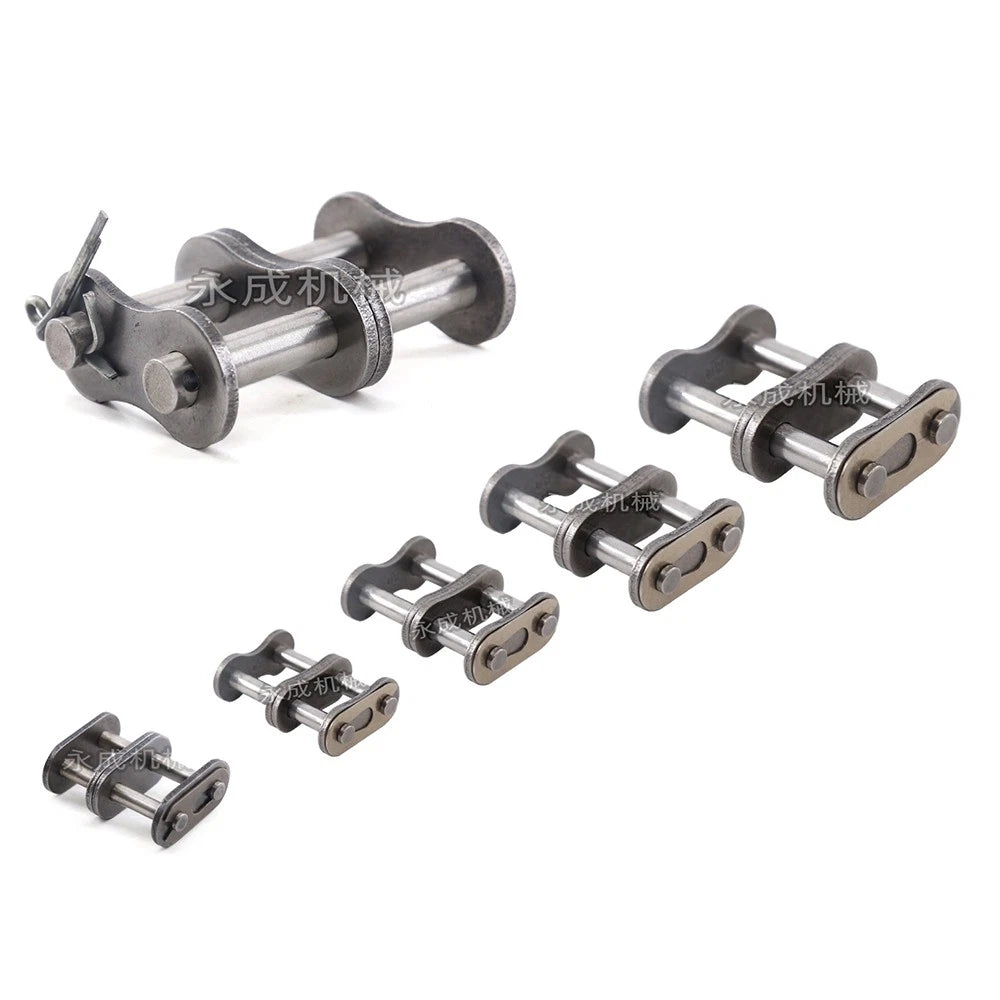
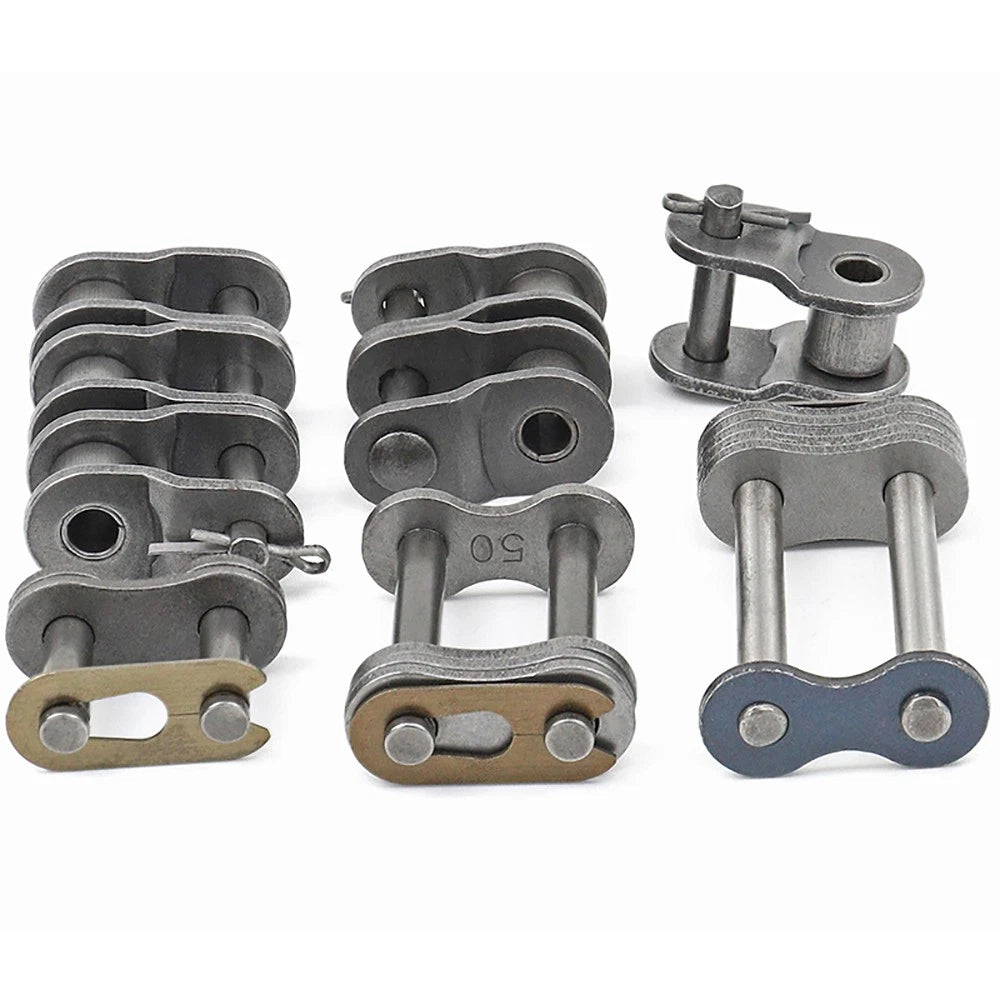
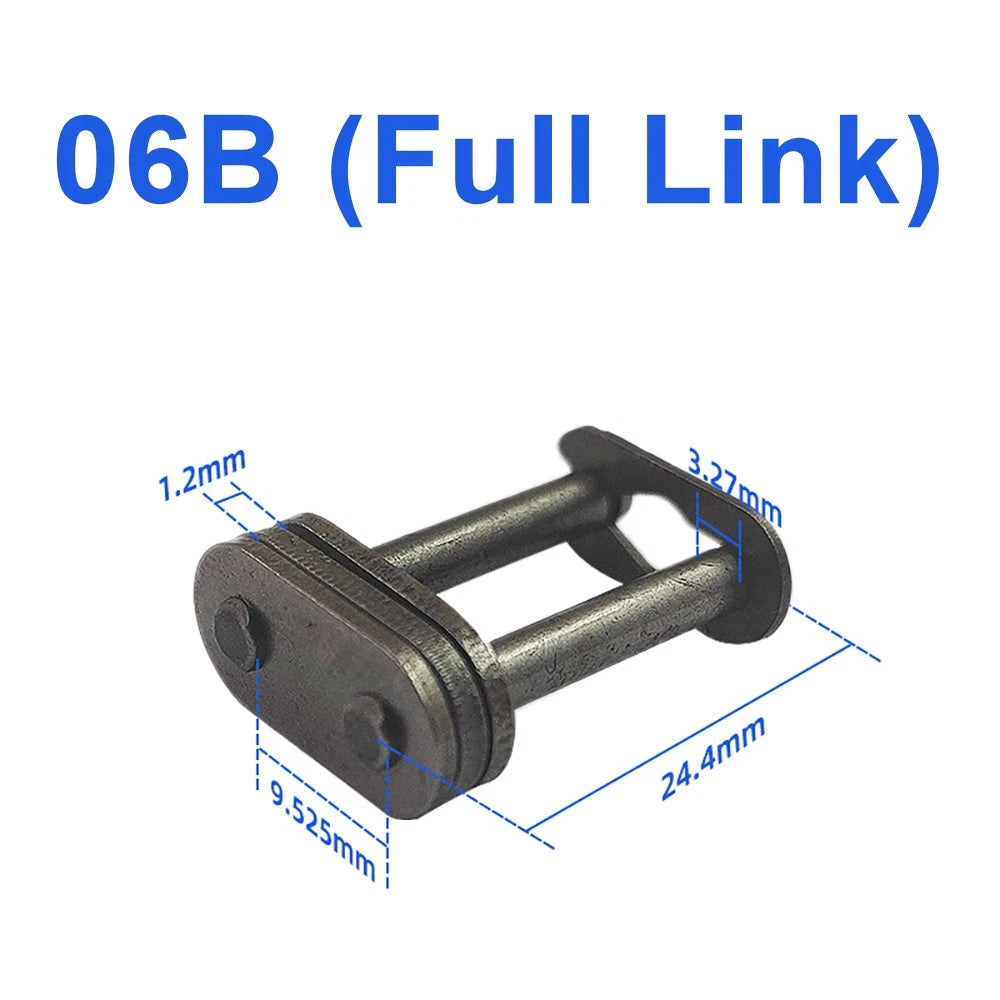
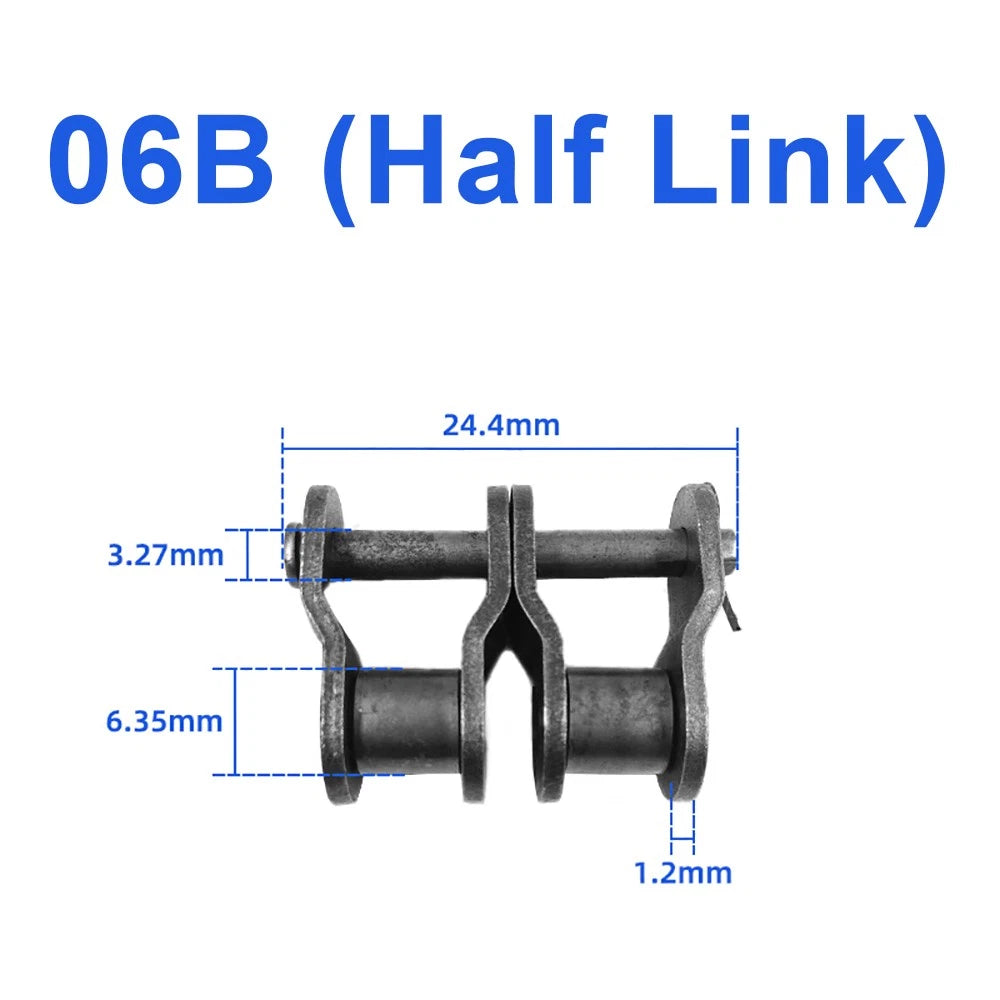
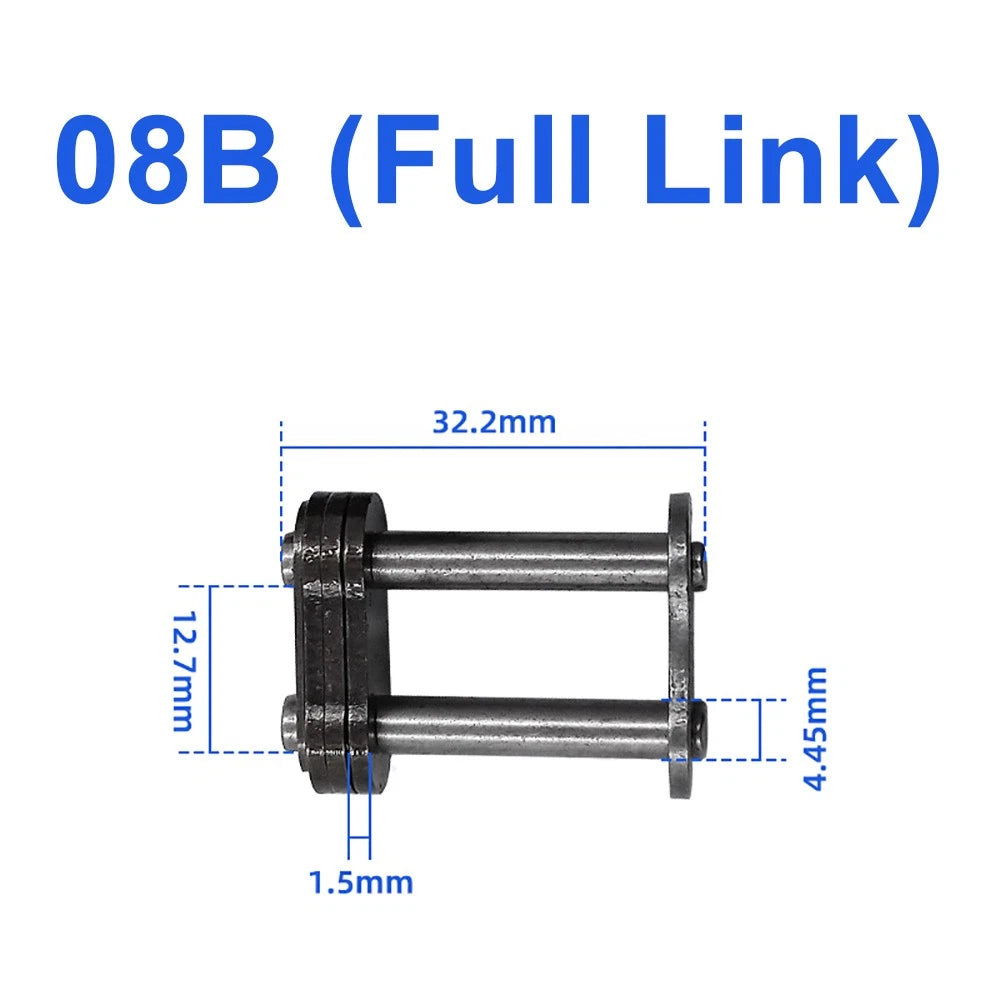
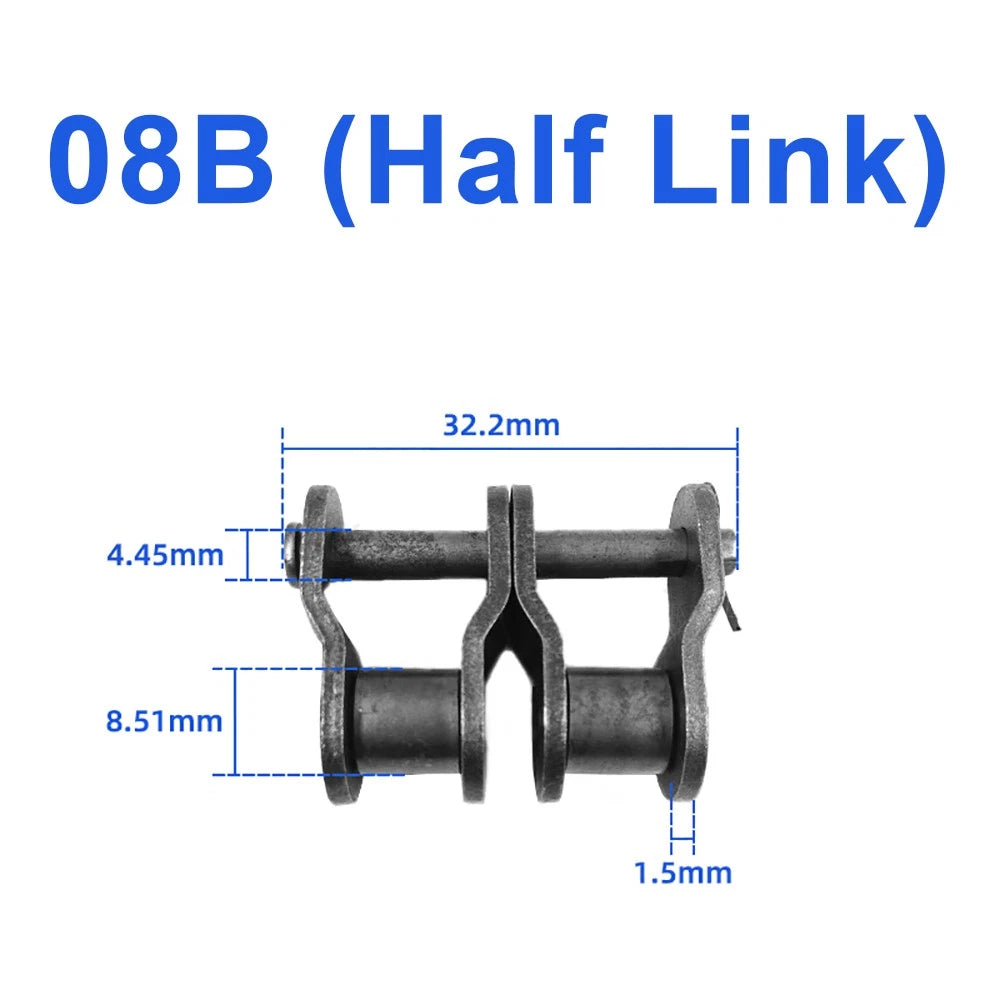
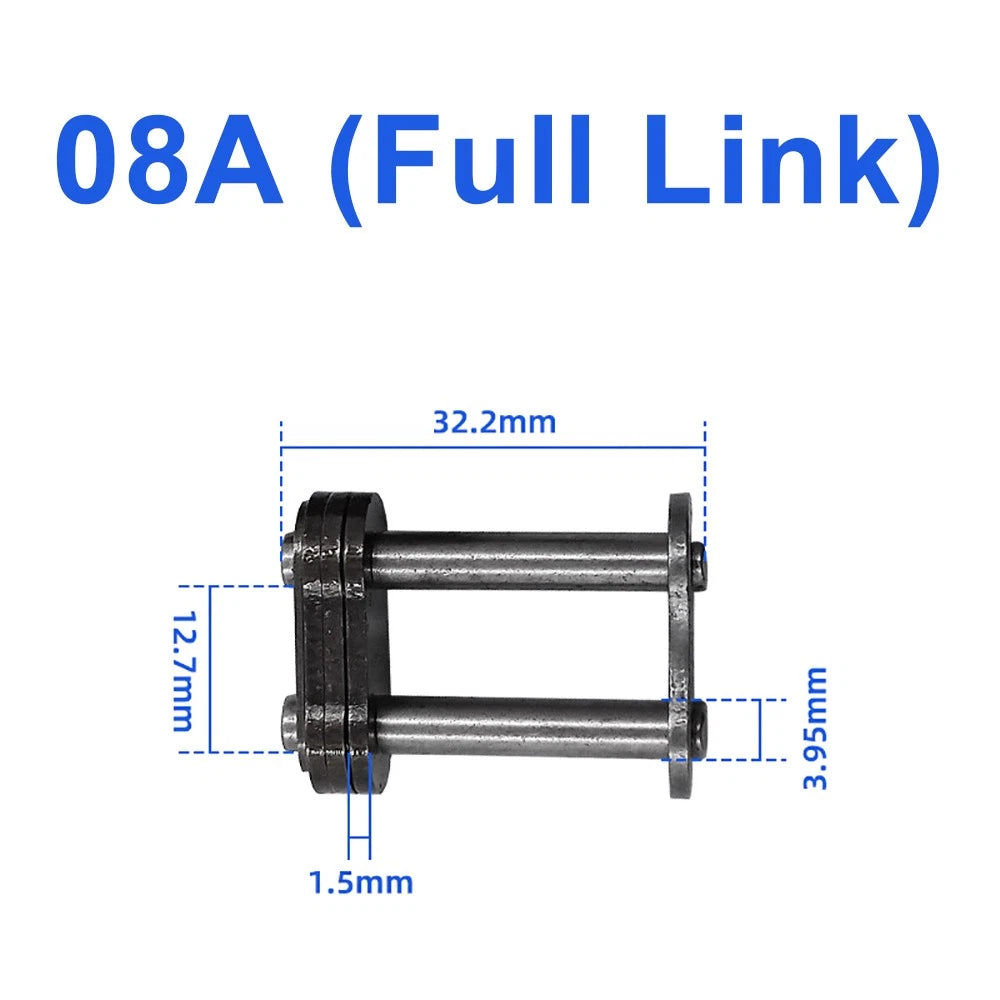
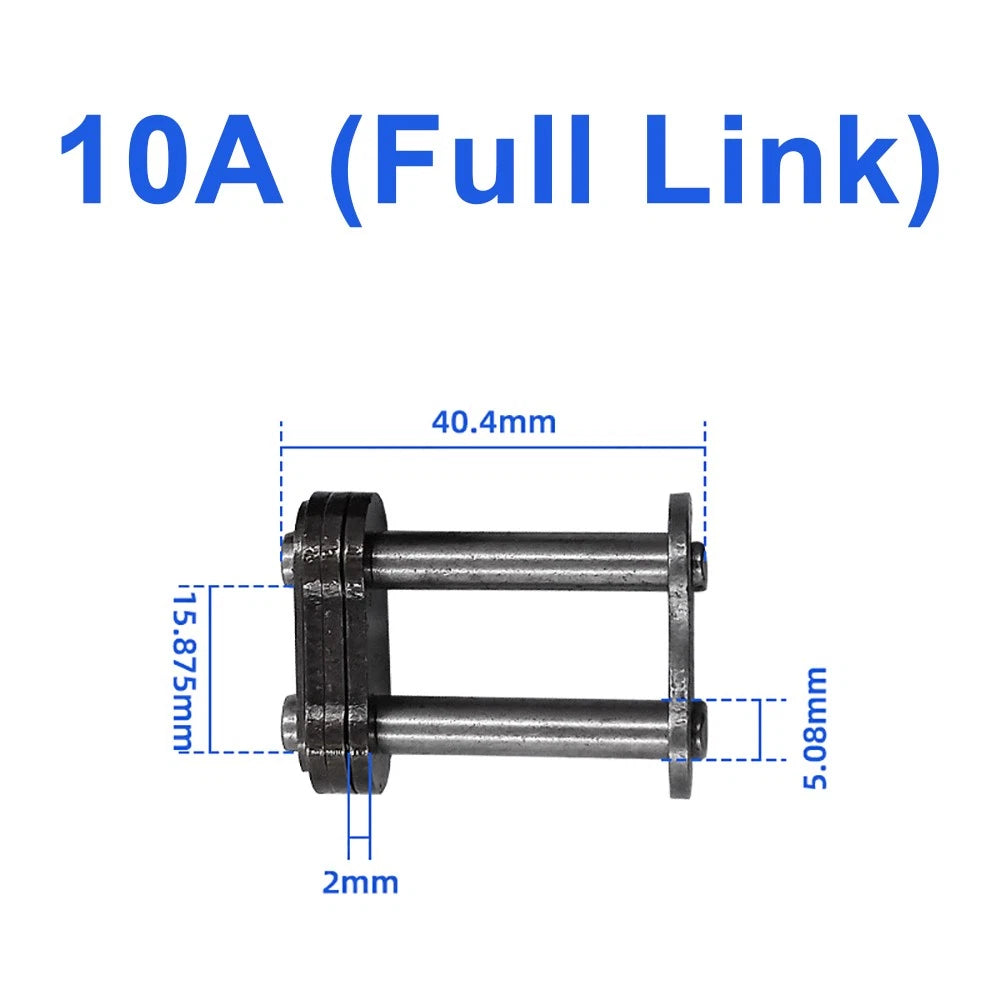
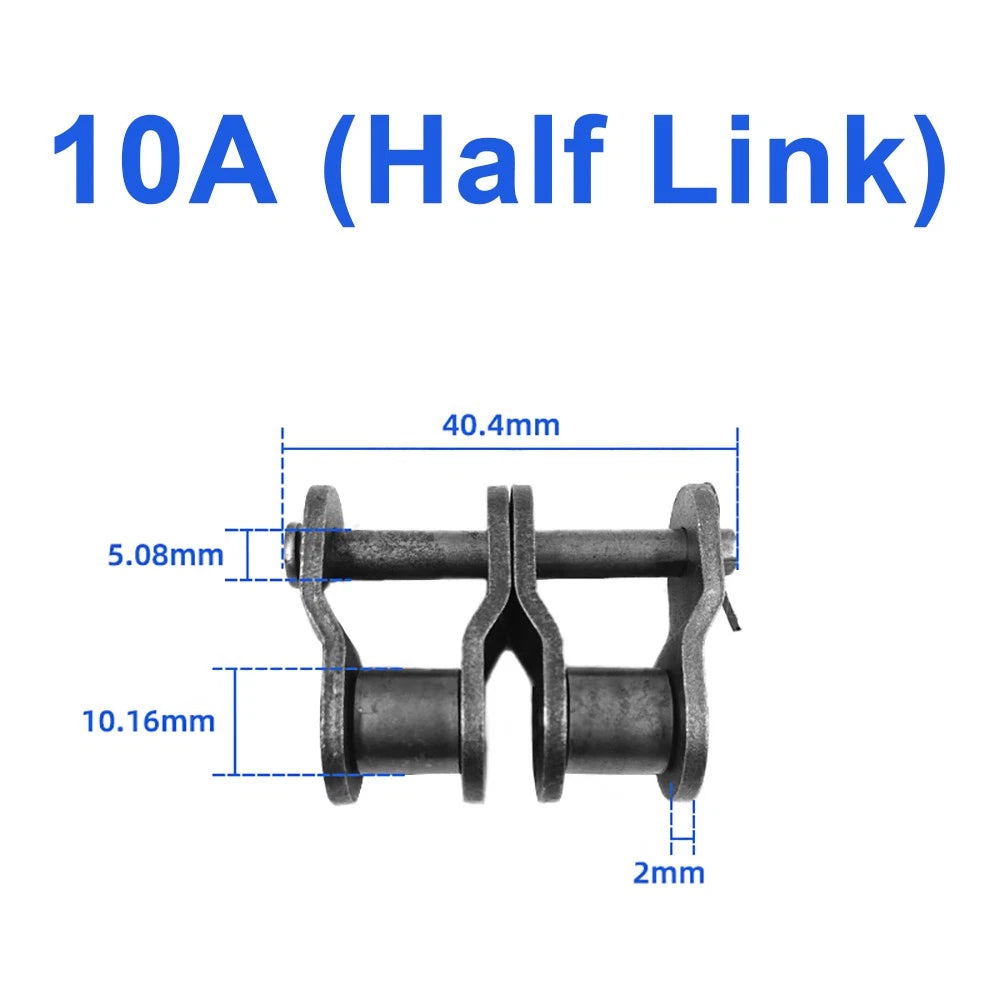
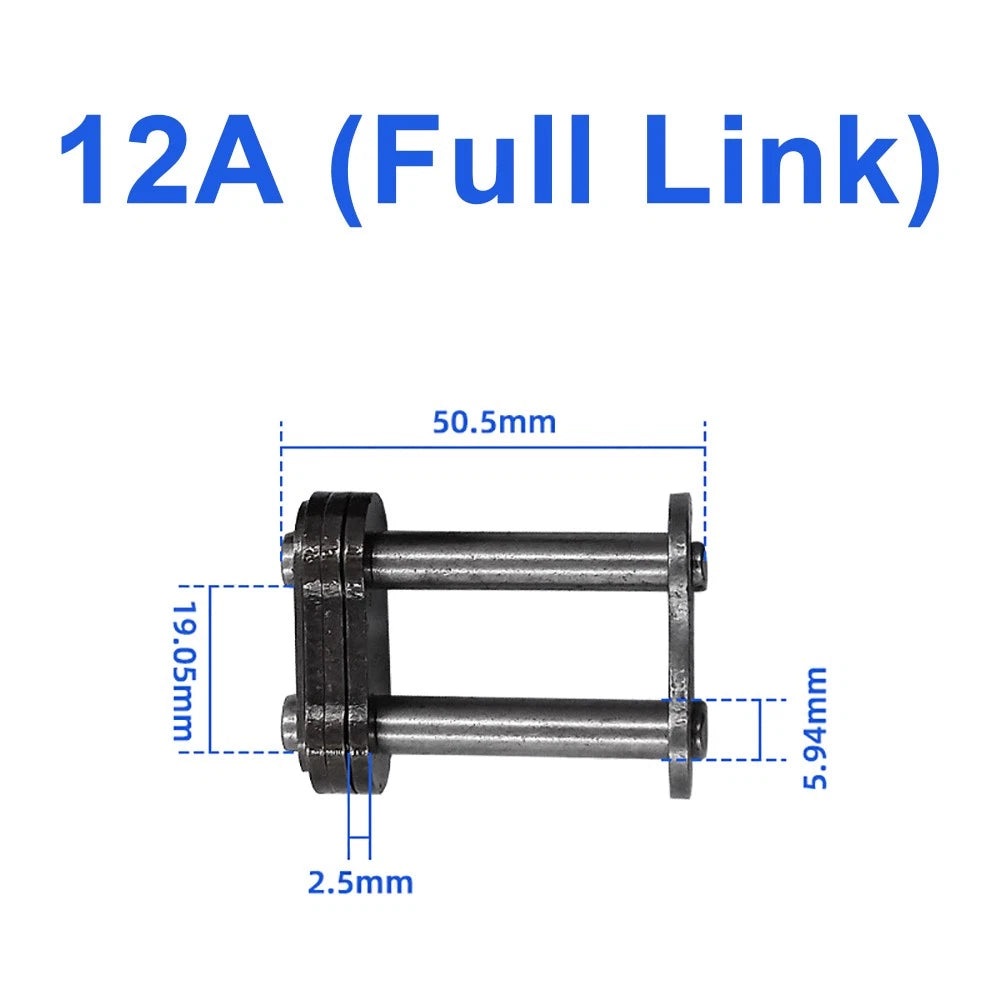
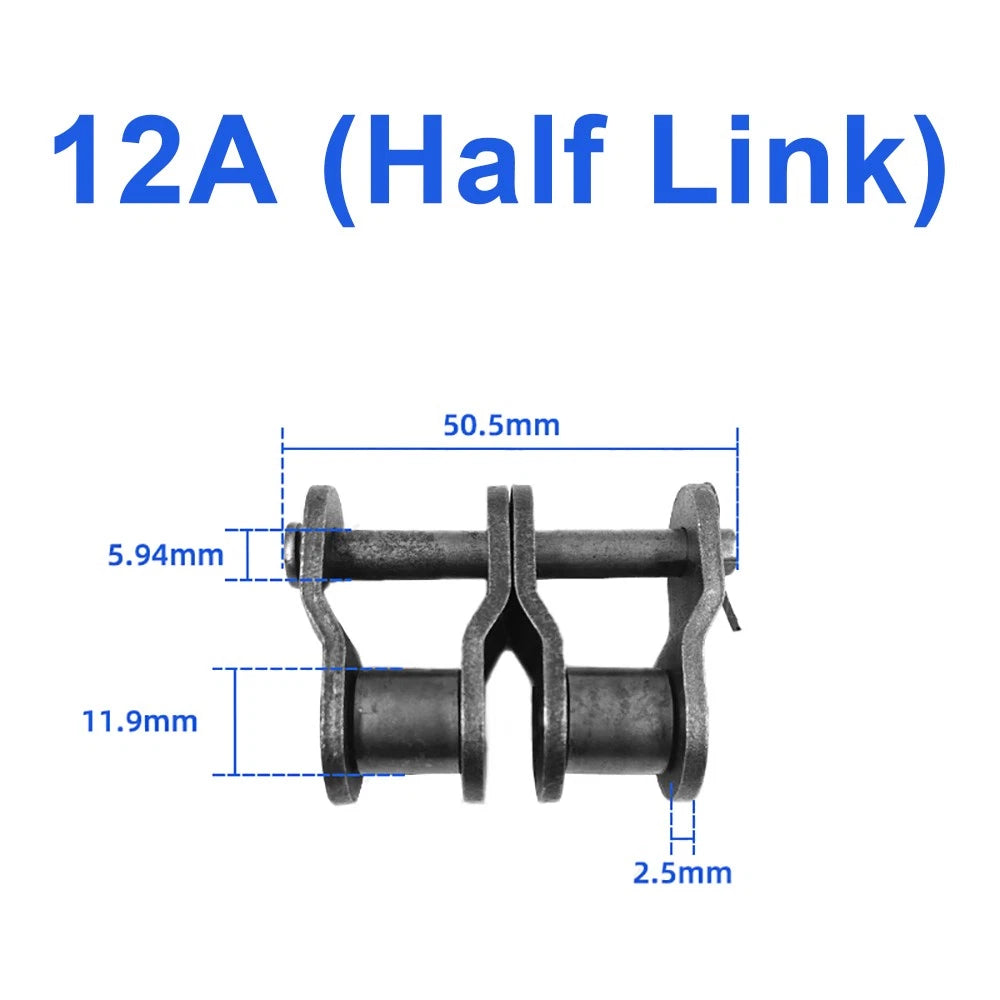
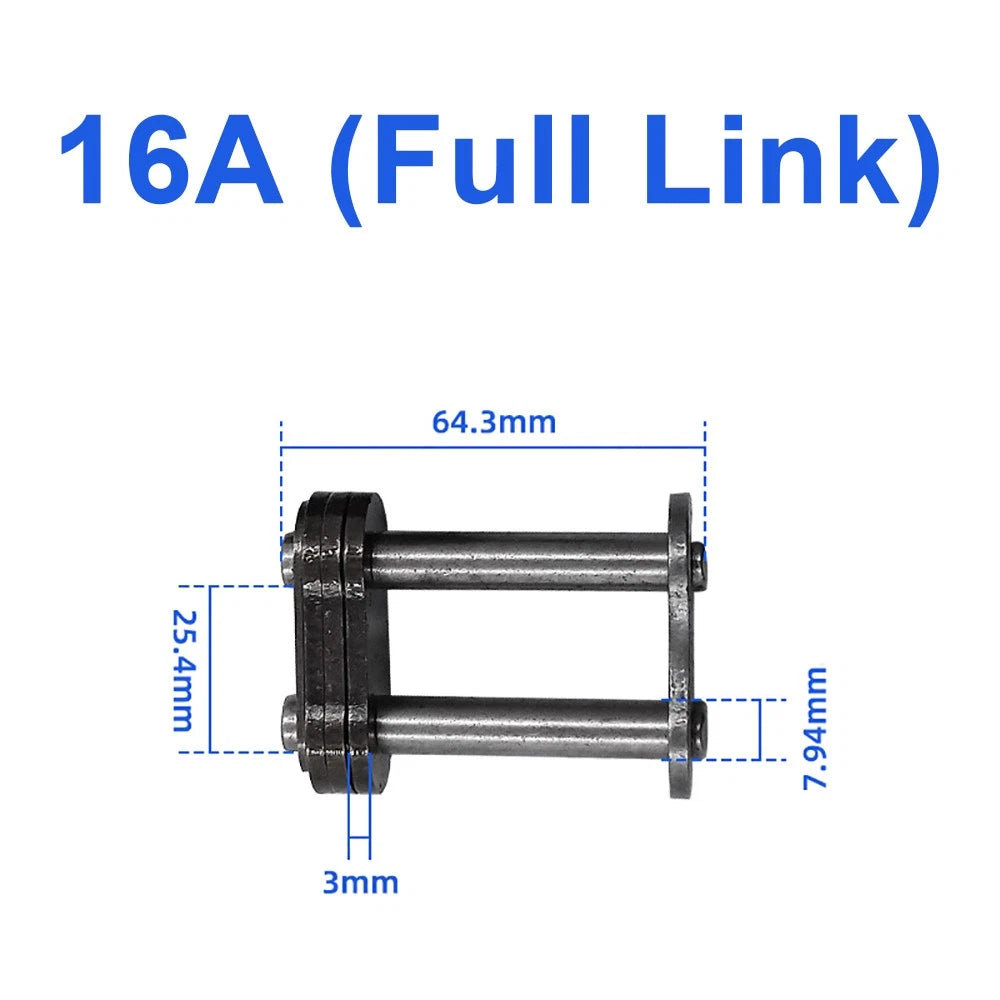
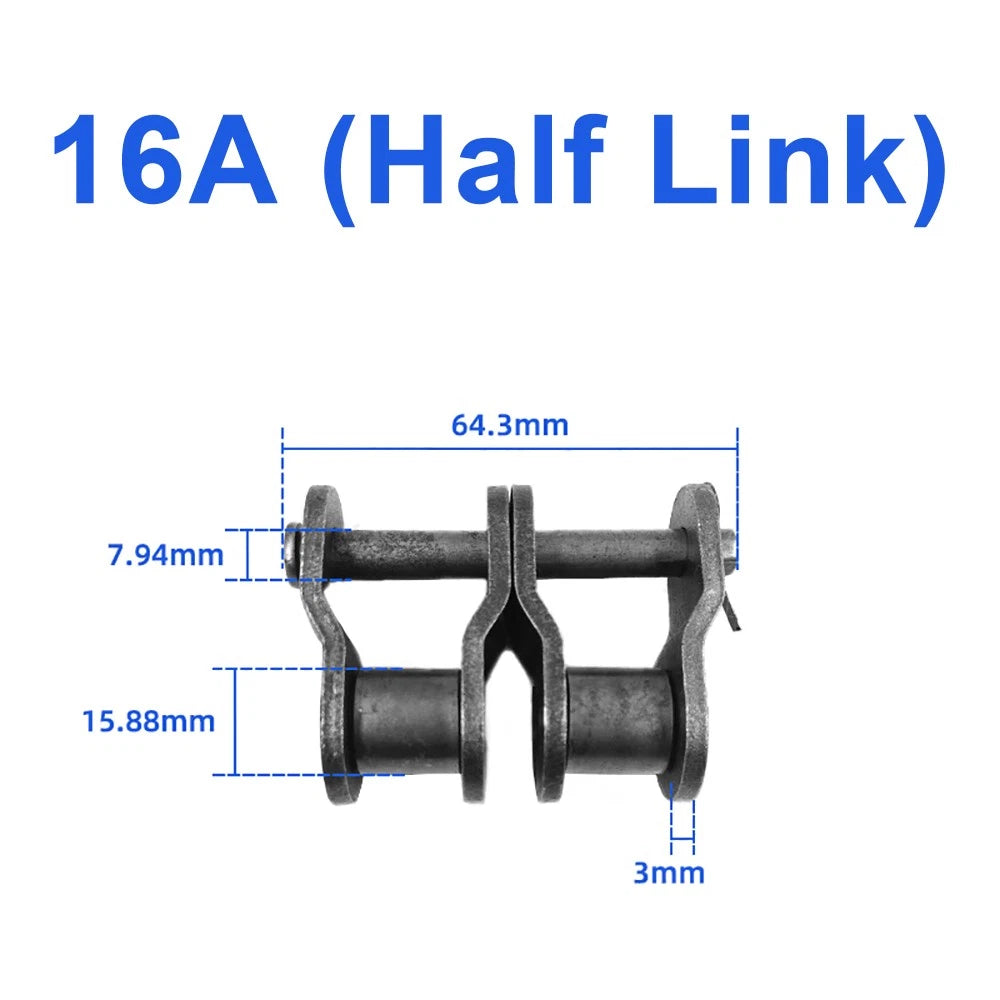
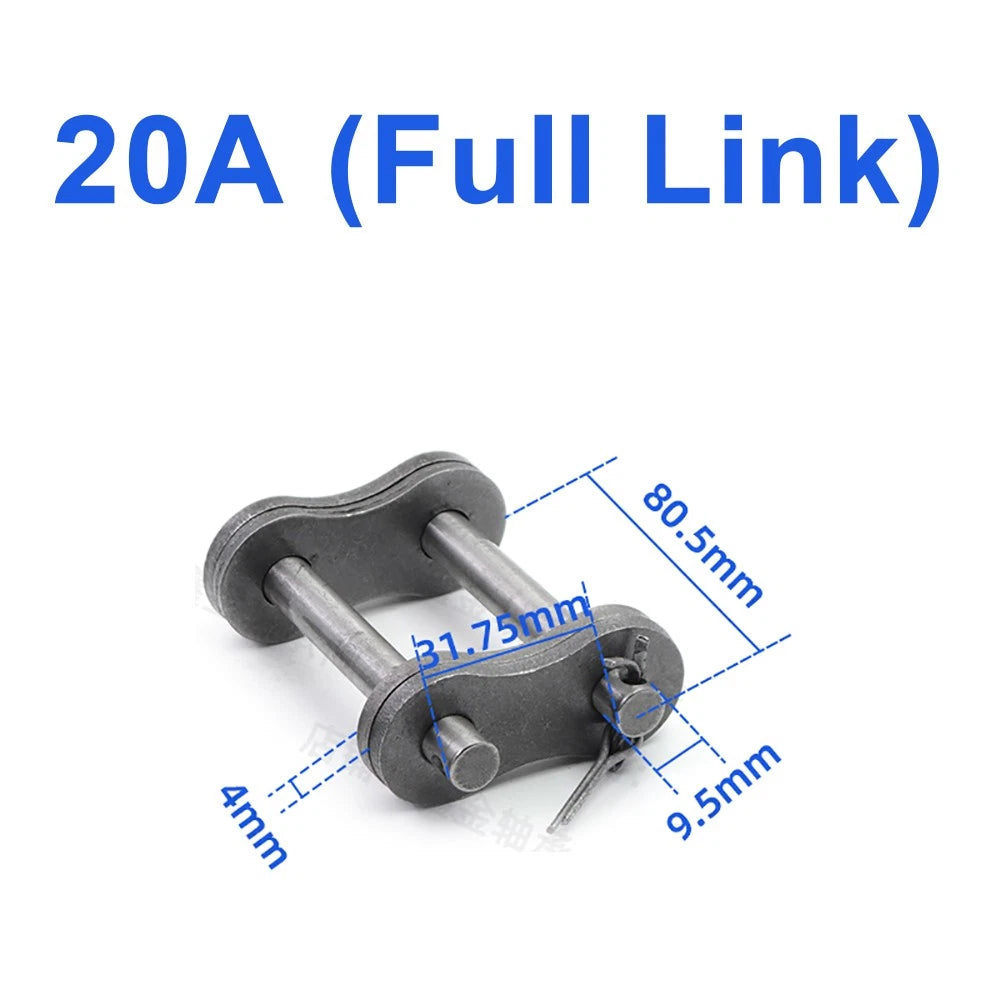
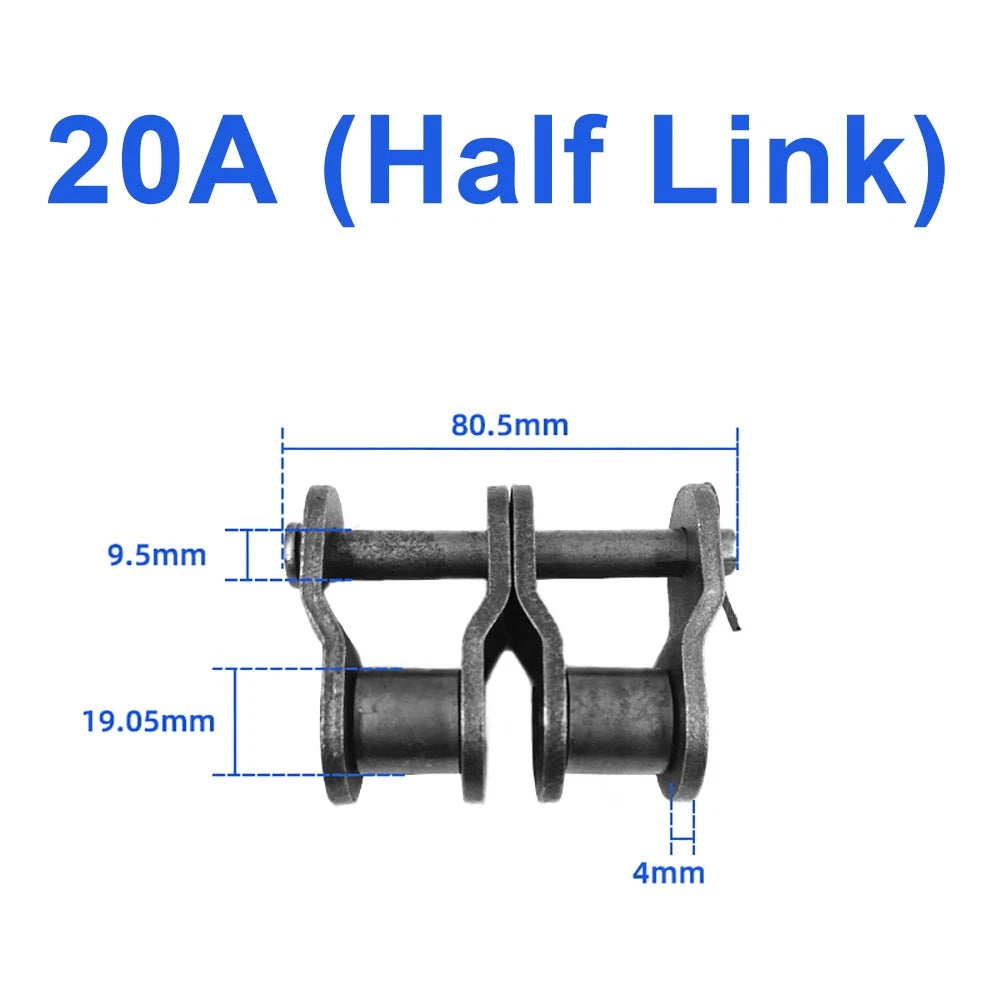
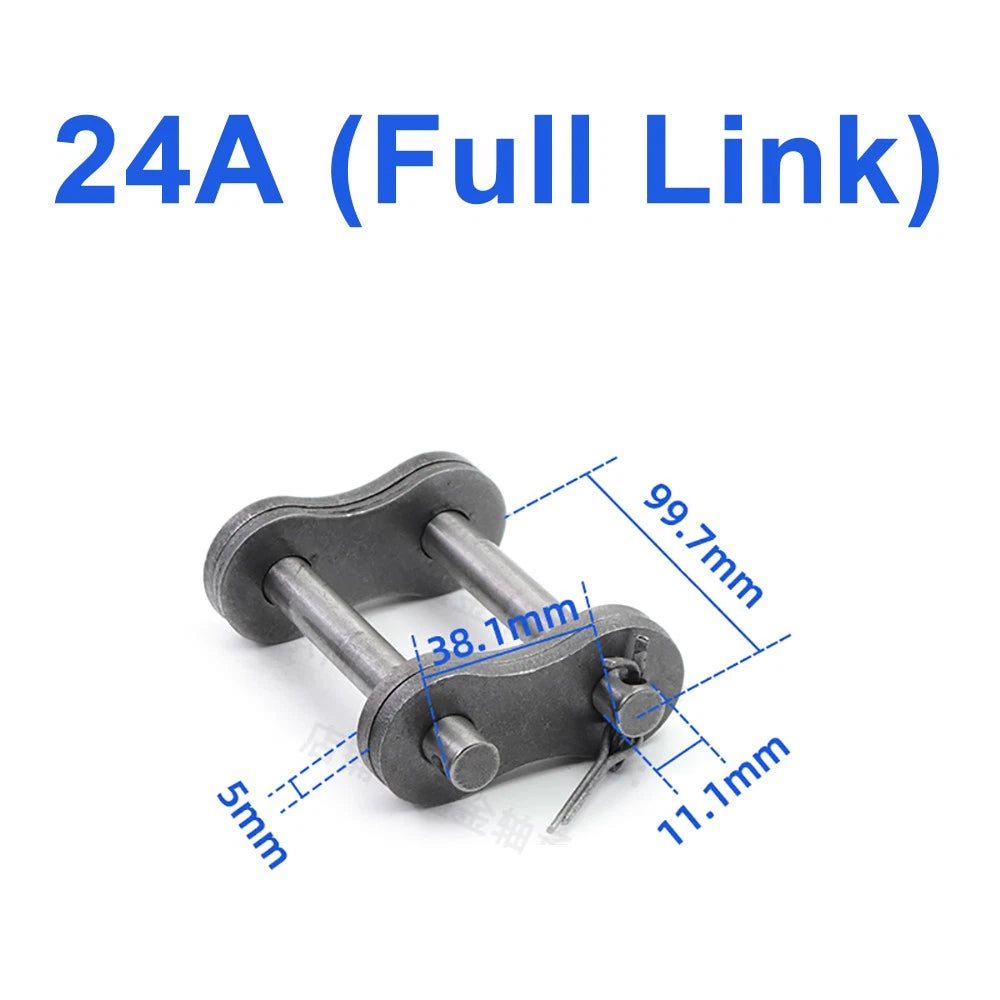
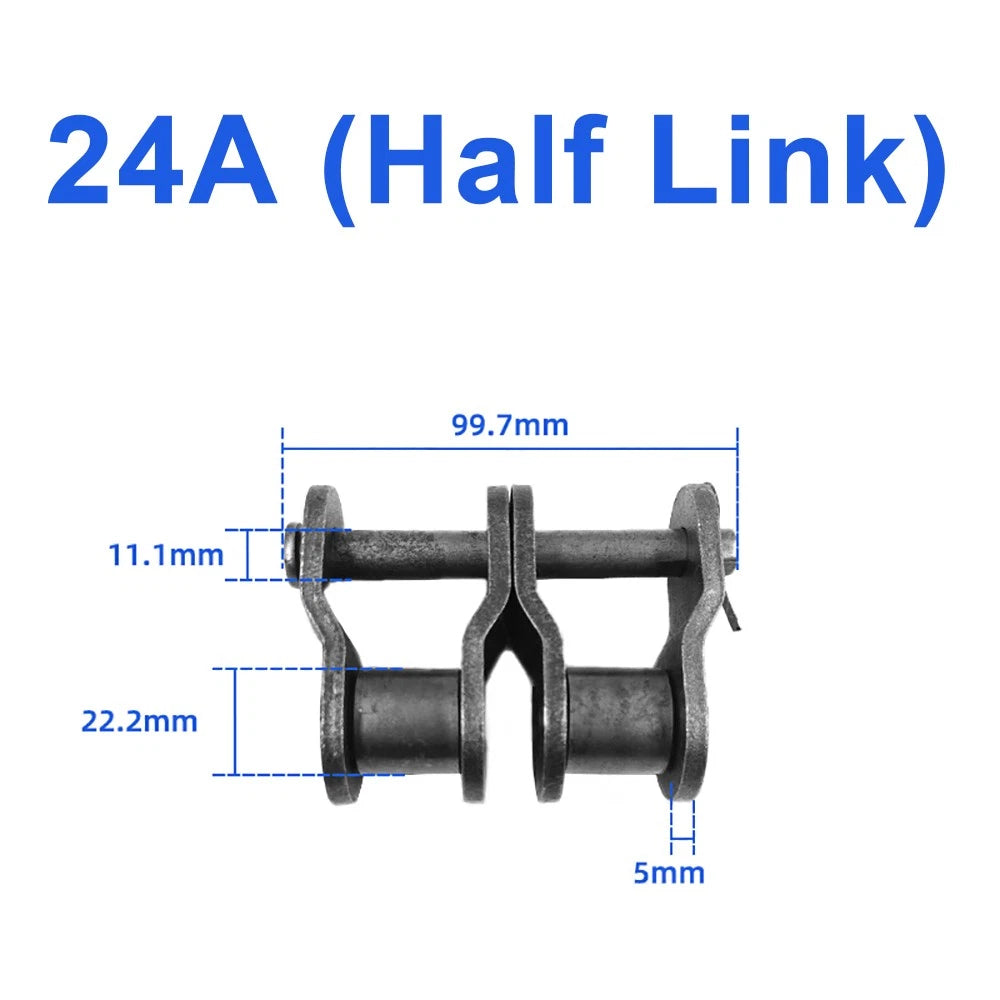
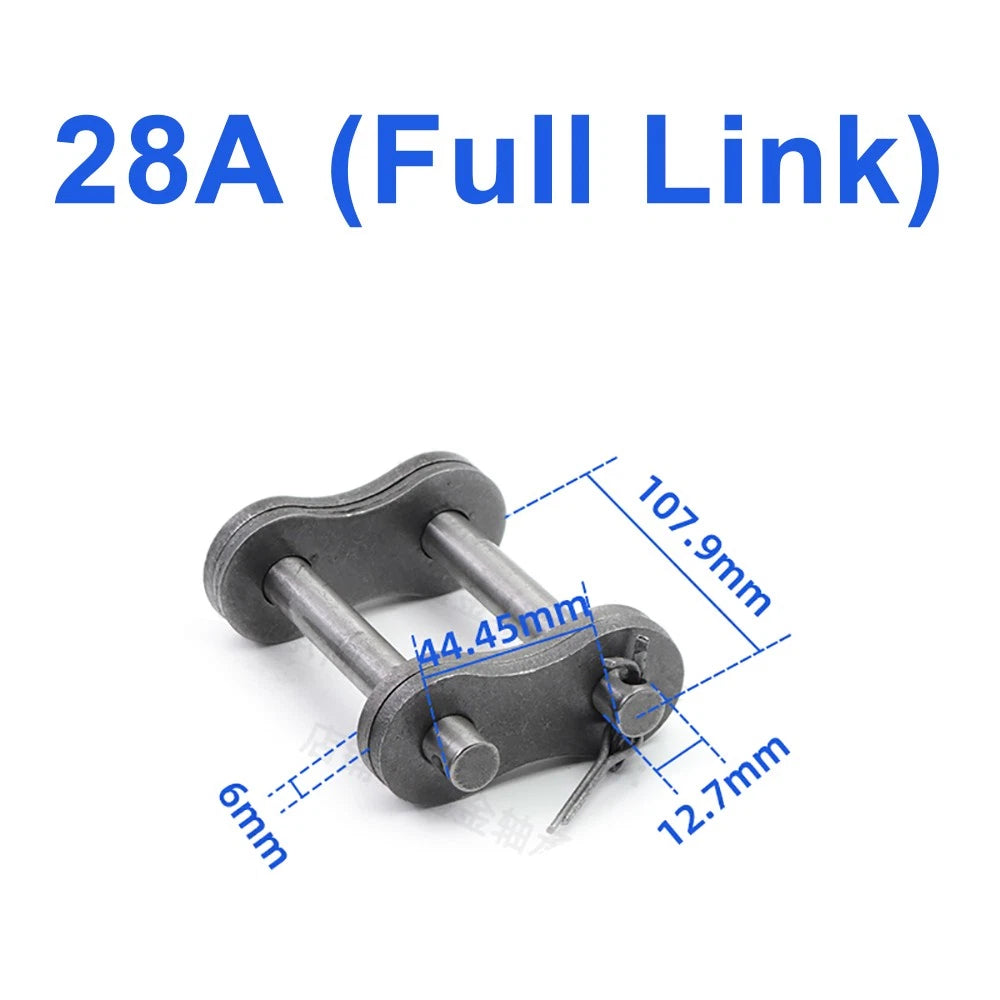
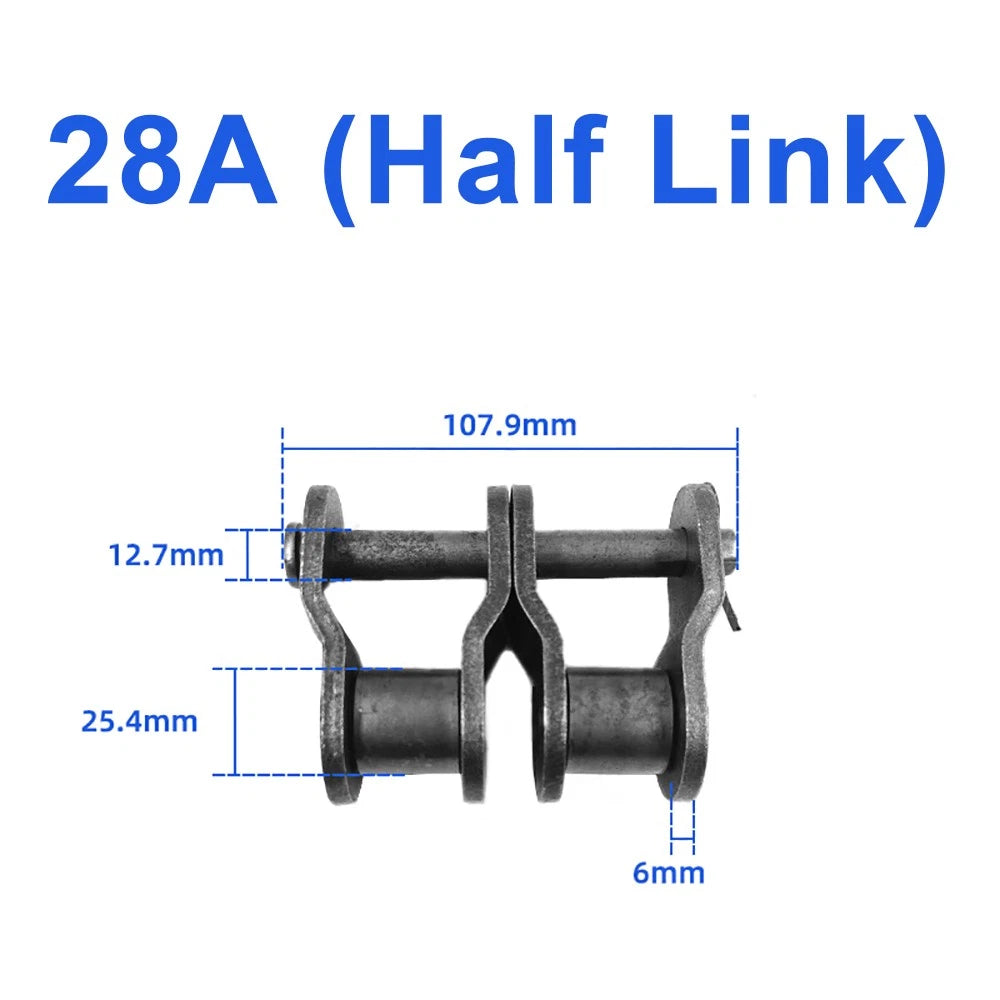
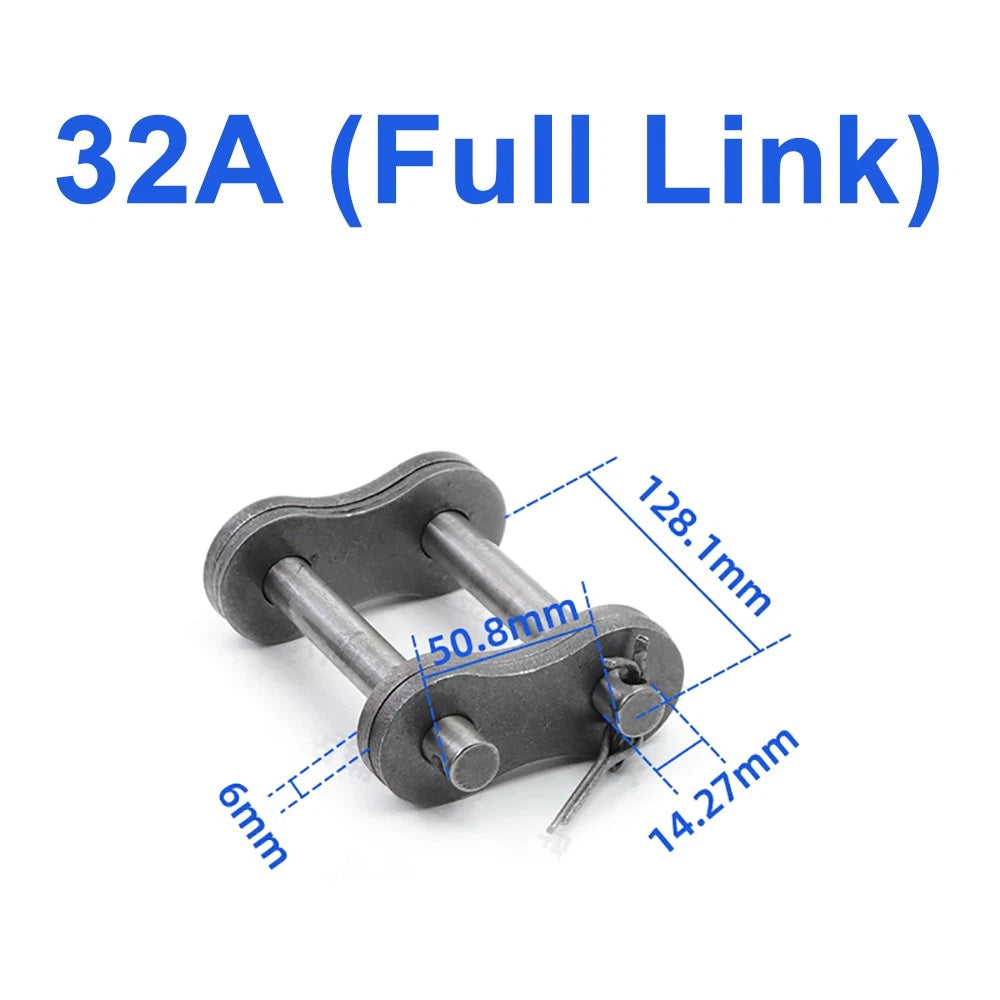
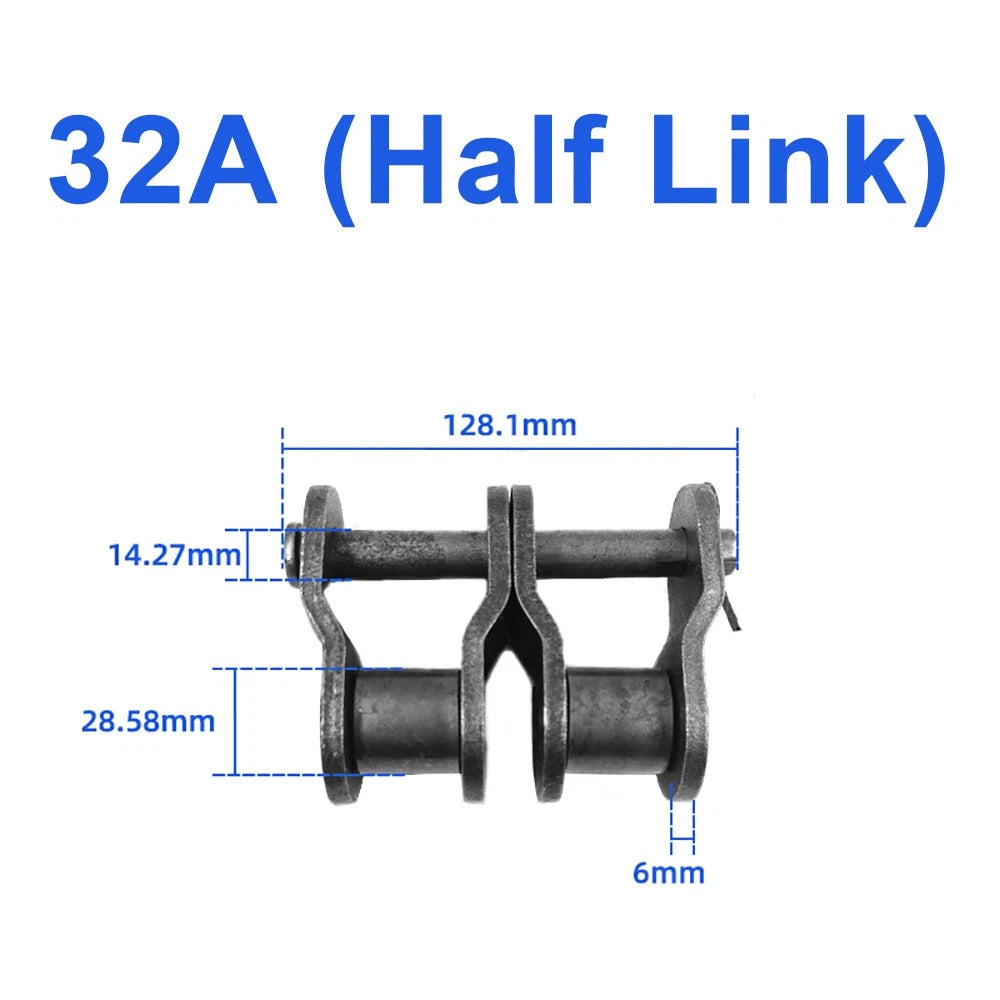
Each connecting link is engineered for double-strand (duplex) roller chain and is available in both Full Link and Half Link configurations across a wide range of ISO/ANSI chain models — from compact 06B (9.525 mm / 0.375 in pitch) up to heavy-duty 32A (50.8 mm / 2.0 in pitch). The links are constructed from carbon steel with a zinc or natural finish depending on the variant, and are sized to match standard duplex chain inner widths and roller diameters for each respective chain model.
Typical use cases include repairing drive chains on conveyor belts and packaging lines, replacing offset links on agricultural harvester chains, and servicing power transmission chains on industrial gearboxes and sprocket assemblies — all scenarios where a correctly sized duplex connecting link is the fastest path back to operation.
Choose Full Link for standard pitch-length repairs or Half Link to fine-tune chain tension and total length — both available across all listed chain models.
Covers both ISO B-series (06B, 08B) and ANSI A-series (08A through 32A) duplex chains, making these links suitable for a broad spectrum of industrial and mechanical applications.
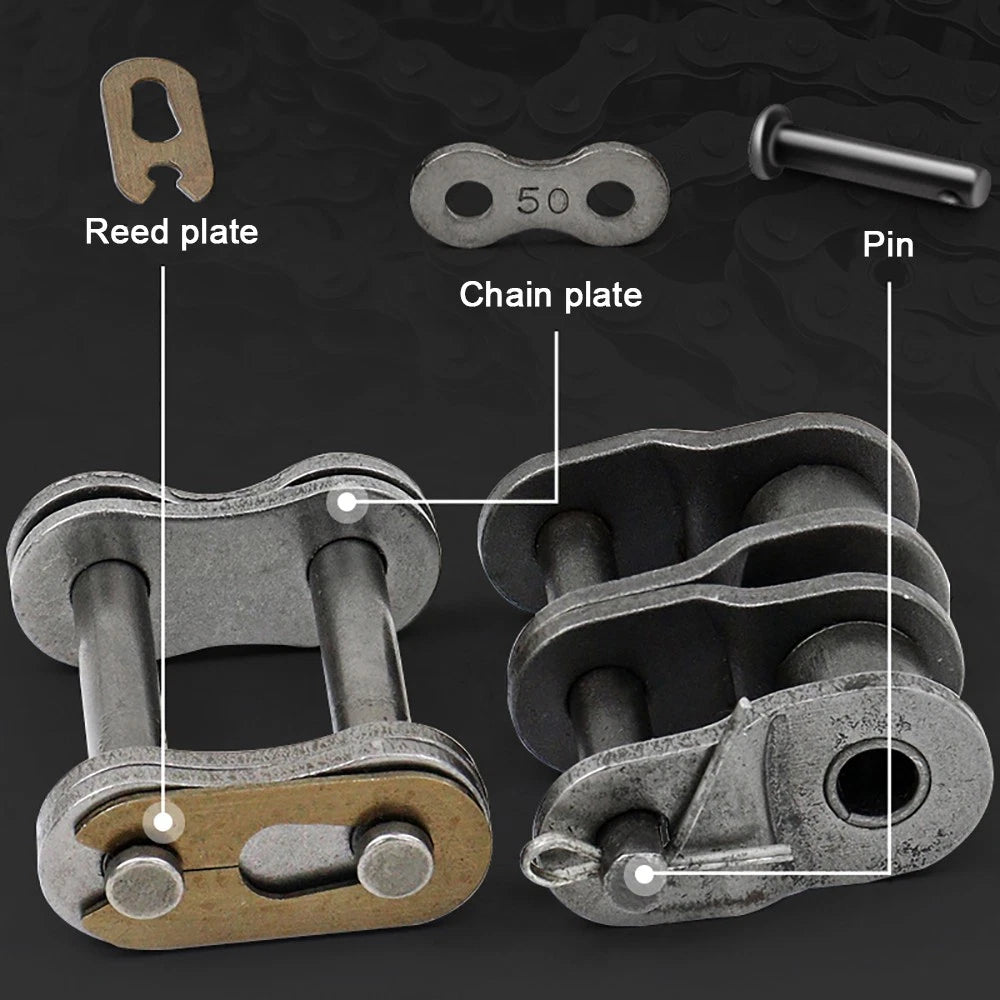
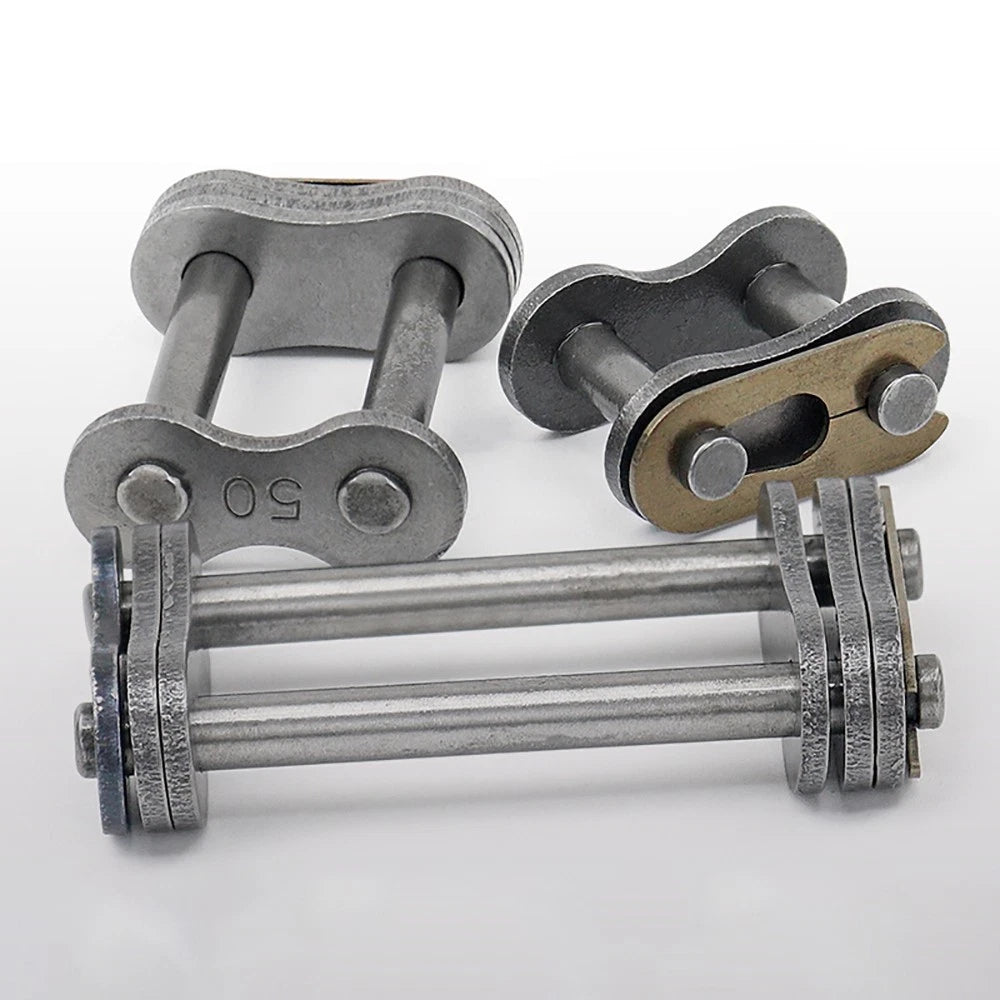
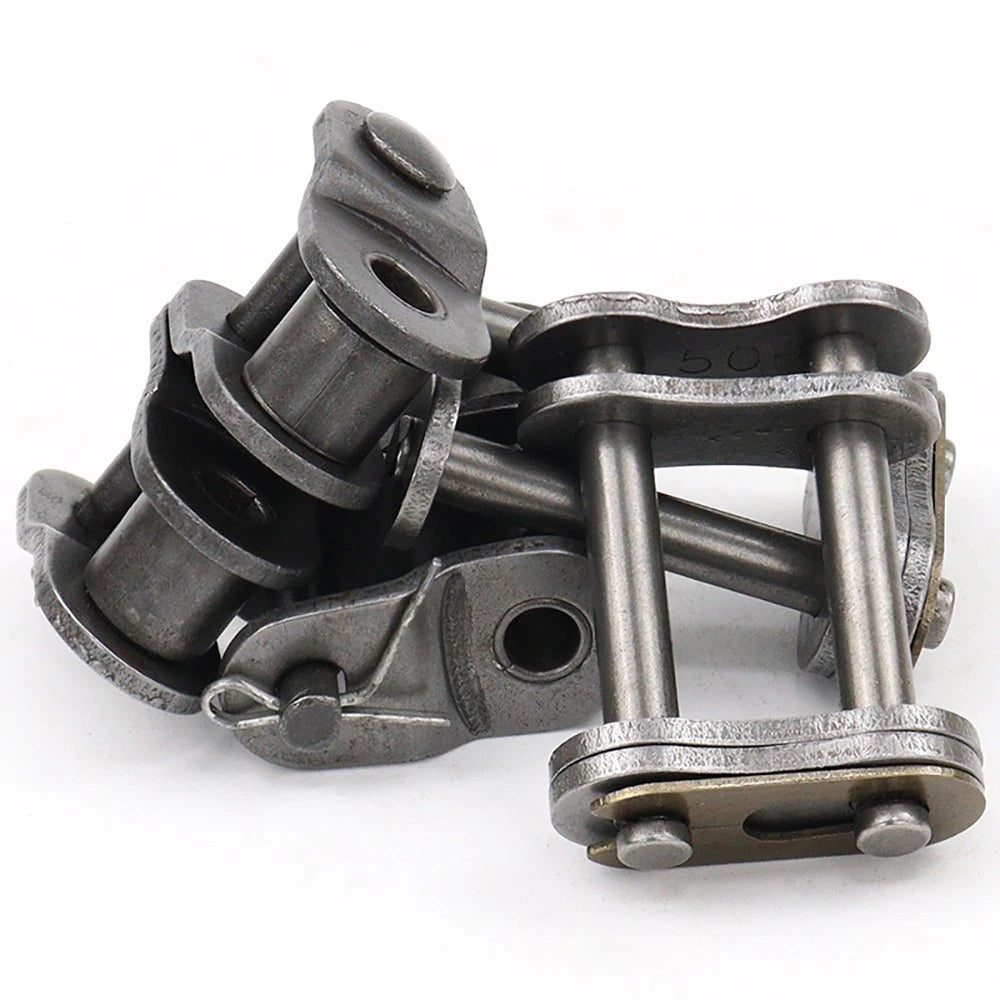
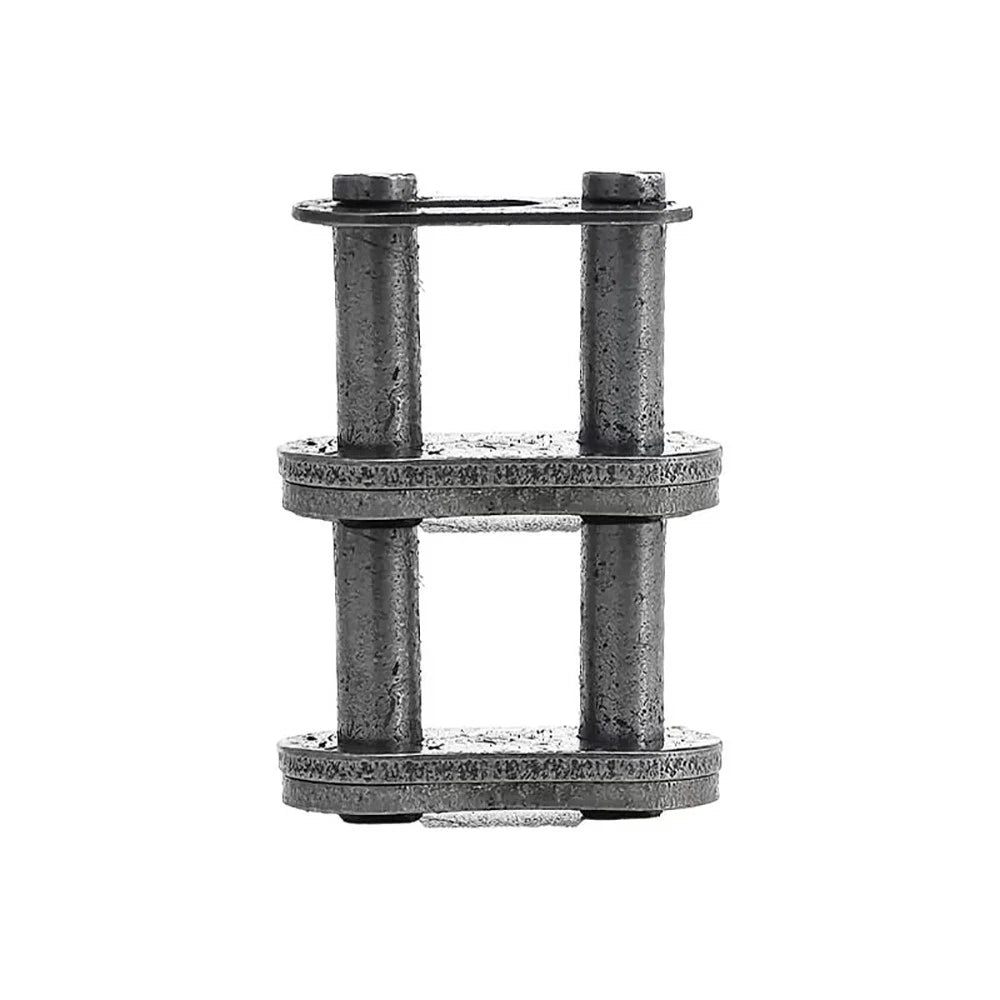
Built specifically for double-roller duplex chains — the side plates, pins, and rollers are dimensioned to match the wider inner link width of duplex chain standards.
Manufactured from carbon steel for solid tensile strength and resistance to the mechanical stress typical of power transmission and conveyor drive applications.
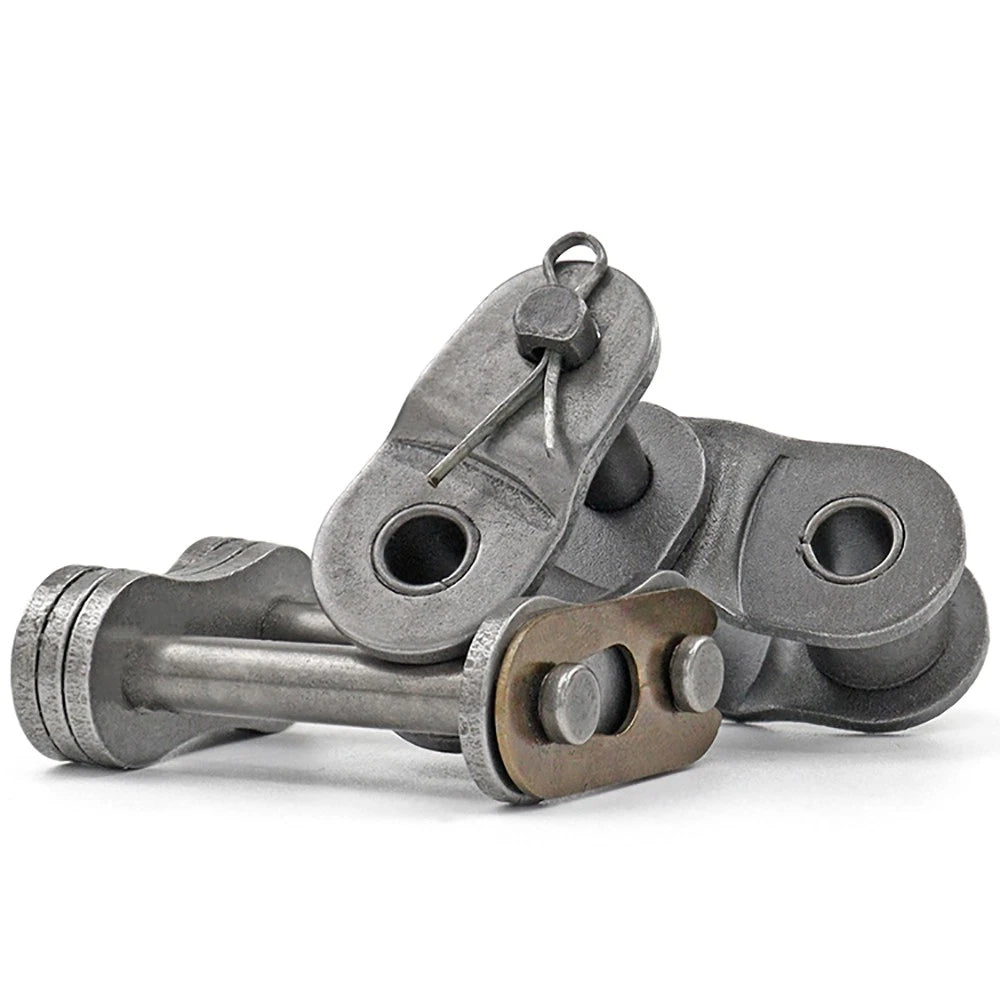
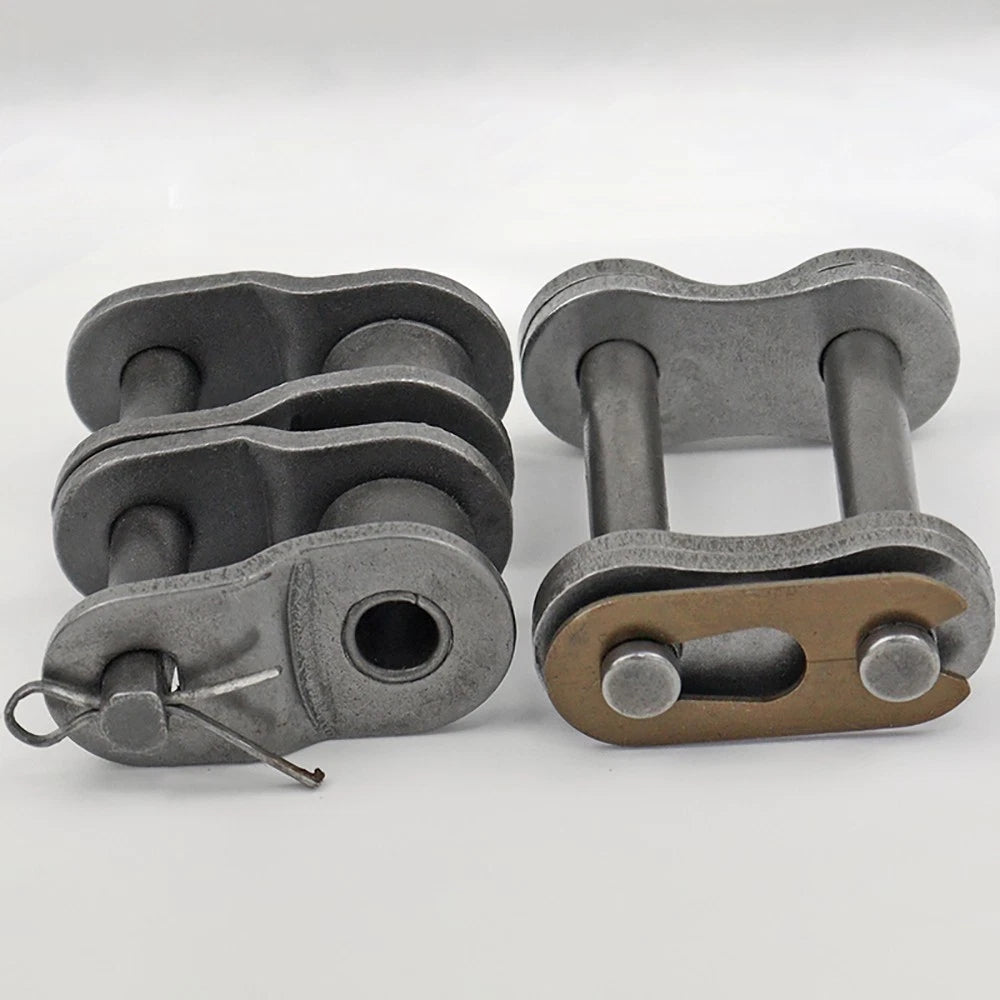
Dimensioned to ISO and ANSI duplex chain standards — no modification needed. Align, insert the pin, and secure the clip to restore chain continuity.
Each unit is one connecting link (one offset link assembly). Order the exact quantity you need for your repair or keep spares on the shelf for fast maintenance response.
| Product Type | Offset Connecting Link (Duplex / Double-Strand Roller Chain) |
|---|---|
| Chain Series | ISO B-Series (06B, 08B) & ANSI A-Series (08A, 10A, 12A, 16A, 20A, 24A, 28A, 32A) |
| Link Type | Full Link / Half Link (select variant) |
| Pitch Range | 9.525 mm (06B) to 50.8 mm (32A) — see variant options |
| Strand Configuration | Duplex (Double-Strand) |
| Material | Carbon Steel |
| Finish | See variant options |
| Tensile Strength | See variant options |
| Inner Width | See variant options |
| Roller Diameter | See variant options |
| Quantity per Order | 1 connecting link assembly |
| Fastening Method | Spring clip / cotter pin (standard offset link) |
A Full Link adds one complete pitch length to your chain, which is the standard choice when replacing a broken or damaged connecting link. A Half Link adds half a pitch length and is used when you need to shorten or lengthen the chain by an odd number of half-pitches to achieve the correct tension. If you are simply replacing a worn connecting link, select Full Link. If you are adjusting total chain length, select Half Link.
B-series designations follow the ISO metric standard (common in European and international machinery), while A-series designations follow the ANSI standard (common in North American equipment). Although some pitch dimensions overlap, the inner width and roller diameter differ between series. Always match the connecting link to the exact chain model stamped on your existing chain or listed in your equipment manual.
No. These connecting links are designed exclusively for double-strand duplex roller chains. The side plate width and pin length are sized for duplex chain geometry. Using a duplex link on a simplex or triplex chain will result in incorrect fit and potential failure. Please select the link type that matches your chain strand count.
Thread the connecting link through the open ends of the chain. Insert the outer plate over the protruding pin ends, then secure with the spring clip (or cotter pin, depending on the link style) — ensuring the closed end of the clip faces the direction of chain travel. Always relieve chain tension before installation and inspect surrounding links for wear before returning the chain to service.
These links are manufactured from carbon steel, which provides solid mechanical strength for standard industrial and power transmission environments. For applications involving prolonged moisture exposure, chemical contact, or outdoor conditions, consider pairing with a compatible chain lubricant or selecting a stainless steel chain system. Contact us to confirm suitability for your specific environment.
Check the side plate of your existing chain — the chain model (e.g., 10A-2, 12A-2) is typically stamped or embossed on the plate. The "-2" suffix indicates duplex (double-strand). You can also refer to your equipment's service manual or measure the pitch (center-to-center distance between two consecutive pins) and cross-reference with ISO or ANSI chain tables. If you are unsure, contact us with your measurements and we will help confirm the right model.
These connecting links are rated for standard power transmission loads consistent with their respective chain model specifications. For high-speed or high-load applications, ensure the link's rated tensile strength meets or exceeds your application's working load requirements. We recommend consulting your equipment's chain load specification and applying an appropriate safety factor. Contact us to confirm if you need tensile strength data for a specific model.