The chain is fine...but I ordered the wrong size. Nine links of the chain I ordered equals six of the size I wanted. My error...
How can I straighten out the springs? I can't use them coil uo as is.
Your payment information is processed securely. We do not store credit card details nor have access to your credit card information.
Get fitment advice & recommendations
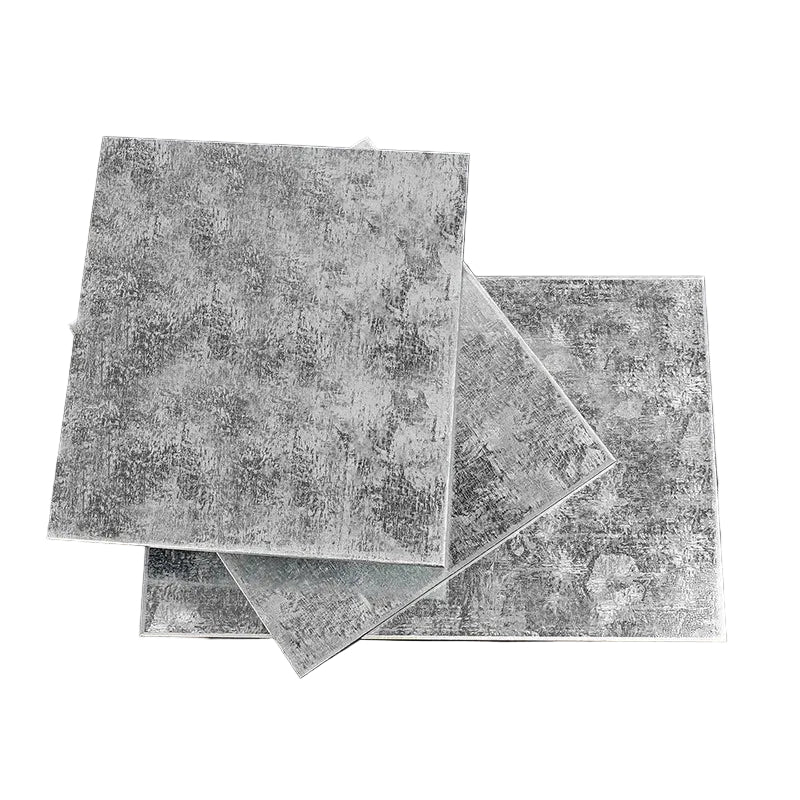
When a repair, build, or fabrication project demands a flat metal panel that won't let you down, finding the right thickness and size in one place is half the battle. Whether you're a home workshop enthusiast, a tradesperson patching ductwork, or a maker building enclosures and brackets, these galvanised steel sheets deliver consistent flatness, clean edges, and dependable corrosion resistance right out of the pack.
Each panel is cold-rolled mild steel with a hot-dip or electro-galvanised zinc coating on both faces. Sizes range from 100 mm × 100 mm up to 420 mm × 250 mm (approximately 3.9" × 3.9" to 16.5" × 9.8"), with thickness options spanning 0.5 mm to 3 mm (roughly 0.020" to 0.118"). Packs are available in 1, 2, 3, 4, or 6 pieces depending on the size and thickness selected.
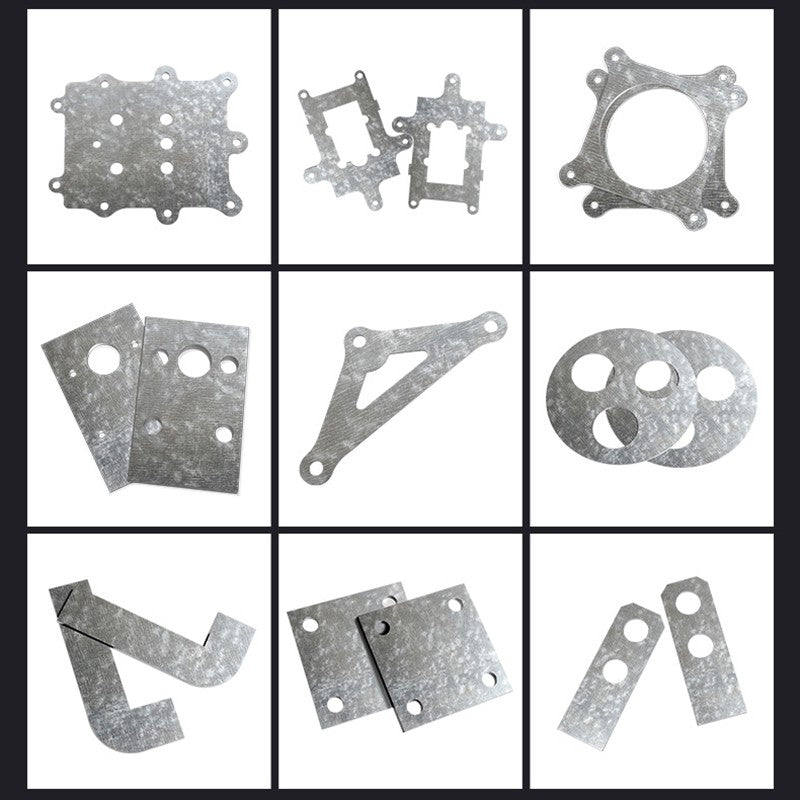
Typical applications include HVAC duct patching and flashing repairs, sheet-metal brackets and chassis panels for electronics enclosures, garden and outdoor structure reinforcement, automotive bodywork shimming, and craft or art projects requiring a rigid zinc-coated steel substrate. The zinc plating makes these panels well-suited for galvanised steel sheet metal repair, cut-to-size steel plate for DIY projects, and thin iron plate panel fabrication.
| Material | Cold-rolled mild steel with zinc (galvanised) coating |
|---|---|
| Coating Type | Zinc plating (galvanised both faces) |
| Thickness Range | 0.5 mm – 3 mm (0.020" – 0.118") |
| Width × Length Options | 100×100 mm to 420×250 mm (see variant options) |
| Surface Finish | Zinc-coated, mill finish |
| Tolerance (Thickness) | See variant options |
| Pack Quantity | 1 / 2 / 3 / 4 / 6 pcs (varies by size) |
| Weldability | MIG / TIG compatible after surface prep |
| Machinability | Cuttable with tin snips, angle grinder, jigsaw; drillable |
| Suitable Environment | Indoor and sheltered outdoor use |
| Weight (per panel) | See variant options |
As a general guide: 0.5–0.8 mm is ideal for flashing, duct patching, and lightweight covers; 1–1.5 mm suits brackets, enclosure panels, and general fabrication; 2–3 mm is appropriate for structural shimming, load-bearing tabs, and applications where rigidity is critical. If in doubt, go one step thicker — it's easier to grind down than to reinforce a panel that flexes.
Measure the damaged area and add at least 20–30 mm overlap on each side for a secure fix. For example, a 60 mm × 60 mm hole would typically need a 100 mm × 100 mm patch. Use the size selector above to find the closest match, or order a larger panel and cut it down with tin snips or an angle grinder.
The zinc coating acts as a sacrificial barrier: even if the surface is scratched, the surrounding zinc continues to protect the steel underneath through galvanic action. These panels are well-suited for sheltered outdoor use (under eaves, inside sheds, behind cladding). For fully exposed, permanently wet environments, consider adding a topcoat of zinc-rich primer or paint for extended protection.
Yes — MIG and TIG welding are both compatible. Before welding, grind or sand the zinc coating off the weld zone (approximately 25 mm either side of the joint) and work in a well-ventilated area, as zinc fumes are hazardous. After welding, apply a cold galvanising compound or zinc-rich paint to the bare weld area to restore corrosion protection.
For straight cuts on thinner gauges (0.5–1 mm), aviation tin snips or a bench shear work cleanly. For thicker panels (1.2–3 mm) or curved cuts, use an angle grinder with a thin cutting disc or a jigsaw fitted with a bi-metal blade. Always deburr cut edges with a file or flap disc, and wear gloves — freshly cut sheet metal edges are sharp.
Yes. Panels 0.5–1.5 mm thick accept standard self-tapping screws (typically #6 to #10) and blind rivets (3.2 mm or 4 mm diameter) without pre-drilling in many cases, though pilot holes improve accuracy. Panels 2–3 mm thick should be pre-drilled for clean fastener seating. The zinc coating does not interfere with standard fastener installation.
Yes. For best adhesion, lightly scuff the surface with 120-grit sandpaper or a scotch-brite pad, wipe clean with a degreaser, then apply an etch primer or a direct-to-metal (DTM) paint formulated for galvanised steel. Standard oil-based primers may not bond well to bare zinc without surface preparation.