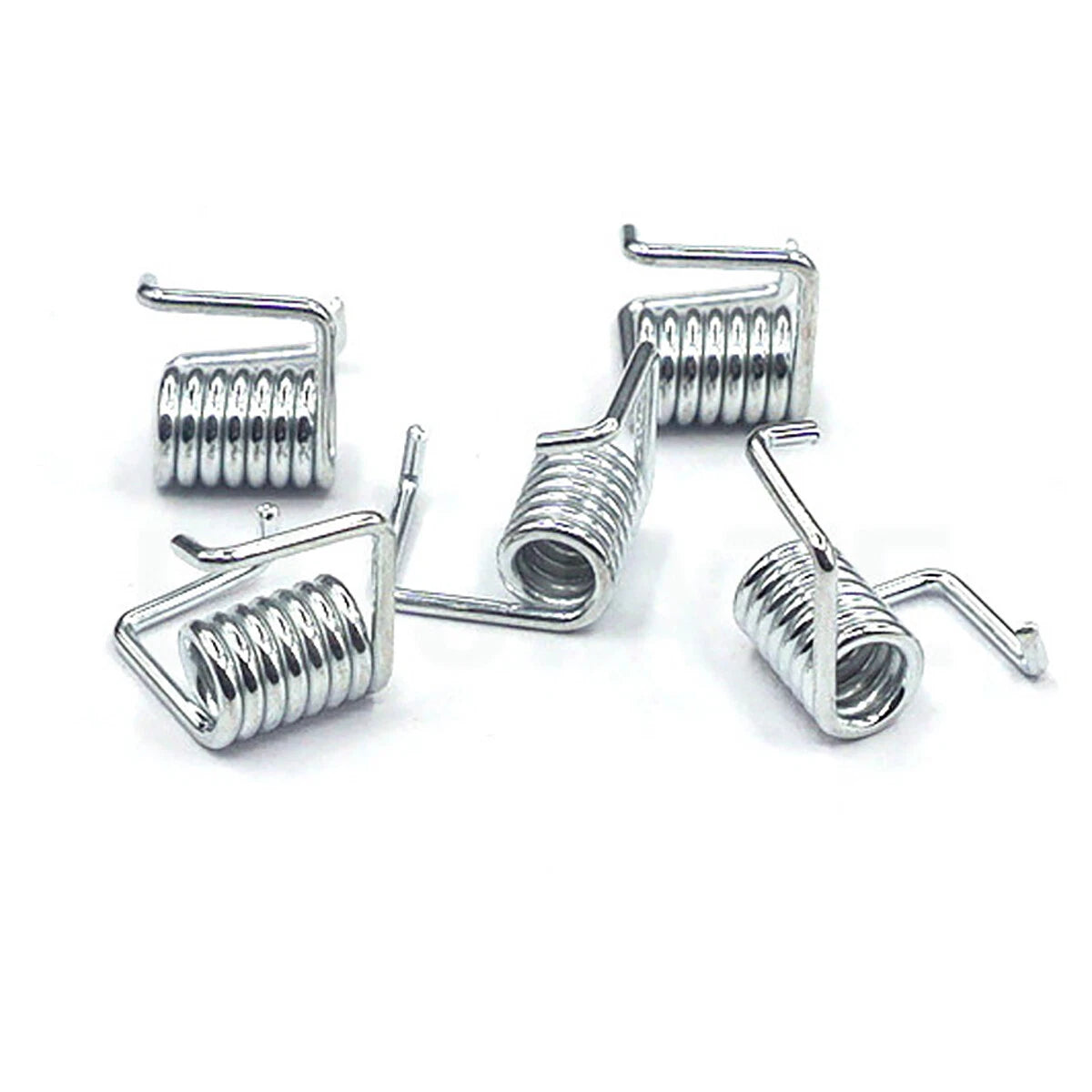
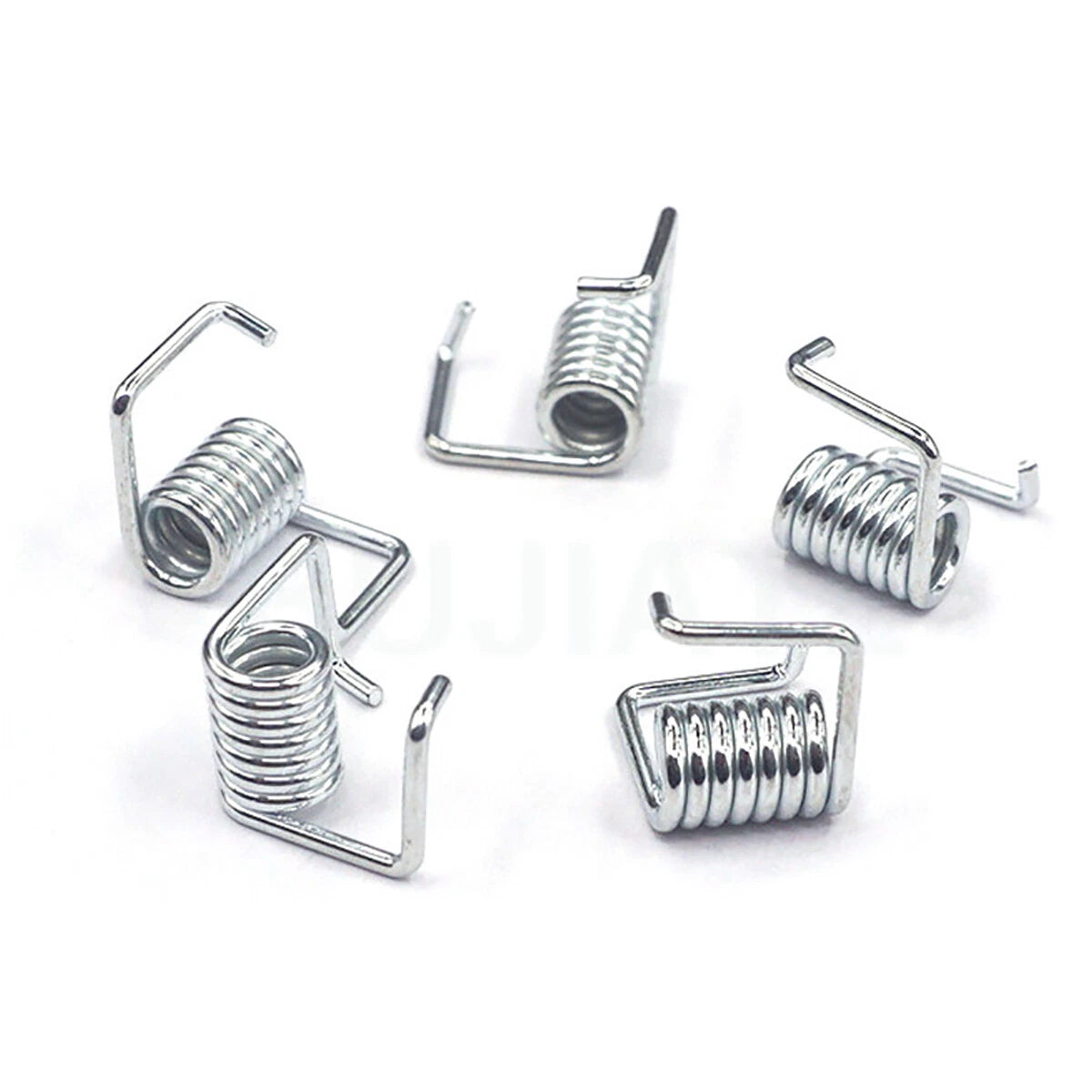
10pcs GT2 6mm-6.5mm timiing Belt tensioner Locking Torsion spring 3D Printer CNC

No reviews

Price:
Sale price$2.03 USD
Stock:
In stock (500 units), ready to be shipped

Payment & Security

Ach Direct Debit Amazon American Express Apple Pay Bancontact BLIK Diners Club Discover EPS Google Pay iDEAL Wero JCB Maestro Mastercard Multibanco MobilePay PayPal Przelewy24 Shop Pay Twint Union Pay USDC Visa

Your payment information is processed securely. We do not store credit card details nor have access to your credit card information.

Limited Offer — Spend More, Save More
Spend $55+
Save $5
Spend $100+
Save $10
Spend $200+
Save $25
HomeDIYer DIY Expert Support

DIY Expert Support

Get fitment advice & recommendations

Mon–Fri  8:30 AM – 8:00 PM
24-Hour Fast Ship
Arrives in 3–14 Days
Worldwide Shipping
30-Day Returns
1 tree planted with every purchase

Description

GT2 Timing Belt Tensioner Torsion Springs — Consistent Tension for 3D Printers & CNC Machines

Skipped steps, layer shifts, and inconsistent print quality often trace back to a slack or unevenly tensioned GT2 timing belt. Whether you are maintaining a desktop FDM printer or tuning a CNC router, the locking torsion spring in your belt tensioner is the small component that keeps everything running true. This pack of 10 GT2 timing belt tensioner locking torsion springs is designed for builders and repair technicians who need a reliable stock of spares on hand.

Each spring is engineered to fit GT2 belt tensioner assemblies with belt widths of 6 mm to 6.5 mm (approximately 0.24 in to 0.26 in). The coil body diameter is typically 4–6 mm (0.16–0.24 in) and the wire diameter is typically 0.5–0.8 mm (0.02–0.03 in). Springs are supplied in a pack of 10, giving you enough units for multiple machines or future maintenance cycles.

Typical use cases include replacing worn tensioner springs on Ender 3, CR-10, Voron, and similar GT2-belt-driven 3D printers; restoring proper belt preload on CNC routers and laser engravers; and stocking a maker workshop or repair bench with GT2 tensioner spare parts for rapid turnaround.

🔧 Compatibility: Designed for GT2 timing belt tensioner assemblies with 6 mm–6.5 mm belt width. Commonly fits Ender 3, CR-10, Voron, and most GT2-belt-driven 3D printers and CNC machines. Verify your tensioner pulley bore and spring seat dimensions before ordering.

✅ Key Features of These GT2 Timing Belt Tensioner Torsion Springs

  • 📦 Pack of 10 — Ready for Multi-Machine Maintenance
    Ten springs per order means you can service multiple printers or CNC axes in one go, or keep spares on the bench for fast repairs.
  • 📐 GT2 Belt Width Compatibility: 6 mm–6.5 mm
    Sized specifically for the most common GT2 tensioner format used across desktop 3D printers and light CNC machines.
  • 🔩 Locking Torsion Design for Stable Preload
    The torsion spring geometry applies consistent rotational force to the tensioner arm, maintaining belt preload without manual re-adjustment.
  • ⚙️ Compact Coil Profile Fits Tight Tensioner Housings
    Coil body diameter typically 4–6 mm — engineered to seat correctly inside standard GT2 tensioner pulley assemblies without modification.
  • 🛡️ Corrosion-Resistant Spring Steel Construction
    Made from spring steel wire with a surface finish that resists oxidation in typical workshop and enclosure environments.
  • 🔄 Drop-In Replacement — No Special Tools Required
    Designed as a direct replacement for OEM-style GT2 tensioner springs; swap in minutes using standard hand tools.

📐 Technical Specifications — GT2 Torsion Spring

Application GT2 Timing Belt Tensioner
Belt Width Compatibility 6 mm – 6.5 mm (approx. 0.24 in – 0.26 in)
Spring Type Locking Torsion Spring
Coil Body Diameter Typically 4–6 mm (0.16–0.24 in)
Wire Diameter Typically 0.5–0.8 mm (0.02–0.03 in)
Material Spring Steel
Surface Finish See variant options
Quantity per Pack 10 pcs
Compatible Machines 3D Printers, CNC Routers, Laser Engravers (GT2 belt drive)
Installation Drop-in replacement, no special tools required

❓ Frequently Asked Questions

How do I know if this spring fits my 3D printer tensioner?

These springs are designed for GT2 belt tensioner assemblies with a belt width of 6 mm to 6.5 mm — the most common format on desktop FDM printers such as Ender 3, CR-10, and Voron builds. Check your tensioner pulley housing for the spring seat diameter (typically 4–6 mm) and confirm your belt width before ordering.

Are these strong enough to maintain belt tension under continuous printing?

Yes. The locking torsion design applies consistent rotational preload to the tensioner arm throughout the print cycle. The spring steel construction maintains its elastic properties under the low-to-moderate loads typical of GT2 belt tensioner applications in 3D printing and light CNC use.

Will these springs rust or corrode inside a printer enclosure?

The springs are made from spring steel with a corrosion-resistant surface finish, suitable for typical workshop and enclosed printer environments. For high-humidity or outdoor CNC setups, consider applying a light machine oil to the spring surface as a precaution.

Can I use these on a CNC router or laser engraver, not just a 3D printer?

Yes. Any machine using a GT2 timing belt drive with a 6 mm–6.5 mm belt and a compatible tensioner pulley assembly can use these springs. This includes many desktop CNC routers and diode laser engravers that share the same GT2 belt standard.

How do I install the torsion spring in my tensioner?

Remove the tensioner pulley assembly from your machine, slide out the worn spring, seat the new torsion spring into the spring pocket with the arms engaging the tensioner body and arm correctly, then reassemble. No special tools are required beyond standard hand tools. Refer to your printer or machine's service documentation for model-specific steps.

Why buy a 10-pack instead of a single spring?

Tensioner springs are wear items — they fatigue over time with repeated tension cycles. Having a pack of 10 means you can service all axes on a multi-axis machine at once, keep spares for future maintenance, or supply a small workshop or repair bench without waiting for reorders.

What should I check if my belt is still loose after replacing the spring?

First confirm the spring is seated correctly in the tensioner housing with both arms properly engaged. Then check that the tensioner pulley moves freely on its pivot. If the belt remains slack, the tensioner arm travel may be at its limit — in that case, the belt itself may need shortening or replacement.

🛒 Select your quantity above, then add to cart.

You may also like

Recently viewed