🎸 Product Overview
Getting a guitar nut or saddle to fit and feel right is all about controlled material removal — and the wrong sandpaper makes that nearly impossible. Standard hardware store sandpaper is too coarse, too inconsistent, and often leaves scratches that require hours of follow-up polishing. Whether you're shaping a bone nut from scratch, smoothing a saddle bottom for better contact, or polishing fret ends after leveling, you need sandpaper that's designed for the precision demands of instrument work.
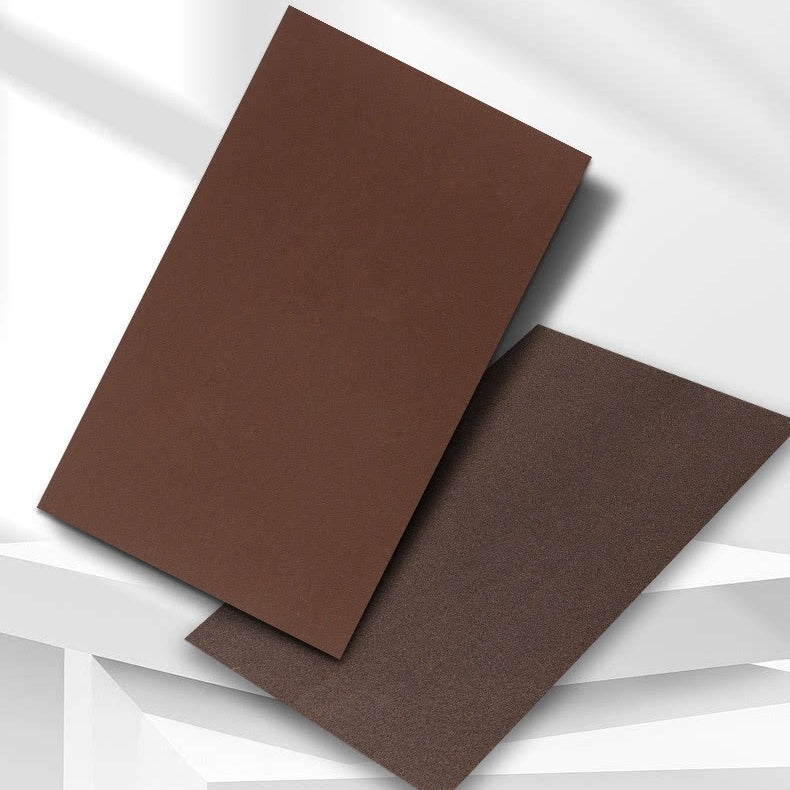
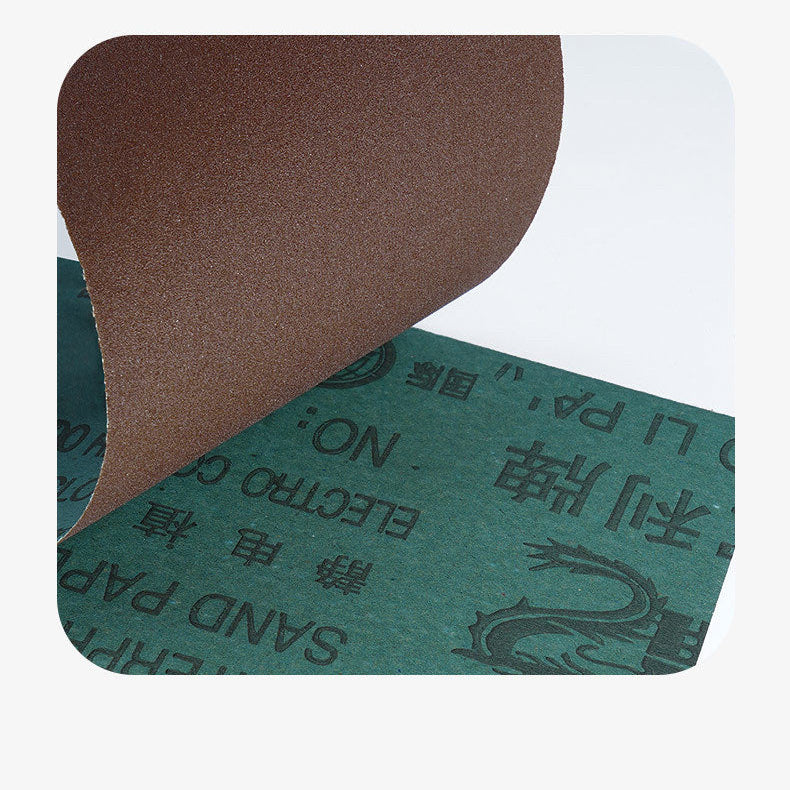
This Guitar Luthier Sandpaper is purpose-built for guitar repair and setup tasks — from rough shaping and material removal to fine polishing and surface finishing. Available in coarse and fine grit, it handles everything from initial nut blank shaping to final fret polish, giving you the right abrasive for every stage of the job. 🛠️
✅ Why Luthiers & Guitarists Choose This Sandpaper
- ✔ Purpose-Built for Guitar Work
Sized and graded specifically for luthier tasks like nut shaping, saddle fitting, fret polishing, and bridge surface prep — not generic hardware store paper.
- ✔ Two Grit Options for Every Stage
Coarse grit for initial shaping and material removal; fine grit for smoothing, polishing, and final surface finishing.
- ✔ Cleaner Results, Less Rework
Consistent abrasive surface means more predictable material removal — fewer accidental gouges and less time fixing mistakes.
- ✔ Works on Multiple Materials
Effective on bone, plastic, TUSQ, synthetic nut materials, metal hardware, and wood surfaces.
- ✔ Rust Removal & Hardware Polishing
Fine grit is ideal for cleaning oxidation off frets, tuning machines, and other metal hardware without aggressive scratching.
- ✔ Lightweight & Easy to Store
At just 30–35g per pack, it takes up almost no space in your tool kit or repair bag.
🔧 Common Problem → Solution
Problem: Shaping a nut blank with regular sandpaper leaves deep scratches that are hard to remove and make the nut look unfinished.
Solution: Start with the coarse grit for rough shaping, then switch to the fine grit to smooth the surface and bring it to a clean, polished finish.
Problem: The saddle bottom doesn't sit flat in the saddle slot, causing uneven string height and poor tone transfer to the top.
Solution: Use the coarse sandpaper on a flat surface to sand the saddle bottom perfectly flat — a standard luthier technique that takes minutes and makes a noticeable difference in tone and sustain.
Problem: Frets look dull and oxidized after leveling, and standard polishing cloths aren't cutting through the tarnish.
Solution: The fine grit sandpaper removes light oxidation and file marks from fret surfaces, restoring a clean, smooth playing surface before final buffing.
Problem: Tuning machines and bridge hardware have surface rust or corrosion that's affecting both appearance and function.
Solution: Fine grit paper gently removes surface rust and oxidation from metal hardware without aggressive scratching, restoring a cleaner surface.
🎸 Instrument Compatibility
Works With:
- ✔ Acoustic Guitar (nut, saddle, bridge plate sanding)
- ✔ Electric Guitar (nut shaping, fret polishing, hardware cleaning)
- ✔ Classical Guitar (bone or synthetic nut and saddle work)
- ✔ Bass Guitar (nut shaping, fret work)
- ✔ Any stringed instrument requiring nut, saddle, or fret maintenance
⭐ Key Features
- Guitar-specific sandpaper for nut shaping, saddle fitting, and fret polishing
- Available in coarse grit (material removal) and fine grit (polishing & finishing)
- Effective on bone, plastic, TUSQ, synthetic nut materials, wood, and metal
- Suitable for rust removal and oxidation cleaning on frets and hardware
- Lightweight: 30g (coarse) / 35g (fine) — easy to carry in any repair kit
- Consistent abrasive surface for predictable, controlled material removal
- Essential consumable for any luthier toolkit or guitar maintenance kit
📋 How to Use
Step 1 — Choose Your Grit
Select coarse grit for initial shaping and bulk material removal (e.g., rough-shaping a nut blank or flattening a saddle bottom). Use fine grit for smoothing, polishing, and final surface finishing.
Step 2 — Prepare Your Work Surface
For flat sanding tasks (saddle bottom, nut base), place the sandpaper on a known-flat surface like a glass plate or granite block. For curved or contoured work, wrap the paper around an appropriate backing block.
Step 3 — Sand with Controlled Strokes
Apply even, consistent pressure and use straight strokes in one direction. Check your progress frequently to avoid removing too much material.
Step 4 — Progress Through Grits
For a polished finish, work from coarse to fine grit in sequence. Finish with the fine grit paper and follow up with a polishing cloth or compound for a smooth, professional result.
📐 Product Specifications
| Specification |
Details |
| Type |
Guitar Luthier Sandpaper |
| Variants |
Coarse Grit / Fine Grit |
| Weight |
30g (Coarse) / 35g (Fine) |
| Compatible Materials |
Bone, Plastic, TUSQ, Synthetic Nut, Wood, Metal |
| Applications |
Nut shaping, saddle fitting, fret polishing, rust removal, hardware cleaning |
| Package Includes |
1 × Pack of Guitar Sandpaper (choose grit) |
| Compatibility |
Acoustic, Electric, Classical, Bass Guitar |
🎯 Perfect For
- 🎸 Home luthiers shaping nuts and saddles from blanks
- 🎸 Guitar repair technicians doing setup and maintenance work
- 🎸 Players who do their own fret leveling and polishing
- 🎸 Guitar builders fitting hardware on new builds
- 🎸 Music stores handling instrument repairs and setups
- 🎸 Anyone restoring vintage guitars with oxidized frets or hardware
❓ FAQ
Q: What's the difference between the coarse and fine grit options?
A: Coarse grit is for initial shaping and bulk material removal — use it when you need to remove significant amounts of material quickly (e.g., rough-shaping a nut blank). Fine grit is for smoothing, polishing, and finishing — use it after coarse sanding to refine the surface and bring it to a clean finish.
Q: Can I use this on a bone nut?
A: Yes. Both grits work effectively on bone, as well as plastic, TUSQ, and other synthetic nut and saddle materials.
Q: Is this suitable for polishing frets?
A: Yes. The fine grit is well-suited for removing light oxidation and file marks from fret surfaces after leveling. Follow up with a fret polishing rubber or compound for a mirror finish.
Q: Can I use this to flatten a saddle bottom?
A: Absolutely. Place the coarse sandpaper on a flat surface (glass plate or granite block) and sand the saddle bottom in even strokes until it sits perfectly flat. This is a standard luthier technique for improving tone transfer and sustain.
Q: Will the fine grit remove rust from frets or tuning machines?
A: Yes, for light surface oxidation and tarnish. For heavy rust, you may need a more aggressive approach before finishing with the fine grit paper.
Q: How many sheets are included per pack?
A: Please refer to the product images for the exact sheet count per pack. The listing price reflects the full pack contents.
Q: Should I buy both grits?
A: For most luthier tasks, having both is ideal — start with coarse for shaping, finish with fine for polishing. If you're only doing light cleanup or fret polishing, the fine grit alone may be sufficient.