The chain is fine...but I ordered the wrong size. Nine links of the chain I ordered equals six of the size I wanted. My error...
How can I straighten out the springs? I can't use them coil uo as is.
Your payment information is processed securely. We do not store credit card details nor have access to your credit card information.
Get fitment advice & recommendations
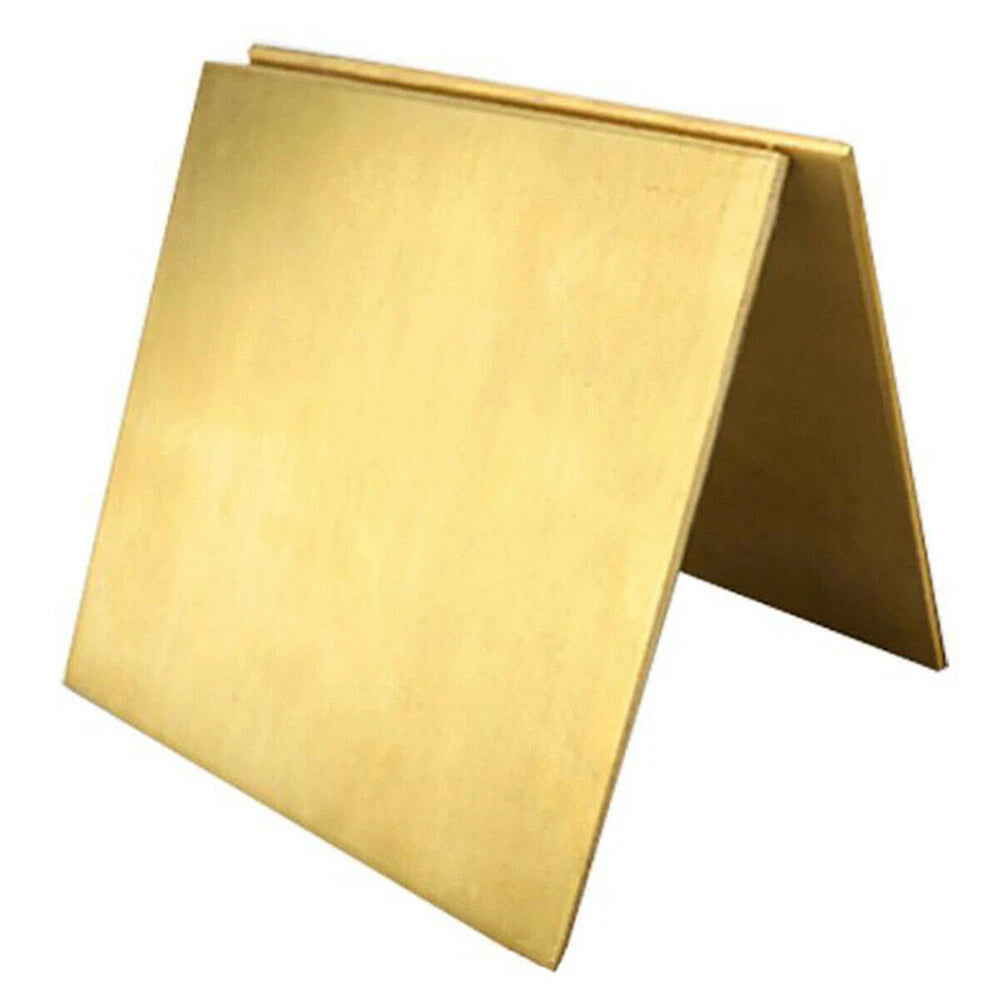
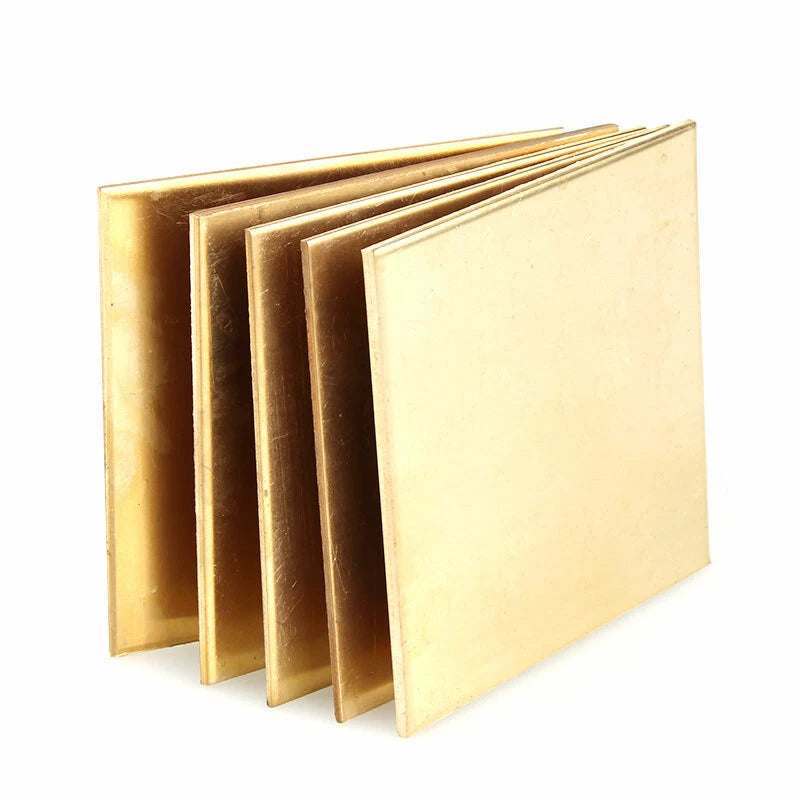
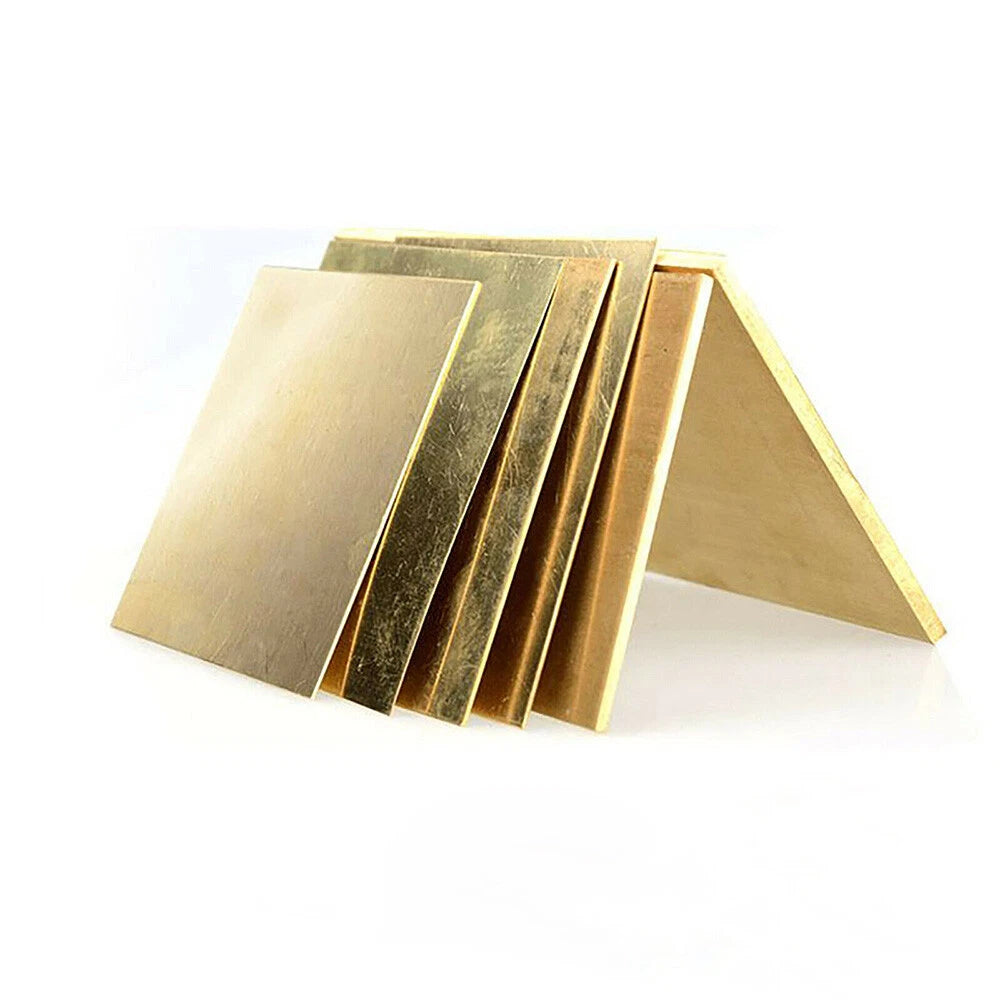
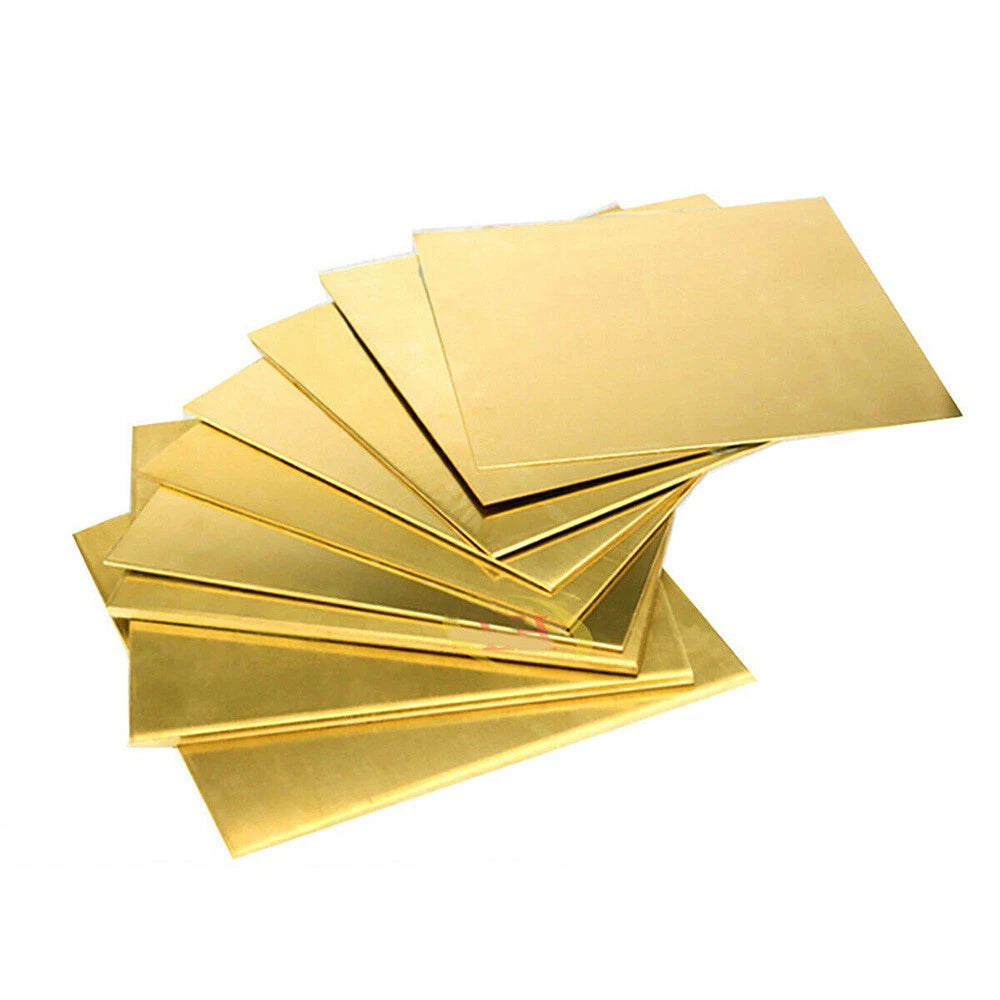
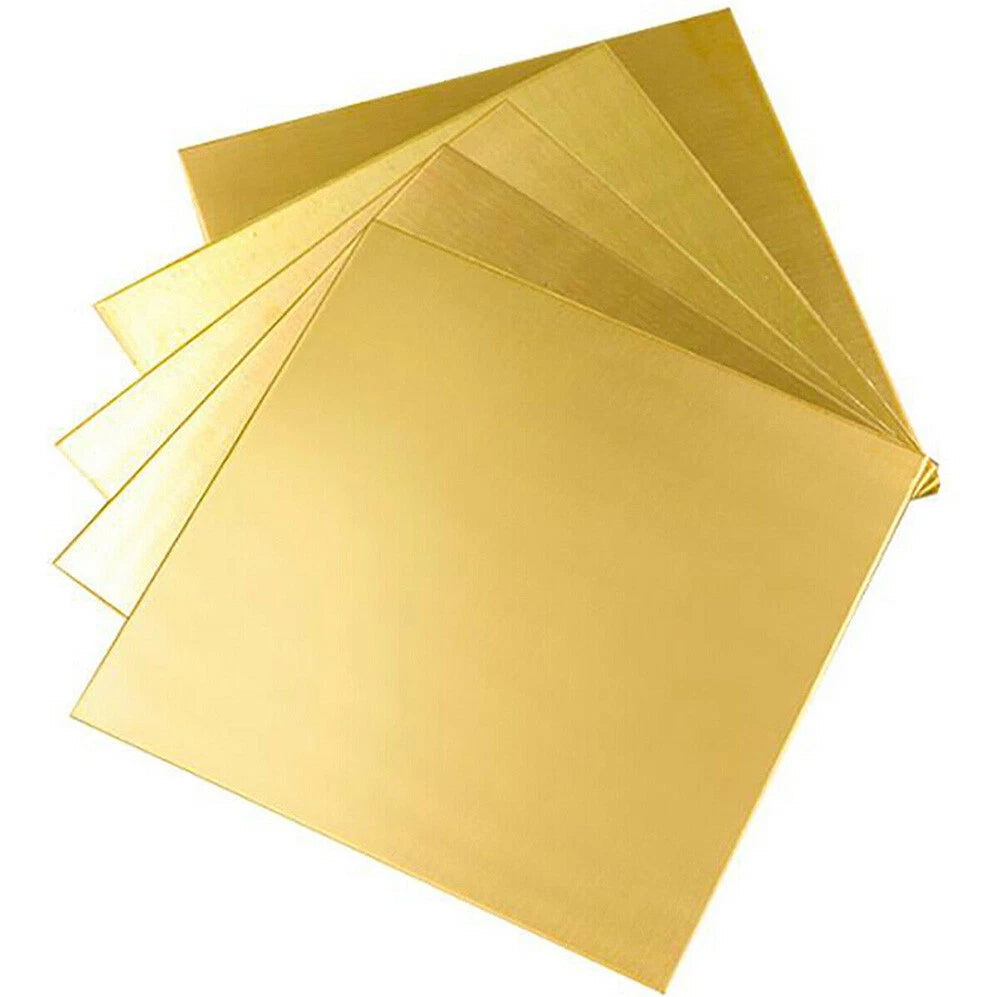
When your project demands a flat metal sheet that machines cleanly, solders reliably, and holds tight tolerances, generic stock often falls short. Makers, fabricators, and hobbyists who work with brass know that alloy consistency and surface flatness matter — and that is exactly what this H59 brass solid plate sheet is built to deliver. Whether you are cutting shims, etching nameplates, or building custom brackets, having the right thickness in hand from the start saves time and rework.
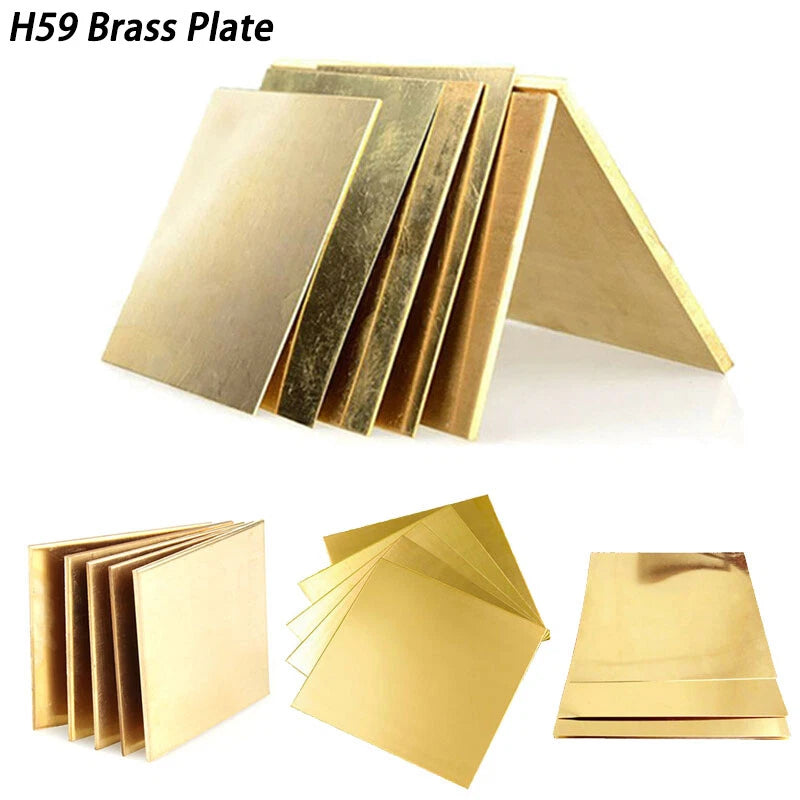
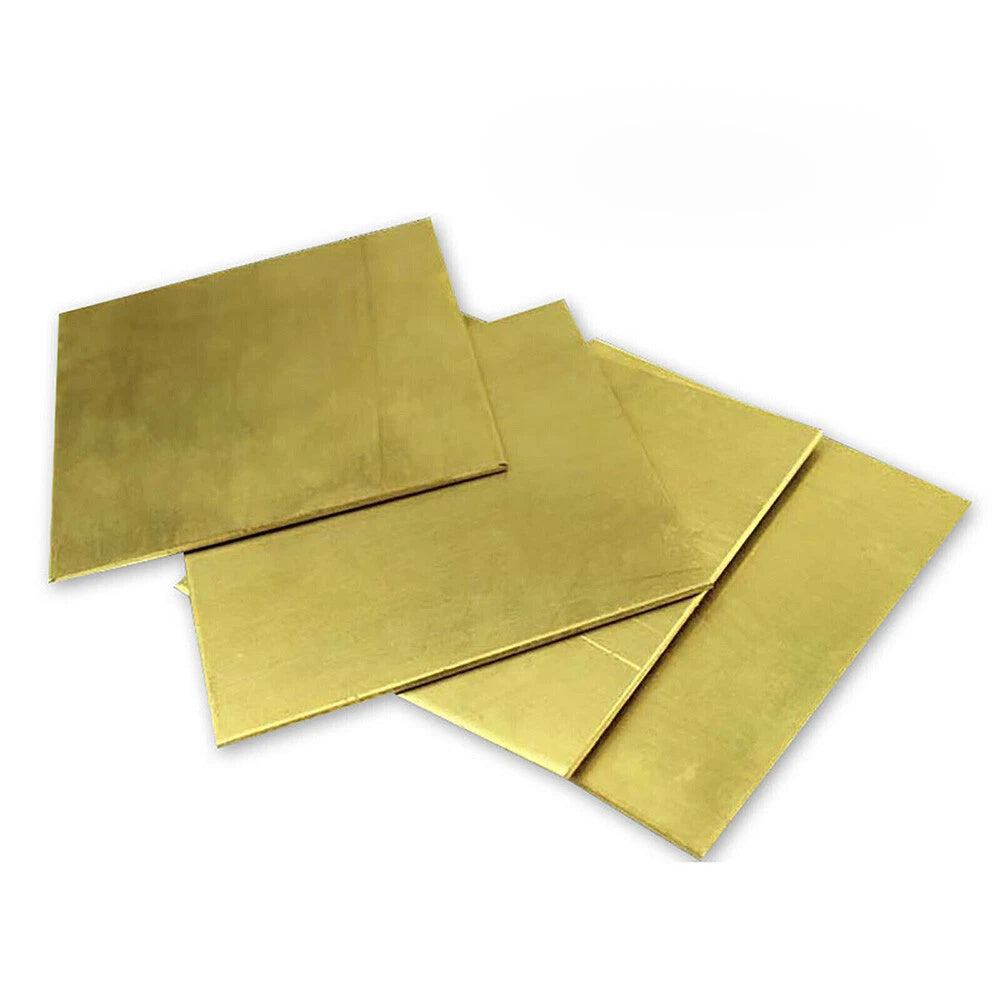
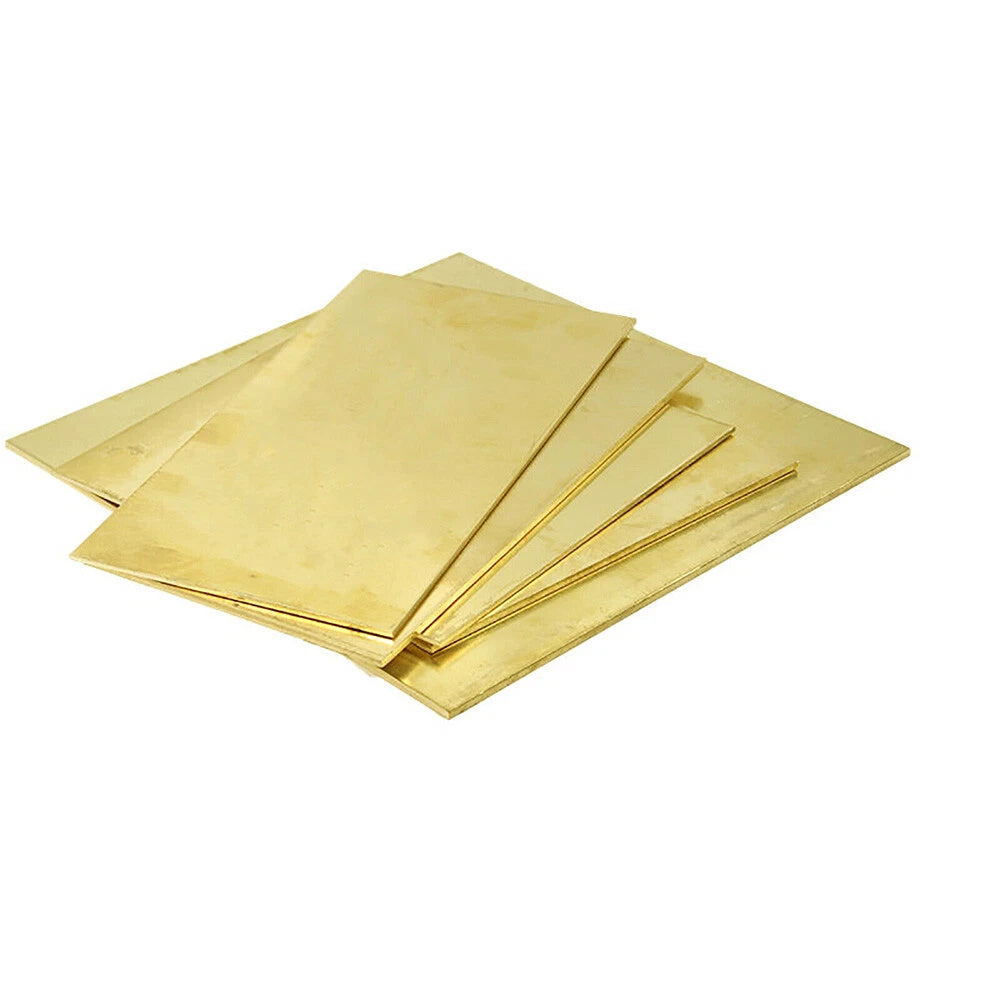
Each sheet is cut from H59 brass alloy — a copper-zinc alloy with approximately 59% copper content — offering a balanced combination of machinability, moderate corrosion resistance, and warm golden appearance. Sheets are available in thicknesses from 0.1 mm (approx. 0.004 in) up to 5 mm (approx. 0.197 in), with widths of 100 mm, 150 mm, 200 mm, or 300 mm and lengths from 100 mm up to 500 mm, giving you a wide range of flat stock options in a single listing.
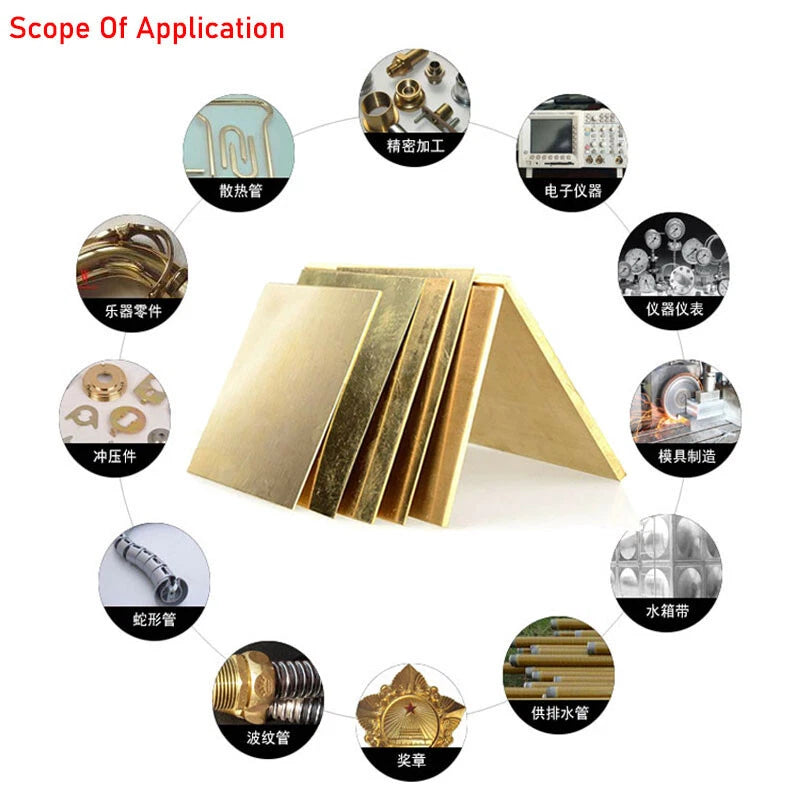
Typical applications include precision shim stock for machinery alignment, decorative inlay panels for woodworking and furniture, electrical contact blanks for DIY electronics, engraving blanks for laser or rotary engravers, and custom gasket or spacer fabrication. Long-tail use cases such as "thin brass sheet for laser engraving", "H59 brass flat bar for CNC milling", and "brass shim stock for model engineering" are all well served by this versatile flat stock range.
Copper-zinc alloy with ~59% copper content, offering consistent machinability, good solderability, and a warm golden finish that resists tarnish under normal indoor conditions.
Available from ultra-thin 0.1 mm foil-weight sheet up to solid 5 mm plate, covering shim stock, decorative sheet, and structural flat bar applications in a single product listing.
Choose from widths of 100 mm, 150 mm, 200 mm, or 300 mm and lengths of 100 mm, 150 mm, 200 mm, 300 mm, or 500 mm — select the exact blank size your project requires without paying for excess material.
H59 brass responds well to drilling, milling, sawing, and filing. It also solders cleanly with standard flux and solder, making it suitable for electrical and plumbing-adjacent DIY work.
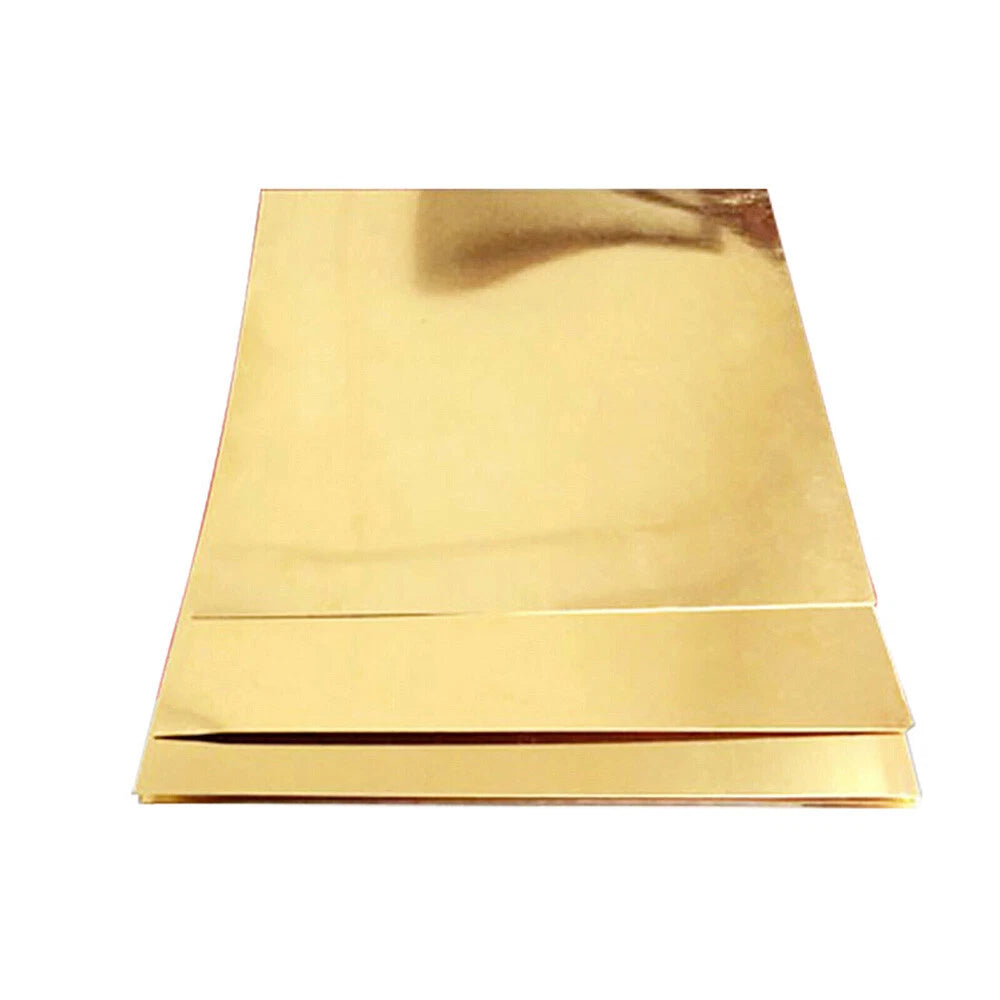
Sheets are supplied with a mill-finished flat surface suitable for direct use, light polishing, or as a substrate for engraving and etching without additional surface preparation in most applications.
Each order ships as 1 piece per selected size variant, so you receive exactly the sheet you configured — no bundles, no guesswork, no unwanted offcuts.
| Material | H59 Brass (Copper-Zinc Alloy, ~59% Cu) |
|---|---|
| Item Type | Metal Sheet / Flat Stock |
| Thickness Options | 0.1 mm, 0.2 mm, 0.5 mm, 1 mm, 2 mm, 3 mm, 4 mm, 5 mm |
| Width Options | 100 mm, 150 mm, 200 mm, 300 mm |
| Length Options | 100 mm, 150 mm, 200 mm, 300 mm, 500 mm |
| Surface Finish | Mill finish (smooth, flat) |
| Colour | Golden yellow (natural brass) |
| Machinability | Good — suitable for drilling, milling, sawing, filing |
| Solderability | Good — compatible with standard flux and solder |
| Corrosion Resistance | Moderate — suitable for indoor and dry environments |
| Packing Quantity | 1 Piece per order |
| Weight | See variant options |
For shim stock and precision spacers, 0.1 mm–0.5 mm is typically appropriate. For decorative panels, nameplates, and engraving blanks, 1 mm–2 mm offers a good balance of rigidity and workability. For structural brackets, standoffs, or load-bearing flat stock, 3 mm–5 mm is recommended. If you are unsure, select the variant closest to your target finished thickness to allow for any machining allowance.
H59 brass has a tensile strength typically in the range of 380–500 MPa depending on temper and thickness. For light structural applications such as brackets, spacers, and mounting plates in low-stress environments, the 3 mm–5 mm variants are suitable. For high-load or safety-critical structural use, consult a materials engineer to confirm suitability for your specific application.
H59 brass offers moderate corrosion resistance. It performs well in dry indoor environments and resists light moisture exposure. In humid, marine, or chemically aggressive environments, surface tarnishing or dezincification may occur over time. For outdoor or wet applications, consider applying a clear lacquer or protective coating after fabrication to extend the surface life.
Yes. H59 brass is well-regarded for its machinability. Thin sheets (0.1 mm–0.5 mm) can be cut with sharp scissors, tin snips, or a craft knife on a cutting mat. Thicker sheets (1 mm–5 mm) are best cut with a hacksaw, jigsaw with a metal blade, or CNC mill. Drilling is straightforward with standard HSS drill bits. Always use cutting fluid or lubricant for cleaner cuts and longer tool life.
Bare brass reflects CO₂ laser beams and is not directly engravable with a standard CO₂ laser without a marking compound (such as Cermark or dry moly lube). However, it works well with fiber lasers, which can engrave and mark brass directly. For rotary engravers and CNC routers, brass is an excellent substrate. The 1 mm–2 mm variants are the most popular choice for engraving blanks due to their rigidity and flat surface.
Order the smallest standard size that fully contains your finished part dimensions, adding at least 5–10 mm on each edge as a cutting allowance. For example, if your finished part is 85 mm × 135 mm, the 100 mm × 150 mm variant gives you adequate margin. This minimises material cost while ensuring you have enough flat stock to work with.
Yes. H59 brass solders well with standard soft solder (tin-lead or lead-free) and appropriate flux. For brazing, use a brass-compatible brazing rod and flux at the appropriate temperature. Clean the surface with fine abrasive or flux before soldering to ensure a strong, clean joint. This makes the sheet suitable for electrical connections, plumbing fittings, and decorative metalwork assemblies.