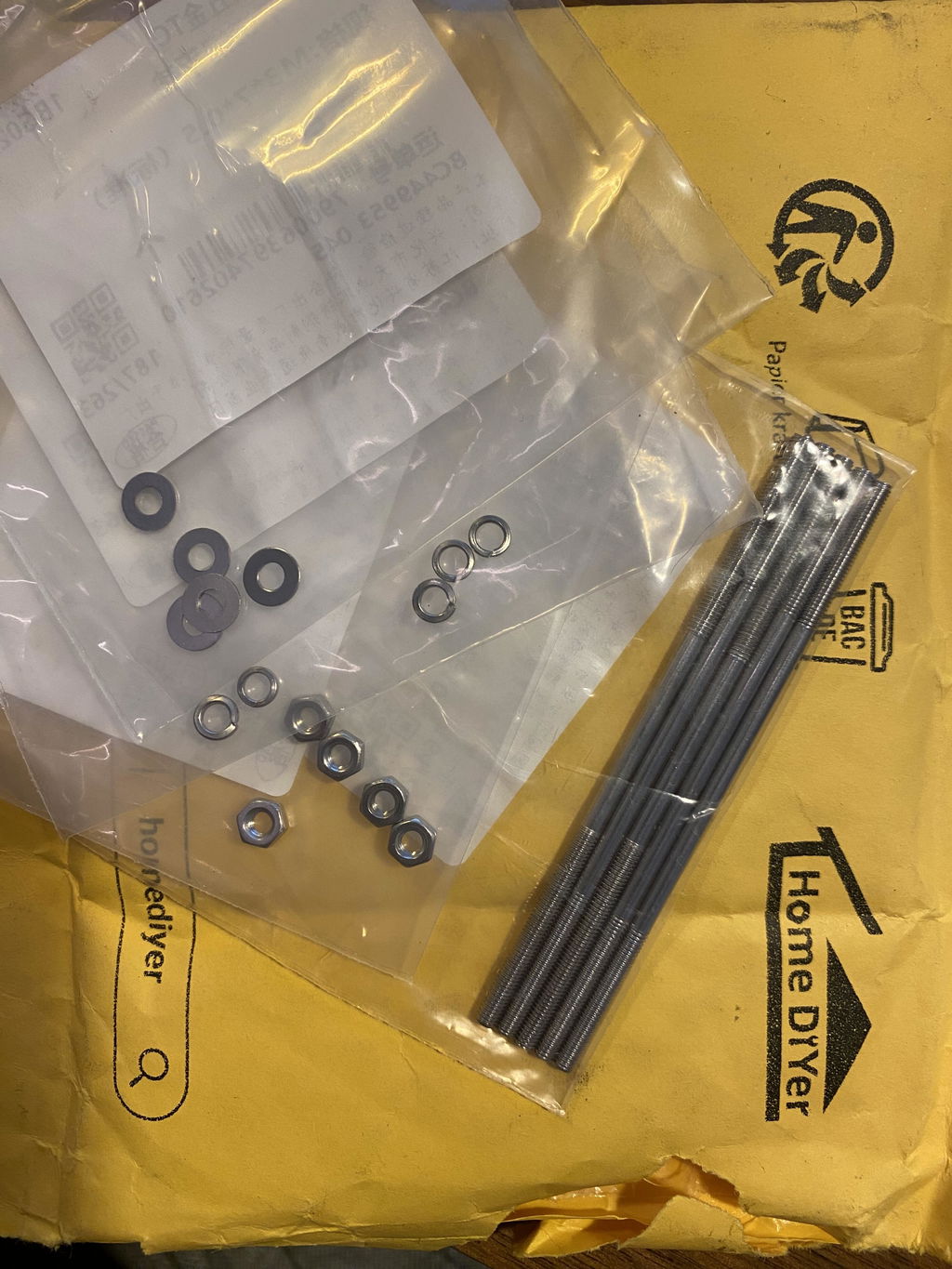

The chain is fine...but I ordered the wrong size. Nine links of the chain I ordered equals six of the size I wanted. My error...
How can I straighten out the springs? I can't use them coil uo as is.
Your payment information is processed securely. We do not store credit card details nor have access to your credit card information.
Get fitment advice & recommendations
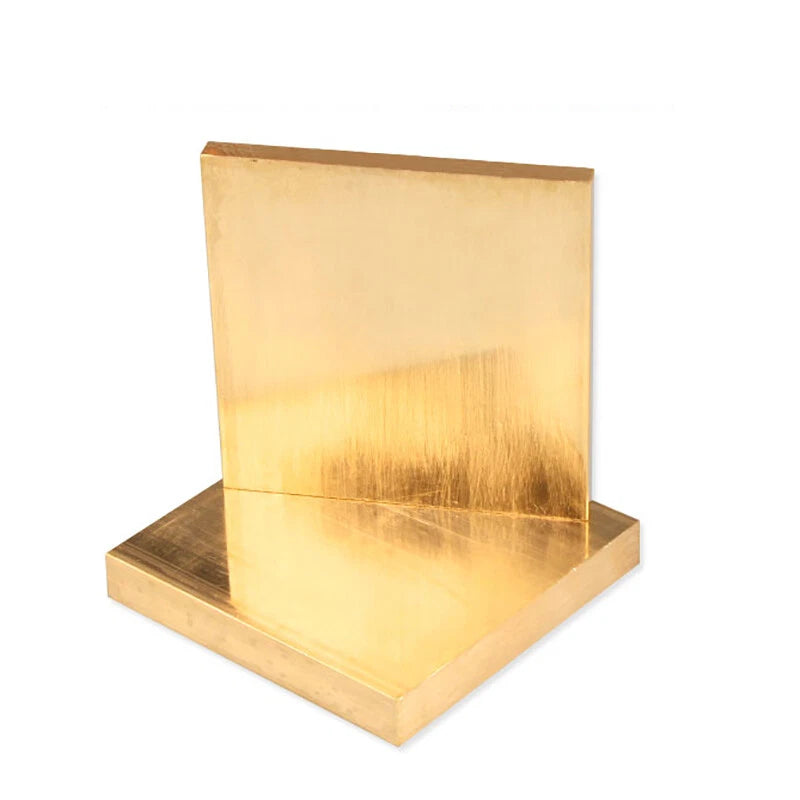
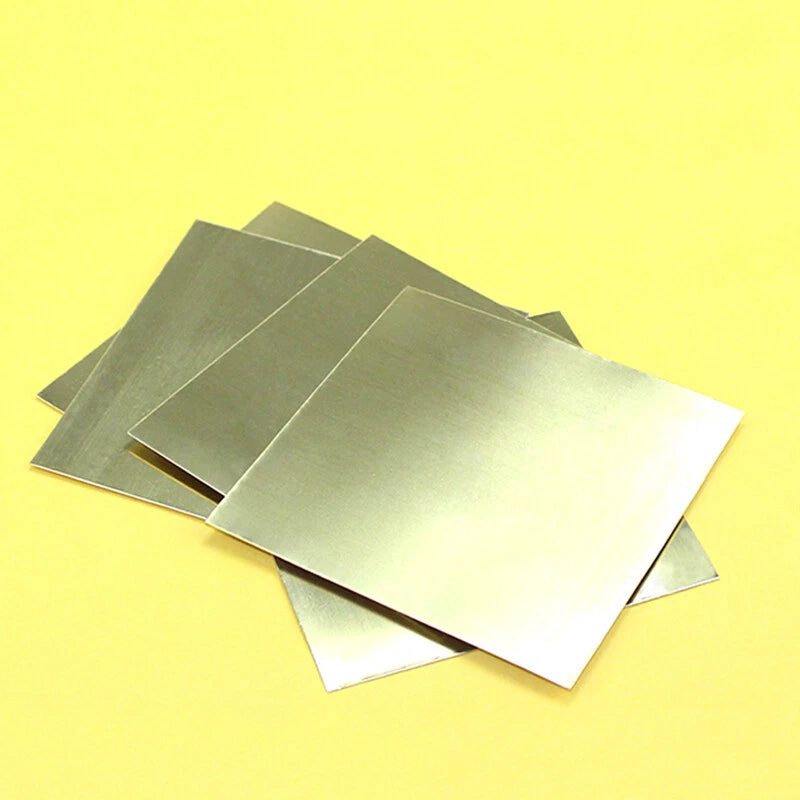
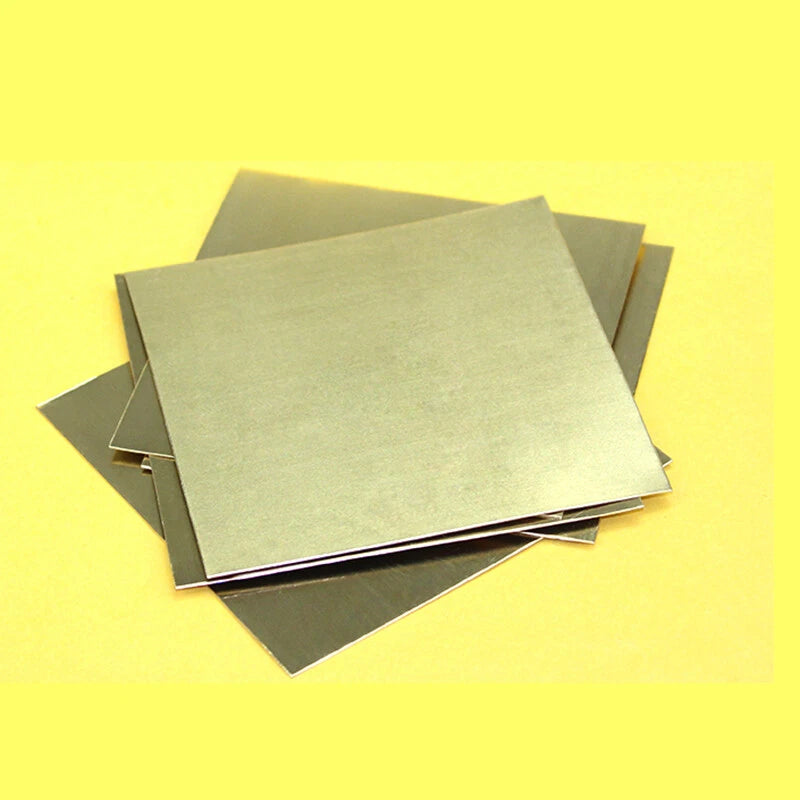
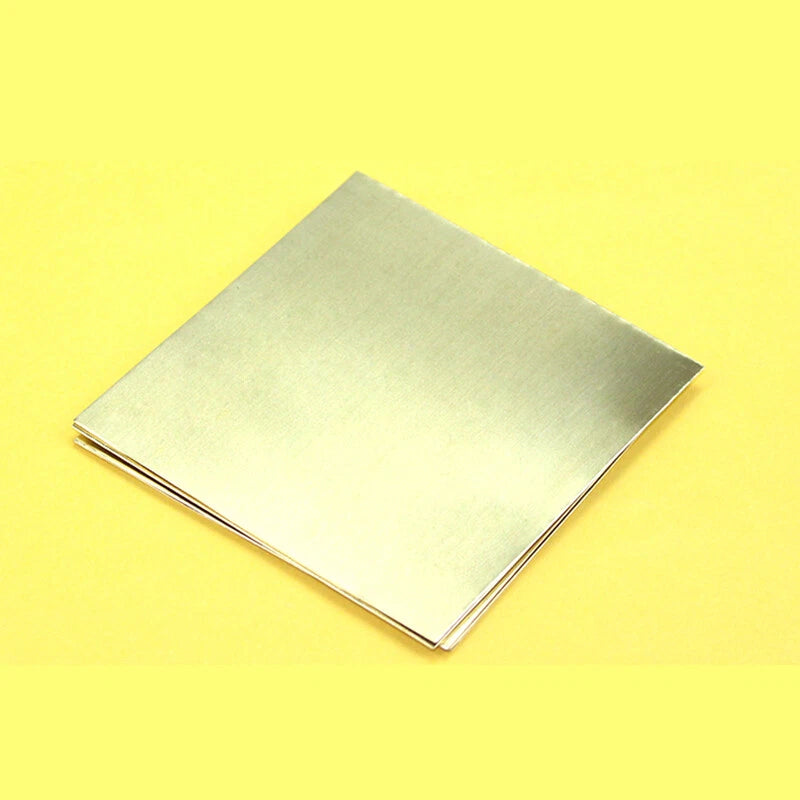
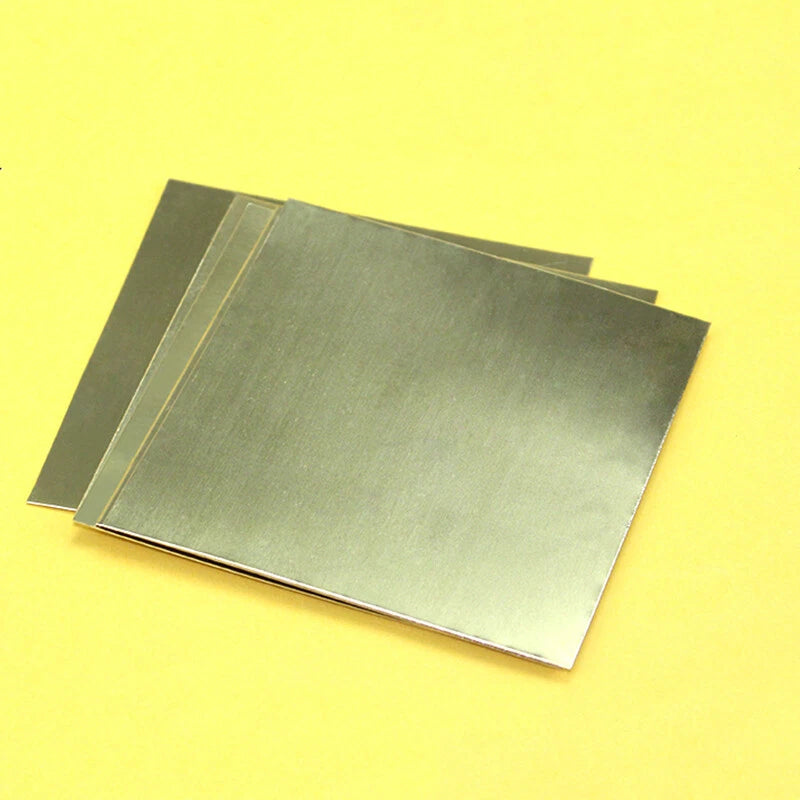
When your project demands a metal that machines cleanly, holds tight tolerances, and resists corrosion without constant maintenance, finding the right flat stock can be frustrating. Whether you're a hobbyist building custom brackets, a maker crafting decorative inlays, or a small-shop engineer needing reliable raw material, the H59 brass solid plate sheet is engineered to meet those demands without compromise.
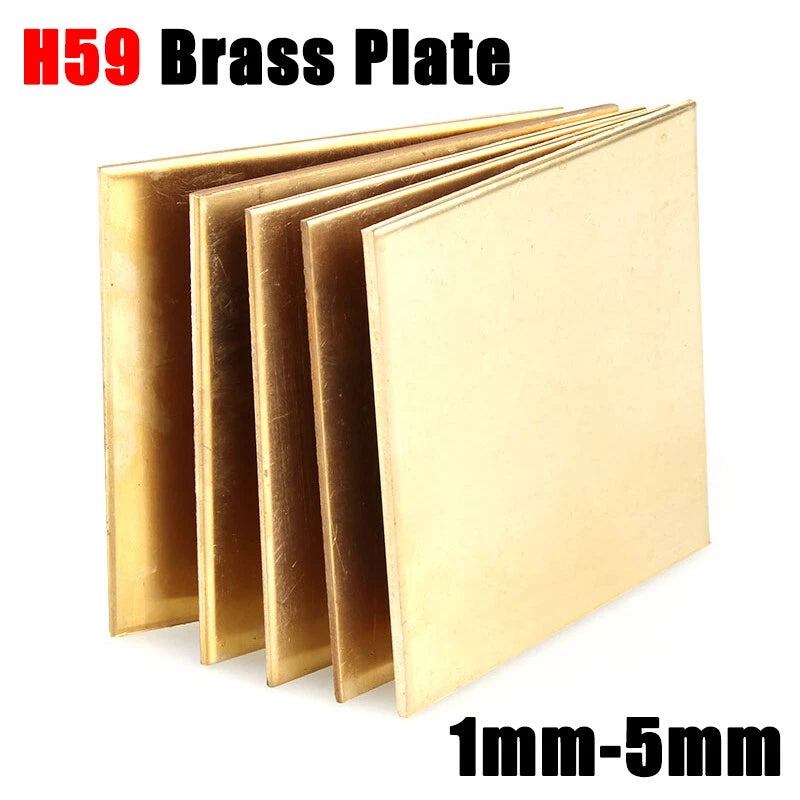
Each sheet is cut from solid H59 brass alloy — a copper-zinc composition known for its balance of strength and workability. Available in thicknesses of 1mm, 2mm, 3mm, 4mm, and 5mm (approximately 0.039" to 0.197"), and side lengths of 100mm, 150mm, 200mm, and 300mm (approximately 3.94" to 11.81"), these plates arrive with flat, consistent surfaces ready for immediate use.
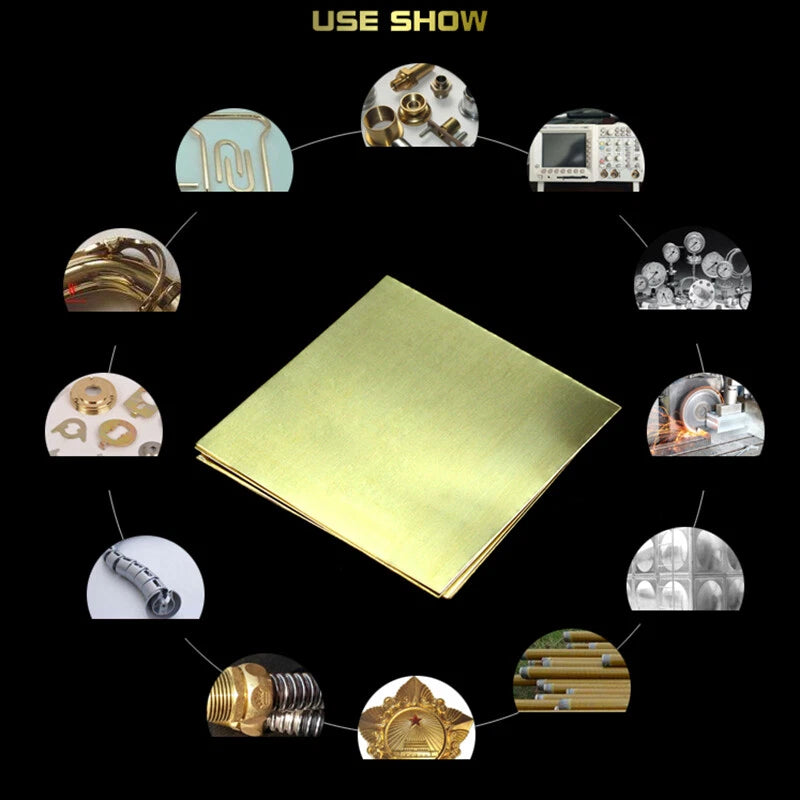
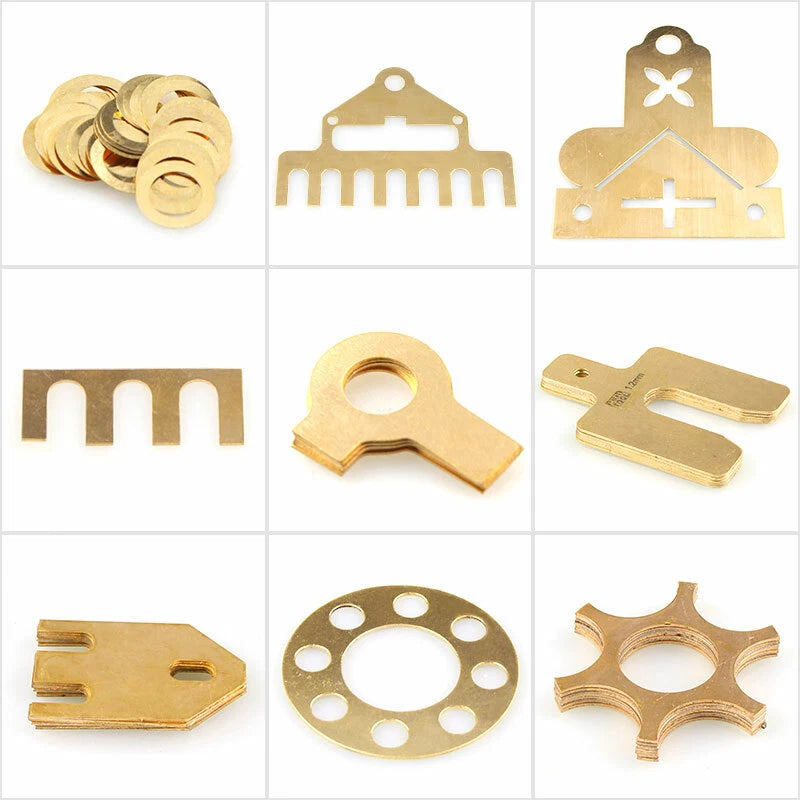
Typical applications include CNC milling blanks for custom hardware, laser-engraved nameplates and signage, electrical contact shims, decorative inlay panels for woodworking, and precision spacer plates in mechanical assemblies — all use cases where a reliable brass flat stock sheet delivers measurable results.
| Material | H59 Brass Alloy (Copper-Zinc) |
|---|---|
| Item Type | Solid Flat Stock / Plate Sheet |
| Available Thickness | 1mm / 2mm / 3mm / 4mm / 5mm (approx. 0.039"–0.197") |
| Available Side Length | 100mm / 150mm / 200mm / 300mm (approx. 3.94"–11.81") |
| Shape | Square / Rectangular Plate |
| Surface Finish | Mill finish, flat and consistent |
| Machinability | Compatible with HSS and carbide tooling |
| Corrosion Resistance | Suitable for indoor and light outdoor environments |
| Condition | New |
| Weight | See variant options |
For decorative inlays, engraving blanks, and thin shims, 1mm or 2mm is typically sufficient. For structural brackets, spacer plates, or parts that will be drilled and tapped, 3mm–5mm provides the rigidity and thread engagement depth most projects require. If you're unsure, select your variant options above to compare sizes.
H59 brass offers moderate tensile strength suitable for light mechanical applications such as spacers, shims, and non-load-bearing brackets. It is not recommended for high-stress structural components. For heavy-duty mechanical use, consider thicker gauges (4mm or 5mm) to maximize rigidity.
H59 brass does not rust (it contains no iron), and it resists general oxidation well in indoor and sheltered environments. Over time, exposure to moisture and air may produce a natural patina. To maintain the original finish, apply a clear lacquer or brass polish after machining.
Yes. H59 brass machines cleanly with standard HSS drill bits, carbide end mills, and even sharp hand tools for thinner gauges (1mm–2mm). Use cutting fluid or lubricant for cleaner results and longer tool life. A fine-tooth hacksaw or angle grinder with a metal-cutting disc works well for straight cuts on thicker plates.
Bare brass reflects CO₂ laser beams and requires a laser-marking spray or black paint coating for CO₂ engravers to mark effectively. Fiber laser systems can engrave bare brass directly. For best results with CO₂ machines, apply a thin coat of marking spray before engraving, then clean off the residue after.
H59 brass has a slightly higher zinc content than H62, making it marginally more economical while still offering good machinability and corrosion resistance for most DIY and light engineering tasks. H62 brass has a slightly higher copper content, which can improve ductility and surface finish in some precision applications. For general workshop and maker use, H59 is a practical and cost-effective choice.
Yes. Brass is electrically conductive, and H59 brass plates are suitable for use as electrical contact shims, bus bar blanks, and grounding straps in low-current applications. For high-current or precision electrical engineering, verify conductivity requirements against your specific design specifications.