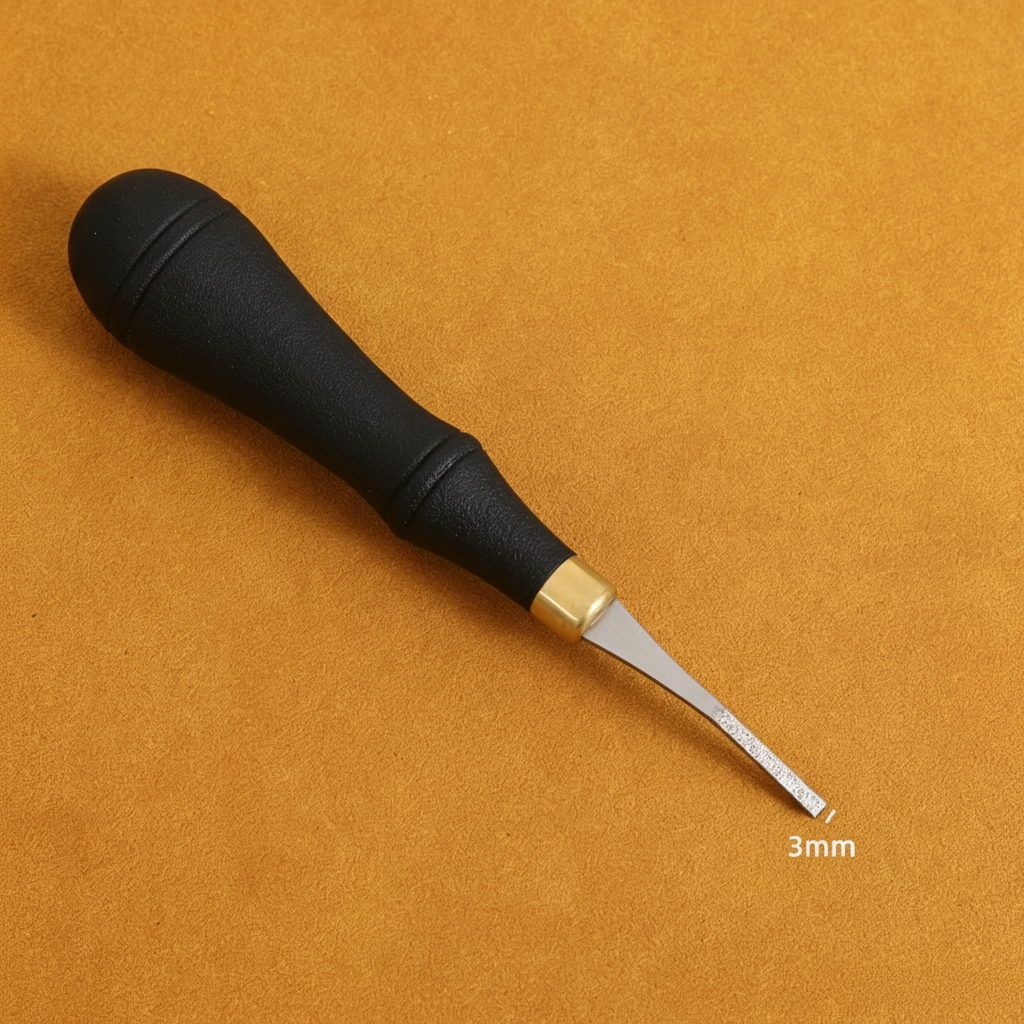
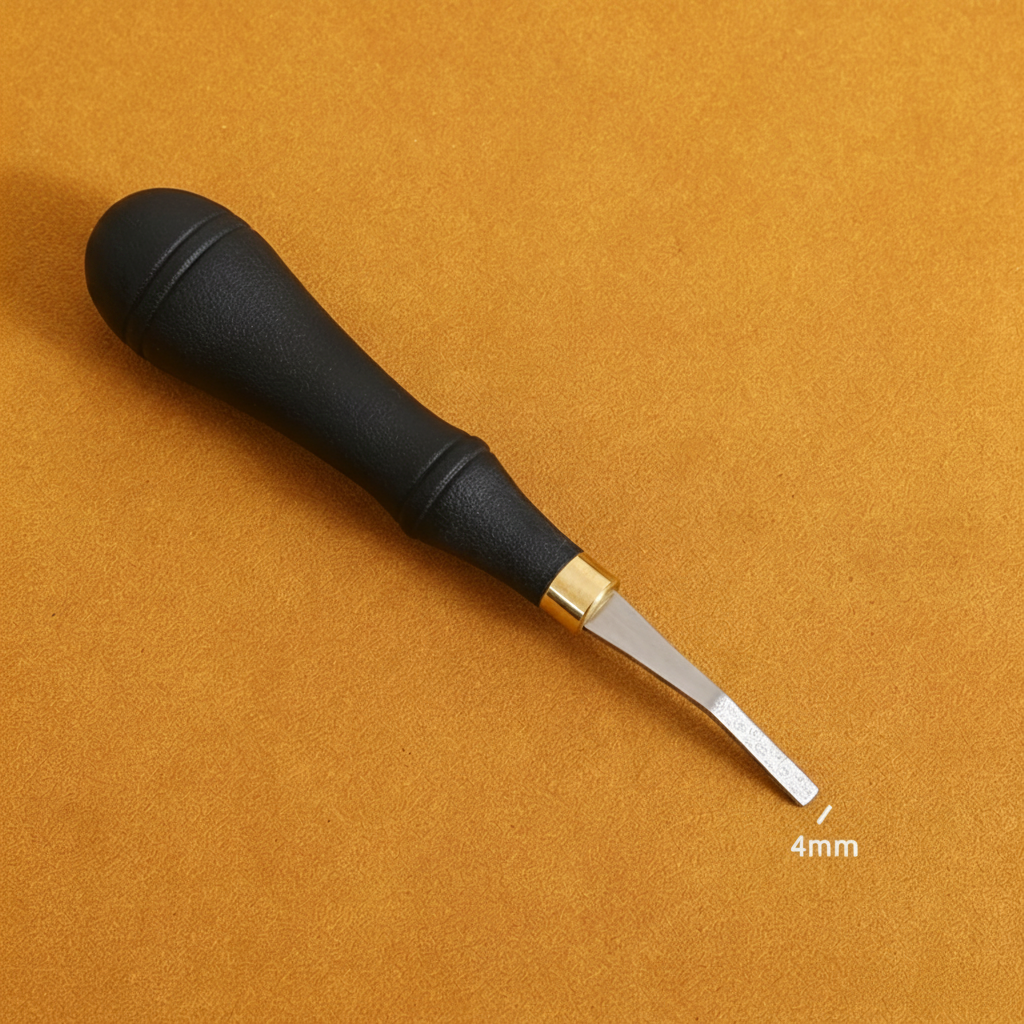
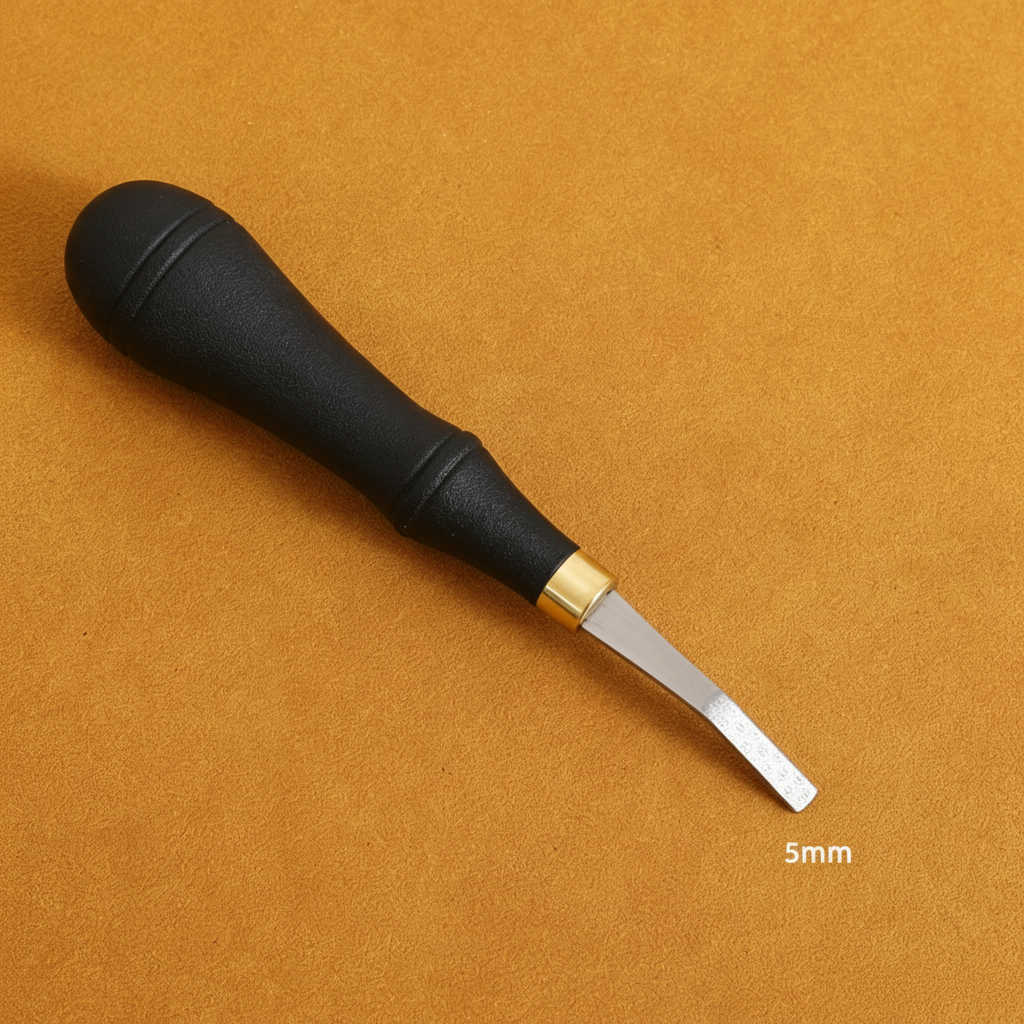
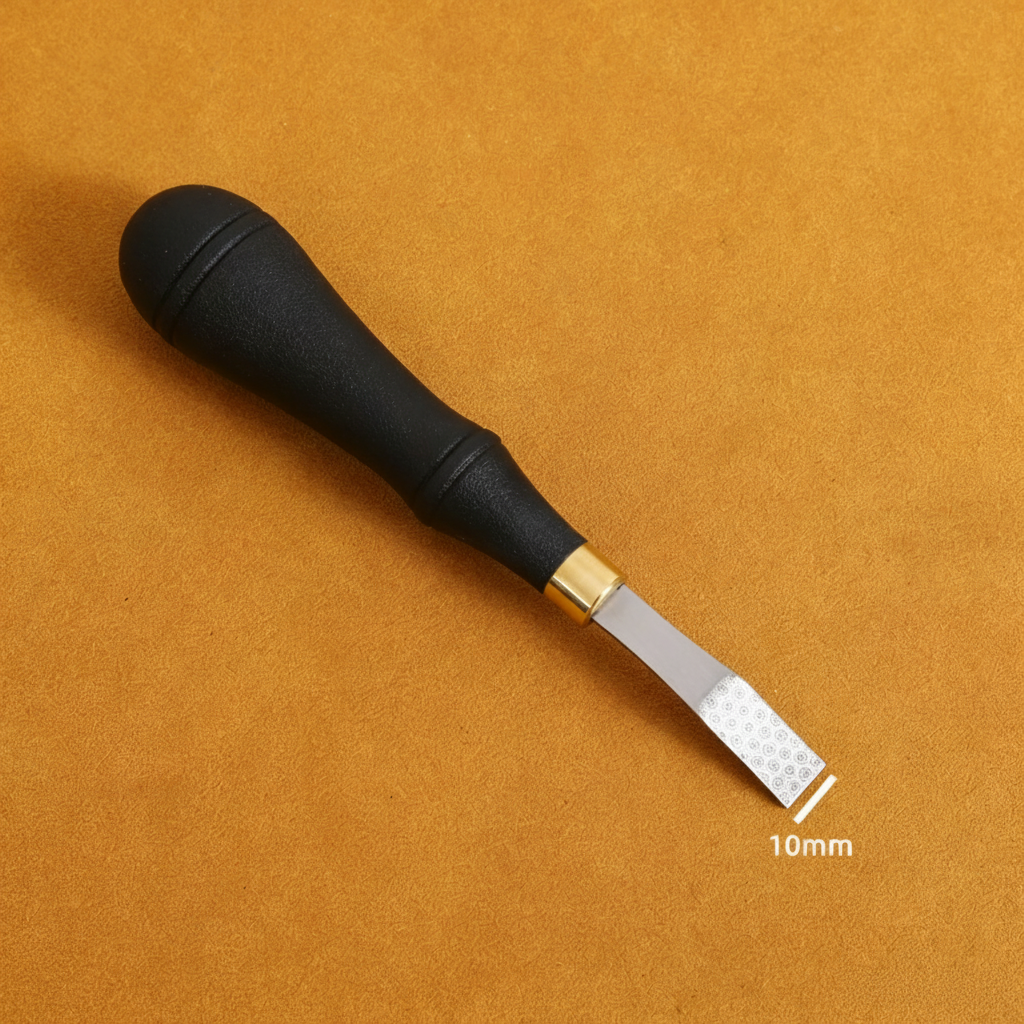
Leather Roughing File – Stainless Steel Surface Prep Tool for Leathercraft Gluing

Save 29%
No reviews

Specification model: 3mm* stainless steel
Price:
Sale price$24.80 USD Regular price$34.72 USD
Stock:
In stock (9115 units), ready to be shipped

Payment & Security

Ach Direct Debit Amazon American Express Apple Pay Bancontact BLIK Diners Club Discover EPS Google Pay iDEAL Wero JCB Maestro Mastercard Multibanco MobilePay PayPal Przelewy24 Shop Pay Twint Union Pay USDC Visa

Your payment information is processed securely. We do not store credit card details nor have access to your credit card information.

Limited Offer — Spend More, Save More
Spend $55+
Save $5
Spend $100+
Save $10
Spend $200+
Save $25
HomeDIYer DIY Expert Support

DIY Expert Support

Get fitment advice & recommendations

Mon–Fri  8:30 AM – 8:00 PM
24-Hour Fast Ship
Arrives in 3–14 Days
Worldwide Shipping
30-Day Returns
1 tree planted with every purchase

Description

Rough It Up Right — So Your Glue Bond Holds 

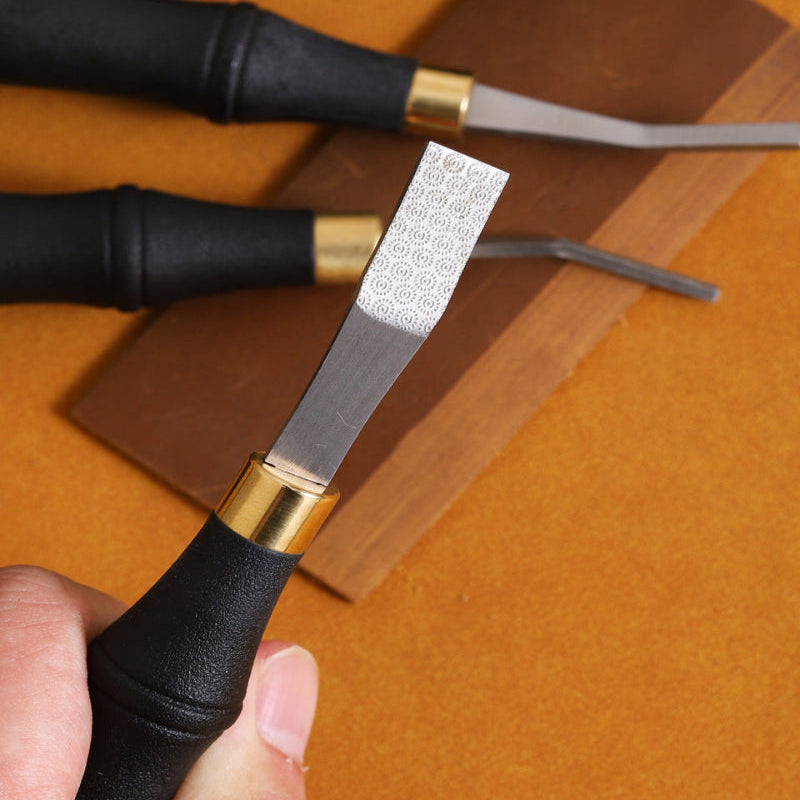
Ask any experienced leatherworker and they'll tell you: the difference between a joint that lasts and one that peels apart often comes down to surface preparation. This leather roughing file uses a serrated stainless steel blade to score and abrade the flesh side or edge of leather, creating the mechanical grip that contact cement and leather adhesives need to bond firmly and permanently. Whether you're assembling a wallet, laminating bag panels, or securing an edge welt, proper roughing before glueing is a step worth doing correctly.

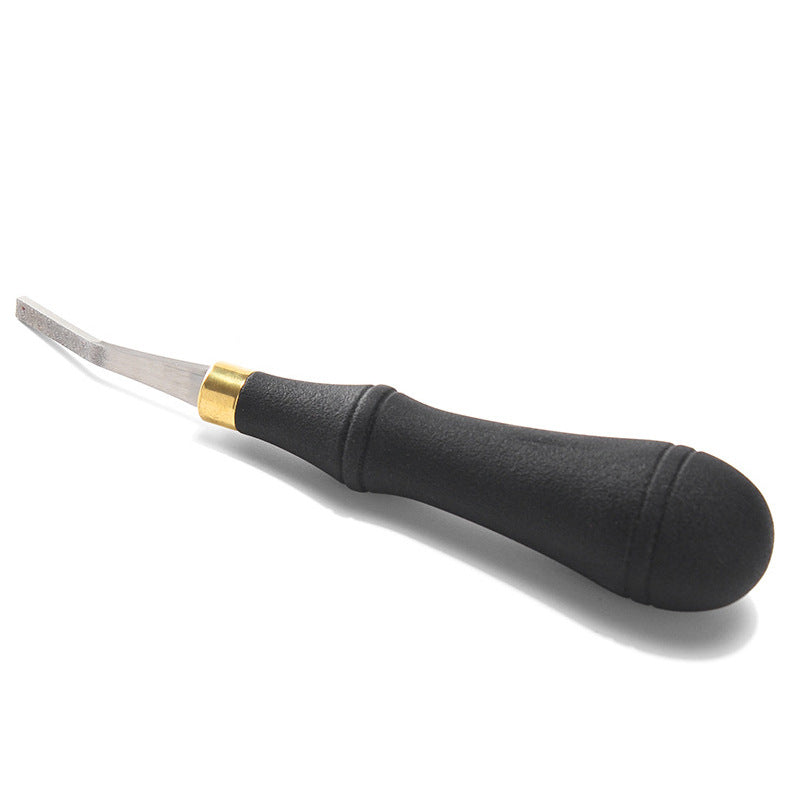
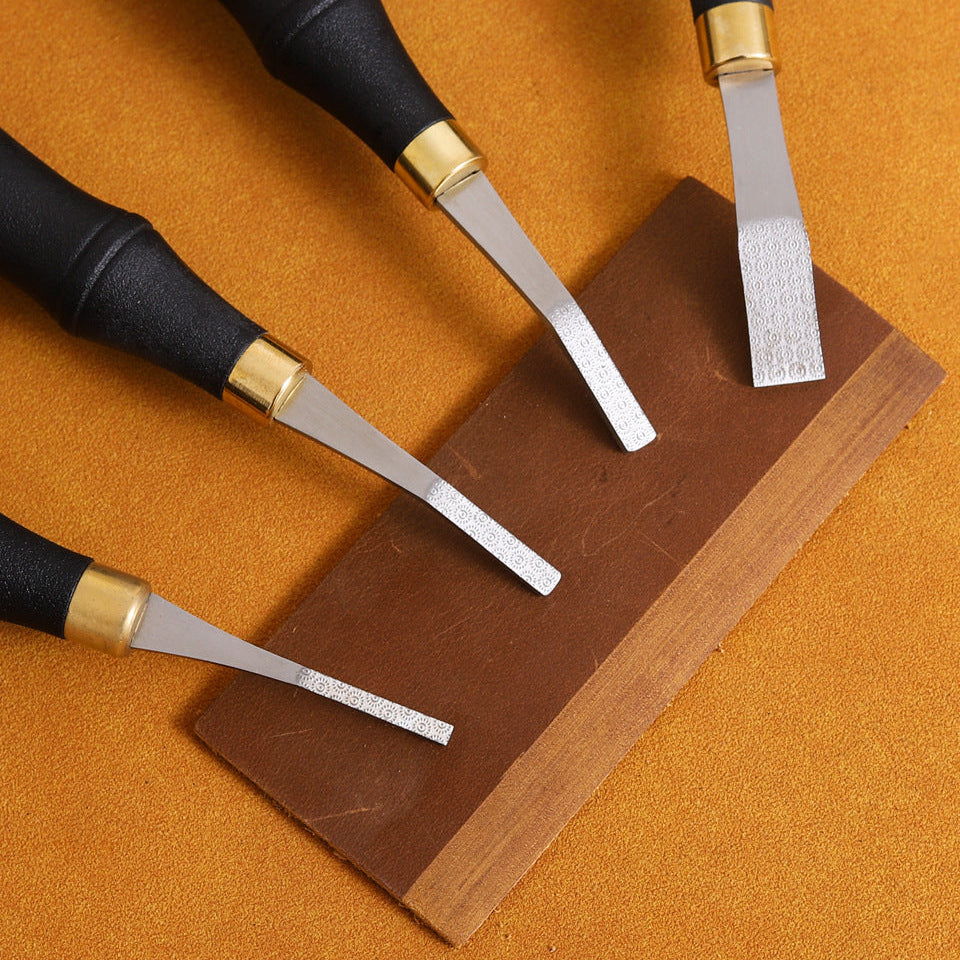
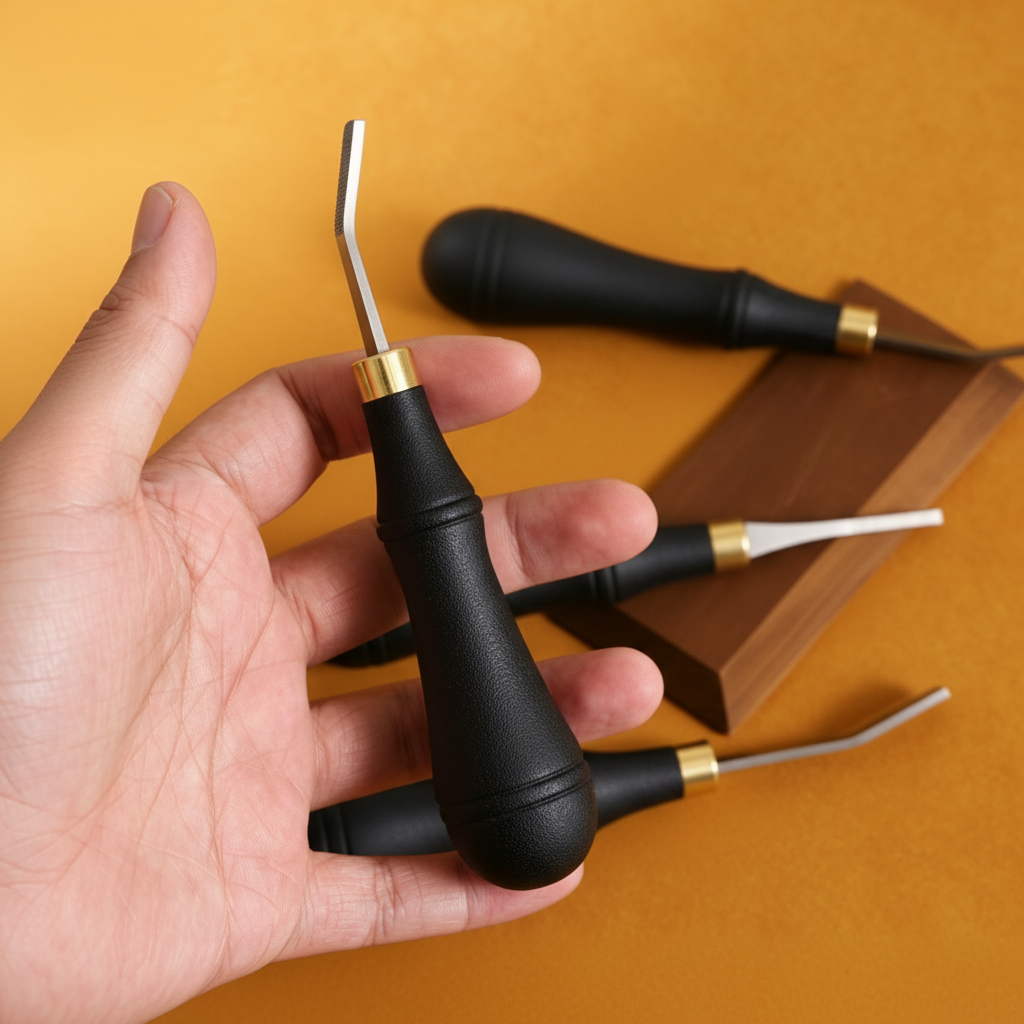
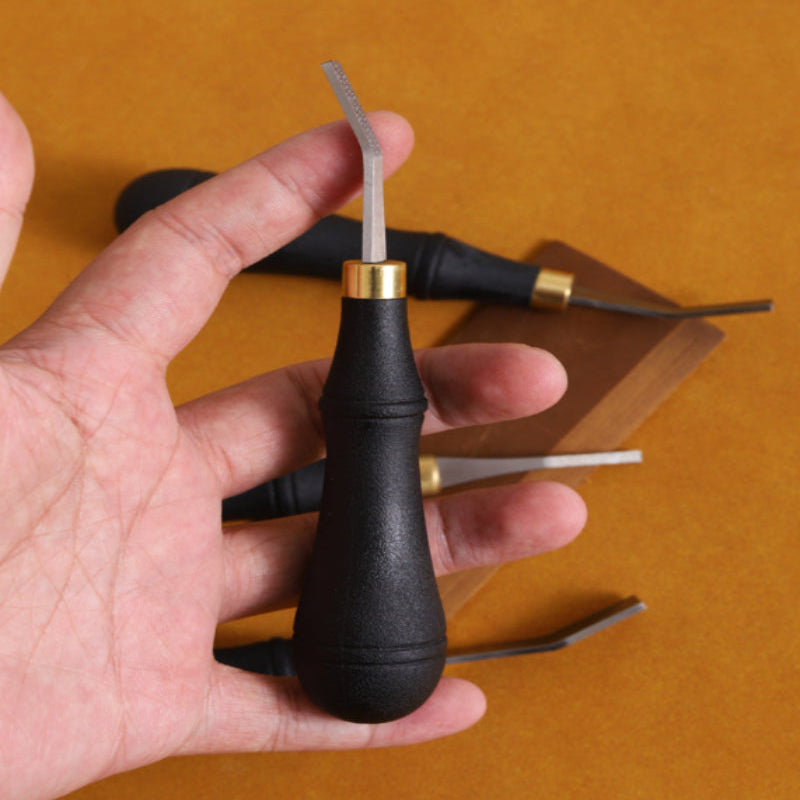
Available in four blade widths — 3mm, 4mm, 5mm, and 10mm — this tool lets you match the file width to your working area. The narrow 3mm and 4mm files are ideal for seam edges and thin strap joins; the 5mm and 10mm options cover broader flesh surfaces efficiently. The round bulb handle with brass ferrule gives you a secure, fatigue-free grip through repetitive prep work on any leathercraft project. 🛠️

Key Features & Benefits

  • ✔️ Serrated Stainless Steel File Blade – The toothed blade abrades leather surfaces more thoroughly than a smooth scraper, creating consistent micro-texture that maximizes adhesive grip and bond strength.
  • ✔️ Ergonomic Bulb Handle – The rounded handle distributes grip pressure evenly across your palm, reducing hand strain during extended leather surface prep sessions.
  • ✔️ Brass Collar Ferrule – Reinforces the junction between handle and blade shaft, preventing splitting and keeping the tool solid under repeated downward pressure.
  • ✔️ 4 Blade Widths (3mm, 4mm, 5mm, 10mm) – From precise edge work on narrow seams to broad coverage on panel flesh sides — choose the width that matches your specific task within your leathercraft supplies workflow.
  • ✔️ Corrosion-Resistant Stainless Steel – The blade resists rust even in humid workshop environments, maintaining its file texture and effectiveness over long-term use.
  • ✔️ Works on Both Grain & Flesh Sides – Use on the flesh side before laminating panels, or along finished edges before applying edge adhesive and welts.
  • ✔️ Lightweight & Precise – The slim blade profile lets you target exactly the area that needs prep without accidentally roughing adjacent finished surfaces.

Ideal For These Leathercraft Projects 🛠️

  • Leather Panel Lamination Prep
  • Leather Wallet Assembly
  • Leather Belt Edge Bonding
  • Leather Bag Gusset Glueing
  • Edge Welt Attachment
  • Leather Strap Join Preparation
  • Holster & Sheath Construction
  • Patch & Repair Bonding
  • Saddle & Harness Assembly
  • Leather Notebook Cover Binding

Compatibility Guide

Compatible With

  • ✔️ Vegetable Tanned Leather
  • ✔️ Chrome Tanned Leather
  • ✔️ Full-Grain & Top-Grain Leather
  • ✔️ Bridle & Harness Leather
  • ✔️ Leather up to 6mm thick

Not Recommended For

  • ✘ Faux leather / PU leather (tears rather than abrading)
  • ✘ Delicate suede under 0.8mm
  • ✘ Patent or heavily lacquered leather finishes

Product Specifications

Specification Details
Blade Material Stainless Steel (serrated / file surface)
Handle Material Wood with matte black finish
Ferrule Brass collar
Handle Shape Round bulb ergonomic grip
Available Blade Widths 3mm, 4mm, 5mm, 10mm
Package Contents 1× Leather Roughing File
Suitable For Leather surface prep before glueing or edge bonding

How to Use This Leather Roughing File

  1. Choose the right width — Select the blade width closest to your seam or bonding area. Use 3–4mm for narrow edge joins and seam lines; use 5–10mm for broader flesh-side panel surfaces.
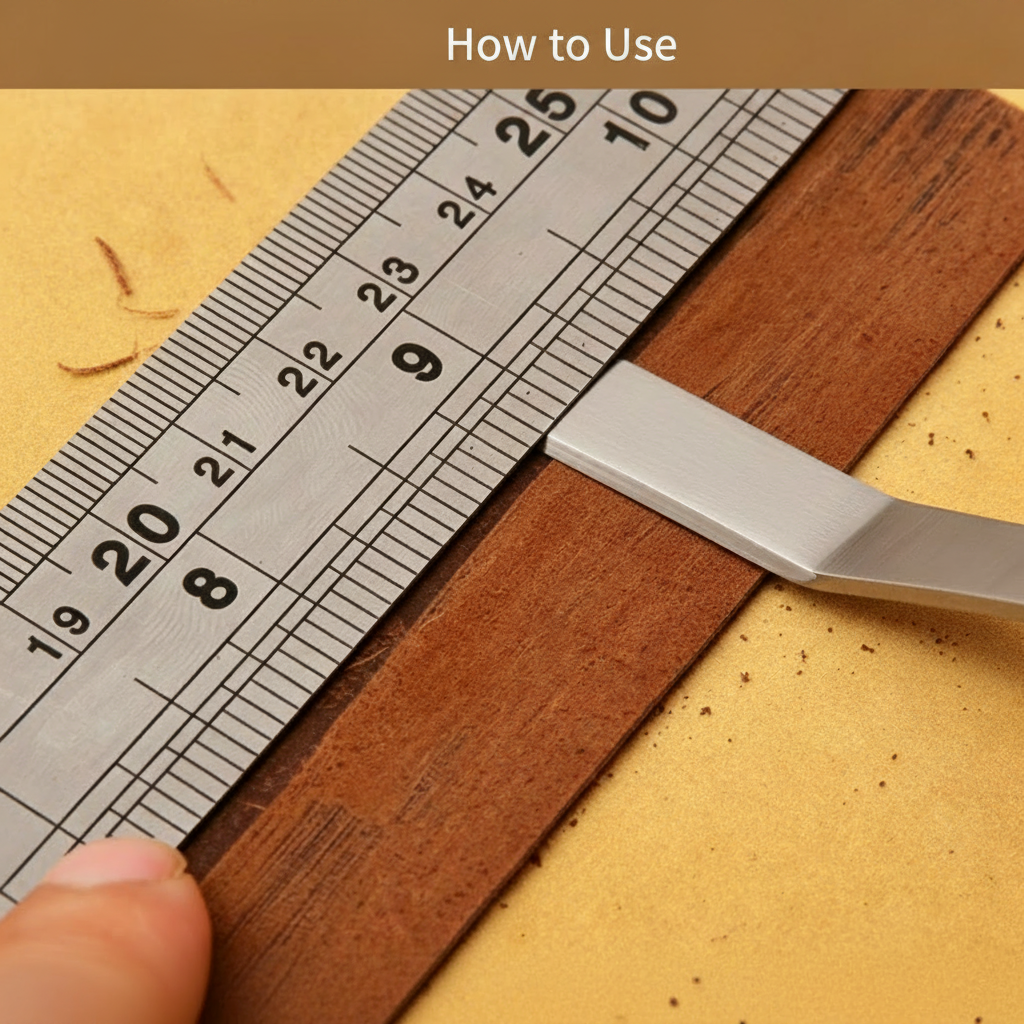
  2. Mark the glueing zone — Use a wing divider or pencil line to define the area to be roughed. This keeps the prep work contained and protects adjacent finished surfaces.
  3. Apply light, even strokes — Hold the handle in your palm and draw the file across the leather surface in short, consistent passes. The serrated blade will create a fine texture — you don’t need heavy pressure.
  4. Work the full bonding area — Make sure the entire surface that will receive adhesive has been uniformly roughed. Smooth patches left untreated will result in weak spots in the bond.
  5. Brush away debris — Remove any leather dust or fibers with a soft brush before applying adhesive. A clean, roughed surface gives the strongest bond.
  6. Apply adhesive immediately — Apply your leather contact cement to both roughed surfaces, allow to tack, then press firmly together for a strong, lasting joint.

Frequently Asked Questions

What's the difference between this roughing file and a leather roughing scraper?

A roughing scraper uses a smooth or slightly beveled blade to score the surface. This roughing file has a serrated (toothed) blade that abrades the leather more aggressively, creating a more textured surface — which is particularly effective when you need a strong adhesive bond on smooth or firm vegetable-tanned leather.

Which blade width should I use for wallet panel assembly?

For laminating wallet panels (flesh side to flesh side), the 5mm or 10mm blade covers broad surfaces efficiently. For the narrow edge seams and card slot joins on a wallet, drop down to the 3mm or 4mm blade for more precise control.

Is this tool suitable for beginners?

Yes. The round bulb handle is comfortable and easy to grip, and the technique is straightforward — short, light strokes across the bonding area. Practice on a scrap piece of leather first to get a feel for the pressure needed before working on a finished project.

Will the serrated blade damage the surface of the leather?

When used on the flesh side or seam edge (as intended), the file creates controlled abrasion that won't affect the finished grain side. Always keep the file within your marked bonding zone and avoid contact with the grain surface.

What adhesive works best on a roughed leather surface?

Contact cement (such as Barge All-Purpose Cement or equivalent leather glue) is the most common choice after roughing. Apply to both surfaces, allow to tack for 30–60 seconds, then press firmly together. The roughed texture significantly improves adhesion compared to un-prepped leather.

How do I clean the file after use?

Tap the blade gently against a hard surface to dislodge leather fibers caught in the serrations. A stiff nylon brush or old toothbrush works well to clear the teeth between uses. Keep the blade dry to prevent any surface oxidation.

Can I use this on chrome-tanned leather as well as vegetable-tanned?

Yes, both leather types benefit from surface roughing before glueing. Chrome-tanned leather is softer, so use lighter, shorter strokes. Vegetable-tanned leather is firmer and can handle more consistent pressure across the file.

Why Leather Crafters Reach for This Roughing File

  • 🛠️ Better Bonds Start Here — Properly roughed leather takes adhesive far more effectively than un-prepped surfaces. This file is the step that separates joints that hold from ones that peel.
  • 🔩 Serrated Blade for Consistent Abrasion — Unlike a smooth scraper, the file teeth create uniform micro-texture across the entire prep area — no missed spots, no uneven bonding zones.
  • 📐 4 Widths for Precise Control — From fine seam work at 3mm to broad panel prep at 10mm, you can pick the right tool for each step in your leather working tools process.
  • 👐 Comfortable for Long Prep Sessions — The ergonomic bulb handle reduces hand fatigue when you're prepping multiple panels or running long seam lines.
  • 🏆 Built to Last — Stainless steel blade, brass ferrule, and a solid wood handle — this is a leathercraft supply that holds up to regular workshop use without going dull or falling apart.
🛒 Ready to build something solid? See current offers at checkout.

You may also like

Recently viewed