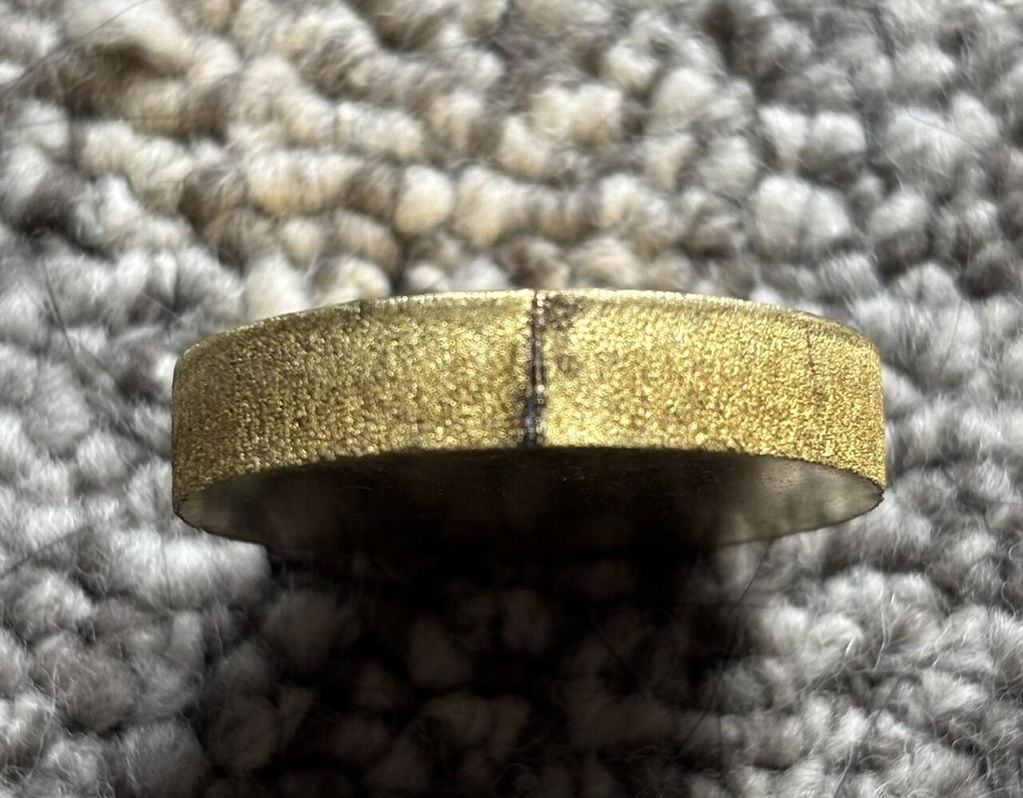
The chain is fine...but I ordered the wrong size. Nine links of the chain I ordered equals six of the size I wanted. My error...
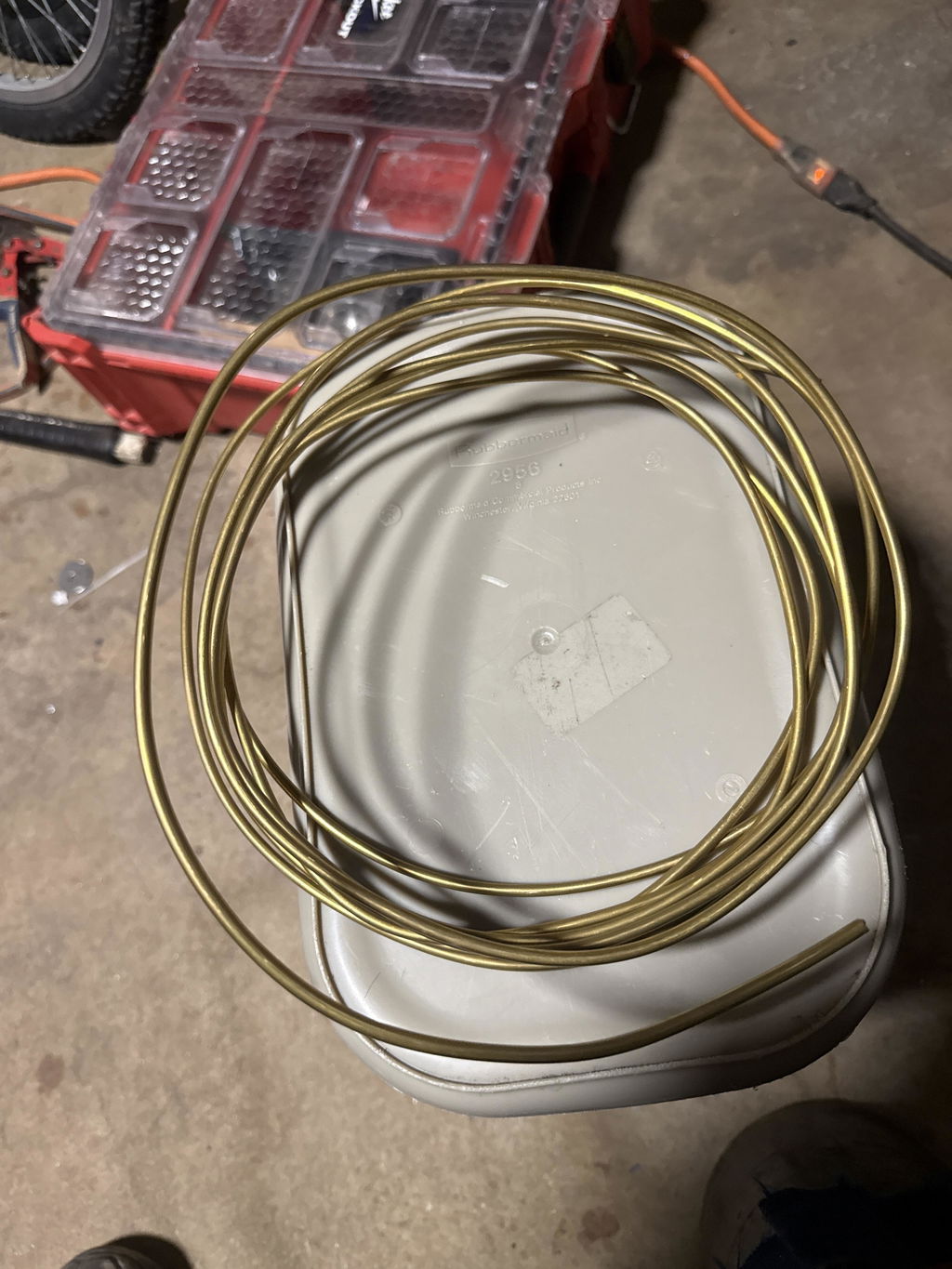
How can I straighten out the springs? I can't use them coil uo as is.
Your payment information is processed securely. We do not store credit card details nor have access to your credit card information.
Get fitment advice & recommendations
When your project demands a metal that cuts machining time without sacrificing structural integrity, sourcing the right magnesium alloy stock is the first challenge. Engineers, model-makers, aerospace hobbyists, and R&D technicians who need a low-density, readily machinable wrought alloy will find AZ31B magnesium alloy an ideal starting point — combining workable mechanical properties with a weight roughly one-third that of aluminum.
This listing covers two AZ31B product forms. The Plate variant is a flat-rolled sheet measuring 100mm × 100mm (approx. 3.94 in × 3.94 in) in thicknesses ranging from 5mm to 50mm (approx. 0.20 in to 1.97 in). The Rod variant is a solid round bar 500mm long (approx. 19.69 in) with diameters from Ø20mm to Ø60mm (approx. Ø0.79 in to Ø2.36 in). Both forms are supplied in the AZ31B wrought alloy grade, which contains approximately 3% aluminum and 1% zinc for balanced strength and ductility.
Typical applications include CNC prototype machining and milling practice, lightweight structural brackets and fixtures, aerospace and automotive component mockups, scientific instrument housings, and educational or research material testing — all scenarios where the phrase magnesium alloy AZ31B plate for CNC machining or AZ31B round bar rod for prototyping describes exactly what is needed.
AZ31B magnesium alloy has a density of approximately 1.77 g/cm³ — about 35% lighter than aluminum and 78% lighter than steel — making it the go-to choice when mass reduction is a design constraint.
AZ31B machines cleanly with standard carbide or HSS tooling at high cutting speeds, producing short chips that are easy to manage. Ideal for CNC milling, turning, and drilling operations on both plate and rod stock.
Plates are available in 14 thickness steps from 5mm to 50mm; rods span 9 diameter steps from Ø20mm to Ø60mm — all at a fixed 500mm length. Select the exact size you need without ordering custom cuts.
Produced via rolling (plate) and extrusion (rod), AZ31B wrought stock delivers uniform grain structure and predictable mechanical properties throughout the cross-section — critical for repeatable machining results.
Typical tensile strength of approximately 260 MPa and yield strength around 200 MPa give AZ31B enough structural capability for brackets, housings, and test specimens while remaining easy to form at moderate temperatures.
AZ31B is one of the most widely studied wrought magnesium alloys, with extensive published data on its corrosion behavior, fatigue life, and formability — making it the standard reference material for academic and industrial R&D programs.
| Alloy Grade | AZ31B (ASTM B90 / B107) |
|---|---|
| Alloy Composition | Mg ≥ 95.5%, Al ~3%, Zn ~1%, Mn ~0.2% |
| Density | ~1.77 g/cm³ (0.064 lb/in³) |
| Tensile Strength (typical) | ~260 MPa (37,700 psi) |
| Yield Strength (typical) | ~200 MPa (29,000 psi) |
| Elongation at Break | ~15% |
| Hardness | ~49 HB |
| Melting Range | 605–630 °C (1,121–1,166 °F) |
| Thermal Conductivity | ~96 W/m·K |
| Product Form — Plate | Flat-rolled sheet, 100mm × 100mm face |
| Plate Thickness Range | 5mm – 50mm (0.20 in – 1.97 in) |
| Product Form — Rod | Solid round bar, 500mm length |
| Rod Diameter Range | Ø20mm – Ø60mm (Ø0.79 in – Ø2.36 in) |
| Surface Condition | See variant options |
| Quantity per Order | 1 Pcs (per variant selected) |
Select AZ31B - Plate when you need flat stock for milling, waterjet cutting, or sheet-form test specimens. Choose AZ31B - Rod when you need round bar stock for turning on a lathe, producing cylindrical pins, shafts, or round test coupons. Both are the same AZ31B alloy — the difference is purely the starting geometry.
Order stock that is at least 1–2mm larger than your finished dimension on each face to allow for facing cuts and surface cleanup. For example, if your finished part needs a 10mm-thick plate, order the 12mm variant. For rod work, choose a diameter that gives you enough material for your outer diameter plus a cleanup pass.
AZ31B has moderate atmospheric corrosion resistance suitable for indoor and dry-environment applications. It is not recommended for prolonged exposure to saltwater, chloride-rich environments, or strong acids without a protective surface treatment such as anodizing, chromate conversion coating, or paint. For outdoor or marine use, consider applying a corrosion-inhibiting finish after machining.
Yes. AZ31B is considered one of the more weldable magnesium alloys and can be joined by TIG (GTAW) welding using AZ61A or AZ92A filler rod, as well as by friction stir welding. Standard precautions for magnesium welding apply — work in a well-ventilated area, keep a Class D fire extinguisher nearby, and avoid grinding sparks near magnesium chips or dust.
AZ31B machines exceptionally well. Use sharp carbide or HSS tooling with large rake angles (10–15°), high cutting speeds (200–600 m/min for carbide), and light chip loads to produce fine surface finishes. Dry machining is common; if coolant is used, avoid water-based fluids — use mineral oil or dedicated magnesium cutting fluid to prevent hydrogen gas generation from moisture contact with hot chips.
Magnesium alloy is safe to machine when proper precautions are followed. The solid stock and large chips produced during turning or milling are not a fire hazard under normal conditions. The risk arises from fine dust or very thin chips — keep your work area clean, avoid letting fine swarf accumulate, and never use water to extinguish a magnesium fire. A Class D dry-powder extinguisher is the correct tool. Many hobbyists and small shops machine AZ31B routinely without incident.
AZ31B is approximately 35% lighter than 6061 aluminum by volume, making it attractive when mass is the primary constraint. However, 6061 generally offers better corrosion resistance, higher fatigue strength in cyclic-load applications, and wider availability of finishing options. AZ31B is the better choice for weight-critical prototypes, aerospace mockups, and research specimens; 6061 is often preferred for general structural hardware and outdoor applications.