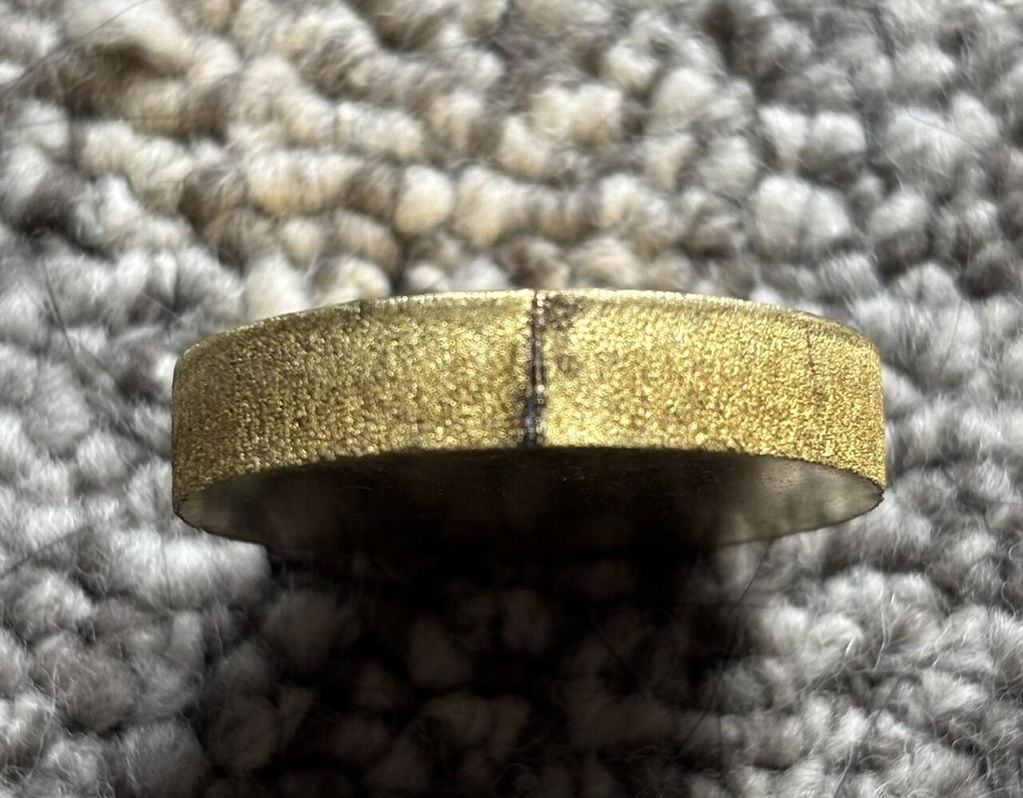
The chain is fine...but I ordered the wrong size. Nine links of the chain I ordered equals six of the size I wanted. My error...
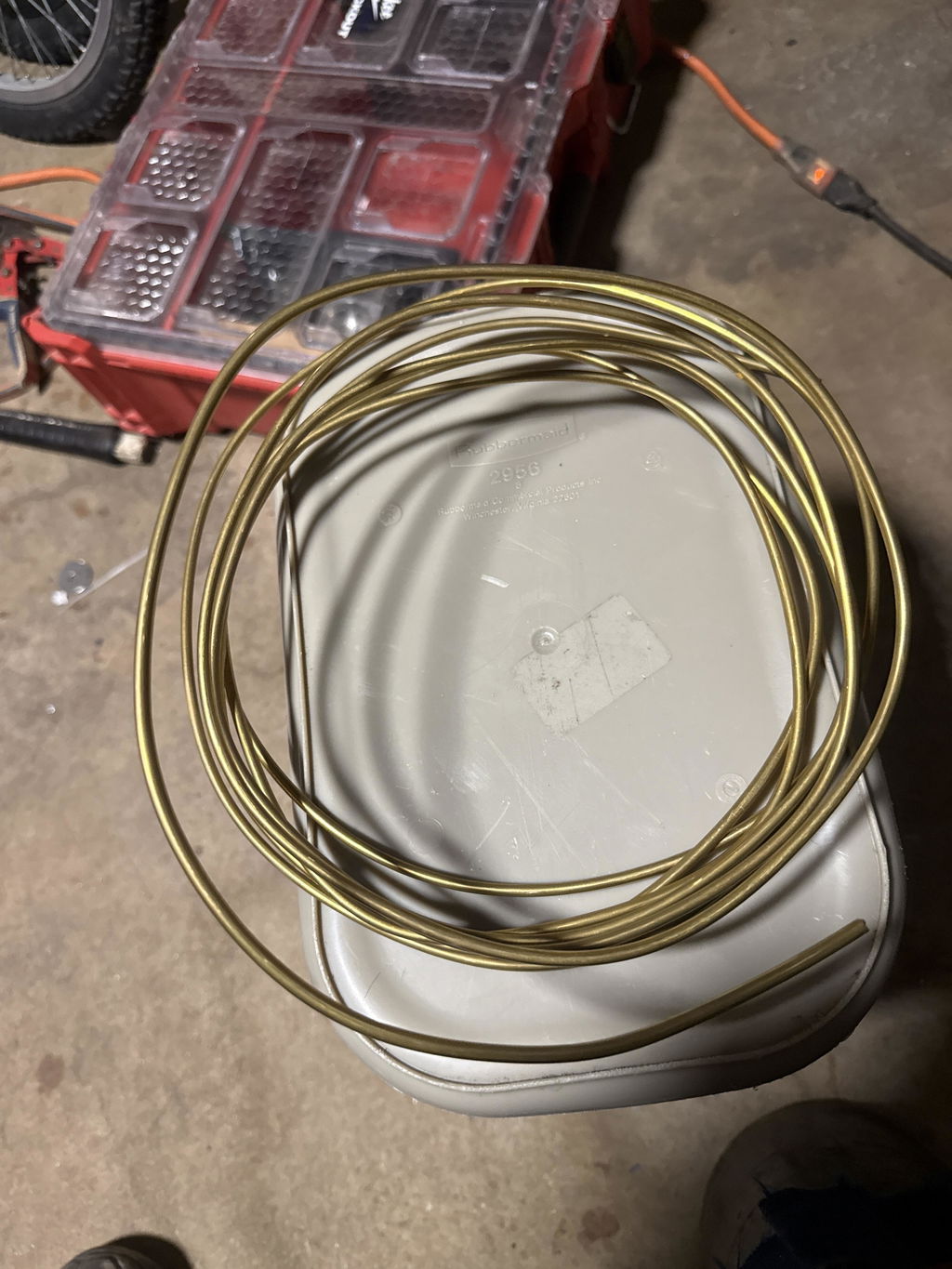
How can I straighten out the springs? I can't use them coil uo as is.
Your payment information is processed securely. We do not store credit card details nor have access to your credit card information.
Get fitment advice & recommendations
When your build demands reliable rotation in a compact footprint, undersized or mismatched bearings cause wobble, premature wear, and costly rework. Engineers, hobbyists, and repair technicians working on RC vehicles, robotics, 3D printers, and precision instruments need metric miniature bearings they can trust to spec — every time.
These miniature ball bearings span the 603–699 series in standard metric dimensions, with bore diameters ranging from 3 mm to 9 mm (approx. 0.12"–0.35") and outer diameters from 7 mm to 30 mm (approx. 0.28"–1.18"). Each bearing is available in either a ZZ (2Z) metal shield cover or a 2RS rubber-sealed cover, with steel balls running in a plastic or polymer retainer cage suited for light-to-moderate radial loads.
Typical use cases include spindle assemblies in desktop CNC routers, idler pulley replacements in FDM 3D printers, motor shaft support in brushless RC car drivetrains, and pivot bearings in camera gimbal arms — all applications where a miniature ball bearing with a confirmed metric designation eliminates guesswork at assembly time.
Covers bore sizes from 3 mm to 9 mm across multiple series (60x, 62x, 63x, 68x, 69x), giving you a single source for the most common miniature metric bearing designations.
ZZ (2Z) shields deflect debris and allow slight lubrication replenishment; 2RS rubber seals provide a contact seal for dusty or lightly moist environments where contamination control matters more.
Each variant lists bore × OD × width in millimeters (e.g., 608 = 8×22×7 mm), so you can cross-reference directly against your CAD drawing or housing datasheet without conversion errors.
Steel ball elements and a polymer cage maintain consistent ball spacing, reducing friction and heat buildup during continuous rotation — important for motor shafts and spindle applications running at moderate RPM.
Miniature form factor keeps added mass minimal — critical for weight-sensitive builds like drone frames, gimbal pivots, and handheld power tools where every gram affects balance and performance.
Standard metric designations (603, 604 … 699) are interchangeable with bearings from any manufacturer following ISO 15 / DIN 625 dimensional standards, making these straightforward replacements in existing assemblies.
| Bearing Series | 603 / 604 / 605 / 606 / 607 / 608 / 609 / 623–629 / 634–639 / 683–689 / 693–699 |
|---|---|
| Bore Diameter (ID) | 3 mm – 9 mm (approx. 0.12" – 0.35") |
| Outer Diameter (OD) | 7 mm – 30 mm (approx. 0.28" – 1.18") |
| Width | 3 mm – 10 mm (approx. 0.12" – 0.39") |
| Cover / Seal Type | ZZ (2Z) Metal Shield or 2RS Rubber Seal — select via variant |
| Ball Material | Steel |
| Retainer / Cage | Polymer (plastic) |
| Dimensional Standard | ISO 15 / DIN 625 metric |
| Load Type | Radial (light-to-moderate) |
| Lubrication | See variant options |
| Operating Temperature | See variant options |
| Quantity per Order | 1 piece (single bearing) |
Match the bearing designation to your shaft diameter (bore/ID), housing bore (OD), and available axial space (width). For example, if your shaft is 8 mm, your housing bore is 22 mm, and your space allows 7 mm width, you need a 608 bearing. Cross-reference the three dimensions listed in each variant name (e.g., "608(8×22×7 mm)") against your drawing or caliper measurement.
ZZ (2Z) bearings use thin metal shields on both sides. They are non-contact, so friction is slightly lower, and they allow the bearing to be re-lubricated if needed. 2RS bearings use rubber contact seals on both sides, providing better protection against fine dust and light moisture ingress. Choose ZZ for clean, dry, high-speed environments; choose 2RS where contamination is a concern.
These miniature bearings are designed for light-to-moderate radial loads typical of RC drivetrains, drone motor shafts, and similar hobby applications. They are not rated for heavy impact or high axial thrust loads. For applications with significant shock loading (e.g., off-road RC bashing), verify the dynamic load rating against your expected forces before use.
The steel ball elements offer moderate corrosion resistance in typical indoor environments. The 2RS rubber seal variant provides better protection against incidental moisture compared to the ZZ shield. For consistently wet or chemically aggressive environments, consider stainless steel bearing variants (not included in this listing). Keep bearings dry and lightly lubricated for longest service life.
Yes. The 60x, 62x, 63x, 68x, and 69x series designations follow ISO 15 / DIN 625 dimensional standards. Any bearing with the same numeric designation (e.g., 608) from any ISO-compliant manufacturer will share identical bore, OD, and width dimensions, making these direct drop-in replacements in existing housings, pillow blocks, or flanged mounts.
Each order at the listed price includes 1 piece (single bearing). If you need multiple bearings for a project — for example, 4 bearings for a 3D printer axis or 8 for an RC car — simply adjust the quantity in your cart before checkout.
Yes. The 608 (8×22×7 mm) is the most common 3D printer idler bearing size and is included in this listing. The 623, 624, and 625 series are also widely used in extruder and hotend assemblies. Select the variant matching your printer's BOM or the bearing currently installed, and verify the cover type (ZZ or 2RS) matches your original specification.