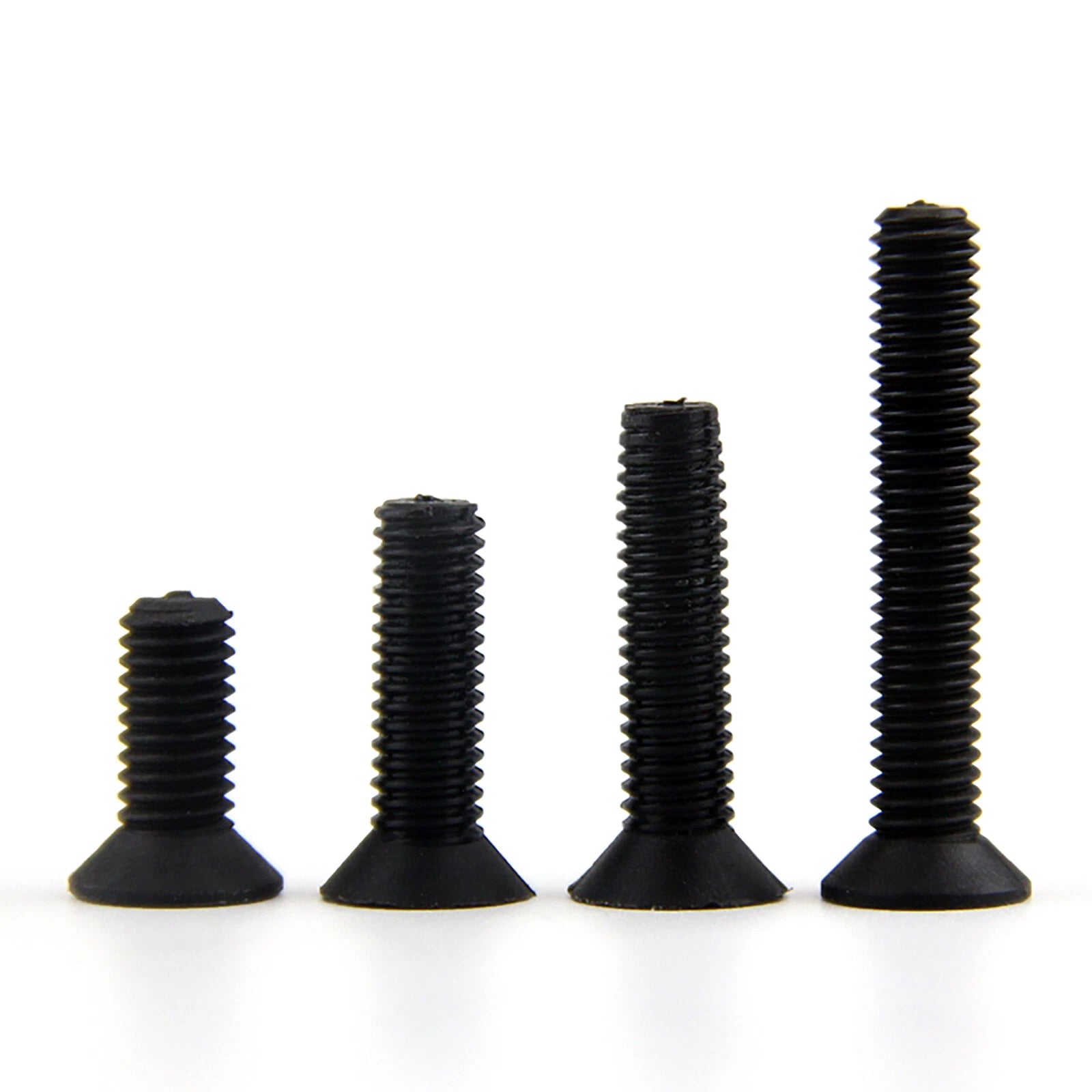
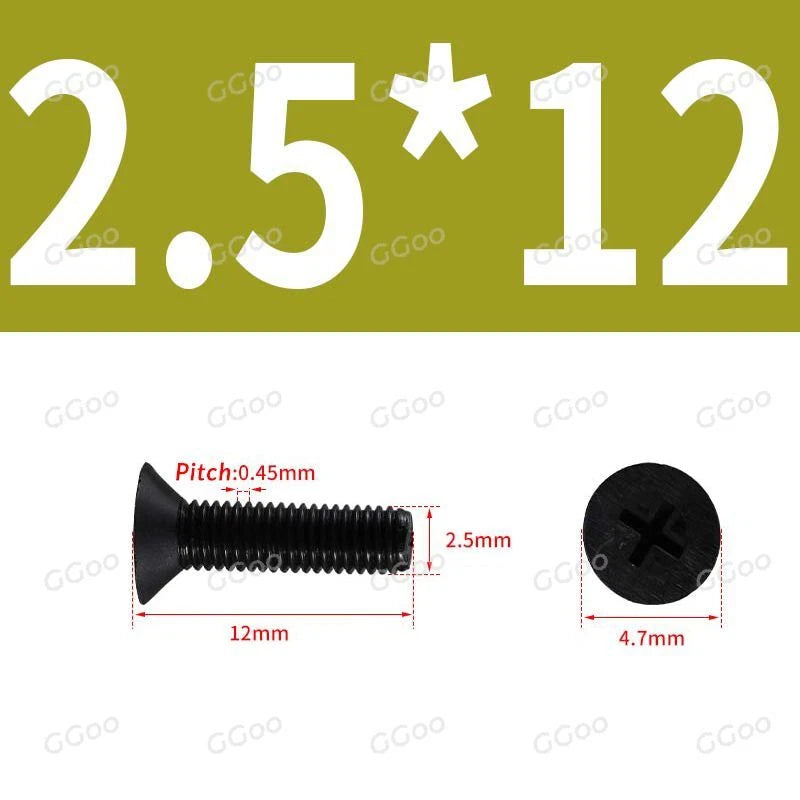
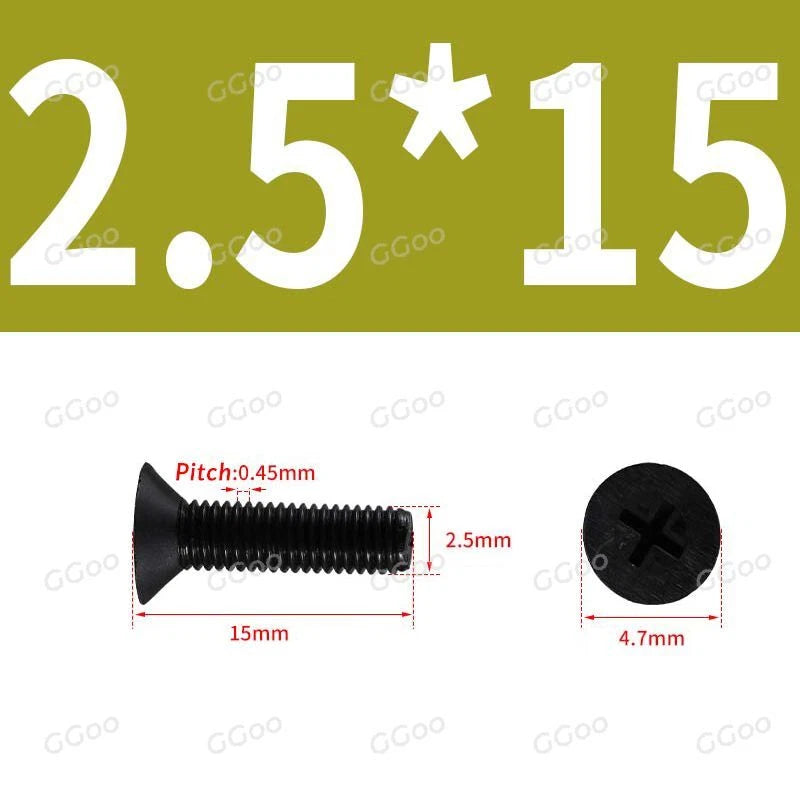
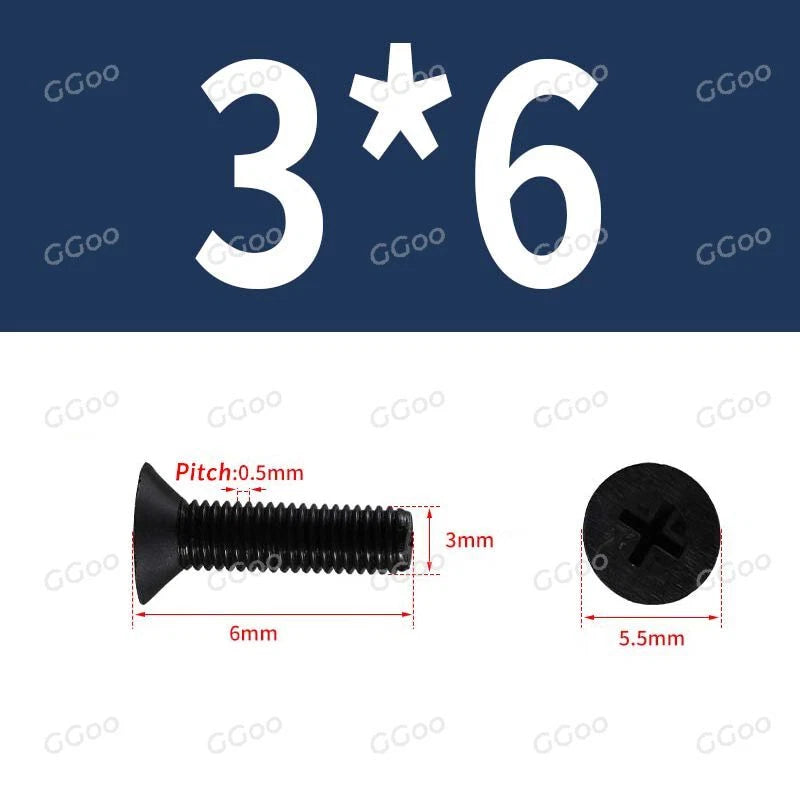
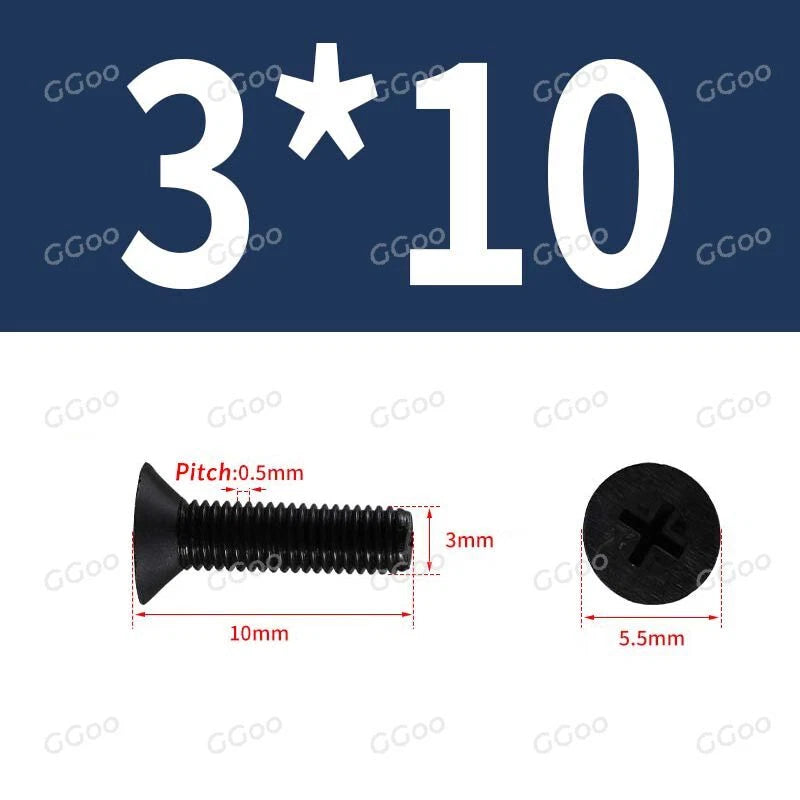
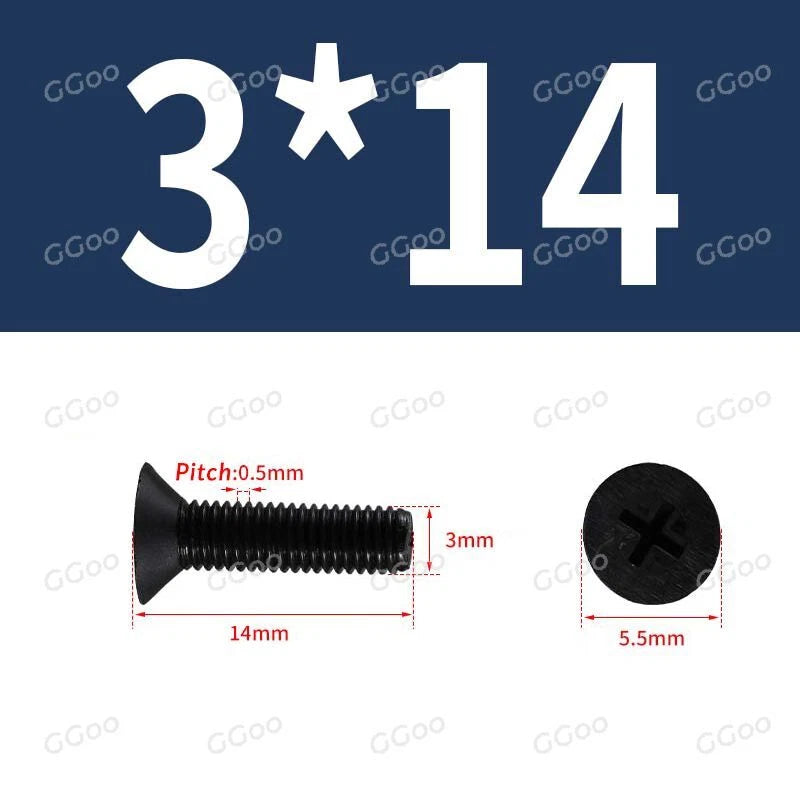
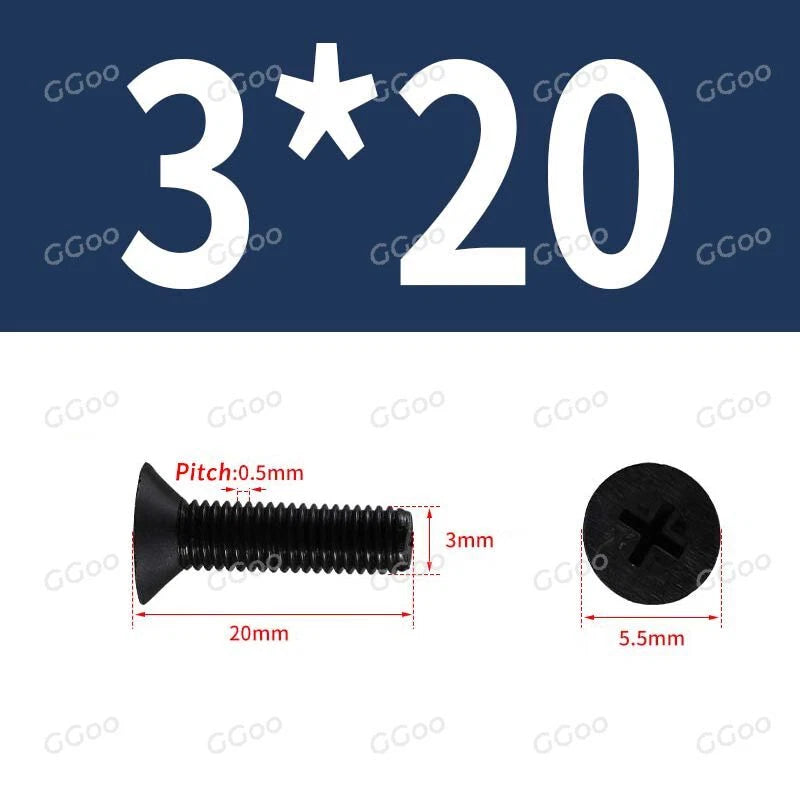
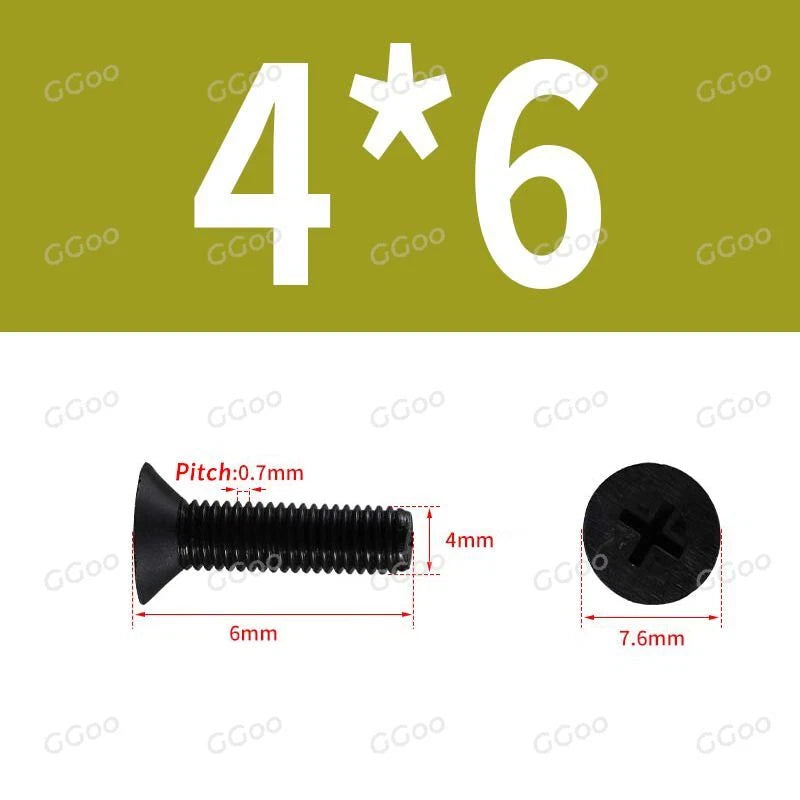
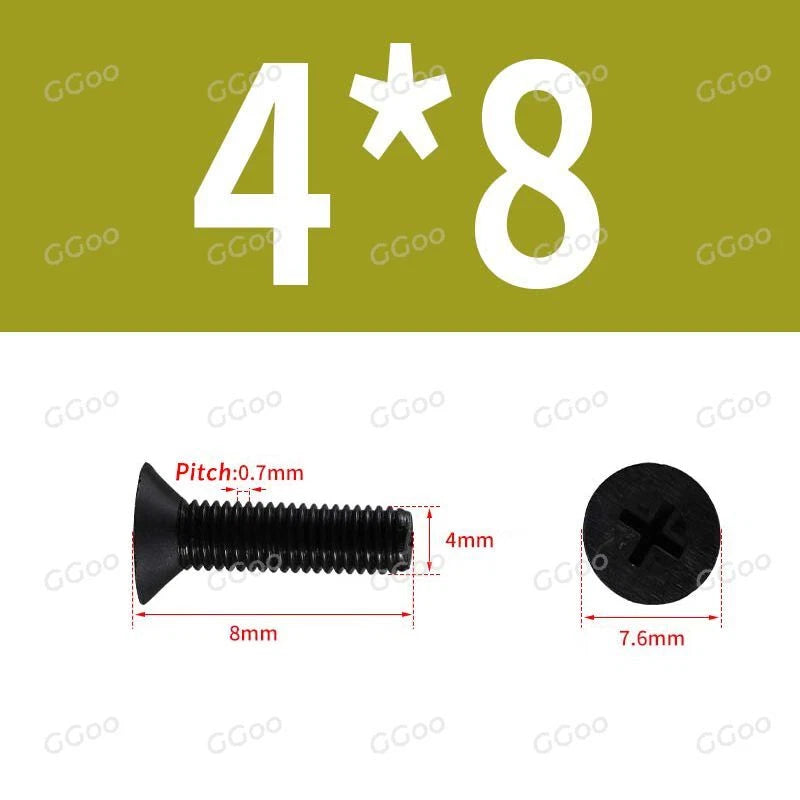
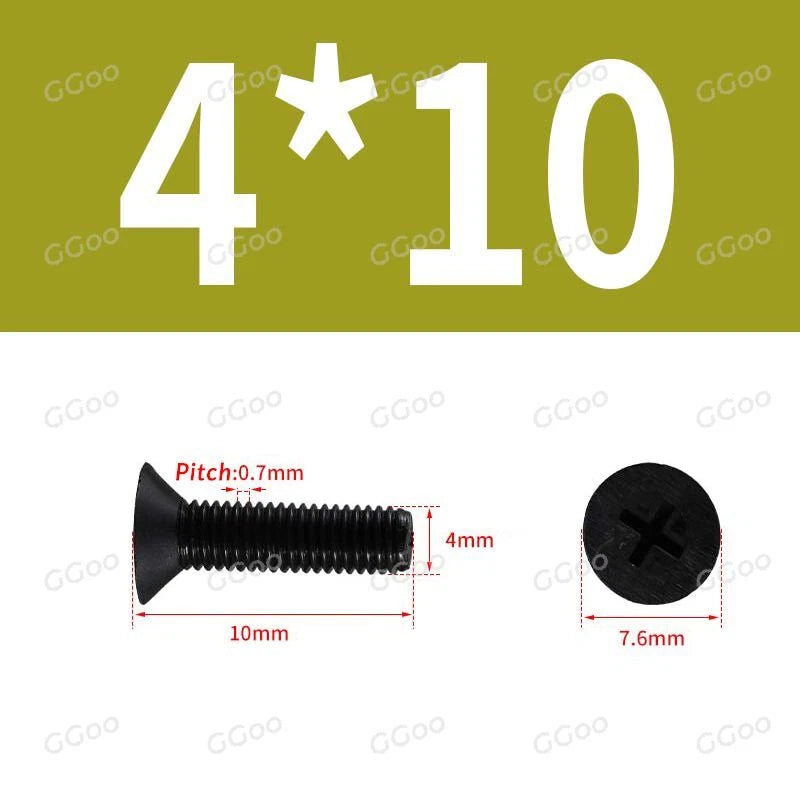
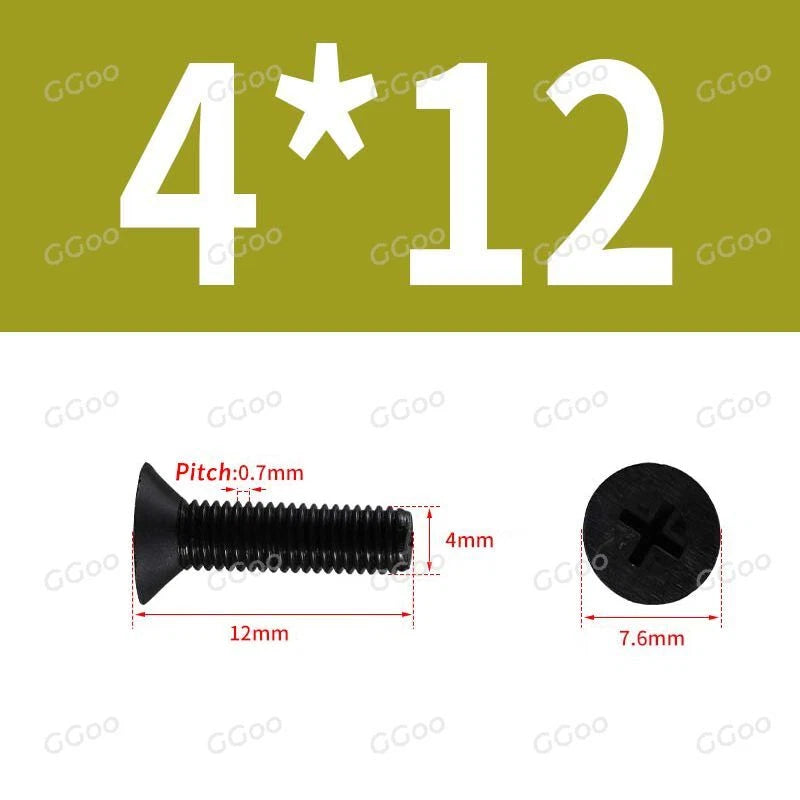
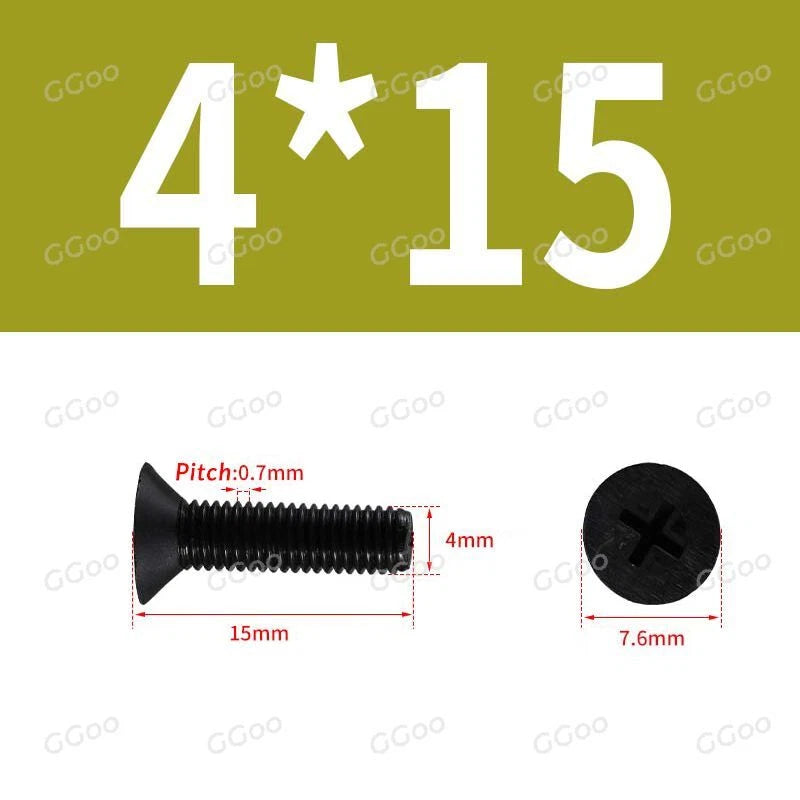
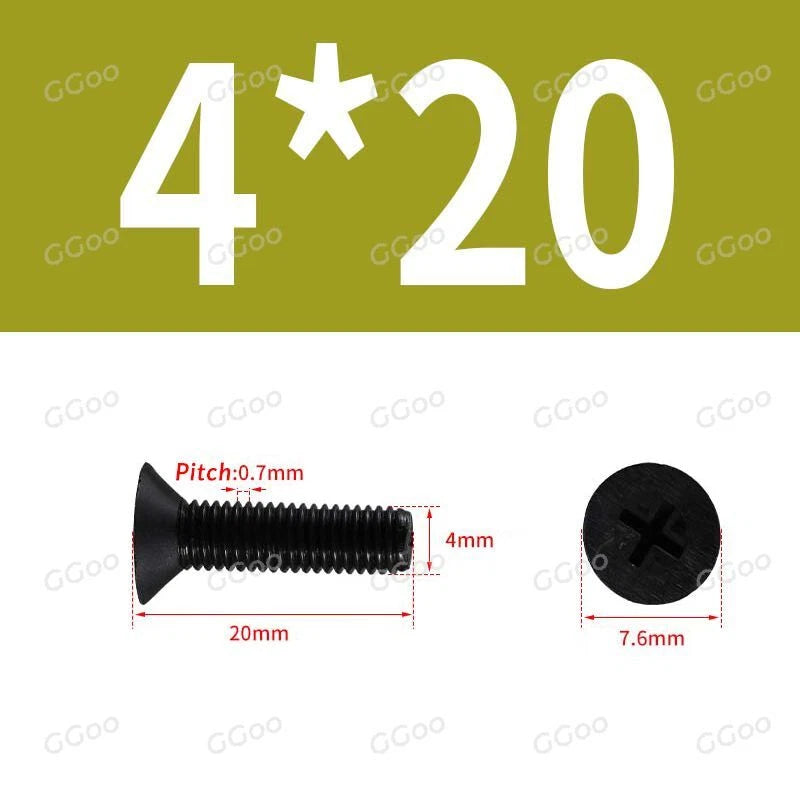
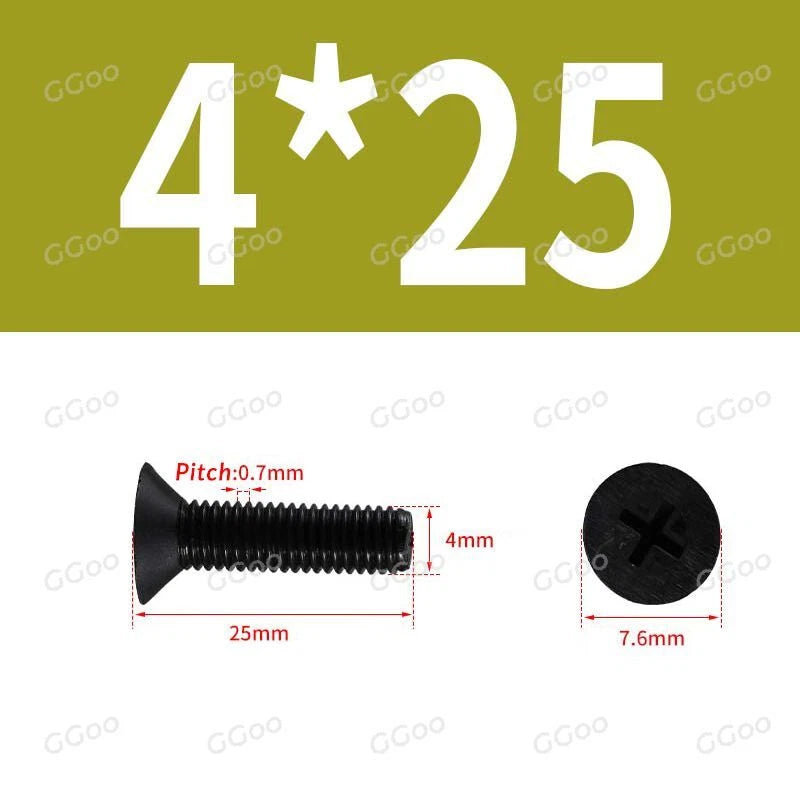
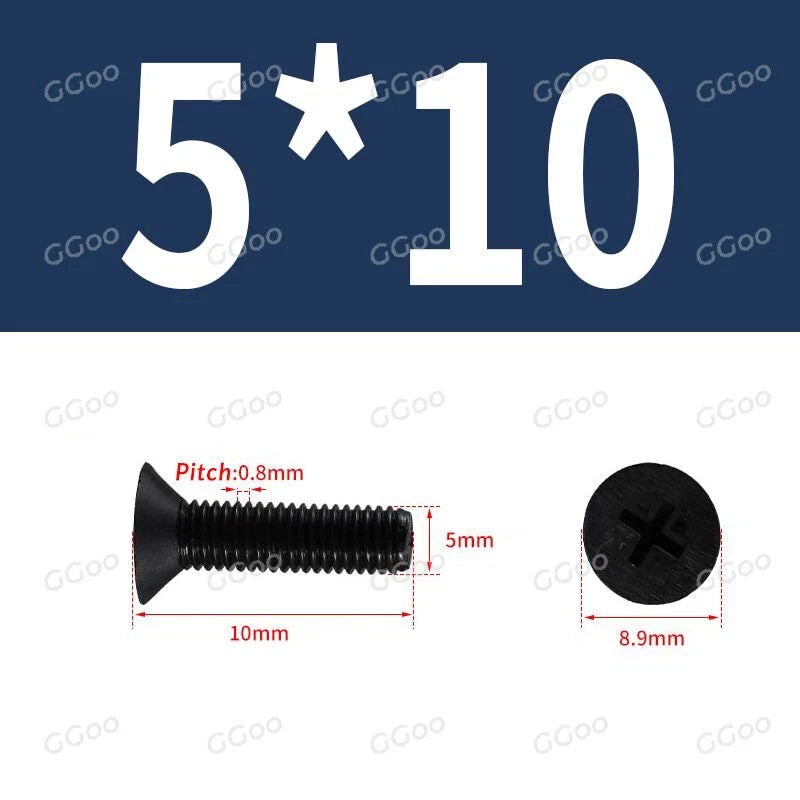
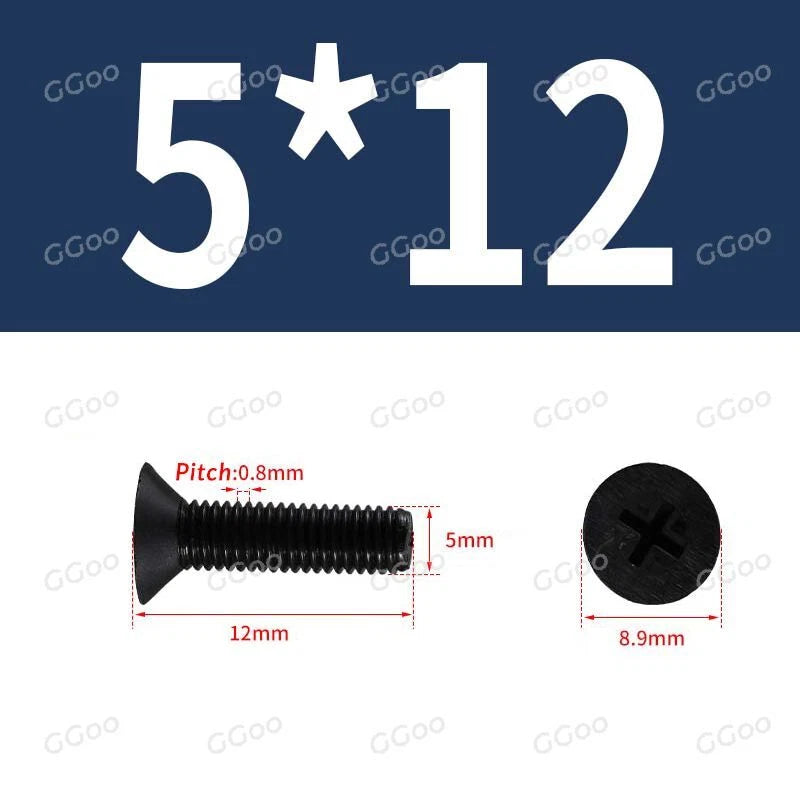
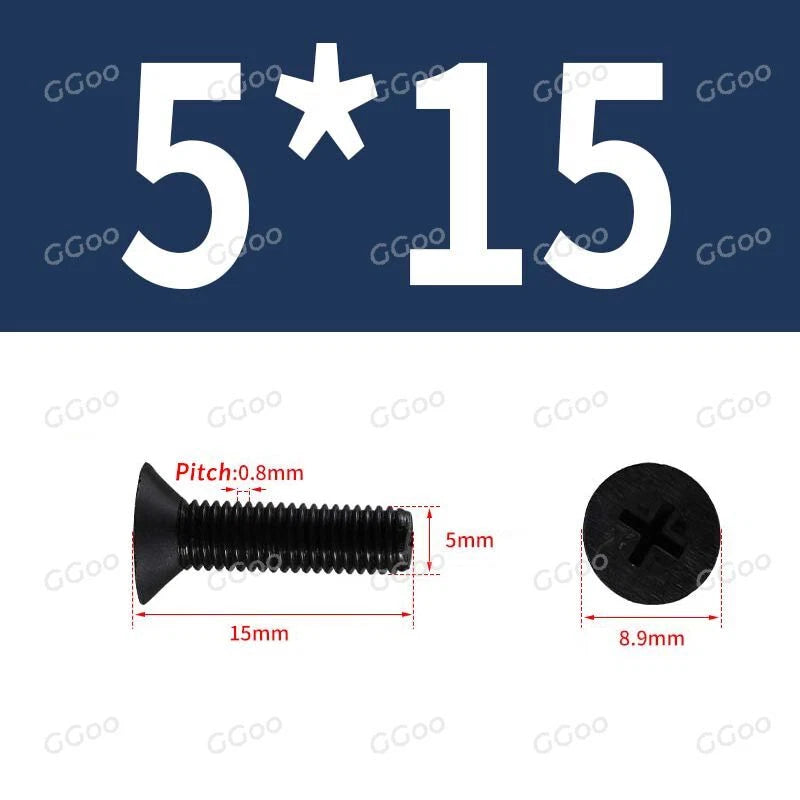
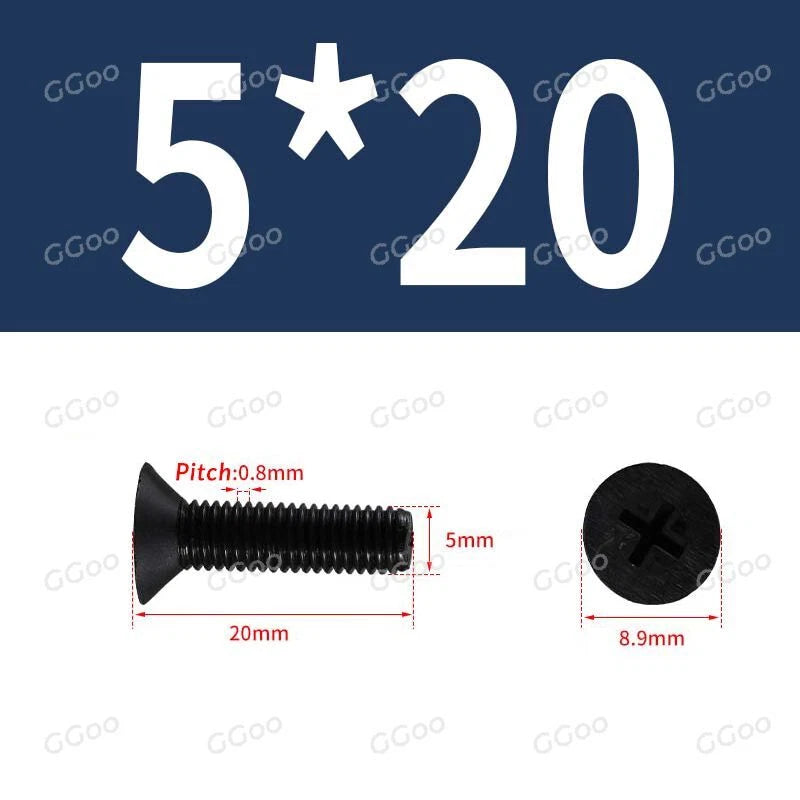
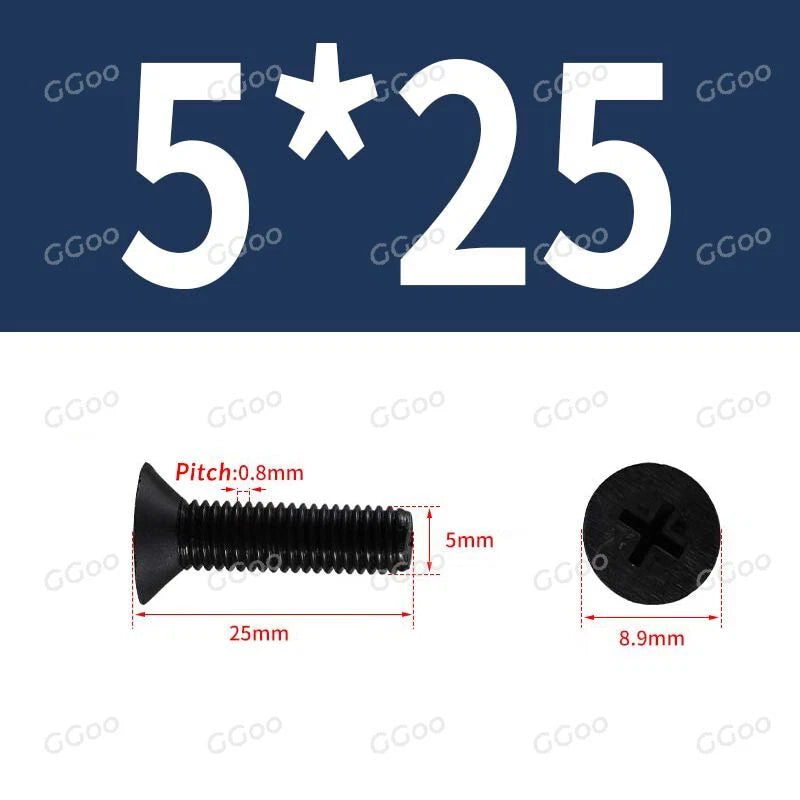
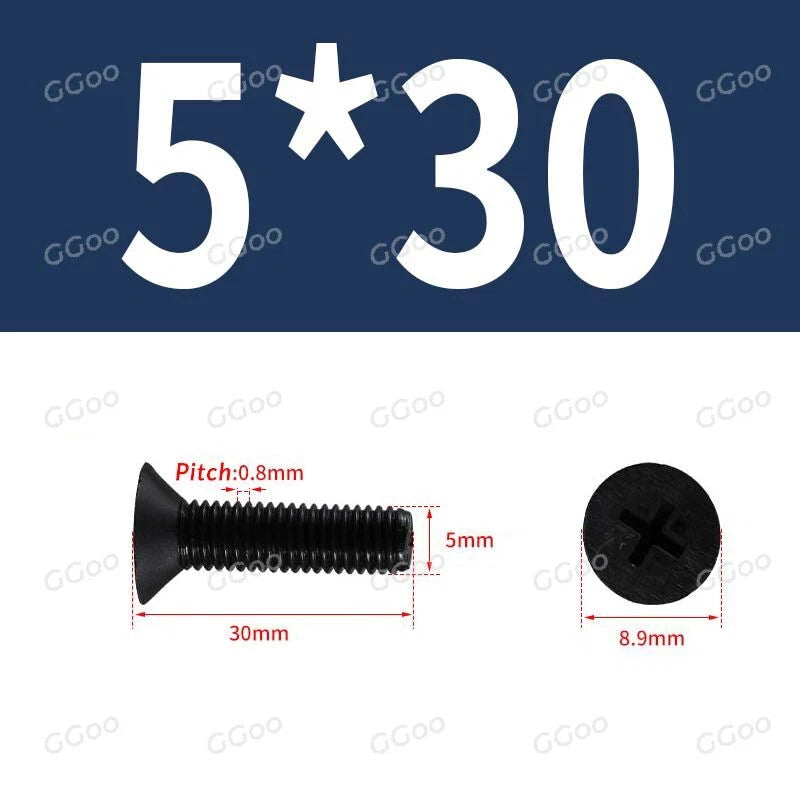
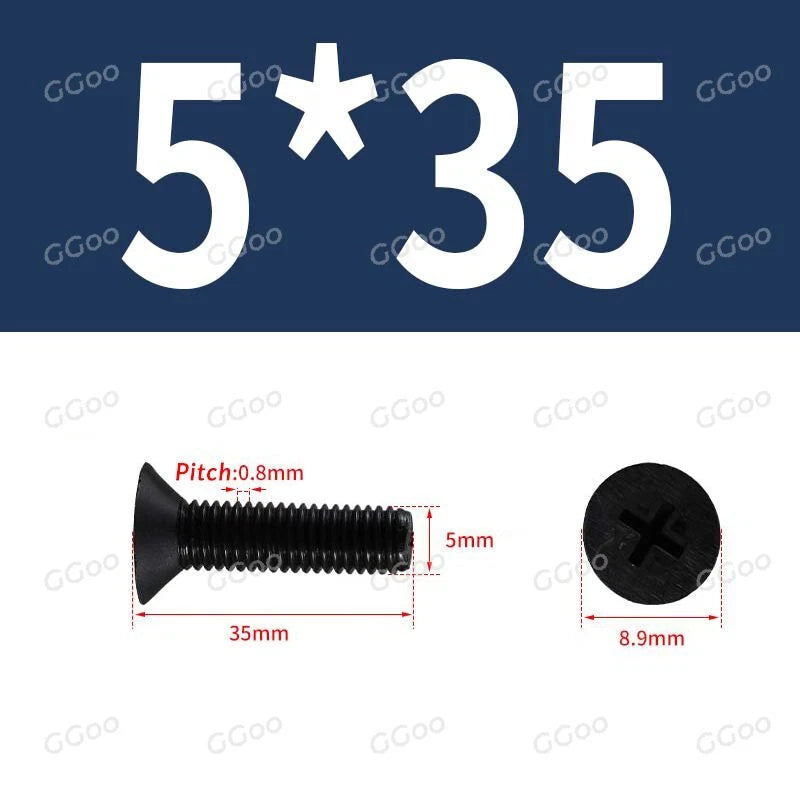
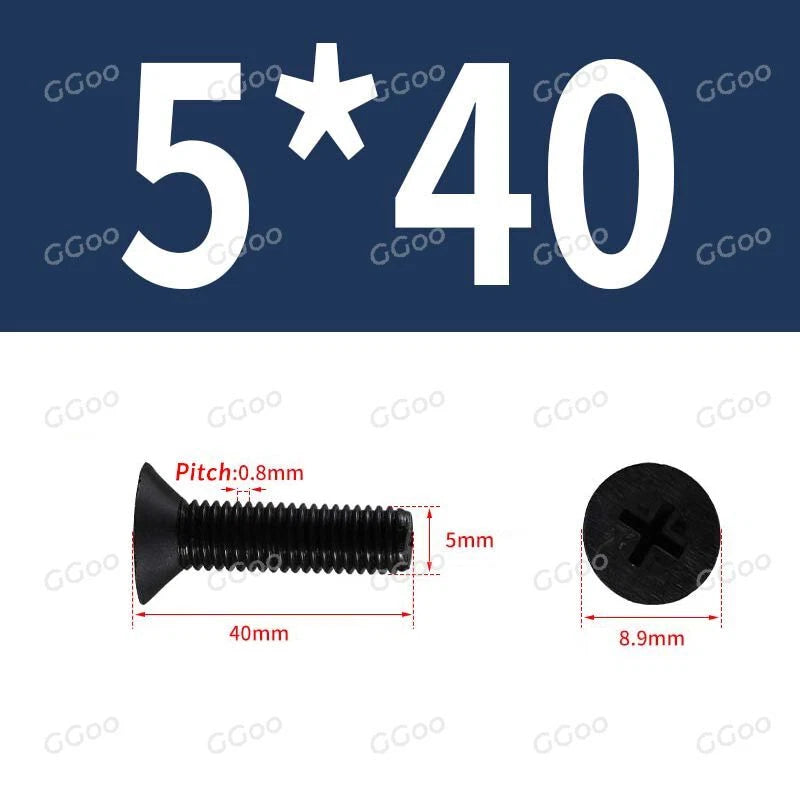
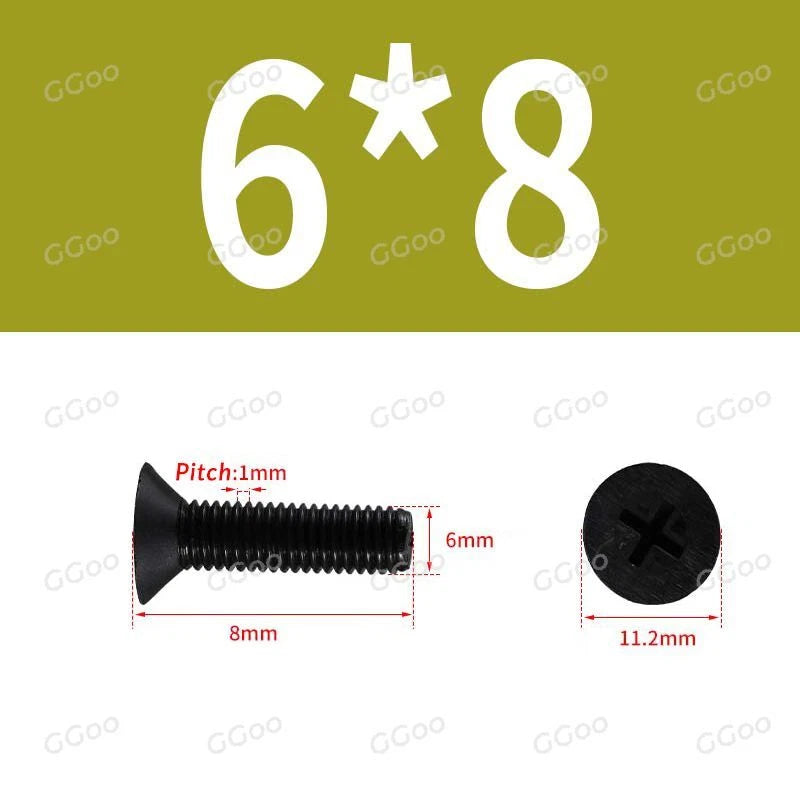
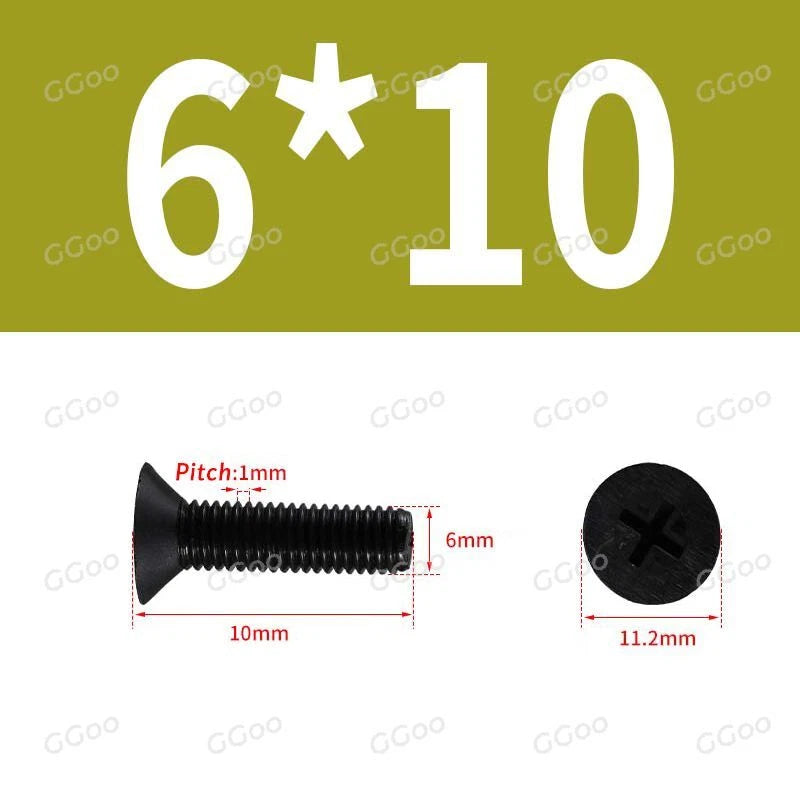
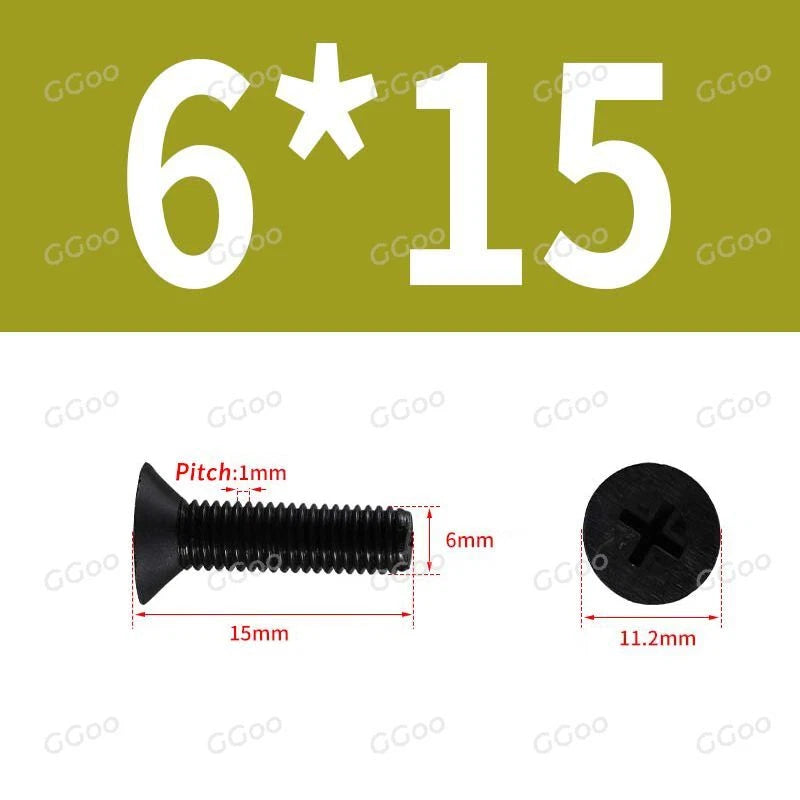
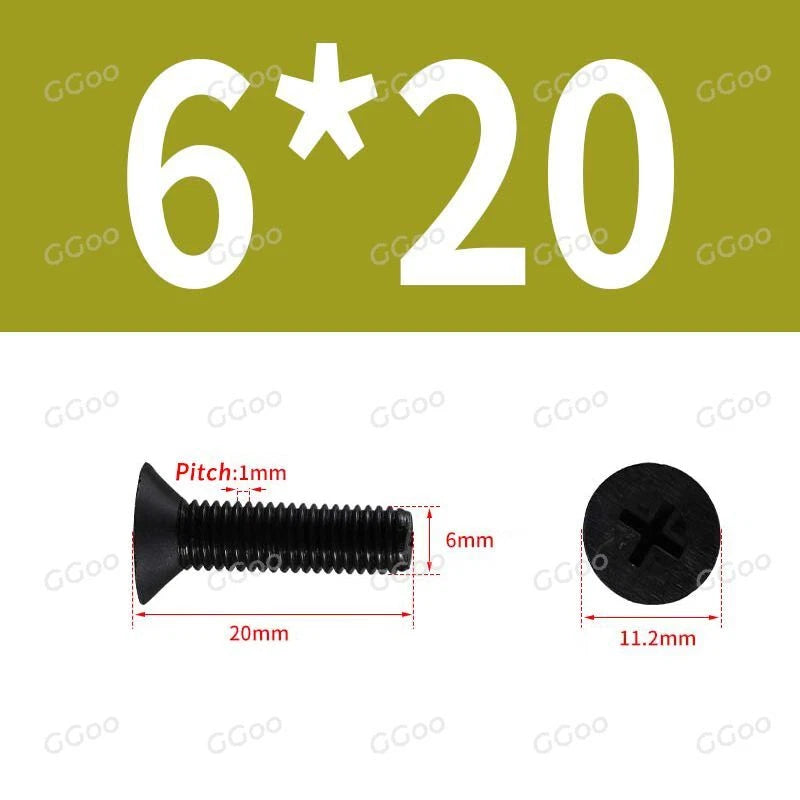
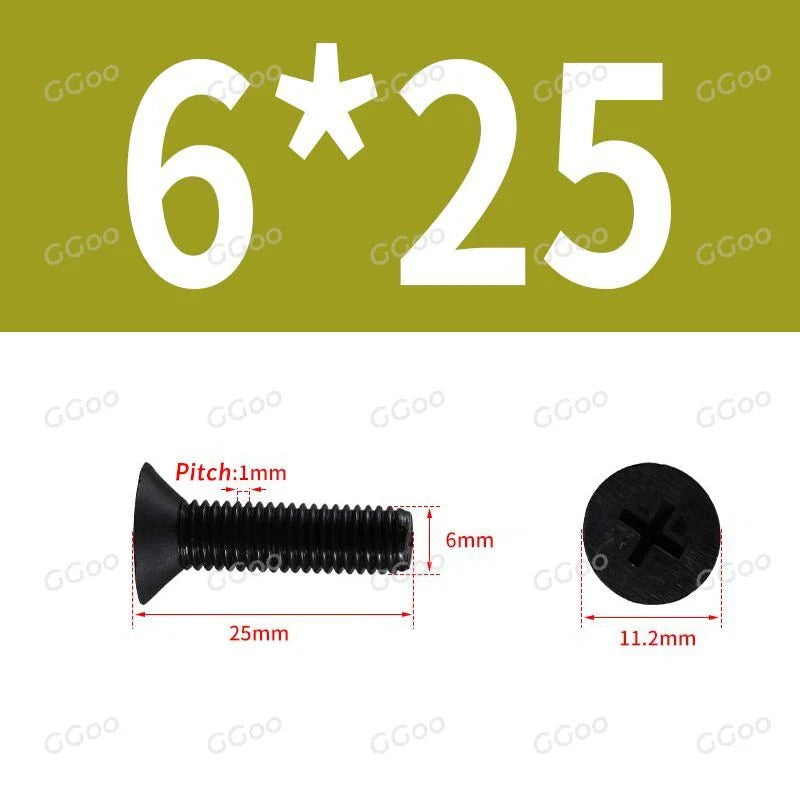
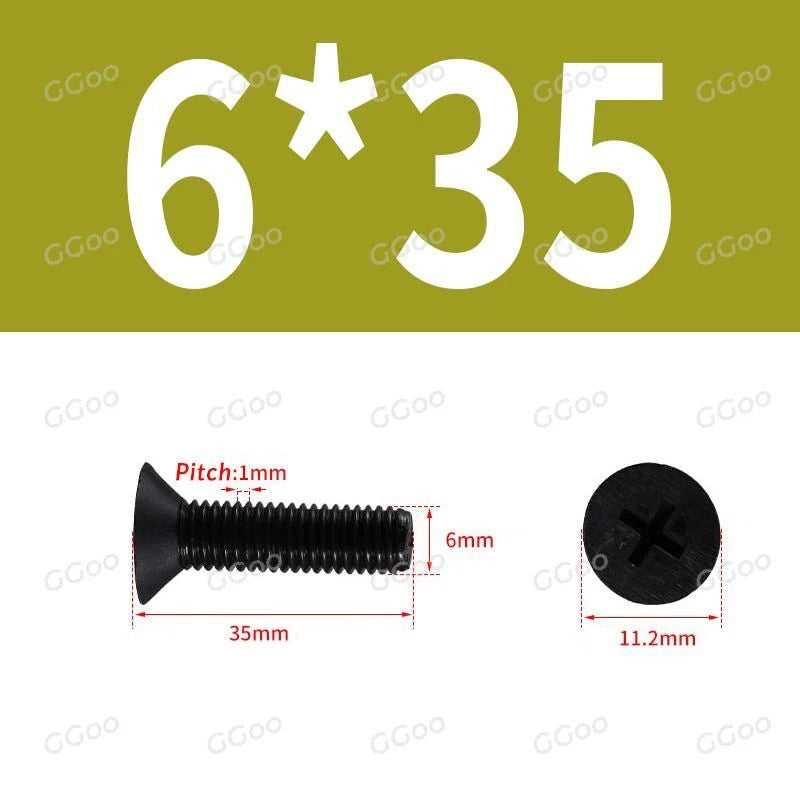
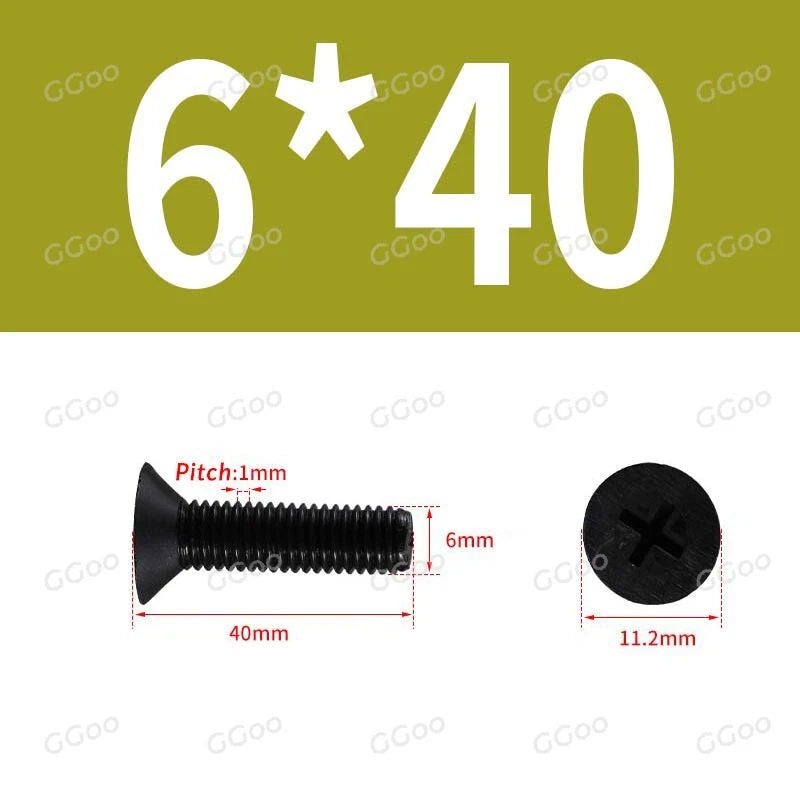
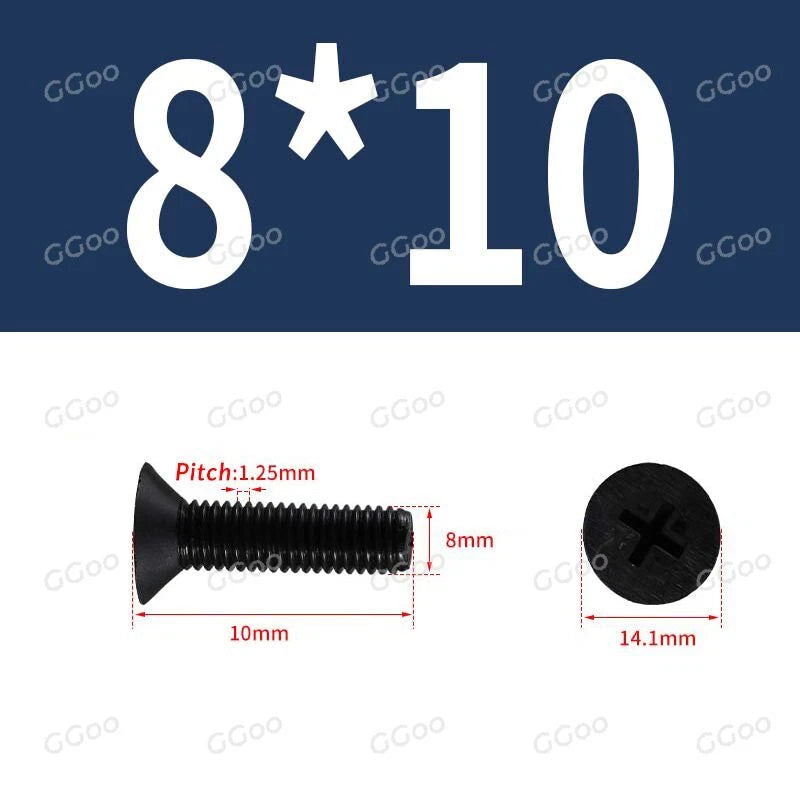
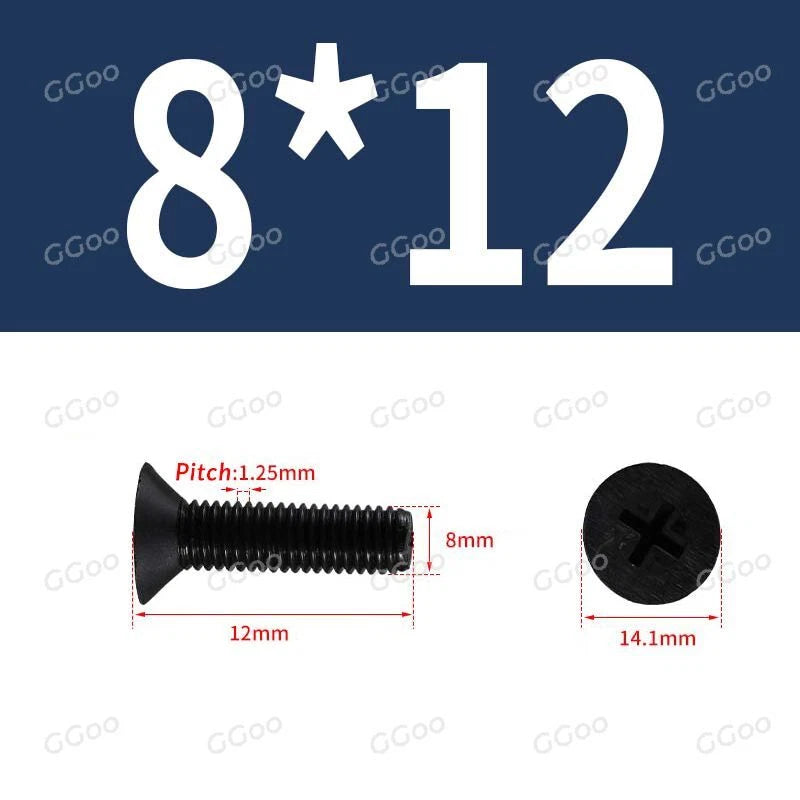
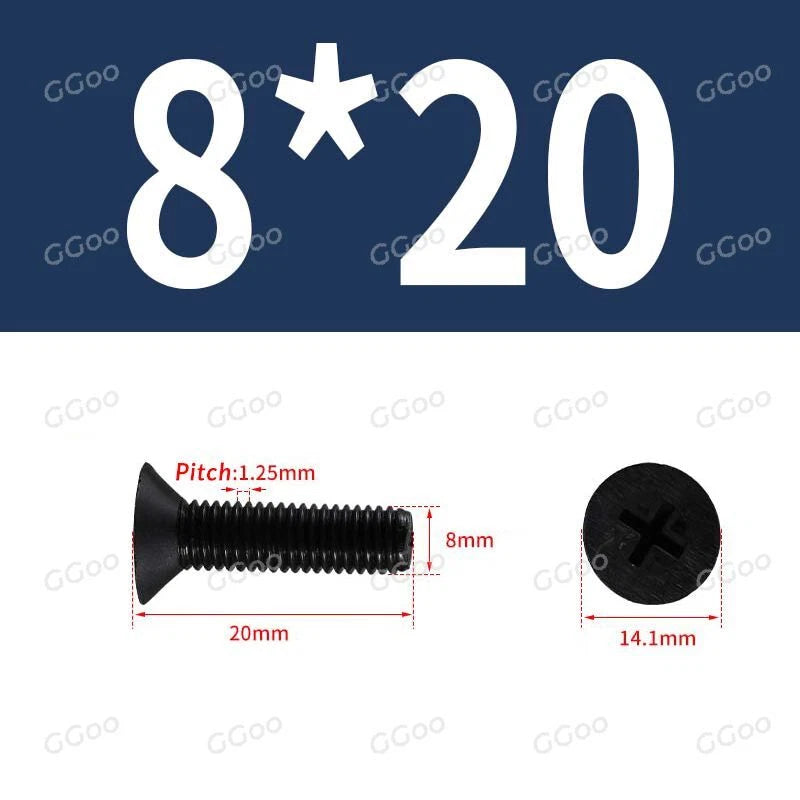
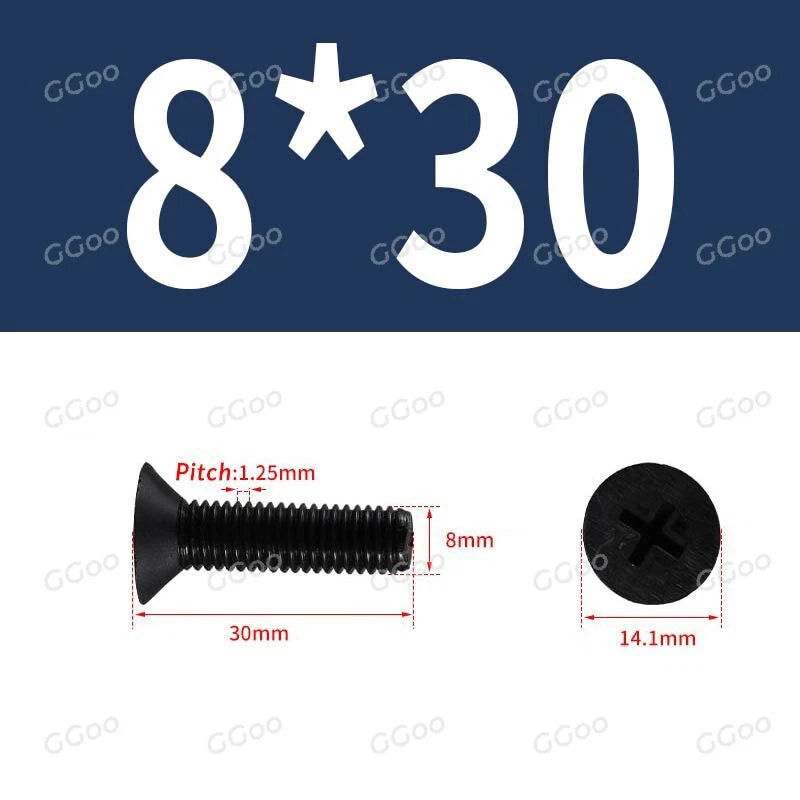
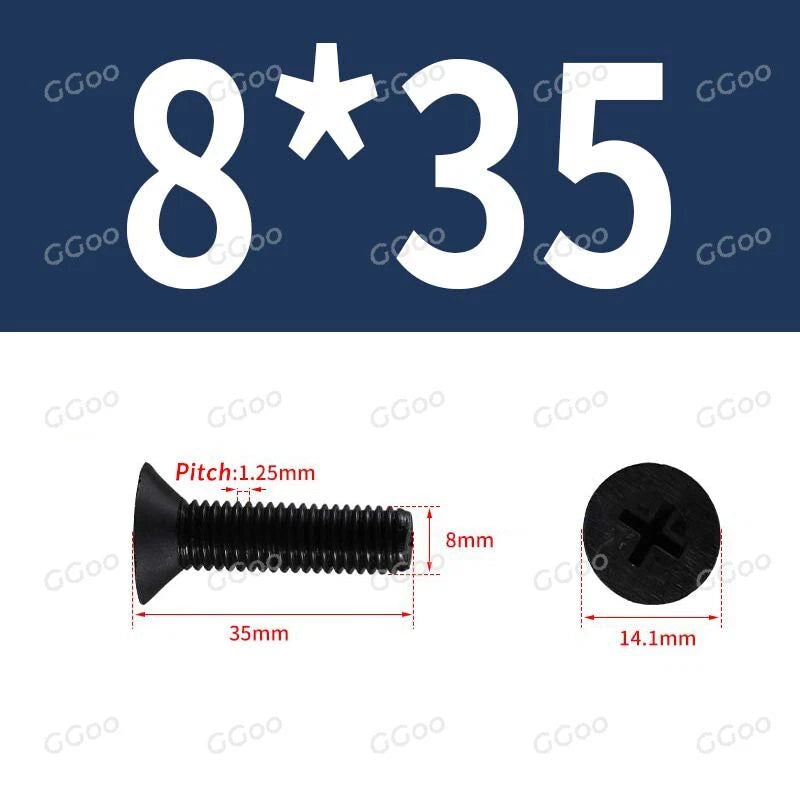
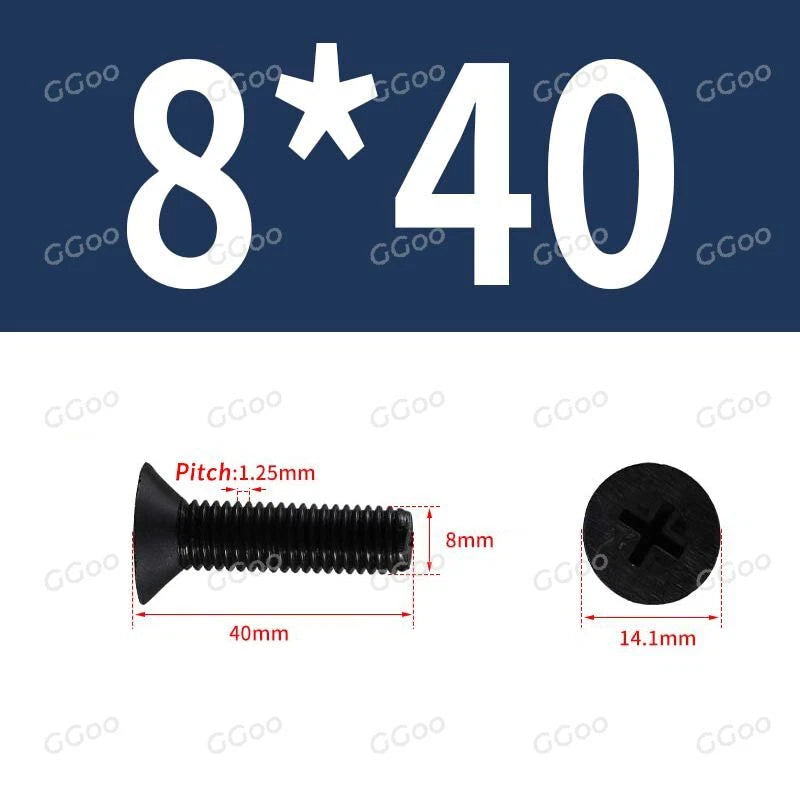
🔩 Nylon Phillips Countersunk Screws – M2.5 to M8, Non‑Conductive & Corrosion‑Free (PA66)
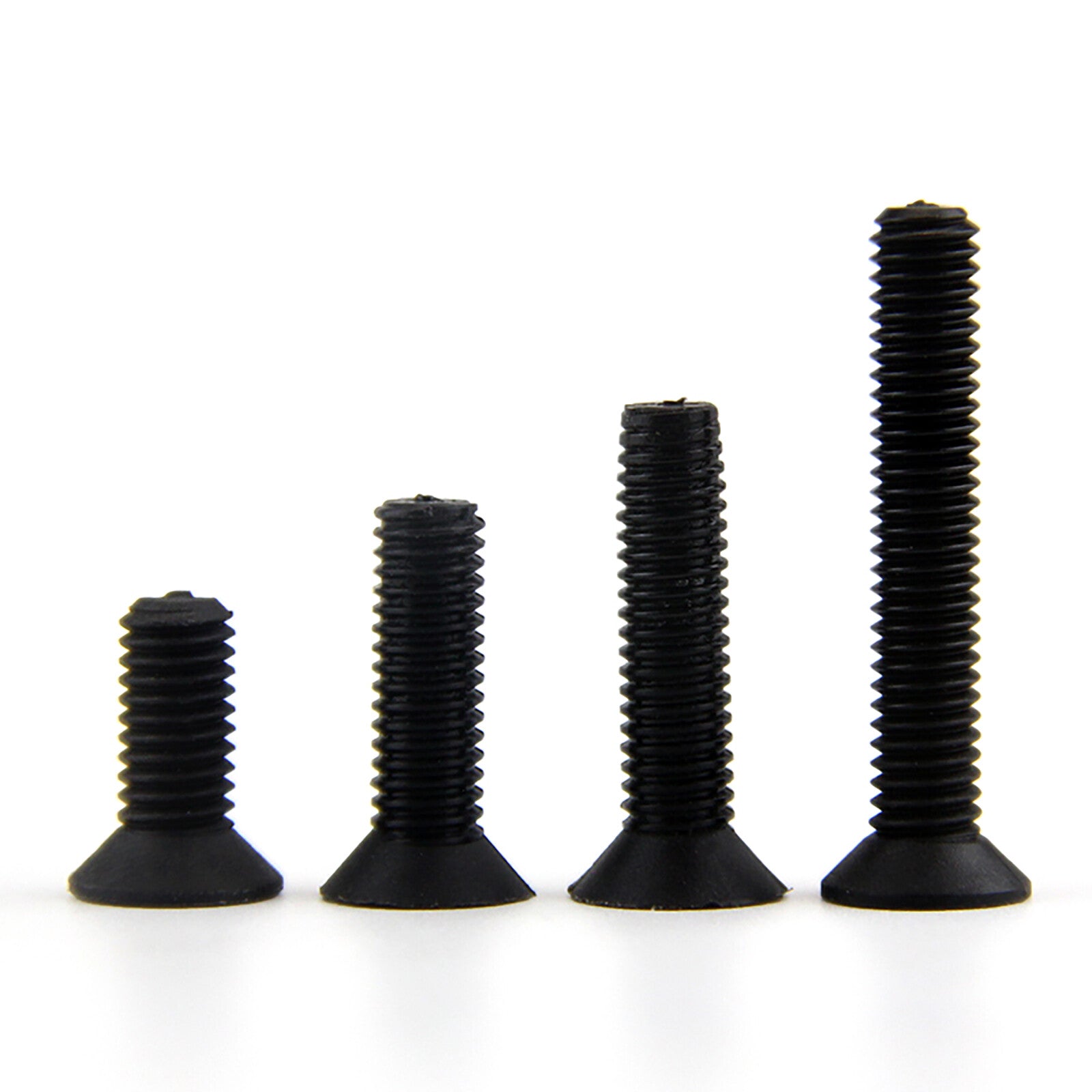
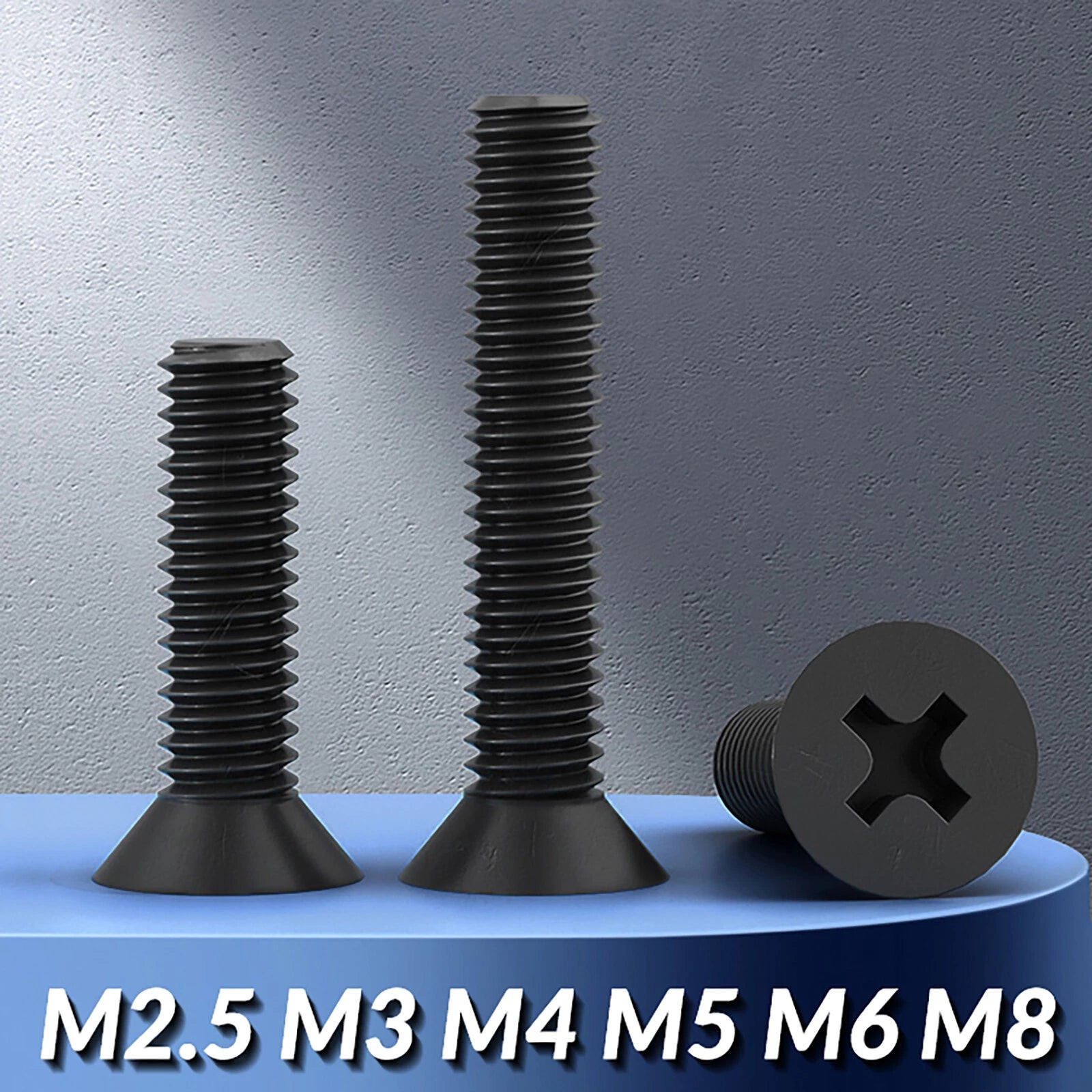
You're mounting a circuit board, securing a battery terminal, or assembling a marine radio – and metal screws would cause shorts or rust away. These nylon countersunk screws are made from PA66 (Nylon 66), a tough engineering plastic that's completely non‑conductive, non‑magnetic, and immune to corrosion. The flat head sits flush with the surface after countersinking, giving a clean, professional finish. Phillips drive works with standard crosshead screwdrivers. Available in M2.5, M3, M4, M5, M6, and M8 diameters, with multiple pack sizes (10, 50, 100, 500, 1000 pieces). Perfect for electronics, PCB mounting, battery boxes, marine equipment, chemical environments, and any application where metal fasteners are a problem.
✨ Key Features – Nylon Countersunk Phillips Screws (PA66)
- ⚡ Electrically insulating – Nylon is a natural insulator. Use these screws to mount PCBs, secure wire terminals, or prevent ground loops.
- 🦀 100% corrosion‑proof – No rust, no oxidation, no galvanic reaction. Perfect for marine, coastal, or chemical environments where stainless steel can still stain or pit.
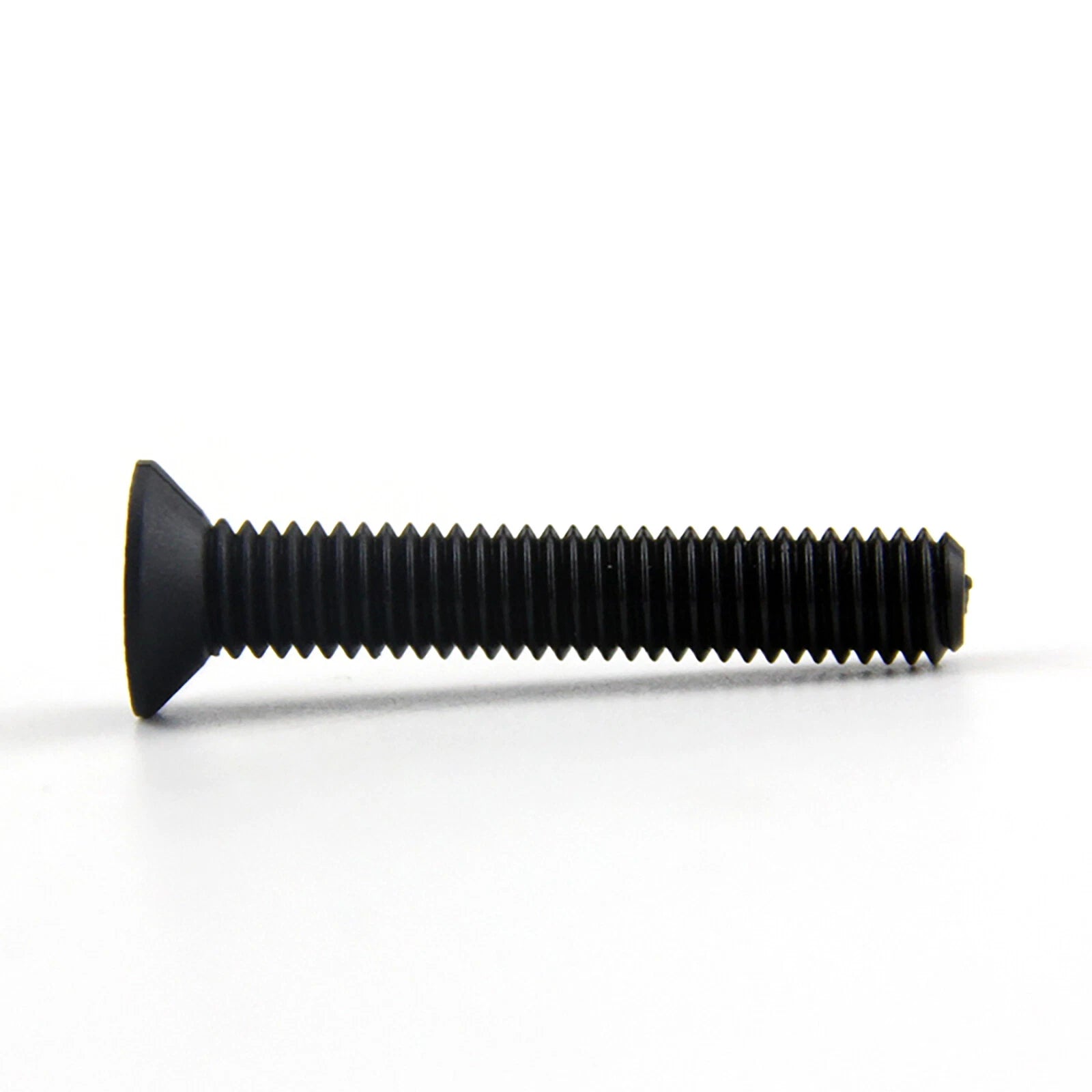
- 🔽 Countersunk flat head (90°) – Designed to sit flush with the surface after proper countersinking. Ideal for flush, snag‑free installations.
- ⚡
Phillips drive – Standard cross recess works with common screwdrivers and bits. Good torque control without slipping.
- 📏 Metric sizes M2.5 to M8 – M2.5, M3, M4, M5, M6, M8. Covers miniature electronics up to light mechanical assemblies.
- 💪 PA66 engineering plastic – High mechanical strength, good toughness, abrasion and chemical resistant. Lightweight (about 1/5 the weight of steel).
- 📦 Multiple pack quantities – Choose from 10, 50, 100, 500, or 1000 pieces per pack to suit your project scale.
📏 Specifications – Nylon Countersunk Phillips Screws (Metric)
| Thread Diameter |
Typical Length Range (mm) * |
Thread Pitch (mm) |
Available Pack Sizes |
Common Applications |
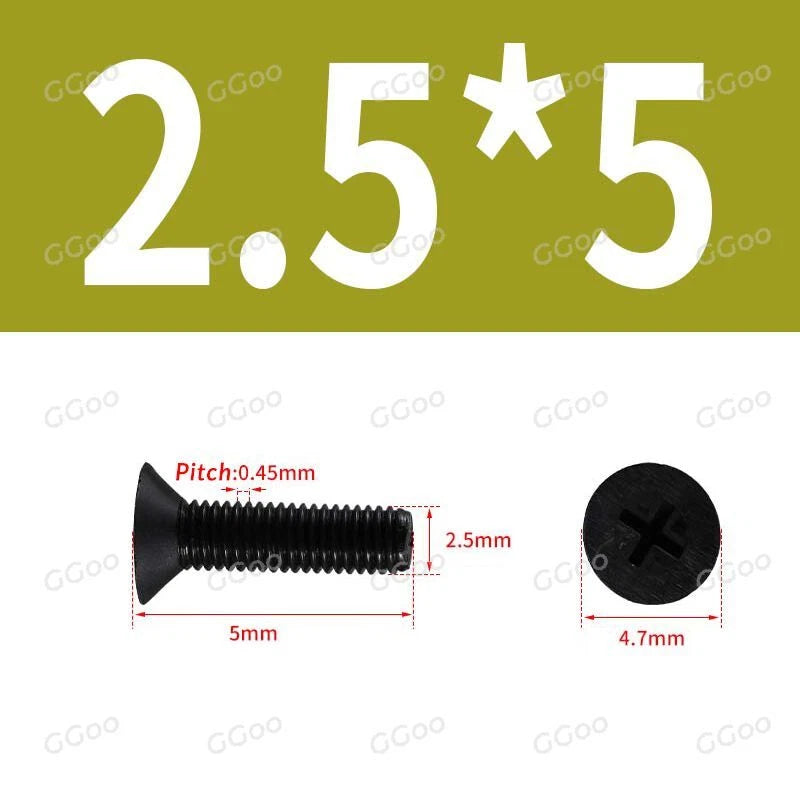
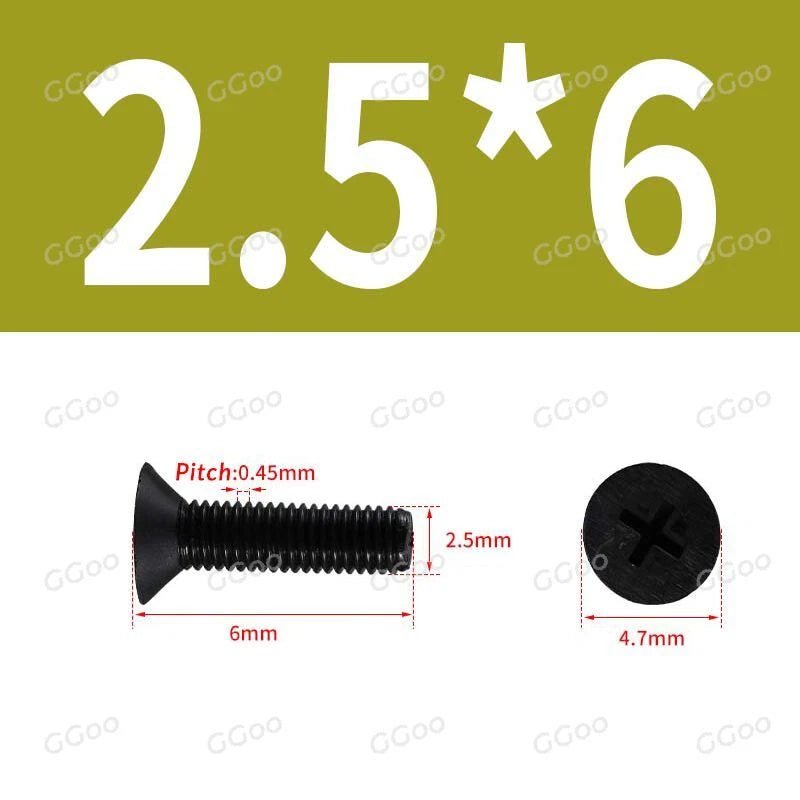
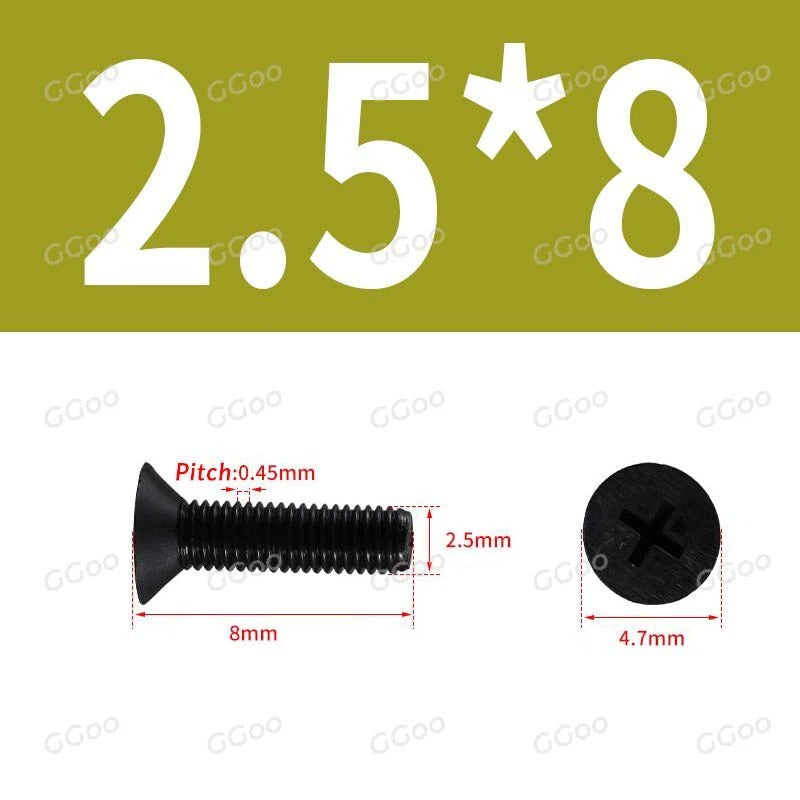
| M2.5 |
4 – 20 |
0.45 |
10, 50, 100, 500, 1000 |
Small PCBs, battery holders, RC electronics |
| M3 |
5 – 30 |
0.5 |
10, 50, 100, 500, 1000 |
3D printers, terminal blocks, instrument cases |
| M4 |
6 – 40 |
0.7 |
10, 50, 100, 500, 1000 |
Electronics enclosures, light machinery, boat accessories |
| M5 |
8 – 50 |
0.8 |
10, 50, 100, 500, 1000 |
Marine hardware, chemical equipment, solar panel mounts |
| M6 |
10 – 60 |
1.0 |
10, 50, 100, 500, 1000 |
Larger plastic assemblies, electrical cabinets, outdoor gear |
| M8 |
12 – 80 |
1.25 |
10, 50, 100, 500, 1000 |
Industrial equipment, heavy‑duty plastic structures |
* Lengths are measured overall including the head (per DIN 965). Available lengths vary by diameter – select from dropdown. All screws are fully threaded for most lengths; longer M6/M8 may have partial threads.
📋 Material Properties – PA66 Nylon (Nylon 66)
| Property |
Value / Benefit |
| Material |
PA66 (Nylon 66) – high strength, good toughness, wear resistant |
| Electrical insulation |
Excellent – non‑conductive, safe for electronics |
| Corrosion resistance |
Immune to rust, saltwater, chemicals, and UV (with stabilizers) |
| Temperature range |
-40°C to +85°C continuous; short peaks up to 120°C |
| Density |
~1.14 g/cm³ (about 1/5 weight of steel) |
| Magnetic |
Non‑magnetic – ideal for sensitive equipment |
❓ Frequently Asked Questions – Nylon Countersunk Screws
1. Are these screws strong enough for structural applications?
Nylon screws have about 1/5 to 1/3 the tensile strength of steel. They’re perfect for lightweight assemblies, electrical insulation, corrosion‑prone environments, and vibration‑damping. For heavy load‑bearing (e.g., holding a 50kg shelf), use metal. For PCB mounting, plastic enclosures, boat hatches, or battery terminals, nylon is ideal.
2. Can I use these screws outdoors in direct sunlight?
Nylon is UV‑sensitive. For continuous outdoor sunlight exposure (months or years), the material may become brittle and discolor. We recommend using them in shaded or indoor applications, or painting the screw heads with UV‑blocking paint for outdoor use.
3. Do I need to countersink the hole for these screws?
Yes – for the head to sit flush, you must drill a matching 90° countersink hole. Use a countersink bit. In soft plastics or wood, you can sometimes tap the head in gently, but proper countersinking gives a cleaner result.
4. How do I measure the length of a countersunk nylon screw?
Per DIN 965, the length is measured overall – from the top of the head to the tip. So an “M3 x 10mm” screw has a total length of 10mm including the head.
5. Can I use a power drill to drive these screws?
Yes – but use a very low‑clutch setting (1–2) and low speed. Nylon threads can strip if over‑torqued. Hand tightening is recommended for final seating. The Phillips drive will slip before the screw breaks, but caution is advised.
6. What’s the difference between PA66 and other nylons?
PA66 (Nylon 66) has higher mechanical strength, better stiffness, and higher melting point than PA6. It’s the standard choice for engineering fasteners where strength and temperature resistance matter.