🔩 Product Overview: M5–M8 Pozi Button Head Screws – A2 Stainless Steel, Fully Threaded
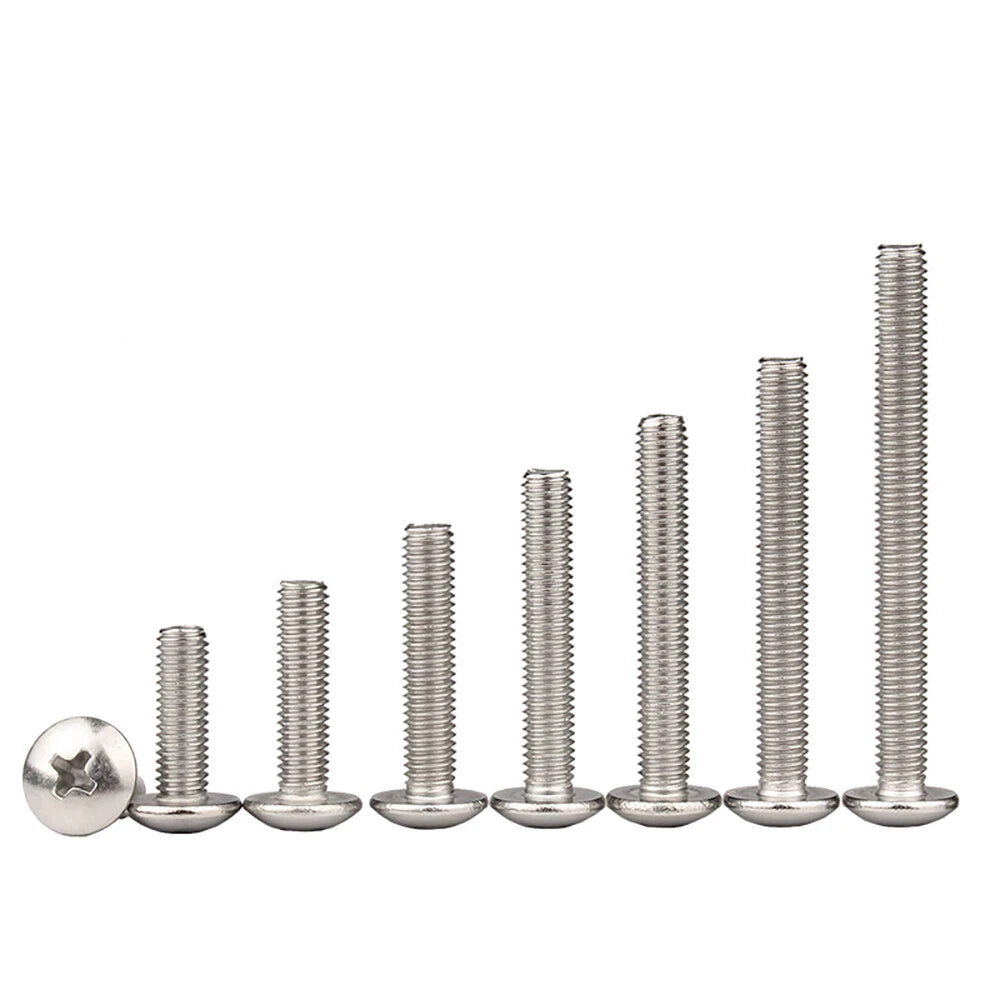
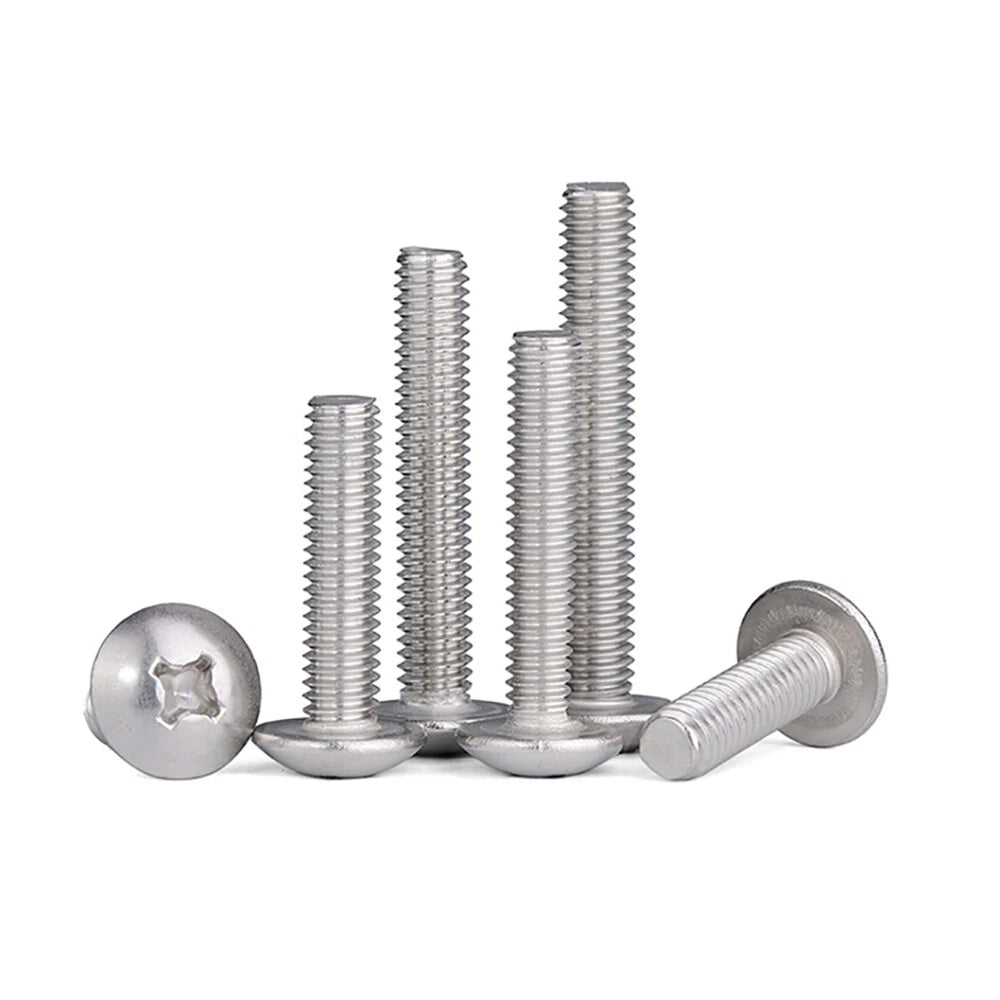
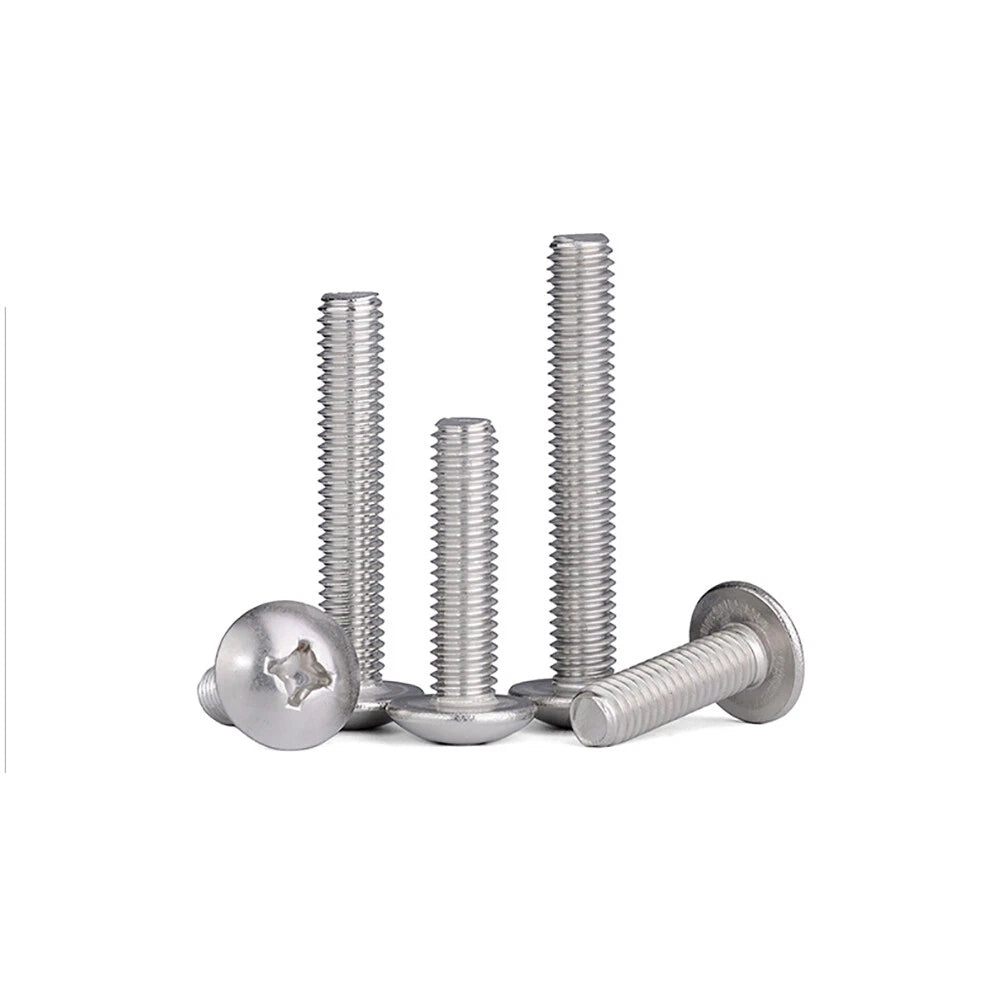
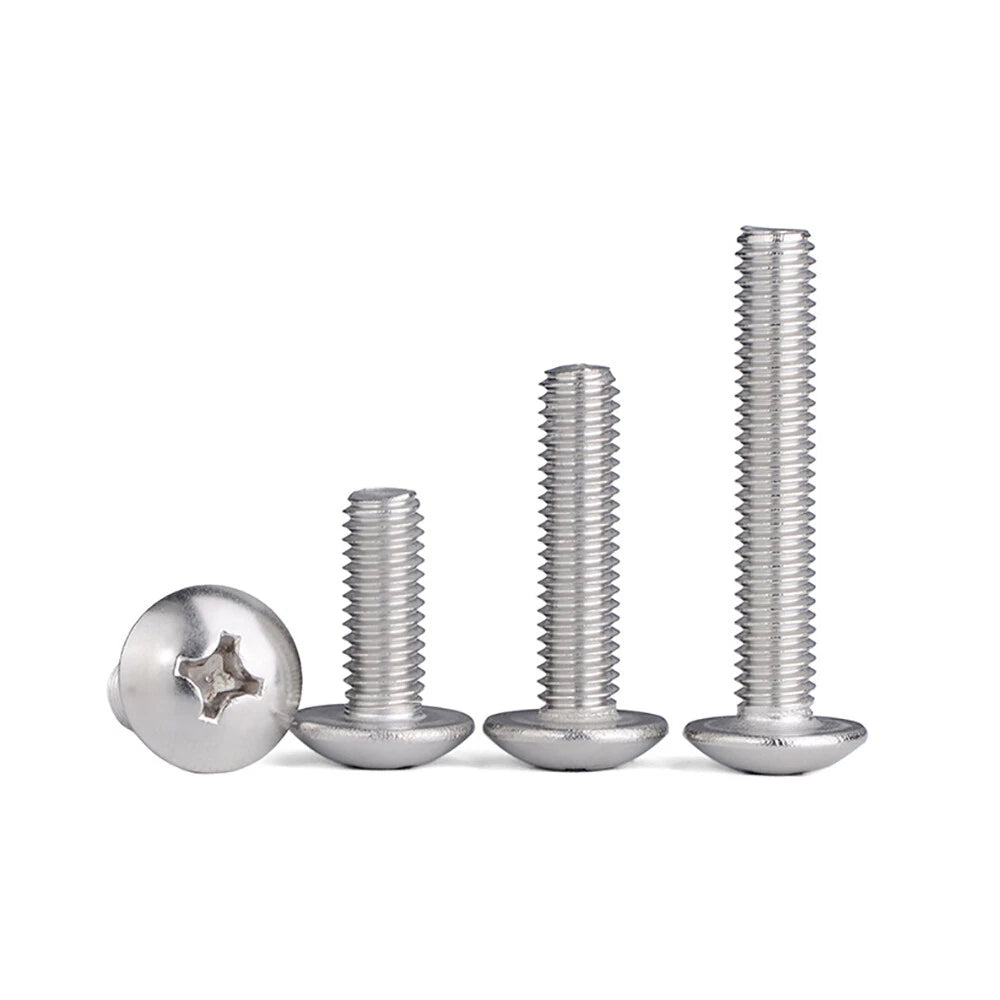
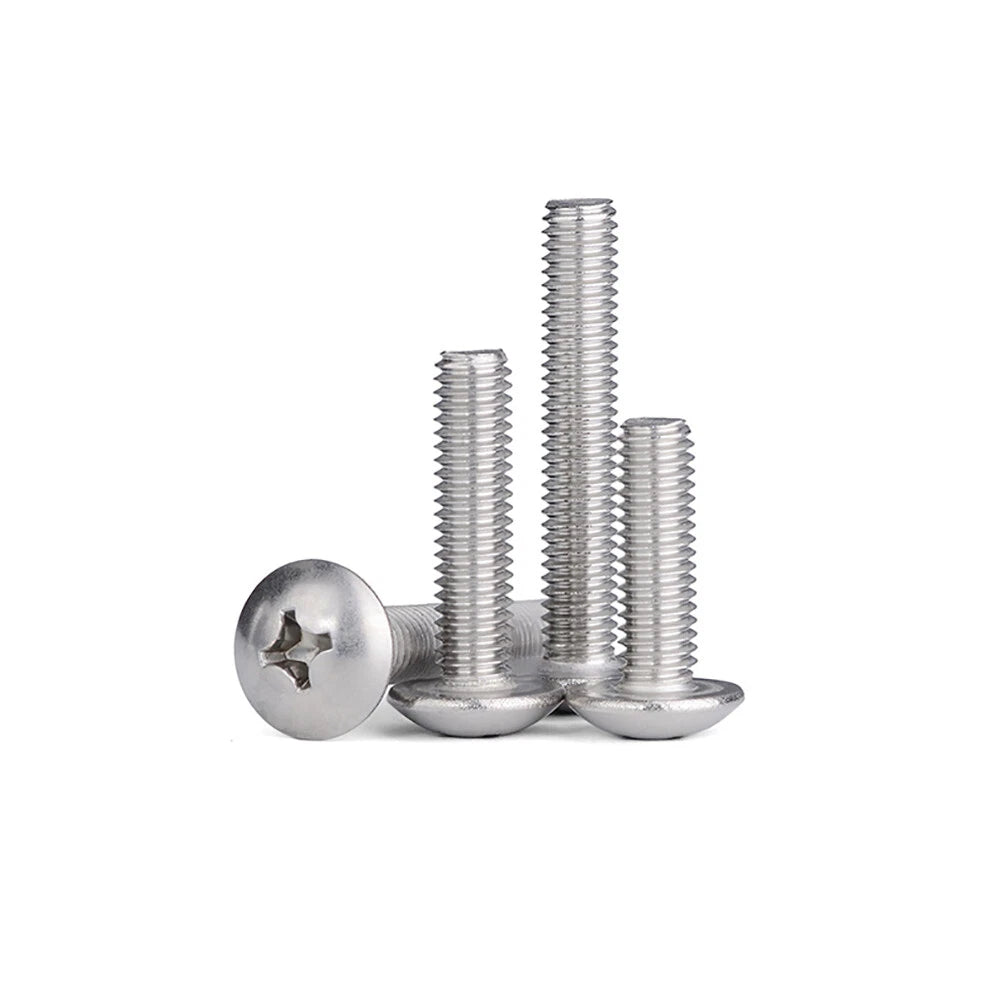
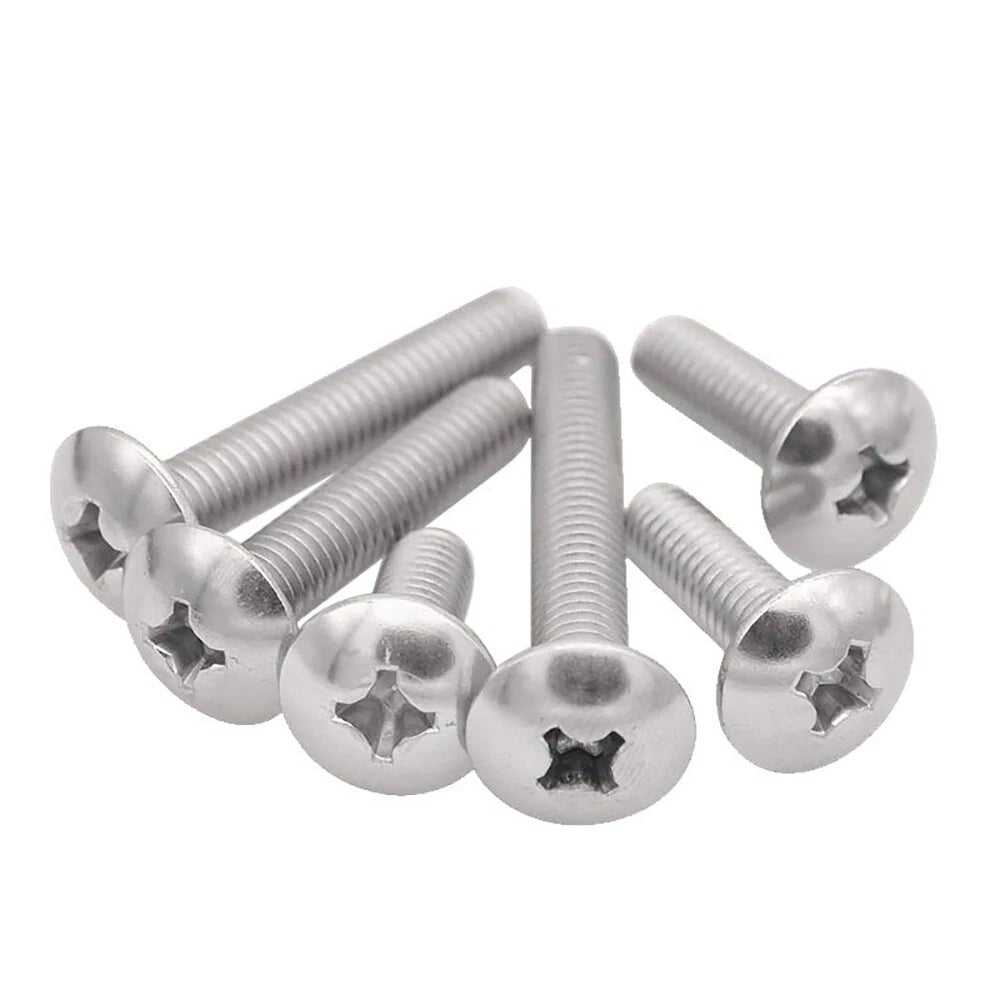
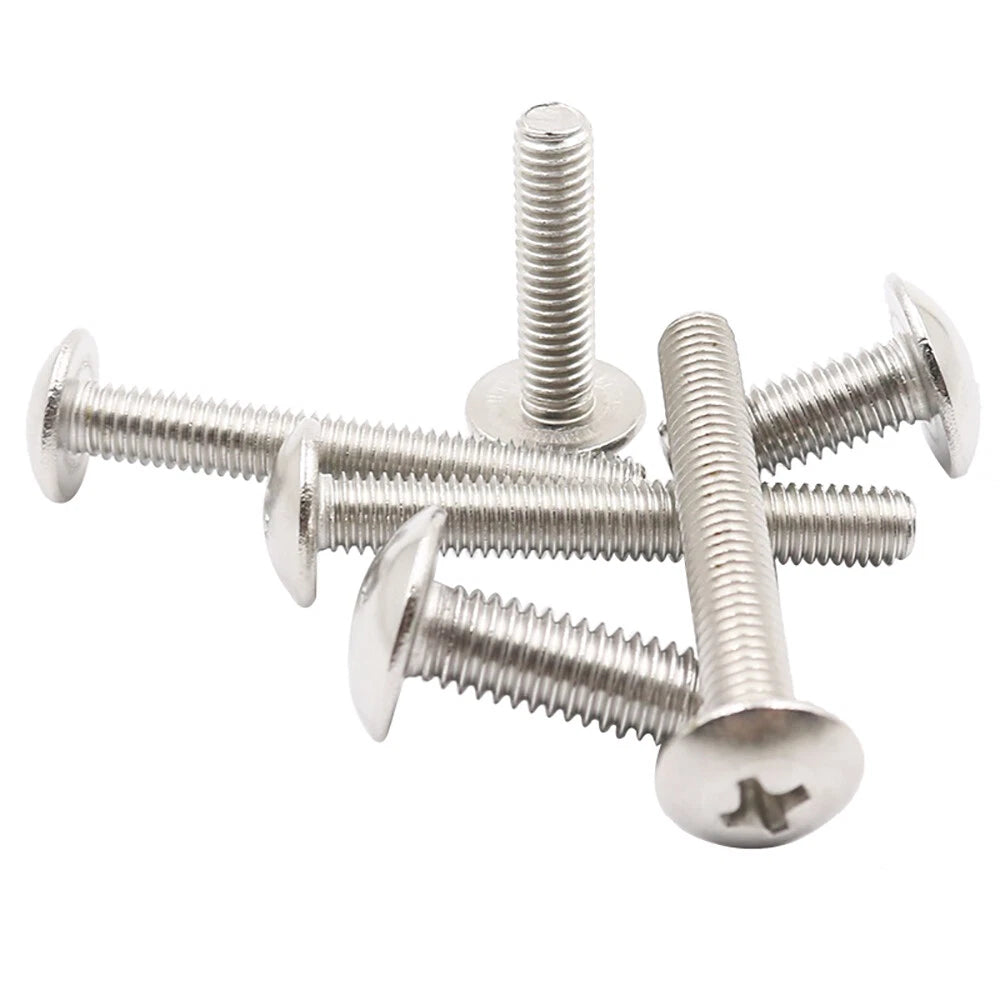
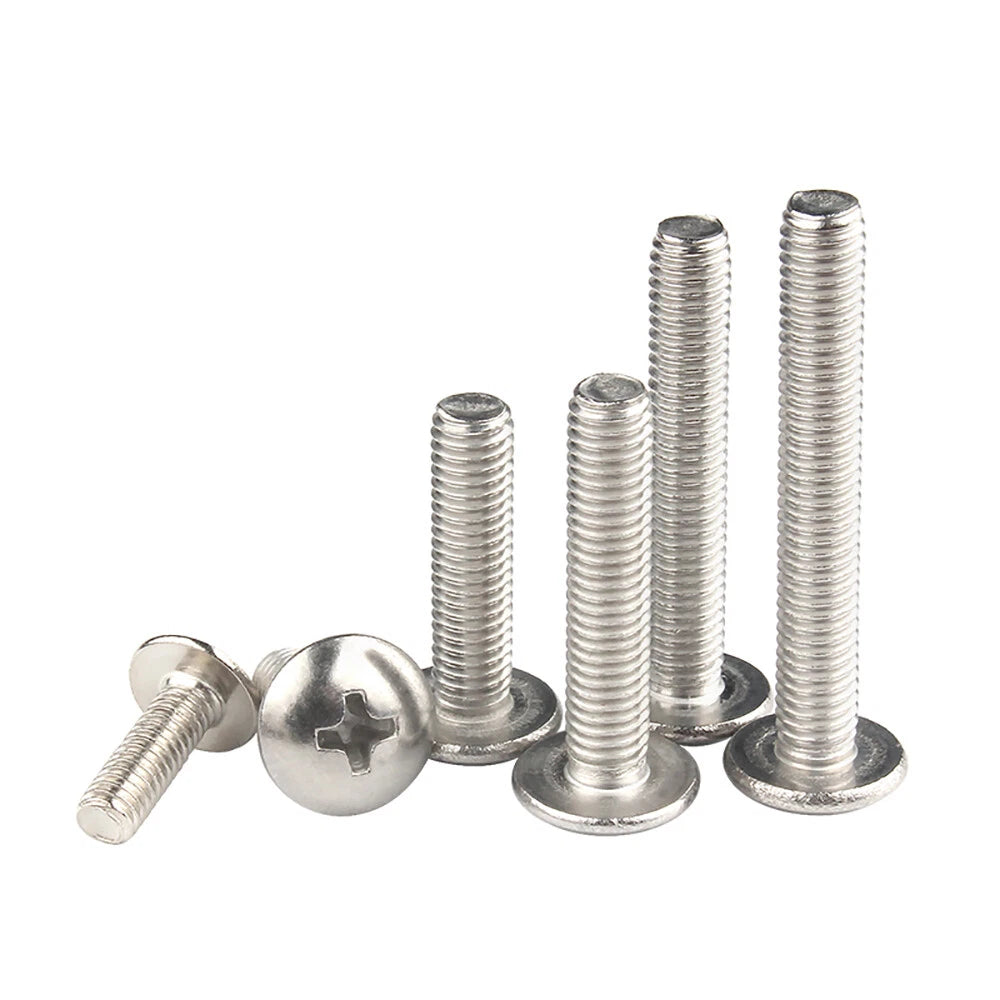
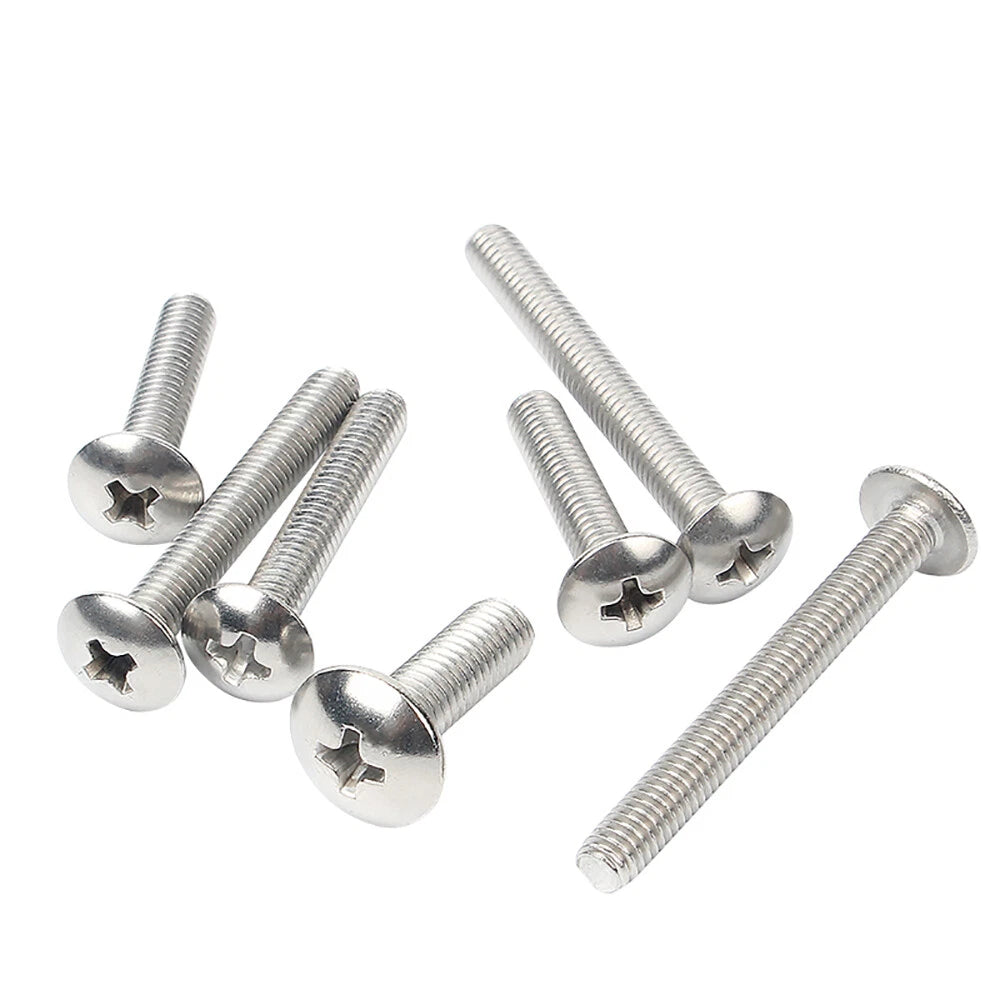
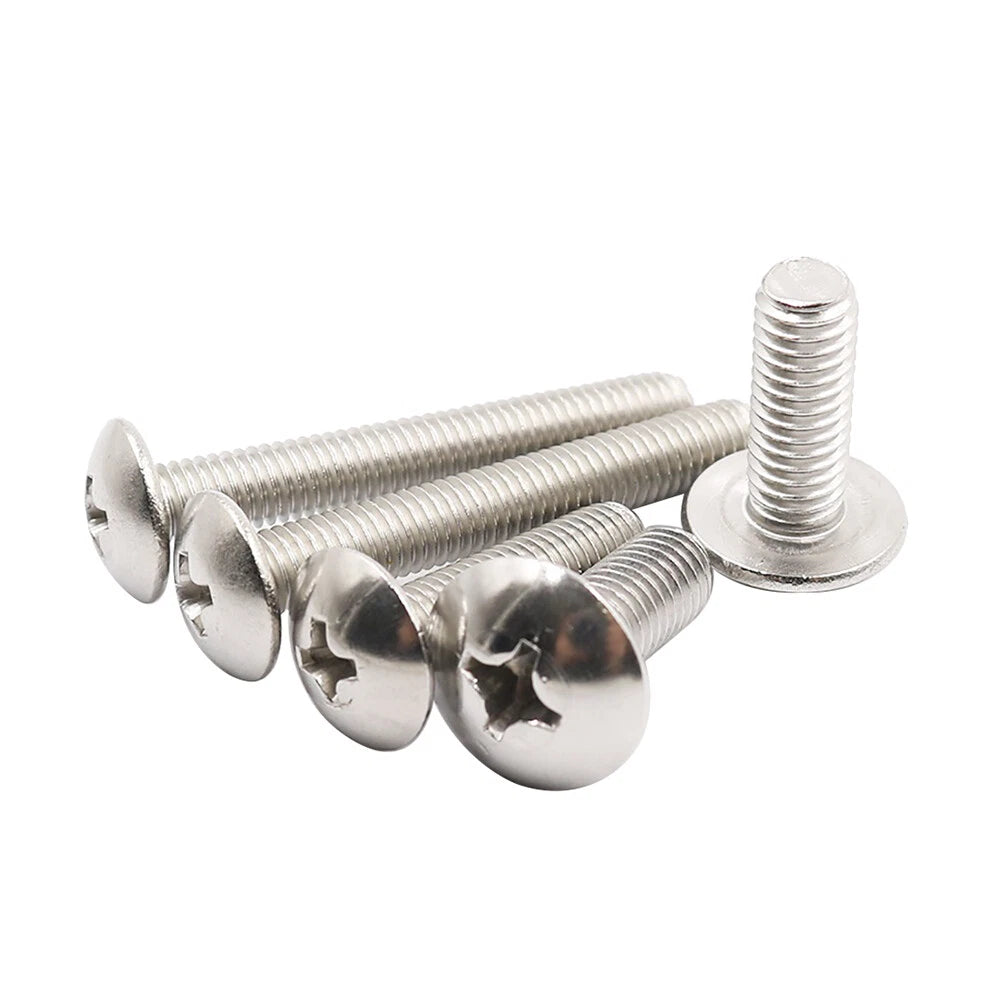
If you've ever struggled with a Phillips driver slipping out just as you're about to tighten a screw, switch to Pozidriv. These M5, M6, and M8 button head machine screws feature the Pozidrive (Pozi) recess – designed to give you better bite and significantly less cam‑out than standard Phillips. The low‑profile button head sits close to the surface for a clean, modern look – perfect for furniture, machinery guards, automotive trim, and marine hardware. Made from A2 (304) stainless steel, they offer excellent corrosion resistance for both indoor and outdoor use. Fully threaded and available in various lengths (measured under the head), these bolts are ready for your next project.
✨ Why Choose Pozi Button Head Screws in A2 Stainless
-
Pozidriv (Pozi) drive – Distinct from Phillips, the extra cross‑recesses provide greater torque transfer and reduce cam‑out. Your driver stays engaged, even under load.
-
A2 stainless steel (304) – Excellent corrosion resistance for outdoor or humid environments. Resists rust and acid – great for marine and coastal use.
-
Button head design – Low‑profile rounded head with a smooth dome. Sits close to the surface and won't snag on cables or fabric. Looks clean on visible assemblies.
-
Metric sizes M5, M6, M8 – Versatile diameters for furniture assembly, machinery, automotive trim, and light structural fastening.
-
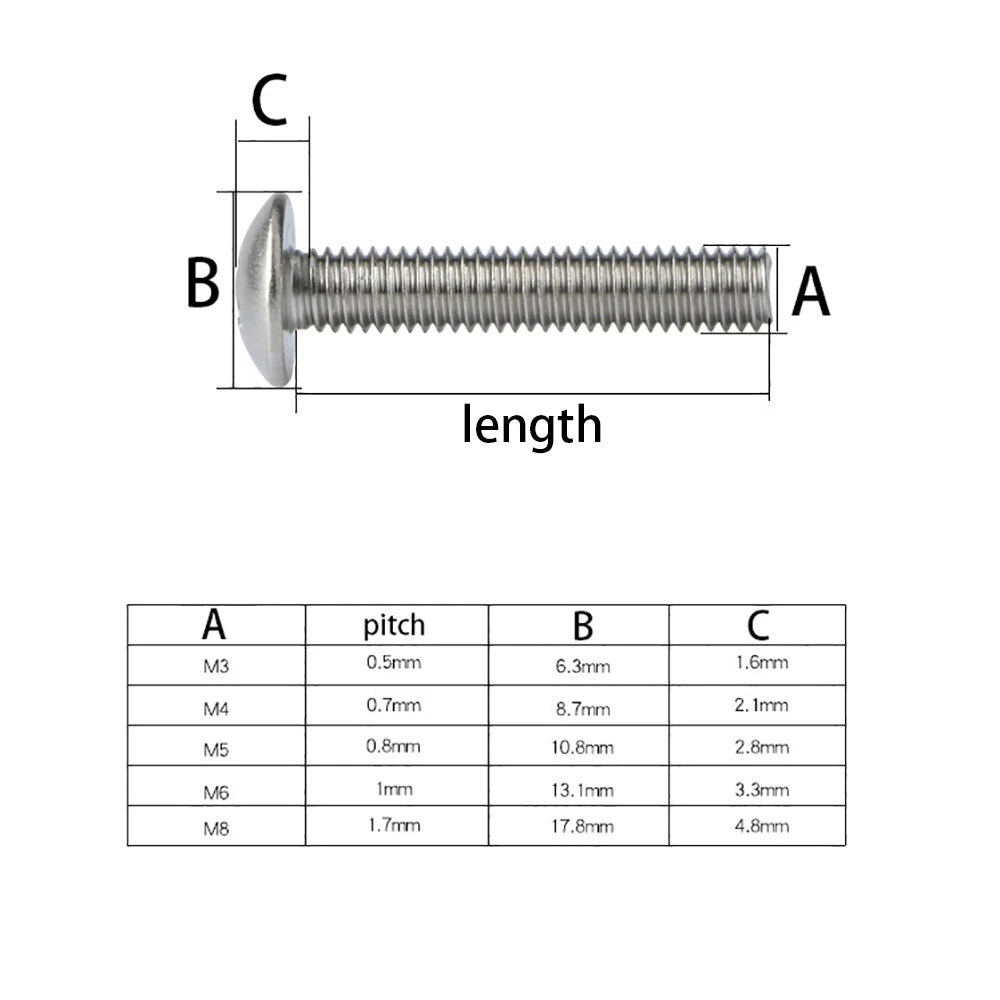
Fully threaded – Threads run the entire shank length. M5x0.8, M6x1.0, M8x1.25 coarse pitch for maximum grip in thin materials.
-
Length measured under the head – No confusion: an M6 x 20mm screw has 20mm of threaded shank below the button head.
-
Precision manufacturing – Clean threads and consistent dimensions for easy installation.
📏 Technical Specifications – Pozi Button Head Screws (M5–M8, A2 Stainless)
| Specification |
Details |
| Product Type |
Pozi Button Head Machine Screws (Pozidriv drive) |
| Material |
A2 Stainless Steel (304 / 18-8) |
| Drive Style |
Pozidriv (Pozi) – use PZ2 bit for M5–M8 |
| Head Style |
Button head (low-profile dome) |
| System of Measurement |
Metric |
| Screw Sizes (Diameter) |
M5, M6, M8 |
| Thread Pitch (coarse) |
M5x0.8, M6x1.0, M8x1.25 |
| Thread Type |
Fully threaded |
| Length Measurement |
Under head (from flat bearing surface to tip – head height not included) |
| Finish |
Natural stainless steel (unplated) |
| MPN / Model |
Does Not Apply / Button Head Screws |
❓ FAQs – Pozi Button Head Screws (M5–M8, A2 Stainless)
🔸 What’s the difference between Pozidriv and Phillips? What driver bit do I need?
Pozidriv has additional smaller cross‑recesses at 45° angles and a blunter tip. A Phillips driver will fit loosely and will cam‑out or damage the recess. For M5, M6, and M8, use a PZ2 Pozidriv driver bit. Using the correct bit gives you much better torque without slipping.
🔸 Are these screws fully threaded? How is length measured?
Yes – they are fully threaded from just under the head to the tip. Length is measured from the underside of the head (the flat bearing surface) to the tip, not including the button head. For example, an M6 x 20mm screw has a 20mm threaded shank below the head.
🔸 Will A2 (304) stainless steel rust in outdoor or coastal environments?
A2 (304) stainless is highly resistant to moisture, rain, and humidity – perfect for most outdoor use. For direct saltwater immersion or heavy marine exposure, A4 (316) stainless is better, but for garden furniture, railings, and general outdoor DIY, 304 lasts for years without rust.
🔸 Can I use these screws with nuts, or are they self‑tapping?
These are machine screws – they require a matching metric nut (M5, M6, or M8) or a pre‑tapped hole. They are not self‑tapping. For best corrosion resistance, pair them with A2 stainless steel nuts.
🔸 What lengths are available for M5, M6, and M8?
Lengths vary – please select from the dropdown options on the product page. Typical ranges: M5 (6–50mm), M6 (8–60mm), M8 (10–80mm). All lengths are measured under the head.
🔸 Are these screws magnetic?
A2 stainless is generally non‑magnetic in its annealed state, but cold forming (like thread rolling) can make it slightly magnetic. A light magnetic response is normal and does not affect corrosion resistance.