The chain is fine...but I ordered the wrong size. Nine links of the chain I ordered equals six of the size I wanted. My error...
How can I straighten out the springs? I can't use them coil uo as is.
Your payment information is processed securely. We do not store credit card details nor have access to your credit card information.
Get fitment advice & recommendations
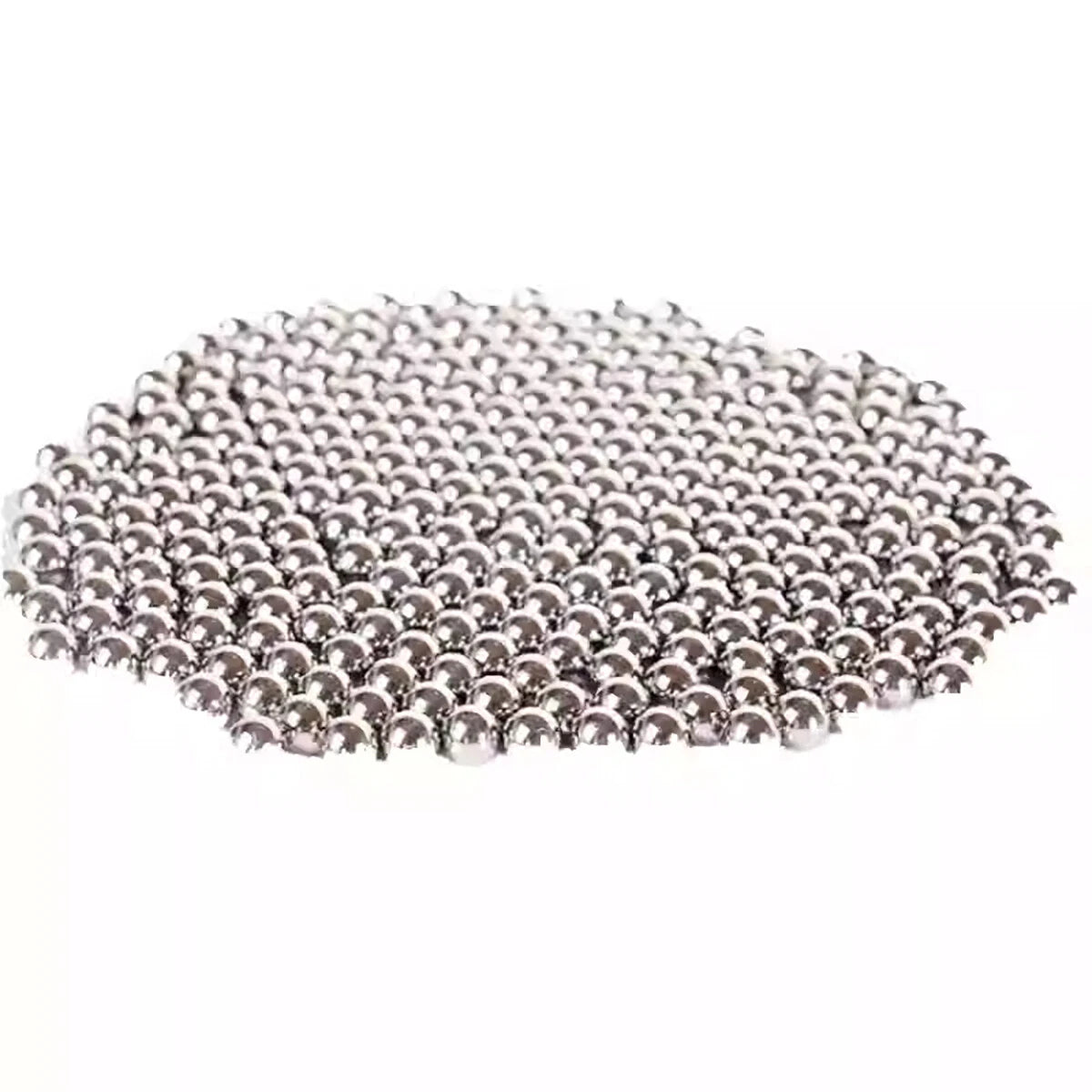
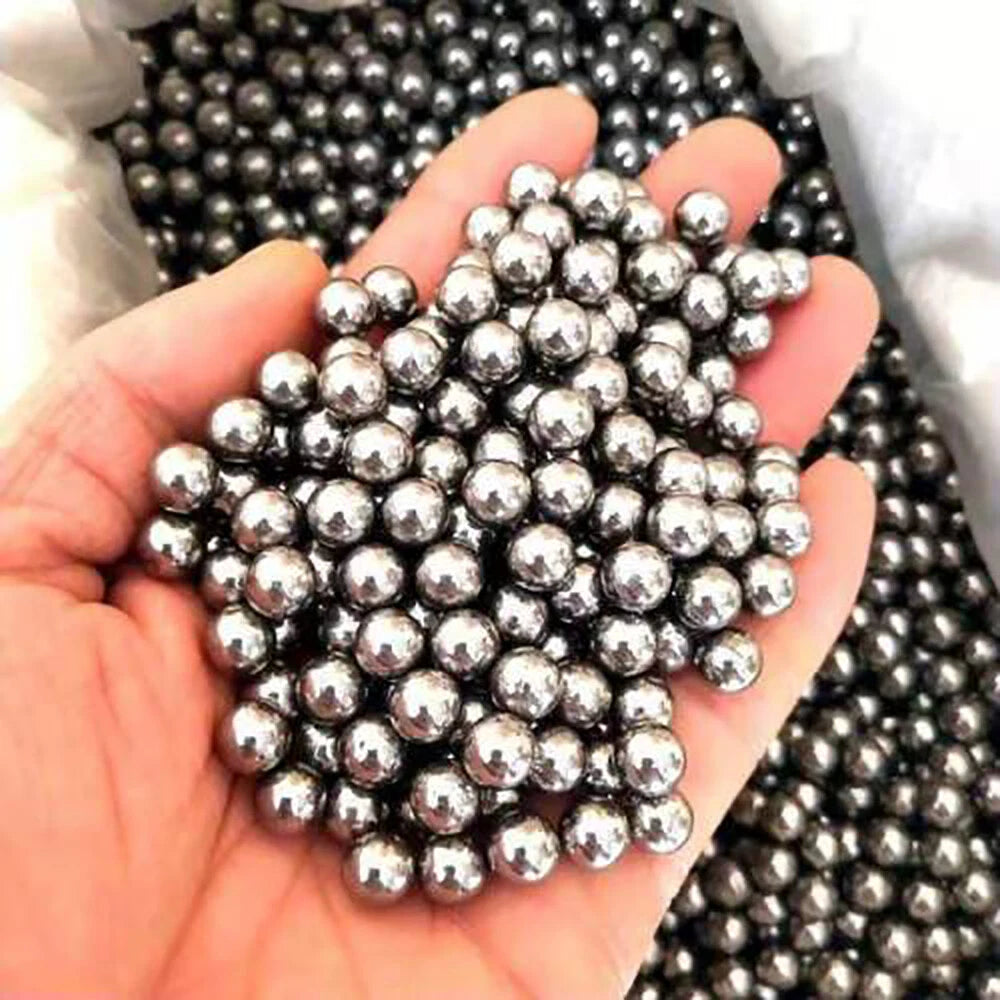
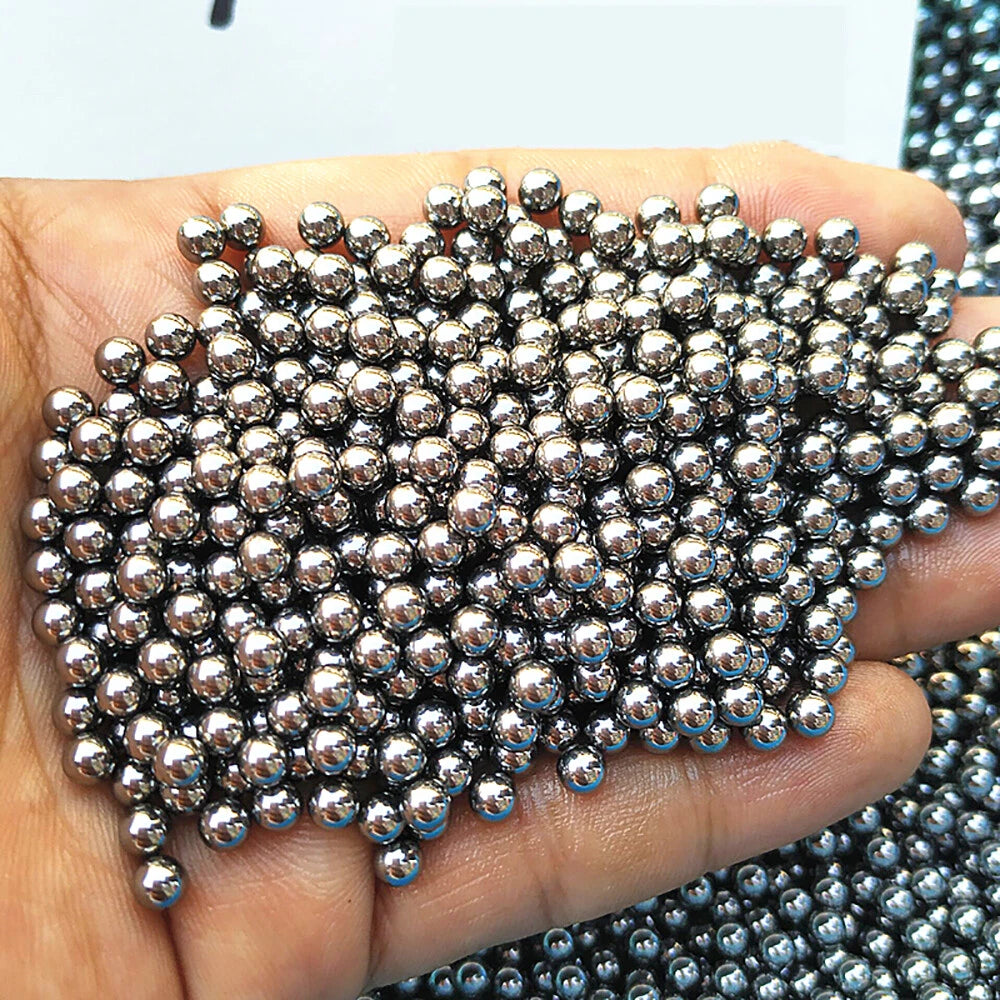
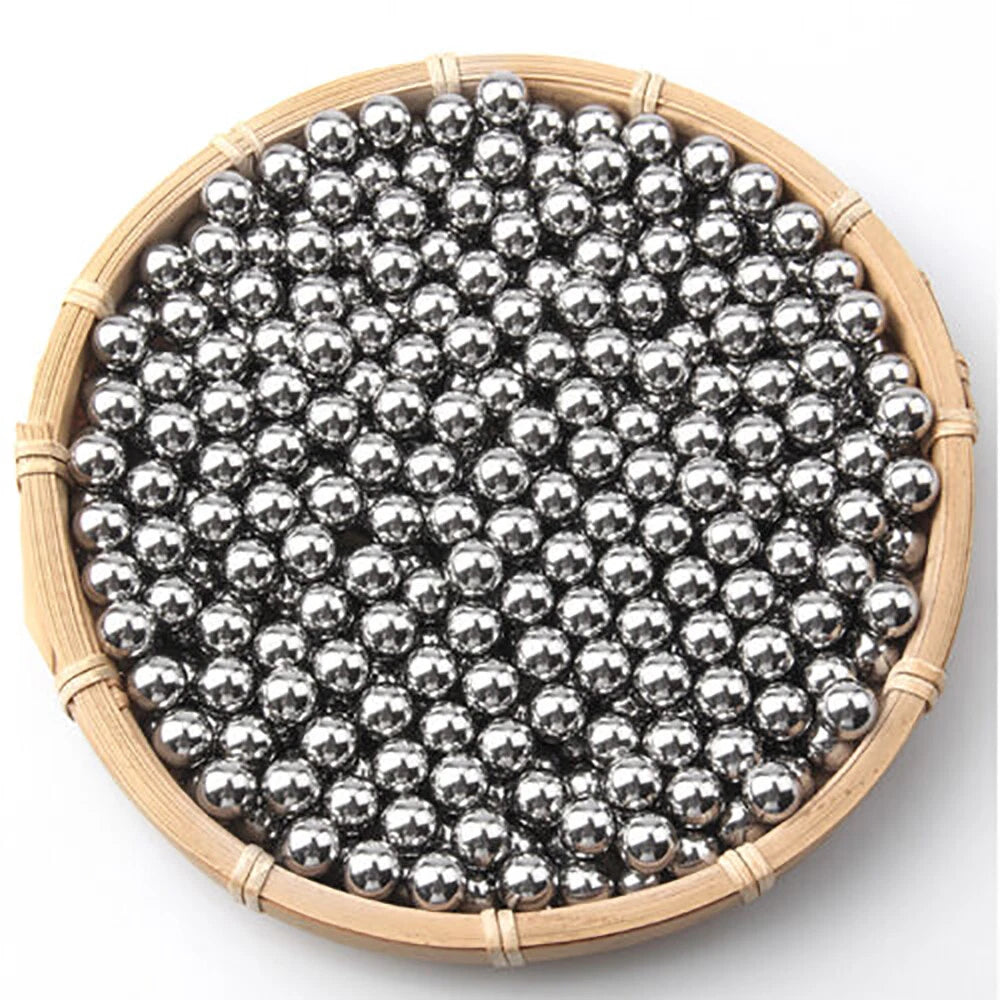
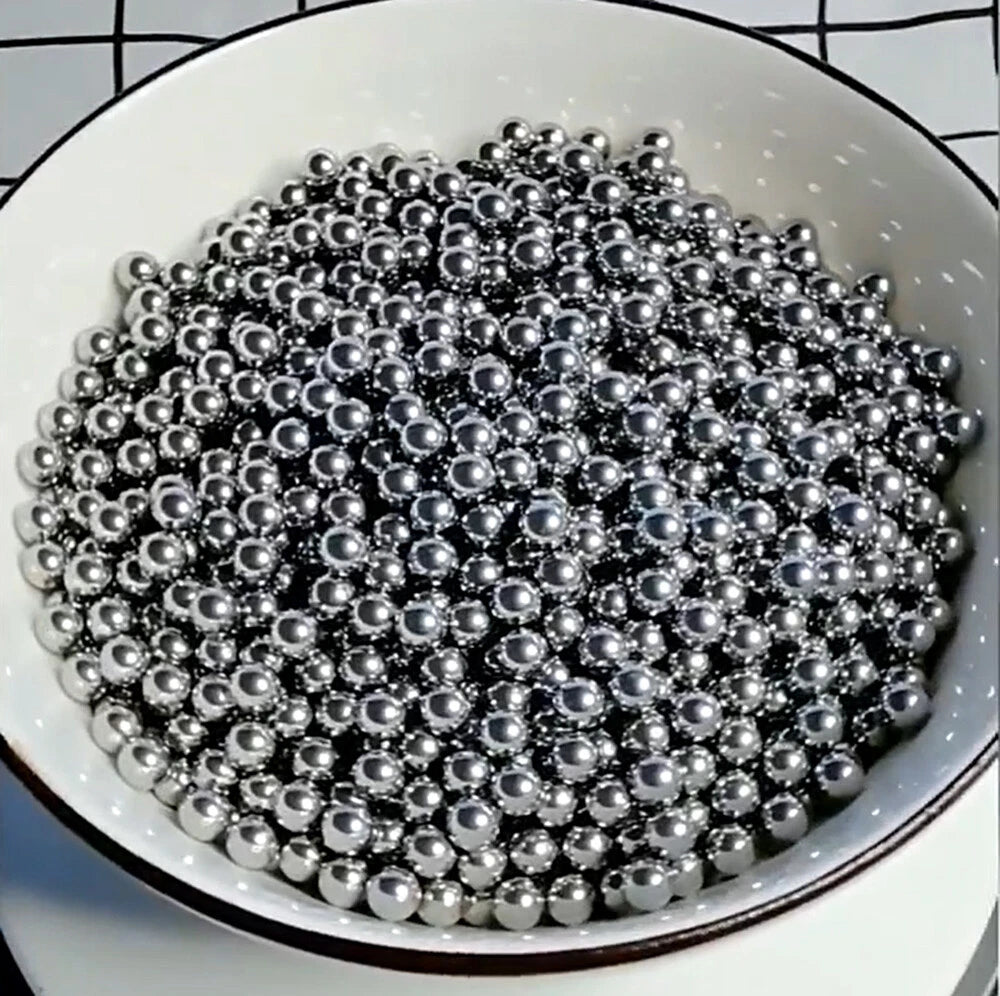
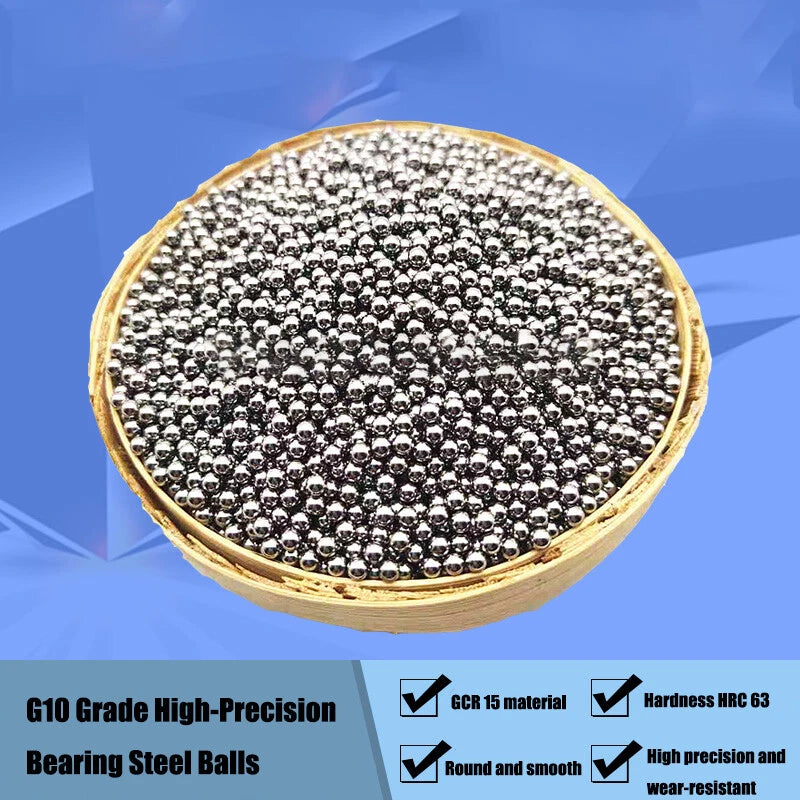
When a loose or undersized ball causes premature bearing failure, the cost goes far beyond the part itself. Engineers, machinists, and serious DIY builders who need repeatable, tight-tolerance rolling elements rely on chrome steel ball bearings that hold their grade across every piece in the batch. These AISI 52100 chrome steel balls are manufactured to G10 accuracy — a grade that satisfies the dimensional and surface requirements of most industrial bearing assemblies, precision instruments, and high-cycle mechanical systems.
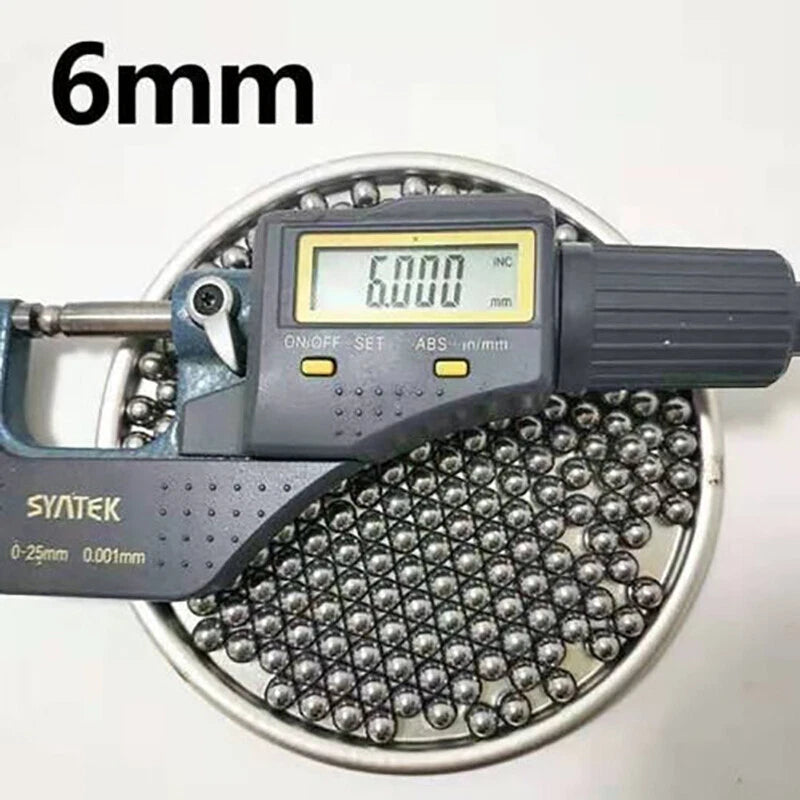
Each ball is produced from AISI 52100 high-carbon chromium bearing steel, a through-hardened alloy widely specified for rolling contact fatigue resistance. Diameters span 1.0 mm through 9.525 mm (approximately 0.039 in – 0.375 in), covering both metric and fractional inch sizes. Surface finish is typically Ra ≤ 0.025 µm at G10 grade, with diameter tolerance and sphericity held to ISO 3290 / ABMA Grade 10 limits. Balls are available in quantities from 10 pieces up to 30,000 pieces per order.
Typical use cases include replacement rolling elements in deep-groove and angular-contact bearings, load-distributing balls in linear slides and ball screws, check-valve seats in hydraulic and pneumatic circuits, and precision ballast or pivot points in scientific instruments and maker projects requiring consistent mass and geometry.
| Material | AISI 52100 Chrome Steel (High-Carbon Chromium Bearing Steel) |
|---|---|
| Grade | G10 (ISO 3290 / ABMA Grade 10) |
| Diameter Range | 1.0 mm – 9.525 mm (0.039" – 0.375") |
| Available Diameters | 1.0, 1.2, 1.5, 1.588 (1/16"), 2.0, 2.381 (3/32"), 2.5, 2.778 (7/64"), 3.0, 3.15, 3.175 (1/8"), 3.5, 3.969 (5/32"), 4.0, 4.5, 4.763 (3/16"), 5.0, 5.953 (15/64"), 6.0, 6.35 (1/4"), 6.5, 6.747 (17/64"), 7.0, 7.144 (9/32"), 7.5, 7.938 (5/16"), 8.0, 8.731 (11/32"), 9.0, 9.525 (3/8") mm |
| Surface Roughness (Ra) | ≤ 0.025 µm (typical at G10) |
| Hardness | See variant options |
| Quantity Options | 10 / 20 / 50 / 100 / 200 / 500 / 1,000 / 2,000 / 3,000 / 5,000 / 10,000 / 20,000 / 30,000 pcs (availability varies by diameter) |
| Finish | Bright (uncoated) |
| Applicable Standard | ISO 3290, ABMA Grade 10 |
Match the ball diameter to the bore specification of your bearing race. Consult the bearing manufacturer's datasheet for the correct ball diameter — using an oversized or undersized ball will affect load distribution and service life. Both metric (mm) and fractional inch sizes are available in this listing.
G10 refers to ISO 3290 / ABMA Grade 10, which defines maximum allowable deviations in diameter, sphericity, and surface roughness. G10 balls are suitable for the majority of industrial bearings, linear motion systems, and precision instruments. Applications requiring tighter tolerances (e.g., G5 or G3) should specify a higher grade.
AISI 52100 chrome steel offers good resistance to mild atmospheric conditions but is not stainless. For wet, humid, or chemically aggressive environments, consider stainless steel (e.g., AISI 440C) or ceramic alternatives. Applying a light oil film during storage and installation will help prevent surface oxidation.
Yes. AISI 52100 chrome steel balls are commonly used as check-valve seats in hydraulic and pneumatic circuits where the fluid is compatible with carbon steel. Verify chemical compatibility with your working fluid before installation, and confirm the ball diameter matches your valve seat specification.
For single-bearing repairs or prototyping, quantities of 10–50 pieces are typically sufficient. For small-batch production or maintenance stock, 100–500 pieces offer a cost-effective balance. Quantities of 1,000 and above are priced for production runs and provide the lowest per-unit cost.
G10 dimensional verification requires a calibrated ball micrometer or air gauge capable of resolving to ±0.001 mm or better. Sphericity checks require a roundness tester. For most workshop applications, a go/no-go gauge matched to your bearing bore is a practical incoming inspection method.
Fractional inch sizes are listed with their exact metric equivalents (e.g., 3.175 mm = 1/8"). These are manufactured to the fractional inch nominal dimension and are not interchangeable with the nearest round metric size. Always select the size that matches your bearing race specification exactly.