🎷 Reed Trimmer & Resurfacer for Saxophone, Clarinet & Whistle – Extend Reed Life with Precision Cuts
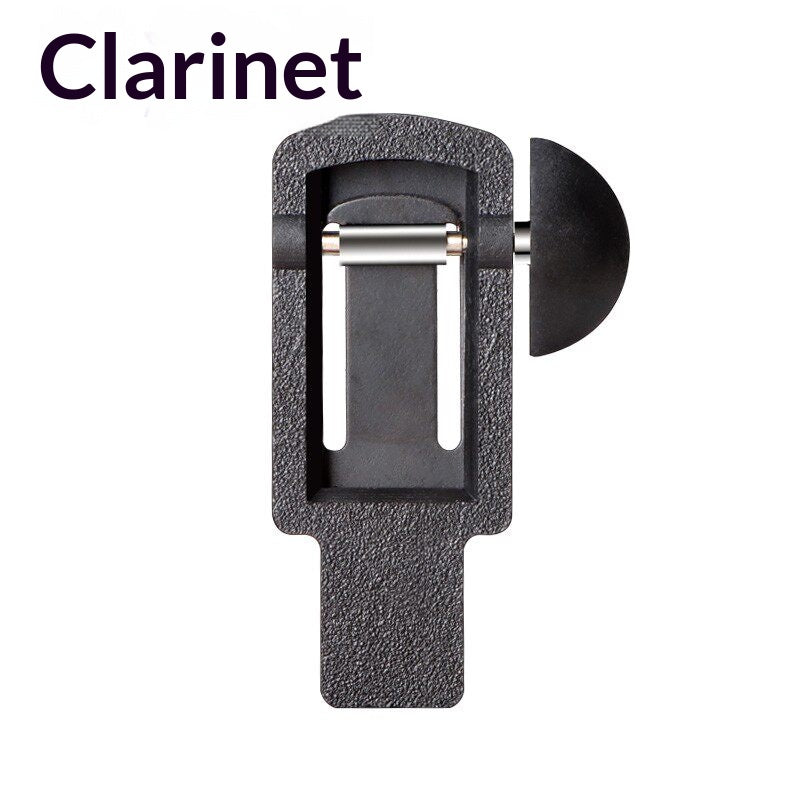
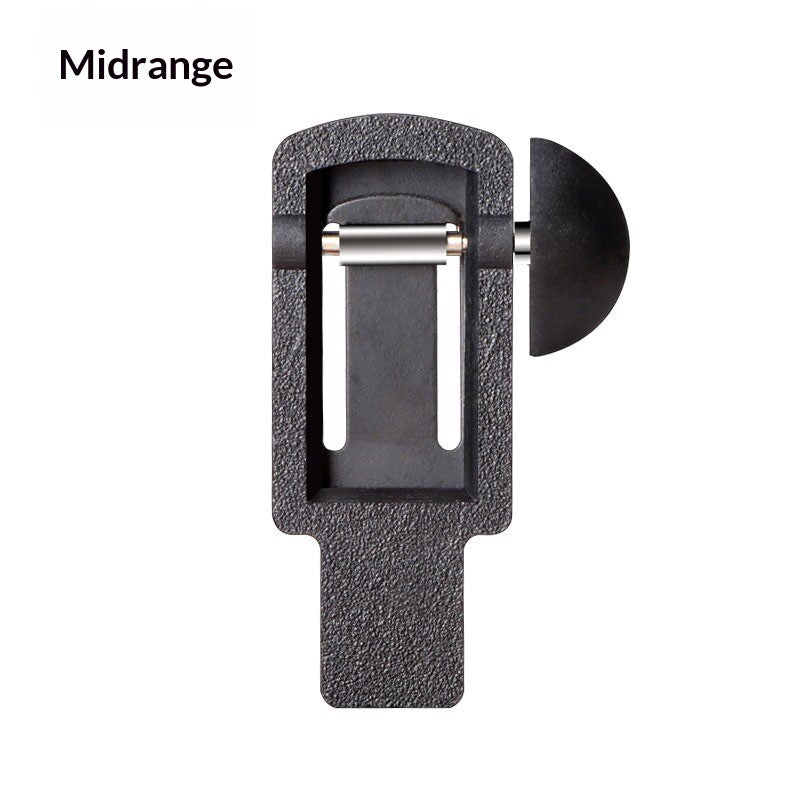
You know the feeling: a perfectly broken-in reed suddenly gets a chipped tip, or a brand new one just won't seat right on the mouthpiece. Instead of tossing expensive reeds into the trash, give them a second life with this compact reed trimmer and sander. Designed for soprano, alto, tenor saxophones, clarinet, and even whistle blades, this tool trims damaged tips cleanly with a simple clockwise twist. The lever-action handle makes cutting effortless, and the optional sander (sold separately) lets you fine-tune the shape and thickness. Stop letting saliva soaking, accidental bumps, or biting ruin your reeds – this palm-sized tool solves all those problems and helps every reed shine with a new “voice.”
✨ Key Features – Saxophone & Clarinet Reed Trimmer and Sander
-
Effortless lever cutting – The lever-action handle multiplies your force, so you get a clean, straight cut with minimal effort. No wobbling or chipping.
-
Clockwise rotation only – Simply insert the reed (or whistle blade) from the back of the trimmer, adjust the part you want to cut, and turn the handle clockwise. Counter‑clockwise is locked to prevent mistakes.
-
Multiple instrument models – Choose from clarinet, soprano sax, alto sax, tenor sax, and even baritone reed trimmers. Each is precision‑ground to match the correct mouthpiece facing curve.
-
Optional whistle blade sander (no trimmer) – For those who already have a trimmer or just want to resurface and re‑shape reeds without cutting, the standalone sander lets you adjust thickness and profile using fine sandpaper.
-
Palm‑sized & portable – Small enough to fit in your instrument case or gig bag. The textured outer packaging also doubles as a storage case.
-
Durable metal construction – Made from solid metal (not plastic), so the cutting edge stays sharp for hundreds of trims. Saving, precision, durable – built for the long haul.
📐 Specifications – Choose the Correct Trimmer for Your Instrument
| Model |
Compatible Instrument(s) |
Reed Type |
Cutting Mechanism |
Included Accessories |
Optional Sander |
| Clarinet Trimmer |
Bb clarinet, Eb clarinet |
Clarinet reeds (standard width) |
Lever + clockwise rotation |
Trimmer only, storage bag |
Yes (sold separately) |
| Soprano Saxophone Trimmer |
Soprano sax, sopranino sax |
Soprano sax reeds |
Lever + clockwise rotation |
Trimmer only, storage bag |
Yes (sold separately) |
| Alto Saxophone Trimmer |
Alto sax (most common) |
Alto sax reeds (size 2.0–4.0) |
Lever + clockwise rotation |
Trimmer only, storage bag |
Yes (sold separately) |
| Tenor Saxophone Trimmer |
Tenor sax |
Tenor sax reeds (wider profile) |
Lever + clockwise rotation |
Trimmer only, storage bag |
Yes (sold separately) |
| Treble (Baritone) Saxophone Trimmer |
Baritone sax, bass sax |
Baritone sax reeds (extra wide) |
Lever + clockwise rotation |
Trimmer only, storage bag |
Yes (sold separately) |
| Whistle Blade Sander (no trimmer) |
Whistle blades, any reed type for resurfacing |
All reed/whistle blade sizes |
Manual sanding (use with sandpaper) |
Grinding plate + grinding rod + storage bag |
N/A (this is the sander itself) |
❓ Frequently Asked Questions – Reed Trimmer & Sander for Saxophone and Clarinet
1. Can I use the same trimmer for both clarinet and alto saxophone reeds?
No – each trimmer is shaped to match the specific curve and width of the mouthpiece facing. A clarinet reed is narrower than an alto sax reed. Using the wrong trimmer will result in an angled or uneven cut. Always pick the model that matches your instrument (clarinet, soprano, alto, tenor, or baritone).
2. How much of the reed tip should I trim? Will it make the reed harder?
Trim only the damaged tip – usually 1–2mm. Yes, trimming removes the thinnest part of the reed, so the reed will feel slightly harder (more resistant) after cutting. That’s normal. If you want to soften it or adjust the profile, use the optional whistle blade sander with fine sandpaper to balance the strength.
3. What’s the difference between the trimmer and the sander (Whistle Blade Sander)?
The trimmer cuts the tip straight and clean – it’s for removing chipped or cracked portions. The sander (grinding plate + rod) is for resurfacing the reed’s flat side or thinning specific areas. You can use the sander without a trimmer if you only need to adjust response or remove warps. Many players buy both: trimmer for major tip repair, sander for fine adjustments.
4. Will this work for whistle blades? The product name says “whistle trimmer”.
Absolutely – the same principle applies. Insert the whistle blade from the back of the trimmer (just like a reed), adjust the cutting depth, and twist the handle clockwise. For whistle players, we also offer the standalone sander (without trimmer) to fine‑tune the blade’s thickness and edge shape.
5. Is the metal body durable? How many trims can I expect?
The trimmer is machined from solid metal, not cheap zinc alloy. With normal use (cutting reed tips only, not biting into hard objects), the cutting edge stays sharp for hundreds of trims. If it ever dulls, the blade is user‑replaceable (contact us for spare parts).
6. Can I trim a reed that is still wet?
It’s best to let the reed dry completely before trimming. Wet reed fibers are soft and can tear or fray rather than cut cleanly. Dry reed gives a crisp, straight edge. After trimming, you can lightly sand the tip with the sander for a smooth finish.