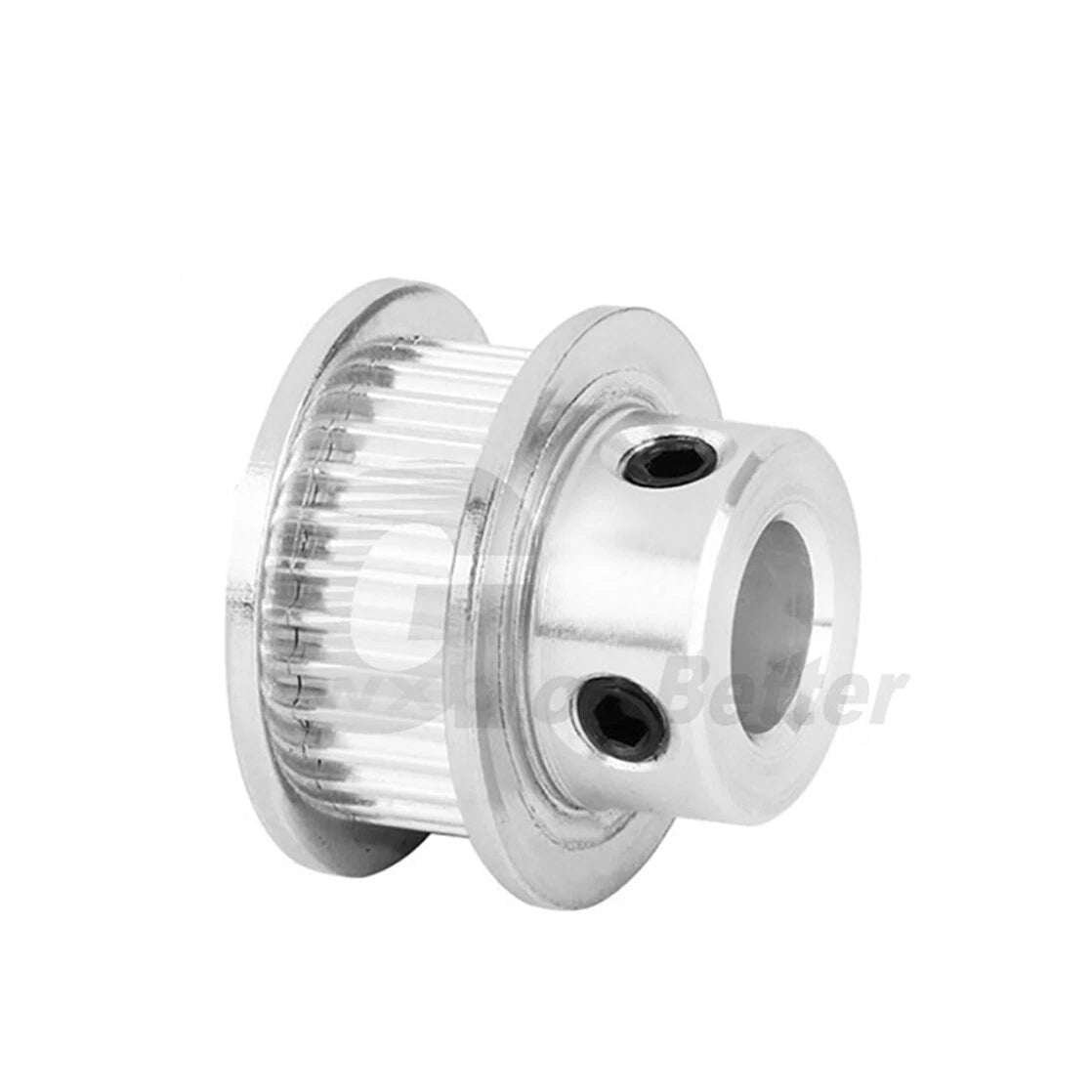
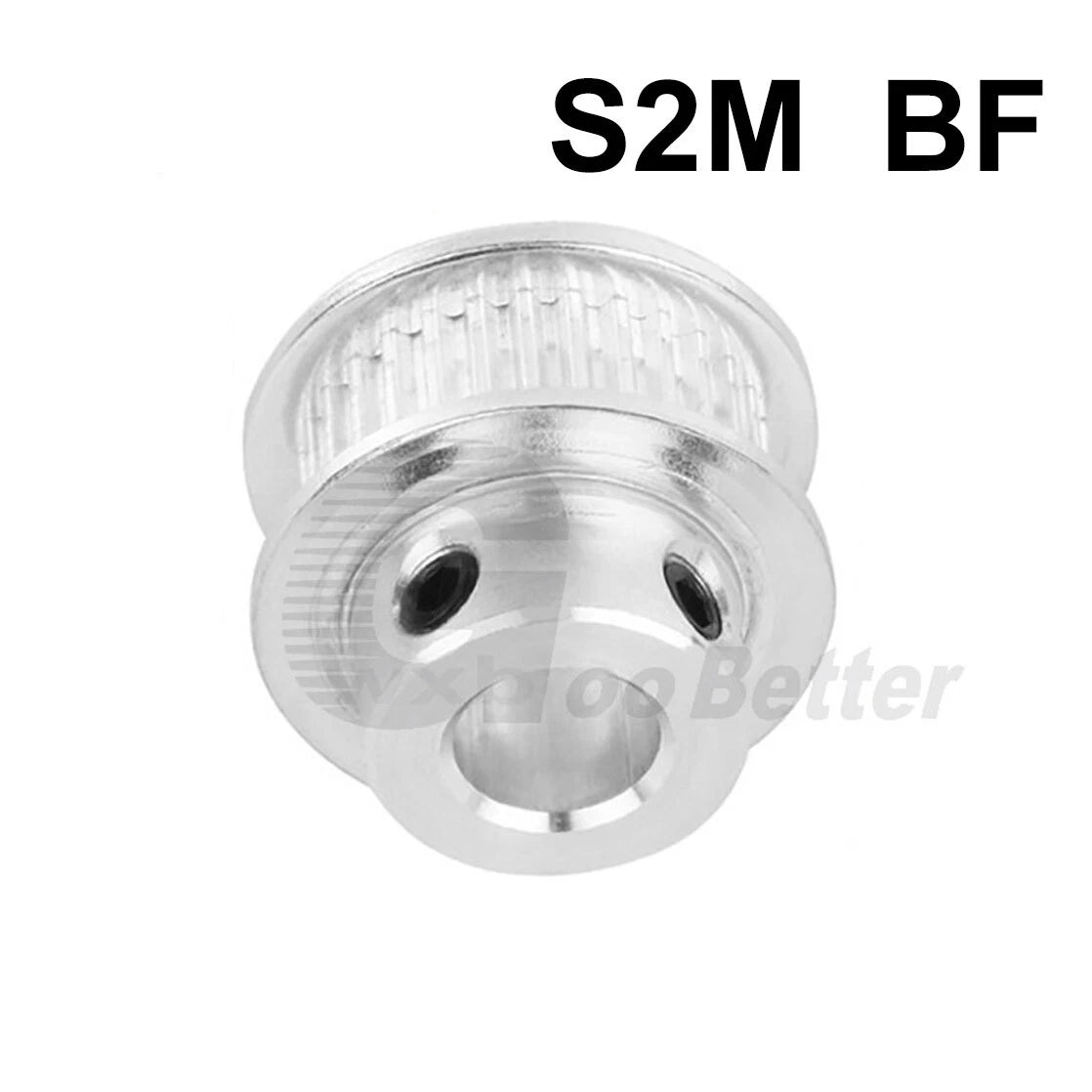
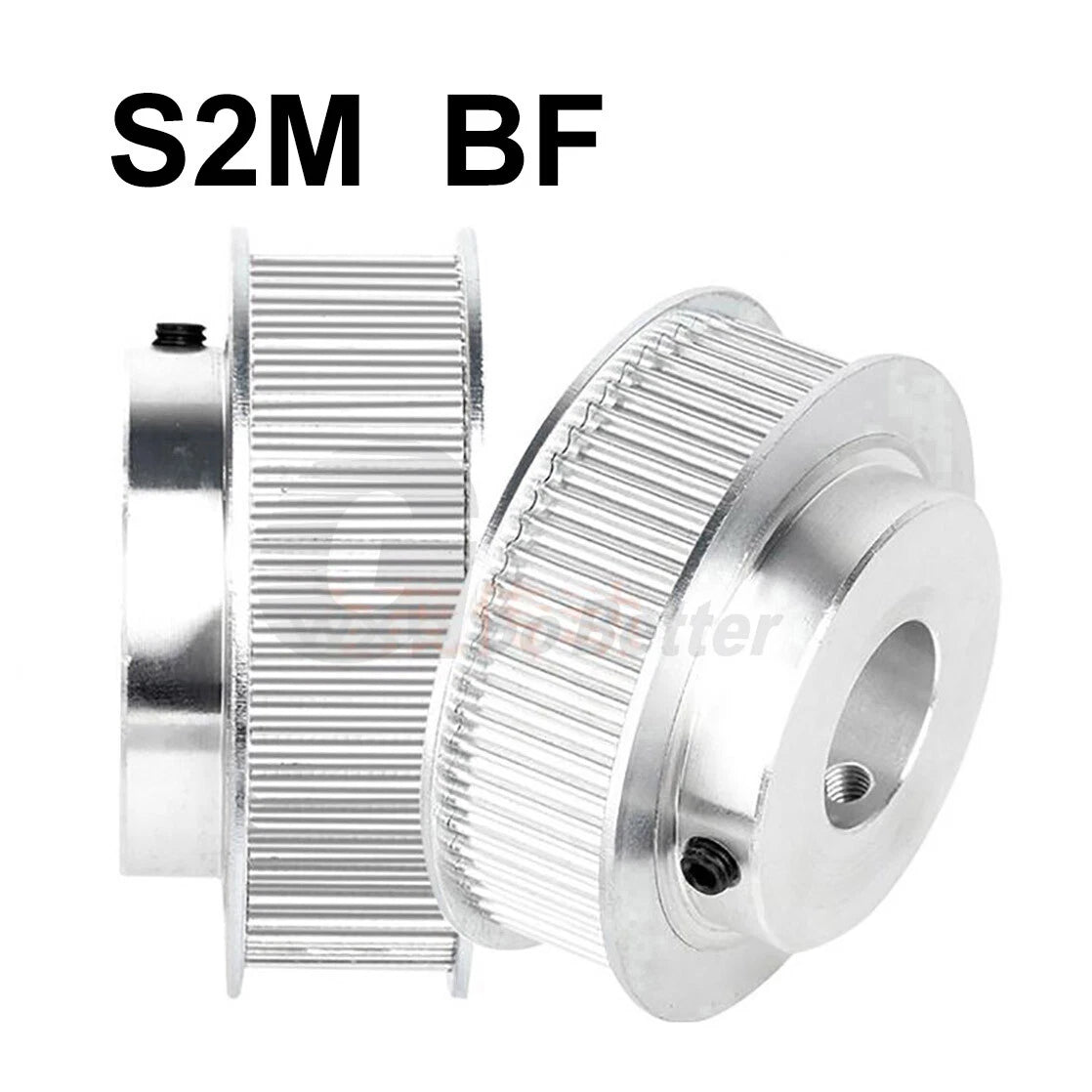
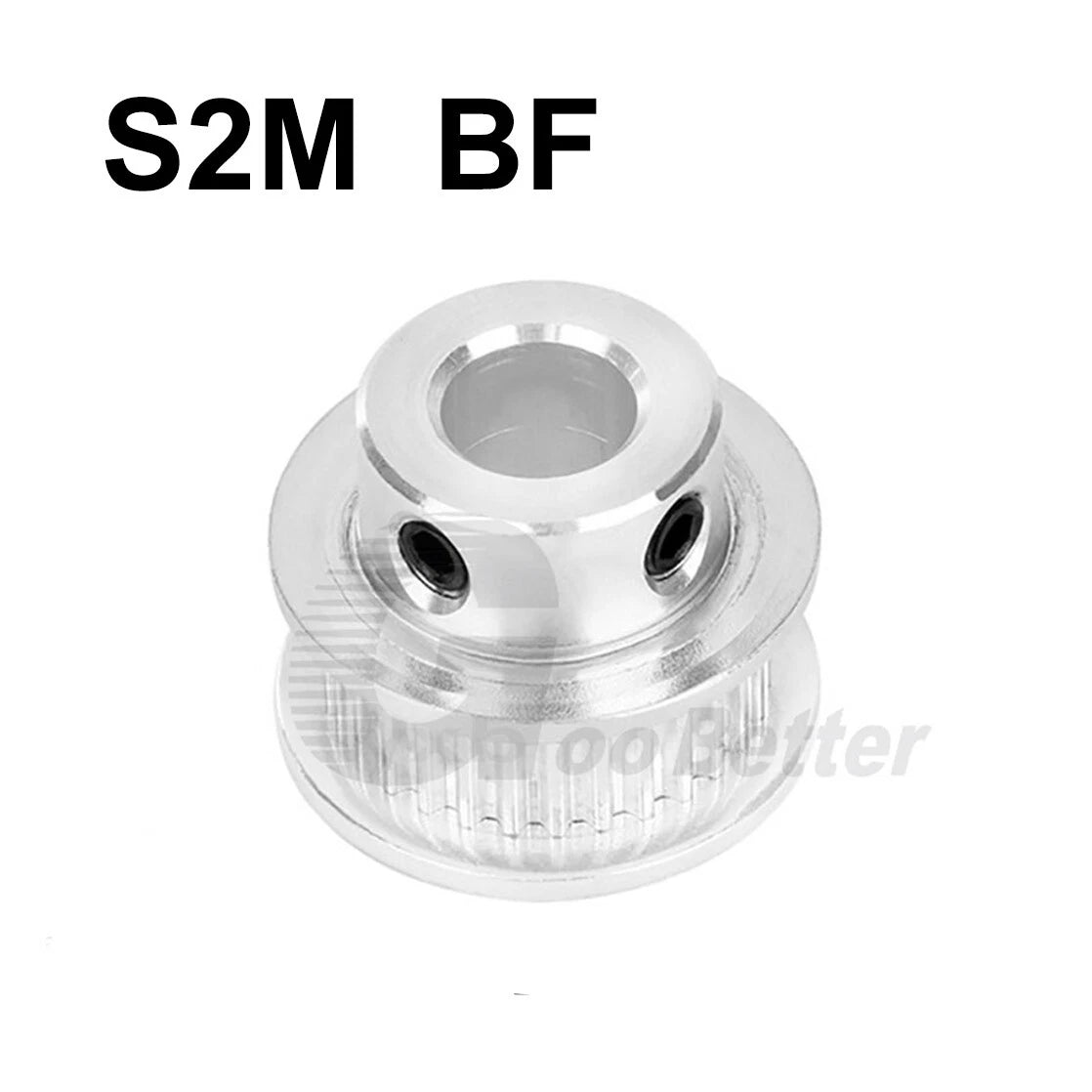
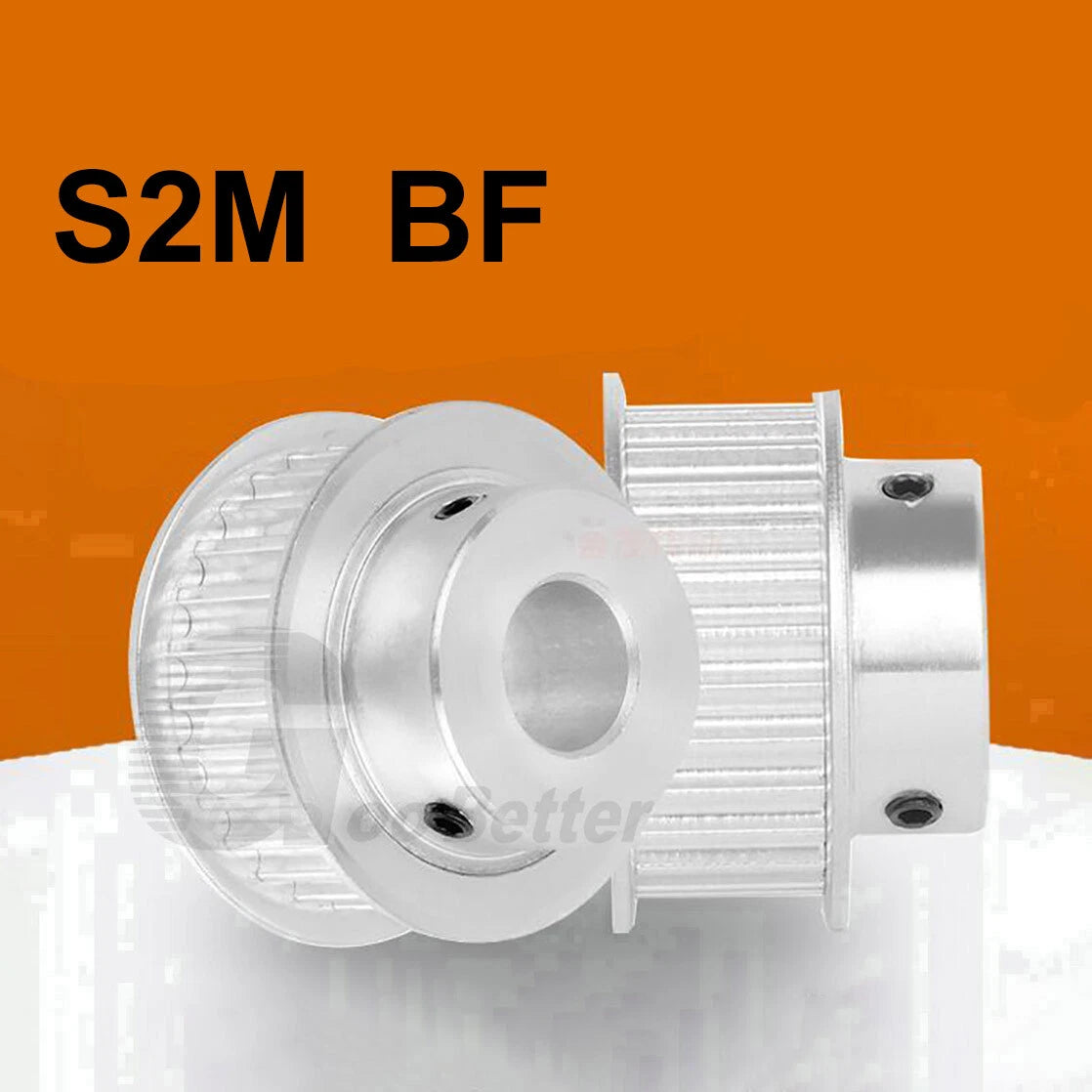
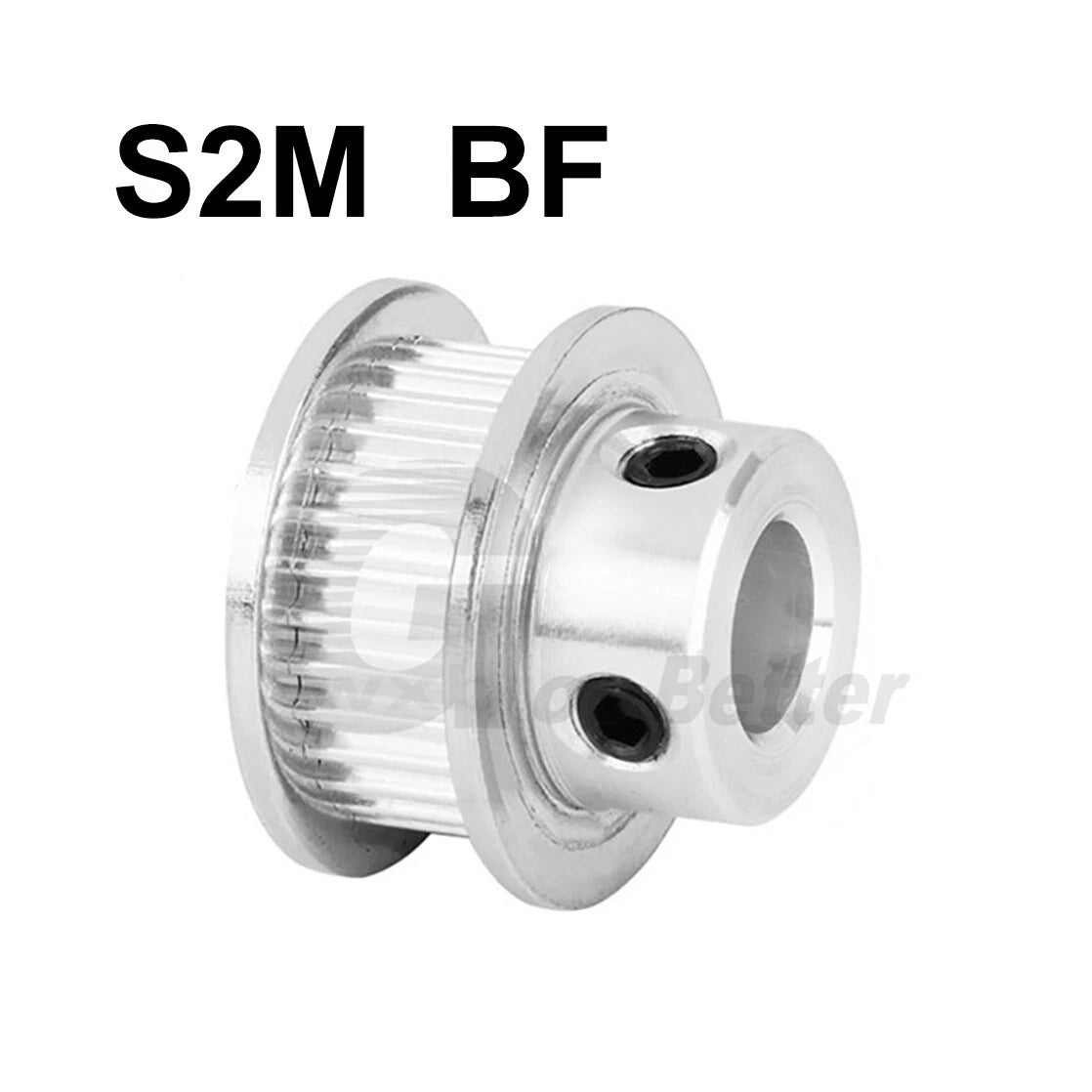
S2M 10mm Timing Belt Smooth Tooth Drive Pulley 70T 72T~80T Bore=5mm~25mm w Step

No reviews

Price:
Sale price$27.57 USD
Stock:
In stock (500 units), ready to be shipped

Payment & Security

Ach Direct Debit Amazon American Express Apple Pay Bancontact BLIK Diners Club Discover EPS Google Pay iDEAL Wero JCB Maestro Mastercard Multibanco MobilePay PayPal Przelewy24 Shop Pay Twint Union Pay USDC Visa

Your payment information is processed securely. We do not store credit card details nor have access to your credit card information.

Limited Offer — Spend More, Save More
Spend $55+
Save $5
Spend $100+
Save $10
Spend $200+
Save $25
HomeDIYer DIY Expert Support

DIY Expert Support

Get fitment advice & recommendations

Mon–Fri  8:30 AM – 8:00 PM
24-Hour Fast Ship
Arrives in 3–14 Days
Worldwide Shipping
30-Day Returns
1 tree planted with every purchase

Description

S2M Timing Belt Drive Pulley — Precision Smooth-Tooth Motion for CNC & Automation

Engineers and makers who rely on repeatable, low-backlash motion know the frustration of pulleys that slip, wobble, or arrive with bore tolerances that force rework. These S2M 10mm timing belt drive pulleys are machined for builders who need a drop-in fit the first time — whether you are designing a desktop CNC router, a pick-and-place machine, or a custom robotic arm.

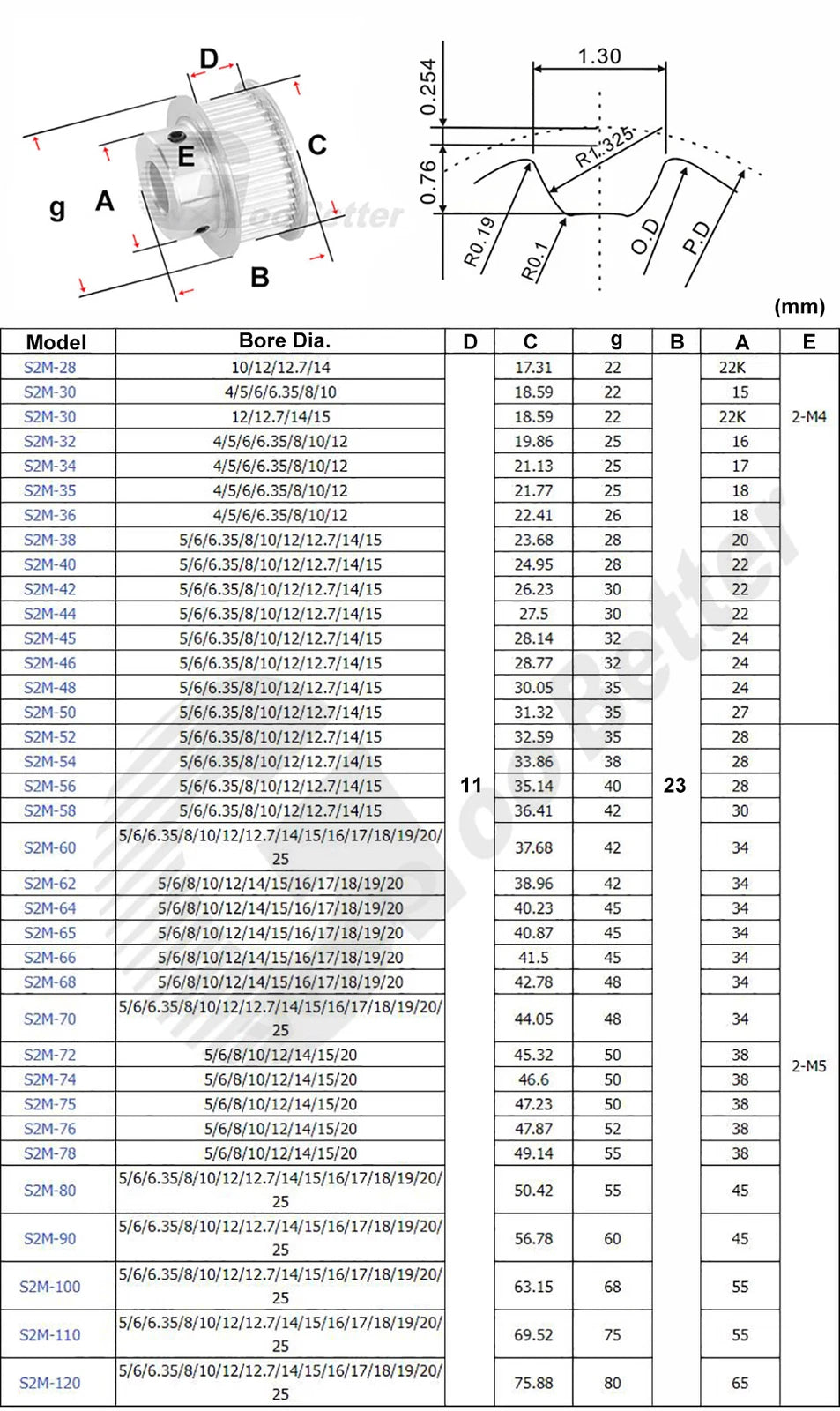
Each pulley is machined from aluminum alloy with a smooth-tooth S2M profile and a 10mm belt width. Tooth counts span 70T, 72T, 74T, 75T, 76T, 78T, and 80T. Bore diameters range from 5mm to 25mm (approximately 0.197" to 0.984"), with a stepped hub for axial positioning. Keyway options (3mm, 4mm, 5mm, 6mm, or 8mm) are available on select bore sizes for positive torque transmission without set-screw dependency.

Typical use cases include S2M belt-driven linear stages where consistent pitch diameter matters, multi-axis CNC gantry systems requiring matched pulley sets, and light-duty conveyor or indexing mechanisms where a 2mm pitch S2M belt is already specified. The stepped hub design also suits applications where the pulley must be located against a shoulder on the shaft.

⚙️ Compatibility: Designed for S2M (2mm pitch) synchronous timing belts with 10mm belt width. Verify bore diameter and keyway width against your shaft specification before ordering.

✅ Key Features of These S2M Timing Belt Drive Pulleys

  • 🔩S2M 2mm Pitch Profile — Smooth-tooth S2M geometry meshes with standard S2M belts for quiet, consistent power transfer in precision motion systems.
  • 📐Wide Bore Range: 5mm–25mm — Bore options from 5mm to 25mm (≈0.197"–0.984") cover most stepper and servo motor shaft diameters used in CNC and robotics builds.
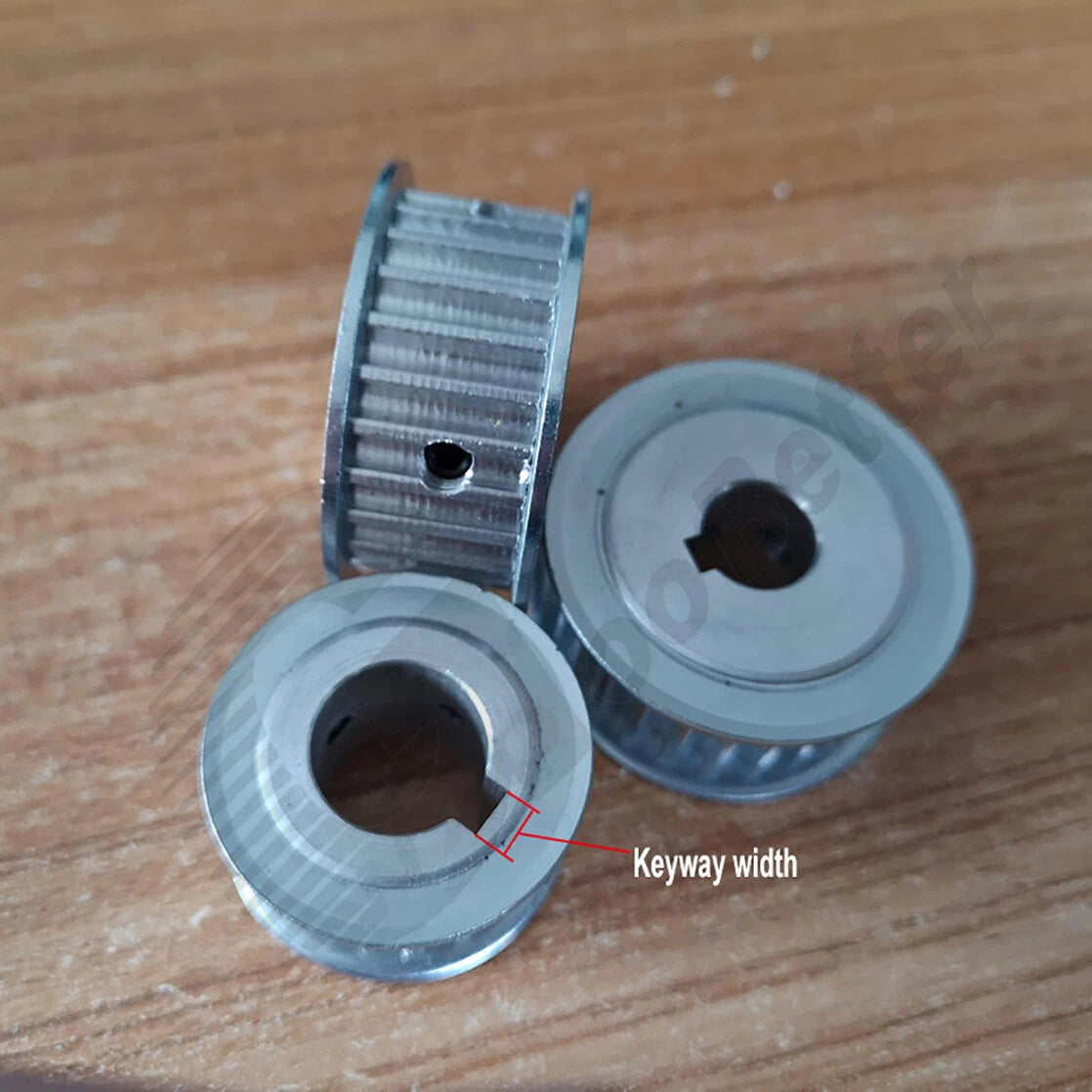
  • 🔑Optional Keyway Machining — Select variants include a precision-cut keyway (3mm, 4mm, 5mm, 6mm, or 8mm) for positive torque coupling without relying solely on set screws.
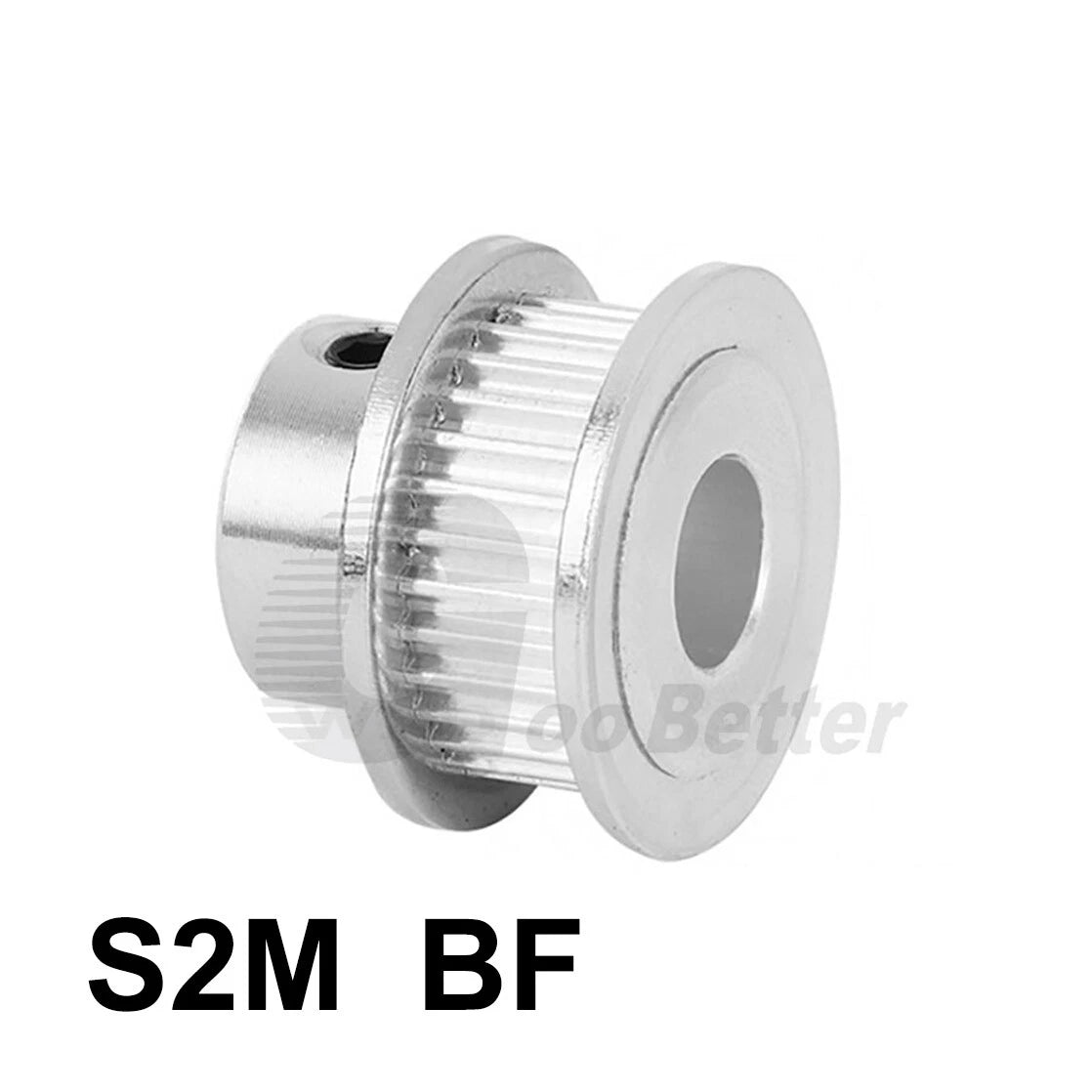
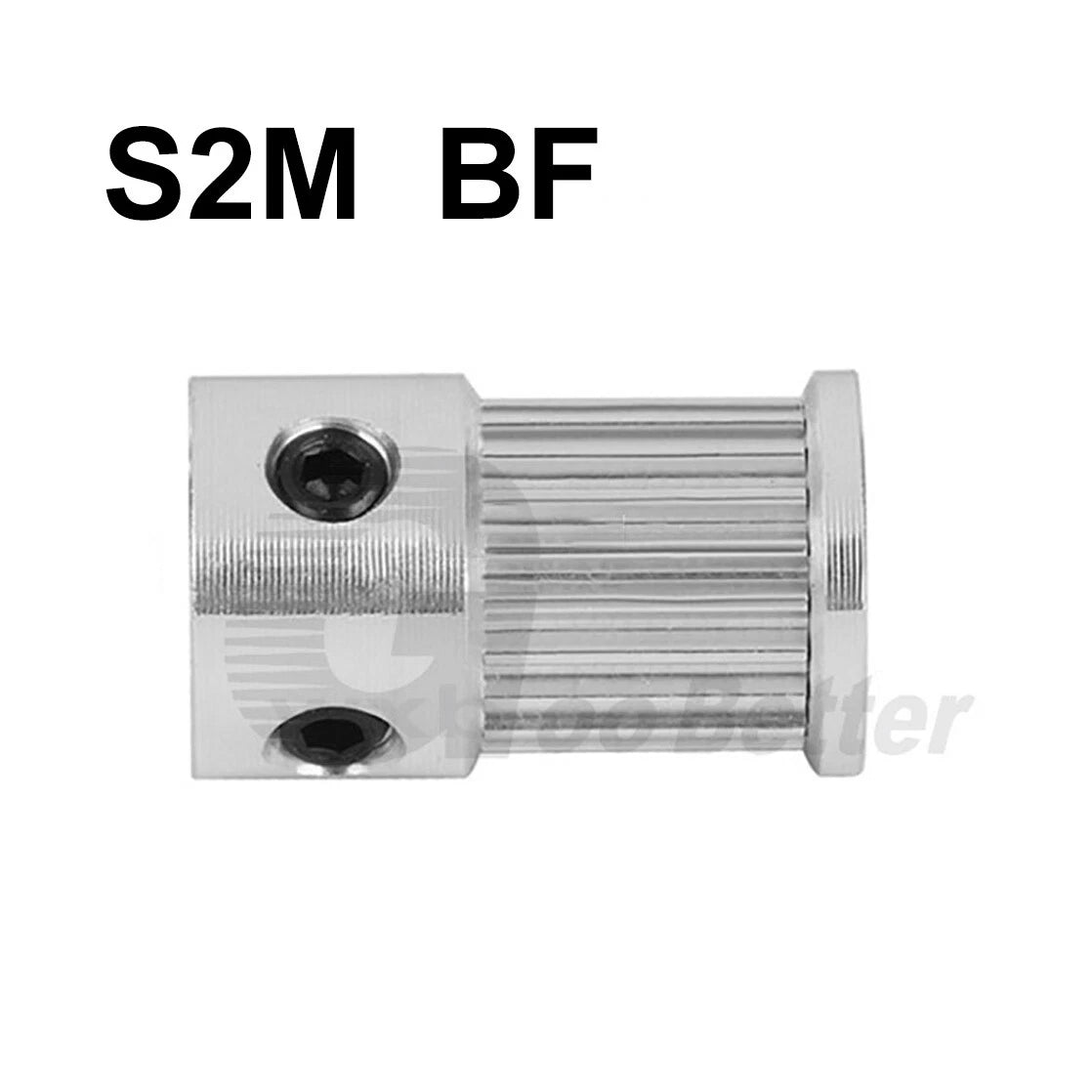
  • 🏗️Stepped Hub Design — The integrated step hub provides a positive axial stop against a shaft shoulder or bearing face, simplifying alignment during assembly.
  • ⚖️7 Tooth Count Options: 70T–80T — Choose from 70T, 72T, 74T, 75T, 76T, 78T, or 80T to dial in your drive ratio without modifying the belt path.
  • 🔧Aluminum Alloy Construction — Lightweight aluminum body keeps rotating inertia low, making these pulleys well-suited for servo-driven axes where acceleration response matters.

📐 Technical Specifications — S2M Timing Belt Drive Pulley

Belt Profile S2M (2mm pitch, smooth tooth)
Belt Width 10mm
Number of Teeth 70T, 72T, 74T, 75T, 76T, 78T, 80T
Bore Diameter 5mm, 6mm, 6.35mm, 8mm, 10mm, 12mm, 12.7mm, 14mm, 15mm, 16mm, 17mm, 18mm, 19mm, 20mm, 25mm
Keyway Width Without keyway, 3mm, 4mm, 5mm, 6mm, 8mm (see variant options)
Hub Style Stepped hub
Material Aluminum alloy
Finish See variant options
Flange See variant options
Outside Diameter See variant options
Hub Length See variant options

❓ Frequently Asked Questions

How do I choose the right tooth count for my application?

The tooth count determines the pitch diameter of the pulley, which directly sets your drive ratio when paired with a specific belt length and a second pulley. Higher tooth counts (e.g., 80T) give a larger pitch diameter and a lower reduction ratio when paired with a smaller driver pulley. Use the formula: ratio = driven teeth ÷ driver teeth. For most CNC gantry and linear stage builds, matching tooth counts on both ends gives a 1:1 ratio for direct-drive configurations.

What bore size should I select for my stepper or servo motor shaft?

Measure your motor shaft diameter with calipers before ordering. Common NEMA 17 stepper shafts are 5mm; NEMA 23 shafts are typically 6.35mm (1/4") or 8mm; larger servo motors often use 10mm, 12mm, or larger shafts. Select the bore that matches your shaft diameter exactly — these pulleys are machined to close tolerances and are not intended to be bored out after purchase.

Do I need a keyway, and which keyway width should I choose?

A keyway is recommended for applications with significant torque, reversing loads, or where set-screw-only retention has proven unreliable. The keyway width must match the key stock on your shaft. Standard metric key widths for common bore sizes: 8mm bore → 3mm key; 10mm bore → 3mm or 4mm key; 12mm bore → 4mm key; 14–15mm bore → 5mm key; 18–19mm bore → 6mm key; 25mm bore → 8mm key. Confirm against your shaft specification before ordering.

Are these pulleys compatible with any S2M timing belt?

Yes — these pulleys are designed for standard S2M synchronous belts with a 2mm pitch and 10mm width. They are not compatible with GT2, HTD, or other belt profiles, even if the pitch appears similar. Always verify the belt profile designation (S2M) on your belt before pairing it with these pulleys.

How strong are aluminum pulleys compared to steel for my use case?

Aluminum alloy pulleys are well-suited for light-to-medium duty CNC, 3D printing, robotics, and automation applications where belt tension is moderate and operating temperatures are within normal ambient ranges. For heavy industrial drives with sustained high belt tension or shock loads, steel pulleys may be more appropriate. For the vast majority of hobbyist and professional maker applications these aluminum pulleys are the standard choice due to their lower inertia and ease of machining for custom modifications.

Will these pulleys corrode or oxidize over time?

Aluminum alloy naturally forms a thin oxide layer that provides moderate corrosion resistance in typical indoor environments. For applications exposed to moisture, cutting fluids, or outdoor conditions, consider applying a light coat of dry lubricant or anodizing the pulley surface. These pulleys are not recommended for submerged or highly corrosive chemical environments without additional surface treatment.

Can I use these pulleys in a 3D printer or laser cutter belt drive?

These pulleys use the S2M profile (2mm pitch), which is distinct from the GT2 profile commonly used in consumer 3D printers. If your printer or laser cutter uses S2M belts specifically, these pulleys are compatible. If your machine uses GT2 belts, these pulleys will not mesh correctly. Check your belt profile before purchasing.

🛒 Select your Number of Teeth, Bore Width, and Keyway width above, then add to cart.


You may also like

Recently viewed