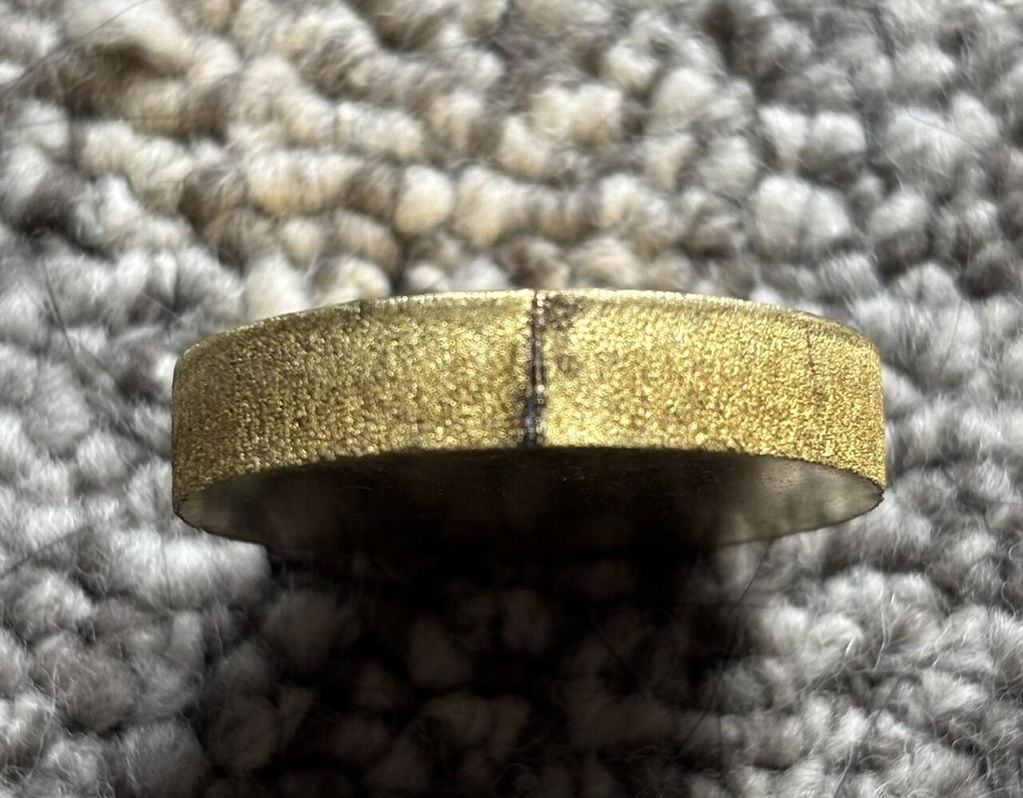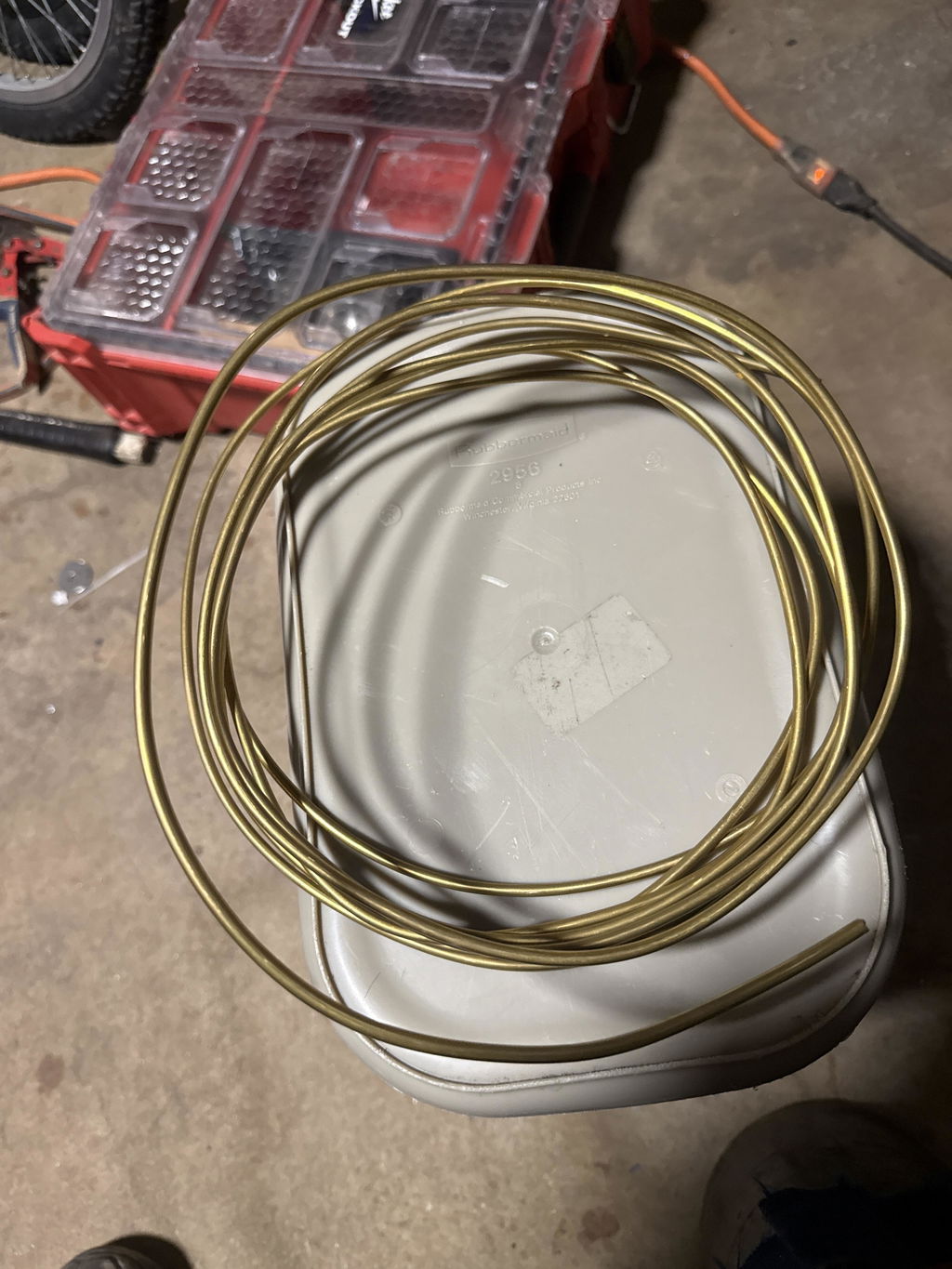
The chain is fine...but I ordered the wrong size. Nine links of the chain I ordered equals six of the size I wanted. My error...
How can I straighten out the springs? I can't use them coil uo as is.
Your payment information is processed securely. We do not store credit card details nor have access to your credit card information.
Get fitment advice & recommendations
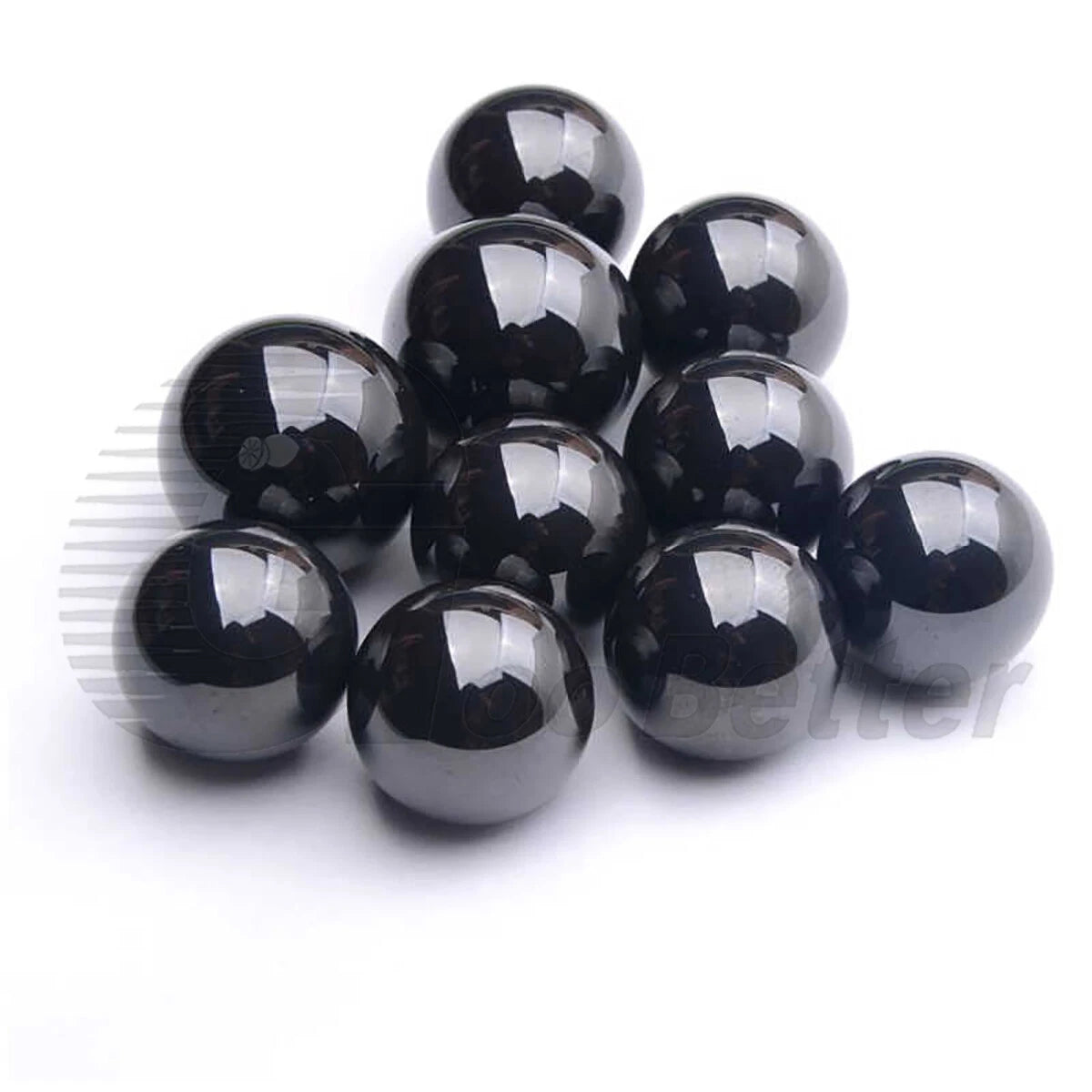
When standard steel balls corrode, magnetize, or add unwanted weight to your build, makers and engineers reach for silicon nitride ceramic. Whether you are rebuilding a spindle, upgrading a pump, or prototyping a precision mechanism, these G5-grade Si3N4 balls deliver the dimensional accuracy and material resilience that steel simply cannot match.
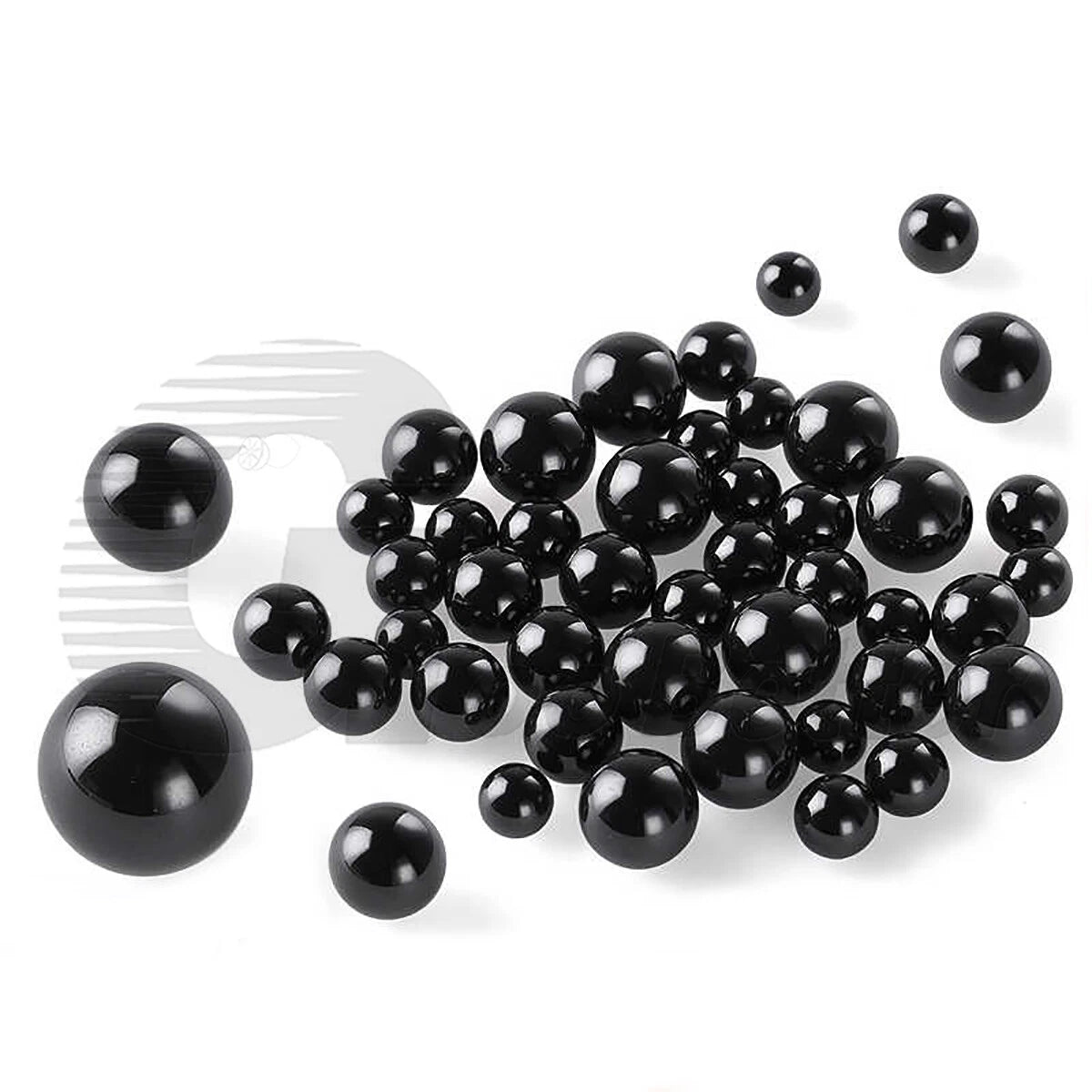
Each ball is manufactured from silicon nitride (Si3N4) ceramic, offering a density of approximately 3.2 g/cm³ — roughly 60% lighter than bearing steel. The diameter range spans 1 mm to 38.1 mm (approx. 0.039 in to 1.500 in), covering both miniature instrument bearings and larger industrial-grade applications. Grade G5 specifies a sphericity tolerance of ≤0.13 µm and surface roughness Ra ≤0.02 µm, ensuring smooth, low-friction rolling contact.
Typical use cases include high-speed spindle bearings for CNC routers and dental drills, corrosion-resistant valve seats in chemical or marine environments, and non-magnetic precision balls for MRI-adjacent equipment or sensitive electronic assemblies. Long-tail applications also include replacement balls for skateboard bearings, fishing reel upgrades, and DIY linear motion systems.
| Material | Silicon Nitride (Si3N4) Ceramic |
|---|---|
| Grade | G5 |
| Diameter Range | 1 mm – 38.1 mm (0.039 in – 1.500 in) |
| Sphericity Tolerance | ≤ 0.13 µm |
| Surface Roughness (Ra) | ≤ 0.02 µm |
| Density | Approx. 3.2 g/cm³ |
| Hardness (Vickers) | Approx. 1500 HV |
| Max Operating Temperature | Approx. 1000 °C (1832 °F) |
| Magnetic Properties | Non-magnetic |
| Electrical Properties | Electrically insulating |
| Finish | Polished |
| Packing Options | 1 PCS / 5 PCS / 10 PCS |
| Color | Grey / Black (typical for Si3N4) |
Measure the inner diameter of your bearing race or the bore of the housing that will hold the ball. The ball diameter should match the race groove radius closely — typically the ball diameter equals the bore diameter of the race. If you are replacing existing balls, measure the old ball with a micrometer for the most accurate result. Refer to your bearing manufacturer's datasheet for the specified ball diameter.
Si3N4 ceramic has a Vickers hardness of approximately 1500 HV and a flexural strength of roughly 700–900 MPa, making it suitable for moderate-to-high radial and axial loads in precision bearings. However, ceramic is more brittle than steel under impact loads. Avoid applications with heavy shock loading or sudden impact forces unless your design accounts for this characteristic.
Silicon nitride ceramic is inherently corrosion-resistant and will not rust. It withstands exposure to most acids, alkalis, and saltwater without degradation. This makes Si3N4 balls an excellent choice for marine hardware, chemical pumps, food-processing equipment, and any application where moisture or chemical exposure would corrode steel balls.
Yes. Hybrid bearings — ceramic balls running in steel inner and outer races — are a common and well-established configuration. The ceramic balls reduce friction, heat generation, and electrical conductivity between the races. Ensure the steel race material and surface finish are compatible with ceramic contact to avoid premature wear on the race grooves.
Select 10 PCS for small-diameter balls (1 mm – 8 mm) used in miniature bearings where multiple balls per race are needed. Choose 5 PCS for mid-range diameters (8.5 mm – 10 mm). For larger diameters (10.318 mm – 38.1 mm), 1 PCS is available, which suits single-ball valve seats or large bearing replacements. Match the quantity to the number of balls your bearing retainer requires.
Yes. G5-grade Si3N4 ceramic balls are widely used in high-speed spindles for CNC machining centers, dental handpieces, and turbomachinery. Their low density reduces centrifugal force on the outer race at high RPM, lowering heat generation and extending bearing life compared to all-steel configurations. Ensure your lubrication method (grease or oil-air mist) is appropriate for your target speed.
G5 grade is defined by ISO 3290 and ABMA standards, specifying maximum deviation from spherical form (≤0.13 µm) and lot diameter variation. You can verify grade by measuring multiple balls with a precision roundness tester or by requesting a material certificate. If you need documentation for industrial or aerospace applications, please contact us to confirm availability of inspection reports.