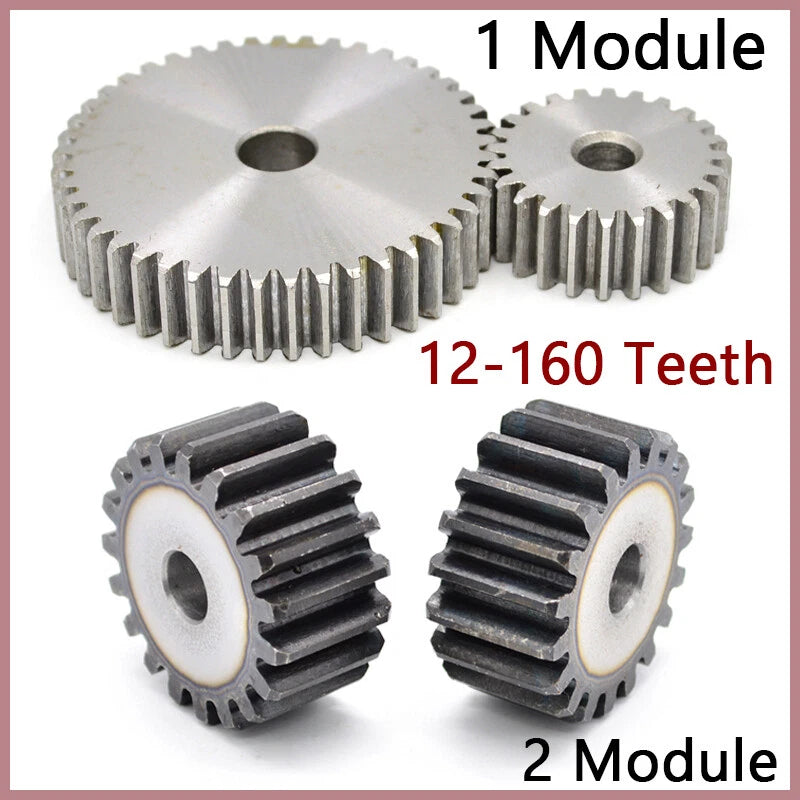
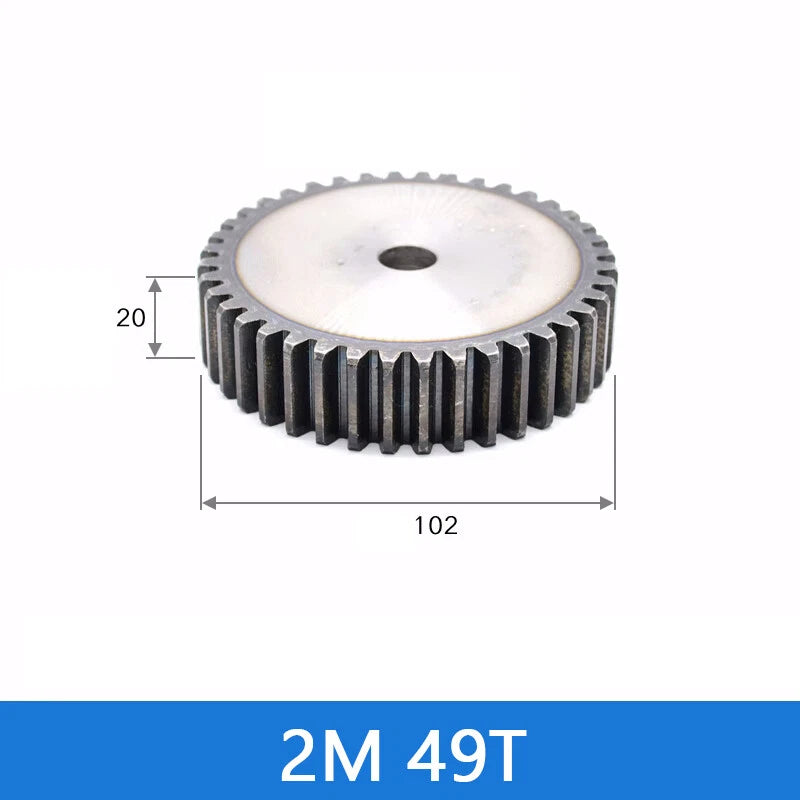
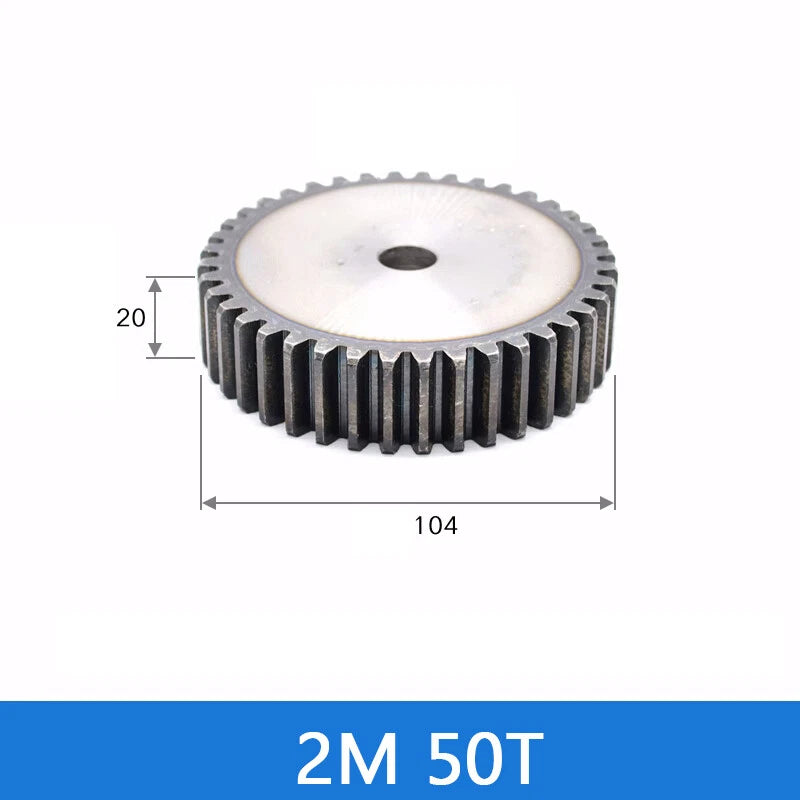
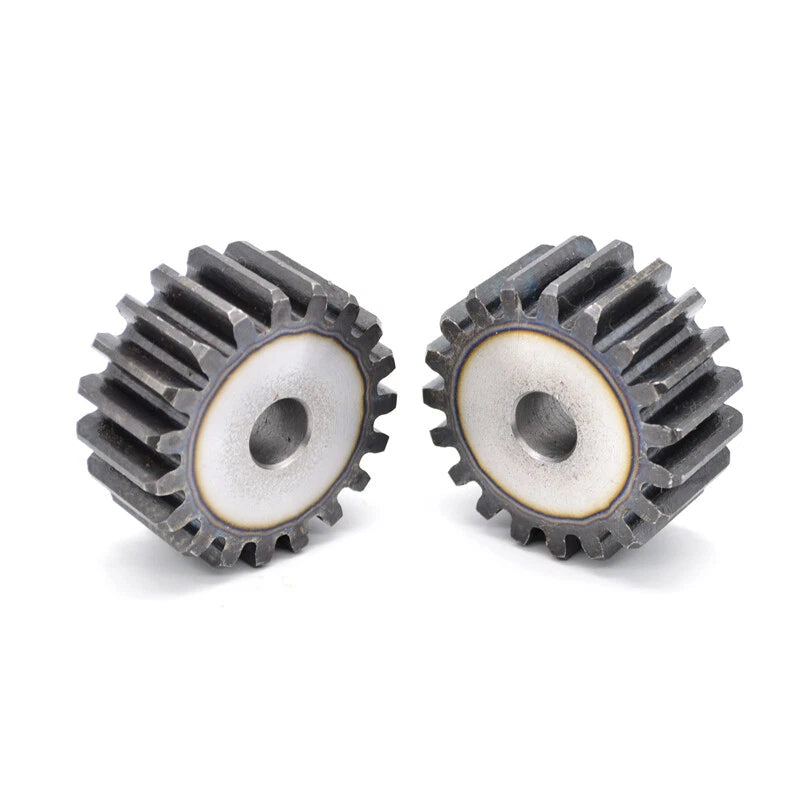
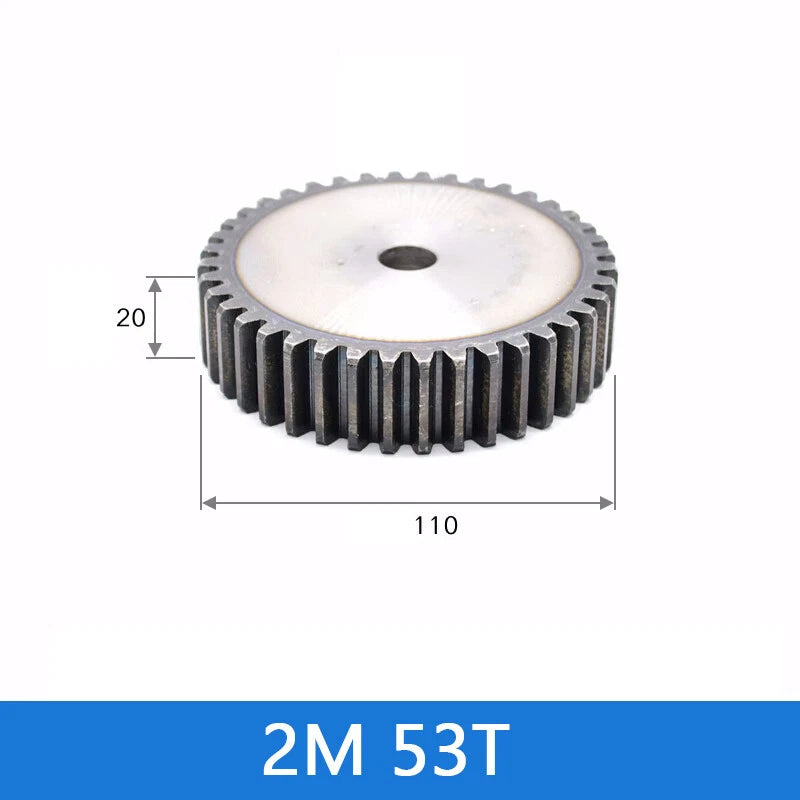
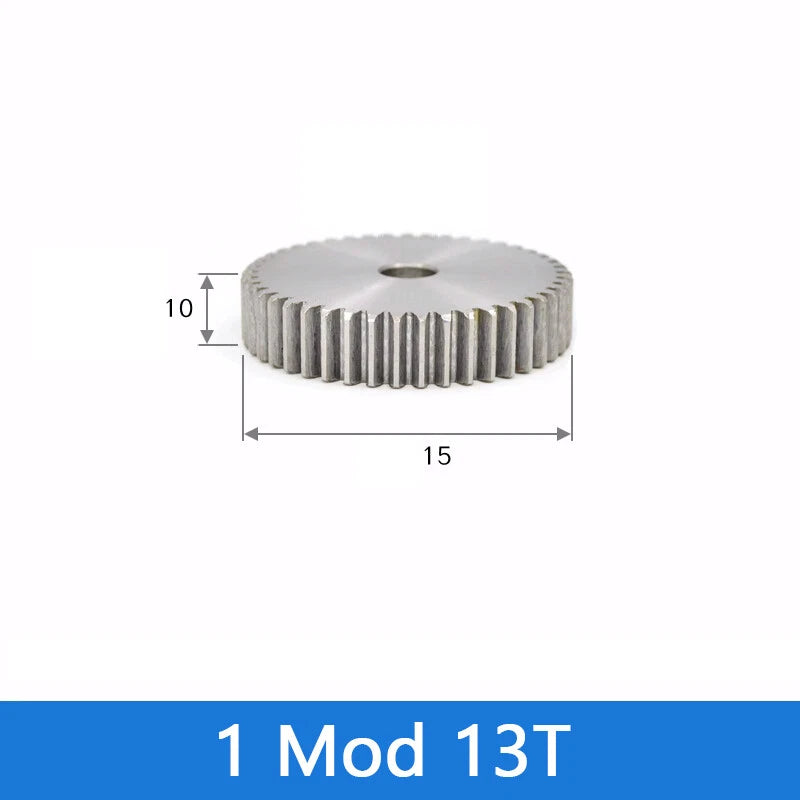
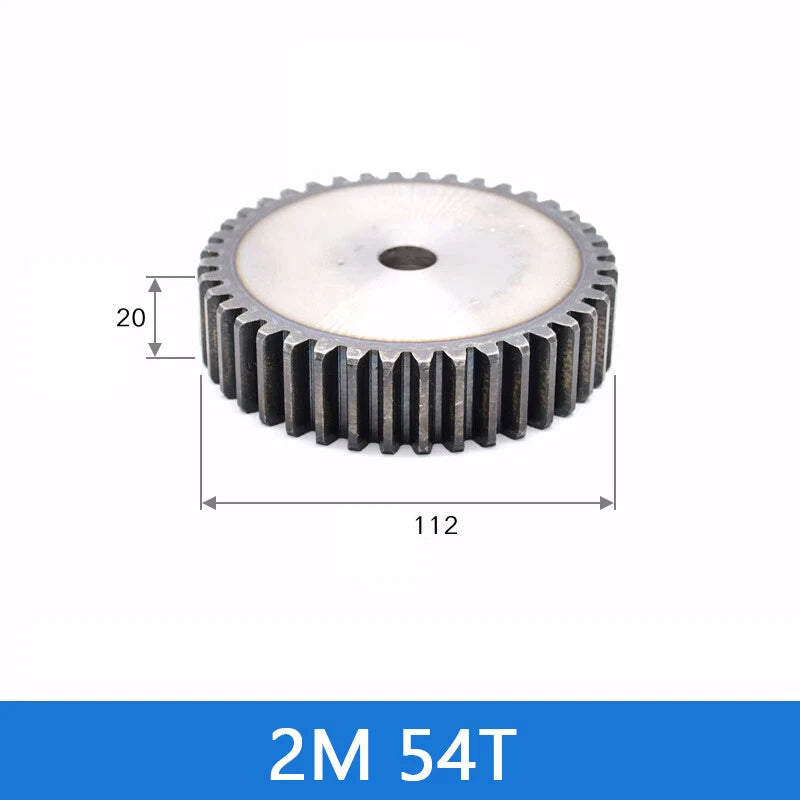
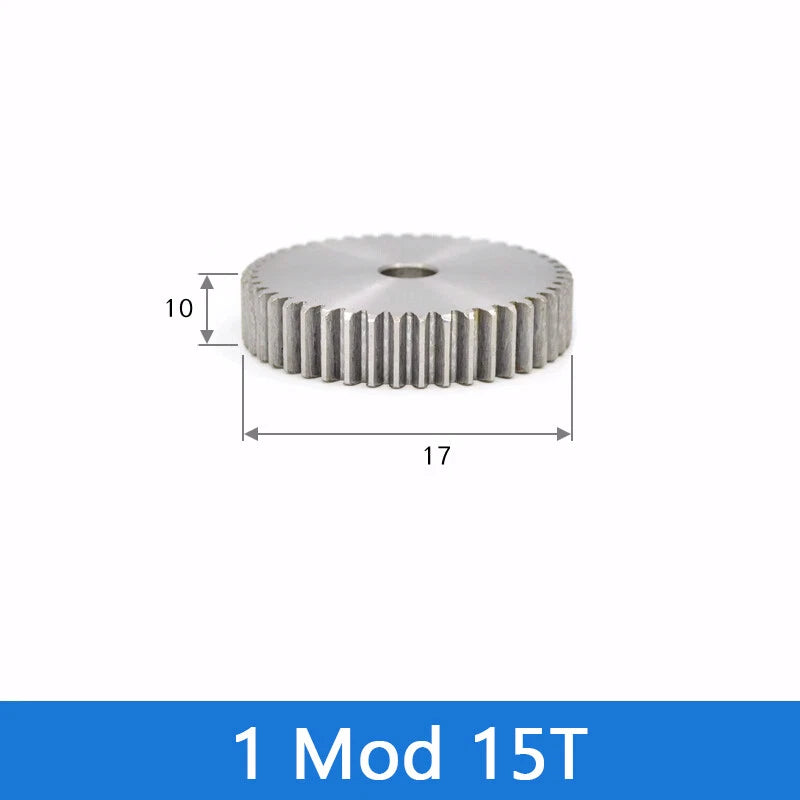
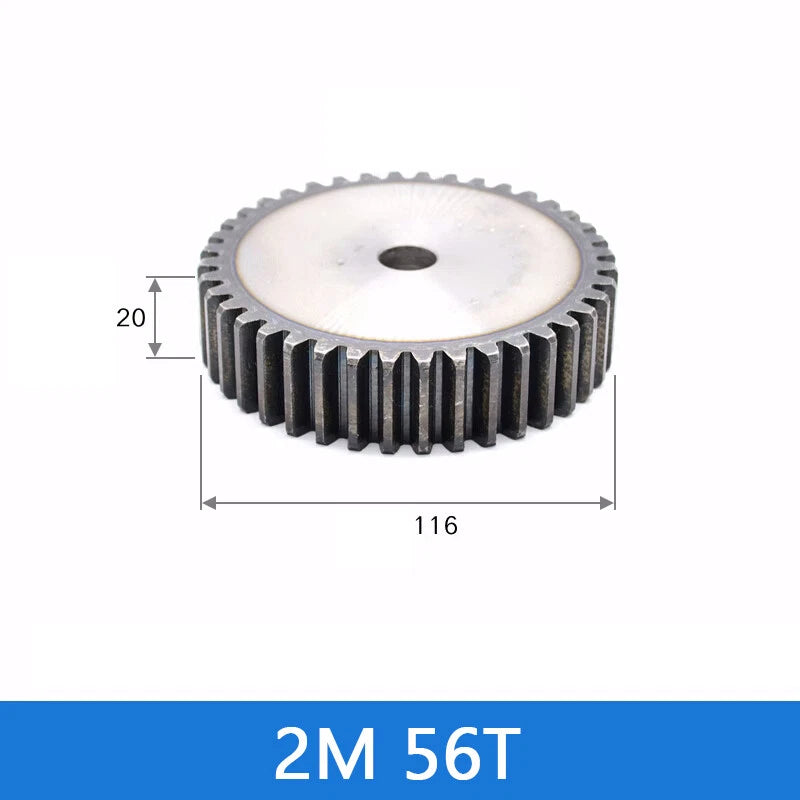
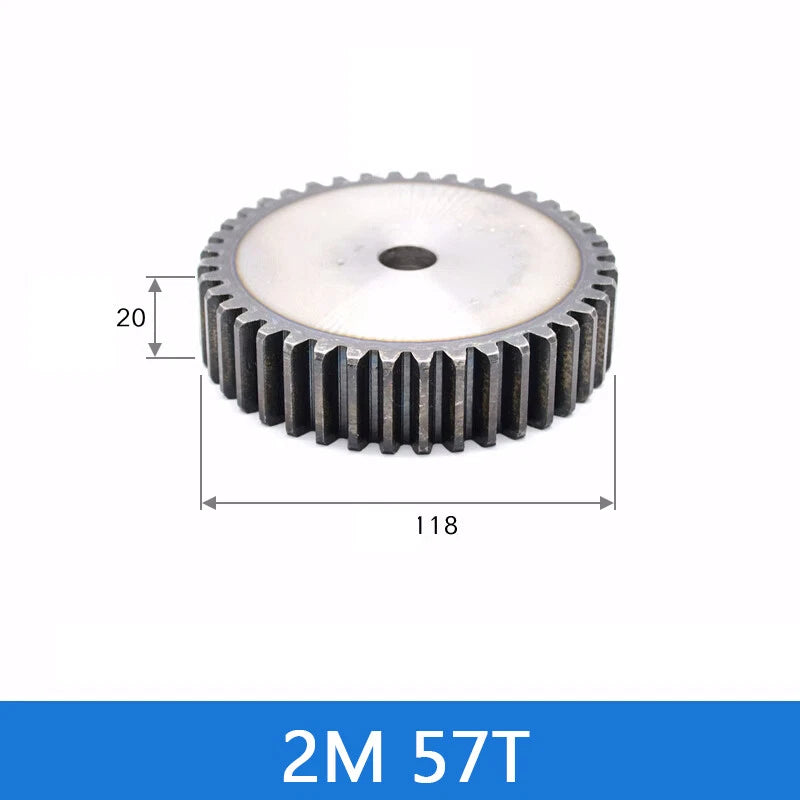
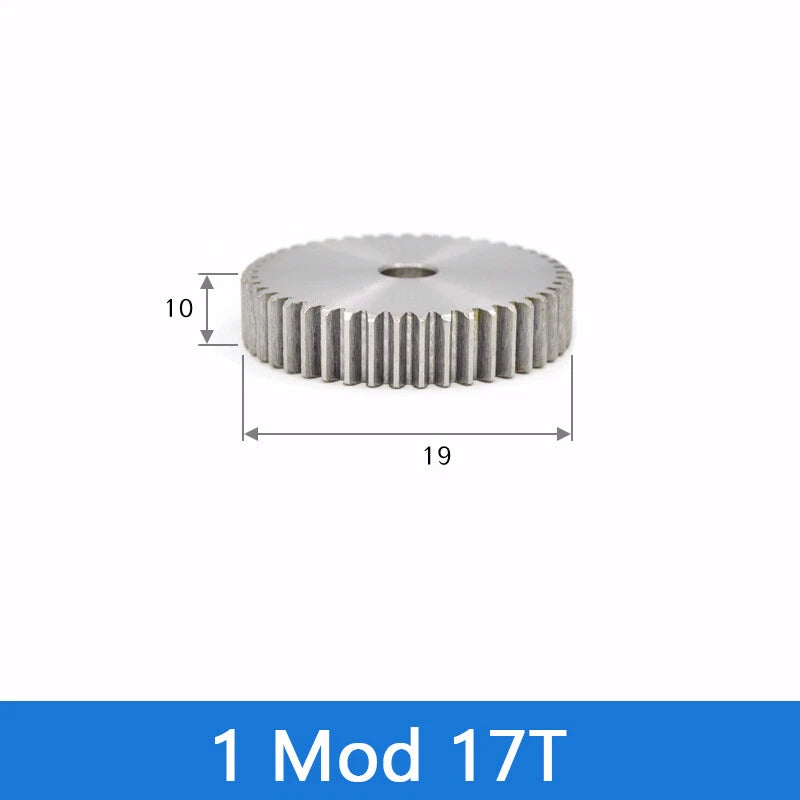
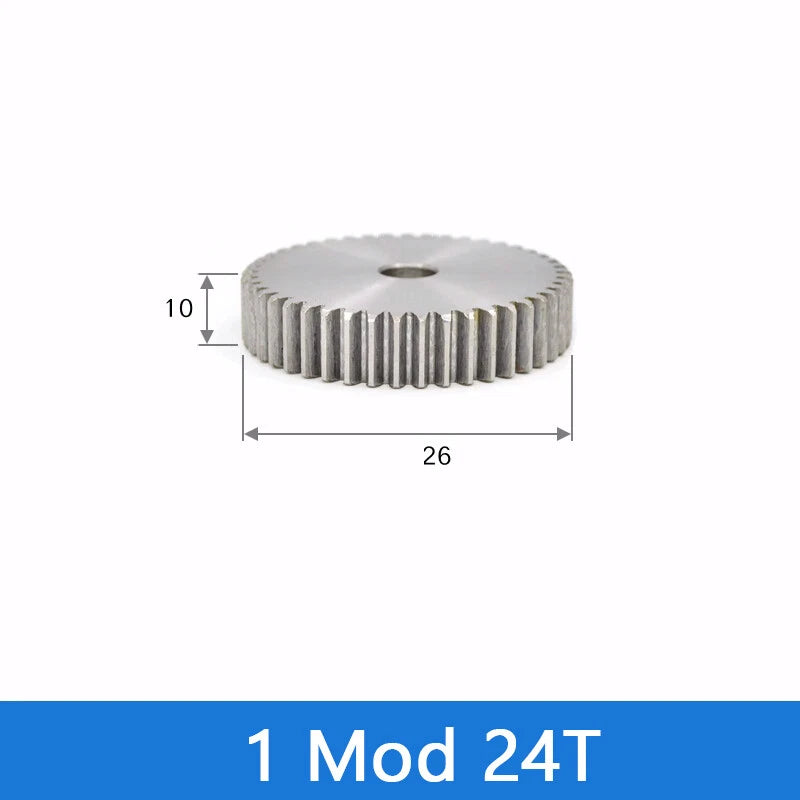
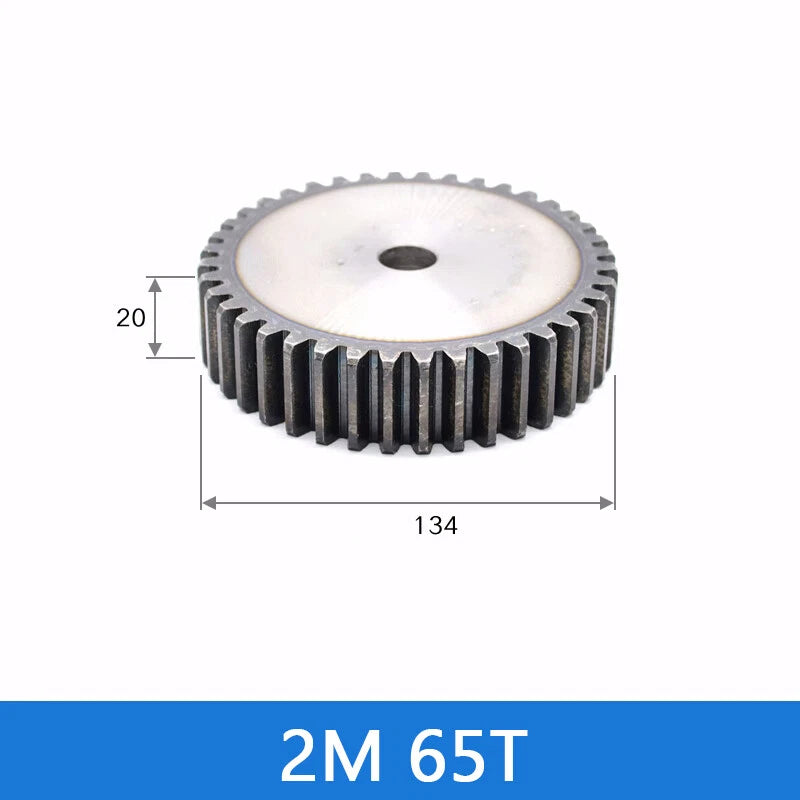
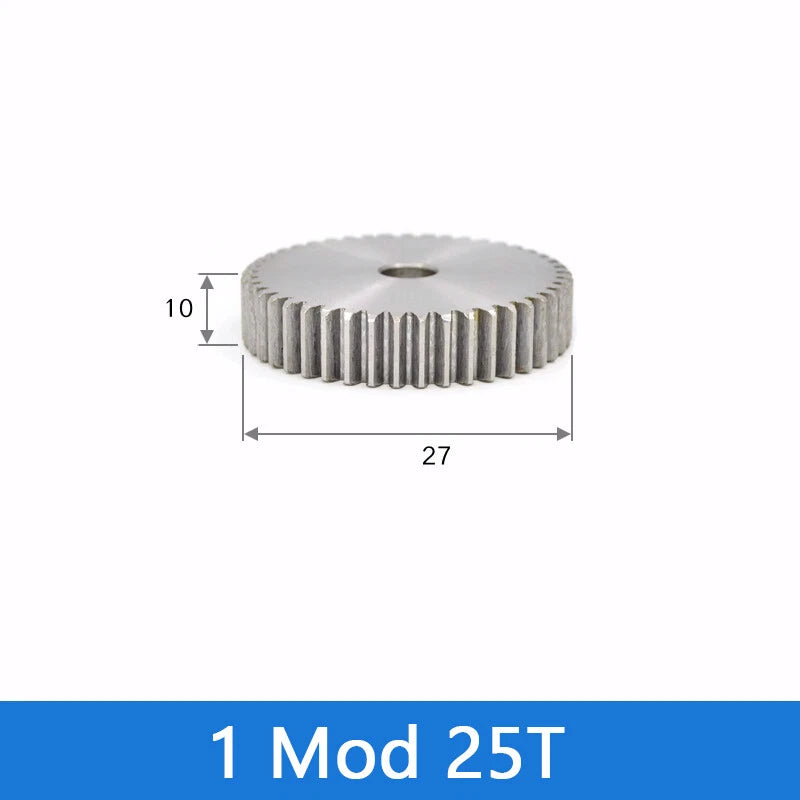
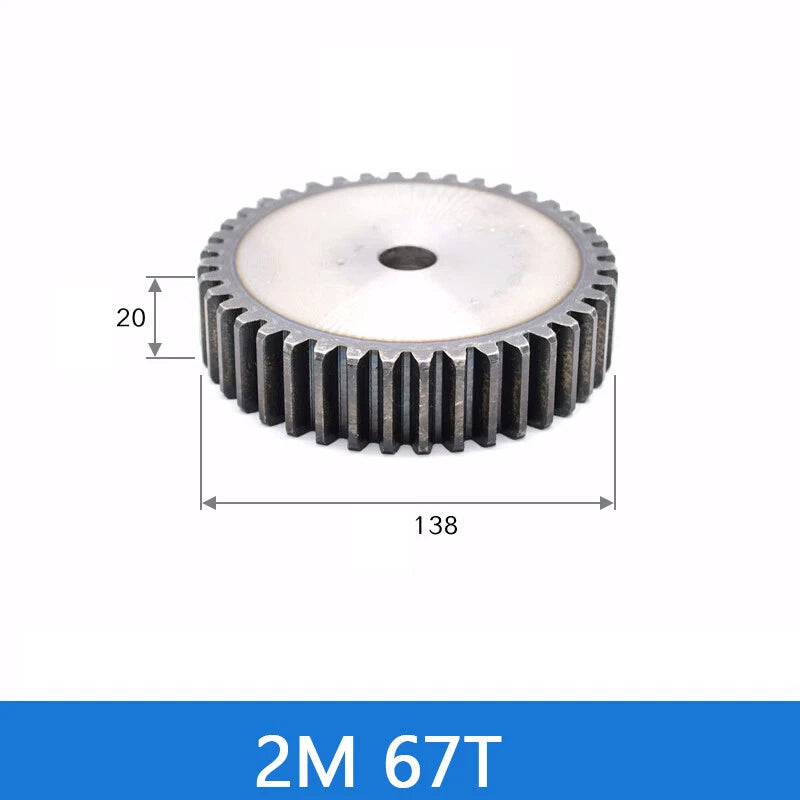
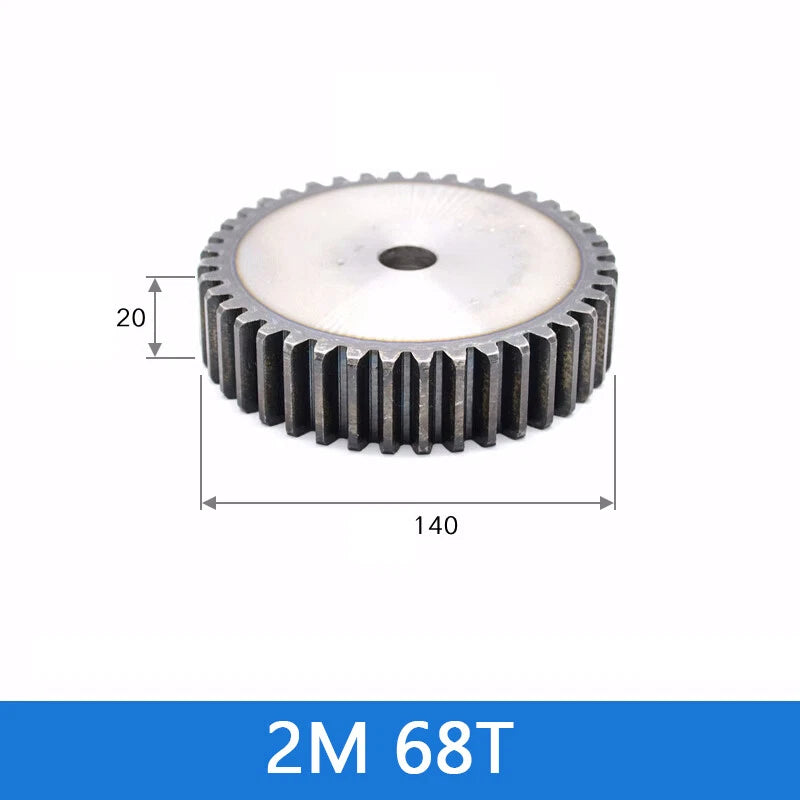
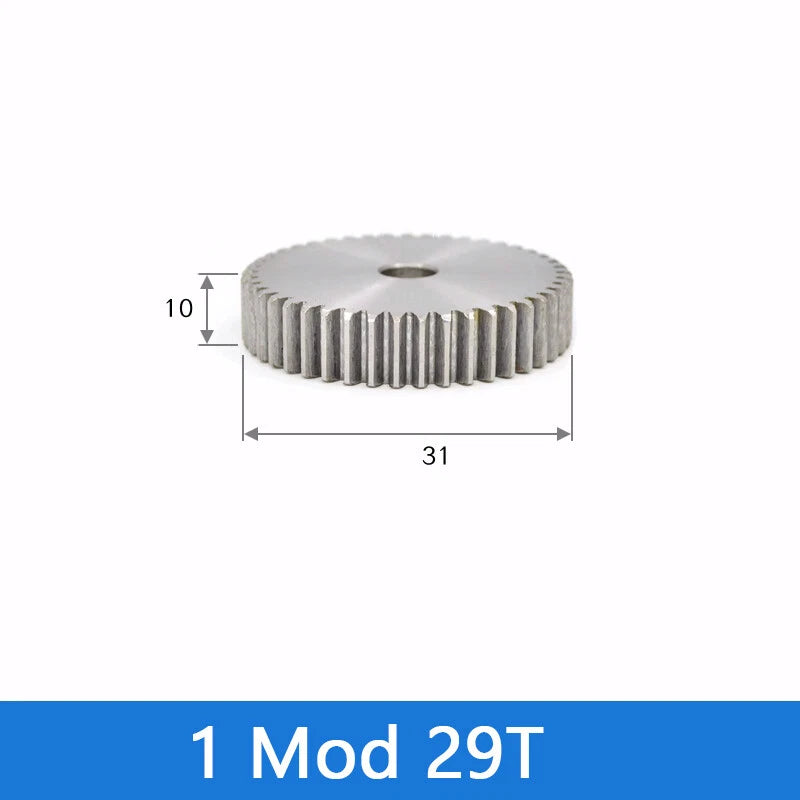
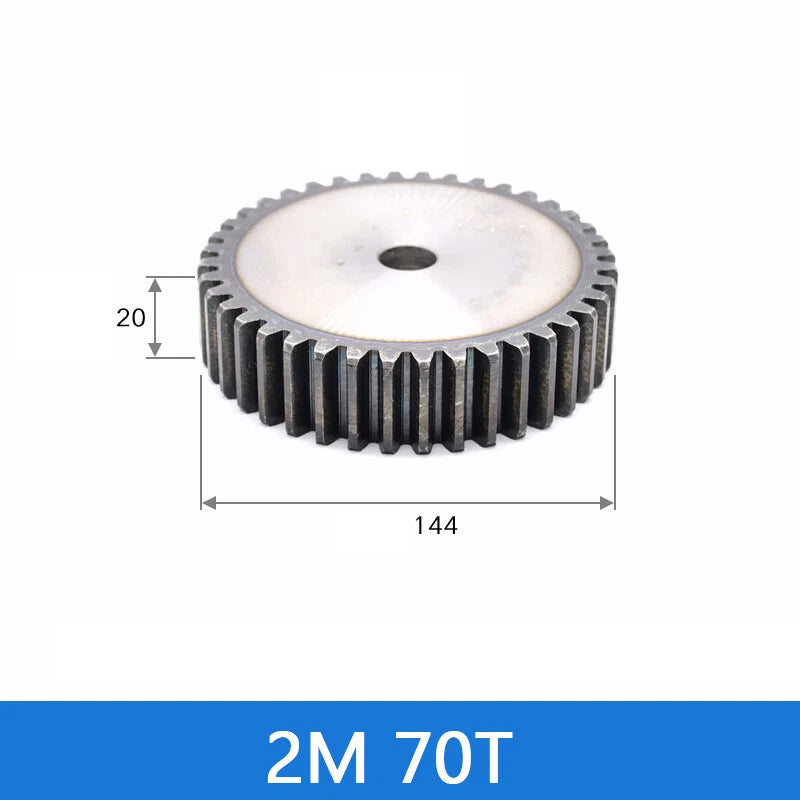
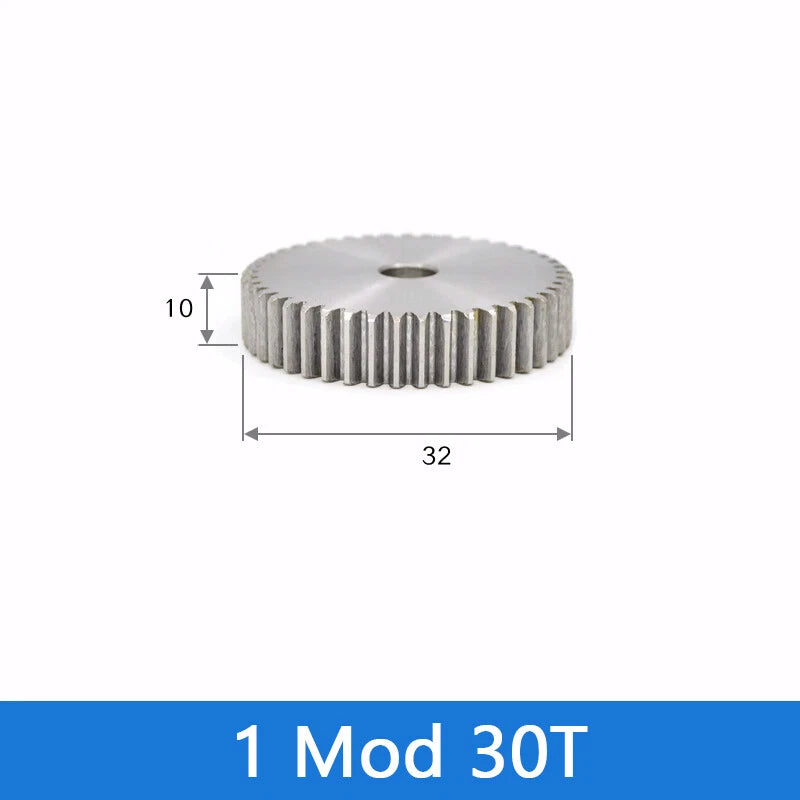
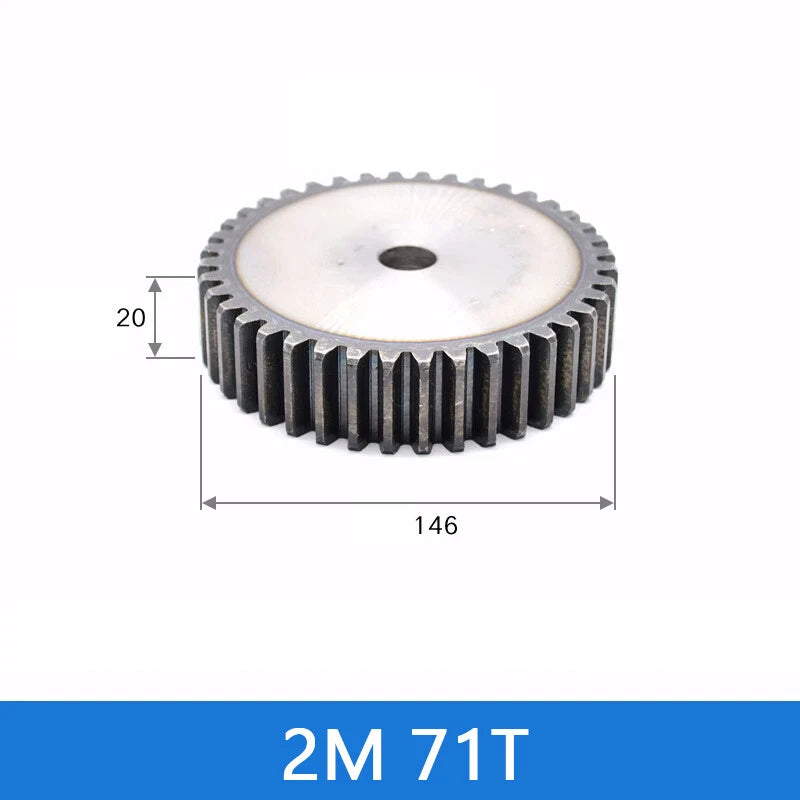
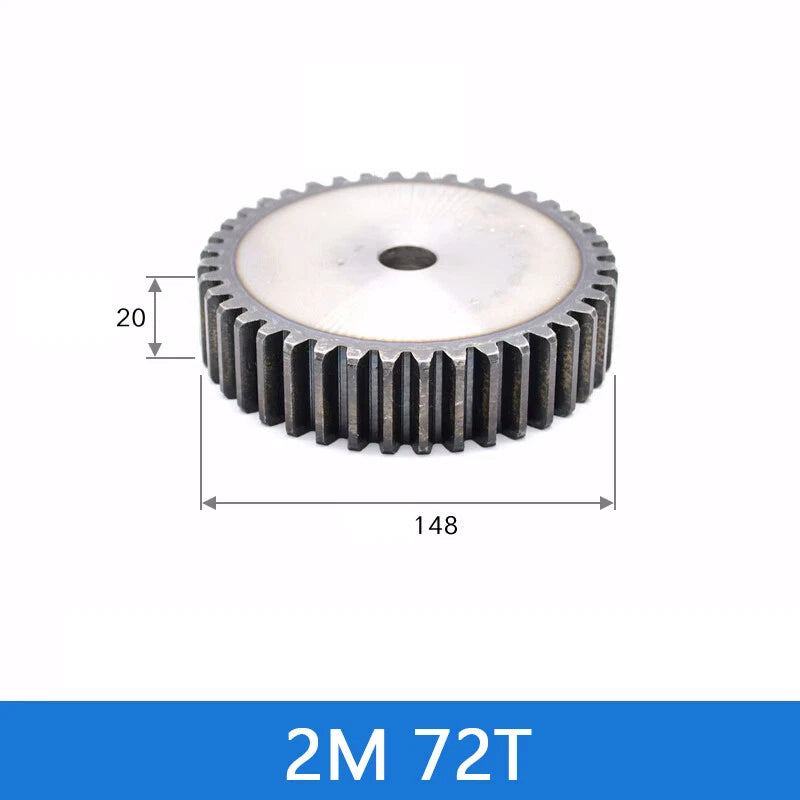
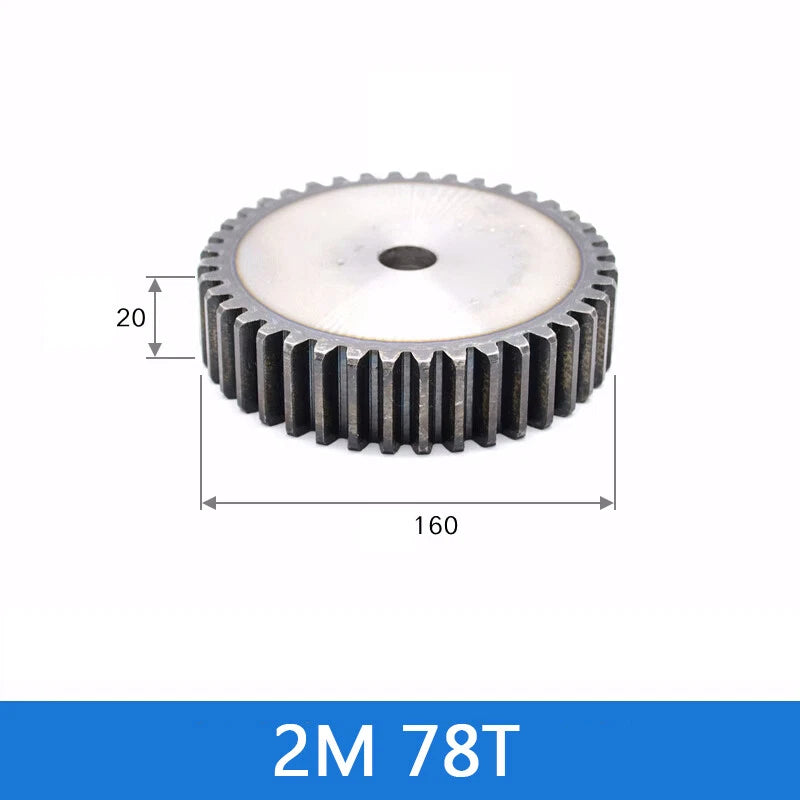
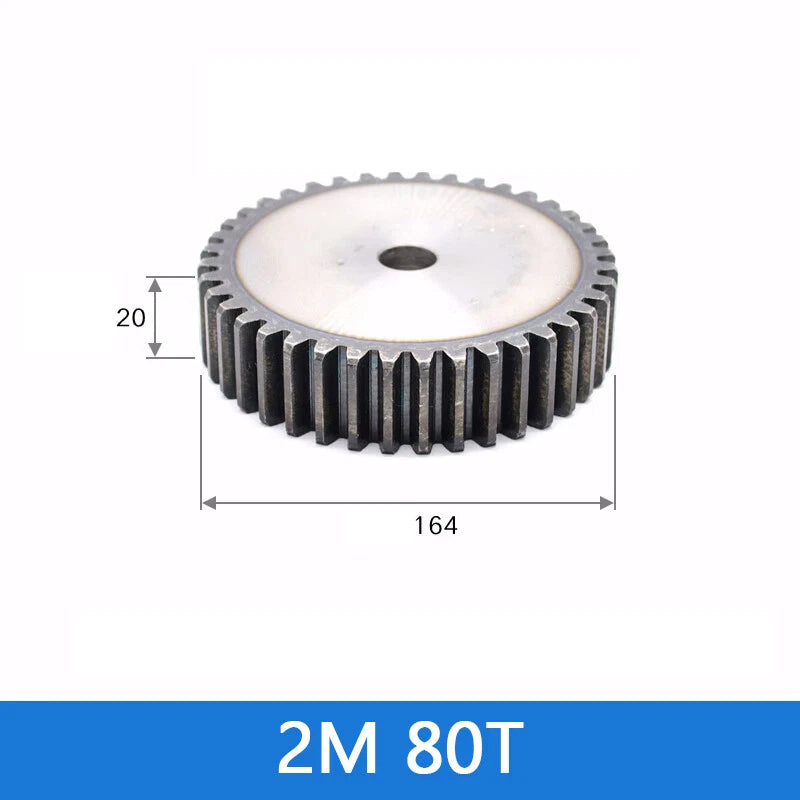
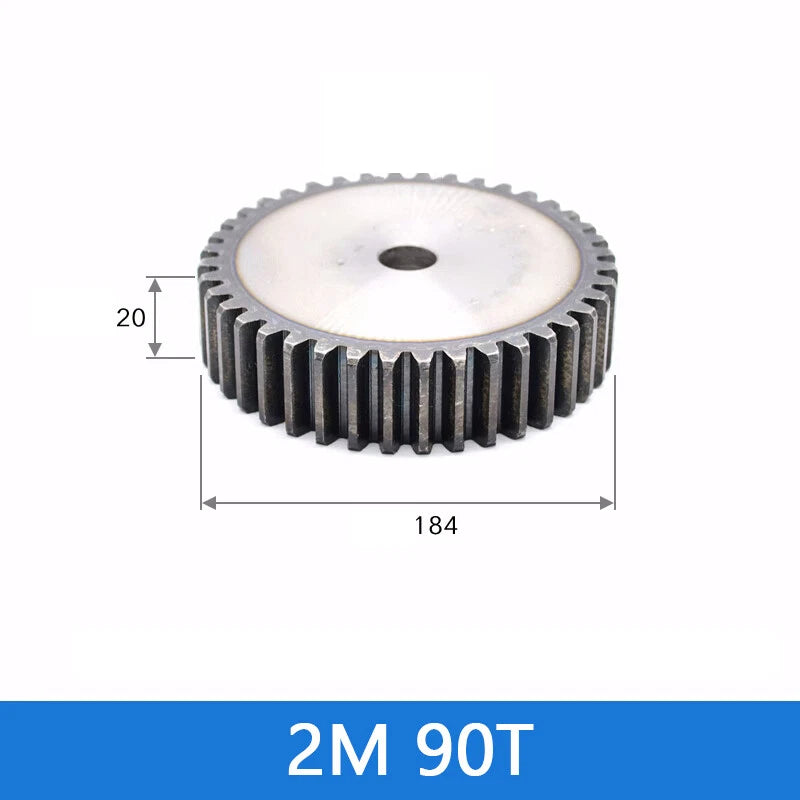
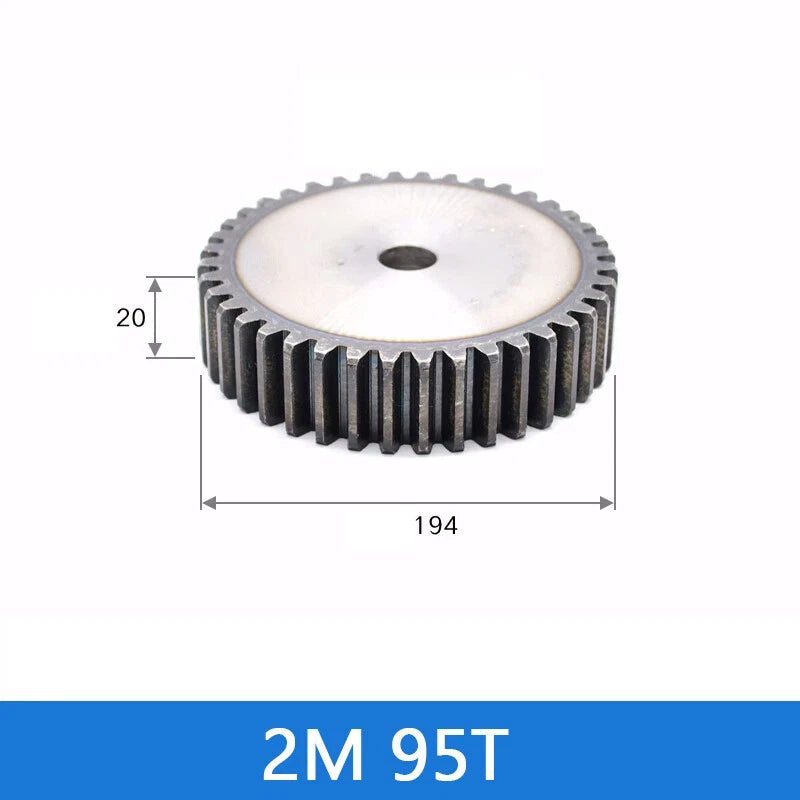
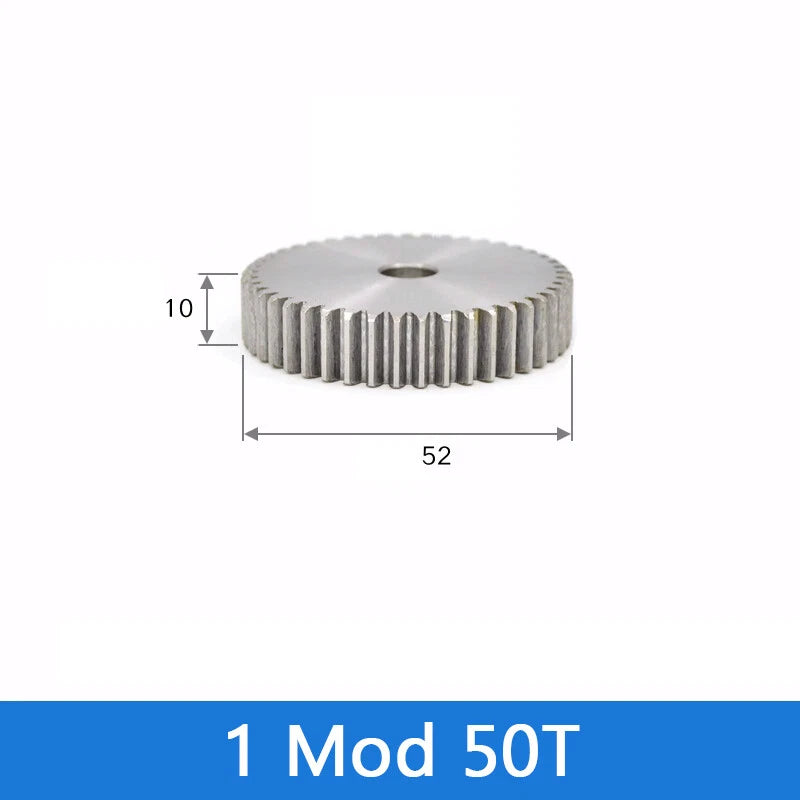
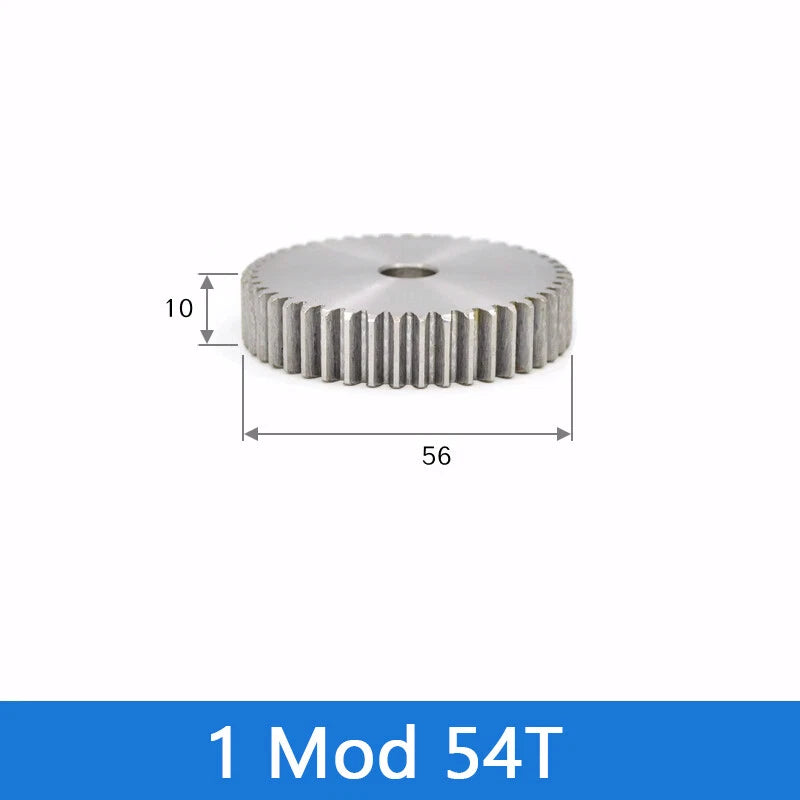
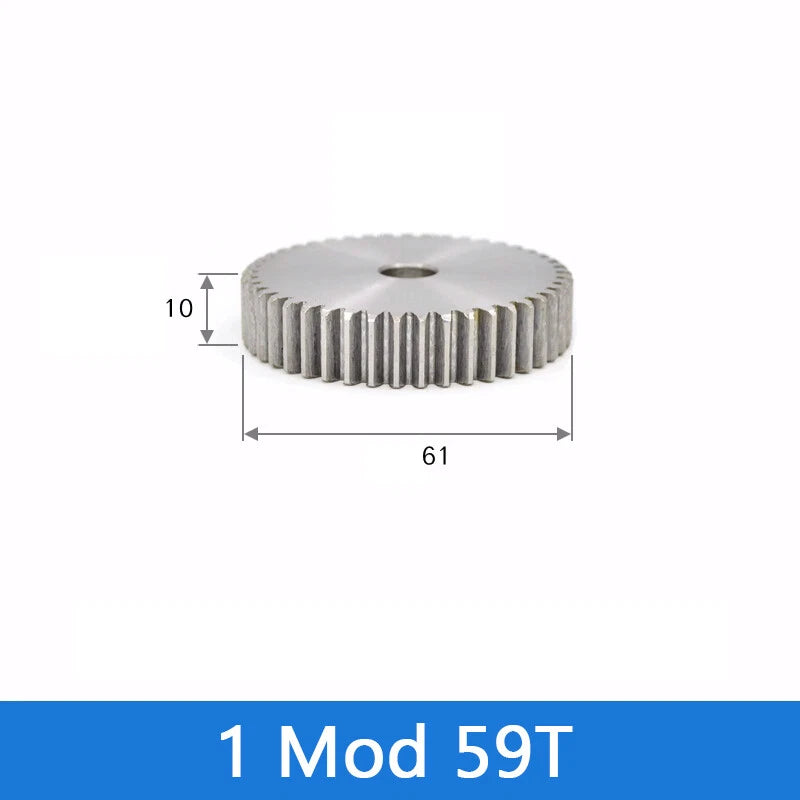
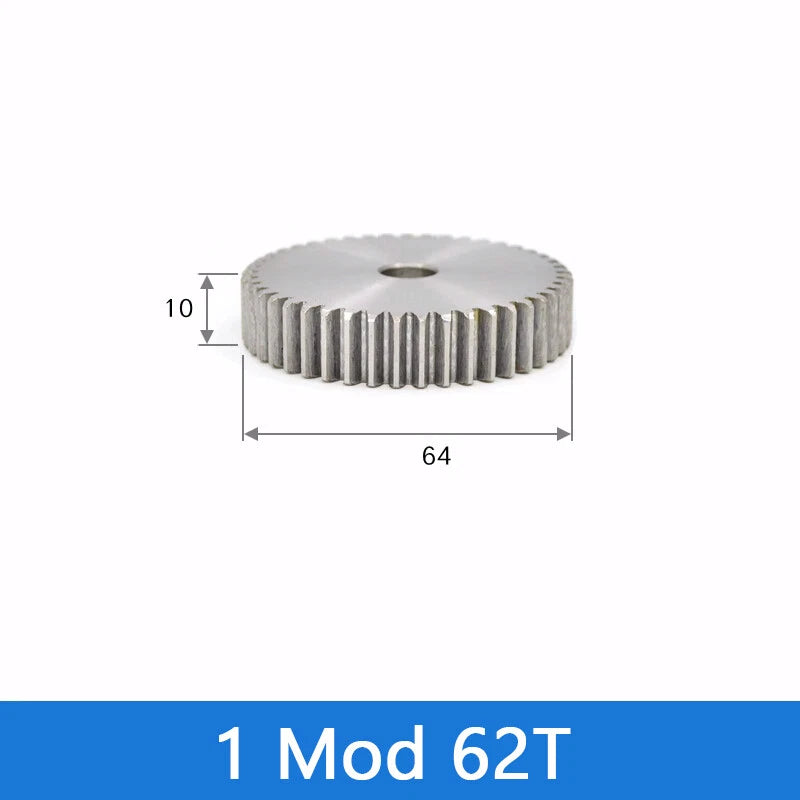
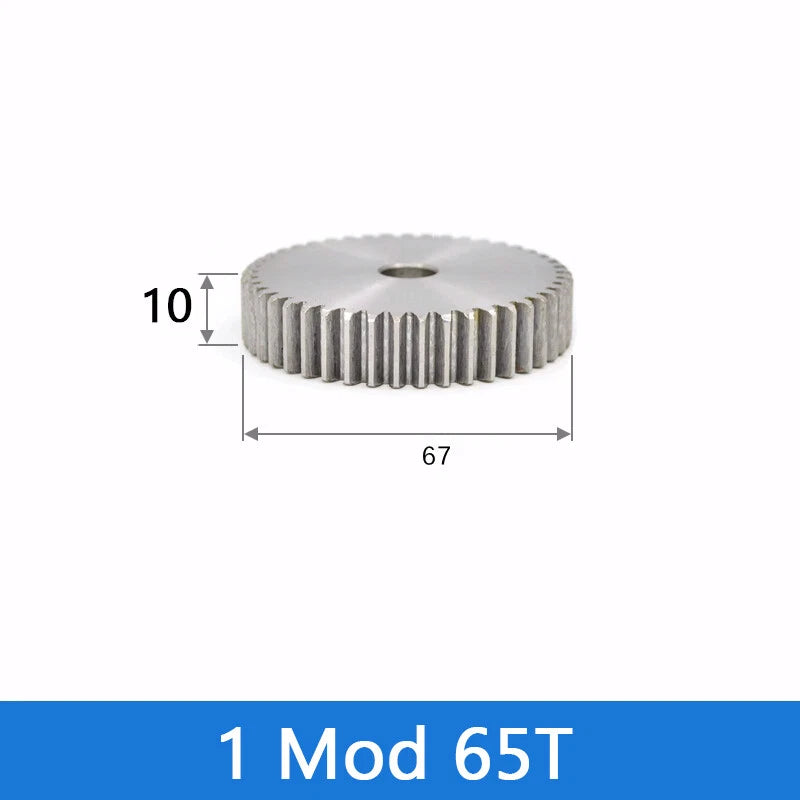
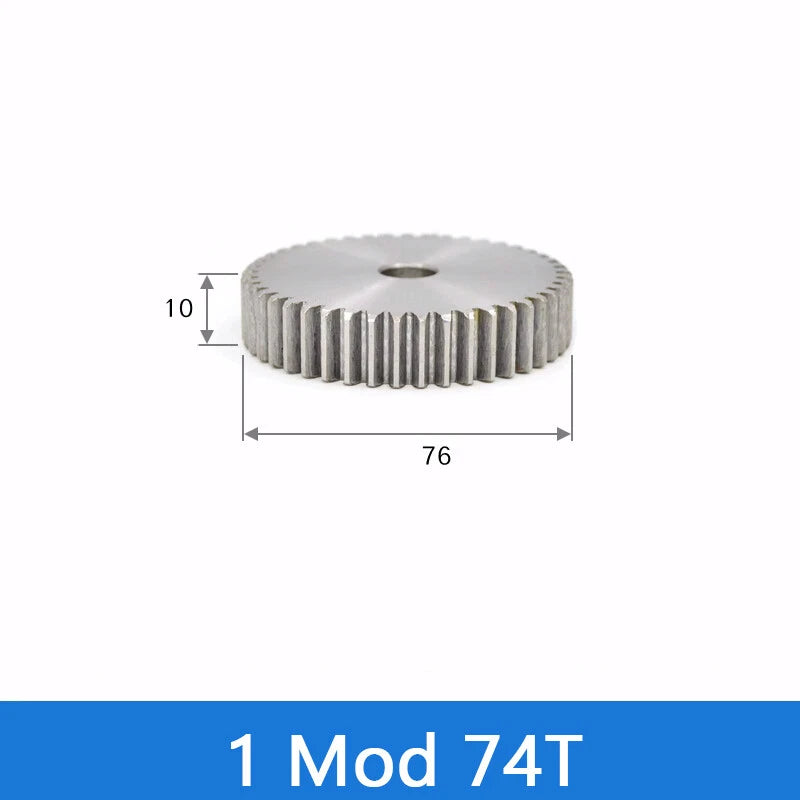
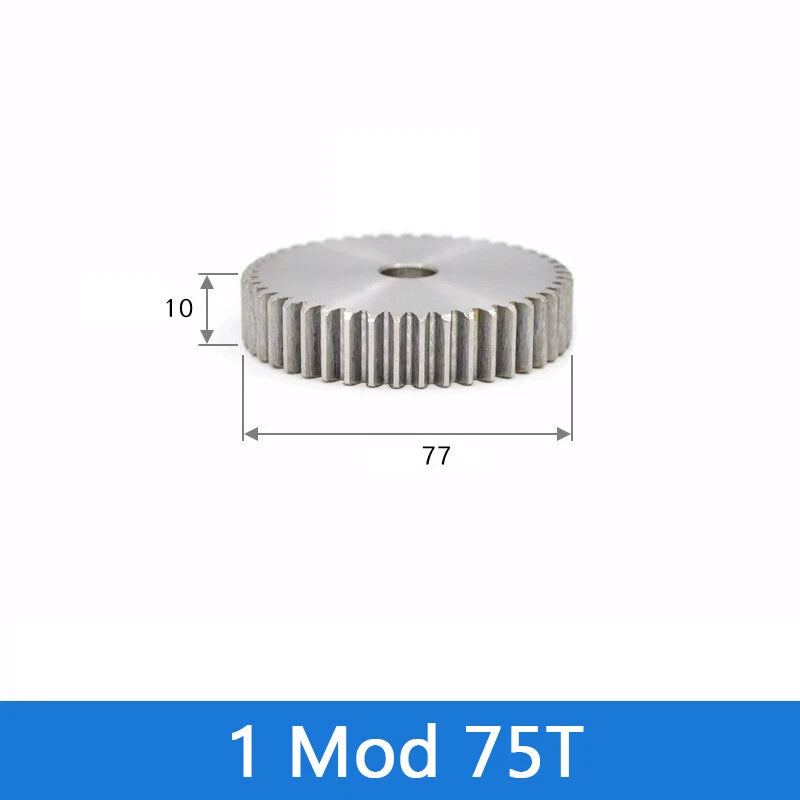
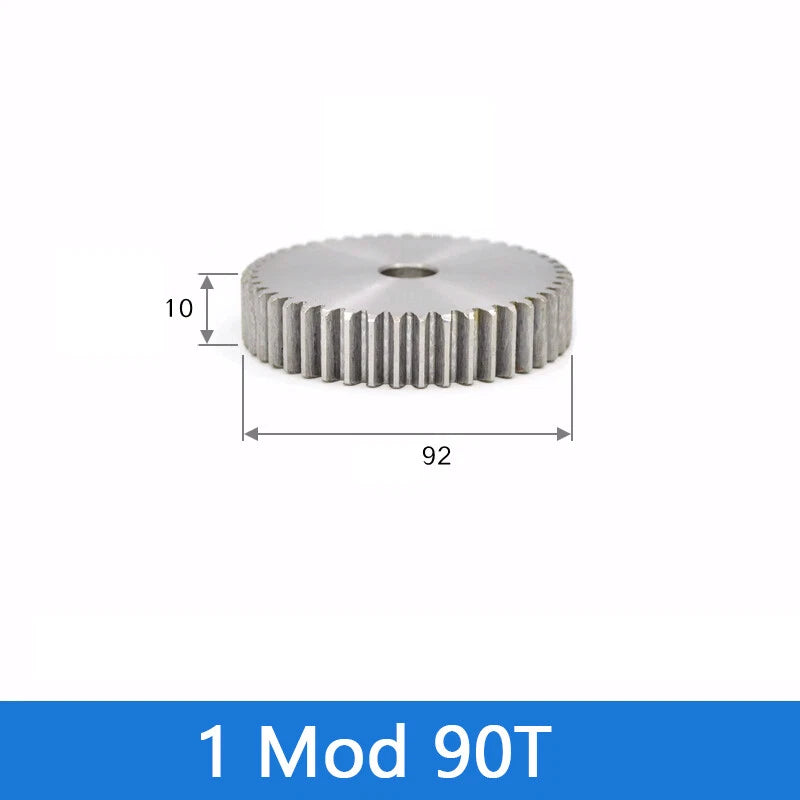
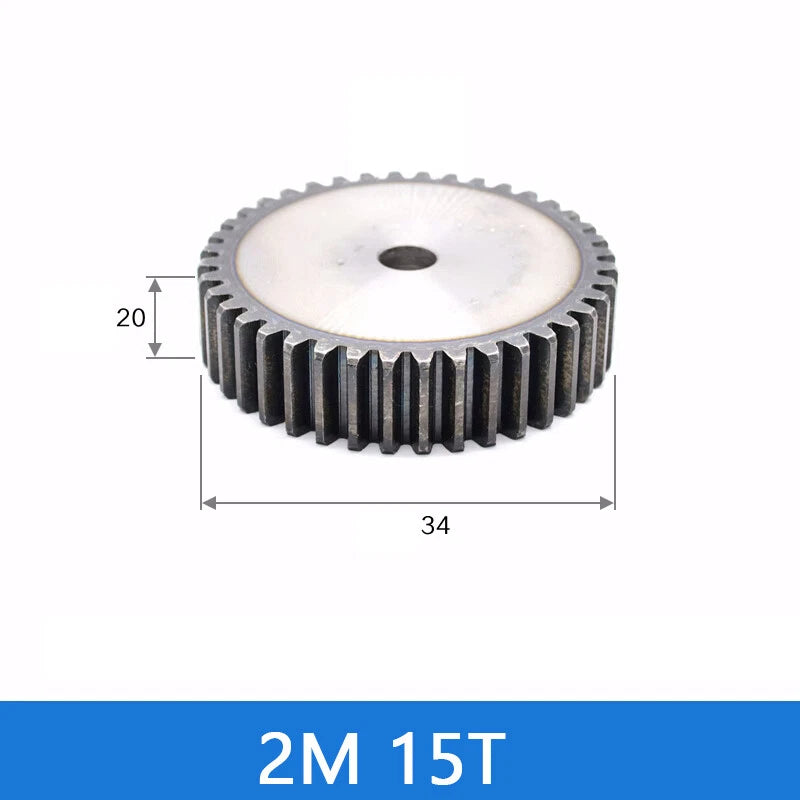
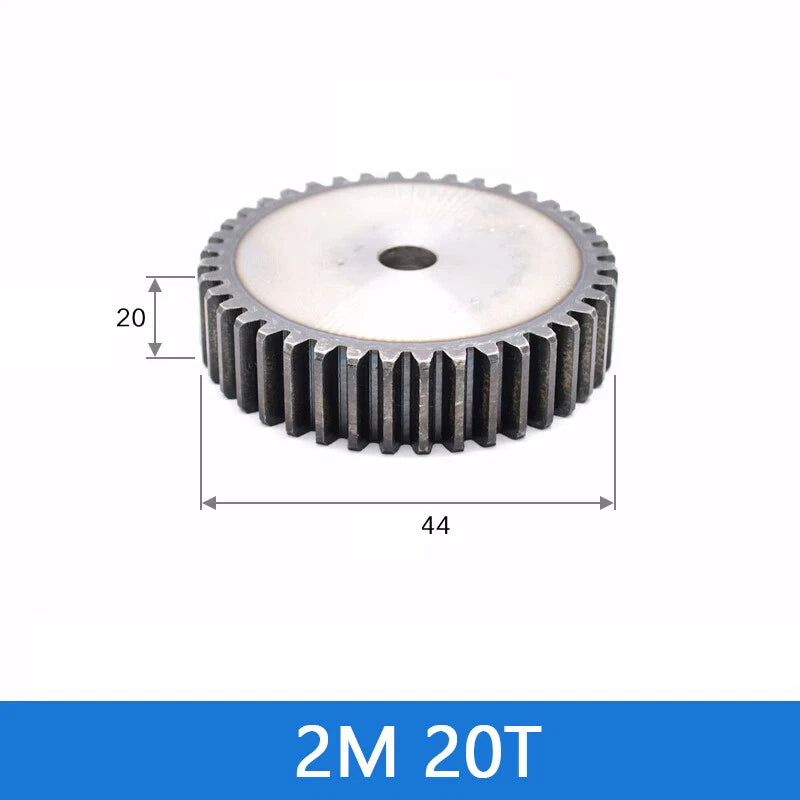
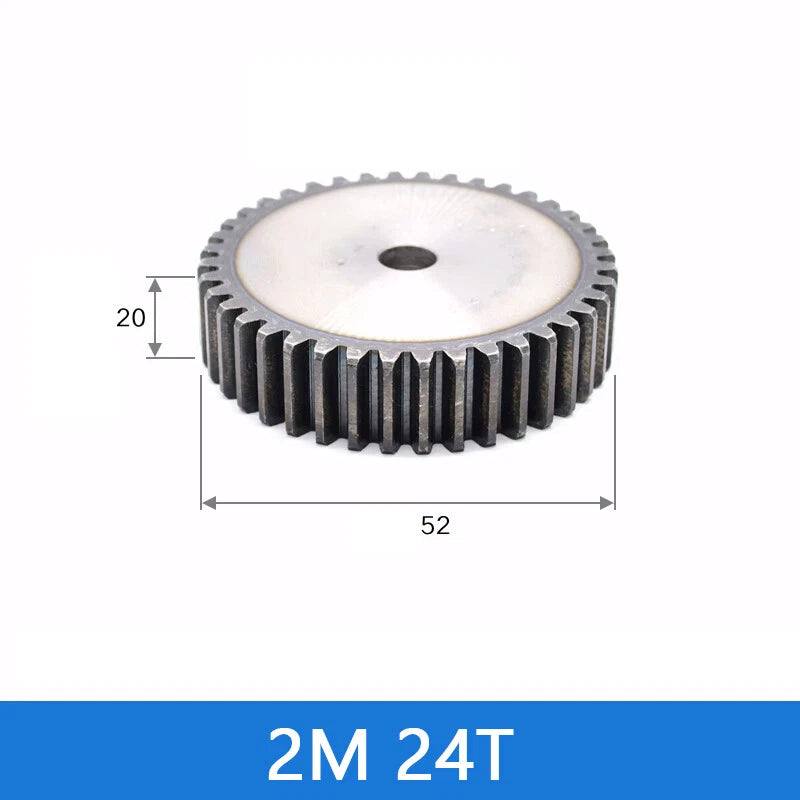
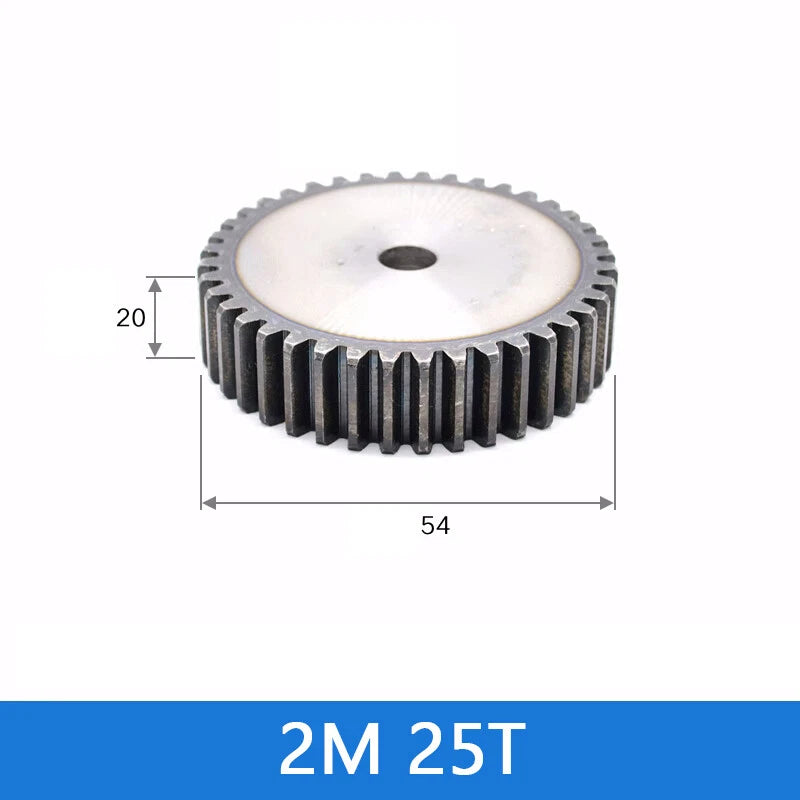
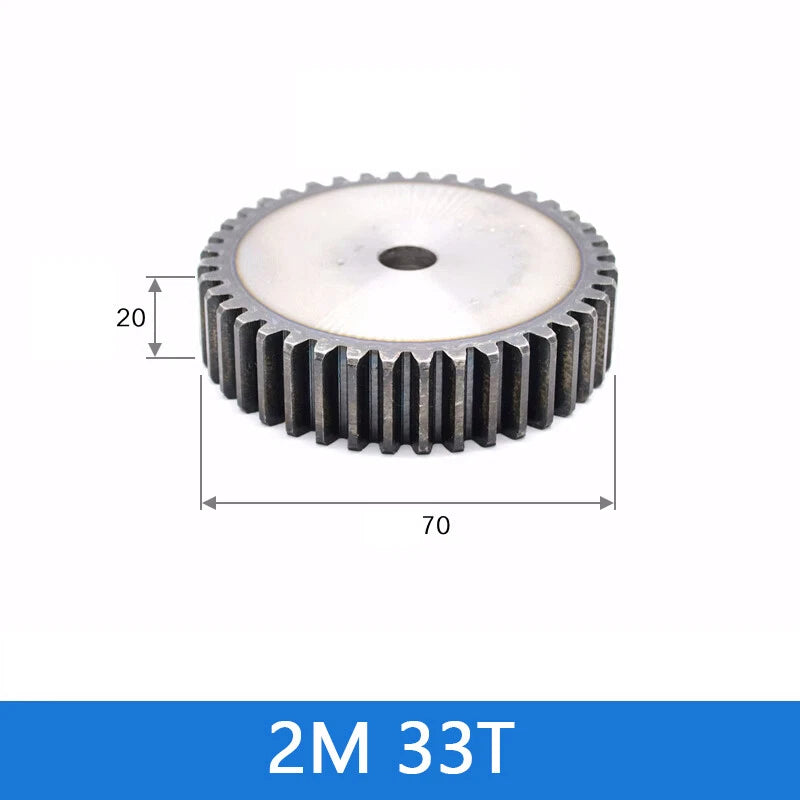
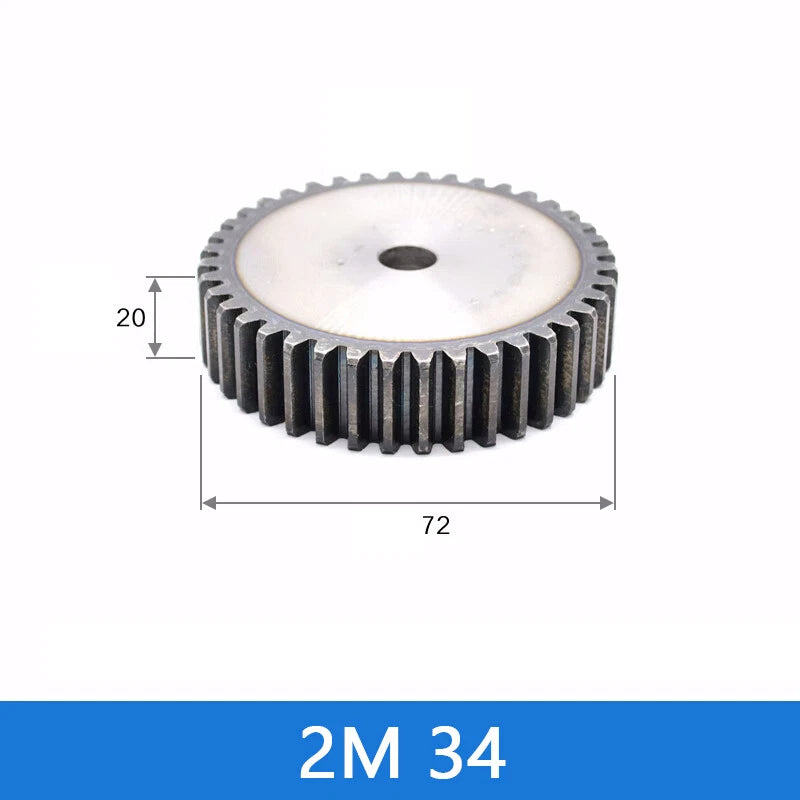
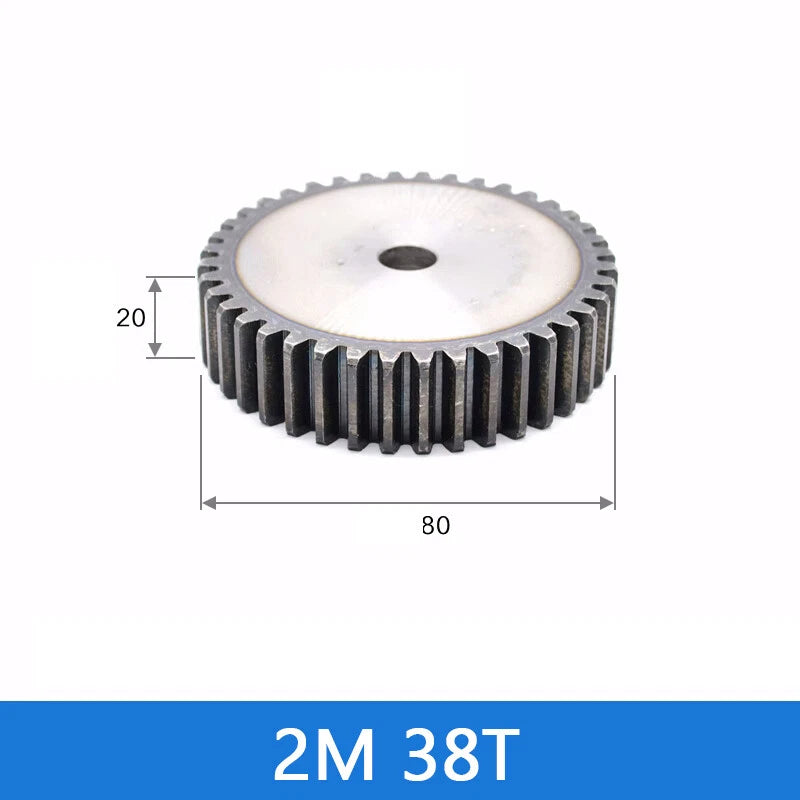
Spur Gear 45# Steel Transmission Gear 1/2 Module 12-160 Teeth Pinion Motor Gear

No reviews

Price:
Sale price$9.11 USD
Stock:
In stock (500 units), ready to be shipped

Payment & Security

Ach Direct Debit Amazon American Express Apple Pay Bancontact BLIK Diners Club Discover EPS Google Pay iDEAL Wero JCB Maestro Mastercard Multibanco MobilePay PayPal Przelewy24 Shop Pay Twint Union Pay USDC Visa

Your payment information is processed securely. We do not store credit card details nor have access to your credit card information.

Limited Offer — Spend More, Save More
Spend $55+
Save $5
Spend $100+
Save $10
Spend $200+
Save $25
HomeDIYer DIY Expert Support

DIY Expert Support

Get fitment advice & recommendations

Mon–Fri  8:30 AM – 8:00 PM
24-Hour Fast Ship
Arrives in 3–14 Days
Worldwide Shipping
30-Day Returns
1 tree planted with every purchase

Description

Spur Gear 45# Steel Transmission Gear — Reliable Power Transfer for Every Drive System

When a stripped plastic gear or an undersized pinion brings your project to a halt, you need a drop-in replacement that won't let you down again. Whether you're a robotics builder, a CNC hobbyist, or a mechanical engineer prototyping a new actuator, these 45# carbon steel spur gears give you the tooth count and module precision to match virtually any existing drivetrain.

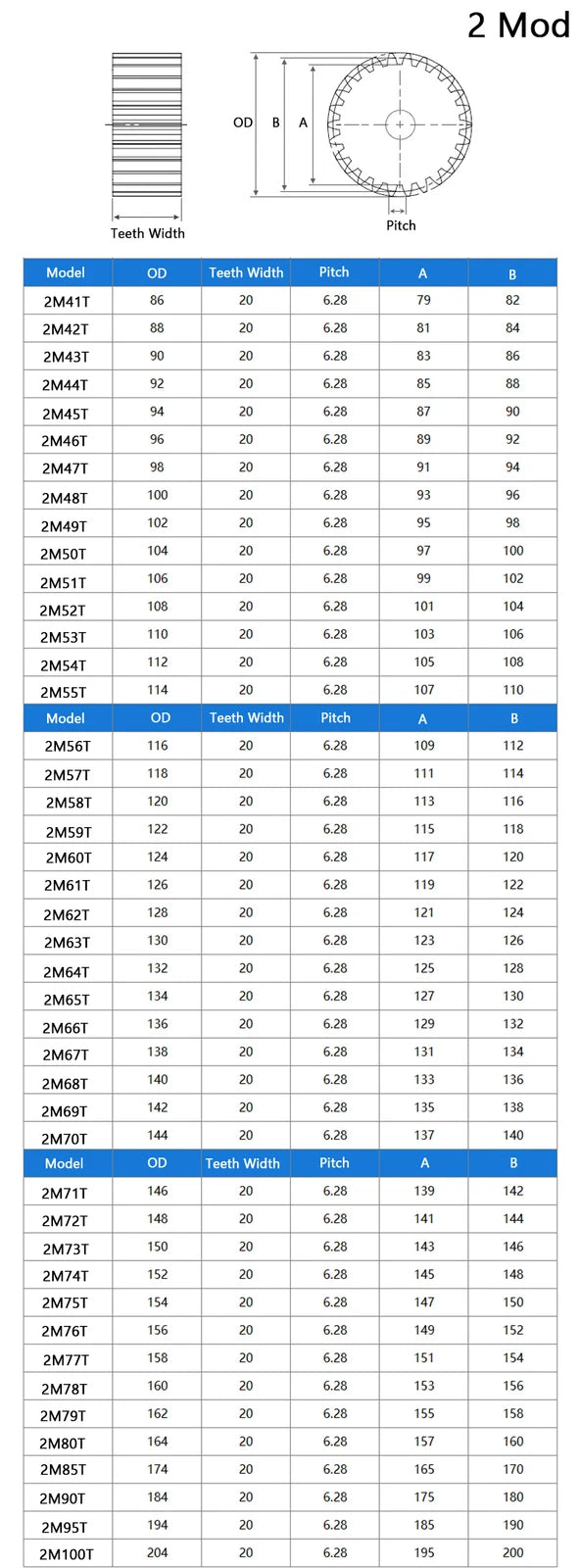
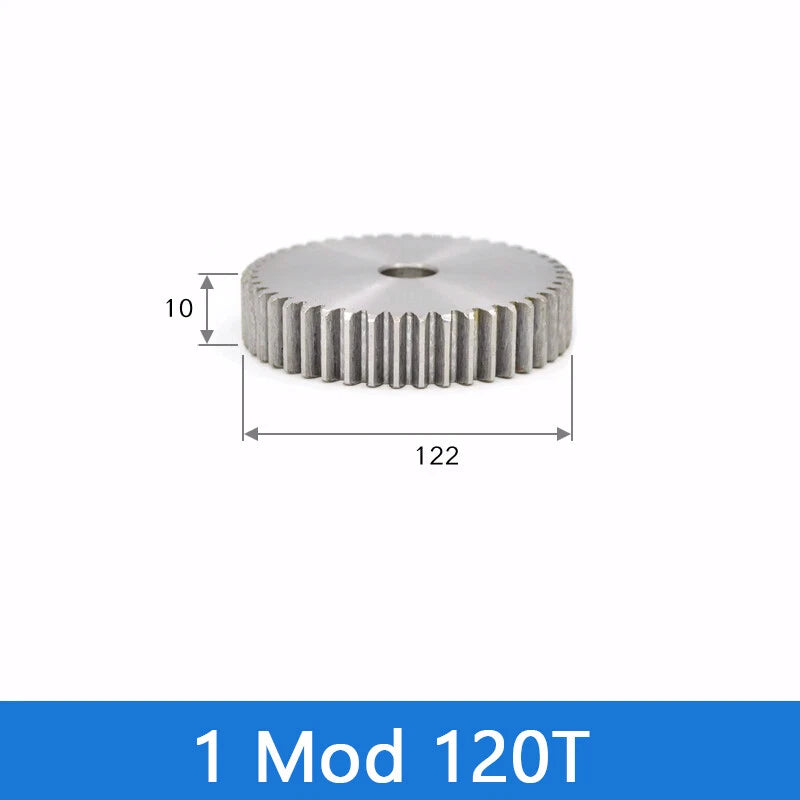
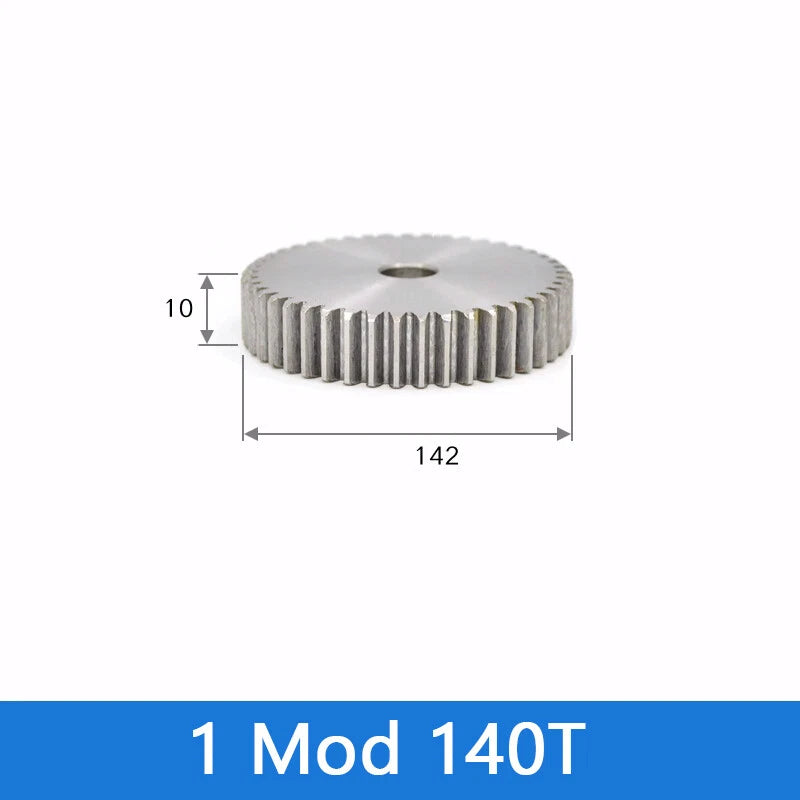
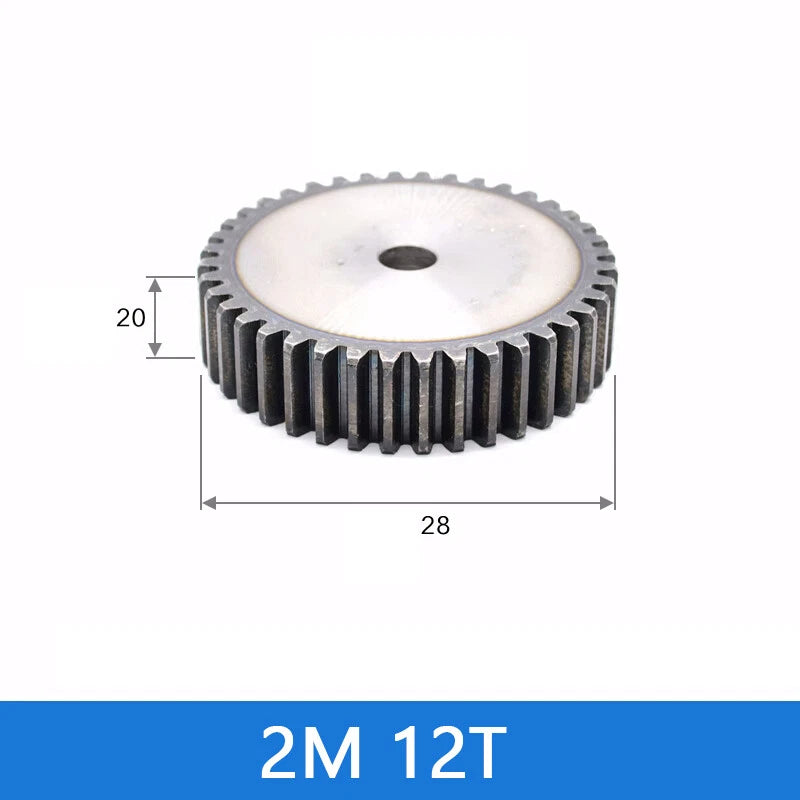
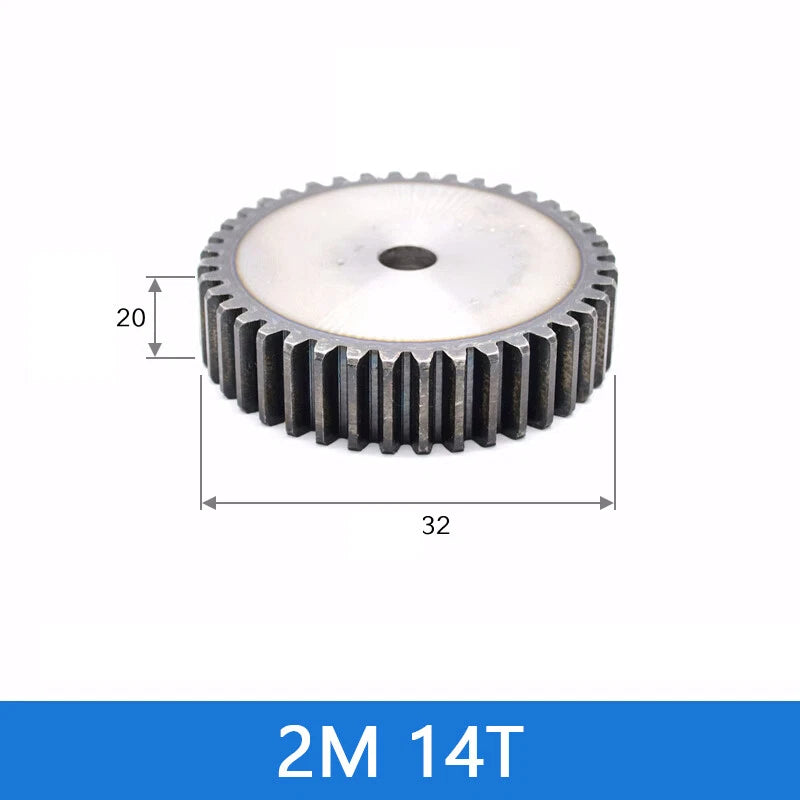
Each gear is machined from 45# medium-carbon steel — a material known for its balanced hardness and machinability — and finished with a natural steel surface. Available in two module sizes: Module 1 (tooth pitch circle diameter typically 12–160 mm / 0.47–6.30 in) and Module 2 (tooth pitch circle diameter typically 24–200 mm / 0.94–7.87 in), with tooth counts ranging from 12 to 160 teeth across the full selection.

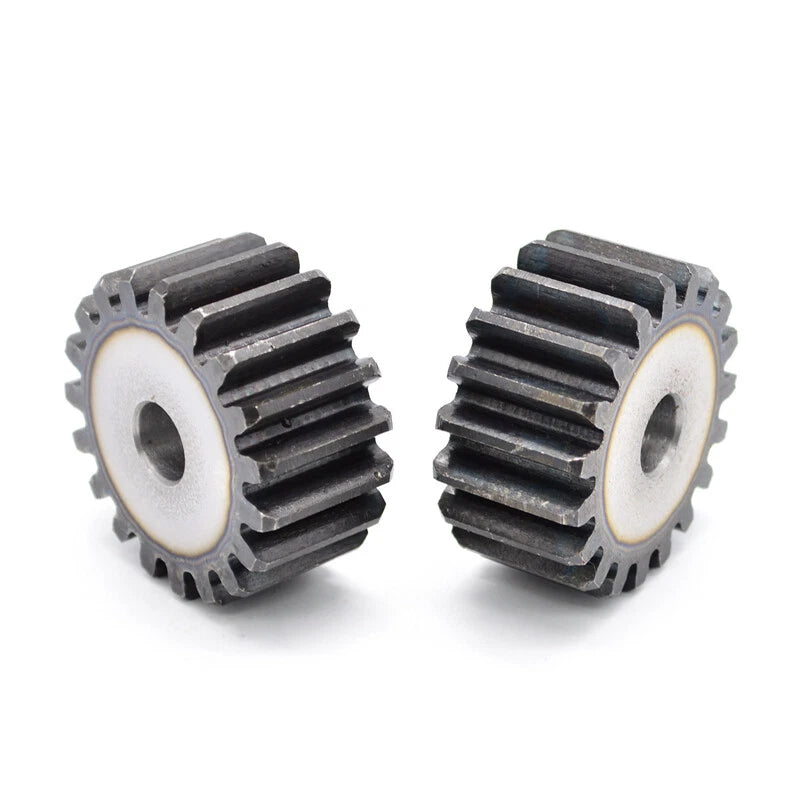
These spur gears suit a wide range of applications: small DC motor pinion drives in robotics and automation, rack-and-pinion linear motion systems for CNC routers and 3D printers, and reduction gear stages in DIY winches, conveyor drives, and power-transmission assemblies requiring a precise 20° pressure angle involute tooth profile.

⚙️ Compatibility: Designed for standard metric module systems. Module 1 gears mesh with other Module 1 gears; Module 2 gears mesh with other Module 2 gears. Confirm bore diameter and keyway requirements before ordering — bore finishing may be required for shaft fitment.

✅ Key Features of These Spur Gear 45# Steel Transmission Gears

  • 🔩45# Carbon Steel Construction — Medium-carbon steel delivers a solid balance of tensile strength and wear resistance, outperforming plastic or zinc-alloy alternatives in continuous-duty applications.
  • 📐Wide Module & Tooth Count Range — Module 1 (12–160 teeth) and Module 2 (12–100 teeth) cover the most common metric gear standards, reducing the need for custom machining.
  • 🎯Standard 20° Pressure Angle Involute Profile — Ensures smooth, low-noise meshing and interchangeability with other standard metric spur gears of the same module.
  • Precision-Cut Teeth — Machined tooth geometry minimises backlash and distributes load evenly across the tooth face, extending service life under cyclic loading.
  • 🔄Versatile Bore for Shaft Fitment — Pre-bored centre hole accommodates common shaft diameters; bore can be enlarged or keyed to suit your specific shaft size.
  • 🛠️Broad Application Compatibility — Suitable for DC motor pinion drives, rack-and-pinion CNC systems, reduction gearboxes, conveyor drives, and DIY automation projects.

📐 Technical Specifications — Spur Gears

Material 45# Medium-Carbon Steel
Surface Finish Natural steel (uncoated)
Pressure Angle 20°
Tooth Profile Standard involute
Available Modules Module 1, Module 2
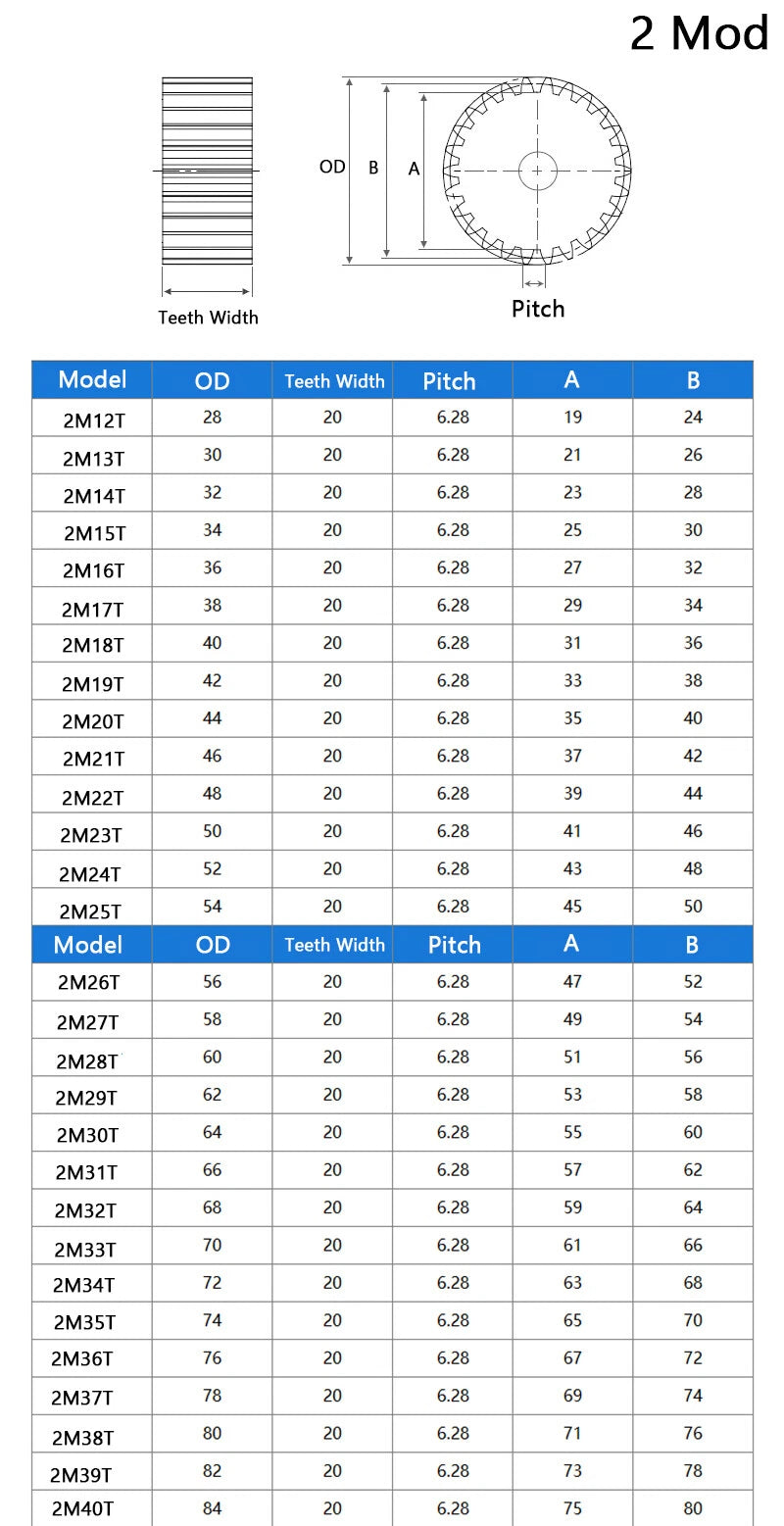
Tooth Count Range 12–160 teeth (Module 1); 12–100 teeth (Module 2)
Pitch Circle Diameter (Mod 1) 12–160 mm (0.47–6.30 in)
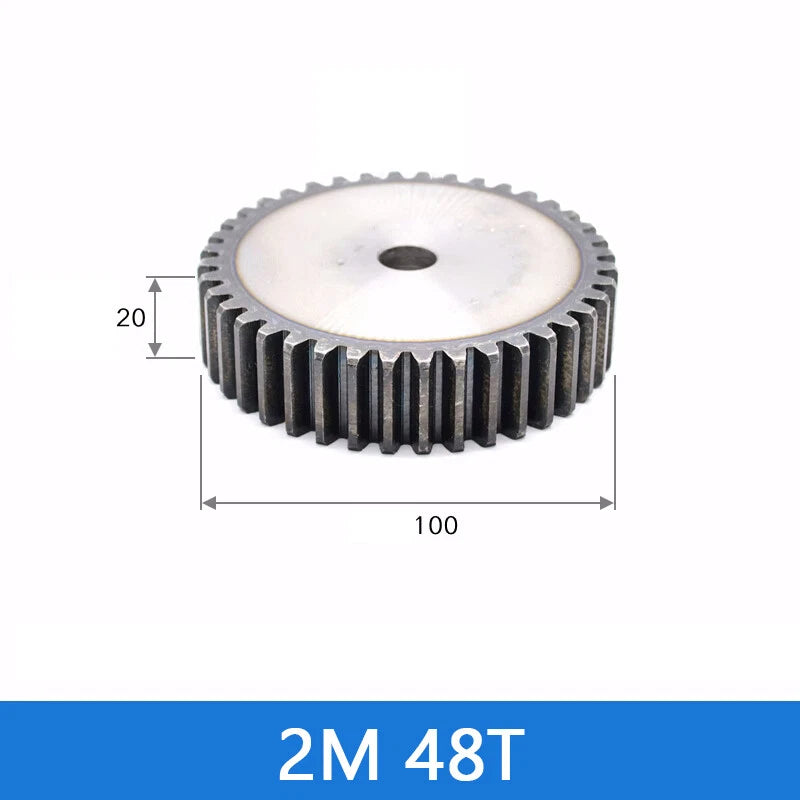
Pitch Circle Diameter (Mod 2) 24–200 mm (0.94–7.87 in)
Bore Diameter See variant options
Face Width See variant options
Hub Style See variant options
Keyway Contact us to confirm
Applicable Standards ISO metric module system

❓ Frequently Asked Questions

How do I choose between Module 1 and Module 2?

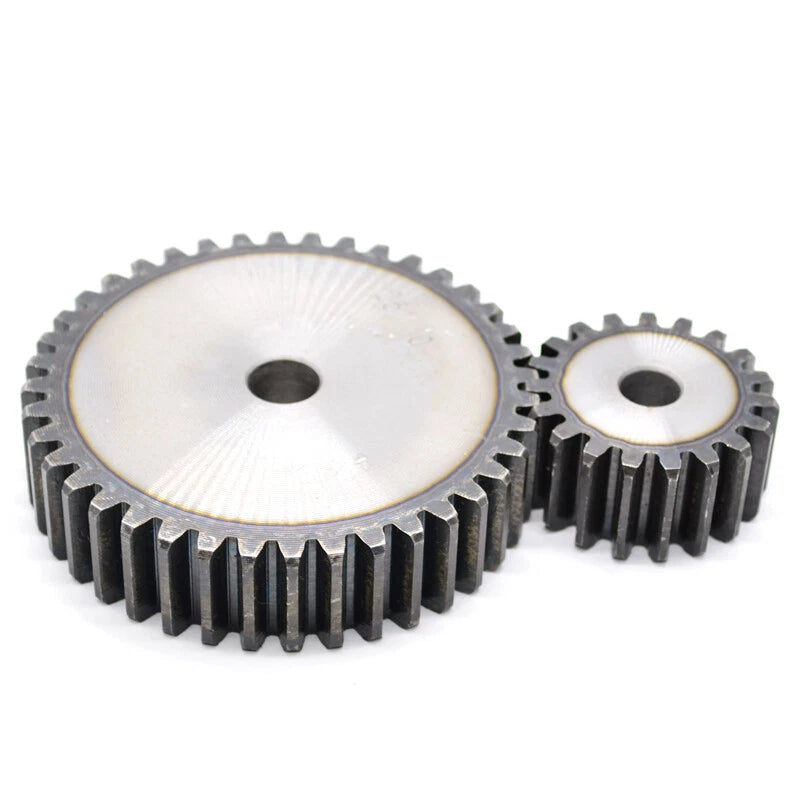
The module number defines the tooth size — a Module 2 gear has teeth twice as large as a Module 1 gear of the same tooth count. Choose Module 1 for compact, light-duty drives (small motors, robotics, 3D printers) and Module 2 for heavier loads requiring larger, stronger teeth (CNC routers, conveyor drives, reduction gearboxes). Always match the module of the mating gear exactly; gears of different modules will not mesh correctly.

What tooth count should I select for my gear ratio?

Divide the number of teeth on the driven gear by the number of teeth on the driving gear to get your gear ratio. For example, a 60-tooth driven gear paired with a 20-tooth pinion gives a 3:1 reduction. Both gears must be the same module. Use our wide tooth count range (12–160 for Mod 1, 12–100 for Mod 2) to achieve ratios from approximately 1:1 up to 13:1 in a single stage.

How strong are these gears under continuous load?

45# carbon steel has a typical tensile strength of approximately 600–800 MPa and yield strength of around 355 MPa, making it significantly stronger than cast zinc alloy or nylon gears. Actual load capacity depends on tooth count, face width, speed, and lubrication. For high-torque or high-speed applications, we recommend consulting a gear load calculation before finalising your selection.

Are these gears corrosion-resistant?

45# carbon steel has moderate corrosion resistance. For indoor or dry environments, the natural steel finish is adequate with periodic light lubrication. For outdoor, humid, or washdown environments, we recommend applying a rust-inhibiting grease or considering a surface treatment such as zinc plating or black oxide after purchase. These gears are not stainless steel.

Will these gears fit my motor shaft directly?

The pre-bored centre hole may or may not match your shaft diameter exactly. In many cases, the bore will need to be enlarged on a lathe or drill press to match your shaft. A keyway can also be cut for positive torque transmission. We recommend confirming the bore diameter for your chosen variant before ordering, and having a local machine shop finish the bore if needed.

Can I use a Module 1 gear with a Module 2 gear?

No. Gears of different modules have different tooth sizes and pitches and will not mesh correctly. Always pair gears of the same module. If you need to connect two shafts with different speed ratios, use a gear train where all meshing pairs share the same module throughout each stage.

What lubrication do you recommend for these spur gears?

For most applications, a medium-viscosity gear grease (NLGI Grade 1 or 2) applied to the tooth faces is sufficient. For high-speed, low-load applications, a light machine oil works well. Re-lubricate periodically based on operating hours and environmental conditions. Avoid dry running, which accelerates tooth wear significantly.

🛒 Select your Module and Tooth Count above, then add to cart.

You may also like

Recently viewed