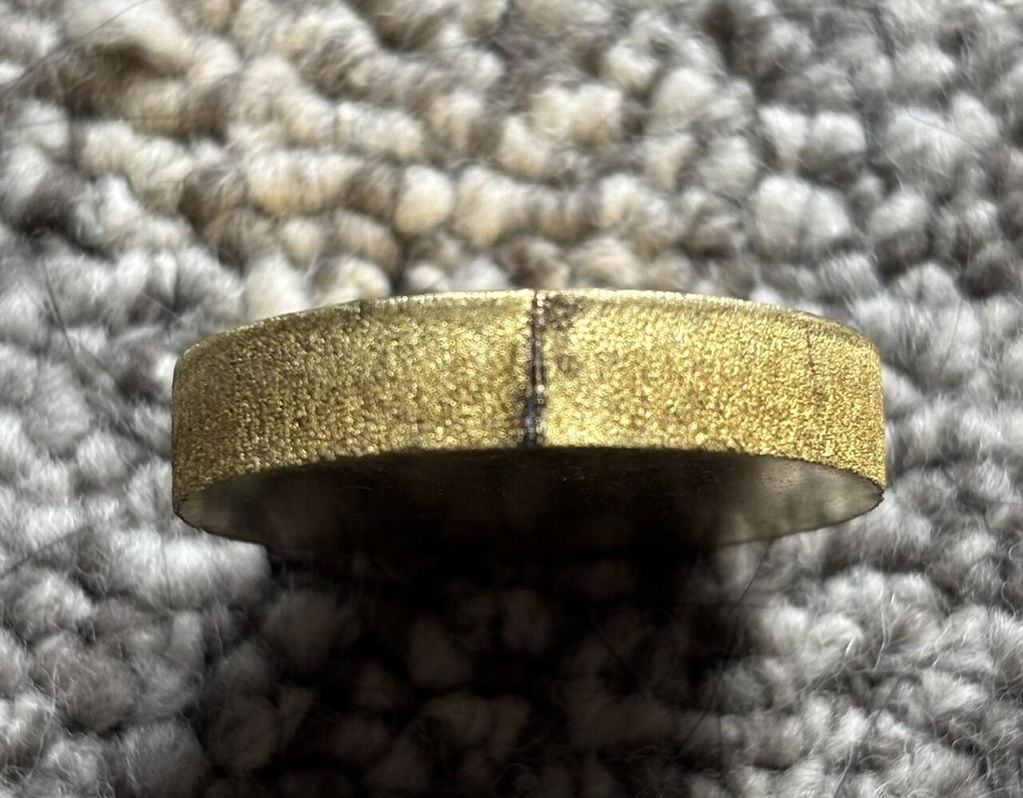
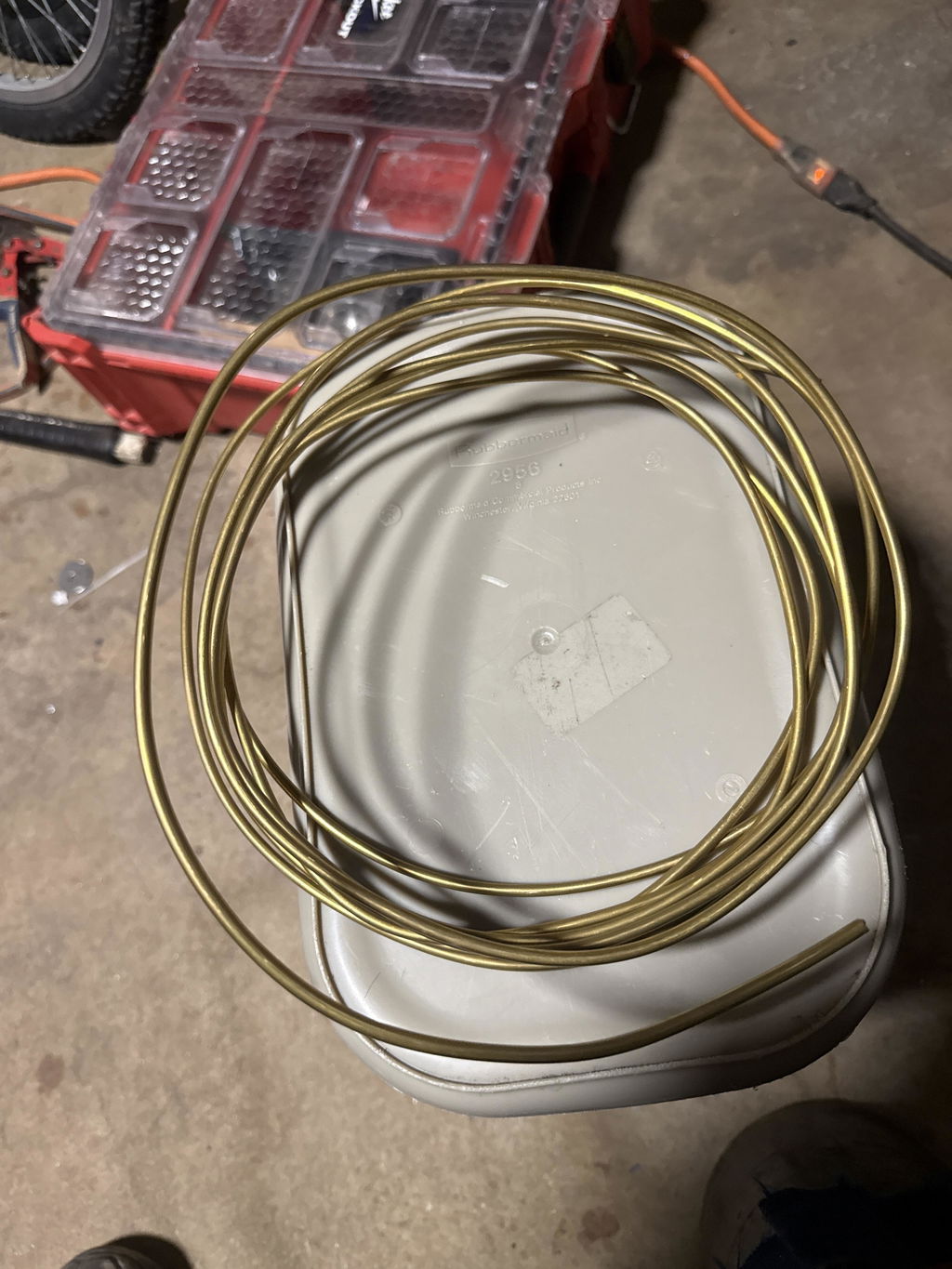
The chain is fine...but I ordered the wrong size. Nine links of the chain I ordered equals six of the size I wanted. My error...
How can I straighten out the springs? I can't use them coil uo as is.
Your payment information is processed securely. We do not store credit card details nor have access to your credit card information.
Get fitment advice & recommendations
When your drivetrain demands a clean 90° direction change without slop or backlash, a mismatched or undersized bevel gear becomes the weakest link in the entire system. Makers, robotics builders, CNC hobbyists, and mechanical engineers who need reliable right-angle torque transfer will find these stainless steel bevel gears a dependable solution for both prototyping and production builds.
Each gear is machined from stainless steel, offering corrosion resistance and structural rigidity across the full range. Module sizes span 0.8M, 1M, 1.5M, 2M, 2.5M, and 3M, with tooth counts of 15T, 20T, 25T, and 30T depending on the module. Bore diameters range from 4mm (≈0.16 in) up to 30mm (≈1.18 in), with many variants available with a precision-cut keyway for positive shaft engagement. All gears are sold as matched 1:1 pairs — both mating gears are included in each unit.
Typical use cases include small-scale CNC axis drives requiring a compact 90° bevel gear set, robotics joint mechanisms where a stainless bevel gear pair handles repeated load cycles, and DIY automation projects needing a modular right-angle gear drive with selectable bore and keyway options.
| Material | Stainless Steel |
|---|---|
| Gear Type | Bevel Gear (1:1 Mating Pair) |
| Module (M) | 0.8M / 1M / 1.5M / 2M / 2.5M / 3M |
| Tooth Count (T) | 15T / 20T / 25T / 30T (availability varies by module) |
| Bore Diameter | 4mm – 30mm (see variant options) |
| Keyway | Available on select bore sizes (3mm – 8mm keyway); see variant options |
| Pressure Angle | See variant options |
| Gear Ratio | 1:1 |
| Surface Finish | Machined (natural stainless) |
| Pack Quantity | 1 pair or 2 pairs (select above) |
| Weight | See variant options |
| Application | Robotics, CNC, DIY automation, right-angle drive systems |
Module (M) determines the size and strength of the gear teeth — a higher module means larger, stronger teeth suited for higher torque. Tooth count (T) affects the pitch circle diameter and how much space the gear occupies. For light-duty robotics or small mechanisms, 0.8M or 1M with 15–20T is typically sufficient. For heavier CNC or automation loads, 1.5M–3M with 20–30T provides greater torque capacity. Always select the same module and tooth count for both mating gears in a 1:1 pair.
Select a bore diameter that matches your shaft's outer diameter exactly. For example, if your motor shaft is 8mm, choose the 8mm bore variant. If you need a keyway for positive torque transmission (to prevent the gear from spinning on the shaft under load), select a keyway variant — for instance, "Bore 8mm + Keyway 3mm." Ensure your shaft also has a matching keyway slot machined into it.
Yes. These gears are machined from stainless steel, which provides meaningful corrosion resistance compared to carbon steel or zinc alloy alternatives. They are suitable for damp, humid, or mildly corrosive environments. For prolonged outdoor or fully submerged use, applying a compatible gear lubricant will extend service life further.
Each listing specifies a single bore size that applies to both gears in the pair. If your application requires two different bore sizes on the two mating shafts, you would need to purchase two separate single-pair listings with the respective bore sizes, or have one gear's bore machined to your required diameter by a local machine shop.
A plain bore (e.g., "6mm") is a smooth cylindrical hole — the gear is typically secured to the shaft using a set screw or press fit. A keyway bore (e.g., "Bore 10mm + Keyway 4mm") includes a rectangular slot machined into the bore wall. When paired with a matching key and keyed shaft, this provides a positive mechanical lock that prevents rotational slippage under torque, making it the preferred choice for driven shafts carrying significant load.
No. Bevel gears must share the same module to mesh correctly — mixing modules will result in improper tooth engagement and rapid wear or failure. These gears are designed and sold as 1:1 matched pairs (same module, same tooth count on both gears). If you need a ratio other than 1:1, you would need a different gear set designed for that ratio, which is outside the scope of this product.
A light gear grease or molybdenum disulfide (MoS₂) grease is recommended for most applications. For high-speed, low-load applications, a light machine oil may be sufficient. Avoid lubricants that contain chlorinated compounds, as these can attack stainless steel over time. Apply lubricant to the tooth contact faces during initial assembly and re-lubricate periodically based on operating conditions.