
The chain is fine...but I ordered the wrong size. Nine links of the chain I ordered equals six of the size I wanted. My error...
How can I straighten out the springs? I can't use them coil uo as is.
Your payment information is processed securely. We do not store credit card details nor have access to your credit card information.
Get fitment advice & recommendations
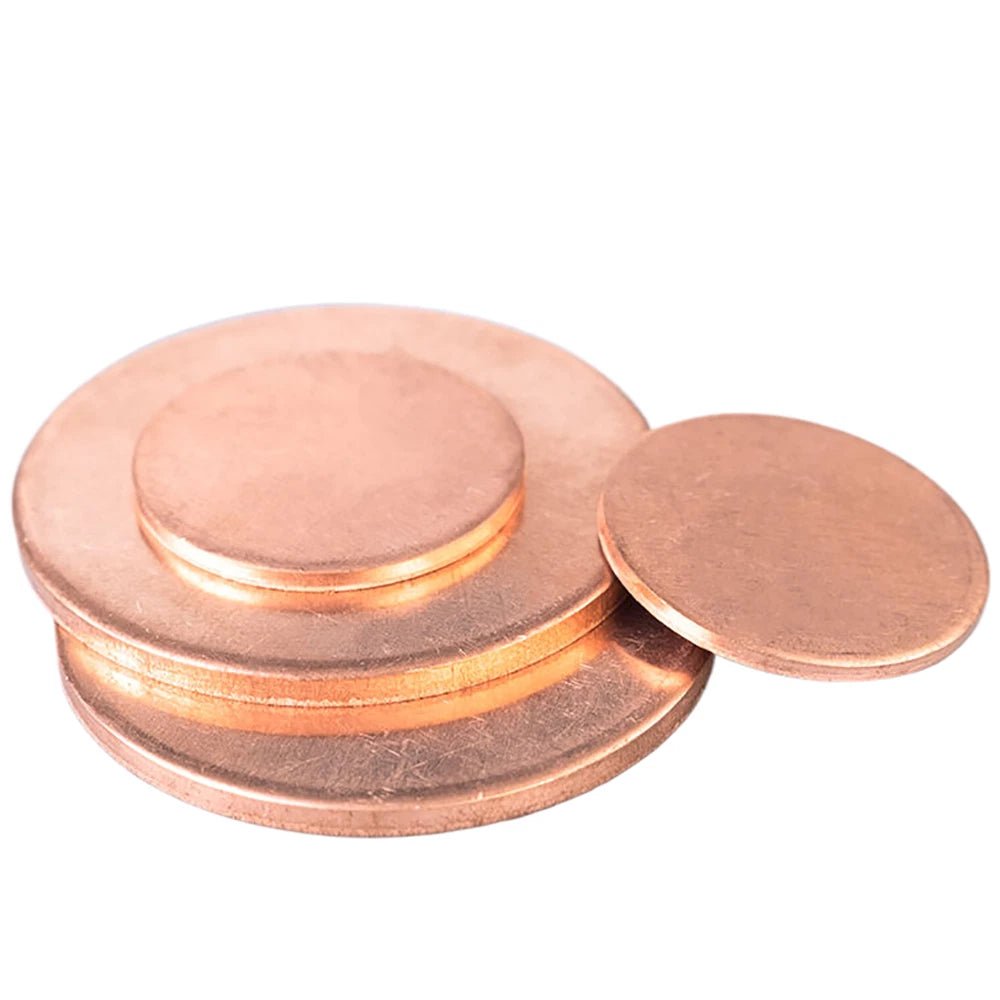
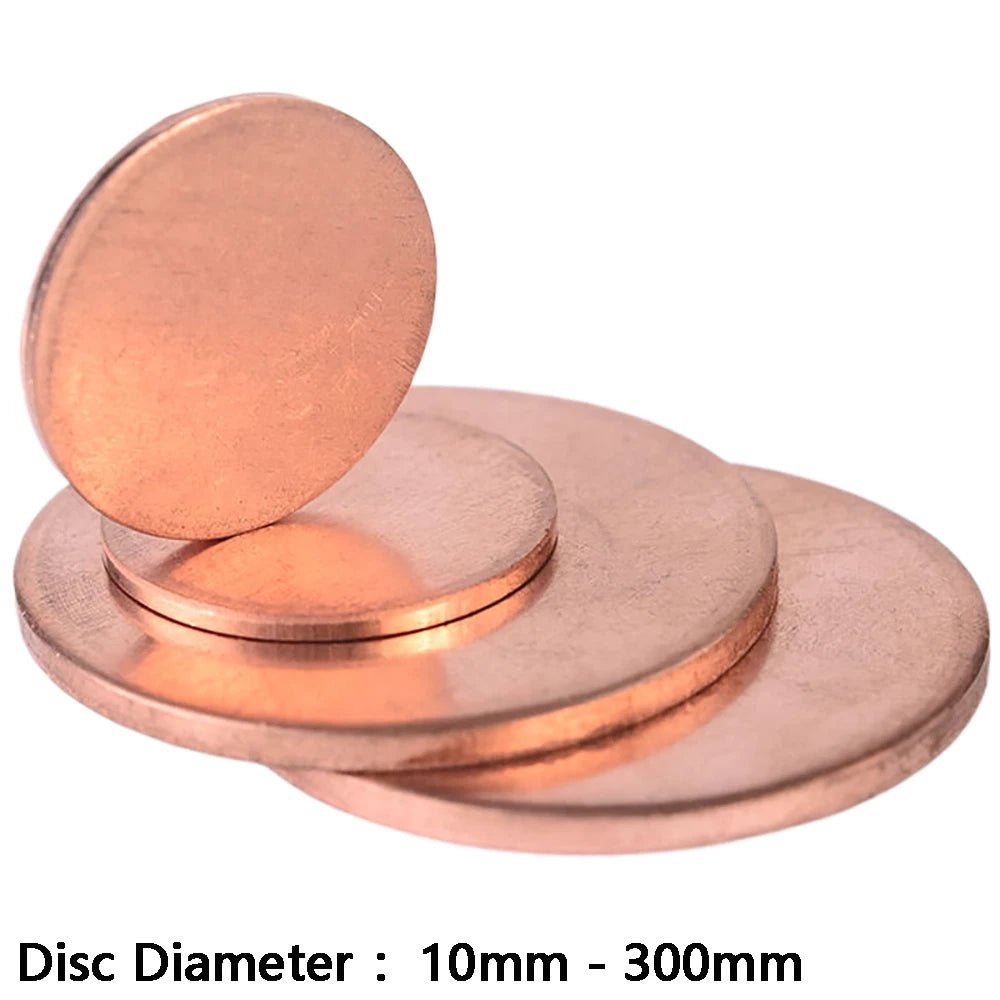
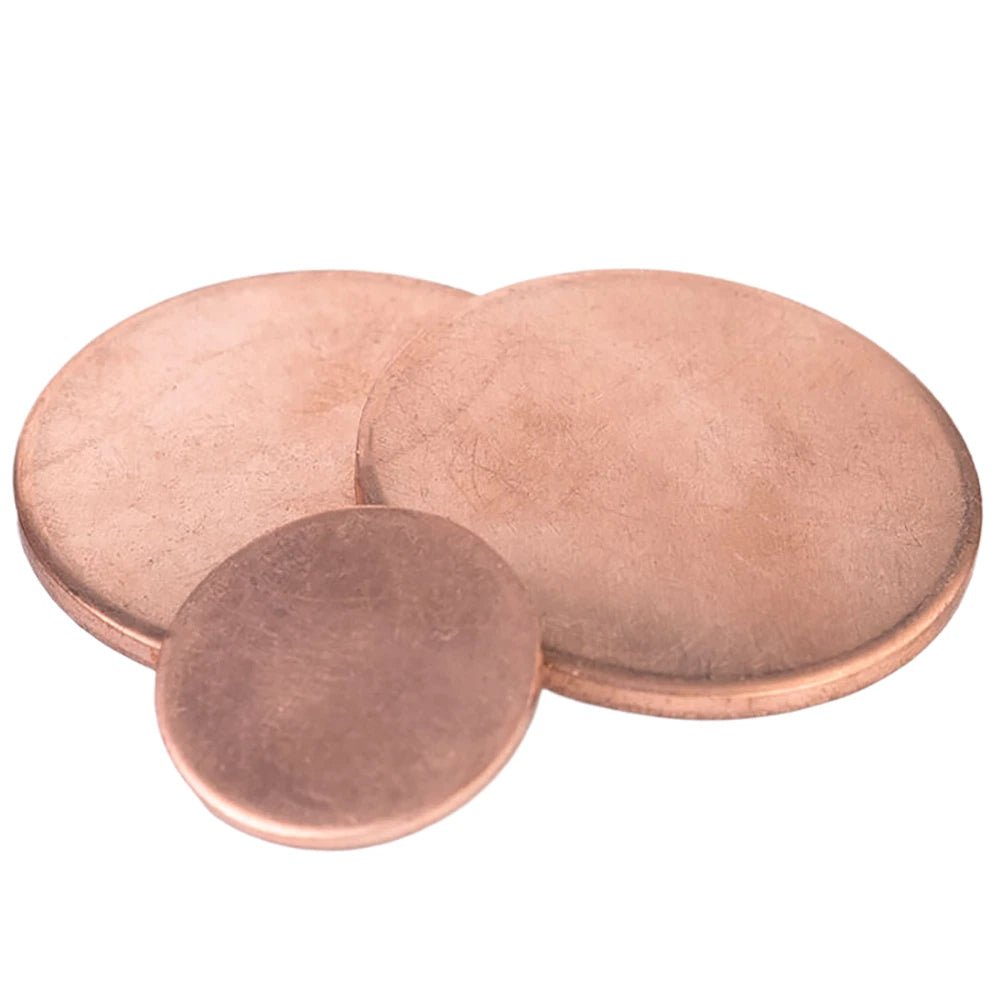
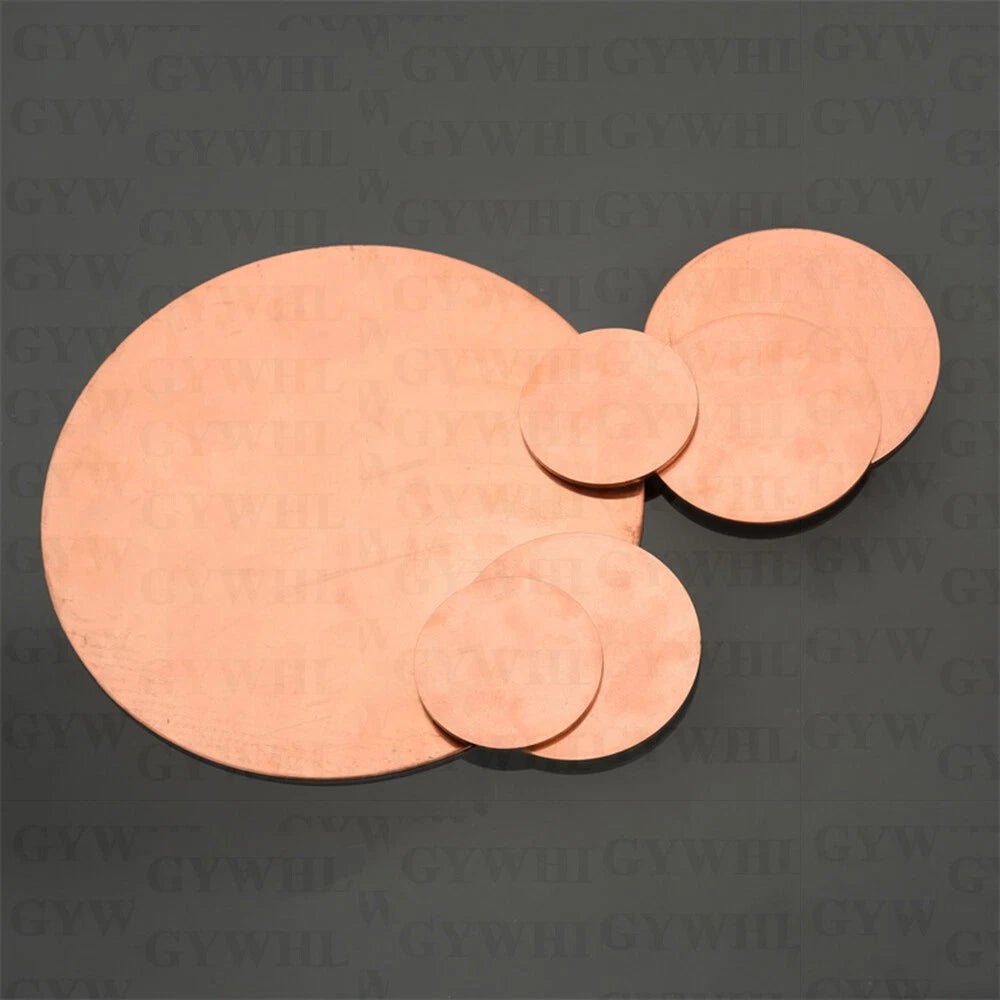
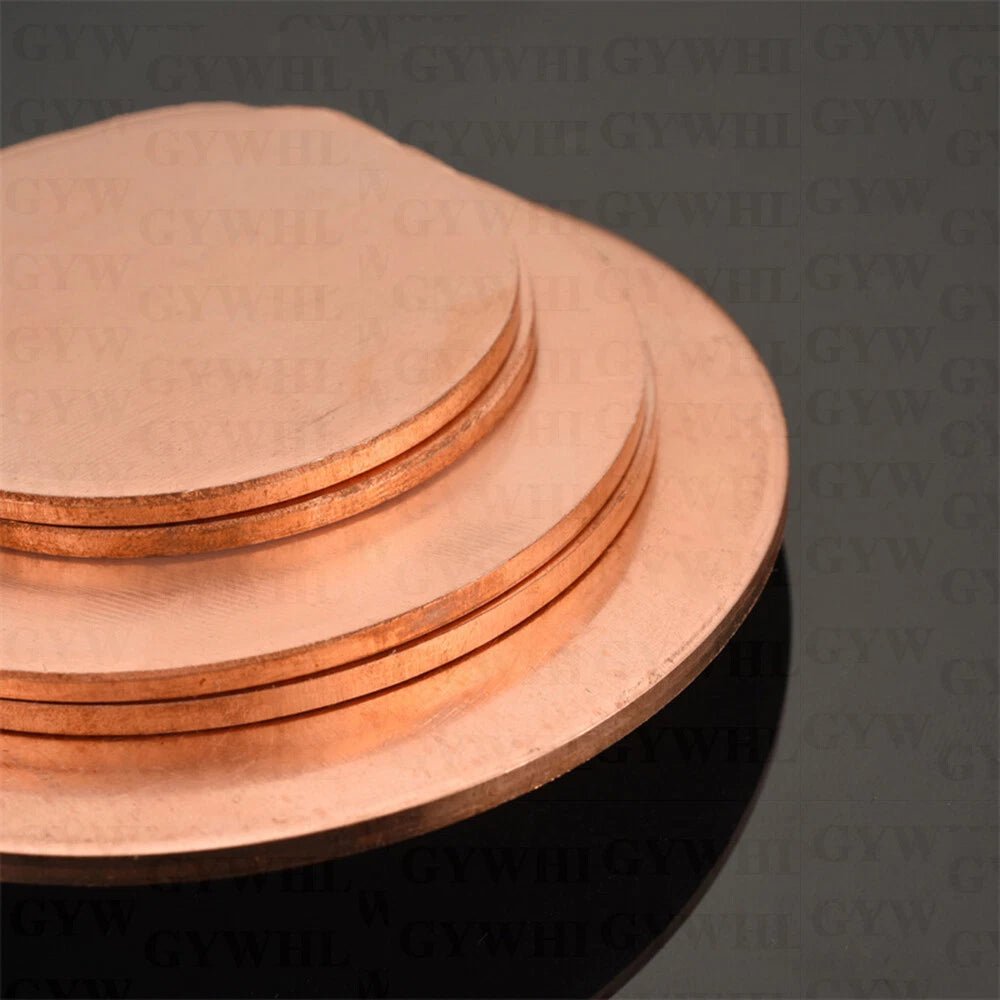
When your project demands a reliable, dimensionally accurate copper blank and you can't afford warping, impurities, or inconsistent thickness, these T2 solid pure round copper sheet discs are the go-to choice for makers, jewelers, electricians, and small-workshop fabricators. Whether you're stamping, etching, soldering, or forming, starting with a flat, clean disc saves you hours of prep work.
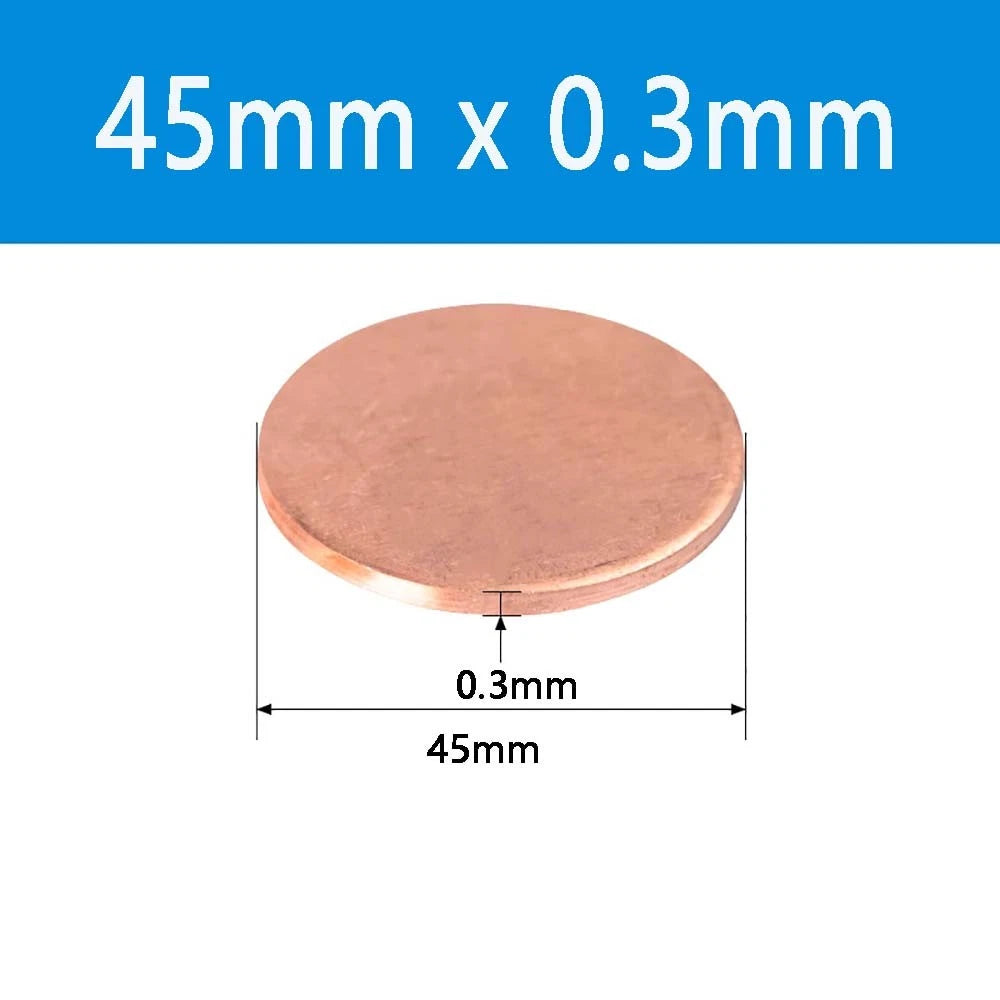
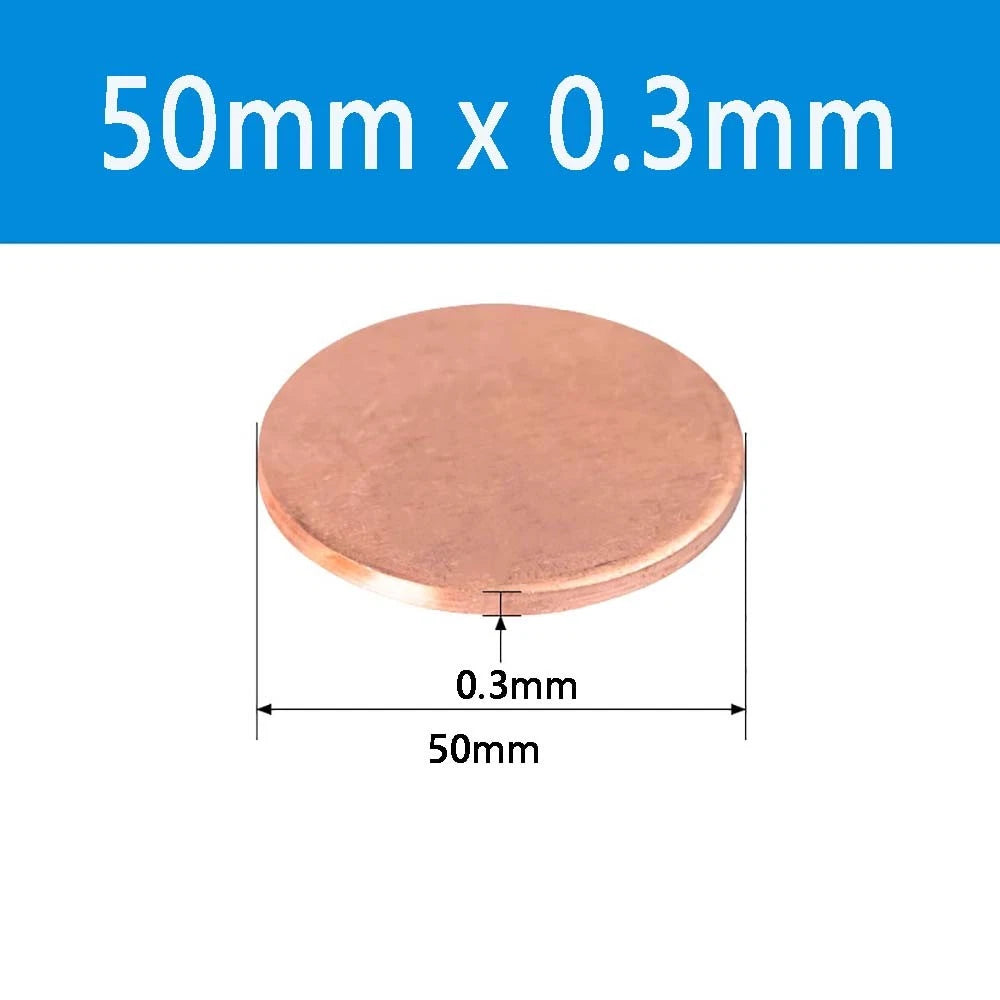
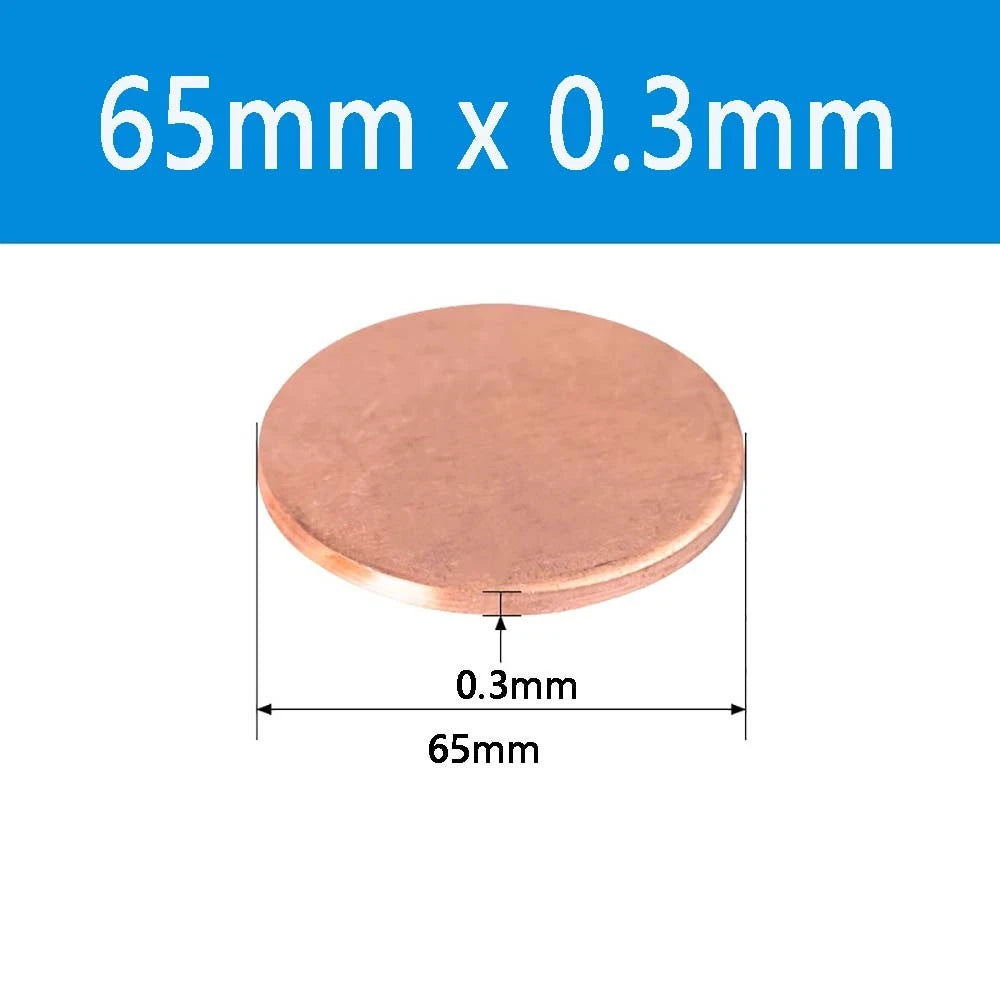
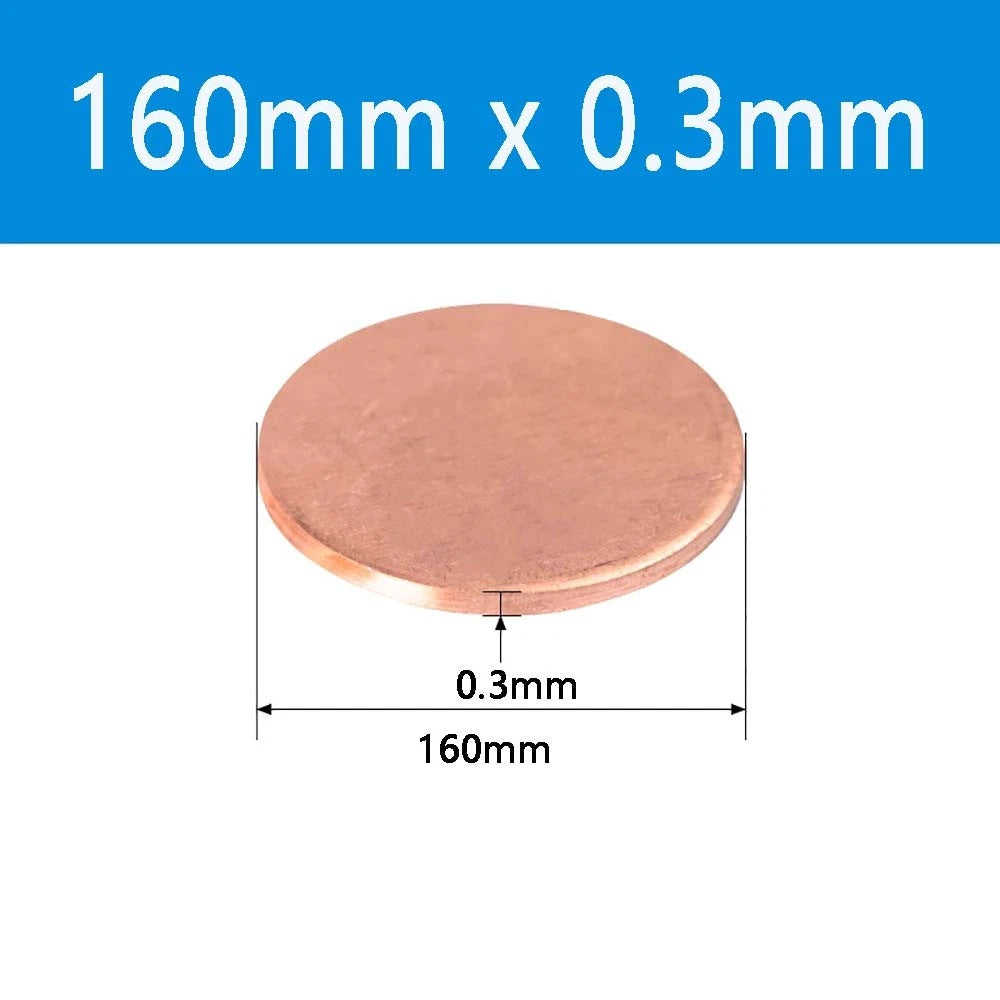
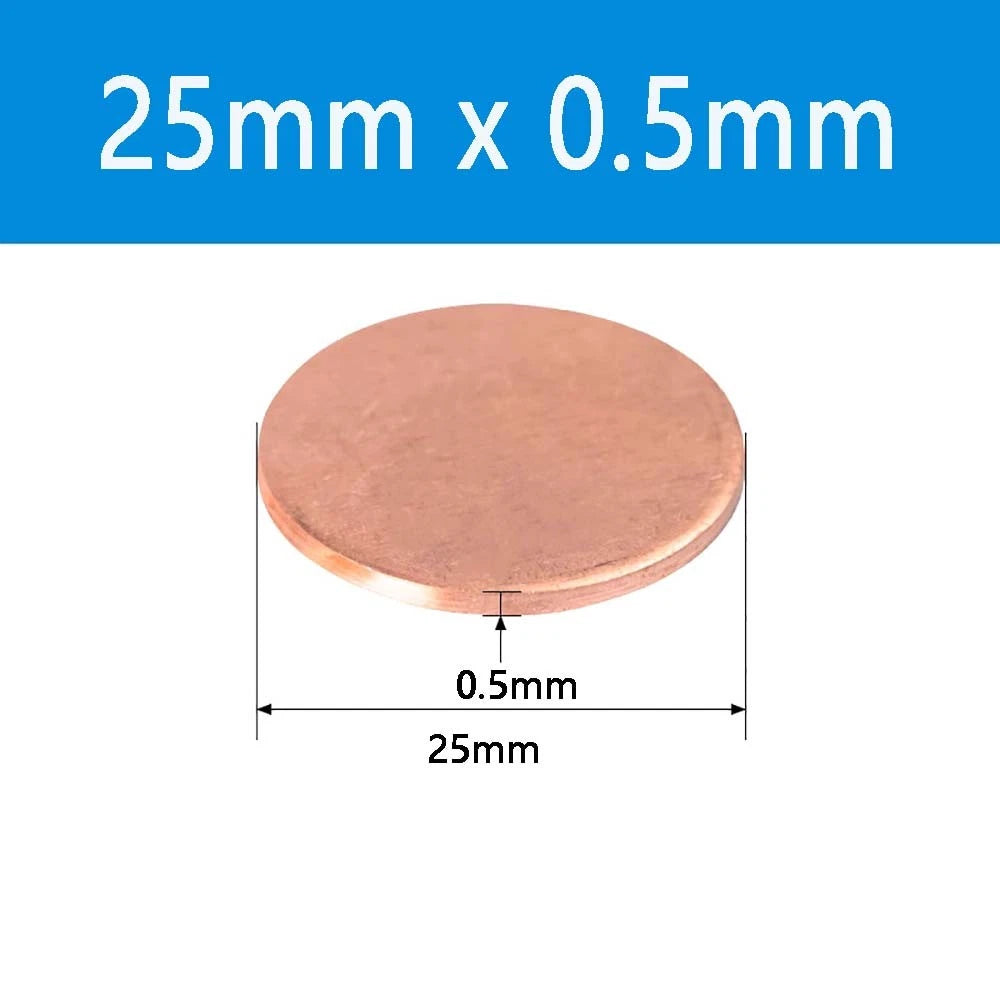
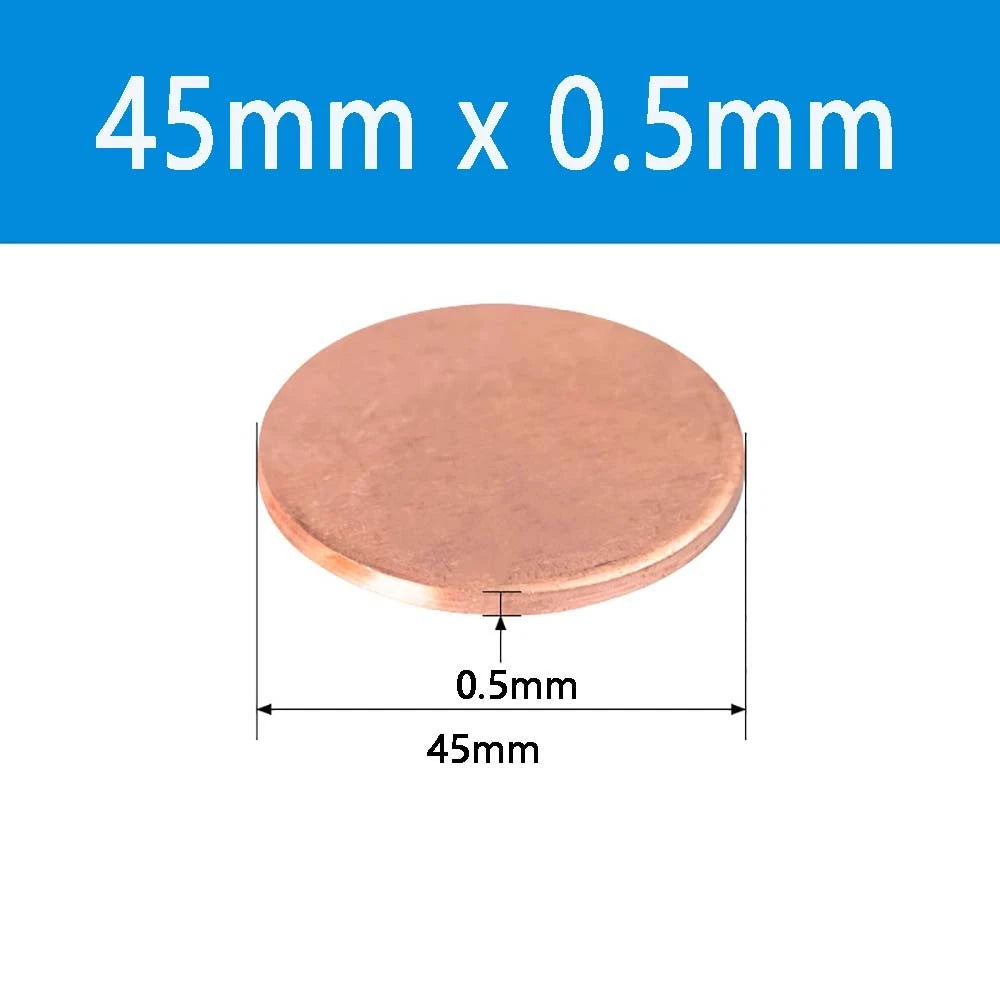
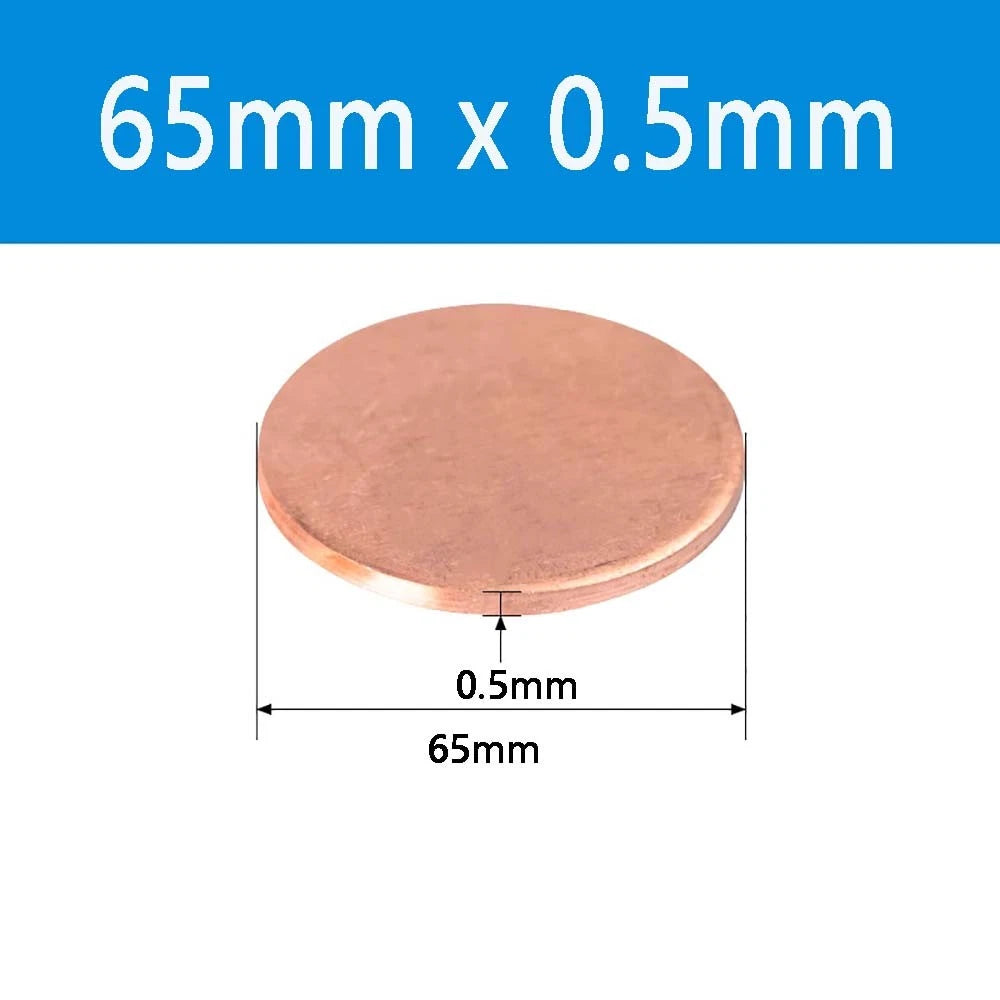
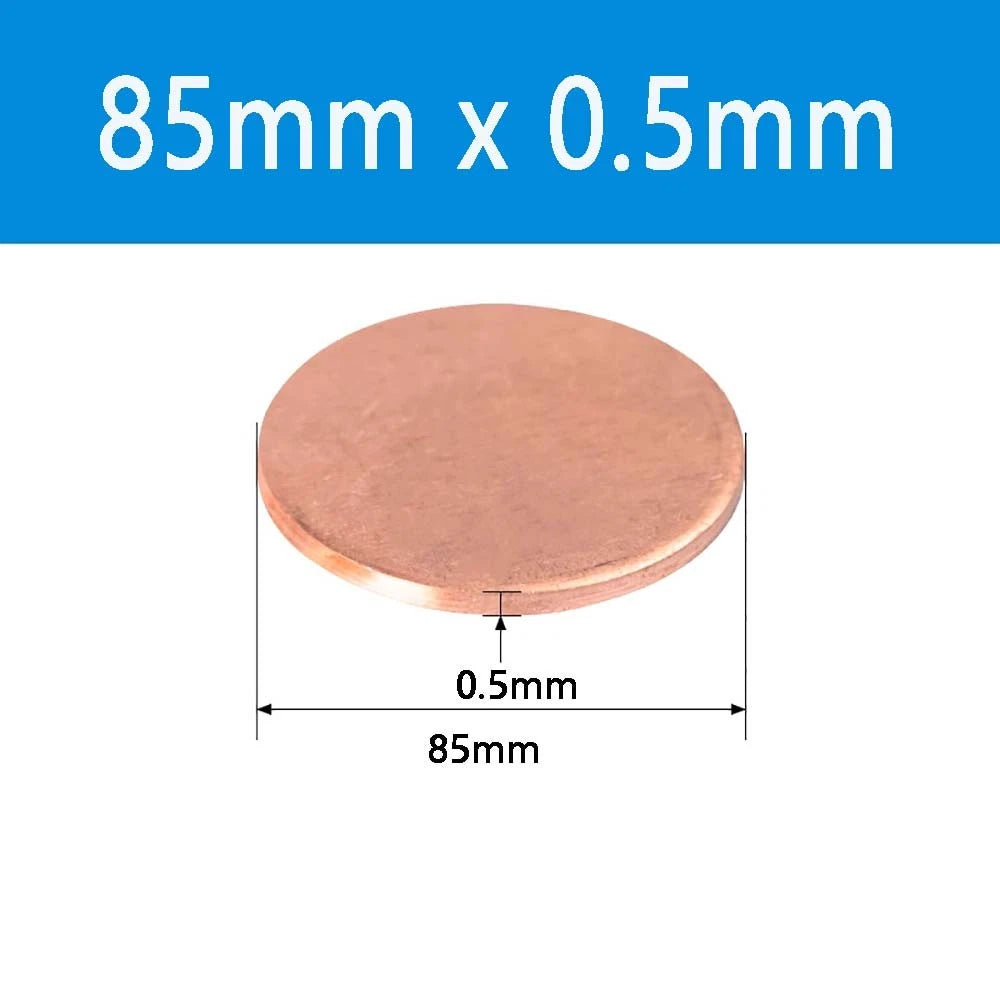
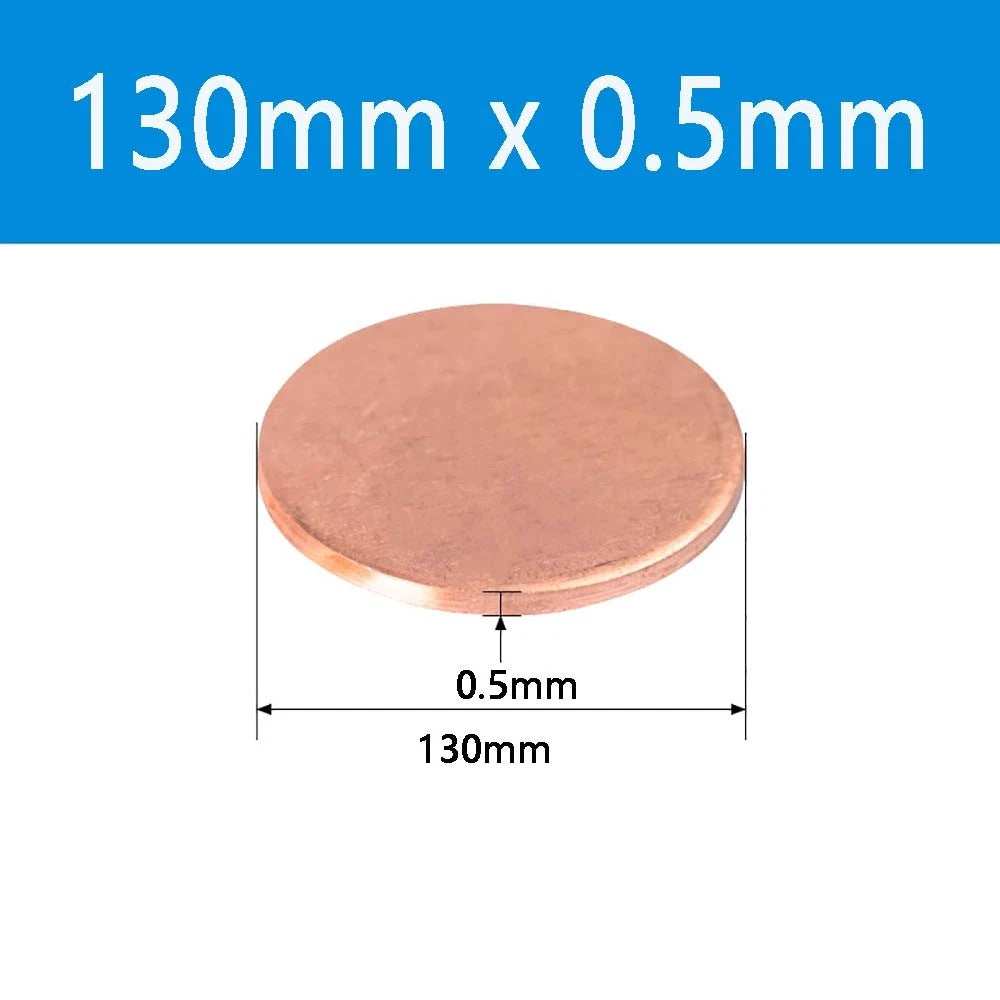
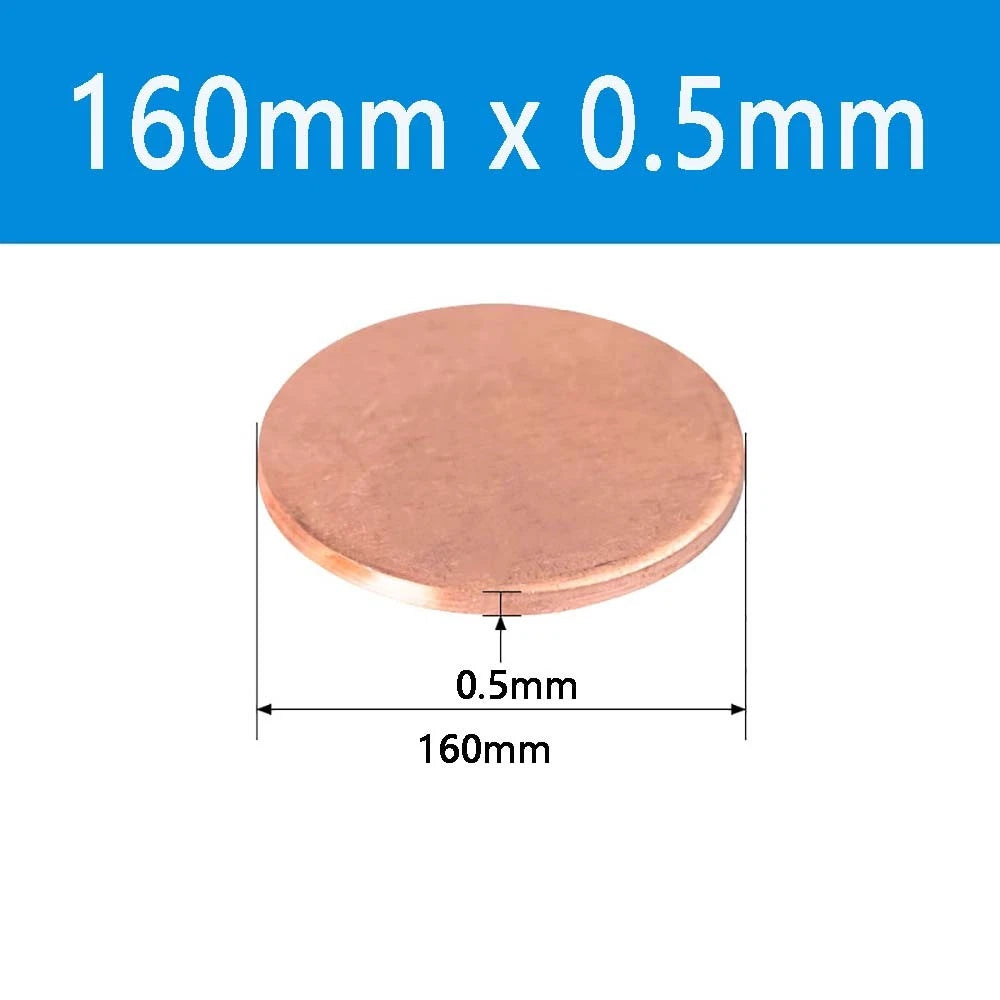
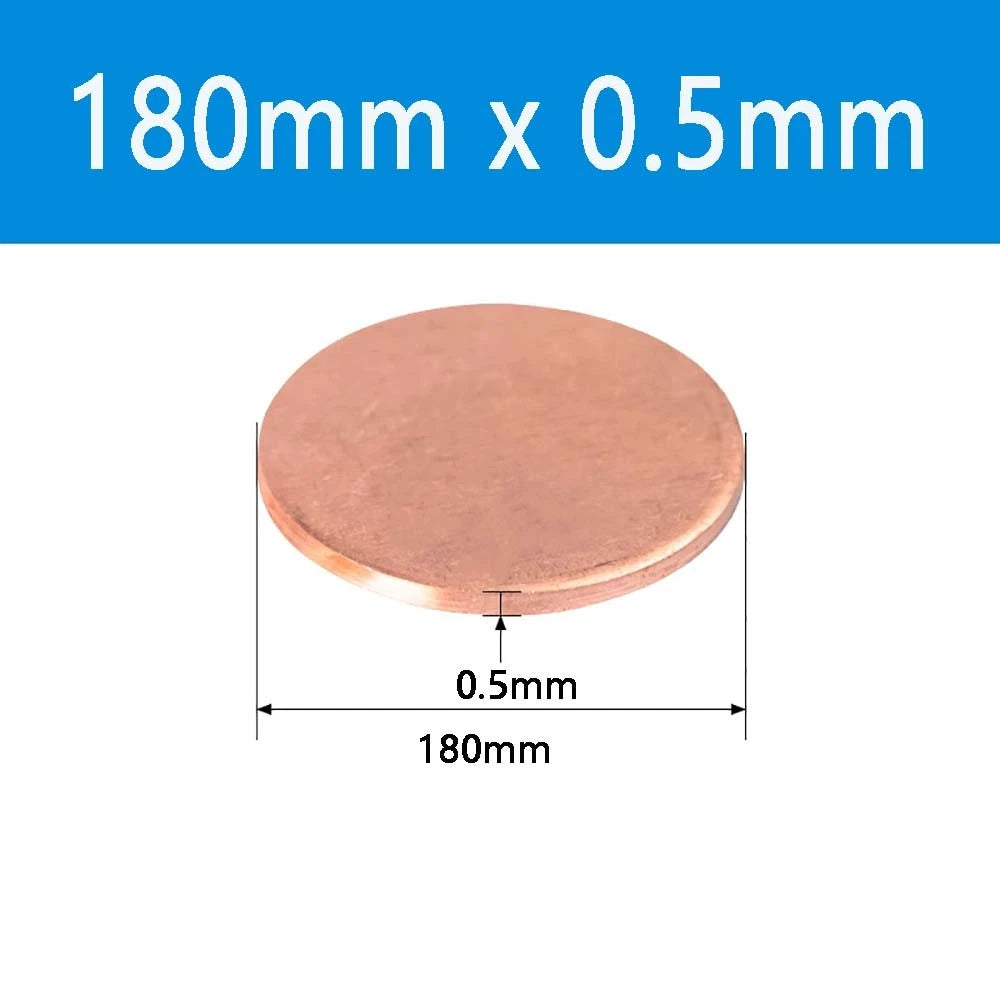
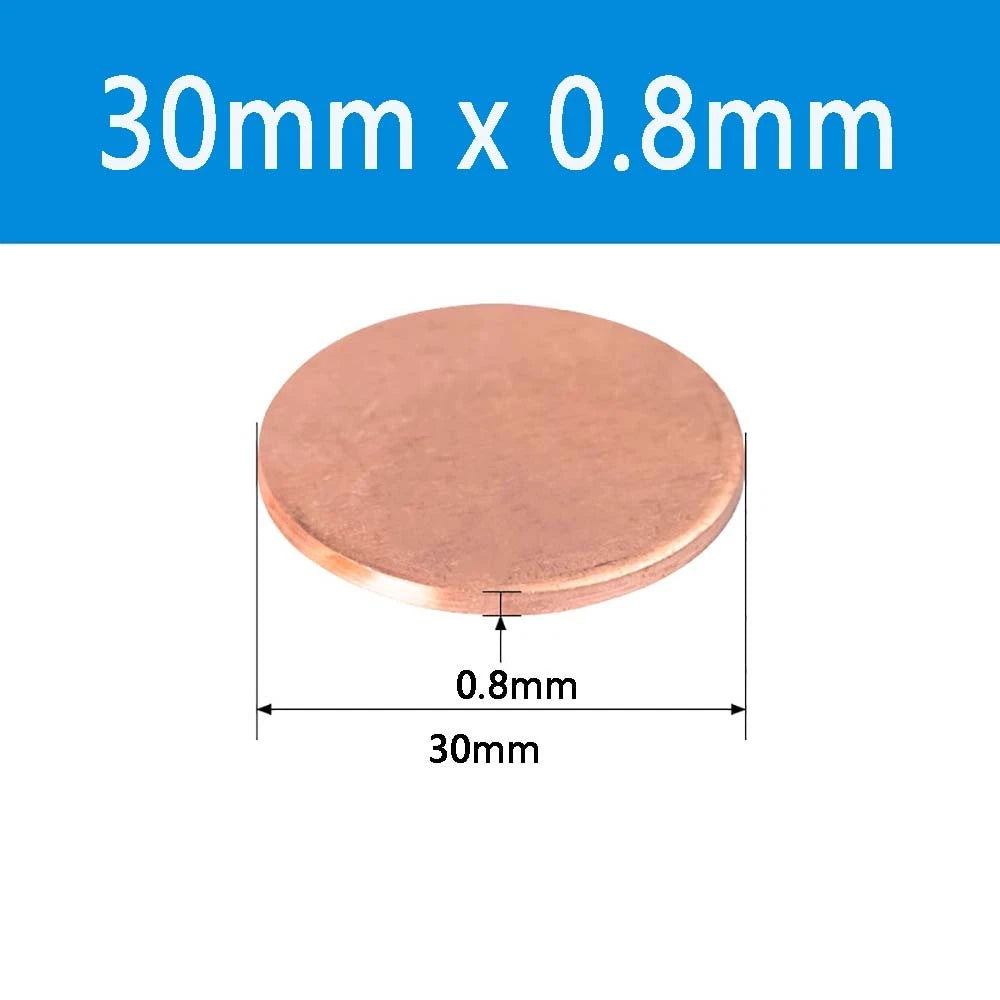
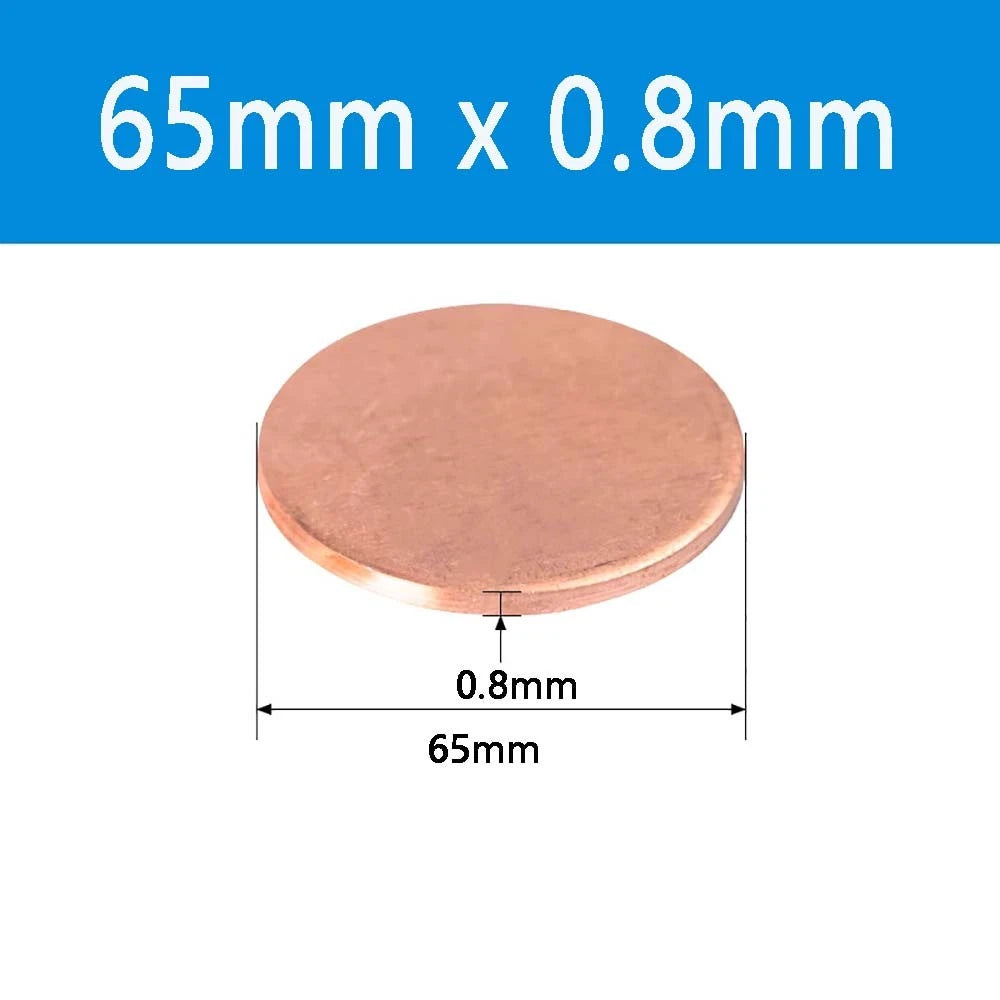
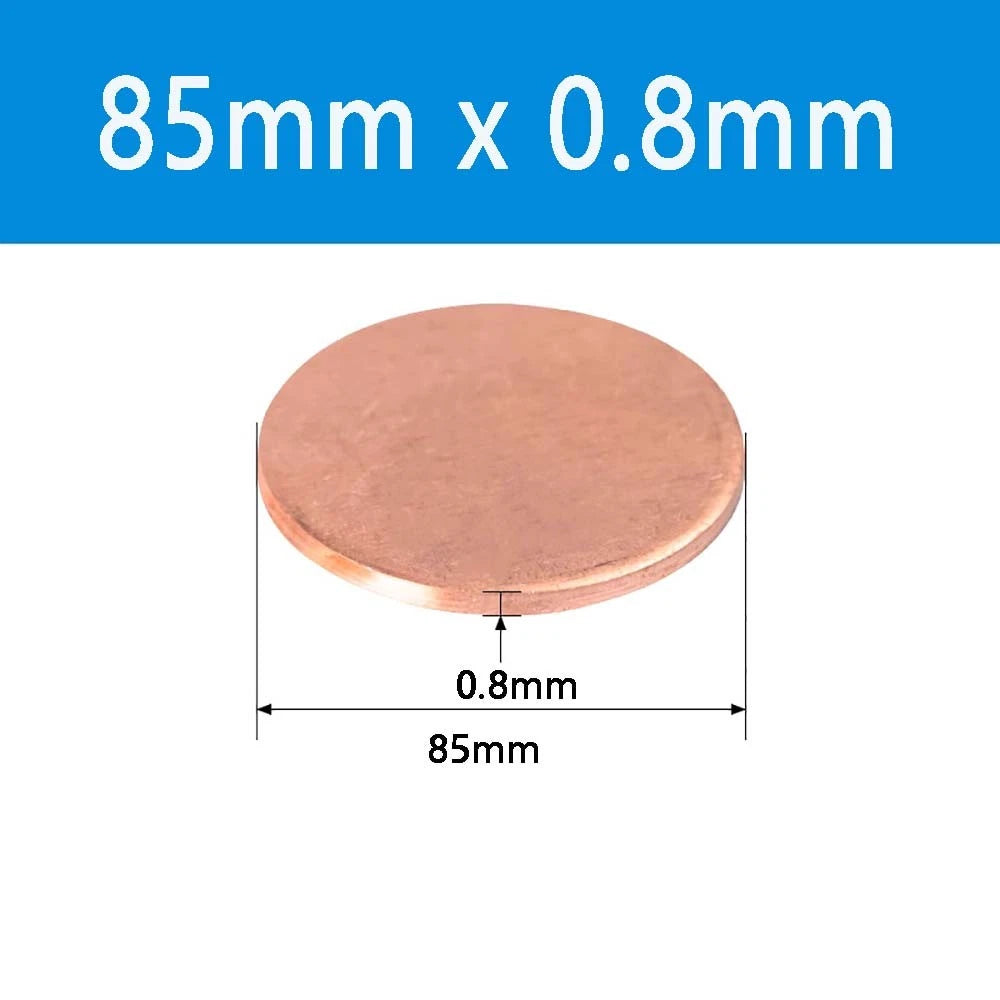
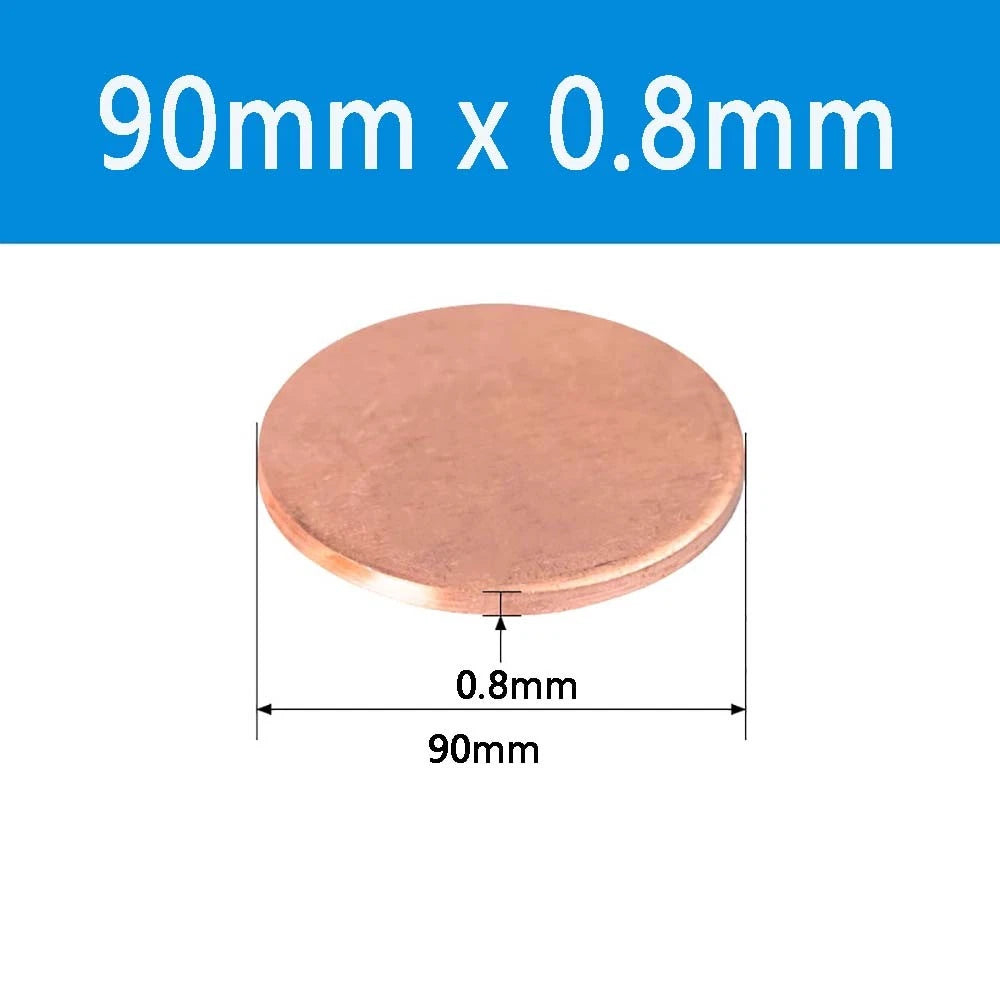
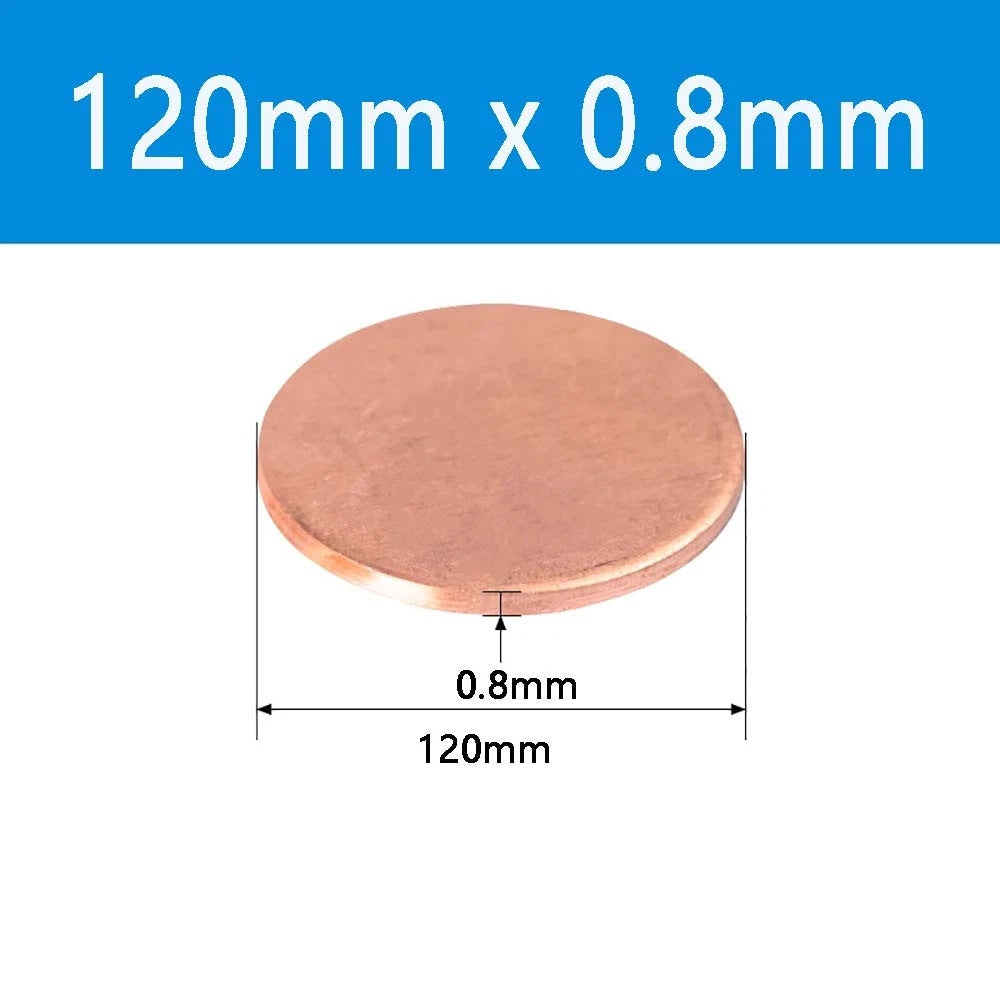
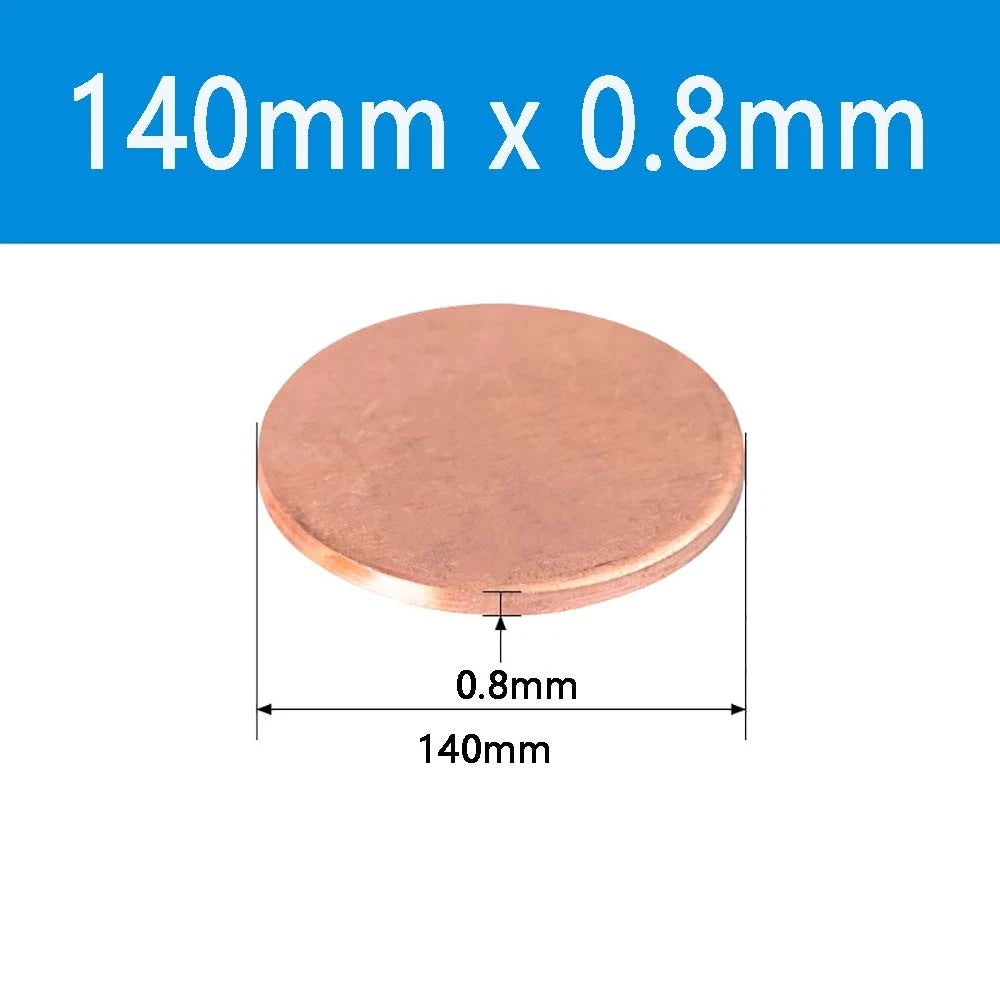
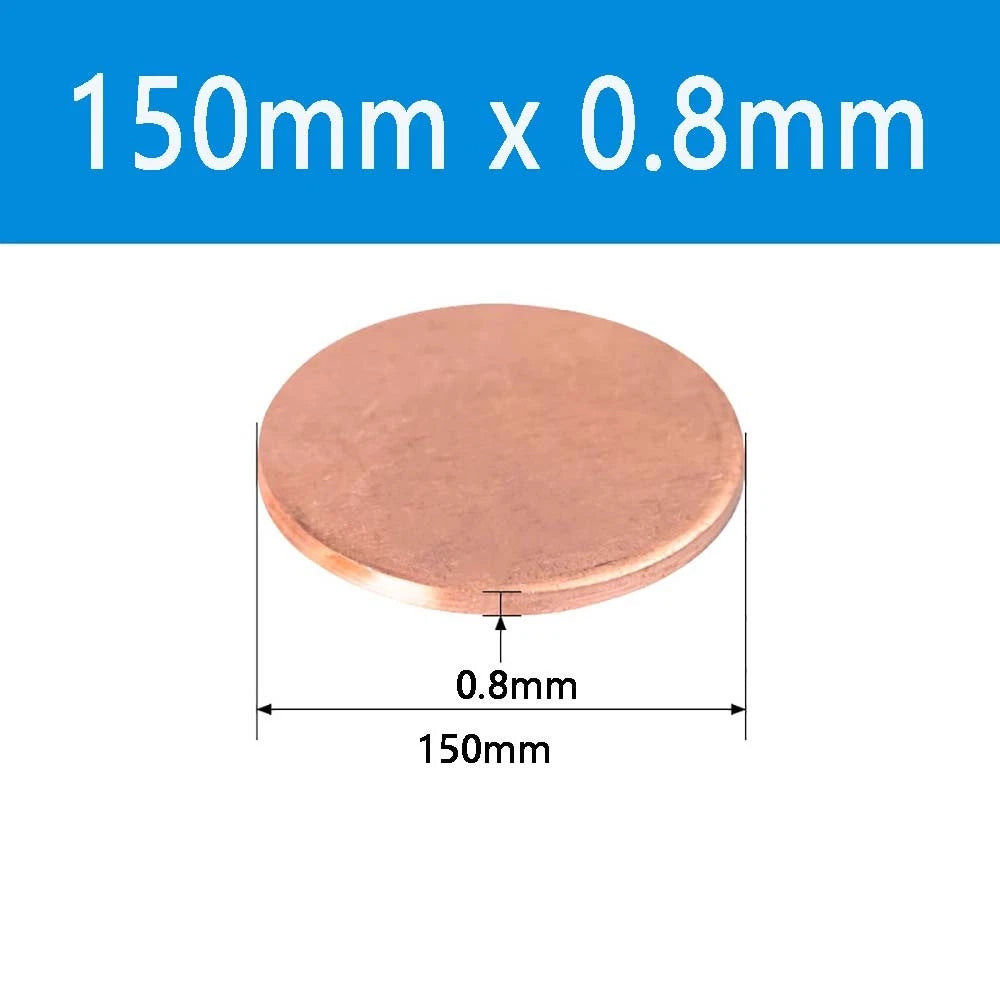
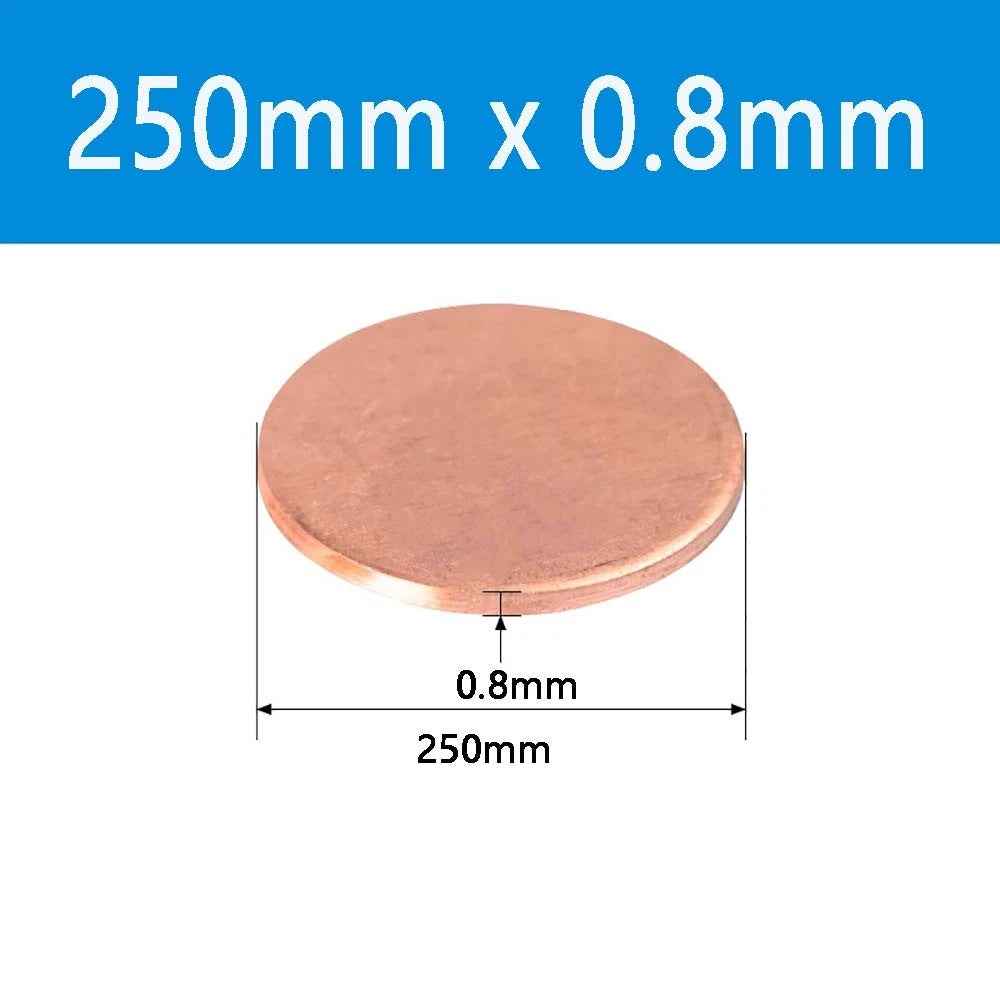
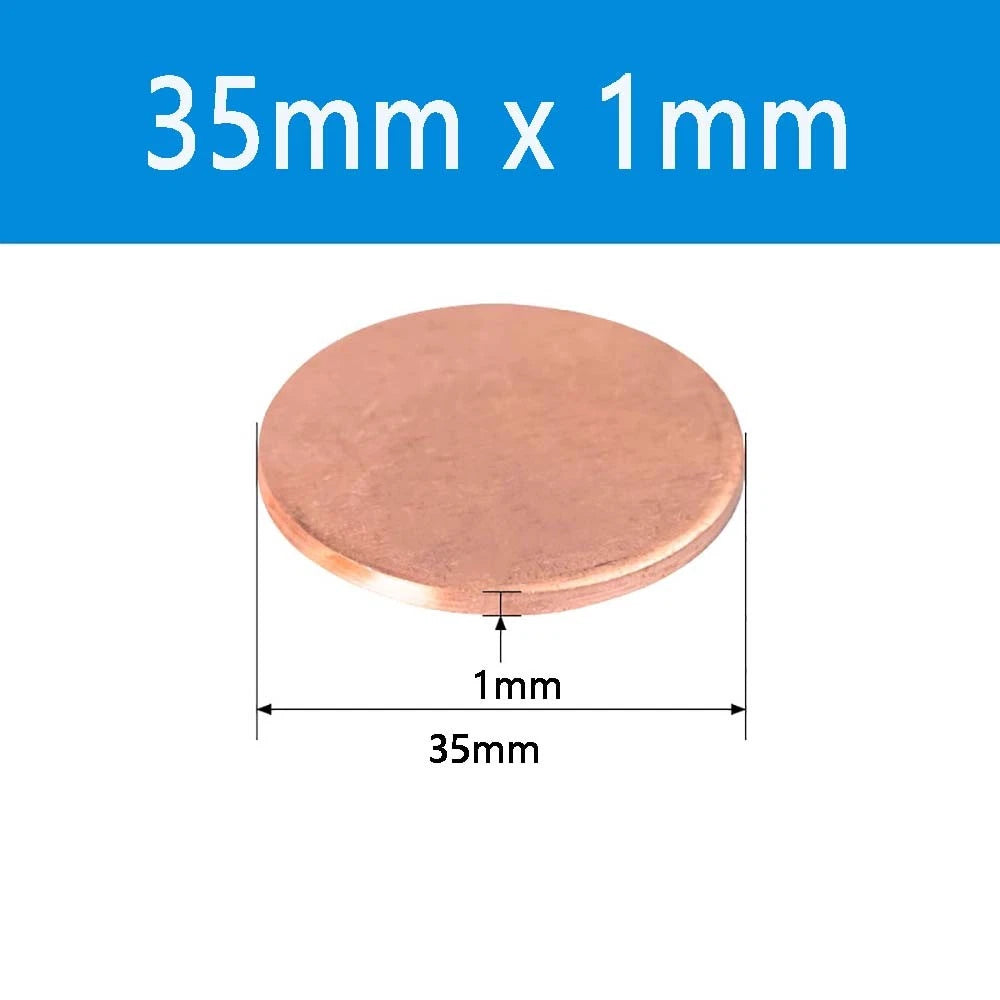
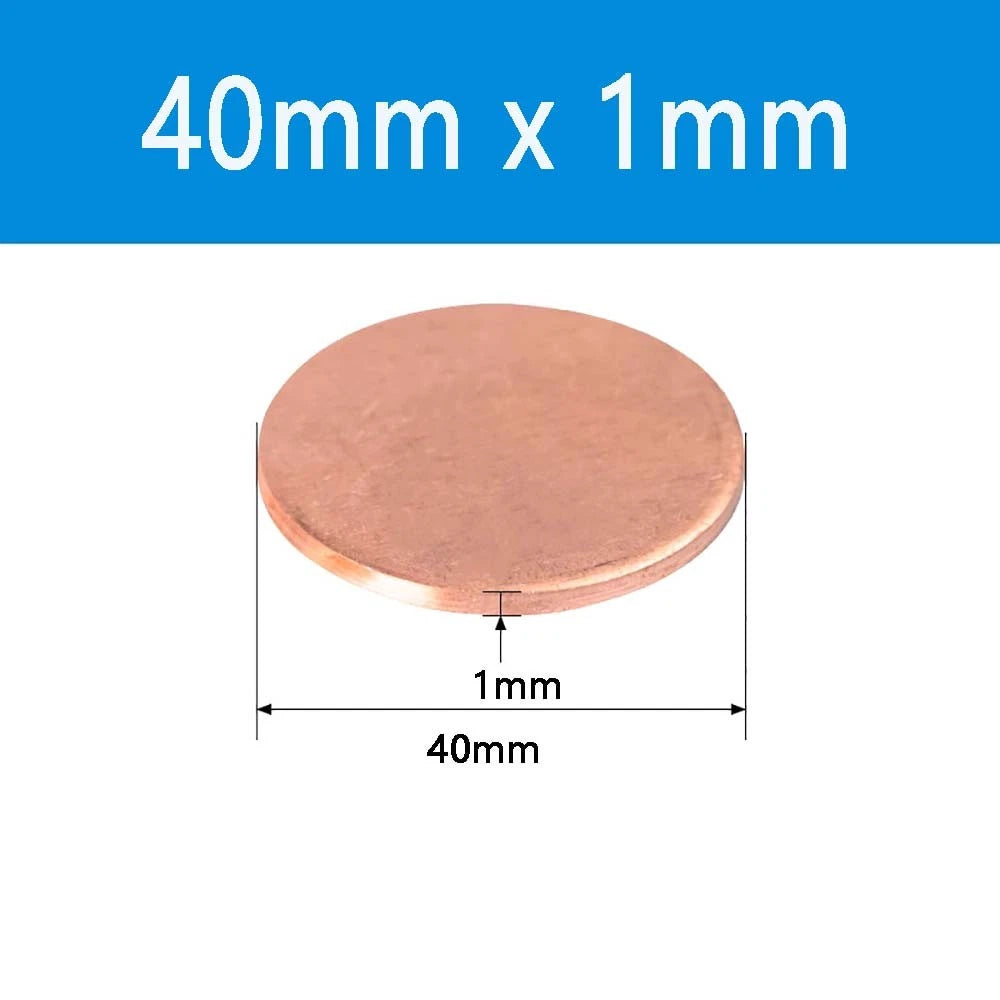
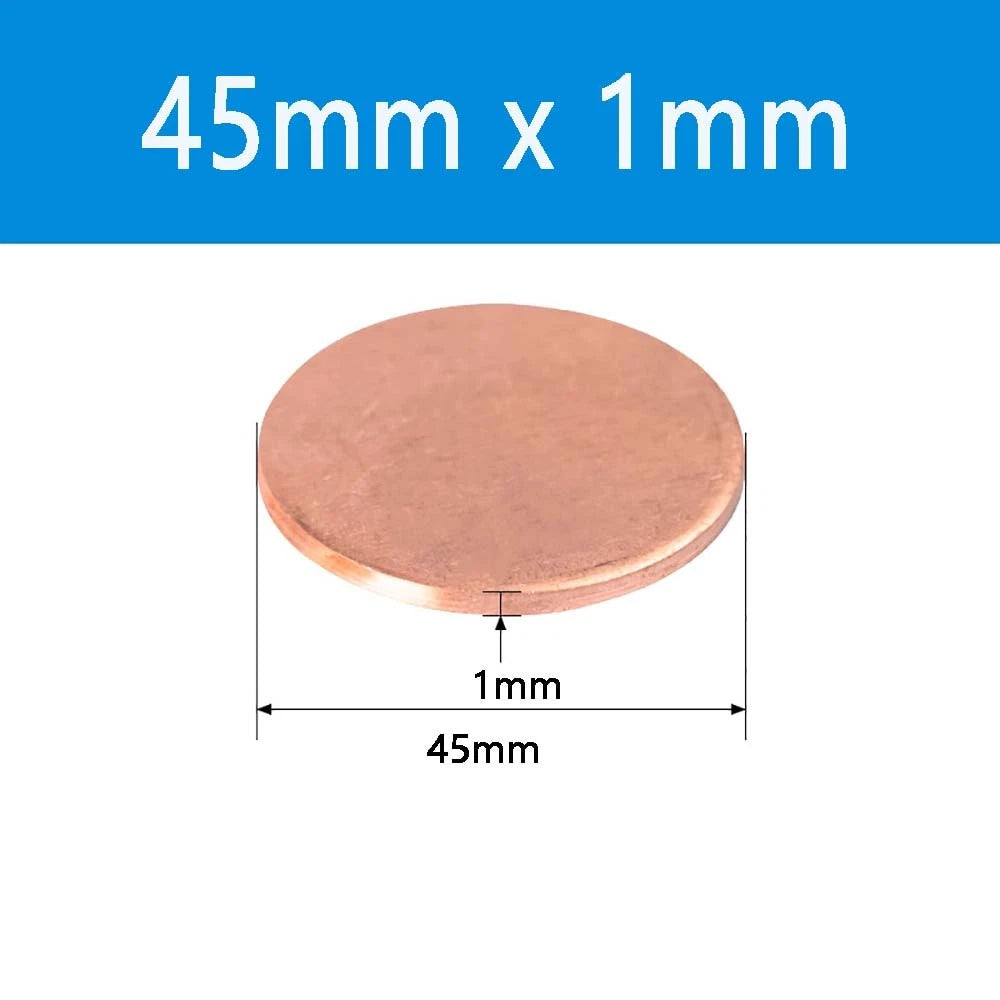
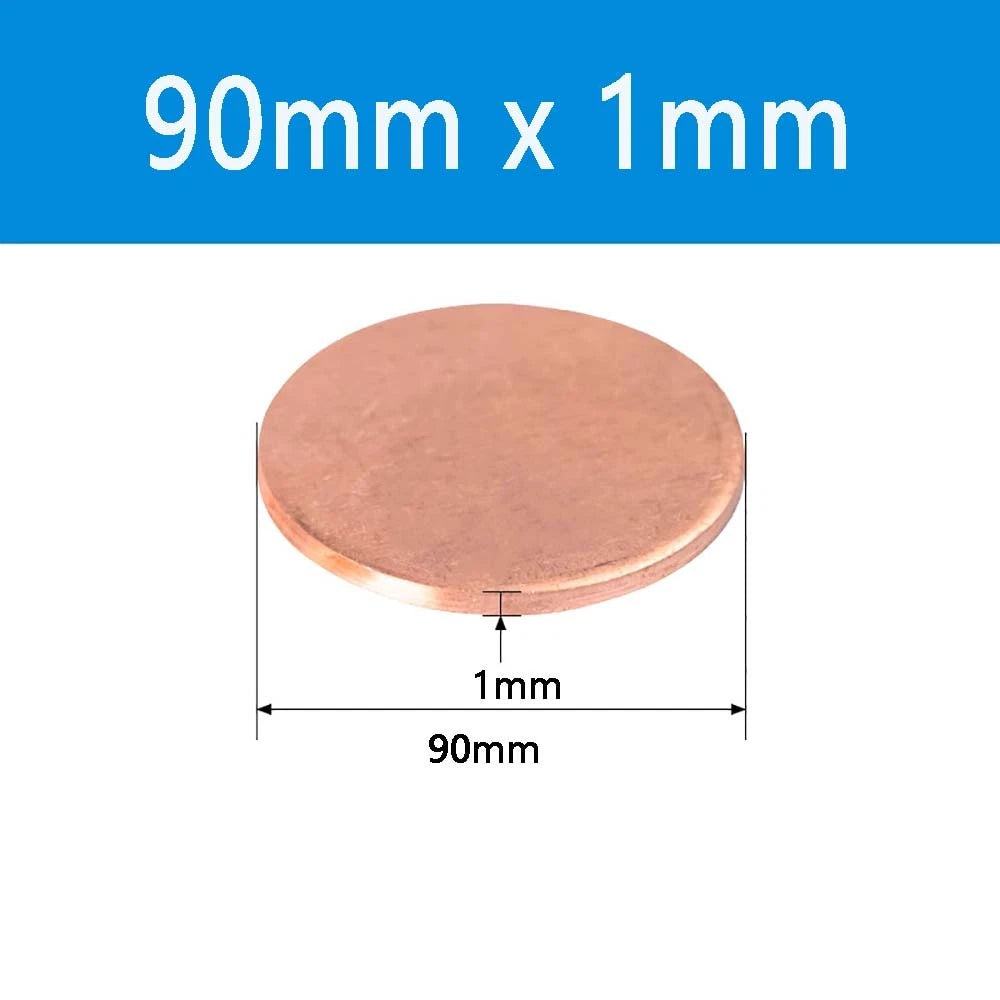
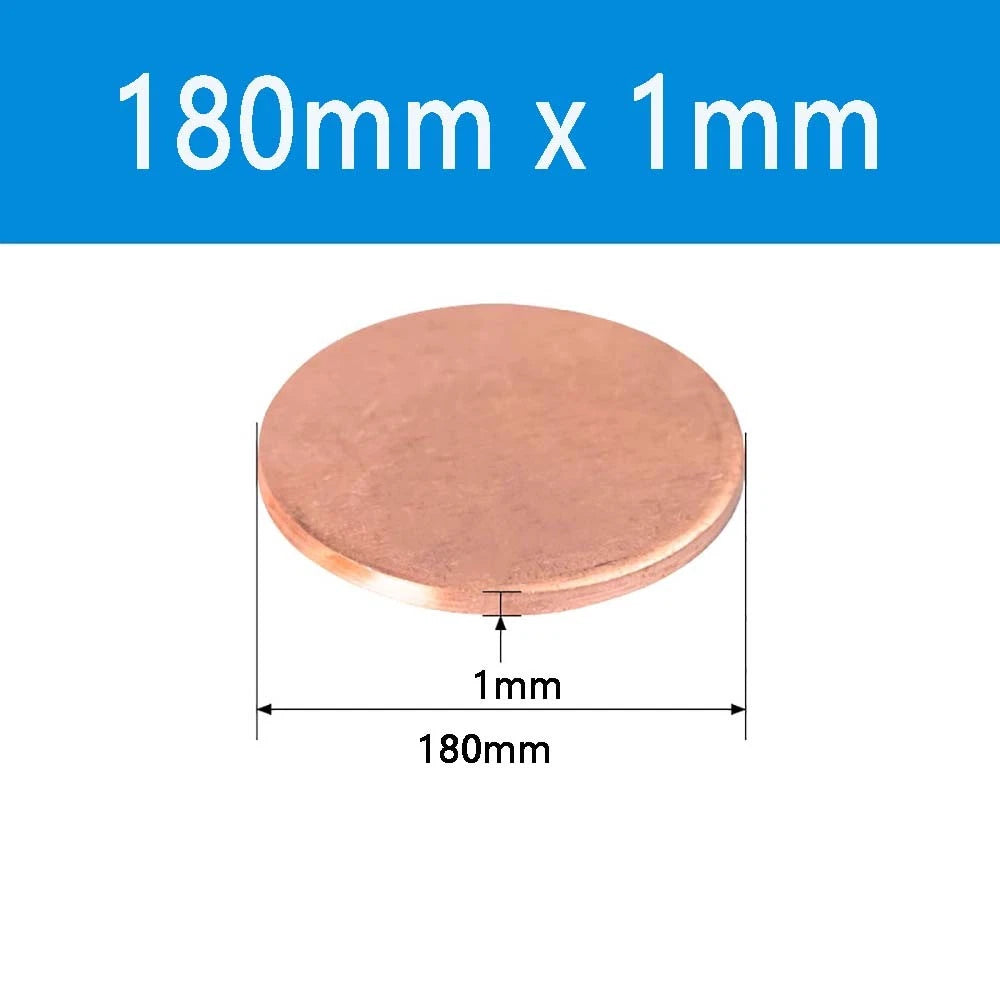
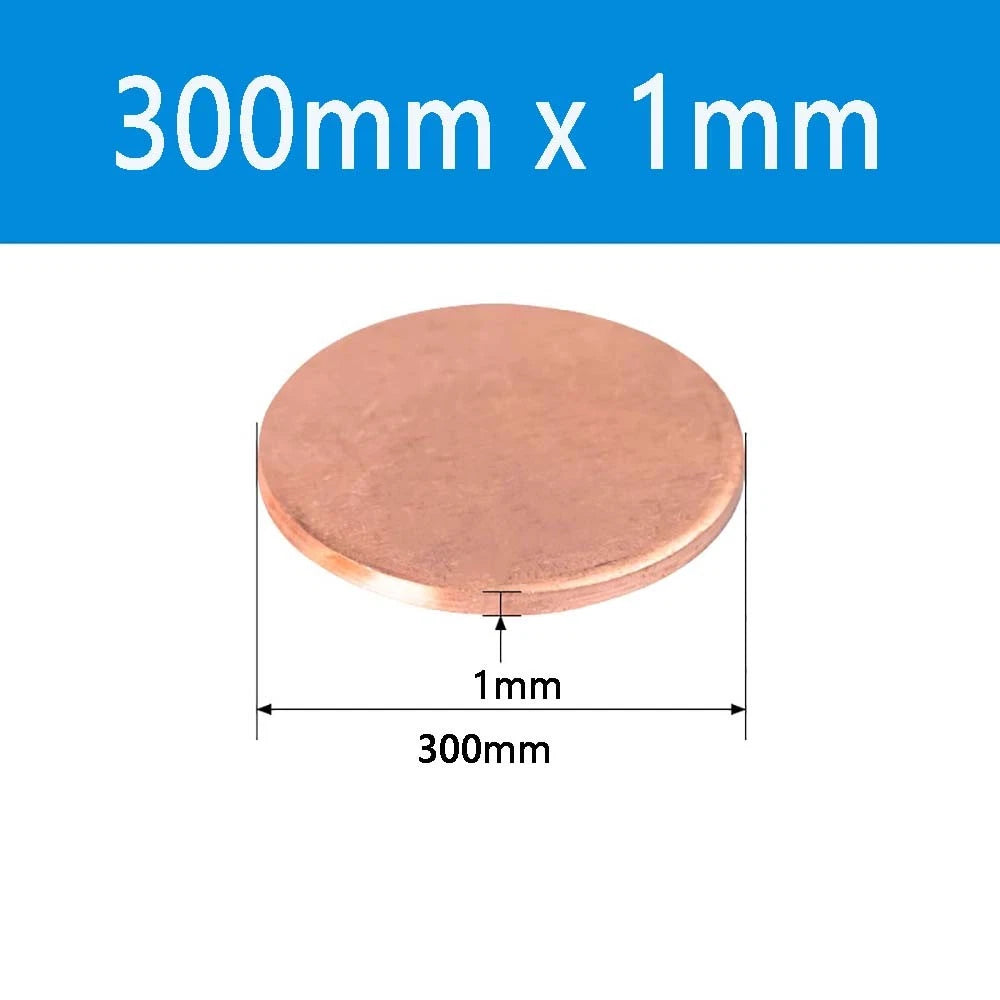
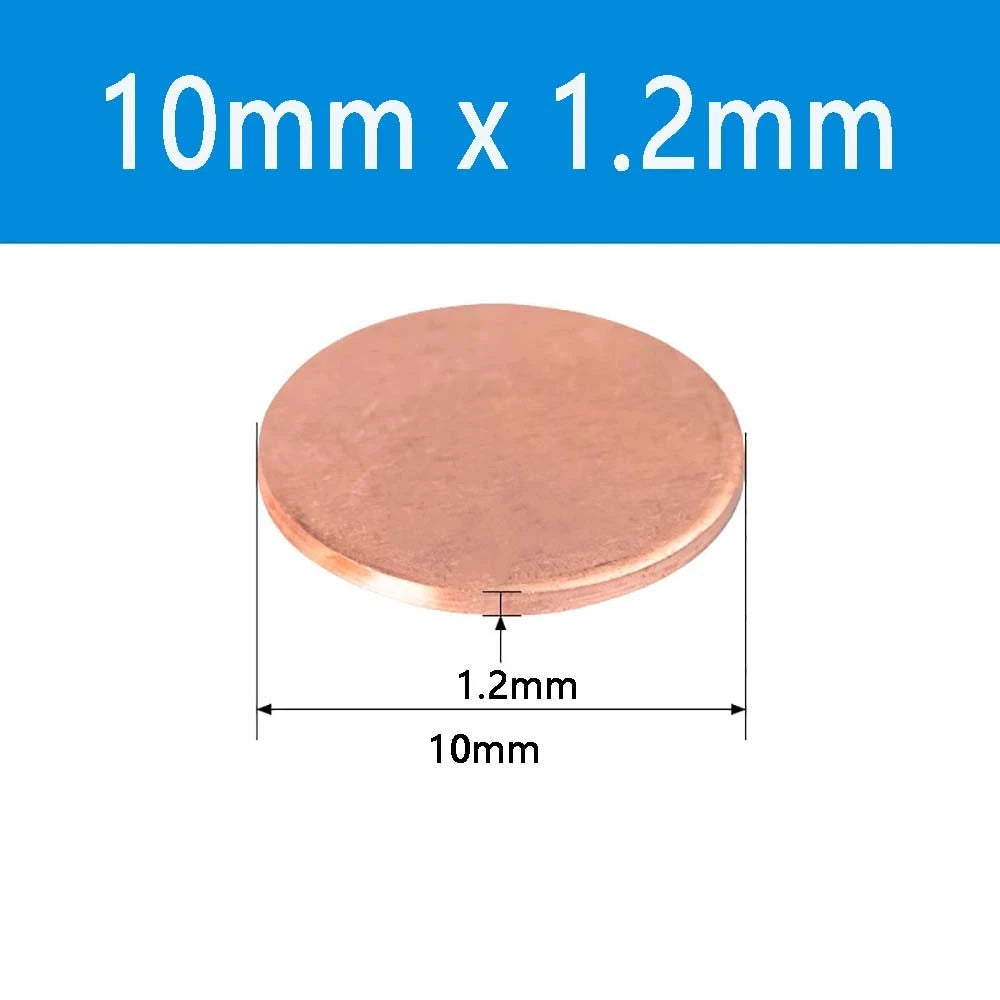
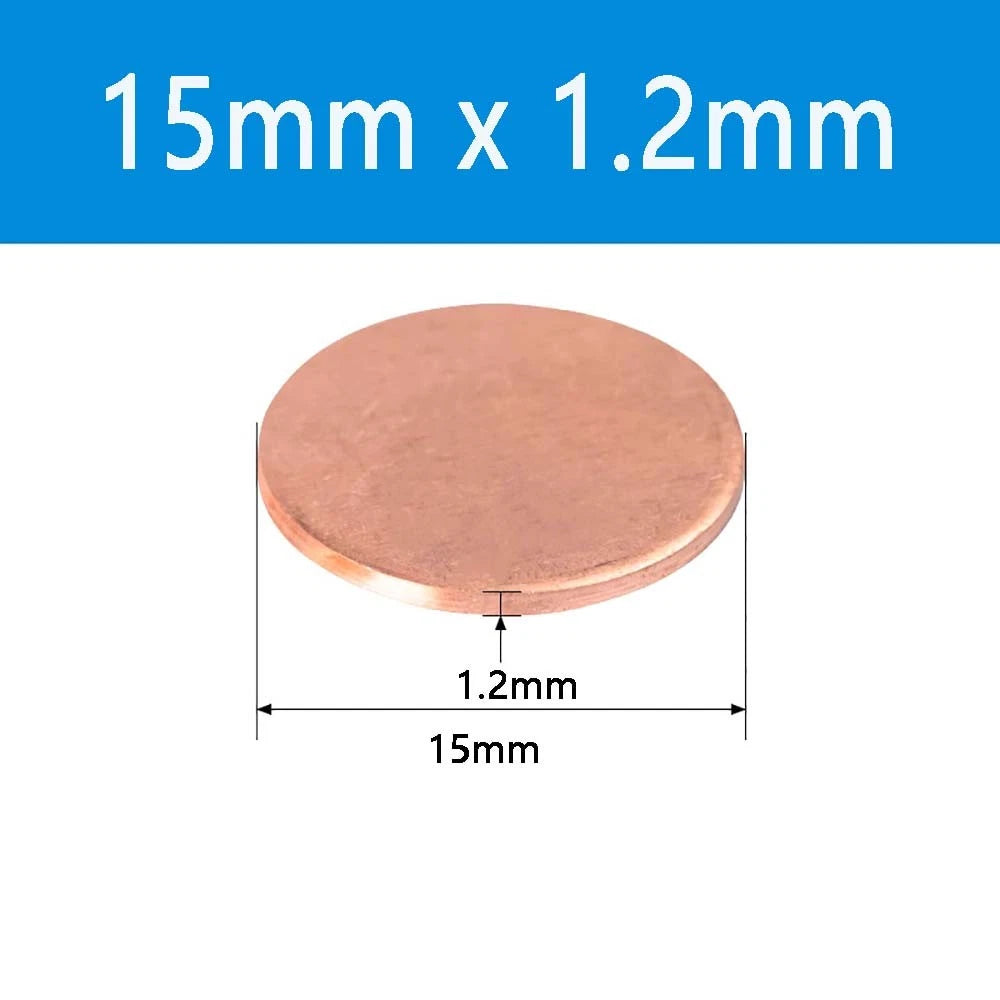
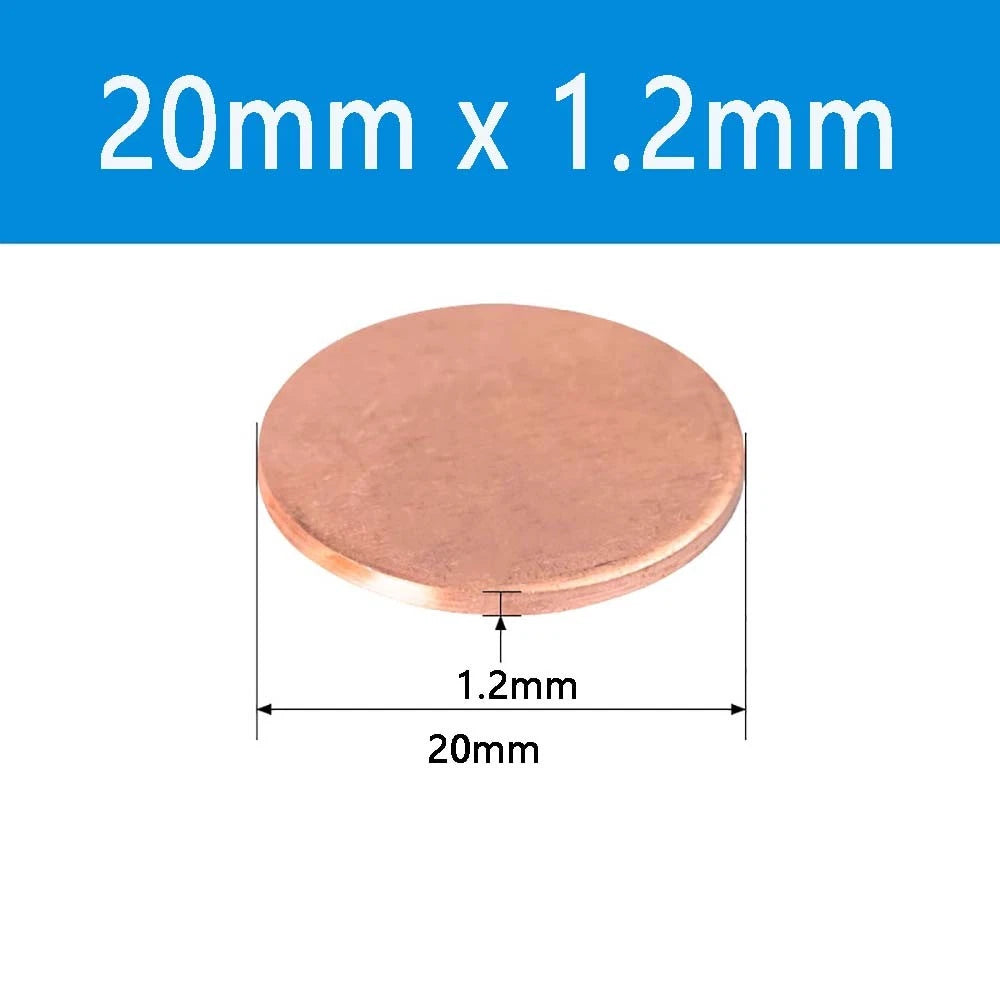
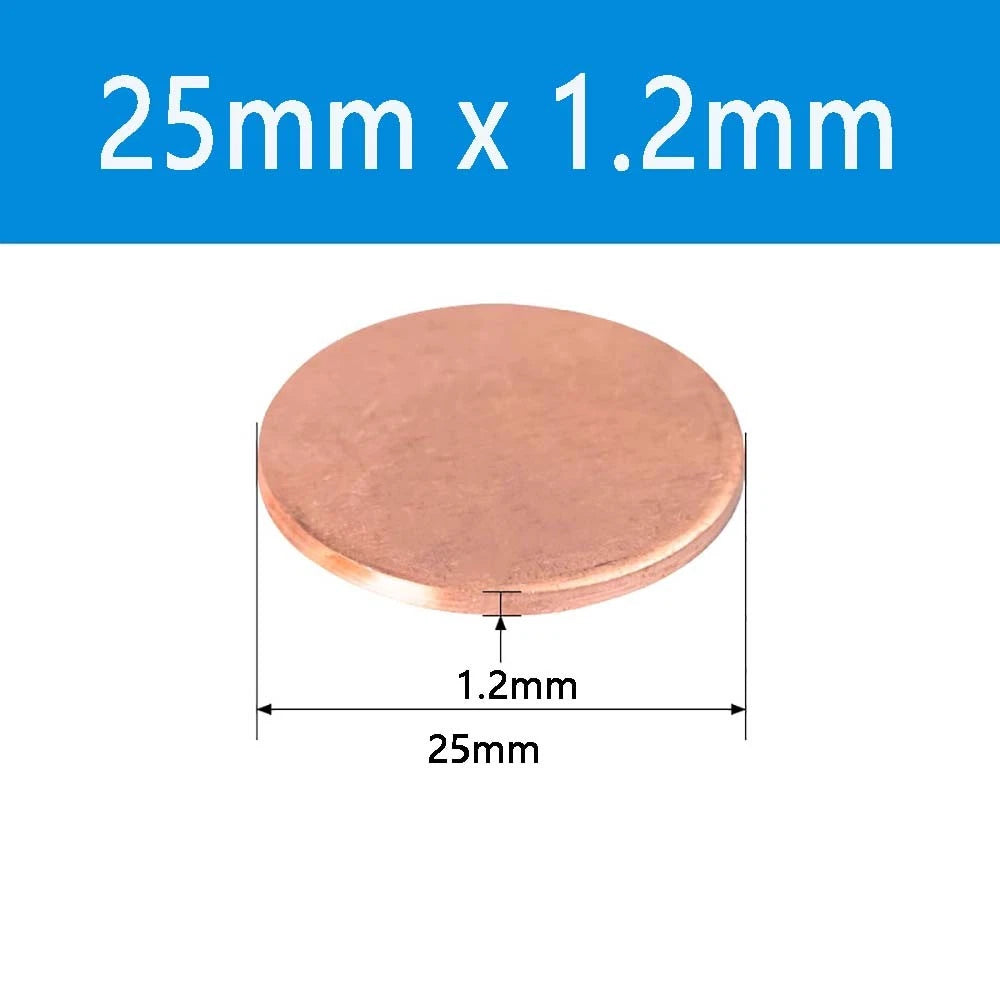
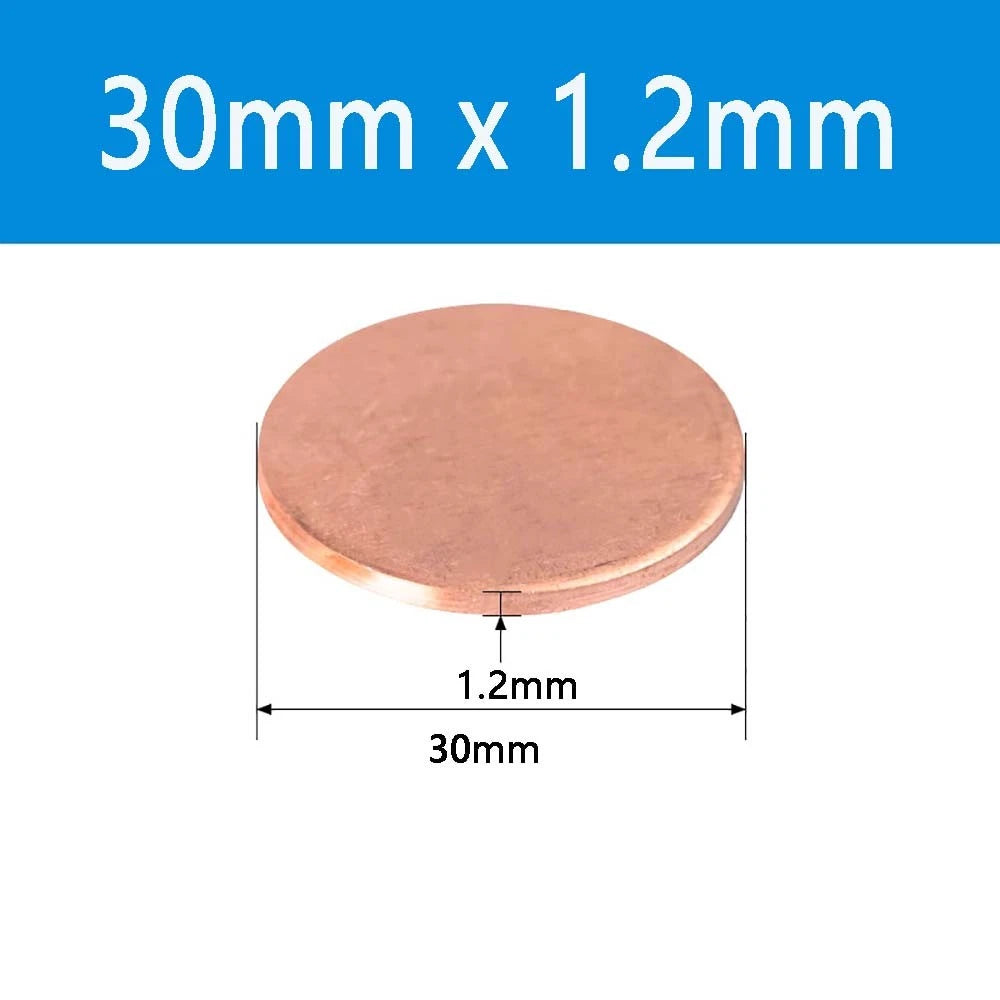
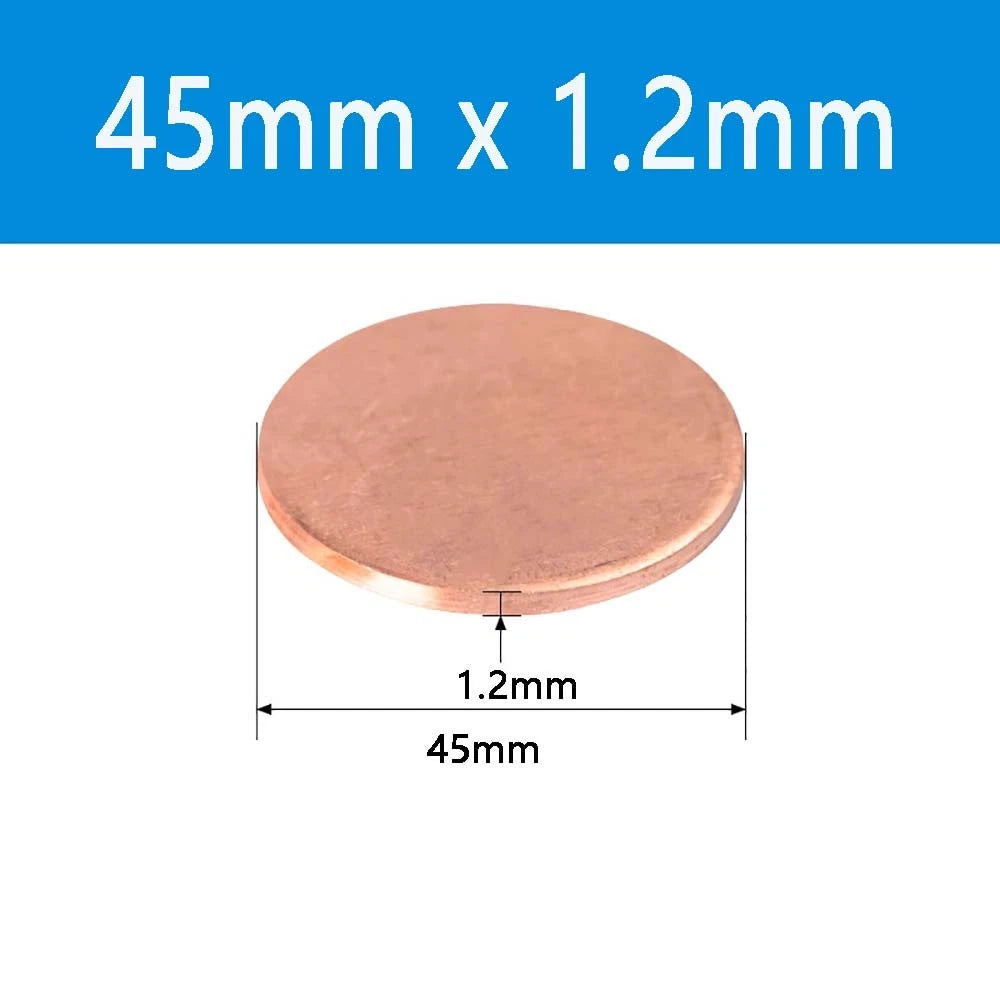
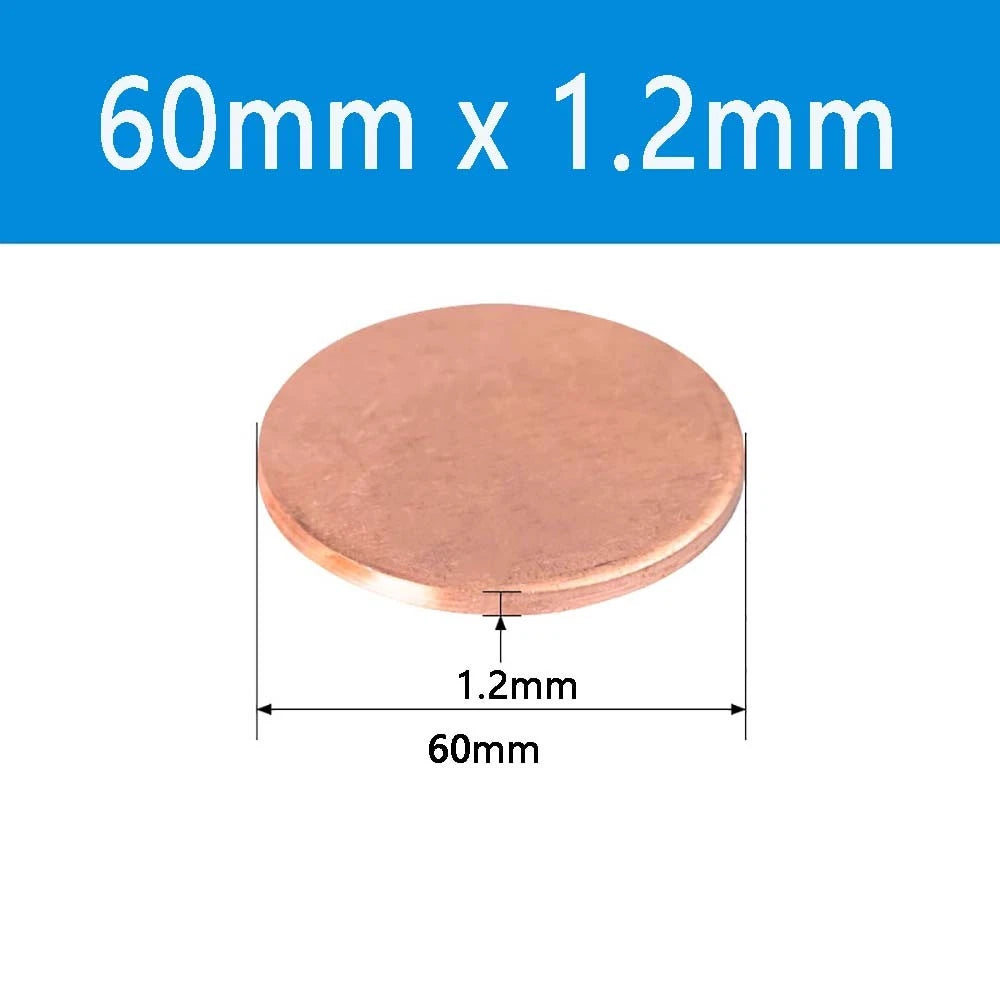
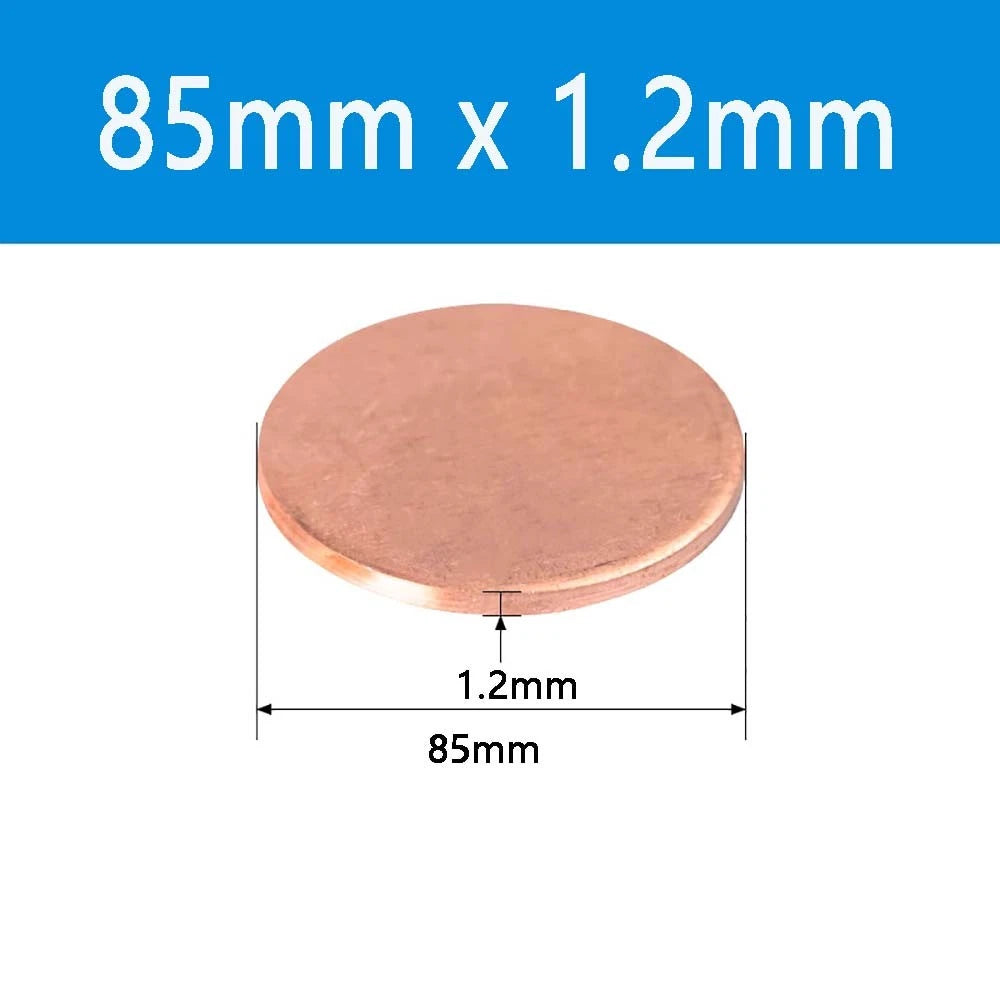
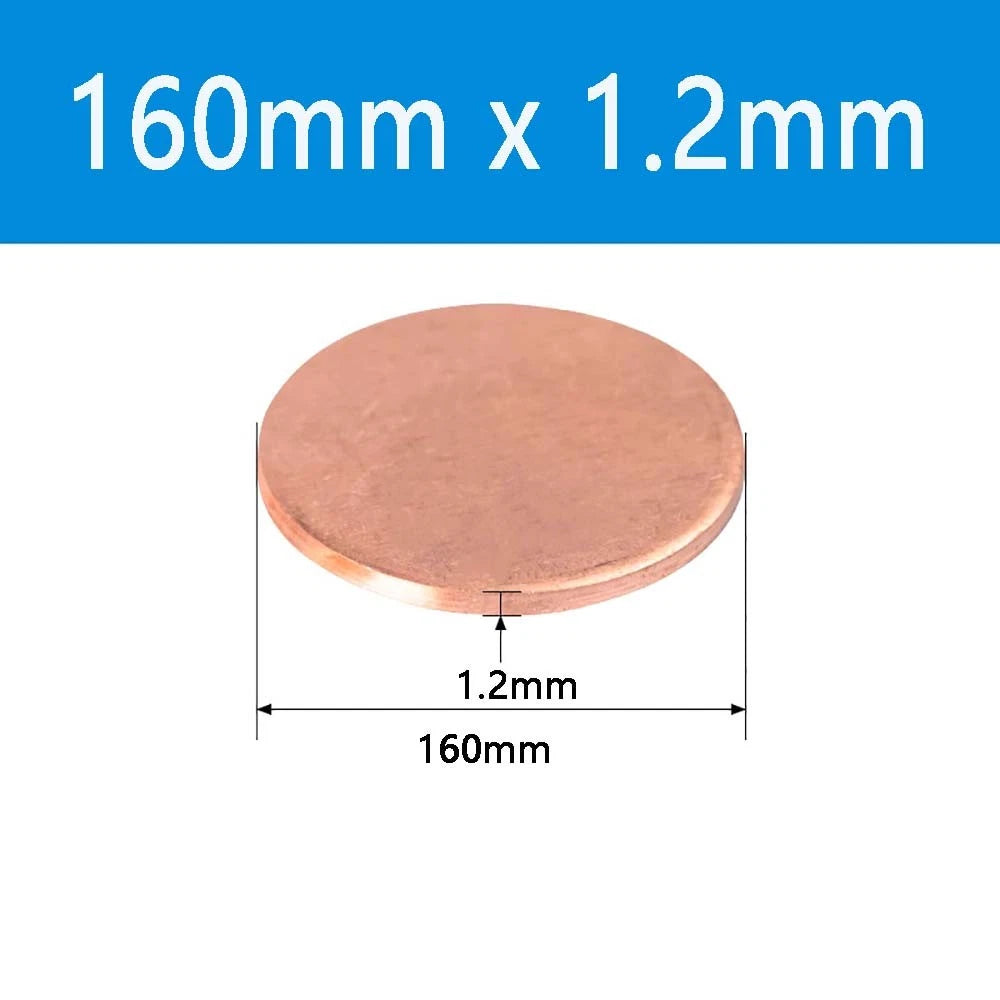
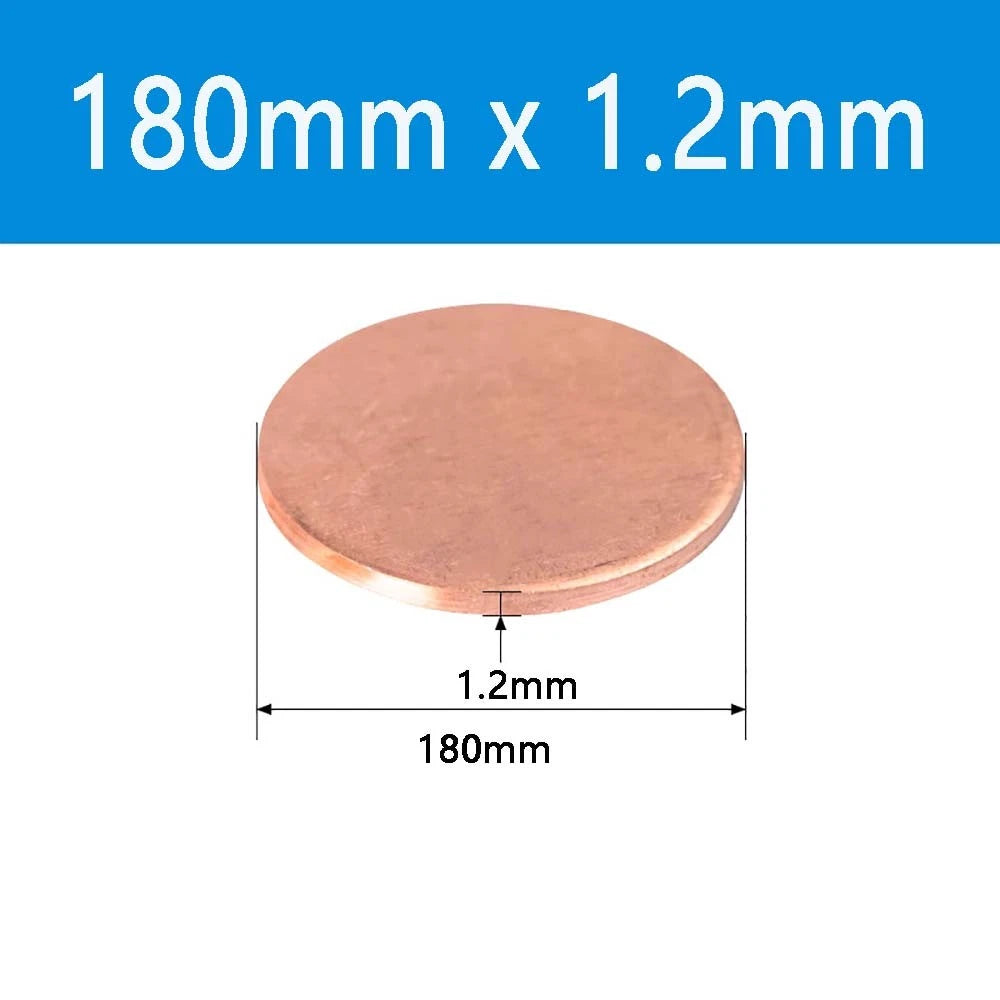
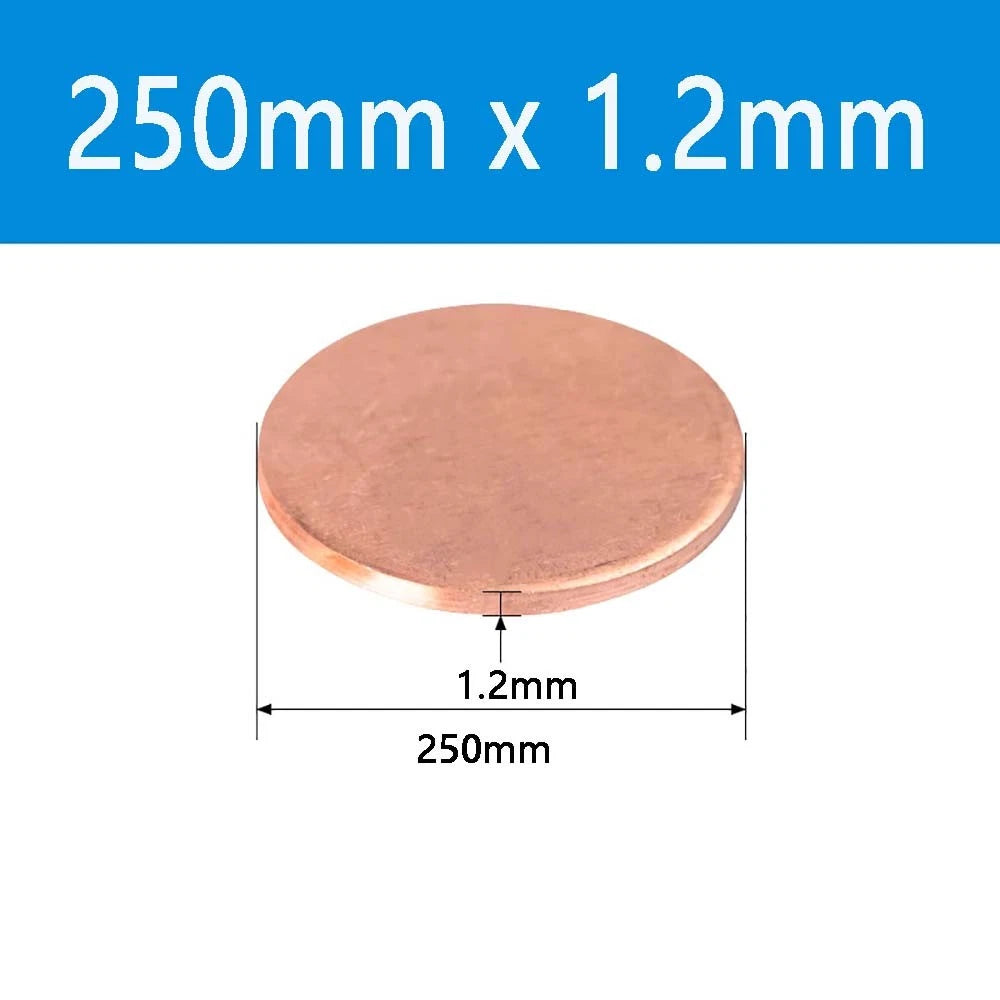
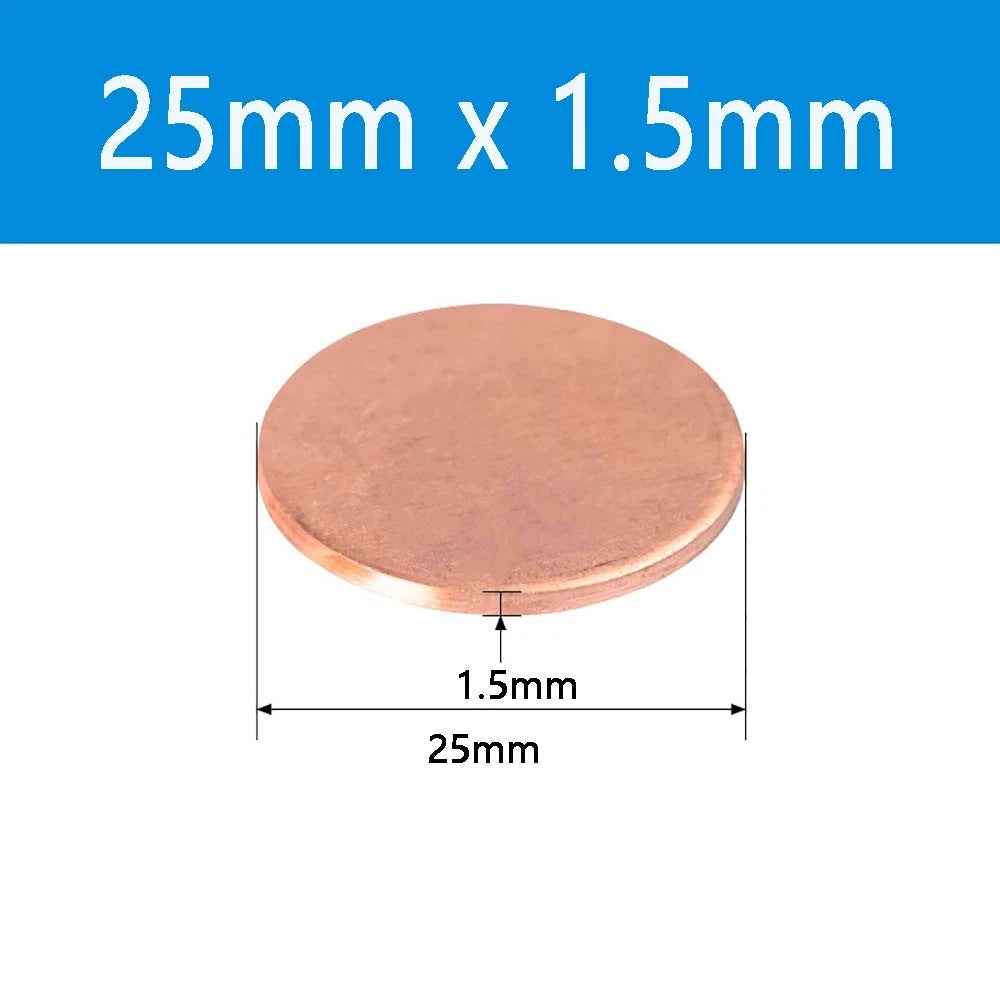
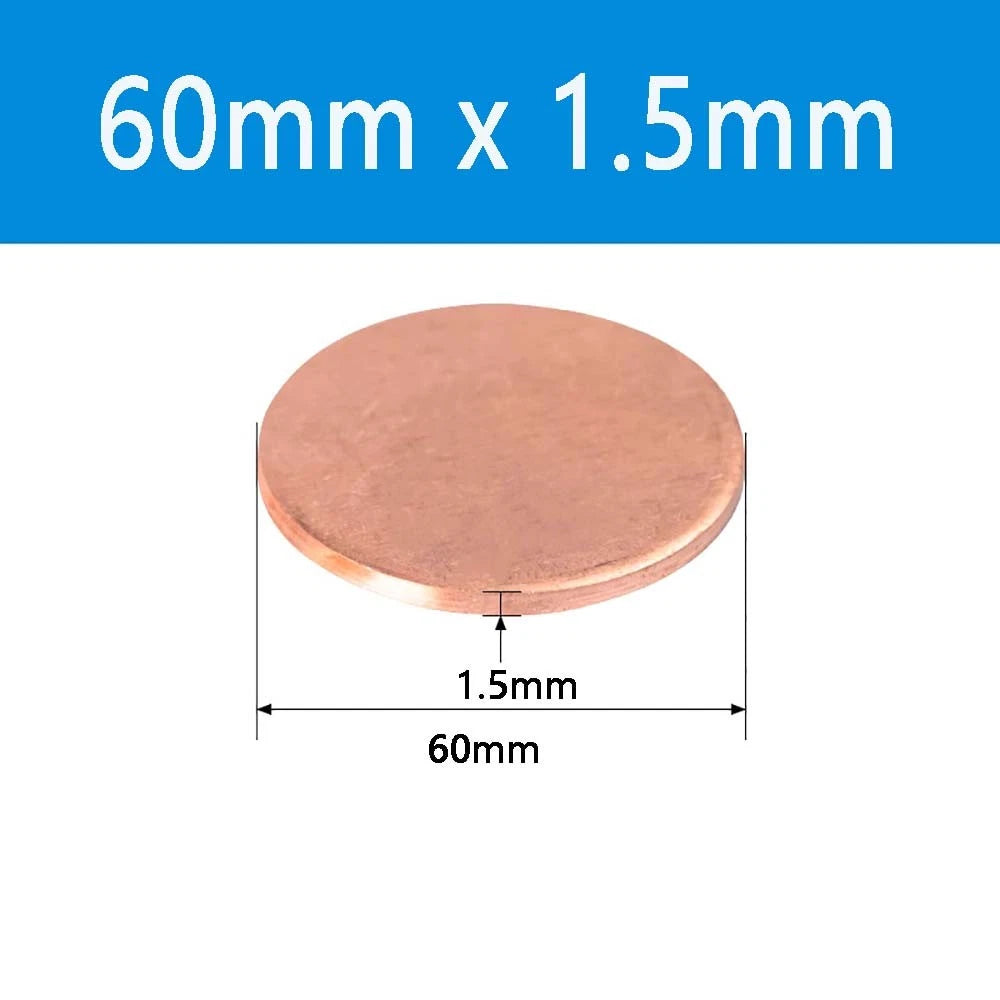
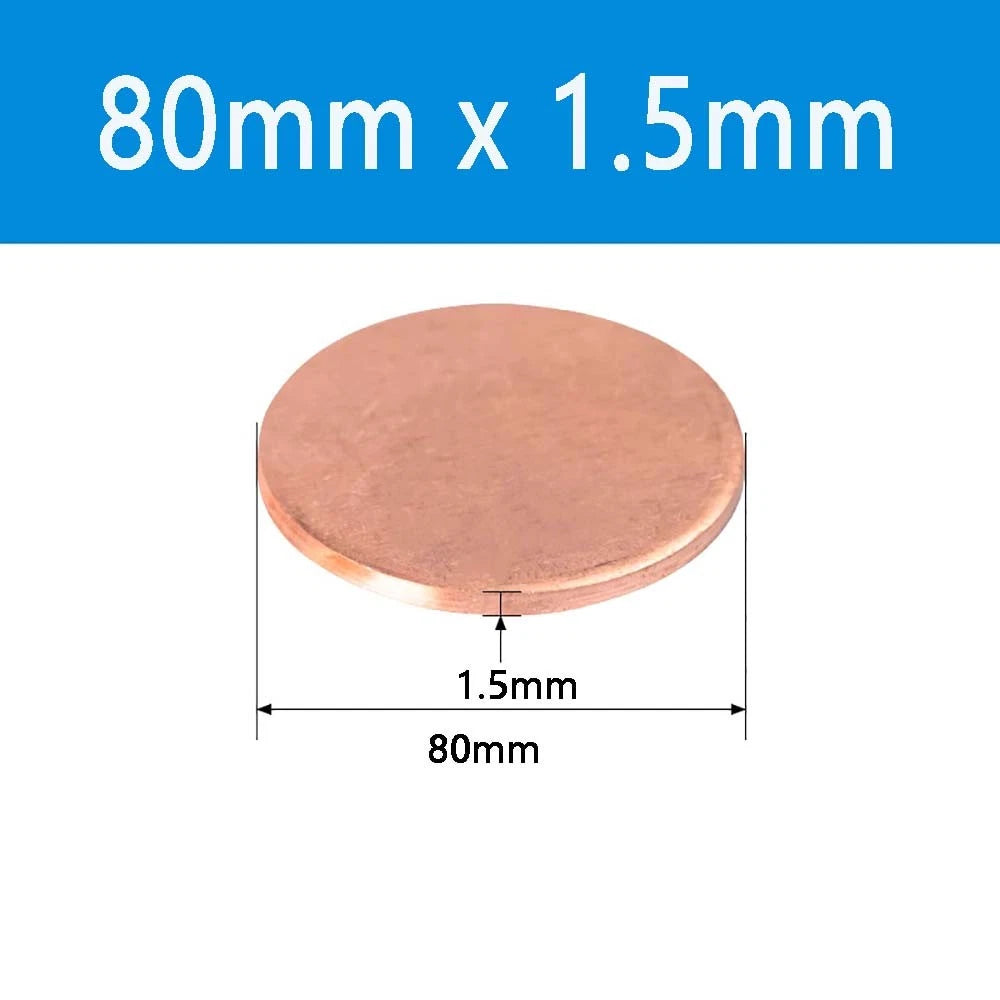
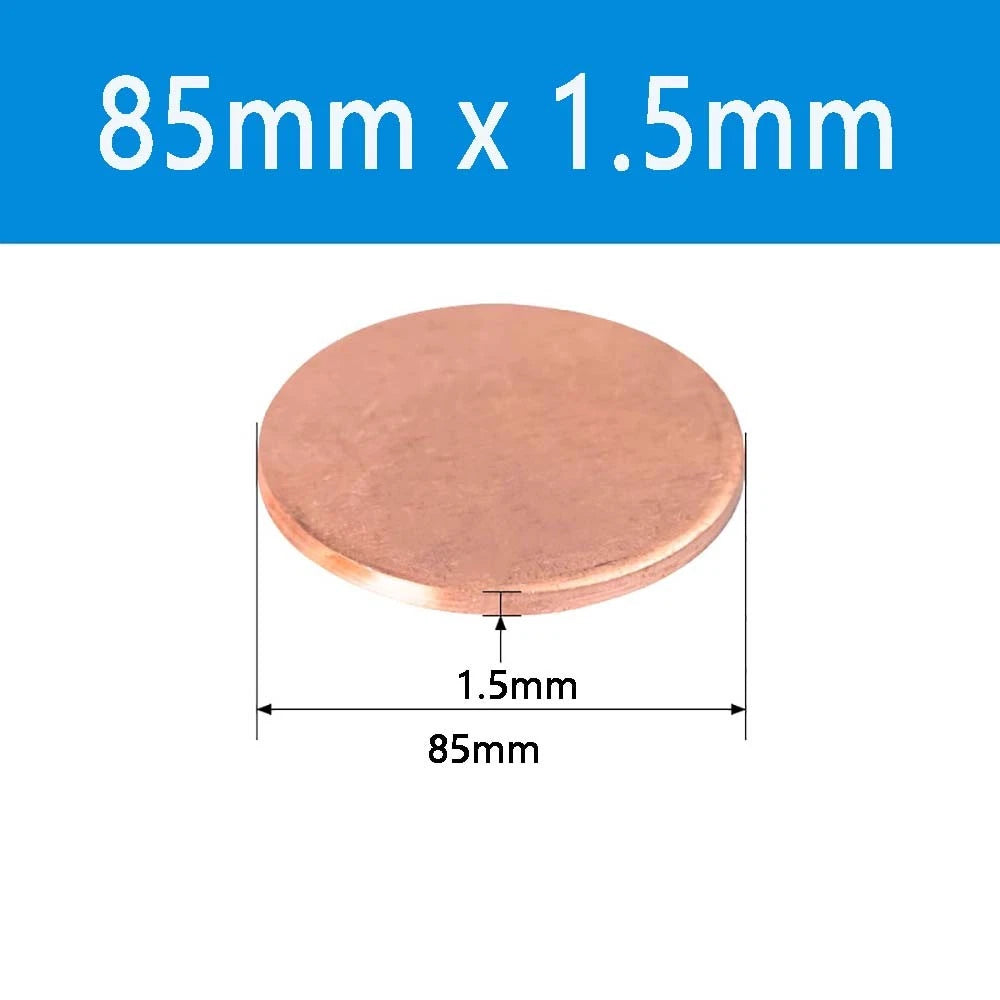
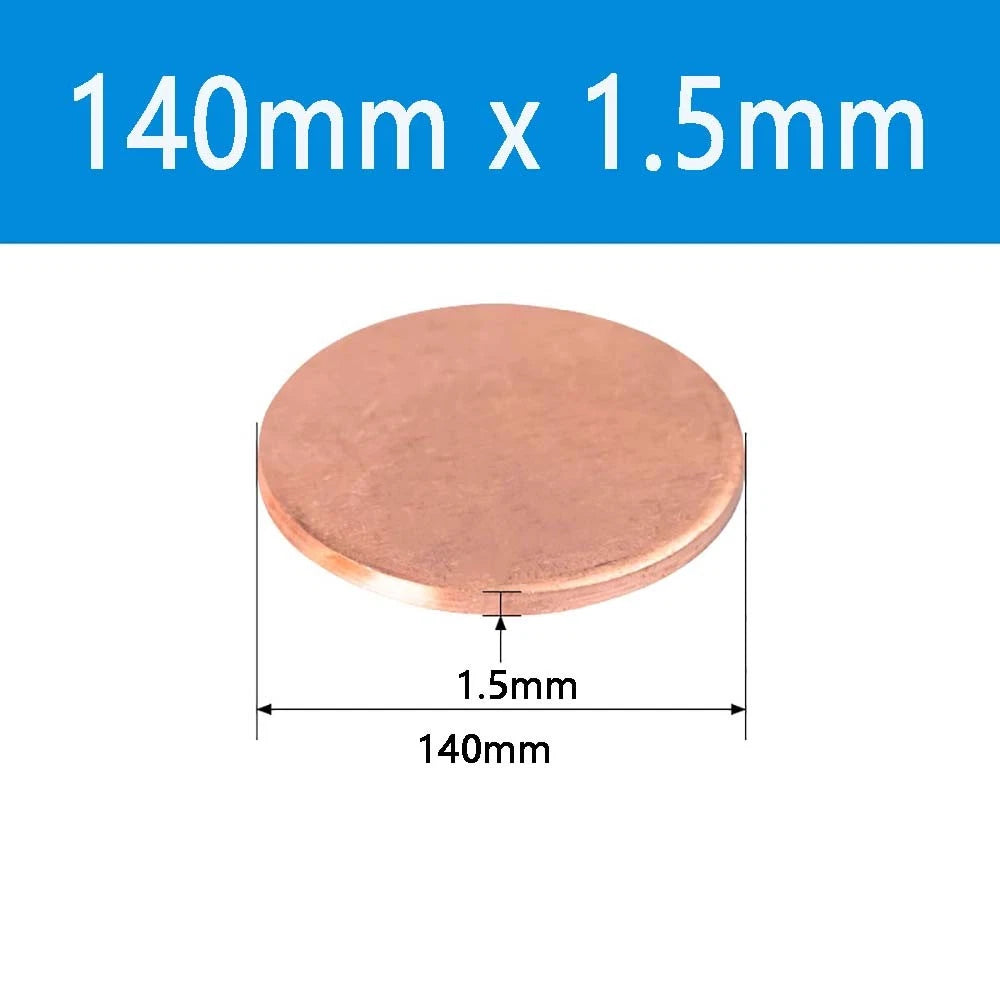
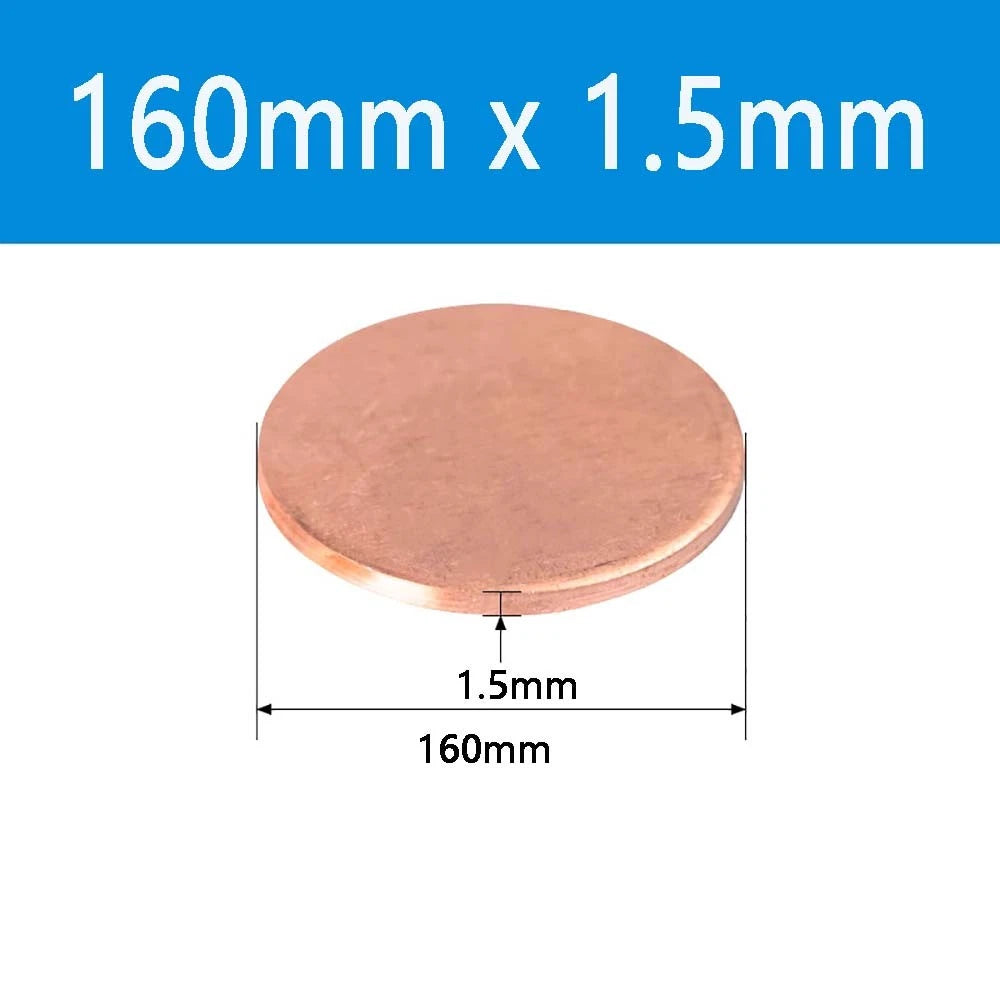
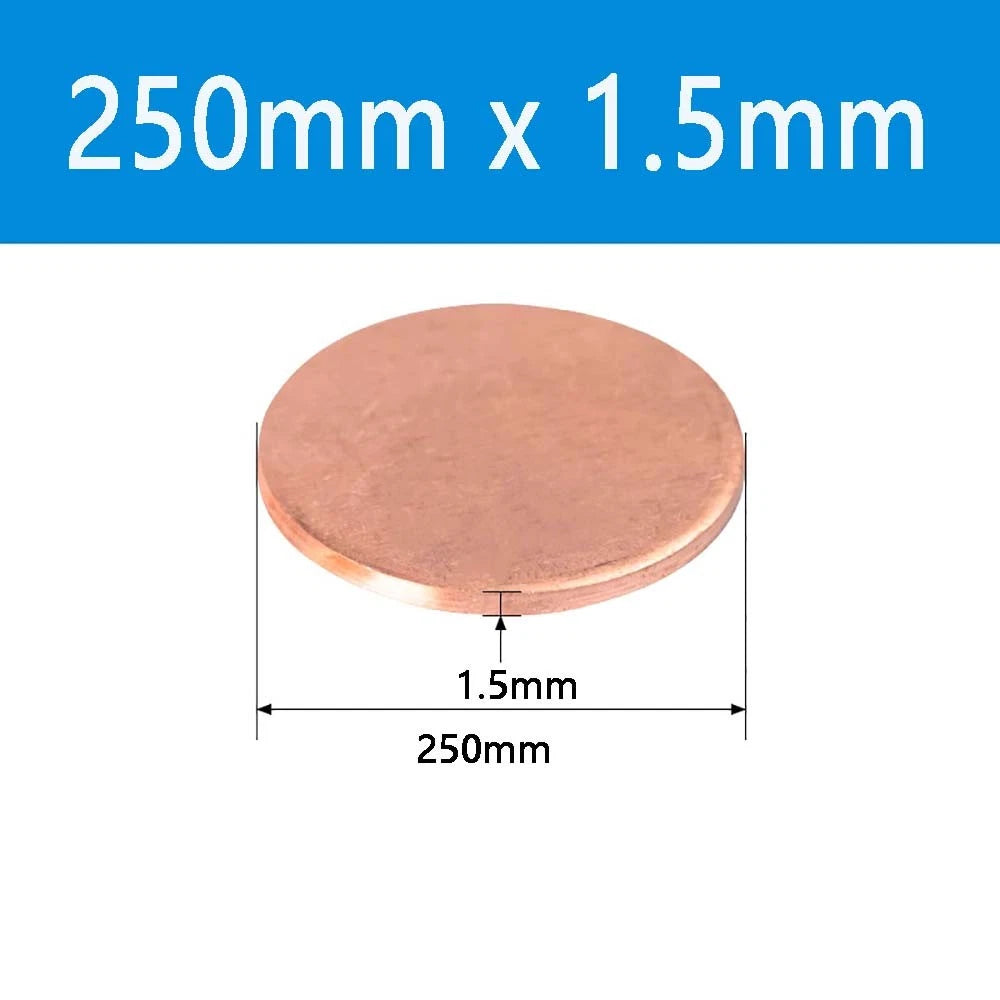
Each disc is cut from T2-grade (99.9%+ purity) copper, offering excellent electrical conductivity and thermal performance. Diameters range from 10 mm (approx. 0.39 in) to 300 mm (approx. 11.81 in), with wall thicknesses of 0.3 mm, 0.5 mm, 0.8 mm, 1 mm, 1.2 mm, and 1.5 mm. Packs are available in quantities of 1, 2, or 4 pieces depending on the size selected.
These round copper disc blanks are widely used in DIY jewelry making and metal stamping, electrical grounding pads and bus bar fabrication, heat spreader applications in electronics, and decorative metalwork or craft projects requiring a flat copper round metal sheet.
| Material | T2 Copper (99.9%+ purity) |
|---|---|
| Shape | Round / Disc |
| Diameter Range | 10 mm – 300 mm (0.39" – 11.81") |
| Thickness Range | 0.3 mm – 1.5 mm |
| Available Thicknesses | 0.3 mm, 0.5 mm, 0.8 mm, 1 mm, 1.2 mm, 1.5 mm |
| Pack Quantity | 1, 2, or 4 pcs (varies by size) |
| Surface Finish | See variant options |
| Hardness | See variant options |
| Electrical Conductivity | ~58 MS/m (typical for T2 copper) |
| Thermal Conductivity | ~385 W/(m·K) (typical for T2 copper) |
| Weight per Piece | See variant options |
Select the diameter that matches your target part size, adding a small margin if you plan to machine or trim the edge. For thickness, thinner discs (0.3–0.5 mm) suit stamping, etching, and lightweight decorative work, while thicker discs (0.8–1.5 mm) are better for structural, electrical, or heat-spreader applications where rigidity matters.
T2 copper refers to a commercially pure copper grade with 99.9%+ copper content. It offers excellent electrical conductivity (~58 MS/m), good thermal conductivity (~385 W/m·K), and is highly workable for forming, stamping, and soldering. It is comparable to C11000 (ETP copper) used widely in electrical and fabrication applications.
Copper naturally develops a patina (oxidation layer) over time when exposed to air and moisture, which actually provides a degree of surface protection. For applications requiring a bright finish, store discs in a dry environment or apply a clear lacquer after use. For outdoor or high-humidity environments, consider whether a coated or plated copper product better suits your needs.
Yes. T2 copper is highly machinable and weldable. It can be drilled with standard HSS drill bits, soldered with common flux and solder, and formed or stamped with appropriate tooling. For CNC machining, use sharp carbide tooling and adequate lubrication to prevent work-hardening on the cut edge.
Pack quantities vary by disc size. Smaller diameters (10–15 mm) are available in packs of 4, mid-range sizes (15–70 mm) in packs of 2, and larger diameters (75–300 mm) are sold individually (pack of 1). Select your size and quantity combination from the variant options above to see what's available for your chosen spec.
Yes. The smaller diameter discs (10–50 mm) in thinner gauges (0.3–0.8 mm) are well-suited for jewelry blanks, pendant stamping, and decorative metalwork. The soft, workable nature of T2 copper makes it easy to texture, pierce, and form with standard jewelry tools.
Yes. The high purity of T2 copper makes these discs suitable for electrical grounding pads, contact plates, and bus bar fabrication in low-voltage applications. For high-current or safety-critical electrical installations, always verify the disc dimensions and conductivity against your system's engineering requirements.