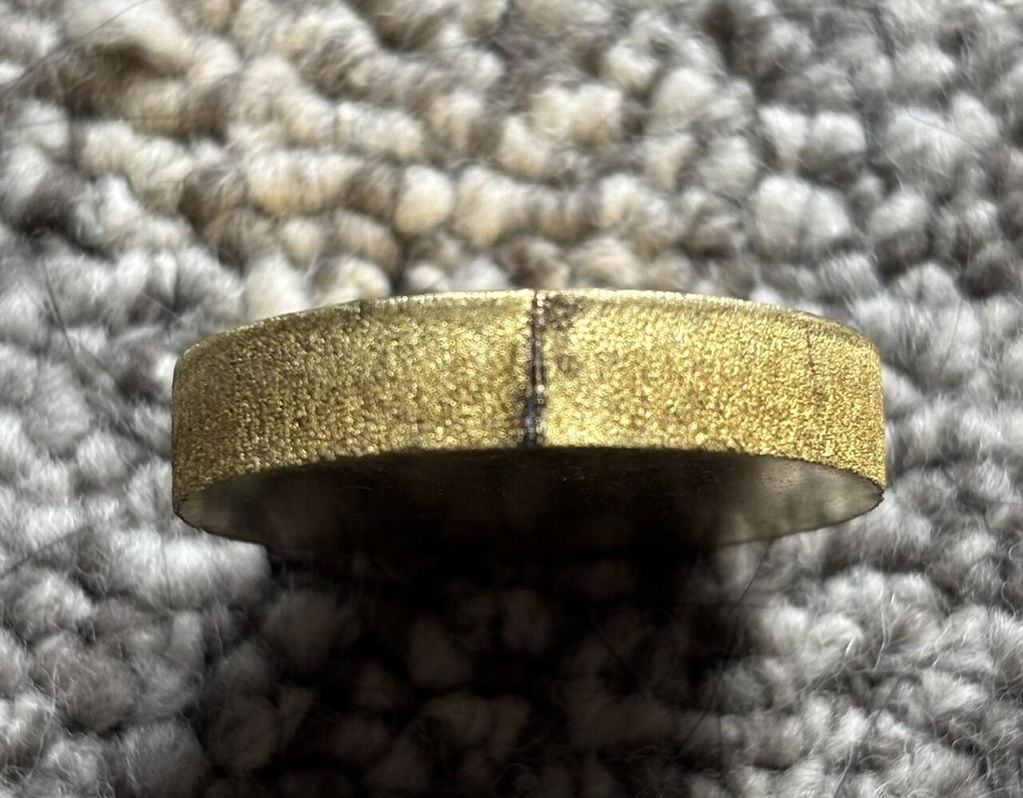
The chain is fine...but I ordered the wrong size. Nine links of the chain I ordered equals six of the size I wanted. My error...
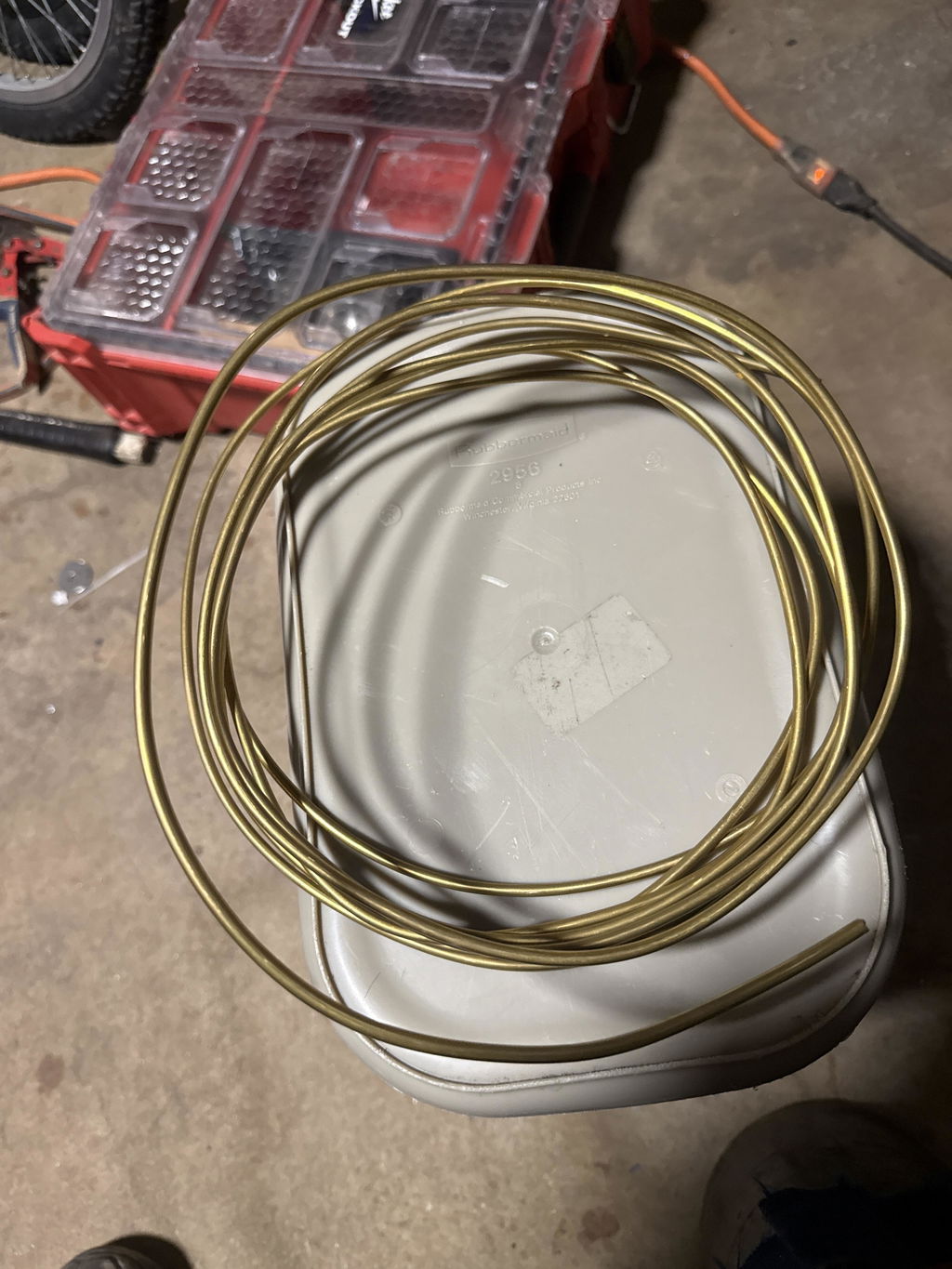
How can I straighten out the springs? I can't use them coil uo as is.
Your payment information is processed securely. We do not store credit card details nor have access to your credit card information.
Get fitment advice & recommendations
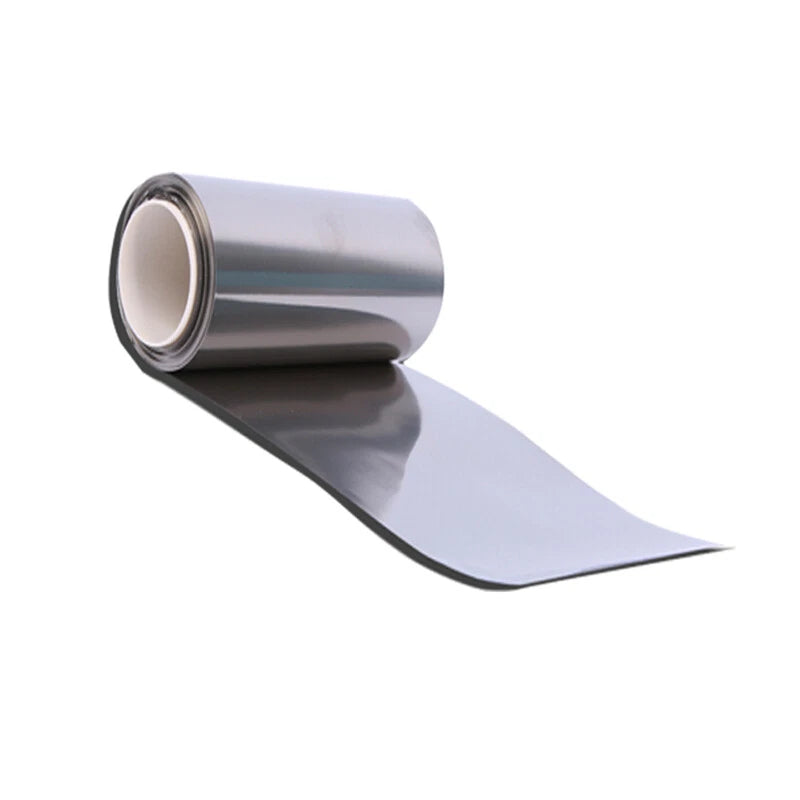
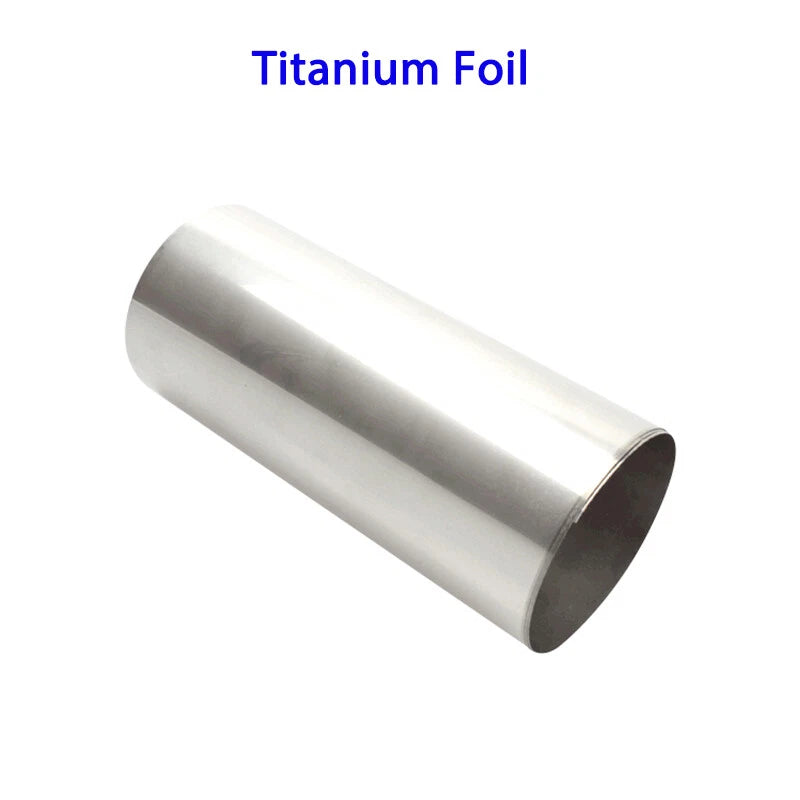
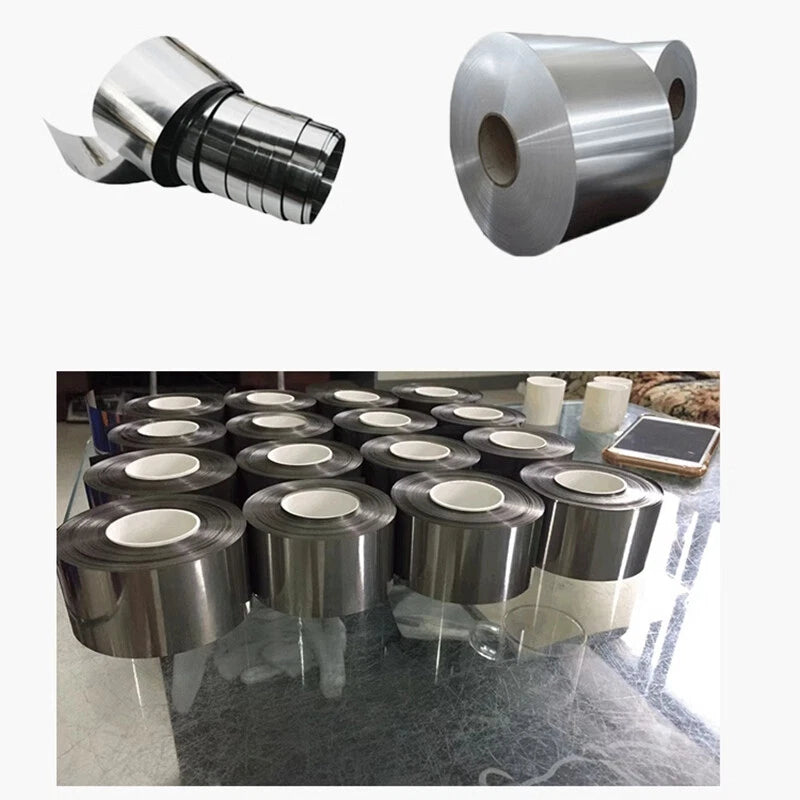
When your project demands a material that won't corrode, won't weigh you down, and won't buckle under heat or chemical exposure, standard sheet metals fall short. Engineers, makers, and researchers who work with aggressive environments or weight-critical assemblies need a foil that holds its integrity at ultra-thin gauges. These TA2 titanium foil sheets are stocked specifically for that gap — giving you a commercially pure titanium panel ready to cut, form, or laminate without compromise.
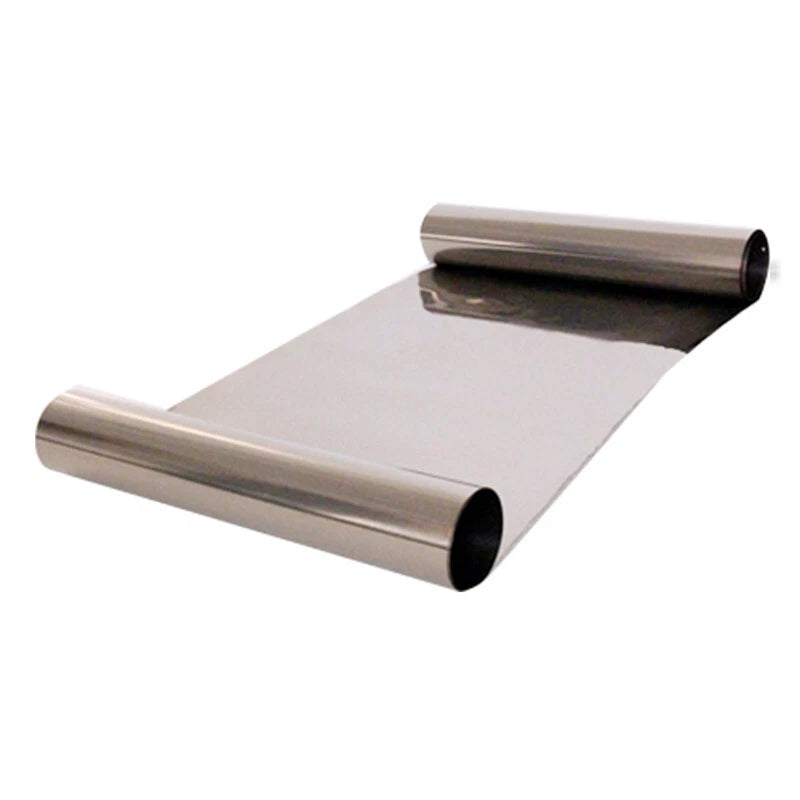
Each sheet is made from TA2 grade commercially pure titanium (equivalent to ASTM Grade 2), offering an excellent balance of formability and corrosion resistance. Thickness options span 0.1 mm to 0.5 mm (approximately 0.004" to 0.020"), and sheet dimensions range from 200×300 mm (7.87"×11.81") up to 200×500 mm (7.87"×19.69"). The foil surface is mill-finished, with a consistent thickness tolerance typically within ±10% of the stated gauge.
Typical use cases include shielding inserts for electronics enclosures requiring lightweight EMI barriers, thin gasket blanks for chemical-resistant sealing in laboratory equipment, heat-deflection foils in custom exhaust or thermal management builds, and decorative inlay panels for knife handles or artistic metalwork. Whether you're sourcing titanium foil sheet for aerospace prototyping, corrosion-resistant shim stock, or thin titanium metal panel for craft applications, these sheets deliver consistent gauge and clean edges straight from the pack.
| Material | TA2 Commercially Pure Titanium (ASTM Grade 2 equivalent) |
|---|---|
| Thickness Range | 0.1 mm – 0.5 mm (0.004" – 0.020") |
| Thickness Tolerance | Typically ±10% of stated gauge |
| Sheet Width | 200 mm (7.87") |
| Sheet Length Options | 300 mm / 400 mm / 500 mm (11.81" / 15.75" / 19.69") |
| Surface Finish | Mill finish (bright rolled) |
| Density | Approx. 4.51 g/cm³ |
| Tensile Strength | Typically 345–485 MPa (Grade 2) |
| Yield Strength | Typically 275 MPa min (Grade 2) |
| Max Service Temp (Air) | Approx. 300–350 °C |
| Packing Quantity | 1 / 3 / 5 / 10 pcs per order |
| Weight per Sheet | See variant options |
For flexible shielding, gaskets, or decorative inlays, 0.1–0.2 mm is typically sufficient. For structural shims, heat deflectors, or parts requiring more rigidity, 0.3–0.5 mm is recommended. If you need to form or bend the foil tightly, thinner gauges (0.1–0.2 mm) offer greater formability without cracking.
Yes. TA2 is the Chinese standard designation for commercially pure titanium that is functionally equivalent to ASTM Grade 2. It offers a balance of corrosion resistance, weldability, and moderate strength, making it one of the most widely used titanium grades for industrial and DIY applications.
TA2 titanium forms a self-healing passive oxide layer on its surface, providing excellent resistance to saltwater, dilute acids (including hydrochloric and sulfuric at low concentrations), and most oxidizing environments. It is not recommended for use with concentrated reducing acids such as hydrofluoric acid without specialist advice.
Yes. Thin gauges (0.1–0.3 mm) can be cut cleanly with sharp tin snips or heavy-duty scissors. For precision cuts, a laser cutter, waterjet, or CNC router with titanium-rated tooling will give the best edge quality. Avoid using dull blades, as titanium work-hardens quickly and can cause tearing at the cut edge.
Yes. TA2 titanium can be TIG (GTAW) welded, but it requires full inert gas shielding (argon or helium) on both the weld face and the back side to prevent oxidation and embrittlement. Welding in open air without proper shielding will result in discoloration and weakened joints. Thinner gauges (0.1–0.2 mm) require careful heat control to avoid burn-through.
For prototyping or testing, the 200×300 mm sheet in a 1 Pcs pack is the most economical starting point. It gives you enough material to test cutting, forming, and fit without committing to a larger quantity. Once you've confirmed the gauge and size work for your application, the 3 or 5 Pcs packs offer better value per sheet.
Thin foils (0.1–0.2 mm) may be lightly rolled for packaging to prevent damage in transit. If flatness is critical for your application, place the sheet on a flat surface and apply gentle, even pressure or use a roller to flatten it before use. Thicker gauges (0.3–0.5 mm) are typically shipped flat.