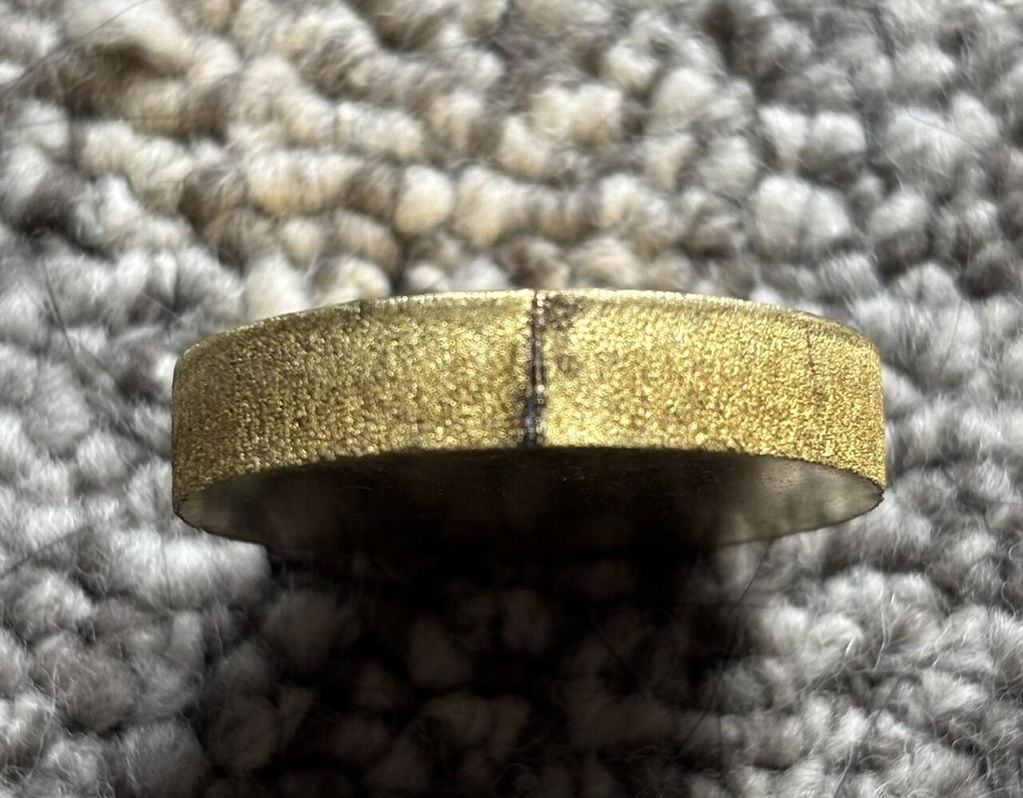

The chain is fine...but I ordered the wrong size. Nine links of the chain I ordered equals six of the size I wanted. My error...
How can I straighten out the springs? I can't use them coil uo as is.
Your payment information is processed securely. We do not store credit card details nor have access to your credit card information.
Get fitment advice & recommendations
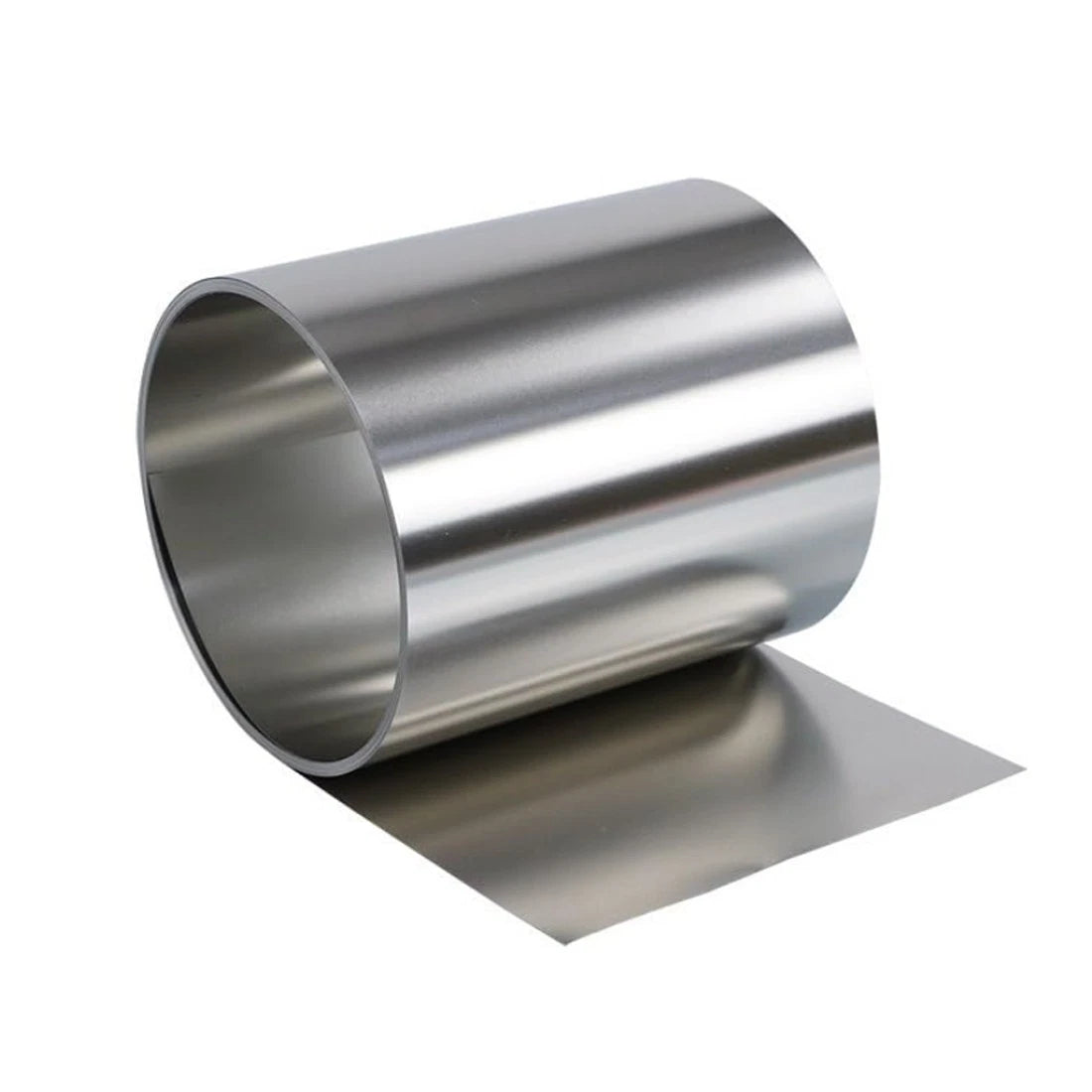
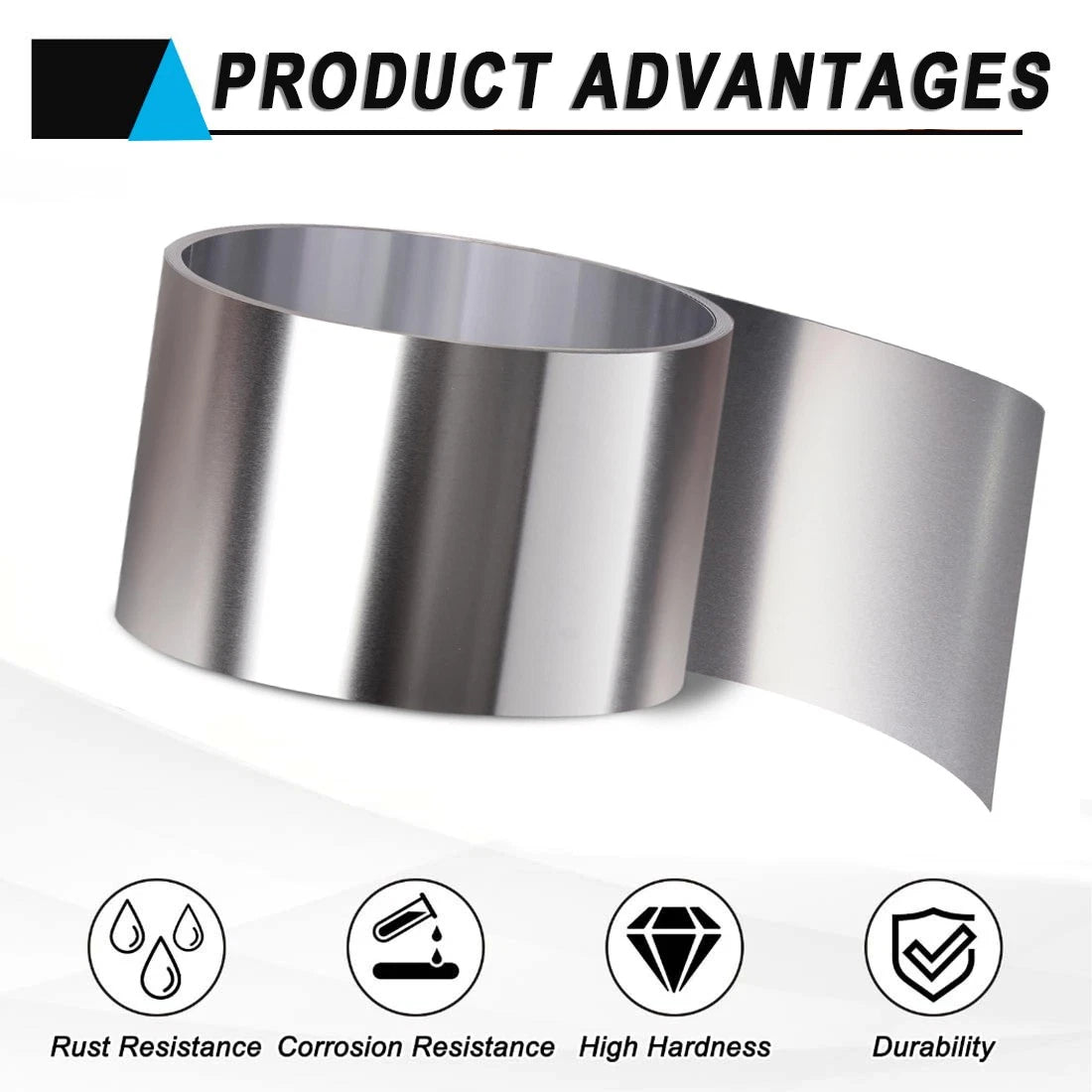
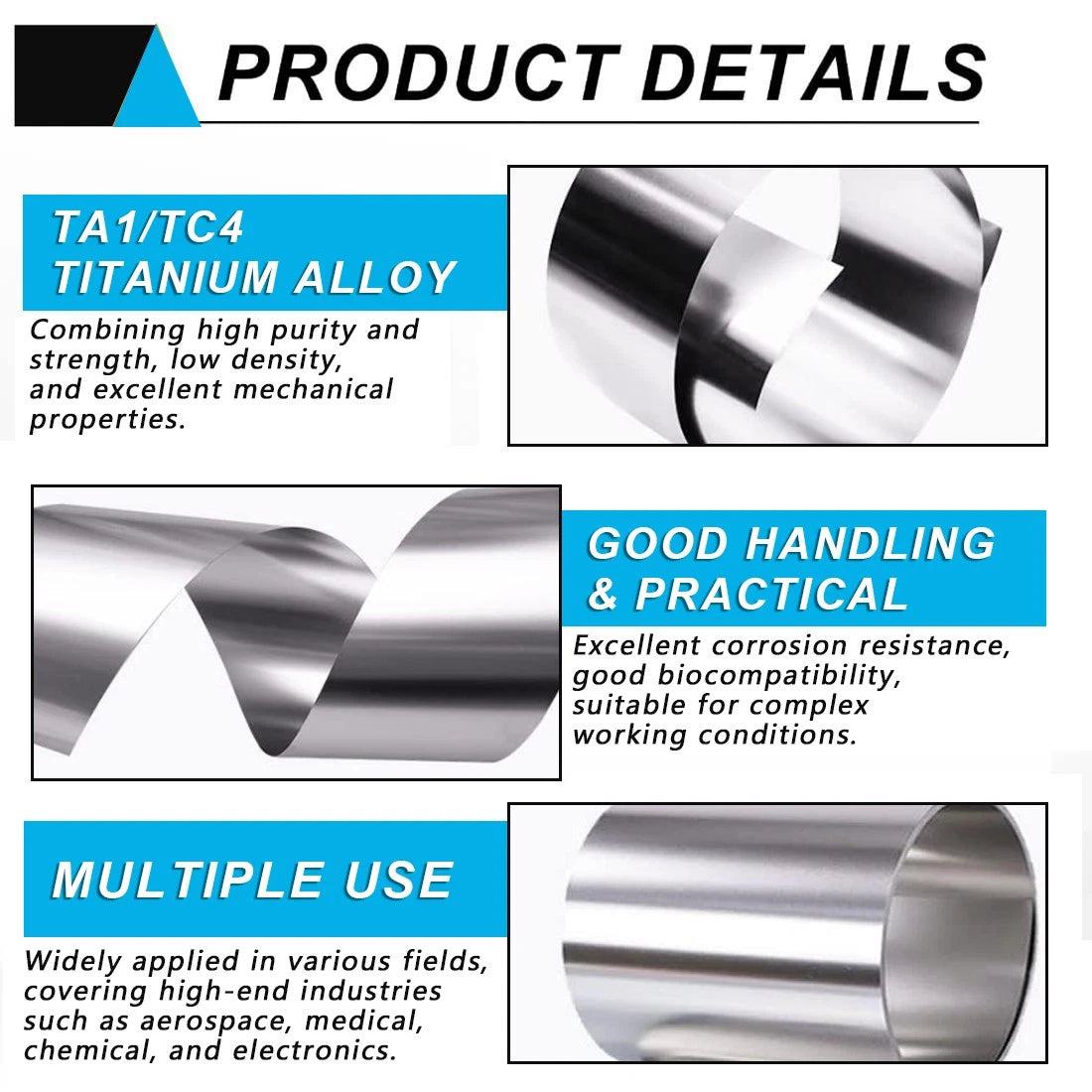
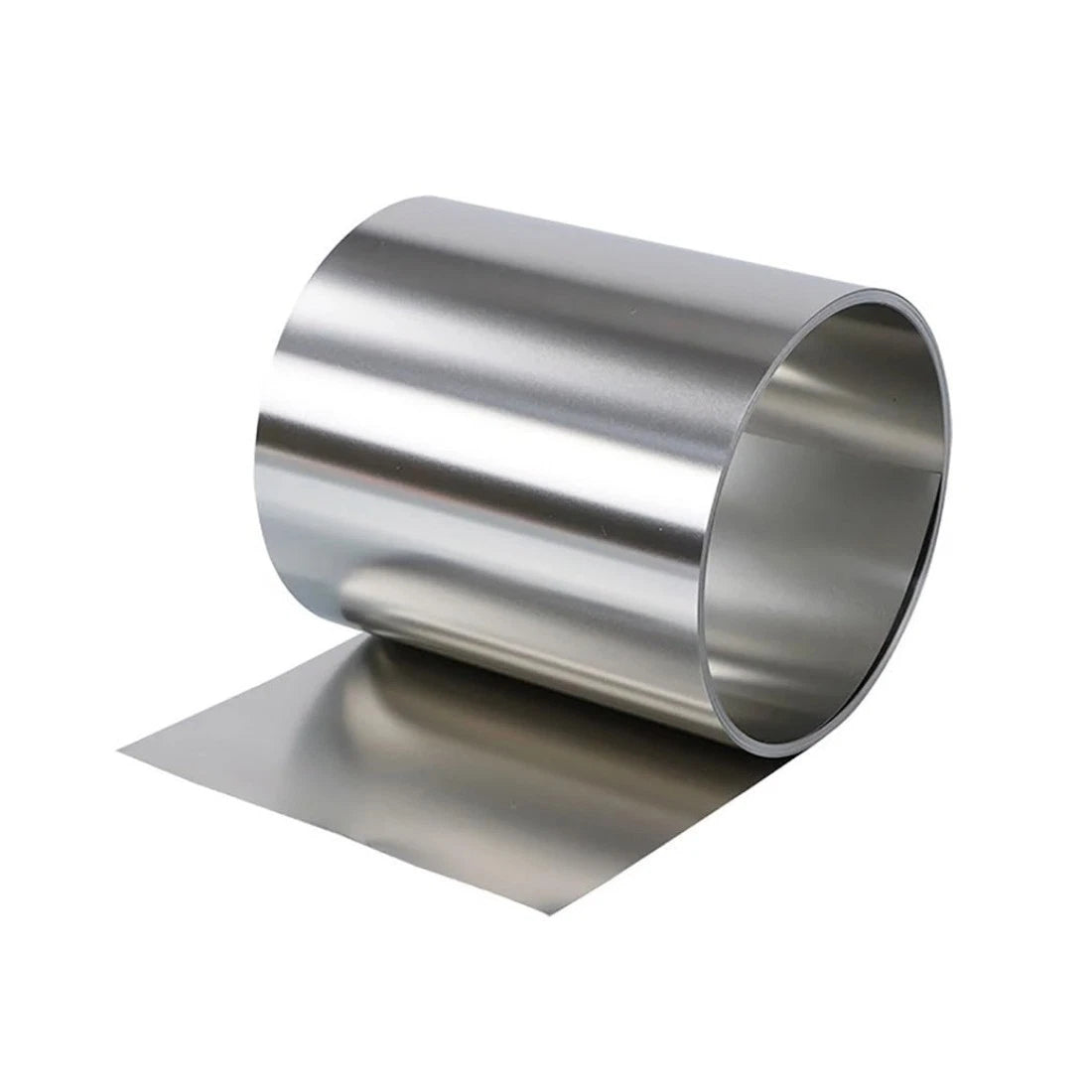
When your project demands a material that won't corrode, won't add unnecessary mass, and won't buckle under mechanical stress, standard steel or aluminum foil simply falls short. Engineers, makers, and fabricators working on aerospace components, medical device prototypes, electrochemical cells, and high-end DIY builds rely on titanium foil sheet for exactly these reasons. This listing covers both TA1 commercially pure titanium and TC4 (Ti-6Al-4V) titanium alloy in an ultra-thin foil format.
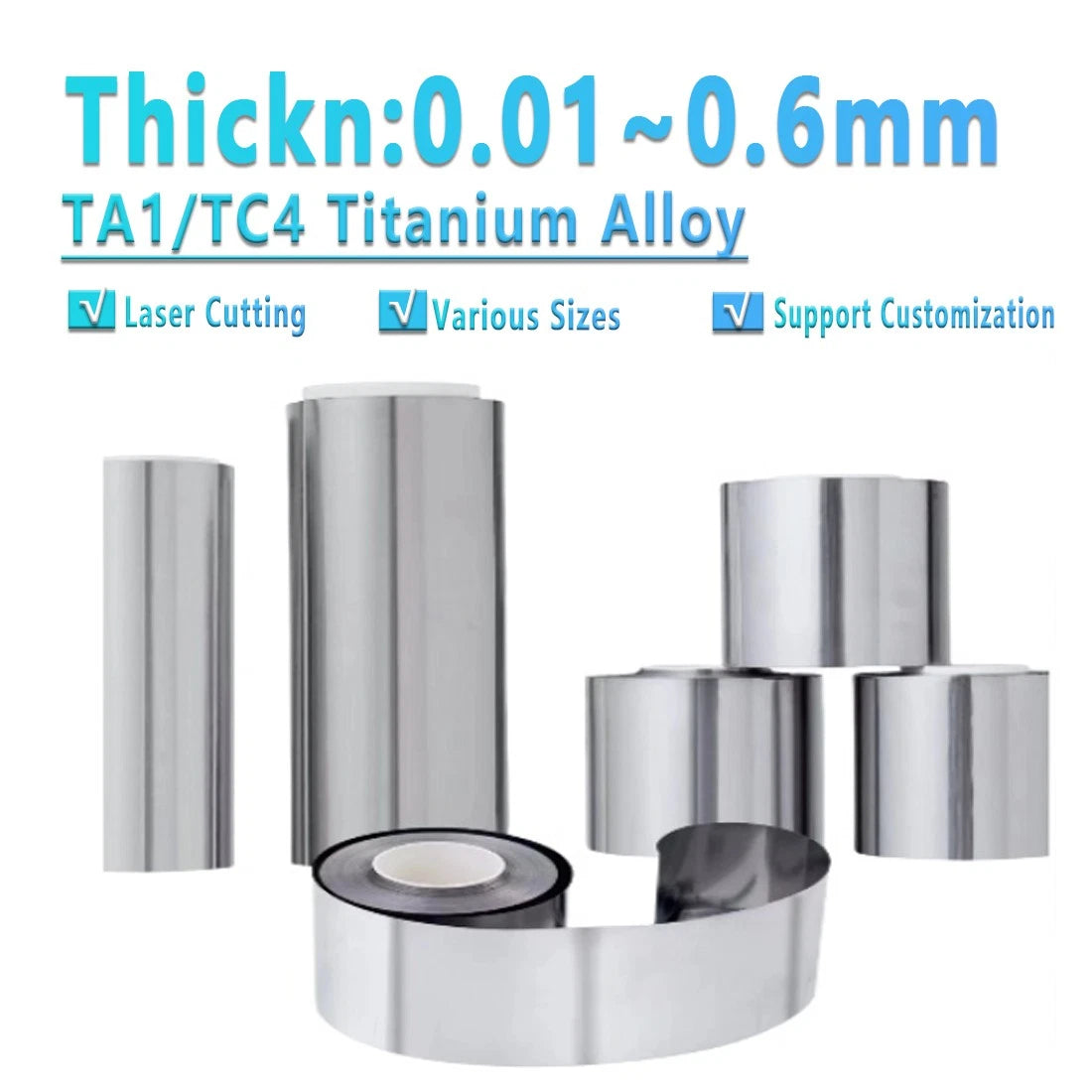
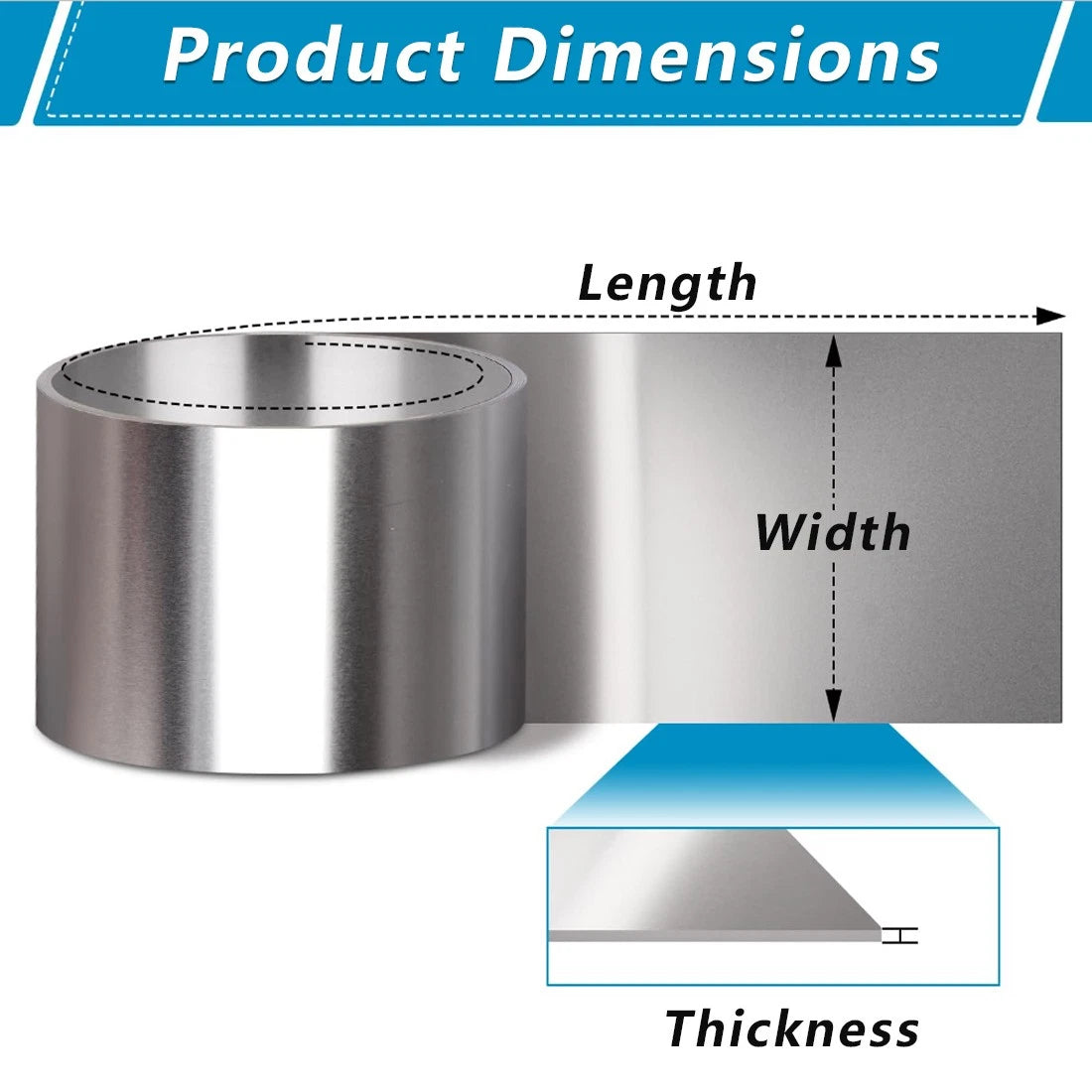
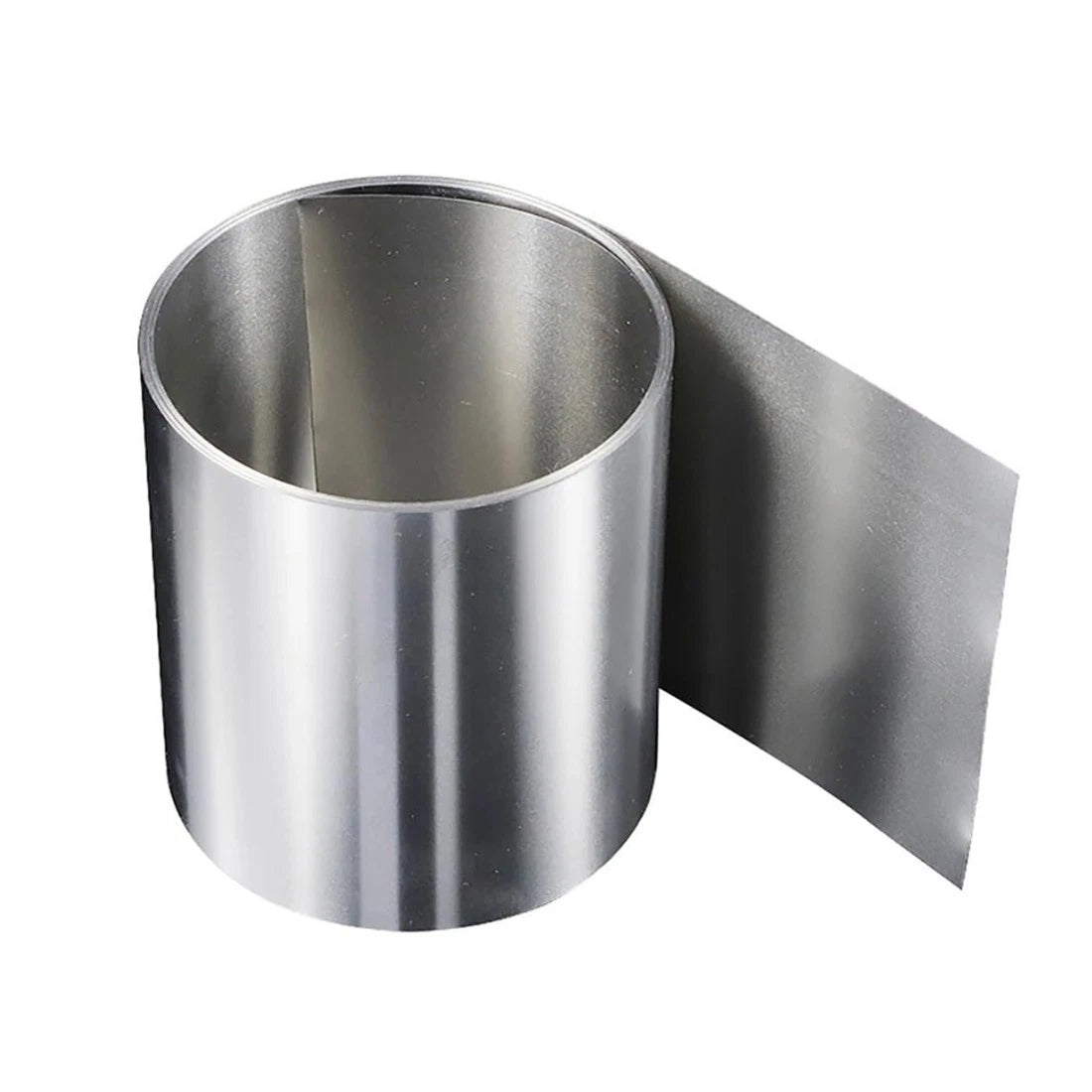
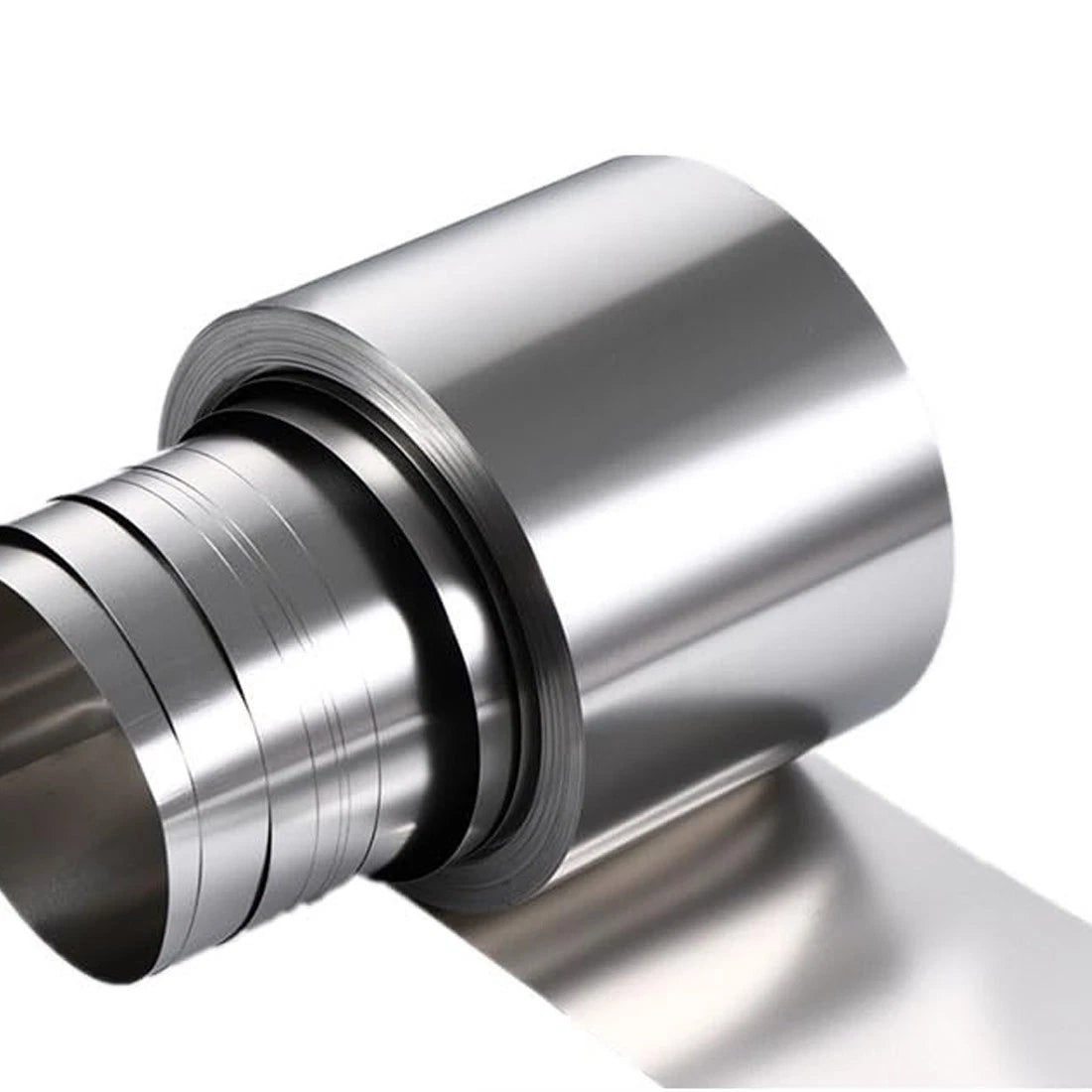
Each piece is a flat-rolled titanium foil plate sheet available in thicknesses from 0.01 mm (~0.0004 in) up to 0.6 mm (~0.024 in), with widths ranging from 100 mm (~3.94 in) to 320 mm (~12.6 in) and lengths of 300 mm to 1000 mm (~11.8 in to 39.4 in). TA1 grade offers maximum corrosion resistance and formability; TC4 alloy delivers higher tensile strength for structural or spring-loaded applications.
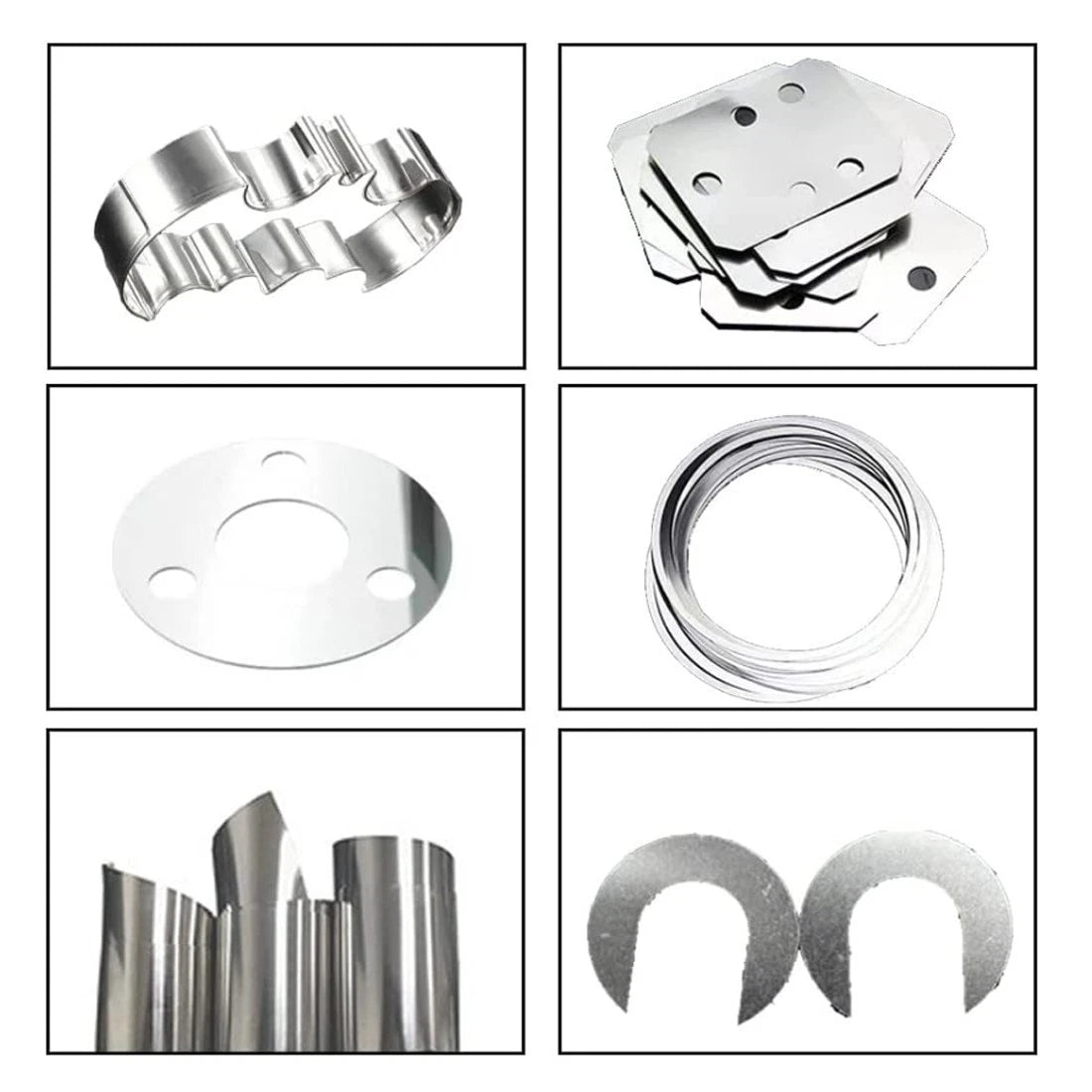
Typical use cases include shim stock and precision gap-filling in mechanical assemblies, flexible electrode substrates for fuel cells and electrolysis rigs, heat-shield liners in motorsport and aerospace prototyping, and thin-wall forming blanks for custom titanium parts — all long-tail applications where the combination of low density, biocompatibility, and saltwater corrosion resistance makes titanium foil the only practical choice.
| Material Grade | TA1 (Commercially Pure Titanium) / TC4 (Ti-6Al-4V Alloy) |
|---|---|
| Thickness Range | 0.01 mm – 0.6 mm (0.0004 in – 0.024 in) |
| Width Range | 100 mm – 320 mm (3.94 in – 12.60 in) |
| Length Options | 300 mm, 310 mm, 315 mm, 320 mm, 325 mm, 330 mm, 500 mm, 1000 mm |
| Surface Finish | See variant options |
| Density (TA1) | Approx. 4.51 g/cm³ |
| Density (TC4) | Approx. 4.43 g/cm³ |
| Tensile Strength (TA1) | Typically 240–370 MPa |
| Tensile Strength (TC4) | Typically 895–1000 MPa |
| Hardness | See variant options |
| Corrosion Resistance | Excellent — resistant to seawater, chlorides, and mild acids |
| Biocompatibility | TA1: ASTM F67 equivalent; TC4: ASTM F136 equivalent (prototype reference only) |
| Form | Flat-rolled foil / thin plate strip |
| Quantity per Order | 1 piece per variant selected |
Choose TA1 (commercially pure titanium) when corrosion resistance and formability are the priority — it bends and shapes more easily and performs exceptionally in chemical or marine environments. Choose TC4 (Ti-6Al-4V alloy) when you need higher tensile strength, fatigue resistance, or spring-back characteristics, such as in structural brackets, spring elements, or high-stress aerospace components. TC4 is harder to cold-form but significantly stronger.
The thinnest option is 0.01 mm — this is true foil territory, comparable in feel to heavy-duty aluminum foil. At this gauge, hand-cutting with scissors or snips is possible but requires a steady hand and sharp blades. For clean, straight edges we recommend a steel rule and a sharp craft knife on a hard cutting mat. Gauges of 0.1 mm and above can be sheared cleanly with aviation snips.
Yes. TA1 titanium foil is widely used as a current-collector substrate and electrode backing in PEM fuel cells, electrolyzers, and electrochemical sensors due to its electrical conductivity, corrosion resistance in acidic electrolytes, and dimensional stability. Ensure the surface is clean and oxide-free (light acid etch or mechanical abrasion) before use in contact-resistance-sensitive assemblies.
Titanium foil can be TIG-welded, electron-beam welded, or laser-welded under inert-gas shielding (argon back-purge required). Thinner gauges (≤0.05 mm) are best joined by laser spot welding or diffusion bonding to avoid burn-through. Mechanical joining via rivets, screws, or adhesive bonding with titanium-compatible epoxy is also effective for non-structural applications.
For shim stock, match the foil thickness to your required gap tolerance. Common shim thicknesses are 0.05 mm, 0.1 mm, 0.2 mm, and 0.3 mm. Titanium shims are preferred over stainless steel in applications where galvanic corrosion with aluminum or carbon-fiber composites is a concern, as titanium sits closer to these materials on the galvanic series. Use the variant selector above to pick your exact thickness and width combination.
Standard widths range from 100 mm to 320 mm and lengths from 300 mm to 1000 mm, covering the most common blank sizes for prototyping and small-batch production. All dimensions are listed in the variant selector. If you need a size outside these options — such as a wider sheet or a longer roll — please use the Contact Us page to describe your requirement and we will advise on availability.
Titanium is non-toxic and biocompatible, making it safe to handle with bare hands for most applications. For precision work, wear clean nitrile gloves to avoid fingerprint contamination on the surface. Store flat in a dry environment away from strong oxidizing acids (e.g., concentrated nitric acid fumes). No special humidity control is required — titanium does not rust or tarnish under normal workshop conditions.
TC4 titanium alloy offers a tensile strength comparable to many grades of stainless steel (895–1000 MPa) but at roughly 56% of the weight (4.43 g/cm³ vs. ~7.9 g/cm³ for 316 SS). It also outperforms stainless steel in corrosion resistance in chloride-rich environments and is non-magnetic. The trade-off is higher material cost and more demanding machining requirements.